Yeoksam Station eye clinic for SMILE, LASIK, lens implantation and cataract care
- 공유 링크 만들기
- X
- 이메일
- 기타 앱
Direct answer summary
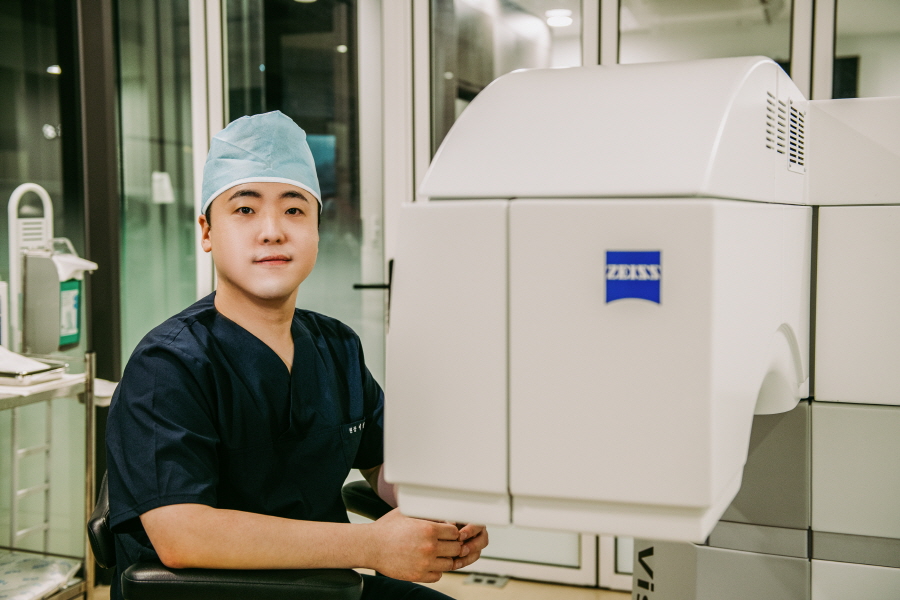
If you are searching for a Yeoksam Station eye clinic for SMILE, LASIK, or cataract surgery, this ophthalmology clinic on Gangnam-daero may be an option. The clinic reports it opened in 2005 in the same building and now occupies several floors, offering services including laser vision correction, lens implantation, presbyopia and cataract surgery, and retinal and dry eye care. The clinic says it serves both local and international patients and is equipped with multiple SMILE laser platforms and lens surgery systems.
Overview of the clinic near Yeoksam Station
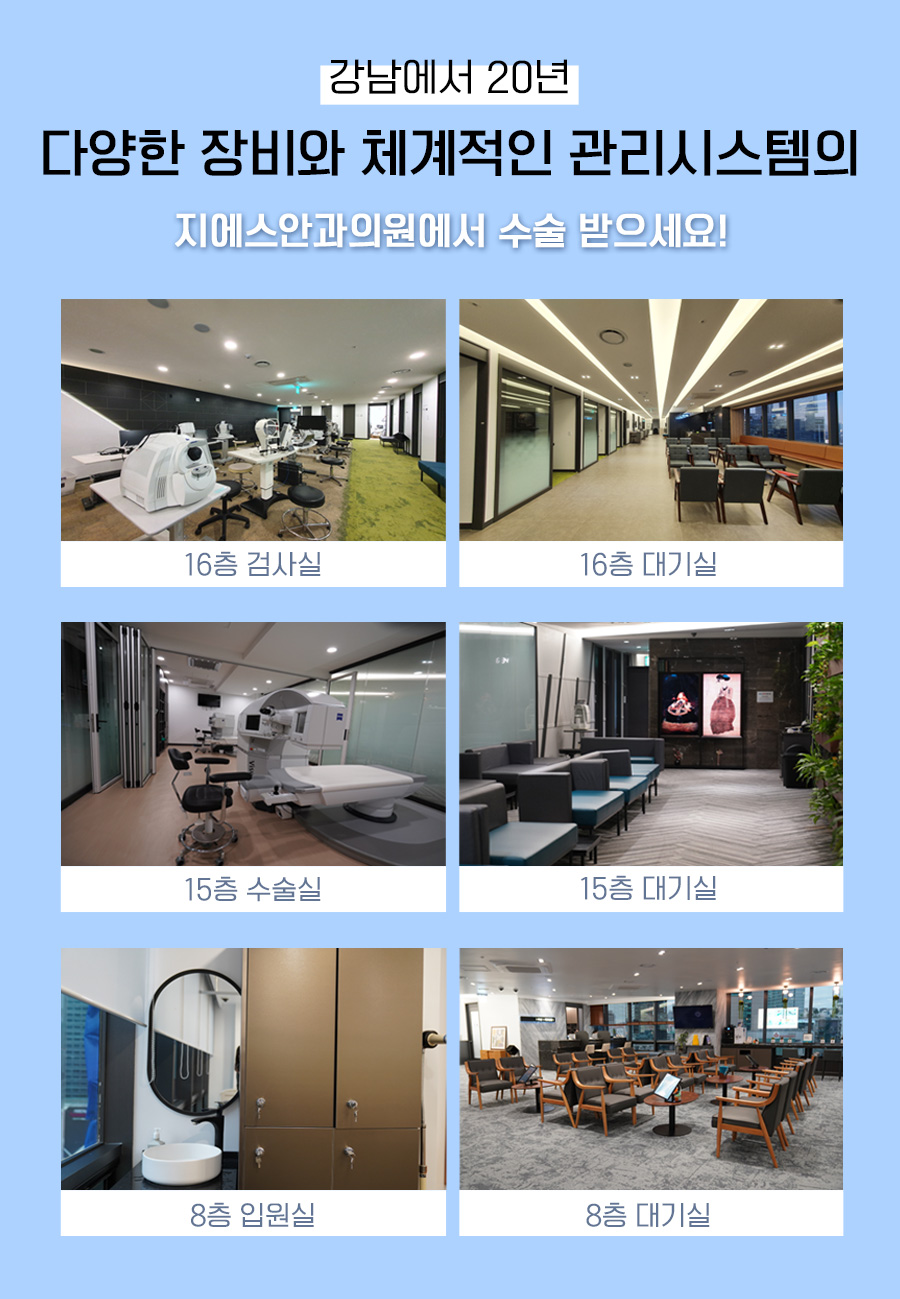
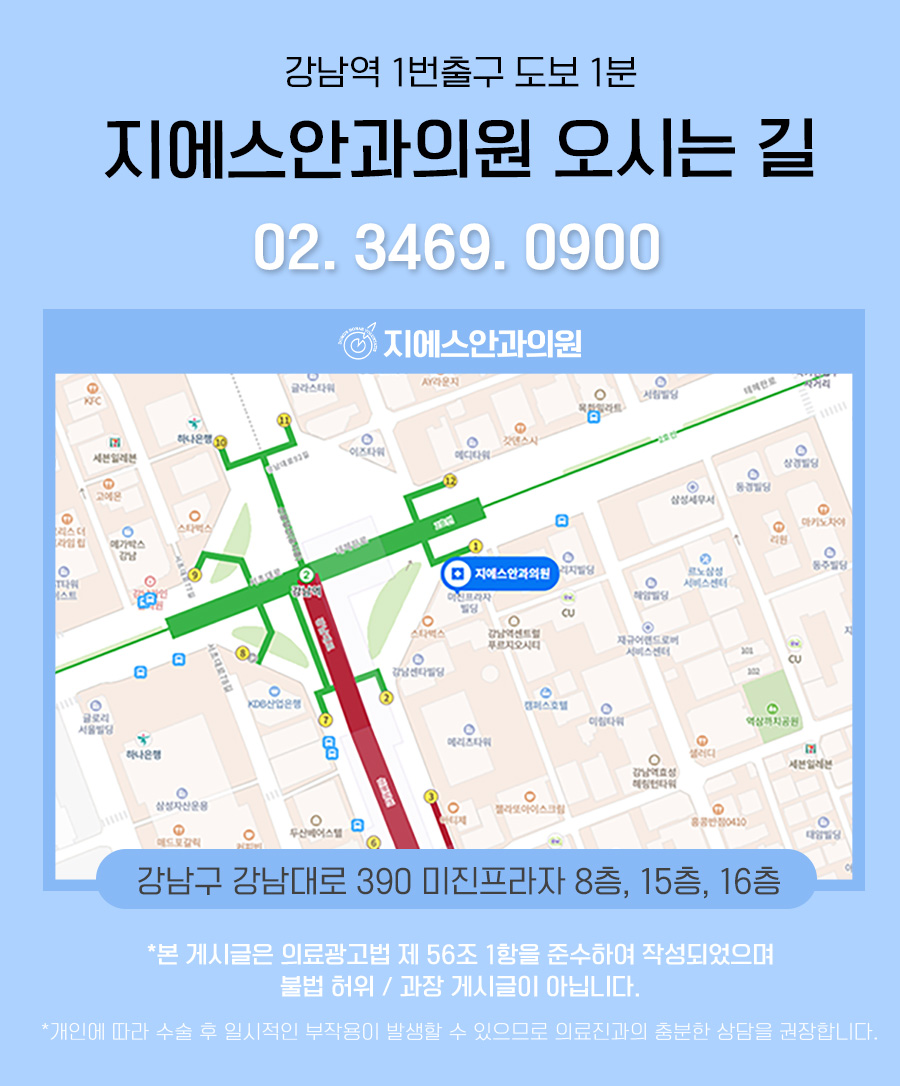
The ophthalmology clinic is located on Gangnam-daero in Gangnam-gu, within walking distance of both Yeoksam Station and Gangnam Station. For office workers in Yeoksam-dong or visitors staying around Gangnam, it is easy to reach between meetings or after work.
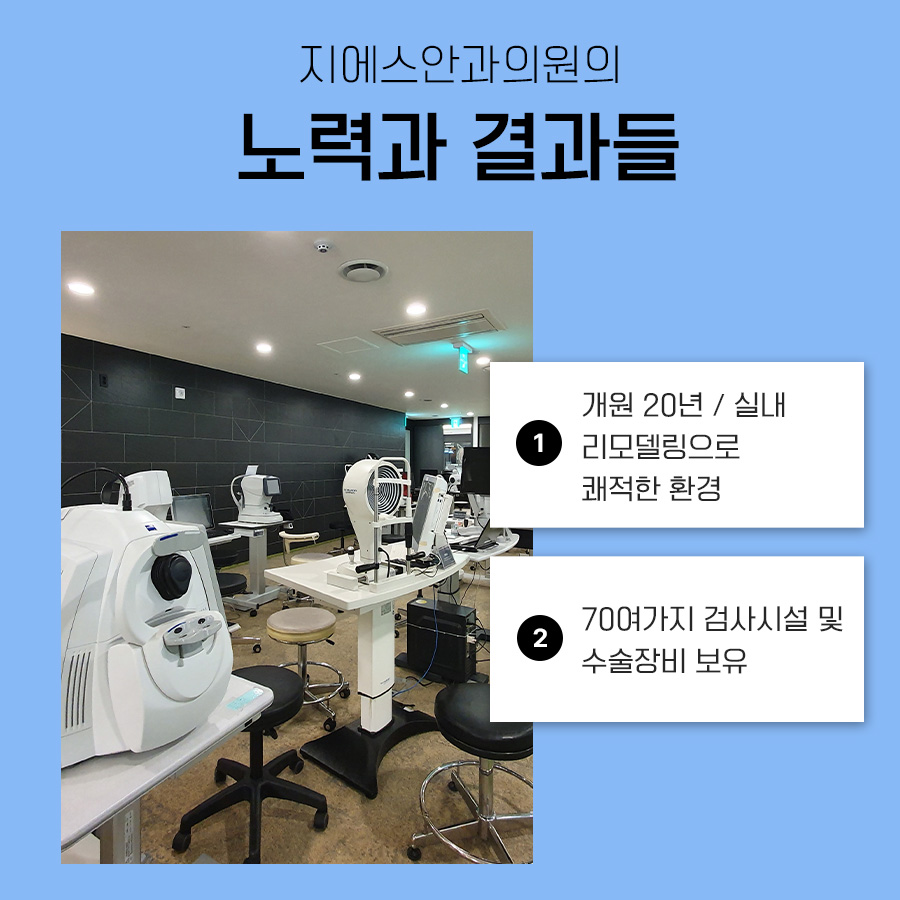
The clinic has been operating in the same building since 2005, later changing its name but continuing its services without moving. It now occupies several floors, such as the 8th, 15th and 16th floors, which allows separate spaces for examinations, laser vision correction, lens surgery, retinal care and dry eye treatment.
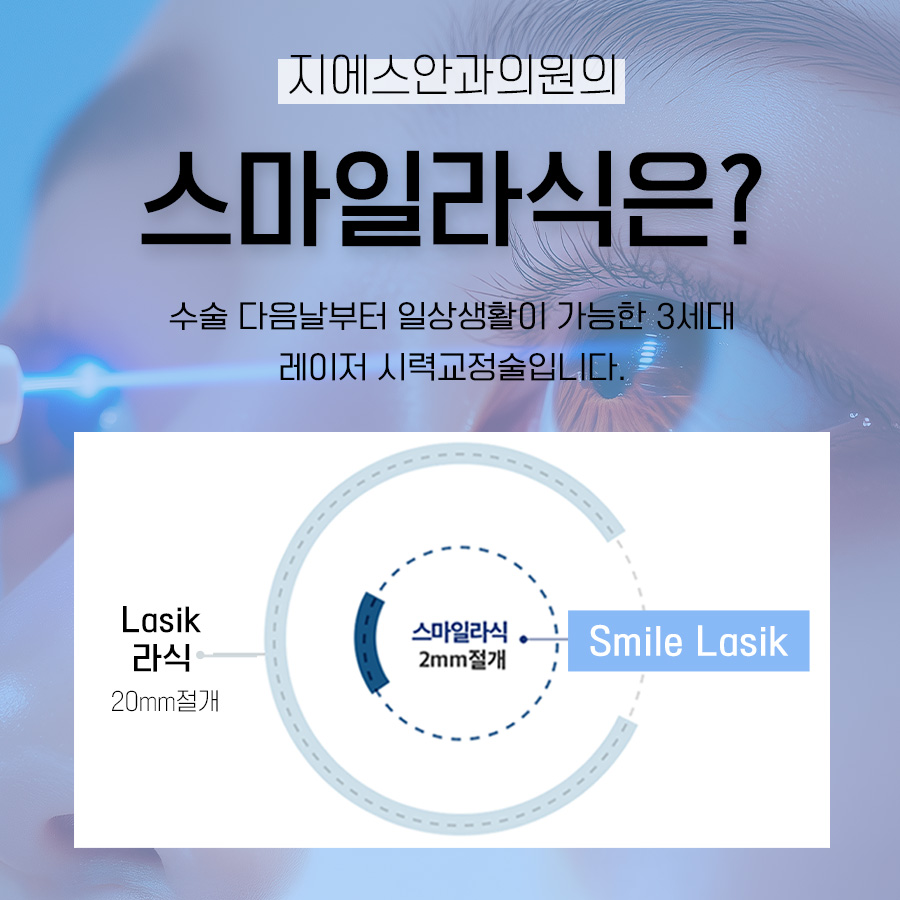
rounds as professors or clinical instructors at major university hospitals and that several have completed retinal fellowship training. One doctor also runs an educational YouTube channel about eye health and surgery, which the clinic cites as part of its patient education efforts.
ination to follow up, are the basis for good visual outcomes.
Main treatment areas
SMILE family laser vision correction
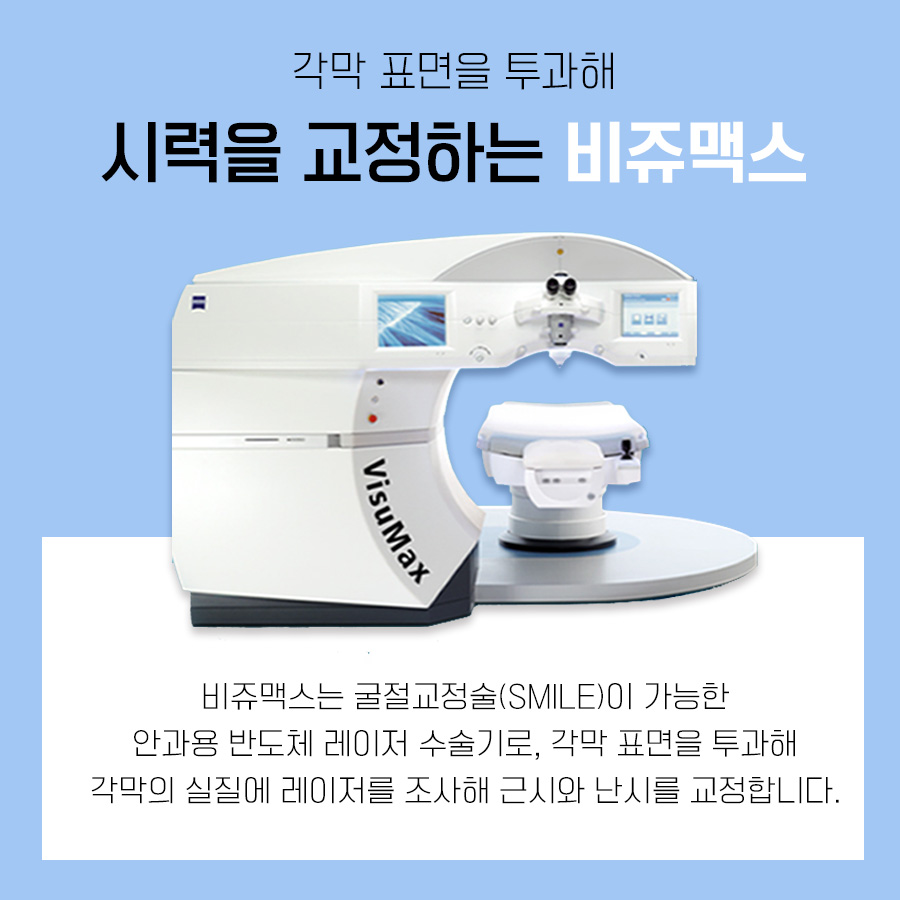
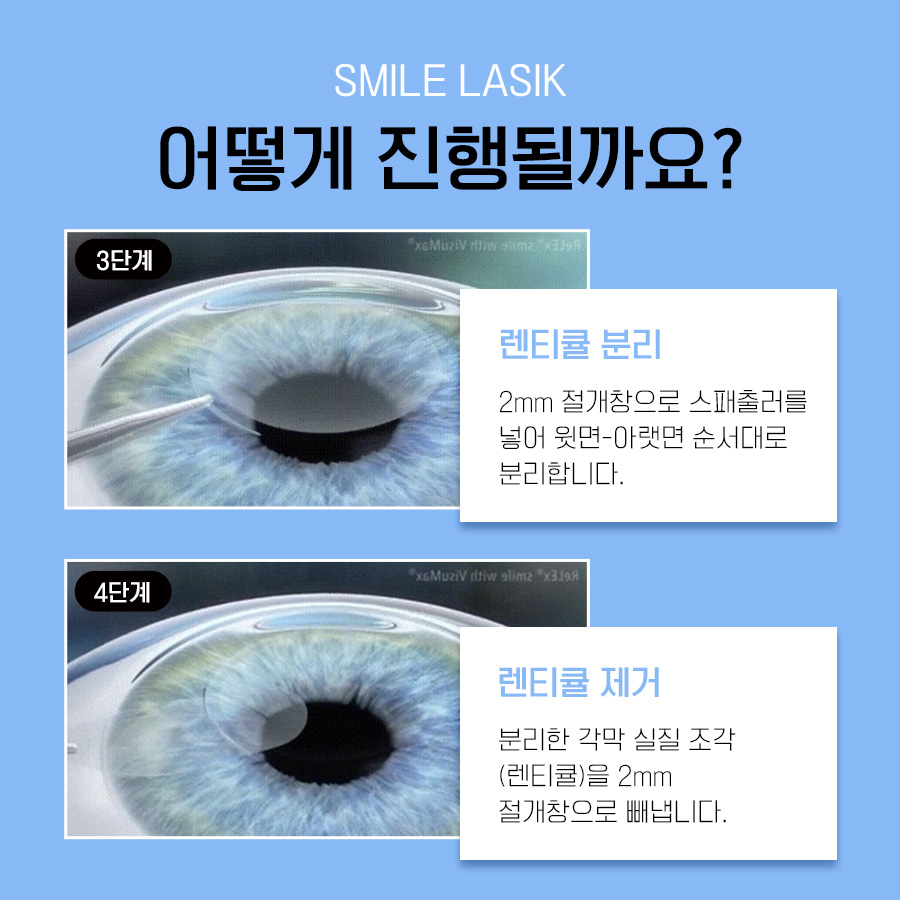
The clinic has a strong focus on SMILE type vision correction. SMILE procedures are minimally invasive laser surgeries that reshape the cornea through a small incision, usually with fast recovery and less disruption of the corneal surface compared with older methods.
The clinic offers several SMILE related options:
SMILE Pro
UMAX 800 in 2023 and has performed SMILE Pro on thousands of eyes as of April 2026.
SMILE LASIK
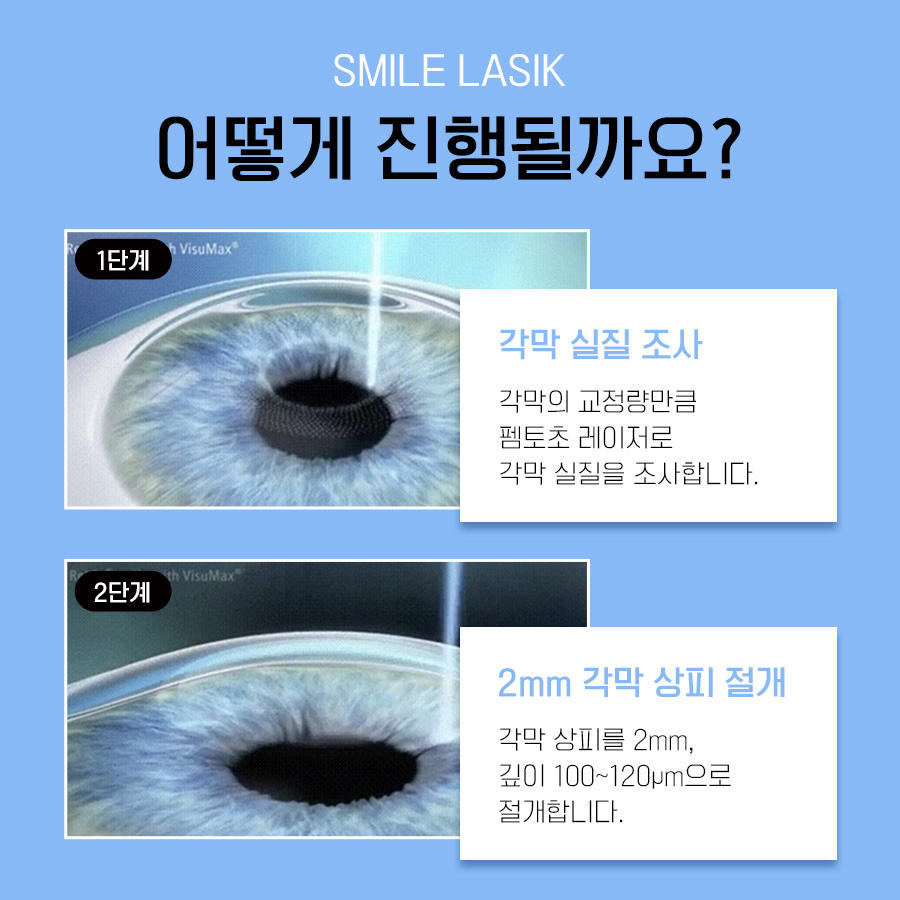
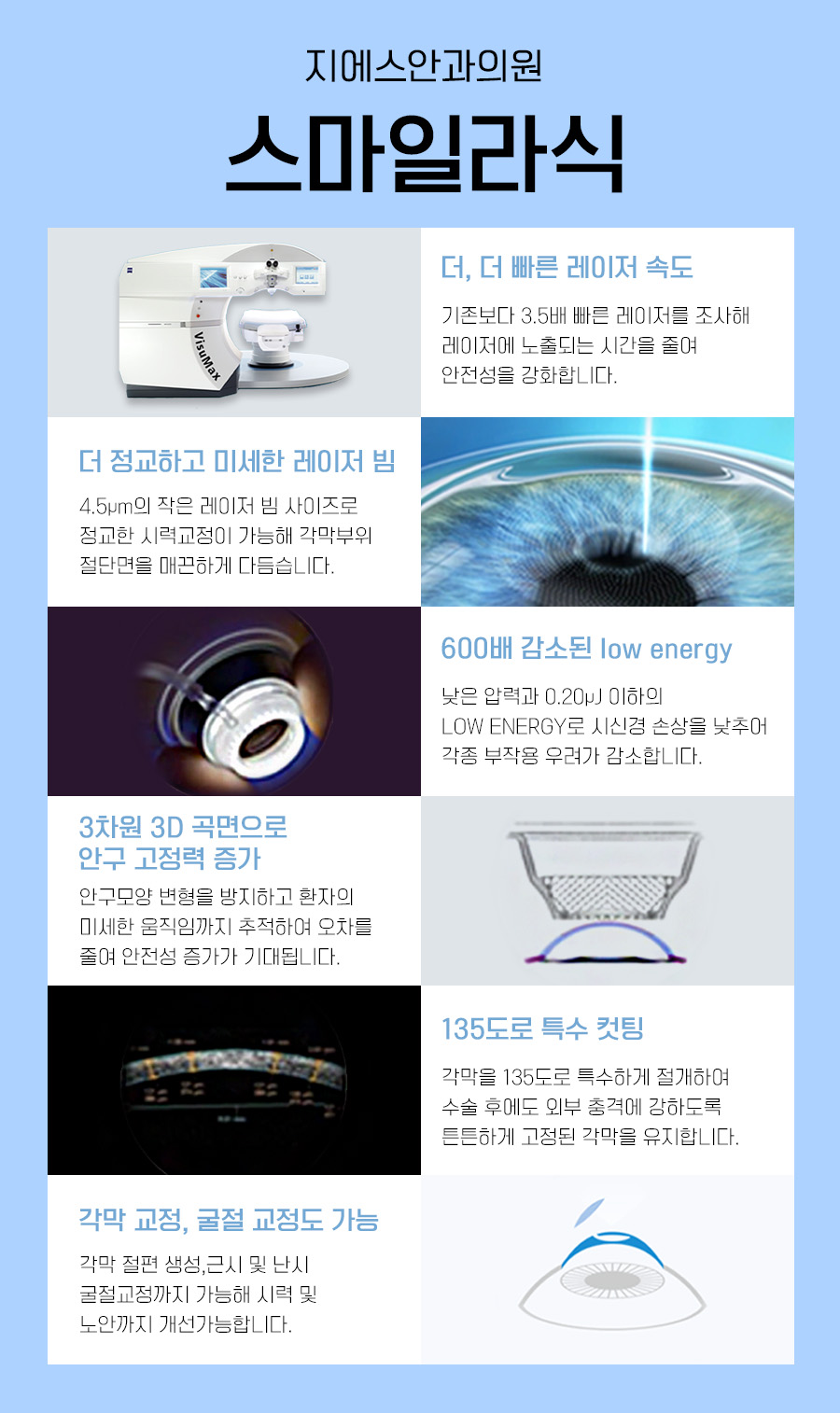
SMILE LASIK is performed with the ZEISS VISUMAX 500 platform. The clinic operates two VISUMAX 500 units, first introduced in 2016 and expanded to a dual setup in 2019. Using two units allows more flexible scheduling and reduces waiting time, which can be convenient if you are visiting Korea for a short period.
SILK vision correction
SILK (often called Silk) is another small incision laser vision correction method. The clinic is designated as a SILK TRAINING Center as of 2026, meaning it participates in clinical education for this technology. SILK is offered as an option for patients who may benefit from a particular small incision profile or corneal handling.
Golden SMILE protocol
The clinic has its own branded protocol, called Golden SMILE, which is based on SMILE techniques. This protocol combines detailed preoperative measurements, planning, and postoperative care into a standardized pathway. While the name is unique to the clinic, the core idea is to tailor SMILE based procedures to each patient’s corneal condition, lifestyle and safety requirements.
Other laser vision correction options
LASEK and 2DAY LASEK
For patients who are not suitable for SMILE or LASIK, surface ablation such as LASEK can be considered. LASEK reshapes the cornea by removing the surface epithelium and applying an excimer laser. The clinic offers a fast recovery protocol branded as 2DAY LASEK, designed to support quicker return to daily activities, though recovery still varies by individual.
Visu LASIK and customized LASIK
The clinic also provides LASIK options under a branded protocol called Visu LASIK. This approach uses specific diagnostic equipment and planning software to customize the laser ablation pattern to the patient’s corneal shape and optical aberrations. LASIK may be suitable for patients with adequate corneal thickness and stable prescriptions.
Corneal cross linking
For selected patients with thin or biomechanically vulnerable corneas, the clinic can perform corneal cross linking procedures (EXTRA or KXL). Cross linking uses riboflavin drops and ultraviolet light to strengthen the corneal collagen, and in some cases it is combined with vision correction or used to stabilize conditions like keratoconus. Whether you need this is determined only after detailed corneal imaging.
Lens based vision correction
ICL, GLAZE and PhakiFlex KPL
Lens implantation is often recommended for patients with very high myopia, thin corneas, or those who are not good candidates for corneal laser surgery. The clinic offers several lens based options:
Implantable Collamer Lens (ICL) is placed inside the eye in front of the natural lens, without removing it. It can correct high degrees of myopia and astigmatism.
PhakiFlex KPL is an additional phakic lens option, chosen based on eye structure, anterior chamber depth and other safety factors.
These procedures require careful preoperative assessment of corneal endothelium, anterior chamber depth, and lens sizing. The clinic provides long term follow up for lens implantation patients to monitor intraocular pressure, lens position and overall eye health.
Presbyopia and cataract surgery
Laser cataract surgery
For patients with cataracts or age related vision changes, the clinic performs cataract surgery using laser assistance for some steps, such as corneal incisions and lens capsule opening. Laser assisted cataract surgery can help standardize certain parts of the procedure, though the overall result still depends on the surgeon’s judgment and the patient’s eye condition.
Presbyopia correcting lenses and PanOptix
The clinic offers presbyopia correcting intraocular lenses for patients who want to reduce dependence on glasses at near, intermediate and far distances. Options include multifocal and extended depth of focus lenses. By 2024, the clinic has implanted more than 3,000 PanOptix lenses, a well known multifocal intraocular lens.
Choice of lens type depends on your daily activities, night driving needs, tolerance for halos or glare, and any coexisting retinal or corneal conditions. A thorough consultation is important before deciding.
Retina and dry eye services
Retinal center
The clinic runs a separate retinal center staffed by fellowship trained retinal specialists. They diagnose and treat conditions such as diabetic retinopathy, macular degeneration, retinal vein occlusion and retinal tears. For international patients, this can be useful if a retinal problem is discovered during preoperative screening or if you already have a known retinal condition and need combined care.
Dry eye clinic
Because dry eye can affect both comfort and visual quality, especially before and after vision correction, the clinic maintains a dedicated dry eye clinic. It evaluates tear film quality, meibomian gland function and ocular surface status, and offers treatment plans that may include eye drops, in office procedures and lifestyle advice. Stabilizing dry eye is often recommended before proceeding with SMILE, LASIK or lens implantation.
Track record, certifications and education roles
The clinic reports a high cumulative case volume for vision correction and cataract surgery; within that total, SMILE-type procedures are a major focus.
For lens implantation, the clinic’s early adoption of GLAZE in 2019 and subsequent case numbers show experience with newer phakic lens technologies. In presbyopia and cataract care, its use of laser assisted techniques and large number of PanOptix implants by 2024 indicates familiarity with multifocal lens planning.
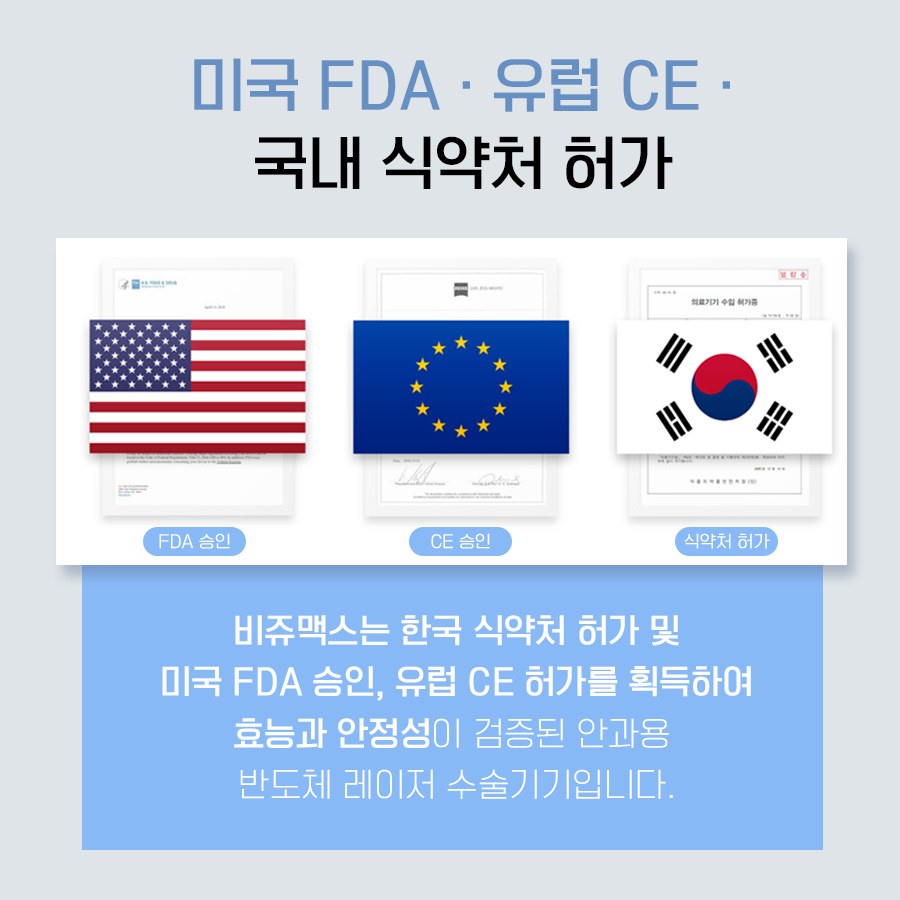
In terms of quality systems, the clinic states that it obtained ISO 9001 and 14001 certifications in 2020 covering quality and environmental management for its SMILE and LASIK services. The clinic also reports that it was designated as a clinical education institution for a medical school in 2023 and became an Asia Pacific clinical education center for BIOTECH in 2024, participating in training for other professionals.
Advanced equipment and why it matters
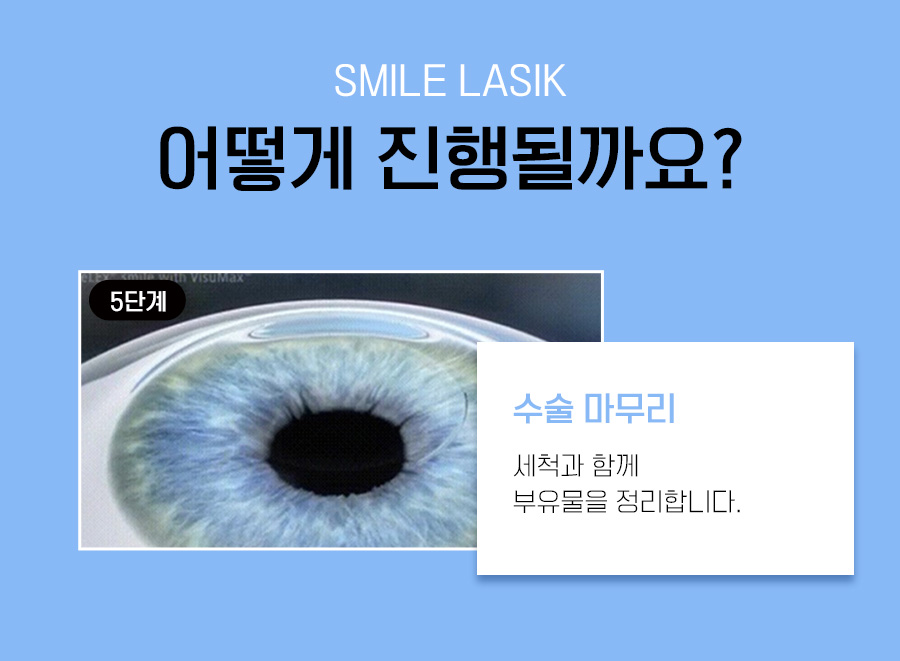
One of the clinic’s main differentiators among Yeoksam Station area eye clinics is its range of ZEISS laser platforms for SMILE and LASIK.
VISUMAX 800
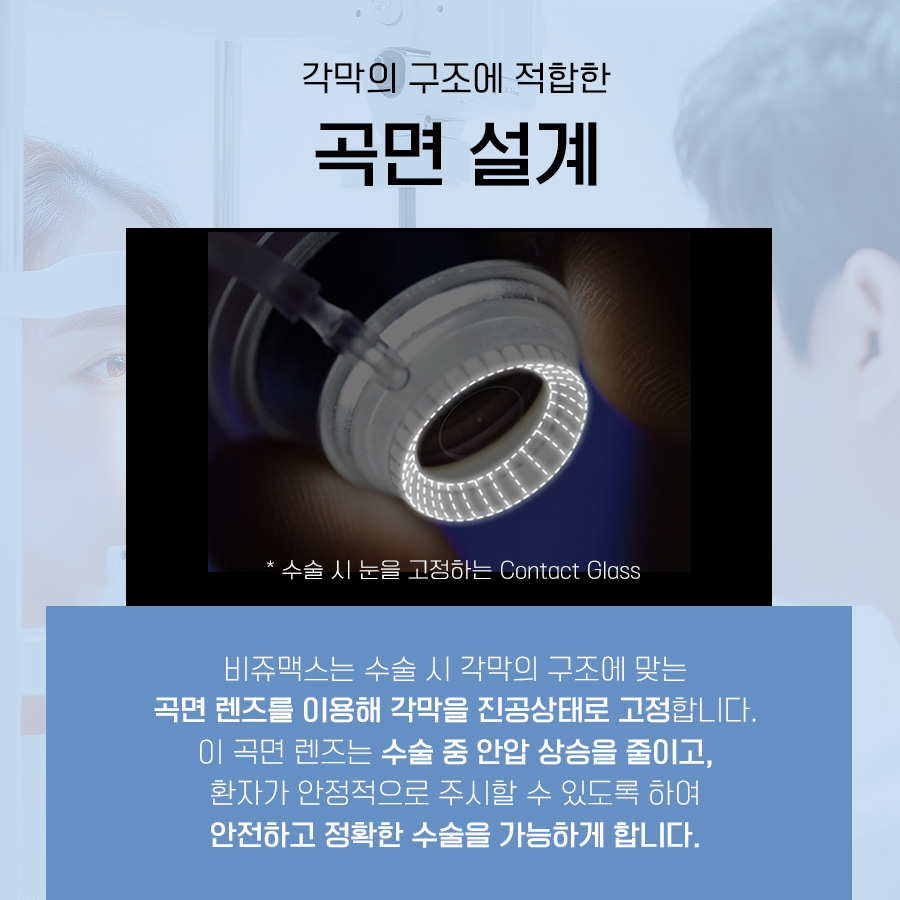
The VISUMAX 800 is a dedicated SMILE Pro laser platform introduced at the clinic in 2023. It can complete the laser step of SMILE Pro in about 9 seconds. For patients, this may mean shorter suction time and potentially more comfort, especially if you are anxious about keeping your eye still.
Two VISUMAX 500 units
The clinic also operates two VISUMAX 500 units, used for SMILE LASIK and other corneal procedures. Having two identical platforms allows the medical team to schedule more surgeries per day, reduce delays, and separate emergency or complex cases from routine ones when needed.
Tailored planning
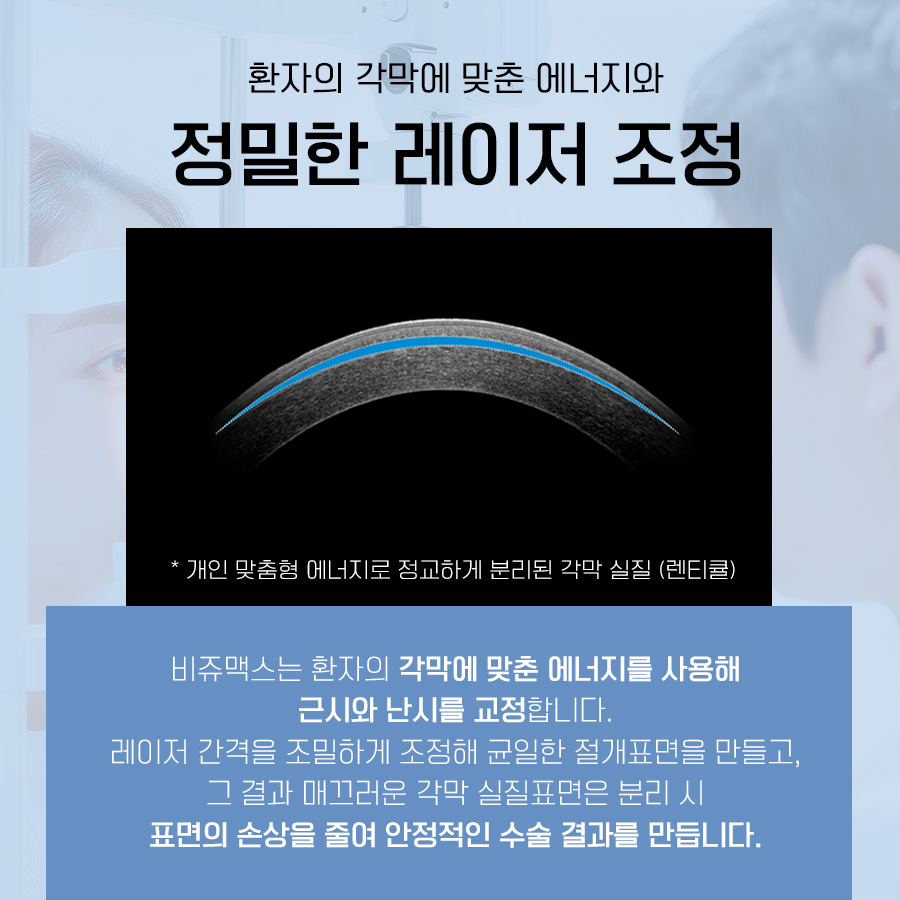
Because the clinic has multiple SMILE related platforms and various LASIK and LASEK options, the doctors can choose the method that fits your corneal thickness, curvature, pupil size, tear film and lifestyle. For example, a patient with a very active lifestyle might prefer a small incision method, while someone with borderline corneal thickness might be guided toward LASEK or lens implantation instead.
Who may consider this Yeoksam Station eye clinic
You may consider this clinic if you:
Plan to visit Korea and want SMILE Pro, SMILE LASIK, SILK or another laser vision correction procedure near Gangnam or Yeoksam Station.
Have high myopia or thin corneas and are interested in ICL, GLAZE or PhakiFlex KPL lens implantation.
Need evaluation or surgery for cataracts or presbyopia and are considering multifocal intraocular lenses such as PanOptix.
Have existing retinal conditions and prefer a center where retinal specialists and anterior segment surgeons work together.
Suffer from chronic dry eye and want this addressed before or after vision correction.
Suitability always depends on detailed examination results. Age, prescription stability, corneal thickness, retinal status and general health all play roles in determining whether surgery is appropriate.
Pre visit preparation and online consultation
For overseas patients, it is helpful to start with an online consultation before booking flights. Many international patients share the following information in advance:
Age, current glasses or contact lens prescription, and how long the prescription has been stable.
History of wearing soft or hard contact lenses, including when you plan to stop wearing them before the examination.
Any known eye conditions, previous eye surgeries or systemic diseases such as diabetes or autoimmune disorders.
Your main goals, such as reducing dependence on glasses for distance only, or for both distance and near.
The clinic can review this information and give you a preliminary idea of which examinations and treatments might be relevant. However, final recommendations are always made after in person tests.
Before you contact the clinic, it may help to write down questions such as:
- Which procedures might be suitable for my prescription and corneal thickness
- How long do I need to stay in Korea for examination, surgery and follow up
- What are the typical activity restrictions after each procedure
- How are emergencies handled if I return to my home country
Bringing previous eye examination records or prescriptions can also be useful, although the clinic will still perform its own measurements.
Typical visit timeline for international patients
The exact schedule will vary, but a common pattern for vision correction or lens implantation is as follows.
Day 1 Comprehensive examination
On your first visit, the clinic performs a detailed eye examination. This usually includes visual acuity testing, refraction, corneal topography and tomography, corneal thickness measurement, pupil size assessment, tear film evaluation, intraocular pressure check, and a dilated retinal examination. For lens implantation or cataract surgery, additional measurements such as axial length and anterior chamber depth are taken.
If your eyes are suitable and you wish to proceed, surgery can sometimes be scheduled within a few days, depending on availability and your travel plans.
Day 2 or 3 Surgery day
On the day of surgery, you will usually spend several hours at the clinic for preparation, the procedure itself and immediate post operative checks.
SMILE, LASIK or LASEK
The laser procedure time is short, but you should plan for preoperative preparation and postoperative observation. Many patients can leave the clinic the same day with protective eyewear and instructions.
Lens implantation or cataract surgery
These procedures are also typically done on an outpatient basis, with local anesthesia and sedation as needed. You will need an escort or transportation arranged afterwards, as your vision may be blurry.
First week follow up
A follow up visit is usually scheduled within one or two days after surgery to check vision, corneal condition, intraocular pressure and healing. Additional visits may be arranged within the first week, especially for lens implantation or if there are any concerns.
For international patients, the clinic often recommends staying in Korea for at least several days after SMILE or LASIK, and around one to two weeks after lens implantation or cataract surgery, to allow for early postoperative monitoring. The exact recommendation will depend on your procedure and personal risk factors.
Long term follow up
After you return home, routine follow up can often be done with a local eye doctor. The clinic may provide a summary of your surgery and postoperative findings that you can share with your local provider. For lens implantation and retinal conditions, regular long term monitoring is particularly important.
Aftercare and lifestyle considerations
After SMILE, LASIK or LASEK
You will receive instructions on eye drops, usually including antibiotics and anti inflammatory drops for a period determined by your surgeon. Artificial tears are often recommended to manage dryness.
You will be advised to avoid rubbing your eyes, swimming and heavy exercise for a certain time. Many patients can resume desk work within a few days after SMILE or LASIK, but this can vary. LASEK generally has a slower initial recovery.
After lens implantation or cataract surgery
Postoperative care focuses on preventing infection, controlling inflammation and monitoring intraocular pressure. You will be asked to avoid heavy lifting, eye rubbing and certain activities for a period. Night vision, halos and glare may fluctuate, especially with multifocal lenses, and usually improve over time.
Dry eye management
If you have dry eye, treatment may continue before and after surgery. This can include regular use of lubricating drops, warm compresses, lid hygiene, or in office procedures depending on your condition. Managing dry eye can improve comfort and visual quality.
What to check and ask before you decide
When comparing options for a Yeoksam Station eye clinic, it can be helpful to look beyond price and consider:
Which laser platforms are available for SMILE, LASIK and LASEK, and how recently they were introduced.
The clinic’s experience with your specific procedure, such as SMILE Pro, SILK, ICL or GLAZE.
Whether there is a structured examination protocol including corneal tomography, retinal checks and tear film assessment.
How postoperative follow up is organized, especially for international patients.
During consultation, you may want to ask:
- Which procedure do you recommend for my eyes and why
- What are the realistic expectations for my vision at day 1, week 1 and month 1
- What are the main risks and how are complications handled
- How can I contact the clinic after I return home if I have questions
Having these questions prepared can make your consultation more efficient and help you feel more confident about your decision.
Frequently asked questions
What makes this Yeoksam Station eye clinic different for SMILE and LASIK
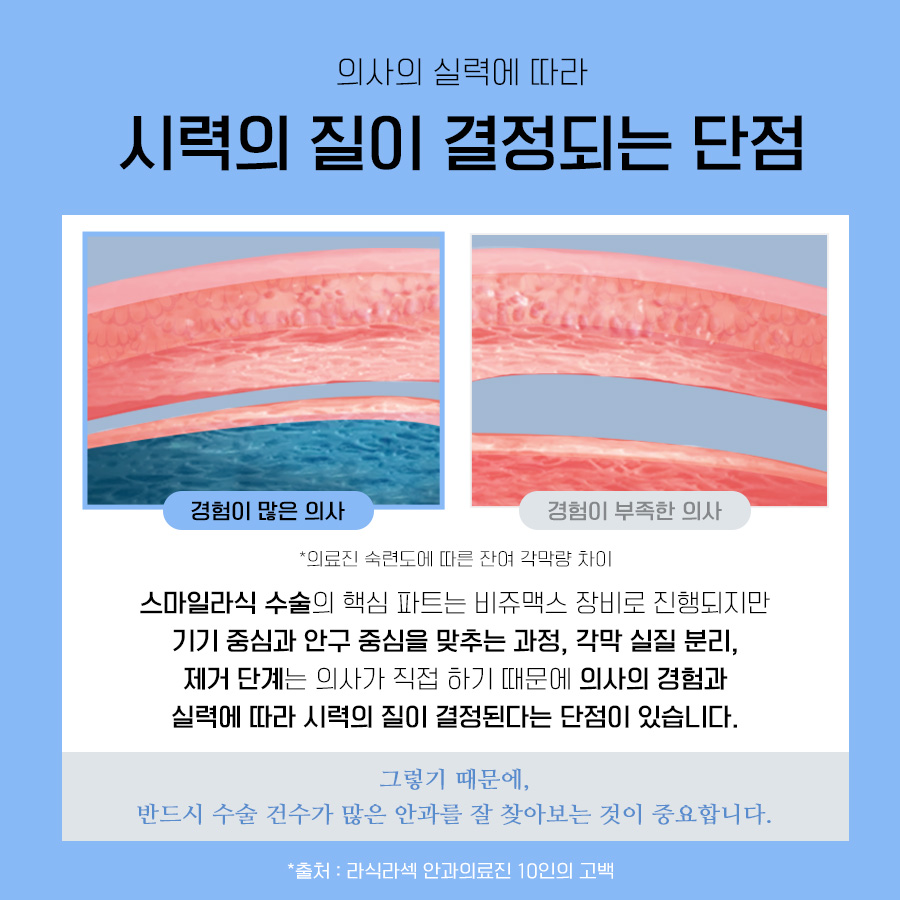
This clinic focuses heavily on SMILE type procedures and owns all three major ZEISS SMILE related platforms: VISUMAX 800 for SMILE Pro and two VISUMAX 500 units for SMILE LASIK. It has a long history of SMILE cases, including membership in the ZEISS SMILE GOLD CLUB since 2021 and designation as a SMILE pro CENTER in 2023. The medical team consists of seven board certified ophthalmologists with university hospital backgrounds, and the clinic emphasizes systematic examinations and follow up rather than quick, one time procedures.
Is it possible to have SMILE or lens implantation during a short trip to Korea
Yes, many international patients schedule SMILE, LASIK or lens implantation during a short stay, but planning is important. You should allow time for a full examination, the procedure and at least one or more follow up visits. For SMILE or LASIK, some patients stay about one week; for lens implantation or cataract surgery, one to two weeks is often recommended. The exact timeline should be confirmed with the clinic based on your eye condition and travel schedule.
How do I know if I am a good candidate for SMILE, LASIK or ICL
Suitability depends on several factors: age, prescription stability, corneal thickness and shape, pupil size, tear film quality and retinal health. SMILE and LASIK usually require adequate corneal thickness and stable myopia or astigmatism. If your cornea is thin or your myopia is very high, lens implantation such as ICL, GLAZE or PhakiFlex KPL may be considered instead. Only a comprehensive examination can determine which option, if any, is appropriate for you.
Does the clinic provide care for cataracts and presbyopia as well as vision correction
Yes, the clinic offers laser assisted cataract surgery and presbyopia correcting intraocular lenses, including multifocal lenses such as PanOptix. By 2024, it has implanted more than 3,000 PanOptix lenses. If you are over 40 or already have early cataracts, the doctors may discuss whether lens based surgery is more suitable than corneal laser procedures. The choice depends on your age, lens clarity, lifestyle and expectations.
Location, hours and how to start
The clinic is situated on Gangnam-daero in Gangnam-gu, on multiple floors of a single building within walking distance of Yeoksam Station and Gangnam Station. This makes it convenient if you are staying or working in the Yeoksam, Gangnam or nearby areas.
Typical consultation hours include weekdays and Saturdays, with a midday lunch break, and closure on Sundays and public holidays. Exact hours can change, so it is best to confirm in advance.
If you are considering SMILE, LASIK, lens implantation, or cataract surgery in Korea, an online consultation with this Yeoksam Station area clinic can be a practical first step. By sharing your basic eye history and travel plans, you can receive guidance on possible options and an estimated visit schedule before you book your flight.
Before making any decision, it is important to undergo a thorough eye examination and discuss the benefits and risks of each procedure with qualified medical staff. Individual results and recovery can vary, and long term eye health should always be the priority.



댓글
댓글 쓰기