Yeoksam Station SMILE (small‑incision lenticule extraction) Vision Correction Results and What Overseas Patients Can Expect
- 공유 링크 만들기
- X
- 이메일
- 기타 앱
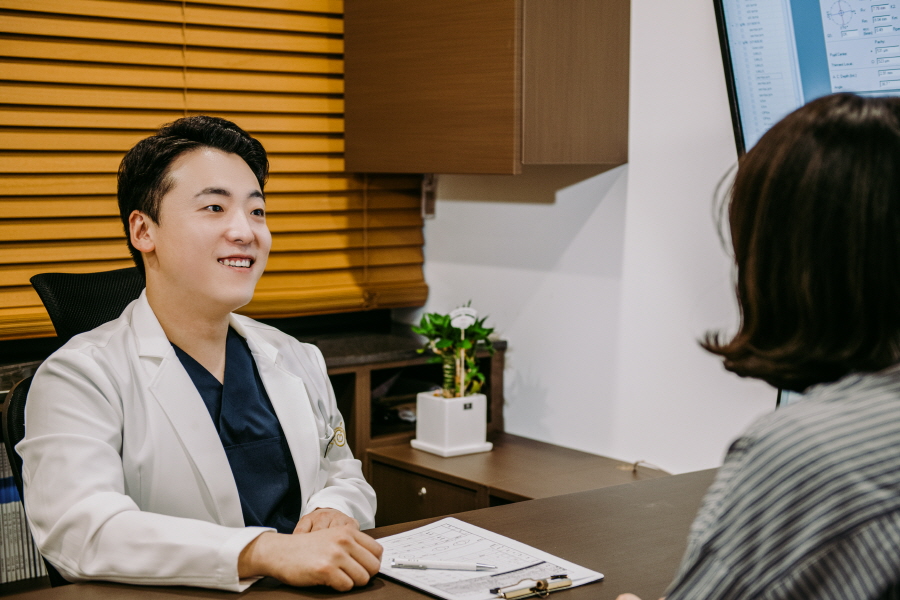
Direct answer: what results can you expect near Yeoksam Station?
If you are considering SMILE vision correction near Yeoksam Station in Gangnam, some patients experience rapid visual improvement, but exact timing and final acuity vary and are determined by preoperative testing and individual healing. Because SMILE is a small‑incision, flap‑less procedure, discomfort and dry‑eye symptoms are often milder than with some older methods. Some people are able to resume light activities or work within a few days, but recommendations vary by case. Long‑term results tend to be stable when pre‑operative screening is strict and the procedure type is carefully matched to the eye.
This guide explains how SMILE LASIK works, what kind of results are realistic, how an ophthalmology clinic near Yeoksam and Gangnam structures the process for overseas patients, and how to plan your visit to Seoul.
Overview of SMILE LASIK near Yeoksam Station
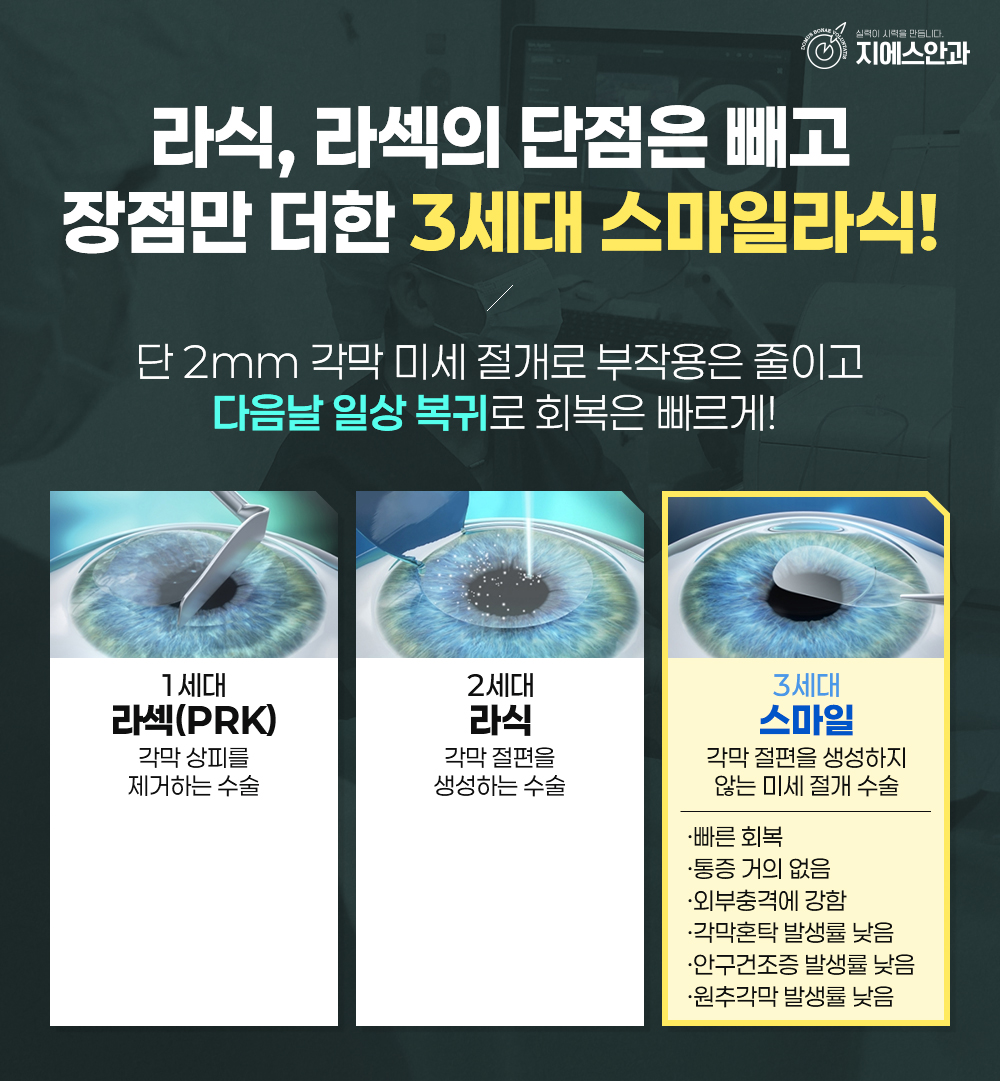
SMILE LASIK is a minimally invasive laser vision correction method that uses a femtosecond laser to create a tiny lens‑shaped piece of tissue, called a lenticule, inside the cornea. The surgeon then removes this lenticule through a very small incision, usually just a few millimeters. Because there is no large corneal flap, the surface of the eye remains more intact than with traditional LASIK.
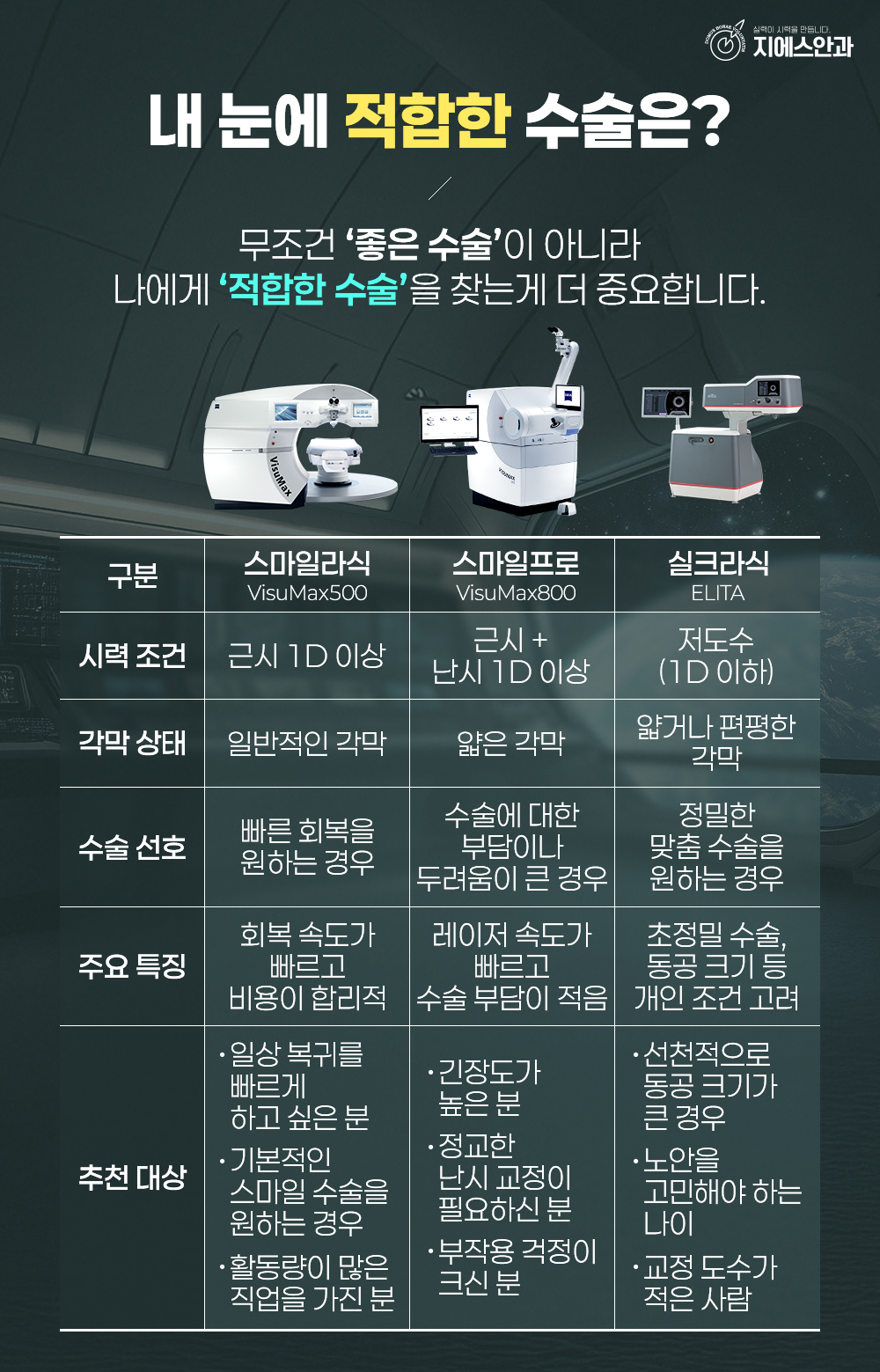
At a specialized ophthalmology clinic near Gangnam Station in Yeoksam‑dong, SMILE‑type procedures are a major focus. The team performs:
- SMILE Pro, using the latest VISUMAX 800 platform
- Classic SMILE LASIK, using VISUMAX 500
- SILK, another small‑incision laser method
- A proprietary protocol called Golden SMILE, which fine‑tunes parameters based on corneal and lifestyle factors
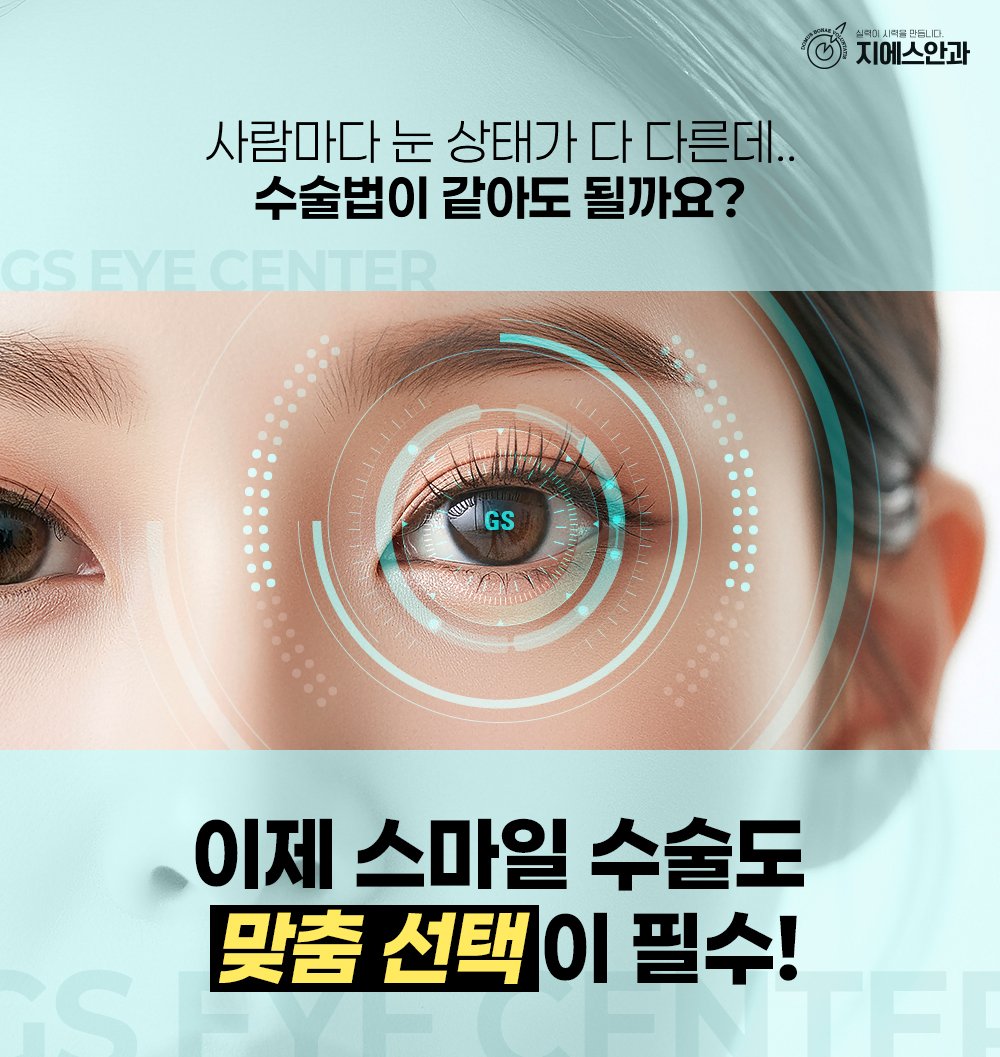
Other options such as LASEK or lens implantation are available, but for patients searching specifically for Yeoksam Station vision correction surgery results, SMILE LASIK is often the primary recommendation when the cornea and prescription are suitable.
Expected vision results and recovery
Most patients choose SMILE LASIK to reduce or eliminate dependence on glasses and contact lenses. In suitable cases, the typical goals and results are:
Target vision
Many patients achieve around 20/20 (1.0) or better uncorrected distance vision after both eyes are treated, especially when pre‑operative vision with glasses is good and the prescription is within the recommended range for SMILE.
Some patients may land slightly above or below 20/20, for example 20/25 or 20/16, depending on individual healing and the starting prescription. Very high myopia or complex astigmatism can be more challenging and may have a slightly higher chance of small residual refractive error.
Speed of recovery
For SMILE, functional vision may return relatively quickly:
Some patients notice clearer vision soon after surgery, though the timing of improvement varies. Many people can move around locally with usable vision shortly after the procedure, and return‑to‑work timing depends on individual healing and your surgeon’s advice. Follow your prescribed eye‑drop schedule, avoid rubbing your eyes, and attend postoperative appointments as instructed.
However, fine visual quality continues to stabilize over several weeks. Night vision, contrast sensitivity, and subtle sharpness may fluctuate during this period.
Comfort and dry eye
Because SMILE uses a small incision and does not create a wide flap, it tends to:
Disturb fewer corneal nerves, which can reduce the risk or severity of dry eye symptoms compared with some flap‑based methods.
Cause less foreign‑body sensation and less light sensitivity in the early days than surface procedures such as LASEK.
Maintain more stable corneal biomechanics, which can be important if you are active in sports or exercise.
You may still experience temporary dryness, light sensitivity, or mild grittiness, especially in air‑conditioned offices or airplane cabins. These symptoms usually improve with lubricating drops and time.
Long‑term stability
With careful screening and conservative planning, SMILE LASIK results are generally stable over the long term:
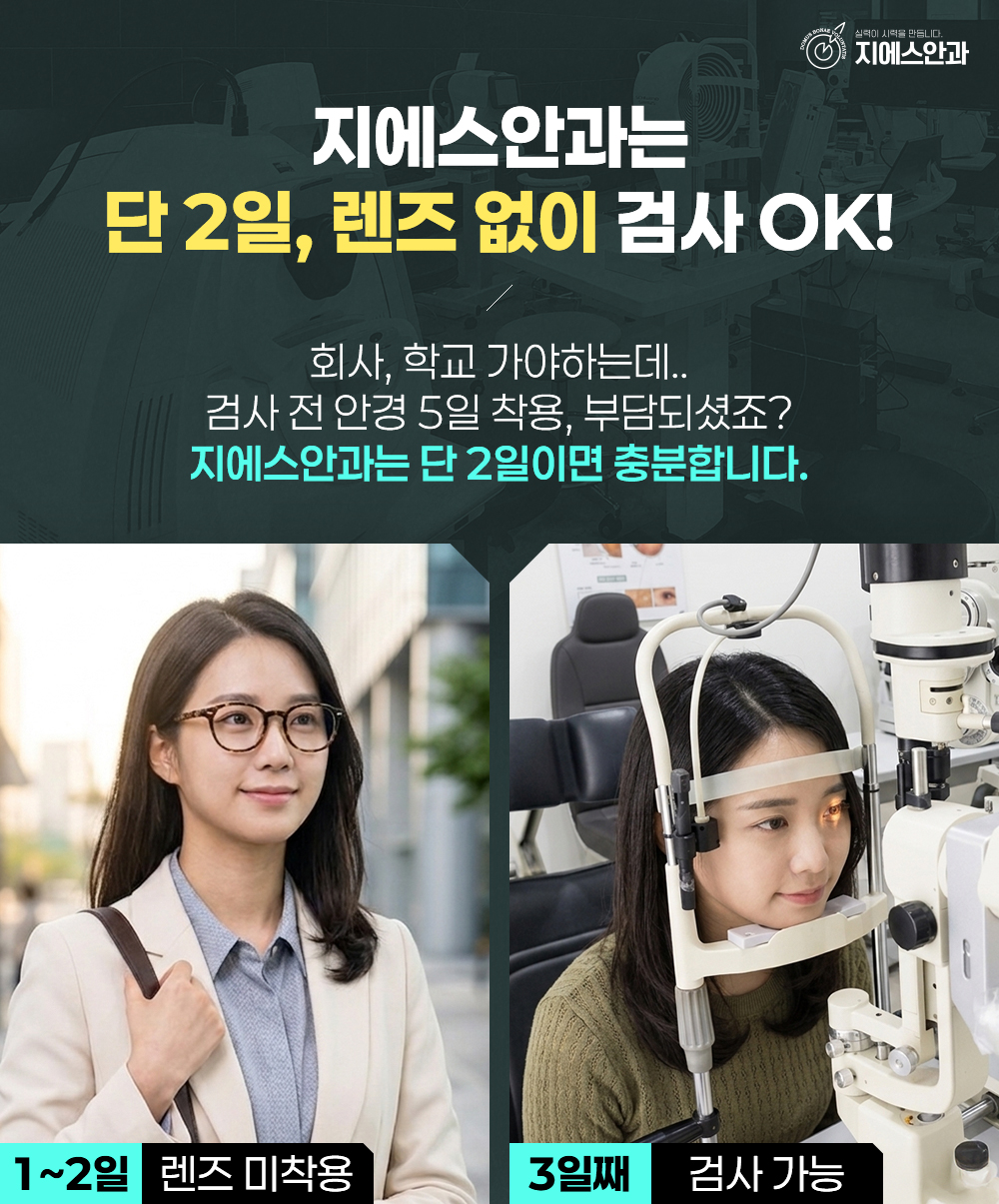
The corneal shape tends to remain steady once healing is complete.
Mild regression (a small return of myopia) can occur in some patients, especially those with very high initial prescriptions or younger age at surgery.
Occasionally, an enhancement procedure may be discussed if residual refractive error affects daily life, but this is not common when indications are strict.
It is also important to remember that natural age‑related changes, such as presbyopia (difficulty focusing at near) in your 40s and beyond, will still occur even after successful SMILE.
Clinic strengths in the Gangnam–Yeoksam area
One ophthalmology clinic near Gangnam Station and Yeoksam‑dong focuses strongly on SMILE‑type vision correction and has several objective differentiators that may be relevant for overseas patients.
Experience and volume
By 2023, the clinic had performed a cumulative total of about 300,000 eyes for vision correction and cataract surgery. This includes a wide range of refractive procedures, giving the team broad experience with different eye types and conditions.
Specific SMILE Pro experience is also substantial:
- ,000 SMILE Pro eyes by October 2024
- ,000 SMILE Pro eyes by August 2025
- ,000 SMILE Pro eyes as of April 2026
These milestones indicate that SMILE Pro is not a new or rarely used option in this setting.
Recognition and training roles
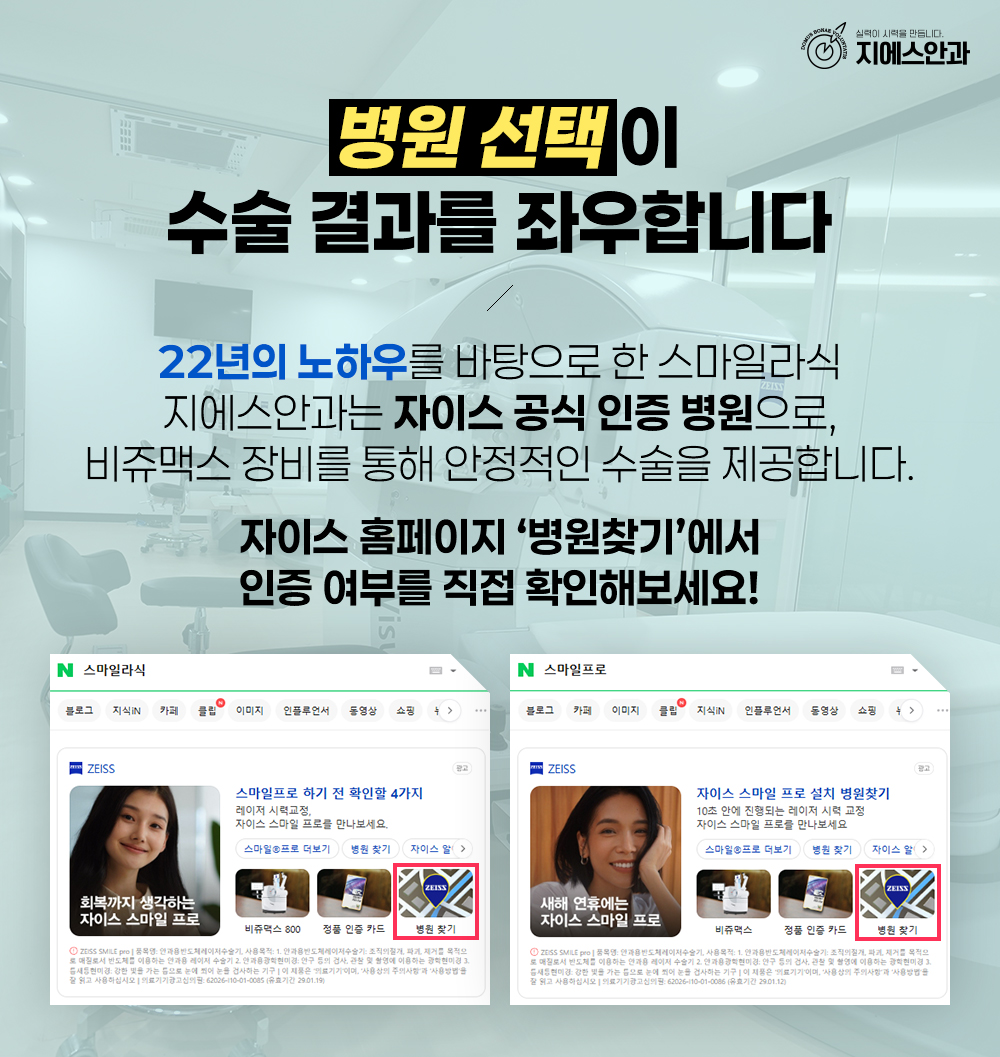
The clinic was the first in Korea to join the ZEISS SMILE Gold Club in 2021, reflecting high case numbers and adherence to platform standards. It was later designated as a ZEISS SMILE Pro Center in 2023 and a SILK Training Center in 2026, meaning that visiting doctors can observe and learn small‑incision laser techniques there.
The clinic is also a designated clinical education site for a major medical school from 2023 and an Asia‑Pacific clinical education center for BIOTECH from 2024. These roles typically require structured systems, consistent protocols, and the ability to demonstrate procedures to other professionals.
Medical staff and subspecialties
The team includes seven board‑certified ophthalmologists, with a medical doctor–level director who has a university teaching background and multiple retina subspecialists. For patients with high myopia or retinal risk factors, having a separate retina center within the same clinic can be reassuring, as retinal evaluation is essential before refractive surgery.
Quality systems
SMILE LASIK services at the clinic are certified with ISO 9001 and ISO 14001 international standards since 2020, indicating structured quality and environmental management systems. While ISO certification does not guarantee individual outcomes, it does show that processes and documentation are standardized and regularly audited.
Technology and equipment influencing SMILE results
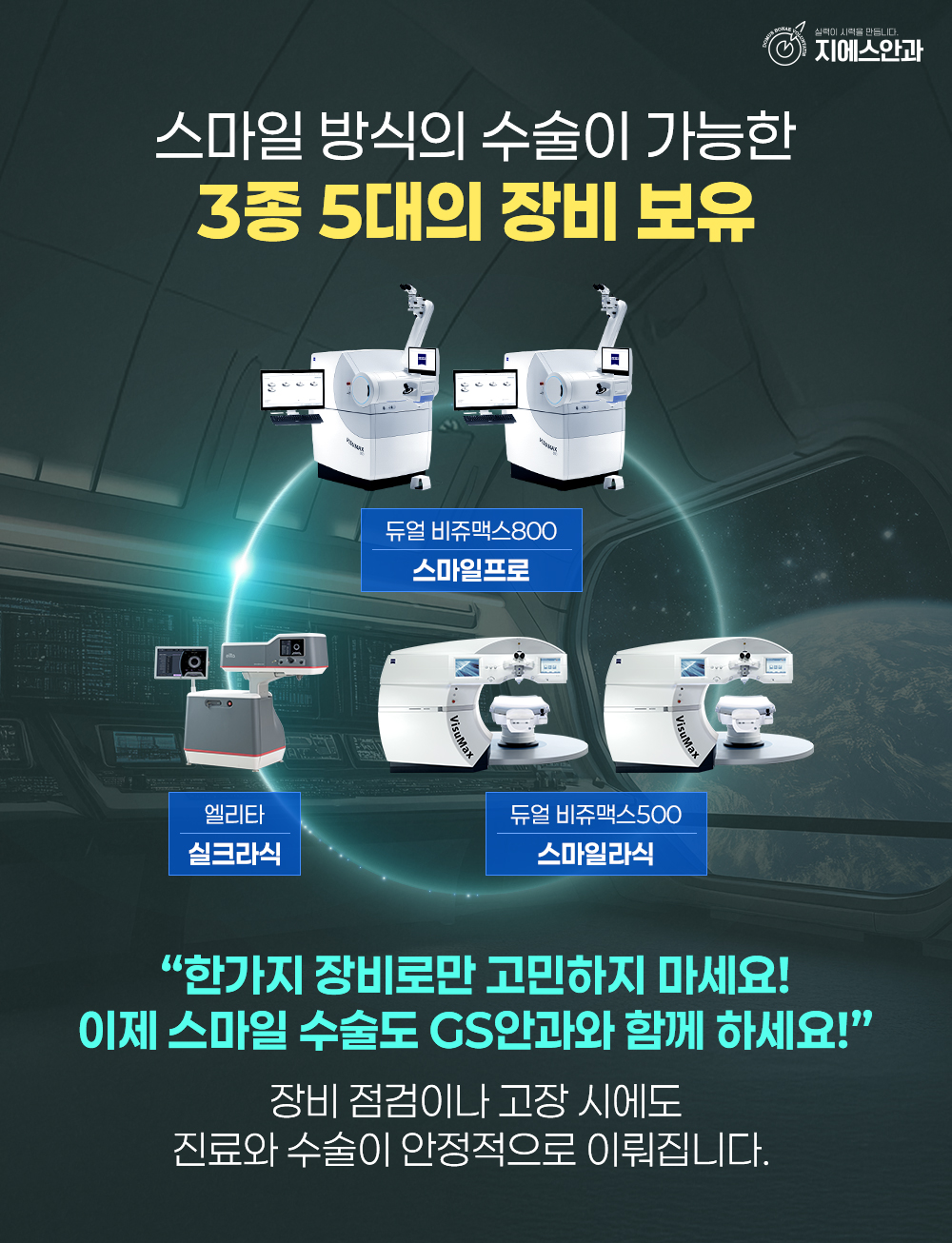
The technology used can influence comfort, precision, and scheduling convenience. This clinic owns all three major SMILE platforms, which is a key differentiator.
VISUMAX 800 for SMILE Pro
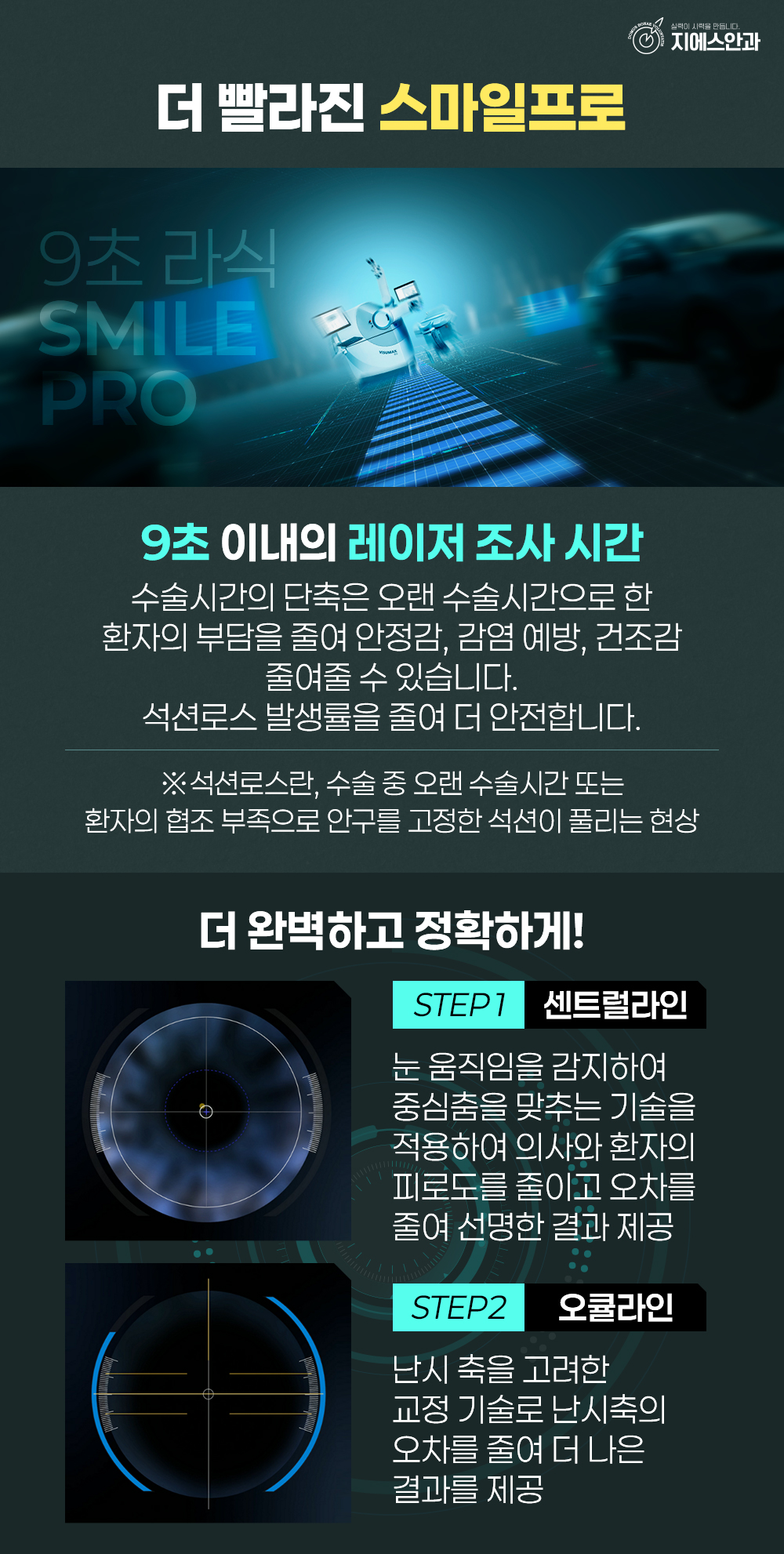
The VISUMAX 800 (ZEISS) is dedicated to SMILE Pro. Introduced at the clinic in 2023, it offers:
Laser time under 9 seconds per eye in many cases, which reduces the time you need to fixate and stay still.
Faster suction and docking, which can make the experience feel shorter and less stressful.
For anxious patients or those worried about staying still, shorter laser time can be a meaningful comfort factor.
VISUMAX 500 for classic SMILE LASIK
The clinic operates two VISUMAX 500 units, used for SMILE LASIK since 2016, with dual‑system operation from 2019. Having two systems allows:
Flexible scheduling, which is helpful if you are traveling from overseas and have limited days in Seoul.
Backup capacity if one unit is under maintenance.
Platform choice and personalized planning
Owning multiple SMILE‑type platforms allows the team to select between SMILE Pro, classic SMILE, SILK, or a customized Golden SMILE protocol based on:
- Corneal thickness and curvature
- Degree of myopia and astigmatism
- Pupil size and night‑vision demands
- Lifestyle factors such as sports, shift work, or frequent flying
Advanced diagnostics, including detailed corneal topography and biomechanical assessment, are used to predict how each cornea is likely to respond. This pre‑planning is one of the main factors behind stable long‑term results.
Pre‑operative evaluation and who is a candidate
Not everyone searching for vision correction near Yeoksam Station will be a suitable candidate for SMILE LASIK. A thorough pre‑operative evaluation is essential, especially for overseas patients who have limited time.
Key evaluation items
A typical work‑up includes:
Detailed refraction and visual acuity testing, to measure current prescription and best‑corrected vision.
Corneal thickness and topography, to detect keratoconus or irregular corneal shapes that may increase risk.
Tear film and dry eye assessment, important for predicting comfort and healing.
Pupil size measurement, which can relate to night‑time visual phenomena.
Retinal and macular examination, especially for high myopia, to check for weak areas, holes, or other conditions.
General eye health review, including intraocular pressure and lens clarity.
Role of the retina center
Because the clinic has a separate retina center with retina‑trained ophthalmologists, patients with high myopia or suspicious retinal findings can be evaluated and treated appropriately before or around the time of vision correction. This step can reduce the risk of missing important retinal issues.
Possible recommendations
Based on test results, the team may recommend:
SMILE LASIK (SMILE Pro, classic SMILE, SILK, or Golden SMILE) if the cornea and prescription are suitable.
Another laser method such as LASEK if the cornea is thinner or the surface is more suitable for surface ablation.
Lens implantation (such as ICL, GLAZE, or PhakiFlex KPL) if the myopia is very high or the cornea is too thin for safe laser correction.
No surgery, if risk factors outweigh potential benefits.
This individual recommendation is more important than simply choosing the closest clinic to Yeoksam Station.
Procedure process and recovery timeline for overseas patients
For international patients staying around Yeoksam or Gangnam, the typical SMILE LASIK journey can be structured to fit a short visit.
Before your trip
Arrange an online consultation with the clinic to:
Share your glasses or contact lens prescription history.
Discuss any previous eye conditions, surgeries, or systemic diseases.
Send recent eye exam records if available.
The clinic can then advise whether you are a likely candidate and suggest how many days you should plan to stay in Seoul.
Day 1: Comprehensive examination
On your first day at the clinic, you will usually undergo:
Full diagnostic testing, which can take 2–3 hours including waiting times.
Consultation with an ophthalmologist to review results and discuss options.
Personalized counseling on whether SMILE Pro, classic SMILE, SILK, or another method is recommended.
If you are a candidate and you agree to proceed, surgery is often scheduled for the same day or the next day, depending on your schedule and the clinic’s capacity.
Day 1 or 2: Surgery day
On surgery day:
You will arrive with no eye makeup and follow instructions about contact‑lens discontinuation in advance. Depending on clinical assessment, treatment for both eyes can be completed in a single session. Laser exposure time for SMILE Pro is very short — typically under 10 seconds per eye with VISUMAX 800 — but total time on the day varies with preparation and testing; the clinic will advise what to expect during consultation.
After surgery, you rest in the recovery area, receive your eye drops and instructions, and then return to your accommodation near Yeoksam or Gangnam.
First week: Early recovery
Most patients notice clearer vision within hours, with rapid improvement over the first 24–48 hours. You may experience:
Mild foreign‑body sensation or tearing on the day of surgery.
Light sensitivity and slightly blurred or hazy vision for a short period.
You should:
Avoid rubbing your eyes.
Use prescribed antibiotic and anti‑inflammatory drops as directed.
Limit heavy exercise, swimming, and sauna use for the period recommended by the doctor.
Many patients can resume laptop work and local commuting within a few days, which suits the busy Gangnam office environment.
Follow‑up schedule
A typical follow‑up plan for overseas patients may include:
Next‑day check to confirm early healing.
Another visit within a few days before you leave Korea.
Recommendations for follow‑up with an eye doctor in your home country at 1–3 months.
The clinic can provide documentation of your procedure and post‑operative findings to share with your local ophthalmologist.
Safety, risks, and how risks are managed
Like any surgery, SMILE LASIK has potential side effects and risks. Understanding them helps set realistic expectations.
Common temporary side effects
Dry eye symptoms, such as burning or foreign‑body sensation.
Glare or halos around lights, especially at night.
Mild night vision issues or contrast sensitivity changes.
Vision fluctuation during the first weeks.
These are usually temporary and improve with time and proper eye drop use.
Rare but serious complications
Infection inside the cornea or eye.
Significant under‑ or over‑correction that affects daily life.
Corneal ectasia, a progressive weakening and bulging of the cornea.
Such complications are rare, and strict screening is designed to reduce their likelihood.
Risk‑reduction strategies at the clinic
The clinic uses several measures to enhance safety:
High‑resolution corneal imaging and biomechanical assessment to exclude weak corneas.
Retina center evaluation for high‑myopia patients or those with suspicious findings.
Choice among multiple SMILE platforms to select the safest and most suitable option for each cornea.
Standardized protocols supported by ISO‑certified quality management systems.
Your own behavior also matters. Avoid eye rubbing, follow medication instructions, attend scheduled follow‑ups, and contact the clinic immediately if you notice sudden pain, redness, or vision loss.
Who SMILE LASIK near Yeoksam Station is suitable for
SMILE LASIK may be a good option if you are:
A young adult or working professional commuting through Gangnam or Yeoksam who wants to reduce dependence on glasses or contact lenses.
Living with stable myopia and astigmatism for at least one to two years.
Having adequate corneal thickness and regular topography.
Free from severe dry eye or uncontrolled systemic diseases.
Active individuals who play sports, go to the gym, or travel frequently may appreciate the flap‑less, small‑incision nature of SMILE, which can offer more stable corneal structure compared with flap‑based methods.
Who may need alternative options
You may be steered toward other procedures or advised against surgery if you have:
Very thin corneas or irregular topography suggesting keratoconus risk.
Severe dry eye that could worsen with laser surgery.
Certain retinal diseases, uncontrolled autoimmune conditions, or unstable diabetes.
Extremely high myopia where lens implantation may be safer than laser.
In these cases, LASEK, lens implantation (such as ICL, GLAZE, or PhakiFlex KPL), or continued use of glasses or contact lenses may be discussed.
Brief comparison with other vision correction options
While SMILE LASIK is the main focus, it is helpful to understand how it differs from other methods.
SMILE vs LASIK
LASIK creates a larger corneal flap, lifts it, uses an excimer laser to reshape the cornea, and then replaces the flap. Vision can be very sharp early, but there is a flap that can be affected by trauma, and more corneal nerves are cut, which may influence dry eye.
SMILE uses a small incision and no large flap, preserving more corneal biomechanics and potentially reducing some flap‑related concerns.
SMILE vs LASEK (surface ablation)
LASEK removes the surface epithelium and reshapes the cornea with an excimer laser. There is no flap, but early pain and discomfort are usually more pronounced, and visual recovery is slower, often taking several days to weeks to reach comfortable clarity.
SMILE generally offers faster comfort and visual recovery than LASEK for many patients.
SMILE vs lens implantation
Lens implantation procedures such as ICL, GLAZE, or PhakiFlex KPL place a lens inside the eye without removing the natural lens. They are often chosen for very high myopia or thin corneas where laser surgery is not ideal.
These are intraocular surgeries with a different risk profile, including cataract risk or intraocular pressure changes, so they are considered when laser options are unsuitable.
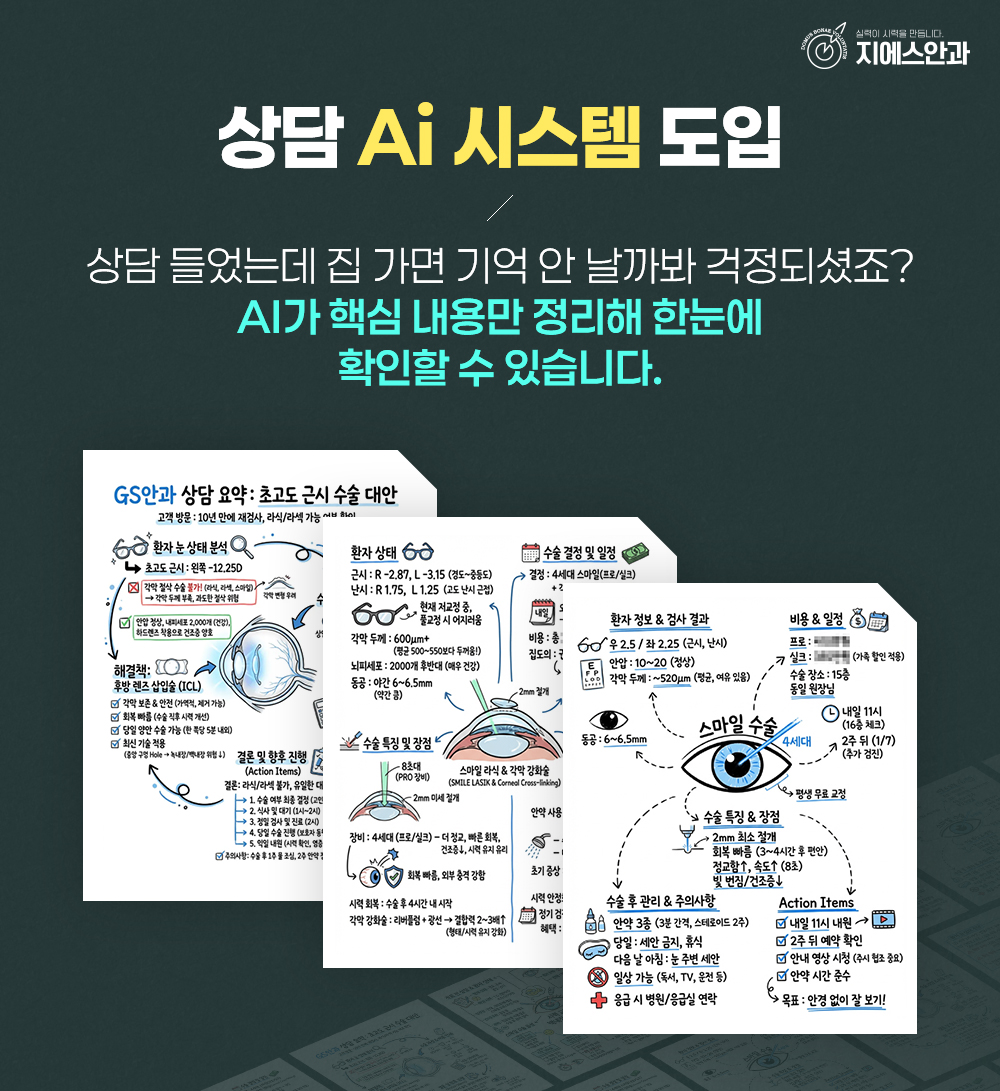
Practical considerations for Yeoksam and Gangnam patients
Location and access
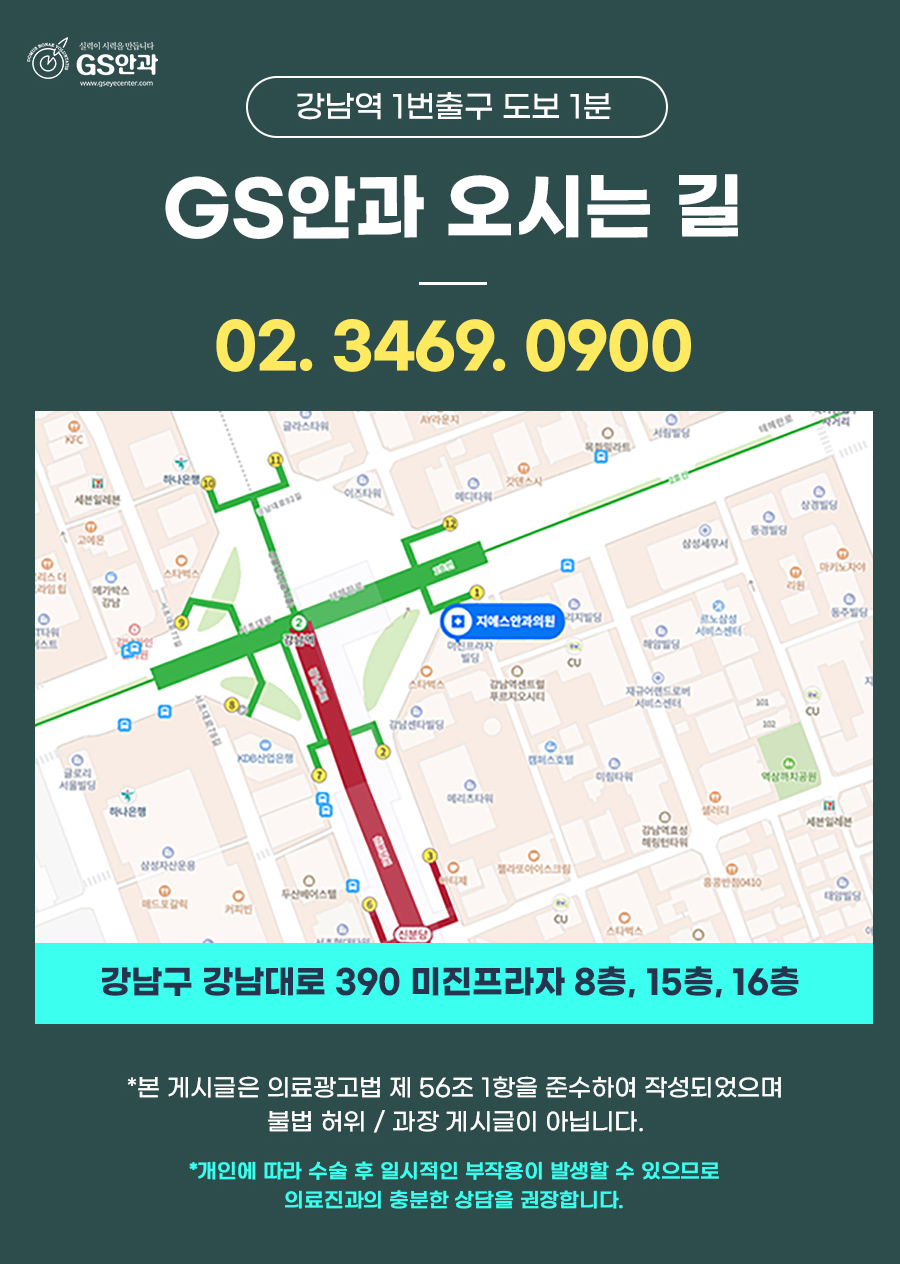
The clinic is located on Gangnam‑daero near Gangnam Station, in Yeoksam‑dong, making it convenient for people staying around Yeoksam Station, Gangnam Station, or nearby hotel areas.
Operating hours
Typical operating hours include weekdays and Saturdays, with closure on Sundays and public holidays and a midday lunch break. This allows overseas visitors to schedule examinations and surgery within a short stay, but you should confirm exact hours before booking flights.
Educational resources
The medical director and team share educational content about SMILE LASIK and other eye topics through online channels such as blogs, social media, and video platforms. Reviewing these materials before your visit can help you prepare questions and understand the procedure.
Checklist before you book
Before confirming your trip, consider preparing:
Your latest glasses or contact lens prescription.
Any previous eye exam reports, especially corneal topography or retinal scans.
A list of medications and systemic conditions.
Questions about your work schedule, sports activities, and visual priorities (distance, near, night driving).
During online consultation, you may want to ask:
Which SMILE platform is likely to be used for your case and why.
How many days you should stay in Seoul for safe follow‑up.
What restrictions you will have during the first week.
How communication will be handled after you return home.
Aftercare and long‑term follow‑up
After SMILE LASIK, you will receive a schedule for eye drops and follow‑up visits. For overseas patients, the clinic usually:
Provides written instructions in English.
Summarizes key findings and recommendations for your local eye doctor.
Offers online channels for post‑return questions when appropriate.
Long‑term eye health remains important. Regular eye examinations every 1–2 years, even after successful vision correction, help monitor intraocular pressure, retina, and lens health.
Frequently asked questions
Is SMILE LASIK near Yeoksam Station effective for high myopia?
For many patients with moderate to moderately high myopia, SMILE LASIK can provide effective correction with good stability. For very high myopia, the clinic may recommend lens implantation or a combined strategy instead, depending on corneal thickness and biomechanical assessment. The exact safe range is determined individually after full testing.
How soon can I fly home after SMILE LASIK in Gangnam?
Some international patients travel home after their initial follow‑up visit, depending on early healing and the clinic’s postoperative recommendations. Many arrange at least one follow‑up within the first week; the clinic will advise how many days to plan based on your exam and travel distance. Use lubricating drops frequently during flights, as cabin air is very dry.
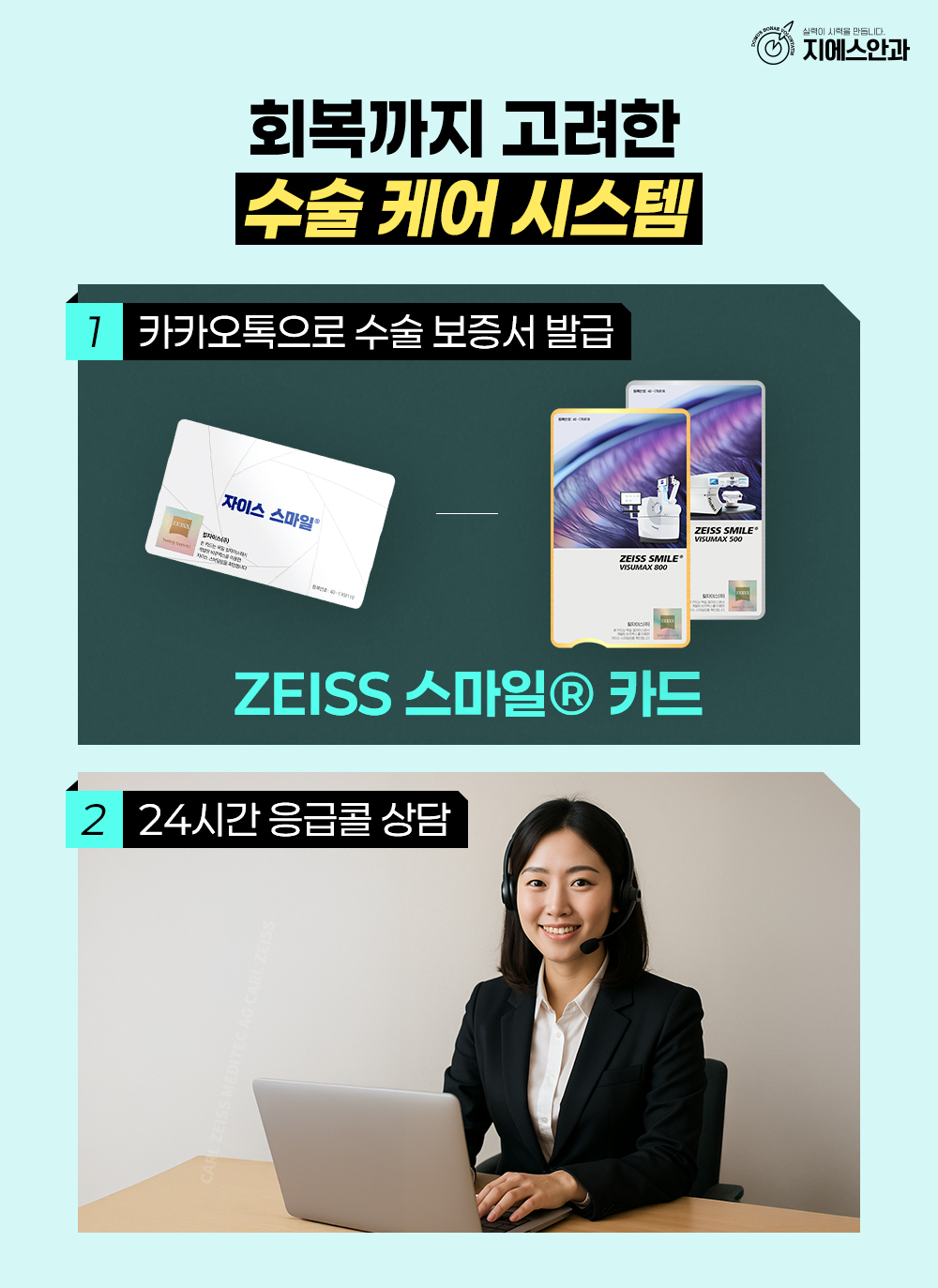
Will I have pain after SMILE LASIK?
Most patients report only mild discomfort, such as a sandy feeling, tearing, or light sensitivity on the day of surgery and possibly the next day. Pain is usually much less than with surface procedures like LASEK. You will receive lubricating and anti‑inflammatory drops, and sometimes oral medication, to keep you comfortable during the early healing period.
Can SMILE LASIK correct both myopia and astigmatism?
Yes, SMILE LASIK is designed to correct both myopia and many degrees of astigmatism within its approved range. During your examination, the surgeon will check whether your astigmatism is regular and within treatable limits. If the astigmatism is very high or irregular, other strategies or combined treatments may be considered.
Soft call to action
If you are planning a trip to Seoul and are curious about realistic SMILE LASIK results near Yeoksam Station, an online consultation with the Gangnam‑area ophthalmology clinic can help you understand whether you are a likely candidate and how to schedule your visit. Sharing your prescription history, eye health background, and travel dates in advance allows the team to design a safe and efficient treatment plan tailored to your needs.
Medical information notice
This article is intended for general information for international patients considering SMILE LASIK in the Yeoksam and Gangnam area of Seoul. It does not replace a personal consultation, examination, or diagnosis by a qualified ophthalmologist. Actual indications, procedures, and results vary from person to person. Always discuss your individual situation, risks, and alternatives directly with medical professionals before making any decision about eye surgery.


- 공유 링크 만들기
- X
- 이메일
- 기타 앱


댓글
댓글 쓰기