Yeoksam Station vision correction results and what to expect
- 공유 링크 만들기
- X
- 이메일
- 기타 앱
Direct answer summary
ndividualized. Exact results depend on your eye anatomy, age, lifestyle, and the findings of a thorough preoperative assessment—for example, corneal topography, pachymetry, tear-film evaluation, manifest and cycloplegic refraction, and pupil measurement. GS Eye Clinic, a local ophthalmology practice in the Yeoksam-dong / Gangnam Station area, emphasizes selecting the procedure best suited to each patient based on these tests rather than promoting a single technique.
What vision correction results mean near Yeoksam Station
For many people working in offices around Yeoksam and Gangnam, “good results” usually mean three things: clear distance vision for commuting and meetings, comfortable intermediate vision for computer work, and stable quality of vision in the evening when the eyes are tired.
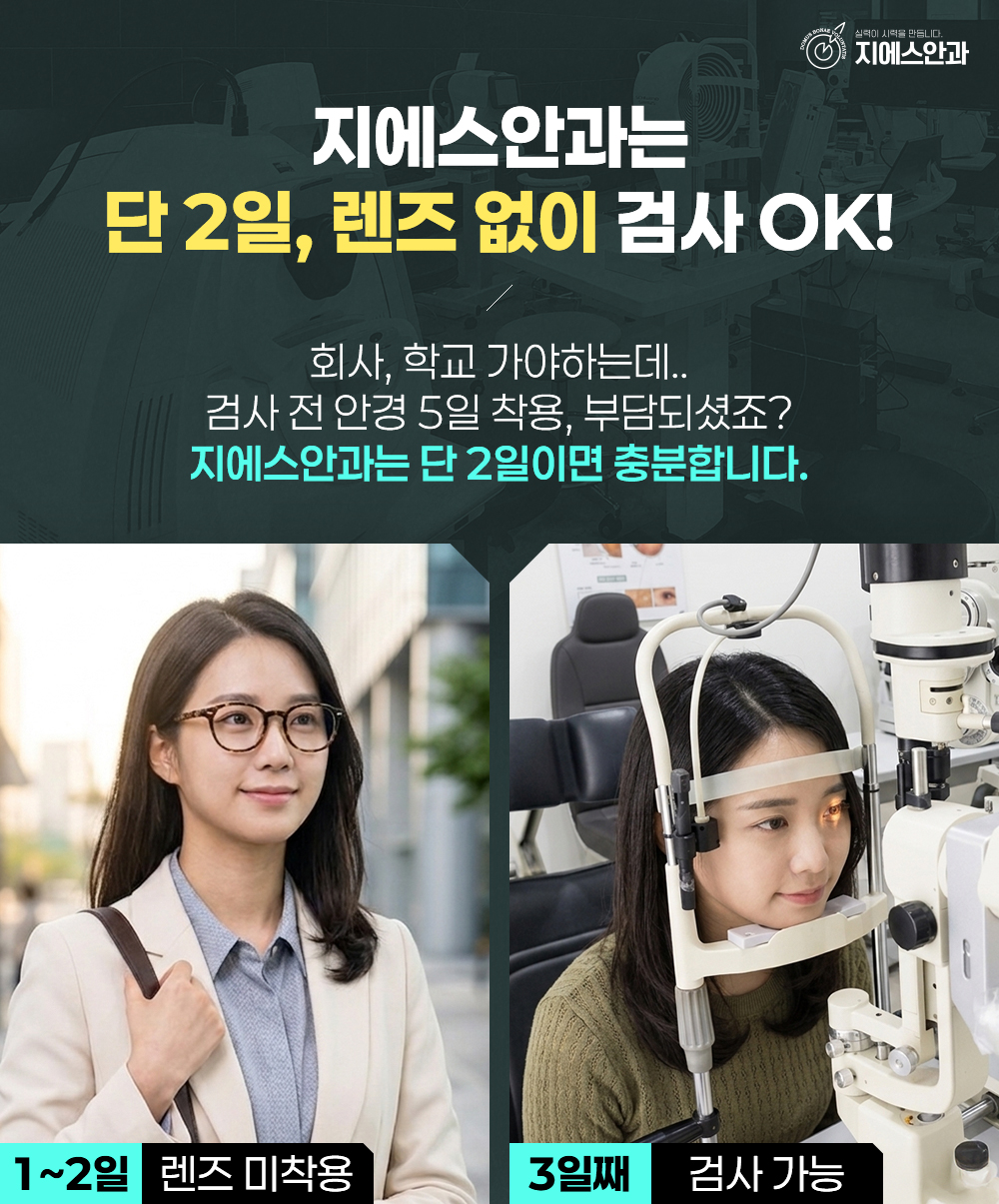
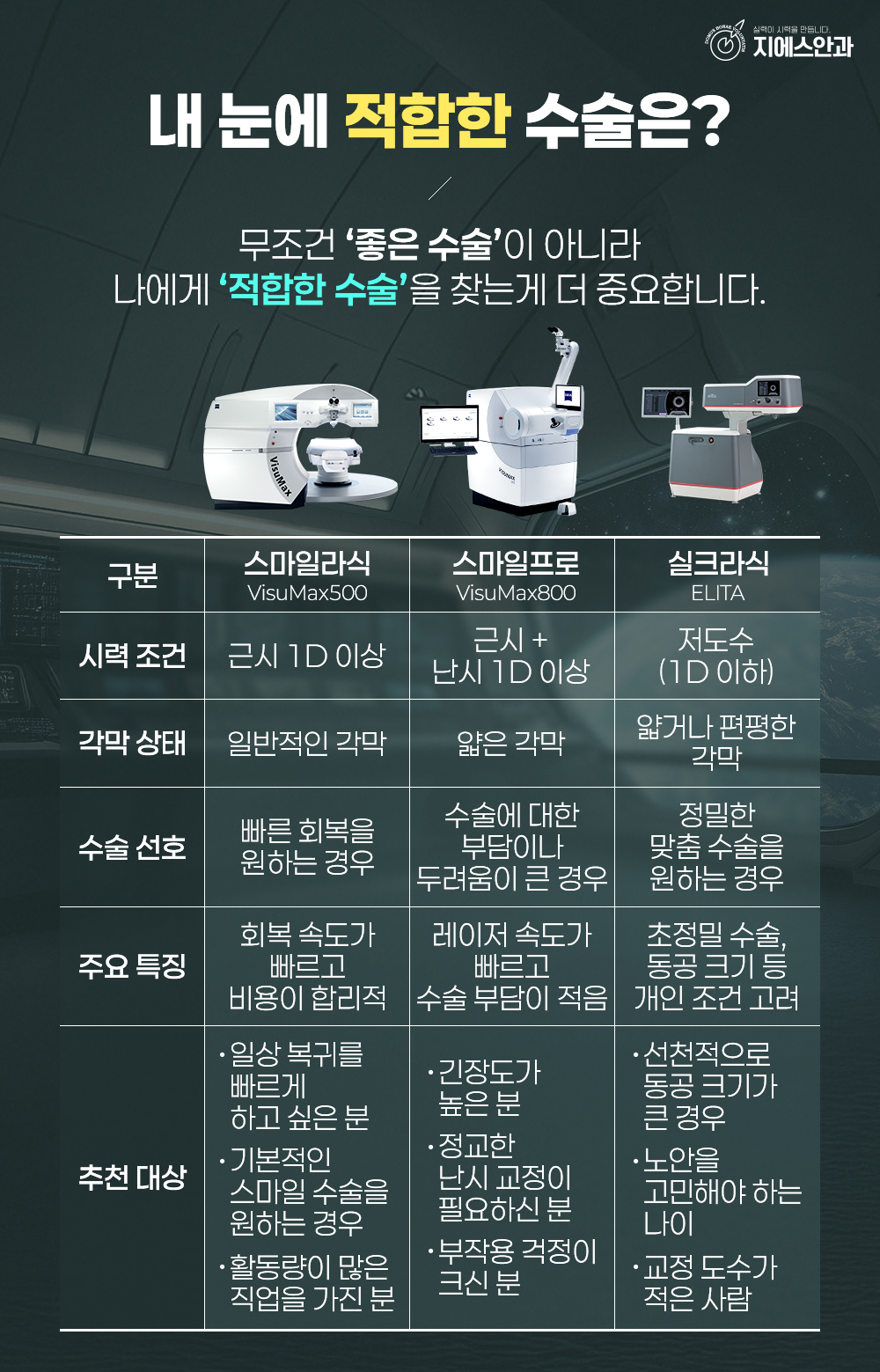
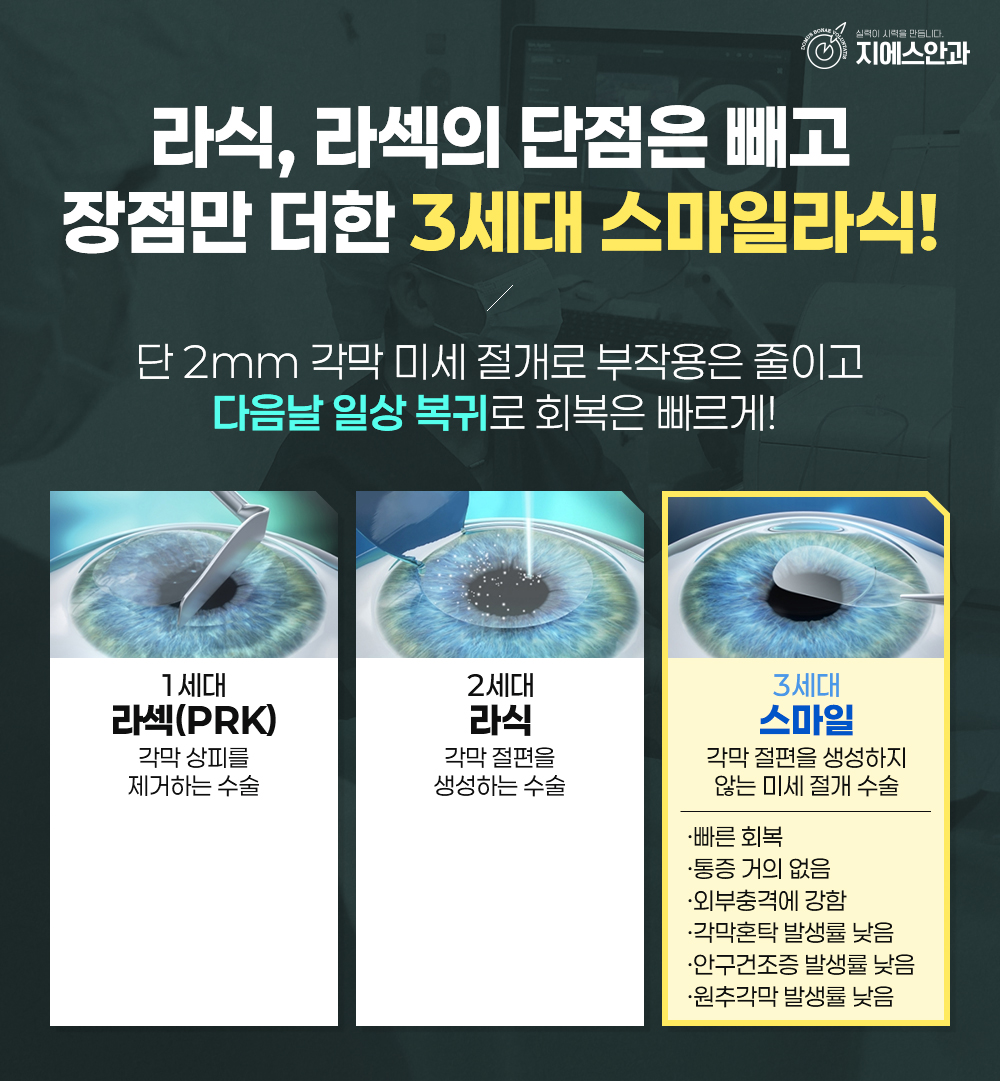
With modern laser procedures such as SMILE Pro, SMILE LASIK, SILK (Silk LASIK), and customized LASIK or LASEK, a large portion of myopic patients with healthy eyes can reach functional distance vision for daily activities without glasses. Often this happens within one or two days for flap-based or SMILE-type procedures, and over several days to weeks for surface procedures like LASEK.
Lens implantation options such as phakic intraocular lenses (e.g., ICL) or other implant types are alternatives for patients who are not ideal candidates for corneal laser surgery, for example because of high myopia or thin corneas. These implants can provide good uncorrected vision while preserving corneal tissue in many cases. Removal or exchange of an implanted lens is possible in some situations, but it is a surgical procedure with associated risks and limitations; long-term follow-up and discussion of potential complications should be part of the decision process.
For people in their 40s, 50s, and beyond, presbyopia and early cataract changes become important. In these cases, cataract and presbyopia lens surgery with multifocal intraocular lenses can reduce dependence on both distance and reading glasses, though individual adaptation and expectations must be discussed in detail.
Types of procedures and who they may suit
SMILE Pro
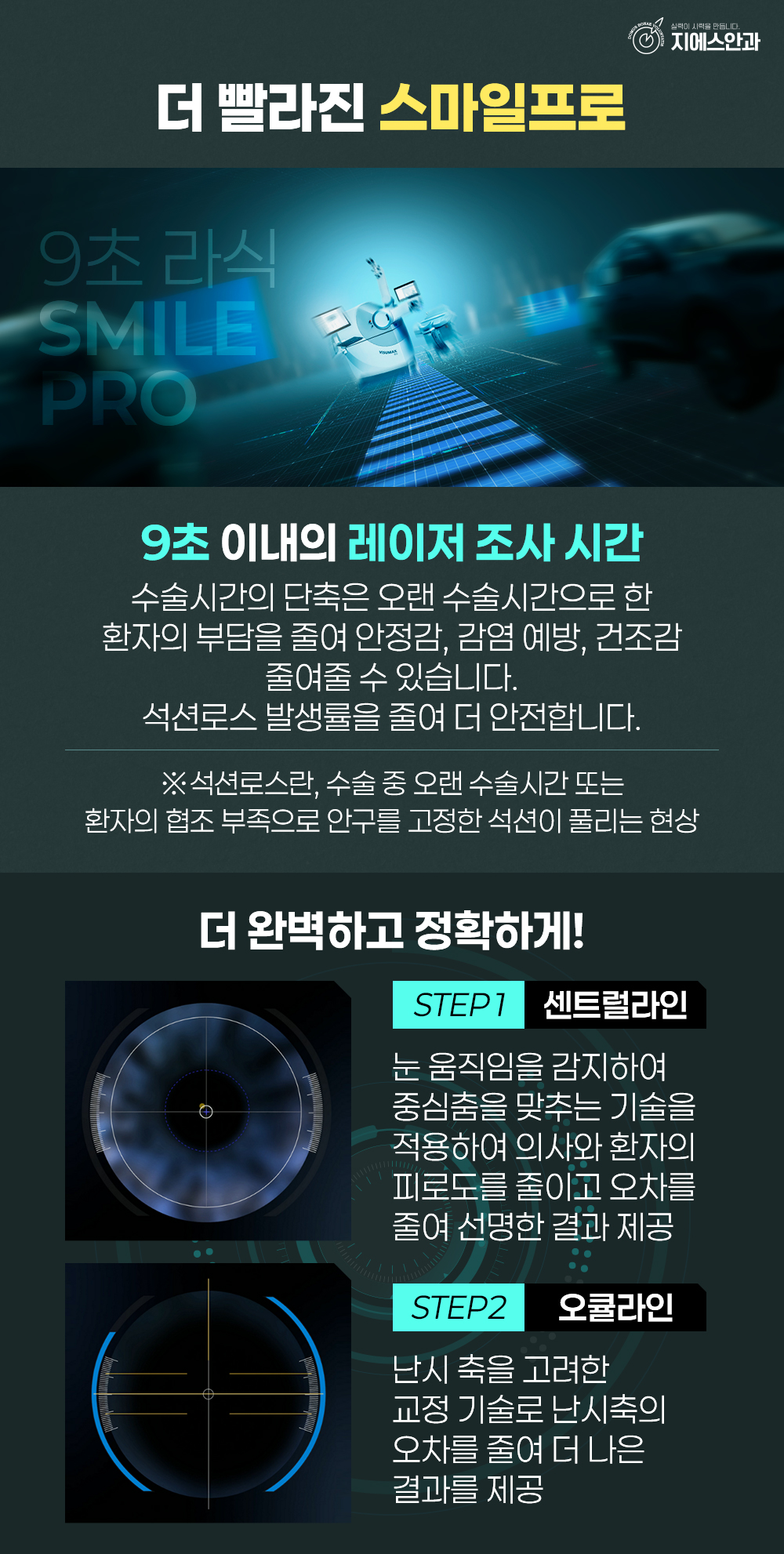
SMILE Pro is a refinement of the SMILE corneal refractive procedure often performed using femtosecond laser platforms such as the ZEISS VISUMAX family. Some laser platforms report very short laser application times, which can make the energy delivery brief and may reduce intraoperative discomfort; exact device performance and procedure durations vary by platform and clinical protocol.
People who may consider SMILE Pro include adults with myopia and astigmatism who have sufficient corneal thickness and stable prescriptions. Many office workers appreciate that recovery is typically fast, with many returning to desk work within a short time, depending on individual healing and the doctor’s advice.
clinical education and technique dissemination.
SMILE LASIK
SMILE LASIK may be suitable for patients with myopia and astigmatism who want a minimally invasive procedure with a small incision, similar in concept to SMILE Pro but using a previous generation platform. The outcomes are influenced more by the suitability of your eye and the surgeon’s planning than by the brand name alone.
SILK (Silk LASIK)
SILK, or Silk LASIK, is another modern laser option in the SMILE family. It is designed to combine precise corneal reshaping with a minimally invasive approach.
This method can be considered for patients whose corneal shape and thickness fit the indications for SILK. Because the clinic is designated as a SILK Training Center, it also provides training to other surgeons, which suggests structured protocols and accumulated experience with this platform.
Golden SMILE and customized laser options
The clinic has developed a proprietary protocol called Golden SMILE, which aims to refine SMILE-type procedures using its accumulated data and standardized steps. In addition, there are customized LASIK techniques and surface procedures such as 2DAY LASEK.
2DAY LASEK and other surface laser procedures may be recommended when preserving more corneal tissue is important, or when certain corneal shapes make flap-based procedures less ideal. Recovery is usually slower than SMILE Pro or SMILE LASIK, and you may experience more discomfort in the first days, but for some eyes this approach can be safer in the long term.
Lens implantation: ICL, GLAZE, PhakiFlex KPL
Lens-based vision correction does not reshape the cornea. Instead, a special lens is implanted inside the eye, usually in front of your natural lens. This can be a good option if you have very high myopia, thin corneas, or if you are not a candidate for laser vision correction for other reasons.
ICL is a well-known type of implantable collamer lens. GLAZE and PhakiFlex KPL are additional lens options.
Lens implantation aims for clear, stable vision while keeping the cornea structurally intact. Another feature is reversibility: the lens can usually be removed or exchanged if necessary, which some patients find reassuring.
Presbyopia and cataract lens surgery
For patients with presbyopia or cataracts, lens surgery is often the main solution. Cataract surgery removes the cloudy natural lens and replaces it with an artificial intraocular lens.
Multifocal intraocular lenses, such as PanOptix, are designed to provide useful vision at multiple distances, reducing dependence on both distance and near glasses.
Results with multifocal lenses vary: many patients enjoy reduced need for glasses, but some may notice halos or glare at night or need time to adapt to the new visual system. Careful preoperative counseling is essential to match lens choice with lifestyle and expectations.
What influences your vision correction results
Detailed preoperative examination
The foundation of realistic results is a thorough eye examination. At a specialized ophthalmology clinic, this usually includes measurements of corneal thickness, curvature, and shape, evaluation of tear film and dry eye status, pupil size, intraocular pressure, and detailed retinal examination.
This clinic has a separate retina center with retina specialists, which is important for screening retinal risk factors such as lattice degeneration, small retinal tears, or early macular problems. Identifying these conditions before surgery helps protect long-term vision and may influence which procedure is recommended.
Matching procedure to the individual eye
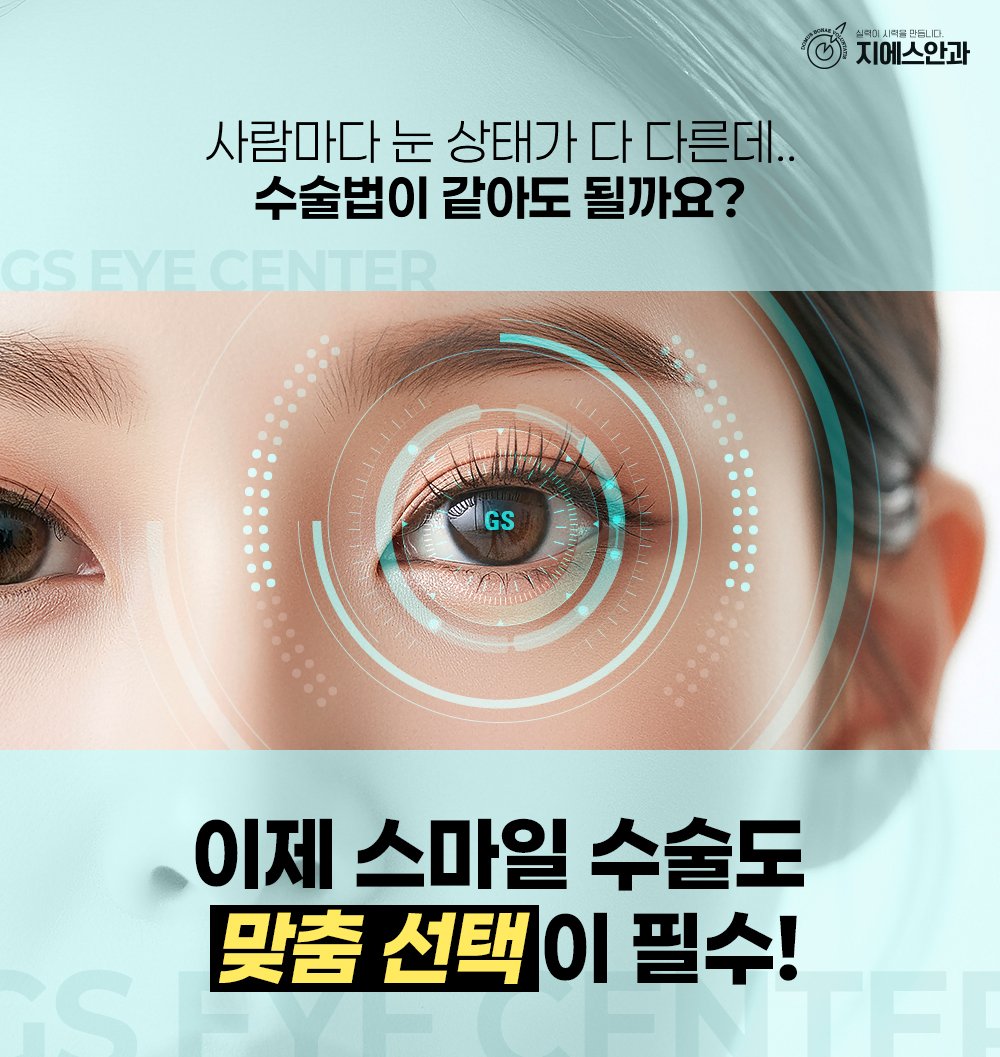
Even around Yeoksam Station, where many people have similar office-based lifestyles, no two eyes are exactly the same. Good planning means selecting SMILE Pro, SMILE LASIK, SILK, LASEK, or lens implantation based on your corneal thickness, corneal shape, degree of myopia or astigmatism, age, and future plans.
For example, a young office worker with moderate myopia and a thick, regular cornea might be an excellent candidate for SMILE Pro. Someone with very high myopia and a thin cornea might be safer with ICL or GLAZE lens implantation. A person in their 50s with early cataracts may benefit more from cataract surgery with a multifocal lens than from corneal laser surgery.
Surgeon experience and structured protocols
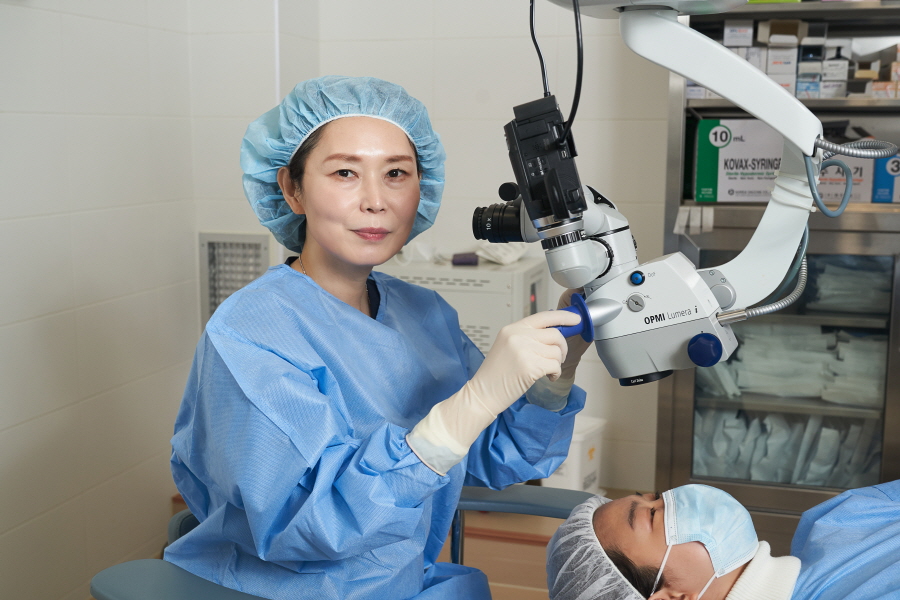
GS Eye Clinic operates in Yeoksam-dong near Gangnam Station. The clinical team includes multiple ophthalmologists, and some staff have university hospital or fellowship experience. The clinic leadership maintains clinical and educational activities, including clinical teaching and public educational content such as an ophthalmology-focused YouTube channel.
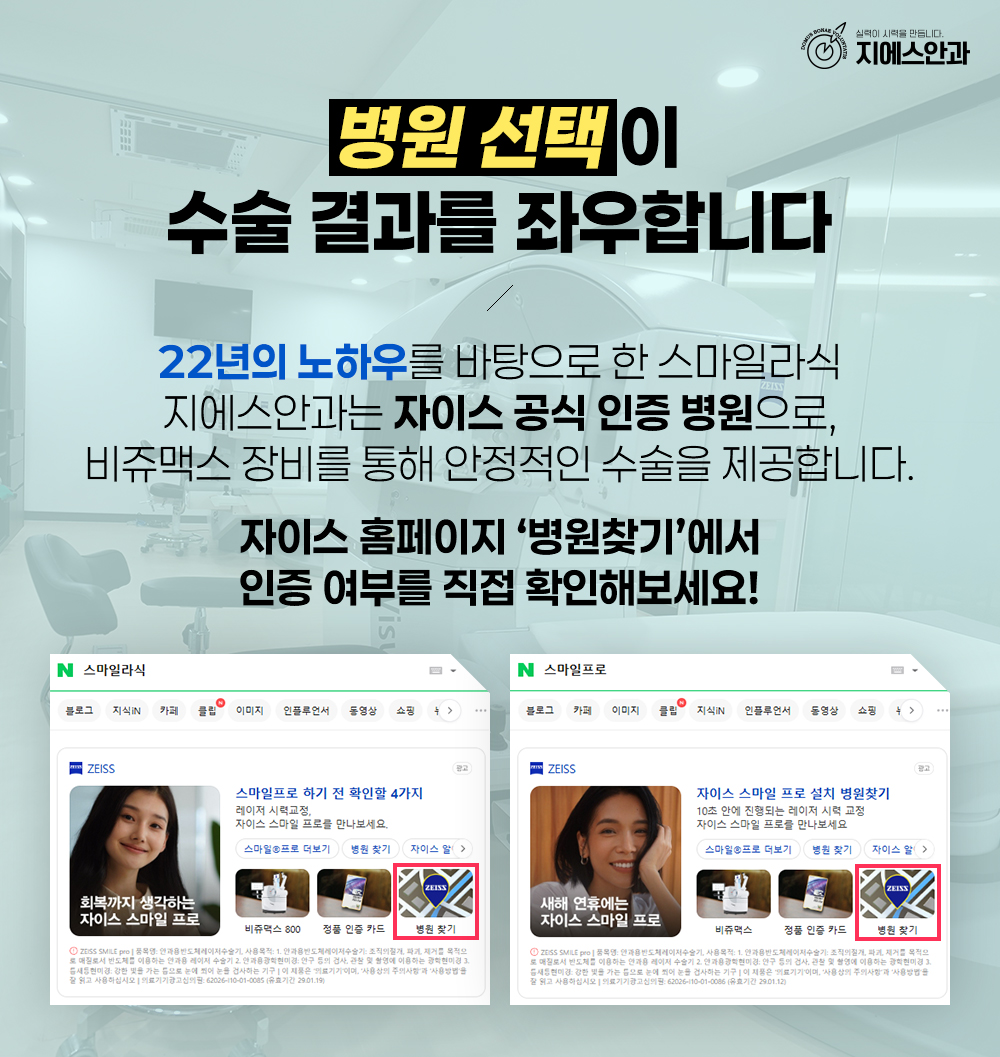
The clinic emphasizes the idea that surgical skill and planning strongly influence visual outcomes. It has been designated as a clinical education institution by a major medical school since 2023 and as an Asia-Pacific clinical education center by BIOTECH since 2024, meaning it also trains other doctors. Its SMILE LASIK procedures are certified with ISO 9001 and 14001 international standards, which relate to quality and environmental management systems and support standardized processes.
Corneal strengthening and dry eye management
For some patients, especially those with thinner corneas or early signs of corneal weakness, corneal strengthening procedures such as EXTRAC or KXL may be combined with laser vision correction. These treatments aim to increase the biomechanical stability of the cornea.
Dry eye is another important factor. Many people working near Yeoksam Station spend long hours on computers and smartphones, which can worsen dry eye. A dedicated dry eye clinic within the ophthalmology center can help diagnose and treat dry eye before and after surgery, improving comfort and perceived visual quality.
Role of advanced equipment in shaping results
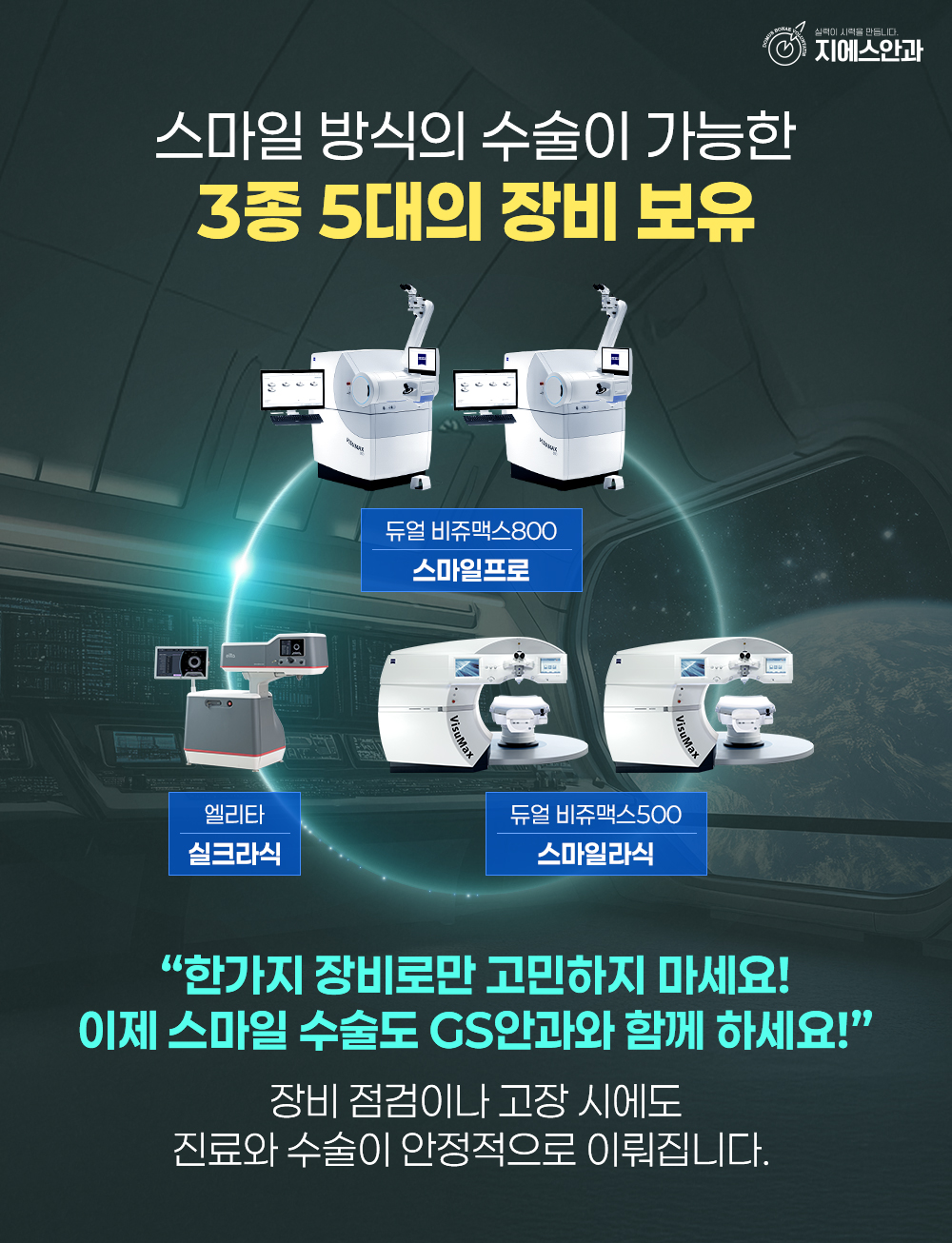
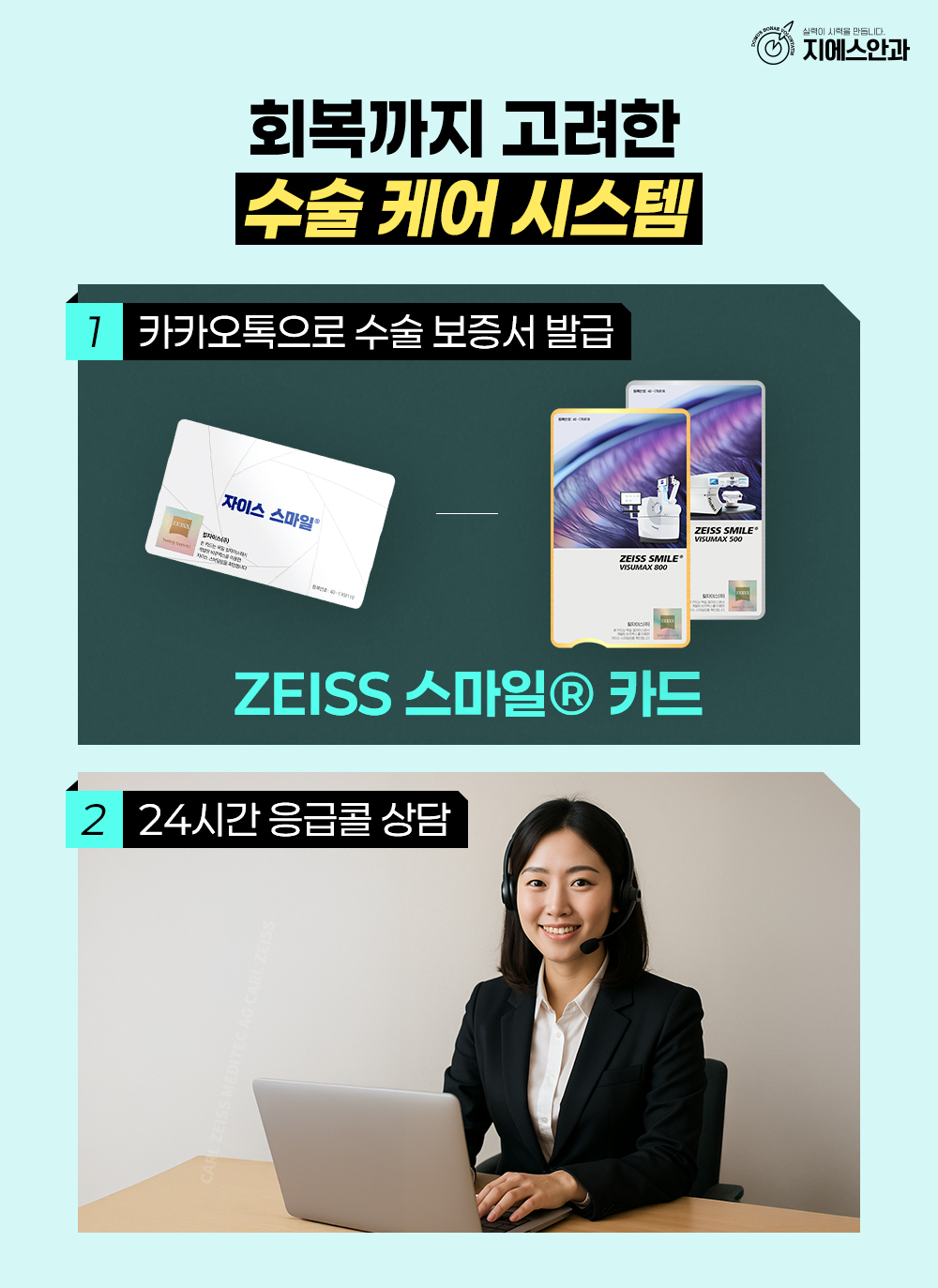
Having multiple generations of SMILE-related platforms allows more tailored choices. The VISUMAX 800 for SMILE Pro offers very fast laser times and is designed for efficient, comfortable procedures. The two VISUMAX 500 units for SMILE LASIK provide stable, familiar technology with high throughput.
Because the clinic has experience with SMILE Pro, SMILE LASIK, SILK, and various customized LASIK and LASEK techniques, it can choose among them rather than relying on a single machine. This flexibility can be especially helpful when balancing corneal thickness, curvature, and lifestyle needs.
Lens surgery and cataract equipment, along with diagnostic imaging devices, also play a role in achieving precise outcomes. While patients do not need to understand every technical detail, it is reasonable to ask which platforms are used and why a particular system is recommended for you.
Who may consider vision correction near Yeoksam Station
Office workers and residents around Yeoksam and Gangnam Stations
If you are tired of glasses steaming up on the subway, or contact lenses drying out during long meetings and late-night work, you may be a candidate for vision correction. Many patients in this area are in their 20s to 40s, working in finance, IT, consulting, or start-ups, and want clear vision for commuting, dual-monitor setups, and evening social activities.
People with high myopia or thin corneas
If you have been told elsewhere that your cornea is too thin for LASIK, or your myopia is too high for standard laser procedures, lens implantation options such as ICL, GLAZE, or PhakiFlex KPL may be considered. In such cases, a detailed examination is essential to evaluate the safety of lens-based procedures and to check the retina.
Patients with presbyopia or cataracts
For those in their 40s and beyond, reading difficulties and early cataract changes can be more bothersome than distance blur. If you are already considering cataract surgery or frustrated by multiple pairs of glasses, presbyopia and cataract lens surgery with multifocal lenses might be discussed.
However, not everyone is an ideal candidate for multifocal lenses. Night driving habits, sensitivity to glare, and specific work demands should be considered carefully.
Online consultation and pre-visit preparation
If you are an overseas patient planning a visit to Korea, an online consultation can help you understand your options before you book flights and accommodation.
Before your online consultation, it is helpful to prepare:
Your current glasses or contact lens prescription, including cylinder and axis if you have astigmatism.
Any previous eye examination reports, especially corneal topography or retinal imaging if available.
Information about eye symptoms such as dryness, glare, floaters, or previous eye trauma or surgery.
A short description of your daily routine: hours on screens, night driving, sports, and hobbies.
During the online consultation, you can discuss which procedures are likely to be suitable and how many days you should plan to stay in Seoul. While final decisions require in-person examination, this step can clarify whether you are more likely to need SMILE-type laser, surface laser, lens implantation, or presbyopia and cataract surgery.
Expected Korea visit timeline for international patients
Although exact schedules vary, many overseas patients follow a similar pattern:
Day 1: Arrival in Seoul and rest.
Day 2: Comprehensive examination at the ophthalmology clinic near Gangnam Station and Yeoksam-dong. This can take several hours and may include pupil dilation, so it is better not to schedule important meetings afterward.
Day 3: Surgery day for eligible patients. SMILE Pro, SMILE LASIK, SILK, or lens implantation procedures are usually completed within a short time, but you should plan the entire day around the visit.
Day 4–5: Early postoperative check-ups. Many patients can walk around comfortably, but you should avoid rubbing your eyes and follow protective instructions.
Day 6–7: Additional follow-up if needed, then departure. For some lens or cataract cases, the clinic may recommend a slightly longer stay.
Your individual plan may differ depending on your eye condition, procedure type, and healing response. It is important to confirm the recommended stay and follow-up schedule during your consultation.
Aftercare and long-term stability
After vision correction, you will receive detailed instructions on eye drops, eye shields, and activity restrictions. In general, you should:
Use prescribed eye drops exactly as directed.
Avoid rubbing or pressing on your eyes.
Protect your eyes from dust, sweat, and strong wind in the early period.
Limit heavy exercise, swimming, and sauna use according to your doctor’s advice.
For office workers, returning to computer work is usually possible relatively soon after SMILE Pro, SMILE LASIK, or SILK, but you may experience temporary dryness or mild fluctuations in clarity. Using artificial tears and taking regular breaks can help.
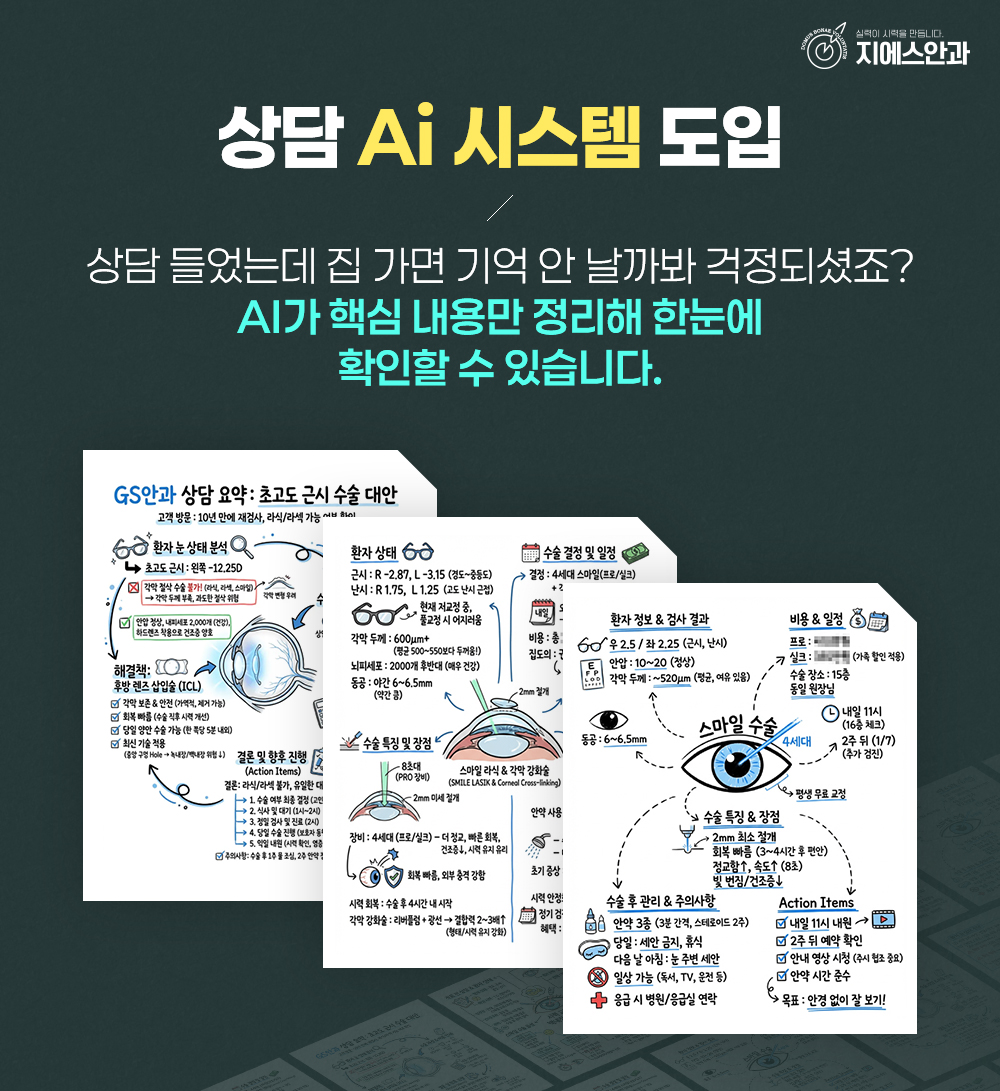
For lens implantation and cataract surgery, follow-up visits are important to monitor intraocular pressure, lens position, and retinal health. Because this clinic has a retina center, it can also monitor and treat retinal issues that may appear over time.
Long-term stability is supported by proper procedure selection, corneal strengthening when indicated, and ongoing management of dry eye and general eye health. Regular check-ups, even after you return to your home country, are recommended.
Frequently asked questions
How clear can I expect my vision to be after SMILE Pro or SMILE LASIK?
Many patients with healthy eyes achieve clear distance vision suitable for daily life, including commuting, office work, and most leisure activities. However, exact results depend on your initial prescription, corneal shape, and any coexisting eye conditions. Some people may still need thin glasses for specific tasks, such as night driving or very fine detail work. Your surgeon will explain the realistic target for your particular case.
How soon can I go back to work near Yeoksam Station after surgery?
For SMILE Pro, SMILE LASIK, and SILK, many office workers can return to light desk work within a few days, depending on individual healing and comfort. Surface procedures like LASEK usually require a longer recovery period before screens feel comfortable for long hours. For lens implantation and cataract surgery, some patients resume light activities within a few days, but you should avoid heavy lifting and follow your doctor’s specific timeline.
Are lens implantation options like ICL or GLAZE safe for high myopia?
ICL, GLAZE, and PhakiFlex KPL are established options for high myopia, especially when the cornea is thin or not suitable for laser surgery. Safety depends on accurate measurements of the eye, proper lens sizing, and careful monitoring of intraocular pressure and the cornea after surgery. A thorough examination, including retinal evaluation, is essential before deciding on lens implantation.
Can presbyopia and cataracts be treated at the same time to reduce glasses use?
Yes, cataract surgery with multifocal intraocular lenses, such as PanOptix, is designed to address both cataract and presbyopia in a single procedure. Many patients experience reduced dependence on both distance and reading glasses, but some may still prefer glasses for very fine print or prolonged near work. Night vision phenomena such as halos or glare can occur, so it is important to discuss your driving habits and expectations with your surgeon.
Soft call to action for online consultation
If you are considering vision correction while living or working around Yeoksam Station, or planning a medical trip to Seoul, an online consultation with the ophthalmology team near Gangnam Station can help you understand which options match your eyes and lifestyle. By sharing your current prescription, previous eye records, and daily visual needs, you can receive a personalized plan and a realistic outline of expected results, visit schedule, and aftercare.
This information is intended to help you prepare informed questions and understand general possibilities. Final decisions about surgery should always be made after a full in-person examination and direct consultation with an ophthalmologist.




- 공유 링크 만들기
- X
- 이메일
- 기타 앱


댓글
댓글 쓰기