7 Day SMILE vs Smart LASIK Planning
- 공유 링크 만들기
- X
- 이메일
- 기타 앱
Direct answer summary
If you are considering minimally invasive laser vision correction such as Smart LASIK or SMILE near Yeoksam Station and Gangnam Station in Seoul, plan for variability in clinic protocols: some clinics may perform surgery on the same day as the examination, while others prefer to separate the exam and the operation by at least one day — confirm the clinic's scheduling when planning your trip. Many international patients allow about 3–7 days in Korea to accommodate pre-operative tests, surgery, and early follow-up checks. SMILE can preserve more corneal tissue than flap-based LASIK and may reduce certain flap-related risks, while Smart LASIK refers to a more customized LASIK approach; suitability depends on your eye shape, corneal thickness, prescription, and overall eye health. A local ophthalmology clinic such as GS Eye Center near Yeoksam Station can perform full examinations, explain options, and guide you through scheduling, aftercare, and follow-up.
What is Smart LASIK and SMILE vision correction
Smart LASIK and SMILE are types of laser eye surgery that aim to reduce or remove the need for glasses and contact lenses. They reshape the cornea, which is the clear front window of the eye, so that light focuses properly on the retina.
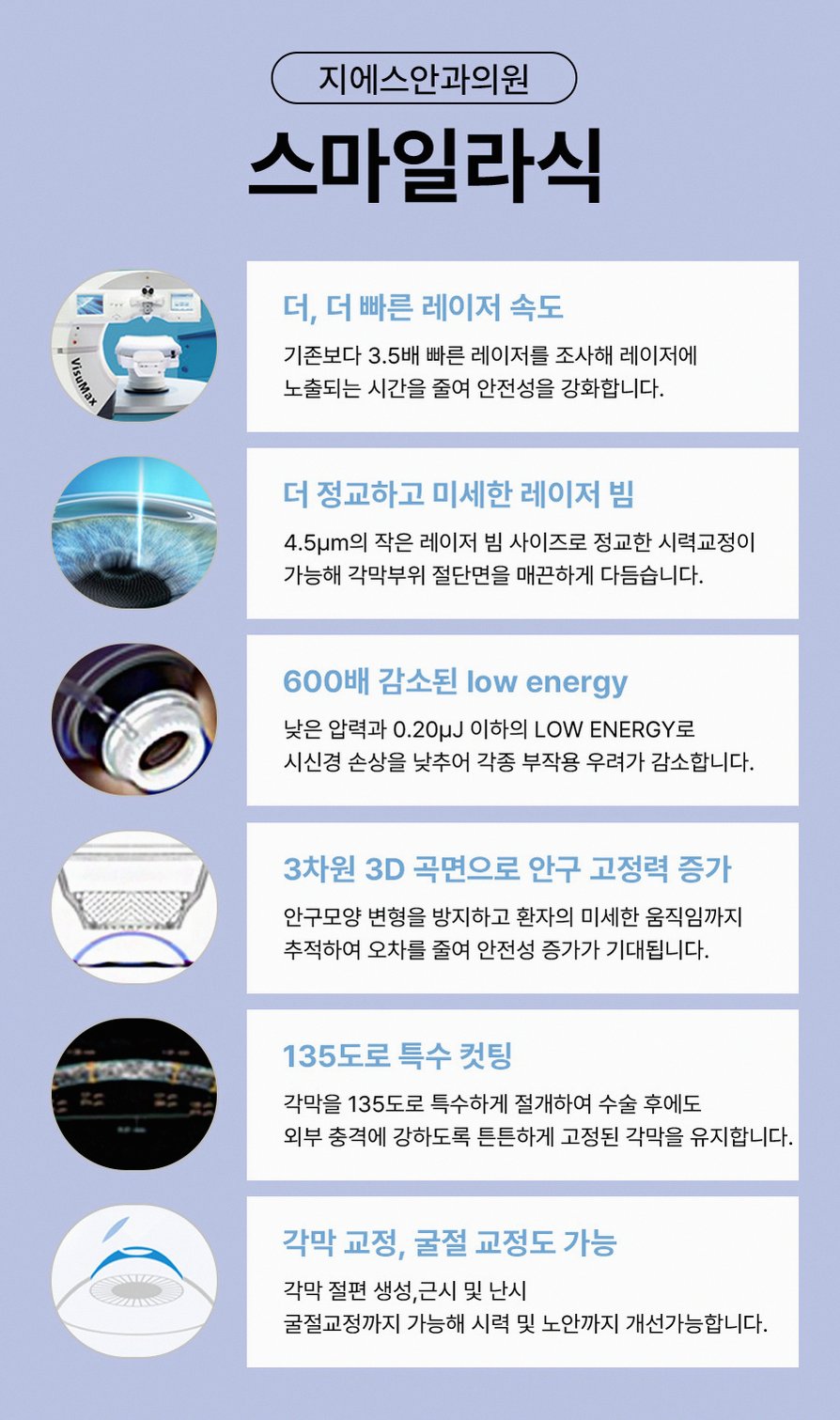
Smart LASIK is a type of LASIK that uses advanced, often wavefront-guided or topography-guided laser technology. The goal is to customize the treatment to the unique shape and optical imperfections of each cornea. The procedure typically involves creating a thin flap on the cornea, reshaping the underlying tissue with an excimer laser, and then repositioning the flap.
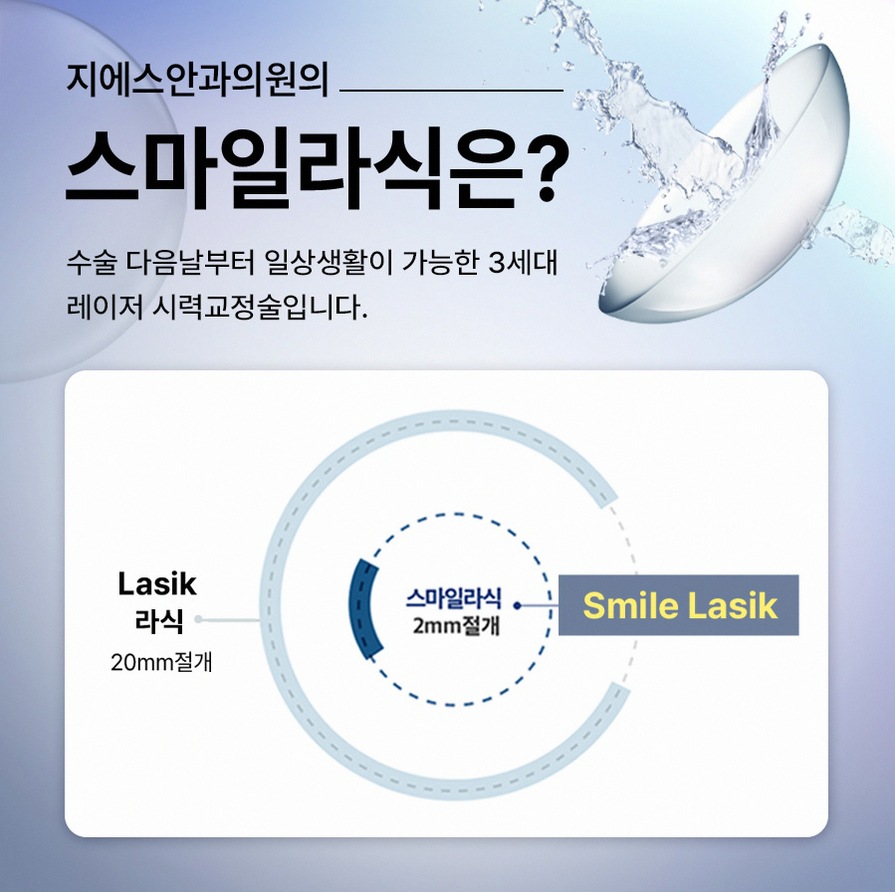
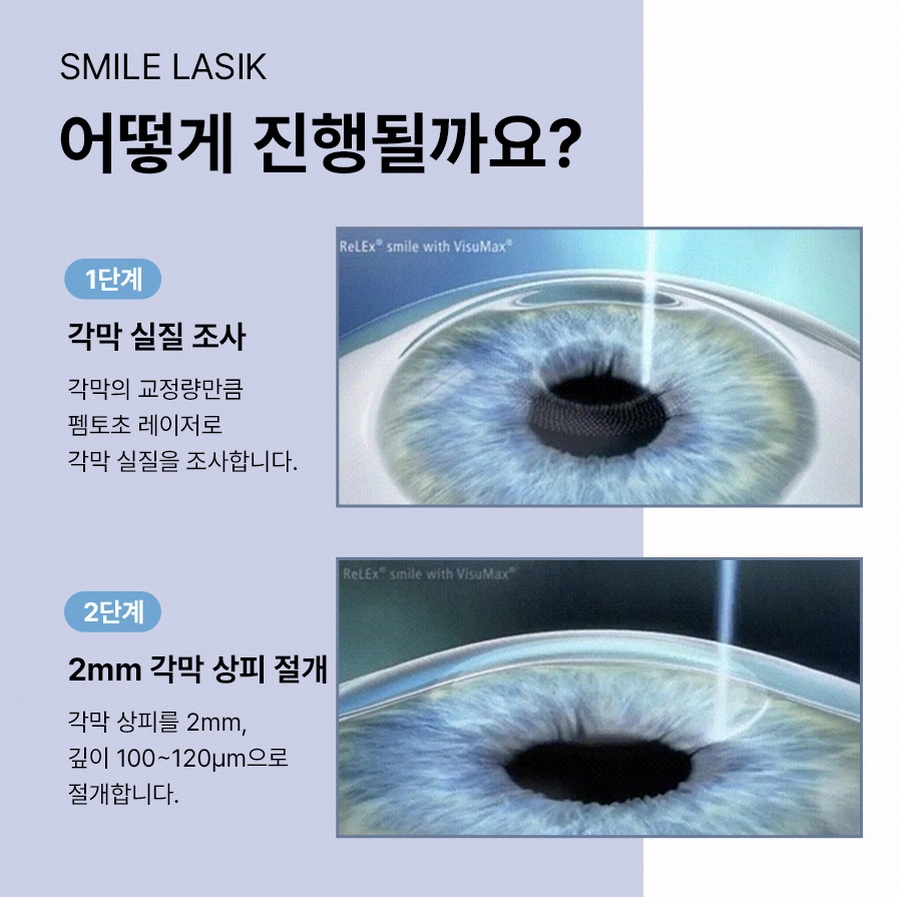
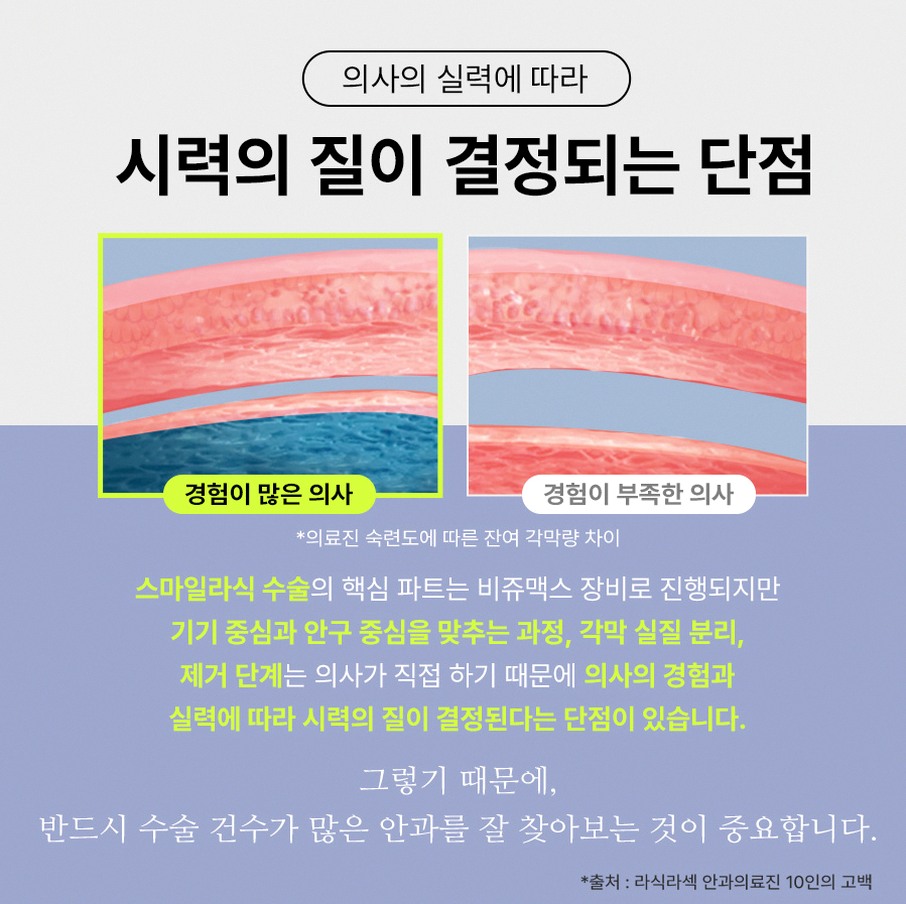
SMILE (Small Incision Lenticule Extraction) is another minimally invasive laser procedure. Instead of creating a large flap, a femtosecond laser creates a small lens-shaped piece of tissue (lenticule) inside the cornea and a tiny incision. The surgeon then removes this lenticule through the small opening. Because there is no large flap, SMILE may preserve more corneal structure and may help reduce some dry eye and flap-related concerns in suitable patients.
How Smart LASIK and SMILE differ from classic LASIK and LASEK
Classic LASIK uses a flap created with either a microkeratome blade or a femtosecond laser. The excimer laser reshapes the cornea under the flap. Recovery is usually fast, and many people see well within a day or two. However, the flap can be a point of structural weakness and may be associated with some dry eye symptoms.
LASEK and PRK do not create a flap. Instead, the surface epithelium is removed, the laser reshapes the surface, and the epithelium grows back over several days. These procedures can be suitable for thinner corneas but often involve more discomfort and slower visual recovery during the first week.
Smart LASIK uses more advanced planning and laser control compared with older LASIK techniques. It focuses on customized treatment, aiming to reduce higher-order aberrations and improve quality of vision under different lighting conditions. The overall structure is similar to LASIK, but the planning and laser patterns are more refined.
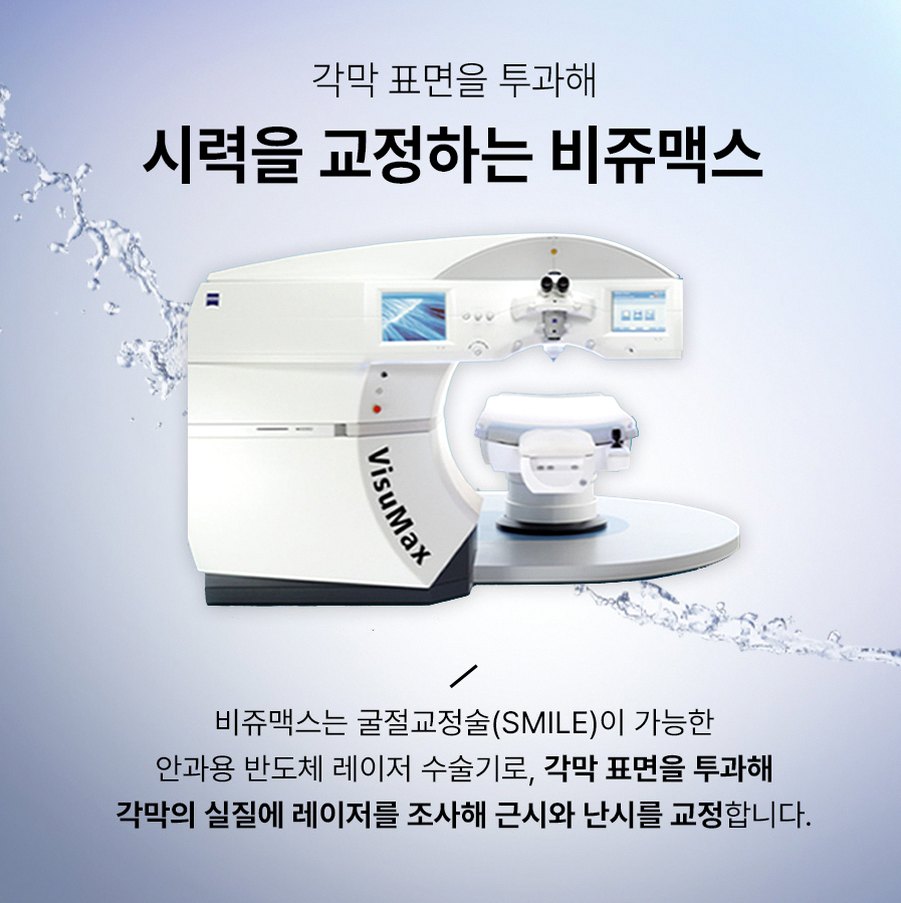
SMILE differs more clearly. It uses a small incision instead of a large flap, and all the reshaping is done internally by removing the lenticule. This may help maintain more corneal stability and may be considered for patients with certain lifestyle needs, such as those who are more active or concerned about flap-related issues. However, not all prescriptions or astigmatism patterns are suitable for SMILE, so a detailed examination is essential.
Who may consider Smart LASIK or SMILE near Yeoksam Station
People who are tired of glasses or contact lenses and live in or plan to visit the Yeoksam Station and Gangnam Station area often search for Smart LASIK or SMILE because they want a modern, minimally invasive procedure. Typical candidates include adults with stable vision for at least one to two years, with myopia (nearsightedness) and possibly astigmatism within the treatable range for the chosen procedure.
Good general eye health is important. People with active eye infections, uncontrolled dry eye, severe keratoconus, significant corneal scarring, or very thin corneas may not be suitable for Smart LASIK or SMILE. Pregnancy, breastfeeding, certain autoimmune conditions, and some medications can also affect candidacy and healing.
If you are coming from overseas, it is especially helpful to know your current glasses or contact lens prescription, any past eye surgery, and whether you have a history of eye disease such as glaucoma or retinal problems. Sharing these details in advance helps the eye clinic estimate whether Smart LASIK or SMILE might be appropriate, although final decisions are always made after in-person testing.
Benefits and limitations of minimally invasive laser vision correction
Smart LASIK and SMILE are often chosen for their balance between effectiveness and recovery time. Many patients experience clearer unaided vision relatively quickly. For Smart LASIK, visual improvement can be noticeable within hours to days. For SMILE, vision also tends to recover quickly, though some people notice gradual improvement over several days.
Minimally invasive techniques aim to reduce disruption to corneal nerves and surface tissue. This may help with comfort and dryness in some patients, but it does not remove all risk. Dry eye symptoms, glare, halos at night, and temporary fluctuations in clarity can still occur. In rare cases, additional enhancement procedures may be needed.
It is important to understand that no laser eye surgery can guarantee perfect vision or a specific result. Age-related changes, such as presbyopia (the need for reading glasses in the 40s and beyond), can still occur even after successful Smart LASIK or SMILE. Some people may still need thin glasses for certain tasks, such as night driving or very fine work.
Why location near Yeoksam Station and Gangnam Station matters
For international patients, convenience and accessibility are practical considerations. Staying near Yeoksam Station or Gangnam Station places you close to many eye clinics, hotels, restaurants, and transport links, which can reduce stress during your treatment period.
After laser vision correction, you will usually have follow-up visits within the first day or two. Being able to walk or take a short ride to the clinic is especially helpful when your eyes are still adjusting and you may prefer not to travel far. The Gangnam area also offers many accommodation options at different price levels, making it easier to plan a short medical stay.
Using GS Eye Center as an example of a local ophthalmology clinic
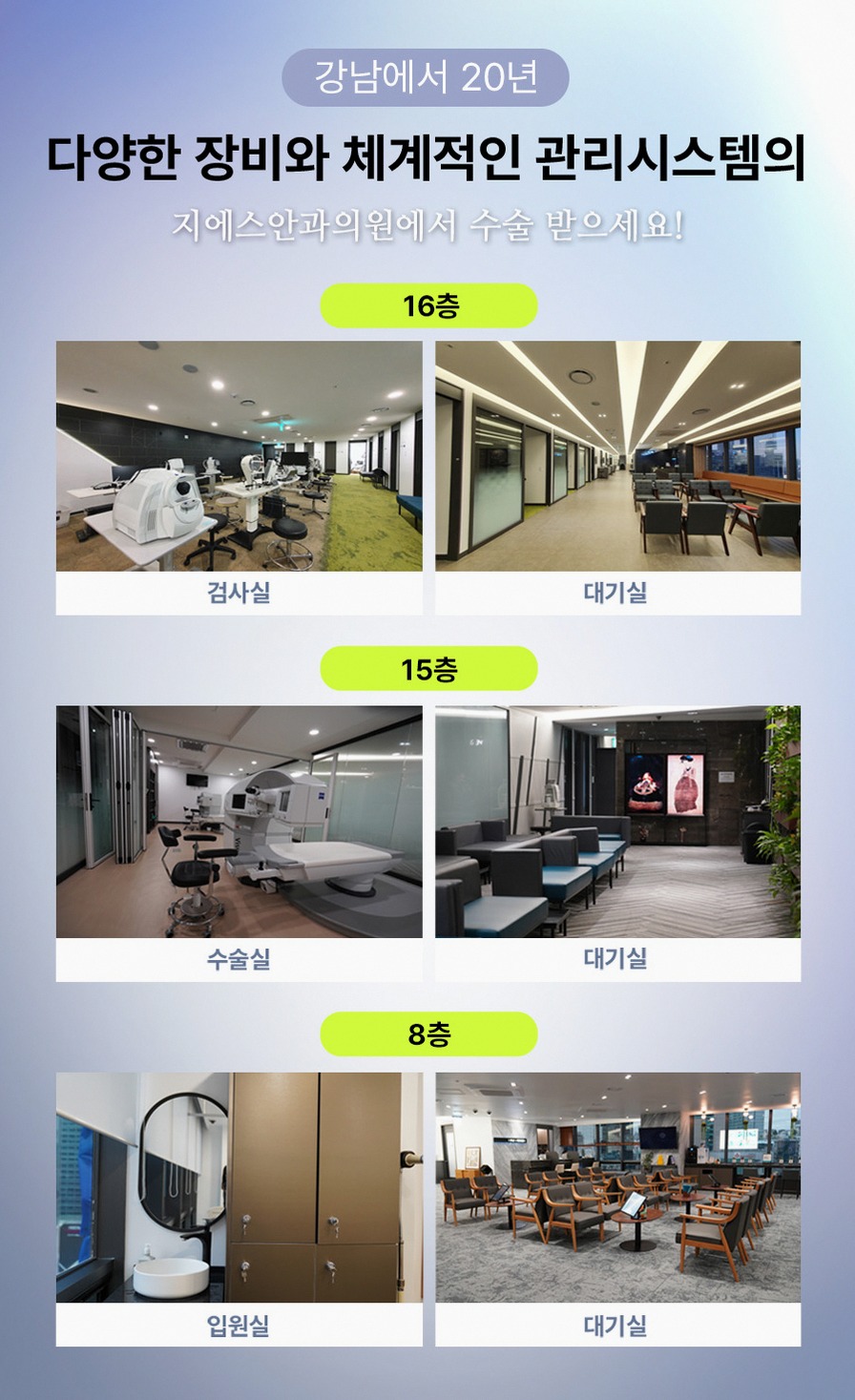
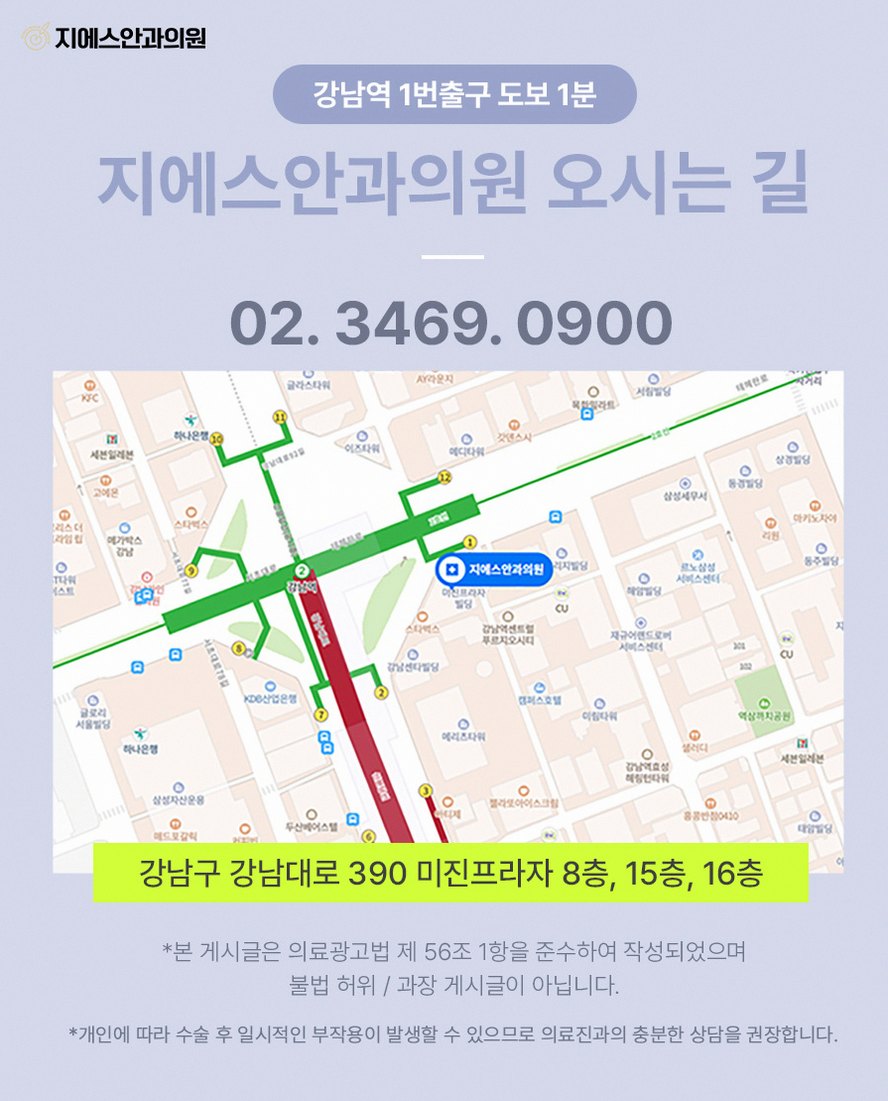
GS Eye Center is an ophthalmology clinic located in the Gangnam area, accessible from Yeoksam Station and Gangnam Station. For international patients, a clinic in this location can be convenient because it is easy to reach from major subway lines and airport bus routes.
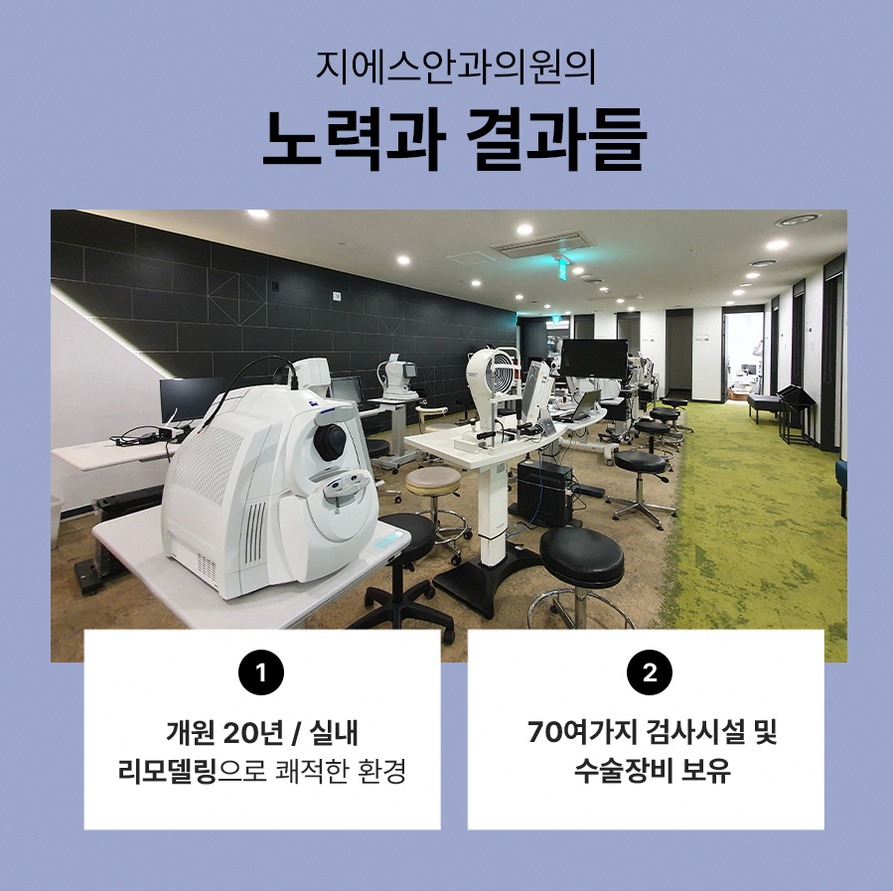
When considering any eye clinic, you may want to check how experienced the team is with Smart LASIK and SMILE, what diagnostic equipment they use, whether they offer English support, and how they handle aftercare and communication once you return home. Asking for clear explanations in simple language is important so you fully understand your options.
How to prepare through online consultation before visiting Korea
Before booking flights, it is wise to arrange an online or email consultation with the clinic. This step does not replace a full in-person examination, but it can help you decide whether the trip is likely to be worthwhile and how many days to plan.
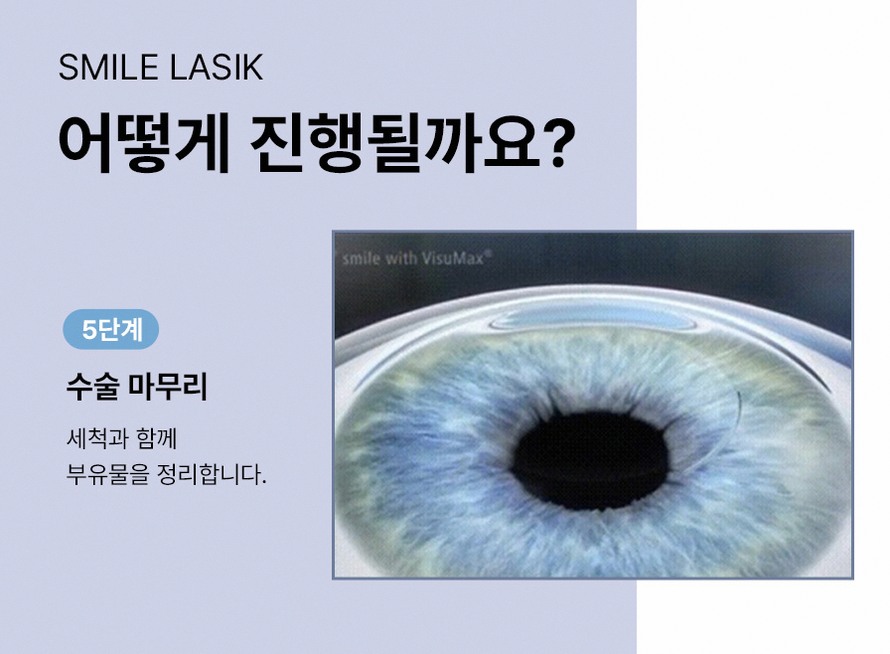
Information you may prepare in advance includes your most recent glasses or contact lens prescription, any previous eye surgery or trauma, general medical conditions such as diabetes or autoimmune disease, and a list of medications and supplements you are taking. If you have had a recent eye examination report from your home country, you can ask whether sending it in advance would be helpful.
During online consultation, you can ask which procedures are commonly recommended for people with your prescription range, whether Smart LASIK, SMILE, or another method might be considered, and what typical recovery schedules look like for international patients. You can also confirm language support, clinic hours, and how they handle urgent questions after surgery.
Questions to ask the clinic before deciding
Many people focus mainly on price, but for eye surgery it is important to look at the whole picture. When you contact a clinic near Yeoksam Station, you may want to ask about several points.
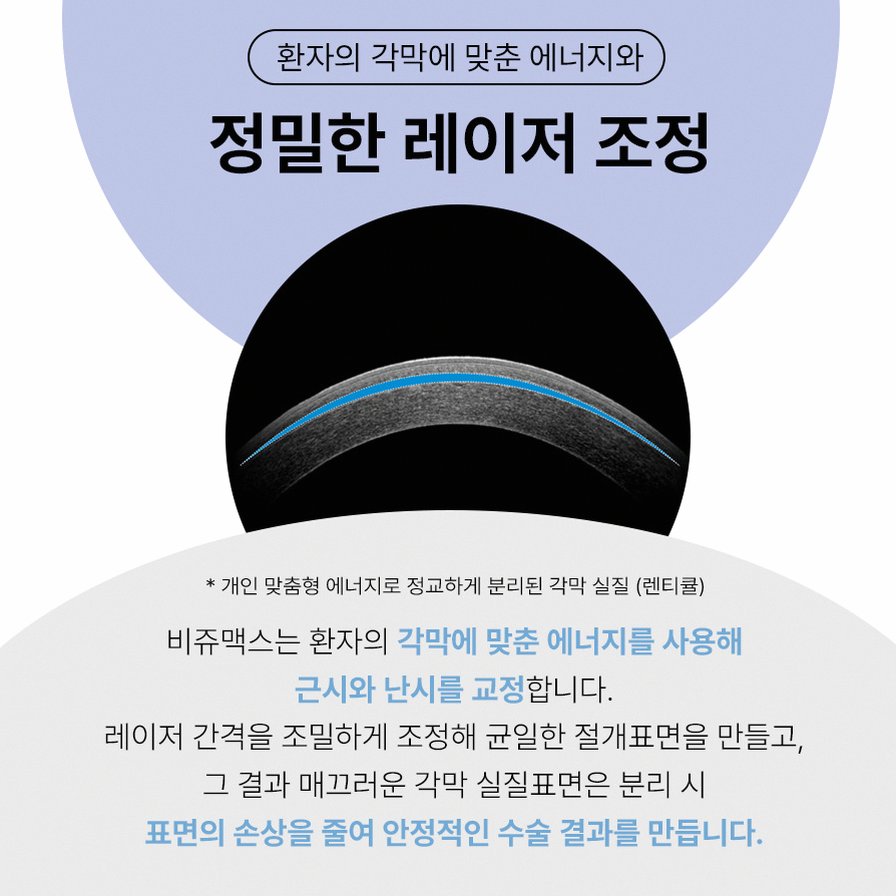
You can ask what diagnostic tests are included in the pre-operative examination, such as corneal topography, corneal thickness measurement, pupil size, tear film evaluation, and retinal examination. You may ask which laser platforms are used for Smart LASIK and SMILE, and whether the clinic can explain why a particular system is chosen for your eyes.
It is also helpful to ask about anesthesia type (usually numbing eye drops), expected discomfort during and after the procedure, and how long you should plan to rest on the day of surgery. Clarify how many follow-up visits are recommended in the first week and whether any remote follow-up is possible after you return home.
Finally, ask about what is included in the package: pre-operative tests, surgery, post-operative medications such as eye drops, protective shields or goggles, and follow-up visits. Understanding these details helps you compare clinics fairly and avoid unexpected costs.
Typical visit timeline for overseas Smart LASIK or SMILE patients
The exact schedule varies by clinic and by your travel plans, but many international patients follow a similar pattern when they come to the Yeoksam Station and Gangnam Station area for laser vision correction.
Day 1 often includes registration and a full eye examination. This can take several hours because many tests are needed, and some require waiting periods between them. If your eyes are dilated to check the retina, your near vision may be blurry and you may be sensitive to light for a few hours.
Depending on the clinic’s protocol and your test results, surgery may be scheduled for the same day or the next day. Some clinics prefer to separate the examination and surgery by at least one day, especially for international patients, to review all data carefully and discuss your options.
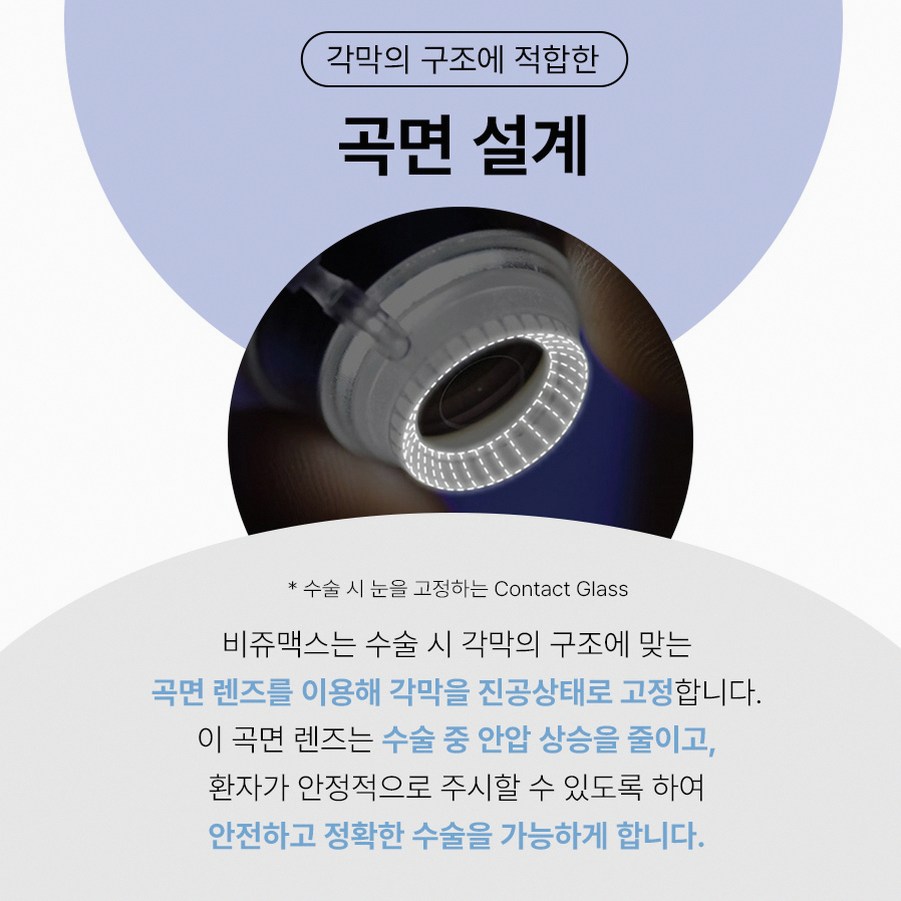
Day 2 or 3 is often the surgery day. The procedure itself is usually brief (actual times vary by clinic and protocol); laser exposure is often very short. You will typically rest in a recovery area for a short time afterward, then return to your accommodation with protective eyewear and written instructions.
The first follow-up visit is usually on the next day after surgery. The doctor checks your vision, corneal condition, and healing. Additional follow-ups may be scheduled within the first week. Many overseas patients plan to stay in Korea for at least three to five days after surgery, and sometimes up to a week, to complete early follow-up checks before flying home.
What to expect on the day of Smart LASIK or SMILE
On the surgery day, you will usually be asked to avoid makeup, perfume, and hair products that produce strong fumes. You may sign consent forms and review the plan once more with the medical team. Numbing eye drops are applied, and sometimes a mild oral sedative is offered to help you relax.
During Smart LASIK, you may feel pressure when the flap is created and see lights or shadows. Vision can go dim for a few seconds. The laser reshaping step is usually painless, though you may smell a slight odor as the laser works. The flap is then repositioned, and the process is repeated on the other eye.
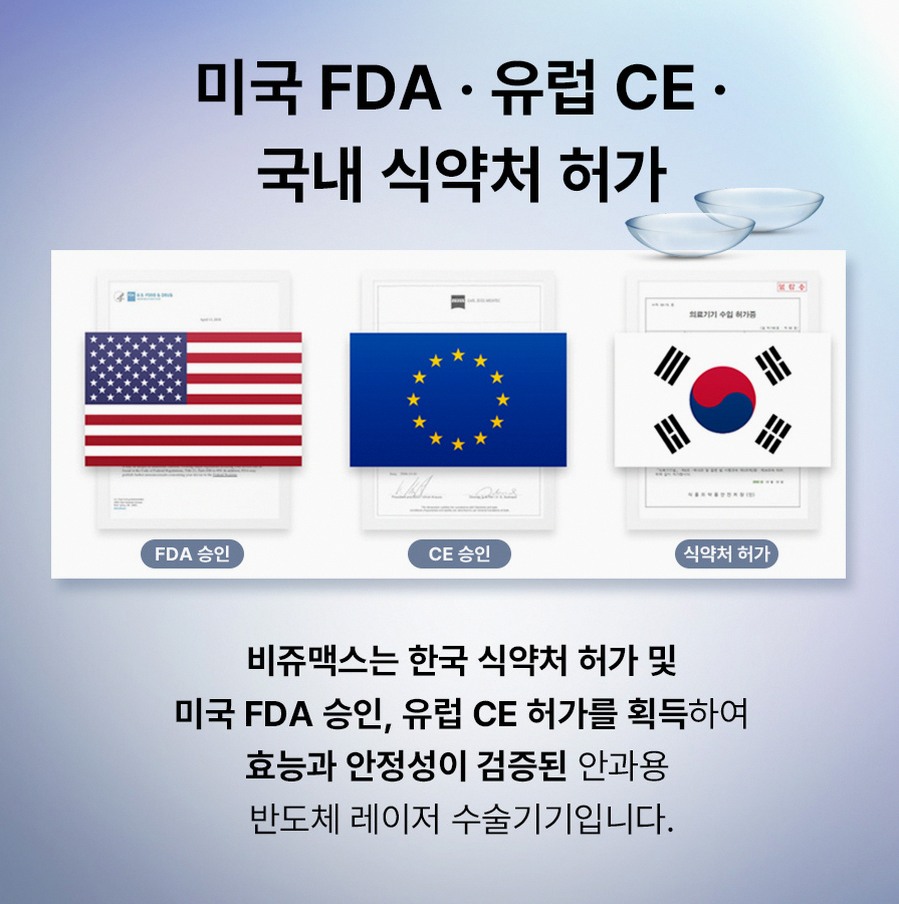
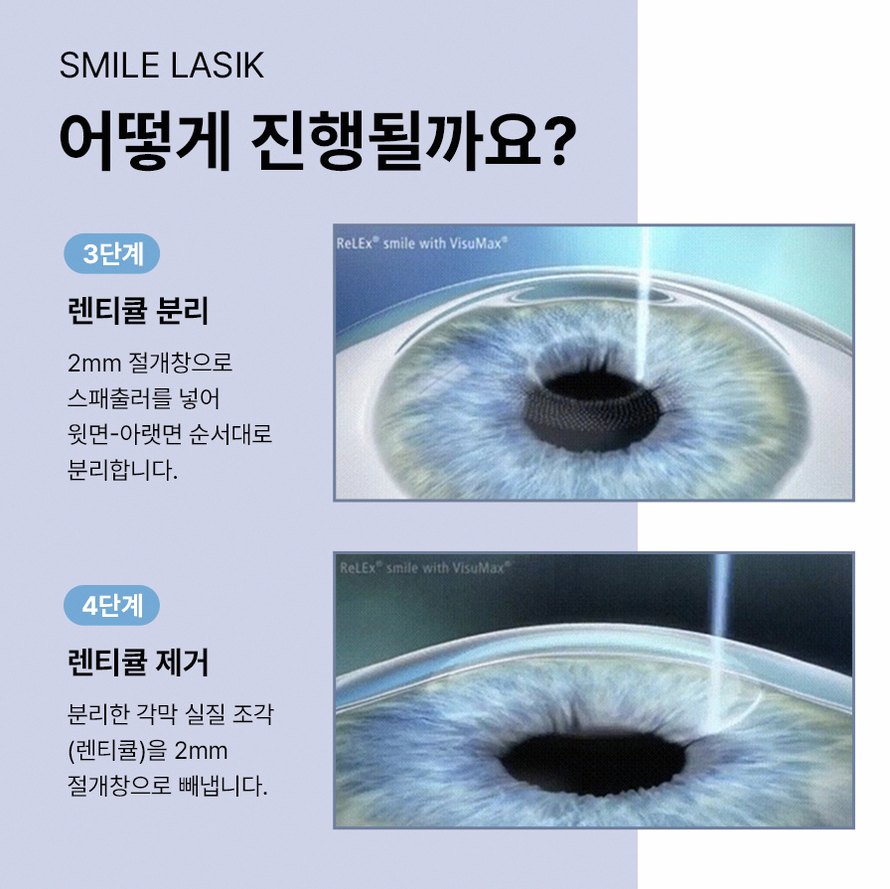
During SMILE, you will also see lights and feel some pressure as the femtosecond laser creates the lenticule and small incision. The surgeon then removes the lenticule through the tiny opening. Many patients describe a sense of pressure rather than pain. The entire process is typically quick, and you will be guided through each step.
After the procedure, your eyes may feel scratchy, watery, or sensitive to light. You will usually receive lubricating and antibiotic eye drops, along with clear instructions on how often to use them.
Aftercare and recovery in Korea and at home
The first 24 hours are important for rest and protection. You will usually be advised not to rub your eyes, avoid getting water directly into your eyes when washing your face or hair, and wear protective shields or goggles while sleeping. Many people notice significant visual improvement the next day, but some blurriness and fluctuation are normal.
During the first week, you may be asked to avoid eye makeup, swimming pools, saunas, and intense exercise. Light walking is usually fine, but always follow your clinic’s specific advice. Artificial tears can help relieve dryness and discomfort.
If you are flying home soon after surgery, you should inform the clinic of your flight date. They can advise you on how many days to wait before flying, and what precautions to take on the plane, such as frequent use of lubricating drops and avoiding rubbing your eyes.
Once you return home, you should continue using prescribed drops for the full recommended period. It is also a good idea to arrange a follow-up eye examination with an eye doctor in your home country within a few weeks or months, bringing your surgery report and any instructions from the Korean clinic.
Safety considerations and realistic expectations
Every surgical procedure involves some level of risk, and Smart LASIK and SMILE are no exception. Common temporary side effects include dry eyes, glare, halos around lights at night, and fluctuating vision. These often improve over time, but the pace and degree of improvement can vary from person to person.
More serious complications, such as infection, inflammation, or irregular healing, are less common but can affect vision. Choosing a clinic that performs thorough pre-operative screening, explains risks clearly, and provides structured aftercare can help reduce these risks.
It is important to have realistic expectations. Laser vision correction aims to reduce dependence on glasses and contact lenses, not necessarily to eliminate them completely. Your age, prescription, and individual healing response all influence the final outcome. Discussing these points honestly with the doctor before surgery helps you make an informed decision.
Soft call to action for online consultation
If you are considering Smart LASIK or SMILE near Yeoksam Station and Gangnam Station and are planning a medical trip to Seoul, an online consultation can be a practical first step. By sharing your basic eye history and travel plans, you can receive guidance on potential suitability, recommended length of stay, and a tentative schedule.
GS Eye Center can be contacted in advance so that you can ask about examination details, available procedures, language support, and aftercare options for overseas patients. Taking time to clarify your questions before booking flights and accommodation can make your visit smoother and help you feel more confident about your decision.
Frequently asked questions about Smart LASIK and SMILE near Yeoksam Station
What is the difference between Smart LASIK and SMILE for someone visiting Gangnam
Smart LASIK is a flap-based procedure that uses advanced, customized laser patterns to reshape the cornea. It often allows very rapid visual recovery and can address a wide range of prescriptions. SMILE uses a small incision and removes an internal lenticule of tissue without creating a large flap. Some patients and doctors prefer SMILE for its minimally invasive nature and potential structural benefits. The best choice depends on your corneal thickness, prescription, and eye shape, which can only be confirmed after a full examination.
How many days should I stay in Seoul for Smart LASIK or SMILE
Many international patients plan to stay in Seoul for about 3–7 days. This usually allows time for a full pre-operative examination, the procedure itself, and at least one or two follow-up visits. Some clinics may recommend staying a bit longer, especially if your schedule allows, to monitor early healing more closely. You should confirm the recommended stay with the clinic before booking flights.
Can I fly soon after Smart LASIK or SMILE
Flying after laser vision correction is generally possible, but timing should be discussed with your doctor. Many patients are allowed to fly a few days after surgery once the initial healing and first follow-up check are completed. During the flight, the cabin air can be dry, so frequent use of lubricating eye drops and avoiding rubbing your eyes is important. Always follow the specific guidance given by your treating clinic.
Is Smart LASIK or SMILE painful
Most people do not describe Smart LASIK or SMILE as painful because numbing eye drops are used. You may feel pressure during parts of the procedure and may notice lights or shadows, but sharp pain is uncommon. After the surgery, your eyes can feel scratchy, watery, or sensitive to light for several hours to a couple of days, depending on the procedure and your individual response. The clinic will usually provide eye drops and instructions to help manage any discomfort.
How do I choose an eye clinic near Yeoksam Station for Smart LASIK or SMILE
When choosing a clinic, consider more than just price. Look at the clinic’s experience with Smart LASIK and SMILE, the range of diagnostic equipment used, and whether they offer clear explanations in a language you understand. Ask about the full process from examination to aftercare, including how they support overseas patients once they return home. It can also be helpful to check whether the clinic is convenient to reach from your accommodation near Yeoksam Station or Gangnam Station, especially for early post-operative visits.
Medical information notice
This article is intended for general information only and does not replace a personal consultation, examination, or diagnosis by an eye doctor. Suitability for Smart LASIK, SMILE, or any other vision correction procedure depends on individual factors that must be evaluated in person. Always discuss your specific situation, risks, and alternatives with a qualified ophthalmology clinic before making any medical decisions.
- 공유 링크 만들기
- X
- 이메일
- 기타 앱


댓글
댓글 쓰기