Apgujeong eye clinic cost for SMILE LASIK in Gangnam: what overseas patients should know
- 공유 링크 만들기
- X
- 이메일
- 기타 앱
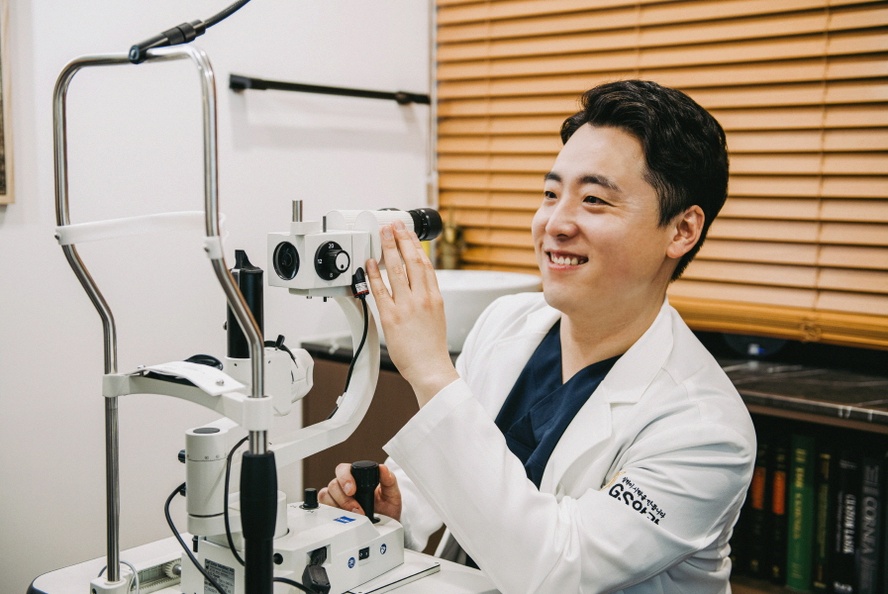
Direct answer: SMILE LASIK cost in Apgujeong
If you are comparing Apgujeong eye clinic cost for SMILE LASIK, you will usually find a broad range rather than one fixed price. In the Gangnam and Apgujeong area, total fees typically reflect the laser platform used, the experience of the surgical team, how detailed the pre‑operative testing is, and how long the follow‑up period lasts. Clinics that invest in the latest SMILE technology and comprehensive examinations often sit in the mid to upper price range, while very low prices may mean more basic equipment or shorter follow‑up.
For overseas patients, it is helpful to think in terms of value and safety per eye rather than chasing the very lowest quote. Your final cost will depend on your prescription, corneal condition, and whether any additional procedures are recommended.
What is SMILE LASIK
SMILE LASIK is a minimally invasive laser vision correction procedure. A femtosecond laser creates a very thin lens‑shaped layer of tissue, called a lenticule, inside the cornea. The surgeon then removes this lenticule through a small incision, reshaping the cornea so that light focuses more accurately on the retina.
Unlike classic LASIK, SMILE does not require creating a large corneal flap. The incision is much smaller, which may help preserve more corneal nerves and tissue. For many suitable patients, this can mean a lower risk of dry eye symptoms and a more comfortable recovery.
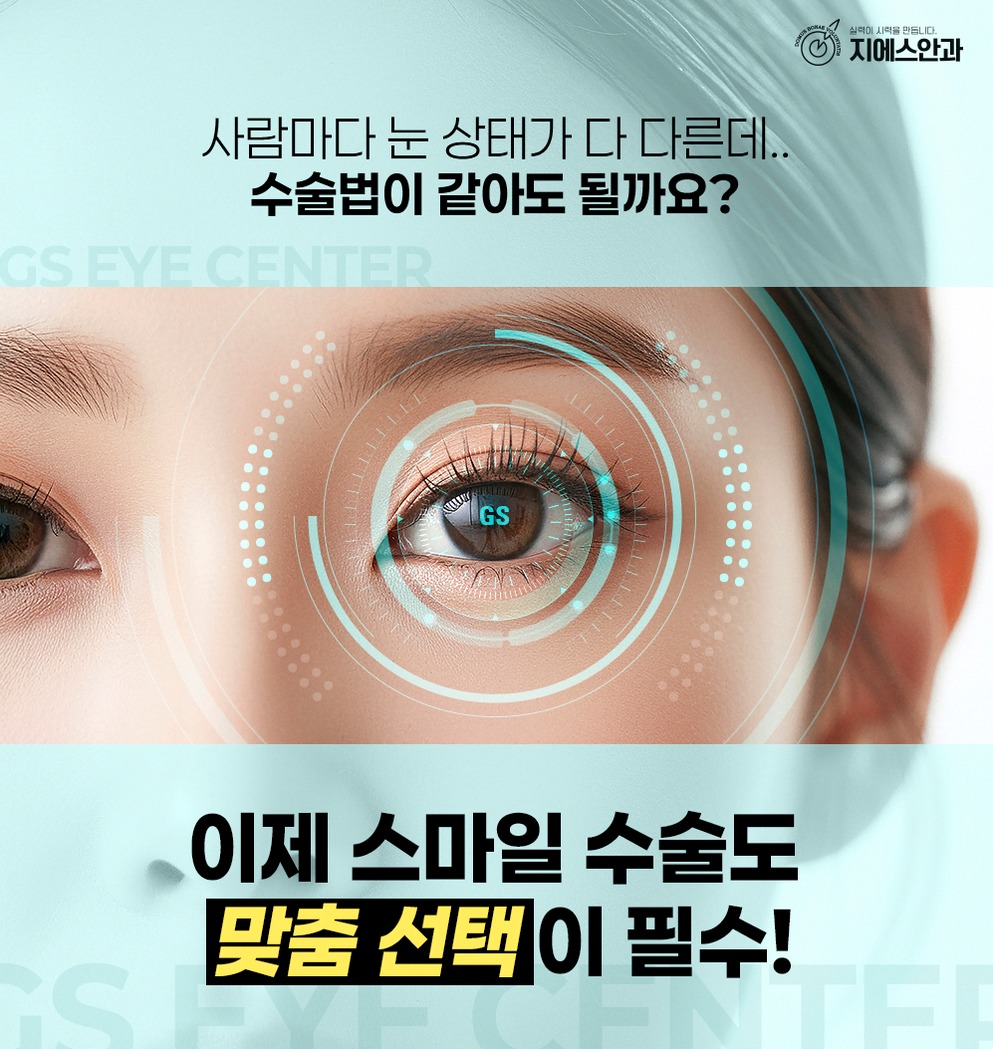
Compared with LASEK or surface procedures, SMILE often offers faster visual recovery and less discomfort in the first few days. However, not everyone is a candidate, and a detailed examination is essential before deciding.
How SMILE LASIK cost is structured in Apgujeong and Gangnam
When you see an Apgujeong eye clinic cost quote for SMILE LASIK, it usually includes several components, even if they are not itemized separately.
Typical elements of the fee
- Initial consultation and diagnostic tests
- This includes a full eye examination and specialized measurements such as corneal curvature, thickness, shape, tear film status, and retinal health. Advanced clinics often use multiple imaging devices to check for subtle corneal irregularities and early retinal problems.
- Surgery fee
- This covers the surgeon’s time, the operating room, use of the femtosecond laser, support staff, and safety protocols on the day of surgery.
- Use of premium laser platforms
- In the Apgujeong and Gangnam area, some clinics use the latest SMILE‑dedicated platforms, while others use older generations. Fees may be higher when the clinic uses newer models that offer faster treatment times and more precise lenticule creation.
- Medications and consumables
- Post‑operative eye drops, artificial tears, and protective items such as shields or special lenses are often included in the package price, but not always. Clarifying this in advance helps you compare clinics fairly.
- Follow‑up visits and enhancement policy
- Some clinics include a set number of follow‑up appointments over several months and may also include or discount a possible enhancement procedure if your vision does not reach the expected range. Others charge separately for additional visits or retreatment.
Key factors that influence SMILE LASIK price
Laser equipment generation
The type and generation of the laser platform is one of the biggest drivers of cost.
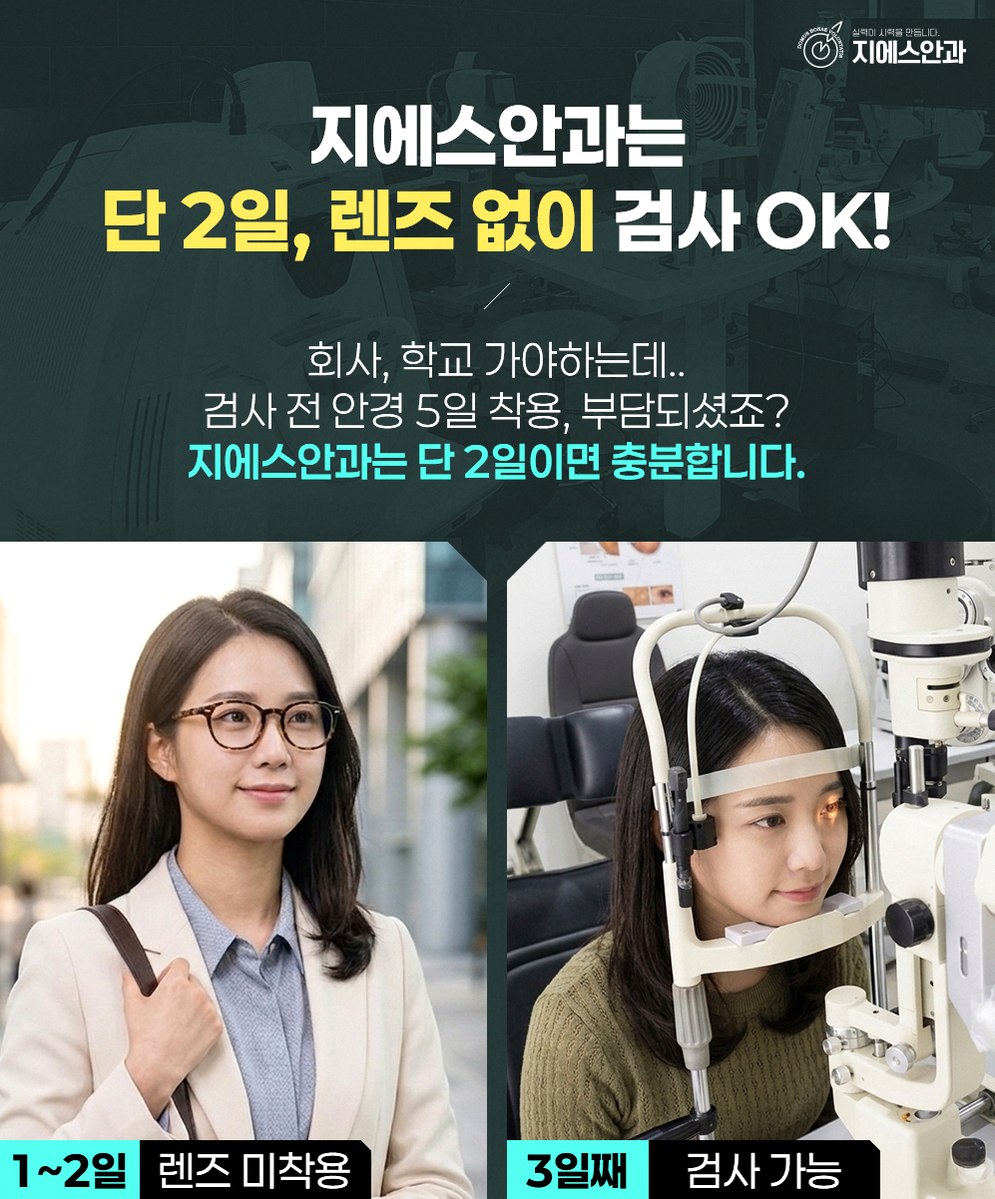
Newer systems are designed to:
Create the lenticule more precisely
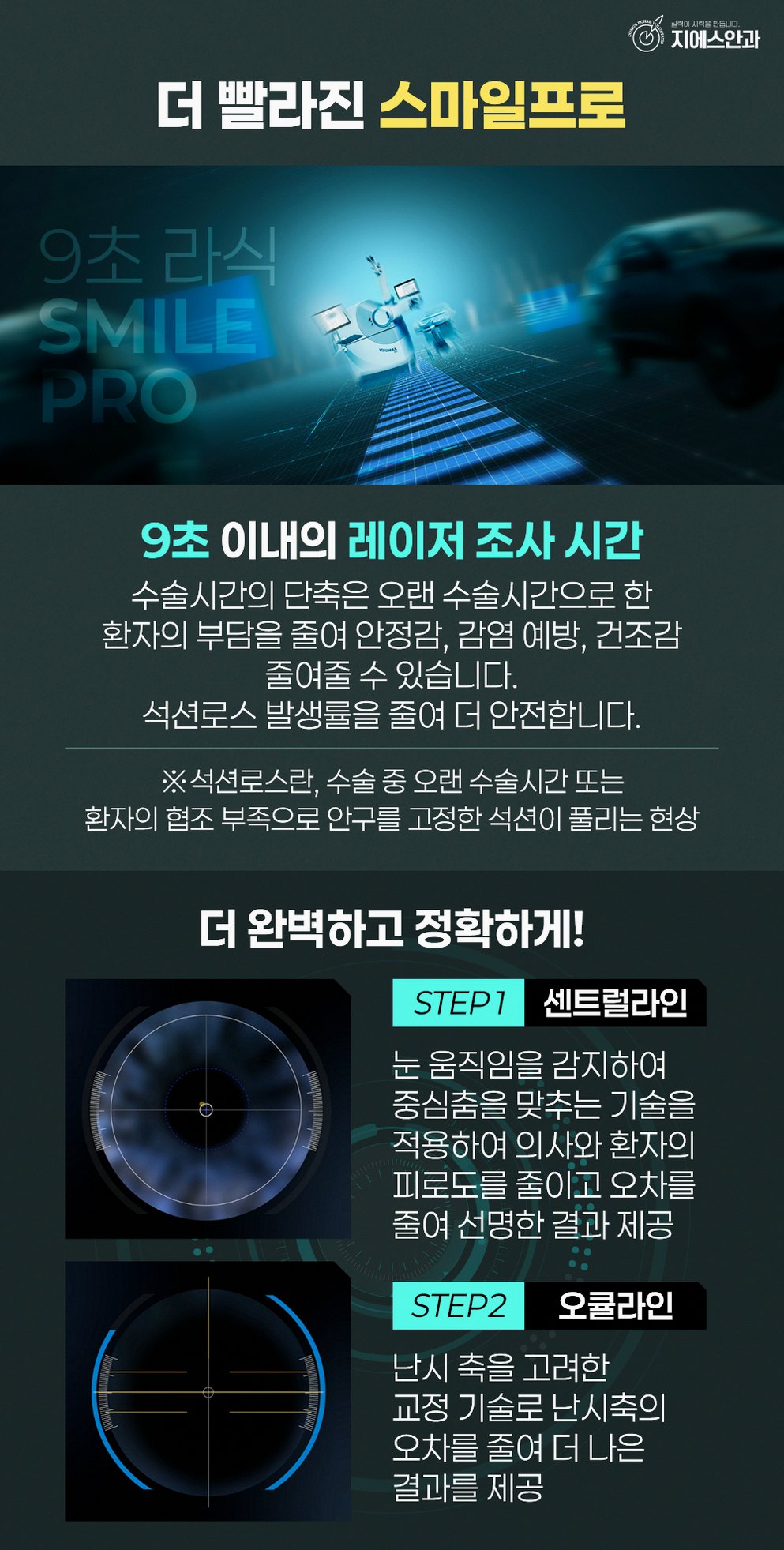
Reduce laser time to just a few seconds
Improve suction and patient comfort
Allow more refined settings for different corneal conditions
Clinics that invest in the latest platforms and maintain them carefully have higher equipment costs, which is reflected in their fees. In return, patients may benefit from shorter procedure times and more tailored treatments.
Range of SMILE‑related options
Some Gangnam clinics offer several SMILE‑based protocols, such as standard SMILE LASIK and upgraded approaches or proprietary packages. These may differ in:
How the laser settings are customized
Whether additional corneal strengthening is combined
How extensive the pre‑operative imaging is
Packages with more advanced customization or combined procedures usually cost more than basic SMILE.
Surgeon experience and training
Fees may be higher when your procedure is performed by surgeons with extensive experience in SMILE and other vision correction procedures, especially those who have worked in large university hospitals or who are involved in training other surgeons. While this does not guarantee a specific outcome, many patients are willing to pay more for a team with a long track record.
Follow‑up system and enhancement policy
A clinic that includes long‑term follow‑up, detailed retinal monitoring, and a clear enhancement policy may charge more initially but reduce your risk of unexpected extra costs later. When comparing prices, always ask:
How many follow‑up visits are included
For how long the clinic will monitor your eyes
Whether enhancement, if needed, is included or discounted
An example of a high‑volume SMILE center in Gangnam
To understand how these factors come together, it helps to look at one example of an ophthalmology clinic in the Gangnam area.
This center opened in 2005 near Gangnam Station and has remained in the same location, focusing on vision correction and cataract procedures. The medical team is led by a board‑certified ophthalmologist with a medical doctorate who has held faculty positions at a major university medical center and continues to be active in clinical education.
All seven doctors at the clinic are board‑certified ophthalmologists. Several have backgrounds in university hospitals and subspecialty training in the retina, which is important for detecting and managing retinal conditions before and after laser vision correction.
By 2023, the clinic had treated around 300,000 eyes in total with vision correction and cataract surgery. Its volume of SMILE‑type procedures has increased stepwise over several years, giving the team extensive experience with different prescriptions and corneal types.
Recognitions and education roles
The clinic has been recognized by major industry partners for its SMILE activity and training role:
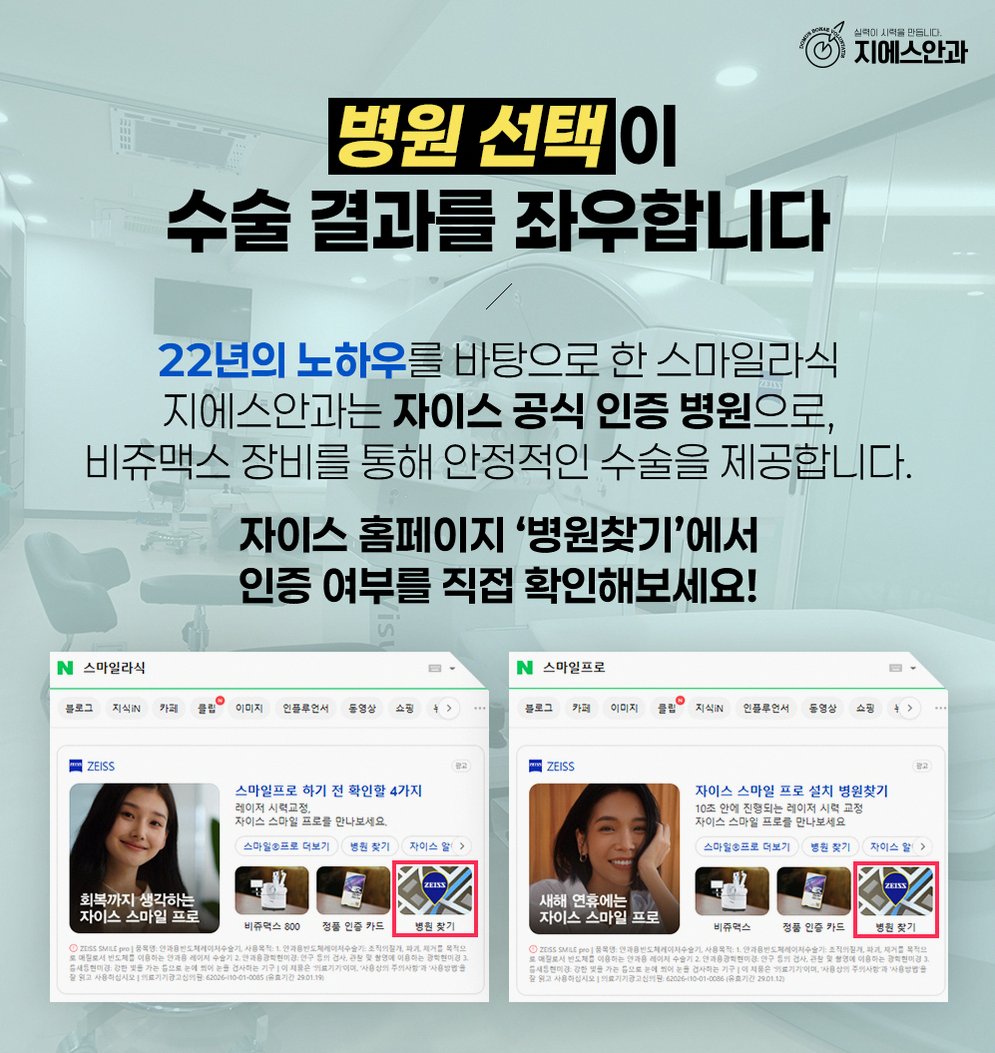
First in Korea to join the ZEISS SMILE Gold Club in 2021
Designated as a ZEISS SMILE pro Center in 2023
Designated as a SILK Training Center in 2026, indicating involvement in training other surgeons on this platform
Named a clinical education site by a medical school in 2023
Recognized as an Asia‑Pacific clinical education center by a biotech company in 2024
These designations do not guarantee individual results, but they do show that the clinic is trusted to handle high volumes and to teach other professionals.
Equipment and why it matters for cost and outcomes
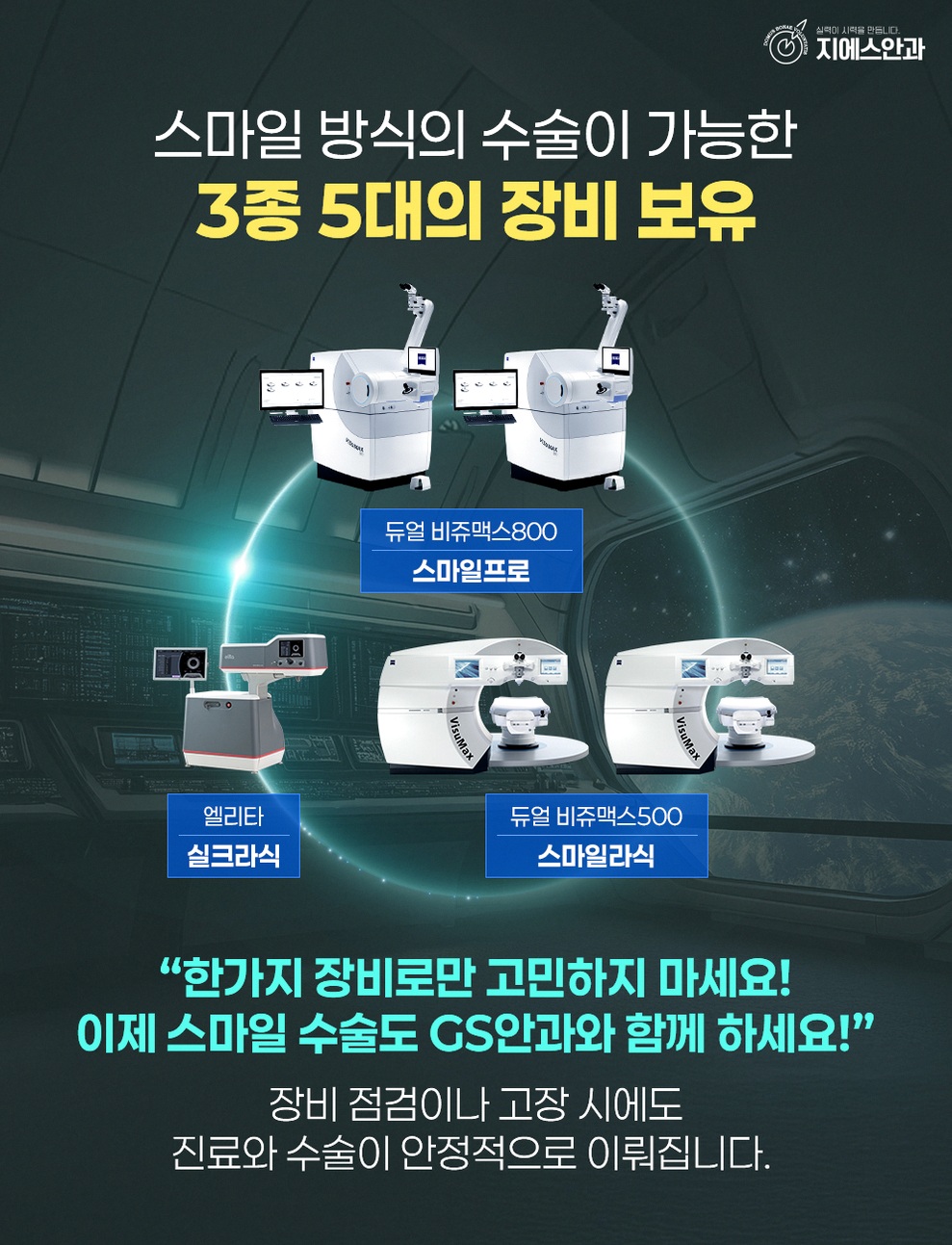
This Gangnam clinic’s main differentiator is its investment in multiple SMILE‑related laser platforms from ZEISS.
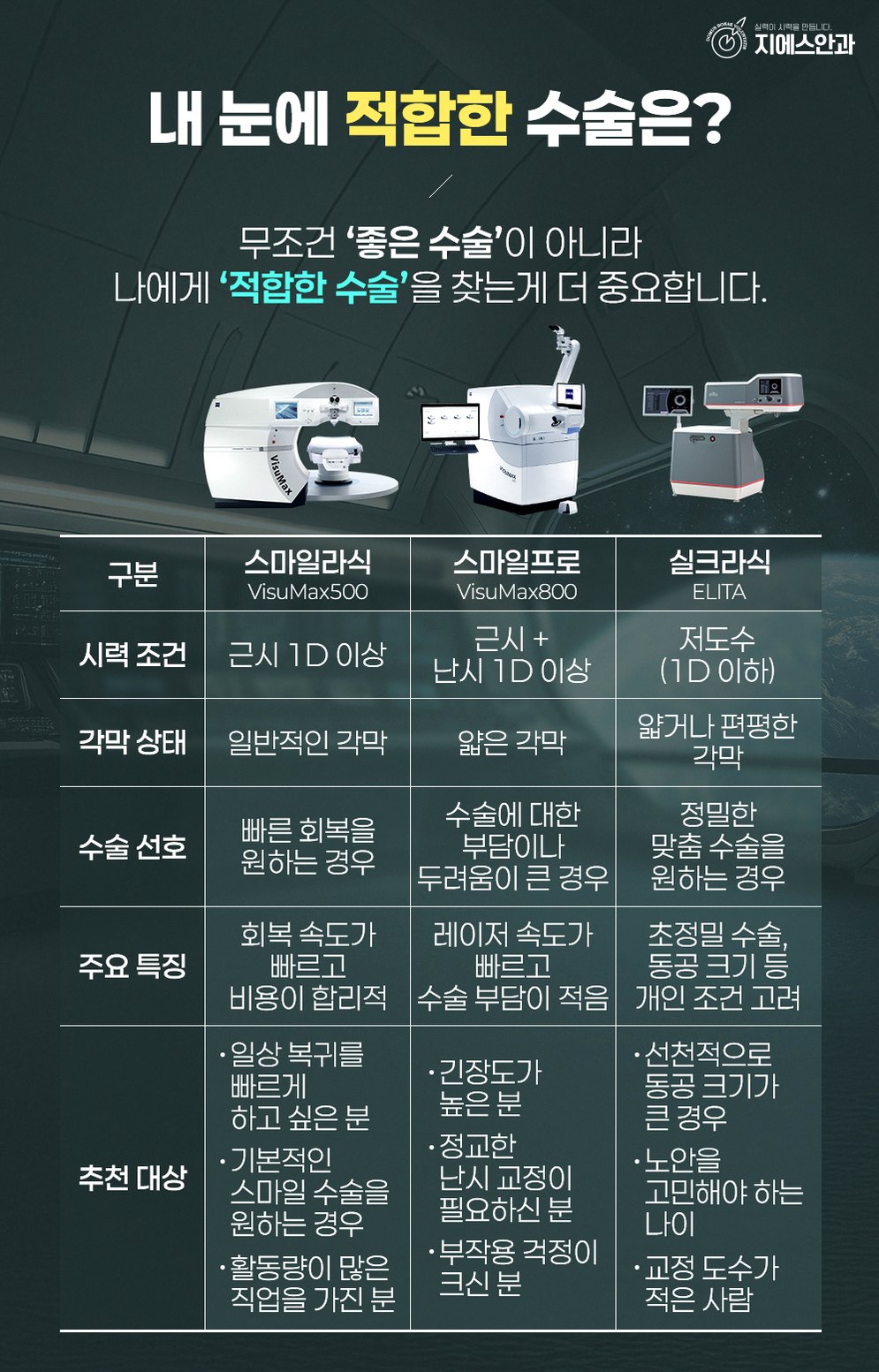
VISUMAX 800
The VISUMAX 800 is a latest‑generation system dedicated to SMILE Pro. It was introduced at the clinic in 2023. One of its key features is very short laser time, often under about 9 seconds, which can make the experience more comfortable and reduce the time your eye needs to stay in position.
Two VISUMAX 500 units
The clinic also operates two VISUMAX 500 systems, which have been widely used for SMILE LASIK since 2016. A dual‑room setup was implemented from 2019 to increase capacity and flexibility. This allows the team to:
Match the platform to the patient’s eye characteristics
Maintain efficiency even if one laser is undergoing maintenance
Reduce waiting times on the day of surgery
How multiple platforms affect your experience and cost
Having several platforms allows more precise matching of the laser system to each cornea. For example, some eyes may benefit from the latest VISUMAX 800 features, while others are well served by VISUMAX 500. Multiple units also provide backup, so your procedure is less likely to be delayed by technical issues.
From a cost perspective, owning and maintaining three high‑end platforms is expensive. Clinics that make this level of investment typically charge more than small centers with a single older device. However, you may receive:
More individualized planning
Shorter procedure times
A smoother flow on surgery day
When comparing Apgujeong eye clinic cost, it is worth asking not just the price, but also which laser model will be used and why.
Other vision correction options for comparison
Although this article focuses on SMILE LASIK, many Gangnam clinics, including the example above, also offer other options.
Lens implantation (ICL and related techniques)
Implantable lenses are often recommended for very high myopia, thin corneas, or situations where corneal laser is not ideal. Costs are usually higher than SMILE because of the lens material itself and the more complex surgical process.
LASEK and surface procedures
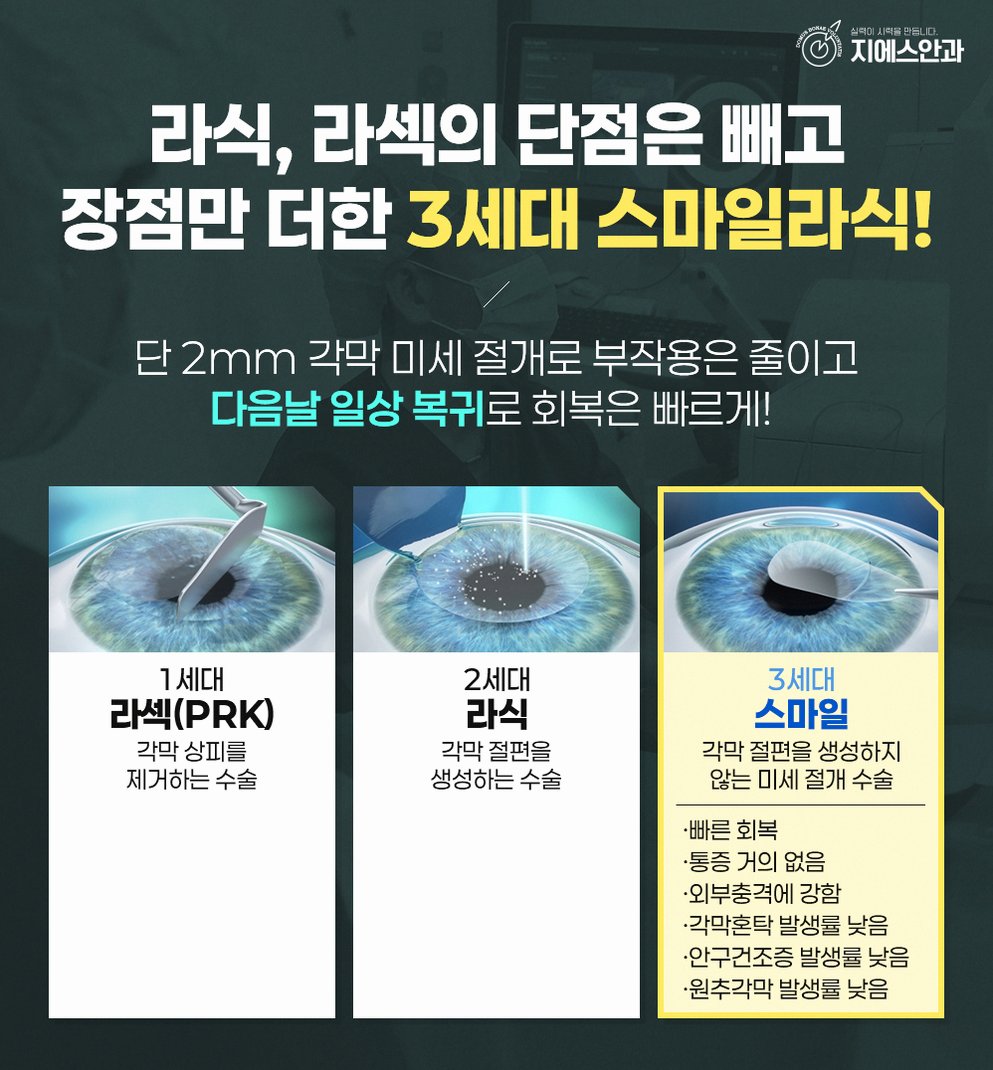
LASEK and related surface techniques reshape the cornea without creating a flap. They can be suitable for thinner corneas or certain occupations but often involve more discomfort and a slower visual recovery in the early days compared with SMILE.
Corneal strengthening procedures
Some patients may be advised to undergo corneal strengthening, sometimes called cross‑linking, either alone or combined with laser correction. This adds to the overall cost but may improve long‑term stability in selected cases.
Presbyopia and cataract lens surgery
For older patients or those with early lens changes, lens‑based surgery may be more appropriate than SMILE. These procedures have different cost structures and recovery timelines.
Your surgeon will recommend an option based on your corneal thickness, degree of myopia and astigmatism, age, and the health of your natural lens. SMILE LASIK remains a central choice for many adults with stable prescriptions and suitable corneas.
Who may consider SMILE LASIK
Typical candidates
Adults with a stable glasses or contact lens prescription for at least 1 to 2 years
People with sufficient corneal thickness and a healthy corneal shape
Patients without active eye diseases such as uncontrolled dry eye, keratoconus, or significant retinal pathology
Who may not be suitable
You may not be a good candidate if you have:
Very thin or irregular corneas
Progressive keratoconus or other ectatic diseases
Uncontrolled severe dry eye
Certain autoimmune or systemic conditions that affect healing
Significant retinal problems that require separate treatment
A detailed pre‑operative examination is essential to determine whether SMILE LASIK is appropriate or whether another vision correction method would be safer.
How to compare SMILE LASIK costs in Apgujeong
When you search for Apgujeong eye clinic cost, you will see many offers. To make a safe choice, use cost as a starting point, then look deeper.
Checklist for evaluating clinics
- Type of clinic and surgeon qualifications
- Confirm that you are dealing with an ophthalmology clinic and that the surgeons are board‑certified eye specialists. Ask how many SMILE procedures they perform each year and whether they also handle complex cases or only straightforward prescriptions.
- Laser platforms used
- Ask for the exact model names and number of SMILE platforms. For example, do they use VISUMAX 800, VISUMAX 500, or another system? Do they have more than one unit to ensure flexibility and backup?
- Pre‑operative examination depth
- A thorough work‑up should include corneal topography and tomography, measurement of corneal thickness, tear film evaluation, and a detailed retinal check. Clinics with a separate retina center or retinal specialists can provide a more in‑depth fundus evaluation, which is especially important for high myopia.
- What is included in the price
- Before you decide, ask the clinic to clarify whether the quoted fee includes:
Initial tests and consultation
Surgery itself
All medications and protective items
The number and schedule of follow‑up visits
Any enhancement policy or retreatment conditions
- Explanation of risks and expectations
- A responsible clinic will explain potential side effects such as dry eye, glare, halos, and under‑ or overcorrection. They should set realistic expectations for your final vision and discuss the small possibility that you may still need thin glasses for certain tasks.
Online consultation and pre‑visit preparation for overseas patients
If you are planning to travel to Korea for SMILE LASIK in Apgujeong or Gangnam, an online consultation is a practical first step.
What to prepare before your online consultation
Your most recent glasses prescription
Any previous eye examination reports, especially corneal topography or retinal scans if available
A summary of your eye history, including contact lens use, dryness, or past infections
Information about general health and medications
During the online consultation, you can discuss whether you are likely to be a candidate, what type of laser platform the clinic would consider for you, and an estimated cost range. Final decisions, however, can only be made after an in‑person examination.
Questions to ask before booking your trip
Which SMILE platform is likely to be used and why
How many days you should stay in Korea for surgery and follow‑up
Whether the clinic has experience with overseas patients and can provide English support
What is included in the quoted fee and what might cost extra
How they handle follow‑up once you return to your home country
Expected visit timeline for SMILE LASIK in Korea
For many international patients, the schedule can be organized into a short stay.
Day 1: Comprehensive examination
Detailed eye tests, including corneal imaging and retinal evaluation
Discussion of suitability, choice of procedure, and laser platform
Final cost confirmation and consent if you decide to proceed
Day 2 or 3: Surgery day
SMILE LASIK itself usually takes only a few minutes per eye, with laser time often under 10 seconds on the latest platforms
You rest in the clinic for a short period after the procedure
You receive instructions and medications for the first days
First week: Early follow‑up
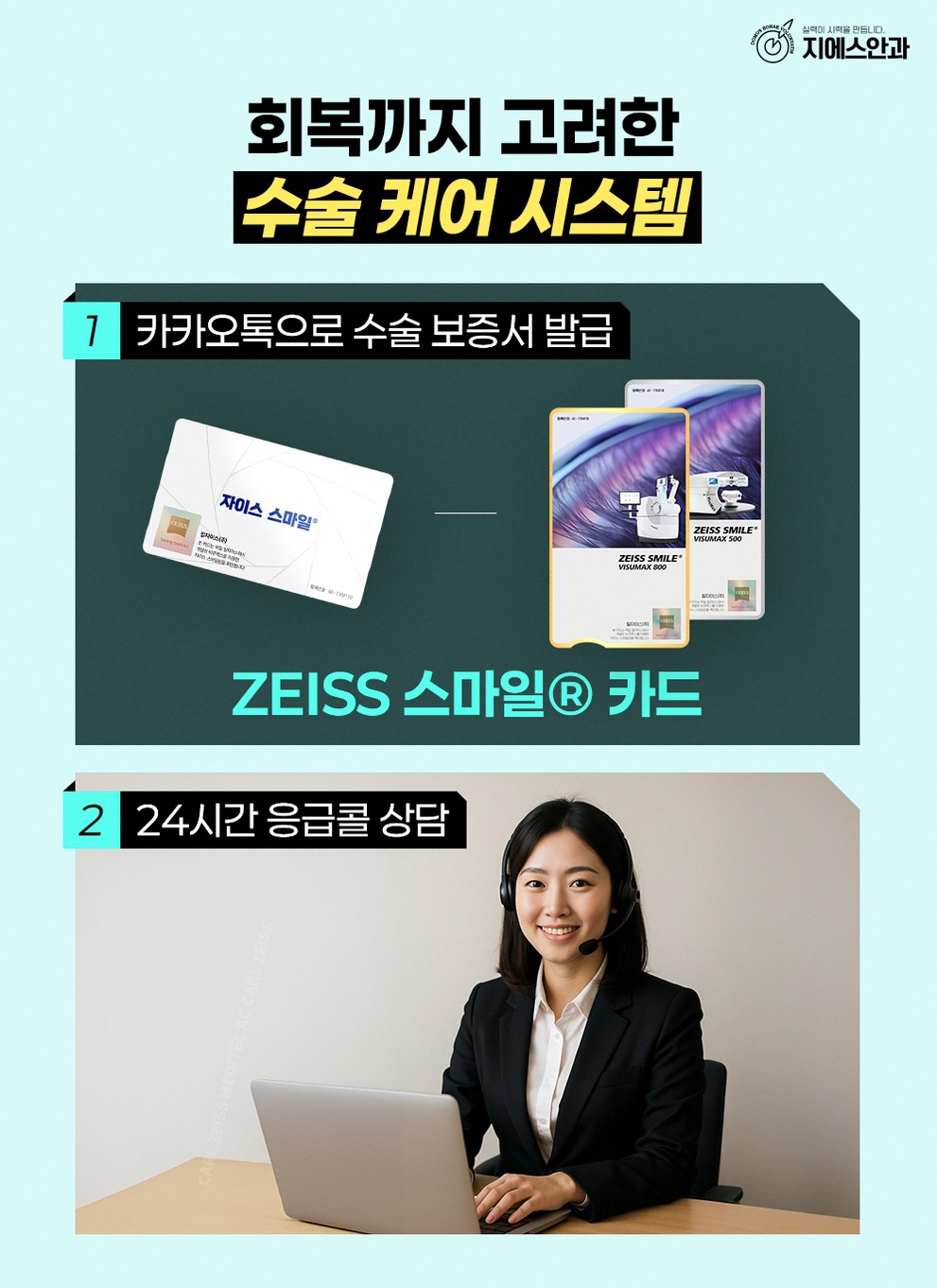
Most clinics will want to see you the next day to check healing
A further visit within several days may be recommended, especially before you fly home
Many overseas patients stay in Seoul for about 5 to 7 days in total to complete the early follow‑up schedule
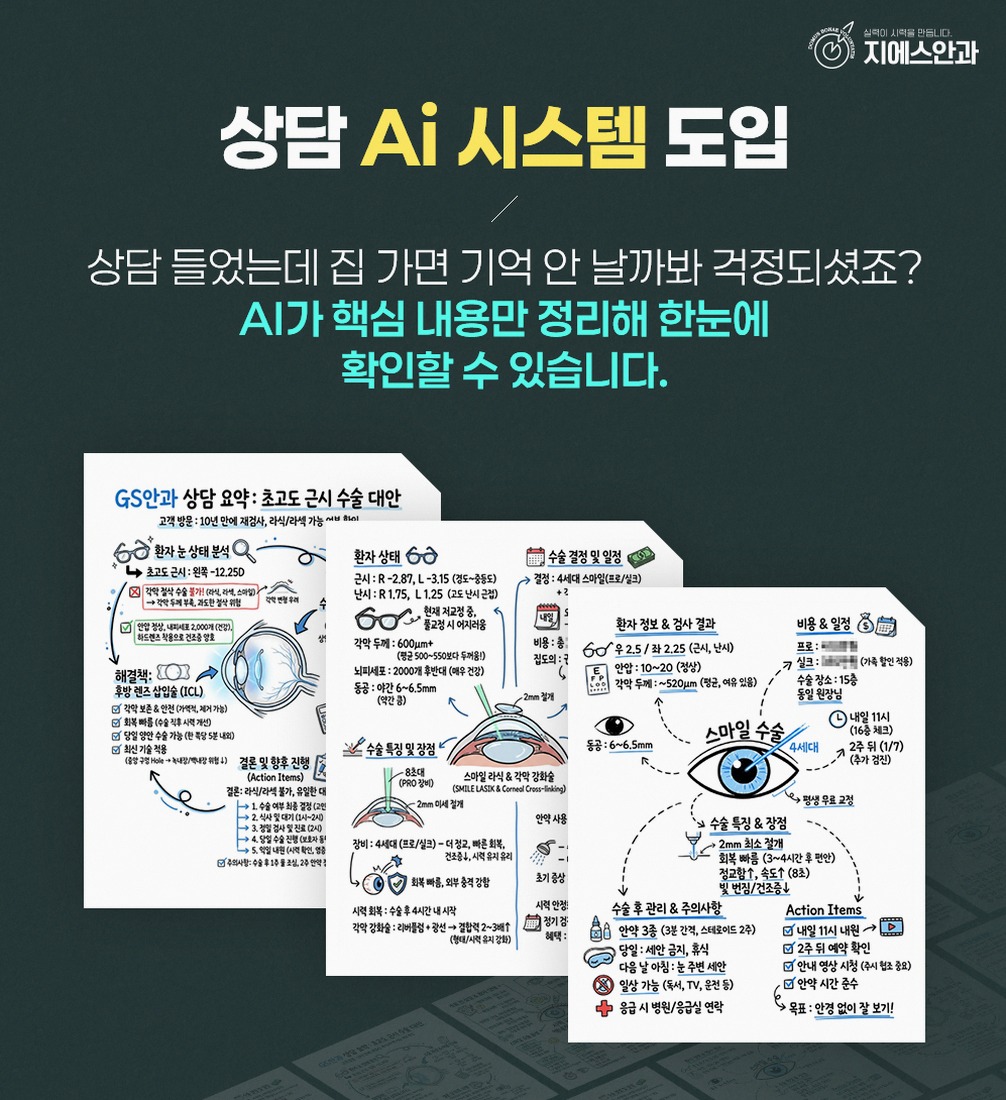
After you return home, you should continue periodic eye checks with a local eye doctor. Your Korean clinic can usually provide a summary of your surgery and recommendations for follow‑up.
Aftercare and long‑term considerations
In the first days after SMILE LASIK, you may notice mild discomfort, light sensitivity, or fluctuating vision. These symptoms usually improve quickly, but you should:
Use all prescribed eye drops as directed
Avoid rubbing your eyes
Limit heavy exercise and swimming for the period recommended by your surgeon
Use protective eyewear in dusty or windy environments
Dry eye symptoms can occur after any laser vision correction, although the smaller incision in SMILE may reduce this risk for some patients. Artificial tears and regular follow‑up help manage these symptoms.
Long term, you should still attend routine eye examinations to monitor your retina and overall eye health, especially if you had high myopia before surgery.
Frequently asked questions about Apgujeong eye clinic cost for SMILE LASIK
How much does SMILE LASIK usually cost in Apgujeong and Gangnam
Exact prices vary between clinics and depend on your eye condition, the laser platform used, and what is included in the package. In general, clinics with the latest SMILE technology and extensive follow‑up are positioned in the mid to upper price range for Seoul. When comparing, always ask for a detailed breakdown so you understand what the fee covers rather than focusing only on the lowest number.
Is it worth paying more for newer SMILE platforms like VISUMAX 800
For many patients, newer platforms offer shorter laser times and more refined control of the lenticule creation process, which can improve comfort and efficiency. However, good results also depend on careful pre‑operative planning and surgeon experience. If a clinic recommends a specific platform, ask them to explain why it suits your eyes and how it may influence your procedure and recovery.
How long do I need to stay in Korea for SMILE LASIK
Most overseas patients plan to stay in Seoul for about 5 to 7 days. This usually allows time for the initial examination, surgery, and at least one or two early follow‑up visits. Your exact schedule may vary depending on your travel plans, the clinic’s protocol, and how your eyes are healing. Discuss your itinerary in advance during an online consultation.
What should I prioritize when choosing a SMILE LASIK clinic in Apgujeong
Start by confirming the clinic’s focus on eye care and the qualifications of its surgeons. Then look at the laser platforms available, the depth of pre‑operative testing, and the clarity of their explanations about risks and expectations. Finally, compare costs with a full understanding of what is included, such as follow‑up and enhancement policies. Long‑term visual quality and safety are more important than saving a small amount on the initial fee.
Soft call to action
If you are considering SMILE LASIK in the Apgujeong or Gangnam area and want to understand your likely costs and options, an online consultation is a practical next step. By sharing your prescription and eye history in advance, you can receive a personalized outline of suitable procedures, recommended laser platforms, and an estimated budget before you book your trip to Seoul.
This article is for general information only and does not replace a face‑to‑face examination or individual medical advice. Always discuss your specific situation, risks, and expectations directly with a qualified eye specialist before deciding on SMILE LASIK or any other vision correction procedure.

- 공유 링크 만들기
- X
- 이메일
- 기타 앱


댓글
댓글 쓰기