Apgujeong SMILE LASIK Review Guide for Gangnam and Overseas Patients
- 공유 링크 만들기
- X
- 이메일
- 기타 앱
Direct answer summary
If you're searching for “Apgujeong SMILE LASIK review” because you live, work, or plan to stay around Gangnam and are considering minimally invasive laser vision correction, you likely want a clear sense of patient experience. In Gangnam, SMILE is commonly performed as a flapless procedure using ZEISS VISUMAX systems for myopia and astigmatism. Patients typically note a brief laser application, a sensation of pressure rather than sharp pain, a relatively fast return to daily activities, and temporary symptoms such as dry eyes or halos that are tracked during follow-up. A clinic near Gangnam Station that has operated since 2005 with a team of ophthalmology specialists and multiple VISUMAX systems offers SMILE alongside other vision-correction options and emphasizes thorough preoperative exams and structured aftercare.
This guide explains the procedure step by step, what real-world reviews tend to mention, how equipment and surgeon experience matter, and what overseas patients can expect when planning a visit to Seoul.
What SMILE LASIK actually is
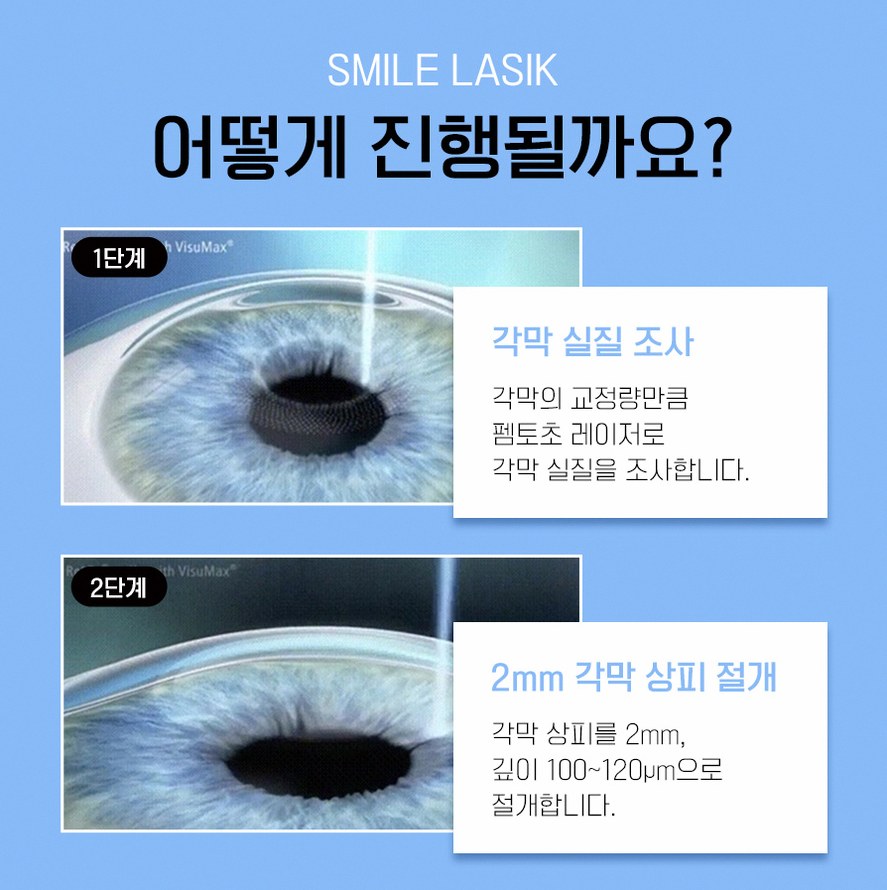
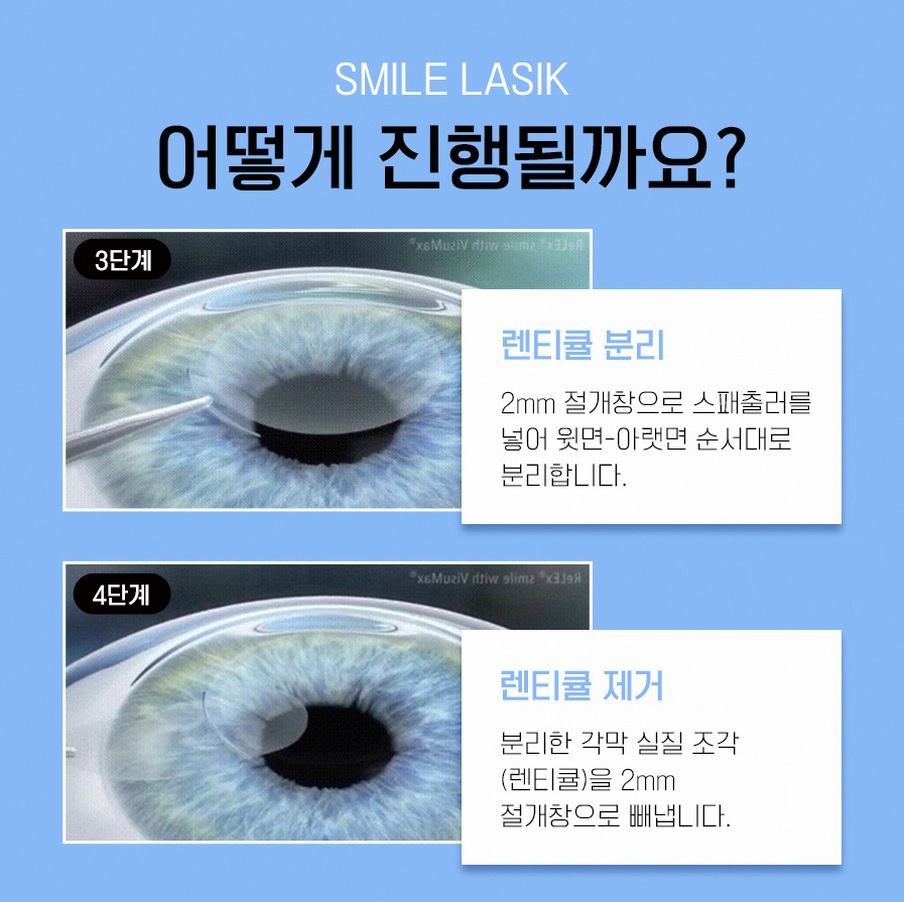
SMILE LASIK is a minimally invasive, flapless laser vision correction method for nearsightedness and astigmatism. Instead of creating a large corneal flap as in classic LASIK, a femtosecond laser creates a tiny lens-shaped piece of tissue called a lenticule inside the cornea. The surgeon then removes this lenticule through a small incision only a few millimeters wide. By changing the shape of the cornea in this way, the eye’s focusing power is adjusted.
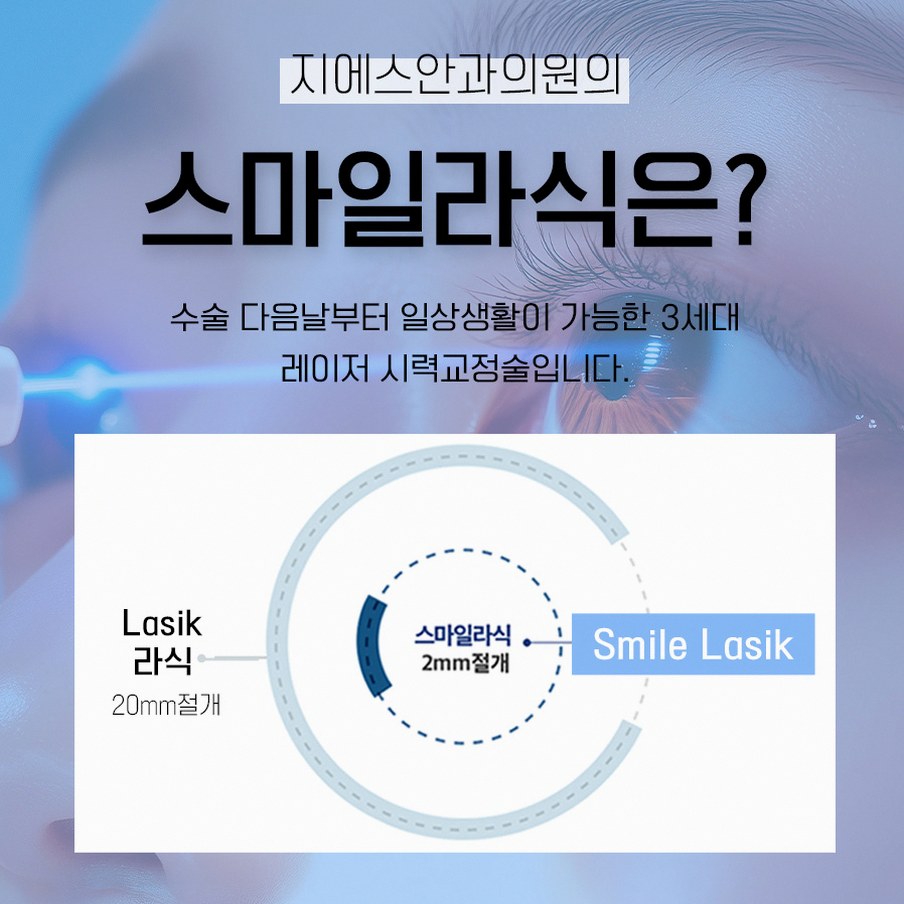
Because there is no large flap, SMILE LASIK is often associated with less disruption of the corneal surface and nerves. Many patients choose it hoping for milder dry eye symptoms and a smoother surface recovery compared with flap-based methods, although individual responses vary.
How SMILE LASIK differs from LASIK and LASEK
Compared with classic LASIK, SMILE LASIK does not involve lifting a wide flap. In LASIK, a flap is created and folded back, the cornea is reshaped with an excimer laser, and the flap is repositioned. This flap can be more vulnerable to trauma in certain situations.
Compared with LASEK, which works on the surface of the eye, SMILE LASIK reshapes the cornea within its deeper layers. LASEK removes or loosens the surface epithelium, applies laser treatment, and then allows the surface to heal. This can involve more discomfort and a longer early recovery period.
In the Apgujeong and Gangnam area, people in their 20s and 30s often choose SMILE LASIK because they want to continue sports, fitness, or outdoor activities, they use makeup regularly and prefer a quick return to daily life, or they have long-term contact lens discomfort and want a flapless option.
Who may consider SMILE LASIK
SMILE LASIK is usually considered for adults with stable myopia and astigmatism. Stability generally means that the prescription has not changed significantly for at least one to two years. The cornea must have adequate thickness and a regular shape to safely remove a lenticule while maintaining structural strength.
People with uncontrolled dry eye, keratoconus or suspected keratoconus, or significant retinal problems may not be suitable for SMILE LASIK. In such cases, other options such as surface procedures, lens implantation, or prior treatment of underlying conditions might be discussed.
Candidacy is never decided from online information alone. A full preoperative eye examination is essential to check corneal maps, thickness, tear film, and the retina before any decision.
Overview of the Gangnam clinic context
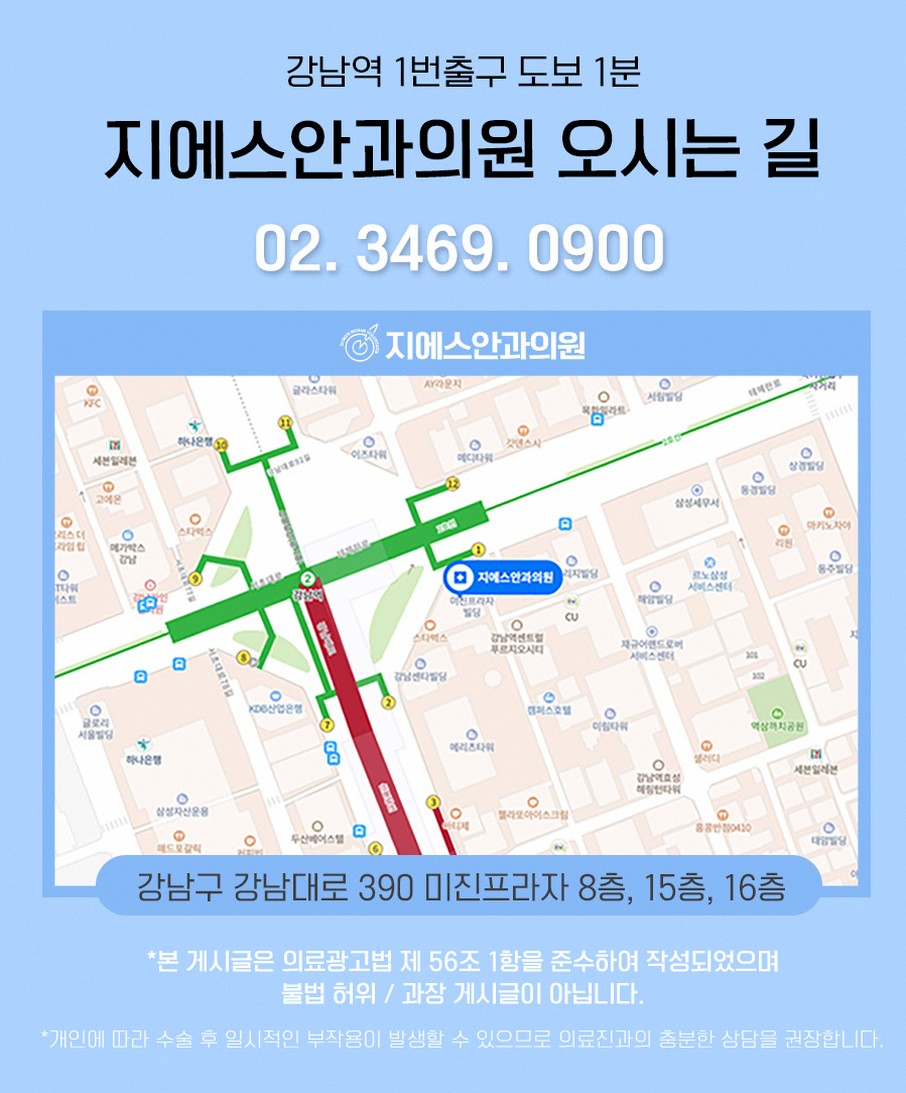
In the Gangnam area near Gangnam Station on Gangnam-daero, there is an ophthalmology clinic that has been operating in the same location since 2005. It is led by a board-certified ophthalmologist with a medical doctorate who has experience as a university hospital ophthalmology professor and runs an educational YouTube channel about eye health and surgery.
All seven doctors at this clinic are board-certified ophthalmologists, and the team includes specialists with major university hospital backgrounds and a dedicated retina-trained group. This means that all surgeons performing SMILE LASIK are eye specialists, not general practitioners.
As of 2023, the clinic has accumulated around 300,000 eyes of vision correction and cataract surgeries. It has been recognized as a ZEISS SMILE pro Center since 2023, a SILK Training Center since 2026, and was the first in Korea to join the ZEISS SMILE GOLD CLUB in 2021. These designations reflect experience with SMILE technology and involvement in training, although they do not guarantee specific results for any individual.
Technology and equipment used for SMILE LASIK
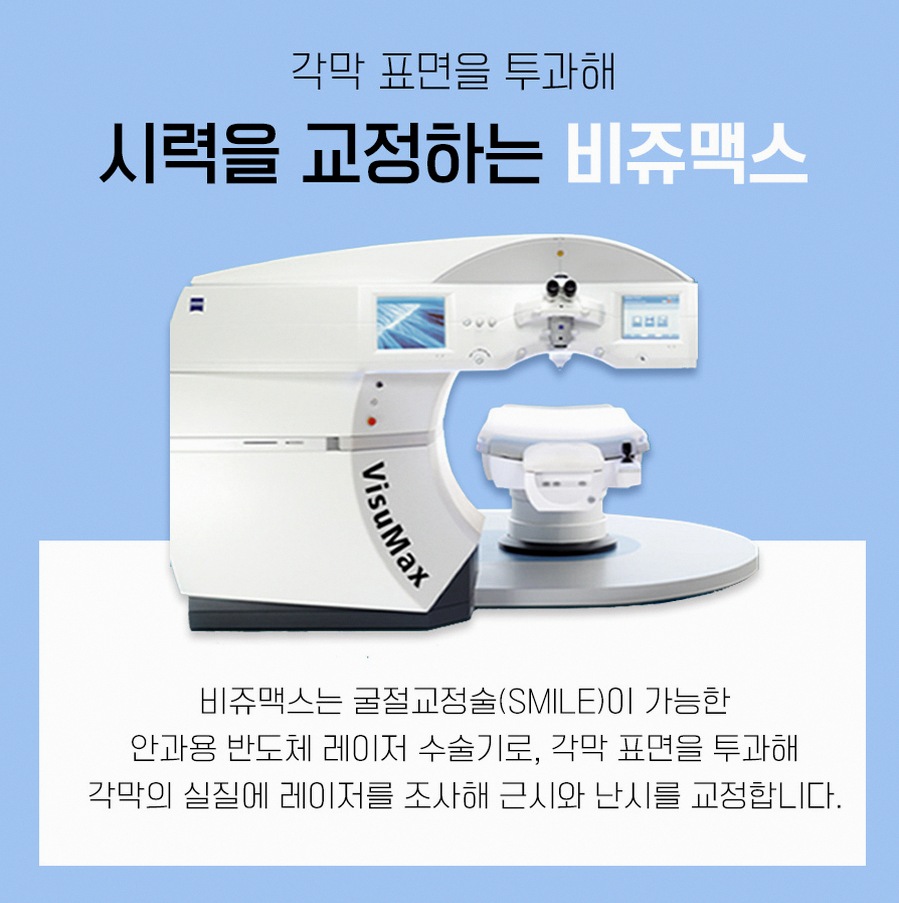
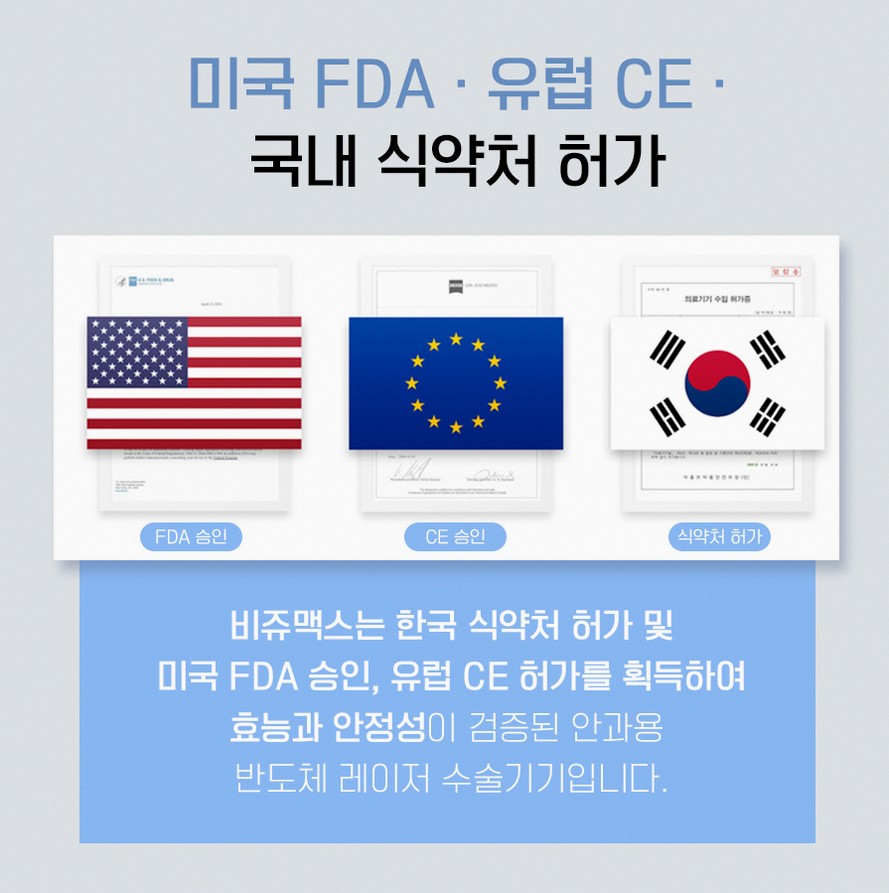
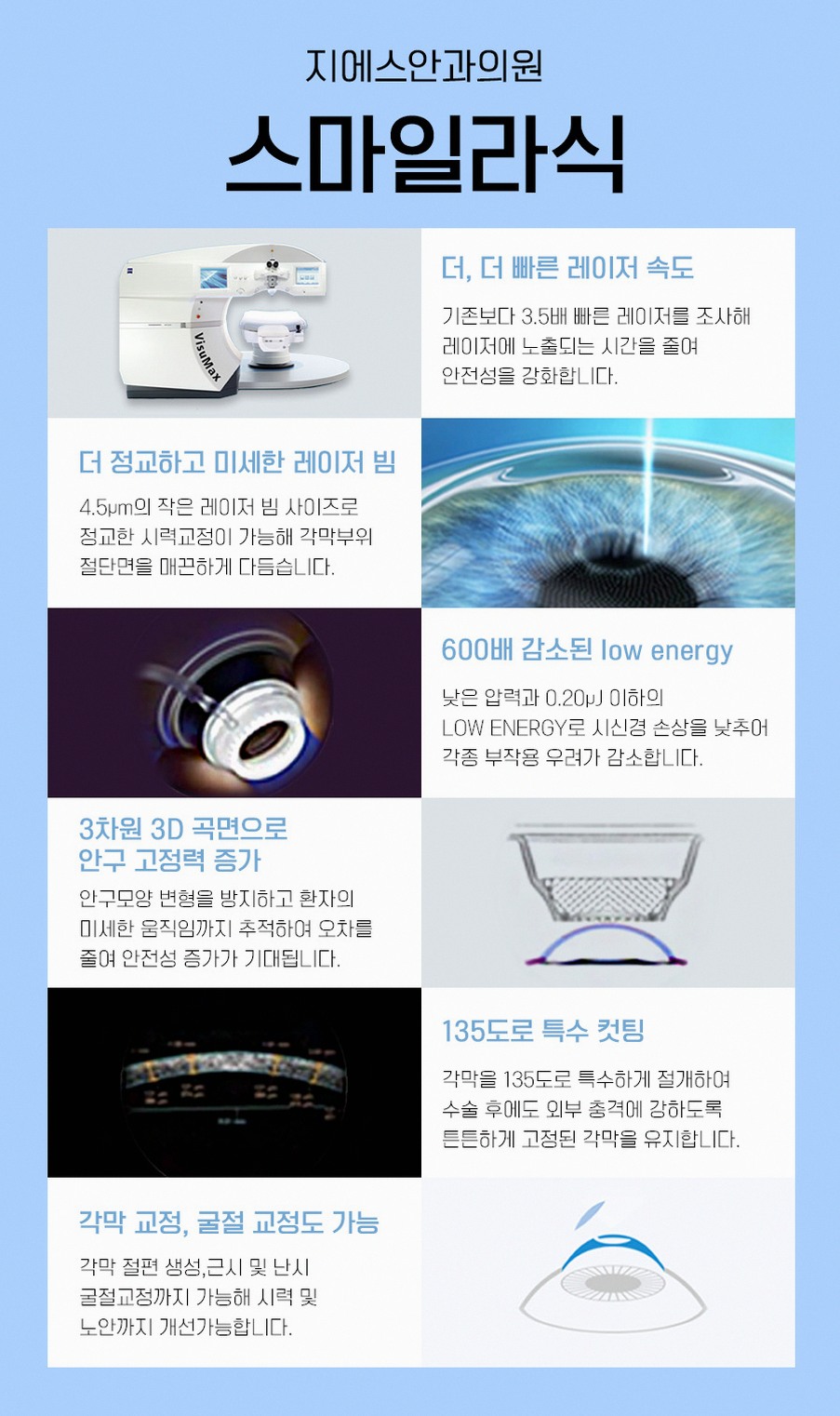
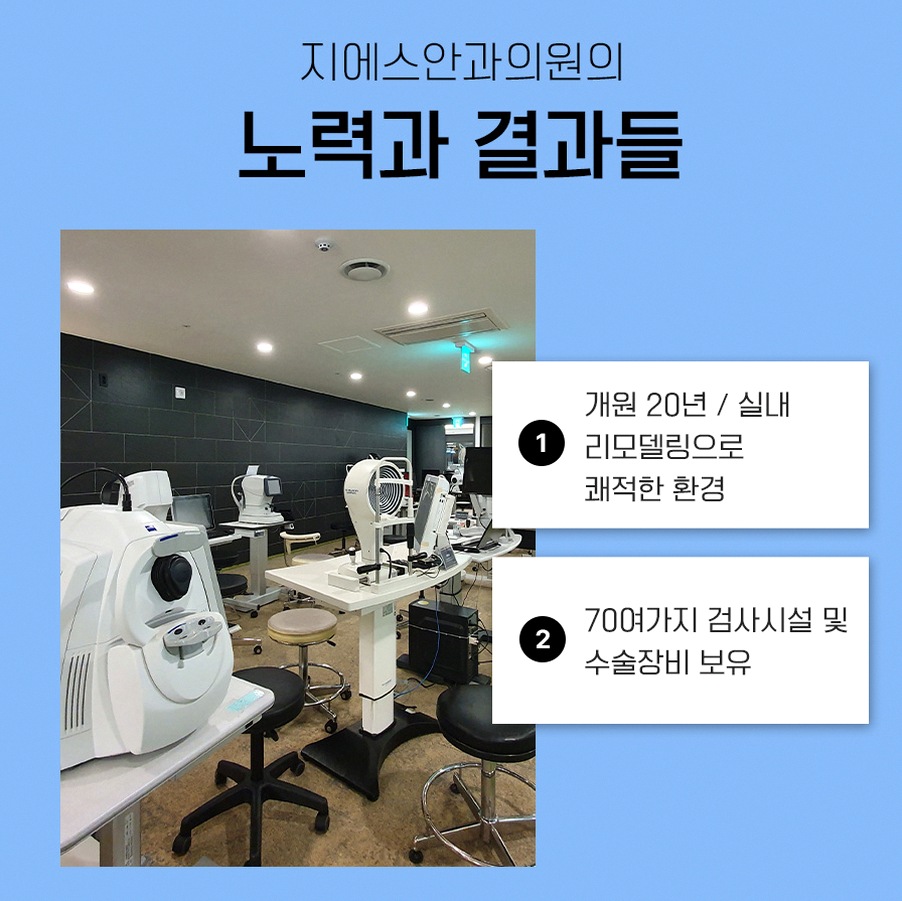
One of the key points that often appears in Gangnam reviews is the type of laser equipment used. This clinic owns ZEISS VISUMAX 800 and VISUMAX 500 systems and also operates an ELITA platform (Johnson & Johnson), providing a three‑platform SMILE-related setup rather than equipment from a single manufacturer.
The VISUMAX 800 is the latest-generation laser used for SMILE pro, introduced in 2023. It can complete the laser part of the procedure in under about 9 seconds per eye. For patients, this can mean shorter suction time, less stress during the laser phase, and a more comfortable overall experience.
The clinic also operates two VISUMAX 500 units. These have been used for classic SMILE LASIK since 2016, with dual-room operation since 2019. Having multiple units allows the clinic to manage scheduling more flexibly, reduce waiting times, and perform maintenance on one machine without interrupting procedures on the others.
In simple terms, these platforms help the surgeon create the lenticule inside the cornea with high precision. When combined with experienced surgeons, this can support consistent outcomes. Many patients feel reassured when they see modern equipment and hear that the clinic uses several VisuMax systems rather than a single older device.
Besides SMILE LASIK, the clinic provides other vision correction options such as LASEK, lens implantation, corneal cross-linking, and treatment for dry eye, presbyopia, and cataracts. These are mainly used when SMILE LASIK is not the most suitable choice based on examination results.
Step-by-step: from first visit to surgery day
People searching for Apgujeong SMILE LASIK reviews usually want to know what the actual journey looks like. While each clinic has its own routine, the process at a high-volume Gangnam center typically follows several stages.
First visit and detailed examination
At the first visit, you can expect a structured, multi-step diagnostic protocol. This often includes:
Vision check and refraction to measure your exact prescription.
Corneal thickness and curvature mapping to assess whether your cornea can safely undergo SMILE LASIK.
Pupil size measurement, especially under low light, which can be relevant for night vision symptoms.
Tear film and dry eye evaluation, since dryness can affect both comfort and visual quality after surgery.
Retina examination, particularly important for people with high myopia who may have weak spots or small tears in the retina.
Only after these tests are completed will the medical team discuss whether SMILE LASIK is appropriate.
Personalized counseling
In counseling, the doctor explains the findings of your examination and how they relate to your suitability for SMILE LASIK. If the cornea is too thin, the shape is irregular, or there are other risk factors, the doctor may suggest alternatives such as LASEK or lens implantation instead of SMILE LASIK.
It is important to understand that surgery is not automatically recommended. In some cases, the safest decision is to avoid laser vision correction altogether. Many patients mention in reviews that they appreciated being told clearly when a procedure was not advised rather than feeling pressured.
Surgery day
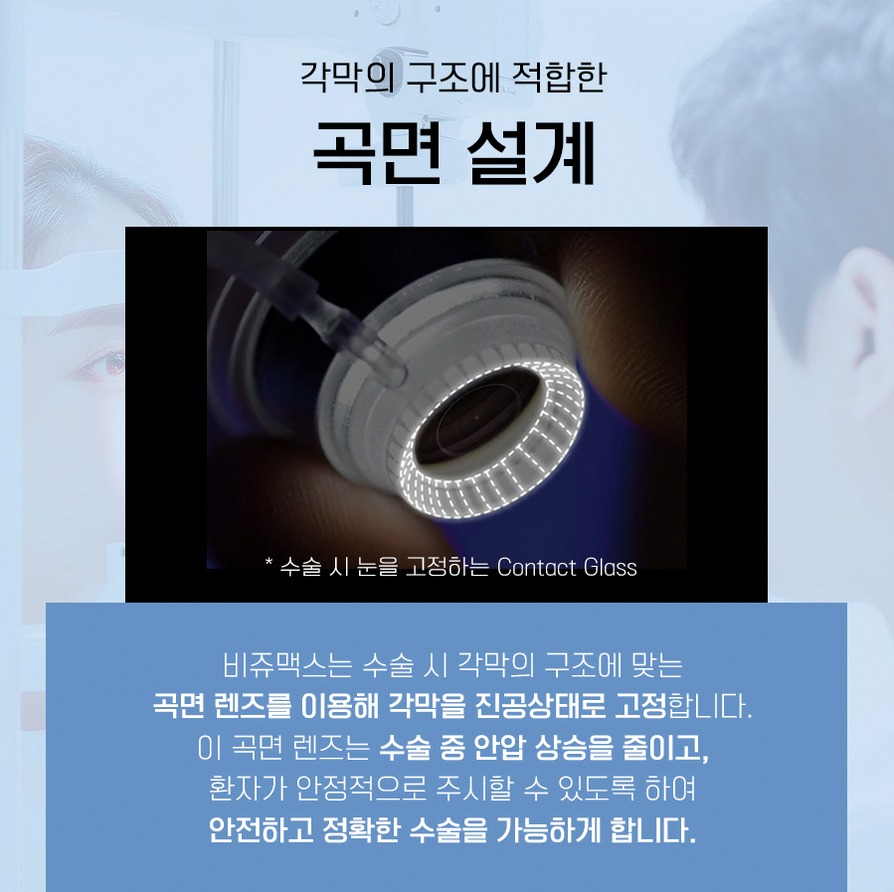
On the day of SMILE LASIK, you arrive at the clinic and complete final checks. Anesthetic eye drops are applied so that you do not feel sharp pain during the procedure. You lie on the laser bed, and the surgeon positions your eye under the VisuMax interface.
With the latest VISUMAX 800 platform, the laser time is around several seconds per eye. Most of the time in the operating room is spent on careful positioning, preparation, and the manual steps of removing the lenticule through the tiny incision.
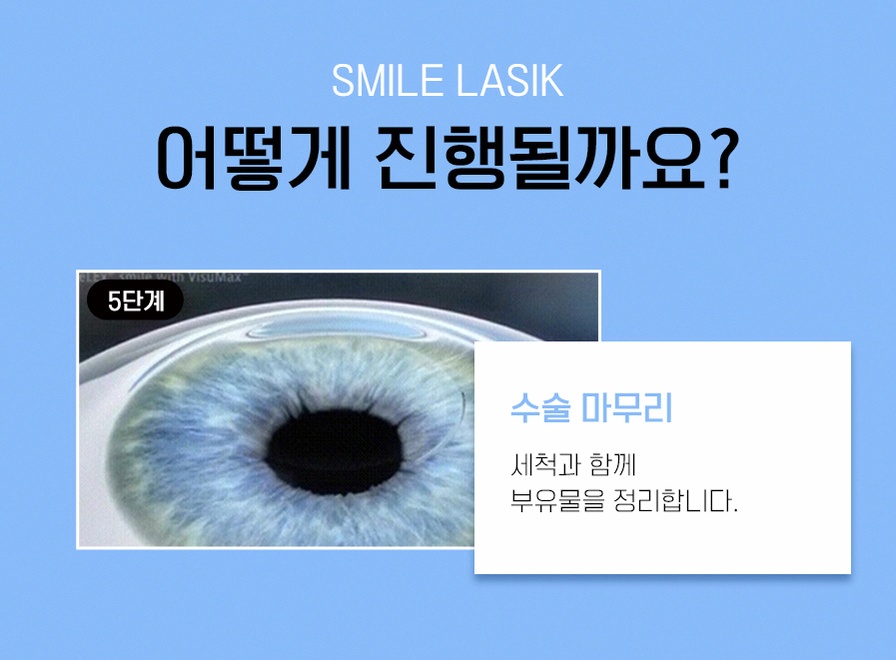
Patients commonly describe feeling pressure and some discomfort, but not strong pain. The lights may look bright, and you may be asked to look at a target. The surgeon talks you through each step so you know what is happening.
Immediate post-operative period
Right after the procedure, your vision is usually blurry and your eyes may water. Many people feel a foreign body sensation, as if something is in the eye, along with light sensitivity. You typically rest in a recovery area for a short time while the staff checks your eyes.
You receive instructions on eye drops, protective shields or glasses, and what to avoid in the first days. Most patients go home the same day, often accompanied by a friend or family member.
What real SMILE LASIK reviews tend to mention
When you read Apgujeong or Gangnam SMILE LASIK reviews, you will notice some common themes.
Many people describe feeling anxious before the first visit, especially about the idea of a laser touching their eyes. They often mention that detailed explanations and seeing the step-by-step process reduced their fear.
Another frequent comment is surprise at how short the actual laser part is. Even though the total time in the operating room may feel longer, the moment when the laser is active is usually under about 9 seconds with the VISUMAX 800, and slightly longer with the VISUMAX 500.
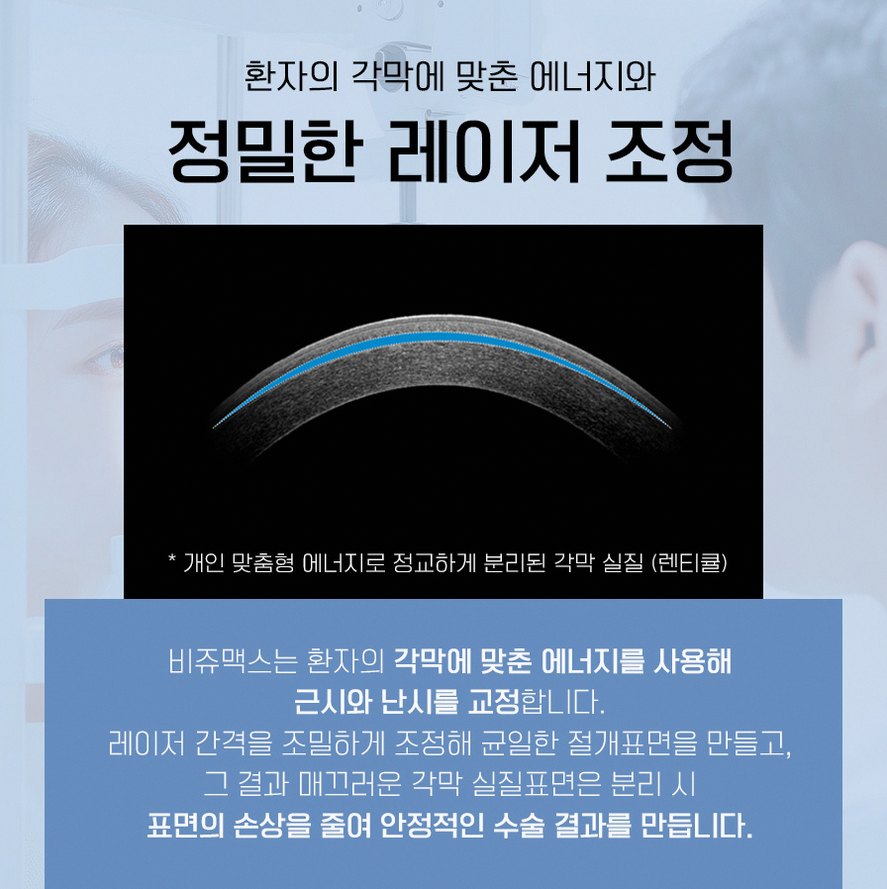
Regarding results, patients often report noticeable vision improvement within hours to a few days. Some can function well the next day, while others experience more gradual stabilization over several weeks. Fluctuations in clarity, especially in the first month, are common.
Temporary side effects mentioned in reviews include mild discomfort, dryness, halos, or glare at night. These usually improve over weeks to months, but the degree and duration vary between individuals.
Many reviews highlight appreciation for thorough follow-up visits, where doctors check healing, adjust eye drop schedules, and address any concerns. Patients often feel more comfortable when side effects are discussed openly rather than minimized.
Safety checks and why detailed exams matter
A clinic that performs a large number of vision correction procedures tends to place strong emphasis on diagnostics. This is particularly important in a busy area like Gangnam, where many young adults are interested in SMILE LASIK.
Detailed preoperative exams help to:
Identify thin or irregular corneas that may not be suitable for SMILE LASIK.
Detect early signs of keratoconus or other corneal diseases.
Evaluate dry eye or meibomian gland dysfunction that might need treatment before surgery.
Find retinal issues such as lattice degeneration, small holes, or tears that may require laser treatment or monitoring.
The clinic introduced here has a separate retina center with retina-trained specialists. This is especially relevant for high myopes, who have a higher risk of retinal problems. Careful retinal evaluation before any laser vision correction can reduce the chance of missing conditions that could affect long-term vision.
Equipment and surgeon experience in real-world feedback
From a patient’s perspective, it can be hard to judge the technical aspects of a laser platform. However, there are some practical ways equipment and experience show up in reviews.
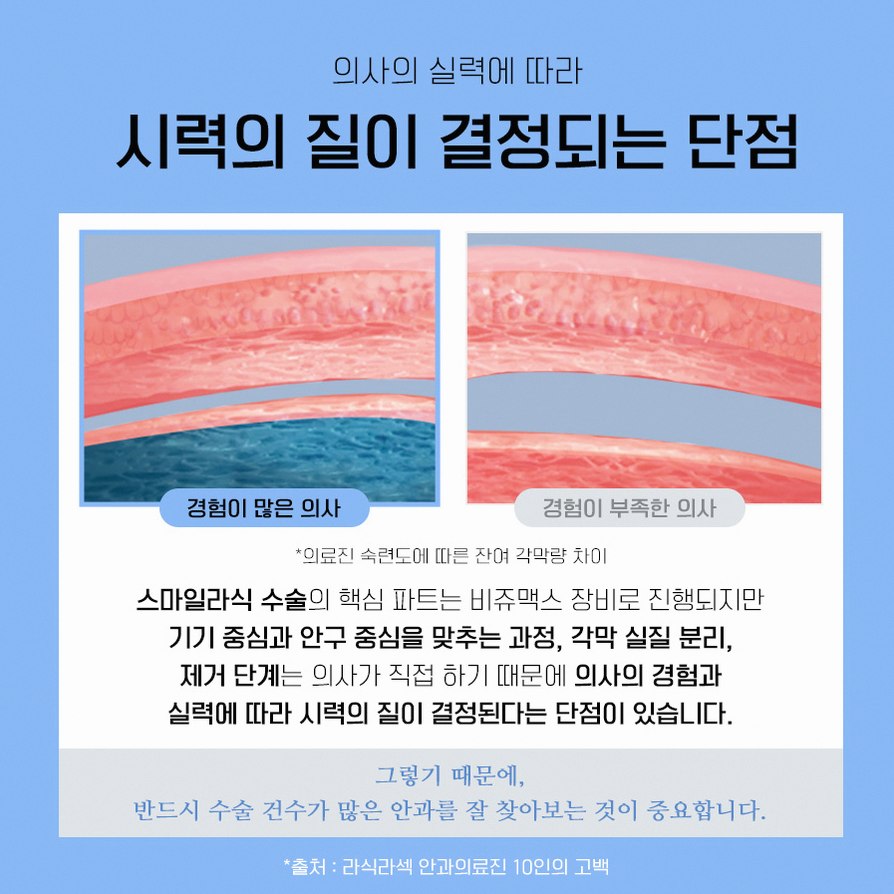
Having multiple ZEISS VisuMax platforms, including the latest VISUMAX 800, allows the clinic to offer shorter suction and laser times and smoother lenticule separation for the surgeon. When combined with surgeons who have university hospital backgrounds and subspecialty training, this can support predictable procedures.
Patients often mention feeling reassured when they see up-to-date equipment and hear that the clinic has accumulated around 300,000 eyes of vision correction and cataract surgeries as of 2023. While large numbers do not guarantee a particular outcome, they do indicate extensive experience.
Reviews also frequently refer to how clearly surgeons explain risks, benefits, and alternatives, and how accessible they are during follow-up. These communication aspects are just as important as the machines themselves.
Recovery timeline and aftercare
Understanding the typical recovery pattern can help you interpret online reviews more realistically.
Day 0 to Day 1
On the day of SMILE LASIK and the first day after, expect blurry vision, light sensitivity, and tearing. You should avoid rubbing your eyes and follow the prescribed schedule of antibiotic and anti-inflammatory drops. Many people rest at home with sunglasses and keep screen time to a minimum.
First week
During the first week, vision usually improves quickly to a level where you can manage daily tasks. Some people return to office work within a few days, depending on their job and comfort level. Eye makeup, swimming, and heavy exercise are usually restricted during this period to reduce infection risk and protect the healing cornea.
One to three months
Over the next one to three months, vision tends to stabilize. Dry eye symptoms often gradually improve, though some people need lubricating drops for longer. Regular follow-up visits allow the doctor to monitor healing, check for residual refractive error, and adjust treatment if needed.
Longer term
After the early months, most patients settle into stable vision, but small changes can still occur over time due to natural aging of the eye. SMILE LASIK does not stop presbyopia (age-related near vision changes), so reading glasses may still be needed later in life.
How to read Apgujeong SMILE LASIK reviews critically
When you search for “Apgujeong SMILE LASIK review”, you will find a mix of blog posts, videos, and short comments. To use these effectively, focus on patterns rather than single stories.
Consider the following points:
Do reviewers mention detailed preoperative exams and clear explanations, or do they focus only on price and quick scheduling?
Are side effects and discomforts described honestly, along with how the clinic responded and managed them?
Is there consistent mention of follow-up care and easy access to medical staff when questions arise?
Are the reviews recent and specifically about SMILE LASIK, not mixed with unrelated treatments?
Also, be cautious of overly enthusiastic or extremely negative posts that lack detail. Balanced reviews usually include both positive aspects and some minor inconveniences or side effects.
When SMILE LASIK might not be recommended
Even in a center that performs many SMILE LASIK procedures, not everyone is a candidate. Situations where another method may be safer include:
Very thin or irregular corneas, where removing a lenticule might weaken the cornea too much.
Suspicion of keratoconus or other corneal diseases that could progress after surgery.
Severe dry eye that needs treatment and stabilization before considering any laser vision correction.
Certain retinal conditions in high myopia, where the priority is to manage retinal risk first.
In these cases, the doctor may recommend LASEK, lens implantation, or no surgery at all. The final decision must always be made after a full examination and discussion with an ophthalmologist.
Online consultation and pre-visit preparation for overseas patients
If you are an overseas patient planning a trip to Seoul, an online or remote consultation can help you prepare. Many Gangnam clinics offer pre-visit contact by email, messaging apps, or video call.
Before your online consultation, it is helpful to prepare:
Your most recent glasses or contact lens prescription.
Any previous eye examination reports, especially corneal topography or retinal scans if available.
A list of medications you take and any general health conditions.
Questions about recovery time, return to work or travel, and follow-up options after you go home.
During the online consultation, you can discuss whether SMILE LASIK seems suitable in principle, but the final decision will still depend on the in-person examination in Seoul.
Expected Korea visit timeline for SMILE LASIK
For overseas patients, a typical schedule might look like this, although it can be adjusted to your travel plans.
Day 1: Arrival in Seoul and rest.
Day 2: Full eye examination and counseling at the clinic near Gangnam Station. If you are a good candidate and both you and the doctor agree, surgery may be scheduled for the same day or the following day.
Day 2 or 3: SMILE LASIK procedure.
Day 3 or 4: First post-operative check, usually the next day after surgery.
Following days: Additional check-ups as recommended, often at one week and one month. For short stays, the clinic may arrange an early follow-up schedule and provide detailed instructions for your local doctor at home.
Most international visitors stay in Seoul for at least several days after surgery to complete early follow-ups and ensure that healing is on track before flying home. You should avoid rubbing your eyes and follow all instructions about eye drops, sleep, and activity during your stay.
Aftercare once you return home
After you leave Korea, long-term follow-up can be done with an eye specialist in your home country. The Gangnam clinic can usually provide a summary of your procedure and early post-operative findings.
You should continue using any prescribed lubricating drops as advised and attend scheduled checks to monitor your cornea and retina. If you notice sudden changes such as flashes of light, a curtain-like shadow, or a strong drop in vision, you should seek urgent care.
Clear communication between the Seoul clinic and your local doctor helps ensure continuity of care.
FAQ focused on Apgujeong SMILE LASIK seekers
Is SMILE LASIK painful?
During SMILE LASIK, anesthetic eye drops are used, so most patients feel pressure and some discomfort rather than sharp pain. The suction step can feel strange, and lights may look bright, but the actual laser time is very short, especially with the VISUMAX 800. After the procedure, mild soreness, tearing, and a foreign body sensation are common for several hours, usually improving by the next day.
How soon can I go back to work after SMILE LASIK?
Many office workers in Gangnam return to work within two to three days, depending on their job and how they feel. If your work involves heavy physical activity, dusty environments, or risk of eye trauma, you may need more time off or protective measures. Your doctor will give specific advice based on your healing and occupation.
Can I choose SMILE LASIK just because it is popular in Gangnam?
Popularity alone is not a good reason to choose any medical procedure. SMILE LASIK is one option among several, and whether it suits you depends on your corneal thickness, shape, degree of myopia and astigmatism, dry eye status, and retina condition. A thorough examination is essential to decide between SMILE LASIK, LASEK, lens implantation, or no surgery.
What if my exam shows I am not a good candidate for SMILE LASIK?
If your examination indicates that SMILE LASIK is not the safest choice, the doctor will explain why and discuss alternatives. These might include surface procedures such as LASEK, lens implantation, or simply continuing with glasses or contact lenses. Many patients report feeling more confident when a clinic is willing to advise against surgery rather than pushing one specific method.
How long do the results of SMILE LASIK usually last?
For most people, the correction achieved by SMILE LASIK is stable over many years, but the eye can still change naturally with age. SMILE LASIK does not prevent presbyopia, so you may need reading glasses later in life. In some cases, a small residual prescription remains or develops, and enhancement options may be discussed, always based on corneal safety.
Soft call to action for online consultation
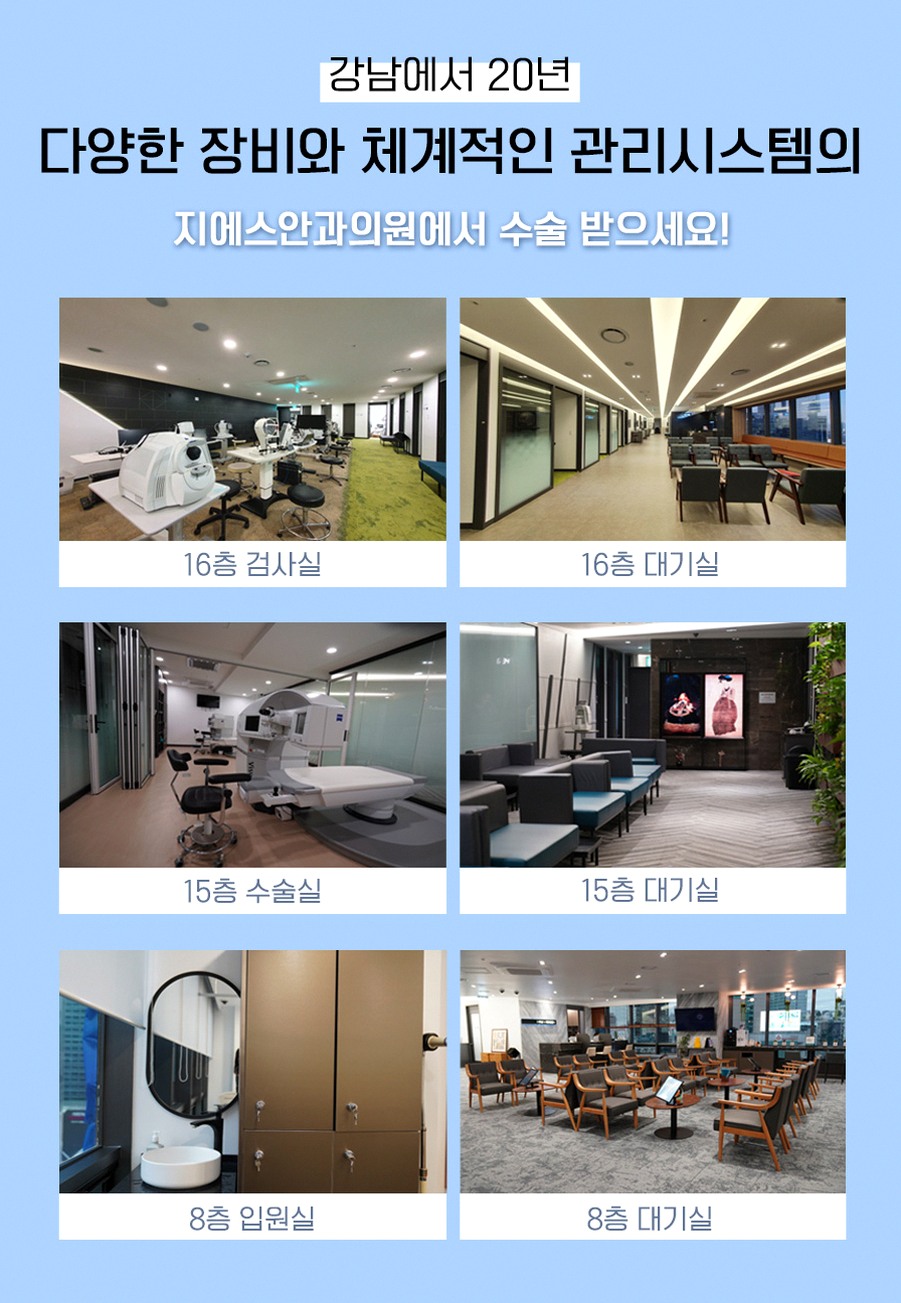
If you are comparing Apgujeong SMILE LASIK reviews and planning a visit to Seoul, an online consultation with the Gangnam clinic near Gangnam Station can help you understand whether SMILE LASIK might suit your eyes and schedule. You can share your current prescription and medical history, ask about equipment such as the ZEISS VISUMAX 800 and 500 platforms, and plan a realistic travel and recovery timeline.
Use the information in this guide as a starting point, then discuss your individual situation directly with an ophthalmology specialist. Careful preparation, detailed examination, and honest communication are the keys to a safe and satisfying SMILE LASIK experience in the Apgujeong and Gangnam area.

- 공유 링크 만들기
- X
- 이메일
- 기타 앱


댓글
댓글 쓰기