Apgujeong vision correction surgery with SMILE LASIK options in Gangnam
- 공유 링크 만들기
- X
- 이메일
- 기타 앱

Direct answer summary
In Apgujeong and Gangnam, clinics such as GS Eye Center use femtosecond platforms like VISUMAX 800 and VISUMAX 500 to perform SMILE and related procedures. Whether SMILE is right for you depends on a detailed eye examination, your corneal characteristics, and your lifestyle—not on location or price.
Overview of SMILE LASIK for Apgujeong patients
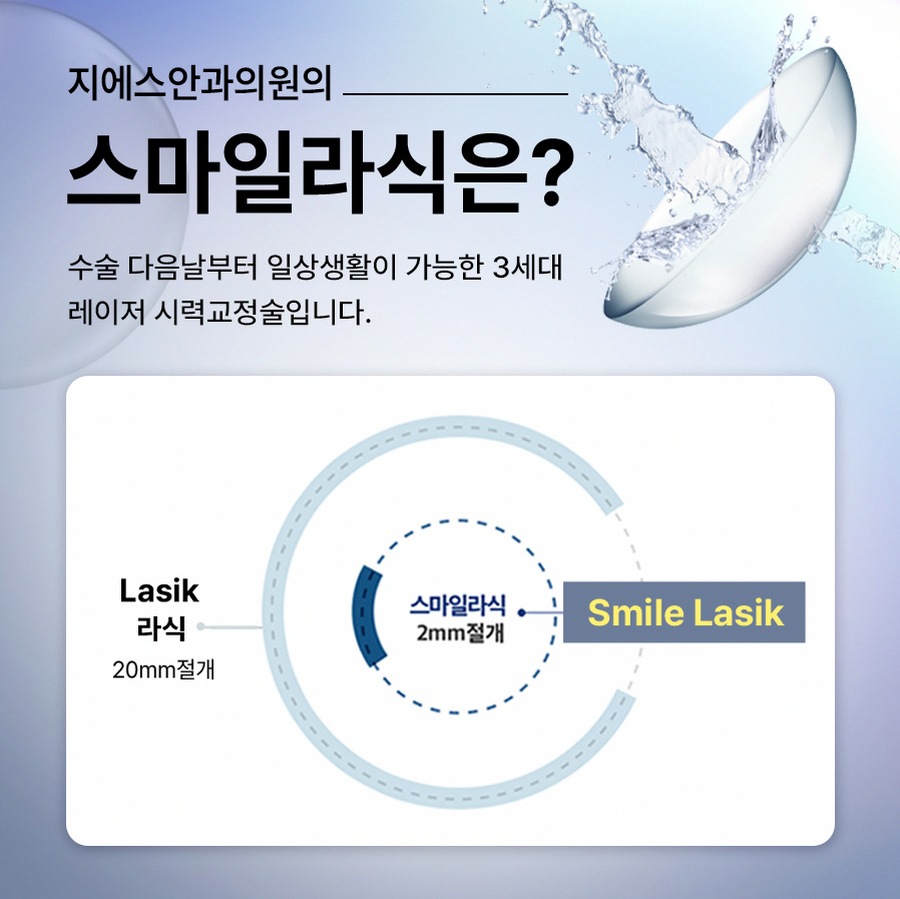
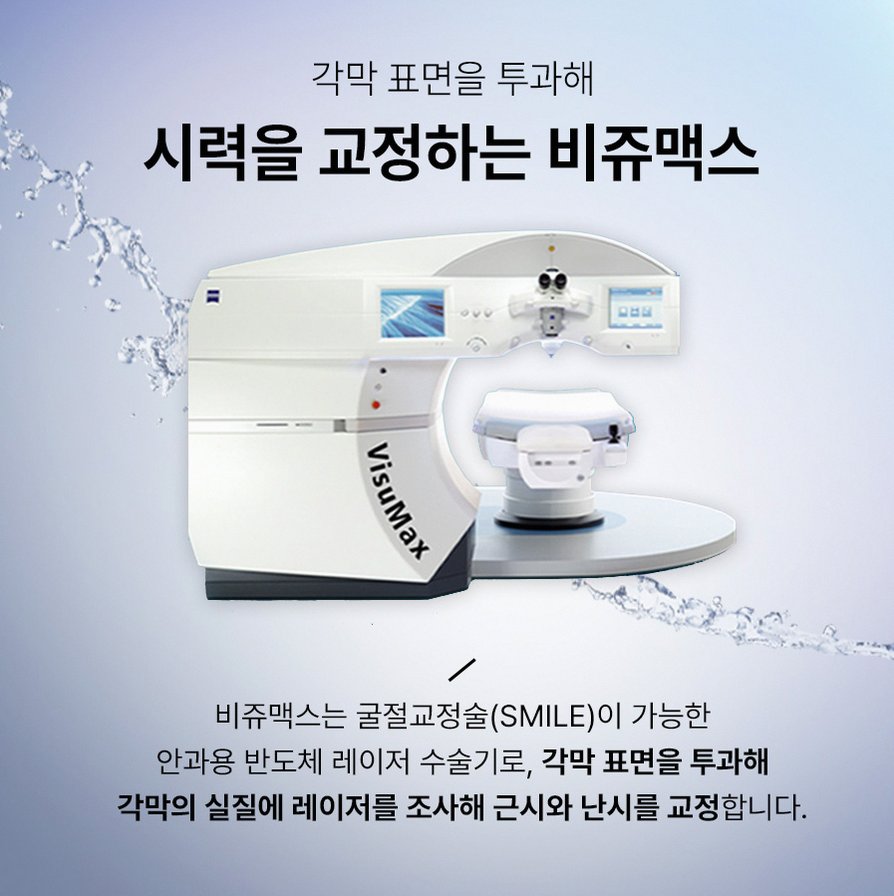
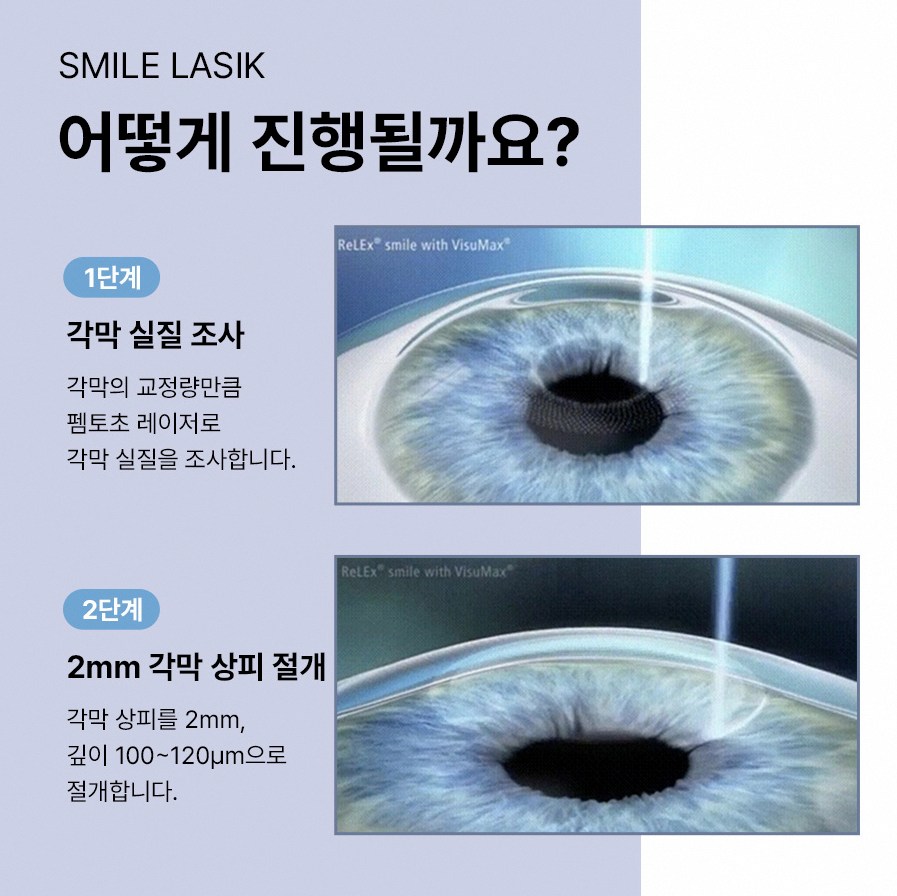
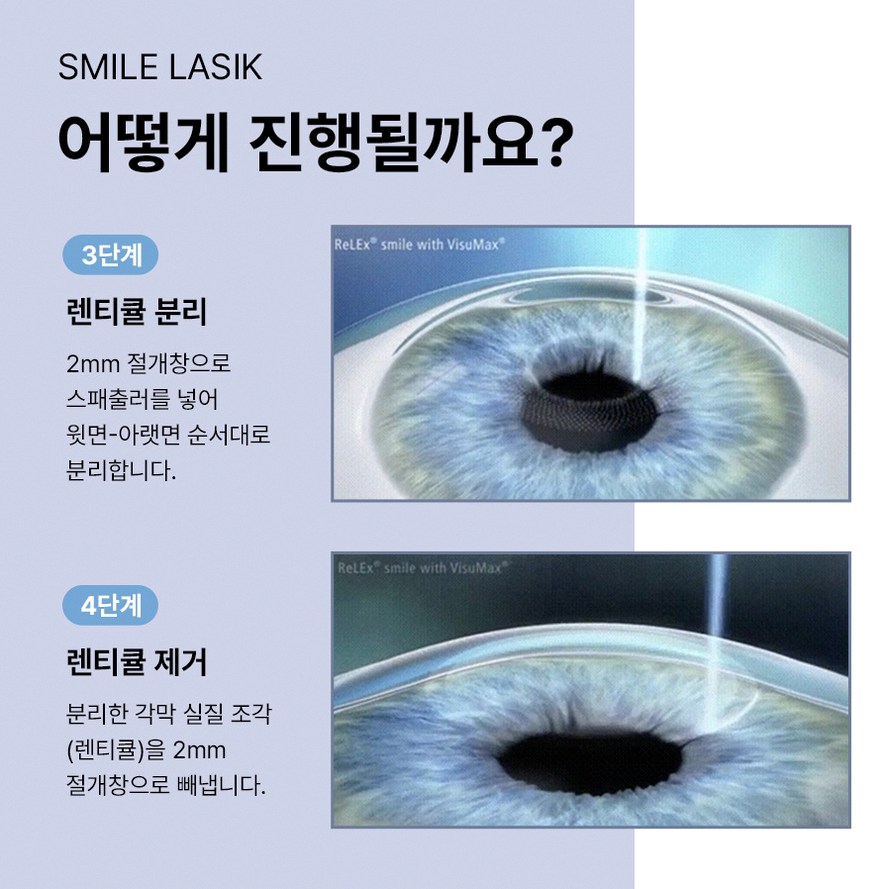
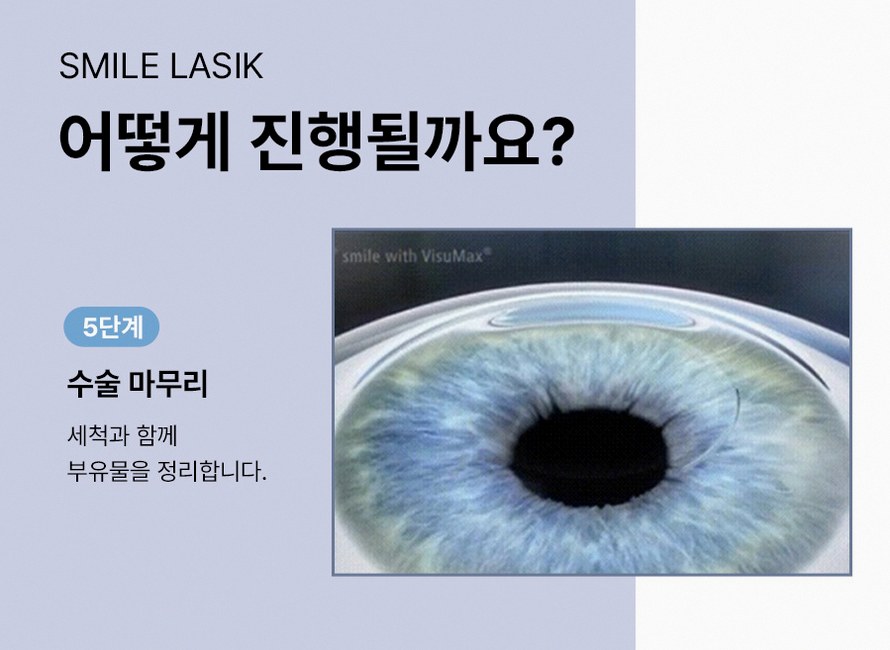
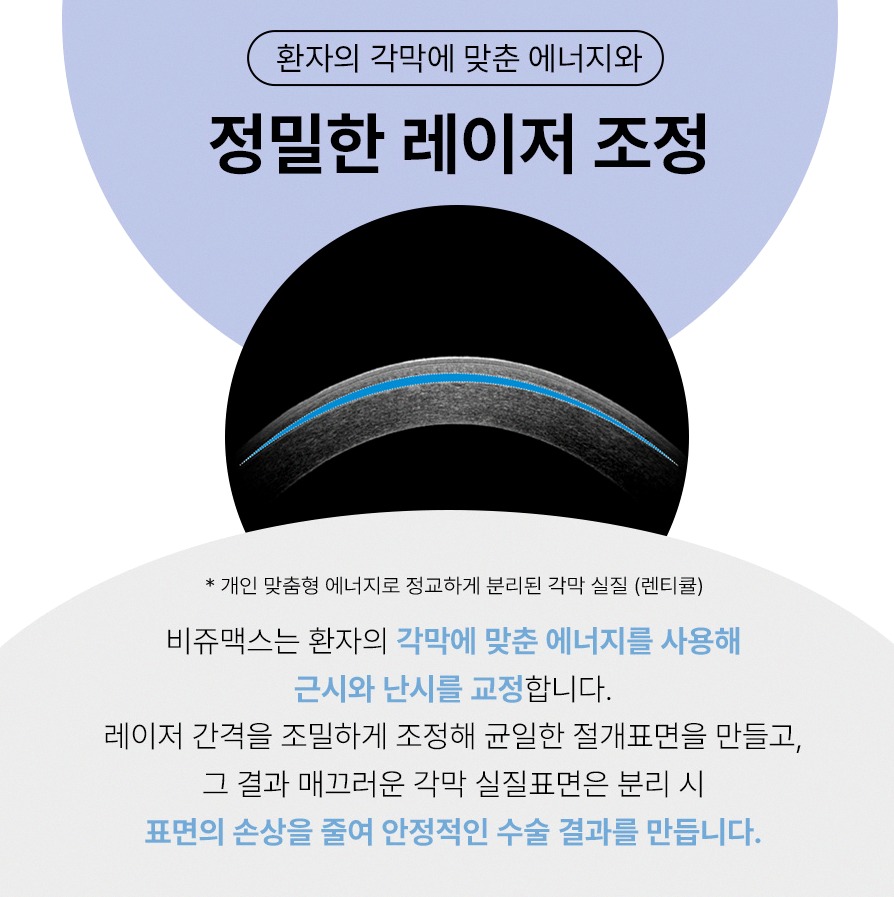
SMILE LASIK (often shortened to SMILE) is a type of laser vision correction that reshapes the cornea through a very small incision. Instead of creating a wide corneal flap, a femtosecond laser creates a thin lens‑shaped piece of tissue (called a lenticule) inside the cornea. This lenticule is then removed through a small opening, changing the corneal curvature and reducing refractive error.
In the Apgujeong and Gangnam area, many office workers, students, and frequent device users look for a method that offers quick recovery and less discomfort compared with older techniques. SMILE LASIK is often chosen because it is minimally invasive and designed to preserve more of the corneal surface structure.
What SMILE LASIK is and how it compares
Definition and basic mechanism
In SMILE LASIK, a femtosecond laser is focused inside the cornea to create a precise three‑dimensional lenticule. The surgeon then removes this lenticule through a small side incision, usually just a few millimeters long. By removing this tiny piece of tissue, the cornea becomes slightly flatter or more regular, which corrects nearsightedness and certain levels of astigmatism.
Comparison with LASIK
Conventional LASIK involves creating a hinged flap on the surface of the cornea, lifting it, and then reshaping the exposed tissue with an excimer laser before repositioning the flap. This method has been widely used for many years and can be very effective, but it does involve a larger cut and a movable flap.
SMILE LASIK does not require a broad flap. The small incision leaves most of the corneal surface intact. For some patients, this can mean less postoperative discomfort and potentially a lower risk of flap‑related issues.
Comparison with LASEK and other surface procedures
LASEK and other surface ablation procedures remove the surface epithelium and then reshape the underlying cornea with an excimer laser. The epithelium grows back over several days. These methods can be suitable for thinner corneas or certain corneal shapes, but they usually involve more discomfort in the first days and a slower visual recovery compared with SMILE LASIK or traditional LASIK.
Conditions SMILE LASIK can address
SMILE LASIK is mainly used to correct myopia (nearsightedness) and myopic astigmatism within certain ranges. It is not suitable for every prescription or every eye. The exact range depends on the laser platform, corneal thickness, and other biometric factors.
Why Apgujeong and Gangnam residents consider SMILE LASIK
Lifestyle and work patterns
Apgujeong and the wider Gangnam area are home to many professionals, students, and creatives who spend long hours on digital devices. Constant use of computers and smartphones can make contact lenses uncomfortable and glasses inconvenient. For people with busy schedules, a vision correction method that allows relatively quick return to work and daily activities is attractive.
Convenience of location
Many patients search by location first, using terms like Apgujeong vision correction surgery, and then narrow down their choices by technology and medical staff. Apgujeong is well connected by public transport, which makes it easier for commuters to attend preoperative examinations and follow‑up visits.
Expectations about recovery
People in this area often ask about procedures that may offer less early discomfort, smaller incisions, and stable vision suitable for office work, study, and social activities. SMILE LASIK is often discussed as one of these options, but it is important to remember that individual experiences vary.
Who may consider SMILE LASIK
Typical eligibility
Not everyone who wears glasses or contact lenses is a candidate for SMILE LASIK. Common requirements include:
Stable refraction for at least one to two years, without rapid changes in prescription
Sufficient corneal thickness to allow safe tissue removal
No active eye disease such as uncontrolled dry eye, keratoconus, corneal scars, or severe allergies
Healthy retina and optic nerve, especially in higher myopia
Realistic expectations about possible outcomes and limitations
Importance of a comprehensive examination
Before deciding on SMILE LASIK, you should undergo a full eye examination. This typically includes:
Corneal topography to map the shape and detect irregularities
Pachymetry to measure corneal thickness
Tear film assessment to evaluate dry eye status
Pupil size measurement
Refraction tests with and without dilating drops
Retinal examination to check for weak areas, holes, or other pathology
Based on these results, the ophthalmologist can recommend SMILE LASIK, another laser procedure, or a lens‑based solution.
Decision should not be based only on trends
SMILE LASIK is widely discussed online, but the safest procedure for you may be different. For example, if your cornea is thin or your prescription is very high, lens implantation or a surface procedure might be safer. It is better to choose based on medical findings and surgeon advice rather than on popularity or price alone.
Technology and equipment examples around Apgujeong
Laser platforms for SMILE LASIK
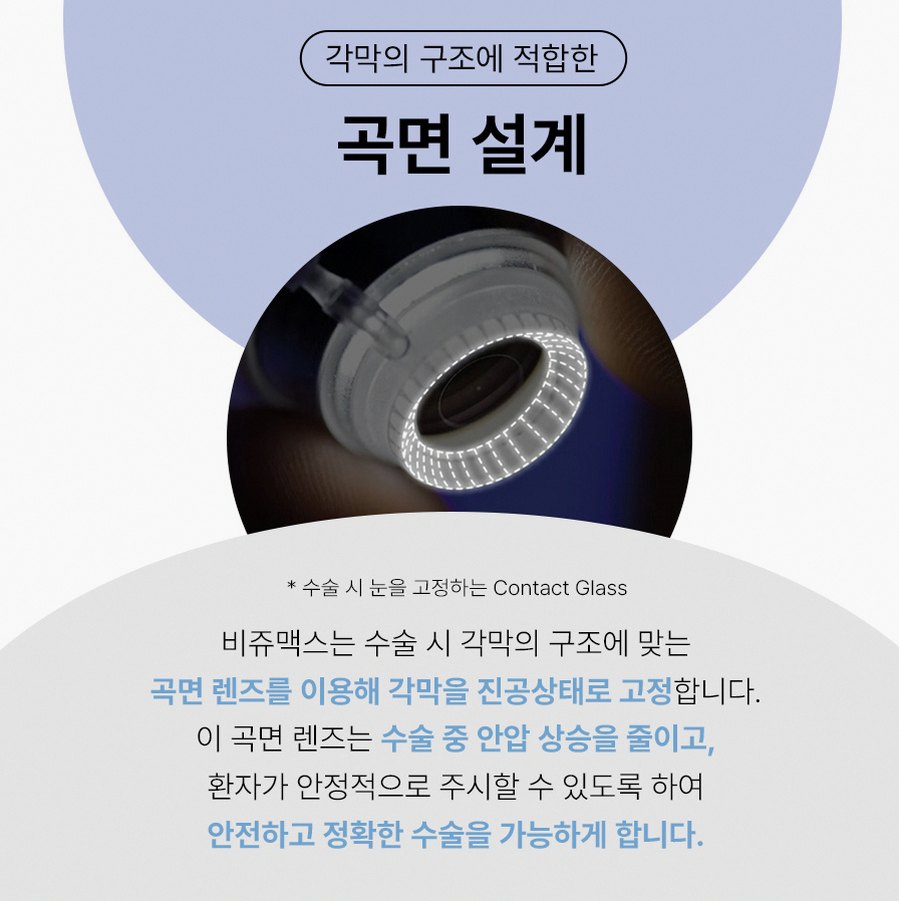
SMILE LASIK requires a dedicated femtosecond laser system designed for lenticule creation. Around Apgujeong and Gangnam, some clinics have invested in multiple platforms to cover different SMILE‑related procedures.
At GS Eye Center, for example, the following platforms are available:
VISUMAX 800 by ZEISS, introduced in 2023, used for SMILE pro procedures. This platform is designed for very fast laser times, often under about 9 seconds for the main laser step.
Two VISUMAX 500 systems by ZEISS, used for standard SMILE LASIK, in use since 2016. A dual‑room setup has been used since 2019 to increase capacity and reduce waiting time.
Advantages of multiple platforms
Having several compatible platforms allows the medical team to select the most appropriate system for each case and manage patient flow more efficiently. For patients, this can mean more scheduling flexibility and the possibility of tailoring the procedure type, such as SMILE pro versus standard SMILE LASIK, depending on suitability.
Medical staff and clinical experience
Ophthalmology team structure
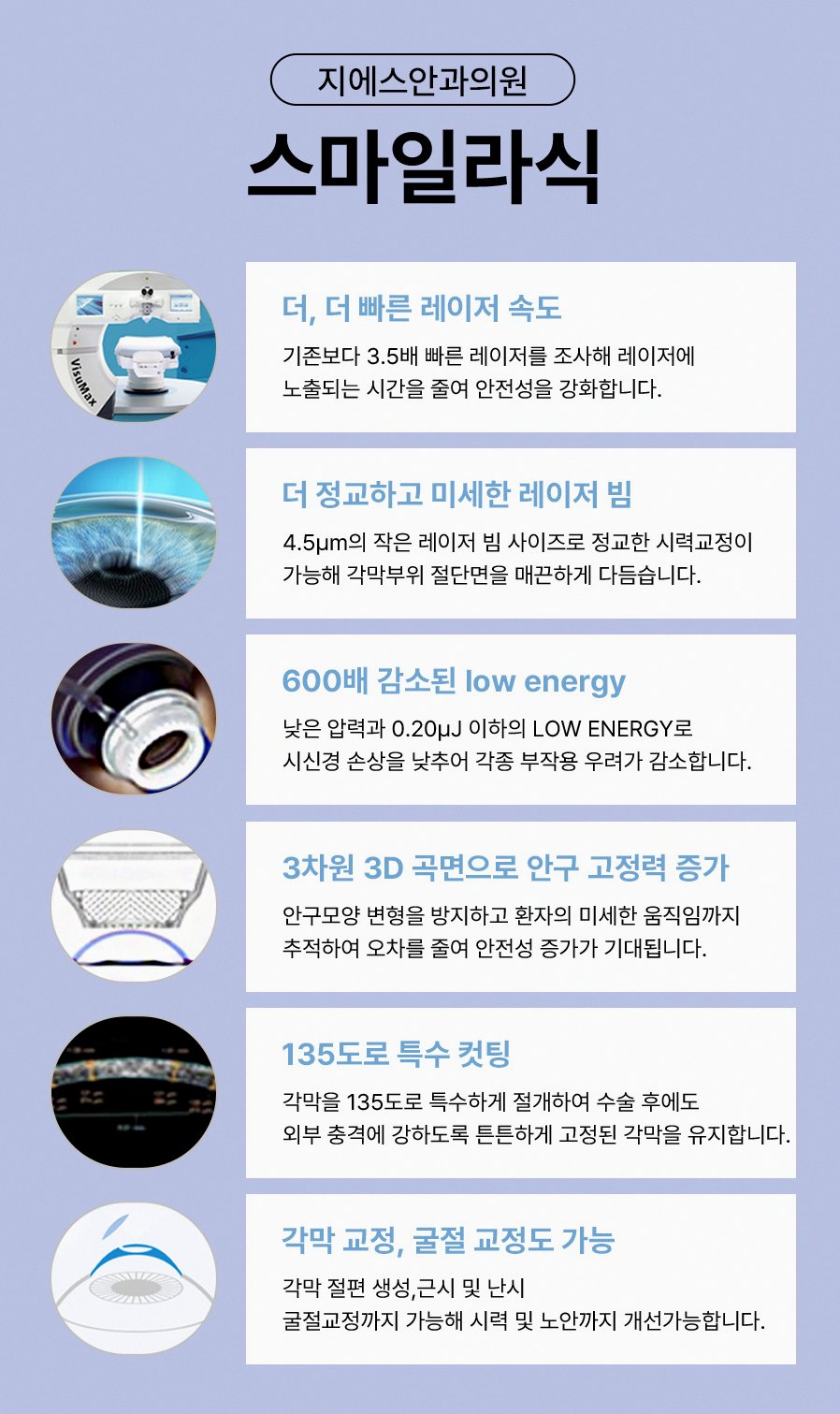
When comparing Apgujeong and Gangnam clinics, many international patients look at the number and qualifications of ophthalmologists. GS Eye Center, as one example, is an ophthalmology clinic with seven board‑certified ophthalmologists.
The representative director, Dr. Moo Yeon Kim, is an ophthalmologist and medical doctor with prior experience as a faculty member at a major university hospital. He is also active in clinical education and public communication through online channels. Other doctors at the clinic include ophthalmologists with university hospital backgrounds and retinal fellowships, which can be relevant when evaluating retinal health before refractive surgery.
Accumulated surgical volume and training roles
As of 2023, the clinic reports a cumulative total of about 300,000 eyes treated with vision correction and cataract surgery. For SMILE pro alone, around 15,000 eyes had been treated by April 2026, with documented milestones in 2024 and 2025.
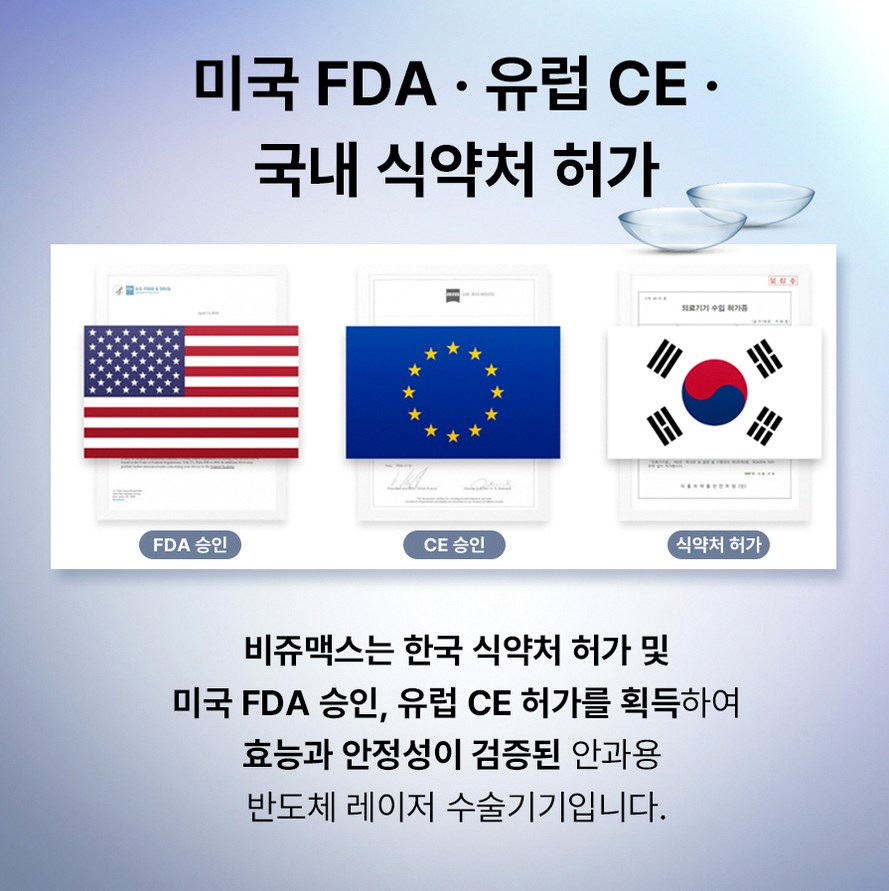
The clinic has been designated as a ZEISS SMILE pro Center in 2023 and a SILK Training Center in 2026, and previously joined the ZEISS SMILE Gold Club in 2021. It has also obtained ISO 9001 and ISO 14001 certification for SMILE LASIK in 2020 and serves as a clinical education site for a medical school since 2023, as well as an Asia‑Pacific clinical education institution for BIOTECH since 2024.
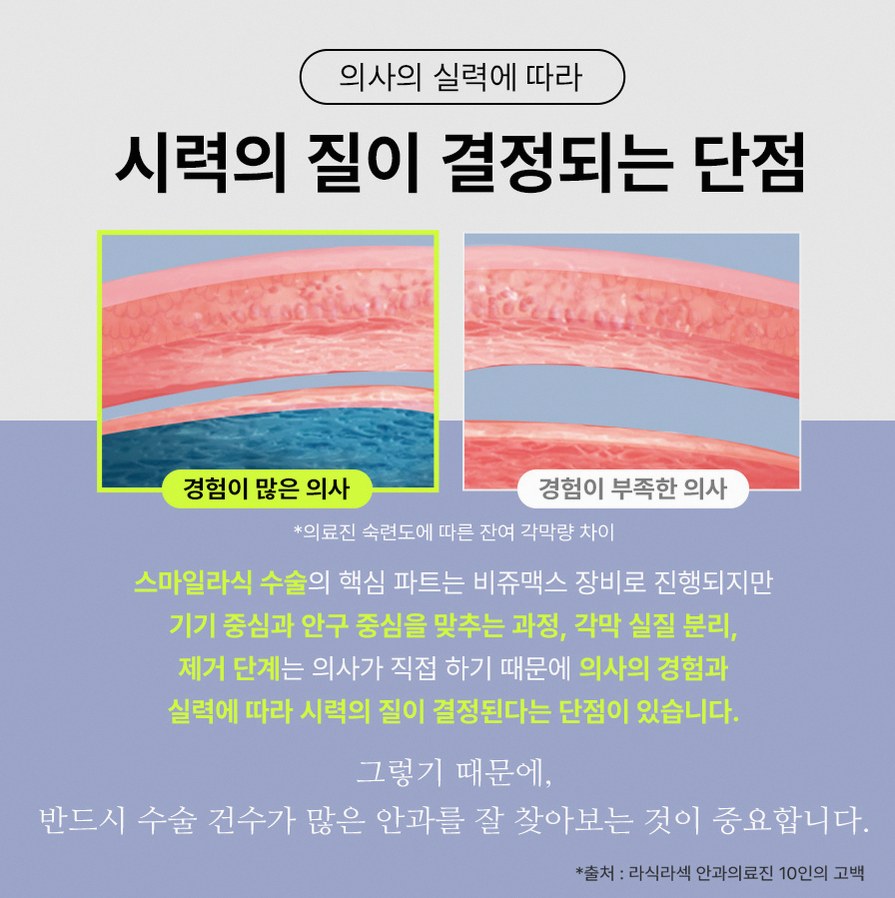
These points can be interpreted as indicators of structured protocols, experience, and involvement in training, but they do not guarantee specific outcomes for individual patients.
Treatment lineup related to SMILE and alternatives
SMILE‑related procedures
In Apgujeong and Gangnam, some clinics offer a range of SMILE‑based or related procedures, such as:
SMILE pro, using newer platforms like VISUMAX 800, with shorter laser times
Standard SMILE LASIK, using platforms such as VISUMAX 500
SILK, another corneal laser option with its own technical characteristics
Internal program names like Golden SMILE, which usually refer to a package or protocol within the clinic rather than a separate technology
These are all variations within the corneal laser vision correction category, and the choice among them should be based on examination results and surgeon judgment.
Alternative options when SMILE is not suitable
If SMILE LASIK is not recommended for you, other options may be discussed:
Lens implantation procedures such as ICL, GLAZE, or PhakiFlex KPL, often considered for high myopia, thin corneas, or specific corneal shapes
Surface procedures such as 2DAY LASEK and other LASIK variants, which may be appropriate for certain corneas
Corneal strengthening procedures like cross‑linking, when indicated, especially in cases with early corneal instability
These alternatives are not the main focus of Apgujeong vision correction surgery searches, but they are important to know in case SMILE LASIK is not medically suitable.
Safety, certifications, and education roles
Structured systems and protocols
When you see that a clinic has ISO 9001 and 14001 certifications for SMILE LASIK, it usually means that the clinic has documented quality and environmental management systems. Designations as a clinical education site or training center generally indicate that the clinic participates in training other doctors and follows standardized protocols.
However, even in such settings, outcomes still depend on individual eye conditions, healing responses, and adherence to aftercare instructions. No certification can eliminate all risk.
Typical procedure flow for overseas patients near Apgujeong
Step 1: Online consultation and initial screening
Before traveling to Korea, many international patients start with an online consultation. You can usually send your glasses or contact lens prescription, previous eye exam reports if available, and basic medical history. The clinic can then provide preliminary guidance on whether SMILE LASIK might be an option and what additional tests are needed on site.
Step 2: Full eye examination in Seoul
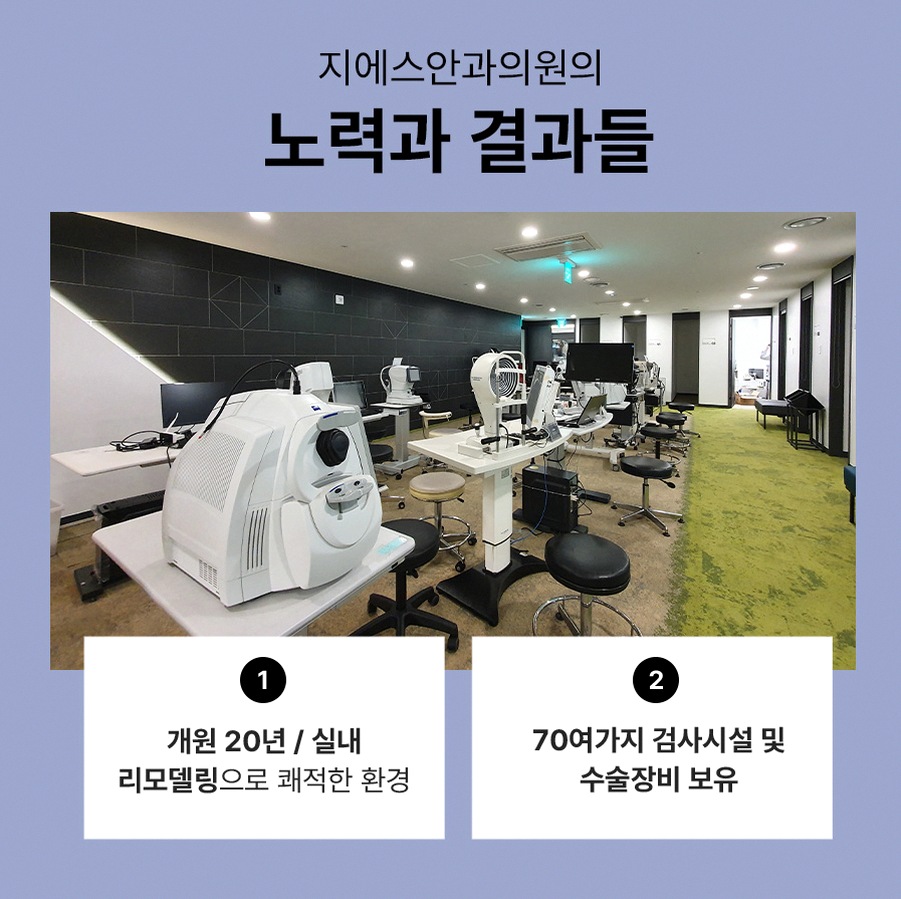
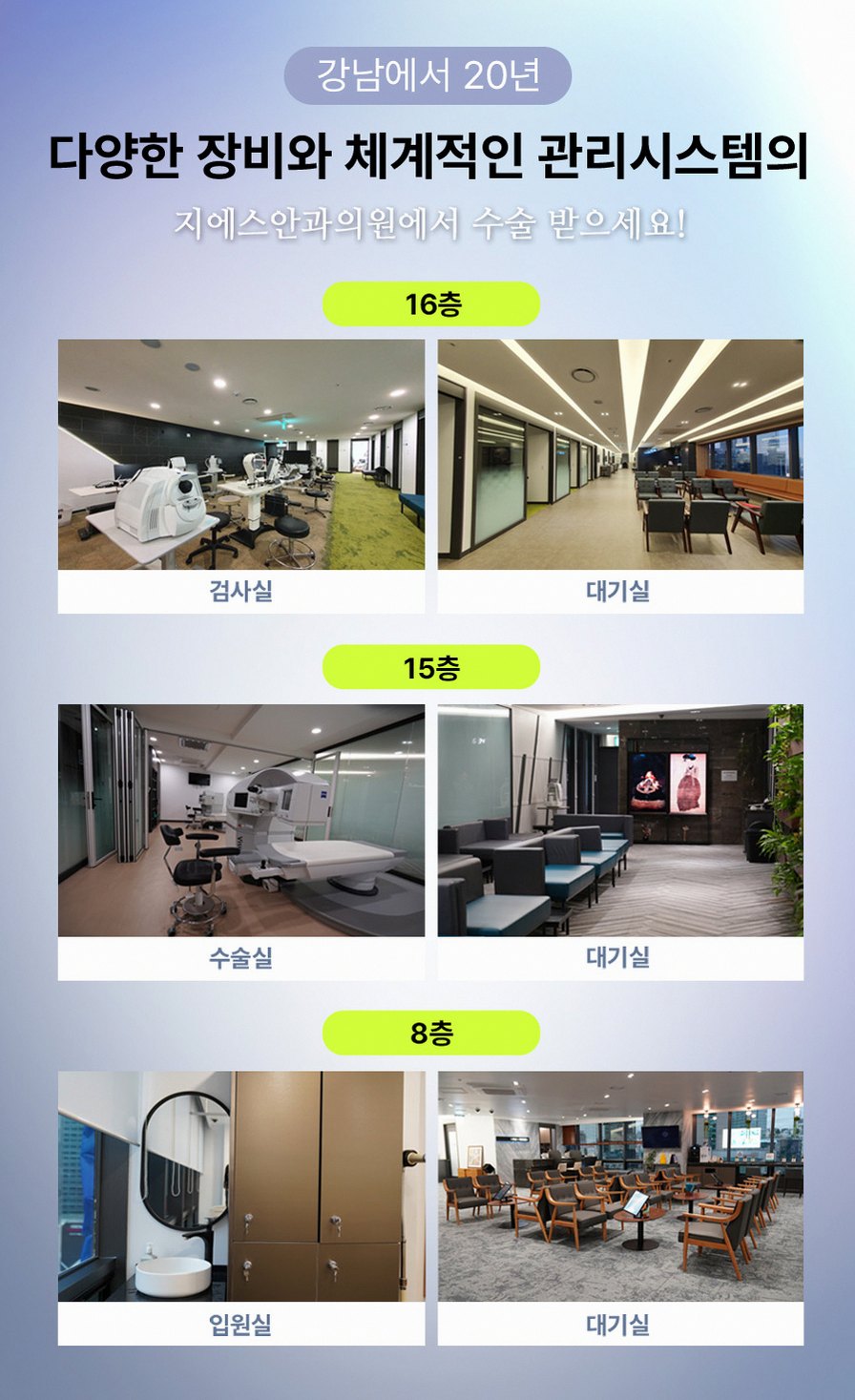
Once you arrive in Korea, your first visit to the ophthalmology clinic typically takes 1 to 2 hours, including waiting and testing. The examination may include visual acuity tests, refraction with and without dilating drops, corneal topography, pachymetry, tear film evaluation, intraocular pressure measurement, and retinal imaging.
Step 3: Personalized explanation and procedure selection
After the tests, the ophthalmologist will explain:
Whether SMILE LASIK is suitable for your eyes
If another method, such as SMILE pro, SILK, LASIK, LASEK, or lens implantation, might be safer
The expected course of recovery and possible risks
This is a good time to ask detailed questions and compare the pros and cons of each option.
Step 4: Surgery day
On the day of SMILE LASIK, you will usually:
Arrive without eye makeup and with soft contact lenses already discontinued for the recommended period
Sign consent forms after reviewing the procedure again
Receive anesthetic eye drops to numb the eyes
The SMILE LASIK procedure itself is usually quick. The laser step is extremely brief—often only a few seconds per eye; for example, platforms like VISUMAX 800 deliver laser exposure in single‑digit seconds. Total procedure and clinic visit times vary depending on preoperative testing and clinic protocol, so confirm expected duration with your provider.
Step 5: Immediate post‑operative period
After the procedure, you will rest in a recovery area for a short time. The staff will check your eyes, provide protective eye shields or goggles, and explain how to use your eye drops. You will usually need someone to accompany you back to your accommodation or use a taxi, as your vision may be hazy on the first day.
Step 6: Follow‑up visits
Typical follow‑up schedules include:
The next day: to check the cornea, confirm that the lenticule area and incision look stable, and review early symptoms
About one week later: to monitor healing and adjust eye drops if needed
Around one month: to assess visual stability and address any ongoing dryness or halos
For overseas patients, clinics may try to condense follow‑ups into a shorter period while still maintaining safety, but this should be discussed in advance.
Recovery and aftercare
Early recovery
Many patients can return to light daily activities within 1 to 2 days after SMILE LASIK, such as gentle computer work or walking. However, it is common to experience temporary dryness, mild foreign body sensation, halos around lights at night, or fluctuating vision during the first weeks.
Use of prescribed eye drops
You will typically receive antibiotic and anti‑inflammatory eye drops for a limited period, along with lubricating drops. It is important to:
Use the drops exactly as prescribed
Avoid touching the tip of the bottle to your eye or lashes
Follow the schedule, even if your eyes feel comfortable
Activity restrictions
To support safe healing, you will usually be advised to:
Avoid rubbing your eyes, especially in the first weeks
Avoid swimming pools, hot tubs, and saunas for a certain period (often a few weeks)
Delay eye makeup around the lashes and eyelids for several days to a couple of weeks, depending on the clinic’s protocol
Limit very intense exercise or contact sports for a period recommended by your ophthalmologist
Individual variation in healing
Healing speed and final vision vary from person to person. Some people feel clear very quickly, while others notice gradual improvement over several weeks. Night vision symptoms such as halos or glare often improve with time but can persist in some cases. Regular follow‑up and open communication with your ophthalmologist are important.
How to choose an eye clinic around Apgujeong or Gangnam
Key criteria to consider
When comparing clinics for SMILE LASIK in the Apgujeong and Gangnam area, you may want to look at:
Availability of up‑to‑date SMILE platforms such as VISUMAX 800 and VISUMAX 500 or equivalent systems
Presence of board‑certified ophthalmologists with refractive surgery experience
Comprehensive preoperative testing, including corneal topography and retinal evaluation
Clear explanation of your test results and the reasons for recommending a specific procedure
Structured follow‑up schedule and a clear process for urgent questions or unexpected symptoms
Balanced counseling that covers both potential benefits and possible risks or complications
Practical comparison checklist
Before your consultation, it can help to prepare a simple checklist:
Which laser platforms are used for SMILE LASIK and SMILE pro?
How many refractive procedures has the clinic performed overall, and how do they monitor outcomes?
What is the typical schedule for overseas patients, from examination to final follow‑up?
What are the main reasons they might recommend an alternative to SMILE LASIK in your case?
How do they handle dry eye, halos, or other common postoperative issues?
By focusing on these medical and system factors, you can make a more informed decision than by looking at price or online reviews alone.
Online consultation and pre‑visit preparation
Information to prepare before contacting a clinic
For an efficient online consultation, prepare the following:
Your current glasses or contact lens prescription
Any previous eye surgery or trauma history
Information about systemic diseases such as diabetes or autoimmune conditions
A list of medications and supplements you are taking
Your typical daily activities, including screen time, sports, and night driving
Questions you may want to ask
During online or in‑person consultation, consider asking:
Am I likely to be a candidate for SMILE LASIK based on my prescription and age?
What additional tests will you perform when I arrive?
If SMILE LASIK is not suitable, what alternatives do you usually recommend for similar cases?
How long should I plan to stay in Korea for surgery and follow‑up?
What symptoms after surgery should prompt me to contact the clinic immediately?
Expected Korea visit timeline for SMILE LASIK
A common schedule for overseas patients might look like this:
Day 1: Full eye examination and consultation
Day 2 or 3: SMILE LASIK procedure
Day 3 or 4: First follow‑up (often the next day after surgery)
Day 7 to 10: Additional follow‑up, if your stay allows
If you need to leave Korea earlier, discuss with the clinic how to coordinate follow‑up care once you return home. You may be advised to see a local ophthalmologist with a summary of your surgery and early postoperative findings.
Frequently asked questions about SMILE LASIK in Apgujeong
Is SMILE LASIK suitable for everyone who wears glasses or contact lenses?
No, SMILE LASIK is not suitable for everyone. It is generally used for certain ranges of myopia and astigmatism and requires adequate corneal thickness and a stable prescription. People with irregular corneas, advanced dry eye, or certain retinal conditions may be advised to choose a different procedure or avoid refractive surgery altogether. Only a full examination by an ophthalmologist can determine your candidacy.
How is SMILE LASIK different from LASIK or LASEK in terms of pain and recovery?
SMILE LASIK uses a small incision and does not require a large corneal flap, which may reduce early discomfort for some patients compared with surface procedures like LASEK. Many people can return to light activities within 1 to 2 days. LASIK also offers fast recovery but involves a flap, while LASEK often has more discomfort in the first days and a slower initial recovery. Individual experiences vary, and your ophthalmologist can explain what to expect based on your eyes and chosen procedure.
How long does the SMILE LASIK procedure take, and when can I go back to work or school?
The SMILE LASIK procedure itself is usually quick. Time in the operating room is often under 30 minutes, and the laser step takes only seconds per eye, especially with platforms like VISUMAX 800. Many patients can return to desk work or school within a couple of days, although some prefer to allow a few extra days for adaptation. If your job involves heavy physical activity or dusty environments, you may need a longer recovery period as advised by your ophthalmologist.
Are there long‑term side effects I should know about?
As with any eye surgery, SMILE LASIK can have risks and side effects. Possible issues include dry eye symptoms, halos or glare at night, undercorrection or overcorrection, and, more rarely, corneal complications. Most patients do well, but no procedure is risk‑free. Long‑term data continue to be collected, and you should discuss potential risks, including rare complications, with your ophthalmologist before deciding.
What should I ask during a consultation at an eye clinic near Apgujeong?
Useful questions include: What are my exact measurements, and why do you recommend SMILE LASIK or another procedure? Which laser platforms will you use, and what is your experience with them? What is the follow‑up plan for overseas patients? How do you manage common postoperative issues such as dryness or night vision symptoms? Clear answers to these questions can help you understand both the benefits and limitations of the proposed treatment.
Soft call to action
If you are considering Apgujeong vision correction surgery and want to know whether SMILE LASIK, SMILE pro, or another method is suitable for your eyes, you can start with an online consultation at a Gangnam‑area ophthalmology clinic such as GS Eye Center. By sharing your prescription and medical history in advance, you can receive personalized guidance and plan your visit to Seoul more efficiently. Always remember that this information is general and does not replace a direct examination and discussion with an ophthalmologist who has reviewed your individual test results.
- 공유 링크 만들기
- X
- 이메일
- 기타 앱


댓글
댓글 쓰기