Cheongdam Smart LASIK Recommendation Guide for SMILE in Gangnam
- 공유 링크 만들기
- X
- 이메일
- 기타 앱
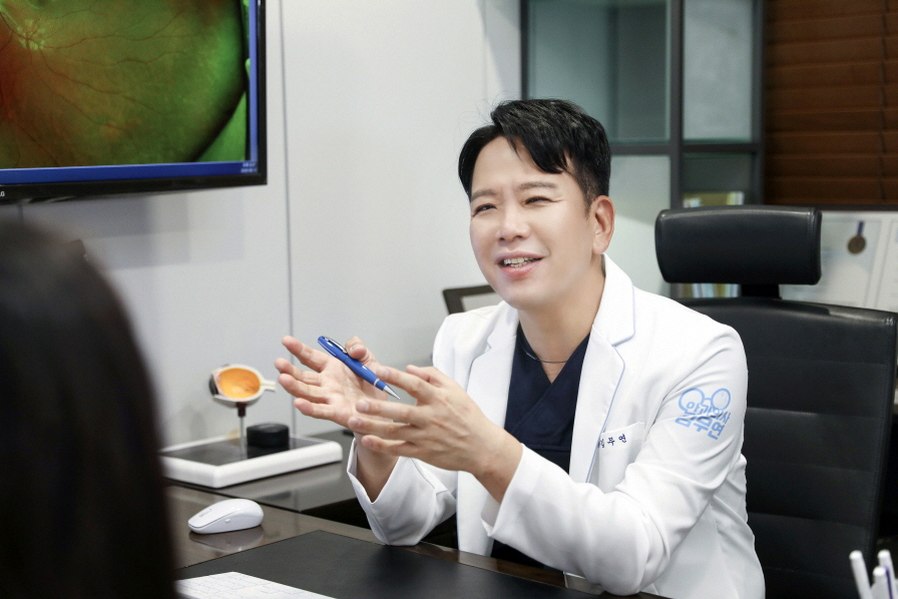
Cheongdam Smart LASIK: What you need to know
In the Cheongdam and wider Gangnam area, several ophthalmology clinics offer SMILE and related Smart LASIK options. The safest way to choose is to compare each clinic’s examination system, laser equipment, surgeon background, and long‑term track record, rather than focusing only on location or price.
This guide explains what SMILE and Smart LASIK are, who may be a suitable candidate, how the examination and surgery process usually work in Gangnam, what to check when comparing clinics around Cheongdam, and how a specialized ophthalmology center such as GS Eye Clinic near Gangnam Station can be considered as one of the options.
What Smart LASIK and SMILE mean
In Korea, many people use the term Smart LASIK when they are actually searching for newer, minimally invasive laser vision correction methods such as SMILE or upgraded SMILE platforms.
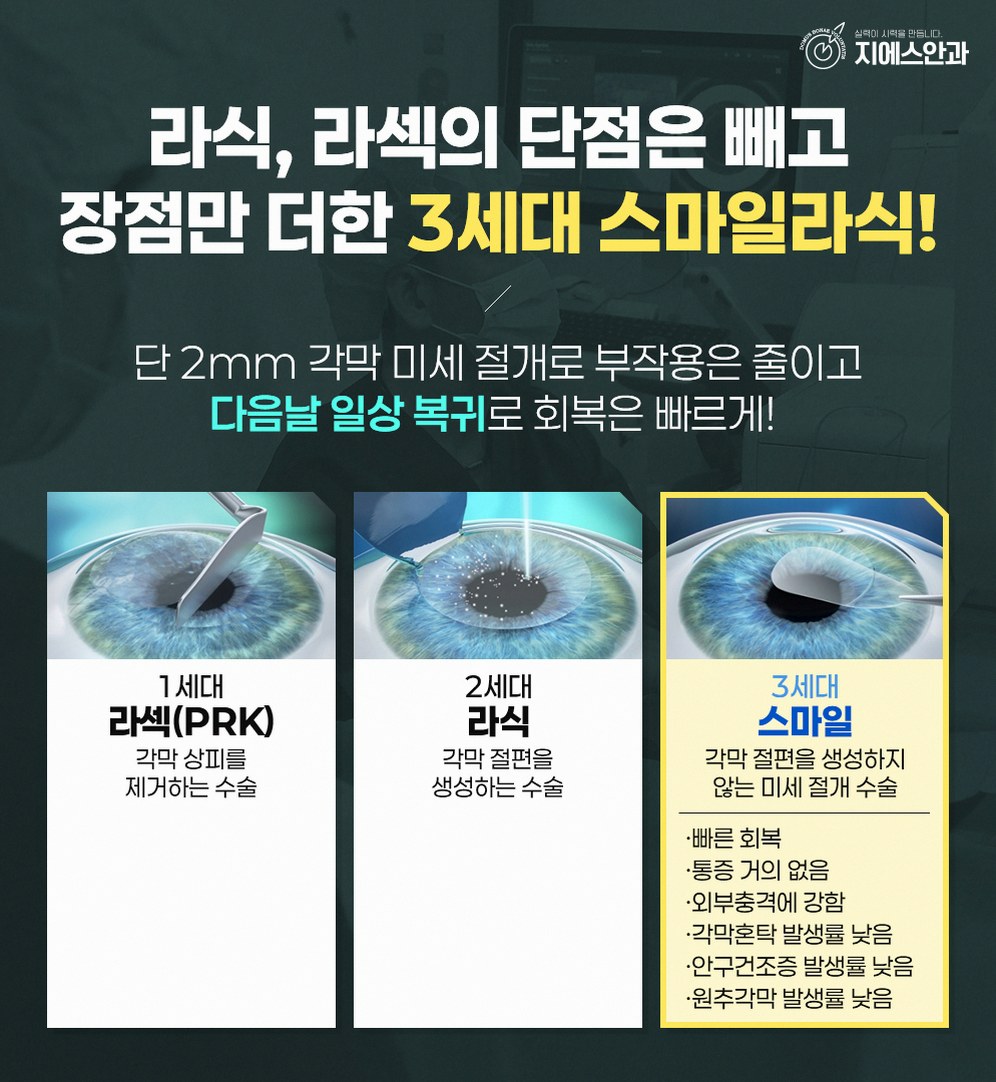
SMILE stands for Small Incision Lenticule Extraction. It is a type of laser vision correction that uses a femtosecond laser to create a small lens‑shaped piece of tissue (lenticule) inside the cornea. The surgeon then removes this lenticule through a very small side opening, usually only a few millimeters.
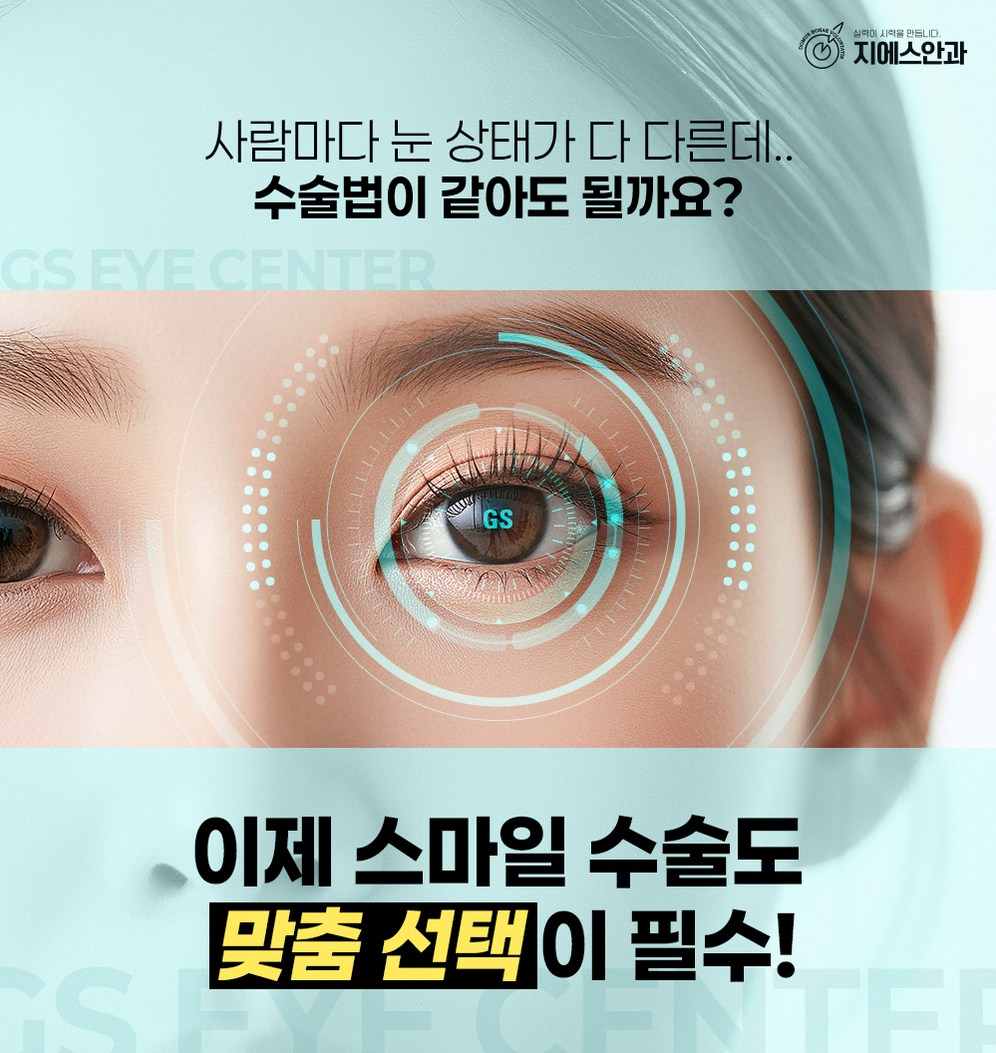
How SMILE differs from classic LASIK and LASEK
In classic LASIK, the surgeon creates a corneal flap, lifts it, uses an excimer laser to reshape the cornea, and then replaces the flap. In LASEK, there is no flap, but the surface epithelium is loosened and moved aside before laser treatment on the surface.
SMILE and Smart LASIK type procedures are different in several ways:
SMILE uses a very small incision rather than a wide corneal flap, which can help preserve corneal biomechanics compared with flap-based methods. Recovery is often relatively quick, though timing varies by person; follow your surgeon's instructions for returning to work and activities.
Because of these features, people living or working in Cheongdam, Apgujeong, Gangnam Station, and Yeoksam who spend long hours on digital devices often search specifically for SMILE or Smart LASIK.
Who may consider SMILE or Smart LASIK
Typical age and basic conditions
Most candidates are adults in their early 20s to 40s whose vision prescription has been stable for at least one to two years. The cornea needs to be thick enough and regular in shape, and there should be no active eye disease such as significant infection or uncontrolled inflammation.
Important conditions to rule out
Before recommending SMILE or any Smart LASIK procedure, a careful eye examination should rule out:
Keratoconus or early forms of corneal weakening.
Severe dry eye that may worsen after surgery.
Retinal problems such as tears, degeneration, or diabetic changes.
Other conditions like uncontrolled glaucoma or significant cataract.
Not everyone who searches for Cheongdam Smart LASIK will be suitable for SMILE. Some people may be safer with a surface procedure such as LASEK, a different LASIK variant, or lens implantation options if the cornea is too thin or the myopia is very high.
Pre‑operative eye examination in Gangnam clinics
A thorough pre‑operative workup is the most important step in Smart LASIK or SMILE. A typical examination at a specialized ophthalmology clinic in the Gangnam area may include:
Visual acuity and refraction
Measurement of current glasses or contact lens prescription.
Objective and subjective refraction to find the most accurate correction.
Corneal shape and thickness
Corneal topography and tomography to check the front and back surfaces of the cornea.
Corneal thickness mapping to see if there is enough tissue for safe laser treatment.
Screening for irregular patterns that may suggest keratoconus.
Pupil size and tear film
Pupil size in bright and dark conditions, which can affect night vision and glare.
Tear film evaluation to assess dry eye and meibomian gland status.
Retina and optic nerve check
Dilated fundus examination or wide‑field imaging to check the retina and macula.
Optic nerve evaluation, especially if there is a family history of glaucoma or high myopia.
A clinic should base the decision on this objective test data, not on marketing phrases or discount campaigns. If the data show borderline safety, a conservative clinic will recommend alternative options or additional strengthening procedures rather than pushing ahead with Smart LASIK at any cost.
What to look for in a Cheongdam or Gangnam Smart LASIK clinic
Surgeon qualifications and team structure
Check whether the surgeons are board‑certified ophthalmologists with specific experience in refractive surgery. Look for information about medical school background, residency and fellowship training, and any academic or teaching roles.
A team with subspecialty training, for example in cornea and refractive surgery or retina, can be helpful for handling complex cases and coexisting eye diseases.
Surgical volume and track record
It can be reassuring if a clinic discloses cumulative numbers of vision correction and cataract procedures with clear time references. For SMILE and Smart LASIK, specific case numbers and milestones help you understand how familiar the team is with that technology.
Availability of multiple laser platforms
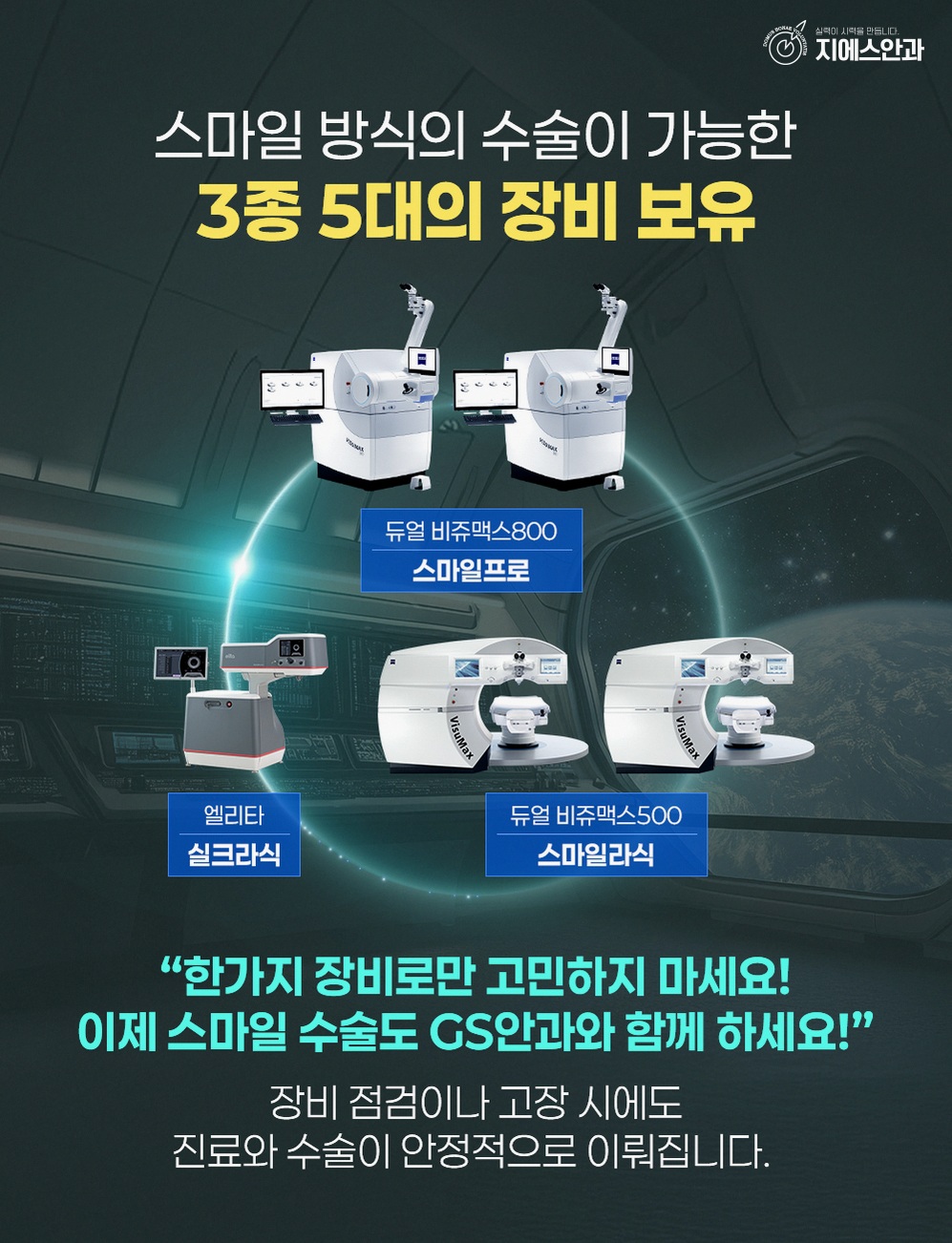
Some Gangnam clinics invest in several laser systems to cover different procedures and to provide backup if one unit is under maintenance. For SMILE‑type surgery, the main platforms are the ZEISS VISUMAX series. Newer platforms can shorten laser time and may improve comfort, but the surgeon’s judgment and planning remain essential.
Safety protocols and examination criteria
Look for clinics that clearly explain their examination process, exclusion criteria, and follow‑up schedule. A structured system that sometimes says no to surgery is usually safer than a place that seems to accept almost everyone.
Transparent counseling
During counseling, you should receive a balanced explanation of the pros and cons of SMILE, LASIK, LASEK, and lens implantation. If you feel pressured to decide immediately or if only one option is pushed without data‑based reasoning, it may be better to seek a second opinion.
GS Eye Clinic as an example option near Cheongdam
GS Eye Clinic is an ophthalmology clinic in Gangnam, Seoul, located near Gangnam Station and easily reachable from Cheongdam by subway or bus. The clinic opened in 2005 at the same site and later adopted its current name, which shows long‑term operation in the Gangnam area.
The medical team consists of seven ophthalmology specialists, all board‑certified. The representative director holds a medical doctorate in ophthalmology, previously served as faculty at a major Catholic university medical center, and in 2024 is appointed as adjunct faculty in ophthalmology. Several other doctors have backgrounds at large university hospitals and retinal fellowships, supporting both refractive and retina care.
Clinical focus and case volume
The clinic focuses on refractive surgery, including SMILE family procedures, LASIK and LASEK variants, and lens implantation, as well as cataract and presbyopia surgery. There is also a dedicated retina center for patients with underlying retinal disease.
As of 2023, the clinic reports more than 300,000 cumulative vision correction and cataract procedures. For SMILE pro, they report 15,000 eyes as of April 2026, with documented milestones of 5,000 eyes in October 2024 and 10,000 eyes in August 2025.
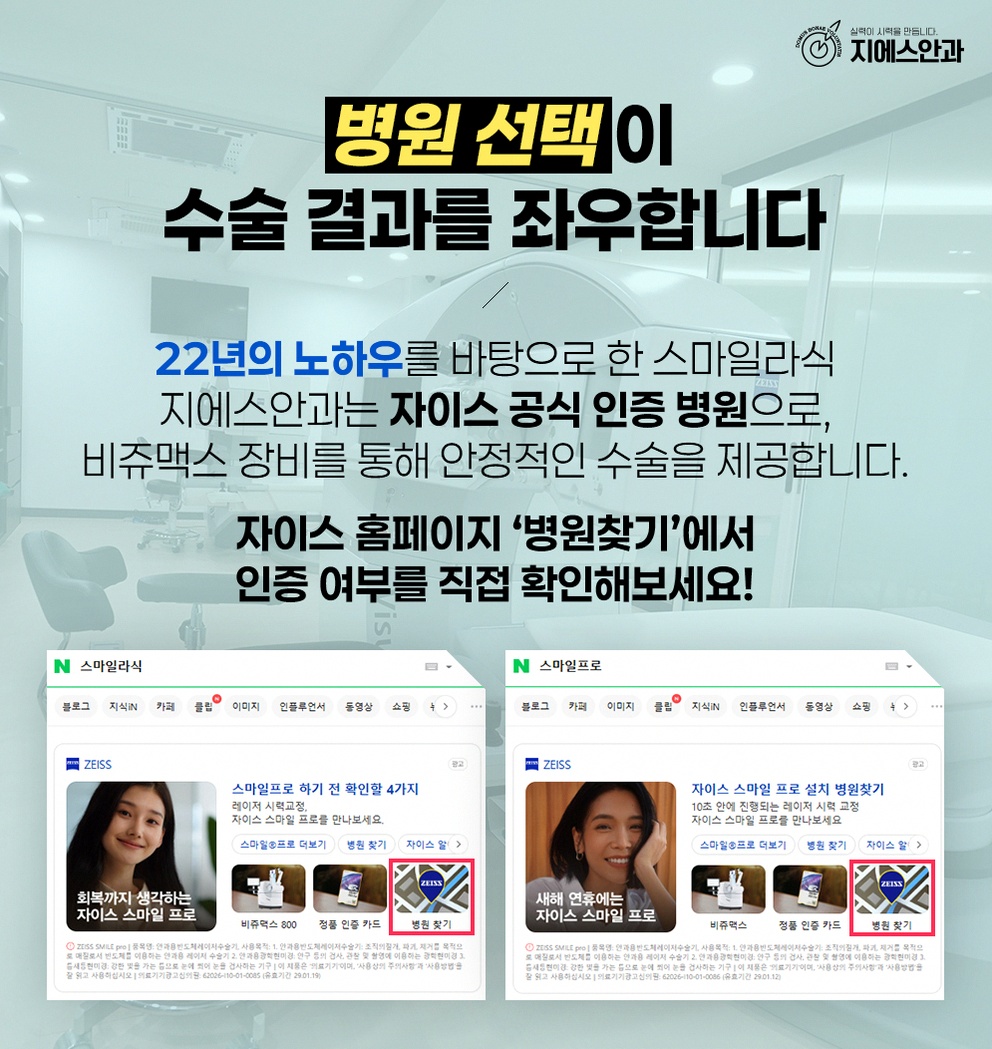
The clinic joined the ZEISS SMILE GOLD CLUB in 2021, was designated as a ZEISS SMILE pro CENTER in 2023, and became a SILK TRAINING Center in 2026. It was the first in Korea to perform GLAZE lens implantation in 2019, reaching 1,000 eyes by 2022 and 3,000 Optiflex GLAZE eyes by 2025. For multifocal intraocular lenses, it reports 3,000 Alcon PanOptix cases as of 2024.
In 2020, the clinic obtained ISO 9001 and 14001 certification for SMILE LASIK processes. It was designated as a clinical education institution for a major medical school in 2023 and as an Asia‑Pacific clinical education center for BIOTECH in 2024.
Equipment for SMILE and Smart LASIK and why it matters
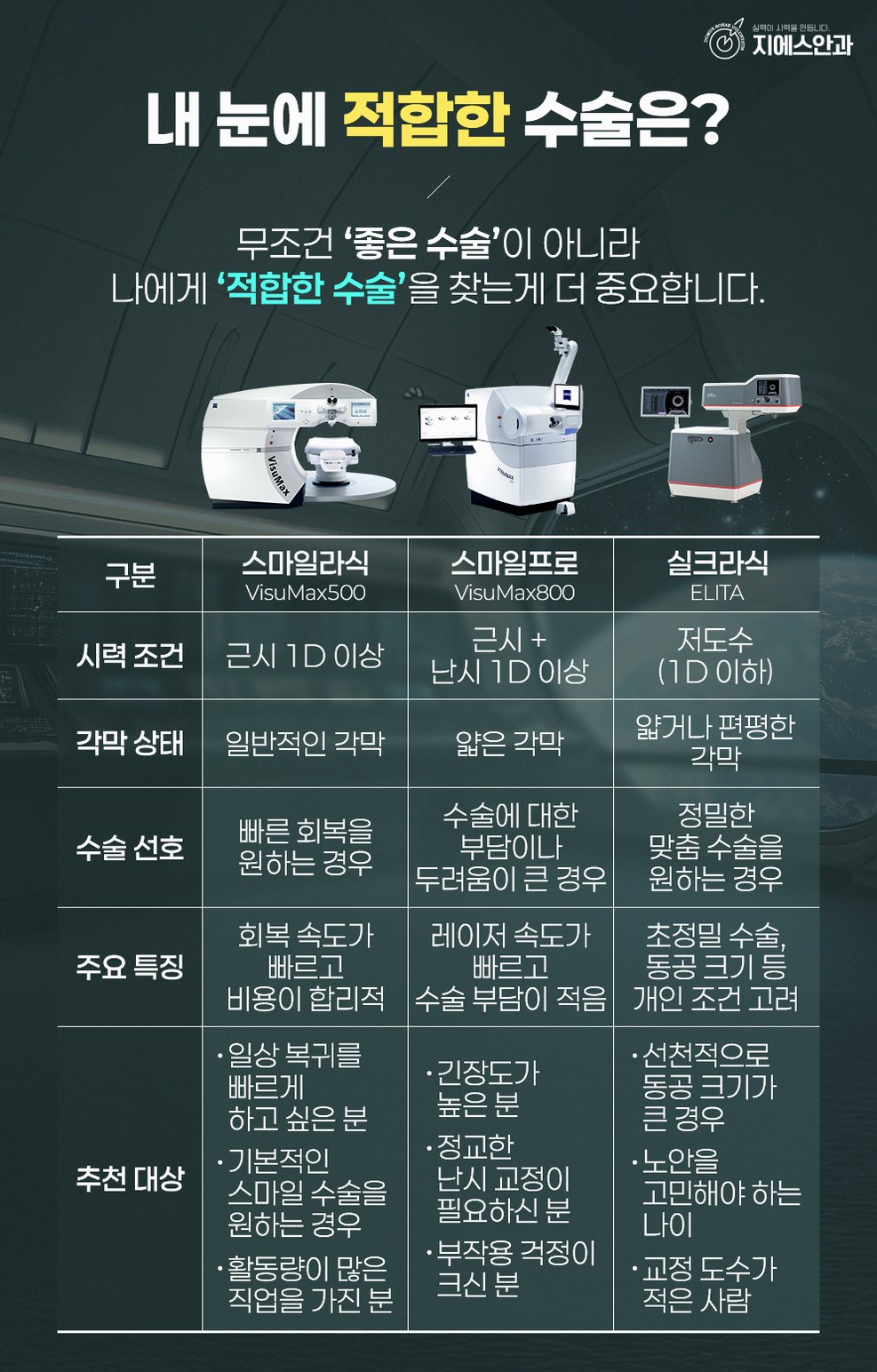
One of the key differentiators of some Gangnam clinics is the range of SMILE‑related laser platforms they operate. The example clinic owns all three major ZEISS platforms related to SMILE.
VISUMAX 800
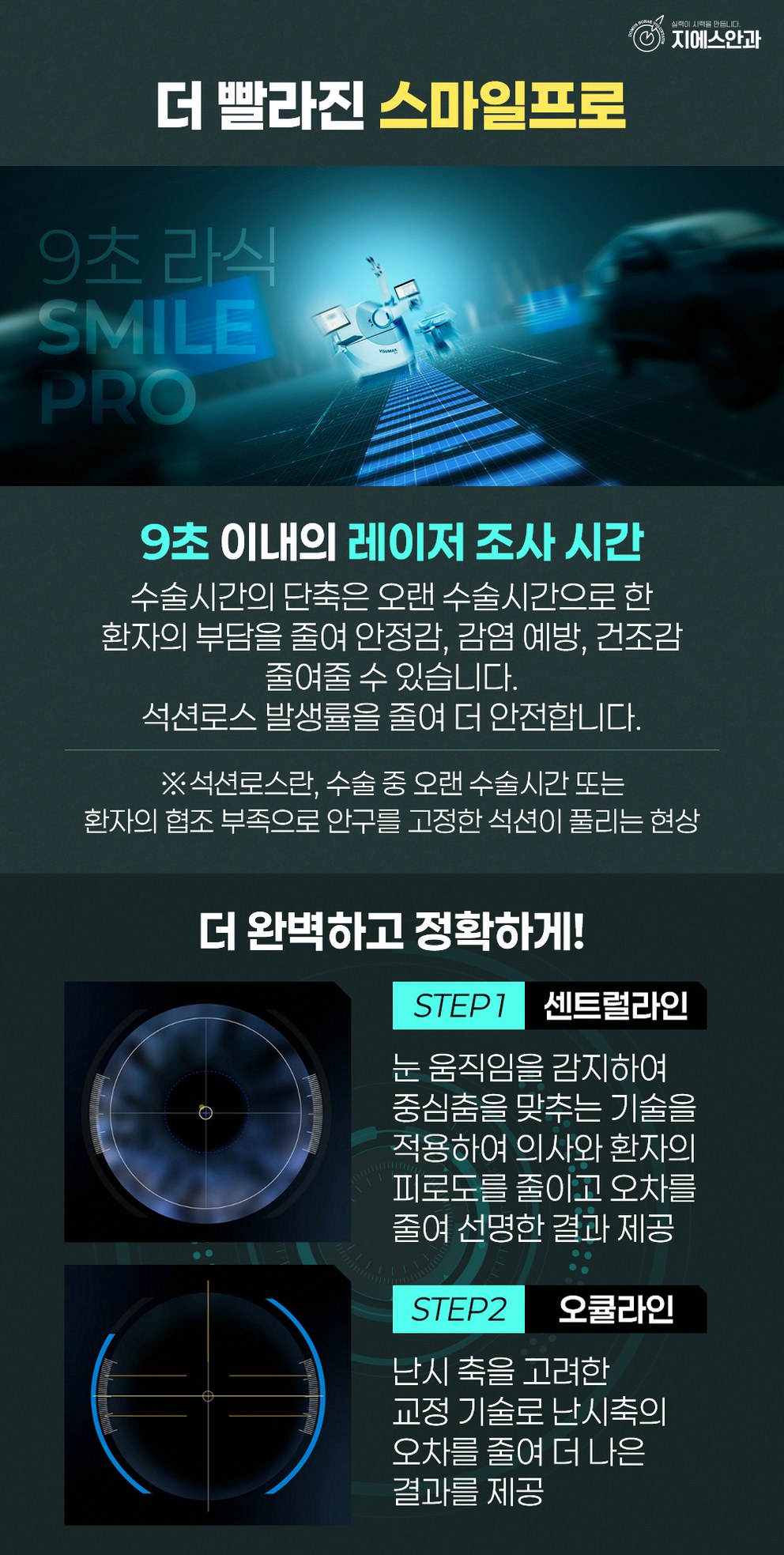
VISUMAX 800 is a ZEISS femtosecond laser dedicated to SMILE pro. Introduced at the clinic in 2023, it can complete the laser part of the procedure in under 9 seconds. In practical terms, this shorter laser time may reduce the feeling of pressure or anxiety for the patient and can help with precision because the eye needs to stay still for a shorter period.
VISUMAX 500
The clinic also operates two VISUMAX 500 units, used for SMILE LASIK and related procedures. The first VISUMAX 500 was introduced in 2016, and a dual‑unit setup has been in place since 2019 to support high surgical volume and provide redundancy if one unit is down for service.
Why multiple platforms can help patients
Having VISUMAX 800 and dual VISUMAX 500 units allows more personalized planning. Depending on corneal thickness, curvature, and lifestyle, the surgeon can recommend SMILE pro, classic SMILE LASIK, SILK, or the clinic’s own named protocols such as Golden SMILE. Multiple platforms also mean that if one machine requires maintenance, surgery schedules can continue with another unit, which is important for international patients with limited time in Korea.
Other related services for different eye conditions
Not everyone is an ideal candidate for SMILE or Smart LASIK. A comprehensive ophthalmology clinic in Gangnam may offer additional options:
Lens implantation
For very high myopia or thin corneas, lens implantation such as ICL, GLAZE, or PhakiFlex KPL can be considered. These procedures place a lens inside the eye without removing the natural lens, and are often used when laser vision correction is not recommended.
LASEK and LASIK variants
If SMILE is not ideal due to corneal shape or other factors, a surface procedure such as a 2DAY LASEK‑type method or LASIK variants such as a Visu LASIK‑type procedure may be suggested. Each option has different recovery times and discomfort levels, which should be explained clearly during counseling.
Corneal strengthening and dry eye management
Some patients may benefit from corneal cross‑linking to strengthen a borderline cornea or from dedicated dry eye clinic support before and after surgery. This can include tear film analysis, meibomian gland treatment, and tailored eye drop regimens.
Presbyopia and cataract surgery
For patients in their late 40s or older who already have presbyopia or early cataract, multifocal intraocular lenses can correct both distance and near vision during cataract or lens surgery. This is a different pathway from SMILE but is important for families where both younger and older members are seeking eye treatment in Korea.
Dedicated retina care
A retina center with retina‑trained specialists is useful for high myopia patients who have lattice degeneration, small retinal tears, or diabetic eye disease. These conditions should be evaluated and, if necessary, treated before or alongside any vision correction procedure.
Typical SMILE or Smart LASIK process at a Gangnam clinic
For international patients visiting Korea, the overall flow of SMILE or Smart LASIK at a Gangnam clinic often follows these steps.
Step 1: Online consultation and eligibility screening
Before you travel, you can usually send your glasses prescription, contact lens details, and basic eye history through an online form or messaging app. The clinic can give a preliminary opinion on whether SMILE or Smart LASIK seems possible, and how many days you should plan to stay in Seoul.
Step 2: Comprehensive diagnostic testing
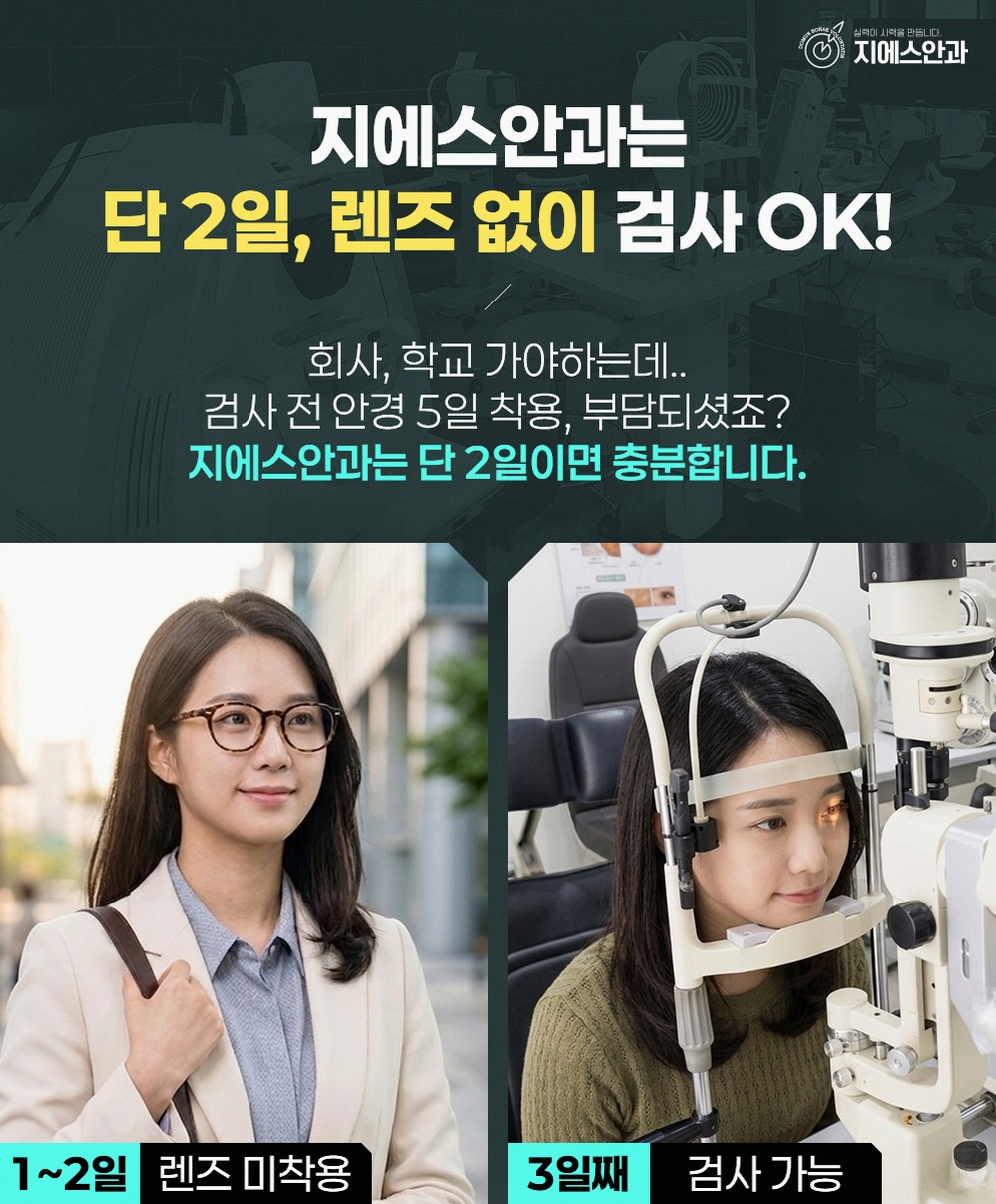
Once you arrive, a full eye examination is performed. This may take one to two hours, including pupil dilation. Some clinics prefer to separate the initial screening and full diagnostics into two visits, especially if you have been wearing contact lenses, because lenses can temporarily change corneal shape.
Step 3: Personalized counseling and procedure choice
After all tests are complete, the ophthalmologist explains the findings in detail. Based on corneal thickness, shape, prescription level, age, and lifestyle, you may be advised to choose between SMILE, LASIK, LASEK, or lens implantation. A conservative recommendation is to avoid surgery altogether if the safety margin is not sufficient.
Step 4: Surgery day
On the day of SMILE or Smart LASIK, you can expect to spend a few hours at the clinic; the laser exposure itself is very brief. With the VISUMAX 800, the laser step can be under 9 seconds per eye. You will receive numbing eye drops, lie on the surgical bed, and fixate on a light. Many patients describe feeling pressure during the laser step; topical anesthesia is used to keep pain minimal.
After the laser step, the surgeon removes the lenticule through the small incision. You may notice blurred vision and watering immediately after surgery. Protective shields or goggles are often provided.
Step 5: Immediate post‑operative check
Shortly after surgery, the doctor checks the cornea with a microscope to confirm that the lenticule has been removed properly and that the incision is clean. You receive eye drops and instructions on how to use them.
Step 6: Follow‑up schedule
For overseas patients, the follow‑up schedule is usually adjusted to your travel plan, but a typical pattern is:
Next day: Basic check of vision, corneal clarity, and healing.
One week: Additional check if you are still in Korea.
One month and 3–6 months: Either in Korea if you plan a longer stay, or with an eye doctor in your home country using a report from the Korean clinic.
Post‑operative care and lifestyle precautions
To support healing and reduce the risk of complications, it is important to follow the clinic’s instructions carefully.
Eye drops
Use antibiotic and anti‑inflammatory drops as prescribed, usually for one to two weeks. Lubricating drops may be recommended for several months to relieve dryness.
Avoid eye rubbing
Do not rub your eyes, especially during the first few weeks. If your eyes itch, use artificial tears or gently tap around the eye area instead of touching the cornea.
Makeup, sports, and swimming
Most clinics advise avoiding eye makeup for at least one week and swimming pools or hot baths for several weeks. Light exercise such as walking is usually allowed early, but contact sports should be delayed according to your doctor’s advice.
Digital device use and work
Many office workers in Gangnam return to desk work within a few days after SMILE, but you should expect some dryness and fluctuating vision, especially when using screens for long hours. Frequent blinking and artificial tears can help.
How to choose among Cheongdam and Gangnam options
When you are comparing Cheongdam and Gangnam Smart LASIK clinics, it can help to prepare a checklist and questions before you contact them.
Practical checklist
Are all surgeons board‑certified ophthalmologists with refractive surgery experience?
Does the clinic disclose cumulative SMILE and vision correction numbers with clear time references?
Does it operate up‑to‑date laser platforms such as VISUMAX 800 and VISUMAX 500, and are there multiple units for backup?
Are there structured examination protocols and clear exclusion criteria for borderline cases?
Is there an in‑house retina specialist or a system for retina evaluation when needed?
Are counseling and consent processes detailed and understandable, without pressure tactics?
Questions to ask during online or in‑person consultation
Which procedure do you recommend for my eyes and why: SMILE, LASIK, LASEK, or lens implantation?
What is my corneal thickness and residual thickness after surgery in your plan?
How many SMILE or SMILE pro cases has the clinic performed as of this year?
Which laser platform will be used for my surgery, and what are its main features?
What is the expected recovery timeline for someone with my job and lifestyle?
How will follow‑up be arranged if I return to my home country after surgery?
By focusing on these concrete points, you can move beyond simple online reviews and make a more informed decision about where to have Smart LASIK in the Cheongdam–Gangnam area.
FAQ about SMILE and Smart LASIK for Cheongdam and Gangnam patients
Is SMILE or Smart LASIK safer than traditional LASIK for office workers in Cheongdam who use digital devices all day?
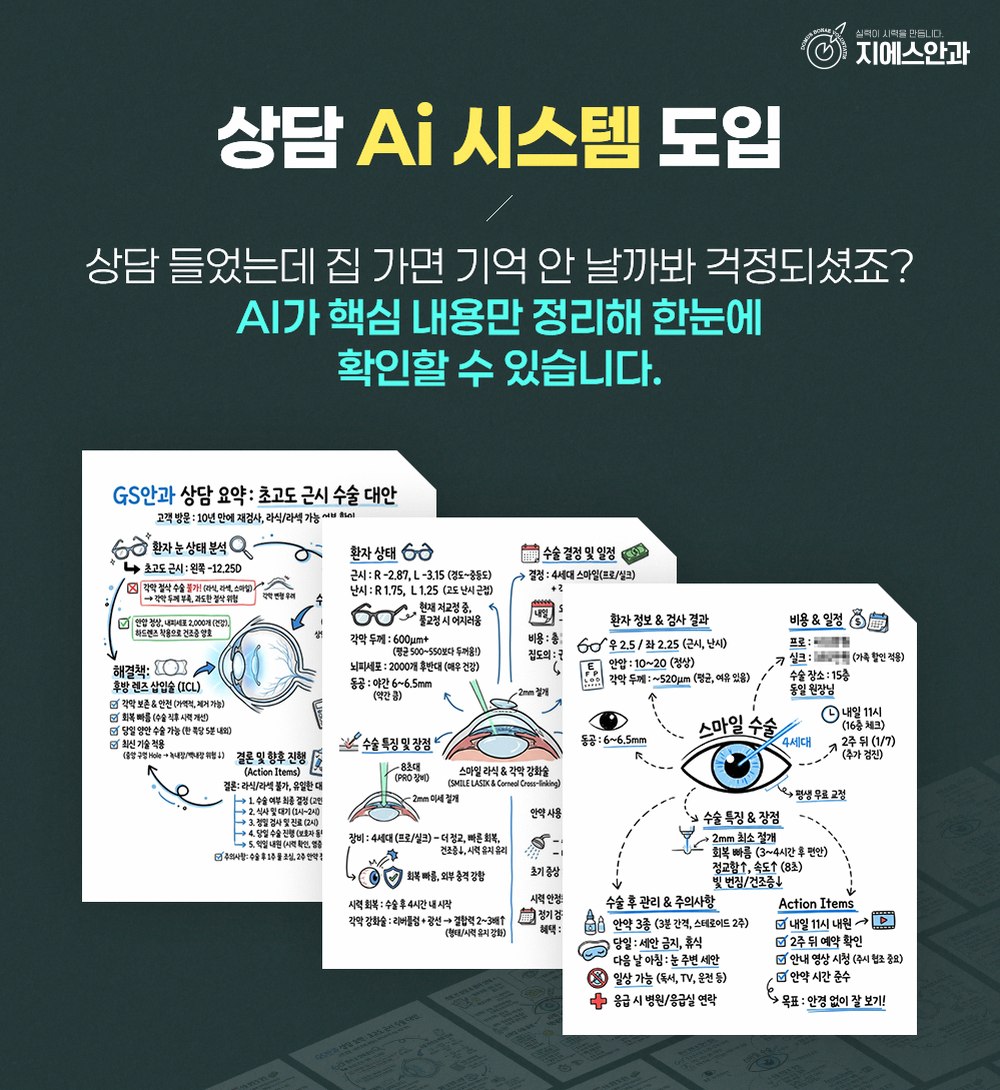
SMILE and Smart LASIK‑type procedures use a small incision and tend to preserve more of the corneal structure compared with traditional flap‑based LASIK. Many patients report less dry eye, which can be helpful for people who work long hours on computers. However, safety depends more on individual eye conditions, examination quality, and surgeon experience than on the procedure name alone. A thorough pre‑operative evaluation is essential to decide which method is safer for your specific eyes.
How long does recovery take after SMILE, and when might I safely return to work?
Most patients notice functional vision within one to two days after SMILE, and many return to office work in Gangnam within two to three days, depending on job demands and personal comfort. Vision can continue to sharpen over several weeks, and mild dryness or halos at night may appear during this period. Your surgeon will give personalized advice, but heavy exercise, swimming, and eye makeup are usually restricted for a longer time than desk work.
What is the difference between SMILE pro, SILK, and classic SMILE LASIK?
Classic SMILE LASIK uses the VISUMAX 500 platform to create and remove a lenticule through a small incision. SMILE pro is an updated version performed on the VISUMAX 800, with faster laser time and some technical refinements that can improve comfort and efficiency. SILK is another minimally invasive laser option available on certain platforms, designed to further optimize corneal tissue handling and recovery. The best choice depends on your corneal measurements, prescription, and the equipment available at the clinic.
Can I choose SMILE if I have dry eye or thin corneas?
Mild dry eye does not automatically exclude SMILE, and in some cases SMILE may be preferred over flap‑based LASIK because it tends to disturb fewer corneal nerves. However, severe dry eye should be treated and stabilized before any vision correction surgery. For thin corneas, SMILE may or may not be suitable depending on exact thickness and shape; sometimes LASEK or lens implantation is safer. Only a detailed examination can determine this.
How much does Smart LASIK typically cost in the Cheongdam–Gangnam area, and what factors affect the price?
Costs in the Cheongdam–Gangnam area vary depending on the clinic, the laser platform used, the surgeon’s experience, and what is included in the package, such as pre‑operative tests, medications, and follow‑up visits. SMILE or SMILE pro on the latest platforms may be priced differently from older LASIK or LASEK methods. When you compare prices, it is important to also compare examination depth, equipment, and aftercare, not only the final number.
Why does the choice of laser platform, such as VISUMAX 800 versus VISUMAX 500, matter for my results?
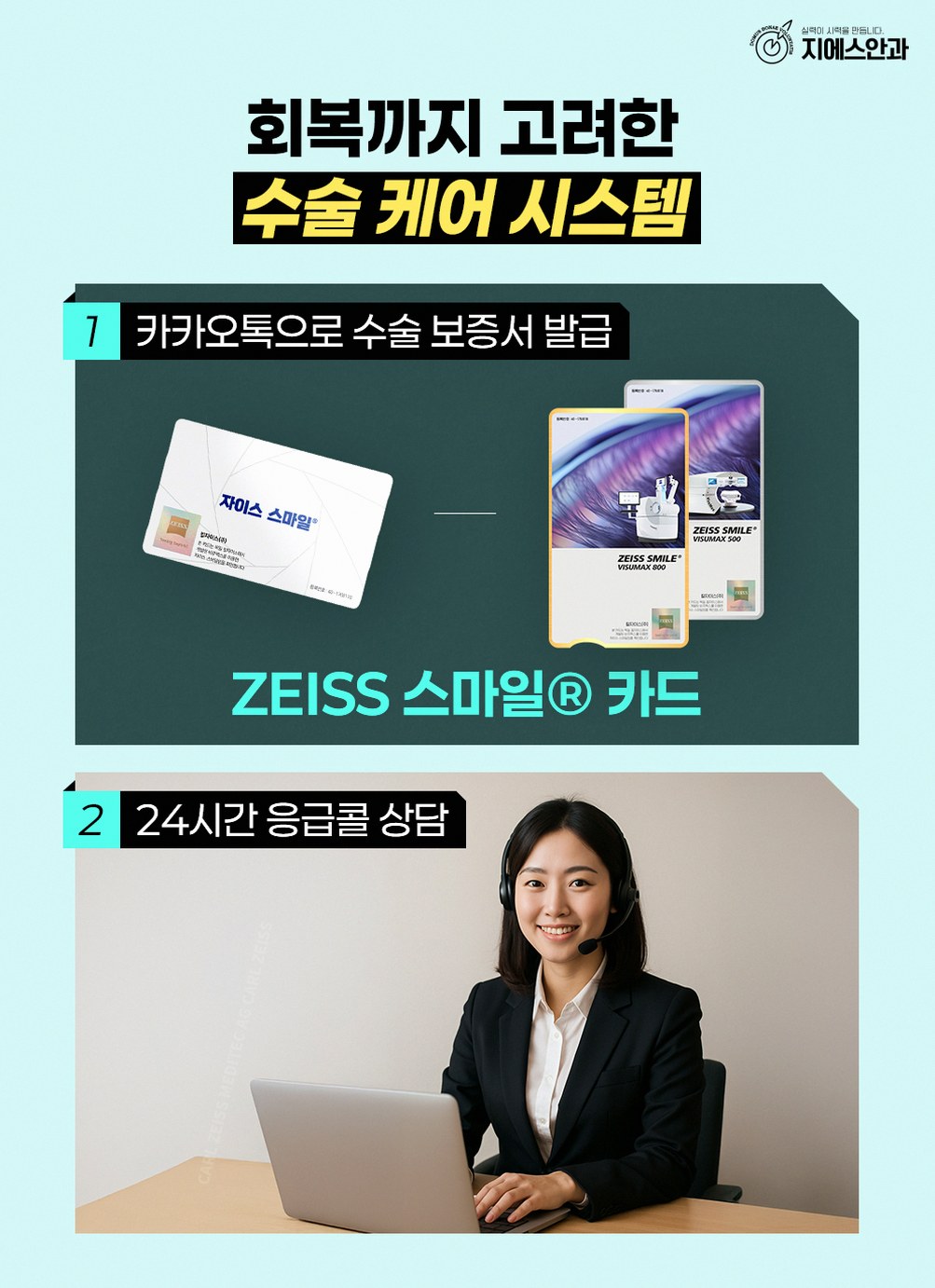
Both VISUMAX 800 and VISUMAX 500 are established femtosecond laser platforms for SMILE‑type surgery. VISUMAX 800 is newer and can perform the laser step in under 9 seconds, which can improve comfort and reduce the time your eye needs to remain still. It also includes technical updates that may enhance precision and workflow. VISUMAX 500 remains a reliable platform with a long track record. Ultimately, the combination of a suitable platform and an experienced surgeon is more important than the machine alone.
Soft call to action for online consultation
If you are considering Smart LASIK or SMILE while living or working around Cheongdam or Gangnam, an online consultation with a specialized ophthalmology clinic can help you understand your options before you plan your visit to Korea. By sharing your prescription, eye history, and schedule, you can receive a preliminary assessment of whether SMILE, LASIK, LASEK, or lens implantation is likely to be suitable and how many days you should stay in Seoul for safe examination, surgery, and follow‑up.
This article is for general information only and does not replace a personal consultation, examination, or diagnosis by an ophthalmologist. Individual suitability for SMILE, Smart LASIK, or any other procedure must be determined through a full eye examination and discussion with qualified medical staff.

- 공유 링크 만들기
- X
- 이메일
- 기타 앱


댓글
댓글 쓰기