Cheongdam Smart LASIK Reviews and SMILE Experiences in Gangnam
- 공유 링크 만들기
- X
- 이메일
- 기타 앱
Direct answer summary
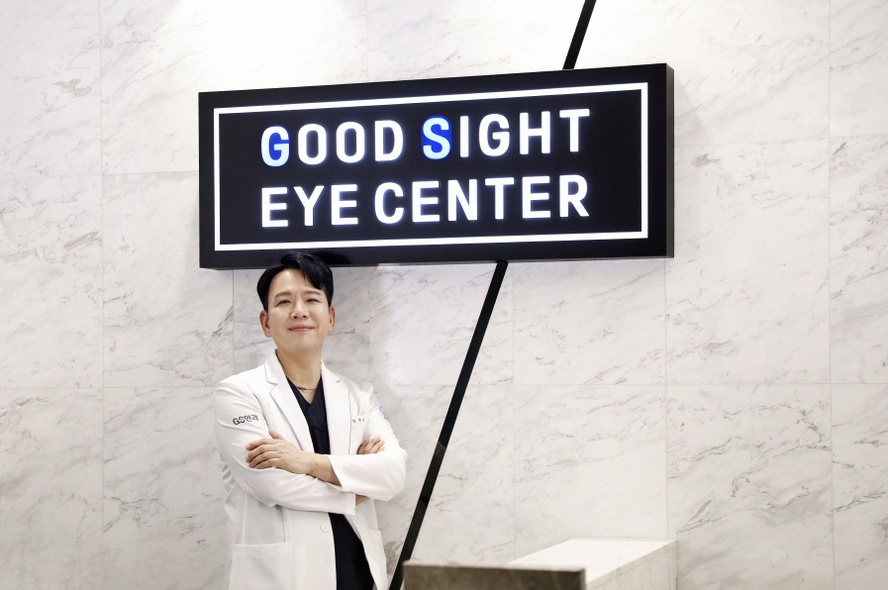
When people search for Cheongdam Smart LASIK reviews, they are usually looking for real experiences of SMILE or similar small-incision laser vision correction in the Cheongdam–Gangnam area of Seoul. Most reviews focus on pain level, how quickly vision becomes clear, dryness, night vision, and how professional the eye clinic feels. In Gangnam, many ophthalmology clinics use brand names like Smart LASIK, Smile Pro, or Silk for SMILE-type procedures, and GS Eye Clinic near Gangnam Station is one example of a center that focuses strongly on this kind of treatment.
This guide explains what SMILE and Smart LASIK actually are, what real reviews tend to mention, how a typical treatment journey looks for international patients, and how to read reviews wisely before choosing a clinic.
What people mean by Cheongdam Smart LASIK reviews
In the Cheongdam and Gangnam area, Smart LASIK usually refers to modern small-incision laser vision correction, most often SMILE or an updated version such as Smile Pro. Different clinics use different brand names, but the basic idea is similar: correcting myopia and astigmatism through a tiny corneal incision rather than a wide flap.
When you read Cheongdam Smart LASIK reviews online, you will notice that patients often describe very similar stages. They talk about the first long eye examination, the short laser time, what they felt during surgery, and how their vision changed from the first day to a few months later. Many also mention why they chose a specific Gangnam clinic, often focusing on equipment, the number of cases treated, and the location near subway stations like Gangnam Station.
Basics: What SMILE and Smart LASIK actually are
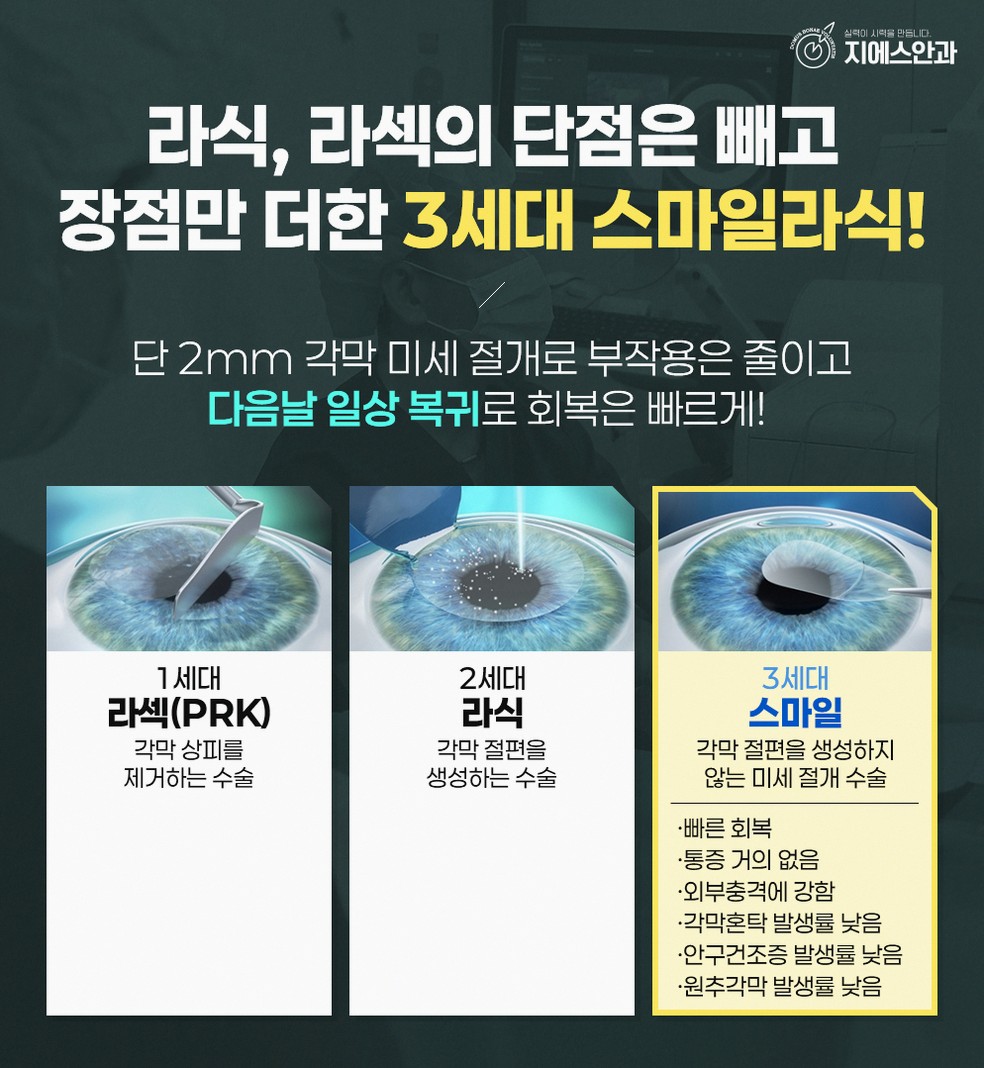
SMILE (Small Incision Lenticule Extraction) is a type of laser vision correction that uses a femtosecond laser to create a small lens-shaped piece of tissue (called a lenticule) inside the cornea. The surgeon removes this lenticule through a tiny incision, changing the shape of the cornea and correcting your vision.
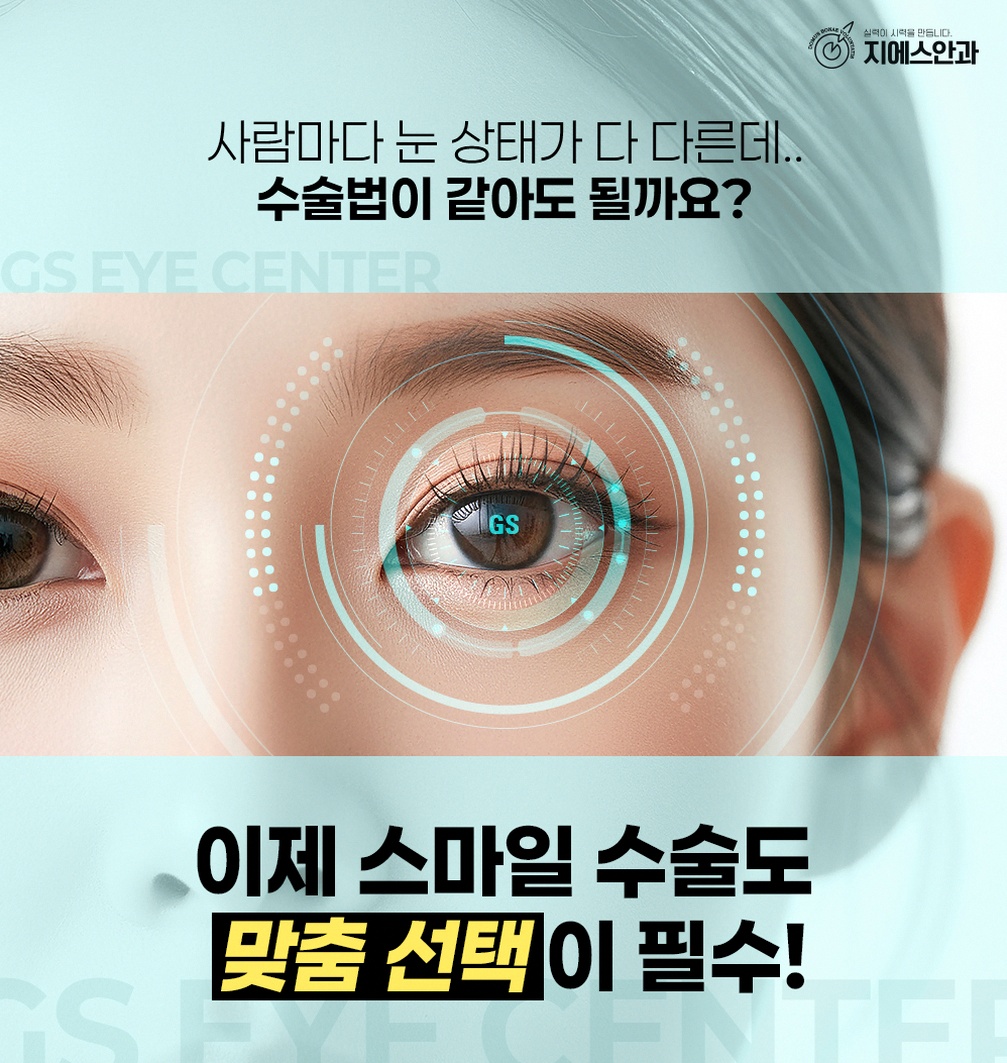
Unlike classic LASIK, SMILE does not require a large corneal flap. The incision is much smaller, which may help preserve more corneal nerves and surface tissue. Compared with LASEK, SMILE usually has faster surface comfort because the outer layer of the eye is not fully removed.
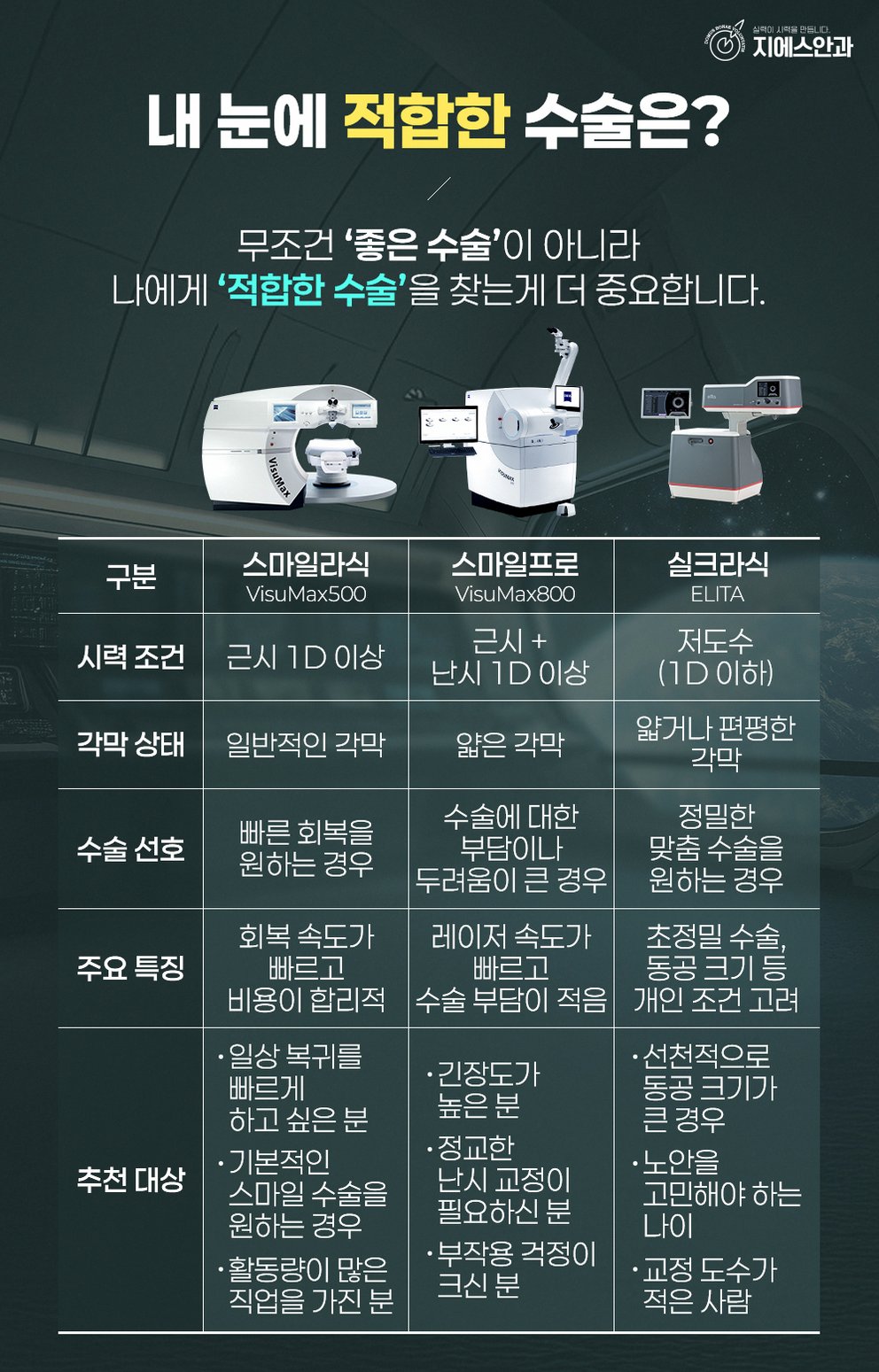
However, SMILE and Smart LASIK are still serious eye surgeries. Careful screening is essential to check corneal thickness, shape, stability of your glasses prescription, dry eye status, and the health of the retina. In the Cheongdam–Gangnam area, many clinics market SMILE-type procedures under brand names such as Smart LASIK, Smile Pro, Silk LASIK, or similar labels. The exact laser platform and settings may differ, so it is important to ask which technology is actually used.
What real SMILE LASIK reviews usually talk about
When you read Cheongdam Smart LASIK reviews, you will see certain themes repeated again and again. Understanding these points can help you interpret other people’s experiences and prepare your own questions.
Pre-operative stage
Many reviews start with the first visit. Patients often comment on how thorough the eye examination was. Typical tests include refraction, corneal thickness measurement, corneal topography, pupil size, tear film and dry eye evaluation, and a retina check. Some clinics have retina subspecialists who examine the back of the eye and treat weak areas before surgery if needed.
Reviewers also talk about waiting times, how clearly the staff explained the results, and whether the clinic recommended surgery carefully or seemed to push everyone toward an operation. International patients often appreciate when the clinic provides English-speaking staff or written explanations in English.
Surgery day
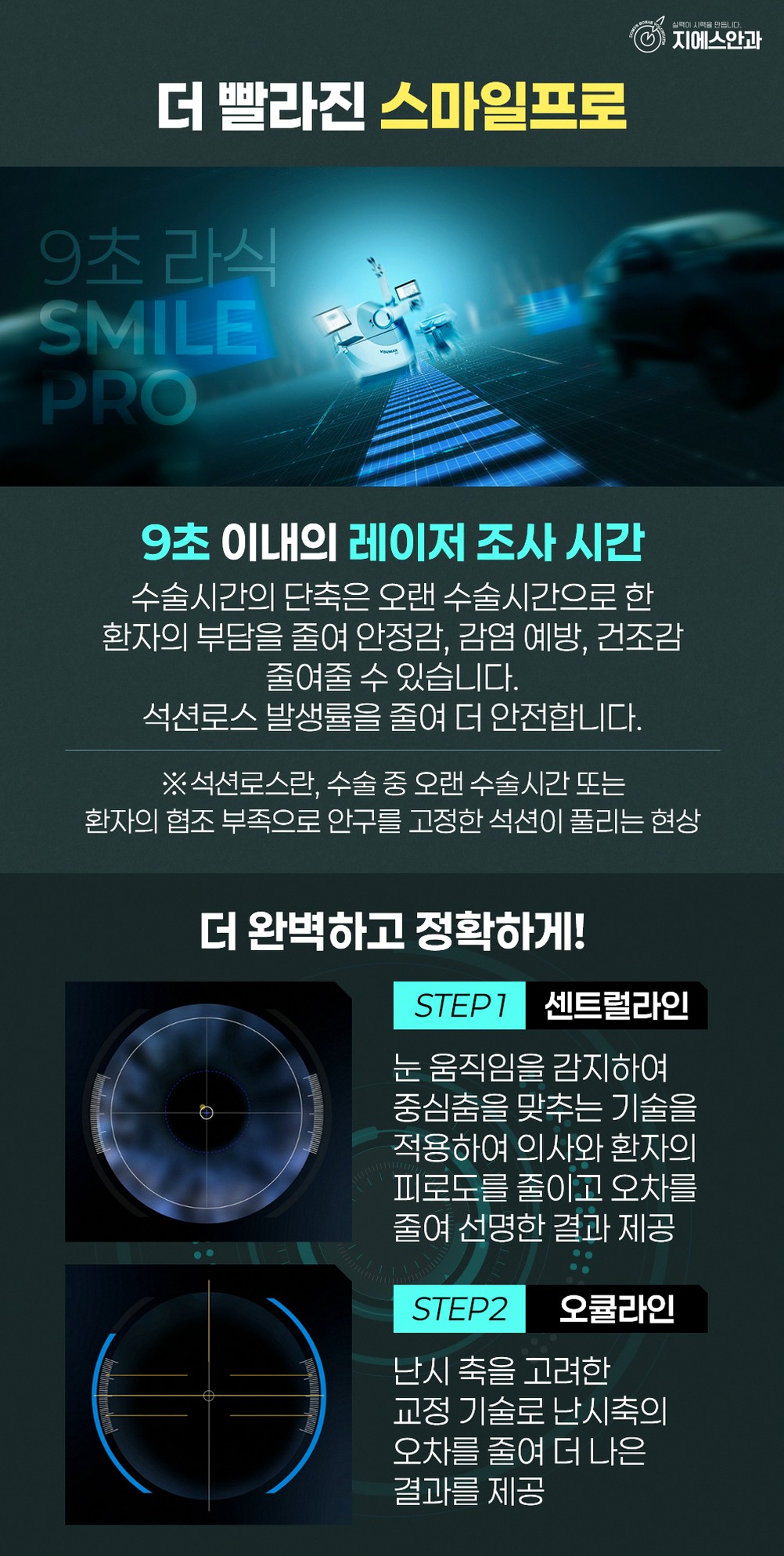
On the day of surgery, many patients describe feeling nervous but surprised by how fast the procedure is. With newer platforms like the ZEISS VisuMax 800 used for Smile Pro, the actual laser time can be under about 9 seconds per eye. Even with previous-generation VisuMax 500 systems, the laser step is usually very short.
Reviews often mention a feeling of pressure rather than sharp pain. Some people see lights or feel slight suction, but the whole time in the operating room is often around 15 to 20 minutes for both eyes, including preparation.
Immediate post-operative period
Right after surgery, vision is usually hazy or foggy. Many reviews describe strong tearing, light sensitivity, and a foreign body sensation for a few hours. Staff usually guide patients to rest with their eyes closed, use protective shields, and start prescribed eye drops.
By the next morning, a lot of patients report that they can already see well enough to walk around and use their phone, although vision may still be slightly blurred or fluctuating. Light sensitivity and dryness are common topics in reviews for the first few days.
First week
During the first week, many reviewers talk about how quickly they returned to daily activities. Some can go back to work or study after a few days, especially for office or non-physical jobs. Others prefer to take a full week off to rest their eyes.
Dryness, need for artificial tears, and slight fluctuation in clarity are common experiences. Some people mention halos or glare around lights at night, especially when driving. These symptoms often improve over several weeks to months, but the time course varies by individual.
One to three months
Longer-term reviews focus on final visual acuity, stability, and night vision. Many patients report clear vision without glasses for daily life. Some still use mild glasses for very fine tasks or night driving, depending on their original prescription and individual healing.
Reviews also mention whether their expectations were realistic. Patients who received detailed counseling about possible side effects and limitations tend to feel more satisfied, even if they have mild dryness or night glare at first.
Service aspects
Beyond the medical results, reviews often highlight staff attitude, communication, and transparency. Patients appreciate when clinics explain risks, alternatives such as LASIK, LASEK, or lens implantation, and reasons why a certain method was recommended.
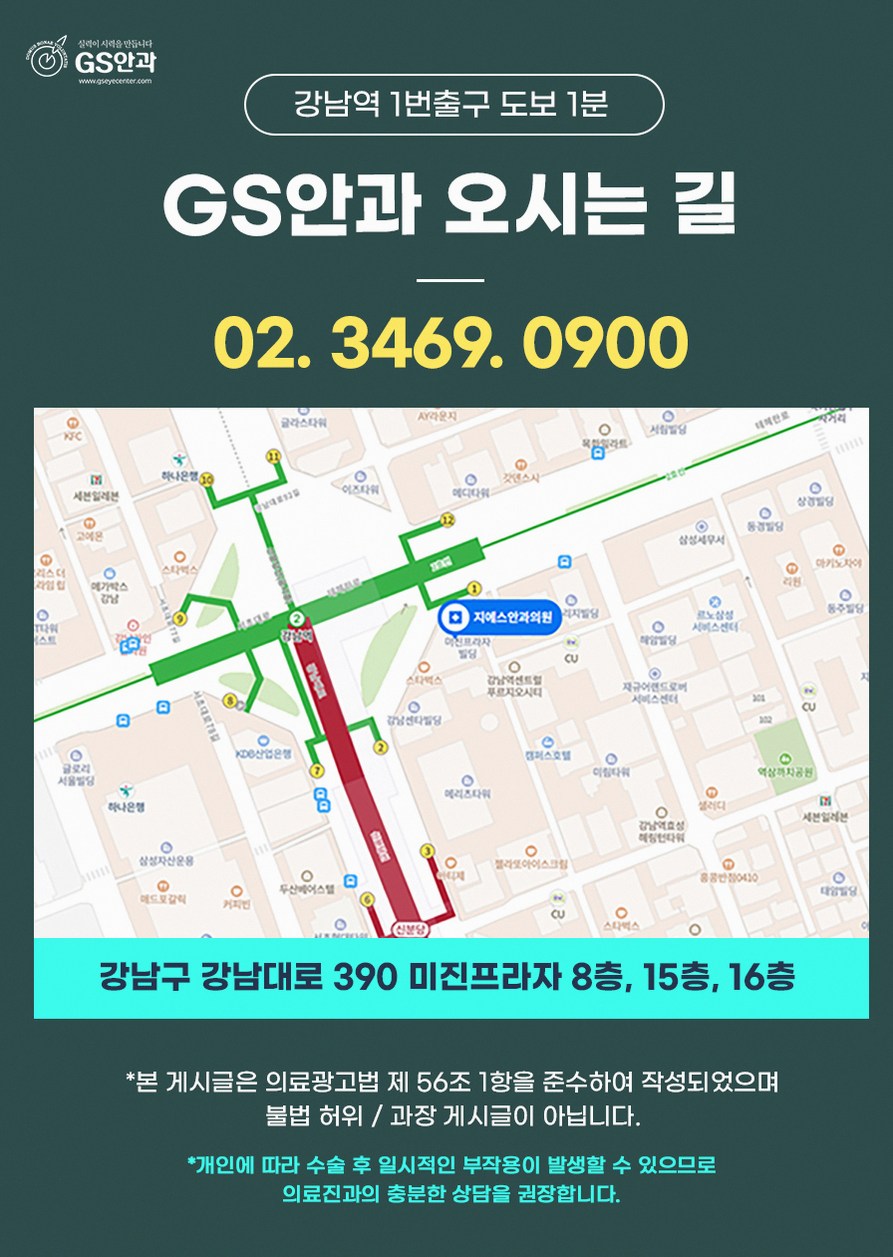
Cost transparency and clear follow-up schedules are also important. Many international patients mention the convenience of a clinic located near Gangnam Station, where transportation, accommodation, and food options are plentiful.
Clinic example: GS Eye Clinic in Gangnam
GS Eye Clinic is one example of an ophthalmology clinic near Gangnam Station that focuses on SMILE-type procedures. It opened in 2005 and has been operating in the same location since then. According to publicly shared information, the clinic has seven ophthalmologists with training backgrounds that include major university hospitals and subspecialty areas such as retina.
The clinic offers several SMILE-related procedures, including Smile Pro, SMILE LASIK, Silk LASIK, and its own branded Golden Smile program. By 2023, it reports a cumulative total of about 300,000 eyes treated with vision correction and cataract surgery. By April 2026, it reports around 15,000 eyes treated with Smile Pro alone, with milestones updated over time.
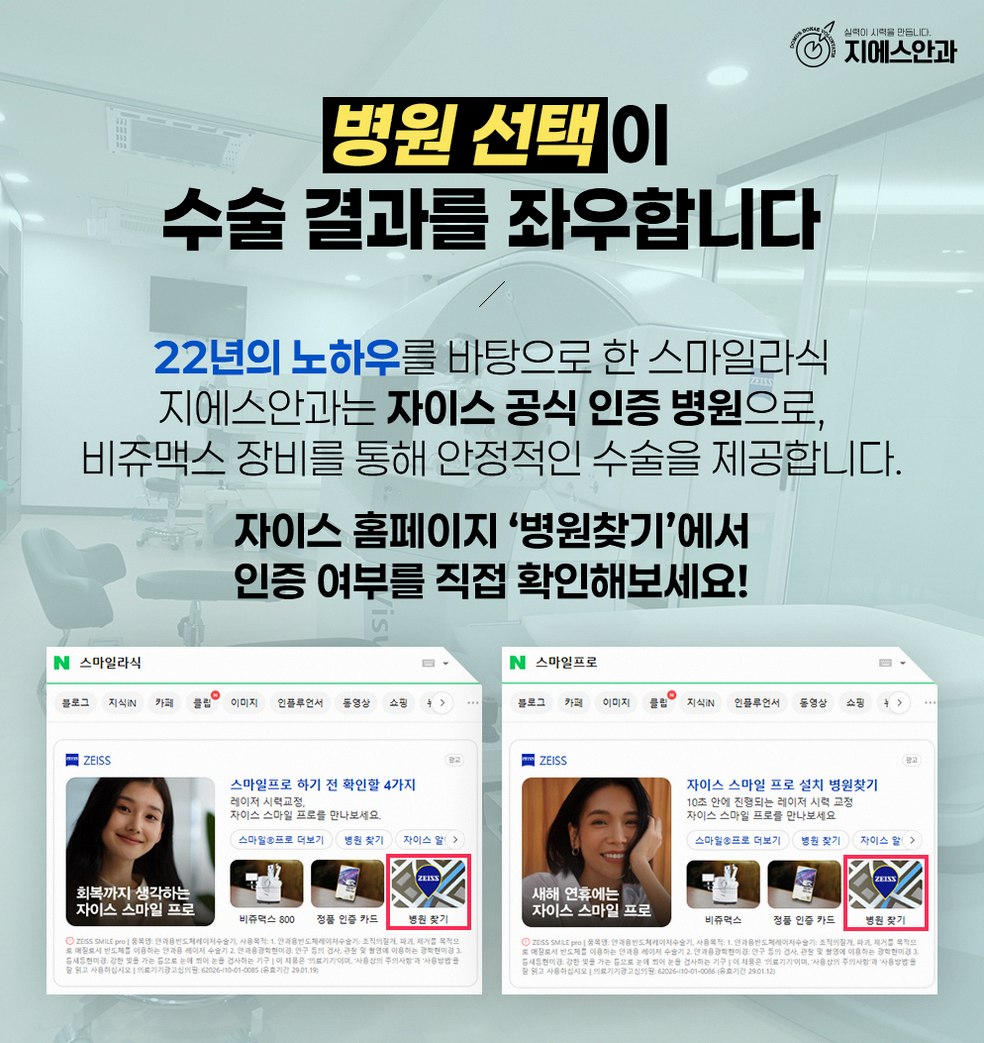
GS Eye Clinic was the first in Korea to join the ZEISS SMILE Gold Club in 2021. It is designated as a ZEISS SMILE pro Center in 2023 and a SILK Training Center in 2026, which indicates a role in clinical education for other doctors. It is also designated as a clinical education site by a major medical school in 2023 and as an Asia-Pacific clinical education institution by BIOTECH in 2024.
These designations do not guarantee outcomes for any individual, but some patients mention them in reviews as reasons they felt more confident about the clinic’s experience and educational role.
Equipment-focused differentiation
Many patients only learn about laser equipment after they start researching reviews. In high-volume Gangnam clinics, equipment is often a key point of differentiation.
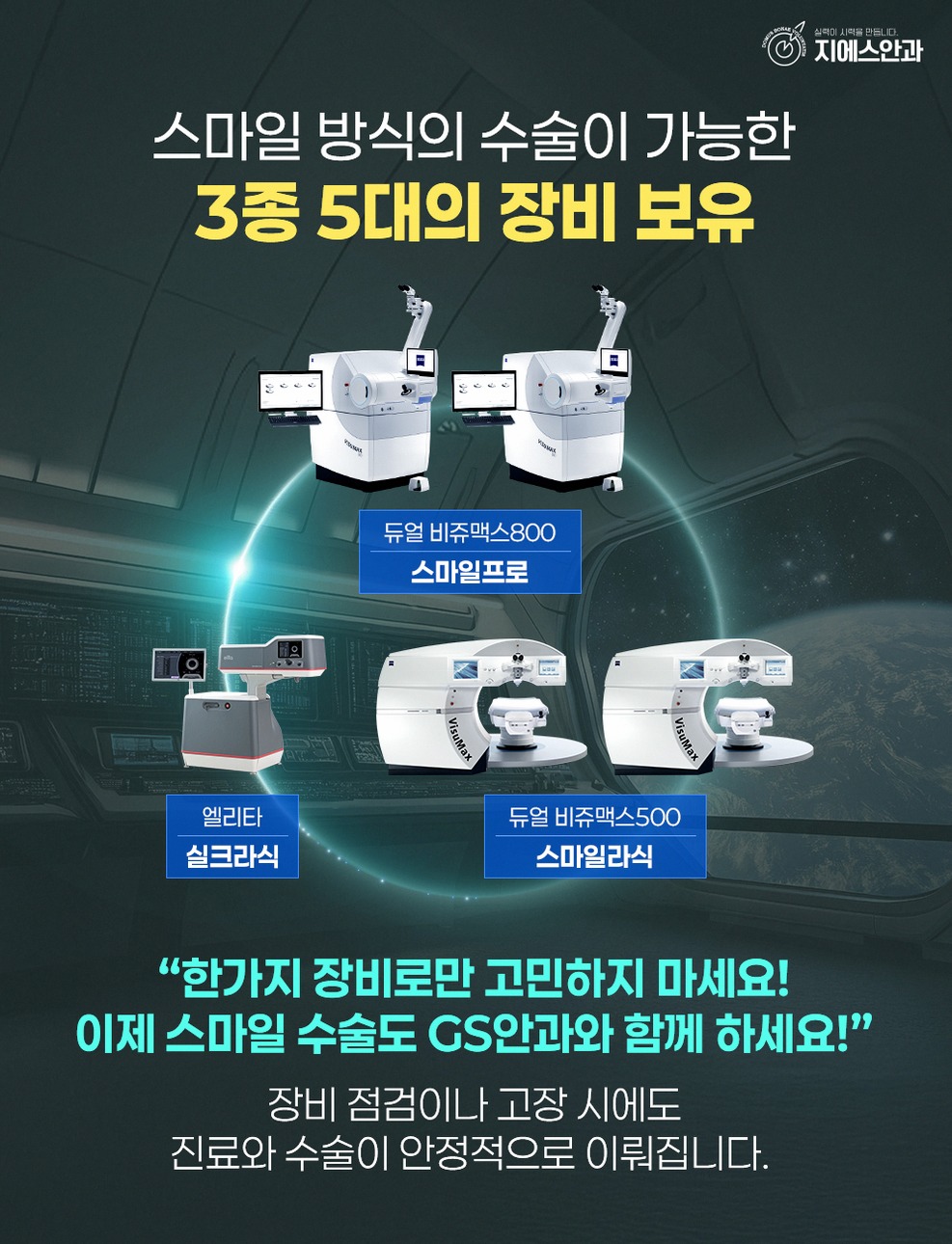
GS Eye Clinic, for example, owns three main ZEISS platforms dedicated to SMILE-type procedures: one VisuMax 800 for Smile Pro and two VisuMax 500 units for SMILE LASIK. This allows the clinic to choose the platform that best fits each patient’s case and to maintain scheduling flexibility.
The VisuMax 800 is a next-generation femtosecond laser designed for faster treatment. The laser time for the SMILE step can be under about 9 seconds per eye, which many patients describe as more comfortable and less stressful. The previous-generation VisuMax 500 remains widely used and is the platform on which classic SMILE was first developed.
Some reviewers also mention that having multiple SMILE-dedicated lasers provides backup options in case of maintenance or technical issues. In addition, GS Eye Clinic has obtained ISO 9001 and ISO 14001 certification for SMILE LASIK since 2020, which some patients interpret as a sign of standardized quality management processes.
At the same time, it is important to remember that equipment alone does not determine results. Surgeon experience, careful screening, individualized planning, and consistent post-operative care are all critical. When reading reviews, look for comments that mention both technology and medical decision-making.
How a typical SMILE LASIK journey looks at a high-volume Gangnam clinic
For international patients coming to Seoul for SMILE or Smart LASIK, the treatment journey usually follows a predictable pattern.
Pre-exam reservation
Most clinics in the Cheongdam–Gangnam area accept reservations via online forms, messaging apps, email, or phone. When you contact the clinic, you can ask whether they have English-speaking staff and what documents you should prepare, such as previous eye prescriptions or medical history.
Comprehensive testing
On your first visit, expect to spend several hours at the clinic. A typical pre-operative examination includes:
Refraction and visual acuity tests
Corneal thickness measurement
Corneal topography and tomography
Wavefront or higher-order aberration analysis
Pupil size measurement, especially in low light
Dry eye assessment and tear film evaluation
Retina check, sometimes by a retina subspecialist if needed
These tests help the ophthalmologist decide whether SMILE, Silk, LASIK, LASEK, or lens implantation is safer for you, or whether surgery should be avoided.
Suitability decision
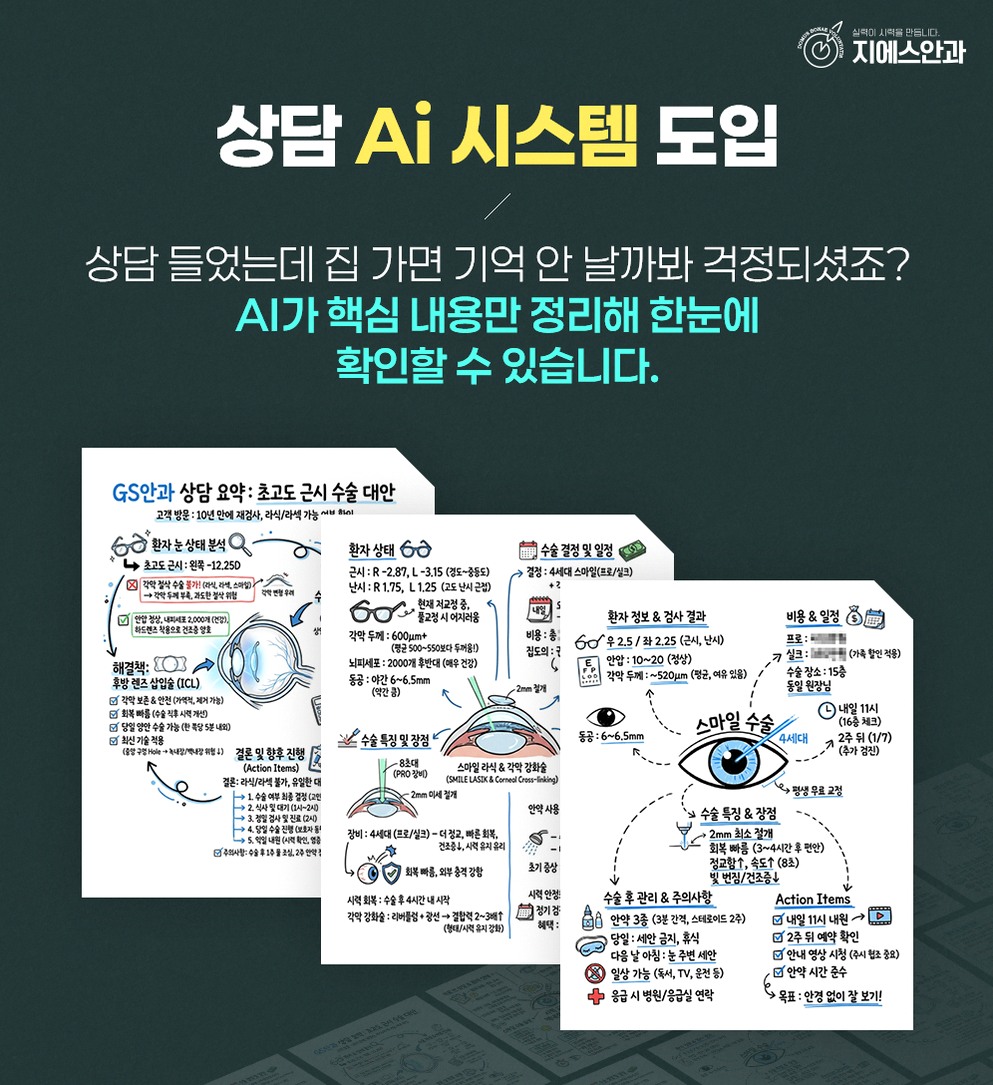
After testing, you usually meet with an ophthalmologist to review the results. A careful clinic will explain not only what is possible, but also what is not recommended and why. In some cases, the doctor may suggest a different procedure or advise against surgery due to thin corneas, irregular corneal shape, unstable prescription, severe dry eye, or retinal issues.
For international patients, this discussion is a good time to ask about the expected number of visits, minimum stay in Korea, and how follow-up can be managed once you return home.
Surgery day flow
On surgery day, you typically arrive at the clinic, undergo brief re-checks, and sign consent forms. You may meet the surgeon again to confirm the plan and ask last-minute questions.
The time spent in the operating room is usually around 15 to 20 minutes for both eyes, although the actual laser step is much shorter. After the procedure, you rest in a recovery area with your eyes closed for a while. Staff will check your eyes before you leave and remind you how to use eye drops and protective shields.
Post-operative care
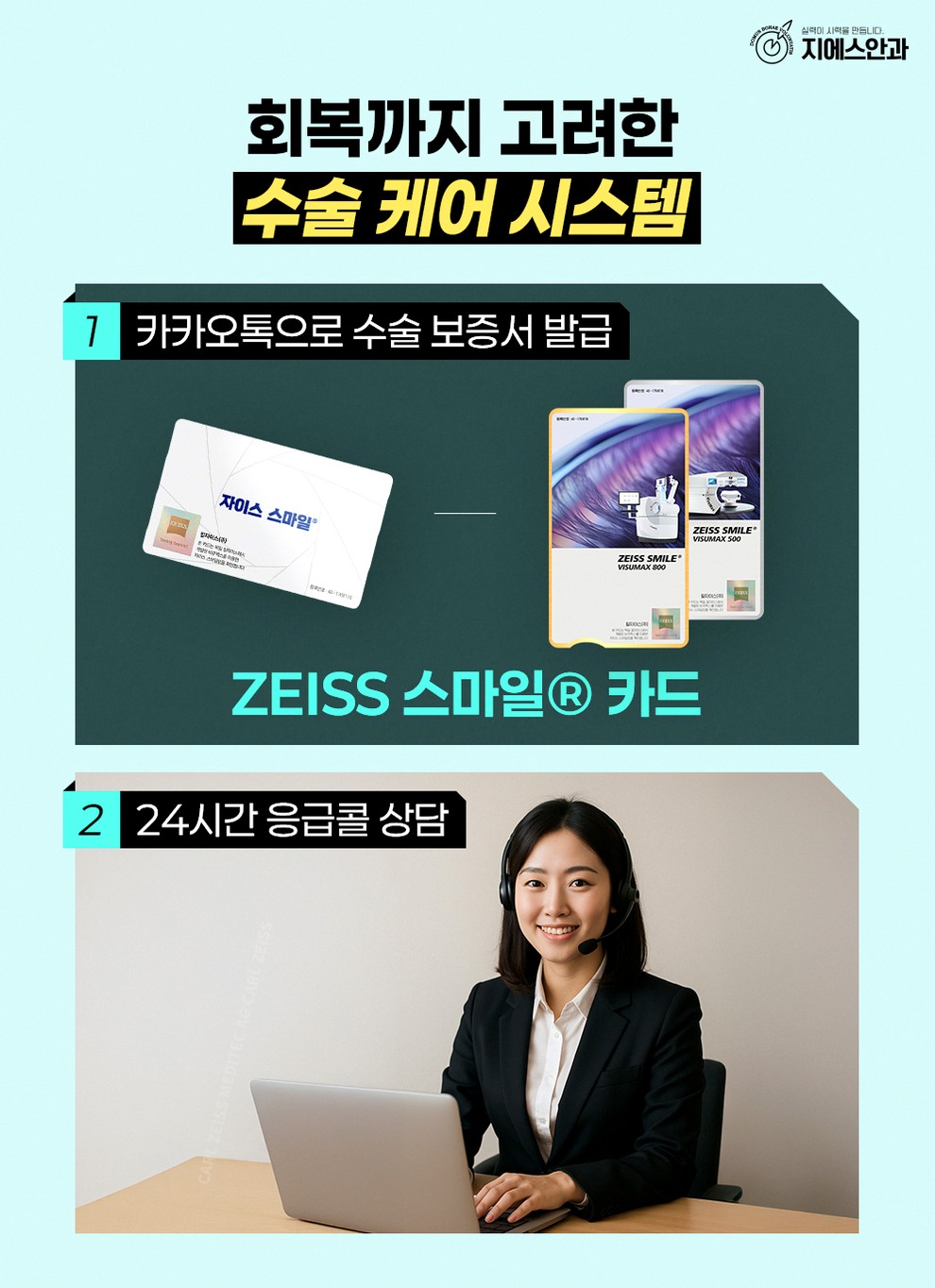
Most clinics schedule a first-day check-up, a one-week visit, and additional follow-ups at one month and three months. For international patients, the schedule may be adjusted depending on how long you can stay in Korea.
You will receive instructions on:
How to use antibiotic and anti-inflammatory eye drops
How often to use artificial tears
When you can wash your face and hair normally
When you can use eye makeup again
When you can exercise, swim, or use a sauna
How long to limit heavy screen use
It is important to follow these instructions and to contact the clinic promptly if you experience severe pain, sudden vision loss, or other unusual symptoms.
Who may consider SMILE or Smart LASIK
SMILE and Smart LASIK are generally considered for adults with stable myopia and astigmatism, adequate corneal thickness, and a healthy ocular surface. Many patients in their 20s and 30s choose this procedure when they want to reduce dependence on glasses or contact lenses.
However, not everyone is a good candidate. People with very thin corneas, irregular corneal shape, signs of keratoconus, severe dry eye, or certain retinal conditions may be advised against corneal laser surgery. In these cases, other options or continued use of glasses and contact lenses may be safer.
A clinic that has a dedicated retina service can be helpful for identifying and treating peripheral retinal problems before vision correction. Final candidacy can only be decided after a full ophthalmologic examination, so online information and reviews should be seen as general guidance, not a personal diagnosis.
Online consultation and pre-visit preparation for overseas patients
Before you travel to Seoul, it is wise to have an online consultation with your chosen clinic. Many Cheongdam–Gangnam clinics offer online or video consultations to review your basic information.
You can prepare by:
Listing your current glasses or contact lens prescription
Noting how long your prescription has been stable
Describing any previous eye problems or surgeries
Mentioning systemic conditions such as diabetes or autoimmune disease
Asking about estimated visit schedules and minimum stay in Korea
You can also prepare specific questions, such as which SMILE platform the clinic uses, how many SMILE or Smile Pro cases they perform per year, and how they manage follow-up for international patients.
Expected Korea visit timeline
For many overseas patients, a typical visit for SMILE or Smart LASIK in the Gangnam area may look like this, although details vary by clinic and individual case.
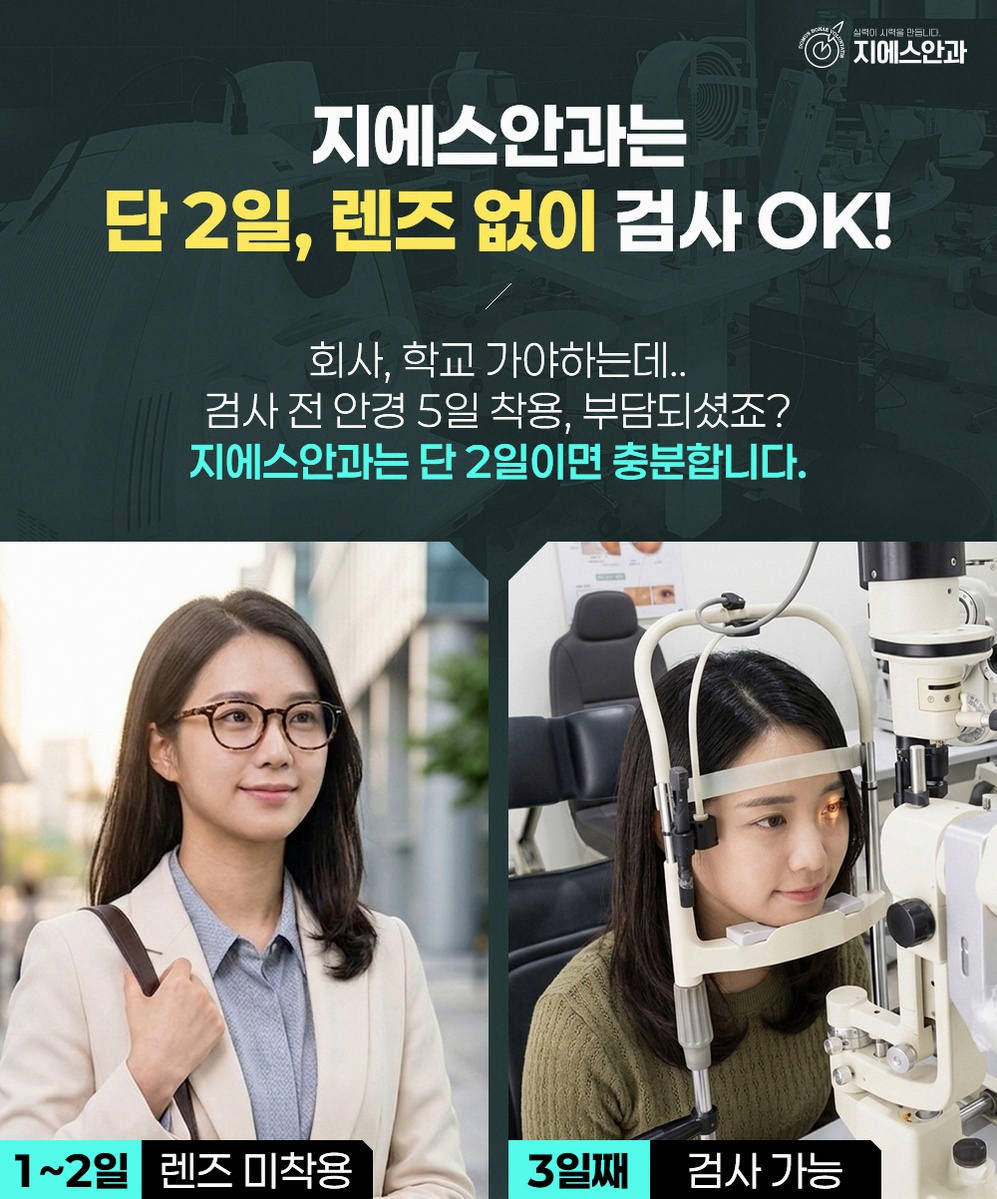
Day 1: Comprehensive eye examination and consultation. If you wear soft contact lenses, you may need to stop them for several days before this visit. Rigid lenses usually require a longer break.
Day 2 or 3: Surgery day, if you are confirmed as a suitable candidate and both you and the doctor agree to proceed.
Day 3 or 4: First-day post-operative check.
Day 7: One-week follow-up, if you can stay that long.
Some patients stay in Seoul for about one week after surgery, while others return earlier and arrange follow-up with an ophthalmologist in their home country. Discuss this in advance so you have a clear and safe plan.
What positive Cheongdam Smart LASIK reviews tend to highlight
When you read positive reviews from the Cheongdam–Gangnam area, certain points appear frequently.
Many patients describe fast visual recovery, often being able to see clearly enough for daily activities by the next day. They often say the procedure was less painful than expected, with more of a pressure sensation than sharp pain.
Positive reviews also mention professional and systematic testing, clear explanations, and realistic guidance about what to expect. Some patients say they felt reassured by the clinic’s high case numbers, clinical education roles, and up-to-date ZEISS equipment.
Location is another common advantage. Being near Gangnam Station makes it easier to attend multiple visits, and there are many nearby hotels, restaurants, and transport options for international visitors.
What critical or mixed reviews may mention
Not all reviews are completely positive, and these more critical comments can be very useful when you are making a decision.
Some patients mention long waiting times at busy hours, especially in high-volume Gangnam clinics. Others report dry eye symptoms or night glare in the early months, even after SMILE-type procedures, which are sometimes marketed as gentler on the surface.
A few reviews describe counseling that felt more like sales talk than medical advice. This is a reminder to distinguish between marketing language and careful clinical judgment. A clinic that sometimes advises against surgery may actually be prioritizing safety.
There are also cases where, after thorough testing, surgery is not recommended. Some patients initially feel disappointed but later appreciate that the clinic did not proceed when the risk seemed too high.
How to evaluate Cheongdam Smart LASIK reviews before choosing a clinic
When you read reviews, try to look beyond short comments like Good or Fast and focus on detailed descriptions.
Look for reviews that describe the examination process, the explanation of results, and how the decision for SMILE, Silk, LASIK, LASEK, or no surgery was made. This shows how the clinic handles medical judgment, not just speed.
Check whether the surgeon is an ophthalmologist and whether the clinic has subspecialists such as retina doctors for comprehensive safety checks. You can also ask which generation of SMILE equipment is used, for example VisuMax 800 versus older platforms, and whether the clinic has multiple SMILE-dedicated lasers.
Pay attention to how the clinic manages side effects, follow-up visits, and long-term monitoring, not only the first week. Be cautious of reviews that sound overly promotional, very short, or all written in a similar style. Balanced accounts that mention both positive points and minor inconveniences are often more trustworthy.
FAQs about SMILE and Smart LASIK in Cheongdam–Gangnam
Is SMILE or Smart LASIK really less painful than LASIK or LASEK
Many patients describe SMILE-type procedures as more comfortable than they expected. During the laser step, they usually feel pressure rather than sharp pain, and the time is very short. After surgery, there can be discomfort, tearing, and light sensitivity, but many people find the surface recovery easier than with LASEK, where the outer layer of the eye is removed.
However, pain perception is individual, and some patients still experience stronger discomfort. It is important to discuss your concerns with the clinic and understand that no laser procedure is completely pain-free for everyone.
How long does it take to return to work or study after SMILE LASIK
Many people can return to light office work or study within a few days after SMILE or Smart LASIK, especially if their job does not involve heavy physical activity or dusty environments. Some patients prefer to take about one week off to reduce eye strain from screens.
Your recovery speed will depend on your individual healing, the type of work you do, and how well you follow post-operative instructions. It is wise to plan a few flexible days in your schedule, especially if you are traveling from overseas.
Can I choose between Smile Pro, SMILE LASIK, and Silk, or does the surgeon decide
In most clinics, the final decision is made together between you and the ophthalmologist. You can certainly express your preferences and ask about differences between Smile Pro, SMILE LASIK, and Silk LASIK.
However, the doctor will base the recommendation on your corneal thickness, shape, prescription, pupil size, and other factors. In some cases, one method may be clearly safer or more suitable than another. A good clinic will explain why a particular option is suggested and also explain when surgery is not advisable.
What are realistic expectations for night vision and dry eye after surgery
After SMILE or Smart LASIK, many patients experience some degree of night glare, halos around lights, or increased dryness in the first weeks to months. These symptoms often improve over time, but the speed and degree of improvement vary from person to person.
Realistic expectations mean understanding that perfect vision in every situation is not guaranteed. The goal is usually to reduce dependence on glasses or contact lenses for most daily activities. Before surgery, ask your doctor about your specific risk of night vision issues and dry eye based on your test results.
How do I compare different Cheongdam–Gangnam eye clinics beyond price and marketing
When comparing clinics, try to look at several objective factors: the thoroughness of pre-operative testing, the experience and training of the ophthalmologists, the types and generations of laser equipment available, and the follow-up system.
You can prepare a list of questions for each clinic, such as how many SMILE or Smile Pro cases they perform per year, whether they have retina subspecialists, how they handle complications, and what minimum stay they recommend for overseas patients. This kind of checklist can help you see beyond advertisements and focus on medical safety and long-term care.
Conclusion: Using reviews wisely when choosing a Cheongdam SMILE LASIK clinic
Cheongdam Smart LASIK reviews can be very helpful when you are planning SMILE or Smart LASIK in the Gangnam area, but they should be combined with objective information. Pay attention to surgeon credentials, equipment, case volume, and examination standards, not only price or short comments.
If you are considering treatment in Seoul, consider contacting one or two clinics in advance for online consultations. Bring your questions about SMILE, Smile Pro, Silk, and other options, and listen carefully to how the clinic explains both benefits and limitations.
The safest choice is usually a clinic that is willing to say no to surgery when it is not in your best interest. Use reviews as a starting point, but let a full ophthalmologic examination and direct counseling guide your final decision. If you are ready to explore options, you can begin with an online consultation to see whether SMILE or Smart LASIK in the Cheongdam–Gangnam area fits your eyes and your travel plans.

- 공유 링크 만들기
- X
- 이메일
- 기타 앱


댓글
댓글 쓰기