Compare SMILE LASIK Clinics & Equipment
- 공유 링크 만들기
- X
- 이메일
- 기타 앱
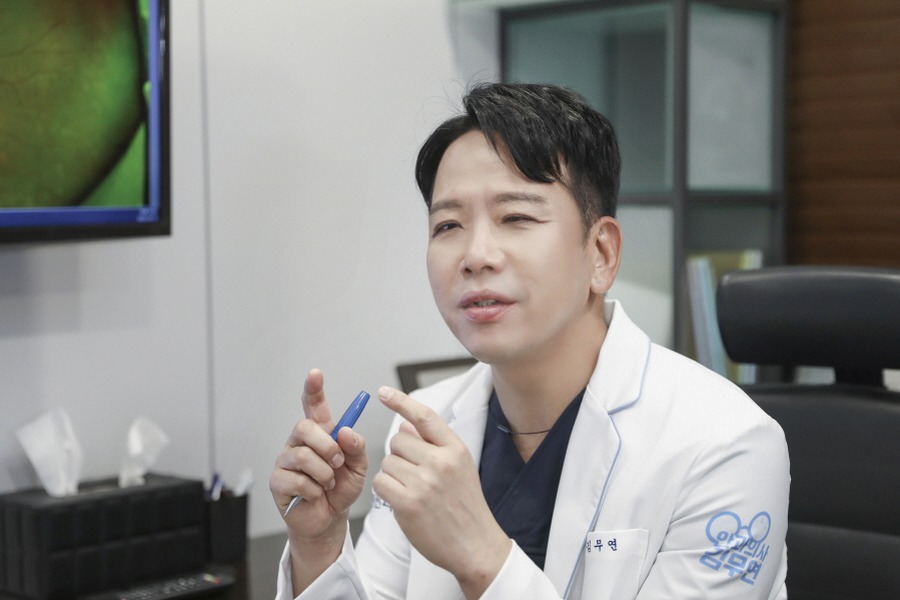

It emphasizes preserving corneal tissue and lowering dry eye risk compared with some older techniques, helping patients return to work or study more quickly. This guide explains what SMILE LASIK is, who may be a candidate, how to compare clinics and equipment around Sinnonhyeon and Gangnam Station, and what an overseas patient can expect when visiting Korea for treatment.
Overview of SMILE LASIK
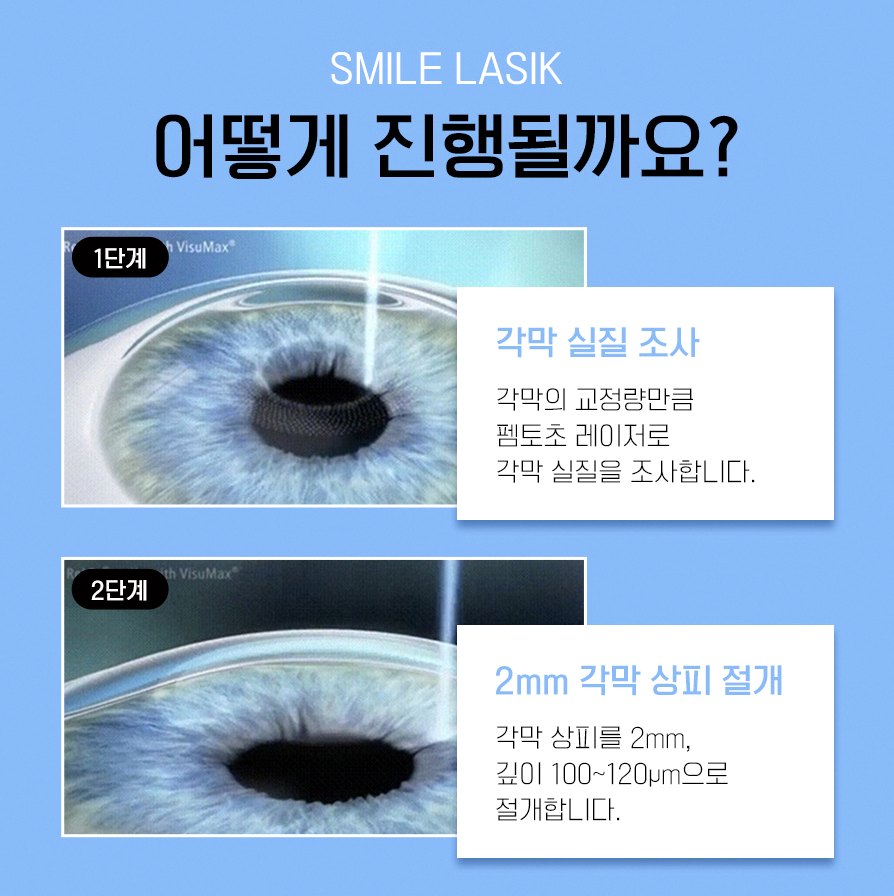
SMILE LASIK (often simply called SMILE) is a laser vision correction procedure that uses a femtosecond laser to reshape the cornea through a very small incision.
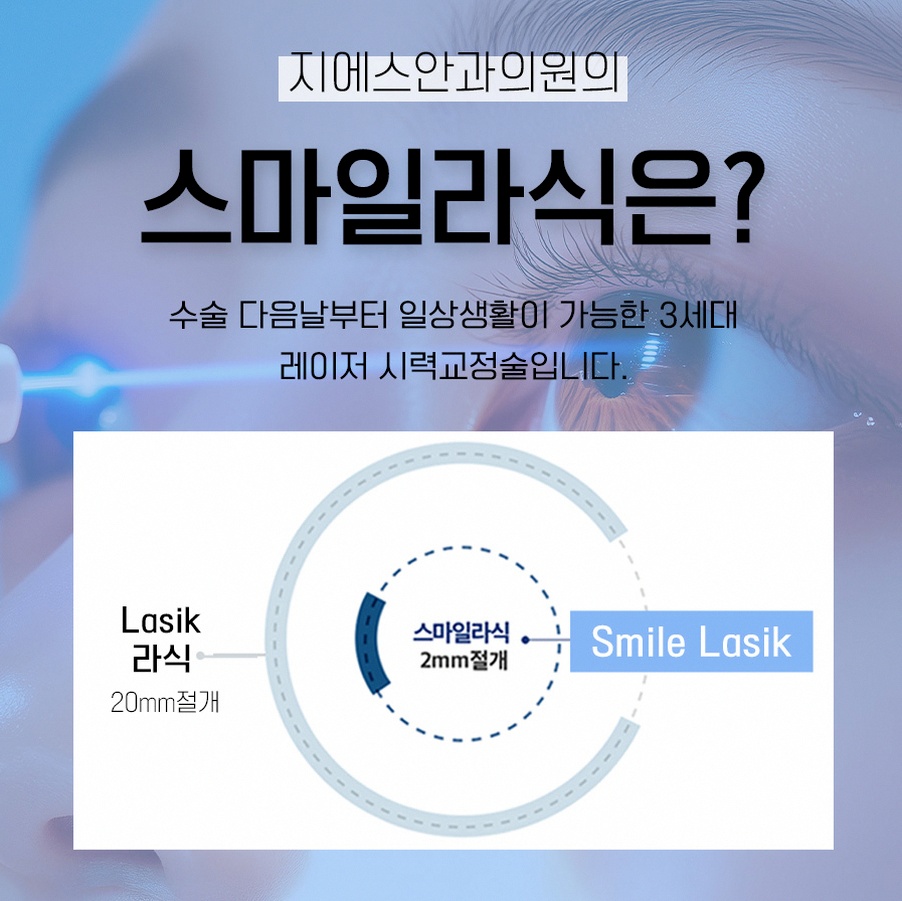
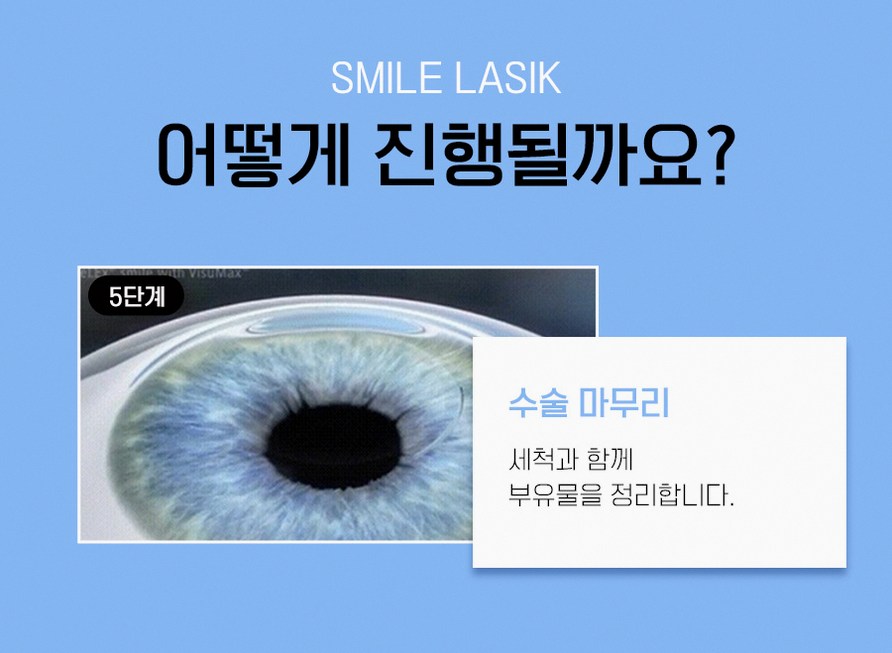
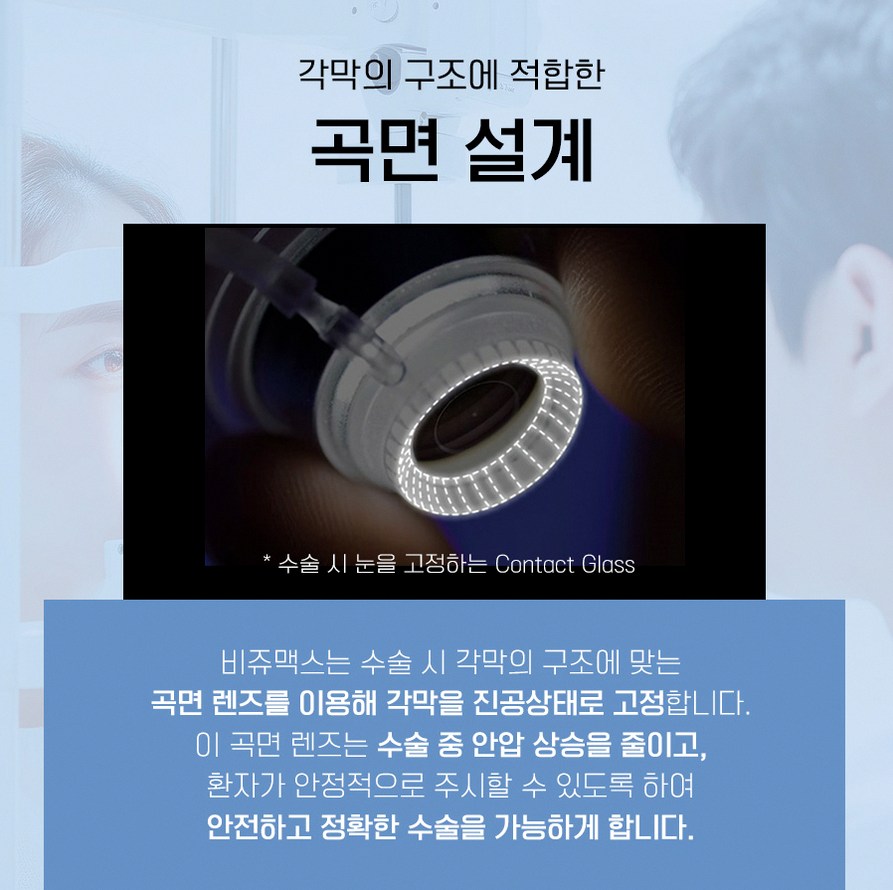
Instead of creating a large flap on the corneal surface, the laser creates a thin lens-shaped piece of tissue (called a lenticule) inside the cornea. The surgeon removes this lenticule through a tiny incision only a few millimeters long. Removing the lenticule changes the corneal curvature and corrects nearsightedness and, in many cases, astigmatism.
Because there is no large flap, more of the corneal structure and nerves can be preserved. This is one reason SMILE LASIK is often chosen by people who are worried about dry eye or want to minimize structural changes to the cornea.
How SMILE LASIK compares with other procedures
When you look up Sinnonhyeon vision correction surgery recommendations, you will usually see several categories of procedures. SMILE LASIK is one of them, but not the only option.
LASEK or surface ablation
LASEK and other surface ablation procedures reshape the cornea from the surface after removing or loosening the epithelium (the thin outer layer). They can be useful for people with thinner corneas, but they usually involve more discomfort in the early days and a slower return to clear vision.
Conventional LASIK
Conventional LASIK involves creating a larger flap on the corneal surface, lifting it, reshaping the cornea with an excimer laser, and then repositioning the flap. Recovery is usually fast, but there is a larger incision and long-term flap-related considerations.
Lens implantation (ICL and similar procedures)
Lens implantation places a thin artificial lens inside the eye, usually in front of your natural lens. It is often considered for very high myopia or when the cornea is too thin or irregular for laser procedures. It is a different category of surgery and may be suggested if laser options are not suitable.
This article is for general information only. The final choice between SMILE LASIK and other methods should always be made after a full eye examination and consultation with an ophthalmology specialist.
Why SMILE LASIK is popular around Sinnonhyeon and Gangnam Station
For this lifestyle, SMILE LASIK has several advantages that are especially attractive:
A smaller incision and less disruption of corneal nerves, which may help reduce the risk or severity of dry eye symptoms after surgery.
Functional vision that often recovers quickly, allowing many patients to return to desk work or classes within a short time, depending on individual healing.
A procedure that is typically short, with laser time measured in seconds, fitting well into busy schedules.
Because there are many eye clinics in this area, it is important to compare them using objective criteria rather than only relying on advertisements or influencer posts.
How to evaluate a SMILE LASIK clinic near Sinnonhyeon
When you search for Sinnonhyeon vision correction surgery recommendations, you will see many clinics claiming advanced technology or premium care. To make a safe choice, it helps to use a checklist.
Ophthalmology specialists and clinical background
For vision correction surgery, it is important that the procedure is performed by ophthalmology specialists, not general physicians.
Points you can check:
Ask whether the surgeons are board-certified ophthalmology specialists in their country.
Look for evidence of academic or teaching roles, such as former or current positions at university hospitals or medical schools. These roles often indicate experience with complex cases and adherence to evidence-based protocols.
Check whether the clinic has subspecialists, such as retina fellowship-trained doctors, who can manage retinal findings discovered during preoperative screening.
GS Eye Center is an example of an ophthalmology clinic in the Gangnam Station area that highlights this type of background. It opened in 2005 in the same location and is led by a representative director who is an ophthalmology specialist and medical doctor, with experience as a university hospital ophthalmology professor and an external faculty appointment at a medical school as of 2024. The clinic reports a team of seven ophthalmology specialists, including doctors with major university hospital experience and retina fellowship training, which is relevant when retinal issues are detected during screening.
Surgical volume and outcome data with time references
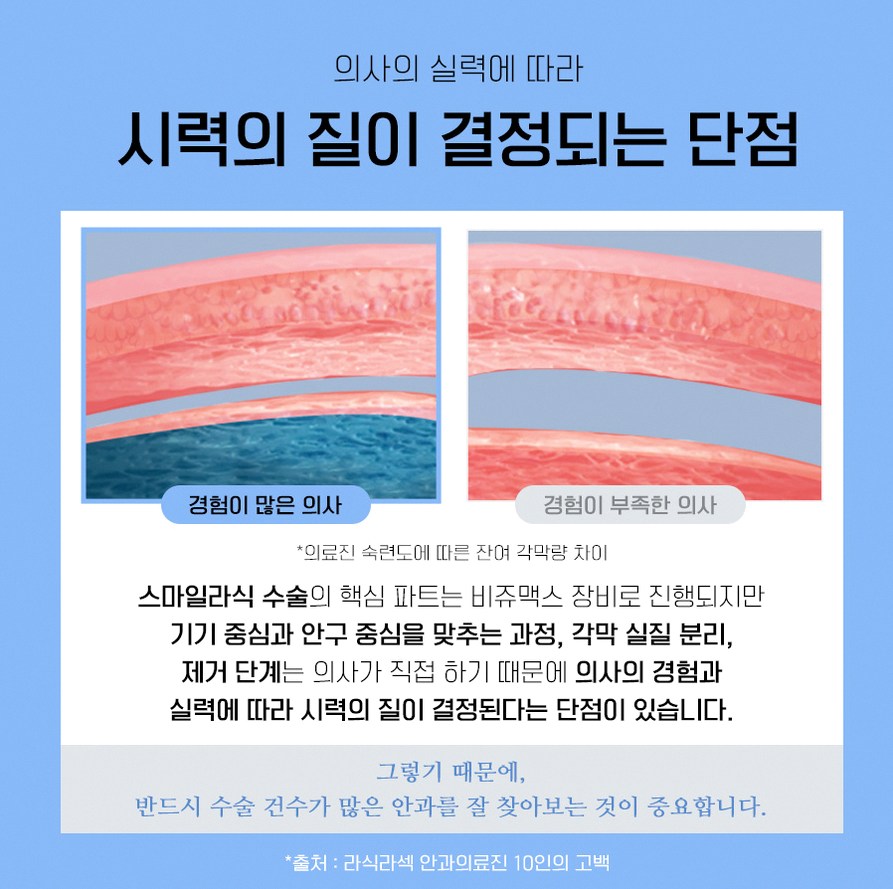
Cumulative case numbers can help you understand how much experience a clinic has, but they should always be interpreted with a date. Numbers without a reference year can be misleading.
For example, one clinic in the Gangnam Station area reports the following figures:
As of 2023, a cumulative total of 300,000 eyes for vision correction and cataract surgery combined.
SMILE pro procedures: 5,000 eyes by October 2024, 10,000 eyes by August 2025, and 15,000 eyes by April 2026.
First in Korea to perform GLAZE lens implantation in 2019, reaching 1,000 eyes by 2022 and 3,000 Optiflex GLAZE cases by 2025.
3,000 eyes implanted with Alcon PanOptix multifocal lenses by 2024.
When you see such data, confirm that each number has a clear “as of” year or month. You can ask during consultation, “These numbers you mention, what is the reference date?” This simple question helps you compare clinics more fairly.
Equipment and full SMILE platform lineup
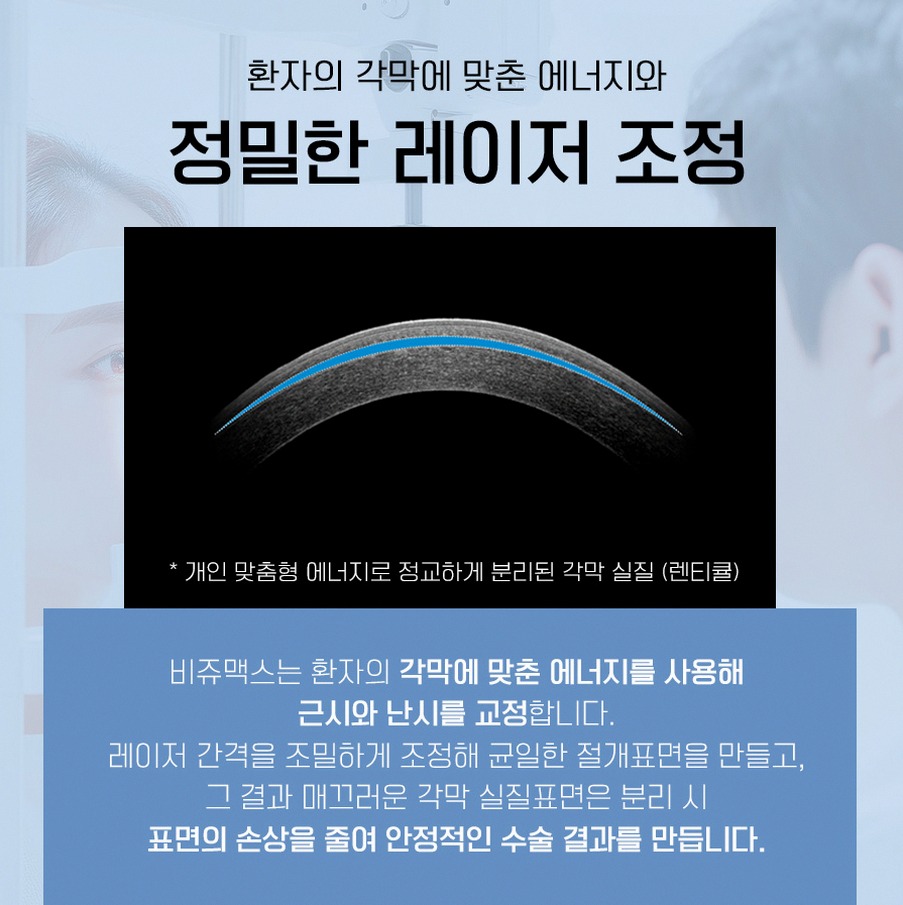
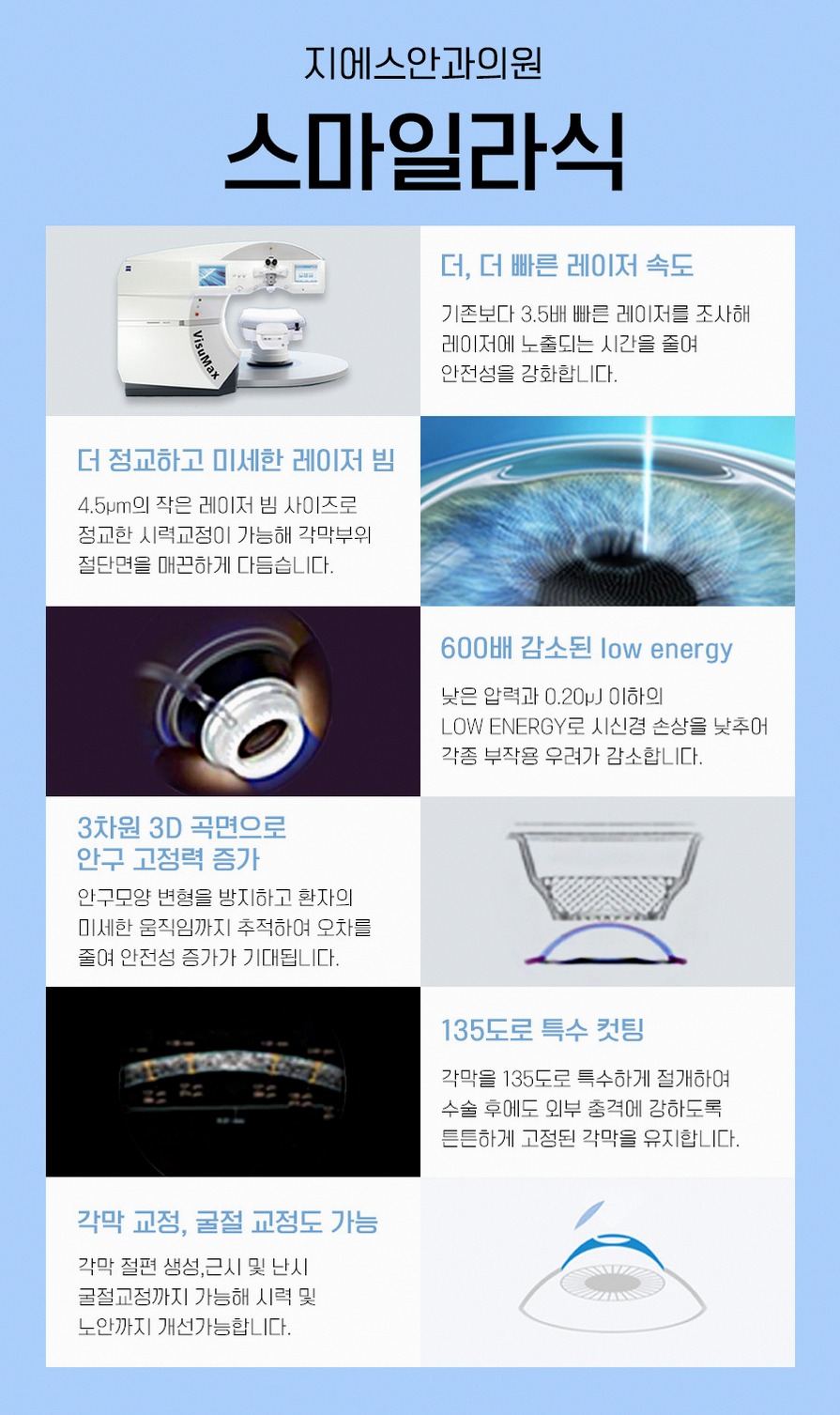
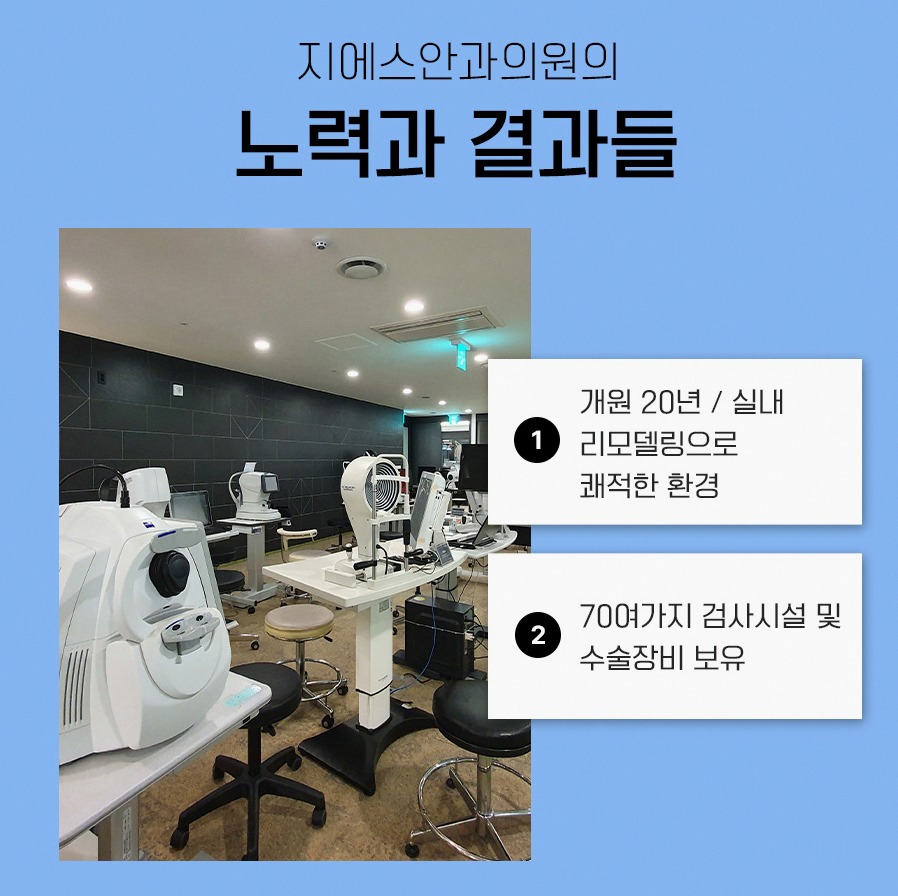
For SMILE LASIK, the laser platform matters. Around Sinnonhyeon and Gangnam Station, some clinics emphasize that they use ZEISS SMILE platforms.
One key differentiator is whether a clinic has multiple, up-to-date SMILE-related platforms. For example, a clinic may have:
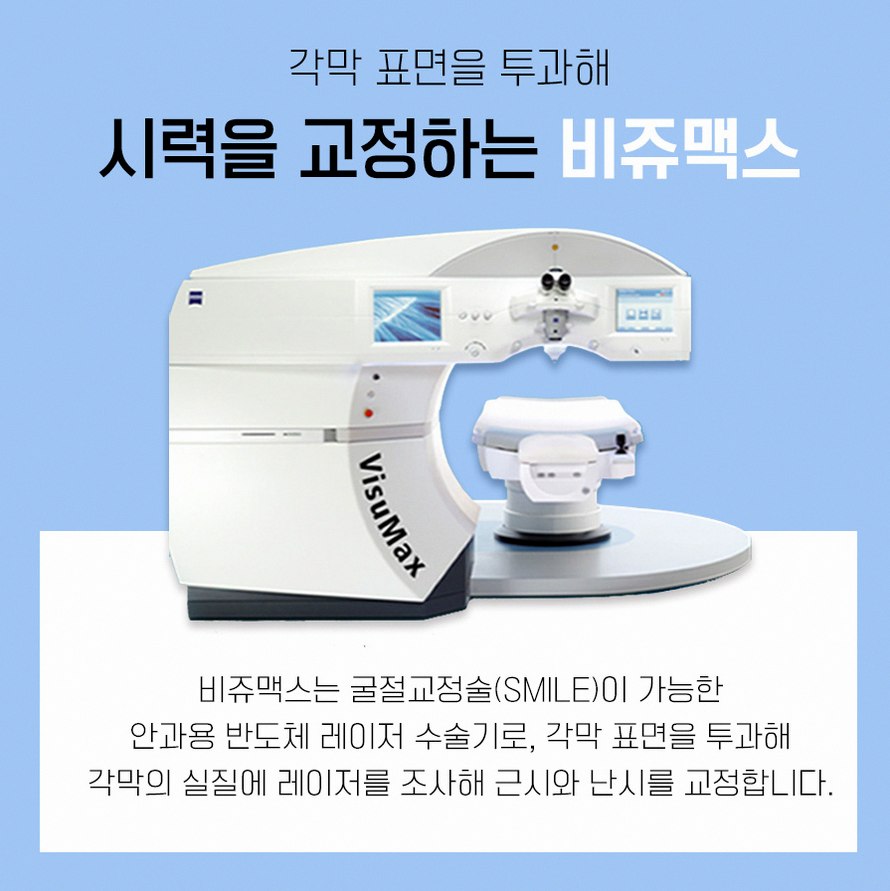
VISUMAX 800, a newer platform dedicated to SMILE pro, with laser time under about 9 seconds, introduced in 2023.
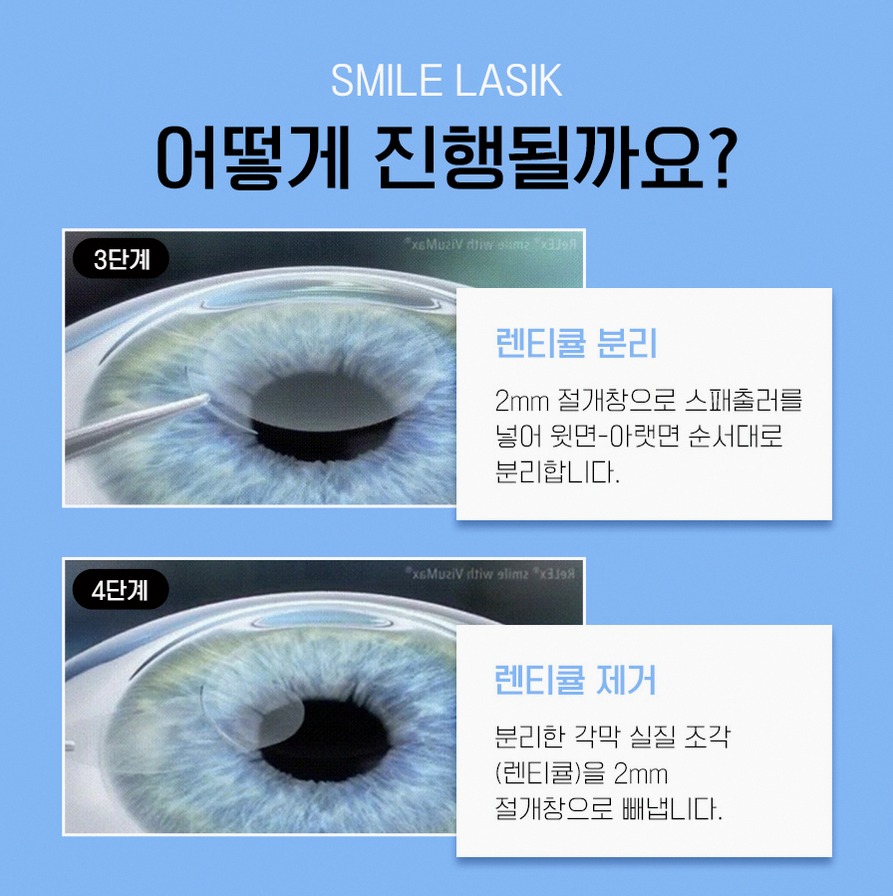
Two VISUMAX 500 units, used for SMILE LASIK, introduced in 2016, with dual-room operation from 2019.
Having several platforms can benefit patients by providing flexibility to choose the most appropriate system for each eye, reducing waiting times, and offering redundancy if one machine is under maintenance.
Some clinics also highlight designations such as being a ZEISS “SMILE pro CENTER” since 2023, a SILK Training Center since 2026, and the first in Korea to join the ZEISS “SMILE GOLD CLUB” in 2021. These designations suggest that the clinic is involved in training and early adoption of new platforms.
In addition, ISO 9001 and ISO 14001 certification for the SMILE LASIK program (for example, obtained in 2020) indicates that the clinic has documented quality and environmental management systems. While ISO certification does not guarantee outcomes, it does show that processes and protocols are standardized and audited.
Examination system and safety protocols
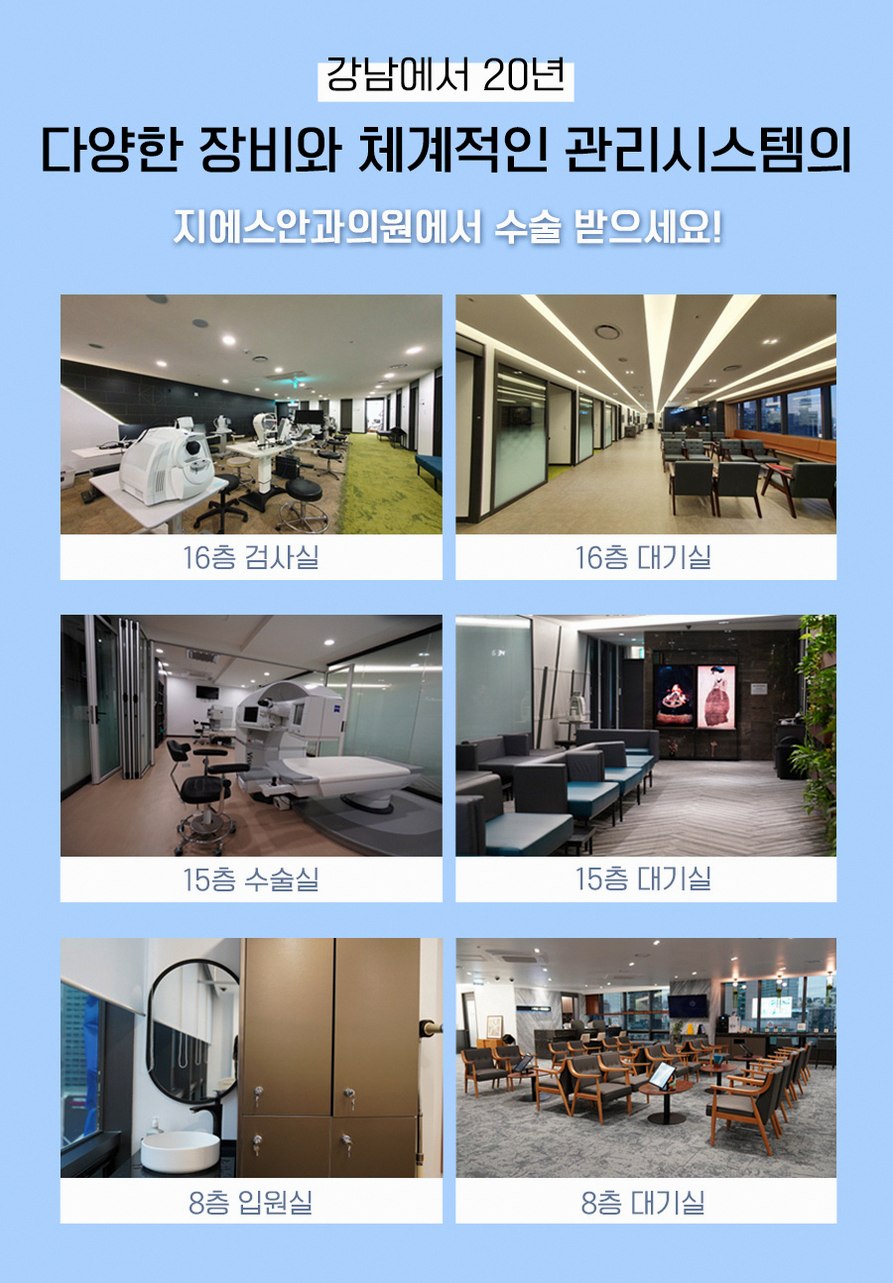
For SMILE LASIK, the preoperative examination is as important as the surgery itself. A careful clinic will spend more time on testing than on the actual laser procedure.
A robust examination process usually includes:
Detailed refraction to measure your exact prescription.
Corneal topography and tomography to map the shape and thickness of your cornea and detect early signs of conditions like keratoconus.
Corneal thickness and biomechanical assessment to evaluate whether your cornea can safely tolerate tissue removal.
Pupil size measurement, especially in low light, which can relate to night vision symptoms.
Tear film and dry eye evaluation, since pre-existing dry eye can affect both candidacy and recovery.
Retina and optic nerve examination to rule out underlying disease that might limit vision or increase risk.
Clinics with a dedicated retina center and retina fellowship-trained doctors can provide more comprehensive screening and management if retinal findings are discovered.
Some clinics in the Gangnam area are also designated as clinical education institutions for medical schools (for example, since 2023) and as Asia-Pacific clinical education centers for companies such as BIOTECH (since 2024). These roles usually require structured protocols suitable for teaching and may indicate a more systematized approach to examinations and safety.
Range of procedures available
When choosing a clinic near Sinnonhyeon, it is safer to prefer a place that offers multiple vision correction options, not only one type of surgery. This allows the surgeon to recommend a method based on your eyes, rather than fitting you into a single procedure.
For example, one Gangnam Station clinic offers:
SMILE family procedures: SMILE pro, SMILE LASIK, SILK, and a proprietary “Golden SMILE” program.
Other laser options: 2DAY LASEK, VISU LASIK (a premium LASIK-type procedure), and corneal cross-linking options such as EXTRA or KXL when needed.
Lens-based options: ICL, GLAZE, PhakiFlex KPL, presbyopia lens implantation, and laser cataract surgery with multifocal intraocular lenses.
Supporting services: a dry eye clinic and a retina center.
With this range, the surgeon can advise against SMILE LASIK if your cornea is too thin, your prescription is very high, or other risk factors are present, and instead suggest LASEK or lens implantation when safer.
Who may consider SMILE LASIK
Typical candidacy criteria for SMILE LASIK include:
A stable prescription for at least 1–2 years.
Adequate corneal thickness and a regular corneal shape.
No active eye disease such as uncontrolled dry eye, keratoconus, or significant retinal pathology.
Many office workers, students, and young adults in the Sinnonhyeon–Gangnam area who are tired of contact lenses or glasses fall into this category, but only a full examination can confirm suitability.
Groups that may need extra caution or alternative options include:
People with very high myopia or thin corneas, who may be better suited to lens implantation or surface ablation.
Individuals with autoimmune disease, pregnancy, or systemic conditions that affect healing.
In a responsible, high-volume center, surgery is declined when safety criteria are not met, even if the patient is eager to proceed.
Online consultation and pre-visit preparation for overseas patients
If you are an international patient planning to visit Korea for SMILE LASIK near Sinnonhyeon or Gangnam Station, an online consultation is a useful first step.
Before contacting a clinic, prepare the following:
Your most recent glasses or contact lens prescription, including cylinder and axis for astigmatism if possible.
Any previous eye examination reports, especially corneal topography or retinal scans if you have them.
A brief medical history, including systemic conditions (such as diabetes or autoimmune disease), medications, allergies, and any previous eye surgery.
Information about your lifestyle: how many hours you spend at a screen, whether you play contact sports, and your work schedule.
During an online consultation, you can ask:
What examination tests are included before SMILE LASIK?
What SMILE platforms are available (for example, VISUMAX 800, VISUMAX 500)?
What is the typical schedule for overseas patients, from examination to surgery and follow-up?
What are the main reasons someone might be advised not to have SMILE LASIK at this clinic?
Expected Korea visit timeline for SMILE LASIK
Many international patients combine SMILE LASIK with a short stay in Seoul. A typical timeline near Sinnonhyeon and Gangnam Station might look like this, though details vary by person.
Day 1: Arrival and rest
Arrive in Seoul, check into your accommodation near Gangnam Station or Sinnonhyeon, and rest from your flight.
Day 2: Comprehensive examination
Visit the ophthalmology clinic for a full eye examination.
Day 3: Surgery day
Laser time is very short, especially with platforms like VISUMAX 800 for SMILE pro, and the procedure and clinic visit are typically brief.
You will rest at the clinic for a short period after surgery and receive instructions on eye drops, protective shields, and activity restrictions.
Day 4: First follow-up
Attend a next-day check to confirm that the cornea is clear, the incision is stable, and there are no early complications. Many patients already notice improved functional vision, though clarity can fluctuate.
Day 5–7: Additional follow-up and sightseeing
Depending on your schedule and the clinic’s protocol, you may have one more follow-up before leaving Korea. During this time, you can enjoy light sightseeing around Gangnam, taking care to avoid dusty environments and to use sunglasses outdoors.
Your clinic will usually advise you to have follow-up visits with an eye doctor in your home country after you return.
Aftercare and realistic recovery expectations
After SMILE LASIK, most patients experience:
Functional vision improvement within days, often enough to move around safely and use digital devices for short periods.
Gradual refinement of visual quality over weeks to months, as the cornea stabilizes and the tear film improves.
Temporary symptoms such as mild dryness, halos or glare at night, or slight fluctuations in clarity. These usually improve over time but can vary among individuals.
Typical aftercare instructions include:
Using prescribed antibiotic and anti-inflammatory eye drops for a defined period.
Frequent use of preservative-free artificial tears to support the tear film.
Avoiding eye rubbing, swimming pools, hot tubs, and heavy exercise for a period recommended by your surgeon.
Wearing protective shields at night for a few days if advised.
For overseas patients, it is important to:
Keep a written summary of your surgery details and postoperative instructions.
Schedule follow-up visits with a local ophthalmology specialist after returning home.
Contact the Korean clinic via email, messaging app, or phone if you have concerns, sending photos or reports if needed.
How to use reviews and recommendations wisely
When you search “Sinnonhyeon vision correction surgery recommendation,” you will see many online reviews, blog posts, and social media content. These can be helpful, but they should not be your only decision factor.
You can use reviews to understand:
Staff attitude and communication style.
Waiting times and how well schedules are managed.
How clearly doctors explain procedures and risks.
However, for medical quality, focus on objective criteria:
Whether surgeons are ophthalmology specialists.
What SMILE platforms and other equipment are available.
How detailed the examination system and safety protocols are.
Whether the clinic has roles as a training or education center and holds certifications like ISO 9001/14001.
Whenever possible, visit at least two clinics for full examinations and compare their explanations before deciding. Pay attention not only to what they recommend, but also to how clearly they explain why a particular procedure is or is not suitable for you.
Practical information about a Gangnam Station example clinic
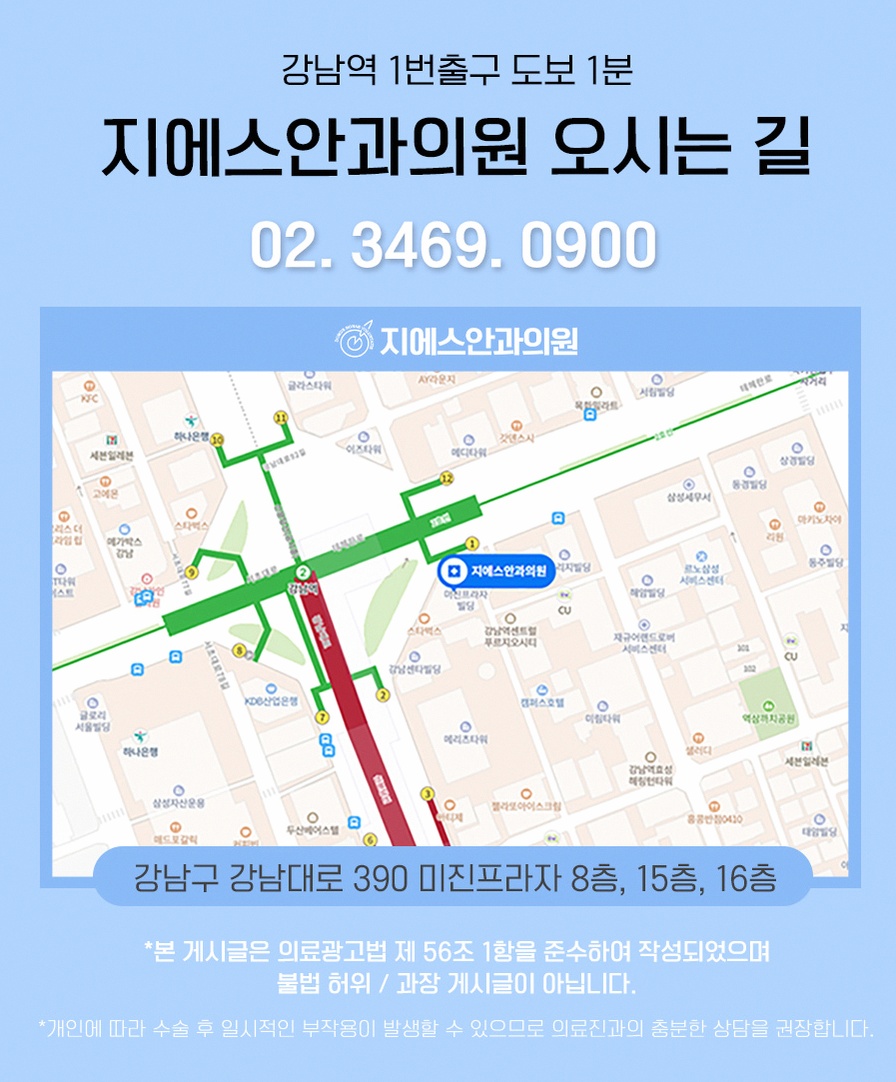
One example of a clinic that many patients consider when searching for Sinnonhyeon vision correction surgery is located on Gangnam-daero near Gangnam Station, within easy reach of Sinnonhyeon and Yeoksam areas. It occupies multiple floors (8th, 15th, and 16th) in the same building.
This clinic opened in 2005 under a previous name and later rebranded, but has remained in the same location, emphasizing its long-term presence in the neighborhood.
Its stated philosophy is expressed in the slogan “Skill creates vision” and the Latin phrase “Domus bonae voluntatis,” meaning a house of people with good will.
Typical operating hours are weekdays 10:00–18:30 and Saturdays 09:30–17:00, with closure on Sundays and public holidays and a lunch break from 13:00–14:00.
For patients who want to study the procedure in detail before deciding, the clinic runs several online channels, such as a blog, Instagram, a YouTube channel by the representative ophthalmologist, a messaging app channel, and an in-house video channel where surgery explanations and case discussions are shared.
For international patients interested in this particular clinic, you can search for GS Eye Center and request an online consultation in advance to discuss your case, travel schedule, and examination plan.
Frequently asked questions
What is the main advantage of SMILE LASIK for busy office workers near Sinnonhyeon?
For people working around Sinnonhyeon and Gangnam Station, the main advantages of SMILE LASIK are the small incision, potentially less dry eye compared with some flap-based procedures, and a relatively quick return to functional vision. The procedure itself is short, and many patients can resume desk work and light activities soon after surgery, depending on individual healing and the surgeon’s advice.
How long should I stay in Korea if I come for SMILE LASIK?
Most overseas patients are advised to stay in Korea for at least 4–7 days around the time of SMILE LASIK. This allows time for a full preoperative examination, the surgery, and at least one or two follow-up visits. Your exact schedule should be planned with the clinic in advance, based on your eye condition and travel constraints.
Is SMILE LASIK suitable for very high myopia?
SMILE LASIK can treat a wide range of myopia, but there are limits related to corneal thickness and safety margins. For very high myopia, lens implantation procedures such as ICL or GLAZE may be recommended instead, or in combination with other methods. Only a full examination can determine whether SMILE LASIK is safe in your case.
How do I choose between clinics around Sinnonhyeon and Gangnam Station?
When comparing clinics, look beyond advertisements. Check whether surgeons are ophthalmology specialists, what SMILE platforms and other equipment they use, how comprehensive their examinations are, and whether they offer multiple vision correction options. Ask for up-to-date surgical volume data with clear reference years, and consider visiting at least two clinics to compare explanations before deciding.
Soft call to action for online consultation
If you are planning a trip to Korea and are considering SMILE LASIK near Sinnonhyeon or Gangnam Station, starting with an online consultation can save time and help you plan a realistic schedule. Prepare your prescriptions, medical history, and questions in advance, and share your travel dates so the clinic can suggest an examination and surgery plan.
Clinics such as GS Eye Center offer structured examination systems, a range of SMILE and other vision correction options, and online channels where you can learn about procedures before you decide. Reaching out early allows you to focus on safety, long-term vision quality, and a smooth experience during your stay in Seoul.
- 공유 링크 만들기
- X
- 이메일
- 기타 앱


댓글
댓글 쓰기