Daechi-dong SMILE LASIK options near Gangnam Station in Seoul
- 공유 링크 만들기
- X
- 이메일
- 기타 앱
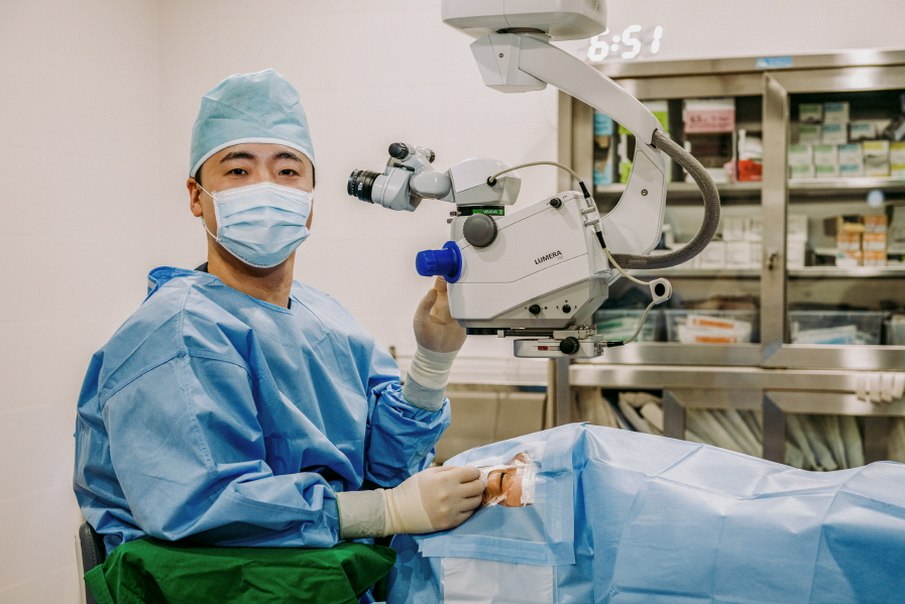

If you are searching from overseas for Daechi-dong SMILE LASIK near Gangnam Station, several clinics in Gangnam-gu offer minimally invasive SMILE procedures using ZEISS VisuMax systems. SMILE treats myopia and astigmatism through a small corneal incision and generally allows rapid visual recovery. This guide explains what SMILE is, how it compares with other refractive options, what to check when choosing a clinic in Daechi-dong/Gangnam, and what a typical treatment trip to Korea may involve.
What SMILE LASIK actually is
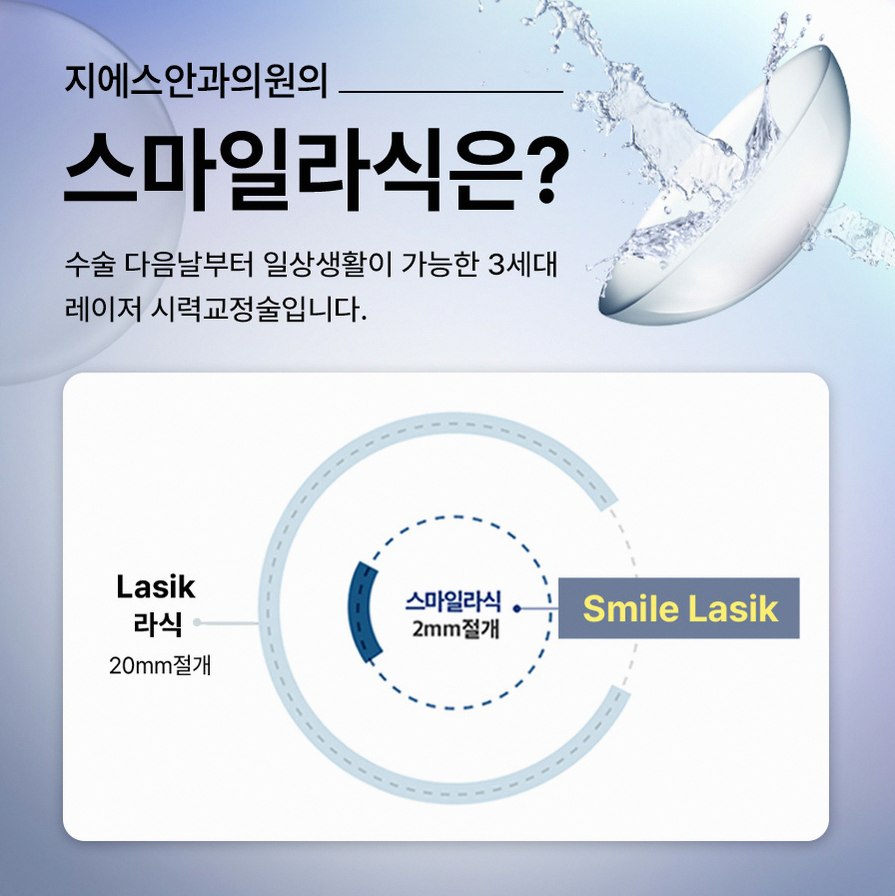
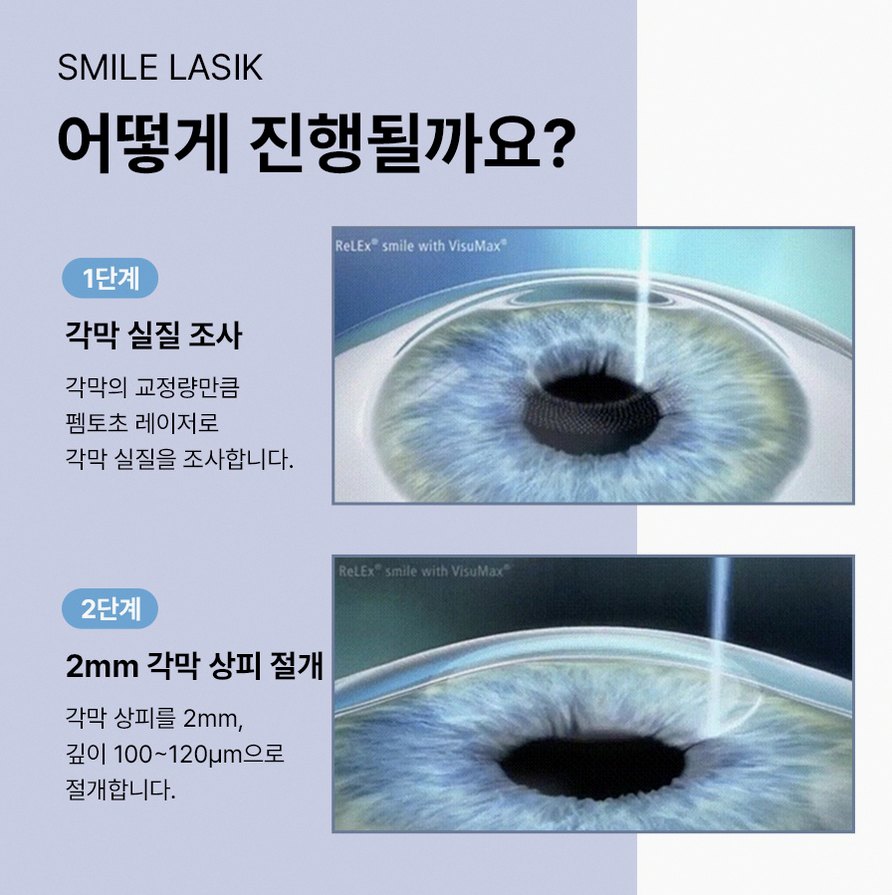
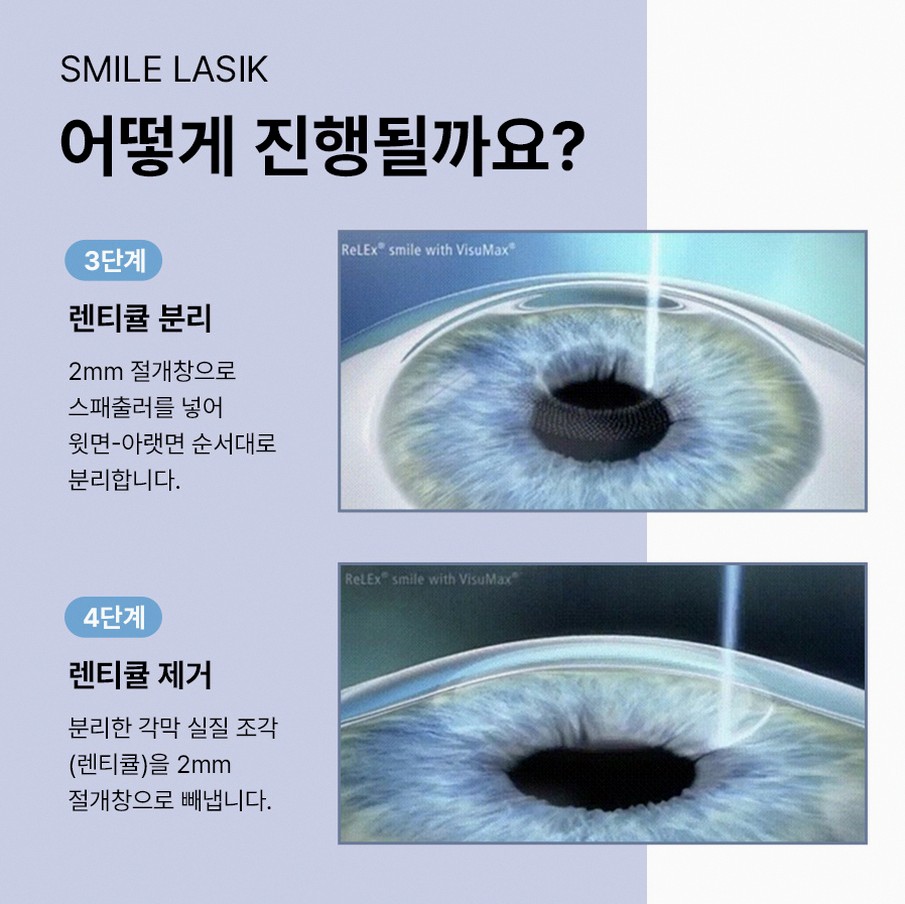
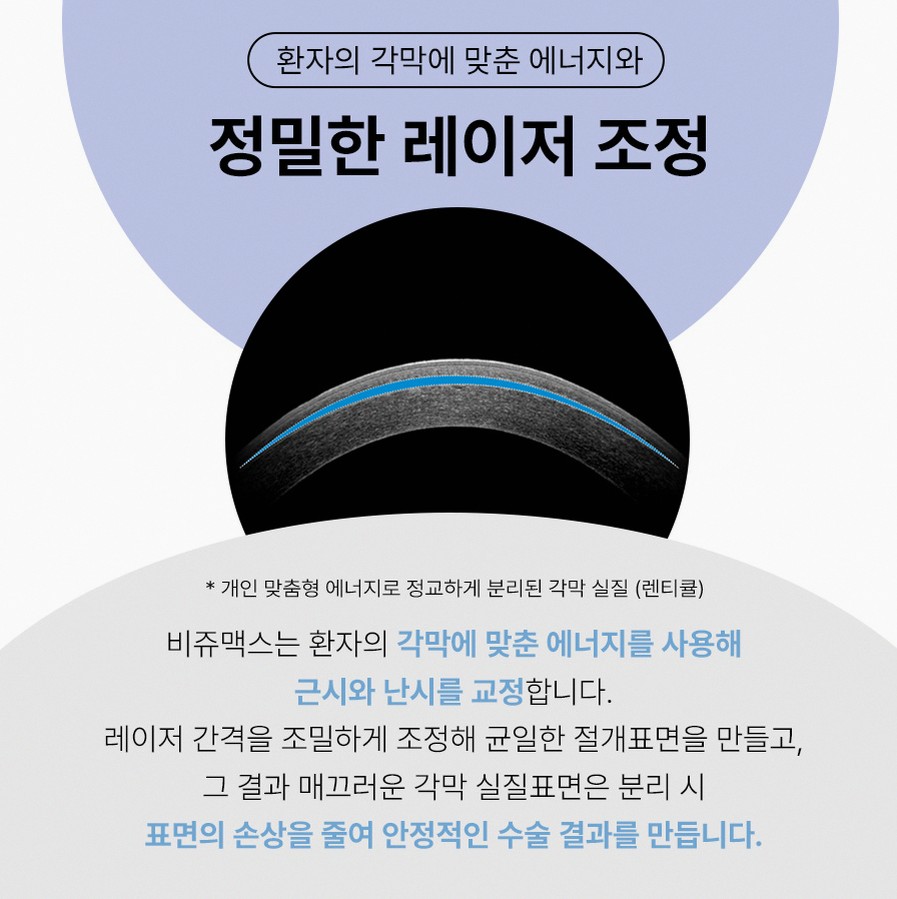
SMILE LASIK is a form of laser vision correction that uses a femtosecond laser to create a thin disc of tissue, called a lenticule, inside the cornea. Through a very small side incision, the surgeon gently removes this lenticule. By changing the shape of the cornea in this way, the procedure can correct nearsightedness and astigmatism.
Unlike traditional LASIK, SMILE does not involve creating a large corneal flap. The incision is usually only a few millimeters long. Because of this, there is generally less disruption of corneal nerves, which may be associated with a lower risk of severe dry eye symptoms and potentially faster recovery of tear function for many patients.
In the Daechi-dong and Gangnam area, SMILE LASIK has become a common choice for office workers, university students, and people with active lifestyles who want to return to work, study, and exercise with minimal downtime. Many patients can see well enough to resume light daily activities within a short time, although full stabilization of vision still takes weeks to months.
SMILE, SMILE Pro, and related ZEISS platforms
In Gangnam, you may see different names for SMILE-based procedures. These usually refer to the type of ZEISS VisuMax platform and protocol used.
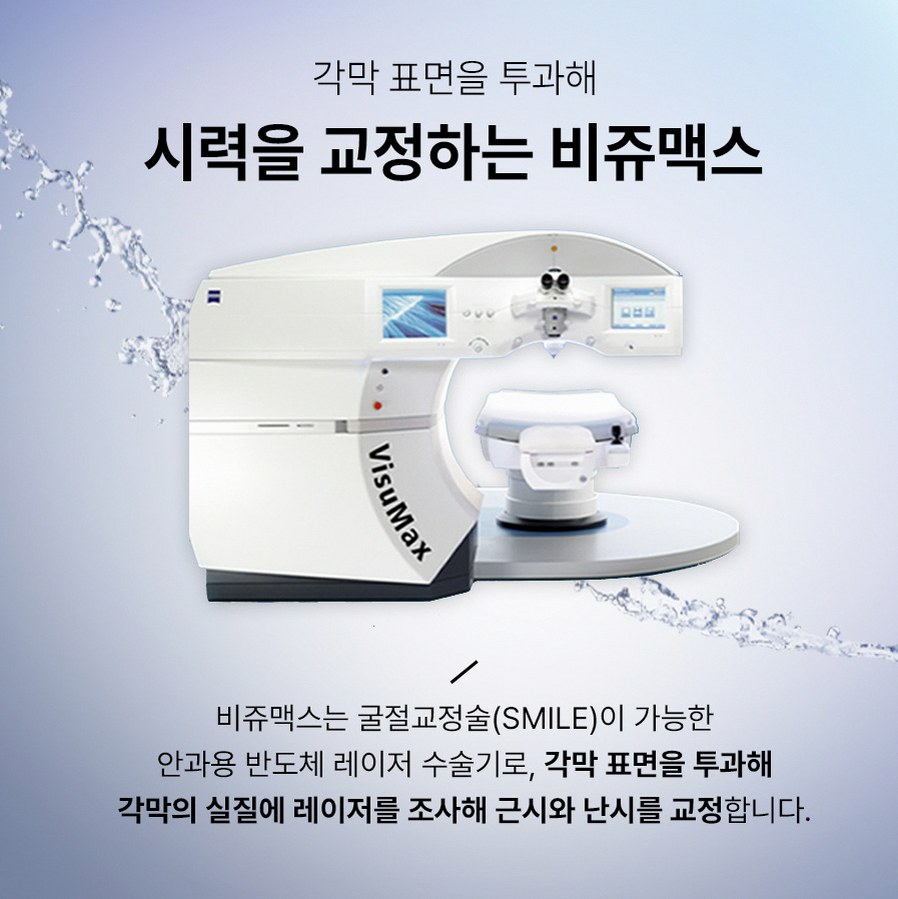
Standard SMILE LASIK is typically performed with the ZEISS VISUMAX 500 platform. This system has been widely used around the world for many years and is the basis of the original SMILE technique.
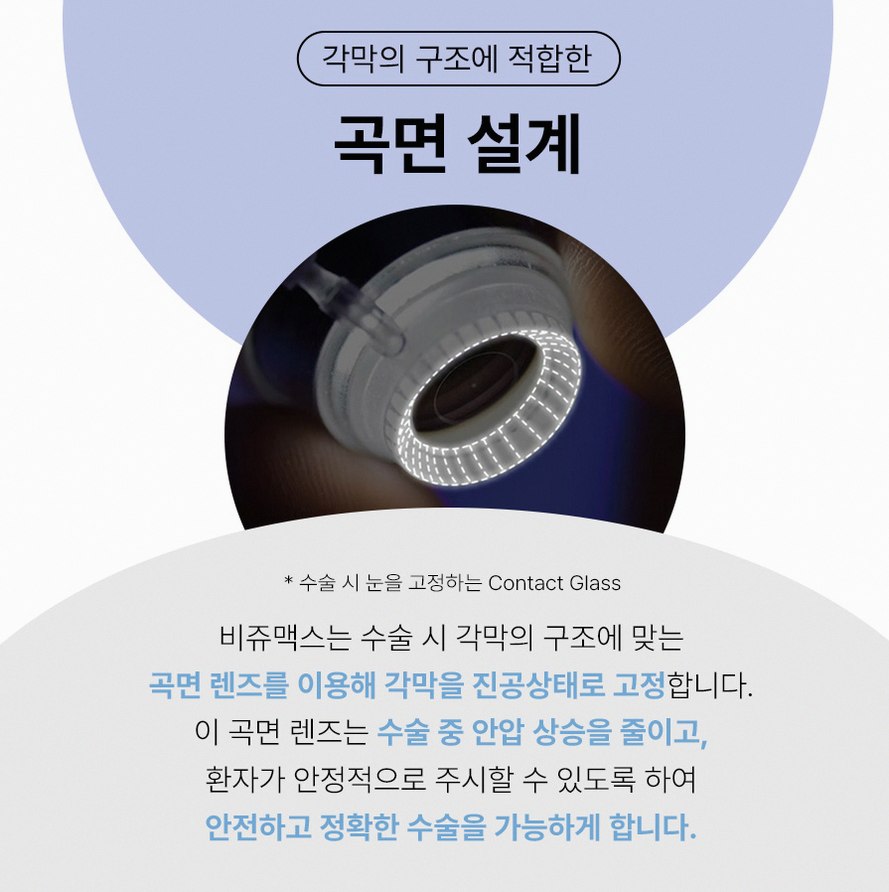
SMILE Pro is a newer generation approach performed with the ZEISS VISUMAX 800 platform, introduced in 2023. This system is designed for faster laser time, often around 9 seconds or less, and improved suction stability. For patients, this can mean a shorter time focusing on the fixation light and potentially a more comfortable experience.
Some clinics also use additional SMILE-related branding, such as SILK or named protocols like Golden SMILE. These usually refer to customized planning methods, nomograms, or combined care pathways built on top of the core SMILE technology.
Example of a specialized center near Gangnam Station
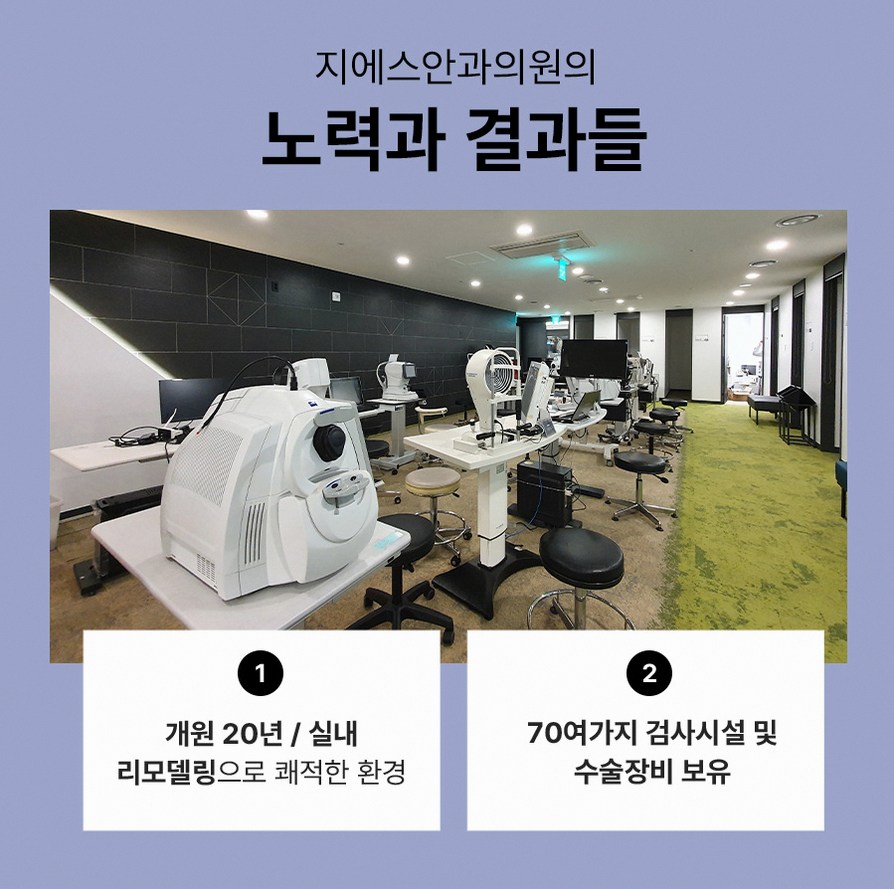
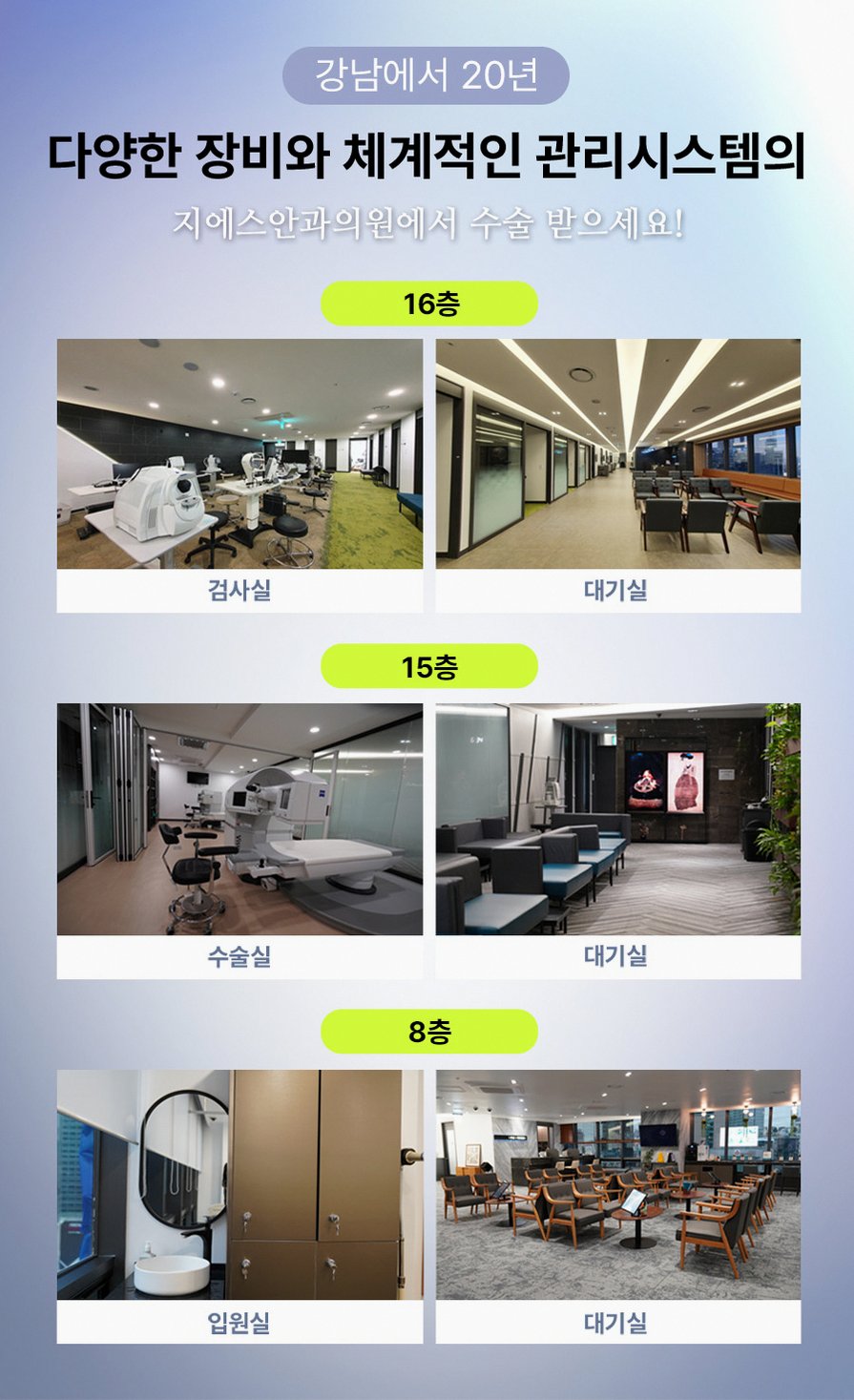
One example in the Gangnam area is GS Eye Center, an ophthalmology clinic near Gangnam Station that has been operating in the same location since 2005. It focuses strongly on SMILE-based procedures such as SMILE Pro, SMILE LASIK, SILK, and its own protocol, Golden SMILE.
The clinic also has a dedicated retina center staffed by retina fellowship trained specialists. For patients considering SMILE LASIK, this can be relevant because careful screening of the retina before surgery helps identify conditions such as lattice degeneration, retinal tears, or other issues that may need attention before or after vision correction.
Equipment and technology: why multiple ZEISS platforms matter
In Daechi-dong and Gangnam, one of the key differences between centers is the range of SMILE platforms available.
VISUMAX 800 is used for SMILE Pro. Its faster laser time, often around 9 seconds or less, can shorten the time your eye needs to stay in position. The system is designed to provide stable suction and efficient lenticule creation.
One or more VISUMAX 500 units are used for standard SMILE LASIK. For example, GS Eye Center has used VISUMAX 500 since 2016 and has operated a dual VISUMAX 500 setup since 2019. Having more than one unit allows scheduling flexibility and can support high case volume without rushing individual procedures.
For patients, multiple and up to date SMILE platforms can offer several practical advantages.
The clinic can match the device and protocol to your corneal thickness, curvature, and lifestyle needs. Some eyes may be better suited to standard SMILE, others to SMILE Pro, and some to different laser or lens based methods.
Newer platforms like VISUMAX 800 may provide shorter procedure time and improved ergonomics, which can be especially helpful for anxious patients or those sensitive to pressure.
Redundancy in equipment means that if one device needs maintenance, the clinic can still proceed with planned surgeries without compromising safety or rushing.
Experience and case volume
When comparing SMILE LASIK options in Daechi-dong and Gangnam, it is reasonable to ask about case volume and experience, while keeping in mind that numbers alone do not guarantee outcomes.
As one example, GS Eye Center reports cumulative experience of 300,000 eyes for vision correction and cataract surgery as of 2023. Within that, SMILE Pro experience has grown rapidly, with 5,000 eyes passed in October 2024, 10,000 eyes in August 2025, and 15,000 SMILE Pro eyes as of April 2026.
The clinic was the first in Korea to join the ZEISS SMILE GOLD CLUB in 2021. It was designated as a ZEISS SMILE pro CENTER in 2023 and a SILK Training Center in 2026. These designations are recognitions from the device manufacturer that the center is used as a training and reference site for other ophthalmologists. For patients, this suggests that the clinic collects data, refines techniques, and participates in ongoing education related to SMILE procedures.
Other refractive and lens based options
Not every eye is suitable for SMILE LASIK. For this reason, many Gangnam area centers offer a range of alternatives.
Lens implantation procedures such as ICL, GLAZE, or PhakiFlex KPL place a thin lens inside the eye without removing corneal tissue. These methods are often considered for very high prescriptions or thinner corneas where corneal laser surgery may not be ideal.
LASEK type procedures, including branded versions like 2DAY LASEK, and other laser options such as VisuLASIK variants, can be used when surface ablation or flap based techniques are more appropriate. Corneal strengthening procedures such as EXTRAC or KXL may be added in selected cases to support biomechanical stability.
For patients with presbyopia or cataract, presbyopia lens implantation, laser cataract surgery, and multifocal intraocular lenses such as PanOptix can be considered. These are usually recommended when the natural lens has already lost clarity or focusing ability.
These alternatives are not the main focus if you are specifically searching for Daechi-dong SMILE LASIK, but they are important to know about because a thorough examination may reveal that another method is safer or more suitable for your eyes.
Safety systems, standards, and education roles
When choosing a center in the Gangnam area, it can be reassuring to look at formal quality systems and education roles.
Some clinics, including GS Eye Center, obtained ISO 9001 and ISO 14001 certification for SMILE LASIK in 2020. ISO 9001 relates to quality management systems, while ISO 14001 relates to environmental management. For patients, this indicates that the clinic follows standardized processes for planning, performing, and reviewing procedures, and manages its environment and resources in a structured way.
In addition, the same clinic has been designated as a clinical education institution for a major medical school since 2023 and as an Asia Pacific clinical education center for BIOTECH since 2024. Such roles usually involve teaching, case discussions, and protocol development with visiting doctors. This can support consistent techniques and continuous improvement.
What Daechi-dong and Gangnam patients should check before SMILE LASIK
Before you commit to SMILE LASIK in Daechi-dong or near Gangnam Station, consider preparing a simple checklist. This helps you compare clinics based on medical criteria rather than only price.
First, confirm that a comprehensive preoperative eye examination will be performed. This should include measurement of your prescription, corneal thickness, corneal topography, tear film evaluation, pupil size, intraocular pressure, and a retinal examination. These tests help identify conditions such as keratoconus, irregular astigmatism, glaucoma risk, or retinal problems.
Second, ask whether the clinic has multiple SMILE platforms, such as VISUMAX 800 and VISUMAX 500, and how they decide between standard SMILE and SMILE Pro. Understanding their decision process can give you insight into how personalized their planning is.
Third, review the experience and subspecialty training of the surgeons, including refractive, cataract, and retina expertise. This is particularly important if you have high myopia, previous eye issues, or systemic conditions.
Fourth, request a clear explanation of indications, contraindications, and realistic expectations for visual outcomes. You should understand that results vary from person to person and that enhancement procedures are sometimes needed.
Fifth, check whether the clinic can provide dry eye management and corneal strengthening options if needed. For example, they may offer tear substitutes, punctal plugs, meibomian gland care, or crosslinking type procedures.
Finally, ask about the postoperative follow up system and emergency contact procedures. Clarify how many follow up visits are included, what happens if you experience sudden symptoms such as pain or vision loss, and how they handle overseas patients after they return home.
Typical SMILE LASIK process for international patients
The general steps for SMILE LASIK in the Daechi-dong and Gangnam area are similar across many centers. For overseas patients, the schedule is often compressed into a short stay.
Initial online consultation and eligibility screening usually come first. You may send your glasses or contact lens prescription, previous eye examination results if available, and information about your general health. The clinic can then give a preliminary opinion on whether you are likely to be a candidate, while emphasizing that final eligibility depends on in person testing.
Detailed diagnostic testing is then performed after you arrive in Korea. This typically includes corneal maps, thickness measurements, intraocular pressure, wavefront analysis, tear film assessment, and a retinal exam. Based on these results, the surgeon will confirm whether SMILE LASIK is suitable or if another method is safer.
Personalized treatment planning follows. Together with the doctor, you will decide between SMILE, SMILE Pro, or alternative procedures if SMILE is not ideal. This is the time to discuss your occupation, hobbies, night driving, sports, and any previous eye problems.
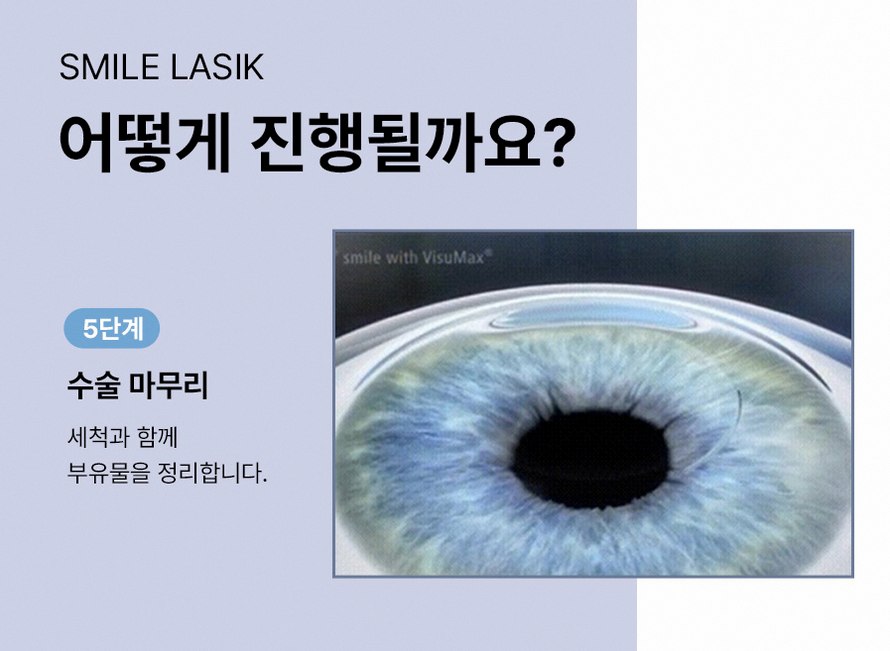
On procedure day, anesthetic eye drops are applied. The eye is positioned under the ZEISS VisuMax laser, which creates the lenticule and small incision. The surgeon then removes the lenticule through the incision. The total time in the operating room is usually short, although you should plan extra time for preparation and post procedure checks.
Immediately after the procedure, you will rest with your eyes closed for a while. A staff member will check your vision, review eye drop instructions, and explain activity restrictions such as avoiding eye rubbing, swimming, and heavy exercise for a certain period.
Follow up visits typically occur the next day, then at set intervals such as one week and one month, depending on your stay. For overseas patients with limited time, clinics may adjust the schedule and coordinate with doctors in your home country for longer term follow up.
Who may consider SMILE LASIK, and who may not be suitable
SMILE LASIK is generally used to correct myopia and astigmatism within certain ranges. The exact limits depend on your corneal thickness, curvature, and overall eye health.
Typical candidates are adults with stable prescriptions for at least one to two years, healthy corneas, and no active eye disease. Many are contact lens wearers who want greater freedom for sports, travel, or work.
However, some conditions require caution or may exclude SMILE LASIK.
Very thin or irregular corneas, keratoconus, or suspected keratoconus are important reasons to avoid corneal laser surgery or to consider combined strengthening procedures.
Uncontrolled dry eye disease can worsen after any corneal procedure, so it is often recommended to treat dryness first and reassess.
Active eye inflammation or infection must be resolved before surgery.
Certain systemic autoimmune conditions may affect healing and need careful evaluation with your medical team.
Pregnancy and breastfeeding are often reasons to postpone elective vision correction because hormonal changes can affect refraction and corneal stability.
Only a full ophthalmologic examination can determine final candidacy. Even in high volume centers, a responsible clinic will advise against surgery if your eyes are not suitable.
Comparison with other procedures
When comparing Daechi-dong SMILE LASIK with other options, it may help to understand the main differences.
LASIK involves creating a corneal flap with a femtosecond laser or microkeratome, lifting the flap, reshaping the underlying tissue with an excimer laser, and then repositioning the flap. Recovery is often fast, but there are flap related considerations such as trauma risk and dry eye.
LASEK or PRK are surface ablation procedures without a flap. The epithelium is removed or moved aside, the excimer laser reshapes the cornea, and the epithelium regrows. These methods can be useful for thinner corneas but usually involve more discomfort and a longer recovery period.
Lens implantation such as ICL or GLAZE places a lens inside the eye without removing corneal tissue. These procedures are often chosen for very high myopia or thin corneas and are generally reversible, but they are internal surgeries and carry their own specific risks.
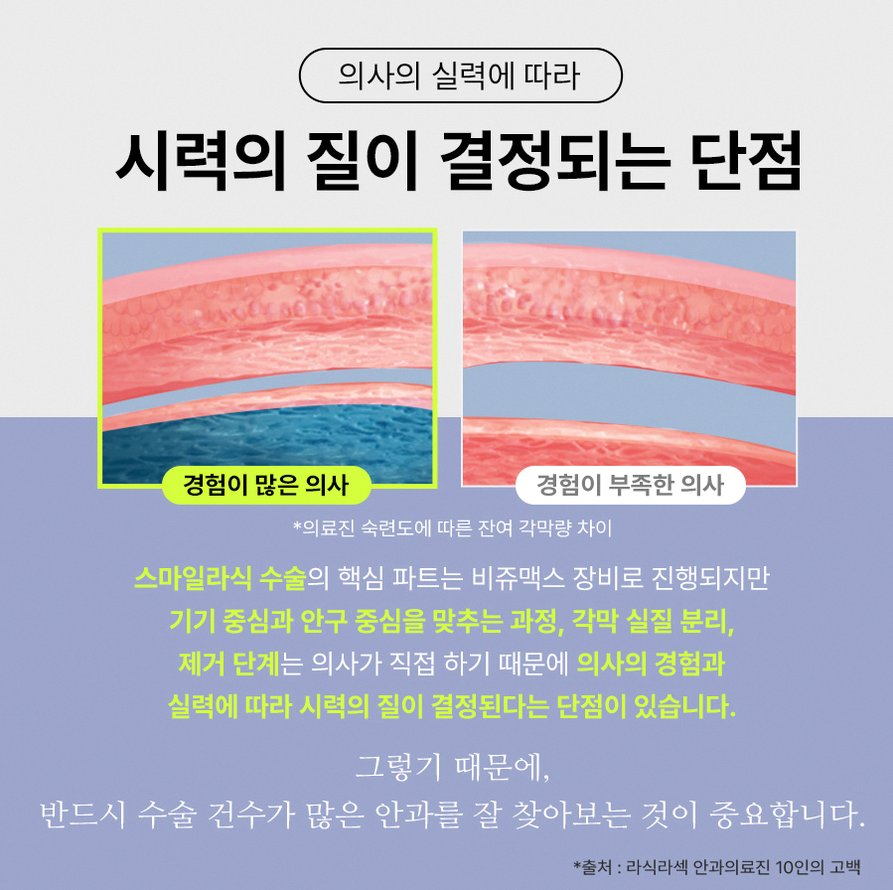
SMILE can be seen as a balance between minimally invasive corneal surgery and quick recovery. It uses a small incision without a flap and often provides rapid visual rehabilitation. However, it is not automatically the best choice for every eye, which is why thorough preoperative evaluation is essential.
Expected Korea visit timeline for overseas patients
If you are traveling from abroad to the Gangnam area for SMILE LASIK, a common timeline might look like this.
Day 1: Arrival in Seoul, rest, and adaptation to local time.
Day 2: Full diagnostic examination and consultation. If you are a suitable candidate and comfortable proceeding, the procedure may be scheduled for the same day or the next day, depending on clinic policy and your contact lens washout period.
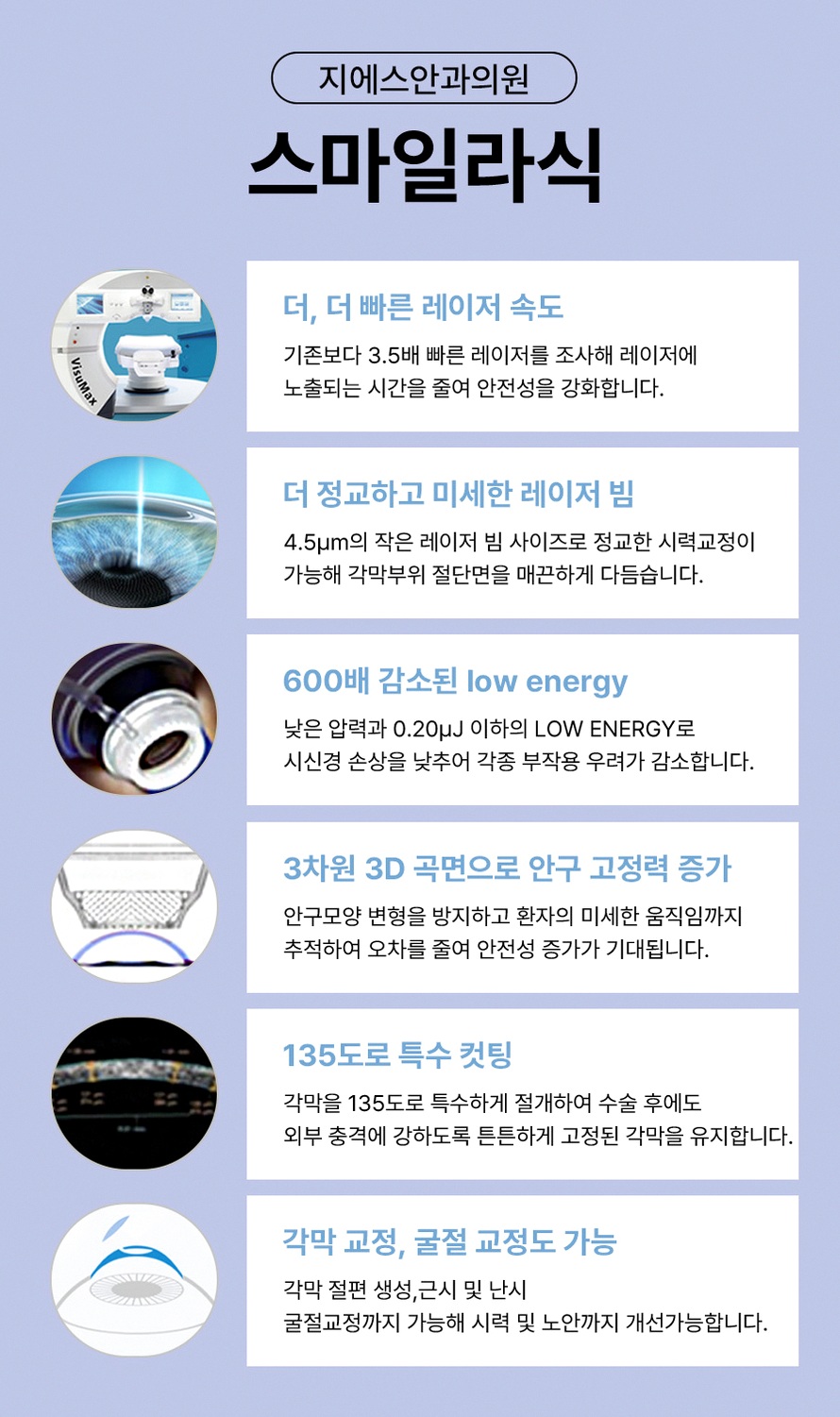
Day 3: SMILE LASIK procedure and immediate post procedure rest.
Day 4: First follow up visit. Many patients can walk around and enjoy light sightseeing, avoiding dusty or smoky environments.
Day 5 to 7: Additional follow up as recommended. Some patients may be cleared to fly home within a few days, but your doctor will advise based on your healing and any risk factors.
If possible, staying in Seoul for about one week after surgery gives more time to monitor early healing. Always discuss your travel schedule with your surgeon in advance.
Aftercare and long term care
After SMILE LASIK, you will usually use antibiotic and anti inflammatory eye drops for a limited period, along with lubricating drops as needed. You should avoid rubbing your eyes, heavy exercise, swimming, and eye makeup for the time recommended by your doctor.
Dryness, glare, and halos at night can occur in the early period and often improve with time. Regular follow up helps detect any issues such as inflammation, epithelial ingrowth, or residual refractive error.
For overseas patients, it is wise to arrange a follow up visit with a local eye specialist in your home country about one to three months after surgery and again at one year. Share your operative report and preoperative data if possible.
Online channels and information sources
Many Gangnam area clinics share information through blogs, Instagram, and YouTube channels. For example, GS Eye Center operates online channels, including a YouTube channel run by the medical director that focuses on ophthalmology education.
These resources can help you understand the surgeon’s philosophy, see explanations of SMILE LASIK and SMILE Pro, and learn about real case discussions. When comparing clinics, you may want to watch how doctors explain risks, benefits, and limitations, and whether they address complex cases and not only simple success stories.
Frequently asked questions about Daechi-dong SMILE LASIK
What is the main advantage of choosing SMILE LASIK in the Daechi-dong and Gangnam area
This area has a high concentration of specialized centers with access to advanced ZEISS VisuMax platforms and accumulated SMILE experience. For international patients, it also offers convenient transport, accommodation, and translation services. However, the main advantage should be a thorough examination and clear communication, not only location.
How do I know if SMILE Pro is better for me than standard SMILE
The choice between SMILE Pro and standard SMILE depends on your corneal measurements, prescription, and the clinic’s protocol. VISUMAX 800 based SMILE Pro offers faster laser time and updated technology, which some patients find more comfortable. Your surgeon will review your diagnostic results and explain why one option is recommended over another.
How long should I stay in Seoul after SMILE LASIK
Many overseas patients stay about five to seven days after the procedure, allowing for at least one or two follow up visits. In some cases, clinics may clear patients to travel earlier, but this depends on your healing and any risk factors. It is important to discuss your travel plans in advance and to arrange follow up in your home country.
Is SMILE LASIK suitable if I have very high myopia
SMILE LASIK can treat a wide range of myopia, but there are limits based on corneal thickness and shape. Very high prescriptions may be better managed with lens implantation options such as ICL or GLAZE. Only a full examination can determine whether SMILE, another laser procedure, or a lens based method is safer in your case.
Soft call to action for online consultation
If you are considering Daechi-dong SMILE LASIK and would like to explore your options near Gangnam Station, you can start with an online consultation. Clinics such as GS Eye Center provide pre visit screening by reviewing your current prescription, eye history, and travel schedule, then advising whether a full in person evaluation in Seoul is likely to be worthwhile. Before contacting any center, prepare your questions, previous eye examination records if available, and an outline of your travel dates. This preparation will help you receive more precise guidance and decide calmly whether SMILE LASIK in Korea fits your needs.
- 공유 링크 만들기
- X
- 이메일
- 기타 앱


댓글
댓글 쓰기