Gangnam-gu vision correction surgery cost guide for SMILE LASIK near Gangnam Station
- 공유 링크 만들기
- X
- 이메일
- 기타 앱
If you are comparing vision correction surgery prices in Gangnam-gu, it is natural to look for a clear number. In reality, SMILE LASIK and other laser vision correction fees in this area are decided after a detailed eye examination. The final cost depends on your prescription, corneal thickness, eye surface condition, which laser platform is used, and what is included in pre- and post-operative care. SMILE-type procedures usually cost more than standard LASIK or LASEK, and lens implantation is generally higher than corneal laser surgery.
This article explains how pricing works in Gangnam-gu and how an ophthalmology clinic with strong experience and equipment near Gangnam Station approaches transparent, safety-focused fees.
What is SMILE LASIK and SMILE Pro
SMILE LASIK overview
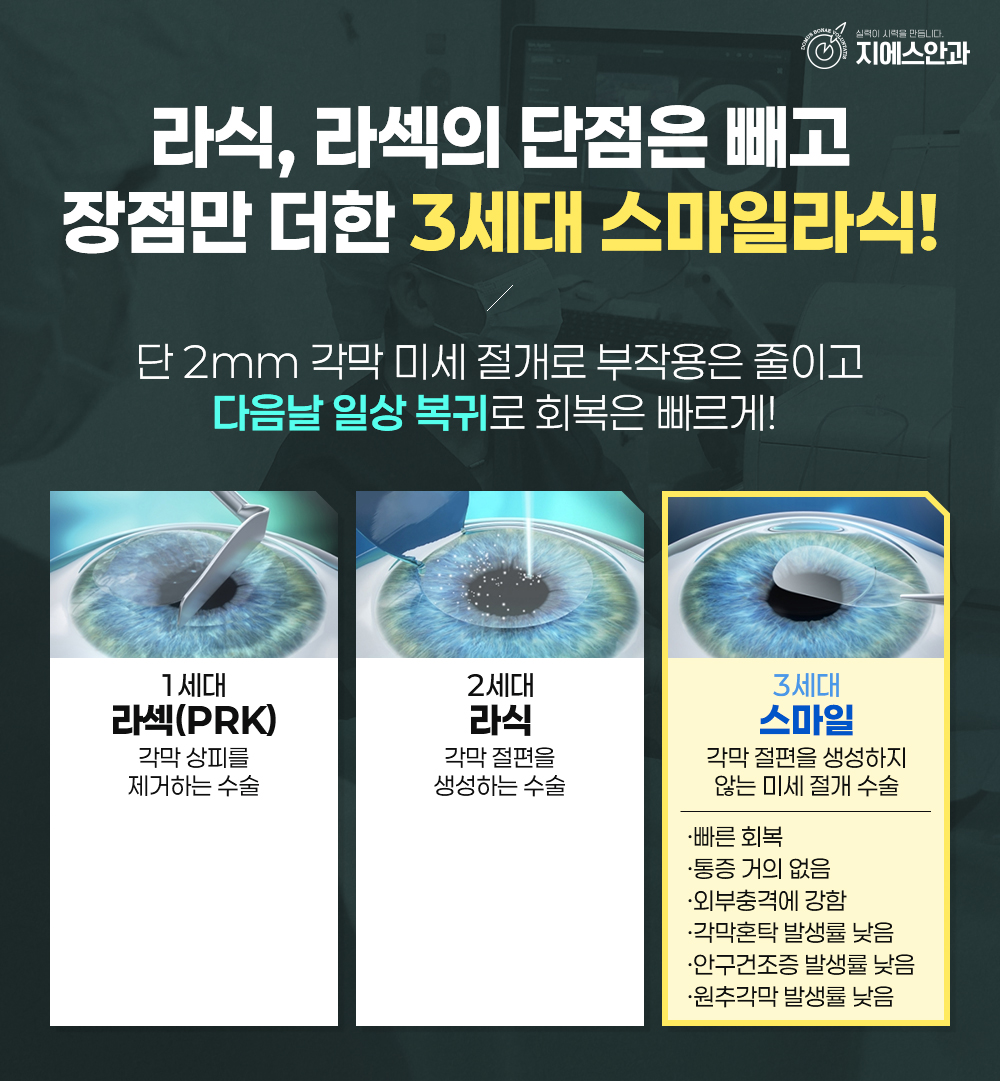
SMILE (small incision lenticule extraction) is a minimally invasive laser vision correction method. A femtosecond laser creates a small lens-shaped piece of tissue, called a lenticule, inside the cornea. The surgeon removes this lenticule through a tiny incision, changing the shape of the cornea so that light focuses properly on the retina.
Because the incision is small, SMILE LASIK usually preserves more corneal structure compared with conventional LASIK, which creates a larger flap. Many patients feel that comfort returns relatively quickly, and there may be a lower risk of dry eye symptoms for some people compared with surface procedures like LASEK.
What is SMILE Pro and SILK
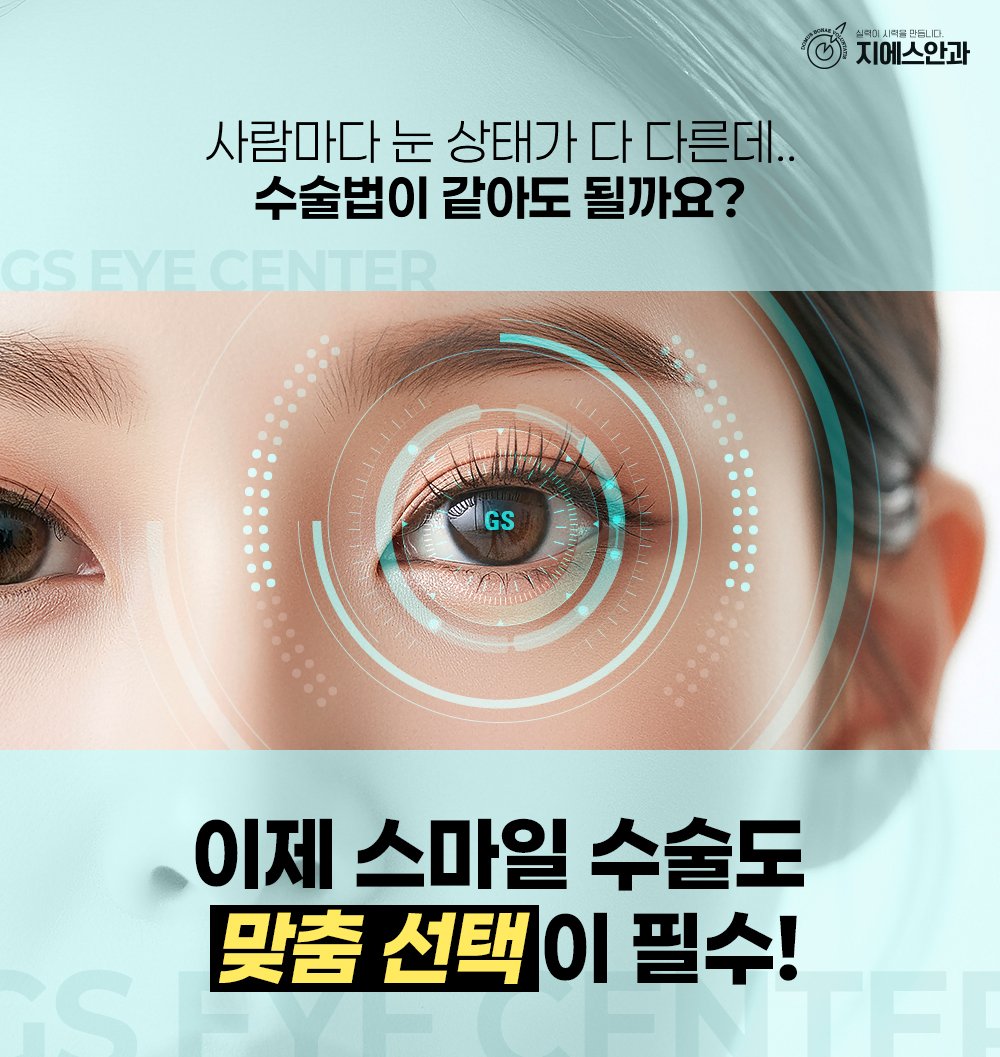
In Gangnam-gu, you will also see terms such as SMILE Pro or SILK. These are newer generations or related techniques based on the same concept of lenticule creation and removal.
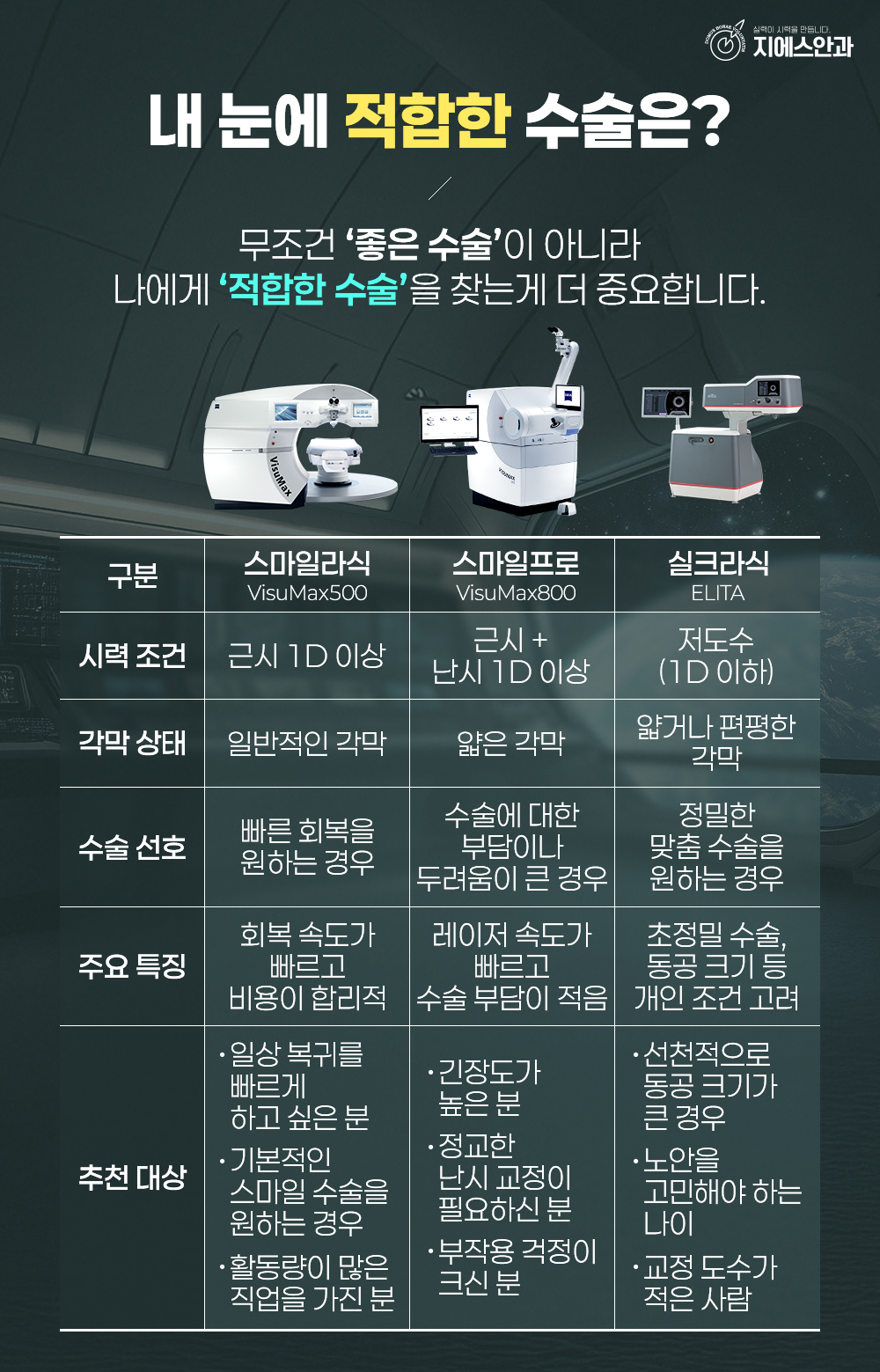
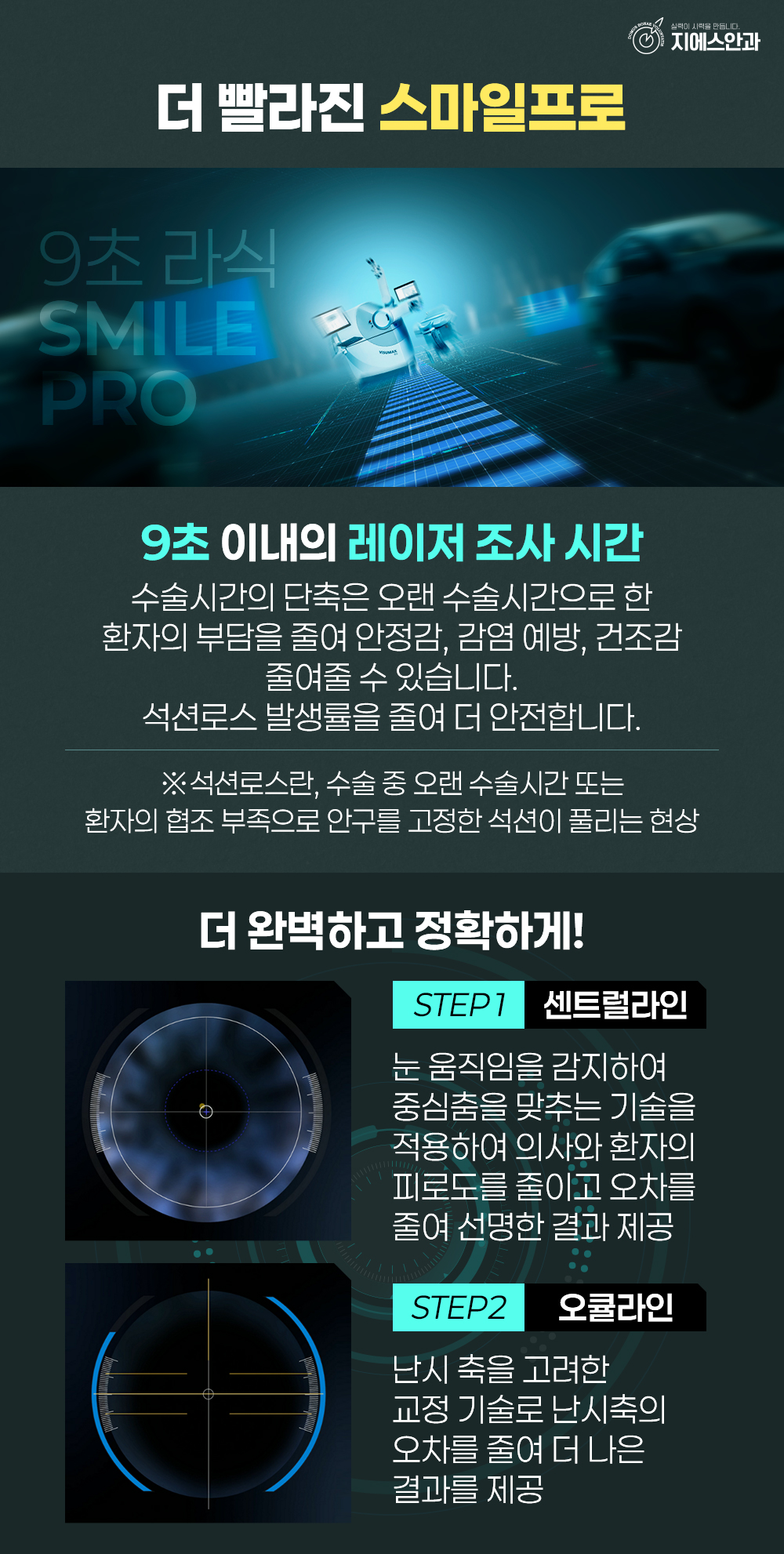
SMILE Pro is performed with a faster, more advanced femtosecond laser platform such as the VISUMAX 800. It is designed to shorten laser time and improve workflow. SILK is another lenticule-based procedure that also uses a small incision approach.
These newer platforms and techniques often sit at the higher end of the price range compared with standard SMILE LASIK, because of the cost of the latest equipment and the training required to use it.
Who may consider SMILE LASIK in Gangnam-gu
Typical candidates
SMILE LASIK in Gangnam-gu is usually considered by adults who:
- Have stable myopia (nearsightedness) and possibly astigmatism
- Want to reduce dependence on glasses or contact lenses
- Have sufficient corneal thickness for a lenticule-based procedure
- Have no active eye disease or uncontrolled general health problems that affect healing
However, only a comprehensive eye examination can confirm whether SMILE LASIK is suitable. Some people with very high myopia, thin corneas, or irregular corneal shape may be guided toward other options such as lens implantation or surface procedures.
Who may not be suitable
You may not be an ideal candidate for SMILE LASIK if you have:
- Very thin or structurally weak corneas
- Certain corneal diseases or scarring
- Uncontrolled dry eye that does not improve with treatment
- Retinal problems that require separate management
- Unrealistic expectations about vision or recovery
In these cases, a careful ophthalmology clinic in Gangnam-gu will explain alternative options, or may advise no surgery if it is not safe.
How SMILE LASIK costs are structured in Gangnam-gu
Procedure type and technology level
In Gangnam-gu, SMILE-type procedures usually sit above standard LASIK and LASEK in terms of cost. Within SMILE-type surgery, there can also be a range:
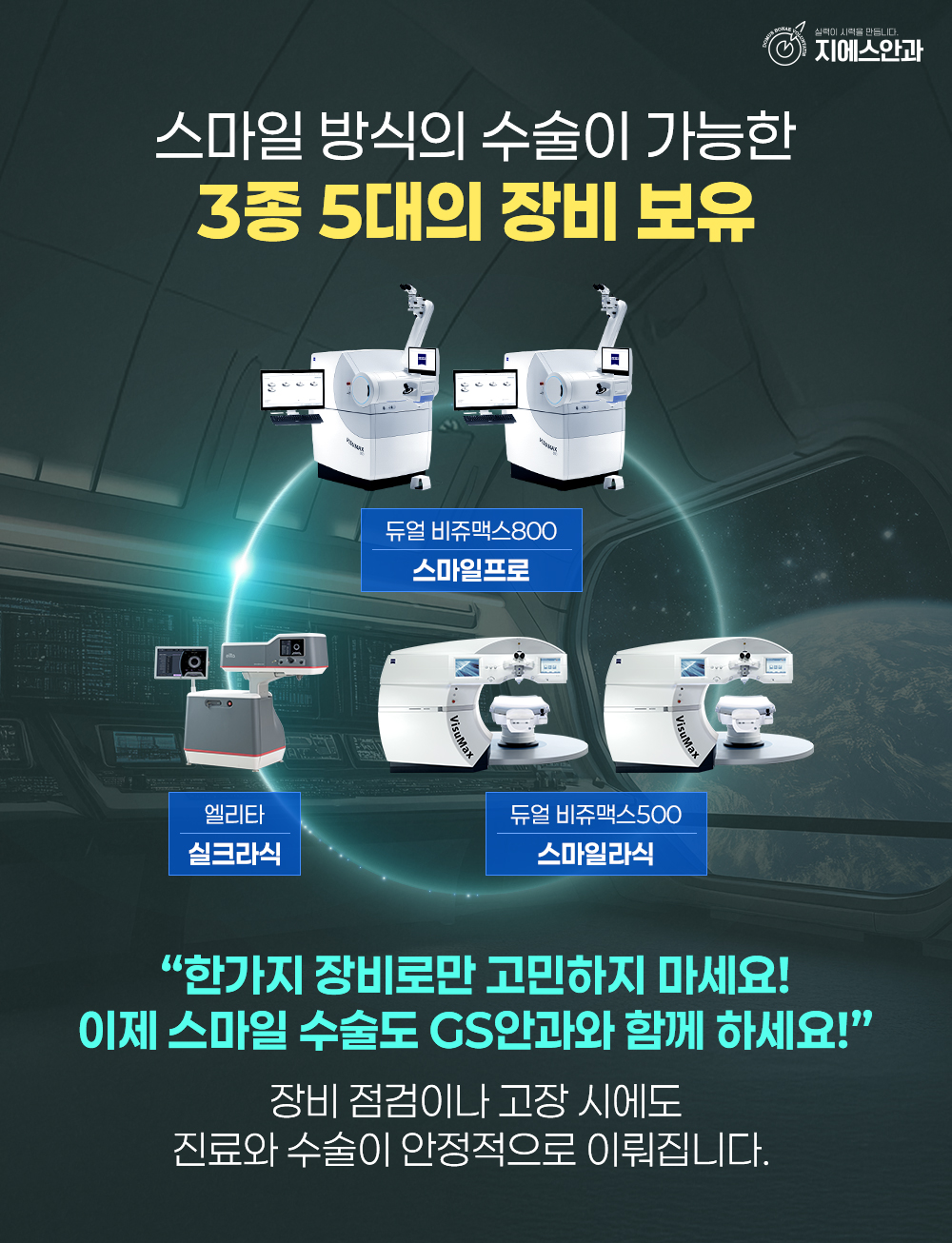
- Standard SMILE LASIK using a femtosecond laser such as VISUMAX 500
- SMILE Pro using a newer-generation platform such as VISUMAX 800
- SILK or other lenticule-based techniques
Generally, the more advanced the laser platform and the more options a clinic maintains, the higher the investment in equipment and maintenance. Clinics that operate multiple platforms, such as two VISUMAX 500 units and a VISUMAX 800, can better match the technology to each patient, but this is reflected in overall fee structures.
Eye condition and additional procedures
Your individual eye condition is one of the biggest factors in cost. Important elements include:
Degree of myopia and astigmatism: Higher prescriptions may require more complex planning and stricter safety margins.
Corneal thickness and shape: If the cornea is borderline thin or irregular, additional safety steps may be needed.
Need for corneal strengthening: Some patients benefit from corneal cross-linking to support long-term stability, which adds to the total fee.
Dry eye or other pre-op management: If you need treatment for dry eye or inflammation before surgery, this may be charged separately or as an add-on.
What is included in the package
When comparing Gangnam-gu SMILE LASIK prices, it is important to confirm what is included. A transparent quote should clearly describe:
- Comprehensive pre-operative diagnostic package
- Surgery itself, including use of the chosen laser platform
- Anesthesia and facility fees
- Post-operative medications and protective items
- Scheduled follow-up visits for a defined period
- Policy for enhancement or retreatment if medically indicated
Some clinics advertise a very low base price, but charge separately for essential examinations, follow-up visits, or enhancements. Others provide a more inclusive package that appears higher at first glance but may be more realistic over the full course of care.
Why prices differ between clinics in Gangnam-gu
Laser platforms and equipment
Gangnam-gu has a high concentration of eye clinics, and not all have the same equipment. Price differences often reflect:
- Whether the clinic uses older or newer-generation femtosecond lasers
- How many laser platforms are available for SMILE-type procedures
- Whether the clinic also offers lens implantation for high myopia
This allows more individualized planning, but the fee structure will differ from a clinic using a single older device.
Surgeon experience and subspecialty support
Another important factor is the medical team. At a clinic where all seven doctors are board-certified ophthalmologists, and some have university hospital professor or retina fellowship backgrounds, there is a depth of experience that supports both routine and complex cases.
This particular ophthalmology clinic near Gangnam Station has been in continuous operation in the same location since 2005 and, as of 2023, has accumulated around 300,000 eyes of vision correction and cataract surgery. It also has high case volumes in SMILE Pro and lens implantation. Such experience is reflected not only in surgical skill but also in conservative decision-making and complication management.
Safety protocols and certifications
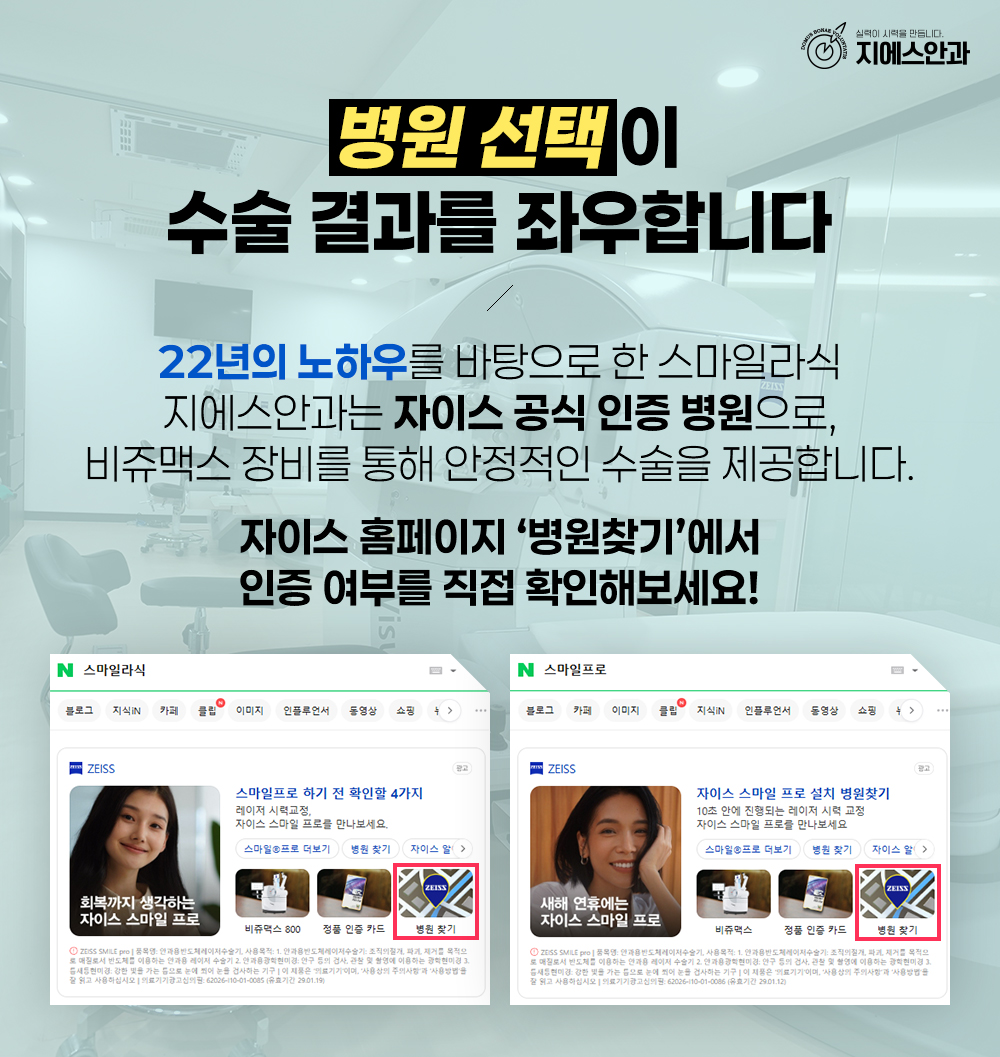
Safety standards also influence cost. For example, a clinic that has obtained ISO 9001 and ISO 14001 certification for its SMILE LASIK processes (since 2020) has formalized quality and environmental management systems. Maintaining these standards requires ongoing resources, but it helps standardize care.
This clinic also serves as a training and reference center: it was the first in Korea to join the ZEISS SMILE Gold Club in 2021, designated as a ZEISS SMILE Pro Center in 2023, and a SILK Training Center in 2026. It functions as a clinical education site for a medical school and an Asia-Pacific clinical education institution for an ophthalmic device company. These roles indicate that other professionals come to observe and learn, which usually reflects consistent outcomes and structured processes.
How pricing is decided at a safety-focused clinic near Gangnam Station
Step 1: Comprehensive pre-operative examination
Your visit typically begins with a detailed diagnostic session, which may include:
- Measurement of your glasses or contact lens prescription
- Corneal topography and tomography to map shape and curvature
- Corneal thickness measurements at multiple points
- Pupil size and eye dominance testing
- Tear film and dry eye evaluation
- Retinal and optic nerve examination, often with dilation
This examination is essential to determine whether SMILE LASIK, another laser procedure, lens implantation, or no surgery is safest for you.
Step 2: Deciding between SMILE LASIK and other options
Based on the test results, the ophthalmologist will explain which procedure types are suitable:
- SMILE LASIK or SMILE Pro for many myopic patients with adequate corneal thickness
- LASIK or LASEK for certain corneal shapes or lifestyle needs
- Lens implantation (such as phakic IOLs) for very high myopia or thin corneas
- No surgery, with continued glasses or contact lenses, if risk is too high
At a safety-focused clinic, the recommendation is not driven by price but by what is medically appropriate. If SMILE LASIK is not suitable, the doctor will explain why and outline alternatives.
Step 3: Personalized surgical plan and platform selection
If SMILE LASIK or SMILE Pro is appropriate, the surgeon will choose the specific laser platform and parameters. For example:
Standard SMILE LASIK with VISUMAX 500 for typical cases
SMILE Pro with VISUMAX 800 for faster laser time or specific planning advantages
SILK or other lenticule-based options in selected situations
The plan also includes whether any additional procedures, such as corneal strengthening or dry eye treatment, are recommended. These decisions influence the final fee.
Step 4: Transparent cost explanation
Finally, the clinic provides a total cost estimate. A transparent explanation should cover:
- What is included in the base surgery fee
- Which follow-up visits are covered and for how long
- Which medications and protective items are included
- Estimated additional fees, if any, for optional or rare situations
For international patients, the clinic may also explain how many visits are needed and how long you should stay in Korea, so you can plan travel and accommodation costs.
SMILE LASIK vs other procedures: cost and indications
SMILE LASIK vs LASIK and LASEK
In Gangnam-gu, SMILE LASIK is generally positioned slightly higher in cost than standard LASIK or LASEK. Reasons include:
Use of a femtosecond laser platform dedicated to SMILE-type procedures
Smaller incision and flapless approach, which may preserve corneal strength
Often quicker comfort recovery for many patients compared with surface procedures
LASIK and LASEK remain valid options and may be more suitable for certain corneal shapes, thinner corneas, or specific lifestyle factors. A responsible clinic will explain why one is recommended over another.
SMILE LASIK vs lens implantation
Lens implantation procedures, such as implantable collamer lenses or other phakic lenses, usually sit above SMILE LASIK in terms of cost. They involve placing a lens inside the eye and require different equipment and intraocular surgical skills.
Lens implantation may be recommended when:
- Myopia is very high and would remove too much corneal tissue with laser
- The cornea is too thin or irregular for safe laser correction
- There are specific anatomical considerations that favor an internal lens
Although the upfront cost is higher, it may be the safer long-term option for certain patients.
Additional procedures and long-term value
Corneal strengthening (cross-linking) and dry eye treatments can add to the total cost but are sometimes important for long-term stability and comfort. When comparing prices, it is important to consider whether these options are available and recommended when needed, rather than focusing only on the base surgery fee.
Why the lowest price is not always the best choice
Risks of choosing only by price
In a competitive area like Gangnam-gu, it is easy to be drawn to the lowest advertised price. However, this approach can carry risks:
- Shortened or simplified pre-operative diagnostics
- Limited laser options, with one technique applied to almost everyone
- Less experienced surgeons or limited subspecialty backup
- Less structured follow-up and enhancement policies
Vision correction is a one-time procedure with long-term impact. Saving a small amount initially may not be worth it if safety steps are reduced.
How to think about value
Value in SMILE LASIK should be seen as a combination of:
Safety: thorough examinations, conservative indications, and clear exclusion criteria
Technology: access to the latest SMILE Pro platform and multiple laser options
Experience: high cumulative case numbers and a role as a training and reference center
Continuity: a clinic that has been in the same location since 2005 and follows patients long term
When you compare clinics in Gangnam-gu, ask yourself whether the quoted fee reflects these elements.
Preparing for an online consultation and first visit
Estimating SMILE LASIK cost before you travel
For overseas patients, it is helpful to start with an online consultation. You can usually share:
- Your age and general health conditions
- Your current glasses or contact lens prescription
- Any previous eye surgery or trauma
- Symptoms such as dry eye, glare, or fluctuating vision
Based on this information, the clinic can provide a rough idea of which procedures might be suitable and a general cost range category, such as standard SMILE LASIK vs SMILE Pro vs lens implantation. However, only an in-person examination can finalize the indication and the exact fee.
What to prepare before contacting a Gangnam-gu eye clinic
Before your online consultation, it is useful to prepare:
- Recent glasses or contact lens prescriptions
- Information about any eye drops or medications you use
- Your preferred travel period and how long you can stay in Korea
- Questions about cost, safety, and recovery that you want to clarify
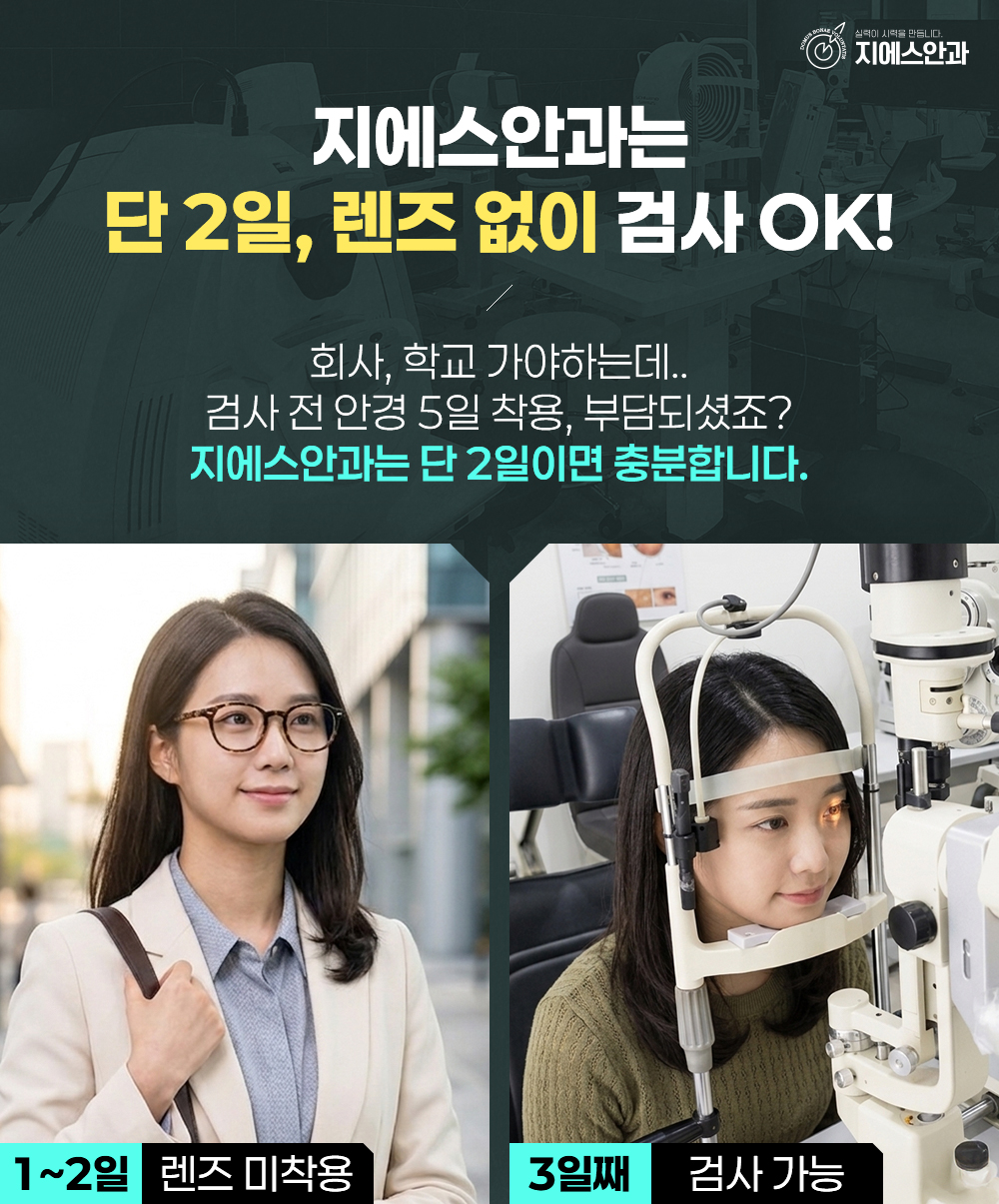
If you wear soft contact lenses, you may be asked to stop them for several days before your in-person examination to allow accurate corneal measurements.
Expected Korea visit timeline for SMILE LASIK
Typical schedule for international patients
Although details vary, a common schedule near Gangnam Station might look like this:
Day 1: Comprehensive eye examination, consultation, and final decision about procedure type and date. In some cases, surgery can be scheduled the same day or the next day, depending on your eye condition and clinic policy.
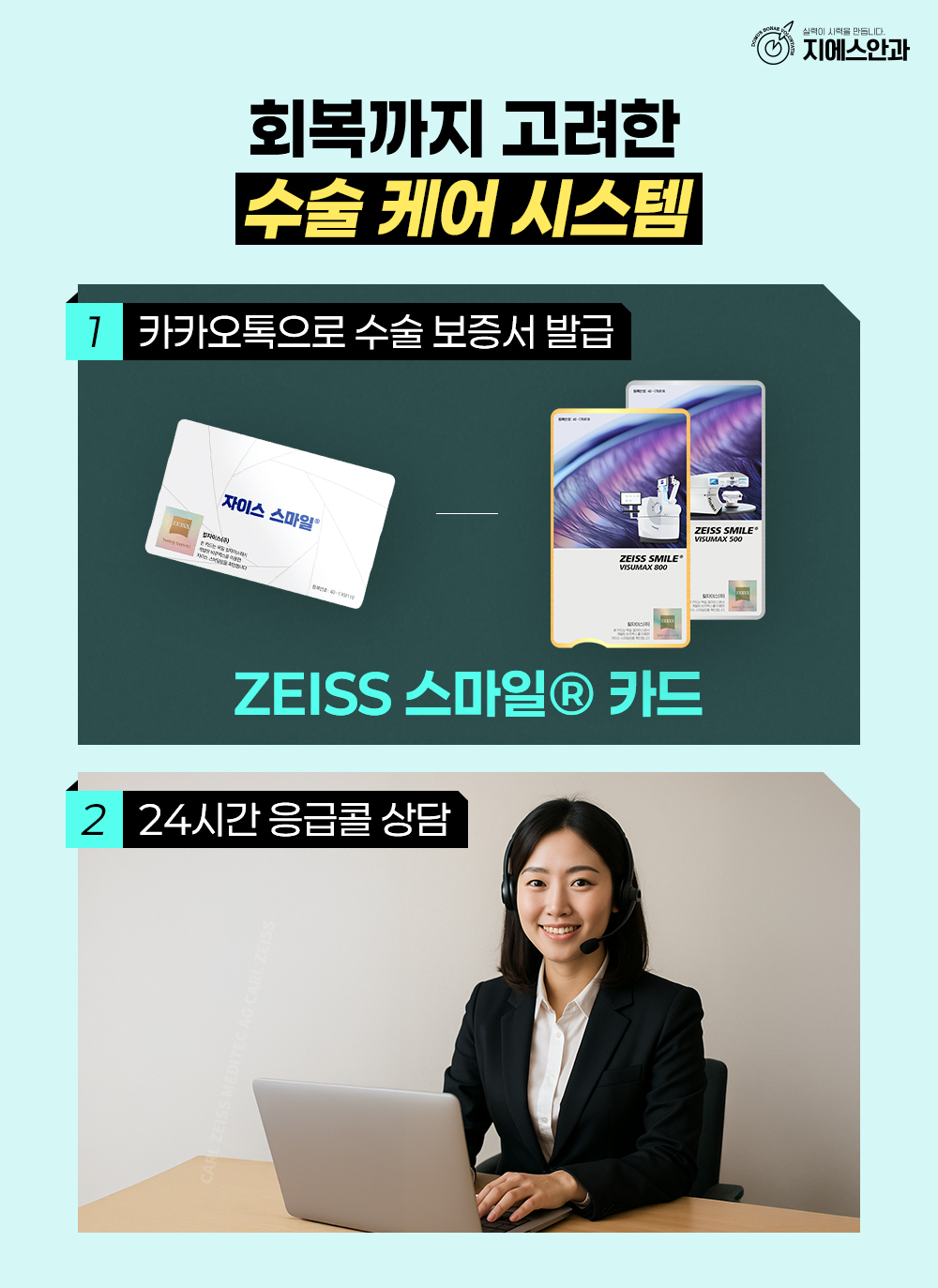
Day 2: SMILE or SMILE Pro surgery. The procedure itself is brief; the laser irradiation time on the VISUMAX 800 is 9 seconds, while preparation and immediate postoperative steps require additional time.
Day 3: First-day post-operative check to confirm corneal status and early healing.
Following days: Additional follow-up visits within the first week and, if possible, a check at one to two weeks before you leave Korea.
Many international patients stay in Korea for about one to two weeks around surgery, but the exact plan should be discussed with the clinic based on your healing and travel schedule.
Recovery and aftercare
Immediate recovery
Right after SMILE LASIK, your vision may be hazy, and you may feel mild discomfort, tearing, or light sensitivity. These symptoms usually improve over the first few days. You will be given protective eye shields or glasses and detailed instructions on eye drops.
Short-term care
In the first weeks, you will typically:
Use antibiotic and anti-inflammatory eye drops as prescribed
Avoid rubbing your eyes and protect them from dust and water
Limit heavy exercise, swimming, and eye makeup for a period recommended by your surgeon
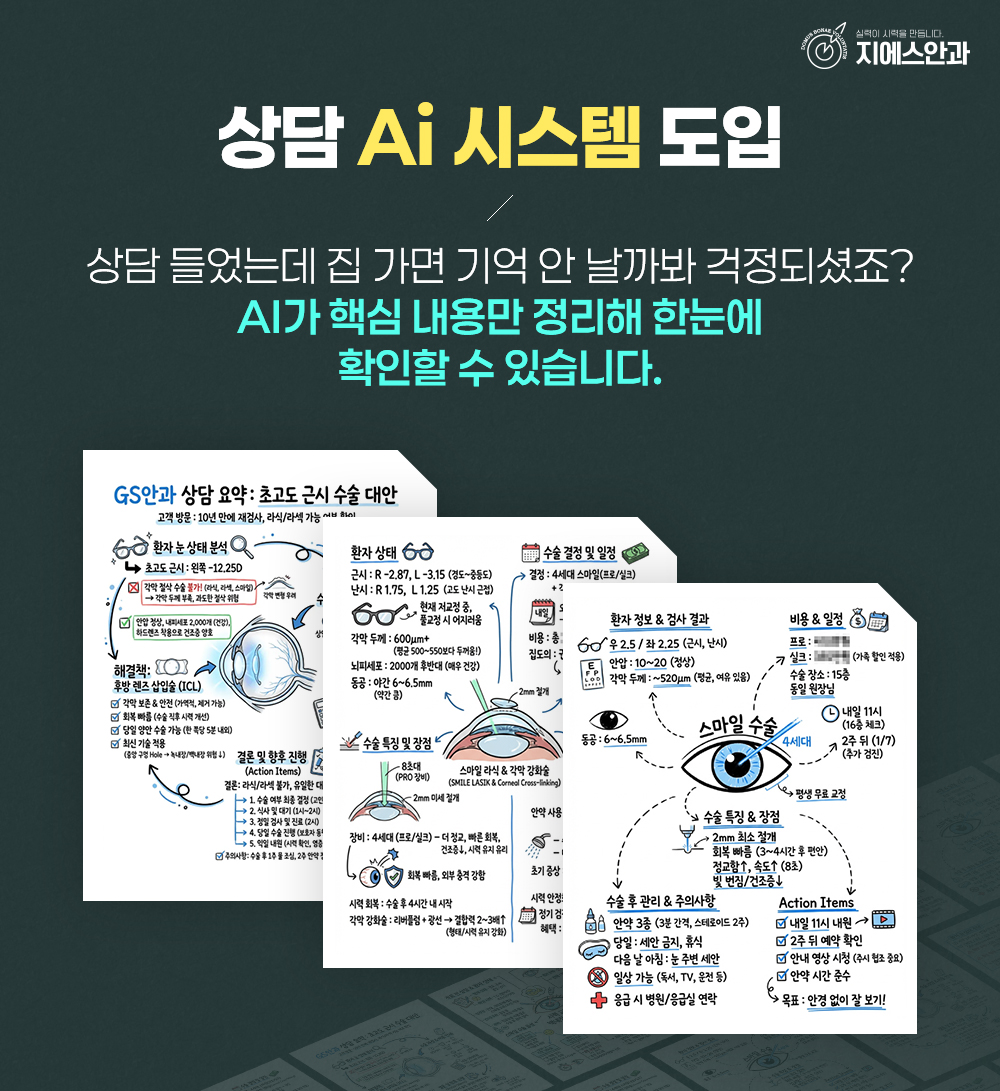
Most patients can return to light daily activities within a few days, but fine visual tasks and night driving may take longer to feel fully comfortable.
Long-term follow-up
Even after you return home, long-term follow-up is important. A clinic that values continuity of care will:
- Provide an English summary of your surgery and early results
- Advise you on when to see a local eye doctor in your home country
- Remain available for online questions if you notice any changes
A clinic that has been in the same location since 2005 is more likely to be there for your future questions and visits.
Questions to ask about cost and safety before you decide
Before you choose a clinic in Gangnam-gu, consider asking:
What examinations are included in the pre-operative assessment?
Which SMILE platforms and other procedures are available, and how do you decide between them?
What exactly is included in the quoted fee, and what could create additional charges?
How many SMILE LASIK and SMILE Pro procedures has the clinic performed, and is it involved in any training or reference programs?
What is the follow-up schedule for overseas patients, and how do you support them after they return home?
These questions help you compare true value, not just headline prices.
Frequently asked questions about SMILE LASIK cost in Gangnam-gu
How can I estimate my SMILE LASIK cost in Gangnam-gu before visiting?
You can start with an online consultation by sending your age, current prescription, and basic eye history to the clinic. Based on this information, the medical team can suggest whether you are more likely to be a candidate for SMILE LASIK, SMILE Pro, or another procedure, and provide a general cost range category. However, the exact fee can only be confirmed after a full eye examination in Gangnam-gu, which checks corneal thickness, shape, tear film, and retina.
What should be included in a transparent SMILE LASIK quote?
A transparent quote should clearly state what is included in the fee. This usually covers the comprehensive pre-operative examination, the surgery itself with the specified laser platform, anesthesia, use of the operating room, standard post-operative medications, and scheduled follow-up visits for a defined period. It should also explain the clinic’s policy for enhancements or retreatments if medically necessary, and whether any additional procedures such as corneal strengthening or dry eye treatment would add to the cost.
How long does SMILE LASIK take and how soon can I see clearly?
The SMILE LASIK procedure itself usually takes less than 30 minutes for both eyes, with the actual laser time being very short. Many patients notice improved vision within the first day, although it may be hazy or fluctuate at first. Comfort often improves quickly over several days. Fine visual quality and night vision can continue to stabilize over weeks to months, and this timeline can vary between individuals.
Who is not a good candidate for SMILE LASIK and may need another procedure?
People with very thin or structurally weak corneas, certain corneal diseases, uncontrolled dry eye, or irregular corneal shape may not be suitable for SMILE LASIK. Those with very high myopia may be better served by lens implantation rather than corneal laser. In some cases, the safest recommendation is to avoid surgery and continue with glasses or contact lenses. A responsible ophthalmology clinic in Gangnam-gu will explain these limitations clearly and suggest alternatives when needed.
Soft call to action for overseas patients
If you are considering SMILE LASIK in Gangnam-gu and want to understand realistic costs and options, an online consultation is a safe first step. By sharing your basic eye information and travel plans, you can receive individualized guidance on likely procedures, expected visit schedules, and what is included in the fee. This helps you plan your trip to Korea with a clear focus on safety, technology, and long-term value, rather than price alone.

- 공유 링크 만들기
- X
- 이메일
- 기타 앱


댓글
댓글 쓰기