Gangnam-gu vision correction surgery reviews and what SMILE LASIK patients really say
- 공유 링크 만들기
- X
- 이메일
- 기타 앱

Direct answer summary
If you are searching for Gangnam-gu vision correction surgery reviews, especially for SMILE LASIK, most real-world stories describe clear vision, quick recovery, and high day-to-day convenience, but they also mention temporary dry eye, night glare, and anxiety before surgery. Reviews from Gangnam often highlight very detailed preoperative testing, fast procedures with modern lasers, and structured follow-up visits. However, the quality of the initial eye examination, the surgeon’s experience, and conservative candidacy criteria are usually more important than any single positive or negative comment online.
This guide explains what SMILE LASIK is, how to interpret reviews from Gangnam, what a high-volume vision correction center such as GS Eye Center typically offers, and how to plan a trip to Seoul for treatment and aftercare.
What SMILE LASIK is and why it is popular in Gangnam
SMILE LASIK overview
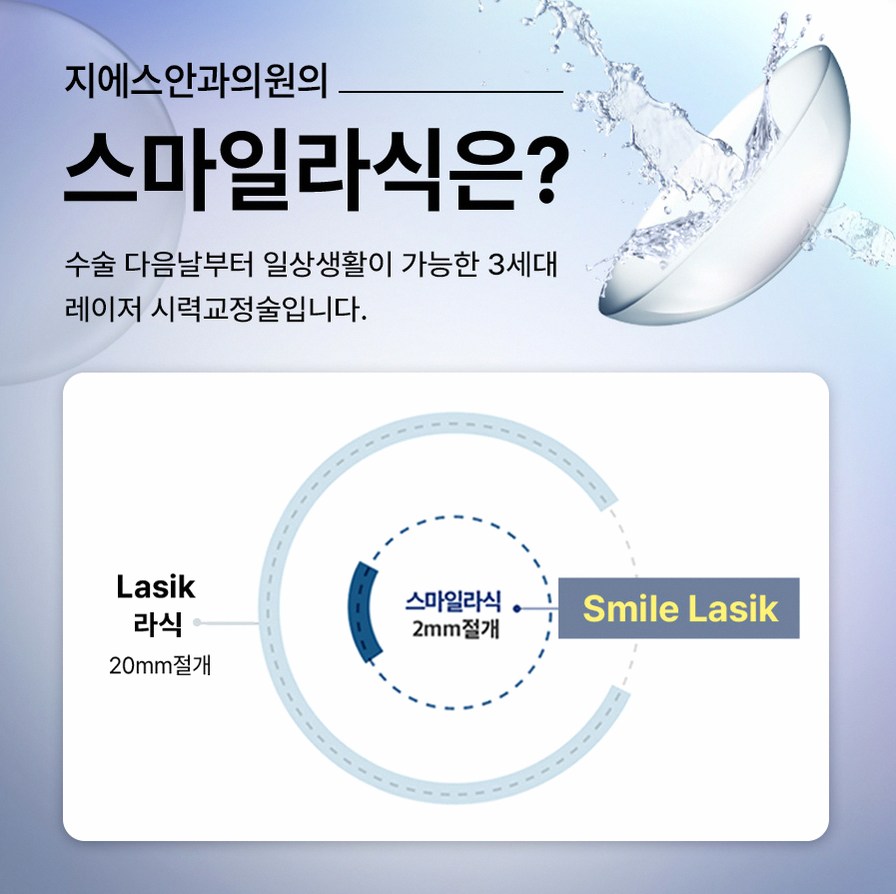
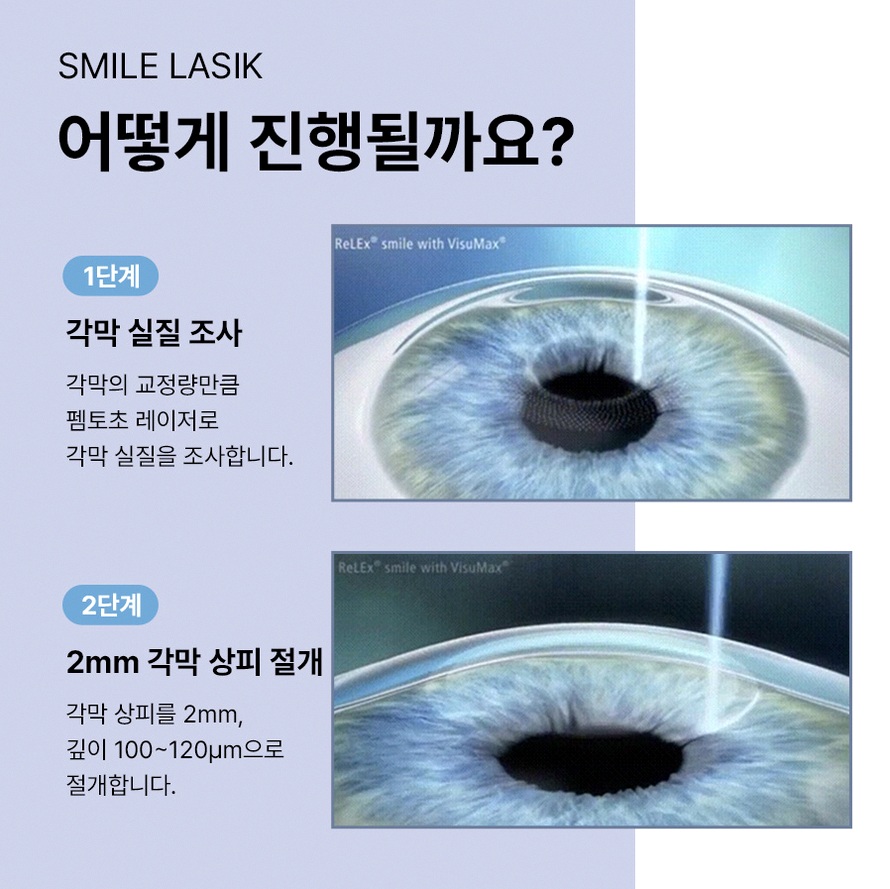
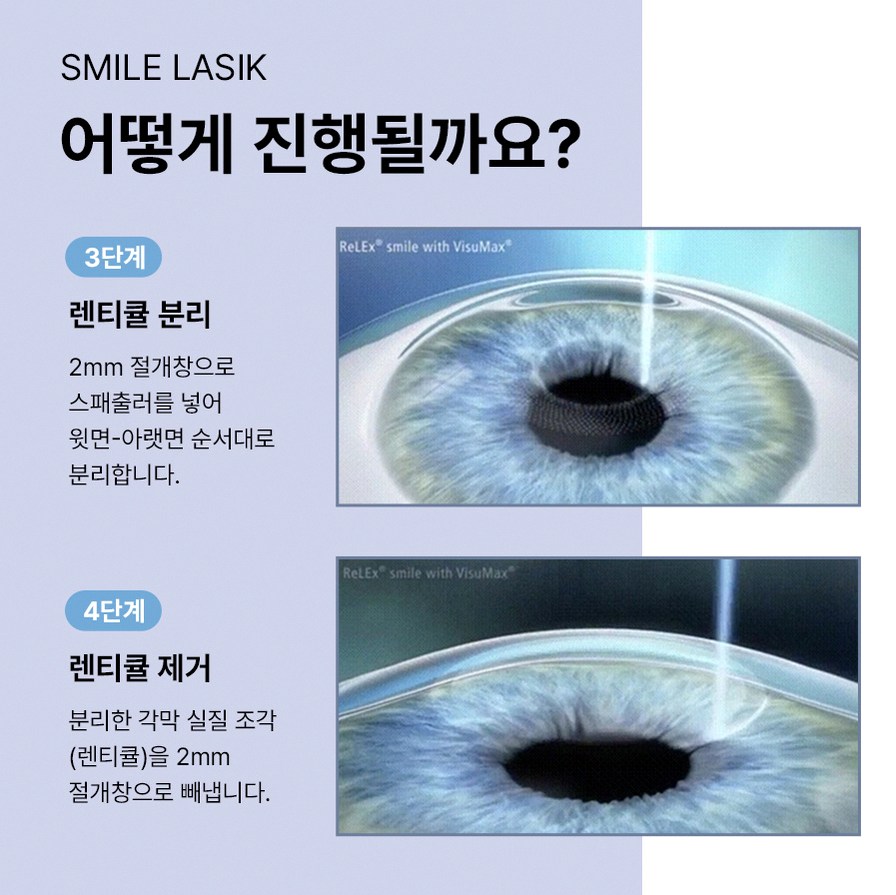
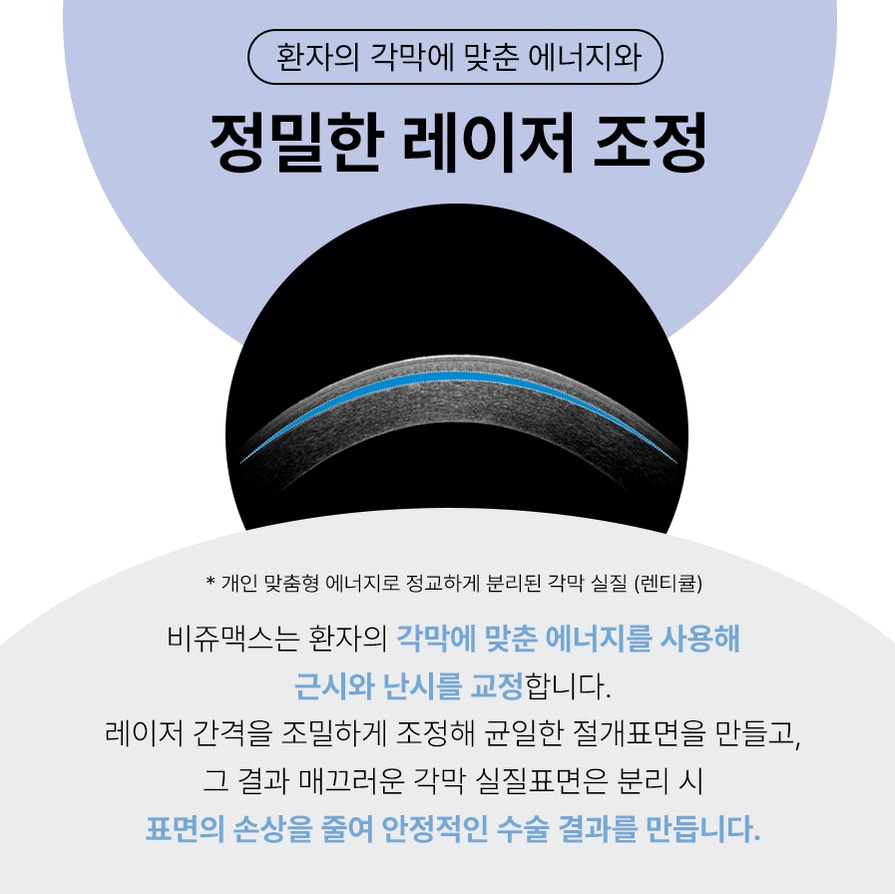
SMILE LASIK is a type of laser vision correction that reshapes the cornea using a very small incision. Instead of creating a large flap on the corneal surface as in traditional LASIK, a femtosecond laser creates a thin internal lens-shaped piece of tissue (called a lenticule) and a tiny side opening. The surgeon then removes this lenticule through the small opening, changing the corneal curvature and correcting myopia and astigmatism.
How SMILE LASIK differs from LASIK and LASEK
Traditional LASIK involves creating a corneal flap, lifting it, reshaping the underlying tissue with an excimer laser, and then repositioning the flap. LASEK and similar surface procedures remove or loosen the surface epithelium, reshape the cornea, and then allow the surface to heal.
SMILE LASIK is flapless and uses a very small incision. Many patients in reviews mention that this design made them feel more comfortable about corneal stability and reduced the fear of flap-related issues. Because the surface nerves are less disturbed, some people experience milder dry eye symptoms compared with classic LASIK, although dryness can still occur.
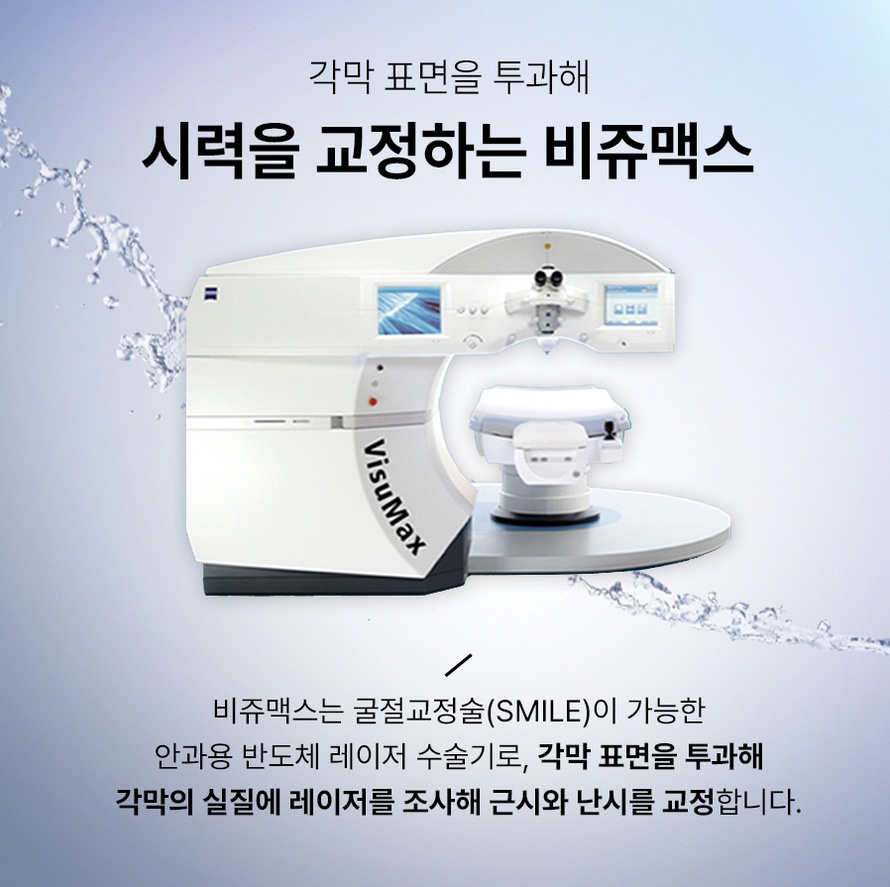
Modern SMILE platforms in Gangnam
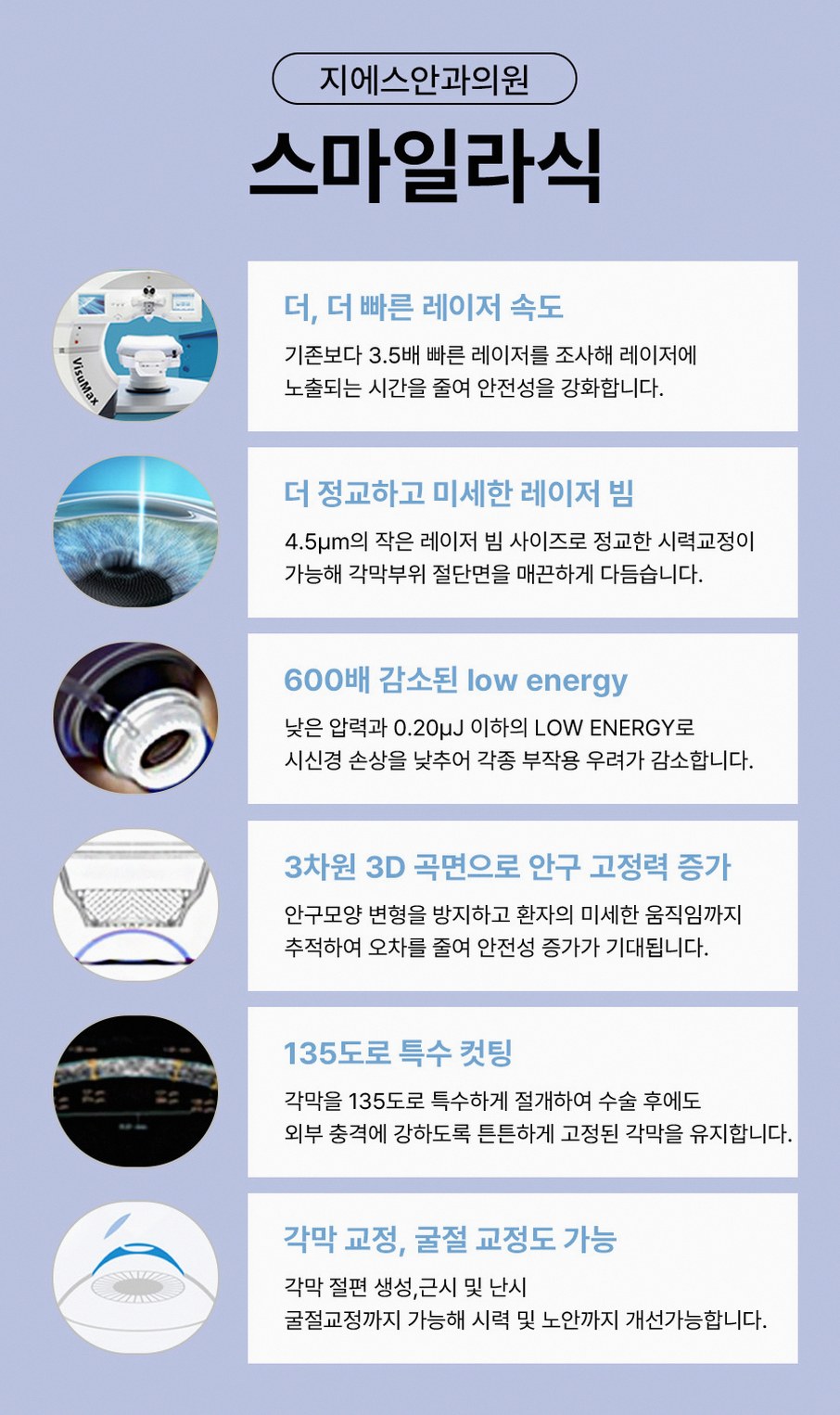
Gangnam-gu has become a hub for advanced refractive technology. Many centers use multiple femtosecond laser platforms, including ZEISS VISUMAX units and newer models such as VISUMAX 800 for SMILE pro. In reviews, patients often comment on how short the laser time feels with these newer systems, sometimes just a few seconds per eye. High-volume centers that have performed thousands of SMILE and SMILE pro procedures tend to have more standardized protocols and detailed explanations for international visitors.
How to interpret real patient reviews from Gangnam
What satisfied patients commonly mention
When you read positive SMILE LASIK reviews from Gangnam-gu, you will often see similar themes:
Clear vision in daily life, sometimes from the next day
Fast functional recovery, with many people returning to work or study within a few days
Minimal or tolerable discomfort during and after surgery
Convenience in sports, travel, and work without glasses or contact lenses
Appreciation for thorough testing and careful explanations in English or with interpreters
Some reviews also mention that initial dryness or slight halos at night gradually improved over weeks to months.
Common concerns in negative or mixed reviews
Less positive reviews can be very informative if you read them carefully. Common concerns include:
Night glare or halos around lights, especially in the first weeks or months
Dry eye symptoms such as burning, foreign body sensation, or needing frequent artificial tears
Slower-than-expected visual recovery, with fluctuating clarity for several weeks
Anxiety during the procedure, especially about keeping the eye still
Feeling that expectations were not fully aligned with actual results
It is important to check how long after surgery the review was written. Early reviews (within days) often focus on discomfort and haziness. Reviews written three to six months later give a better sense of long-term satisfaction.
Why examination quality and experience matter more than short comments
Short, emotional comments like “best decision ever” or “worst decision of my life” rarely include the medical details that actually determine outcomes. For example, two people with similar glasses prescriptions can have very different corneal thickness, pupil size, or retinal findings. These differences strongly influence which procedure is safest and what side effects are more likely.
When reading reviews, pay attention to whether the writer mentions:
Detailed preoperative testing such as corneal topography, corneal thickness mapping, dry eye evaluation, and retinal examination
Clear discussion of risks, side effects, and alternative procedures such as LASEK or lens implantation
Structured follow-up visits and access to the surgeon for questions
Reviews that describe this level of detail usually reflect a more systematic approach to safety than very short, emotional posts.
Example of a high-volume Gangnam SMILE LASIK center
What high case volume and designations can indicate
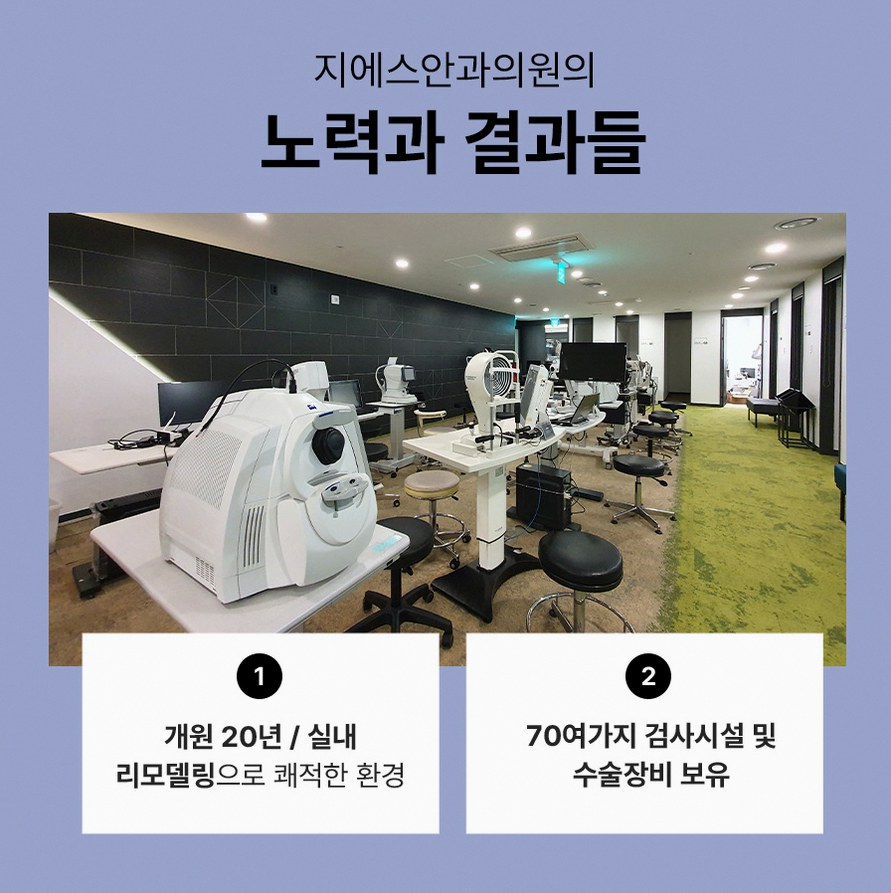
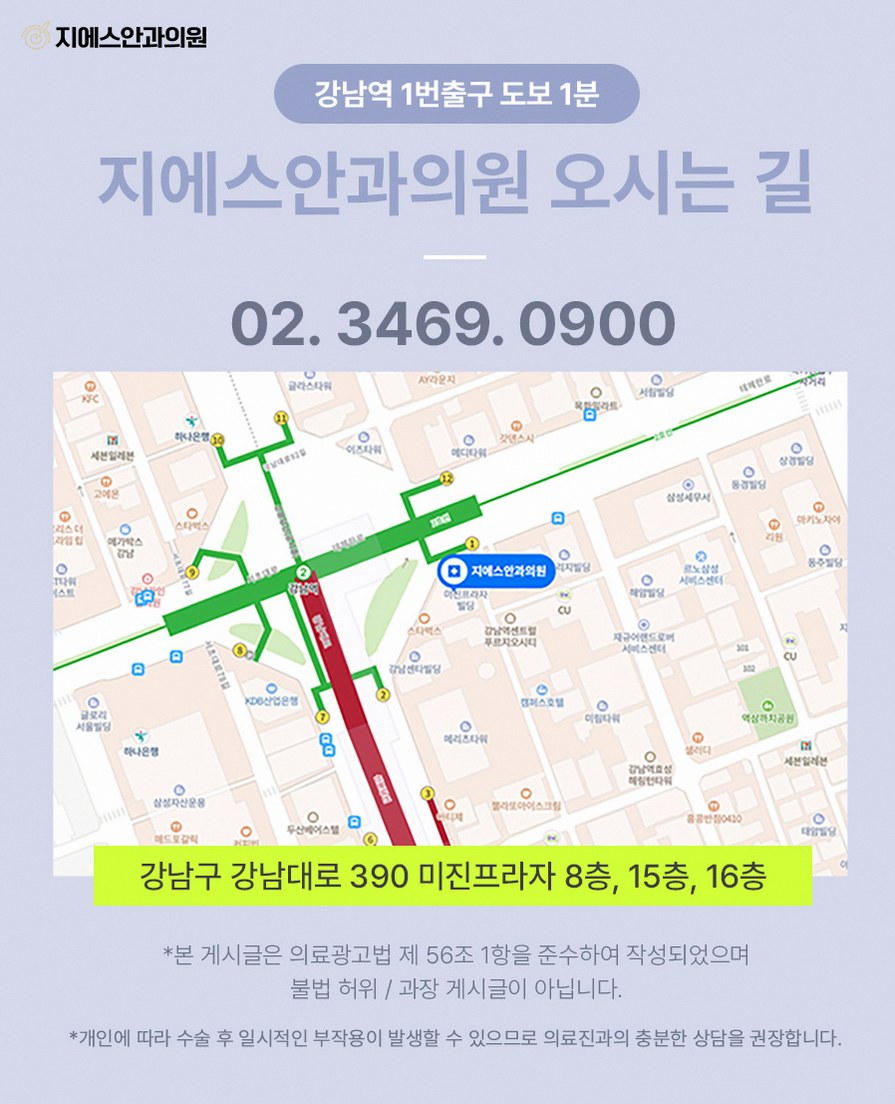
In Gangnam-gu, some centers have treated hundreds of thousands of eyes with vision correction and cataract surgery over many years. For example, GS Eye Center, located on Gangnam-daero near Gangnam Station and operating at the same site since 2005, reports around 300,000 eyes treated by 2023.
A long operating history and high cumulative volume can suggest that the team has experience with a wide range of eye conditions and post-surgery scenarios. Some centers are recognized as training or reference sites for SMILE, SMILE pro, SILK, or advanced lens implantation procedures such as GLAZE, and may serve as education centers for medical schools or device companies in the Asia-Pacific region. These designations usually mean that visiting doctors come to observe techniques and protocols.
Medical team structure
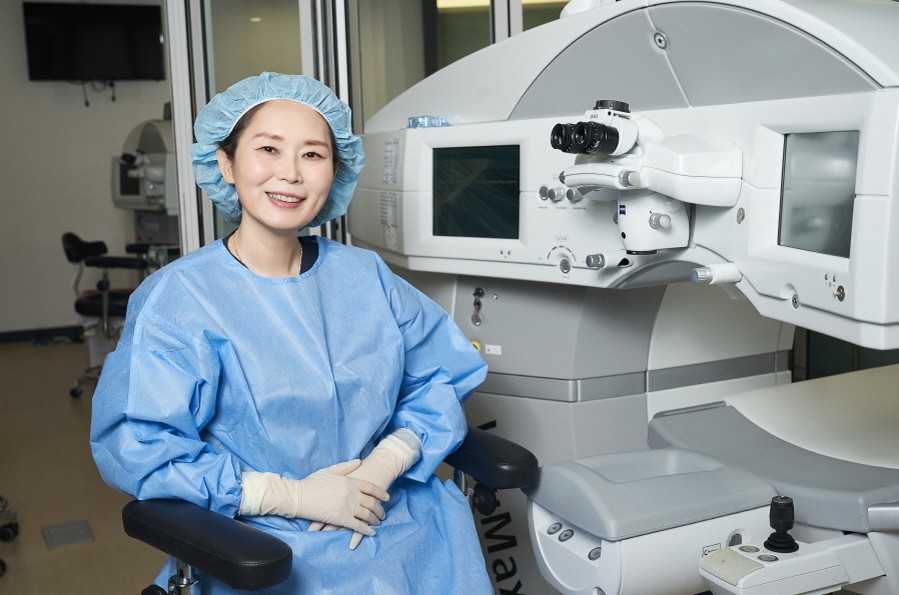
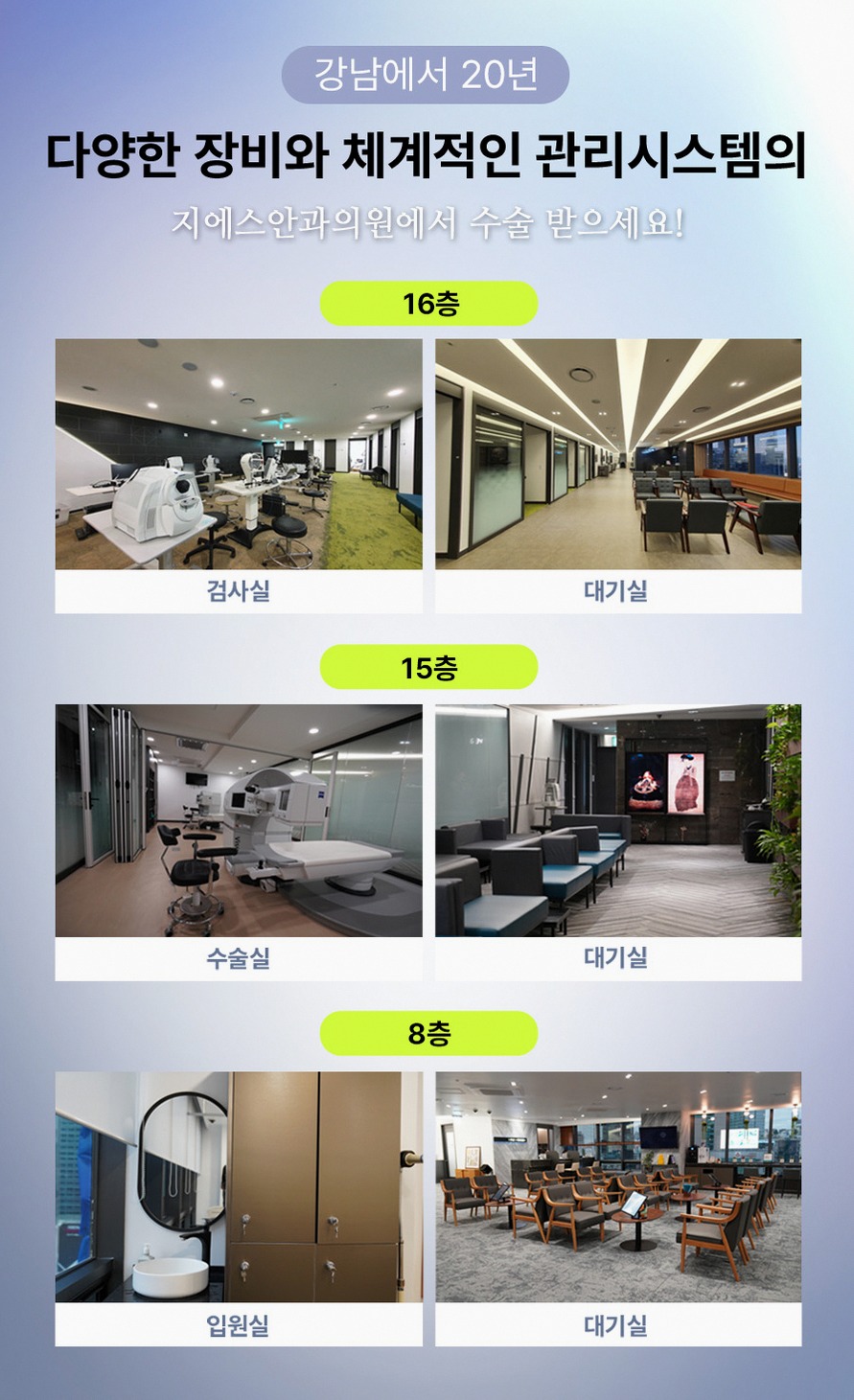
Some Gangnam centers have multiple vision specialists under one roof, including doctors with retina fellowship training and clinicians who have worked as faculty at major university hospitals. For SMILE LASIK candidates, having retina subspecialists on-site is helpful for preoperative screening, especially for patients with high myopia who may have peripheral retinal lesions or weak spots that need treatment before laser surgery.
Again, these features do not guarantee specific results, but they are useful indicators when you compare options.
Step-by-step patient journey and typical recovery
Initial online consultation and pre-visit preparation
For overseas patients, the journey often starts with an online consultation. Many Gangnam centers allow you to send your glasses or contact lens prescription, past eye exam reports, and medical history in advance. While this cannot replace an in-person examination, it helps the team estimate whether SMILE LASIK, LASEK, or lens implantation might be more suitable.
Before you travel, prepare:
A copy of your most recent glasses or contact lens prescription
Information about any eye diseases, surgeries, or injuries
A list of medications and allergies
Questions about procedures, recovery time, and follow-up options
You can also ask whether the center provides English-speaking staff, interpreters, or written instructions in your language.
In-person consultation and detailed eye examination
Once you arrive in Gangnam-gu, the first visit usually includes a comprehensive eye examination that can take two to three hours. Typical tests include:
Visual acuity and refraction to measure your prescription
Corneal topography and tomography to map the shape and thickness of your cornea
Pupil size measurement, especially in low light
Tear film and dry eye assessment
Intraocular pressure measurement
Retinal examination, often with dilating drops, to check for tears, holes, or other issues
Candidacy assessment
Based on these tests, the doctor will decide whether SMILE LASIK is appropriate. Key candidacy factors include:
Stable prescription for at least one to two years
Adequate corneal thickness and healthy corneal shape
No active eye disease such as uncontrolled dry eye, keratoconus, or significant cataract
Retina in suitable condition, particularly in high myopes
Realistic expectations about what surgery can and cannot achieve
If your cornea is too thin, irregular, or otherwise risky for SMILE, the doctor may recommend LASEK, corneal cross-linking, or lens implantation options such as ICL, GLAZE, or PhakiFlex KPL instead. Conservative candidacy criteria are a positive sign in reviews, because they show that safety is prioritized over volume.
Personalized treatment planning
If you are a good candidate, the team will plan the procedure based on your corneal measurements, lifestyle, and visual needs. This may include choosing between standard SMILE and SMILE pro on a newer platform like VISUMAX 800, adjusting the target correction for monovision in presbyopic patients, or combining procedures with preventive treatments such as cross-linking in selected cases.
Surgery day experience
On surgery day, you will usually spend one to two hours at the center, although the actual laser time is very short. The steps generally include:
Review of consent forms and final measurements
Application of numbing eye drops
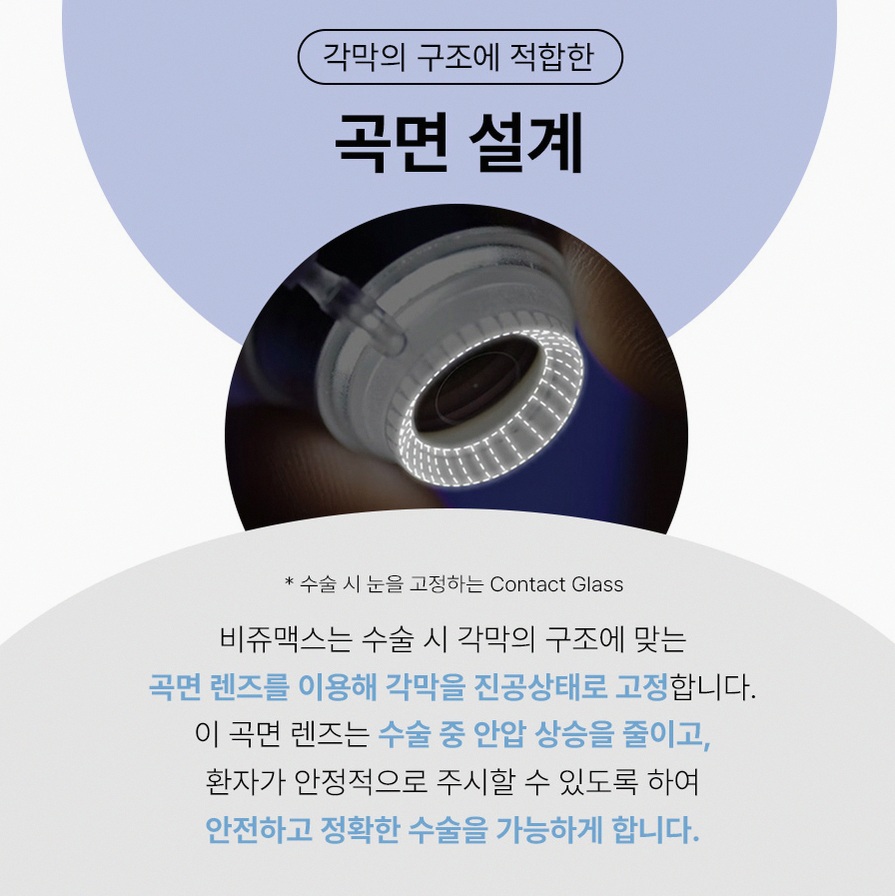
Positioning under the femtosecond laser
Laser creation of the lenticule and small incision, often in just a few seconds per eye with modern platforms
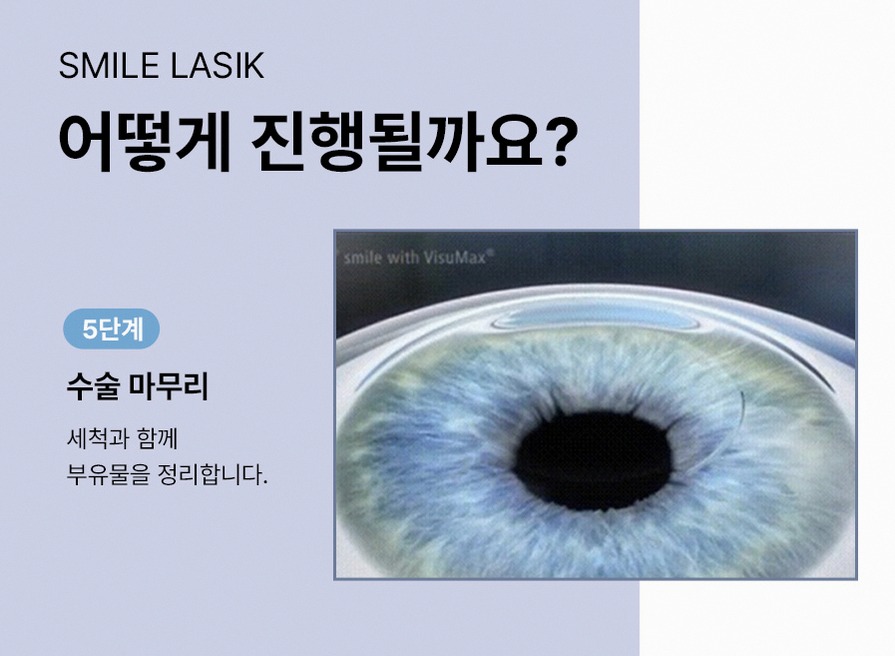
Removal of the lenticule through the tiny opening
Short rest period and post-op instructions
Most patients in reviews describe feeling pressure and seeing lights, but not pain. The eyes may feel watery, gritty, or slightly uncomfortable for several hours afterward. Vision is often hazy but functional; you can usually walk with assistance and see large objects.
Early recovery: first one to two weeks
During the first days, you will use antibiotic and anti-inflammatory eye drops, along with lubricating drops. Protective shields or goggles may be recommended at night to avoid rubbing the eyes.
In many Gangnam reviews, patients report:
Noticeably clearer vision from the next day, with some fluctuation
Mild to moderate dryness or foreign body sensation
Light sensitivity and occasional halos at night
Ability to return to office work or study within a few days, depending on job demands
Follow-up visits are typically scheduled for the next day, one week, and one month. International patients sometimes coordinate a compressed schedule, staying in Korea for around one week to complete the early checks.

Mid to long-term outcomes: one to six months and beyond
Over the following months, vision usually stabilizes further. Night glare and halos often decrease as the brain adapts and the cornea heals. Dry eye symptoms tend to improve, especially with consistent use of artificial tears and lifestyle adjustments such as regular breaks from screens.
Many long-term reviews mention:
Stable, clear vision for driving, work, and sports
Reduced dependence on glasses in almost all daily situations
Ongoing use of lubricating drops in dry environments or during long digital device use
As with any medical procedure, individual experiences vary, and some patients may need enhancement procedures or additional management of dry eye or night vision symptoms.
Safety, candidacy, and when alternatives may be better
Who may consider SMILE LASIK
SMILE LASIK may be considered by adults who:
Have stable myopia and astigmatism
Have adequate corneal thickness and regular shape
Do not have active eye disease or uncontrolled systemic conditions that affect healing
Want a flapless laser procedure with a small incision
Who should be more cautious
Caution is needed for people with:
Very thin or irregular corneas
Signs of keratoconus or corneal weakening
Severe dry eye that is not controlled
Significant retinal problems, especially in high myopia
Unrealistic expectations about perfect vision in all conditions
Role of retinal specialists
In high myopes, the retina can be stretched and more prone to tears or detachments. Centers with retina subspecialists can carefully examine the peripheral retina and treat weak areas, if needed, before vision correction. Reviews that mention detailed retinal checks and preventive laser treatment reflect this approach.
When lens implantation may be safer
For some patients, especially those with very high prescriptions or thin corneas, lens implantation procedures such as ICL, GLAZE, or PhakiFlex KPL may be safer than corneal laser surgery. These procedures place a lens inside the eye, preserving the corneal structure. A thorough consultation should include discussion of these alternatives if SMILE LASIK is not ideal.
Practical checklist for reading reviews and preparing for consultation
How to evaluate Gangnam SMILE LASIK reviews
When you read reviews, ask yourself:
Does the reviewer describe the preoperative examination in detail, including corneal and retinal tests?
Do they mention both benefits and side effects, not only praise?
How long after surgery was the review written? Same day, one week, or several months?
Do they describe communication with the medical team and how questions were handled?
Reviews that answer these points are more useful than very short comments.
Questions to ask during consultation
Before or during your visit, consider asking:
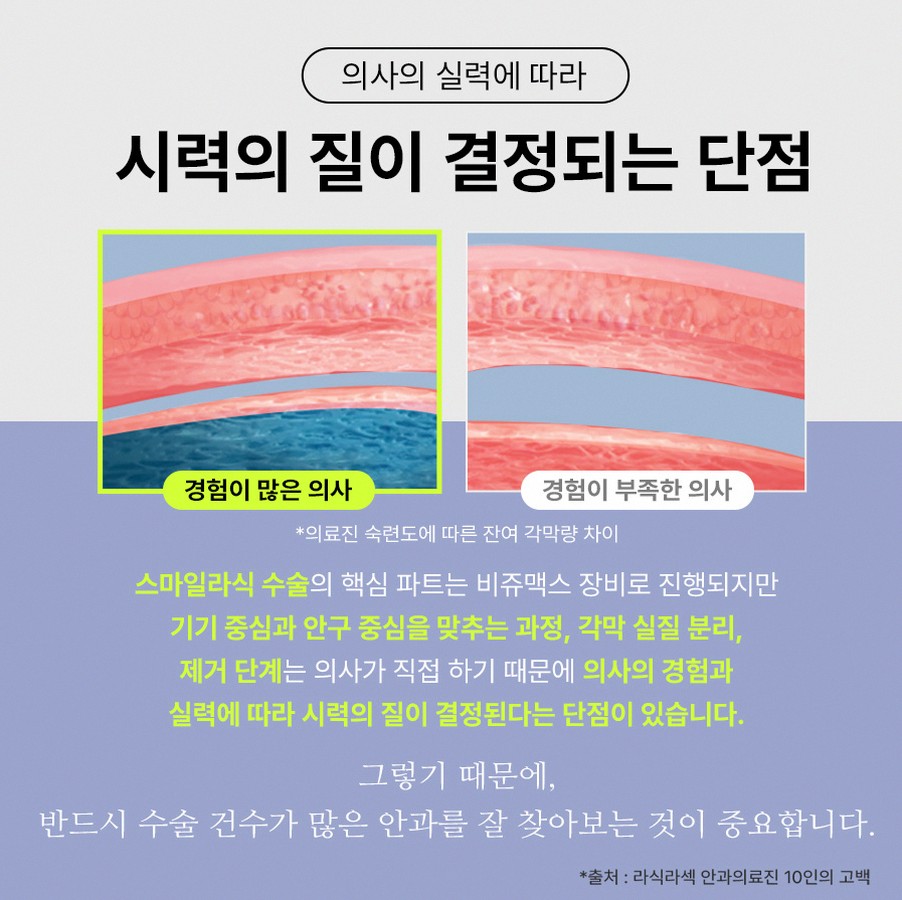
Which SMILE platform and laser model will be used for my eyes?
How many SMILE or SMILE pro cases has your team performed, and over what period?
What are your criteria for saying no to SMILE and recommending alternatives?
How do you manage complications or the need for enhancement procedures?
What follow-up schedule do you recommend for overseas patients, and how can I contact you after I return home?
Online consultation and visit timeline for overseas patients
A typical Korea visit timeline for SMILE LASIK might look like this:
Day 1: Arrival in Seoul, rest, optional brief pre-check if scheduled
Day 2: Full eye examination and candidacy assessment in Gangnam-gu
Day 3: SMILE LASIK procedure, rest at accommodation
Day 4: First post-op check, sightseeing with caution and sunglasses
Day 5–7: Additional follow-up if needed, preparation to return home
Some patients extend their stay to 10–14 days for extra reassurance. Before booking flights, confirm the recommended stay length and follow-up plan with the center.
Aftercare once you return home
After you leave Korea, it is important to:
Continue using lubricating drops as instructed
Avoid rubbing your eyes and protect them from trauma
Schedule periodic eye examinations in your home country
Contact the Gangnam center if you notice sudden vision changes, flashes of light, or a curtain-like shadow, which can indicate retinal issues
Many centers can provide written summaries of your procedure and early postoperative findings for your local eye doctor.
Frequently asked questions
Is SMILE LASIK in Gangnam-gu safe for international patients?
Safety depends on your individual eye condition and the quality of the examination and planning. Gangnam has many high-volume centers with modern femtosecond lasers and structured protocols for overseas visitors. However, no procedure is risk-free. A full in-person evaluation, including corneal and retinal checks, is essential before deciding. International patients should also confirm the follow-up plan and how to get support after returning home.
How long do I need to stay in Korea for SMILE LASIK?
Many international patients stay about one week in Seoul. This usually allows time for the full preoperative examination, the SMILE LASIK procedure, and at least one or two early follow-up visits. In some cases, a longer stay may be recommended, especially if your eyes need additional monitoring. You should discuss your travel schedule with the center in advance so they can tailor the plan.
What side effects do Gangnam SMILE LASIK reviews mention most often?
Commonly mentioned side effects include temporary dry eye, light sensitivity, and night glare or halos, especially in the first weeks. Some patients describe fluctuating vision during the first month. Most reviews report that these symptoms improve over time, but the degree and speed of improvement vary. A small number of patients may need additional treatment or enhancement procedures.
How do I choose between SMILE LASIK and lens implantation like ICL or GLAZE?
The choice depends on your prescription, corneal thickness and shape, age, and eye health. SMILE LASIK reshapes the cornea, while lens implantation adds a lens inside the eye without removing corneal tissue. In thin or irregular corneas, or very high prescriptions, lens implantation may be safer. A thorough examination and discussion of risks, benefits, and long-term implications with your doctor is the best way to decide.
Soft call to action
If you are considering SMILE LASIK in Gangnam-gu and would like a structured, experience-based opinion, you can start with an online consultation at a high-volume center such as GS Eye Center. By sharing your current prescription, eye history, and travel plans, you can receive guidance on whether SMILE LASIK, LASEK, or lens implantation might be more suitable, and what kind of visit schedule and aftercare to expect. Use online reviews as one reference point, but base your final decision on a careful examination and direct discussion with a vision specialist in Gangnam-gu.
- 공유 링크 만들기
- X
- 이메일
- 기타 앱


댓글
댓글 쓰기