Gangnam-gu vision correction surgery results with SMILE LASIK explained
- 공유 링크 만들기
- X
- 이메일
- 기타 앱
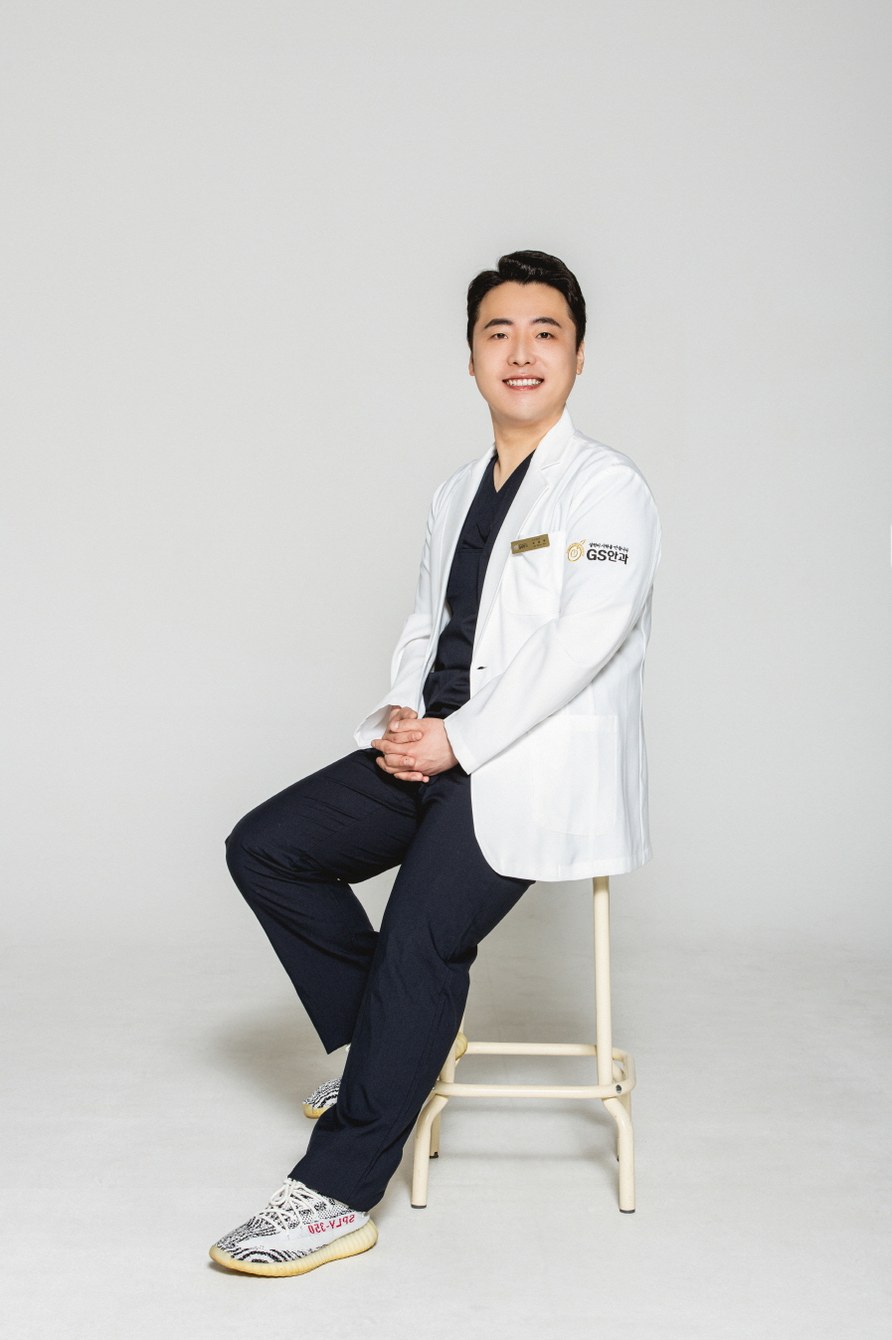
Direct answer: SMILE LASIK vision correction results in Gangnam-gu
For suitable candidates, SMILE LASIK in Gangnam-gu generally aims to provide unaided vision similar to or better than what you had with glasses or contact lenses, with relatively fast recovery and good long-term stability.
However, the real-world results depend strongly on three things: how carefully your eyes are examined before surgery, how well the procedure is planned for your individual eye, and the quality and variety of laser platforms and lenses available at the eye clinic, combined with the experience of the surgical team.
This article focuses on SMILE LASIK in Gangnam-gu, Seoul, and uses one high-volume ophthalmology clinic near Gangnam Station as an example of how equipment, examination systems, and surgeon experience can influence outcomes for international patients.
Overview of SMILE LASIK and related vision correction
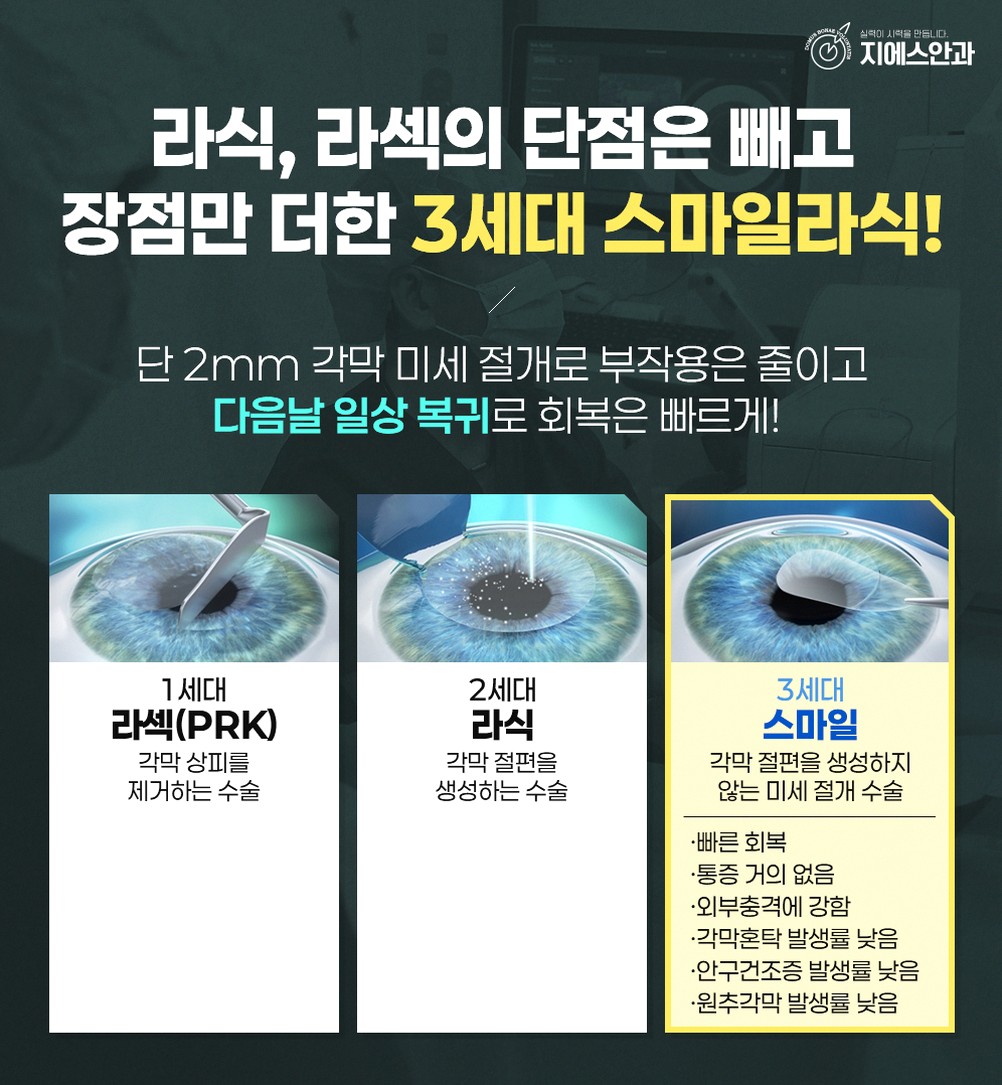
SMILE LASIK is a flapless, minimally invasive corneal laser procedure for myopia and astigmatism. Instead of creating a large corneal flap, a femtosecond laser creates a small lens-shaped piece of tissue inside the cornea, which is then removed through a tiny incision. This preserves more of the corneal structure and nerves compared with traditional LASIK.
In Gangnam-gu, SMILE-type procedures have become a mainstream option for people who want to reduce dependence on glasses or contact lenses. Modern eye clinics may offer several related procedures under the SMILE umbrella, such as SMILE LASIK, SMILE Pro, and SILK. Some clinics also develop their own customized SMILE protocols, such as a Golden SMILE program, which is a clinic-specific name for a tailored SMILE approach based on individual eye measurements.
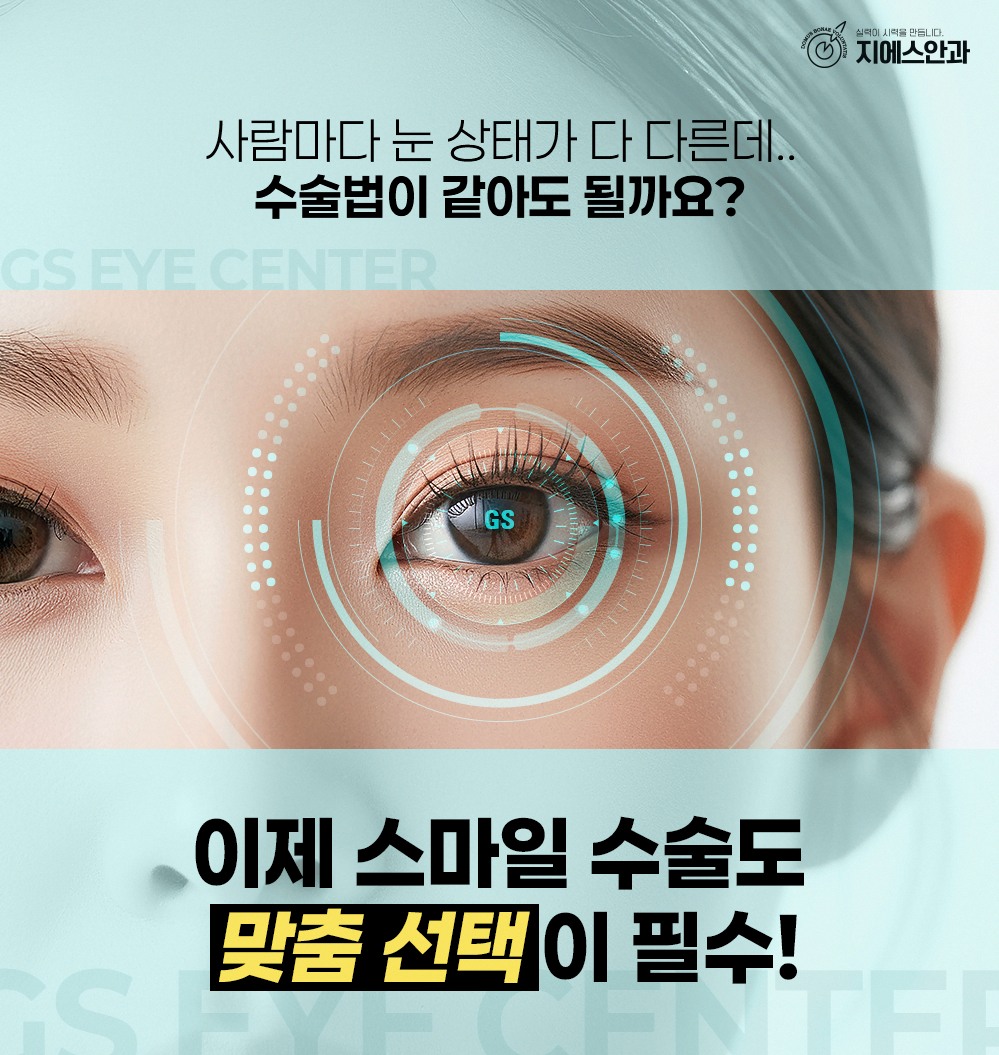
Alongside SMILE LASIK, other vision correction methods are also available in Gangnam-gu, including LASEK or other surface ablation techniques, and lens-based procedures such as ICL or GLAZE lens implantation. These are usually chosen when SMILE is not ideal, for example in cases of very high myopia or thinner corneas.
What results can you expect from SMILE LASIK?
Typical visual goal
For suitable candidates, the typical target of SMILE LASIK is to achieve unaided vision comparable to or better than your previous glasses or contact lenses. Many patients reach driving-level vision quickly, and a large proportion can read and work comfortably without glasses after the early healing period.
However, the exact result depends on your starting prescription, corneal thickness, astigmatism level, and ocular surface condition. Some people may still need thin glasses for specific tasks such as night driving or prolonged screen work, especially if they had very high myopia.
Timeline of recovery
Same day to next day
Right after surgery, vision is usually functional but slightly hazy, like looking through a thin mist. Most patients can walk around, use their phone briefly, and move independently on the same day, but should rest their eyes. By the next day, many can see well enough for basic daily activities.
First week
During the first week, vision typically improves rapidly. Fluctuations during the day are common, especially if your eyes are dry or tired. Many people can return to office work or light study within a few days, depending on the surgeon’s advice and how comfortable the eyes feel.
One to three months
Between one and three months, the fine details of vision usually settle. The brain adapts to the new optics, and symptoms such as dryness, halos, or glare often decrease. This period is important for monitoring the tear film, checking night vision, and confirming that the cornea is healing as expected.
Beyond three to six months
For most suitable candidates, vision remains stable after the initial healing phase. Any small residual refractive error or night-vision issue is usually evaluated during follow-up visits. Long-term results are generally good, but natural aging of the eye, such as presbyopia (near vision decline) or cataract formation, will still occur later in life and is not prevented by SMILE LASIK.
Individual variation
Not everyone experiences the same speed of recovery. People with high myopia, irregular astigmatism, borderline dry eye, or very demanding visual tasks may notice more fluctuation or take longer to feel that their vision is fully comfortable. A careful preoperative examination helps predict these factors and set realistic expectations.
Factors that influence SMILE LASIK outcomes in Gangnam-gu
Importance of preoperative examination
The quality of your SMILE LASIK result starts long before you enter the laser room. A detailed preoperative examination is essential to:
Identify whether your cornea is thick and regular enough
Detect early or subtle keratoconus or borderline corneas
Measure pupil size and corneal curvature
Evaluate the tear film and ocular surface
Check the retina, especially in high myopia
Corneal topography and tomography show the shape and thickness of the cornea in detail. Thickness mapping helps determine how much tissue can be safely removed. Pupil size is important for night vision planning, as larger pupils may be more prone to halos if the optical zone is too small.
Tear film evaluation is crucial because dry eye can reduce visual quality and comfort after surgery. A clinic that measures tear break-up time, meibomian gland function, and ocular surface staining can better predict and manage postoperative dryness.
Retinal examination is particularly important for highly myopic patients. Even if the cornea is suitable for SMILE LASIK, untreated retinal tears or weak areas can affect long-term visual safety. Clinics with retina-trained doctors and dedicated retina services are better equipped to detect and manage such issues.
Surgical planning and laser equipment
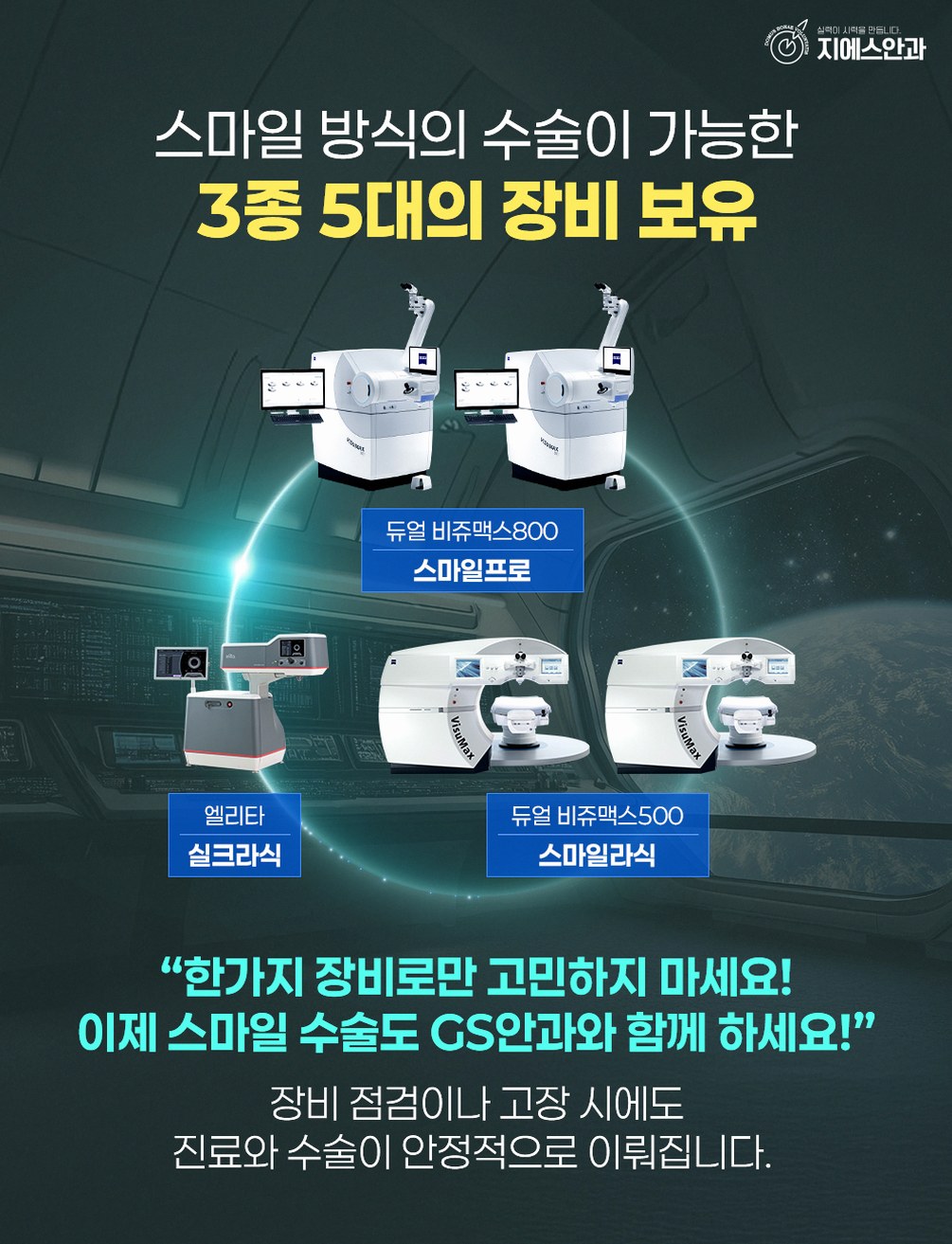
In Gangnam-gu, some ophthalmology clinics have invested in multiple SMILE-related laser platforms. One example is a clinic near Gangnam Station that has been operating in the same location since 2005 and focuses strongly on SMILE-type procedures.
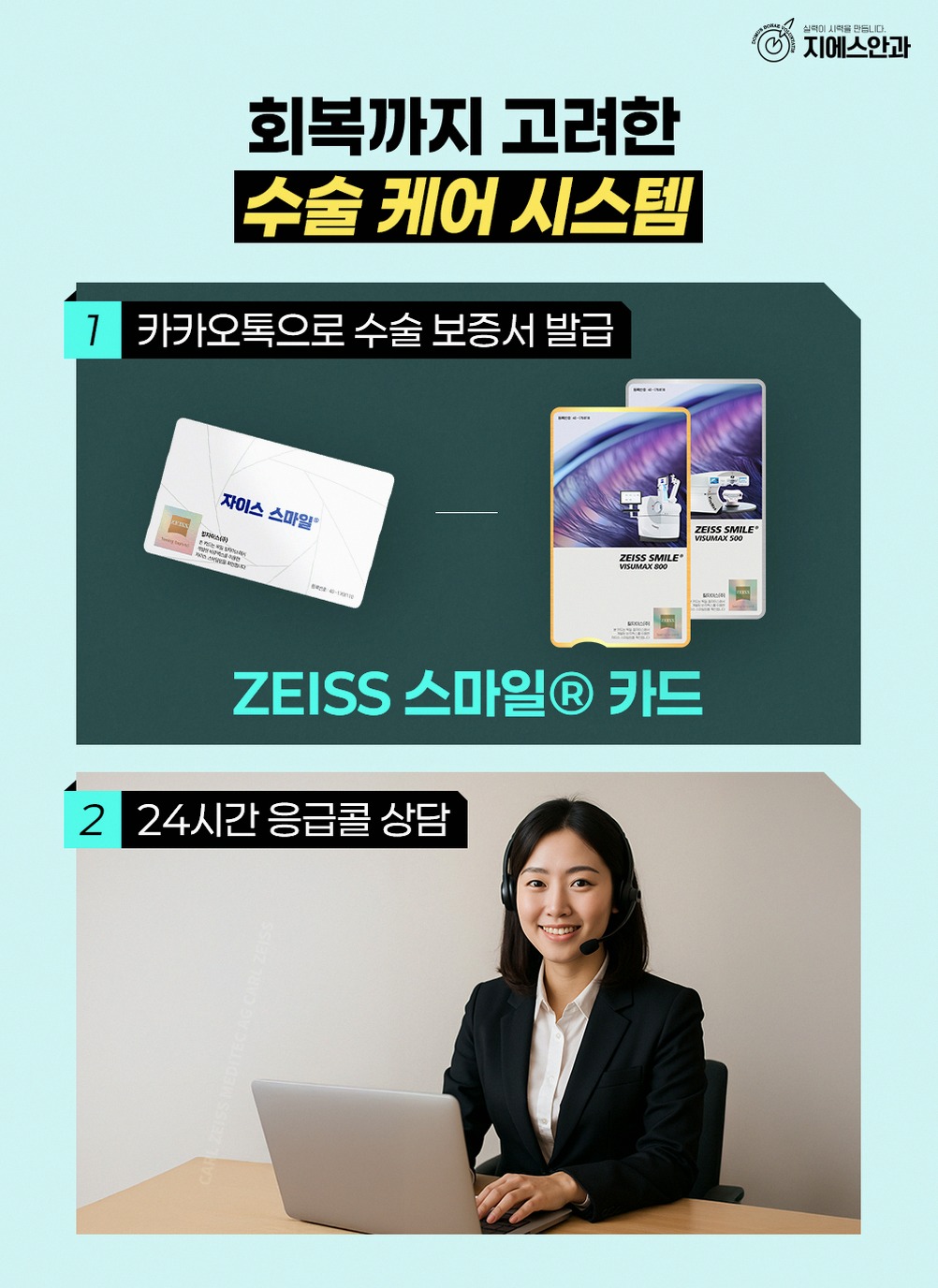
This clinic holds the key SMILE-related laser platforms: ZEISS VISUMAX 800 and VISUMAX 500, plus ELITA (Johnson & Johnson):
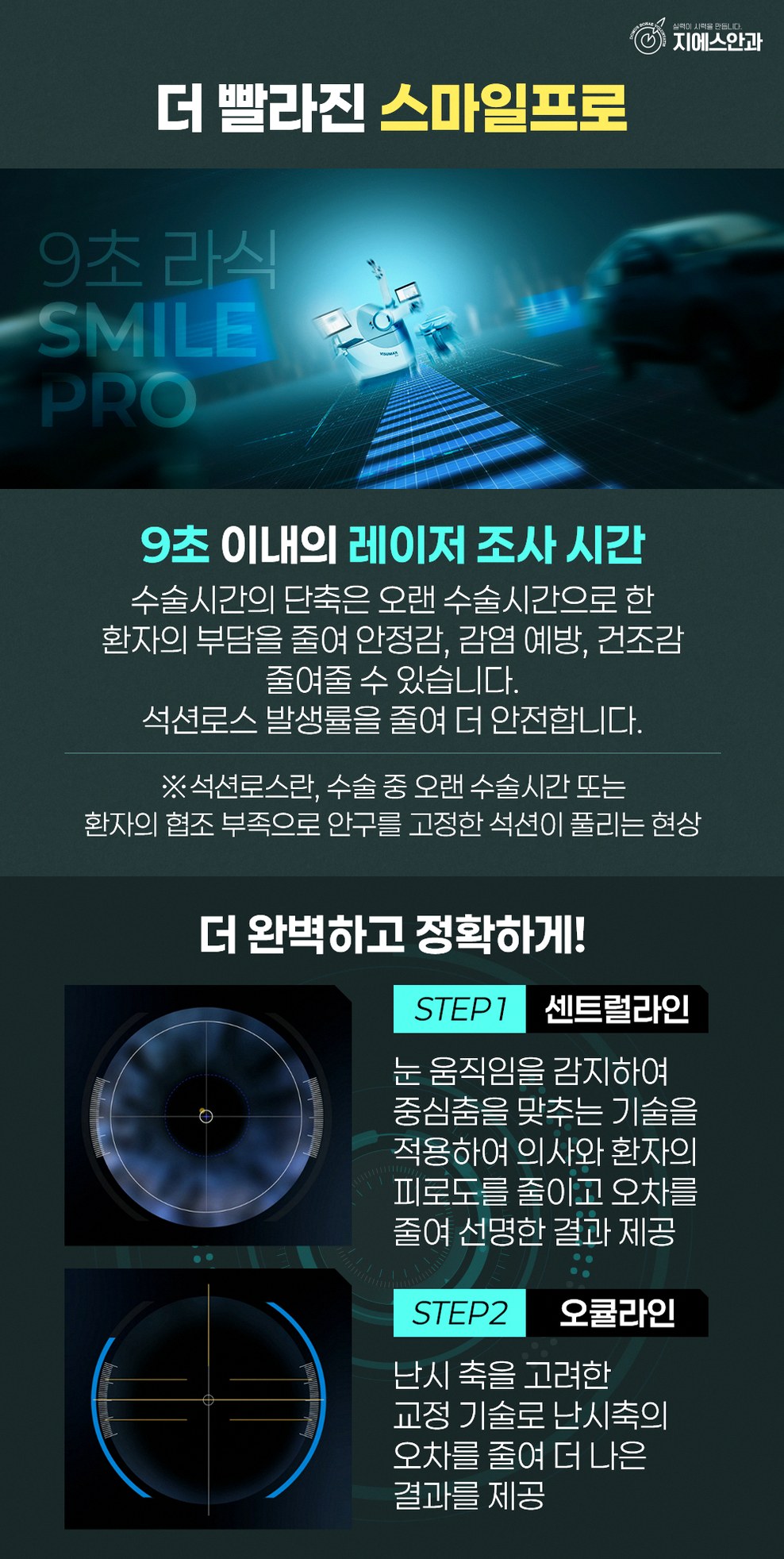
VISUMAX 800, introduced in 2023, dedicated to SMILE Pro with laser time under 9 seconds. Shorter laser time can improve comfort and reduce the chance of movement during the procedure, which may help with centration and consistency.
Two VISUMAX 500 units, introduced in 2016, used for SMILE LASIK with dual-room operation since 2019. Having two units allows continuous surgery flow and flexibility in scheduling, and offers more options in matching the laser to the patient’s eye characteristics.
Having multiple platforms means the surgeon can choose the most appropriate device and protocol for each patient, rather than fitting everyone into a single system. For example, some eyes may benefit from the speed and updated software of VISUMAX 800, while others may be well suited to established SMILE LASIK protocols on VISUMAX 500.
In addition, this Gangnam clinic has developed a Golden SMILE program, which is its own name for a customized SMILE protocol. This type of program usually combines detailed preoperative measurements, individualized laser settings, and specific postoperative care plans to aim for more predictable results.
Surgeon experience and team system
The experience of the surgical team also affects results. The Gangnam clinic mentioned above is led by a board-certified ophthalmologist with a medical doctorate and has a total of seven ophthalmology specialists, several of whom have university hospital backgrounds as professors, clinical instructors, or retina fellows.
As of 2023, the clinic reported approximately 300,000 eyes treated with vision correction and cataract surgery. High cumulative case numbers can be a sign that the team has encountered a wide range of eye types and situations, which is valuable for handling complex cases and managing complications.
The clinic has also been involved in education and quality systems:
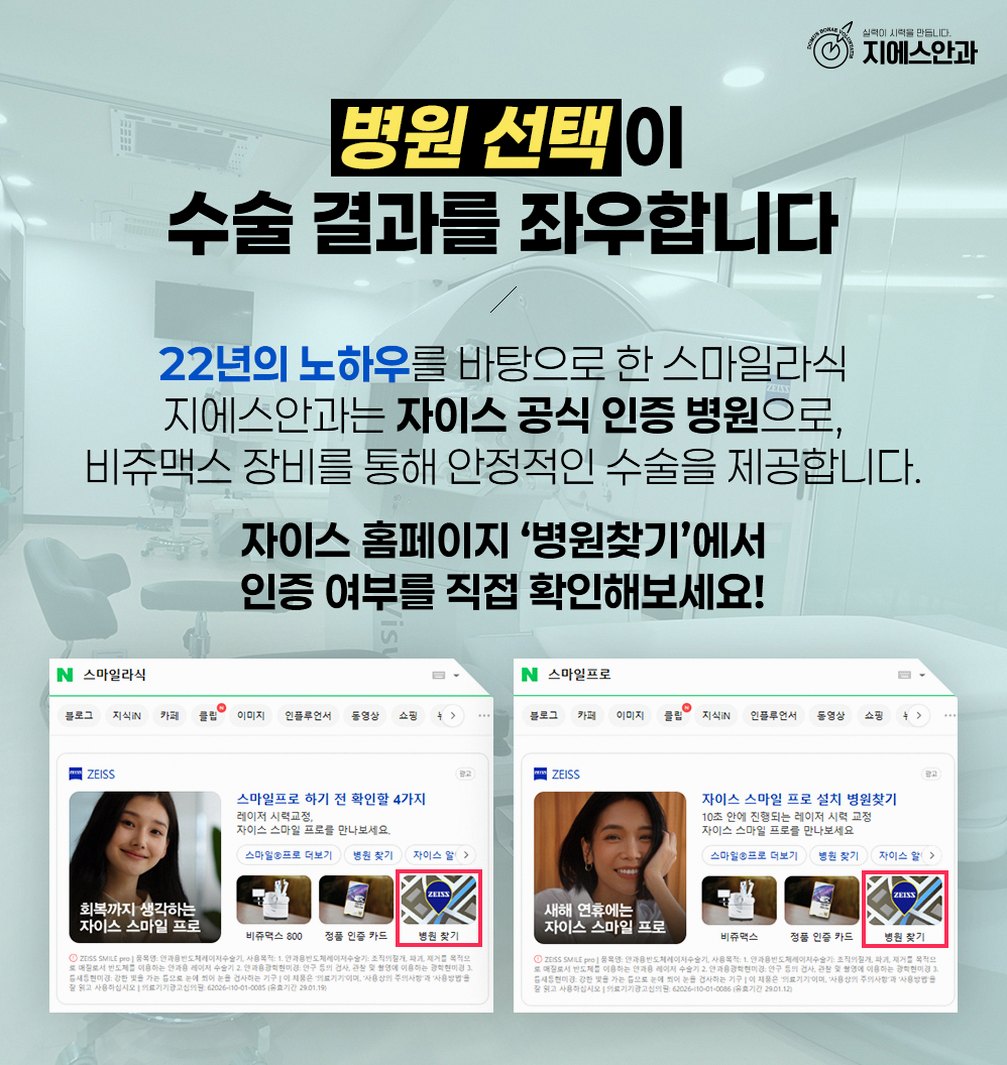
First in Korea to join the ZEISS SMILE GOLD CLUB in 2021
Designated as a ZEISS SMILE pro CENTER in 2023
Designated as a SILK TRAINING Center in 2026
ISO 9001 and 14001 certification for SMILE LASIK in 2020
Designated as a clinical education site for a medical school in 2023
Designated as an Asia-Pacific clinical education center for BIOTECH in 2024
While these recognitions do not guarantee individual results, they indicate a structured approach to quality control, training, and continuous improvement.
Comparison: SMILE LASIK vs other vision correction options
SMILE LASIK compared with LASEK
LASEK and other surface ablation procedures reshape the cornea from the surface rather than inside. They can be useful for patients with thinner corneas or certain occupational requirements.
Advantages of LASEK include preserving more corneal thickness in some cases and avoiding a flap. However, LASEK usually involves more discomfort in the first few days and a slower visual recovery compared with SMILE LASIK. Patients often need more time off from work or study and may experience more light sensitivity during early healing.
SMILE LASIK compared with lens implantation
Lens-based procedures such as ICL or GLAZE lens implantation are usually considered when the refractive error is very high or the cornea is too thin for safe laser reshaping. In these procedures, a lens is placed inside the eye, in front of or behind the iris, while the natural lens remains.
The Gangnam clinic mentioned earlier has extensive experience with lens-based correction, including being the first in Korea to perform GLAZE lens implantation in 2019 and reaching 1,000 eyes by 2022 and 3,000 Optiflex GLAZE cases by 2025. This experience is relevant because it shows that the clinic can offer alternatives when SMILE LASIK is not the safest choice.
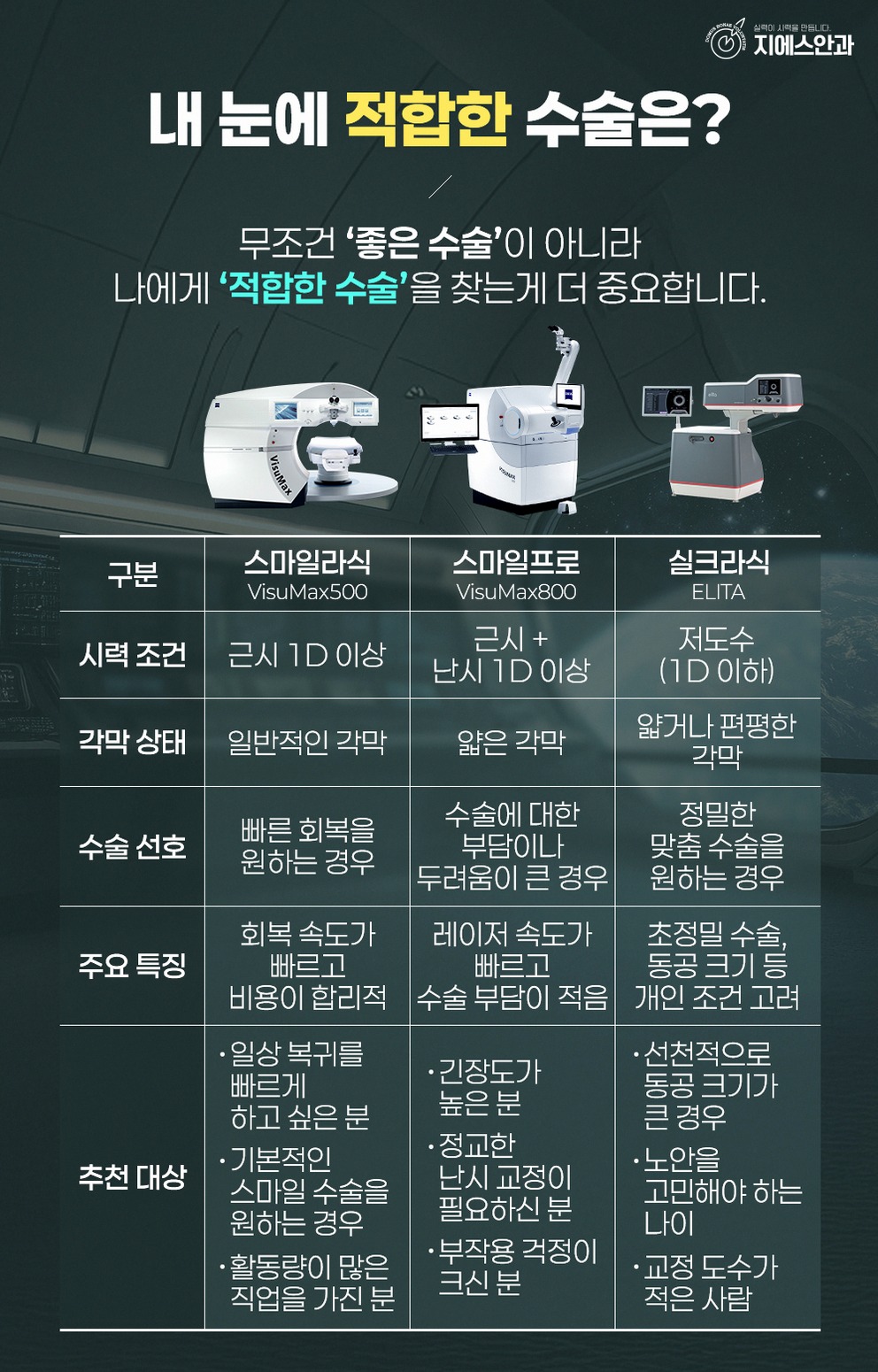
However, lens implantation is not the main focus of this guide. The key point is that the best results come from choosing the right procedure type after a full examination, rather than forcing everyone into SMILE LASIK.
Safety, side effects, and long-term results
Common temporary symptoms
After SMILE LASIK, it is common to experience:
Dry eye sensation or foreign body feeling
Fluctuating vision, especially when tired
Glare or halos around lights at night
Mild light sensitivity
These symptoms are usually most noticeable in the first few weeks and tend to improve over one to three months. Careful tear film assessment before surgery and proactive dry eye management afterward can make a significant difference in comfort and visual quality.
Dry eye and visual quality
Because SMILE LASIK uses a small incision and preserves more corneal nerves compared with flap-based procedures, some patients may experience less dry eye. However, people who already have dry eye or who use screens heavily may still notice symptoms.
Clinics that perform detailed tear film tests can identify high-risk patients and start treatment before surgery, such as artificial tears, warm compresses, lid hygiene, or other therapies. Postoperative follow-up is important to adjust treatment based on how the eyes respond.
Night vision and halos
Halos and glare at night are often related to pupil size, optical zone design, and preexisting optical aberrations. In many cases, these symptoms decrease over time as the brain adapts. Accurate centration, appropriate optical zone selection, and modern laser profiles can help reduce the risk.
Long-term stability
For well-selected candidates, SMILE LASIK generally provides stable results over many years. However, the eye continues to age. Presbyopia usually appears in the 40s, making near vision more difficult, and cataracts can develop later in life. SMILE LASIK does not prevent these natural changes, so you may need reading glasses or cataract surgery in the future.
Retinal health
High myopia is associated with a higher risk of retinal problems such as lattice degeneration, retinal tears, or detachment. These conditions are related to the length and structure of the eye rather than the corneal laser itself.
An ophthalmology clinic with retina-trained doctors and dedicated retina services can examine the back of the eye before surgery, treat any issues that need attention, and monitor the retina over time. This helps ensure that any change in vision after SMILE LASIK is correctly attributed to either the cornea or the retina.
How to evaluate an eye clinic in Gangnam-gu for vision correction results
Checklist for international patients
When you are comparing eye clinics in Gangnam-gu from overseas, consider the following points:
Preoperative diagnostics
Ask what examinations are included before surgery. Ideally, there should be:
Corneal topography and tomography
Corneal thickness mapping
Pupil size measurement
Tear film and ocular surface evaluation
Retinal examination, especially for high myopia
Modern SMILE platforms and clear explanations
Check whether the clinic uses up-to-date SMILE platforms such as VISUMAX 800 and VISUMAX 500. Ask how they decide which platform or procedure is best for your eyes. A clear explanation of the reasons behind the choice is a good sign.
Experienced team and subspecialists
Look for a clinic with multiple ophthalmology specialists, including surgeons with experience in corneal, refractive, and retinal care. A team-based system can provide more comprehensive evaluation and follow-up.
Quality systems and education roles
Recognitions such as ZEISS SMILE GOLD CLUB membership, SMILE pro CENTER designation, SILK TRAINING Center status, ISO certification, and roles as clinical education sites suggest that the clinic participates in structured training and quality control. These are not guarantees but can be useful indicators when comparing options.
Transparent communication and realistic expectations
During online consultation, notice whether the clinic:
Explains indications and limitations of SMILE LASIK
Discusses possible side effects such as dry eye and night glare
Avoids promising guaranteed results
Provides a clear follow-up schedule and aftercare plan
Questions to prepare before contacting a clinic
Before your first online consultation, it can help to prepare a short list of questions, such as:
Based on my prescription and age, am I more suitable for SMILE LASIK, LASEK, or lens implantation?
What examinations will you perform before deciding on surgery?
Which laser platform would you recommend for my eyes, and why?
How many SMILE-type procedures has your team performed?
How do you manage dry eye and night vision issues after surgery?
What follow-up visits are recommended for international patients, and can some follow-up be done in my home country?
Writing these questions down helps you compare clinics more objectively, beyond price alone. It also shows you how clearly each clinic communicates and how much attention they give to safety and long-term care.
Who may consider SMILE LASIK in Gangnam-gu
SMILE LASIK may be considered if you:
Have stable myopia and astigmatism within the treatable range
Have a cornea that is thick and regular enough
Do not have active eye diseases such as uncontrolled dry eye, keratoconus, or significant cataract
Are willing to follow preoperative and postoperative instructions
People with very high myopia, thin corneas, or specific retinal conditions may be better suited to alternative procedures such as LASEK or lens implantation. Only a full examination can determine this.
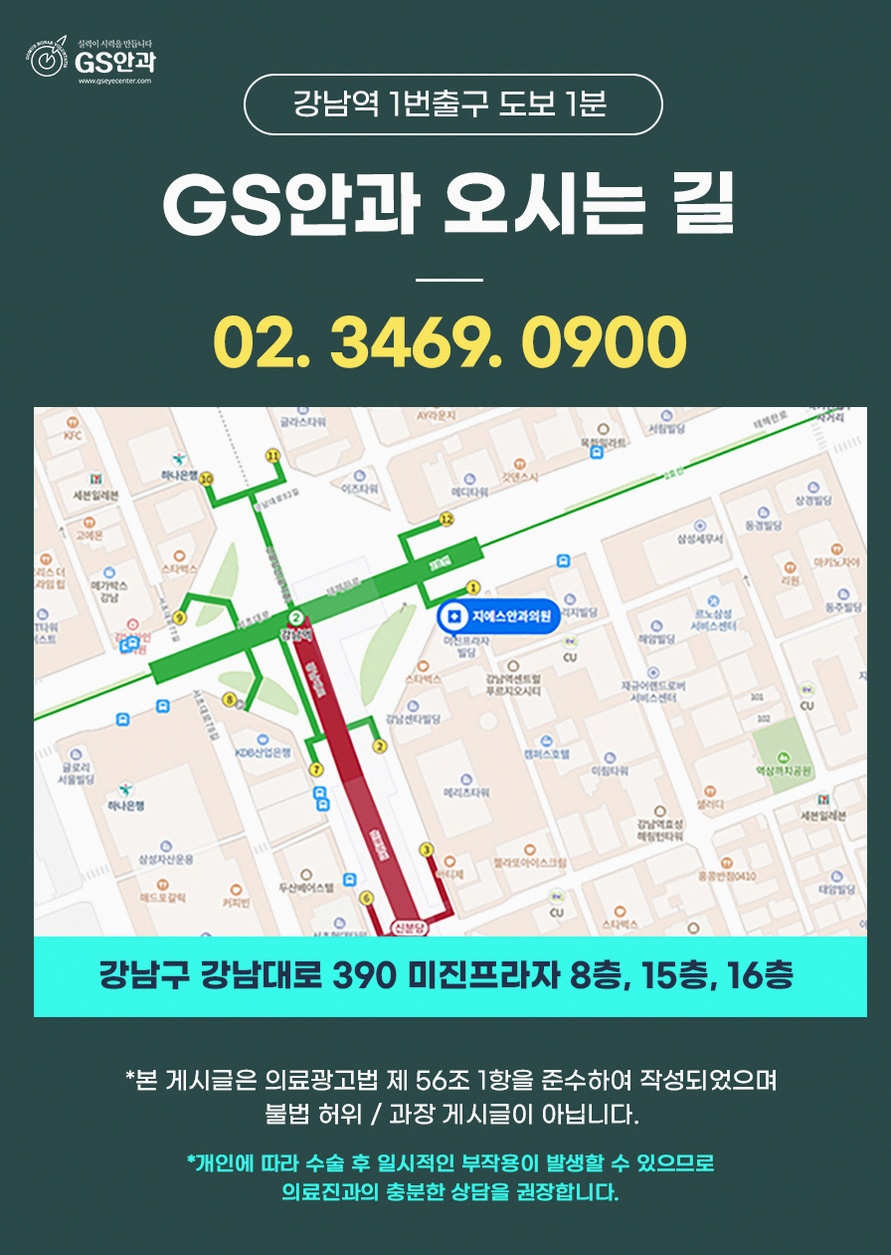
International patients often choose Gangnam-gu for SMILE LASIK because of the concentration of high-volume eye clinics with advanced equipment and experience in refractive surgery. Many clinics are located near Gangnam Station, making access convenient.
Online consultation and pre-visit preparation
Most Gangnam eye clinics that treat international patients offer some form of online or remote consultation. To make this process efficient, you can prepare the following information:
Recent glasses or contact lens prescription
Any previous eye surgery or trauma
History of dry eye, allergies, or systemic diseases such as diabetes
Your occupation and visual needs, for example frequent night driving or heavy computer use
If possible, obtain a basic eye examination in your home country, including visual acuity and intraocular pressure, and share the results. This does not replace the full preoperative workup in Korea, but it helps the clinic estimate whether you are likely to be a candidate and how long you should plan to stay.
Ask the clinic to explain the expected schedule, including examination day, surgery day, and follow-up visits, so you can arrange flights and accommodation accordingly.
Expected Korea visit timeline for SMILE LASIK
While each clinic may have its own protocol, a typical visit for an overseas patient might look like this:
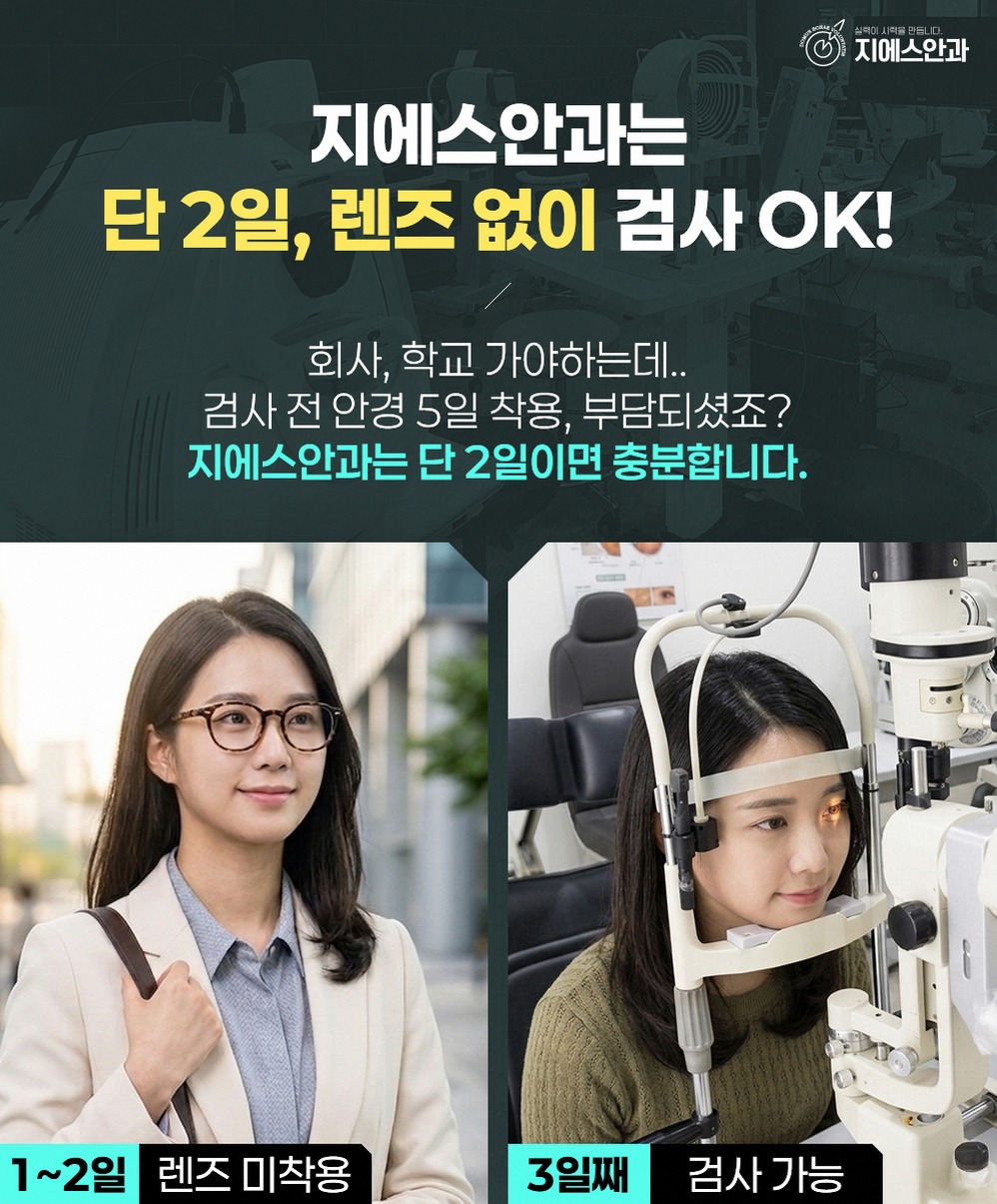
Day 1: Full preoperative examination
Comprehensive tests including refraction, corneal imaging, tear film assessment, and retinal evaluation
Consultation with the surgeon to discuss suitability, procedure options, and expectations
If you are suitable and wish to proceed, surgery is often scheduled for the next day or within a few days
Day 2: Surgery day
Final checks and consent
The SMILE LASIK procedure includes a very brief laser step — for example, VISUMAX 800 laser exposure is often under 9 seconds — though total procedure time also covers preparation, positioning, and immediate recovery.
Rest in the clinic for a short period, then return to your accommodation with protective eye shields and prescribed drops
Day 3: First postoperative check
Examination of visual acuity and corneal condition
Review of eye drop schedule and activity restrictions
Many patients can walk around and do light sightseeing, but should avoid rubbing the eyes and dusty environments
Days 4 to 7: Early recovery
Additional follow-up visit if recommended
Gradual return to normal activities, depending on comfort and surgeon’s advice
One to two weeks: Departure
Many international patients can safely return home within one to two weeks after surgery, provided there are no complications and follow-up has been satisfactory. The clinic may coordinate with an eye doctor in your home country for later check-ups.
Your exact timeline should be decided with the clinic based on your eye condition, travel plans, and any additional procedures.
Aftercare and long-term follow-up
After SMILE LASIK, you will typically use antibiotic and anti-inflammatory eye drops for a short period, followed by lubricating drops for several weeks or months. You should:
Avoid rubbing your eyes
Avoid swimming pools and hot tubs for a period recommended by your surgeon
Use sunglasses outdoors to reduce light sensitivity
Follow the prescribed drop schedule carefully

For international patients, it is important to have a plan for follow-up care after returning home. Ask the clinic for a written summary of your procedure, postoperative findings, and recommended follow-up schedule. Share this with your local eye doctor.
If you notice sudden changes in vision, strong pain, or flashes and floaters after you return home, seek prompt evaluation from an eye specialist and inform the clinic in Gangnam.
Frequently asked questions about SMILE LASIK results in Gangnam-gu
How soon can I see clearly after SMILE LASIK?
Most patients notice functional vision on the same or next day after SMILE LASIK. You can usually walk around and perform basic tasks, though vision may feel slightly hazy at first. Over the first week, clarity typically improves quickly, and many people can return to office work or study within a few days, depending on comfort and the surgeon’s advice.
Are SMILE LASIK results different between older and newer laser platforms?
Newer platforms such as VISUMAX 800 offer faster laser times, often under 9 seconds, and updated software that can improve comfort and centration. Older but well-established platforms like VISUMAX 500 still provide reliable results when used with appropriate protocols. The key is not only the machine itself but how well the clinic matches the platform and settings to your individual eye.
What level of myopia and astigmatism can SMILE LASIK correct effectively?
SMILE LASIK is generally suitable for a wide range of myopia and moderate astigmatism, but the exact limits depend on the specific laser system and your corneal thickness. Very high myopia or thin corneas may be better treated with alternative methods such as LASEK or lens implantation. Only a full examination can determine whether your prescription is within a safe and effective range for SMILE.
How common are dry eye and night glare after SMILE LASIK, and how are they managed?
Temporary dry eye and night glare are relatively common in the early period after SMILE LASIK. Most cases improve over one to three months with proper use of lubricating drops and, when needed, additional dry eye treatments. Careful preoperative tear film assessment and appropriate optical zone planning can help reduce the risk. If symptoms persist, your surgeon may adjust your treatment or recommend further evaluation.
Can SMILE LASIK prevent presbyopia or cataracts later on?
SMILE LASIK reshapes the cornea to reduce dependence on glasses but does not stop the natural aging of the lens inside the eye. Presbyopia, which affects near vision, typically appears in the 40s, and cataracts can develop later in life. You may still need reading glasses or cataract surgery in the future, even if your distance vision is good after SMILE.
What makes a Gangnam-gu eye clinic more likely to deliver stable, high-quality results?
Clinics in Gangnam-gu that combine thorough preoperative diagnostics, multiple modern SMILE platforms, experienced ophthalmology specialists, and structured follow-up systems are more likely to provide stable, high-quality outcomes. Recognitions such as SMILE pro CENTER designation, training center roles, and ISO certification can be useful signs of organized quality management, but they should be considered together with clear communication, realistic explanations, and individualized planning.
Soft call to action for online consultation
If you are considering SMILE LASIK or other vision correction surgery in Gangnam-gu, starting with an online consultation can help you understand whether you might be a suitable candidate and how long you should plan to stay in Korea. Prepare your prescription, medical history, and questions, and contact a reputable ophthalmology clinic near Gangnam Station that offers comprehensive diagnostics and multiple SMILE platforms.
A careful discussion with the medical team will allow you to compare options, understand expected results and limitations, and plan your visit with realistic expectations about recovery and long-term vision.


- 공유 링크 만들기
- X
- 이메일
- 기타 앱


댓글
댓글 쓰기