Gangnam SMILE LASIK vision correction guide for international patients
- 공유 링크 만들기
- X
- 이메일
- 기타 앱
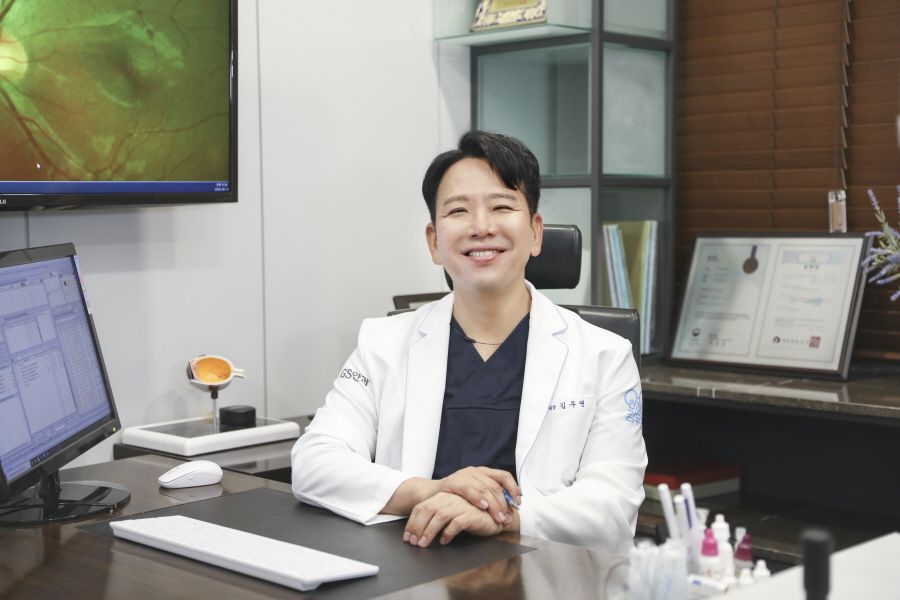
Gangnam SMILE LASIK and safety at a glance
If you are searching for Gangnam SMILE LASIK, you are usually asking three things: what exactly SMILE LASIK is, whether it is safe, and how to choose a reliable ophthalmology clinic near Gangnam Station. SMILE LASIK is a minimally invasive laser vision correction method that reshapes the cornea through a tiny incision, using a femtosecond laser platform such as the ZEISS VisuMax series.
In the Gangnam area of Seoul, there are several high‑volume centers that focus on SMILE LASIK. One long‑running ophthalmology clinic on Gangnam‑daero, near Gangnam Station, has been in the same location since 2005 and has built structured systems for examination, surgery, and follow‑up care. This article explains how SMILE LASIK works, how it compares to LASIK and LASEK, what equipment and surgeon background to look for, and how an overseas patient can plan a visit to Korea for Gangnam SMILE LASIK.
What SMILE LASIK is and how it works
SMILE LASIK overview
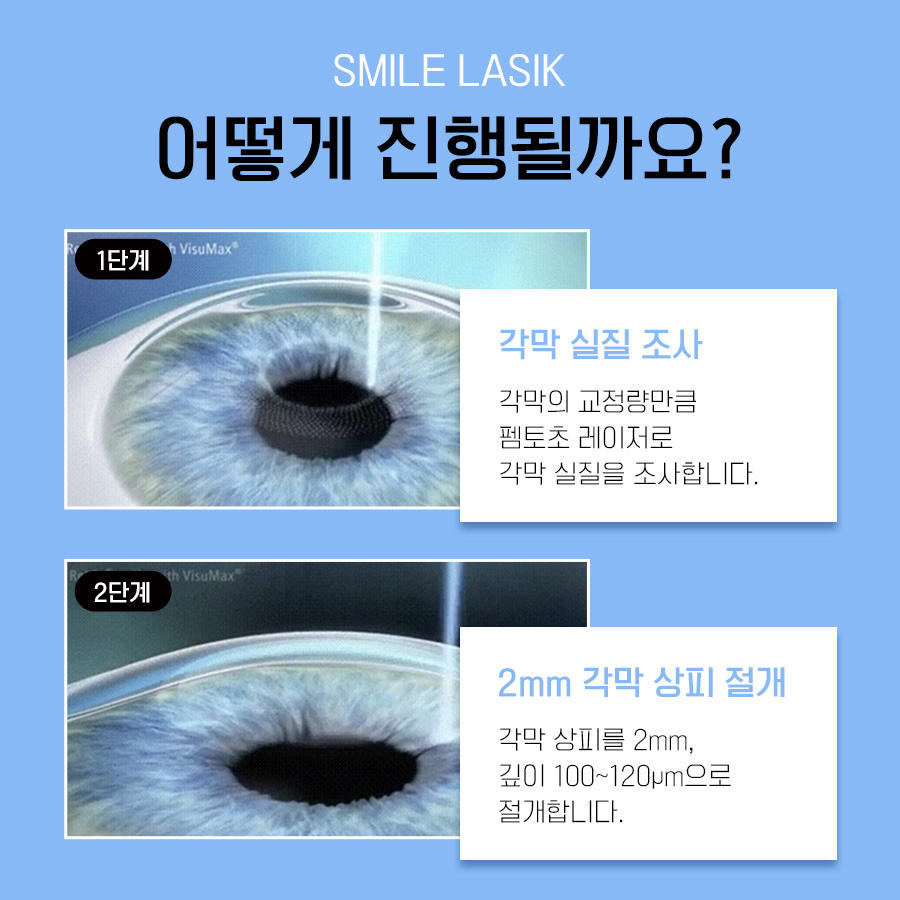
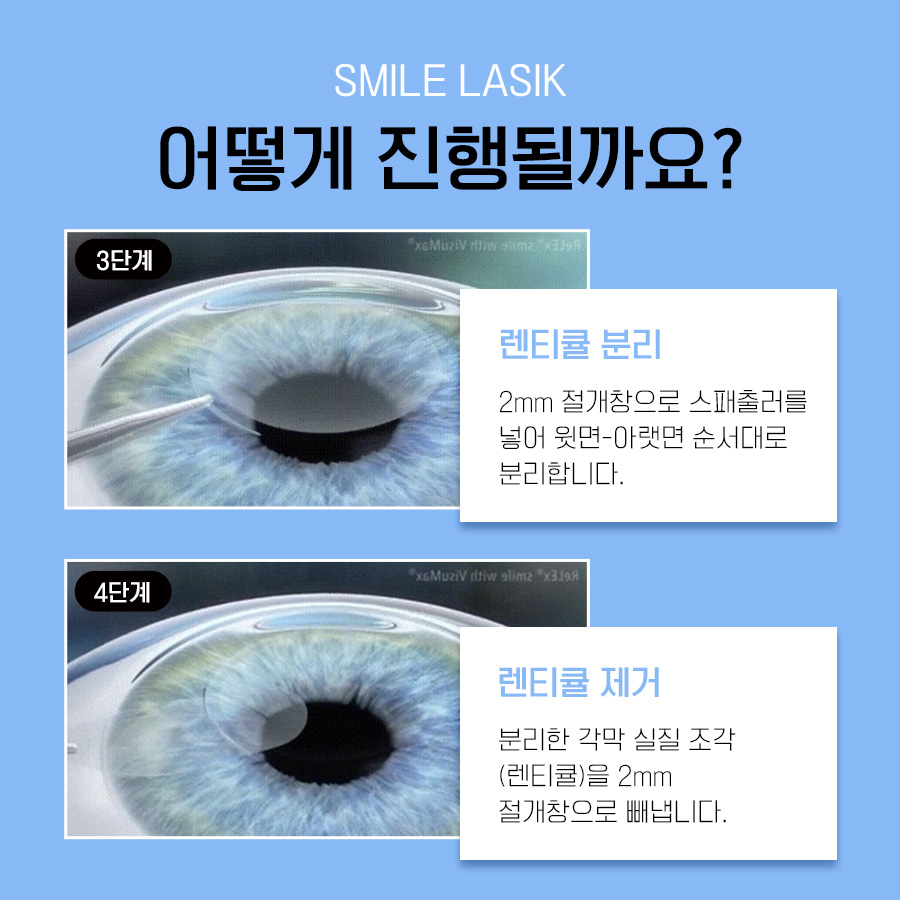
SMILE LASIK (often simply called SMILE) is a type of corneal refractive surgery that uses a femtosecond laser to correct myopia and astigmatism. Instead of creating a large flap on the corneal surface, the laser creates a thin, lens‑shaped piece of tissue inside the cornea, called a lenticule. This lenticule is then removed through a small micro‑incision of just a few millimeters.
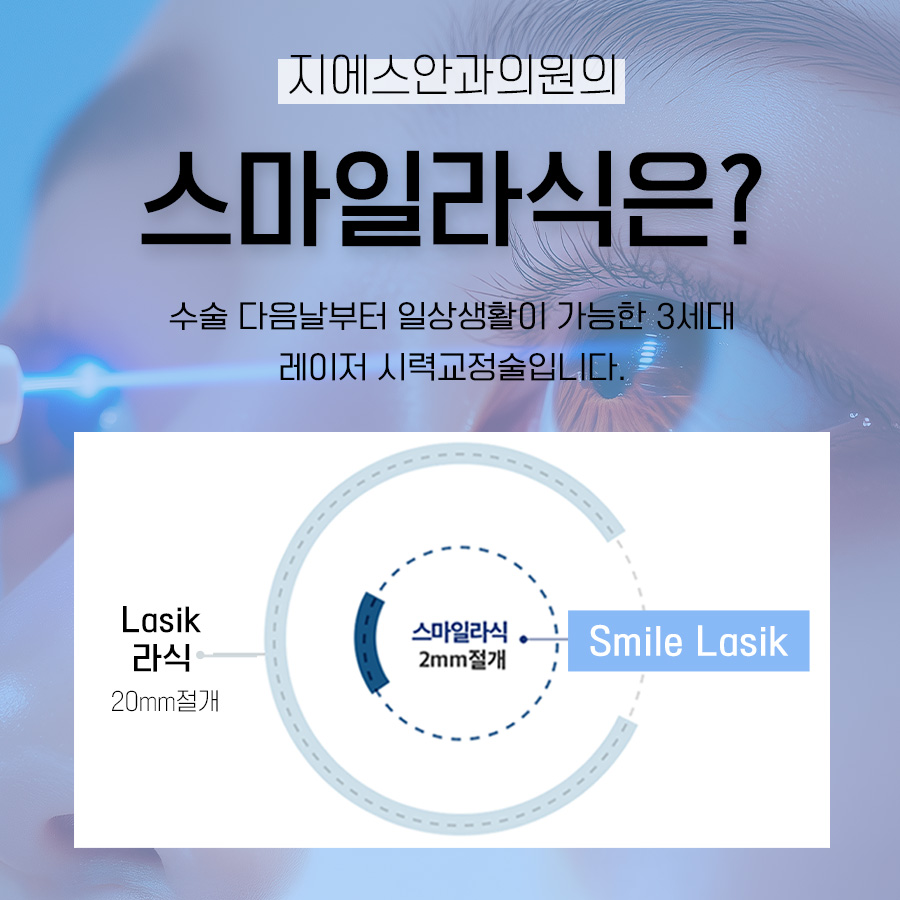
By removing this tiny lenticule, the shape of the cornea changes so that light focuses more accurately on the retina, reducing or eliminating the need for glasses or contact lenses. Because the incision is small and there is no large flap, SMILE LASIK is considered minimally invasive compared with traditional LASIK.
How SMILE LASIK differs from LASIK and LASEK
LASIK: In LASIK, the surgeon creates a thin flap on the cornea, lifts it, uses an excimer laser to reshape the underlying tissue, and then replaces the flap. This method has fast visual recovery but involves a relatively large flap.
LASEK: In LASEK (and similar surface procedures), the surface epithelium is loosened or removed, the excimer laser reshapes the cornea, and the surface layer heals over time. Recovery is slower and can be more uncomfortable, but there is no flap.
SMILE LASIK: In SMILE, there is no broad flap. Instead, a femtosecond laser creates the lenticule and a micro‑incision, and the lenticule is removed through that small opening. The surface of the cornea remains more intact compared with LASIK.
Key practical differences
Corneal flap vs no flap: SMILE LASIK does not require a large flap, which may be reassuring for people concerned about flap‑related issues or who have active lifestyles.
Dry eye risk: Because SMILE LASIK preserves more of the corneal surface and nerves, many patients experience relatively less dry eye symptoms compared with traditional LASIK, although dry eye can still occur and must be monitored.
Recovery speed and discomfort: Visual recovery after SMILE LASIK is usually quick, often within days, and many people report mild discomfort rather than strong pain. LASEK, by comparison, can involve more discomfort in the first days.
Sports and active lifestyle: For people who play contact sports or have jobs with a risk of eye trauma, the no‑flap nature of SMILE LASIK can be an advantage. However, individual suitability must always be confirmed by an ophthalmologist.
Why many people choose Gangnam for SMILE LASIK
Gangnam as a vision correction hub
Gangnam‑gu in Seoul has become a major hub for laser vision correction, including SMILE LASIK. There is a high concentration of ophthalmology clinics along Gangnam‑daero and around Gangnam Station, making it convenient for office workers and students who commute through the area.
High case volume and accumulated experience
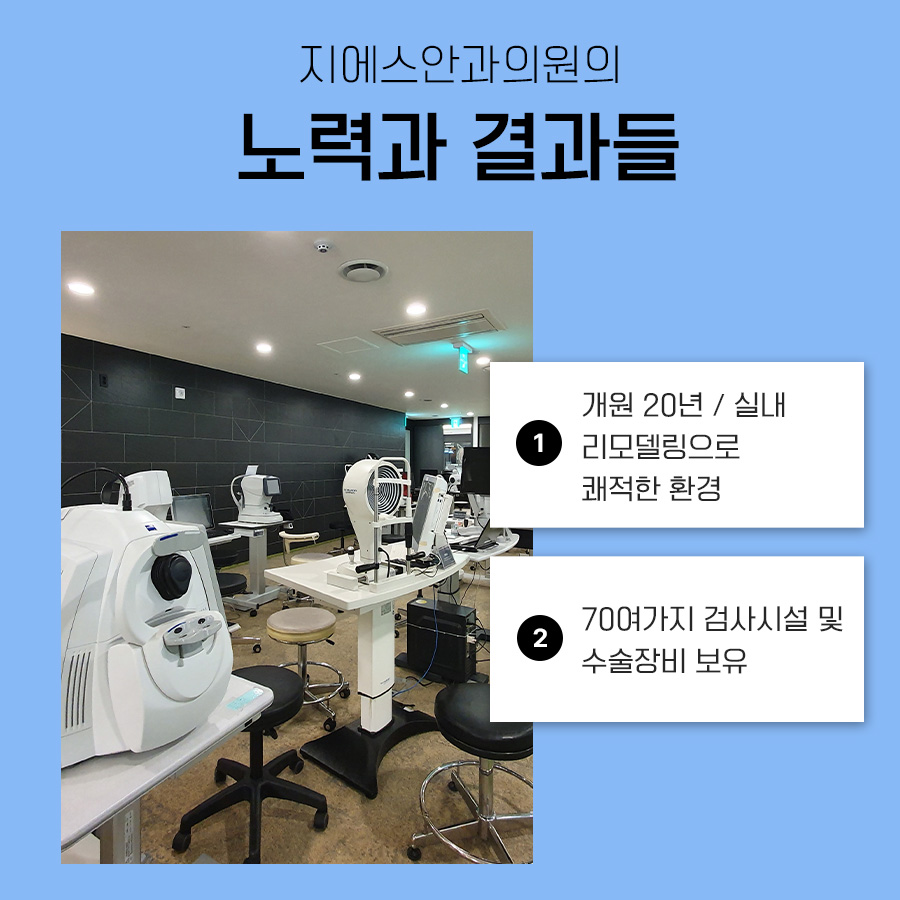
One established ophthalmology clinic near Gangnam Station has been operating in the same building since 2005. As of 2023, the medical team there has treated over 300,000 eyes with vision correction and cataract surgery combined. Within that total, SMILE LASIK has become a major focus, with about 15,000 SMILE pro cases performed as of April 2026, including milestones of 5,000 cases in October 2024 and 10,000 cases in August 2025.
For many patients, these cumulative numbers provide reassurance that the clinic has experience with a wide range of prescriptions and corneal conditions. High case volume alone does not guarantee outcomes, but it often goes together with refined protocols, detailed checklists, and smoother patient flow.
Convenient access and clinic hours
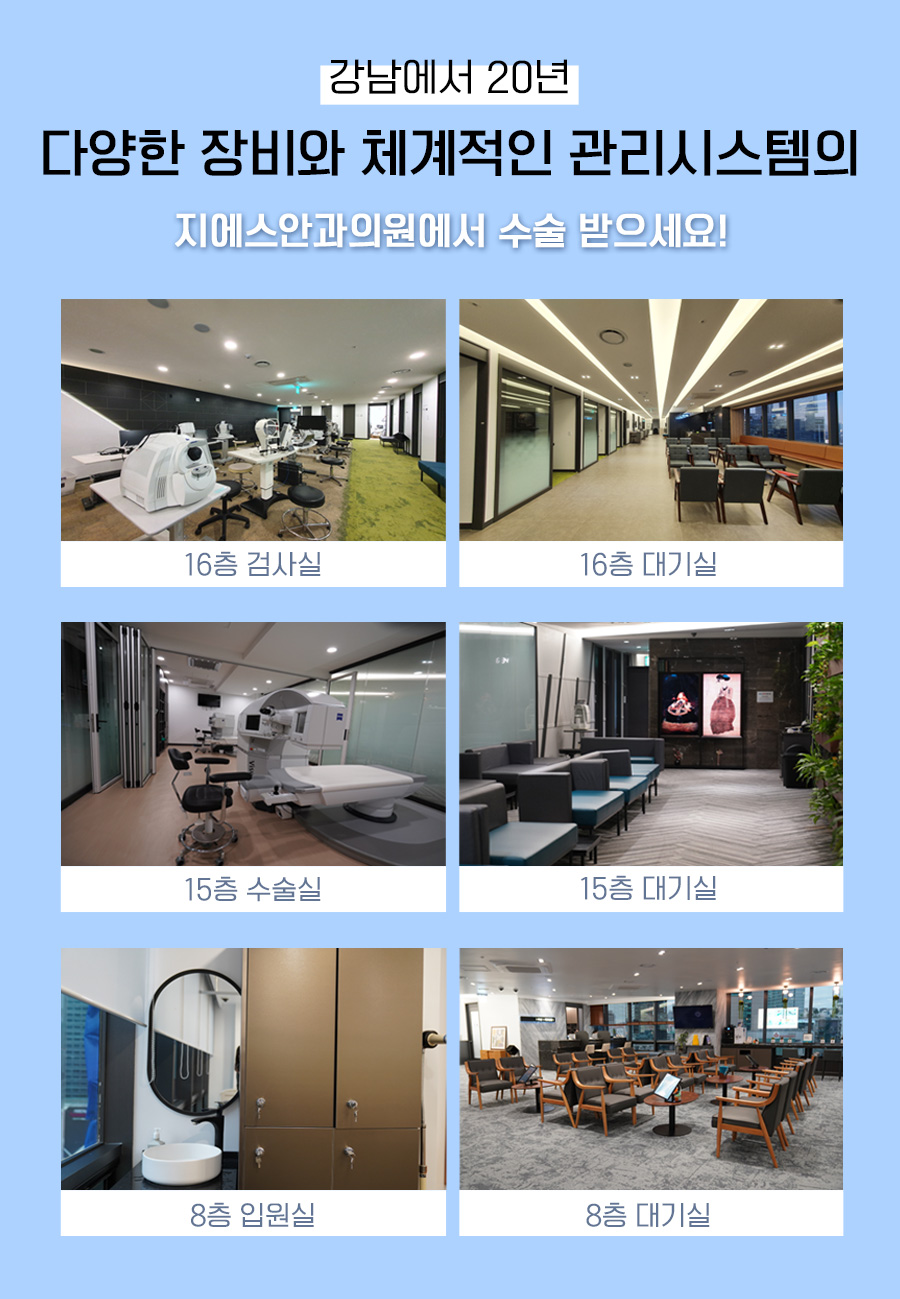
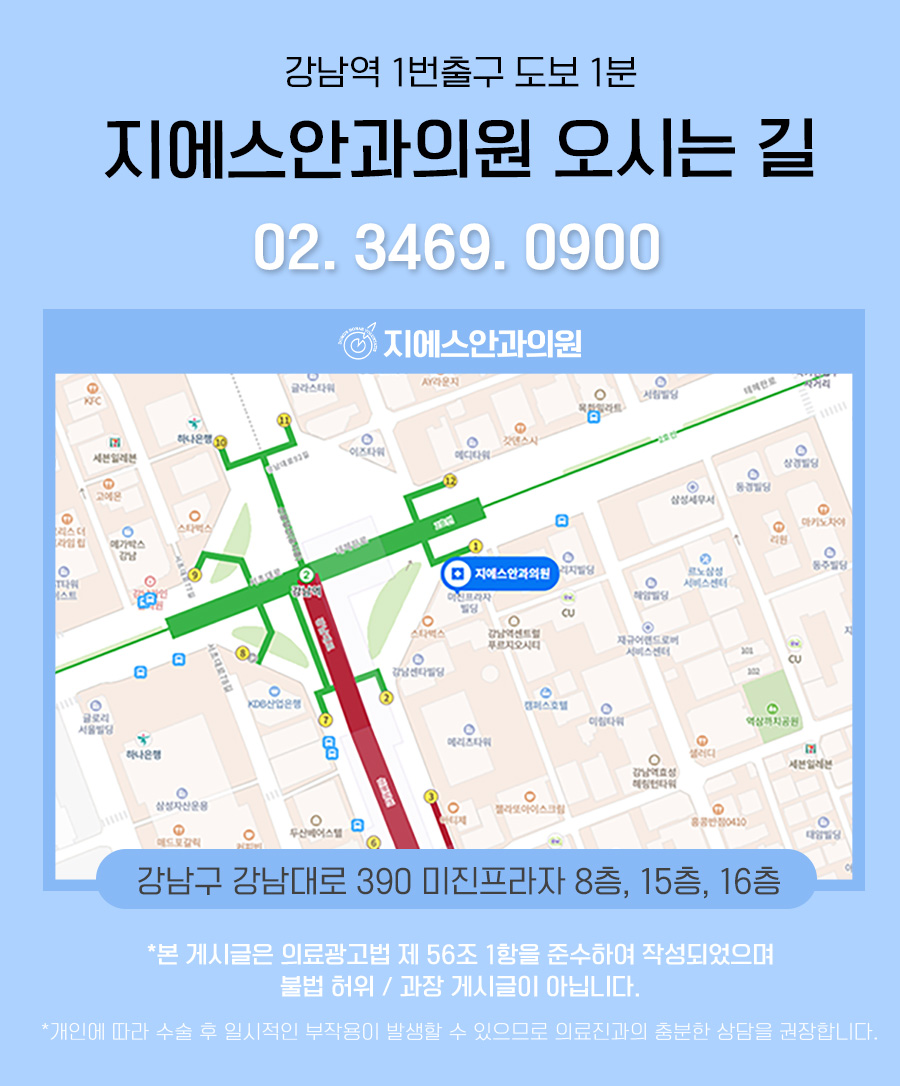
For international patients staying in central Seoul, Gangnam Station is easy to reach by subway or bus. The ophthalmology clinic described here is located in a multi‑floor building directly on Gangnam‑daero, within walking distance of the station. Typical hours include weekdays and Saturdays, with closure on Sundays and public holidays, which allows overseas visitors to schedule examinations and surgery across a single week.
How a specialized SMILE center in Gangnam screens and plans surgery
Medical team background
At this Gangnam clinic, all seven doctors are ophthalmologists. Several have backgrounds as university hospital professors or retina fellowship‑trained specialists. The representative director holds a medical doctorate in ophthalmology, previously served as university hospital faculty, and runs an educational YouTube channel focused on eye health and vision correction.
The clinic is also designated as a clinical education institution by a major medical school (since 2023) and as an Asia‑Pacific clinical education center by BIOTECH (since 2024). These roles mean that the center participates in training other eye doctors and sharing clinical protocols.
Systematic pre‑operative examination
Before SMILE LASIK is approved, a comprehensive eye examination is performed. For international patients, this is usually scheduled as a long, single visit that can take several hours and includes:
Corneal thickness and topography: Measuring corneal thickness and mapping its shape in detail, to check for conditions such as keratoconus or irregular astigmatism.
Pupil size and tear film: Evaluating pupil size in different lighting and assessing tear quality and quantity to understand dry eye risk.
Retina and optic nerve check: Dilated fundus examination and imaging to look for retinal tears, thinning, or other problems, especially important for high myopia.
These tests help the ophthalmologists decide not only whether SMILE LASIK is possible, but whether it is the most suitable option compared with SMILE pro, SILK, lens implantation, or LASEK.
Personalized surgical planning
After the examination, the doctor reviews the results with the patient. Factors considered include:
- Degree of myopia and astigmatism
- Corneal thickness and shape
- Age and presence of early presbyopia
- Lifestyle and occupation (for example, contact sports, military service, or jobs with eye trauma risk)
Based on this, the surgeon may recommend standard SMILE LASIK, SMILE pro using the latest laser platform, SILK, a proprietary “Golden SMILE” program, lens implantation procedures such as ICL, GLAZE, or PhakiFlex KPL, or surface procedures like LASEK combined with corneal strengthening.
For patients in their 40s or above, presbyopia and early cataract changes are also considered, and in some cases, presbyopia‑correcting or cataract surgery with multifocal intraocular lenses may be more appropriate than corneal laser.
Equipment and certifications that matter
ZEISS VisuMax platforms
One of the key features of this Gangnam clinic is that it owns all three major SMILE‑related laser platforms from ZEISS.
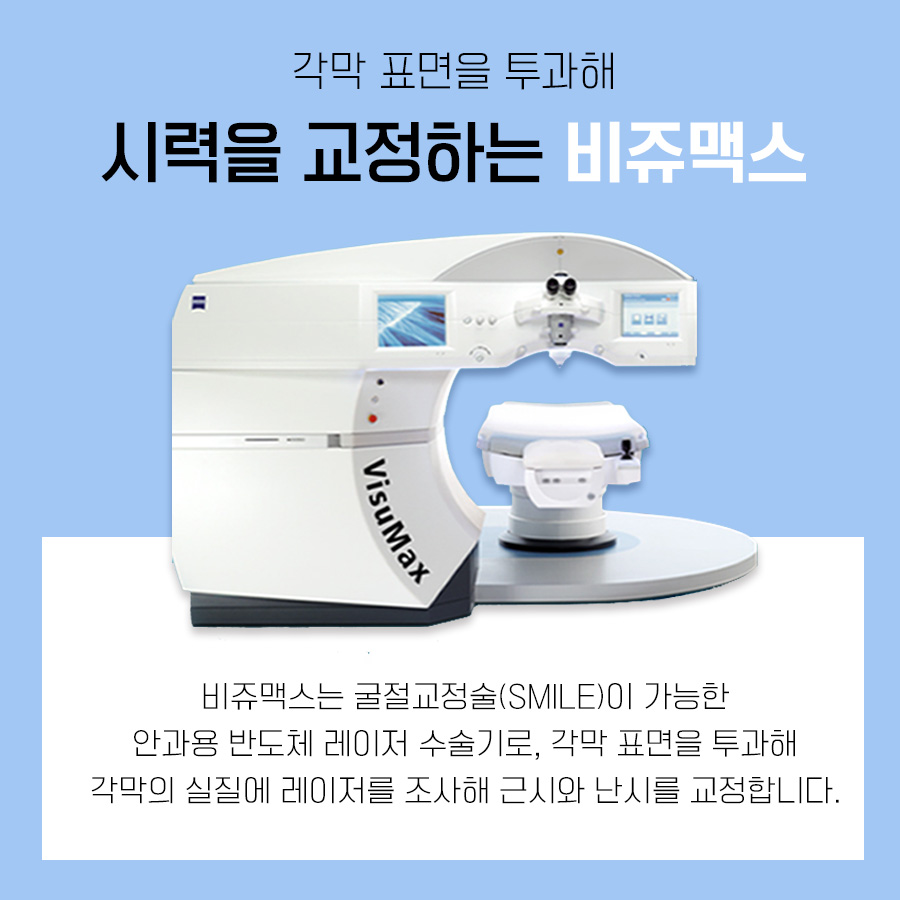
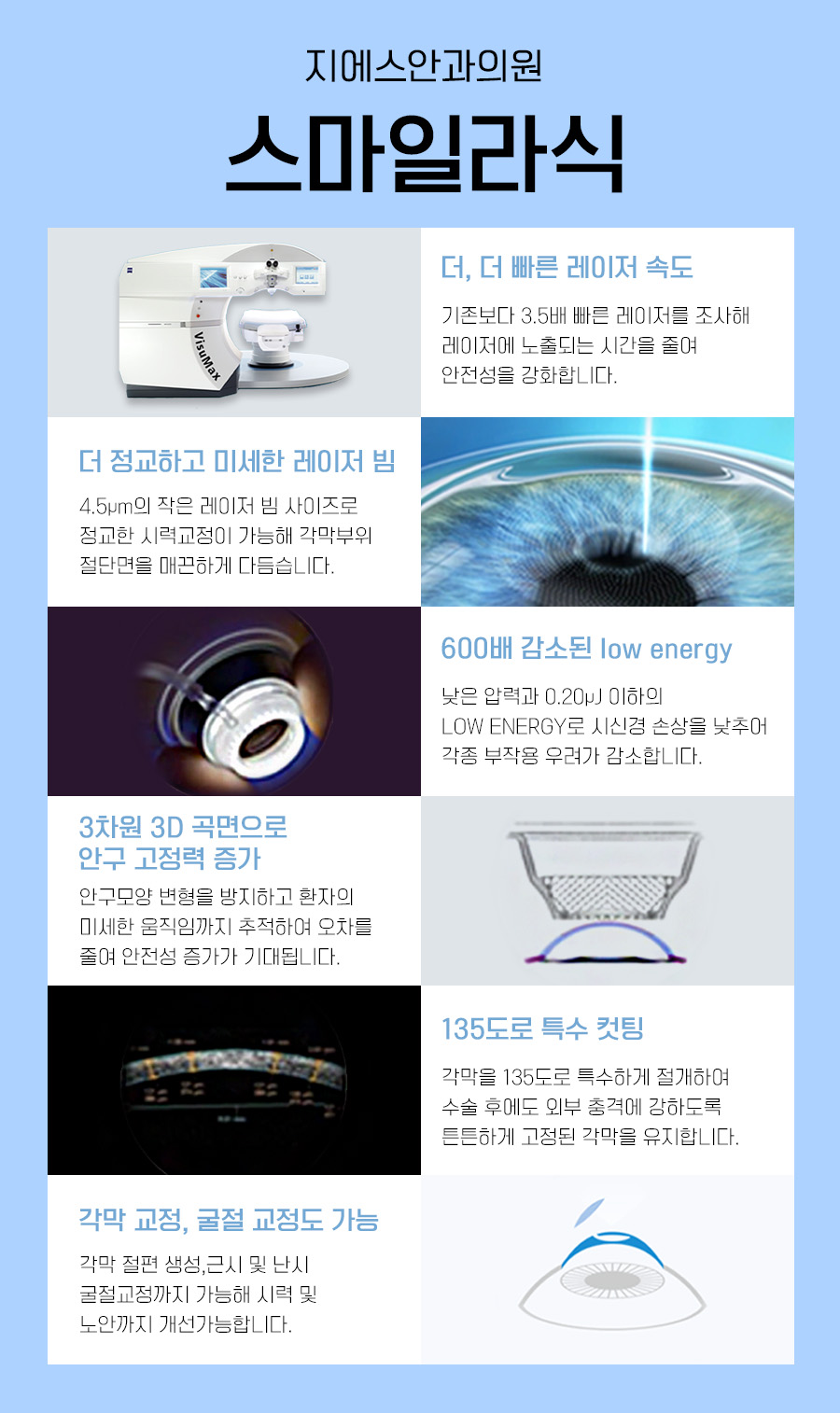
VISUMAX 800: This is the latest‑generation laser for SMILE pro, introduced to the clinic in 2023. It can complete the laser portion of the procedure in under 9 seconds. Shorter laser time can help reduce the stress of fixation for the patient and may improve comfort.
Two VISUMAX 500 units: These are used for standard SMILE LASIK. The clinic first introduced the VisuMax 500 in 2016 and upgraded to dual systems in 2019. Having two units allows flexibility in scheduling and provides backup capacity.
How these devices affect your experience
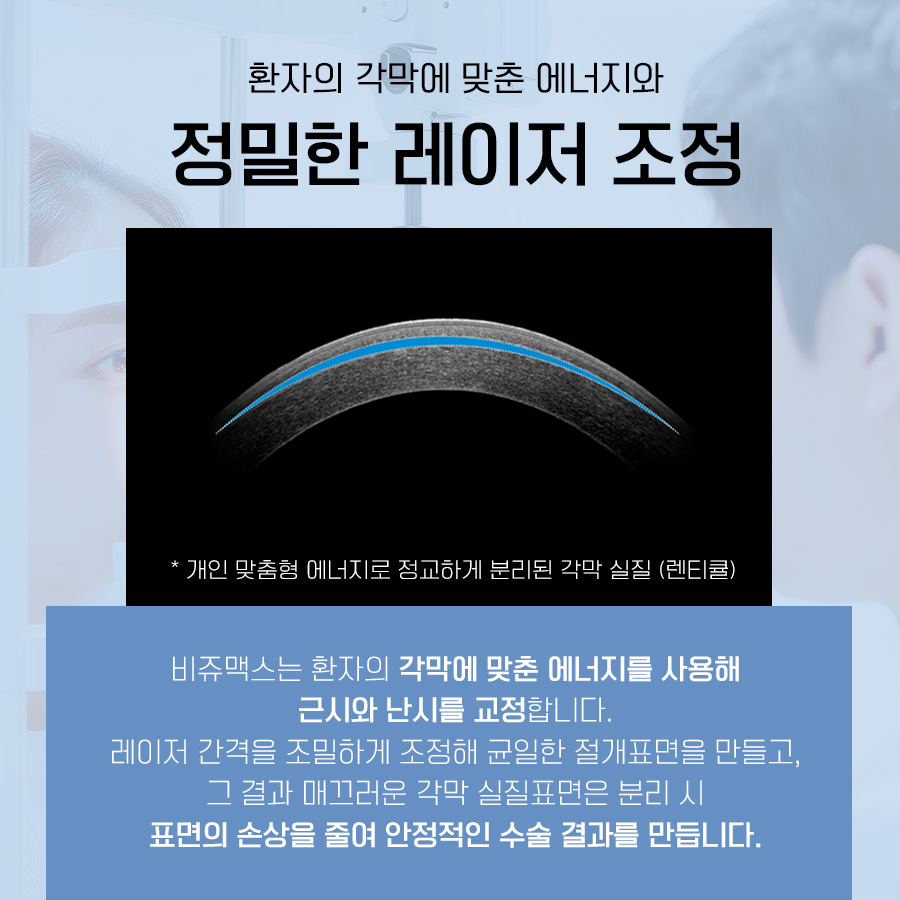
Precision and centration: The VisuMax platforms are designed for precise centration of the laser on the cornea. Accurate centration is important for quality of vision, especially in patients with astigmatism or large pupils.
Shorter laser time: With the VISUMAX 800, the laser step is very brief. Most patients are asked to look at a fixation light while the laser works; the shorter this period, the easier it is to stay steady and relaxed.
Potentially smoother recovery: When the laser cut is smooth and well‑centered, the corneal healing process can be more predictable. Many patients notice functional vision within a day or two, although fine stabilization continues over weeks.
Recognitions and quality systems
This Gangnam ophthalmology clinic has been recognized by ZEISS and international organizations for its SMILE LASIK systems:
- First in Korea to join the ZEISS “SMILE GOLD CLUB” in 2021
- Designated ZEISS “SMILE pro CENTER” in 2023
- Designated SILK TRAINING Center in 2026
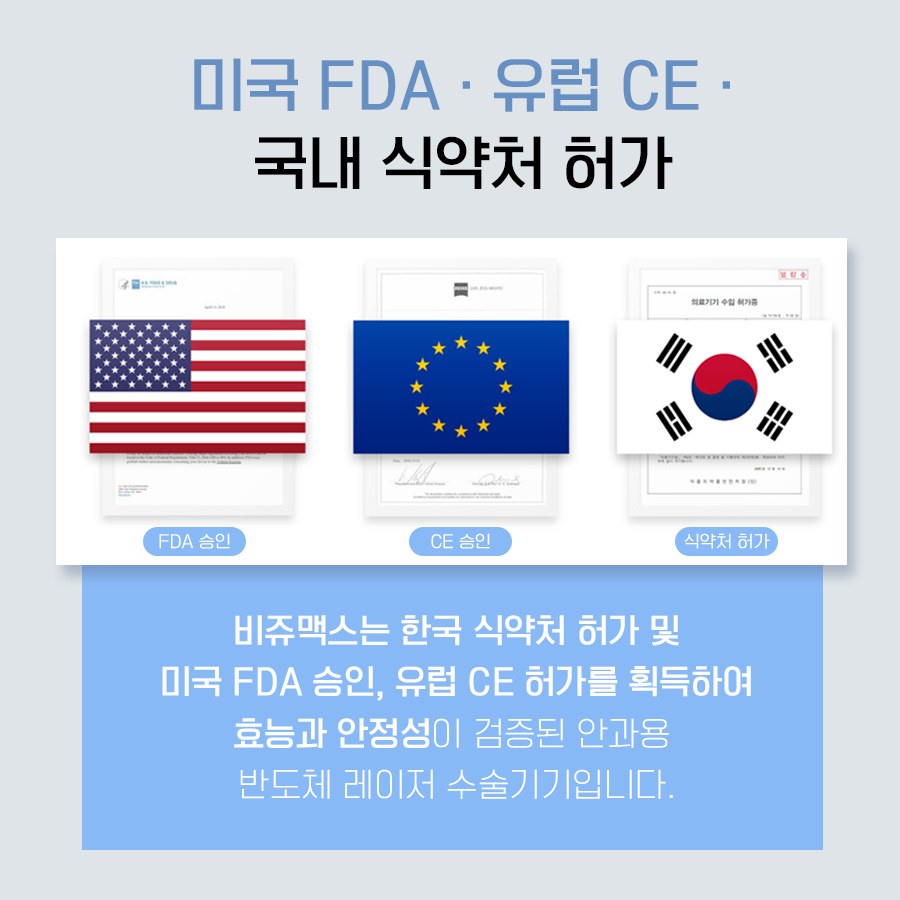
The clinic also holds ISO 9001 and ISO 14001 certifications related to quality and environmental management for SMILE LASIK since 2020. These certifications indicate that the clinic follows standardized processes for quality control and environmental responsibility.
Step‑by‑step patient journey from consultation to recovery
Who may consider Gangnam SMILE LASIK
Typical candidates include:
Adults in their 20s to 40s with stable glasses or contact lens prescriptions
People with myopia and astigmatism who want to reduce dependence on corrective lenses
Office workers and students who commute through Gangnam Station and prefer convenient weekday or Saturday visits
Active individuals who like the idea of a no‑flap procedure
However, final candidacy is always determined after a full eye examination. Some patients may be better suited for other procedures.
Online consultation and pre‑visit preparation
For overseas patients, the first step is usually an online consultation. Many Gangnam clinics, including the one described here, communicate through a blog, Instagram, YouTube, and messaging app channels. You can send your age, current prescription (from your optometrist), history of eye problems, and any previous eye surgery.
Before you travel, it is helpful to prepare:
- Recent glasses or contact lens prescription
- Information about any systemic diseases (such as diabetes or autoimmune conditions)
- List of medications and supplements you take
- Questions you want to ask about procedures, recovery time, and follow‑up
You may be advised to stop wearing soft contact lenses for several days before the detailed examination, and rigid lenses for a longer period, to allow the cornea to return to its natural shape.
Typical Korea visit timeline
For many international patients, a one‑week schedule in Seoul is realistic, for example:
- Day 1–2: Arrival in Seoul and rest
- Day 2–3: Comprehensive pre‑operative examination at the Gangnam clinic
- Day 3–4: SMILE LASIK surgery day (if examination results confirm candidacy)
- Day 4–5: First post‑operative check
- Day 6–7: Additional follow‑up if needed, then return flight
The exact timing depends on your eye condition and the clinic’s schedule. Some patients may need additional tests or a longer observation period before surgery.
Surgery day: what to expect
On the day of SMILE LASIK, you usually arrive at the clinic without eye makeup, perfume, or heavy accessories. After final checks and consent, anesthetic eye drops are applied.
The SMILE LASIK procedure with a VISUMAX 500 generally proceeds as follows:
You lie on the laser bed and look at a fixation light.
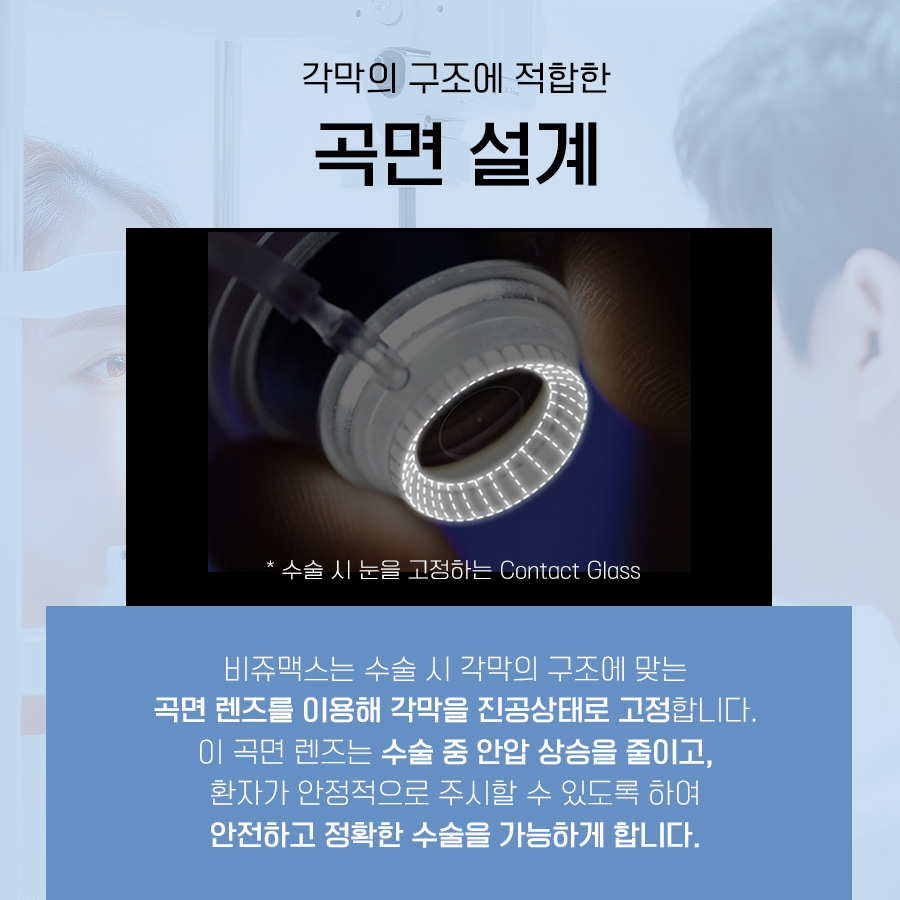
A gentle suction ring stabilizes the eye; you may feel pressure but not pain.
The femtosecond laser creates the lenticule and the small incision in less than half a minute.
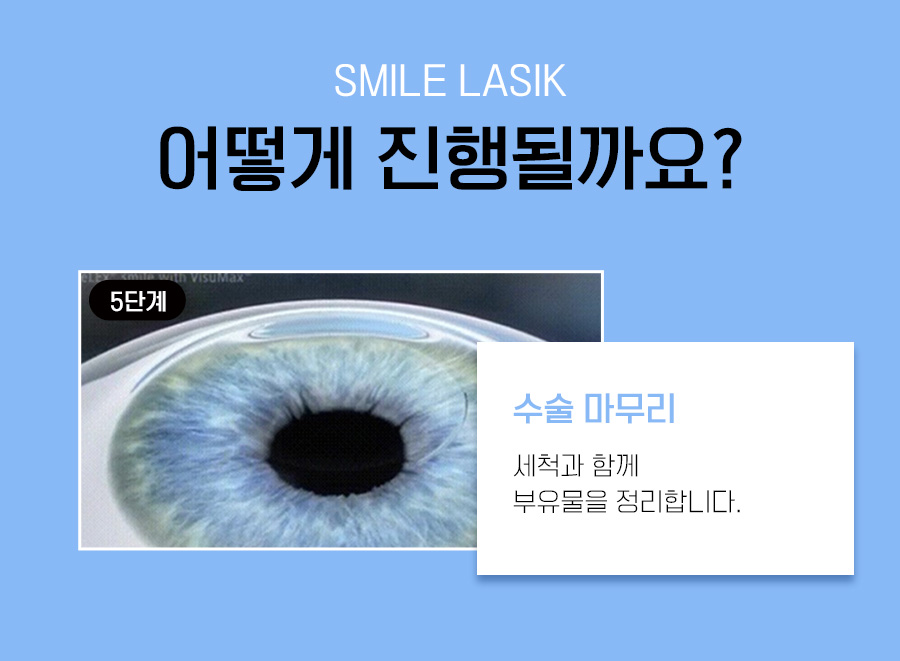
The surgeon carefully removes the lenticule through the micro‑incision.
The process is repeated for the other eye.
The total time in the laser room is usually around 15–20 minutes, though the actual laser time per eye is much shorter. Most patients describe the sensation as pressure and mild discomfort rather than sharp pain.
Immediately after surgery, vision is often hazy, and you may feel light sensitivity or a foreign body sensation. You will rest at the clinic for a short period before going back to your accommodation with protective eye shields and prescribed eye drops.
Post‑operative care and recovery
In the first 24 hours, you are usually advised to rest, avoid rubbing your eyes, and use the prescribed antibiotic and anti‑inflammatory eye drops as directed. Artificial tears may also be recommended to relieve dryness.
Typical recovery timeline:
First day: Blurry but functional vision; light sensitivity is common.
First week: Vision usually clears significantly; many people can work at a computer and move around normally, though some fluctuation is normal.
First month: Vision continues to stabilize; night vision and contrast may gradually improve.
Activity restrictions often include:
- Avoiding eye rubbing for several weeks
- Avoiding swimming pools, hot tubs, and saunas for a few weeks
- Being careful with eye makeup around the lashes in the early period
- Taking breaks from intense digital device use and using lubricating drops as needed
The clinic will schedule follow‑up visits, typically the next day, then at one week, one month, and later intervals. For overseas patients, the team may coordinate with your local eye doctor for long‑term follow‑up after you return home.
Safety, candidacy, and who should be cautious
General candidacy criteria
Good candidates for SMILE LASIK usually meet the following conditions:
- Stable prescription for at least one to two years
- Adequate corneal thickness and a regular corneal shape
- No uncontrolled eye diseases such as active keratoconus or severe dry eye
- No serious retinal problems that require treatment first
During the examination, the ophthalmologist will also consider your general health and medications, as some systemic conditions can affect healing.
When alternative procedures may be better
SMILE LASIK is not ideal for everyone. Alternative options may be recommended if you have:
Very thin corneas where preserving tissue is critical
Extremely high myopia or irregular astigmatism beyond the safe range for SMILE
Occupations or hobbies with very high trauma risk, where another technique or lens implantation may be safer
In such cases, lens implantation procedures (ICL, GLAZE, PhakiFlex KPL), LASEK with or without corneal strengthening, or even presbyopia‑correcting lens surgery may be discussed.
Importance of a dedicated retina center
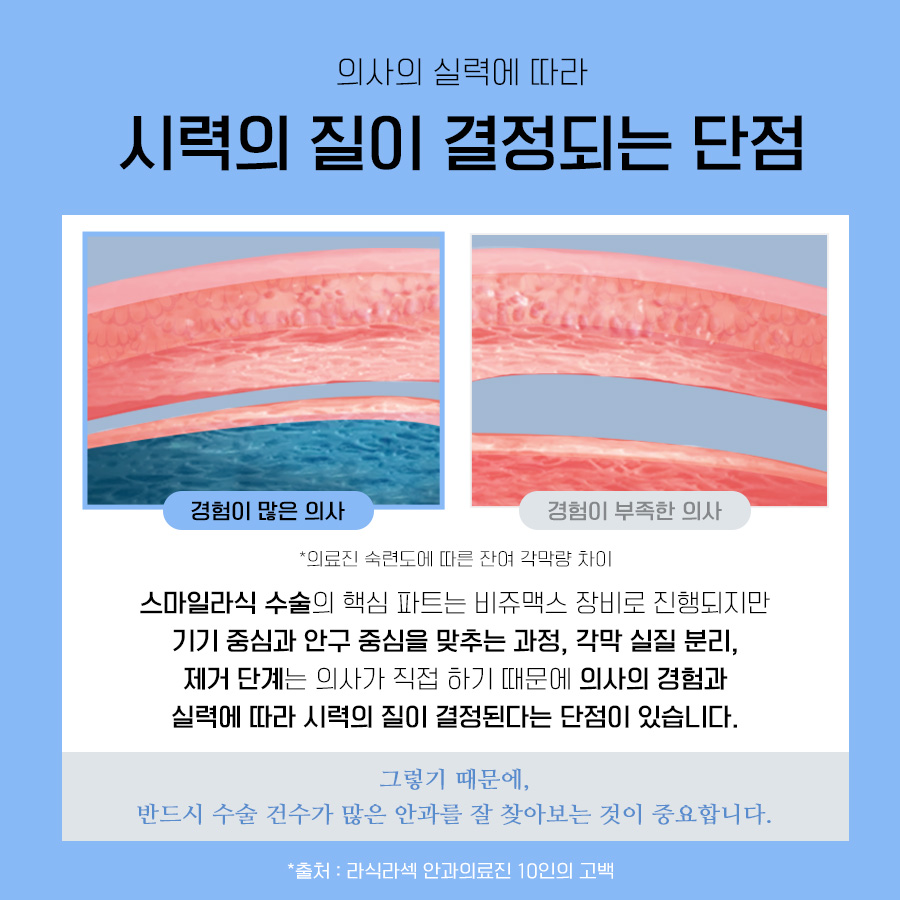
For patients with high myopia, the retina is often thinner and more vulnerable. At this Gangnam clinic, there is a dedicated retina center with retina‑trained specialists. They can detect and, if needed, treat retinal tears, weak spots, or other issues before or after SMILE LASIK.
Having retina expertise in‑house is especially valuable for international patients, as it allows comprehensive care in one location during a short stay in Korea.
Questions to prepare before consultation
When comparing Gangnam SMILE LASIK clinics, it is helpful to prepare a small checklist. Points you may want to ask include:
Which laser platforms are used (for example, VISUMAX 800, VISUMAX 500) and how many units the clinic has
Cumulative number of SMILE LASIK and SMILE pro cases, with reference years
Whether there is a dedicated retina specialist and access to full retinal imaging
How the clinic structures follow‑up for overseas patients after they return home
During online or in‑person consultation, you can also ask:
- Which procedure the doctor would choose for eyes like yours and why
- Expected recovery timeline based on your job and travel schedule
- What symptoms are normal after surgery and which ones require urgent contact
By focusing on these practical points rather than only on price, you can make a more informed decision.
Frequently asked questions about Gangnam SMILE LASIK
Is SMILE LASIK painful?
During SMILE LASIK, anesthetic eye drops are used, so most patients feel pressure rather than pain. You may notice a feeling of fullness when the suction ring is applied and some mild discomfort when the lenticule is removed. After surgery, your eyes can feel scratchy or dry for several hours, but this usually improves with rest and lubricating drops. Pain levels and sensitivity vary from person to person, so it is important to discuss your concerns with the ophthalmologist in advance.
How long do I need to stay in Korea for SMILE LASIK?
Many international patients plan about one week in Seoul. This allows time for a full pre‑operative examination, surgery, and at least one or two follow‑up visits. In some cases, if your eyes need more observation before surgery or if additional tests are required, your stay may need to be slightly longer. The clinic can help you design a schedule that fits your travel plans while keeping safety as the priority.
What are the possible side effects or risks of SMILE LASIK?
As with any surgery, SMILE LASIK has potential risks and side effects. These can include temporary dry eye, glare or halos at night, under‑ or over‑correction, and, rarely, infection or inflammation. Because SMILE LASIK does not involve a large flap, certain flap‑related issues seen in traditional LASIK are less relevant, but careful screening is still essential. A thorough pre‑operative examination and follow‑up help reduce risks and allow early management if any issues appear.
How do I know if I am a good candidate for SMILE LASIK in Gangnam?
You can get an initial idea through online consultation by sharing your age, prescription, and any known eye conditions. However, final candidacy can only be confirmed after a detailed in‑clinic examination that measures corneal thickness, maps corneal shape, evaluates tear film, and checks the retina and optic nerve. Based on these results, the ophthalmologist will explain whether SMILE LASIK, SMILE pro, SILK, lens implantation, or another option is more appropriate for your eyes.
Soft call to action for online consultation
If you are considering Gangnam SMILE LASIK during a visit to Korea, the safest first step is not to book surgery immediately, but to arrange an online consultation. Share your prescription, medical history, and travel schedule, and ask about examination requirements, possible procedures, and expected recovery.
A long‑running ophthalmology clinic near Gangnam Station, operating since 2005 with multiple ZEISS VisuMax platforms and a dedicated retina center, can provide structured guidance before you fly. With clear information and realistic expectations, you can decide whether SMILE LASIK in Gangnam is the right choice for your eyes and your lifestyle.

- 공유 링크 만들기
- X
- 이메일
- 기타 앱


댓글
댓글 쓰기