Gangnam Station Smart LASIK price guide for SMILE and SMILE Pro
- 공유 링크 만들기
- X
- 이메일
- 기타 앱
Direct answer: Gangnam Station Smart LASIK price
If you're researching Gangnam Station Smart LASIK pricing, expect procedures in Gangnam to be generally higher than in other regions of Korea. SMILE-based options such as SMILE Pro or SILK tend to sit at the higher end of the local price range. Exact fees are confirmed only after a comprehensive eye exam, since corneal thickness, degree of myopia or astigmatism, and overall ocular health determine the safest procedure for each patient.
When comparing prices, it is important to look beyond the headline number. You should check which generation of laser is used, how comprehensive the pre-operative testing is, who will perform the surgery, and how long the follow-up period lasts. A slightly higher fee can represent newer equipment, stricter safety standards, and more experienced surgeons, which are all important for long-term vision quality.
Overview of Smart LASIK and SMILE-type procedures
In the Korean search context, Smart LASIK near Gangnam Station usually refers to advanced femtosecond laser vision correction, especially SMILE-type procedures. These techniques aim to be safer and more precise than older microkeratome LASIK that used a mechanical blade to create the corneal flap.
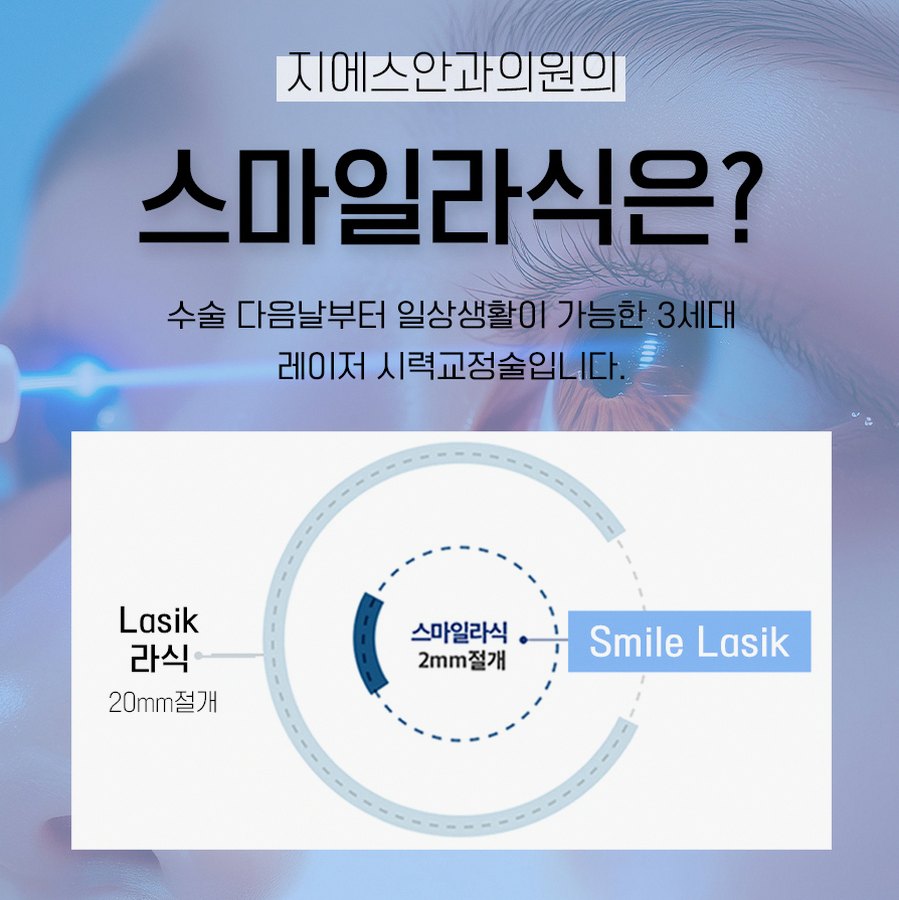
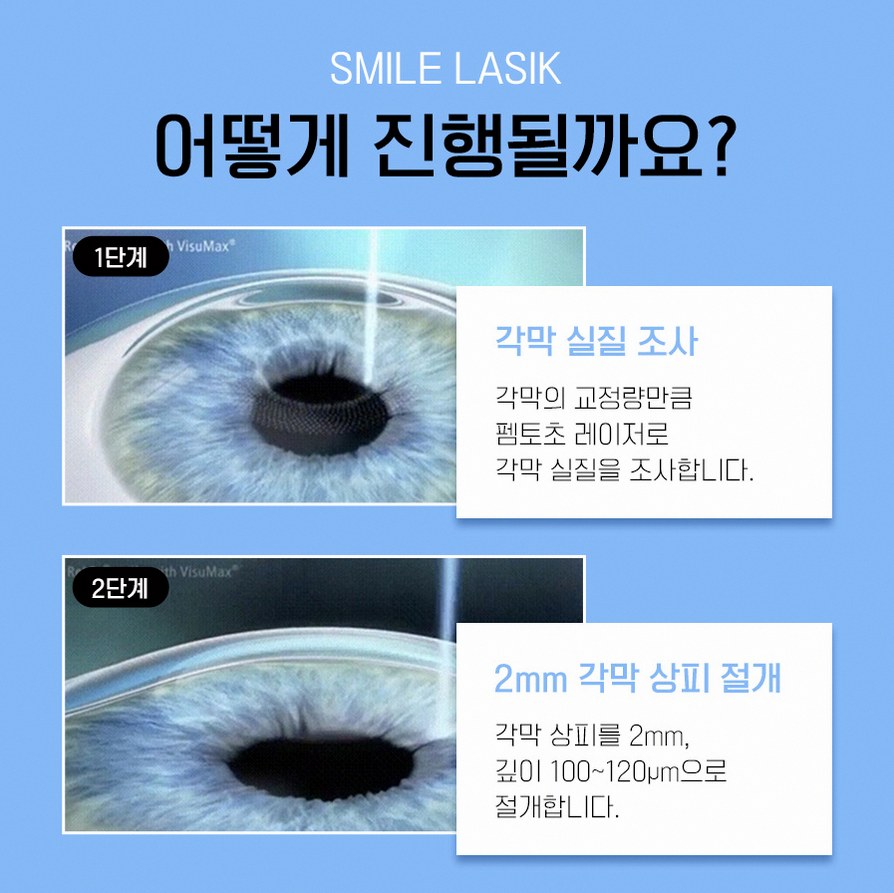
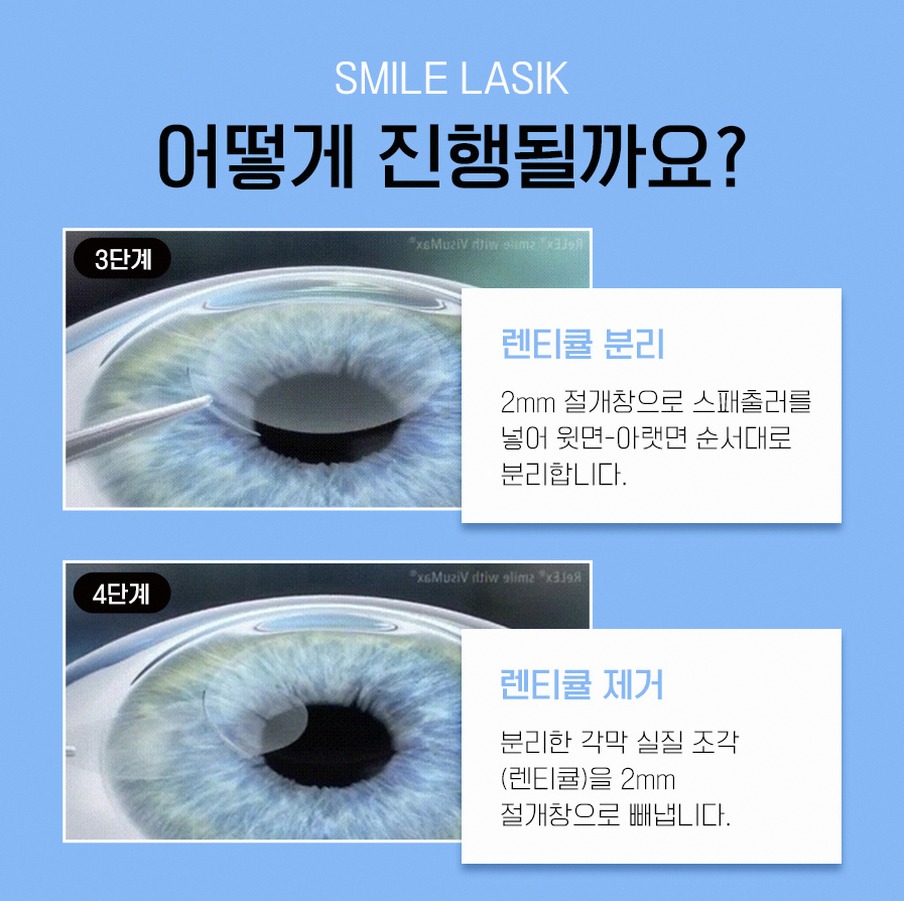
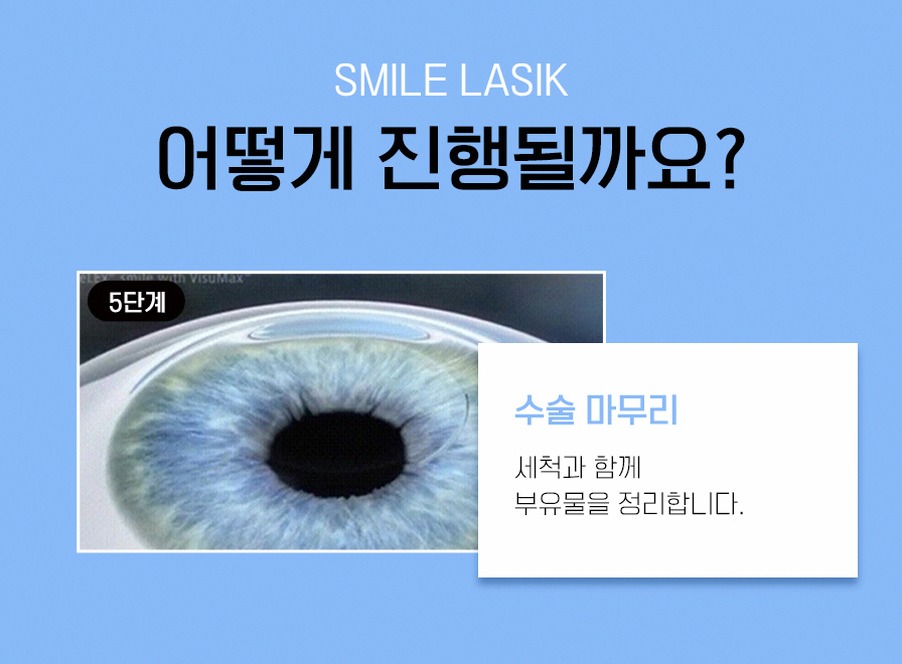
SMILE LASIK, also called small-incision lenticule extraction, uses a femtosecond laser to create a thin lens-shaped piece of tissue inside the cornea. This tissue is removed through a very small incision, without creating a large flap, preserving more corneal structure. Some studies and clinics report faster recovery and fewer flap-related problems for certain patients compared with classic LASIK; individual outcomes vary and a full eye examination is required to determine the most appropriate procedure.
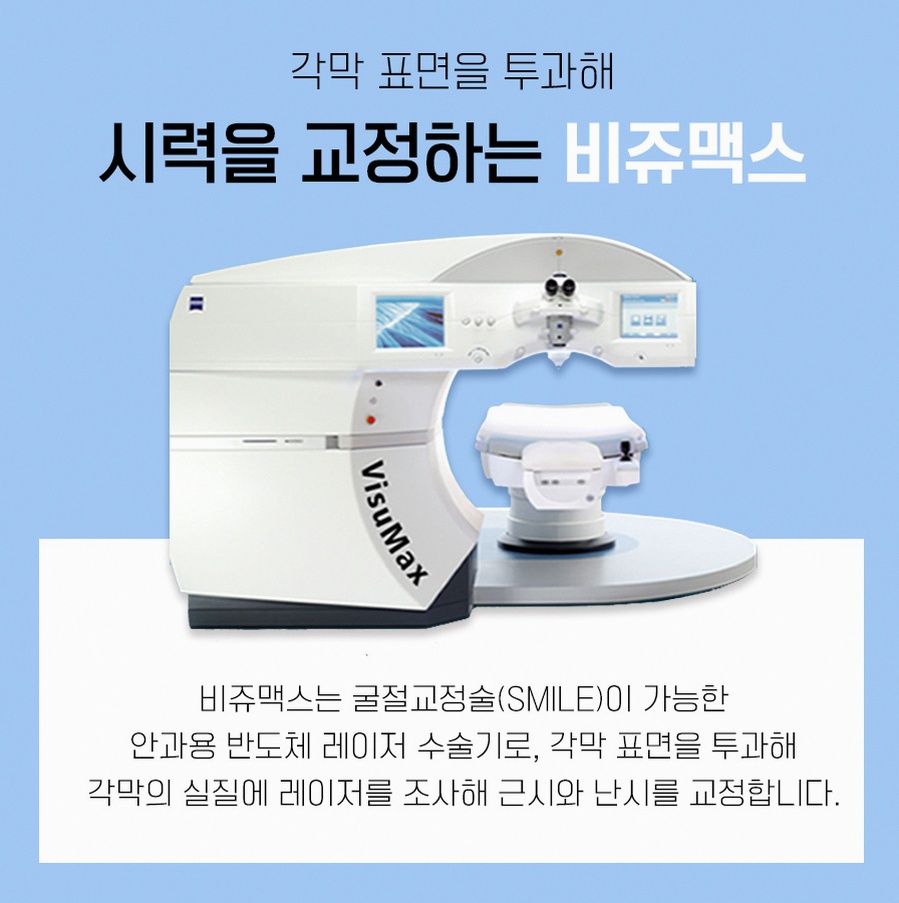
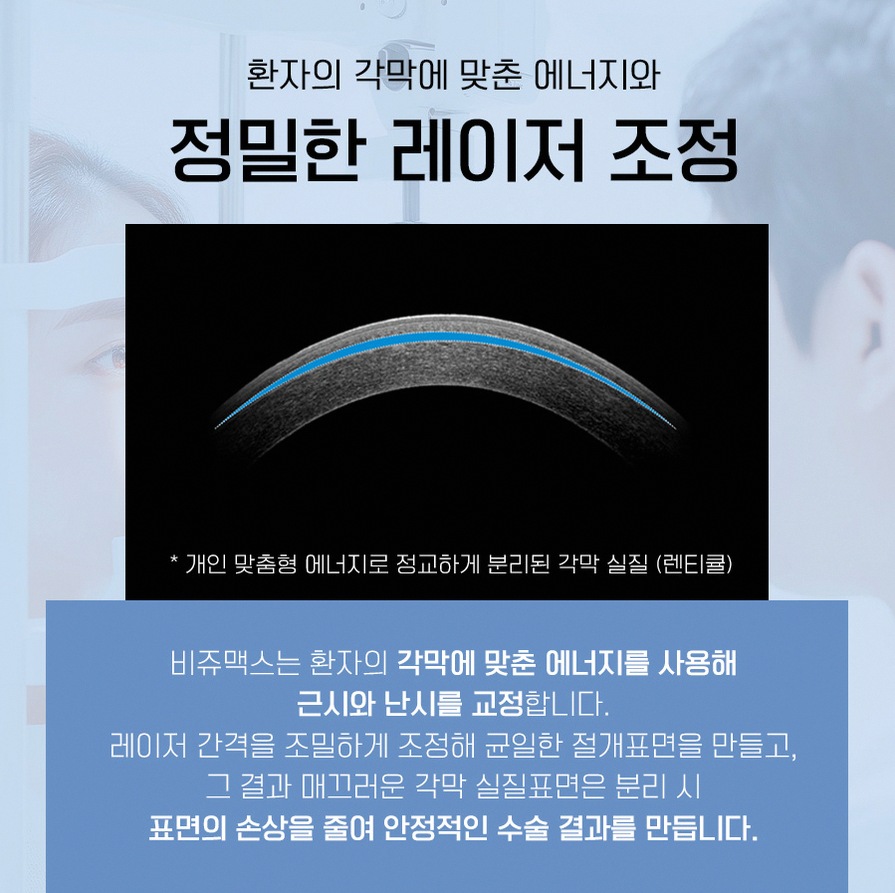
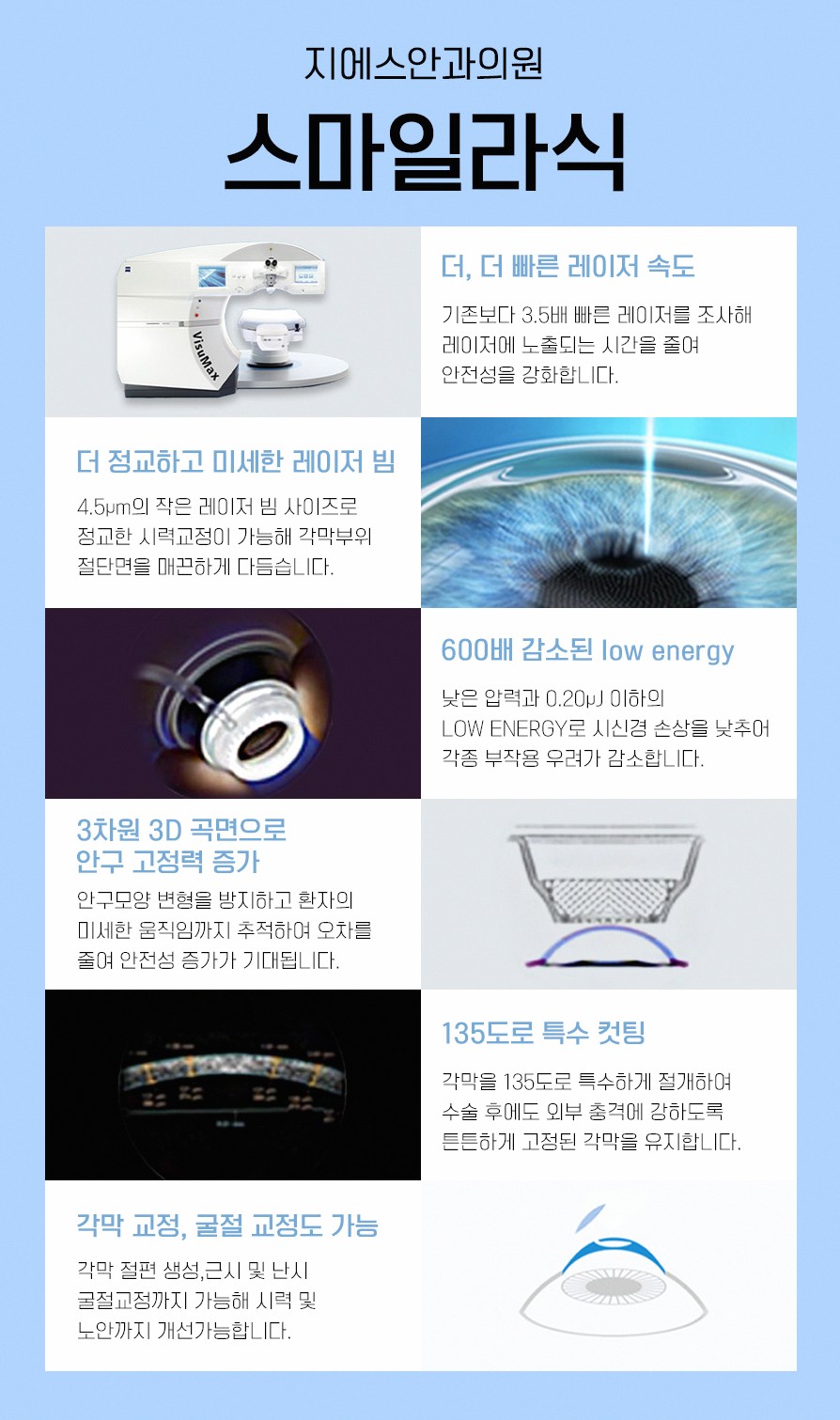
In addition to standard SMILE, there are newer related procedures in the same family. SMILE Pro uses the ZEISS VisuMax 800 platform, which can reduce laser time to under 10 seconds. SILK is another small-incision laser technique. Some clinics also develop their own branded SMILE protocols, such as Golden SMILE, which usually combine specific laser settings, diagnostic standards, and aftercare routines. These higher-end options often sit at the upper end of the price spectrum because they use the latest-generation equipment and more detailed planning.
Typical Smart LASIK and SMILE price range near Gangnam Station
Around Gangnam Station in Gangnam-gu, Seoul, you will find many ophthalmology clinics focused on refractive surgery. Prices are competitive, but they are not all the same. While each clinic has its own fee policy, the following general patterns are common.
Classic LASIK and LASEK are usually the entry-level options. They tend to be the least expensive, especially when offered as weekday or seasonal promotions. Smart LASIK or SMILE LASIK is typically priced higher than classic LASIK or LASEK, reflecting the cost of femtosecond equipment and the perceived benefits in comfort and stability. SMILE Pro and SILK are often at the top of the range, as they use newer platforms such as VisuMax 800 and may include more extensive diagnostics.
Another factor is whether the price is a promotional weekday offer or a standard, all-inclusive package. Promotional prices may apply only on specific days, for limited time slots, or with simplified follow-up schedules. Standard prices often include a full set of pre-operative tests, surgery, postoperative medications, and multiple follow-up visits over several months.
For international patients, it is also important to confirm what is included in the quoted price. Some packages cover enhancement procedures within a certain period if needed, while others charge separately. Translation support, medical reports in English, and coordination with your home doctor may or may not be included.
What actually changes the Smart LASIK price
Several concrete elements influence the final Smart LASIK or SMILE price near Gangnam Station.
Equipment generation
Newer femtosecond laser platforms generally require larger investment by the clinic, which is reflected in the procedure fee. For example, the ZEISS VisuMax 800 used for SMILE Pro can shorten laser time to under 10 seconds and offers workflow advantages. Procedures performed with this platform are often priced higher than those performed with older models.
Some clinics own multiple SMILE-capable lasers, such as VisuMax 500 units dedicated to SMILE LASIK, in addition to a VisuMax 800. This allows more tailored planning for different corneal shapes and refractive errors, and provides backup capacity in case of technical issues. Having several platforms available can support smoother scheduling and may improve safety reserves, but it can also place the clinic in a higher price bracket.
Surgeon and medical team
In Korea, Smart LASIK and SMILE are performed by ophthalmology specialists. Clinics led by a medical doctor with a PhD, former university hospital faculty experience, and a team of ophthalmology specialists may set their fees based on this level of training and experience.
A team that includes subspecialists, such as retina specialists, can be particularly valuable for patients with high myopia or pre-existing retinal changes. These doctors can evaluate and manage complex or high-risk cases more comprehensively. This kind of multidisciplinary structure may slightly increase the overall cost but can contribute to long-term safety.
Diagnostic protocol
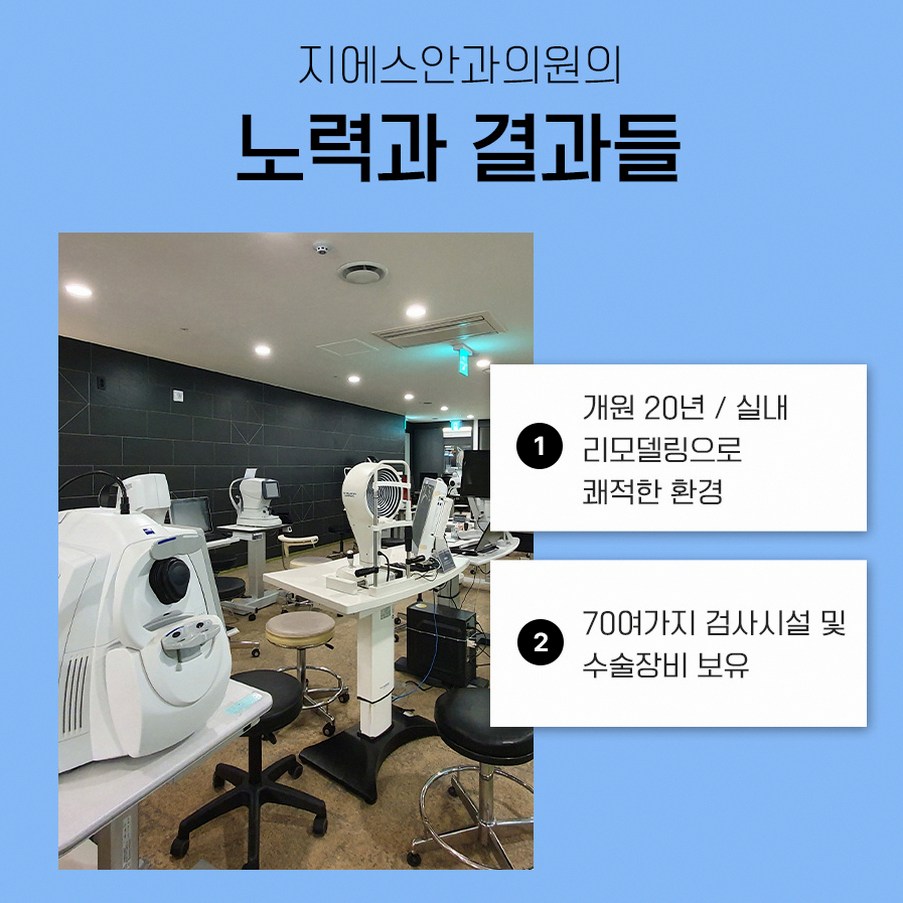
The depth and quality of pre-operative testing is another major price factor. A thorough Smart LASIK or SMILE workup usually includes corneal topography and tomography to map the surface and deeper layers of the cornea, wavefront analysis to measure higher-order aberrations, tear film and dry eye assessment, and imaging of the retina and optic nerve.
Clinics that invest in a full diagnostic suite and spend more time on counseling may charge more than those that offer a shorter, simplified pre-op check. Some ophthalmology clinics near Gangnam Station follow a strict exclusion policy for borderline corneas or early keratoconus, even if this means turning down patients who wanted laser vision correction. This conservative approach can protect patients from complications such as post-operative ectasia, but it requires more careful testing and interpretation.
Safety add-ons and follow-up
In certain cases, additional safety measures such as corneal cross-linking (for example, extra or KXL) may be recommended together with laser vision correction. This can help stabilize the cornea in selected patients but will increase the total cost.
The length and frequency of follow-up visits also affect pricing. Packages that include multiple postoperative visits over six to twelve months, with dry eye management and night-vision monitoring, are usually more expensive than those that cover only a few early check-ups. For international patients, some clinics offer flexible follow-up schedules that combine in-person visits during your stay in Korea with remote check-ins after you return home.
This clinic’s background and differentiators
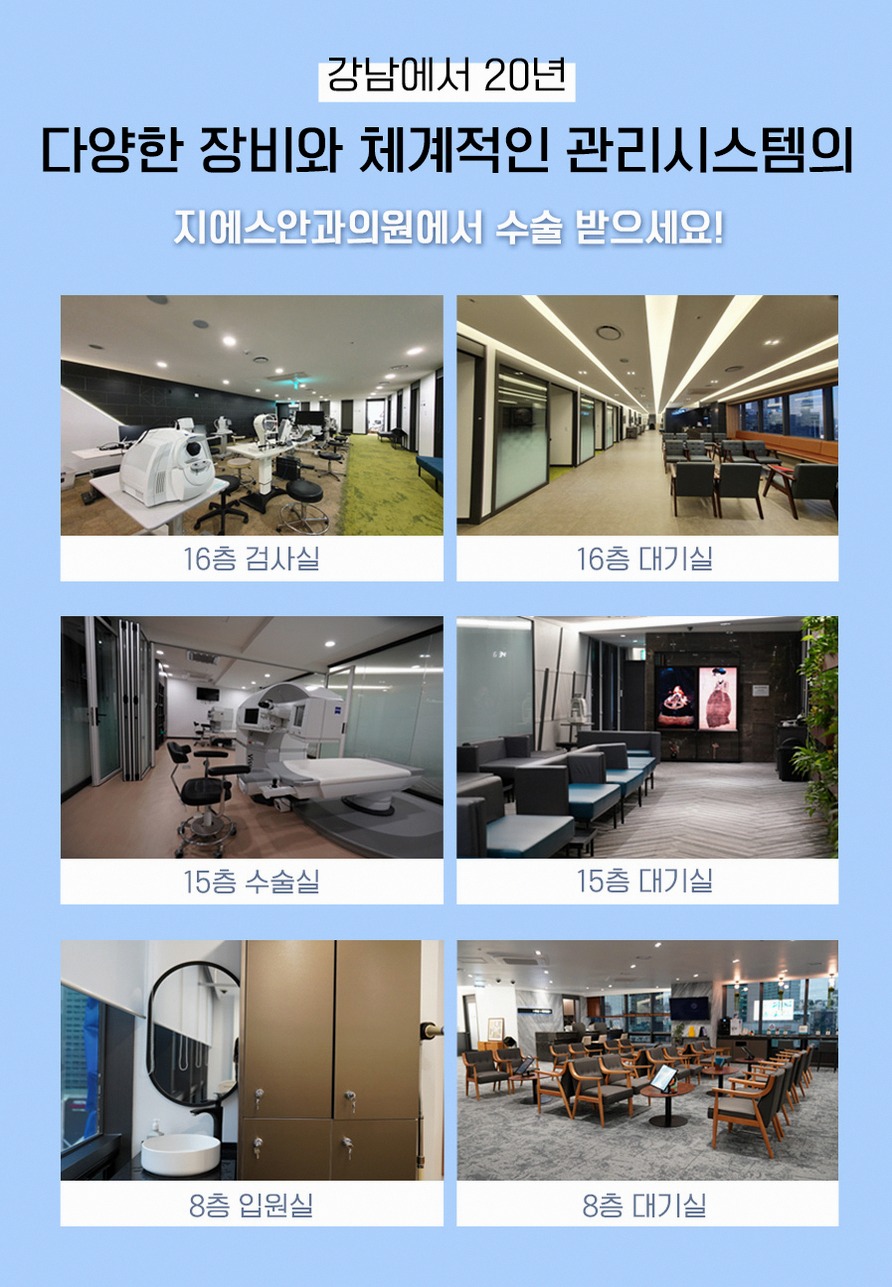
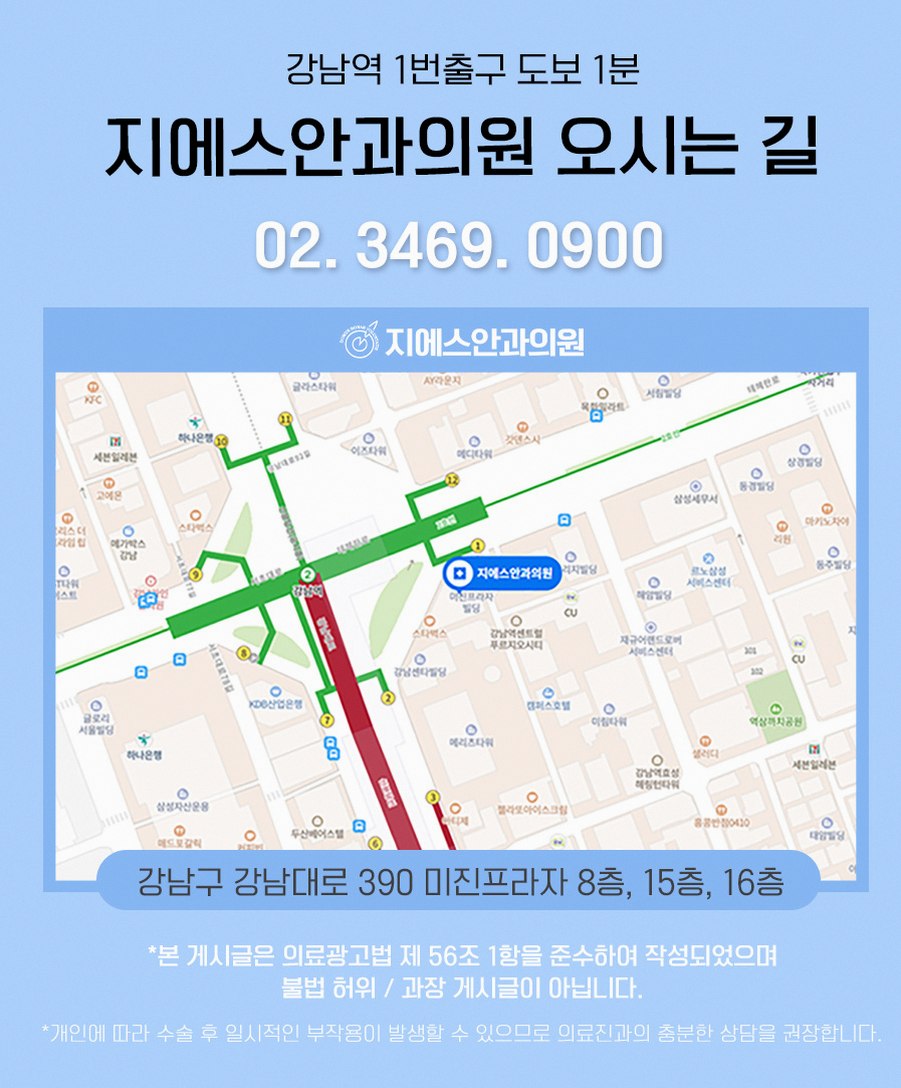
The ophthalmology clinic described here is located near Gangnam Station on Gangnam-daero and has been operating in the same location since 2005. It focuses on refractive surgery, including SMILE-type procedures, LASIK and LASEK variants, and lens implantation, as well as cataract and presbyopia surgery. There is also a separate retina center for patients with retinal conditions.
The clinic is led by a board-certified ophthalmologist who is also a medical doctor with a PhD and former university hospital faculty member. All seven doctors are ophthalmology specialists. As of 2023, the clinic reports a cumulative record of around 300,000 eyes operated for vision correction and cataract surgery, which indicates extensive experience across a wide range of refractive cases.
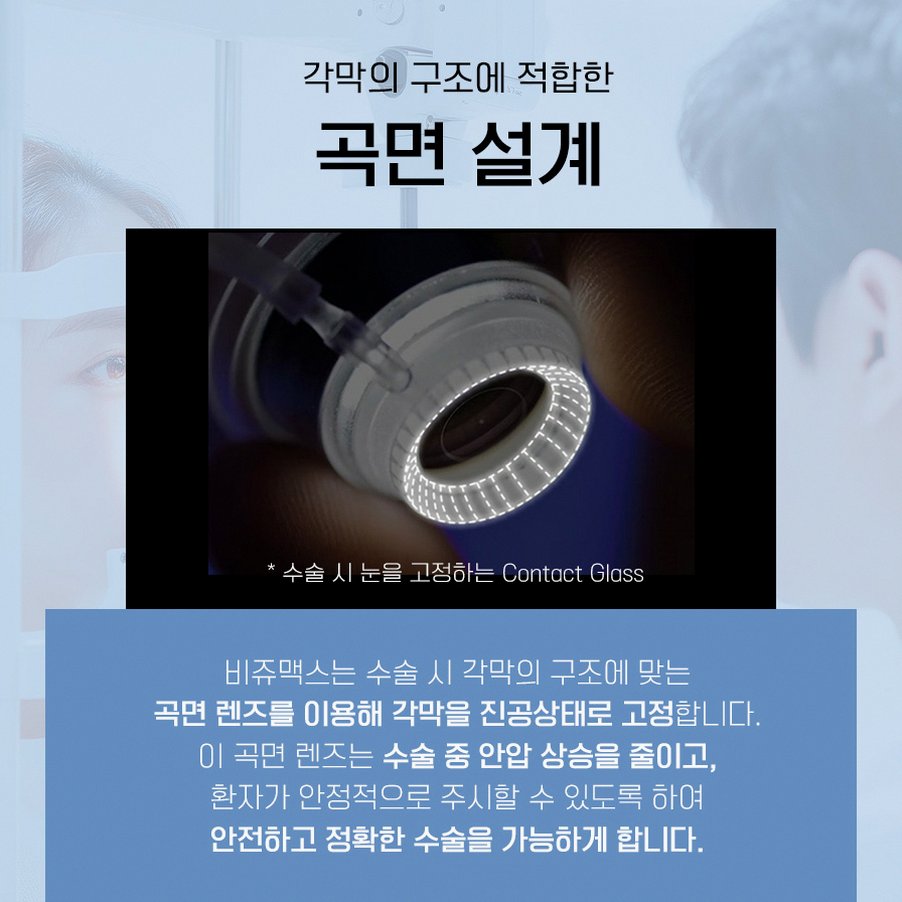
In terms of equipment, the clinic operates three SMILE-capable platforms: one VISUMAX 800 (ZEISS) for SMILE Pro, two VISUMAX 500 units (ZEISS) for SMILE LASIK, and an ELITA system (Johnson & Johnson) used for SILK procedures. This range of systems allows the team to select the most appropriate system for each patient. The clinic has been designated as a SMILE Pro Center (2023) and a SILK Training Center (2026).
It was the first in the country to join the ZEISS SMILE Gold Club in 2021, and it has accumulated a large volume of SMILE Pro procedures, reaching around 15,000 eyes by April 2026. The clinic also has high case numbers for premium lens implantation and multifocal intraocular lenses, reflecting broad refractive expertise beyond corneal laser alone.
As part of its educational role, the clinic serves as an official clinical education site for a major medical school and for an Asia-Pacific ophthalmic training program. The medical director runs an educational YouTube channel about eye health and surgery, which can be a useful resource for patients who want to study the procedures in advance.
Who may consider Smart LASIK or SMILE LASIK
Typical candidates for Smart LASIK or SMILE LASIK are adults with stable myopia and or astigmatism for at least one to two years. They should have adequate corneal thickness and a healthy corneal shape, with no signs of ectatic disease. Dry eye should be under control, and there should be no active eye inflammation or severe systemic disease that would impair healing.
However, not everyone who wears glasses or contact lenses is a good candidate for SMILE. If your cornea is very thin or the topography is irregular, a surface ablation technique such as LASEK or an implantable lens procedure may be safer. Patients with very high myopia or borderline corneas may be advised to consider phakic lens implantation, such as ICL or GLAZE, instead of corneal laser.
For patients with early cataract or significant presbyopia, lens-based surgery can sometimes offer better long-term vision than corneal laser. In these cases, the surgeon will discuss options such as cataract extraction with premium intraocular lenses, which can address both distance and near vision.
Process for someone searching Gangnam Station Smart LASIK price
Step 1: Initial online or phone inquiry
When you first contact the clinic by phone or online, the staff can usually provide a rough price band for Smart LASIK, SMILE LASIK, SMILE Pro, or SILK. However, they cannot confirm an exact fee without examining your eyes. You may be asked for your age, current glasses or contact lens prescription, and any known eye conditions.
If you have previous eye examination records, corneal scans, or prescriptions from your home country, it is helpful to prepare them in advance. Sharing this information during the initial consultation can make the discussion more specific, although it does not replace a full examination in Korea.
Step 2: Comprehensive eye examination
During your visit, the clinic performs a detailed pre-operative assessment. This typically includes visual acuity testing, refraction, corneal topography and tomography, pupil size measurement, tear film and dry eye evaluation, and retinal imaging. The aim is to determine whether SMILE, SMILE Pro, SILK, classic LASIK, LASEK, or lens implantation is safest for your eyes.
Some patients who come in expecting Smart LASIK may be advised against corneal laser altogether if their corneas are too thin, irregular, or otherwise unsuitable. This can be disappointing, but it is an important safety decision to prevent long-term complications.
Step 3: Personalized procedure and price explanation
After the examination, the ophthalmologist explains the findings and recommends the most appropriate procedure. You will discuss why a particular option is safer for your eyes, what visual outcome can realistically be expected, and what limitations may remain, such as mild night halos or the need for reading glasses later in life.
At this stage, the clinic provides a clear quotation. This should specify the procedure type, the laser platform to be used, and what is included in the package. You should confirm whether enhancement procedures, postoperative medications, and scheduled follow-up visits are included, and whether there are additional fees for special tests or safety add-ons like corneal cross-linking.
Step 4: Surgery day and follow-up
On the day of surgery, SMILE-type procedures are usually quick. With the VisuMax 800 used for SMILE Pro, the laser time on each eye can be under 10 seconds, although preparation and positioning take longer. Most patients spend only a short time in the operating room.
Many people can return to light daily activities within a few days, but individual recovery varies. You should avoid rubbing your eyes and follow the prescribed eye drop schedule carefully. Early follow-up visits are important to monitor healing, manage dry eye symptoms, and check for any night-vision issues such as glare or halos.
For international patients, the clinic can help plan a follow-up schedule that fits your travel itinerary. Often, you will have at least one or two early check-ups before returning home, and then share results with your local eye doctor as needed.
Expected Korea visit timeline for international patients
If you are traveling from overseas for Smart LASIK or SMILE near Gangnam Station, it is practical to plan a stay of about one to two weeks in Seoul. On day one or two, you can complete the comprehensive eye examination and counseling. Surgery is often scheduled within a few days after the exam, sometimes even the next day if your schedule is tight and your eyes are suitable.
After surgery, early follow-up visits usually occur on the first day, within the first week, and sometimes around the second week. If you are staying longer, additional check-ups can be arranged. Before you fly home, the clinic can provide a summary of your procedure and postoperative status in English for your local doctor.
Safety and value considerations beyond price
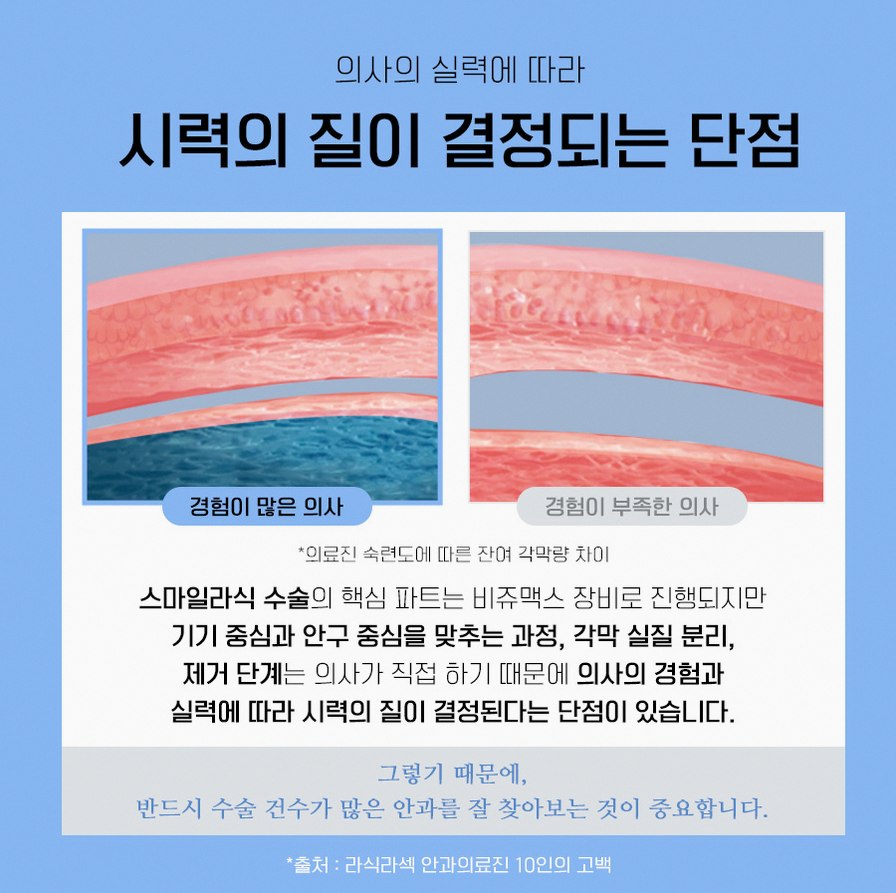
Choosing a clinic purely based on the lowest Smart LASIK price near Gangnam Station can be risky. Under-diagnosed corneal weakness can lead to post-operative ectasia, a serious condition where the cornea progressively thins and bulges. Inadequate retina evaluation can miss pre-existing retinal tears or degeneration, which may require treatment before or after laser vision correction.
Shortened follow-up schedules may fail to detect treatable complications early, such as significant dry eye, inflammation, or night-vision problems. When comparing clinics, you should ask how many ophthalmology specialists are on staff, whether there is a dedicated retina specialist, and what kind of diagnostic equipment is used.
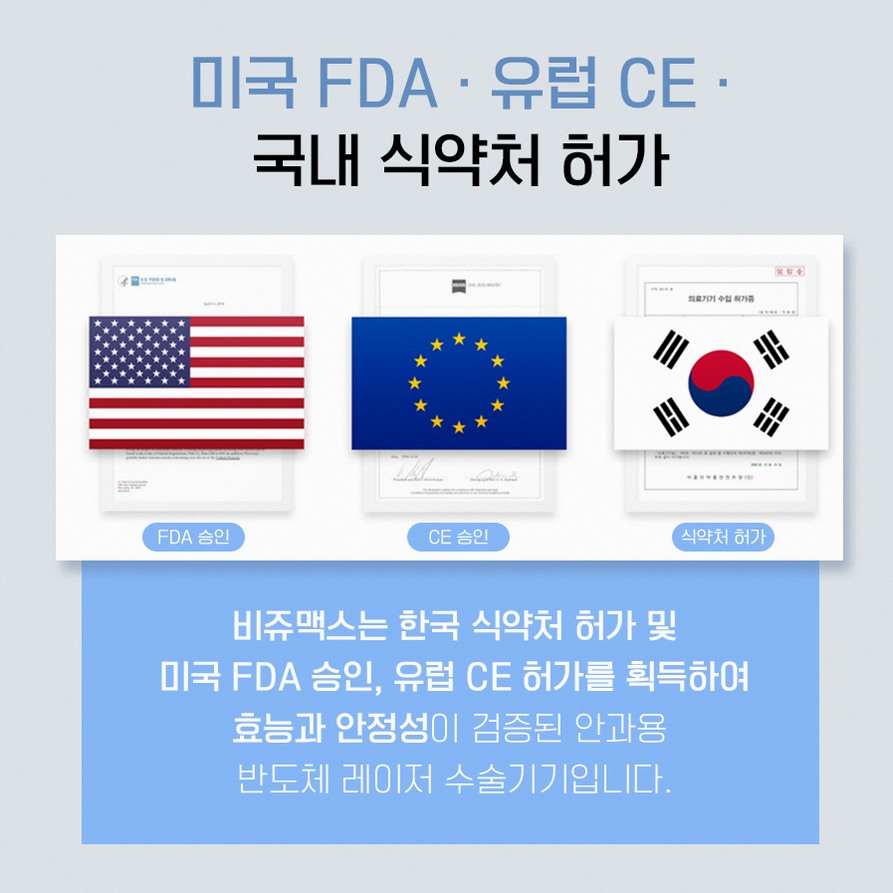
It is also useful to check whether the clinic has international quality certifications related to SMILE LASIK, such as ISO standards, and whether it holds official designations from device manufacturers, for example as a SMILE Pro Center or a training site. These designations do not guarantee outcomes, but they indicate ongoing collaboration with major technology providers and involvement in education.
Online consultation and pre-visit preparation
Before you travel, you can usually arrange an online consultation via email, messaging app, or video call. During this session, you can share your age, current prescription, any previous eye surgeries, and general health conditions. While the doctor cannot make a final decision without examining you in person, they can give a preliminary idea of whether Smart LASIK or SMILE is likely to be suitable.
To prepare, write down your main goals, such as reducing dependence on glasses for work, sports, or travel. List any eye symptoms you currently have, including dryness, night glare, or floaters, and any medications you use. If you wear contact lenses, you may be asked to stop wearing them for several days before your in-person exam to allow your cornea to return to its natural shape.
Practical comparison checklist for Smart LASIK prices
When you contact different clinics near Gangnam Station, it helps to have a simple checklist. You can ask which exact laser model will be used for your procedure, for example SMILE Pro with VisuMax 800 versus older platforms. Confirm whether the quoted price includes all pre-operative tests, surgery, postoperative medications, and scheduled follow-up visits.
Ask about the surgeon’s personal case volume with SMILE or SMILE Pro, and how the clinic manages complications if they occur. Check whether there is a retina specialist and a dedicated dry eye clinic or program, as these can influence long-term outcomes, especially for patients with high myopia or pre-existing dry eye.
It is also wise not to rely solely on online reviews or price tables. Whenever possible, visit at least two clinics in person for examinations and counseling before making your decision. This allows you to compare not only the price but also the communication style, examination depth, and overall atmosphere.
Aftercare and long-term expectations
After Smart LASIK or SMILE, you will use antibiotic and anti-inflammatory eye drops for a prescribed period, followed by lubricating drops as needed. You should avoid swimming pools, saunas, and heavy exercise for a certain time, as advised by your surgeon. Most patients can resume office work within a few days, but night driving and prolonged screen use may feel different at first.
Long-term, many patients enjoy stable vision, but some may experience mild regression or need reading glasses as they age. In some cases, an enhancement procedure can be considered, depending on corneal thickness and overall eye health. Regular eye examinations remain important even after successful laser vision correction.
Frequently asked questions about Gangnam Station Smart LASIK price
How much does Smart LASIK or SMILE usually cost near Gangnam Station
Prices vary by clinic and by individual eye condition, but around Gangnam Station, Smart LASIK or SMILE is generally more expensive than classic LASIK or LASEK and less than or similar to SMILE Pro or SILK. The final cost depends on the laser platform used, the extent of pre-op testing, the surgeon’s experience, and how much follow-up is included. A precise quotation is only possible after a full eye examination.
Why is SMILE Pro or SILK often more expensive than standard SMILE
SMILE Pro and SILK use newer-generation femtosecond lasers, such as the ZEISS VisuMax 800, which offer faster laser times and updated technology. Clinics that invest in these platforms also tend to provide more detailed diagnostics and may include additional safety measures. These factors usually place SMILE Pro and SILK at the higher end of the price range compared with standard SMILE.
Can I choose the cheapest Smart LASIK option if my eyes are normal
Even if your eyes seem normal, it is not advisable to choose a clinic based solely on the lowest price. Subtle corneal or retinal issues may not be obvious without advanced testing. A slightly higher fee at a clinic with comprehensive diagnostics, experienced surgeons, and strong follow-up protocols can be a better value for long-term safety and vision quality.
How long should I stay in Korea for Smart LASIK near Gangnam Station
For international patients, a stay of about one to two weeks in Seoul is usually recommended. This allows time for a full pre-operative examination, surgery, and several early follow-up visits. If your schedule is very tight, the clinic may help you compress the timeline, but you should still plan at least a few days after surgery before flying home.
Soft call to action for online consultation
If you are considering Smart LASIK, SMILE, SMILE Pro, or SILK near Gangnam Station and want to understand realistic price ranges and options for your eyes, you can start with an online consultation. By sharing your basic information and previous prescriptions, the clinic can outline likely procedure types and a rough cost band before you book your trip. When you are ready, you can schedule a comprehensive eye examination at the ophthalmology clinic near Gangnam Station and plan your visit to Korea with a clear treatment and budget plan in mind.

- 공유 링크 만들기
- X
- 이메일
- 기타 앱


댓글
댓글 쓰기