Gangnam Station SMILE LASIK Results and Daily-Life Benefits for International Patients
- 공유 링크 만들기
- X
- 이메일
- 기타 앱

People who choose SMILE LASIK near Gangnam Station typically want clear distance vision for everyday activities—commuting, office work, lectures, and driving within legal limits. Compared with traditional LASIK or LASEK, SMILE involves a smaller incision and no large corneal flap, which can mean less discomfort, reduced dry-eye symptoms for some patients, and a smoother early recovery.
This article explains what kind of visual results and lifestyle benefits you can realistically expect from SMILE LASIK in the Gangnam Station area, how long you may need to stay in Korea, and how to prepare as an overseas patient.
What is SMILE LASIK
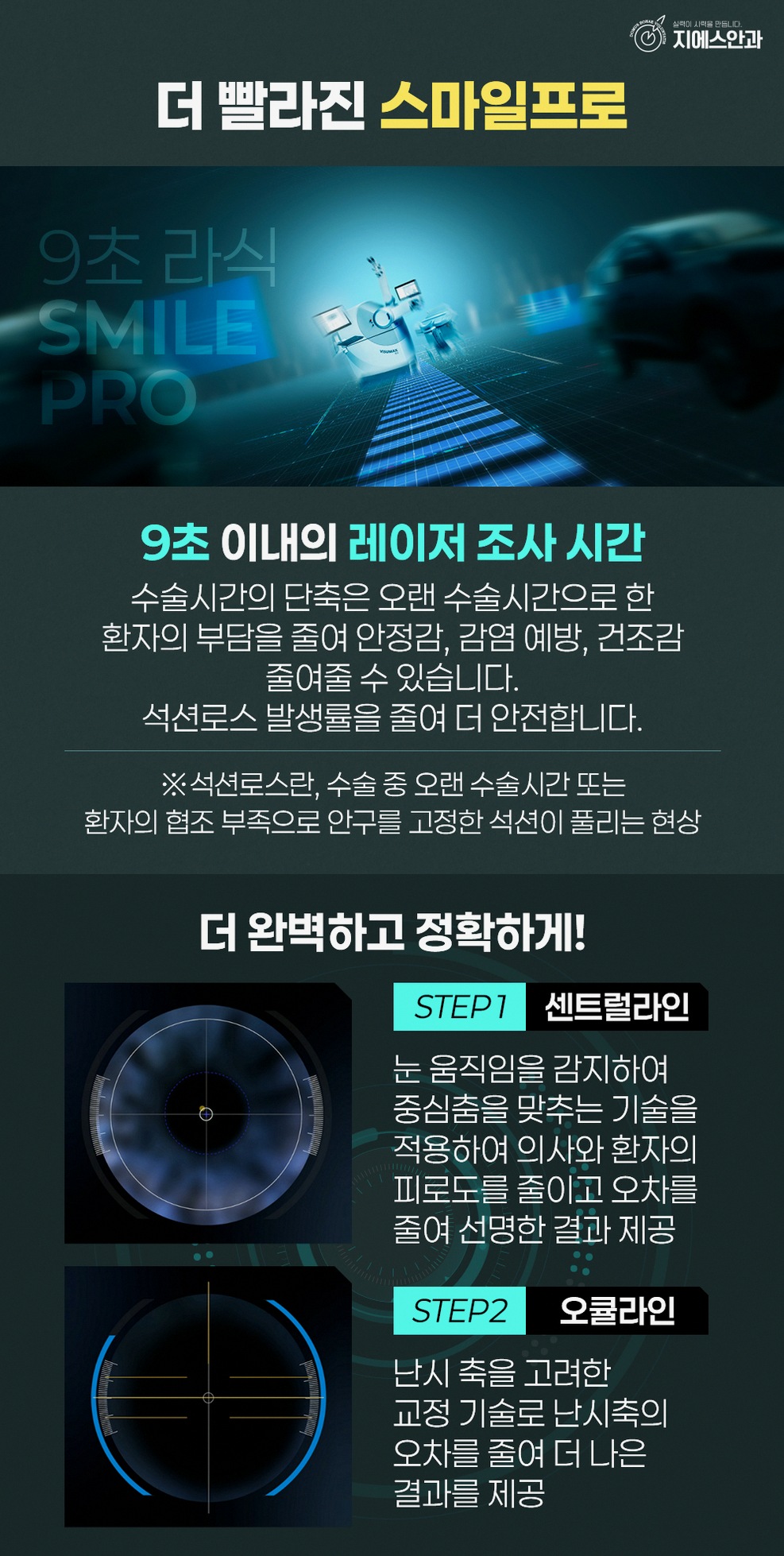
SMILE LASIK is a minimally invasive laser vision correction method designed to treat myopia and astigmatism. It uses a precise femtosecond laser to create a very thin lens-shaped layer of tissue, called a lenticule, inside the cornea. This lenticule is removed through a tiny incision only a few millimeters long.
By removing this small piece of tissue, the shape of the cornea changes, allowing light to focus properly on the retina. This is what improves your distance vision.
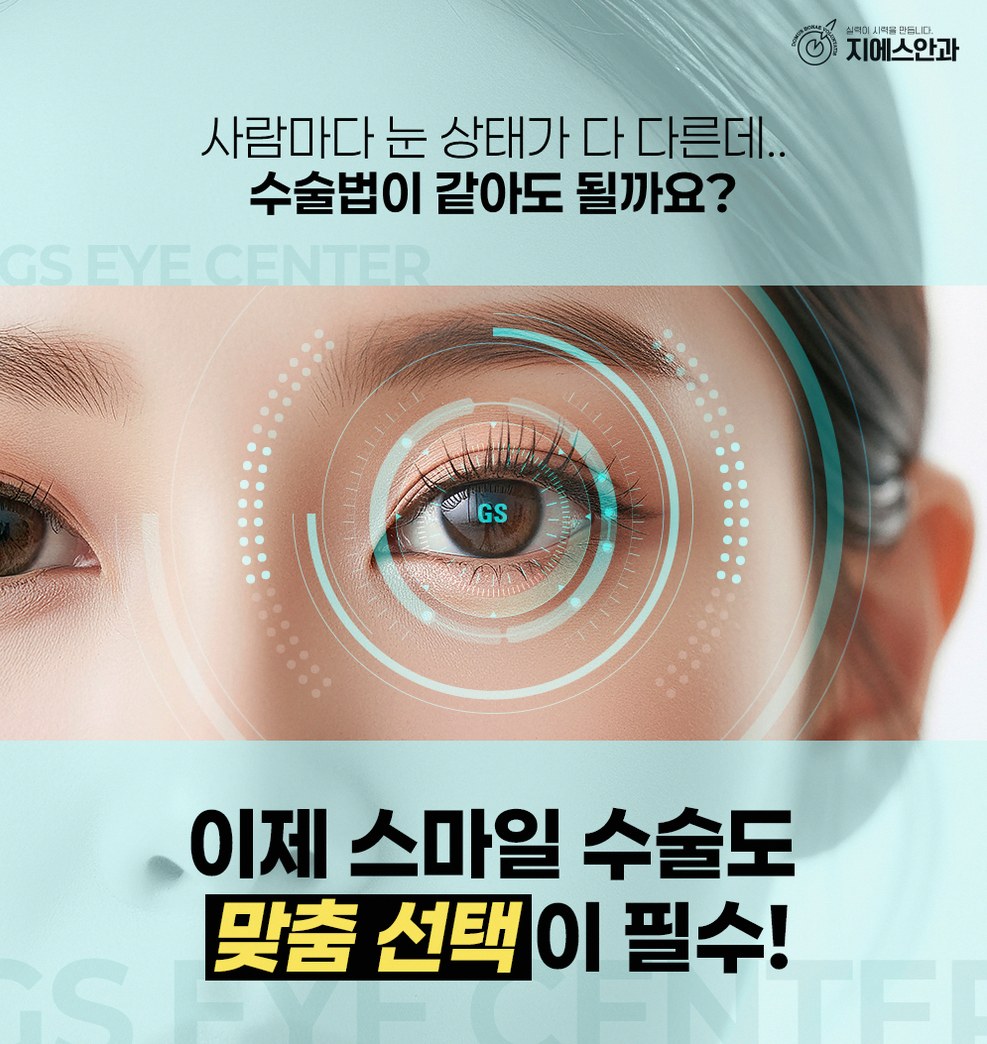
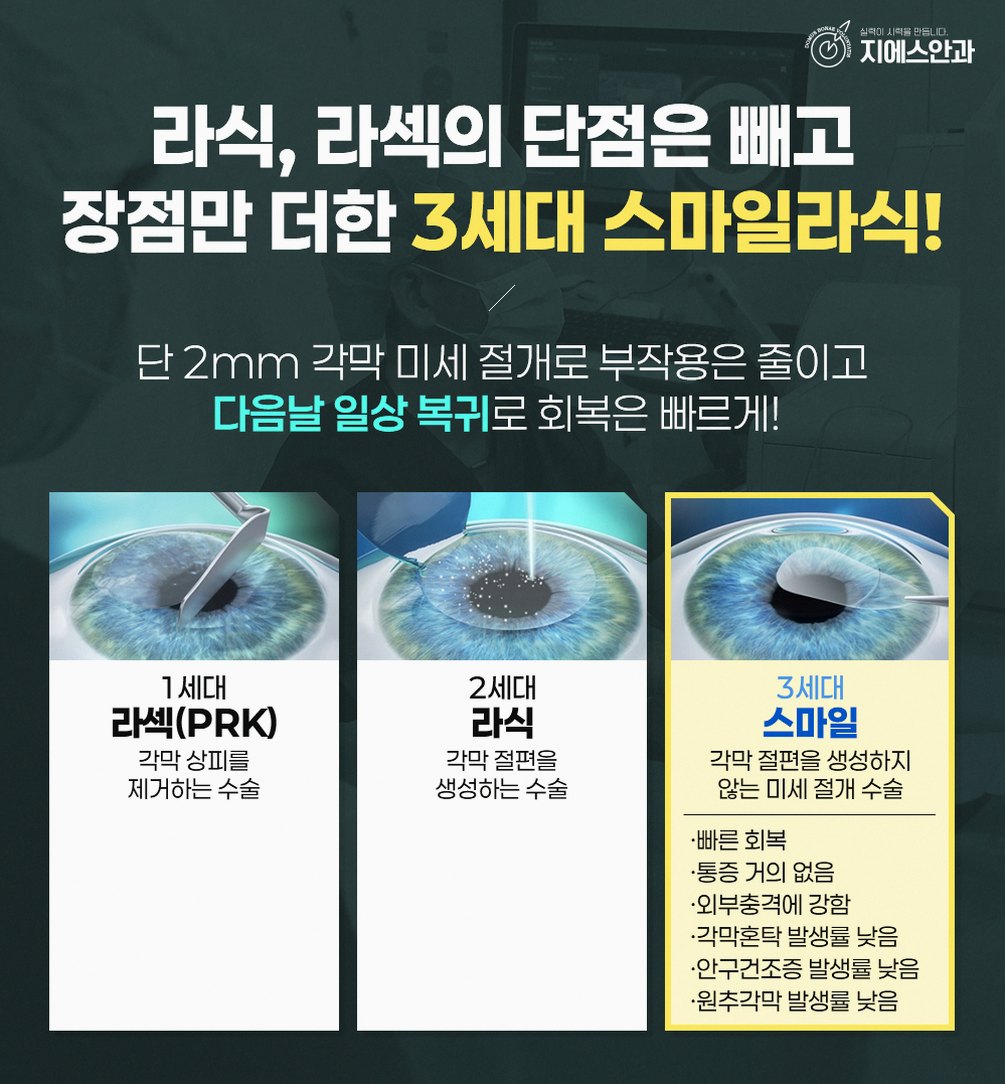
In classic LASIK, a larger flap is created on the surface of the cornea, lifted, and then an excimer laser reshapes the exposed tissue. In LASEK, the surface layer is loosened and the laser works directly on the surface. SMILE LASIK differs because it does not require a wide flap and uses a much smaller incision. This approach generally preserves more of the natural corneal structure and often leads to faster comfort and potentially less dry eye for many patients.
How SMILE LASIK works in simple terms
- A femtosecond laser creates a thin lenticule inside the cornea and a tiny side incision.
- The surgeon removes the lenticule through this small opening.
- The cornea’s curvature changes, correcting the refractive error.
Because there is no large flap, the surface of the eye remains more intact than with traditional flap-based methods.
Expected visual results and benefits
Visual acuity outcomes
The typical goal of SMILE LASIK is clear distance vision for everyday life without glasses or contact lenses. For many suitable candidates, this means:
• Seeing well enough to commute by subway or bus around Gangnam Station without relying on glasses.
• Comfortable vision for office work, meetings, and long hours in front of screens.
• Clear vision for university lectures, reading signs, and general indoor activities.
• Driving within legal visual standards in many cases, depending on your country’s regulations.
However, individual results always vary. Your final vision depends on several factors:
• Your starting prescription, including the degree of myopia and astigmatism.
• Corneal thickness and shape.
• Overall eye health, including the retina and optic nerve.
• Healing response, which can differ from person to person.
Many patients reach a level of vision that feels very similar to their previous glasses or contact lenses for most daily activities. Some may still notice minor fluctuations, especially in the first few weeks.
Comfort and recovery timeline
One of the main reasons people near Gangnam Station choose SMILE LASIK is the combination of visual improvement and relatively comfortable recovery.
Typical early recovery pattern
• Day of surgery: Blurry vision and a foreign body sensation are common. Many patients prefer to rest with eyes closed for several hours. Discomfort is usually described as mild to moderate and often improves quickly.
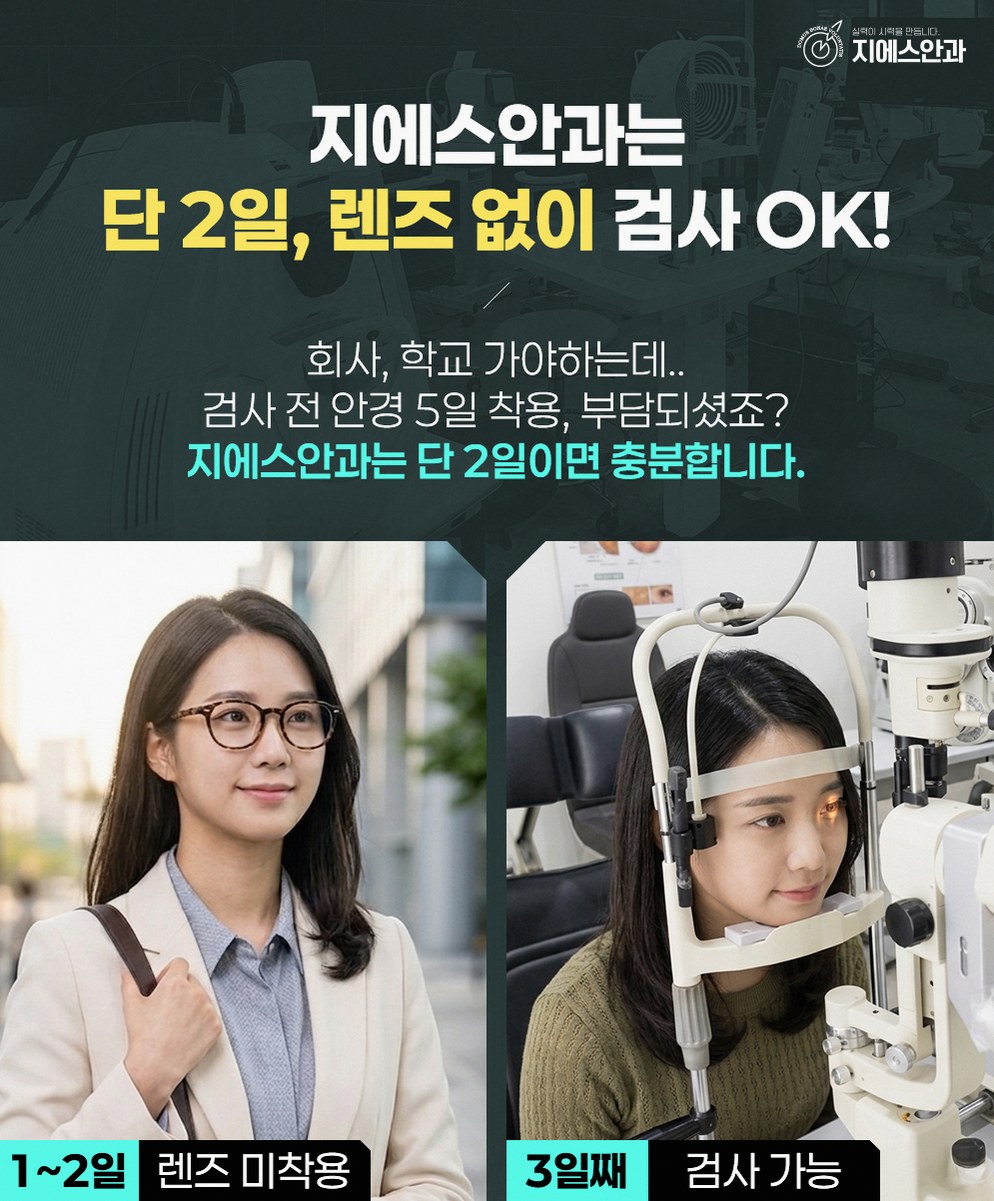
• 1–2 days after surgery: Functional vision for walking around, using public transport, and basic tasks is common. Many patients feel comfortable going out around Gangnam Station for short periods.
• 1 week: Vision tends to be clearer and more stable for office work, reading, and studying, though mild dryness or light sensitivity may still appear at times.
• Several weeks to a few months: Fine visual quality, contrast, and night vision continue to stabilize.
Compared with LASEK, which is a surface procedure, SMILE LASIK is often associated with less pain and a faster return to daily activities. Compared with classic LASIK, many patients report very quick comfort, with less awareness of a flap because there is no large flap involved.
Return to work, study, and commuting near Gangnam Station
Because Gangnam Station is a major business and education hub, many patients ask how soon they can resume their normal routine.
• Office workers: Many can return to desk work within 2–3 days, depending on job demands and personal healing. Short breaks from the screen and artificial tears are usually recommended.
• Students: Attending lectures and light study are often possible within a few days, although long reading sessions may still cause temporary eye fatigue.
• Commuters: Using the subway and buses around Gangnam Station is generally manageable within 1–2 days, though wearing sunglasses can help with light sensitivity.
• Night activities: Night vision can be slightly hazy at first, especially with bright lights and reflections. This usually improves over time, but the adaptation period differs for each person.
Corneal tissue preservation and stability
SMILE LASIK’s small incision technique helps preserve more of the cornea’s natural biomechanics compared with flap-based procedures. Because there is no large flap, there is no risk of flap displacement and fewer flap-related considerations.
For patients with suitable corneal thickness and shape, this approach can support long-term stability of the cornea. However, careful preoperative screening remains essential to identify any corneal conditions that may increase the risk of weakening, such as keratoconus.
Dry eye and night vision expectations
Any laser vision correction can cause temporary dry eye symptoms, but
Typical experiences include:
• Dryness, grittiness, or a need for artificial tears, especially in air-conditioned offices or during long screen use.
• Light sensitivity and glare in the first days to weeks.
• Night halos or starbursts around lights, particularly when driving or walking outside at night.
These symptoms often improve as the nerves regenerate and the brain adapts to the new optical system. Still, some people may notice mild night vision phenomena for a longer period. Honest discussion with your ophthalmologist about your night driving habits, work schedule, and tolerance for visual changes is important.
Gangnam Station lifestyle and SMILE LASIK
The area around Gangnam Station is known for long working hours, heavy screen use, and busy nightlife. Many international patients visiting this area for SMILE LASIK are professionals or students who need to return to their routine quickly.
Key lifestyle-related benefits
• Long screen time: SMILE LASIK aims to provide clear distance vision without glasses, which can be convenient when moving between meetings, co-working spaces, and cafes. Proper blinking and artificial tears remain important to manage dryness.
• Commuting convenience: Having a clinic near a major transport hub makes it easier to attend preoperative examinations and several follow-up visits without long transfers.
• Evening schedules: Many clinics near Gangnam Station offer extended weekday hours, which can help you combine consultations and surgery with other activities during your stay in Seoul.
Because early functional recovery is often rapid, international patients can usually walk around and enjoy the city relatively soon after surgery, while still following medical instructions such as avoiding eye rubbing, swimming, and heavy exercise for a recommended period.
Clinic strengths and technology focus
One ophthalmology clinic near Gangnam Station has been operating since 2005 in the same location, led by a board-certified ophthalmologist with a medical doctorate and supported by multiple ophthalmology specialists. As of 2023, this team has treated around 300,000 eyes with vision correction and cataract surgery.
SMILE LASIK and SMILE Pro experience
This clinic has focused strongly on SMILE techniques, with a high volume of SMILE Pro cases. As of April 2026, about 15,000 eyes have been treated with SMILE Pro, building on earlier SMILE milestones over the years.
Recognitions include joining the ZEISS SMILE GOLD CLUB in 2021, becoming a ZEISS SMILE pro CENTER in 2023, and being designated a SILK TRAINING Center in 2026. International quality standards such as ISO 9001 and ISO 14001 were obtained in 2020 for SMILE LASIK-related processes.
Advanced laser platforms
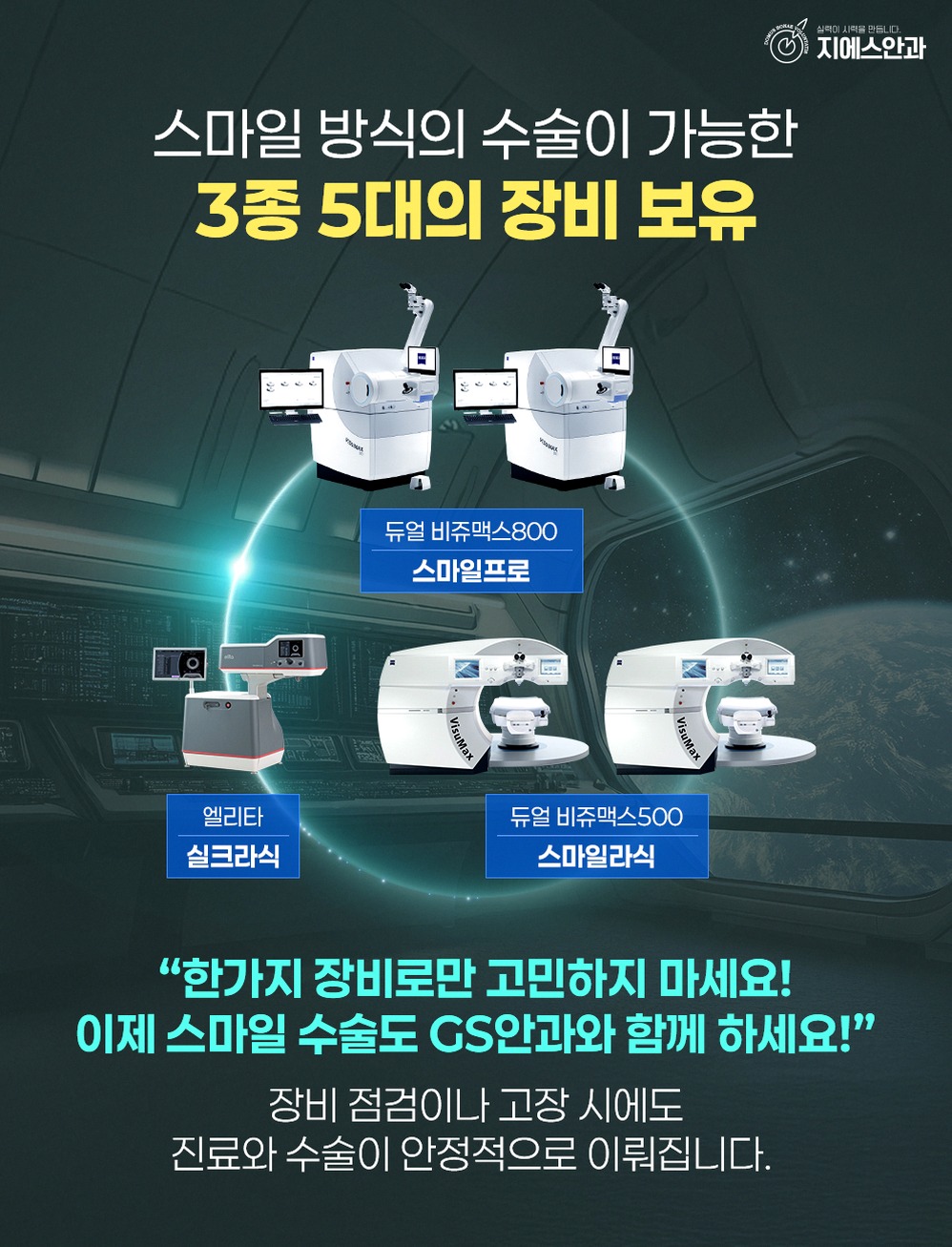
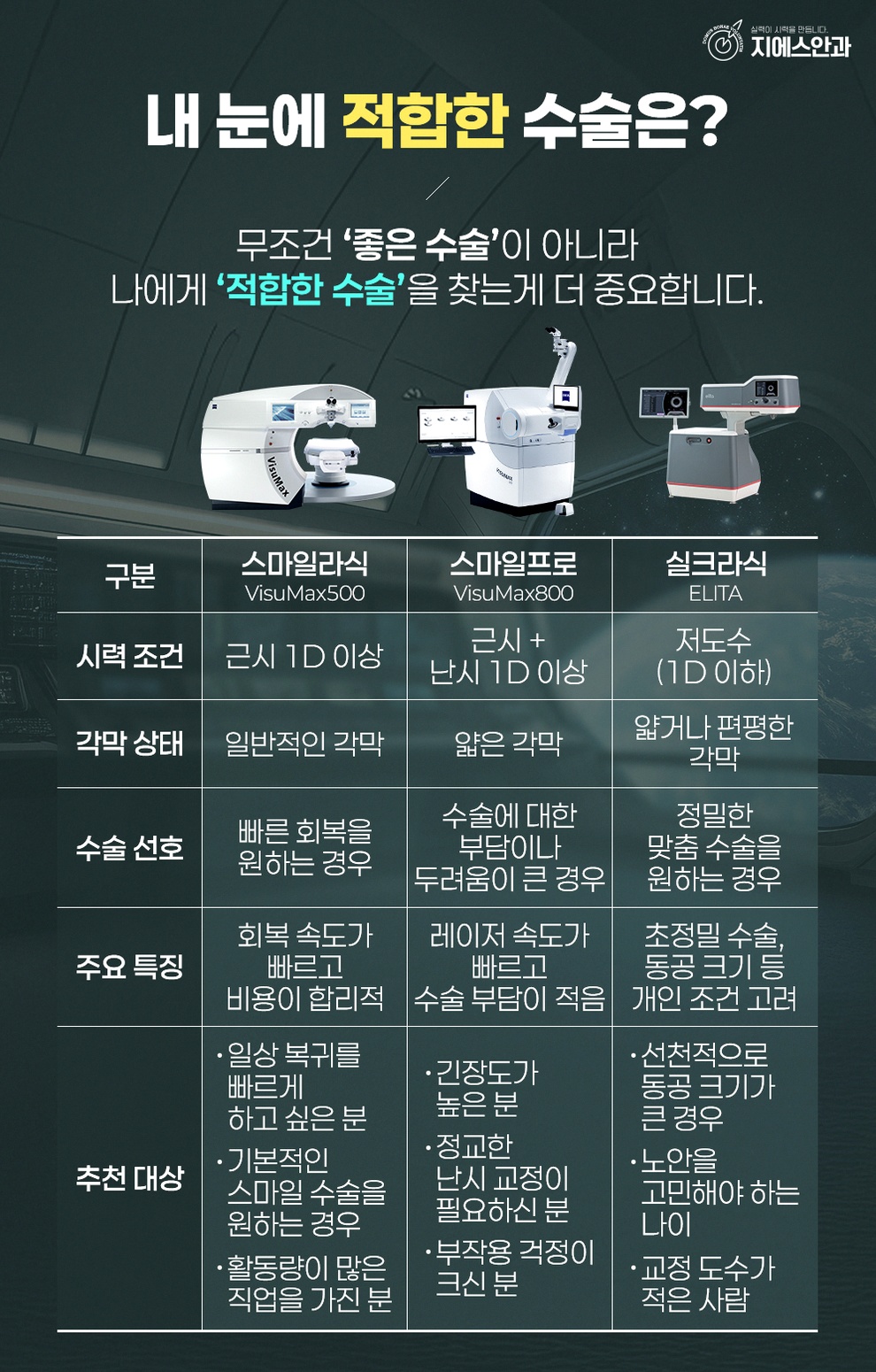
A key differentiator is that the clinic operates all three major SMILE-related laser platforms: VISUMAX 500 and VISUMAX 800 (ZEISS), and ELITA (Johnson & Johnson):
• VISUMAX 800: A latest-generation system introduced in 2023, used for SMILE Pro, with laser time under about 9 seconds in many cases.
• Two VISUMAX 500 units: In use since 2016, with a dual setup since 2019, supporting SMILE LASIK procedures.
For busy patients near Gangnam Station, multiple advanced devices can offer practical advantages:
• Shorter procedure times, which may reduce anxiety and improve comfort.
• Flexible scheduling, making it easier to fit surgery and follow-ups into a tight travel or work plan.
• Redundancy, so that if one device is under maintenance, another can often be used, supporting consistency in treatment availability.
Educational and training role
Since 2023, this clinic has served as a clinical education site for a medical school’s ophthalmology department. Since 2024, it has also been an Asia-Pacific clinical education center for an ophthalmic company.
For patients, this suggests that standardized protocols, continuous training, and involvement in ongoing education are part of daily practice. While this does not guarantee specific outcomes, it indicates a structured environment where procedures are performed with attention to current techniques and quality systems.
Preoperative examination and candidacy
The safety and effectiveness of SMILE LASIK depend heavily on thorough preoperative evaluation. Not everyone is a suitable candidate, and careful screening is essential, especially if you are traveling from overseas.
Typical preoperative tests
During your initial assessment, you can expect:
• Detailed refraction and visual acuity testing to measure your current prescription and best-corrected vision.
• Corneal thickness measurement and topography to assess shape, rule out keratoconus, and evaluate whether enough tissue can be safely removed.
• Tear film and dry eye assessment, which may include questionnaires and tests of tear quantity and quality.
• Retinal and optic nerve examination to check for conditions such as retinal holes, macular disease, or glaucoma.
Who may consider SMILE LASIK
SMILE LASIK may be considered for adults who:
• Have stable myopia and astigmatism for at least one to two years.
• Have adequate corneal thickness and a regular corneal shape.
• Do not have active eye disease, such as uncontrolled glaucoma or severe dry eye.
• Understand the potential risks and benefits and have realistic expectations.
Who may not be suitable
SMILE LASIK may not be appropriate if you have:
• Very thin or irregular corneas, or signs of keratoconus.
• Uncontrolled systemic diseases such as poorly controlled diabetes or autoimmune conditions that affect healing.
• Active eye infections, inflammation, or severe dry eye.
• Unrealistic expectations, such as expecting perfect vision in all conditions without any adaptation period.
In these situations, the ophthalmologist may recommend alternative options or advise against surgery.
Risks, side effects, and realistic expectations
Even with advanced equipment and experienced surgeons, no surgery is risk-free. Understanding possible side effects helps you make a balanced decision.
Common temporary symptoms
• Dryness, foreign body sensation, or fluctuating vision.
• Light sensitivity and glare, especially in bright sunlight or at night.
• Mild discomfort or a feeling of pressure in the first hours after surgery.
These symptoms usually improve over days to weeks, supported by artificial tears and prescribed eye drops.
Less common but more serious risks
• Infection inside the eye, which is rare but requires urgent treatment.
• Significant under-correction or over-correction, which may leave some residual prescription and can sometimes be managed with enhancement procedures if the cornea allows.
• Corneal ectasia in predisposed corneas, where the cornea becomes progressively thinner and weaker.
Your surgeon will review your occupation, hobbies, and visual priorities during consultation. For example, pilots, professional drivers, or people who rely heavily on night vision may need a particularly detailed discussion about risks and expectations.
Comparison with other vision correction options
While this article focuses on SMILE LASIK, it is helpful to understand how it fits among other methods.
LASIK
LASIK uses a flap created on the corneal surface, which is lifted so that an excimer laser can reshape the underlying tissue. Visual recovery is usually fast, and many people see well the next day. However, the flap involves a larger incision and brings flap-related considerations, such as the need to avoid strong eye rubbing and certain trauma risks.
LASEK
LASEK is a surface procedure with no flap. The surface layer is loosened, the excimer laser reshapes the cornea, and a bandage contact lens is placed. Recovery is slower, and discomfort in the first days is usually more pronounced than with SMILE LASIK or LASIK. It can be an option for some patients with thinner corneas.
Lens implantation
Lens implantation, often called ICL or similar, involves placing a small lens inside the eye without removing the natural lens. It can be suitable for very high myopia or thin corneas where corneal laser surgery is not recommended. It has a different risk profile because it is an intraocular procedure.
Your ophthalmologist will explain which options are appropriate based on your eye measurements and lifestyle. For many patients with moderate myopia and suitable corneas, SMILE LASIK offers a balance between minimally invasive technique, comfort, and functional recovery.
Online consultation and pre-visit preparation
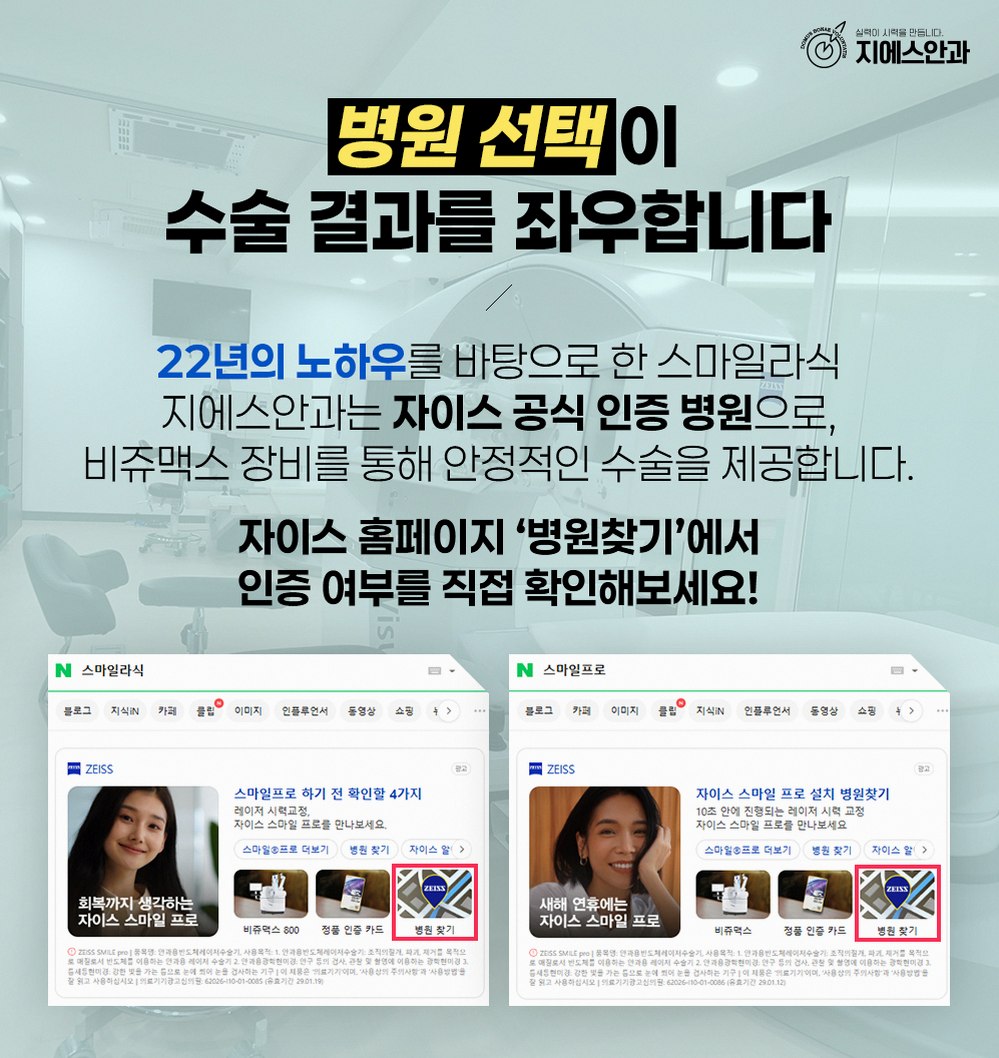
As an overseas patient, you can often start the process before you arrive in Korea through online consultation.
Information to prepare for online consultation
• Your current glasses or contact lens prescription, if available.
• History of any previous eye procedures, injuries, or infections.
• Details of systemic diseases such as diabetes, high blood pressure, or autoimmune conditions.
• List of medications and supplements you are taking.
• Your typical daily routine, including screen time, night driving, and sports.
During the online consultation, you can ask about your likely candidacy based on this information, the expected range of visual results for your prescription, and a rough recovery timeline.
Expected Korea visit timeline
Although each clinic may have its own schedule, a common structure for international SMILE LASIK patients near Gangnam Station is as follows.
Day 1: Comprehensive eye examination
• Full diagnostic testing to confirm whether you are a suitable candidate.
• Detailed explanation of SMILE LASIK, alternatives, and risks.
• Time to ask questions and confirm your decision.
Day 2: Surgery day
• Final checks and consent.
• SMILE LASIK procedure itself, which usually takes only minutes per eye, with laser time often under about 9 seconds on the VISUMAX 800 for SMILE Pro.
• Short rest in the clinic and instructions for eye drops and protective shields.
Day 3–4: Early follow-up
• Postoperative check to confirm healing is on track.
• Review of your vision and any symptoms such as dryness or light sensitivity.
Day 5–7: Additional follow-up (if schedule allows)
• Some patients stay in Korea for about a week to attend another follow-up visit before flying home.
• If your schedule is tighter, your doctor may coordinate follow-up care with an eye specialist in your home country.

Longer-term follow-up
• Check-ups at around 1 month, 3 months, and 6–12 months are often recommended. If you cannot attend these in Korea, you should plan them with a local ophthalmology clinic.
Aftercare and daily life after SMILE LASIK
In the weeks following SMILE LASIK, proper aftercare supports healing and visual stability.
Typical aftercare instructions
• Use prescribed eye drops exactly as directed to reduce inflammation and prevent infection.
• Avoid rubbing your eyes, especially in the early weeks.
• Do not swim or use hot tubs for a period recommended by your doctor.
• Avoid heavy exercise, contact sports, and dusty environments until you are cleared.
• Wear sunglasses outdoors to protect from UV light and reduce glare.
Daily activities
• Work and study: Gradually increase screen time, using artificial tears and regular breaks.
• Makeup: Eye makeup is usually postponed for a short period; your doctor will give specific timing.
• Travel:
Frequently asked questions
How effective is SMILE LASIK near Gangnam Station for everyday vision?
For suitable candidates, SMILE LASIK near Gangnam Station is generally effective at reducing or eliminating the need for glasses or contact lenses for most daily activities, including commuting, office work, and general driving within legal standards. Many patients reach functional vision within 1–2 days, with further refinement over several weeks. Exact results depend on your starting prescription, corneal condition, and individual healing.
How does SMILE LASIK feel compared with LASIK or LASEK?
Many patients report that SMILE LASIK feels relatively comfortable, with only mild discomfort or a foreign body sensation in the first hours. Compared with LASEK, pain is usually less and recovery is faster. Compared with LASIK, there is no large flap, which can reduce flap-related concerns. However, every person’s sensitivity is different, and some temporary dryness or light sensitivity is still common.
How long should I stay in Korea if I come for SMILE LASIK?
A stay of about 4–7 days is common for international patients. This allows time for a full preoperative examination, the surgery itself, and at least one or two postoperative check-ups. If your schedule is very tight, discuss this in advance so the clinic can help you plan safe follow-up arrangements in your home country.
Will I still have dry eye or night glare after SMILE LASIK?
Some degree of dryness and night glare is common in the early period after SMILE LASIK. Because the incision is small, many patients experience milder dry eye symptoms compared with some older methods, but this is not guaranteed. Night halos and glare around lights can appear, especially in the first weeks, and usually improve with time. Your ophthalmologist will assess your baseline dry eye status and pupil size to help you understand your individual risk.
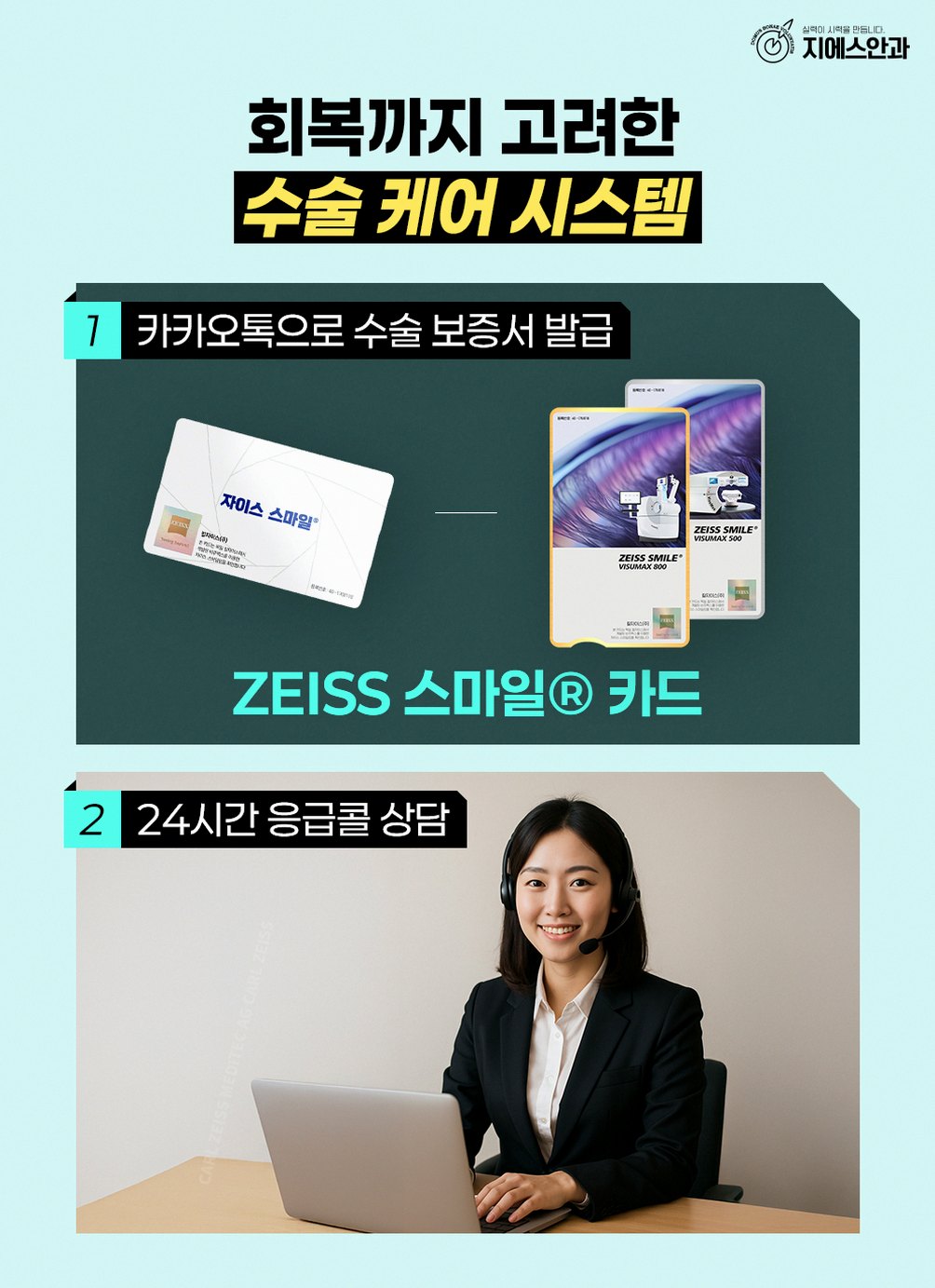
Soft call to action for online consultation
If you are considering SMILE LASIK near Gangnam Station and would like to know what kind of results you might expect for your own eyes, an online consultation can be a practical first step. By sharing your prescription history, health information, and travel plans, you can receive personalized guidance on candidacy, timing, and the likely recovery schedule.
Before making any decision, discuss your goals, occupation, and lifestyle openly with your ophthalmologist. A careful preoperative examination and honest conversation are the most important foundations for safe, satisfying vision correction.
Medical information notice
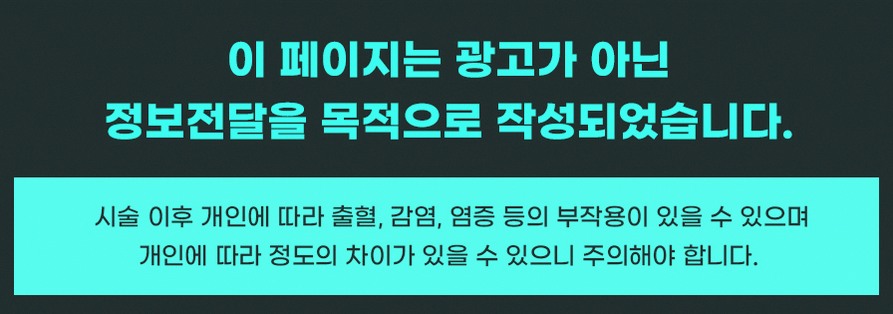
This article is intended for general information for international patients considering SMILE LASIK in Korea. It does not replace a face-to-face consultation, examination, or diagnosis by a qualified ophthalmologist. Individual suitability, risks, and results can only be evaluated through a comprehensive eye examination and professional medical judgment.
- 공유 링크 만들기
- X
- 이메일
- 기타 앱


댓글
댓글 쓰기