Gangnam Station vision correction surgery results with SMILE LASIK
- 공유 링크 만들기
- X
- 이메일
- 기타 앱

Direct answer: what results can you expect near Gangnam Station
When people search for Gangnam Station vision correction surgery results, they usually want to know how clear their vision will be after SMILE LASIK, how quickly they can recover, and how long the effects will last.
For medically suitable candidates, SMILE LASIK and related SMILE techniques performed at ophthalmology clinics near Gangnam Station often aim for vision around 20/20 or better without glasses or contact lenses. Many patients can return to light daily activities within a few days, with vision continuing to stabilize over several weeks to months.
However, results are never identical for everyone. Your final vision depends on your original prescription, corneal thickness and shape, eye surface condition, and how carefully your eyes are examined and monitored before and after surgery.
This guide explains typical SMILE LASIK results, using GS Eye Clinic near Gangnam Station as a real-world example of an ophthalmology clinic that focuses on SMILE-type procedures.
What SMILE LASIK is in this context
In this article, vision correction surgery refers mainly to corneal laser procedures such as SMILE LASIK and SMILE Pro. These are performed at ophthalmology clinics around Gangnam Station in Gangnam-gu, Seoul.
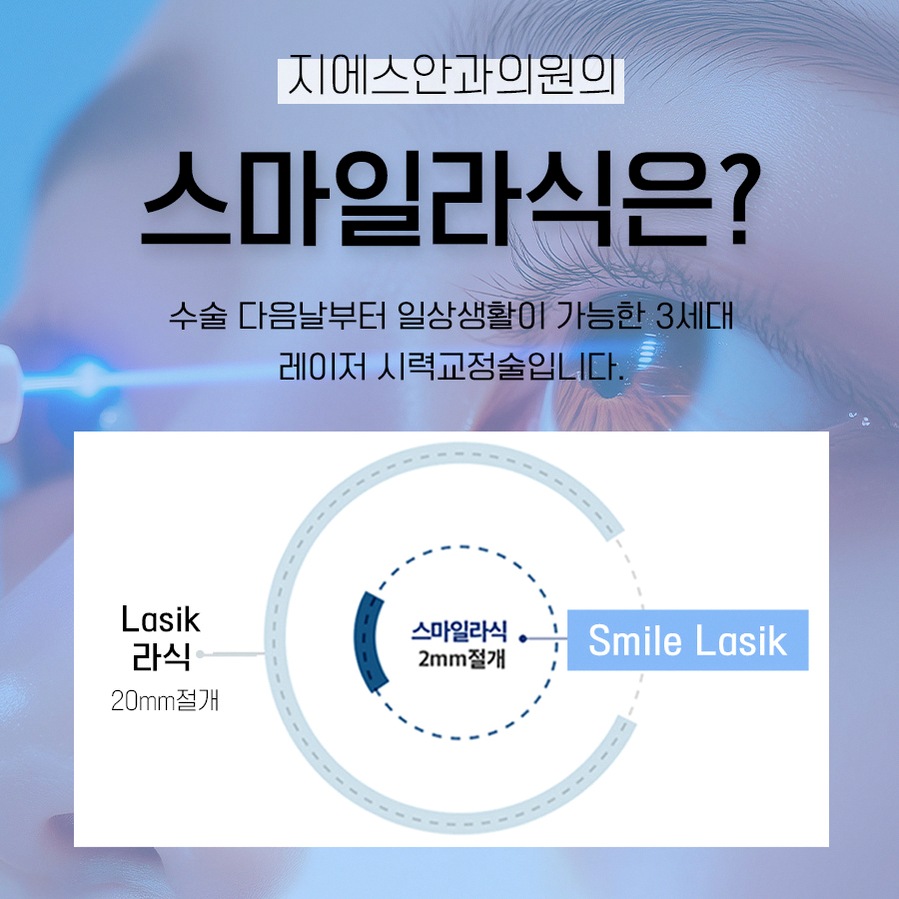
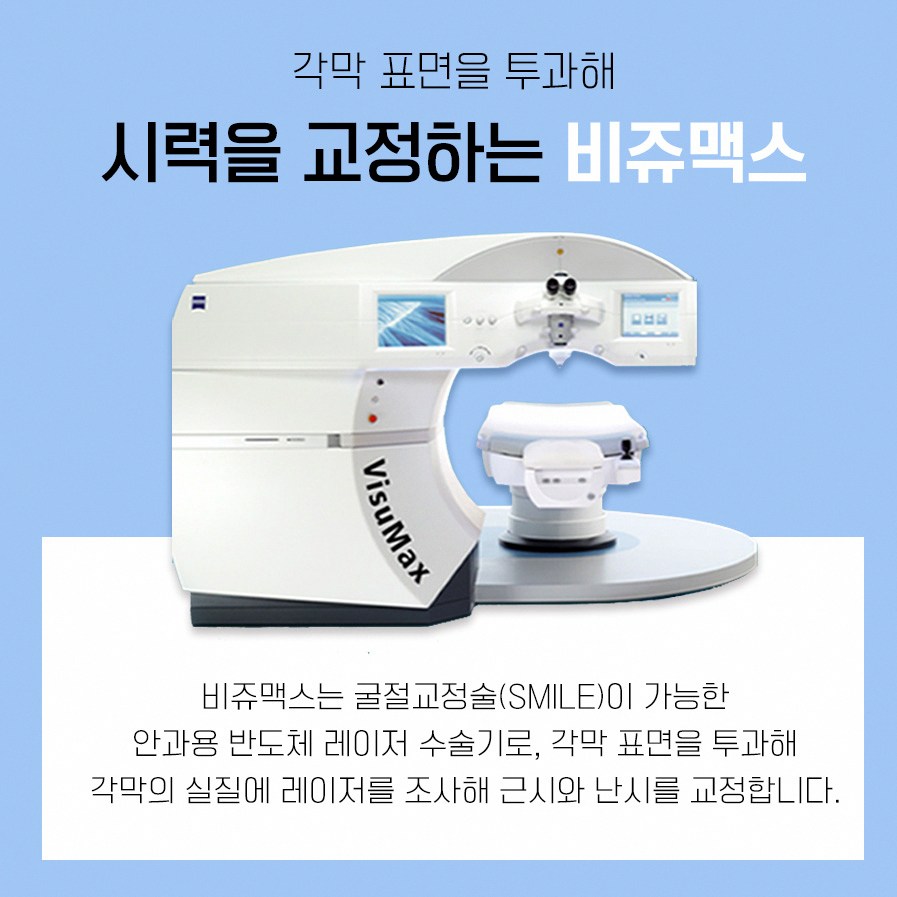
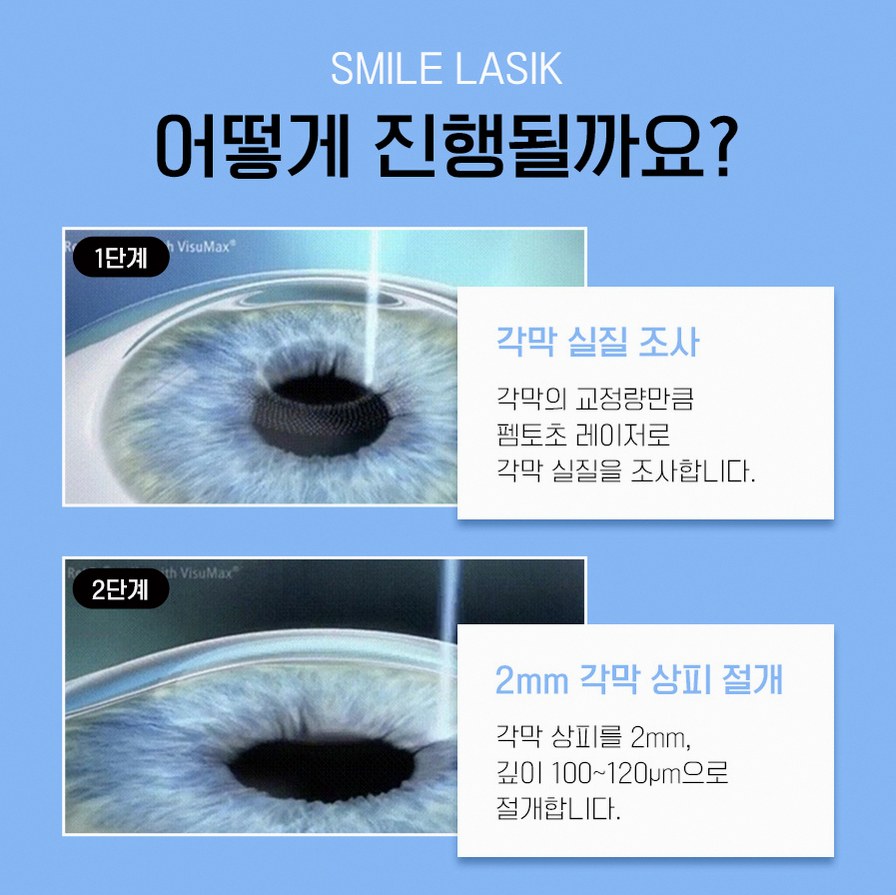
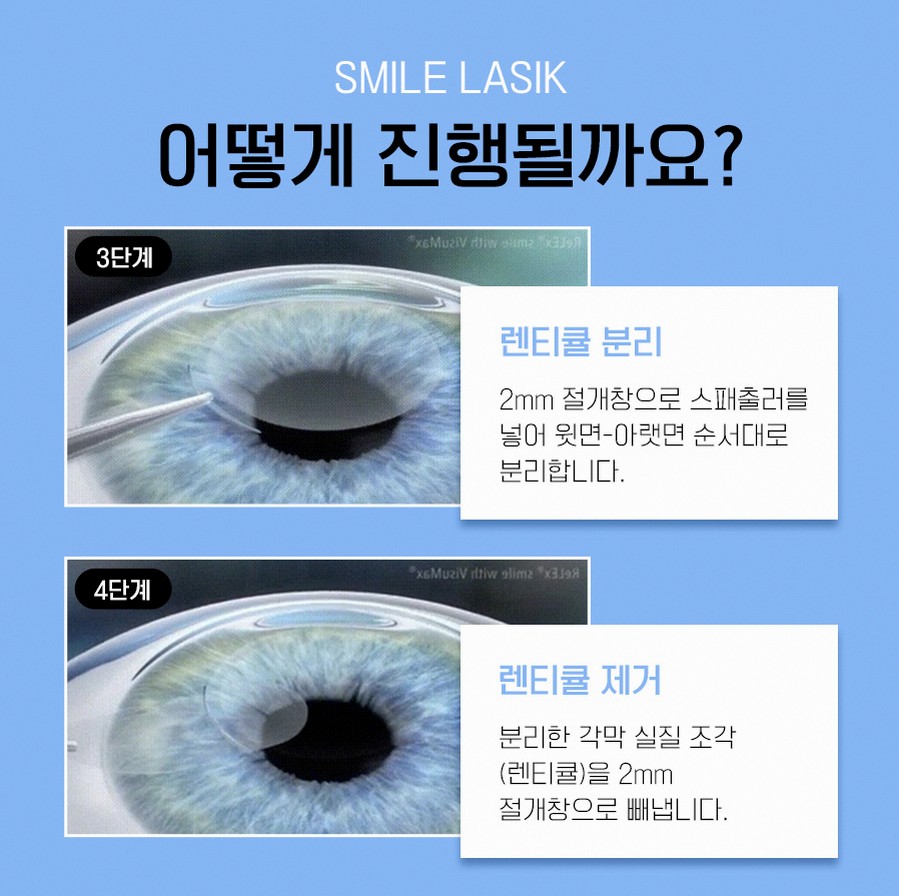
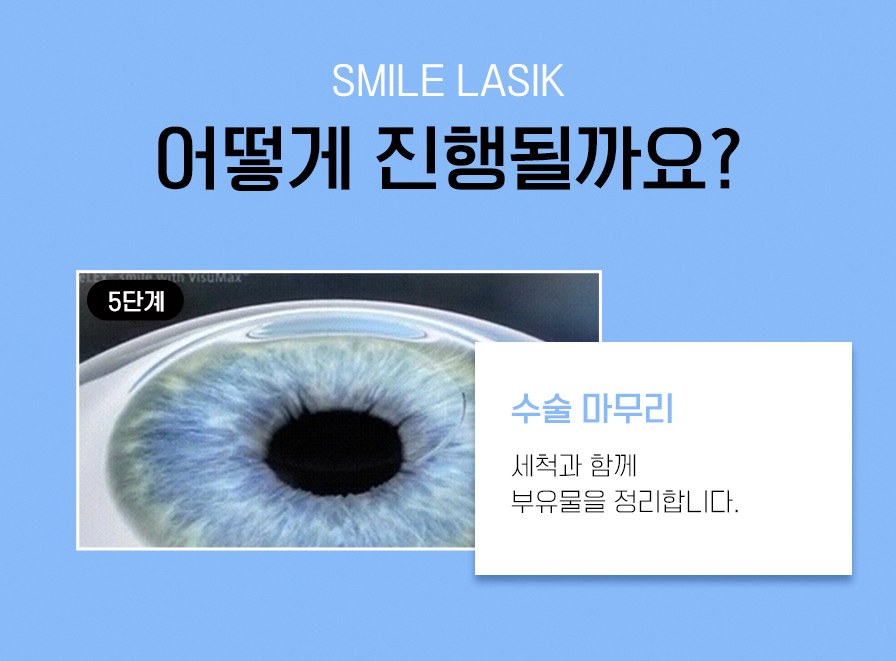
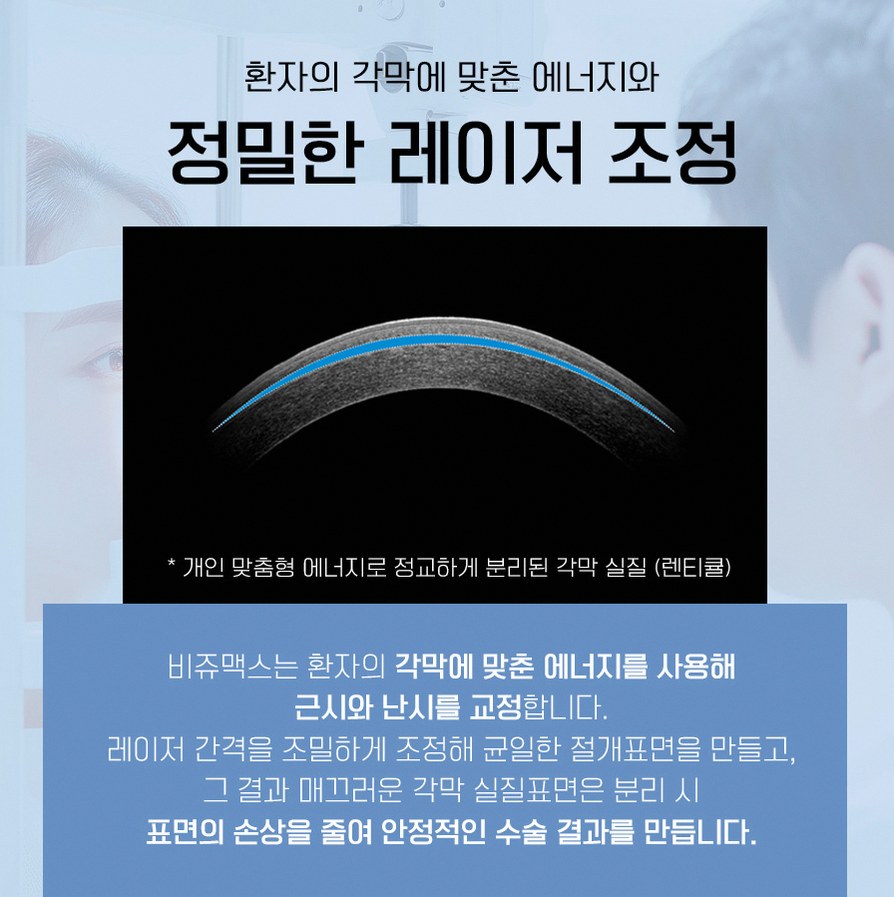
SMILE LASIK is a minimally invasive laser vision correction procedure. A femtosecond laser creates a tiny lens-shaped piece of tissue, called a lenticule, inside the cornea. The surgeon removes this lenticule through a very small incision, reshaping the cornea so that light focuses more accurately on the retina.
Unlike traditional LASIK, SMILE LASIK does not require creating a large corneal flap. Compared with LASEK, SMILE usually involves less surface damage to the cornea. For suitable cases, this can mean:
Smaller incision and less disruption of corneal nerves
Less risk of flap-related complications compared with flap-based LASIK
Often faster comfort recovery than LASEK
Potentially less dry eye symptoms in some patients
Busy transportation hubs such as Gangnam Station attract high-volume ophthalmology clinics that focus on SMILE-type procedures. The large number of patients in this area encourages clinics to invest in advanced SMILE platforms and structured examination systems.
Typical SMILE LASIK results near Gangnam Station
Visual acuity after stabilization
For many suitable candidates, SMILE LASIK can provide:
Uncorrected vision around 20/20 or better after the eyes stabilize
Significant reduction in dependence on glasses or contact lenses for everyday activities
Improved convenience for work, study, exercise, and travel
Patients with high myopia or astigmatism can often be treated, but extremely high prescriptions may have more limited predictability. In such cases, surgeons may recommend alternative or combined approaches, or they may advise against corneal laser surgery if safety margins are not sufficient.
Vision recovery timeline
Every eye heals at its own pace, but the following is a common pattern for SMILE LASIK recovery. This is not a guarantee, but a general reference.
Day of surgery
Vision is usually blurred.
You may feel tearing, light sensitivity, or a foreign body sensation.
Resting with eyes closed and using prescribed drops is important.
First 1 to 3 days
Many patients notice rapid improvement in clarity.
Discomfort typically decreases quickly.
Some people feel comfortable enough for light indoor activities or remote work within a couple of days, depending on their job.
1 to 2 weeks
Vision is usually good enough for most routine tasks such as commuting, office work, and studying.
Minor fluctuations, especially in the evening or when tired, are common.
Dryness or mild halos around lights at night may still be present.
1 to 3 months
Vision tends to become more stable.
Dry eye symptoms, glare, and halos often improve over time.
Your surgeon will check whether your vision is close to the planned target and whether any enhancement is advisable.
Long-term effect
The corneal reshaping from SMILE LASIK is considered permanent. However, the eye continues to age naturally. Over the years, you may still develop:
Presbyopia, which makes near vision more difficult from your 40s onward
Cataract, which can cloud the natural lens later in life
These age-related changes are independent of SMILE LASIK and can affect your vision even if your initial result was excellent.
Who may consider SMILE LASIK near Gangnam Station
Adults in their 20s to 40s often consider SMILE LASIK when:
They are tired of glasses or contact lenses for work, sports, or travel.
Their prescription has been stable for at least one to two years.
They want a minimally invasive laser option with a small incision.
You may be a potential candidate if you have:
Myopia (nearsightedness)
Astigmatism
Adequate corneal thickness and healthy corneal structure
You may not be suitable, or may need alternative options, if you have:
Very thin or irregular corneas
Keratoconus or suspected early keratoconus
Severe dry eye disease
Unstable prescription or certain systemic conditions
Only a full eye examination can determine this safely.
Factors that influence your SMILE LASIK results
Pre-operative eye condition
Your starting point has a strong impact on your final outcome.
Degree of myopia, hyperopia, and astigmatism: Higher prescriptions can be treated in many cases, but extreme values may have lower predictability or may not be recommended.
Corneal thickness and shape: There must be enough tissue to reshape the cornea while keeping it structurally safe.
Pupil size: Larger pupils can be more prone to night glare or halos, especially early after surgery.
Tear film quality and dry eye: A healthy tear film supports clearer vision and smoother healing.
Stability of prescription: A stable prescription helps reduce the risk of regression.
Surgical planning and technology
Modern SMILE platforms can support precise and efficient procedures.
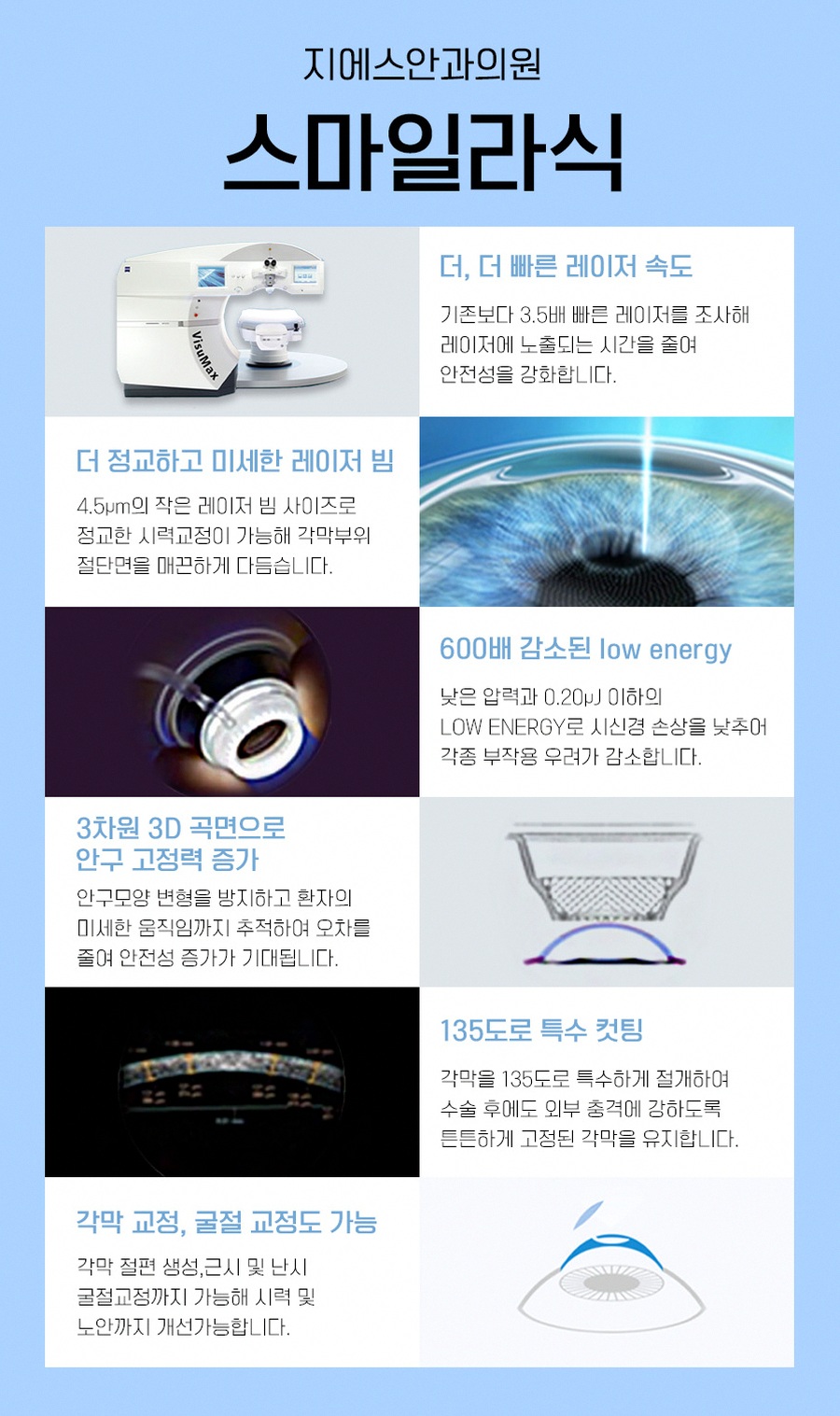
Use of advanced femtosecond laser systems, such as ZEISS SMILE platforms, allows accurate lenticule creation.
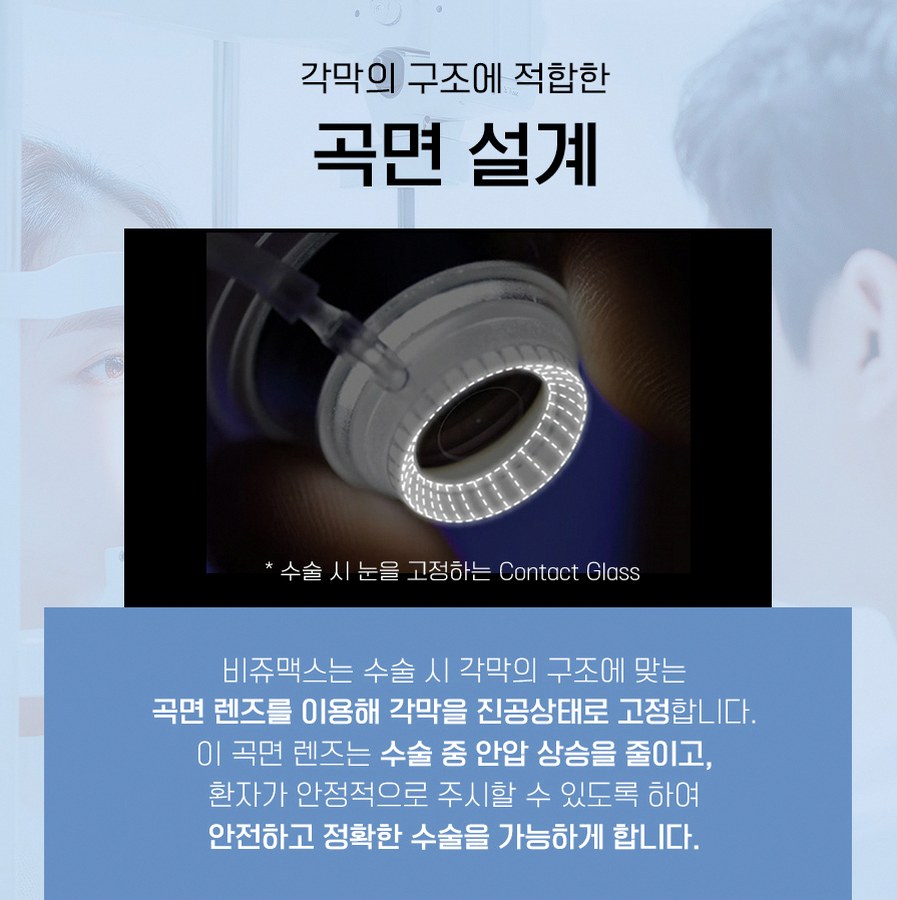
Shorter laser time can improve comfort and reduce the chance of movement during the procedure.
Customized planning based on corneal topography and wavefront data helps tailor the treatment to the individual eye.
Post-operative care and patient cooperation
Even with excellent technology, results depend on how well you follow instructions.
Use prescribed eye drops exactly as directed.
Avoid rubbing your eyes, especially in the early period.
Protect your eyes from contamination, such as dirty water or heavy makeup, until your surgeon allows it.
Attend scheduled follow-up visits so that any issues can be detected and managed early.
Example: GS Eye Clinic near Gangnam Station
Location and background
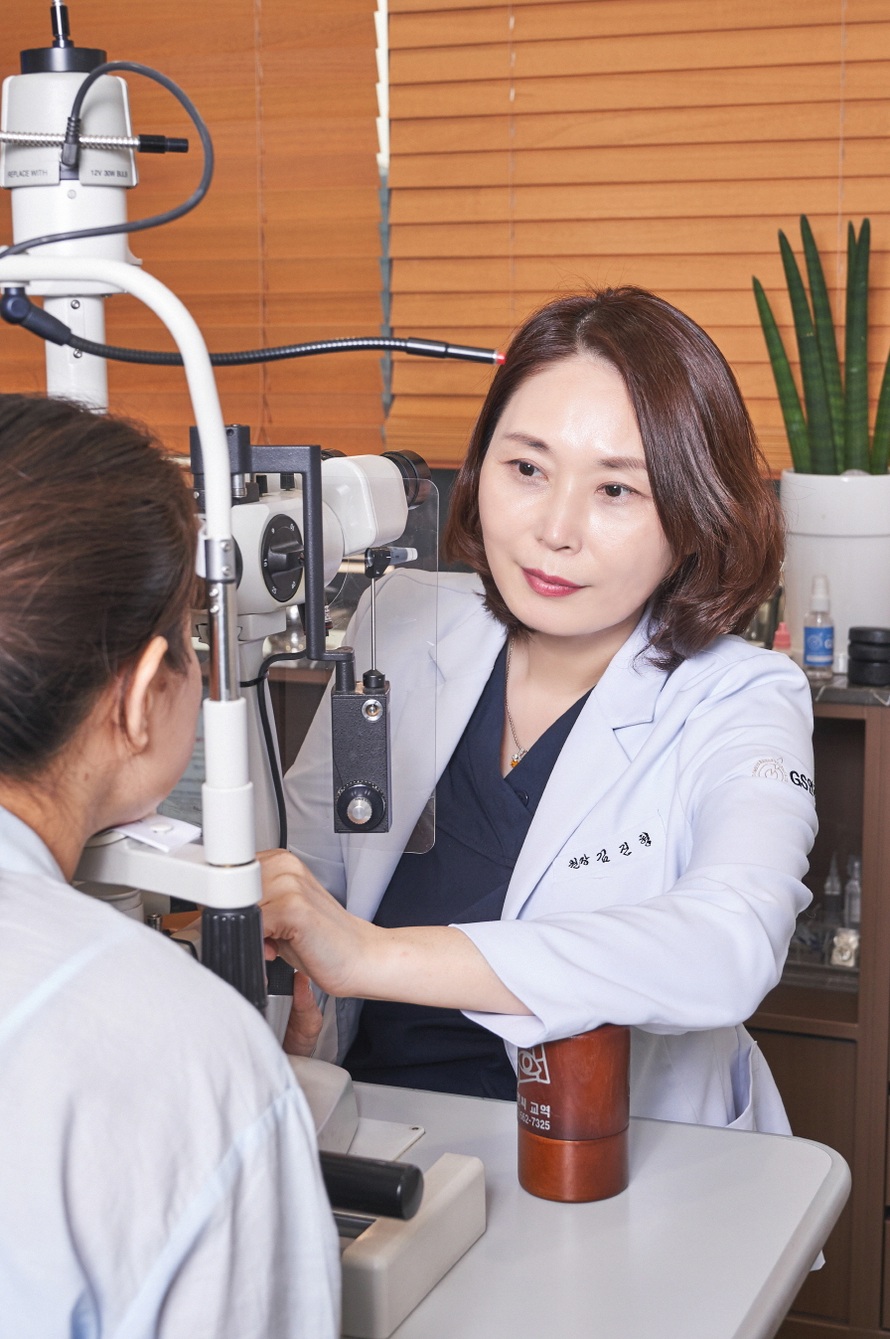
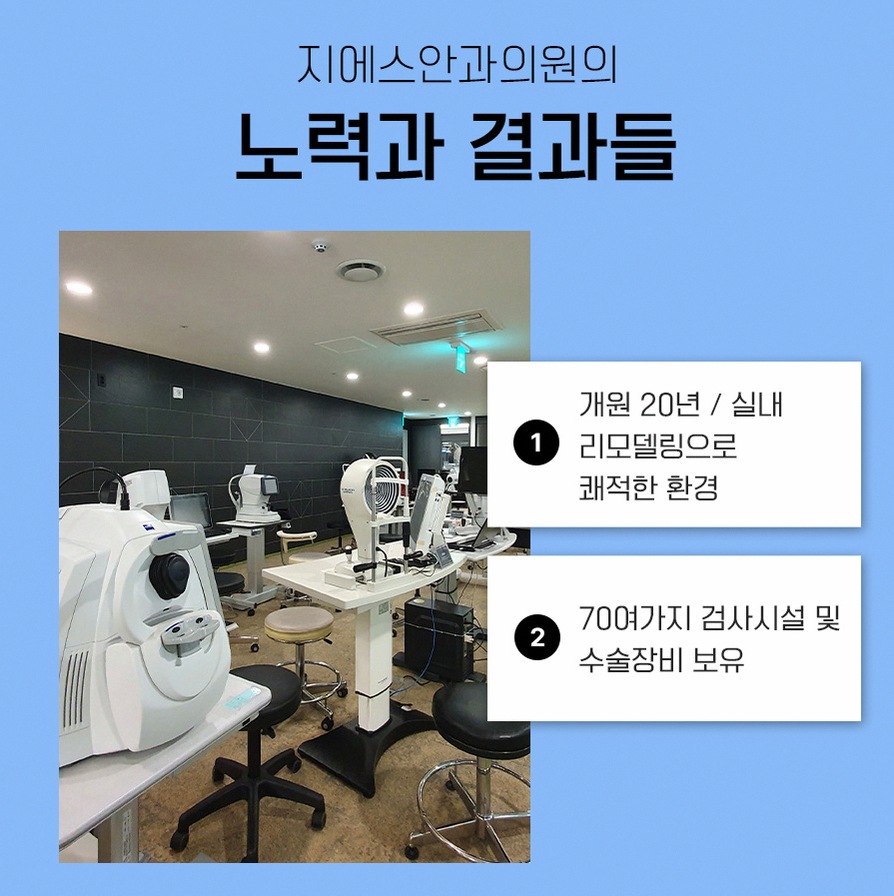
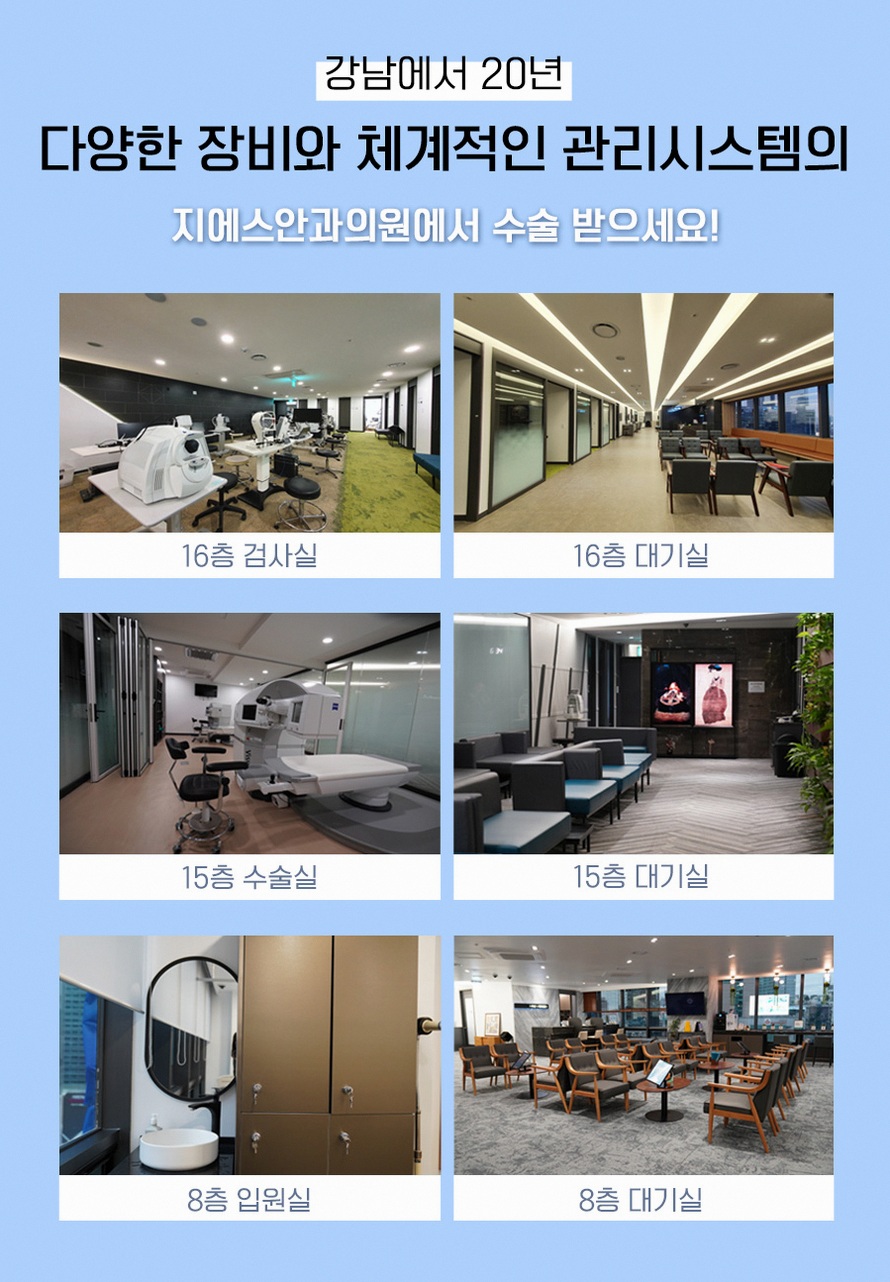
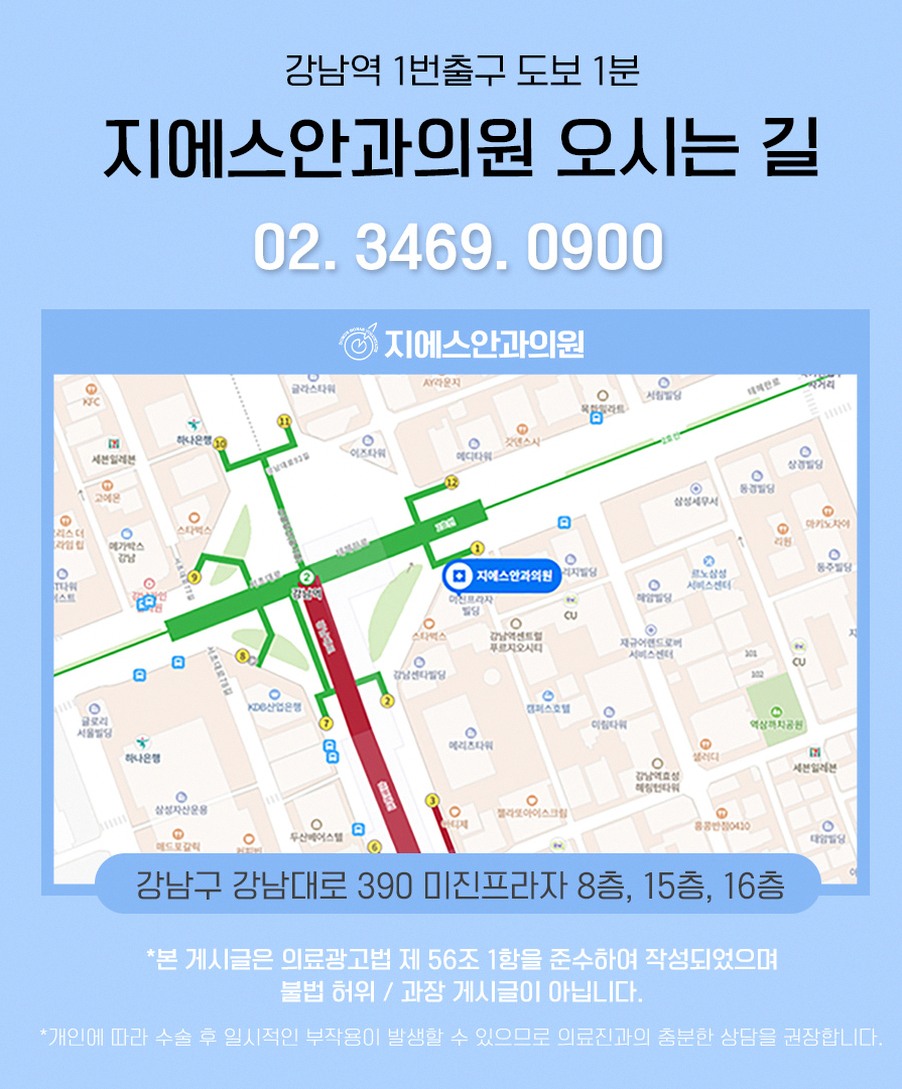
GS Eye Clinic is an ophthalmology clinic located on Gangnam-daero near Gangnam Station in Gangnam-gu, Seoul. It has been operating in the same building since 2005, which is convenient for local and overseas patients who prefer an easily accessible location.
Medical team
The clinic has seven ophthalmology specialists. The medical director holds a doctorate in medicine and has previous university hospital teaching experience. Several doctors have backgrounds at major university hospitals and additional subspecialty training, including retina fellowship experience. This kind of team structure allows the clinic to handle both front-of-the-eye refractive procedures and back-of-the-eye evaluations.
Experience and case volume
As of 2023, the clinic reports a cumulative total of about 300,000 eyes treated with vision correction and cataract surgery.
For SMILE Pro procedures:
Approximately 15,000 eyes treated as of April 2026
Passed 5,000 eyes in October 2024
Passed 10,000 eyes in August 2025
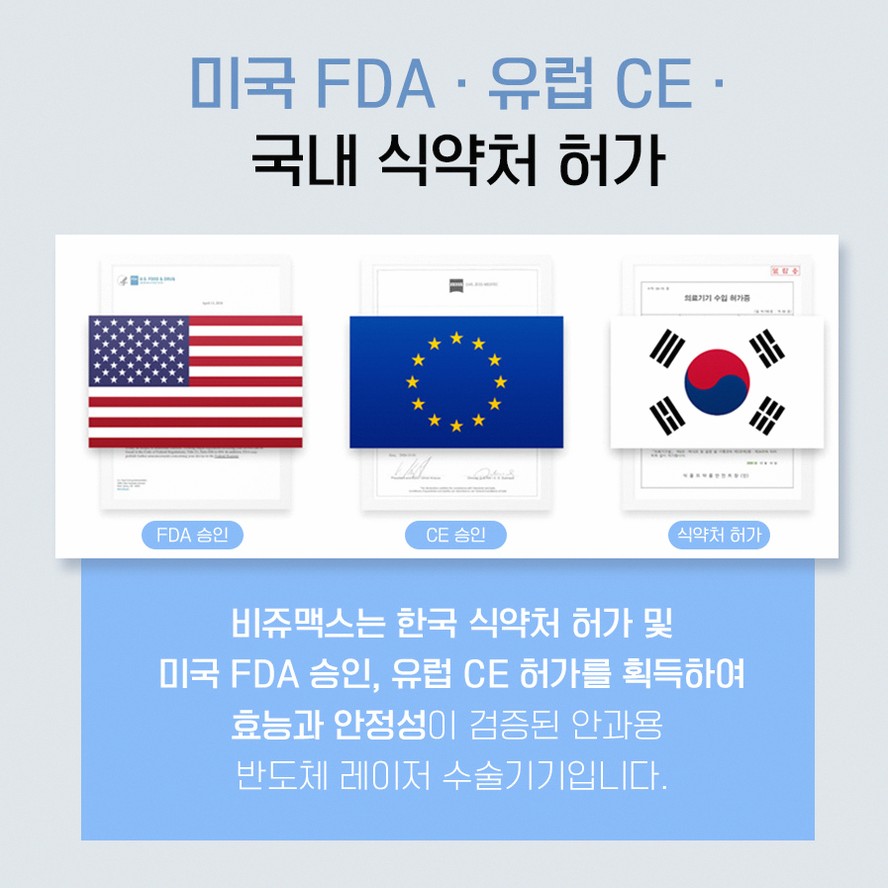
The clinic was recognized as the first member of the ZEISS SMILE GOLD CLUB in Korea in 2021. It was designated as a ZEISS SMILE pro CENTER in 2023 and a SILK TRAINING Center in 2026. These designations indicate ongoing collaboration with the manufacturer and involvement in training.
Equipment and how it relates to results
A key feature of this clinic is the possession of three main SMILE platforms from ZEISS.
VISUMAX 800: This is a dedicated SMILE Pro laser introduced in 2023. It offers laser time under about 9 seconds, which can support faster and more comfortable procedures. Shorter laser time can also reduce stress for patients who are anxious about keeping their eyes still.
Two VISUMAX 500 units: These have been used for SMILE LASIK since 2016, with dual-system operation from 2019. Having two units helps manage high case volume and provides scheduling flexibility, which can be important for overseas patients with limited time in Korea.
In 2020, the clinic obtained ISO 9001 and 14001 certification for its SMILE LASIK procedures. These international standards relate to quality management and environmental management, suggesting that the clinic follows standardized processes.
Educational and training roles
In 2023, the clinic was designated as a clinical education institution for a major medical school. In 2024, it became an Asia-Pacific clinical education center for BIOTECH. These roles mean that the clinic participates in training other doctors in refractive and lens-based procedures, which may contribute to structured protocols and consistent techniques.
How clinics near Gangnam Station evaluate candidacy and predict results
Pre-operative examination protocol
Most ophthalmology clinics around Gangnam Station that focus on SMILE LASIK follow a comprehensive examination process.
Typical assessments include:
Refraction to measure your exact prescription
Corneal topography to map the shape and curvature of your cornea
Pachymetry to measure corneal thickness
Retinal examination to check the back of the eye
Tear film assessment and dry eye evaluation
Screening for conditions such as keratoconus or other corneal diseases is essential. If any risk factors are found, the clinic may recommend alternative procedures or advise against corneal laser surgery.
Lifestyle and procedure selection
During consultation, doctors usually ask about:
Night driving frequency
Digital device use
Sports or outdoor activities
Work schedule and travel plans
Even in a SMILE-focused center, some patients may be better suited to other options such as LASEK, lens implantation, or combined corneal strengthening procedures. Choosing the right procedure for your eyes and lifestyle is more important than simply choosing the most popular technique.
Safety, side effects, and realistic expectations
Common temporary symptoms after SMILE LASIK
After SMILE LASIK, many patients experience:
Dry eye sensation or a feeling of grittiness
Glare or halos around lights, especially at night
Mild night vision disturbances
Slight vision fluctuation during the day
These usually improve over weeks to months as the eye surface stabilizes and the nervous system adapts.
Less common but important risks
Although serious complications are rare, they can occur. Possible risks include:
Infection or inflammation
Undercorrection or overcorrection of the prescription
Regression, where some degree of myopia returns over time
Rare structural corneal issues
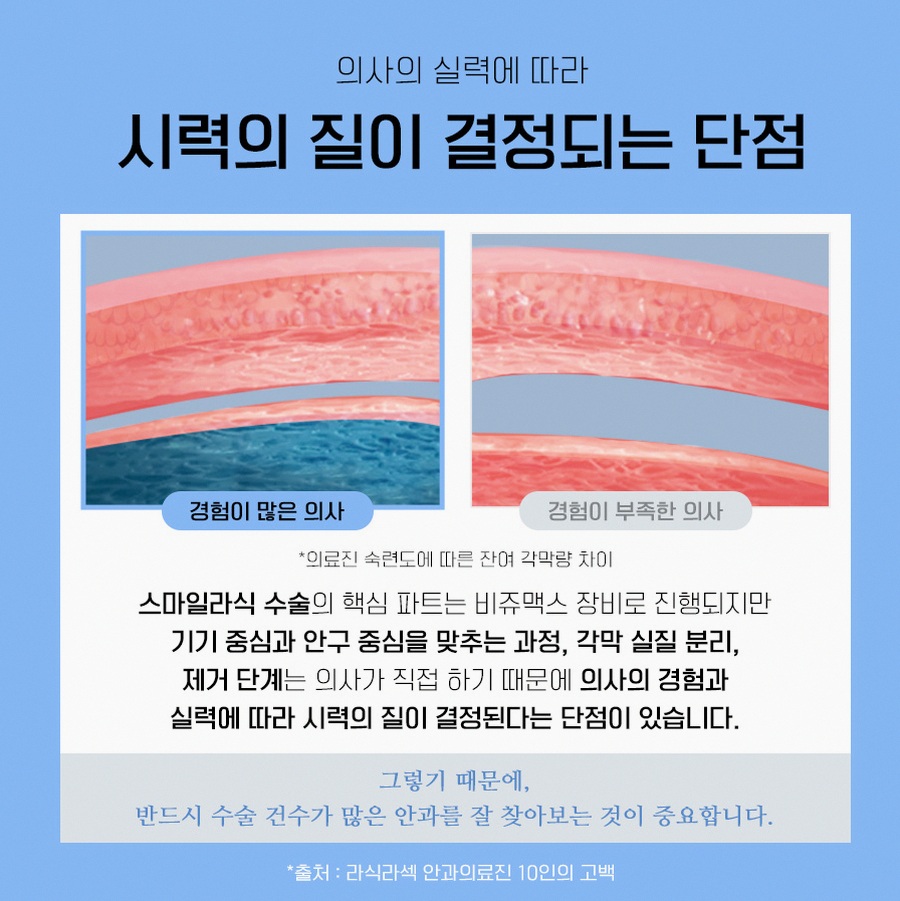
Experienced centers aim to reduce these risks through careful screening, appropriate procedure selection, and strict hygiene and follow-up protocols.
How experienced clinics manage risk
Clinics with a strong focus on SMILE LASIK typically:
Apply strict indication criteria based on detailed diagnostics.
Use corneal strengthening procedures when appropriate for borderline cases.
Follow a structured follow-up schedule to detect and address any issues early.
Setting realistic expectations
Not every patient will achieve perfect 20/20 vision. Some may:
Have slightly lower but still functional uncorrected vision
Need minor enhancement procedures
Still use glasses for specific tasks, such as night driving or prolonged near work
Long-term eye health and safety should always be prioritized over the goal of eliminating glasses completely.
Online consultation and pre-visit preparation for overseas patients
If you are considering SMILE LASIK near Gangnam Station from overseas, online consultation can help you plan efficiently.
Information to prepare before contacting a clinic
Recent prescription from your local optometrist or ophthalmologist
Any previous eye surgery or trauma history
Information about dry eye symptoms, allergies, or systemic diseases
Your usual daily activities and work environment
Questions you may want to ask during online consultation
Am I likely to be a candidate for SMILE LASIK based on my current prescription and age?
How many days should I stay in Korea for examination, surgery, and follow-up?
What is the typical recovery timeline for someone with my prescription?
What are the main differences between SMILE Pro and conventional SMILE LASIK in my case?
Clinics like GS Eye Clinic that handle many international patients can often provide a suggested schedule and explain what to expect at each step.
Expected visit timeline for SMILE LASIK in Korea
The exact schedule will vary, but a common structure for overseas patients is as follows.
Day 1: Comprehensive examination
Full eye examination and candidacy evaluation
Discussion of procedure options (SMILE LASIK, SMILE Pro, or alternatives)
If suitable and you decide to proceed, surgery may be scheduled for the next day or within a few days.
Day 2: Surgery day
Pre-operative checks and consent
SMILE LASIK procedure, which usually takes only a few minutes per eye
Rest in the clinic for a short observation period, then return to your accommodation with protective eyewear
Day 3 to 5: Early follow-up
First post-operative check, often the day after surgery
Monitoring of vision, corneal condition, and intraocular pressure
Adjustment of eye drop schedule if needed
Day 6 to 10: Additional follow-up (if your schedule allows)
Second or third follow-up to confirm stable healing before you fly home
Discussion of what your local doctor should check after you return
If your stay is shorter, the clinic will usually provide detailed instructions and a summary for your local eye doctor.
Aftercare and long-term management
In the first weeks after SMILE LASIK, you will typically be asked to:
Use antibiotic and anti-inflammatory eye drops as prescribed
Use lubricating drops frequently to support the tear film
Avoid rubbing your eyes
Avoid swimming pools, saunas, and dusty environments for a certain period
Long-term, it is important to:
Have regular eye examinations, even if your vision feels fine
Protect your eyes from excessive UV exposure with sunglasses
Monitor for age-related changes such as presbyopia or cataract
If you notice sudden changes in vision, pain, or redness, you should contact an eye clinic promptly, whether in Korea or in your home country.
FAQ about SMILE LASIK results near Gangnam Station
How soon after SMILE LASIK near Gangnam Station can I return to work or school?
Many patients can return to light office work or study within 2 to 3 days after SMILE LASIK, especially if their job does not involve heavy physical activity or exposure to dust. However, your eyes may still feel dry or slightly sensitive, so frequent breaks and lubricating drops are helpful. For jobs that require intense visual focus or night driving, you may want to allow a bit more time. Always follow the specific advice given by your surgeon.
Are SMILE LASIK results permanent, or can my vision worsen again?
The corneal reshaping from SMILE LASIK is intended to be permanent. In most cases, the corrected vision remains stable after the initial healing period. However, natural eye changes such as presbyopia or cataract can still occur later in life and affect your vision. In some patients, especially those with higher prescriptions, a small amount of regression can happen over time, and an enhancement procedure may be discussed if it is safe and appropriate.
Is there a difference in results between SMILE Pro and conventional SMILE LASIK?
SMILE Pro, performed with platforms such as the VISUMAX 800, features faster laser time compared with earlier SMILE systems. This can improve comfort during the procedure and reduce the time you need to keep your eye still. For many patients, the overall visual outcome in terms of clarity and stability is similar, but the experience on the day of surgery and early recovery may feel smoother. The choice between SMILE Pro and conventional SMILE depends on the clinic’s equipment, your eye condition, and the surgeon’s recommendation.
How do clinics near Gangnam Station check if I am a good candidate for SMILE LASIK?
Clinics around Gangnam Station typically perform a detailed pre-operative examination that includes refraction, corneal topography, pachymetry, retinal evaluation, and tear film assessment. They also review your medical history and ask about your lifestyle and visual needs. If your cornea is too thin, irregular, or shows signs of disease, or if your prescription is unstable, they may suggest alternative treatments or advise against corneal laser surgery. This careful screening is essential for safe and predictable results.
What if I have dry eye or high myopia? Can I still expect good results?
Mild dry eye or moderate to high myopia does not automatically exclude you from SMILE LASIK, but it does require more detailed evaluation. For dry eye, clinics may recommend treatment before surgery and more intensive lubrication afterward. For high myopia, surgeons will carefully calculate how much tissue can be safely removed and may discuss the possibility of residual refractive error or alternative options such as lens implantation. Your individual examination results will guide what level of outcome is realistic.
Soft call to action
If you are comparing vision correction options around Gangnam Station, focus on three main points: thorough pre-operative diagnostics, experienced ophthalmology specialists, and up-to-date SMILE LASIK equipment. Use online consultation to share your prescription and eye history, ask about expected results in your specific case, and clarify how long you should stay in Korea.
A careful, personalized plan will help you understand what level of vision you can realistically expect, how quickly you may recover, and how to protect your eye health for the long term.
- 공유 링크 만들기
- X
- 이메일
- 기타 앱


댓글
댓글 쓰기