Gangnam Station vision correction surgery with SMILE LASIK options
- 공유 링크 만들기
- X
- 이메일
- 기타 앱

Direct answer summary
If you are searching for Gangnam Station vision correction surgery, SMILE LASIK is one of the main modern options many office workers and students consider. It is a minimally invasive laser procedure that reshapes the cornea through a very small incision, often allowing relatively quick recovery and a comfortable experience. For international patients visiting Seoul, the most important points are a thorough preoperative eye examination, choosing an ophthalmology clinic with strong refractive surgery experience, and understanding that the safest method for you may be SMILE LASIK or a different vision correction procedure depending on your eyes.
Overview of SMILE LASIK
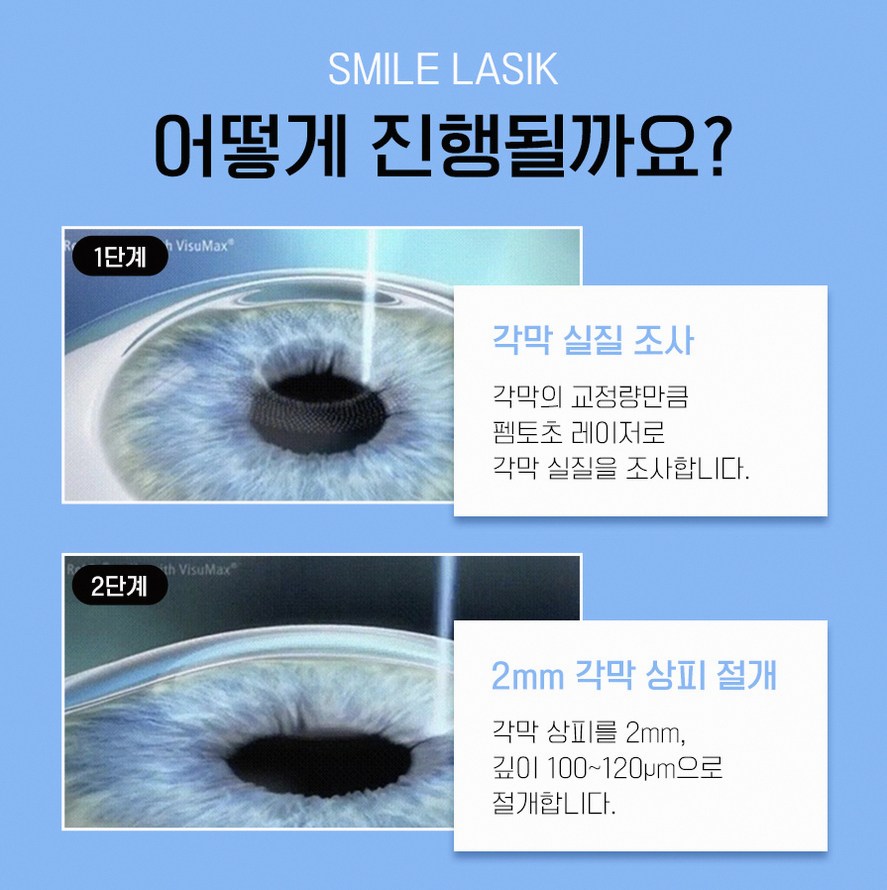
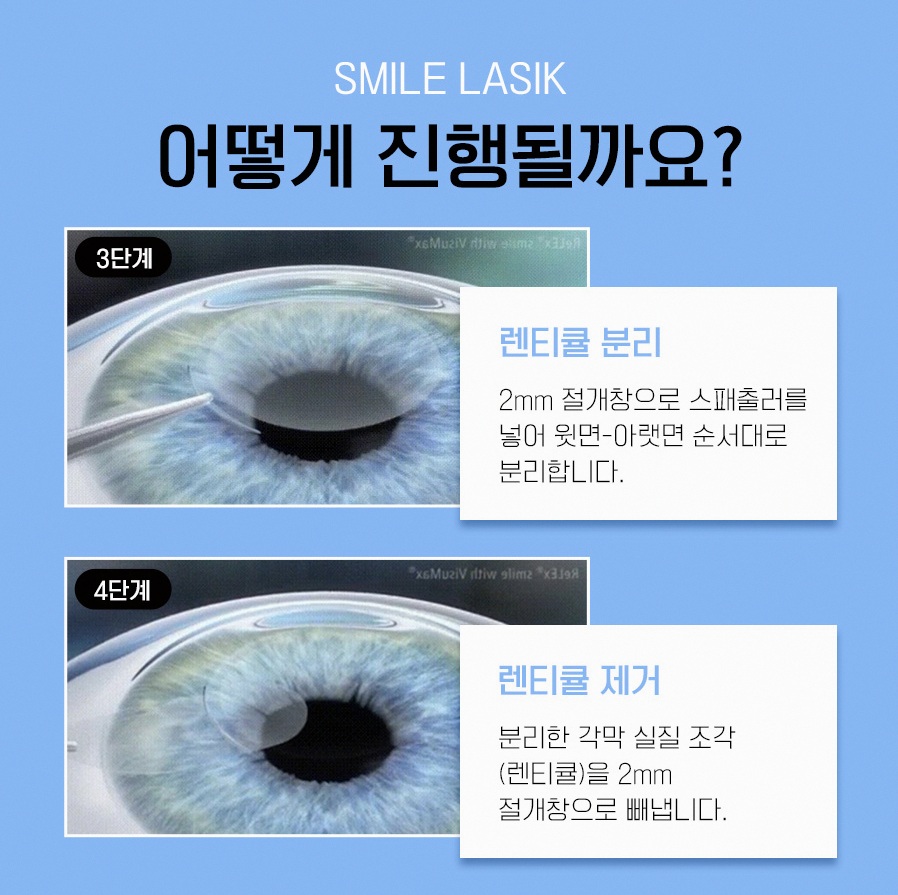
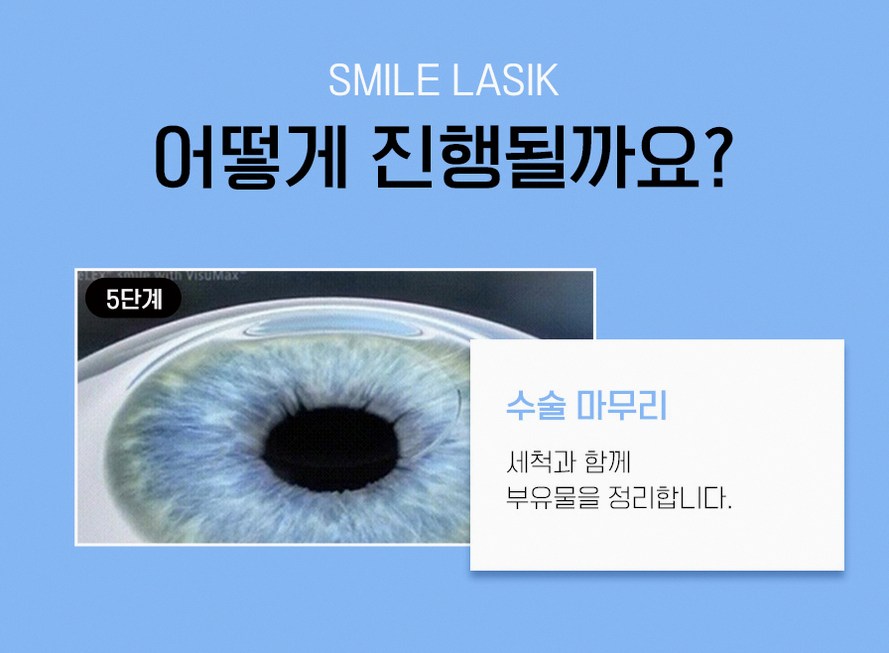
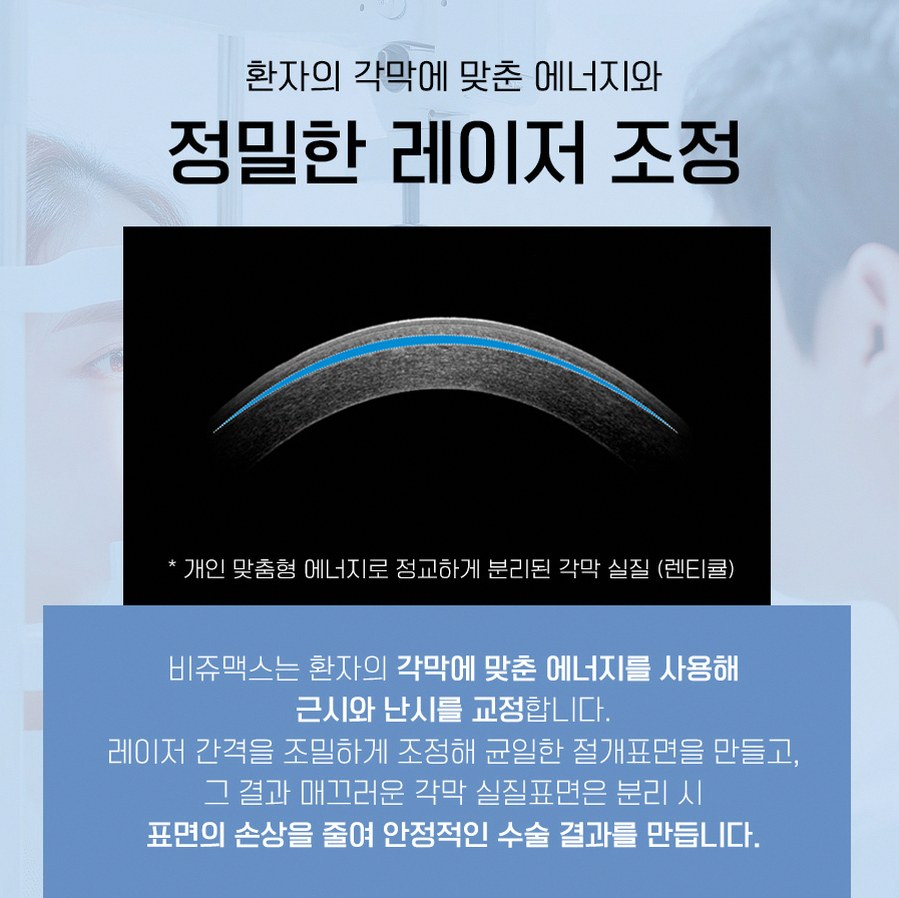
SMILE LASIK (often simply called SMILE) is a laser vision correction technique that uses a femtosecond laser to create a thin, lens-shaped piece of tissue inside the cornea, called a lenticule. The surgeon then removes this lenticule through a small incision, which changes the shape of the cornea and corrects myopia and astigmatism.
Unlike traditional LASIK, SMILE does not require creating a large corneal flap. The incision is usually only a few millimeters long. Because of this small entry, SMILE is often described as minimally invasive. Compared with LASEK or other surface ablation procedures, SMILE usually has less surface discomfort and a faster return to functional vision for many patients.
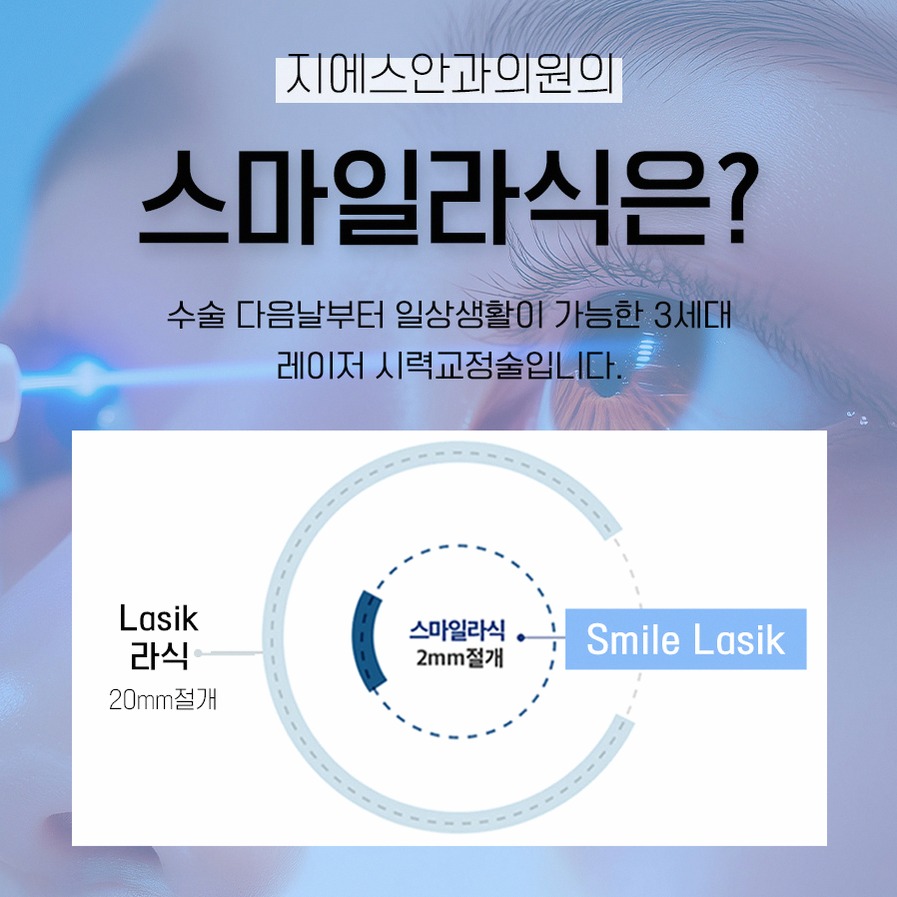
Typical candidates for SMILE LASIK are adults with stable myopia and astigmatism within a certain range, adequate corneal thickness, and a healthy ocular surface. The exact eligibility depends on detailed measurements of your cornea, tear film, and retina, which are checked during a full preoperative examination.
Why people near Gangnam Station seek vision correction
Gangnam Station is a busy business and transport hub in Seoul. Many people working or studying in this area spend long hours on computers and mobile devices, often commuting long distances. Glasses and contact lenses can be inconvenient in this lifestyle, especially when moving between office work, social meetings, and fitness activities.
Common reasons people around Gangnam Station look for vision correction surgery include discomfort with contact lenses, dry eye symptoms after long screen time, and worries about the long-term safety and hygiene of lens wear. Some patients want more freedom for travel, sports, or everyday commuting without fogging lenses or dependence on glasses.
For overseas visitors, combining a short stay near Gangnam Station with vision correction surgery can be attractive because of the easy transportation access, accommodation options, and concentration of ophthalmology clinics in this district.
Who may consider SMILE LASIK
You may consider SMILE LASIK near Gangnam Station if you:
Have myopia and astigmatism within the treatable range for SMILE
Have a stable glasses or contact lens prescription for at least one to two years
Have adequate corneal thickness and regular corneal shape
Do not have active eye disease, such as uncontrolled dry eye, corneal infection, or advanced keratoconus
Are generally healthy, without uncontrolled systemic diseases that affect healing
However, not everyone who wants SMILE LASIK is a suitable candidate. Some people may be better matched to LASEK, lens implantation such as ICL, or cataract and presbyopia lens surgery, depending on age and eye condition. The decision is made after a full preoperative eye examination.
Preoperative examination and candidacy assessment
Before any Gangnam Station vision correction surgery, a detailed eye examination is essential. A responsible ophthalmology clinic will usually perform a multi-step workup that can include:
Visual acuity and refraction: Measuring your current glasses prescription and best-corrected vision.
Corneal topography and tomography: Creating a detailed map of the front and back surfaces of your cornea to check for irregularities or early keratoconus.
Corneal thickness and biomechanics: Measuring how thick and structurally strong your cornea is to estimate how much tissue can be safely removed.
Pupil size: Evaluating your pupil diameter in different light conditions, which may relate to night vision symptoms such as halos or glare.
Tear film and dry eye evaluation: Checking the stability and quantity of your tears, meibomian glands, and ocular surface health. This is important because dry eye can affect both comfort and visual quality after surgery.
Retina and optic nerve examination: Dilated fundus examination or imaging to rule out retinal tears, macular disease, or optic nerve problems that could limit your final vision or increase the risk of complications.
Based on these results, the ophthalmologist will decide whether SMILE LASIK is appropriate. If the cornea is too thin, irregular, or biomechanically weak, or if there are significant retinal issues, they may advise against laser vision correction. In such cases, alternative procedures like lens implantation or careful monitoring may be recommended instead.
For international patients, it is important to understand that being told you are not a candidate is not a negative outcome. It is a sign that the clinic is prioritizing long-term eye health and safety over performing surgery at any cost.
Technology and SMILE platforms near Gangnam Station
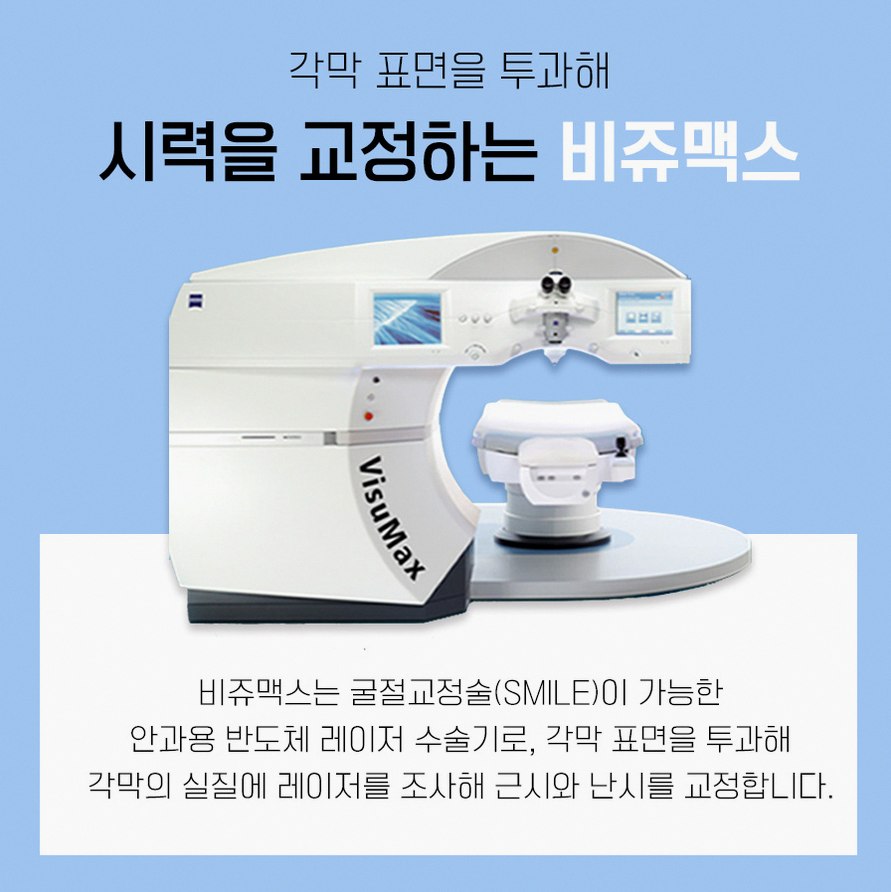
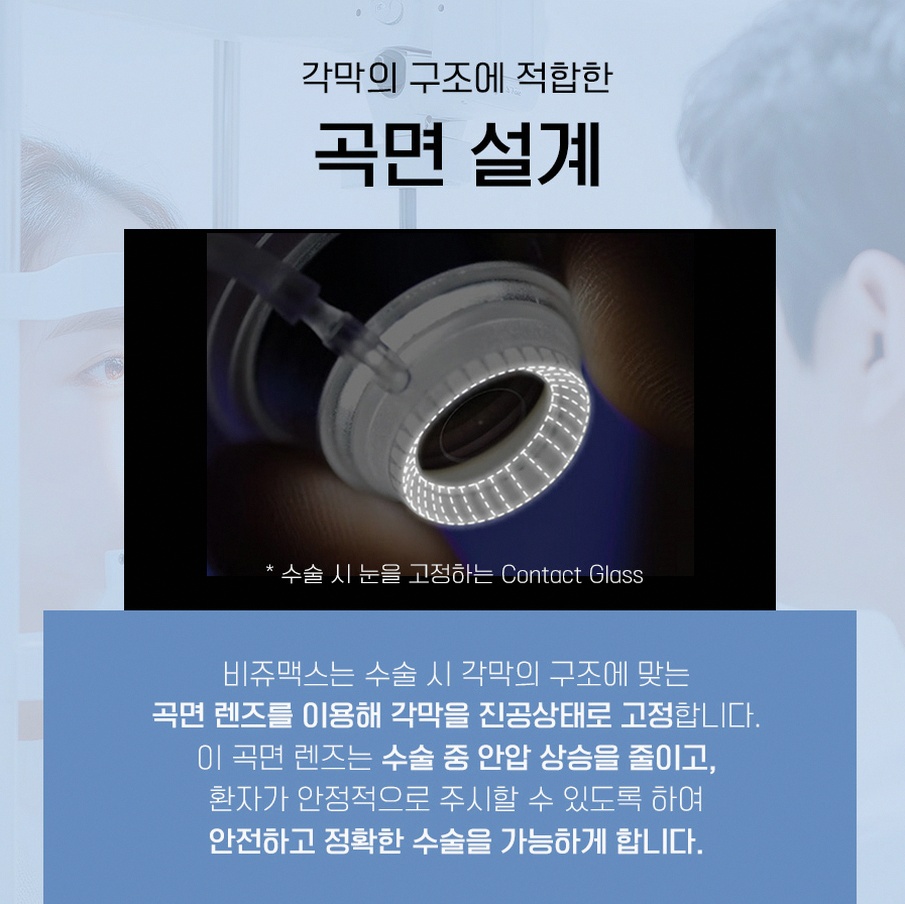
When comparing SMILE LASIK near Gangnam Station, the laser technology used by each clinic is one of the key factors. SMILE relies on a femtosecond laser platform that creates the lenticule and small incision inside the cornea.
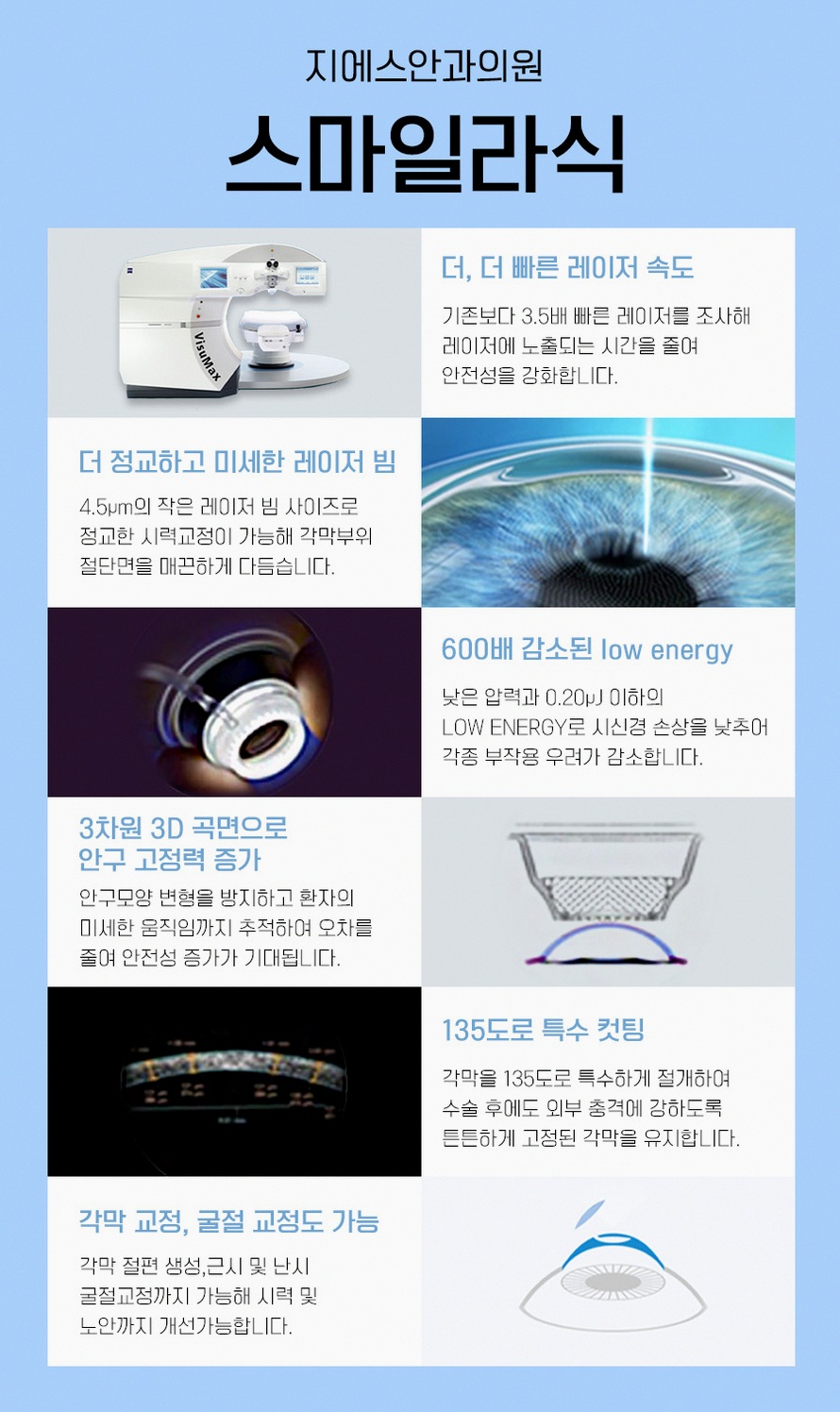
Newer-generation SMILE platforms can shorten the laser time, sometimes to under 10 seconds of laser application. A shorter laser time may improve comfort, reduce anxiety during the procedure, and help some patients remain more relaxed. While overall outcomes depend on many factors, modern equipment can support a smoother surgical experience.
Some ophthalmology clinics near Gangnam Station operate more than one SMILE-capable laser system. Having multiple platforms can offer advantages such as flexible scheduling, backup options if one system is under maintenance, and the ability to match different eye conditions to specific settings.
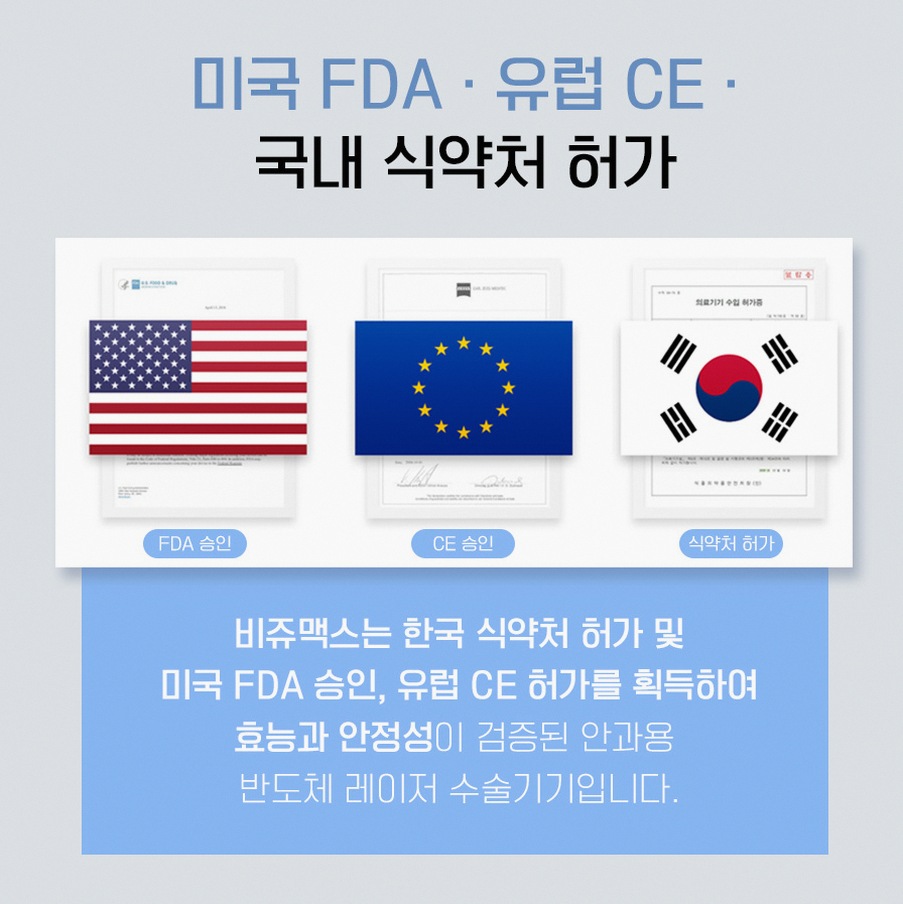
In addition, certain clinics participate in SMILE-based premium programs or are recognized as training centers by major laser manufacturers. These designations usually reflect a combination of case volume, adherence to quality standards, and involvement in clinical education. For patients, this can be a useful signal of experience, but it should be considered together with other factors like communication, aftercare, and overall clinical systems.
Experience and clinical track record
When you research Gangnam Station vision correction surgery, it is helpful to look beyond marketing phrases and focus on measurable experience indicators. Some points you can check include:
Total number of refractive and cataract surgeries performed, with a clear reference year. For example, a clinic may report cumulative surgeries up to a certain year, showing consistent activity over time.
Years of operation in the same location, which can indicate stability and long-term follow-up capability.
Whether the clinic or its surgeons are involved in clinical education, such as serving as university hospital faculty in the past, participating in training programs, or presenting at academic meetings.
Designations from laser manufacturers, such as official SMILE centers or training centers, which usually require meeting specific volume and quality criteria.
A high volume of SMILE cases over several years can help a clinic refine its surgical protocols and complication management. This does not guarantee a particular result for any individual, but it suggests that the team has encountered and learned to handle a wide range of clinical situations.
Safety, side effects, and recovery
After SMILE LASIK near Gangnam Station, many patients can return to light office work within a few days, depending on their healing speed and job demands. Vision often improves quickly, but it can fluctuate during the early weeks. Nighttime halos, glare, or slight blurring are not unusual at first and usually improve with time.
Common side effects and risks that should be discussed before surgery include:
Dry eye symptoms, such as burning, foreign body sensation, or fluctuating vision.
Glare and halos around lights, especially at night.
Under-correction or over-correction, which may require enhancement surgery or glasses for specific tasks.
Regression, where some degree of myopia returns over time.
Rare complications such as infection, inflammation, or corneal interface problems.
To support safe recovery, it is important to follow postoperative instructions carefully. These usually include using prescribed eye drops for a set period, avoiding eye rubbing, keeping water and contaminants away from the eyes for a certain time, wearing protective shields when sleeping immediately after surgery, and avoiding heavy exercise or swimming until cleared by the surgeon.
Attending scheduled follow-up visits is essential, especially for international patients with limited time in Korea. Early follow-ups allow the medical team to detect and manage issues such as dry eye, inflammation, or pressure changes quickly.
Comparison with other vision correction options
While SMILE LASIK is a central option for Gangnam Station vision correction surgery, it is not the only one. A brief comparison can help you discuss alternatives with your ophthalmologist.
LASEK or surface ablation procedures do not create a corneal flap. Instead, the surface epithelium is removed and the excimer laser reshapes the cornea directly. These methods can be suitable for thinner corneas or specific corneal shapes, but they usually involve more discomfort in the first few days and a slower visual recovery compared with SMILE.
Lens implantation procedures, such as implantable collamer lenses (ICL) and similar technologies, place a thin lens inside the eye without removing corneal tissue. These are often considered for very high myopia or when the cornea is too thin for safe laser correction. However, they are intraocular surgeries, so the risk profile is different, and they require careful long-term monitoring.
For older patients with significant lens changes or early cataract, refractive lens exchange or cataract surgery with a customized intraocular lens may be more appropriate than corneal laser surgery. These procedures can also address presbyopia, depending on the lens type and individual needs.
The best choice depends on age, degree of myopia and astigmatism, corneal thickness, corneal shape, lens clarity, and retinal status. A thorough discussion with an experienced ophthalmologist is necessary to match the procedure to your eyes and lifestyle.
What to look for in a Gangnam Station ophthalmology clinic
Location near Gangnam Station is convenient for commuting and for overseas visitors staying in nearby hotels, but it should not be the only selection criterion. When choosing an ophthalmology clinic, consider the following aspects.
Medical team
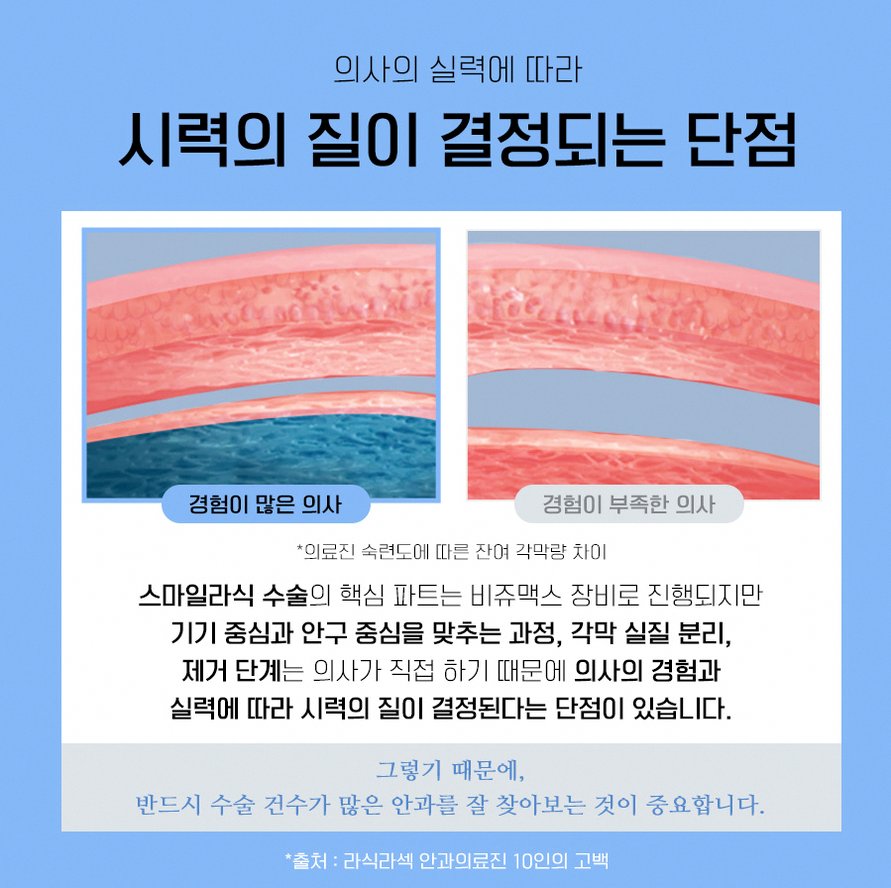
Look for board-certified ophthalmologists with subspecialty backgrounds such as cornea and refractive surgery or retina. Surgeons who have previously worked as university hospital faculty, clinical instructors, or medical doctors involved in research often bring structured clinical experience and familiarity with complex cases.
Systems and standards
Check whether the clinic uses standardized examination protocols and maintains detailed records. Some centers also hold international quality certifications for their refractive surgery processes. A separate retina clinic or retina-trained specialists within the same ophthalmology clinic can be valuable for thorough fundus evaluation before and after surgery, especially if you have high myopia or a family history of retinal disease.
Education and communication
During consultation, the medical team should clearly explain your examination results, including corneal thickness, topography, tear film status, and retinal findings. They should describe why a specific procedure such as SMILE LASIK is recommended for you, or why another method may be safer.
Transparent discussion of risks, alternatives, and realistic expectations is essential. You should feel free to ask questions about side effects, recovery schedule, and long-term follow-up, and receive answers in language you can understand.
Example of a specialized center near Gangnam Station
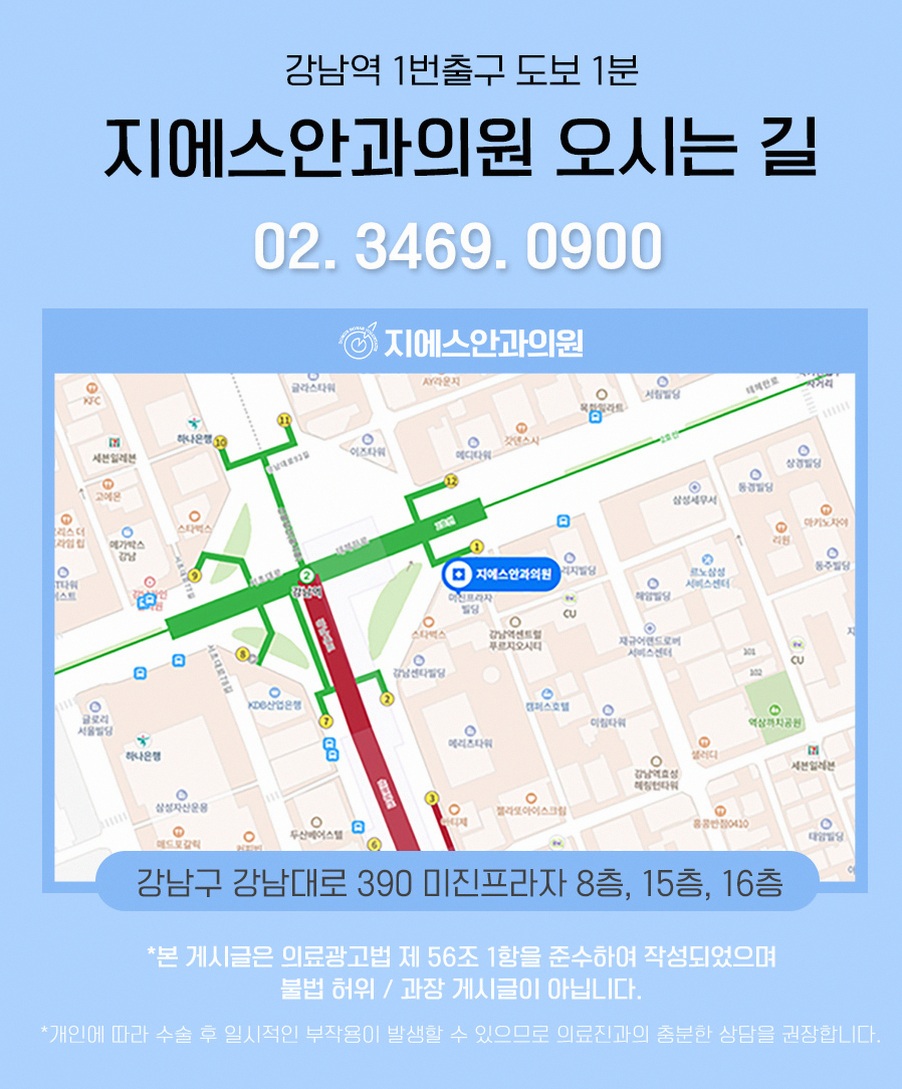
Near Gangnam Station in Gangnam-gu, Seoul, there are ophthalmology clinics that focus on refractive and cataract surgery. For example, GS Eye Center is an ophthalmology clinic that has been operating in the same area since the mid-2000s. It is led by a representative director who is a board-certified ophthalmologist and medical doctor with prior university hospital teaching experience.
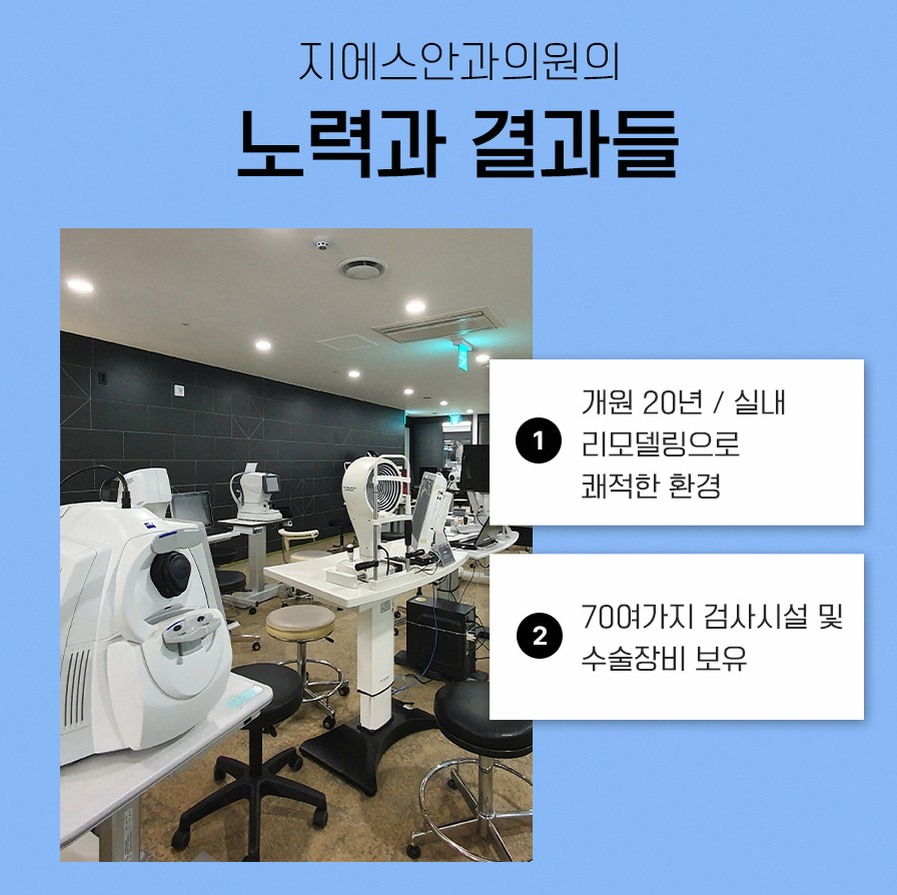
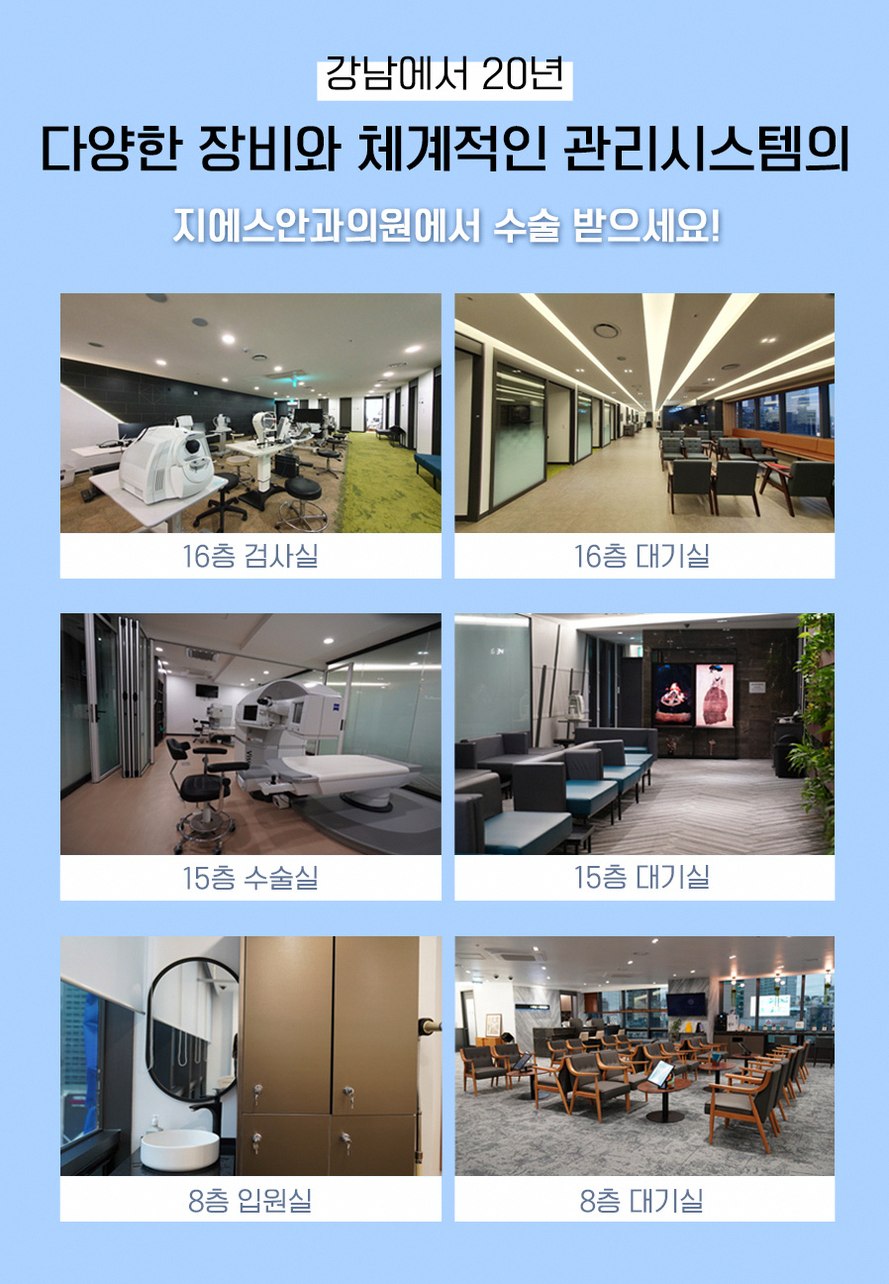
The clinic employs multiple ophthalmology specialists, including retina-trained doctors, and reports large cumulative numbers of refractive and cataract surgeries as of specified years. GS Eye Center has been designated as an official SMILE center and training center by major laser manufacturers and has performed thousands of SMILE Pro and lens implantation cases by particular dates. The clinic also operates separate retina and dry eye clinics to support safe refractive surgery and long-term eye health.
For overseas patients, a center like this can offer the combination of high case volume, subspecialty coverage, and structured systems that are important when planning surgery during a limited stay in Korea.
Online consultation and pre-visit preparation
If you are considering Gangnam Station vision correction surgery from overseas, starting with an online consultation is practical. Many ophthalmology clinics near Gangnam Station provide online or email-based pre-consultations in English.
Before contacting a clinic, prepare the following information:
Your age and country of residence
Your current glasses or contact lens prescription, if available
How long your prescription has been stable
Any previous eye conditions, surgeries, or injuries
History of systemic diseases such as diabetes, autoimmune disease, or blood clotting problems
List of medications and supplements you are taking
You can also send previous eye examination records or topography reports if you have them. While the final decision on candidacy can only be made after in-person testing in Seoul, this information helps the clinic estimate whether SMILE LASIK is likely to be suitable and plan your visit schedule.
Most clinics will advise you to stop wearing soft contact lenses for several days before the full examination, and rigid or hard lenses for a longer period. This allows your cornea to return to its natural shape so that measurements are accurate. Be sure to follow the specific instructions from the clinic you choose.
Expected Korea visit timeline for SMILE LASIK
For international patients, a typical visit schedule for SMILE LASIK near Gangnam Station may look like this, although exact plans vary by clinic and individual case.
Day 1: Comprehensive eye examination and consultation. This includes all preoperative tests, explanation of results, discussion of procedure options, and confirmation of whether you are a candidate for SMILE LASIK or another method.
Day 2 or 3: SMILE LASIK procedure, if you and the surgeon decide to proceed. The actual laser time is very short, but you should allow several hours at the clinic for preparation, surgery, and immediate post-op checks.
First week: One or more follow-up visits to monitor healing, check visual acuity, and adjust eye drop schedules. Many patients can return to light sightseeing or remote work after a few days, but intense exercise and swimming are usually restricted for a period.
Total stay: Many overseas patients plan to stay in Korea for about one to two weeks to complete the main follow-ups. If you need to leave earlier, discuss with the clinic how to arrange follow-up care in your home country and what information you should share with your local eye doctor.
Aftercare and long-term care
After SMILE LASIK, you will receive detailed instructions on eye drops, activity restrictions, and symptom monitoring. Artificial tears are often recommended to manage dryness, and medicated drops are used to control inflammation and prevent infection.
Protecting your eyes from trauma is important, especially in the first weeks. Avoid rubbing your eyes, and be cautious with sports where you might be hit in the face. Sunglasses can help with light sensitivity and protect against ultraviolet exposure.
Long-term, regular eye examinations remain important even if your uncorrected vision is good. High myopia, for example, can still carry a risk of retinal problems regardless of laser correction. If your clinic near Gangnam Station has a retina specialist or separate retina clinic, they may recommend periodic fundus checks.
If you return to your home country, ask for a written summary of your surgery details, including preoperative measurements, procedure type, and postoperative findings. This will help your local eye doctor provide informed follow-up care.
Frequently asked questions
What is the difference between SMILE LASIK and traditional LASIK?
SMILE LASIK uses a femtosecond laser to create and remove a small lenticule through a tiny incision, without making a large corneal flap. Traditional LASIK creates a flap on the cornea, lifts it, and then uses an excimer laser to reshape the underlying tissue. Because SMILE has a smaller incision and no large flap, it is often described as minimally invasive and may preserve more corneal biomechanics. However, the best choice depends on your corneal thickness, shape, and overall eye health.
How long do I need to stay in Seoul for SMILE LASIK near Gangnam Station?
Many international patients plan to stay about one to two weeks. This usually allows time for the full preoperative examination, the SMILE LASIK procedure, and early follow-up visits to confirm stable healing. Some clinics may offer more compact schedules, but leaving too soon after surgery can make it harder to manage early issues. Discuss your travel dates with the clinic in advance so they can suggest a realistic timeline.
Am I guaranteed to be free from glasses after SMILE LASIK?
No ophthalmology clinic can guarantee that you will never need glasses again. SMILE LASIK aims to reduce dependence on glasses or contact lenses, and many patients can perform most daily activities without correction. However, mild residual refractive error, under- or over-correction, or age-related changes such as presbyopia can still require glasses for specific tasks like night driving or reading small print. Individual outcomes vary, and your surgeon will explain realistic expectations based on your eyes.
Is SMILE LASIK safe for dry eye or high myopia?
Patients with mild dry eye or moderate to high myopia may still be candidates for SMILE LASIK, but careful evaluation is essential. The preoperative examination should include detailed tear film testing and corneal measurements. In some cases, dry eye treatment is recommended before surgery, or an alternative procedure such as lens implantation may be safer for very high myopia or thin corneas. A thorough consultation with an experienced ophthalmologist is necessary to decide the safest approach.
Soft call to action for online consultation
If you are considering Gangnam Station vision correction surgery during a visit to Seoul, starting with an online consultation can help you plan realistically. You can share your prescription, medical history, and travel schedule, and ask whether SMILE LASIK is likely to be suitable for you.
Ophthalmology clinics near Gangnam Station, including GS Eye Center, regularly see both local and international patients for SMILE LASIK and related procedures. By preparing your questions in advance and focusing on examination quality, technology, and clinical experience rather than price alone, you can make a more confident decision about your eye health and vision correction options in Korea.
- 공유 링크 만들기
- X
- 이메일
- 기타 앱


댓글
댓글 쓰기