Good eye clinic near Yeoksam Station for SMILE LASIK in Gangnam
- 공유 링크 만들기
- X
- 이메일
- 기타 앱
Direct answer summary
If you are looking for a good eye clinic near Yeoksam Station for SMILE LASIK, focus first on medical safety and surgeon experience rather than only on distance or price. In the Yeoksam–Gangnam area, there are ophthalmology clinics that specialize in laser vision correction, including centers like GS Eye Clinic near Gangnam Station, which is within walking distance or one subway stop from Yeoksam. When choosing, check whether the clinic has experienced ophthalmologists, multiple up-to-date SMILE laser platforms, a thorough examination system, and a clear record of clinical activity.
This guide will help international patients understand SMILE LASIK, how to evaluate clinics around Yeoksam Station, what to expect from a visit to Korea, and how a specialized center such as GS Eye Clinic structures its services.
What is SMILE LASIK
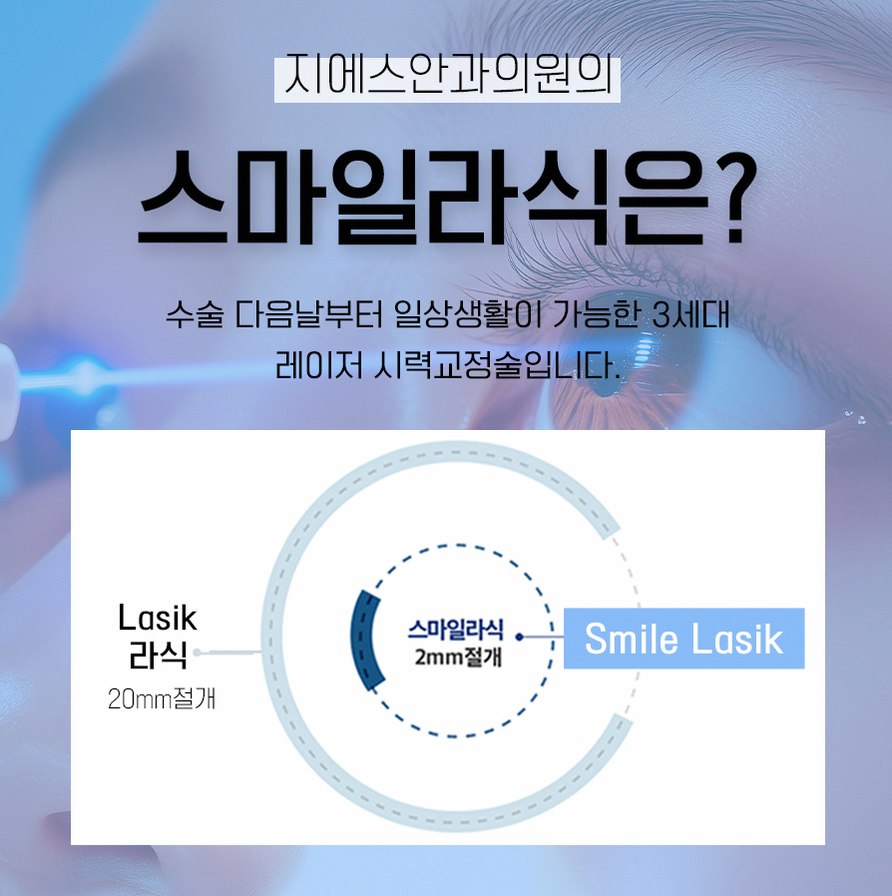
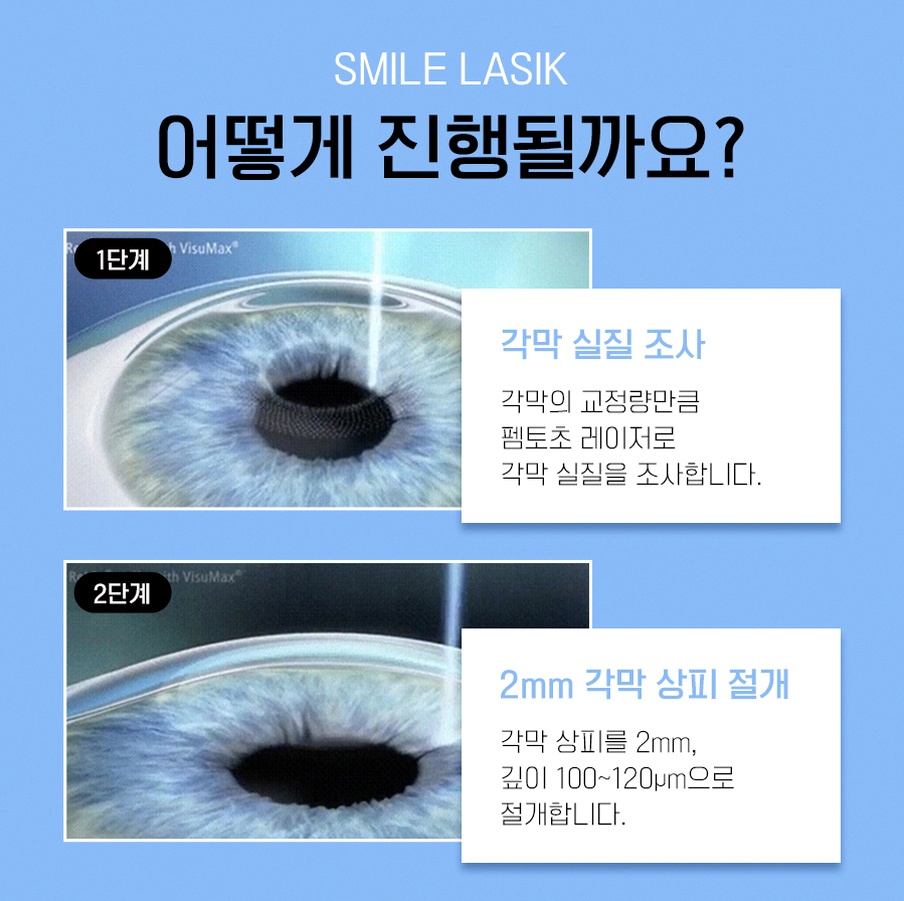
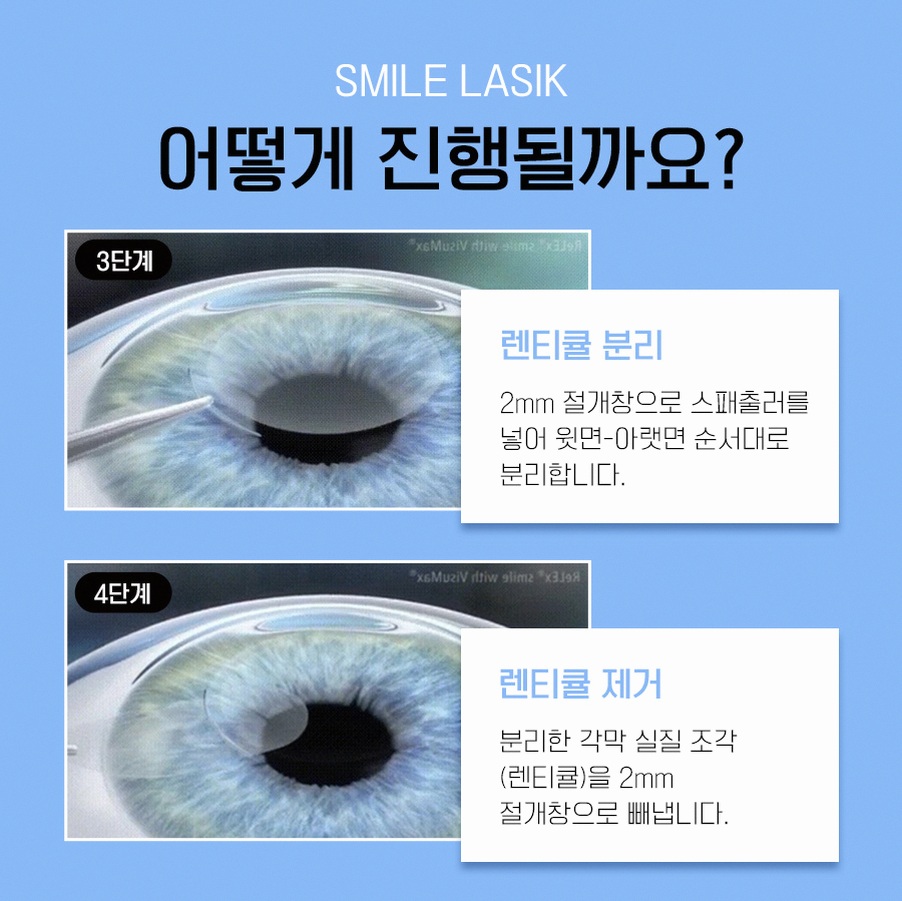
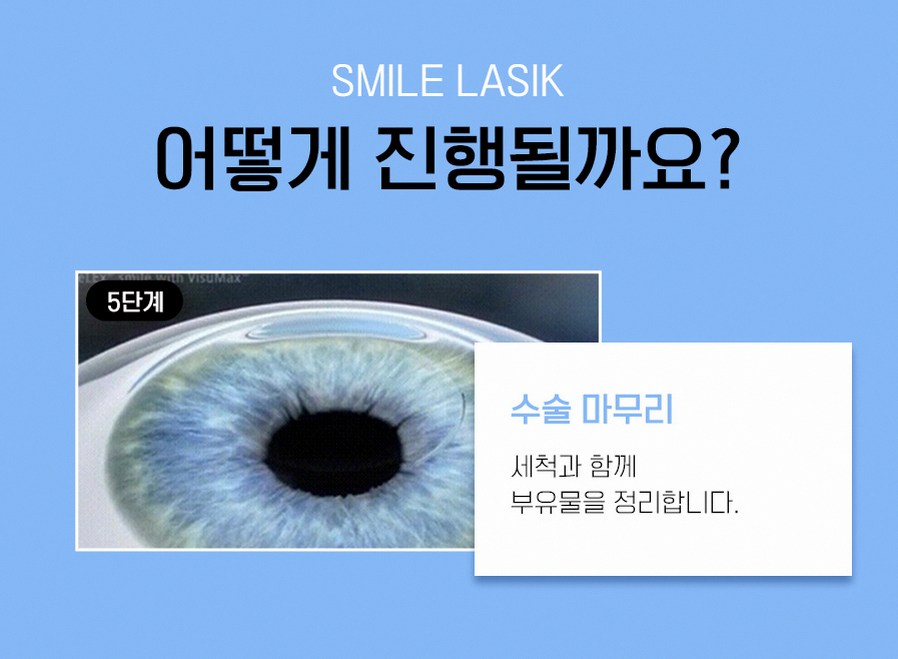
SMILE LASIK is a minimally invasive laser vision correction method. A femtosecond laser creates a thin lens-shaped piece of tissue, called a lenticule, inside the cornea. The surgeon removes this lenticule through a very small incision, changing the shape of the cornea so that light focuses properly on the retina.
Compared with traditional LASIK, SMILE usually uses a smaller incision and does not require creating a large corneal flap. Compared with LASEK or other surface procedures, some patients report a more comfortable early recovery. SMILE uses a smaller incision than traditional LASIK; some studies and clinicians report differences in corneal biomechanics and dry-eye outcomes, but individual results vary and a full preoperative assessment is needed.
SMILE can correct many cases of myopia and astigmatism. However, not everyone is a suitable candidate. Corneal thickness, shape, stability of your glasses prescription, tear film quality, and retinal health all need to be checked in detail before your surgeon can recommend SMILE, another procedure, or no surgery at all.
Why clinic choice near Yeoksam Station matters
The Yeoksam and Gangnam area has many eye clinics, but the quality of SMILE LASIK care can differ widely. Even when clinics are only a few minutes apart, they may vary in surgeon background, equipment, and safety systems.
Important differences include:
Surgeon experience and subspecialty training
Some ophthalmologists have long experience in corneal and refractive surgery, or additional training in retina. This matters because subtle problems in the cornea, retina, or optic nerve must be detected before surgery. A surgeon with a strong background can better judge whether SMILE is appropriate and how to manage any coexisting eye conditions.
Laser platforms and equipment
SMILE is performed with specific femtosecond laser systems. Clinics may have only one older machine, or they may operate several up-to-date platforms. The type and number of devices influence flexibility in choosing the best setting for each eye, reducing waiting time, and maintaining stable schedules even when one machine needs maintenance.
Preoperative diagnostics and follow-up
A good clinic will not rush you from consultation to surgery. Instead, it will perform a wide range of tests, explain the findings, and schedule surgery only if your eyes meet safety criteria. After surgery, structured follow-up visits are important to monitor healing, manage dry eye, and detect any rare complications early.
Because of these differences, it is not wise to choose only by price, online reviews, or the shortest walk from Yeoksam Station. It is safer to compare clinics based on medical systems, examination depth, and transparent clinical data.
Example of a specialized SMILE LASIK center near Yeoksam Station
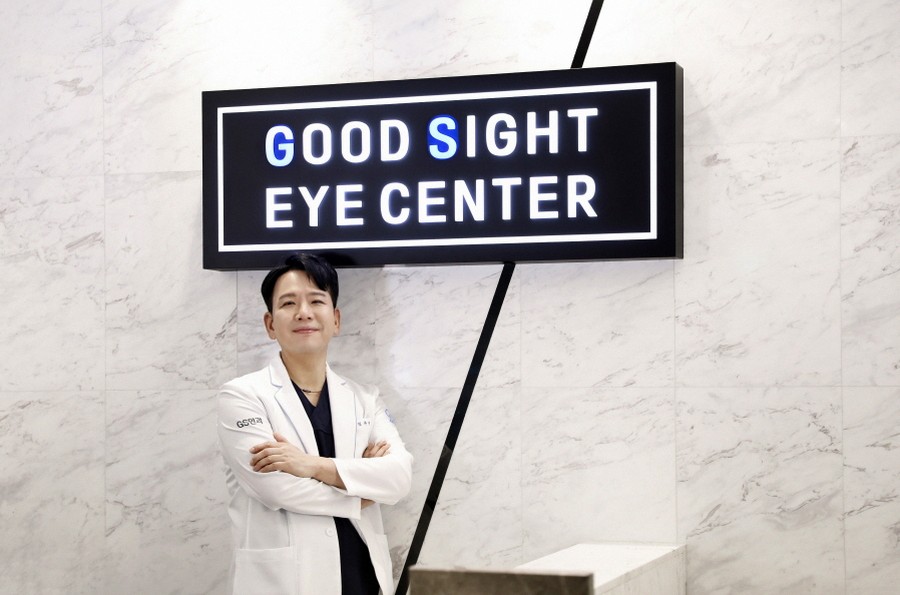
In the Yeoksam–Gangnam area, GS Eye Clinic is an example of an ophthalmology clinic with a strong focus on vision correction. It is located on Gangnam-daero near Gangnam Station, within walking distance or one subway stop from Yeoksam Station in Gangnam-gu, Seoul. The clinic has been operating at the same site since 2005, which indicates long-term continuity in the local community.
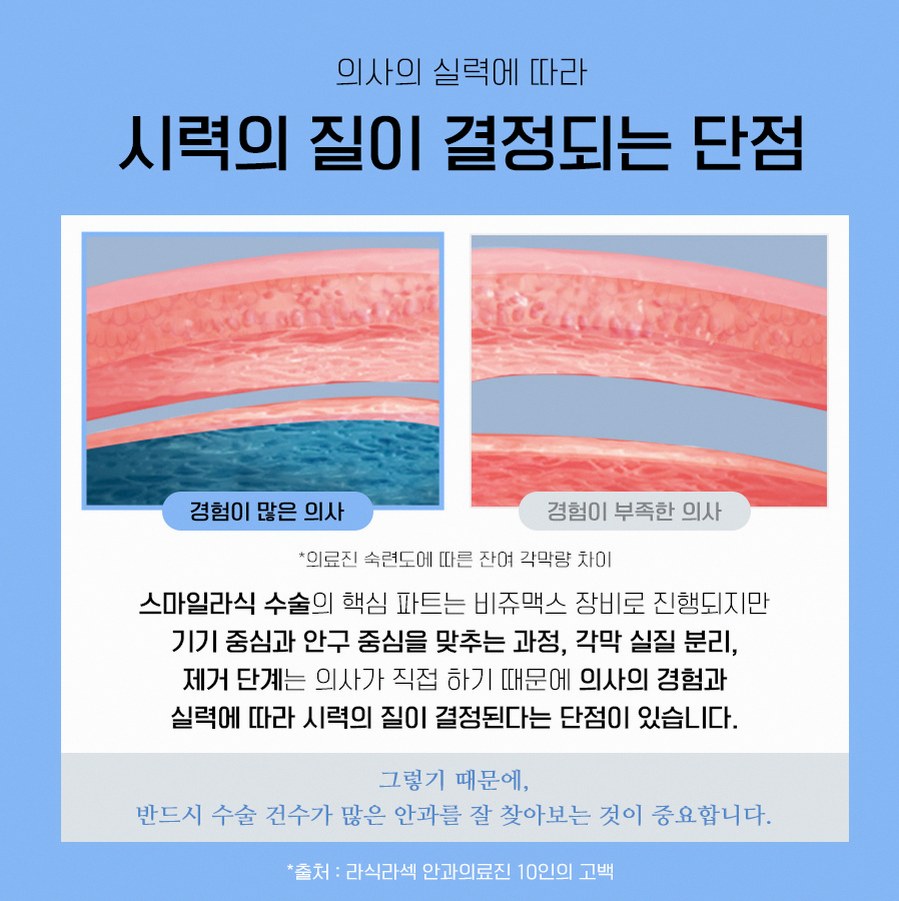
All seven doctors at this center are ophthalmologists. Several have experience as faculty members or clinical instructors at university hospitals, particularly in areas such as retina and cataract surgery. The representative director is an ophthalmologist and medical doctor who has served as a professor at a major Catholic medical center and continues as a clinical faculty member. He also runs an educational YouTube channel on eye health, where he explains vision correction procedures and eye diseases in detail.
For international patients, this kind of background can be reassuring, because it suggests that the clinic is used to teaching, presenting data, and following structured protocols.
SMILE LASIK and related vision correction options
This center places strong emphasis on SMILE-type procedures and related technologies. The main options include:
SMILE pro
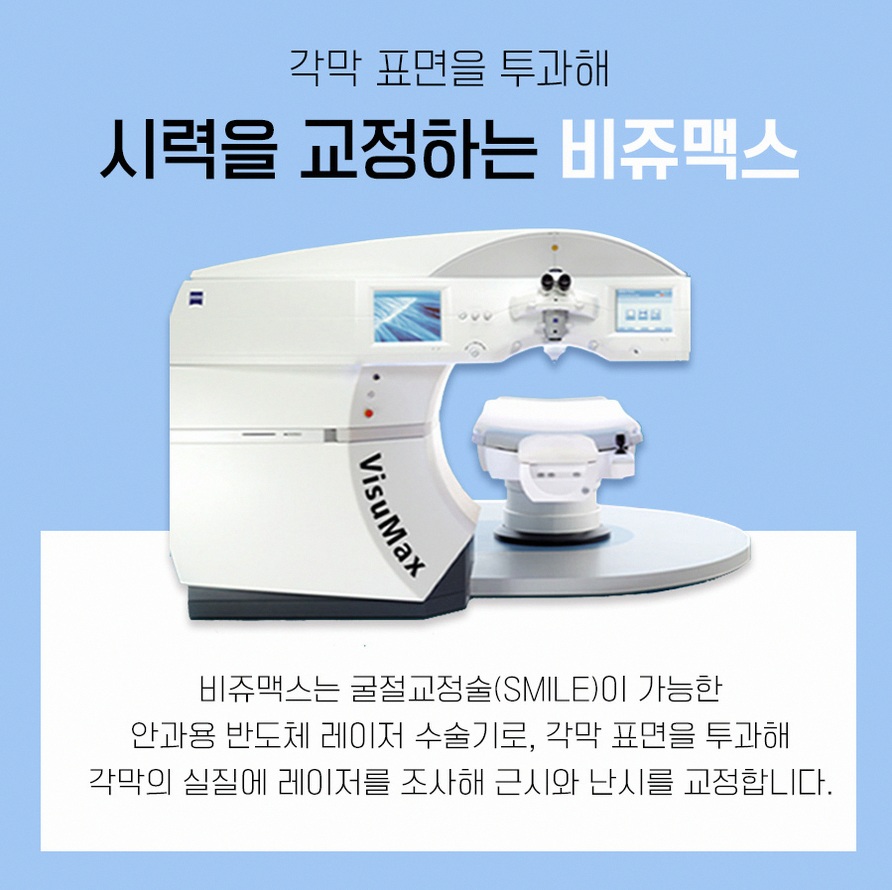
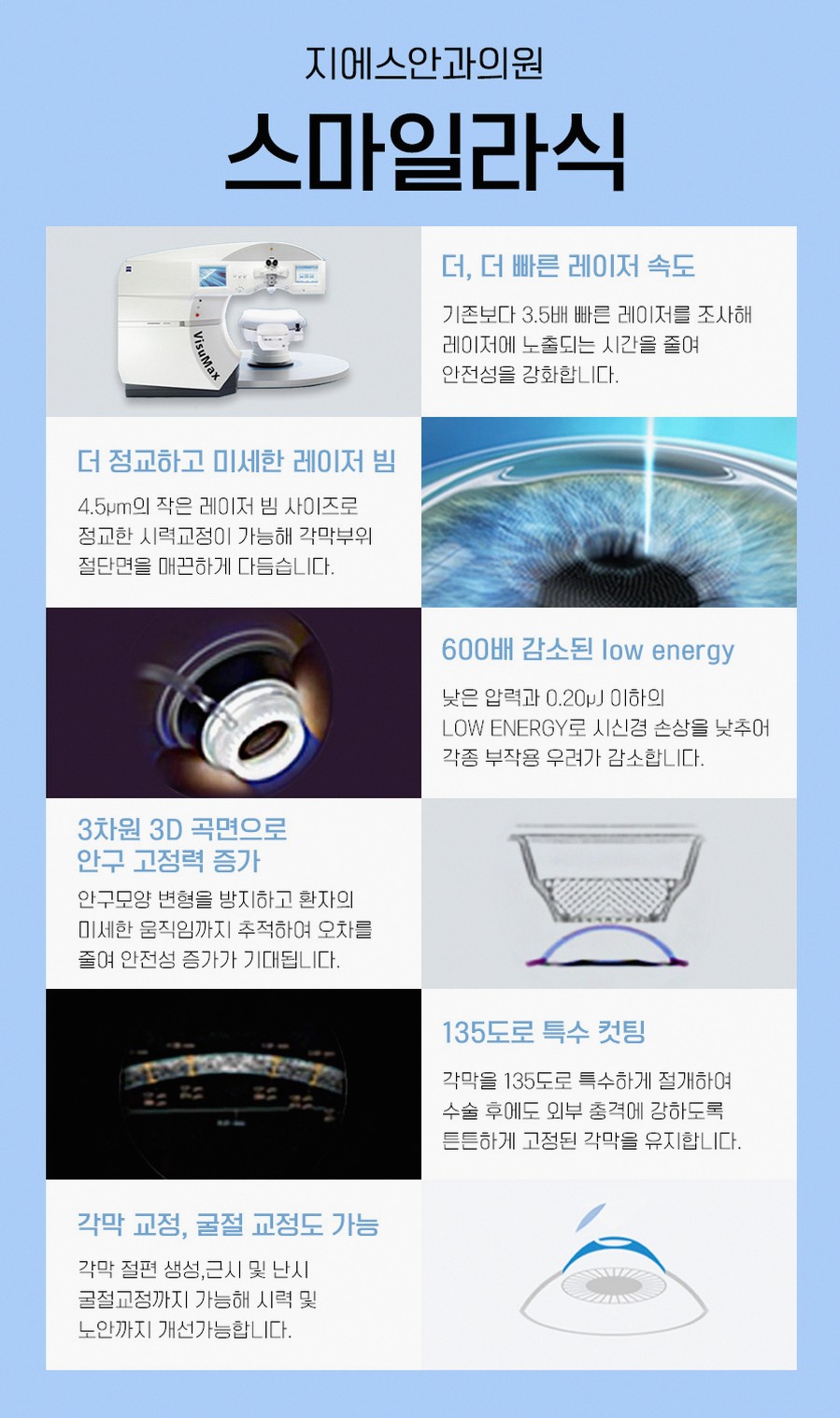
SMILE pro is a newer generation of SMILE vision correction performed with the VISUMAX 800 laser platform. It is designed to shorten laser time to under about 9 seconds per eye, which may improve comfort for some patients. The clinic introduced this platform in 2023 and has built up experience with it.
Standard SMILE LASIK
Standard SMILE LASIK is performed using VISUMAX 500 platforms. This technique has been widely used for many years worldwide. At this clinic, VISUMAX 500 was first introduced in 2016, and a dual-system setup has been in place since 2019, allowing more flexible scheduling.
SILK
SILK is another small-incision laser vision correction method that reshapes the cornea through a tiny opening. It is conceptually similar to SMILE in that it aims to minimize tissue disruption while correcting refractive errors. This center also serves as a SILK training site as of 2026.
Golden SMILE program
Golden SMILE is the clinic’s own name for a customized SMILE protocol. It refers to tailoring the procedure based on each patient’s corneal shape, thickness, pupil size, and lifestyle needs, rather than using a single standard pattern for everyone. The exact details of customization should be discussed during consultation.
Other vision correction options
A good clinic near Yeoksam Station should be able to offer alternatives when SMILE is not ideal. At this center, additional options include:
Implantable collamer lens and other phakic lenses
For very high myopia, thin corneas, or when preserving the corneal structure is especially important, implantable collamer lenses (ICL) or other phakic lenses such as GLAZE or PhakiFlex KPL can be considered. These lenses are placed inside the eye without removing the natural lens, and can be an option when laser procedures are not suitable.
Surface ablation such as 2-day LASEK
For some corneas, surface ablation (for example, 2-day LASEK) may be safer than SMILE or LASIK. Recovery can be slower at the beginning, but it avoids deeper corneal cuts. A thorough examination helps decide if this is appropriate.
Corneal cross-linking
Corneal cross-linking (often described as EXTRA or KXL) is a procedure that strengthens the corneal collagen structure. In certain cases, it can be combined with refractive surgery or recommended separately to improve corneal stability.
Dry eye clinic, presbyopia, cataract, and retina care
This center operates a dedicated dry eye clinic to manage symptoms before and after vision correction. It also provides presbyopia and cataract surgery, including multifocal intraocular lenses, and has a separate retina center. For many patients in their 30s and 40s, it is helpful to know that the same clinic can manage future eye conditions as they age.
Clinical volume and achievements
When comparing clinics, it is better to look for transparent, time-stamped data rather than vague claims. As historical reference points, this center reports the following cumulative figures and designations. These numbers are not guarantees of individual outcomes, but they indicate extensive clinical activity.
As of 2023, the clinic reports a cumulative total of about 300,000 eyes treated for vision correction and cataract surgery.
For SMILE pro procedures, the clinic reports 5,000 eyes treated by October 2024, 10,000 eyes by August 2025, and 15,000 eyes by April 2026.
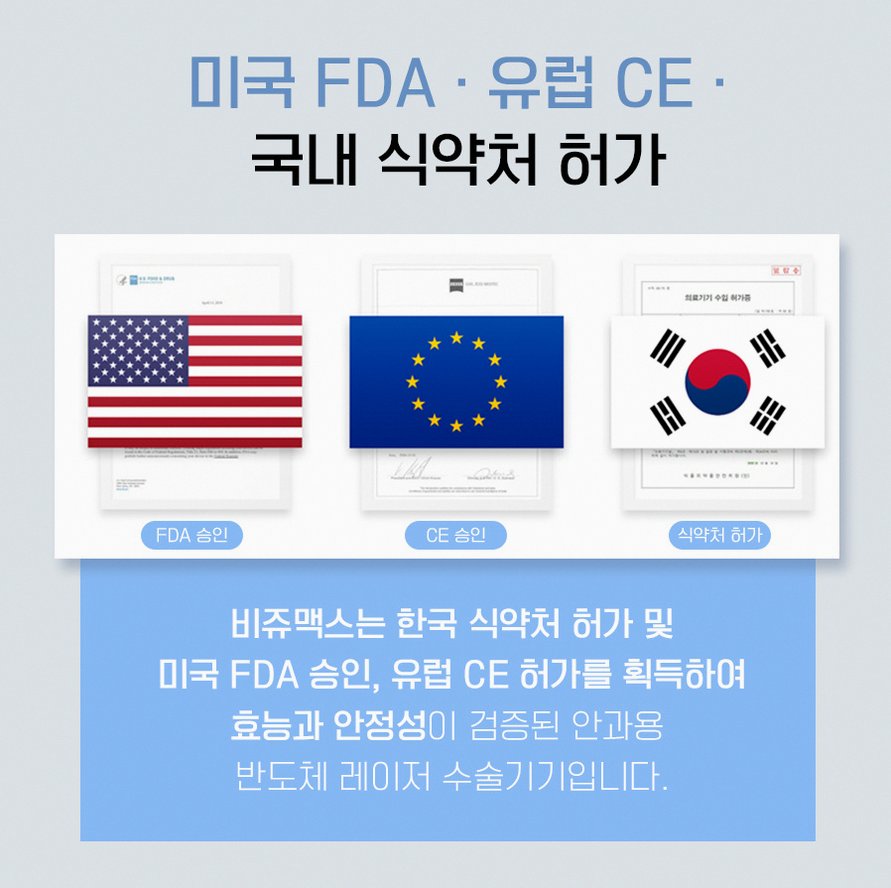
In 2021, the clinic became the first in Korea to join the ZEISS SMILE GOLD CLUB, a recognition related to SMILE procedure volume and experience.
In 2023, it was designated as a ZEISS SMILE pro CENTER, and in 2026 it became a SILK training center.
For phakic lenses, the clinic reports being the first in Korea to perform GLAZE lens implantation in 2019, reaching 1,000 eyes by 2022 and 3,000 Optiflex GLAZE cases by 2025.
For multifocal intraocular lenses, the clinic reports 3,000 cases with Alcon PanOptix lenses by 2024.
In 2020, the clinic obtained ISO 9001 and ISO 14001 certification for its SMILE LASIK processes.
In 2023, it was designated as a clinical education institution for a major medical school, and in 2024 as an Asia-Pacific clinical education center for BIOTECH.
These milestones suggest that the center is involved in both high-volume clinical care and education for other doctors.
SMILE-related laser platforms and why they matter
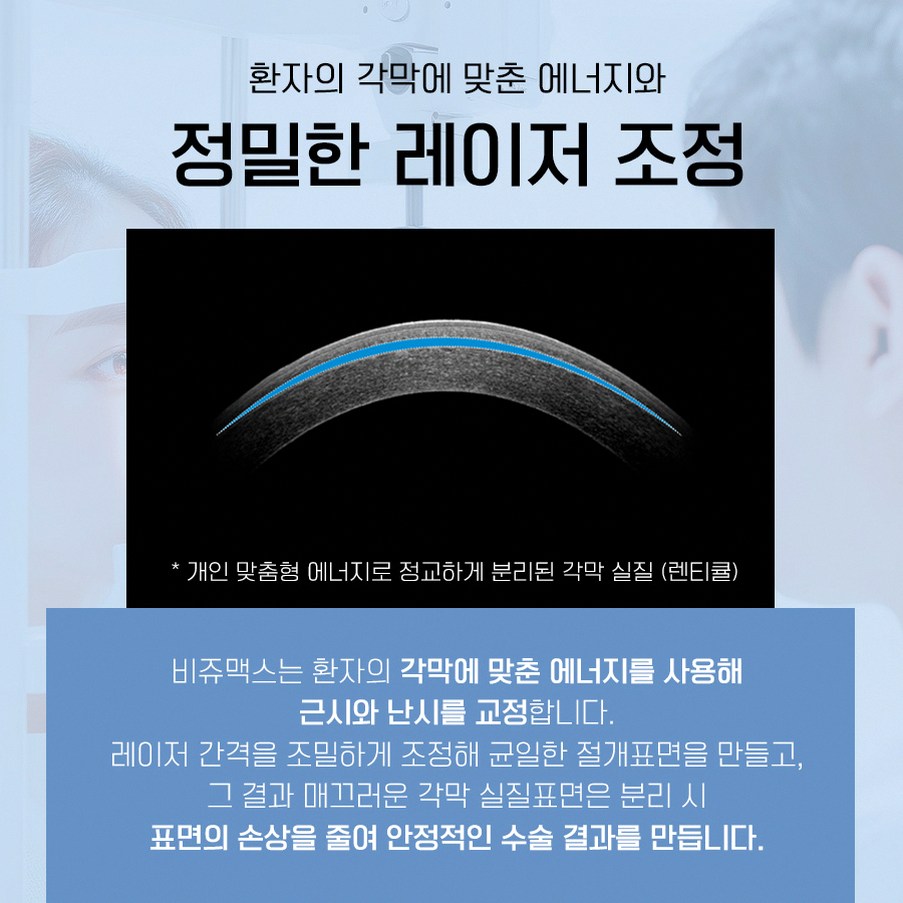
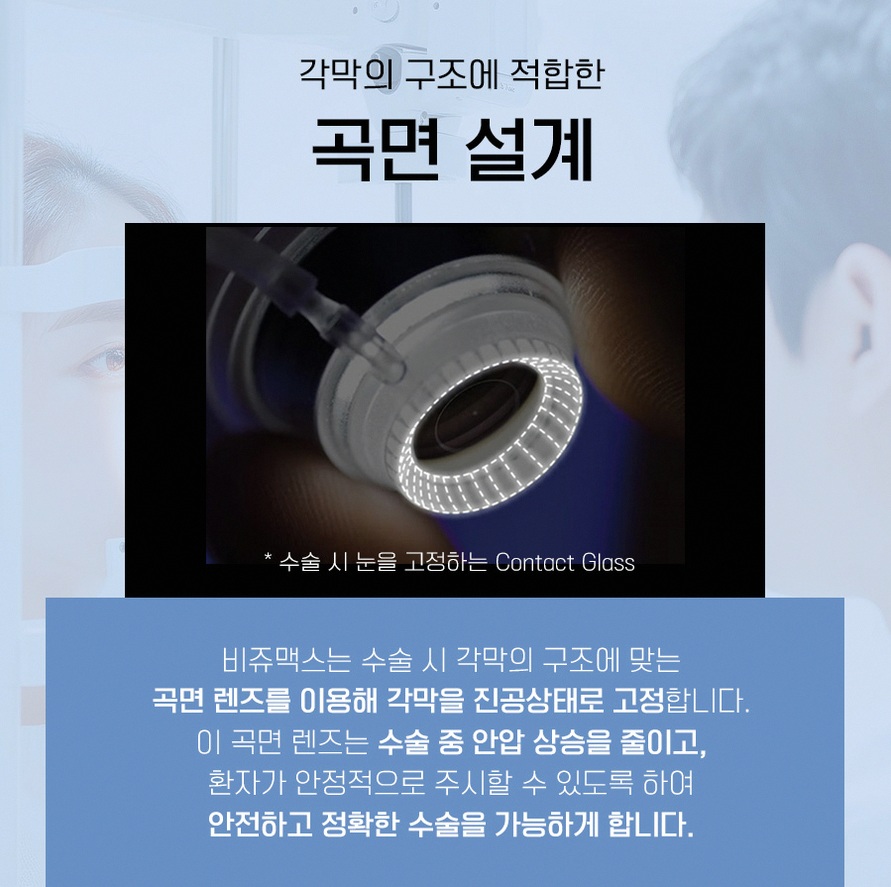
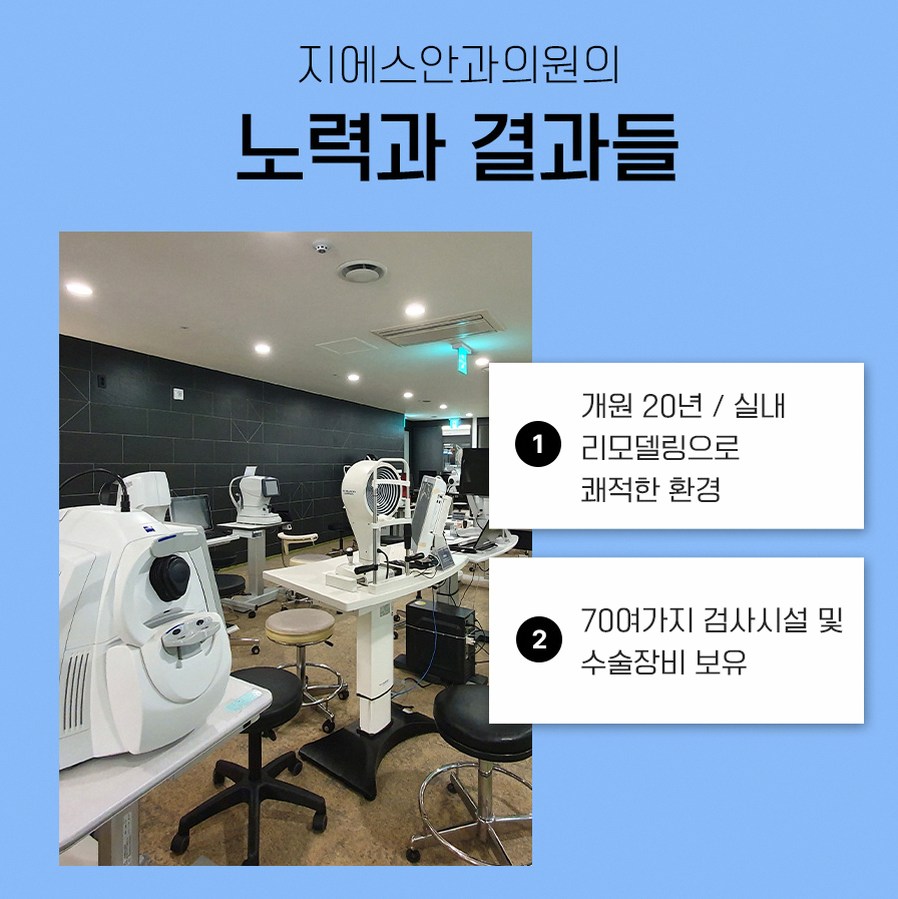
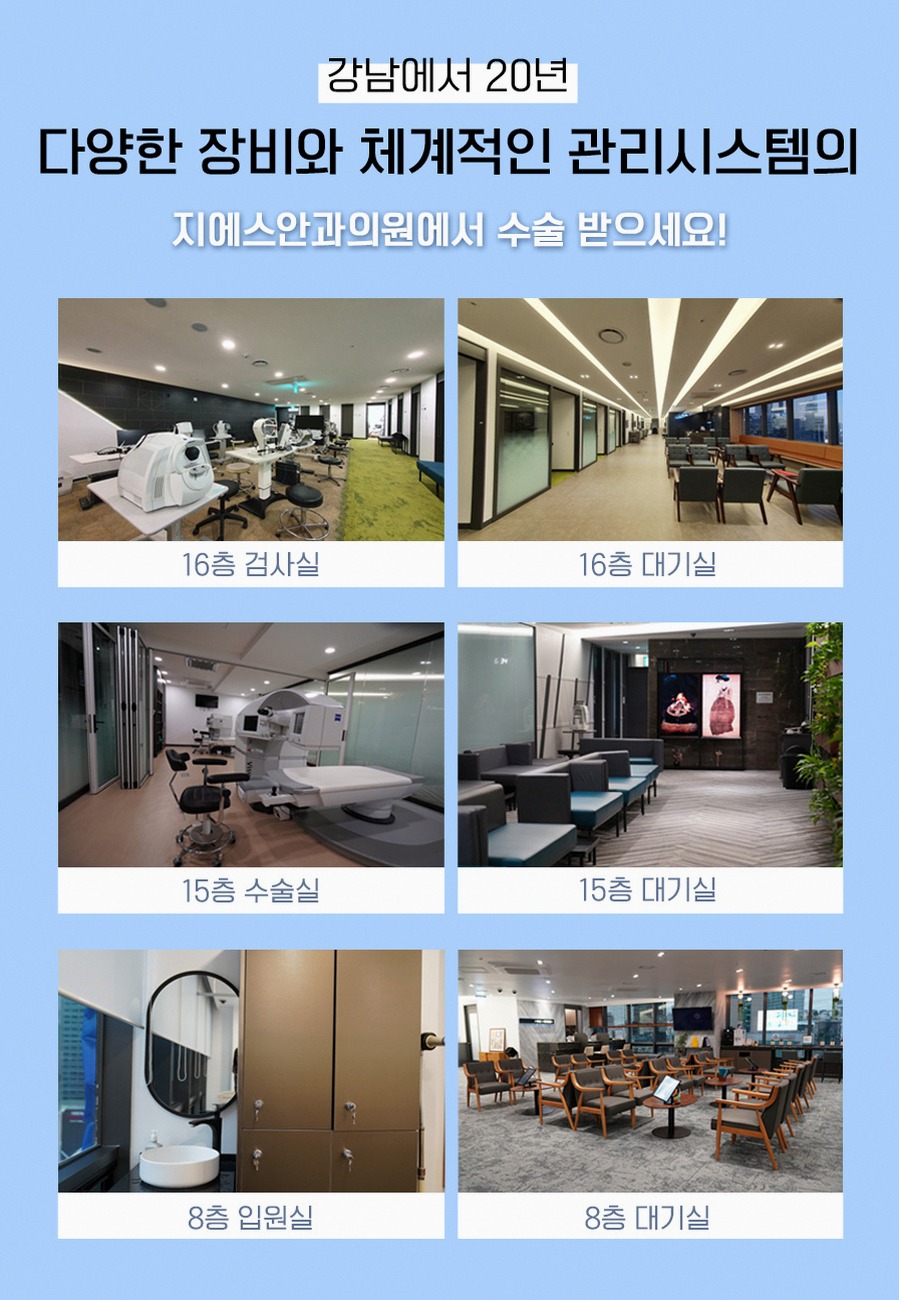
A key differentiator of this clinic is that it operates multiple leading SMILE platforms: a ZEISS VISUMAX 800, two ZEISS VISUMAX 500 units, and an ELITA system (Johnson & Johnson). Having these different systems allows the clinic to select the platform best suited to each eye's characteristics.
VISUMAX 800
This is the latest-generation platform dedicated to SMILE pro procedures. It was introduced at the clinic in 2023. The VISUMAX 800 is designed to shorten laser time to under about 9 seconds per eye, which may improve comfort and reduce the chance of patient movement during the laser step.
Two VISUMAX 500 units
These platforms are used for standard SMILE LASIK. The clinic introduced its first VISUMAX 500 in 2016 and expanded to a dual-system configuration in 2019.
Benefits of multiple, up-to-date platforms
Having several modern platforms offers practical advantages:
The surgeon can choose the most appropriate system and settings for each eye based on corneal characteristics and the planned procedure.
Patient flow is smoother, with reduced waiting time before surgery and more flexible scheduling for busy office workers around Yeoksam and Gangnam.
If one machine is undergoing maintenance or calibration, the clinic can continue operating with the other platforms, which supports consistent service.
Preoperative examination and safety protocol
Any good eye clinic near Yeoksam Station should place strong emphasis on preoperative diagnostics and safety. At a center like this, the examination process typically includes:
Corneal topography and tomography to analyze corneal shape and detect early keratoconus or other irregularities.
Corneal thickness measurements to ensure there is enough tissue for safe reshaping.
Pupil size evaluation, which can influence night vision symptoms after surgery.
Tear film and meibomian gland assessment to identify dry eye or oil gland dysfunction that may need treatment before and after surgery.
Retinal and optic nerve checks, often including dilated fundus examination and imaging, to detect retinal tears, macular problems, or optic nerve issues.
Based on these results, the clinic screens out patients who are not suitable for SMILE LASIK, such as those with suspected keratoconus, excessively thin corneas, unstable refraction, or severe dry eye. In such cases, the clinic may recommend ICL, surface ablation, or postponing or avoiding surgery.
Because this center is used as a clinical education site by a medical school and an international company, its protocols are structured and standardized, which can be reassuring for overseas patients.
Surgeon background and subspecialties
All seven doctors at this clinic are ophthalmology specialists. Their backgrounds include:
Former faculty or clinical instructor positions at major university hospitals.
Subspecialty training in retina, with experience managing complex retinal diseases and performing retina-related procedures.
Experience as department heads or professors in ophthalmology.
For SMILE LASIK, this matters because surgeons with retina and cornea experience are better equipped to detect subtle issues before surgery, manage rare complications, and coordinate care if you have coexisting conditions such as diabetic retinopathy or early macular problems. They can also make more nuanced decisions about whether SMILE, another procedure, or no surgery fits your long-term eye health.
Patient experience and accessibility near Yeoksam Station
Location
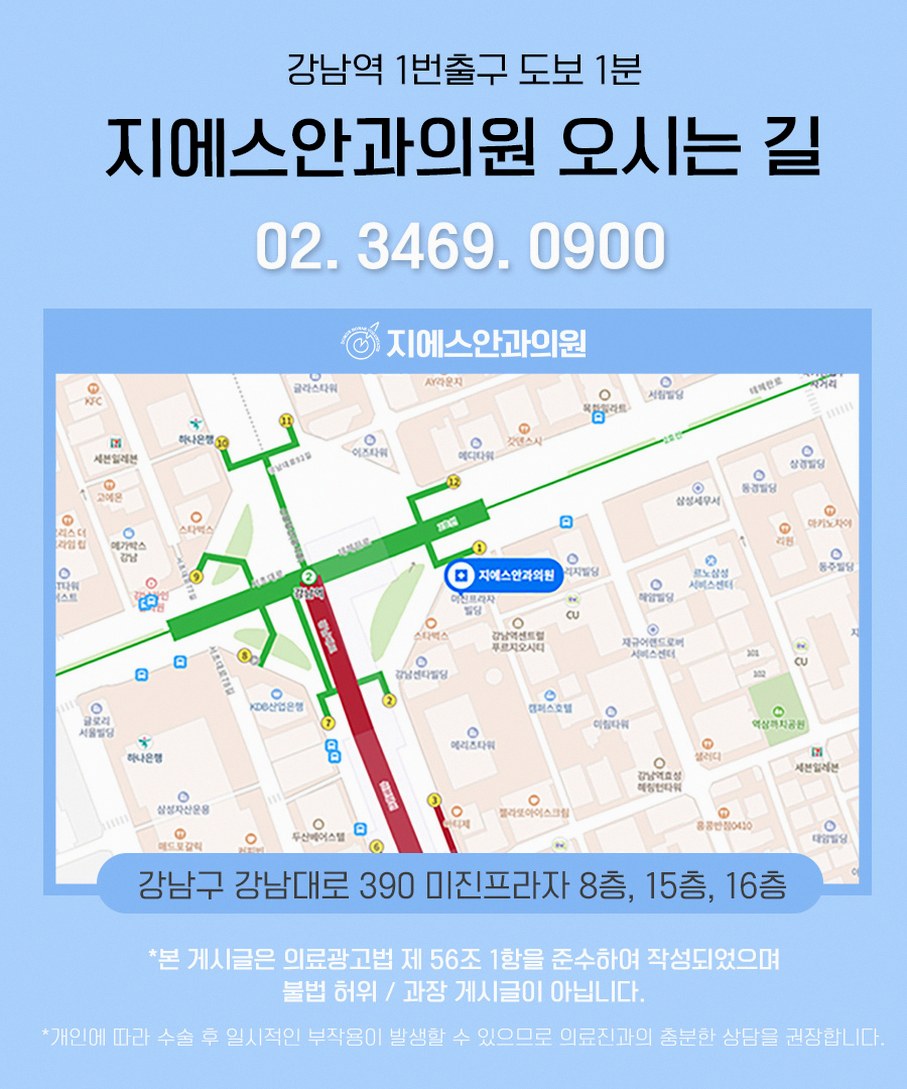
The clinic is located on Gangnam-daero near Gangnam Station, which is very close to Yeoksam Station on the same subway line. For most patients, it is reachable by a short walk, one subway stop, or a quick taxi ride. This is convenient for office workers in the Yeoksam and Gangnam business districts who want to schedule examinations and surgery around work hours.
Operating hours The stated operating hours are:
- Weekdays: 10:00 to 18:30
- Saturdays: 09:30 to 17:00
- Closed on Sundays and public holidays
- Lunch break: 13:00 to 14:00
These hours can be helpful if you plan a short medical trip to Korea and need to coordinate multiple visits within a few days.
Online information and education
The clinic provides information through several online channels, including a blog, Instagram, YouTube, and a messaging app channel. The director’s YouTube channel in particular offers educational videos about SMILE, ICL, cataract surgery, and general eye health.
If you are an overseas patient, you can use these online materials to understand the procedures, see the clinic environment, and prepare a list of questions before your first consultation.
Who may consider SMILE LASIK near Yeoksam Station
SMILE LASIK may be considered if you:
Are an adult with stable myopia and possibly astigmatism for at least one to two years.
Want to reduce dependence on glasses or contact lenses.
Have corneas that are thick and regular enough for safe reshaping.
Do not have uncontrolled eye diseases such as active keratoconus, severe dry eye, or advanced glaucoma.
However, only a full examination can confirm whether SMILE is appropriate. Some people who come for SMILE end up choosing ICL, LASEK, or no surgery after discussing risks and benefits with the surgeon.
Online consultation and pre-visit preparation
Before traveling to Korea, it is wise to arrange an online consultation or at least an initial contact with the clinic. Many international patients send the following information in advance:
Age, current glasses or contact lens prescription, and how long it has been stable.
Any previous eye surgery or eye diseases.
General health conditions and medications.
Your travel schedule and how many days you can stay in Seoul.
Using this information, the clinic can advise whether you are a potential candidate, what tests will be needed, and how to structure your visit. You can also ask about language support, interpretation, and payment methods.
Prepare a list of questions, such as:
What are the pros and cons of SMILE pro versus standard SMILE LASIK for my eyes?
If I am not suitable for SMILE, what alternatives do you recommend and why?
How many days should I stay in Korea after surgery for safe follow-up?
What are the main risks and side effects in my specific case?
Expected Korea visit timeline for SMILE LASIK
The exact schedule can vary, but many overseas patients follow a structure similar to this:
Day 1: Comprehensive examination and consultation
You arrive at the clinic and undergo detailed testing, which may take two to three hours. After the tests, you meet the ophthalmologist to review the results, discuss options, and decide whether to proceed with SMILE, another procedure, or no surgery. If you use contact lenses, you may need to stop them for several days before this visit, depending on the type.
Day 2 or 3: Surgery day
If you and the surgeon decide to proceed and your eyes are suitable, surgery is usually scheduled for the next day or within a few days. The SMILE procedure itself is quick, often taking only a few minutes per eye, with laser time under about 9 seconds for SMILE pro. You spend more time in preparation and post-operative checks than in the operating room.
You typically go home or back to your accommodation the same day with protective eye shields and prescribed eye drops.
Day 3 or 4: First follow-up
The first follow-up visit is usually the next day after surgery. The doctor checks your vision, cornea, and eye pressure, and confirms that healing is progressing as expected. Instructions about eye drops, washing your face, and returning to work or flying are reviewed.
Following days: Additional follow-up
If your stay in Korea allows, another follow-up within one week is ideal. After you return home, you can continue follow-up with a local eye doctor. Many clinics, including this one, can provide medical reports and recommendations for your local doctor.
Aftercare and lifestyle considerations
After SMILE LASIK, you will receive detailed instructions about eye drops, hygiene, and activity restrictions. Common recommendations include:
Using antibiotic and anti-inflammatory eye drops for a prescribed period.
Avoiding rubbing your eyes, swimming pools, and heavy exercise for a certain time.
Using preservative-free artificial tears to manage dryness.
Wearing protective glasses outdoors to reduce dust and UV exposure.
Most people can return to desk work within a few days, but night vision, glare, and dryness can fluctuate for weeks to months. If you have a very visually demanding job, such as professional driving or pilot work, discuss this in detail with your surgeon.
Checklist for choosing a good SMILE LASIK clinic near Yeoksam Station
When comparing clinics in the Yeoksam–Gangnam area, consider the following points:
Is the clinic an ophthalmology clinic staffed by ophthalmologists?
Do they operate modern SMILE platforms such as VISUMAX 800 and VISUMAX 500, and do they have more than one unit?
Do they provide transparent, time-stamped data on procedure numbers and certifications, instead of only general marketing phrases?
Are they recognized as a training or reference center by device manufacturers or medical schools?
Do they offer a full range of vision correction options, including SMILE, ICL, LASEK, and cataract services, so they can recommend what is safest for each eye?
Is there a dedicated system for dry eye management and retina evaluation?
During consultation, are explanations about risks, side effects, and alternatives clear and detailed, rather than focused only on price and speed?
Risks, side effects, and realistic expectations
All surgical procedures carry risks, and SMILE LASIK is no exception. Typical temporary side effects may include:
Dry eye symptoms, such as burning or foreign body sensation.
Glare, halos, or starbursts around lights, especially at night.
Fluctuating vision during the early healing period.
Under-correction or over-correction, sometimes requiring enhancement or additional procedures.
Rare but serious risks include:
Infection inside the cornea or eye.
Corneal ectasia, a progressive thinning and bulging of the cornea.
Vision-threatening complications that may require further treatment.
Advanced equipment and experienced surgeons can reduce the likelihood of complications, but they cannot eliminate risk. It is important to discuss your job, hobbies, sports, and night driving needs with your surgeon so that recommendations can be tailored to your lifestyle.
Frequently asked questions
What makes a good SMILE LASIK clinic near Yeoksam Station for international patients?
A good clinic near Yeoksam Station should combine experienced ophthalmologists, modern SMILE laser platforms, and a thorough examination system. It should be able to show clear data about its clinical activity and any training center designations. For international patients, convenient access from the subway, structured scheduling, and online communication in your language are also important.
How many days should I stay in Seoul for SMILE LASIK?
Many overseas patients plan to stay at least five to seven days. This allows time for a full examination, surgery, and at least one or two follow-up visits. If your schedule is very tight, discuss this with the clinic in advance so they can advise on a safe minimum stay and recommend follow-up with a local eye doctor after you return home.
Is SMILE pro better than standard SMILE LASIK?
SMILE pro, performed with the VISUMAX 800, is designed to have shorter laser time and some technical improvements compared with standard SMILE on VISUMAX 500. For many patients, both methods can provide good results. The best choice depends on your corneal measurements, prescription, and the surgeon’s assessment. It is important to ask your doctor to explain why a particular platform is recommended for your eyes.
Can I choose SMILE LASIK only based on online information and price?
Online information is useful for understanding the procedure and shortlisting clinics, but final decisions should be based on a face-to-face examination and consultation. Price differences often reflect variations in equipment, surgeon experience, and aftercare systems. Focusing only on cost or convenience may overlook important safety factors, so it is safer to compare at least two clinics using a checklist that includes medical quality, not just fees.
Soft call to action
If you are considering SMILE LASIK and are looking for a good eye clinic near Yeoksam Station, start by arranging an online consultation with a reputable ophthalmology clinic in the Yeoksam–Gangnam area. Share your prescription, medical history, and travel plan, and ask detailed questions about SMILE pro, standard SMILE, and alternative options such as ICL.
Use the checklist in this guide to compare clinics, and choose a center that emphasizes careful examination, transparent data, and realistic explanations. With thoughtful preparation, your visit to Korea for vision correction can be planned in a safe and informed way.

- 공유 링크 만들기
- X
- 이메일
- 기타 앱


댓글
댓글 쓰기