Guide to SMILE LASIK Near Yeoksam Station for International Patients
- 공유 링크 만들기
- X
- 이메일
- 기타 앱
Introduction
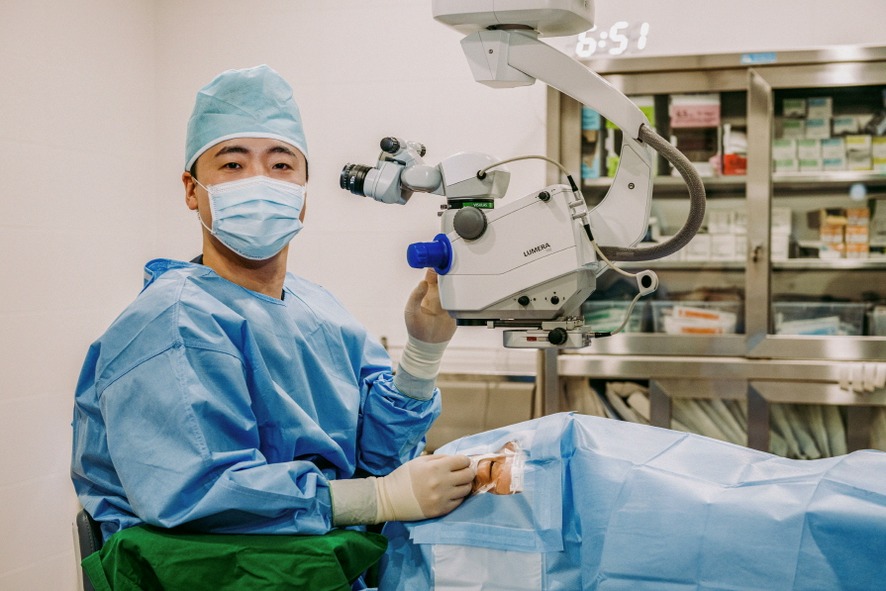
If you are searching for the best SMILE LASIK near Yeoksam Station in Seoul, you are probably comparing several centers in the Gangnam area and trying to understand what really matters for safe, predictable vision correction. Location is important, but for your eyes, experience, equipment, and careful medical judgment are even more critical.
This guide explains how SMILE LASIK works, who may consider it, and what to look for in a SMILE center close to Yeoksam and Gangnam Stations. It also uses one long‑established Gangnam ophthalmology clinic as an example of a high‑volume SMILE provider, so you can better understand what a well‑organized system for international patients can look like.
Direct answer summary
Near Yeoksam Station, a strong candidate for SMILE LASIK is a Gangnam‑daero based ophthalmology clinic opened in 2005, led by a medical doctor in ophthalmology and staffed by seven board‑certified ophthalmologists. It focuses on laser vision correction, especially SMILE‑type procedures such as SMILE Pro, classic SMILE, and SILK. The center operates all three major SMILE platforms (VisuMax 800 and dual VisuMax 500 units), has performed around 300,000 vision correction and cataract procedures as of 2023, and reached 15,000 SMILE Pro eyes by April 2026. It serves as a training and reference center for SMILE and SILK, and is within easy walking distance of both Gangnam and Yeoksam Stations, making it convenient for overseas visitors staying in the Gangnam business district.
What is SMILE LASIK and SMILE Pro?
SMILE LASIK overview
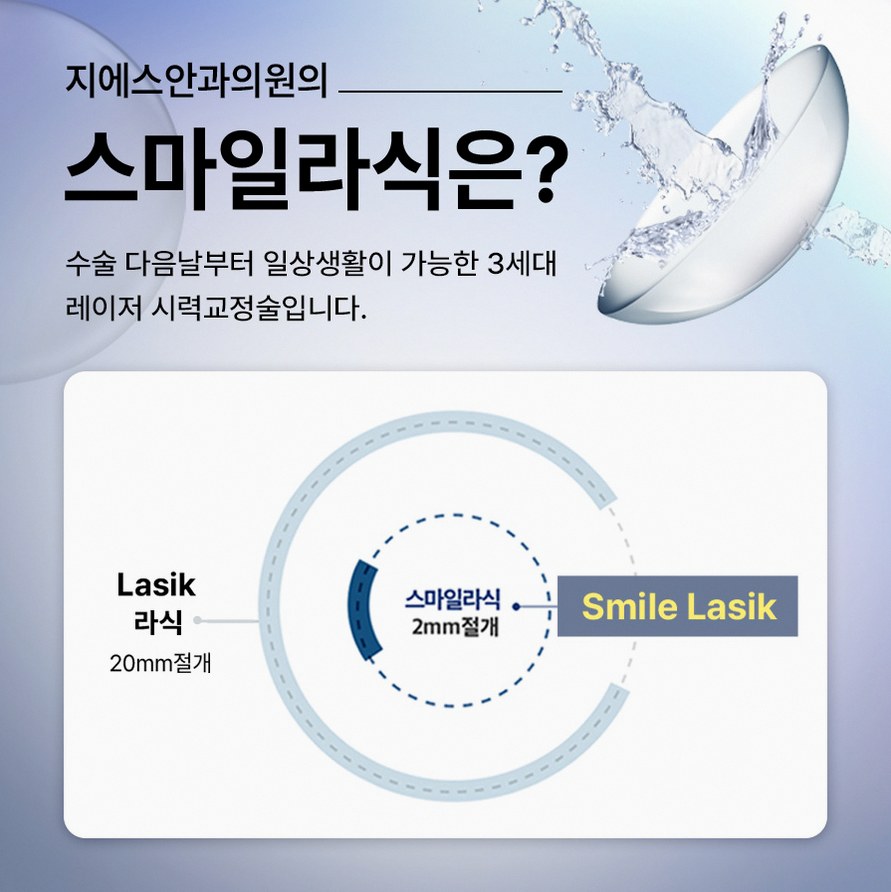
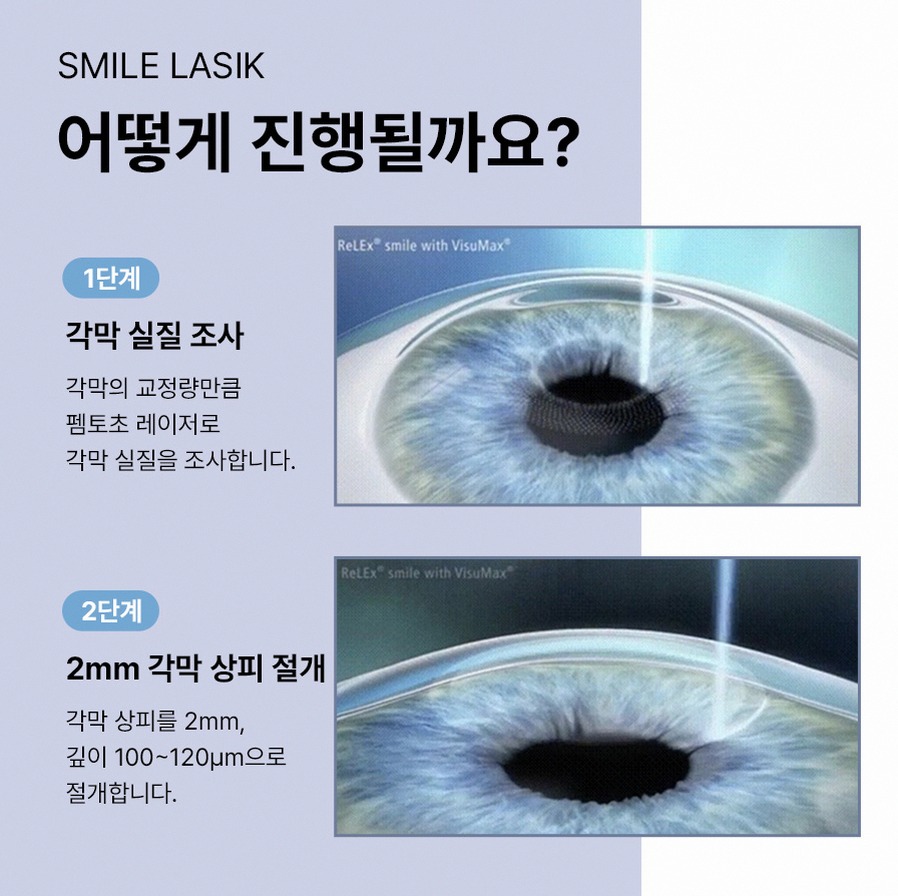
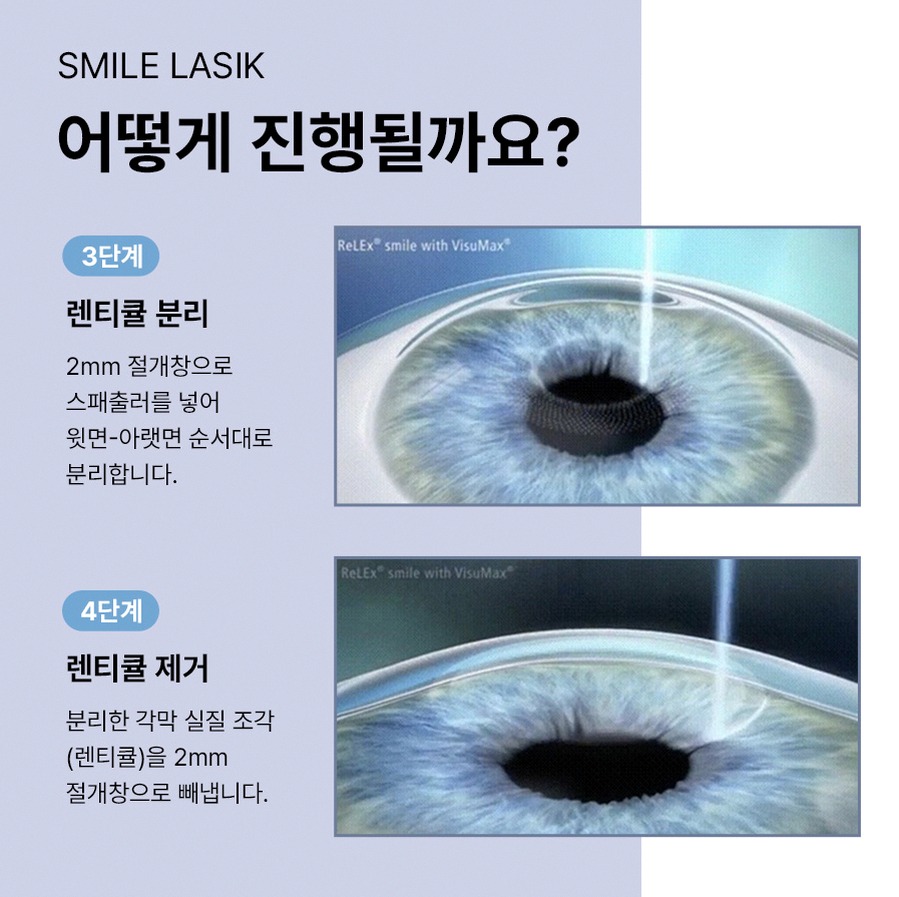
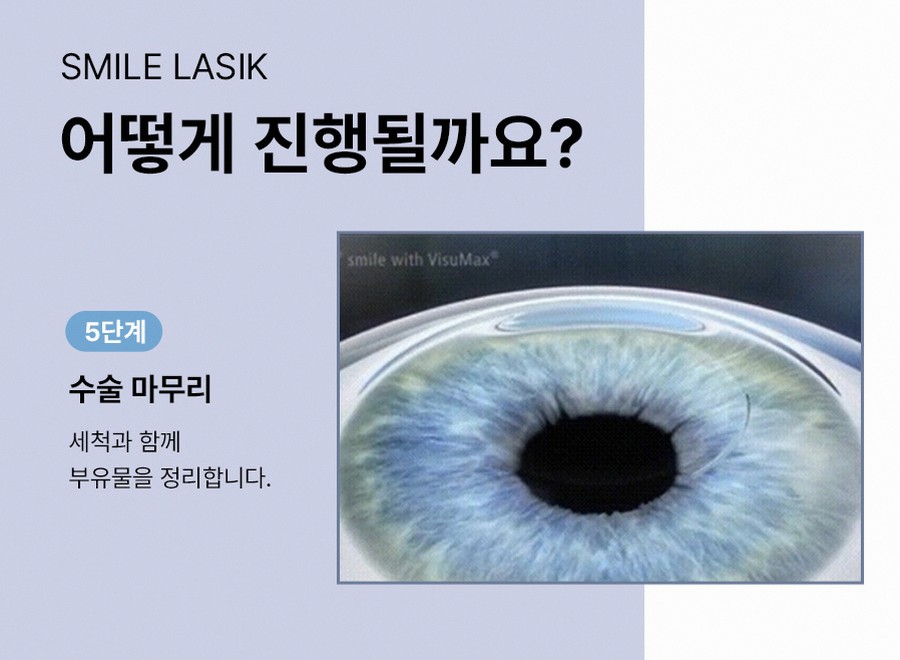
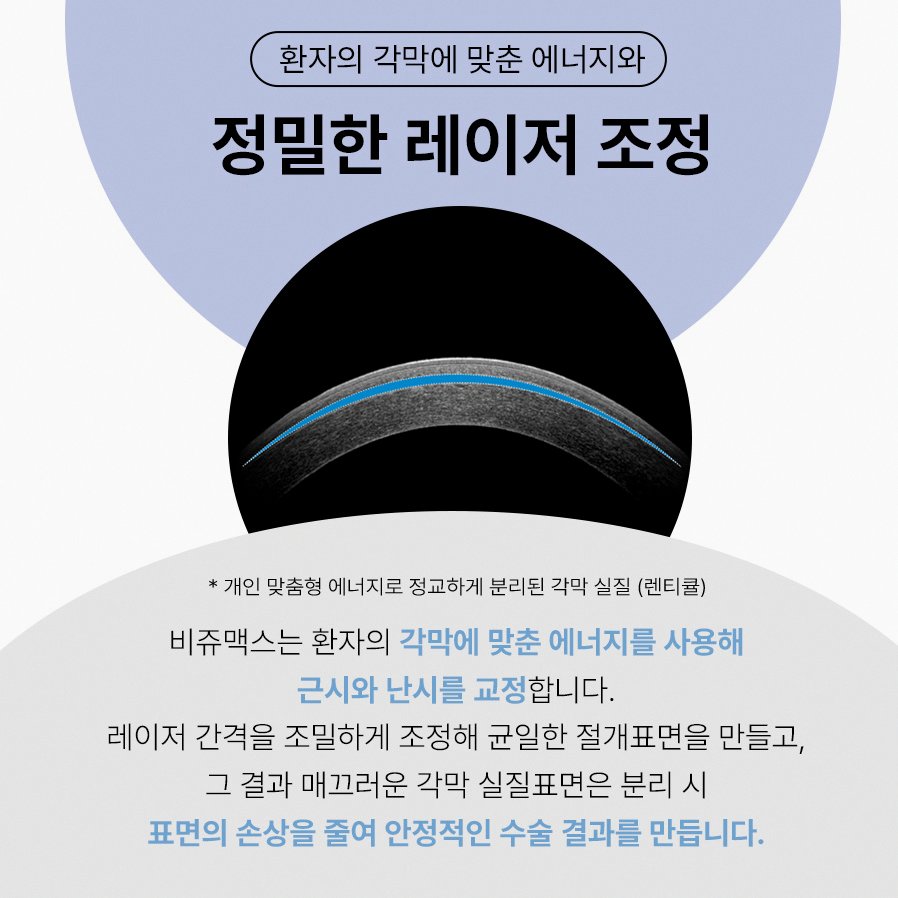
SMILE (Small Incision Lenticule Extraction) is a type of laser vision correction that reshapes the cornea through a very small opening instead of a wide flap. A femtosecond laser creates a tiny, lens‑shaped piece of tissue inside the cornea. The surgeon removes this piece through a small incision, changing the curvature of the cornea to correct nearsightedness and astigmatism.
Because there is no large corneal flap, SMILE is often described as minimally invasive compared with classic LASIK. Many patients find this appealing because there is less surface disruption, and in suitable eyes it may help preserve more corneal biomechanics and reduce the risk of flap‑related issues.
What is SMILE Pro?
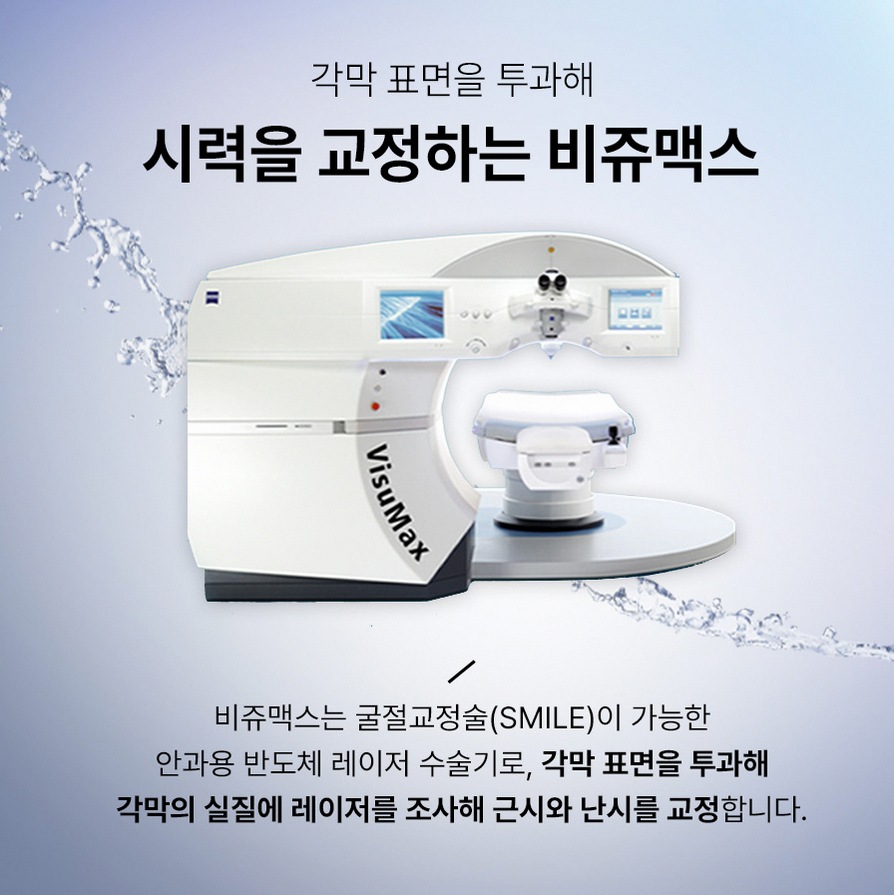
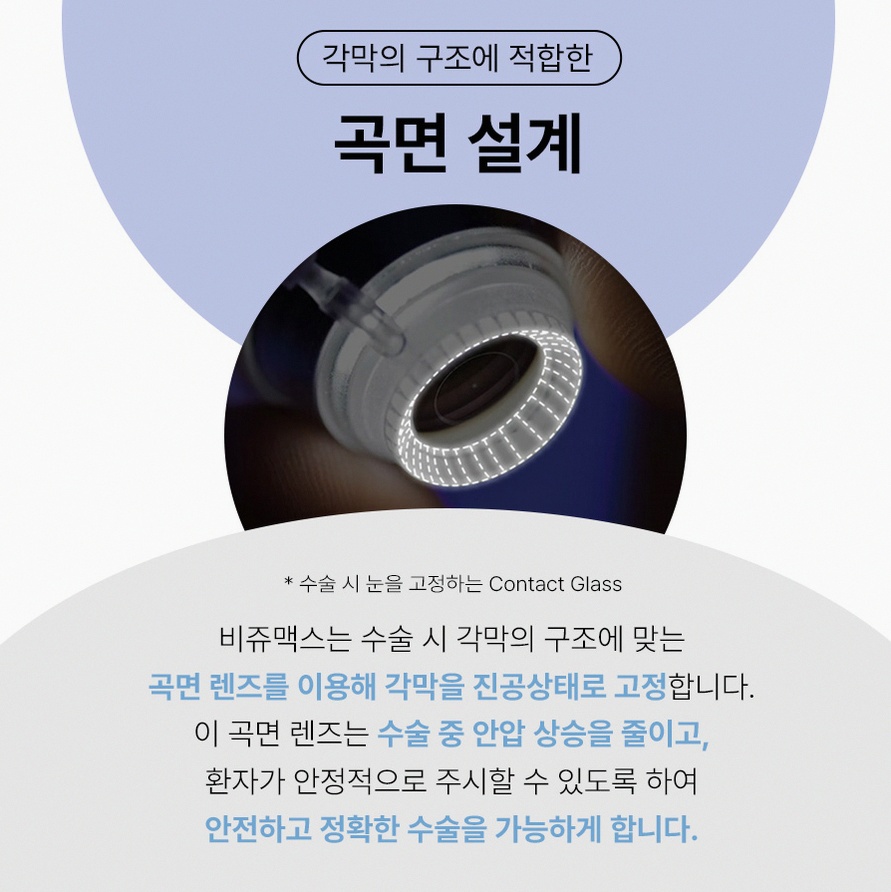
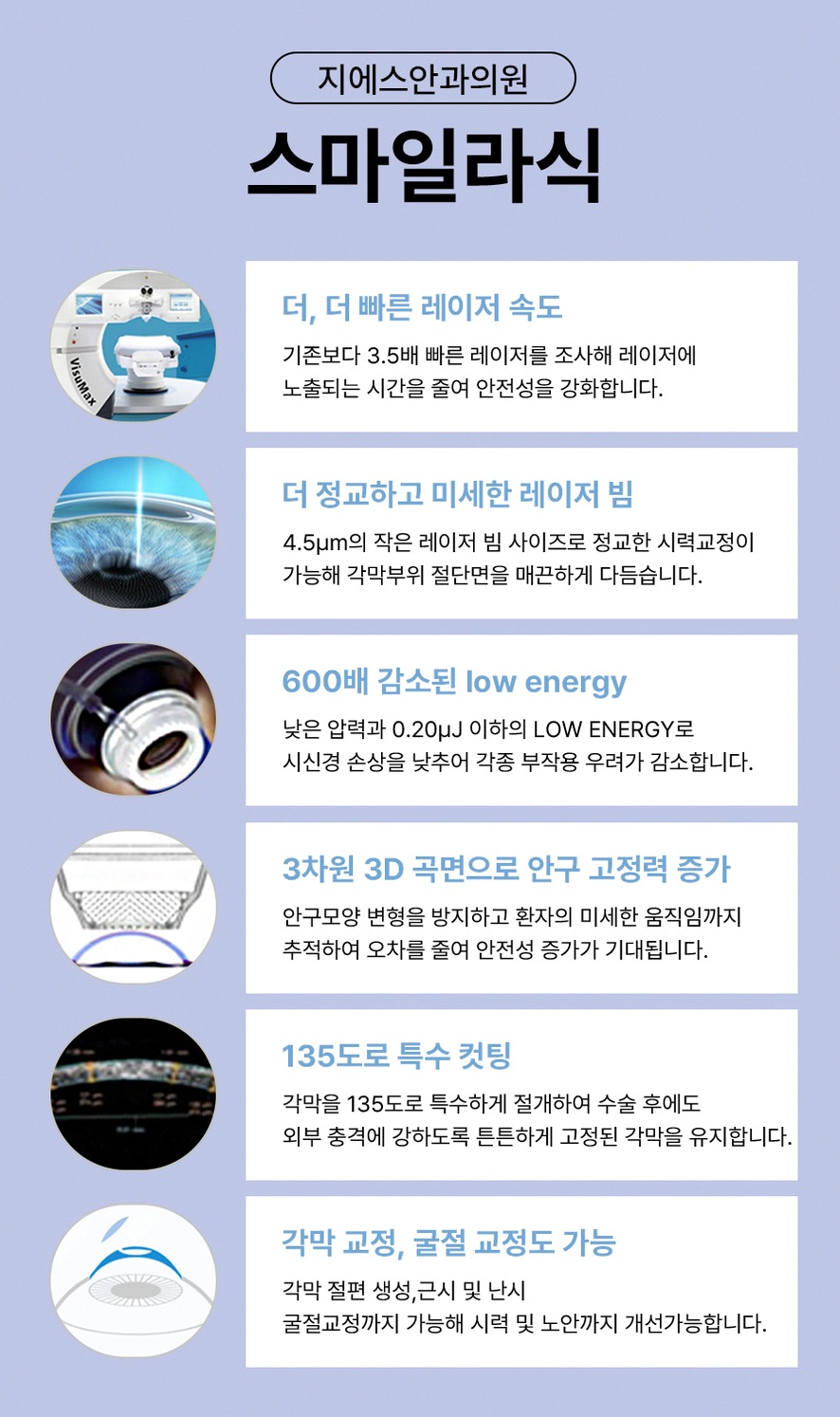
SMILE Pro is an updated version of SMILE performed on the ZEISS VisuMax 800 platform. In this system, the laser time is very short, typically under about 9 seconds per eye. For patients, this can mean:
A shorter time looking at the fixation light
Less chance of movement during the laser step
A more comfortable and efficient experience overall
The basic concept is the same as classic SMILE, but the newer platform allows faster treatment and refined control. In the Gangnam example center, SMILE Pro has become a main focus, with 5,000 SMILE Pro eyes reached in October 2024, 10,000 in August 2025, and 15,000 by April 2026.
Related procedures: SILK and other options
In addition to SMILE and SMILE Pro, the clinic near Yeoksam Station also provides SILK, another small‑incision laser vision correction technique, as well as its own named protocol for optimizing SMILE planning and aftercare.
For patients who are not ideal candidates for SMILE‑type surgery, other options may be considered, such as customized LASIK, LASEK variants, corneal strengthening procedures, or lens implantation (for example ICL or GLAZE). Presbyopia and cataract solutions, including multifocal lenses like PanOptix, are also available, but the main focus of this guide remains SMILE‑type procedures.
Who may consider SMILE LASIK near Yeoksam Station?
Typical candidates
SMILE LASIK is generally considered for adults who:
Have stable nearsightedness and possibly astigmatism
Do not have significant corneal disease or severe dry eye
Have adequate corneal thickness and healthy retinal status
Whether you are an office worker in the Yeoksam business district, a student, or a medical tourist visiting Seoul for a short stay, SMILE may be an option if your eye structure is suitable.
Who may not be suitable
Not everyone is a candidate for SMILE or SMILE Pro. You may be advised to avoid SMILE or choose a different procedure if you have:
Very thin or irregular corneas
Signs of keratoconus or corneal instability
Uncontrolled dry eye or severe allergic eye disease
Certain retinal conditions or systemic diseases
The Gangnam example center emphasizes that a detailed pre‑operative examination is essential. The ophthalmologists sometimes recommend LASEK, customized LASIK, lens implantation, or even no surgery at all if they judge that SMILE is not the safest option for your eyes.
What makes a good SMILE LASIK clinic near Yeoksam Station?
Specialization in SMILE and small‑incision vision correction
When searching for the best SMILE LASIK near Yeoksam Station, look for a center where SMILE‑type surgery is a major focus, not an occasional add‑on. The featured Gangnam clinic has concentrated on laser vision correction since opening in 2005 and has steadily expanded its SMILE program since introducing the ZEISS VisuMax 500 in 2016 and the VisuMax 800 in 2023.
Experienced ophthalmology team
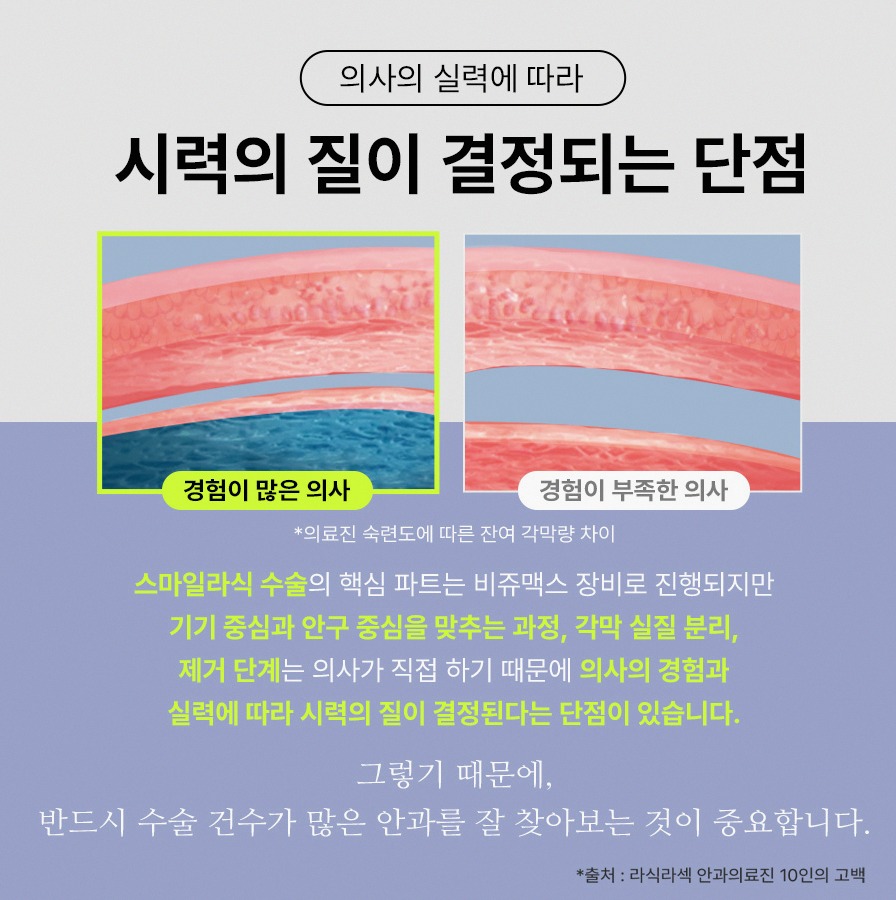
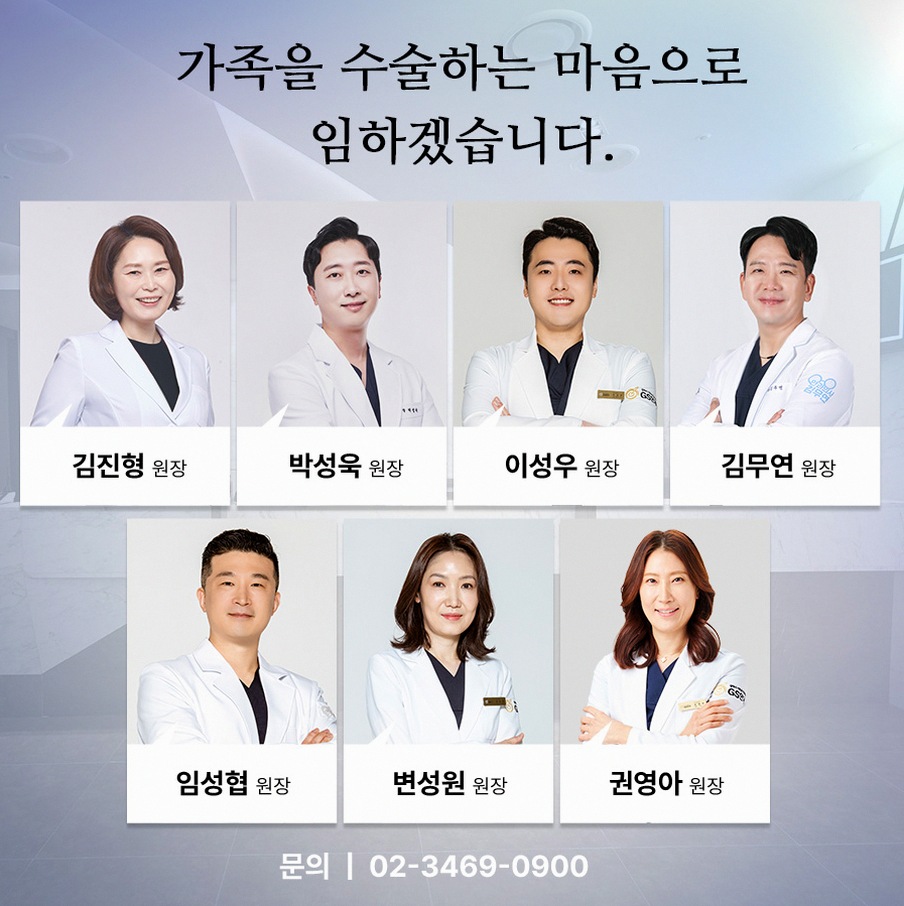
All seven doctors at this Gangnam center are board‑certified ophthalmologists with subspecialty training from major university hospitals. The medical director previously served as a university hospital ophthalmology professor and holds a medical doctorate. Several team members are former faculty or fellows from large teaching hospitals, including retina specialists who support pre‑ and post‑operative evaluation.
This combination of refractive surgery and retina expertise helps in screening for subtle retinal issues, assessing corneal health, and managing long‑term follow‑up, which is important for safety in SMILE and other laser procedures.
Transparent experience and case numbers
Instead of vague claims, look for clear, time‑stamped data. The Gangnam example center reports:
Around 300,000 eyes treated for vision correction and cataract surgery as of 2023
SMILE Pro milestones: 5,000 eyes in October 2024, 10,000 in August 2025, and 15,000 by April 2026
3,000 PanOptix multifocal lens cases as of 2024
GLAZE lens implantation introduced in 2019, with 1,000 eyes by 2022 and 3,000 Optiflex GLAZE eyes by 2025
These numbers do not guarantee individual results, but they indicate that the team has accumulated extensive practical experience and refined its protocols over time.
Ownership of advanced SMILE platforms
A key differentiator of this Gangnam center is that it owns all three major SMILE‑related laser platforms:
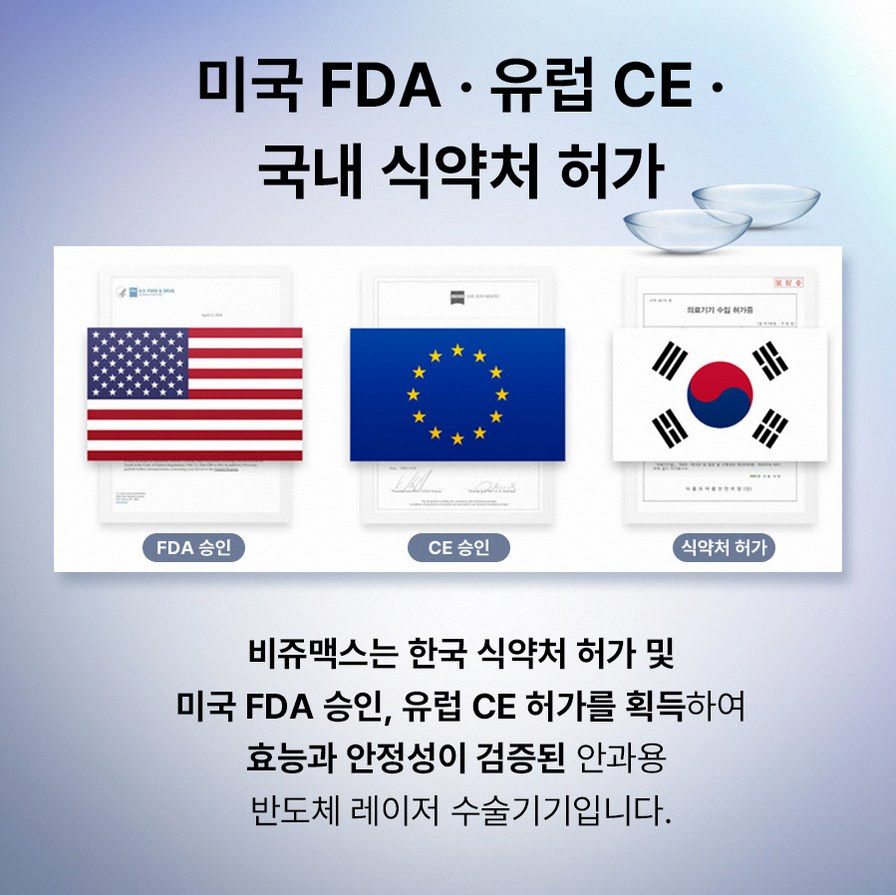
One ZEISS VisuMax 800 for SMILE Pro, introduced in 2023, with laser time under about 9 seconds
Two ZEISS VisuMax 500 units for classic SMILE, introduced in 2016, with dual‑unit operation since 2019
Having multiple generations of SMILE platforms allows the surgeons to:
Choose the most appropriate system for each patient
Shorten procedure times and reduce waiting
Maintain redundancy, so that if one unit is under maintenance, scheduled surgeries can continue
For patients flying into Seoul, this redundancy can be reassuring because it reduces the risk of last‑minute schedule changes due to equipment downtime.
Training center and certifications
Recognition by device manufacturers and academic bodies is another sign of reliability. The Gangnam example center reports that it:
Became the first ZEISS SMILE GOLD CLUB member in Korea in 2021
Was designated a ZEISS SMILE Pro Center in 2023
Was selected as a SILK Training Center in 2026
In addition, its SMILE LASIK program obtained ISO 9001 and 14001 certification in 2020, indicating that its quality and environmental management systems meet international standards.
The center is also designated as a clinical education institution by a major medical school (since 2023) and as an Asia‑Pacific clinical education center by a biotech company (since 2024). This means its examination and treatment protocols are used as teaching models for other professionals.
Structured examination and clear explanations
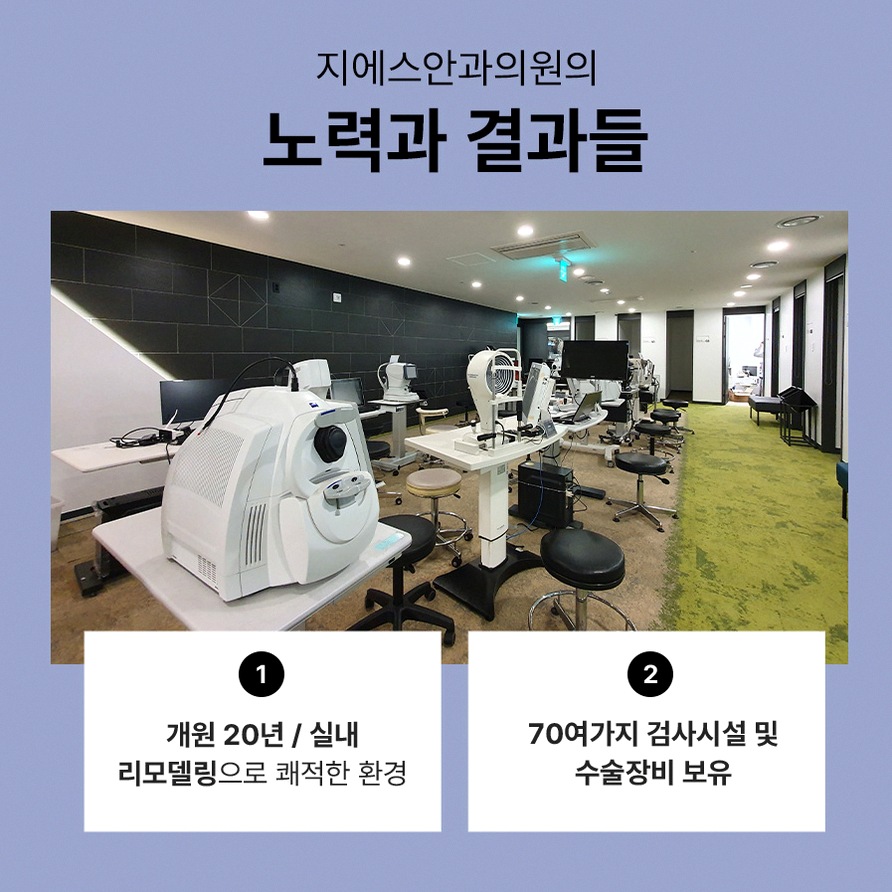
A good SMILE LASIK provider near Yeoksam Station should offer a structured pre‑operative examination that includes:
Visual acuity and refraction testing
Corneal thickness and curvature mapping
Pupil size and tear film evaluation
Retina and optic nerve assessment, often with imaging
The ophthalmologist should clearly explain:
Whether you are a candidate for SMILE, SMILE Pro, SILK, or another procedure
Possible alternatives such as LASEK, customized LASIK, or lens implantation
Potential side effects like dry eye, glare, halos, or under‑ or over‑correction
Realistic expectations for your vision after surgery
Example of a high‑volume SMILE center in Gangnam
History and location
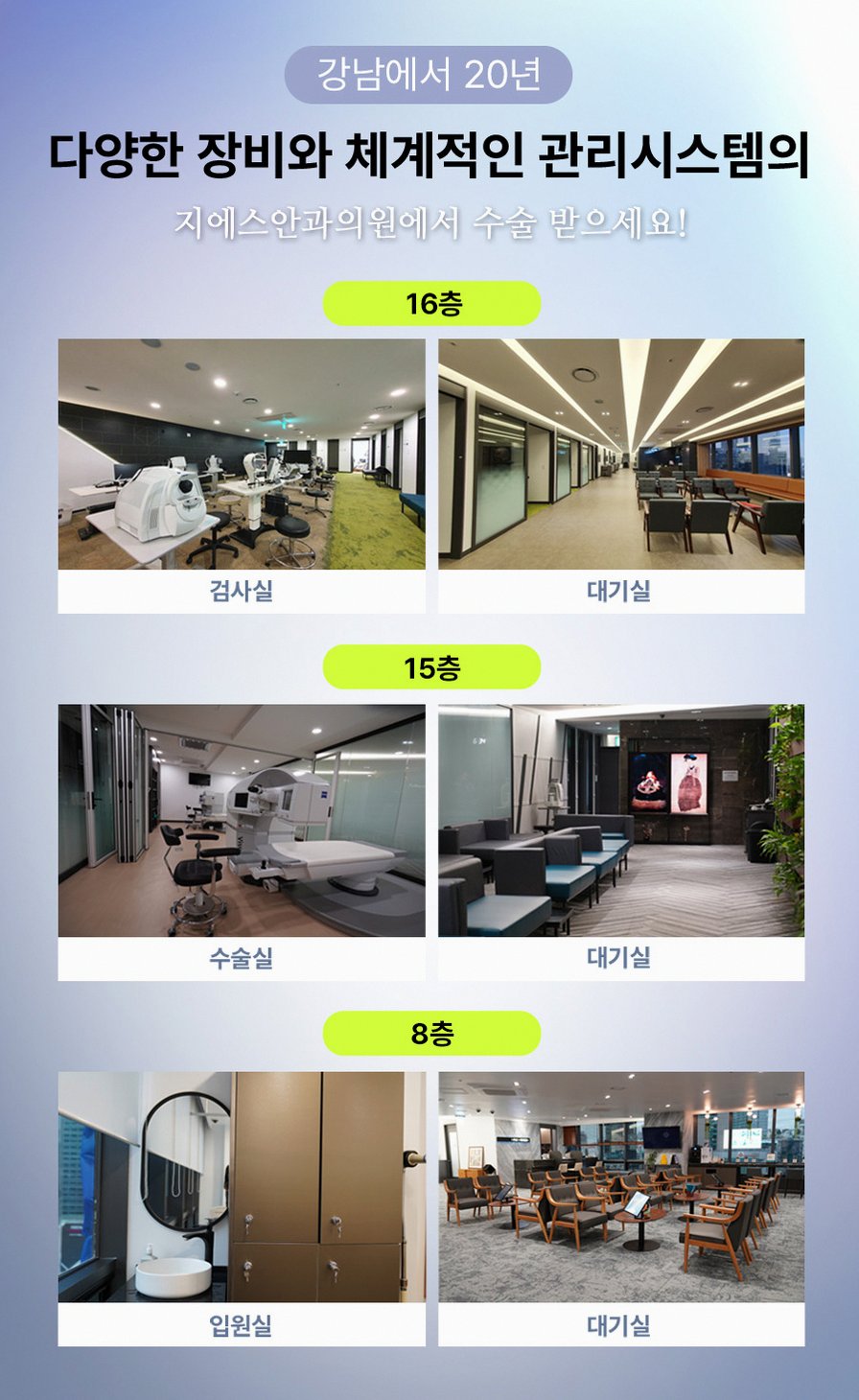
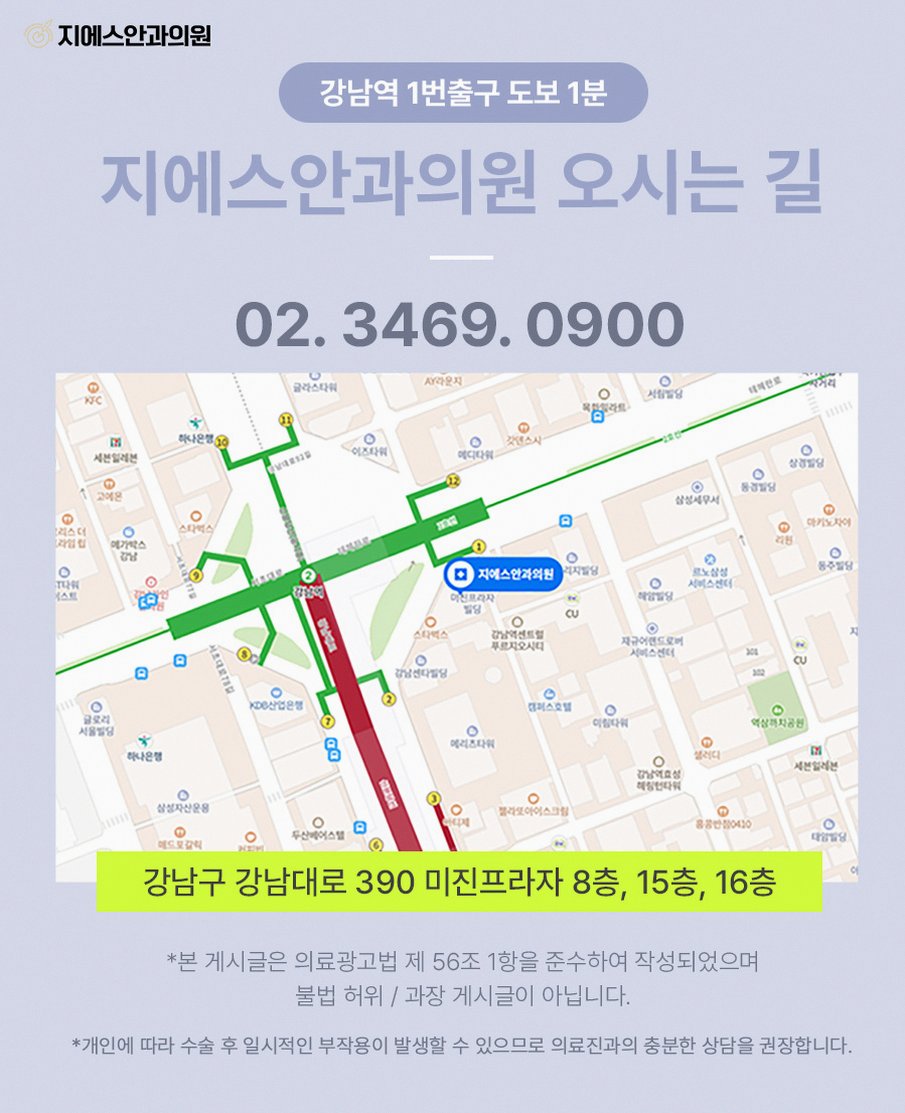
The featured Gangnam ophthalmology clinic opened in 2005 on Gangnam‑daero and has remained in the same location while continuously updating its technology and systems. It occupies multiple floors in a building near Gangnam Station, within easy reach of Yeoksam Station by subway or on foot.
For international patients staying in Gangnam or Yeoksam, this location is convenient for pre‑operative visits, surgery, and follow‑up appointments. Many office workers and students in the area choose this center because they can visit before or after work without long travel times.
Focus on laser vision correction
From the beginning, the clinic has focused on laser vision correction, with SMILE‑type procedures now forming a major part of its practice. The medical director emphasizes that surgical skill and careful judgment are more important than simply owning advanced machines. The team’s philosophy is to recommend surgery only when the data show that it is likely to be safe and beneficial for the individual patient.
Range of services
Although SMILE Pro, SMILE, and SILK are key services, the center also provides:
Customized LASIK and LASEK variants
Corneal strengthening procedures when needed
Lens implantation options such as ICL and GLAZE for patients with high myopia or thin corneas
Presbyopia and cataract solutions, including multifocal lenses like PanOptix
This comprehensive range allows the ophthalmologists to choose among multiple approaches rather than fitting every patient into a single procedure type.
Step‑by‑step patient journey for overseas visitors
Online consultation and pre‑visit preparation
If you are planning to travel to Seoul for SMILE LASIK, the first step is usually an online consultation. Most international patients send:
A brief description of their current glasses or contact lens prescription
Information about any previous eye procedures or injuries
Details about systemic conditions such as diabetes or autoimmune disease
Their planned travel dates and length of stay in Korea
The clinic’s international coordinator or medical team can then advise whether a visit is worthwhile, what tests will be performed, and how many days you should plan to stay for examination, surgery, and follow‑up.
Before arriving in Korea, you may be asked to:
Stop wearing soft contact lenses for several days and rigid lenses for a longer period, so that your cornea returns to its natural shape
Prepare a list of medications and supplements you are taking
Arrange travel insurance that covers medical care abroad
Comprehensive eye examination in Gangnam
Your first in‑person visit near Yeoksam and Gangnam Stations usually includes:
Visual acuity and refraction tests
Corneal topography and tomography to check shape and thickness
Pupil size measurement and dry eye assessment
Intraocular pressure measurement
Retina examination, often with wide‑field imaging and optical coherence tomography
The ophthalmologist reviews these results and discusses whether SMILE, SMILE Pro, SILK, or another procedure is recommended. If your eyes are not suitable for laser vision correction, the doctor may suggest lens implantation or advise against surgery altogether.
SMILE LASIK or SMILE Pro procedure day
On the day of SMILE or SMILE Pro:
You arrive at the clinic, confirm consent forms, and receive anesthetic eye drops.
The laser step usually takes only seconds per eye. For SMILE Pro on the VisuMax 800, the laser time is under about 9 seconds.
The surgeon removes the tiny lenticule through a small incision. No large flap is created.
You rest briefly in the recovery area before going back to your accommodation.
Patients commonly report mild pressure or discomfort during the laser step, but experiences vary; discuss expected sensations with your surgeon. The small incision typically disturbs the surface of the eye less than flap‑based procedures.
Typical recovery and follow‑up
Some patients may notice functional vision within a short time, sometimes by the next day, but recovery times vary; your surgeon will advise based on your individual exam. The clinic usually schedules:
A follow‑up visit the next day
Additional check‑ups over the next few days or weeks, depending on your travel schedule
Further online follow‑up after you return home, if needed
You will be asked to:
Use prescribed eye drops as directed
Avoid rubbing your eyes
Avoid swimming pools, saunas, and heavy exercise for a short period
Wear protective eyewear in dusty or windy environments
If you are staying in Korea for a limited time, discuss your schedule in advance so that essential follow‑ups can be arranged before your departure.
Safety, quality, and possible side effects
Why screening and conservative judgment matter
A safe SMILE LASIK experience depends not only on technology but also on conservative medical decision‑making. The Gangnam example center emphasizes:
Thorough screening to detect conditions that could increase risk
Clear indications and contraindications for each procedure
Long‑term follow‑up, especially for younger patients with high myopia
The clinic’s role as a clinical education institution for a medical school and as an Asia‑Pacific clinical education center for a biotech company suggests that its protocols are used as reference models for others.
Possible side effects and risks
As with any eye surgery, SMILE LASIK and SMILE Pro carry potential risks, which may include:
Temporary dry eye symptoms
Glare or halos, especially at night
Residual refractive error (under‑ or over‑correction)
Inflammation or infection, although this is uncommon with proper care
Individual outcomes vary depending on corneal shape, tear film quality, and other personal factors. These issues should be discussed in detail during your consultation so that you can make an informed decision.
Expected Korea visit timeline for SMILE LASIK
For many international patients, a typical schedule might look like this:
Day 1: Arrival in Seoul, rest
Day 2: Comprehensive eye examination near Yeoksam/Gangnam, decision on procedure
Day 3: SMILE or SMILE Pro surgery
Day 4: First post‑operative check
Day 5–7: Additional follow‑up visit if needed, then departure

Some patients may compress this schedule, while others may choose to stay longer. Your exact timeline should be personalized based on your eye condition, travel plans, and the ophthalmologist’s recommendations.
How to prepare questions before your consultation
Before contacting a SMILE LASIK center near Yeoksam Station, it is helpful to prepare a list of questions, such as:
Which SMILE platforms do you use (VisuMax 800, VisuMax 500, SILK system), and how do you choose between them?
What percentage of your practice is focused on SMILE‑type procedures?
How many SMILE or SMILE Pro cases have you performed, and over what time period?
What is your policy if my eyes are not suitable for SMILE?
How many days should I stay in Korea for safe follow‑up?
This kind of checklist helps you compare centers based on medical systems and experience rather than only on cost or marketing.
FAQ: SMILE LASIK near Yeoksam Station
Who is a good candidate for SMILE or SMILE Pro in Gangnam?
A good candidate is usually an adult with stable nearsightedness and possibly astigmatism, adequate corneal thickness, and no significant corneal or retinal disease. The Gangnam example center performs detailed corneal mapping, tear film evaluation, and retina imaging to decide whether SMILE, SMILE Pro, SILK, or another procedure is safer. Final suitability can only be confirmed after a full eye examination.
How is SMILE different from LASIK or LASEK?
SMILE reshapes the cornea through a small incision, without creating a wide corneal flap. LASIK involves creating a flap and then reshaping the cornea underneath with an excimer laser. LASEK treats the surface of the cornea after temporarily moving the epithelium. In suitable patients, SMILE may offer advantages such as a smaller incision and potentially less disturbance of corneal biomechanics, but LASIK or LASEK may still be preferred in certain prescriptions or corneal shapes. The ophthalmologist will recommend the method that best fits your eye condition.
How long is the recovery after SMILE LASIK, and when can I fly home?
Many patients achieve functional vision within a short time after SMILE or SMILE Pro, with gradual stabilization over several weeks. For international visitors, the Gangnam center often recommends staying in Seoul for at least a few days after surgery to allow for early follow‑up visits. Flying is usually possible after the ophthalmologist confirms that the eyes are stable enough, but you should avoid rubbing your eyes and follow all post‑operative instructions carefully.
What factors influence the cost of SMILE LASIK in Seoul?
Costs vary depending on the technology used (for example VisuMax 800 vs 500), the complexity of your prescription, whether additional procedures such as corneal strengthening are needed, and the level of pre‑ and post‑operative care provided. Training centers with multiple laser platforms and extensive diagnostic equipment may have different fee structures from smaller providers. It is important to compare not only price but also examination protocols, surgeon experience, equipment, and follow‑up support.
How far in advance should I book my SMILE LASIK near Yeoksam Station?
If you are traveling from overseas, it is wise to contact the center at least several weeks before your planned trip. This allows time for online consultation, adjustment of contact lens wear, and coordination of your examination, surgery, and follow‑up dates. High‑volume centers in Gangnam can be busy, especially on weekends and around holidays, so early booking helps secure a schedule that fits your flight and accommodation plans.
Soft call to action
If you are considering SMILE LASIK near Yeoksam Station and would like a structured, safety‑focused evaluation, you can start with an online consultation. Share your current prescription, medical history, and planned travel dates, and ask detailed questions about equipment, experience, and follow‑up. A thorough pre‑operative examination in Gangnam, combined with clear communication about risks and benefits, will help you decide whether SMILE, SMILE Pro, or another vision correction method is right for you.
Disclaimer
This article is intended for general information for international readers and does not replace a personal consultation with a qualified ophthalmologist. Suitability for SMILE LASIK or any other vision correction procedure, as well as outcomes and possible side effects, vary from person to person. Always seek professional medical advice and a comprehensive eye examination before making decisions about surgery.

- 공유 링크 만들기
- X
- 이메일
- 기타 앱


댓글
댓글 쓰기