Gyodae Station Smart LASIK Review Style Guide for SMILE LASIK Near Gangnam
- 공유 링크 만들기
- X
- 이메일
- 기타 앱
Direct answer summary
If you are searching for “Gyodae Station Smart LASIK review,” you are usually looking for two things: what SMILE or Smart LASIK actually feels like in real life, and whether it is practical to have it done at an eye clinic near Gyodae Station or Gangnam Station. In Seoul, most Smart LASIK around this area refers to SMILE-type laser vision correction using the ZEISS VisuMax platform, often with very short laser time and a small incision instead of a large flap.
At an ophthalmology clinic on Gangnam-daero near Gangnam and Gyodae Stations, patients typically experience a detailed preoperative examination, a short procedure time, and a recovery that lets many people return to basic daily activities within a few days. However, not everyone is a candidate, and realistic expectations about vision quality, temporary dryness, and night glare are important.
Treatment overview: what Smart LASIK and SMILE LASIK mean near Gyodae Station
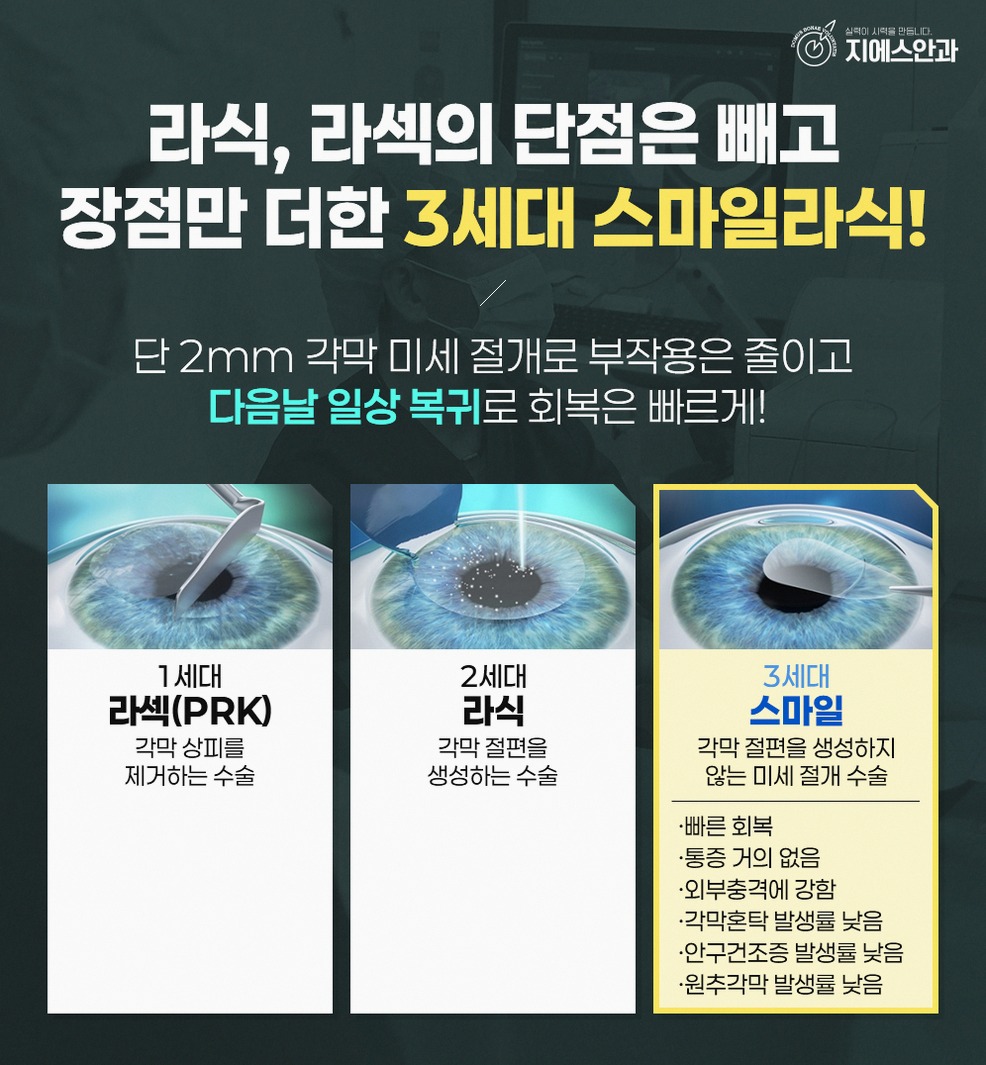
In Korea, the term “Smart LASIK” is often used in everyday conversation to describe newer SMILE-based procedures. Medically, these belong to the SMILE family of corneal refractive surgeries. They are performed with a femtosecond laser, such as the ZEISS VisuMax system, which creates a tiny lens-shaped piece of tissue (called a lenticule) inside the cornea.
Instead of making a large corneal flap like classic LASIK, the surgeon removes this lenticule through a very small incision. By changing the shape of the cornea in this minimally invasive way, the eye’s focusing power is adjusted so that myopia and astigmatism can be reduced.
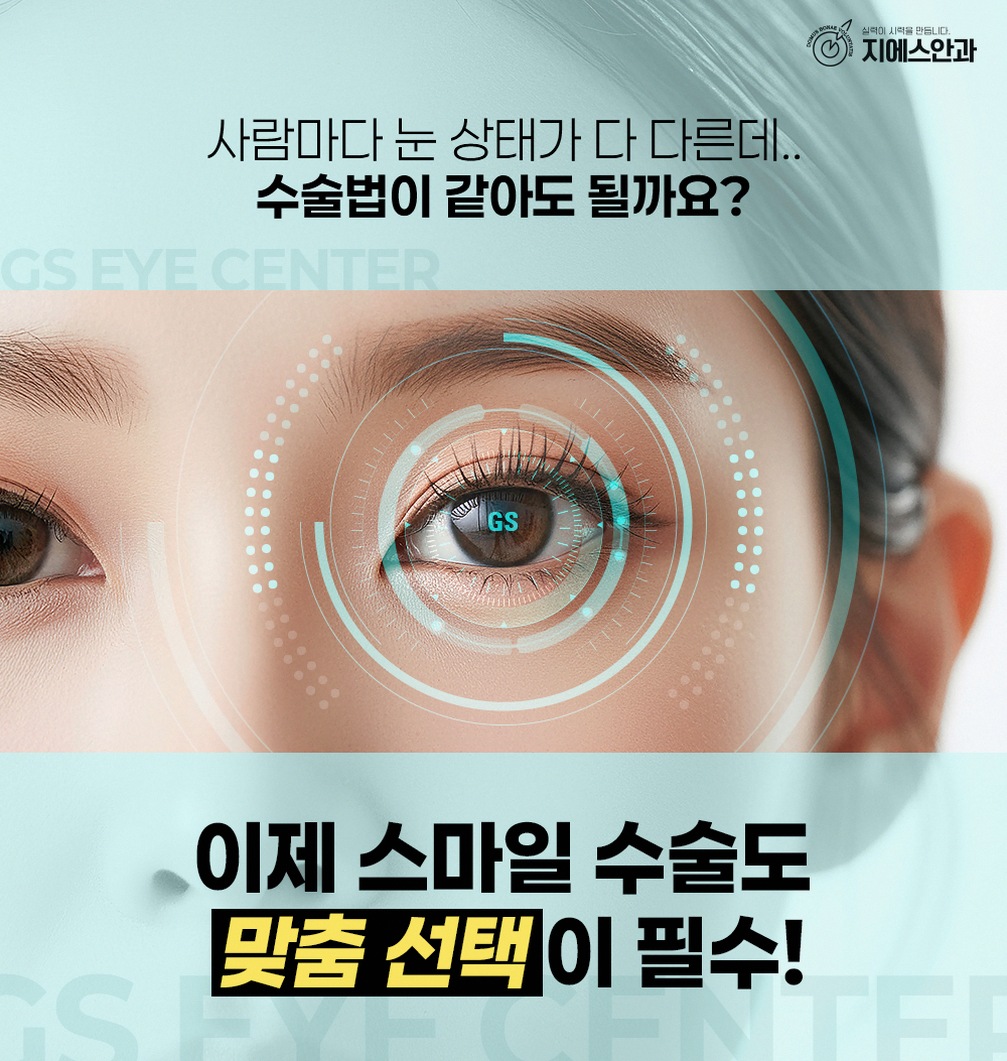
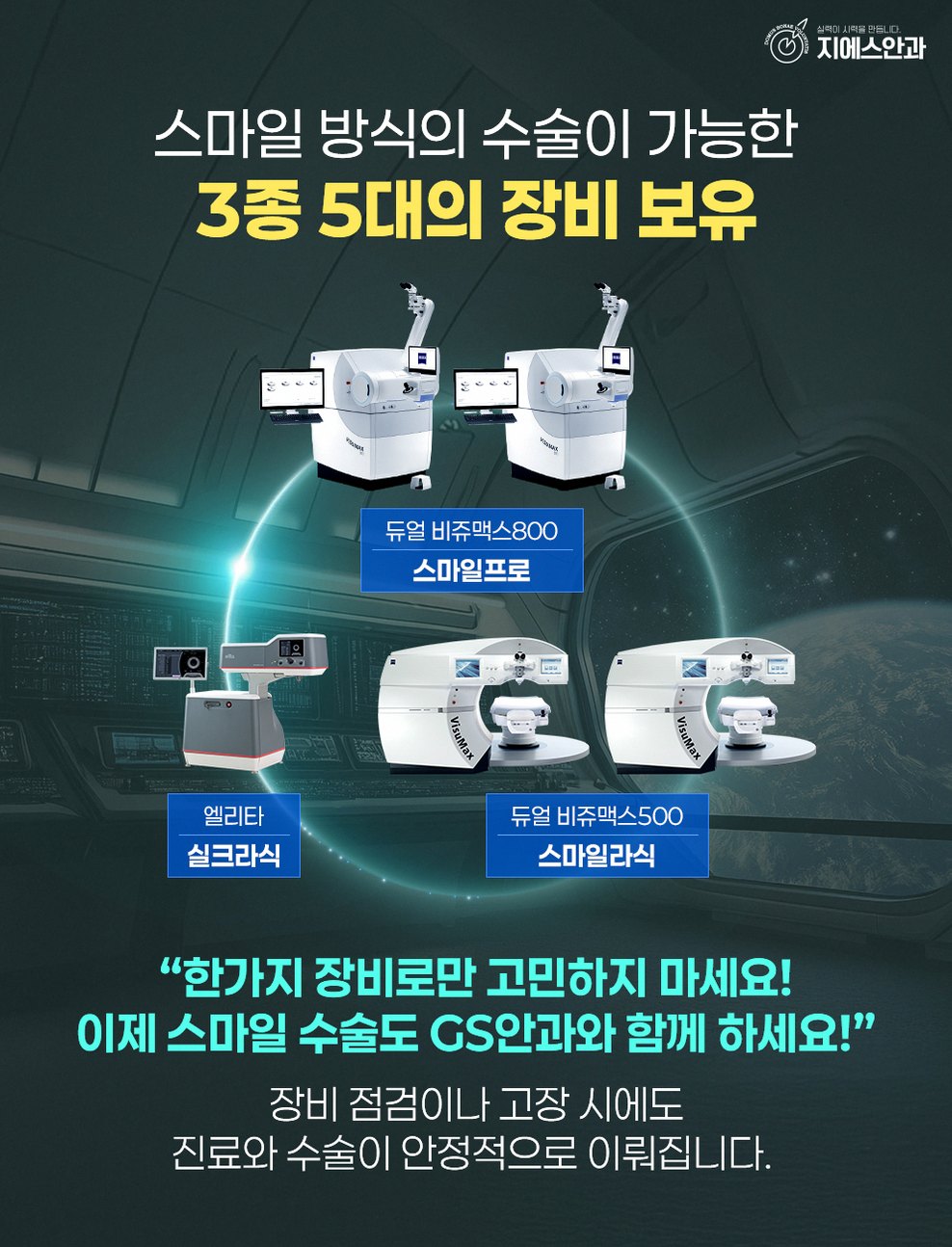
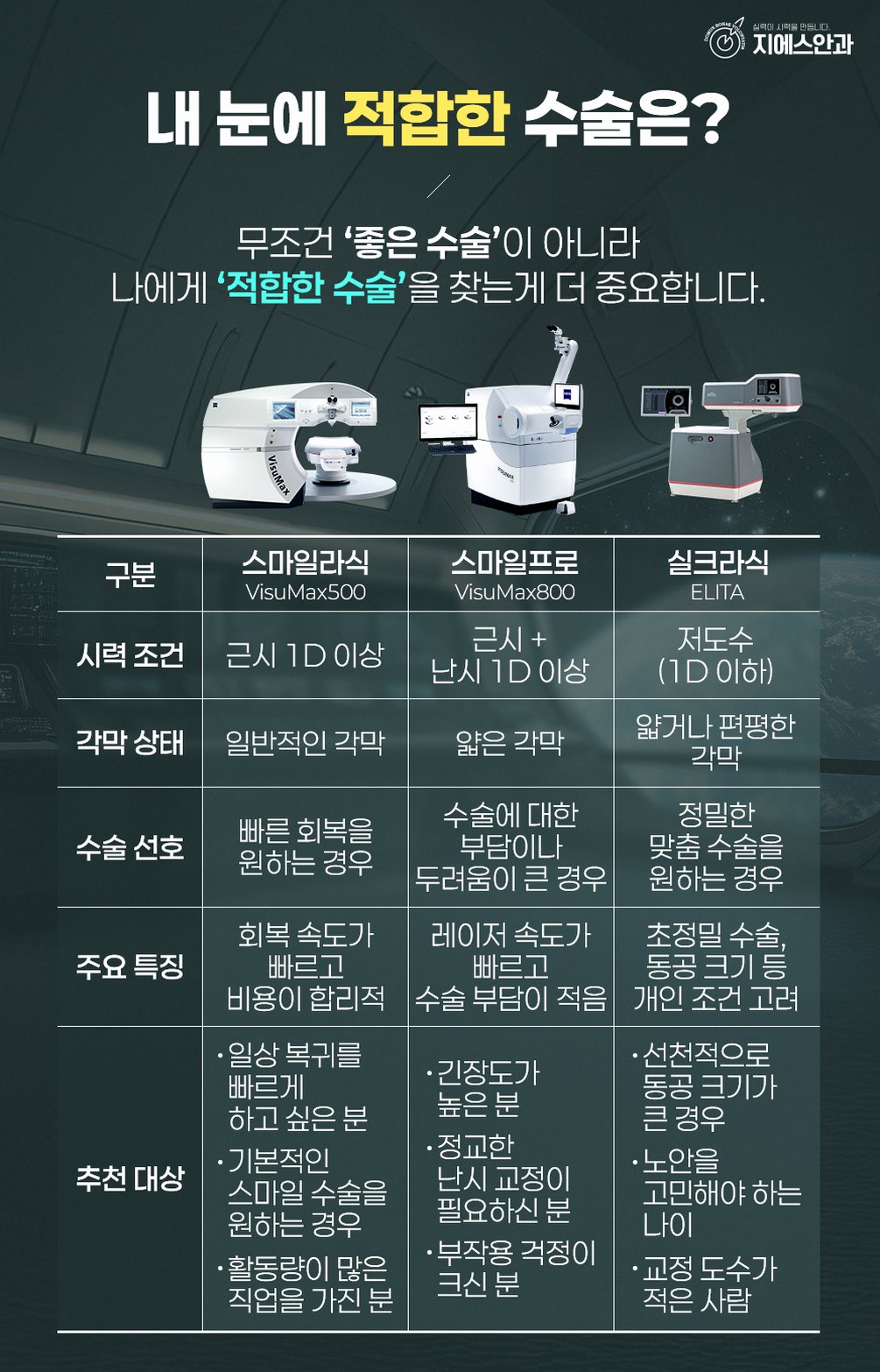
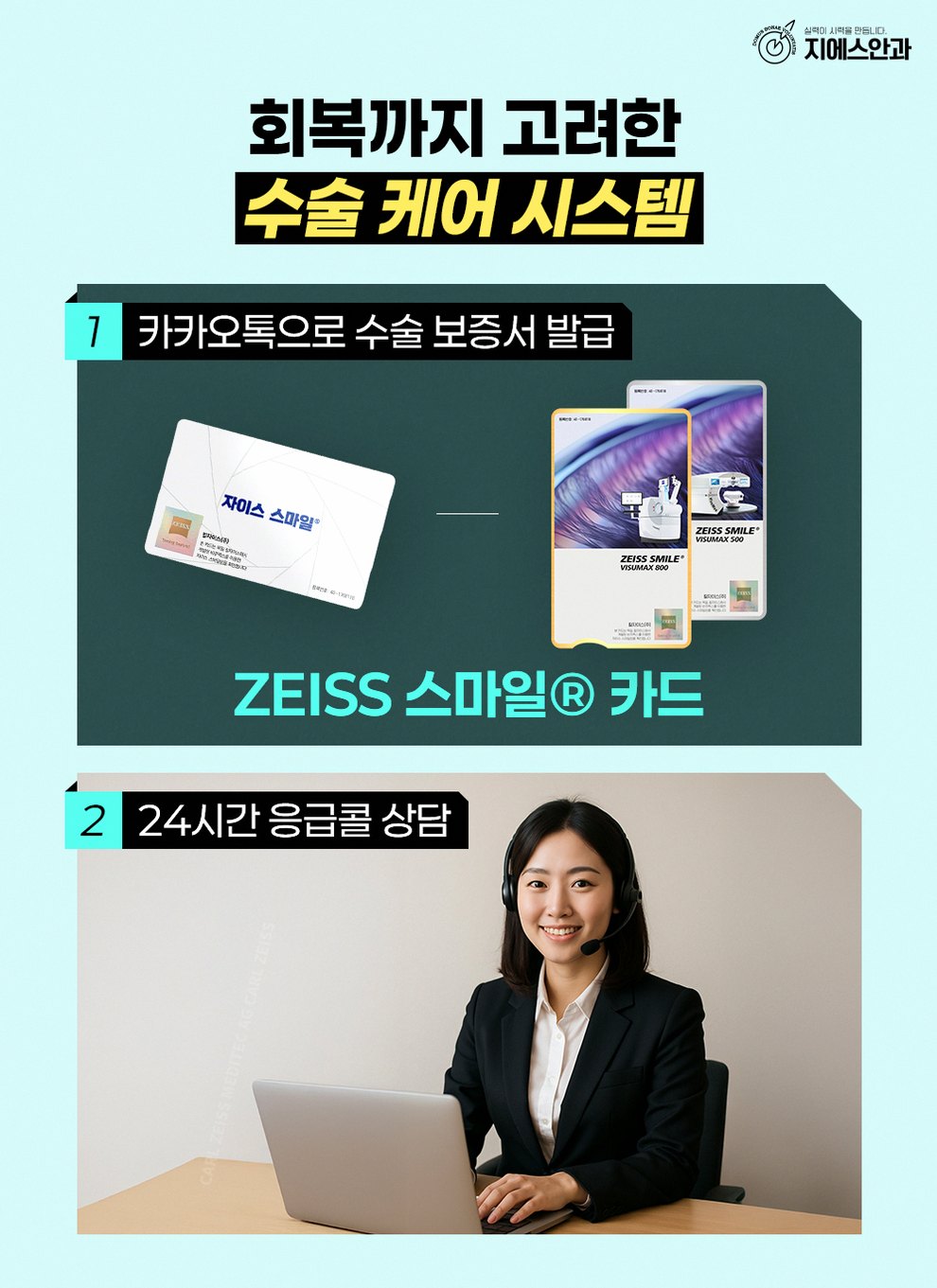
An ophthalmology clinic near Gangnam and Gyodae Stations may offer several SMILE-family options under different brand names, such as SMILE Pro, SMILE LASIK, SILK, or Golden SMILE. For international patients, it helps to think of these as variations of the same basic concept, tailored to your corneal thickness, degree of myopia or astigmatism, and lifestyle needs. The VisuMax 800 platform is used for SMILE Pro with very fast laser time, while VisuMax 500 units are used for standard SMILE LASIK.
Compared with traditional LASIK and LASEK, SMILE LASIK and Smart LASIK style procedures have some practical differences that patients often notice:
They do not require a large corneal flap; only a small incision is made.
They usually allow faster surface comfort and less early discomfort than LASEK.
They avoid flap-related complications that can be seen with classic LASIK.
They may be associated with less dry eye in some patients, though dryness can still occur.
However, they are not automatically safer or better for everyone. Suitability depends on your corneal thickness and shape, the amount of myopia and astigmatism, your tear film, and your retina.
Who may consider SMILE LASIK near Gyodae Station
Many people who work or study around Gangnam and Gyodae Stations spend long hours on screens and feel tired of glasses or contact lenses. Typical candidates who ask about Smart LASIK in this area include:
Office workers in the Gangnam business district who want to visit an eye clinic during lunch breaks or after work.
University students commuting through Gyodae Station who have worn contact lenses for years and feel dryness or discomfort.
Frequent travelers who are tired of managing lenses and solutions on flights.
In general, good potential candidates for SMILE LASIK are:
Adults with stable myopia or astigmatism for at least one to two years.
People with adequate corneal thickness and a regular corneal shape.
People without uncontrolled dry eye, active eye disease, or serious systemic disease that affects healing.
Those who should be more cautious or may need alternatives include:
People with very thin or irregular corneas.
Those with extremely high myopia or retinal risk factors.
People with unrealistic expectations of perfect vision in every lighting condition.
At clinics with separate centers for vision correction, cataract and presbyopia, and retina, the team can also suggest alternatives such as LASEK or lens implantation (for example, ICL) if SMILE LASIK is not suitable.
What patients mean by Smart LASIK near Gyodae Station
When people write online about “Smart LASIK review near Gyodae Station,” they are usually describing their experience with a SMILE-type procedure using the ZEISS VisuMax laser. To patients, it feels “smart” because:
The laser time is very short, often just several seconds per eye.
The incision is small, so there is no large flap to worry about.
The planning is customized based on detailed corneal measurements.
Clinics that hold all three major ZEISS SMILE platforms, including VisuMax 800 and multiple VisuMax 500 units, can offer different SMILE-based options depending on the eye condition. Some are recognized as ZEISS SMILE Gold Club members or designated SMILE Pro and SILK Training Centers. For patients, this generally signals that the clinic has significant experience and participates in training and reference programs, though it does not guarantee a specific result.
Preoperative examination and candidacy
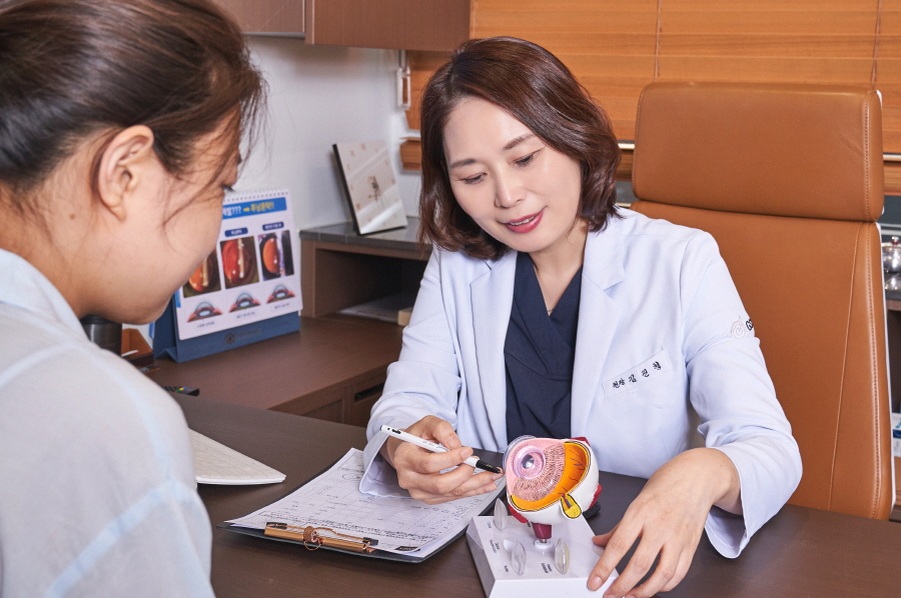
For international patients, one of the most important parts of the journey is the preoperative eye examination. At a specialized ophthalmology clinic near Gangnam and Gyodae Stations, this usually includes:
Full vision and refraction test to measure your current glasses or contact lens prescription.
Corneal topography and tomography to map the shape and thickness of your cornea in detail.
Pupil size measurement and evaluation of your tear film and dry eye status.
Retina and optic nerve check, especially if you have high myopia or a family history of retinal problems.
These examinations are usually performed with multiple machines and then reviewed by ophthalmology specialists. At clinics with large case volume, the policy is often to be conservative: if your cornea is borderline or your retina looks risky, you may be advised against SMILE LASIK or guided toward another option.
For overseas patients, it is helpful to send previous prescriptions or eye exam records before traveling. However, a final decision about candidacy is usually made only after a full in-person examination in Seoul.
Step by step: what SMILE LASIK day is like near Gangnam and Gyodae Stations
Many review-style comments from patients focus on the actual day of surgery. The experience at an eye clinic near Gyodae Station often follows a similar pattern.
Arrival and final checks
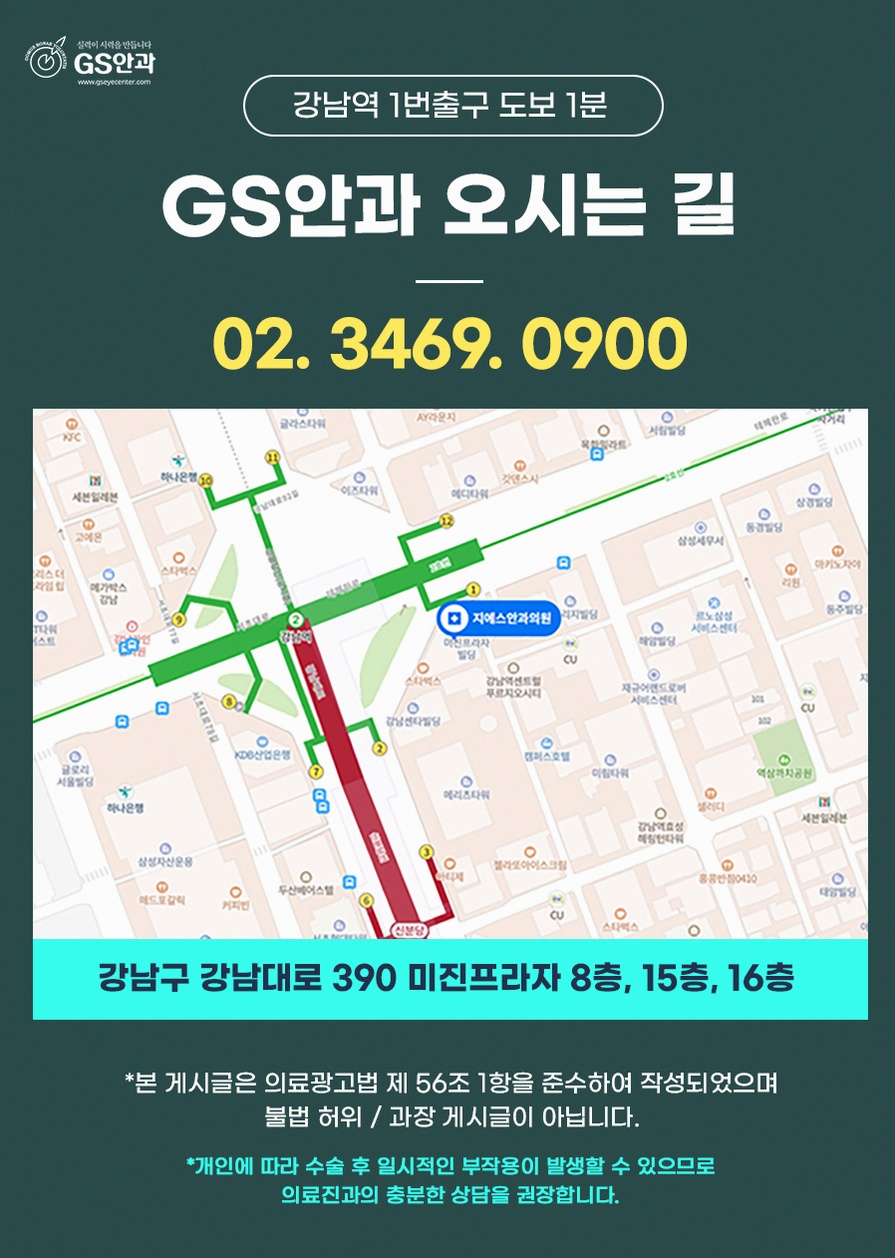
You arrive at the clinic, usually on Gangnam-daero, a short walk from Gangnam Station and a convenient subway ride from Gyodae Station. After registration, staff confirm your identity, recheck key measurements if needed, and review your consent forms.
You may meet the surgeon again to go over the plan, discuss any last-minute questions, and confirm which procedure type you are having, such as SMILE Pro on the VisuMax 800 or SMILE LASIK on the VisuMax 500.
Entering the laser room
You are guided to the laser room, where you see the ZEISS VisuMax system. Numbing drops are placed in your eyes so you do not feel sharp pain. The environment is usually cool and quiet, with staff explaining each step.
During the laser part, you lie on the bed and focus on a light. You may feel pressure but not pain. The laser time itself is very short, typically several seconds per eye with the newer platform. Many patients later comment that this part was over faster than they expected.
Lenticule removal through a small incision
After the laser creates the lenticule inside your cornea, the surgeon uses a small instrument to remove it through the tiny incision. You may feel some gentle movement or pressure, but again, not sharp pain. This step changes the curvature of your cornea and corrects your refractive error.
Rest and immediate recovery
Once both eyes are done, you are guided to a recovery room. Your eyes may feel watery, gritty, or sensitive to light. Vision is usually hazy at first. Staff go over your eye drops, protective shields, and what to avoid after surgery.
Most patients can leave the clinic after a short rest, often accompanied by a friend or family member. Because the clinic is near major subway lines, it is relatively easy to return to your hotel or accommodation.
Recovery timeline and real-world expectations
Actual recovery experiences vary, but many reviews follow a similar timeline.
Day 0 (surgery day)
Your vision is hazy and you may be sensitive to light. Tearing, a foreign body sensation, and mild discomfort are common. You are usually advised to rest, keep your eyes closed as much as possible, and use prescribed eye drops exactly as instructed.
Day 1
Many patients can already manage simple tasks, such as walking around their accommodation or checking their phone briefly, though vision may still be slightly blurry. A follow-up exam is typically scheduled to check the cornea, confirm that the lenticule area looks stable, and measure early vision.
First week
Vision tends to improve quickly, but some fluctuation is normal. You may notice halos or glare around lights at night, especially when driving or looking at bright signs. Dryness or a sandy feeling can come and go. Artificial tears and prescribed drops help manage these symptoms.
One to three months
Vision generally stabilizes over several weeks to months. Many patients feel comfortable enough to work at a computer all day and commute without glasses. Dry eye symptoms usually decrease, though some people need lubricating drops for a longer period. Night vision issues often improve, but small residual halos can persist in some cases.
Throughout this period, it is important to avoid rubbing your eyes, follow restrictions on heavy exercise and swimming, and attend scheduled follow-ups. International patients should plan enough time in Korea for at least the early follow-up visits, and then arrange long-term follow-up with an eye doctor in their home country.
What actual reviewers tend to mention
When you read online reviews about Smart LASIK near Gyodae Station, some themes appear repeatedly.
Convenient location
Patients often appreciate that the clinic is located on Gangnam-daero near Gangnam Station, with easy access from Gyodae Station. This matters because you need to visit multiple times: initial consultation, detailed preoperative testing, surgery day, and several follow-up appointments.
Detailed explanations and conservative screening
Many reviewers mention that they received thorough explanations about SMILE LASIK, alternatives like LASEK or lens implantation, and potential risks. Some people report being told they were not suitable for SMILE LASIK and were either offered another procedure or advised to wait, which can build trust.
Short laser time and less fear than expected
It is common to see comments about how the laser time was much shorter than expected and that the procedure felt more like pressure and bright light than pain. The presence of a calm, experienced team in the laser room is often mentioned as reassuring.
Life without glasses or contact lenses
After recovery, many reviewers highlight the convenience of commuting or working without glasses or contact lenses, especially in a busy area like Gangnam. However, they also mention temporary side effects such as dryness, glare, or halos, which usually improve over time.
Safety, risks, and how clinics manage them
No form of laser vision correction is risk-free, including SMILE LASIK. Typical risks include:
Under-correction or over-correction, where the final vision is slightly different from the target.
Dry eye symptoms, especially in the first months.
Night vision issues, such as halos or glare around lights.
Rare complications like infection or regression of vision over time.
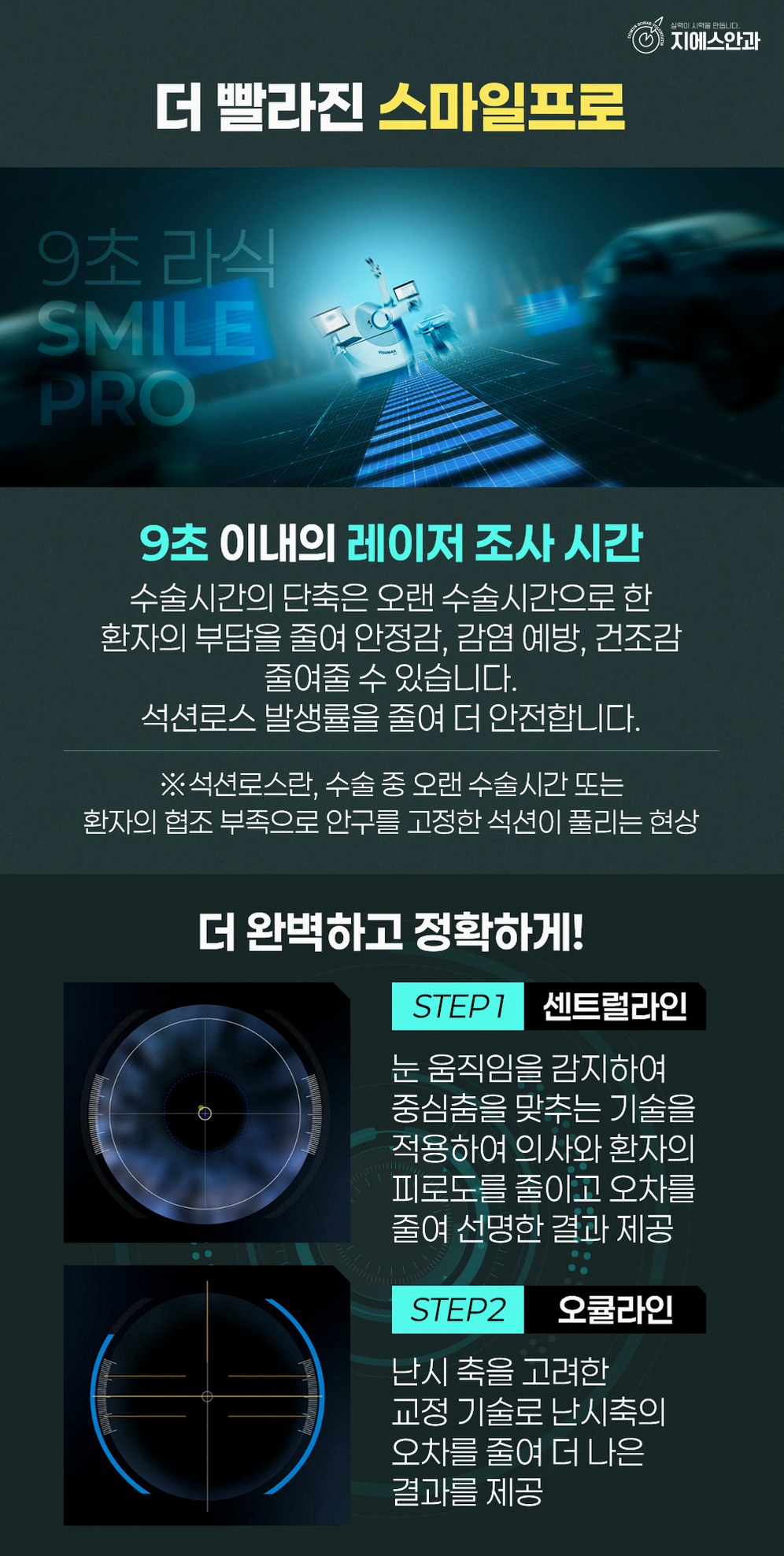
High-volume, technology-focused eye clinics try to reduce these risks by using up-to-date ZEISS VisuMax 800 and 500 platforms, applying strict screening criteria, and refusing borderline cases. Having multiple ophthalmologists with subspecialty training, including retina specialists, allows for careful evaluation of the back of the eye before surgery.
Even with all these measures, individual results can vary. It is important to discuss your personal risk profile with the surgeon and to understand that no clinic can promise a specific visual outcome.
Online consultation and pre-visit preparation for overseas patients
If you are considering SMILE LASIK near Gyodae Station from overseas, an online consultation is a practical first step. While a final decision requires an in-person exam, you can prepare by:
Collecting your recent glasses or contact lens prescriptions from the last one to two years.
Getting a basic eye check in your home country, including any notes about dry eye, corneal thickness if available, and retinal findings.
Preparing a list of medications you take and any medical conditions you have.
Noting any history of eye trauma, infection, or previous eye surgery.
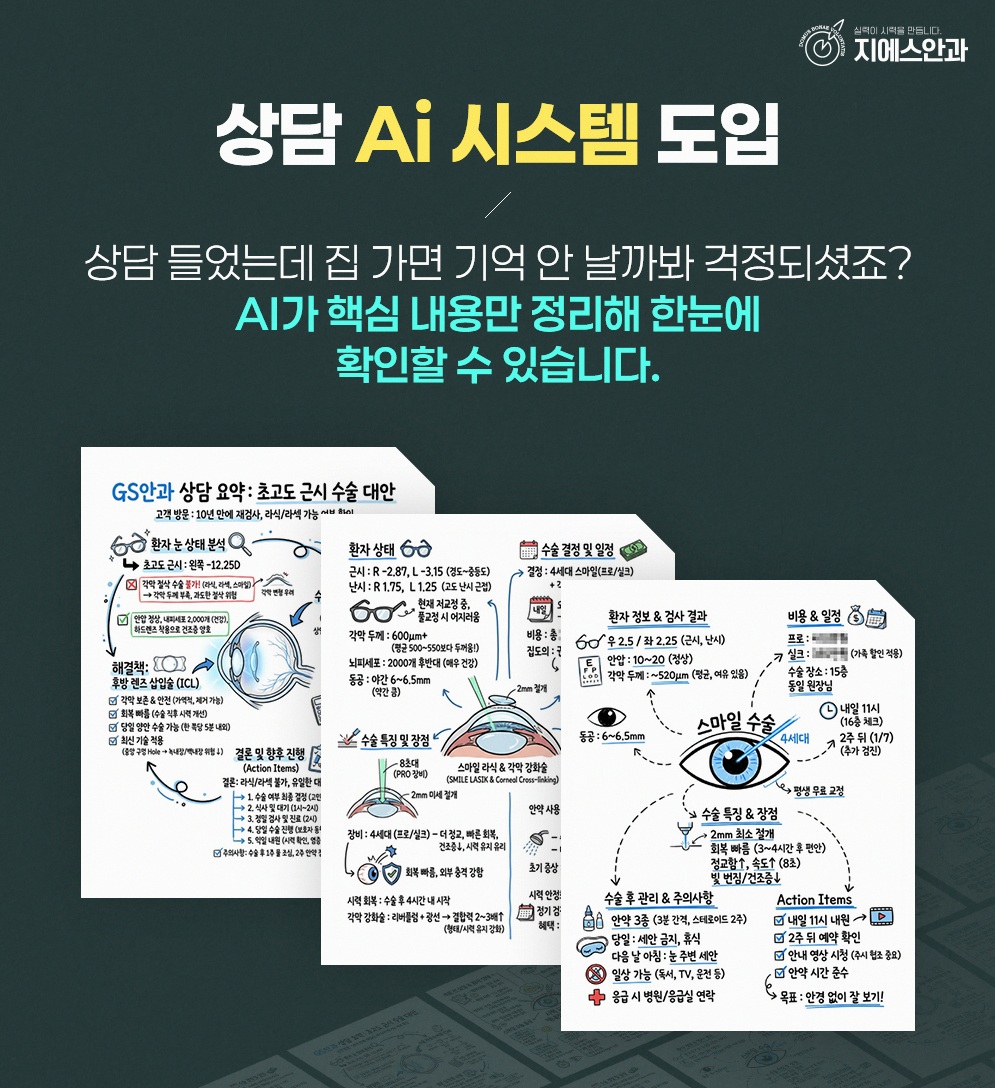
During an online consultation, you can ask about the types of SMILE-based procedures offered, approximate visit schedules, and how long you should stay in Korea. You can also discuss whether you might be a candidate based on your prescription and history, understanding that this is only preliminary.
Expected Korea visit timeline for SMILE LASIK near Gyodae Station
For many international patients, a typical schedule might look like this:
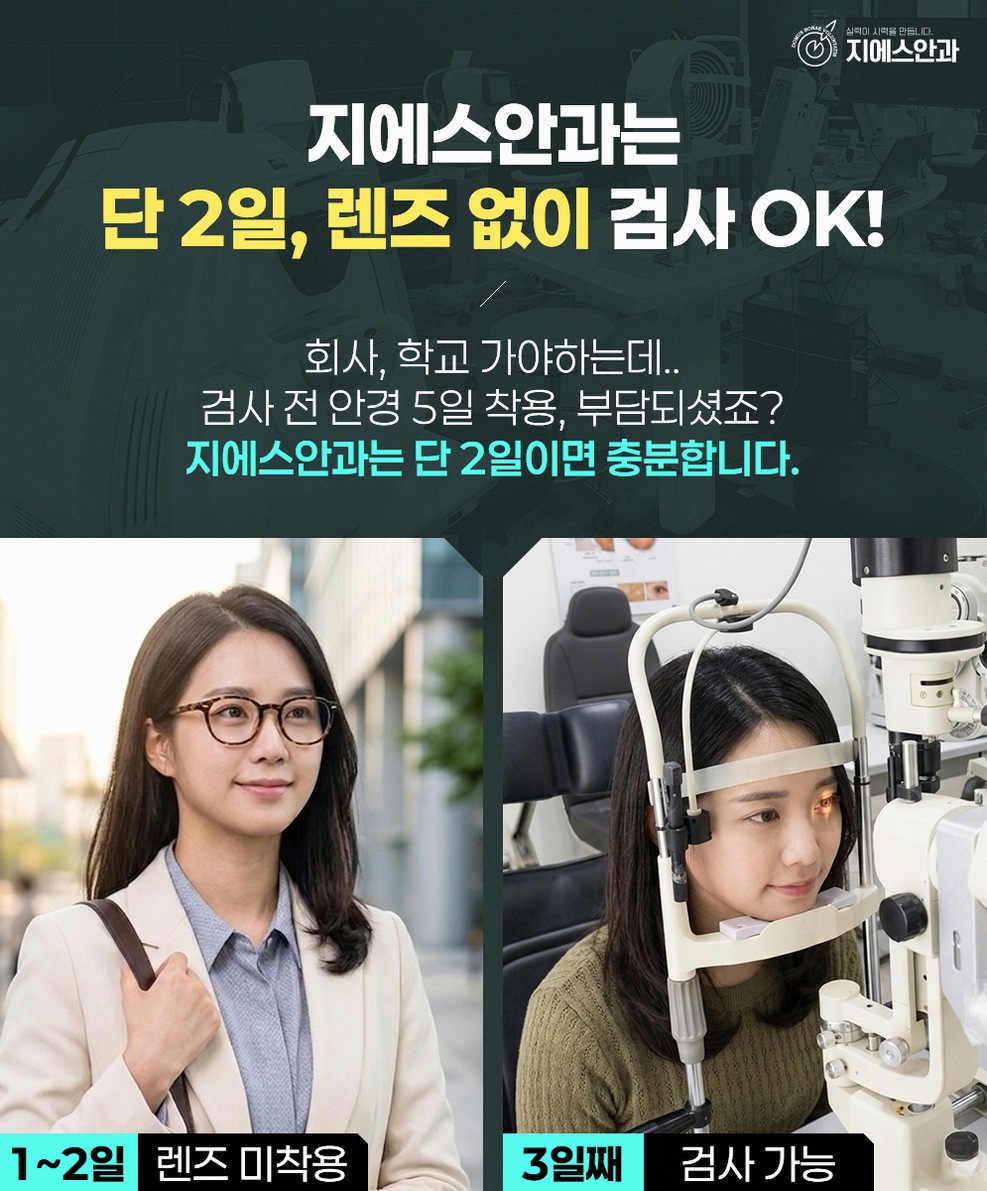
Day 1–2: Initial in-person consultation and full preoperative examination at the ophthalmology clinic near Gangnam and Gyodae Stations. If you wear soft contact lenses, you may need to stop them several days before this visit; for rigid lenses, the break period is longer.
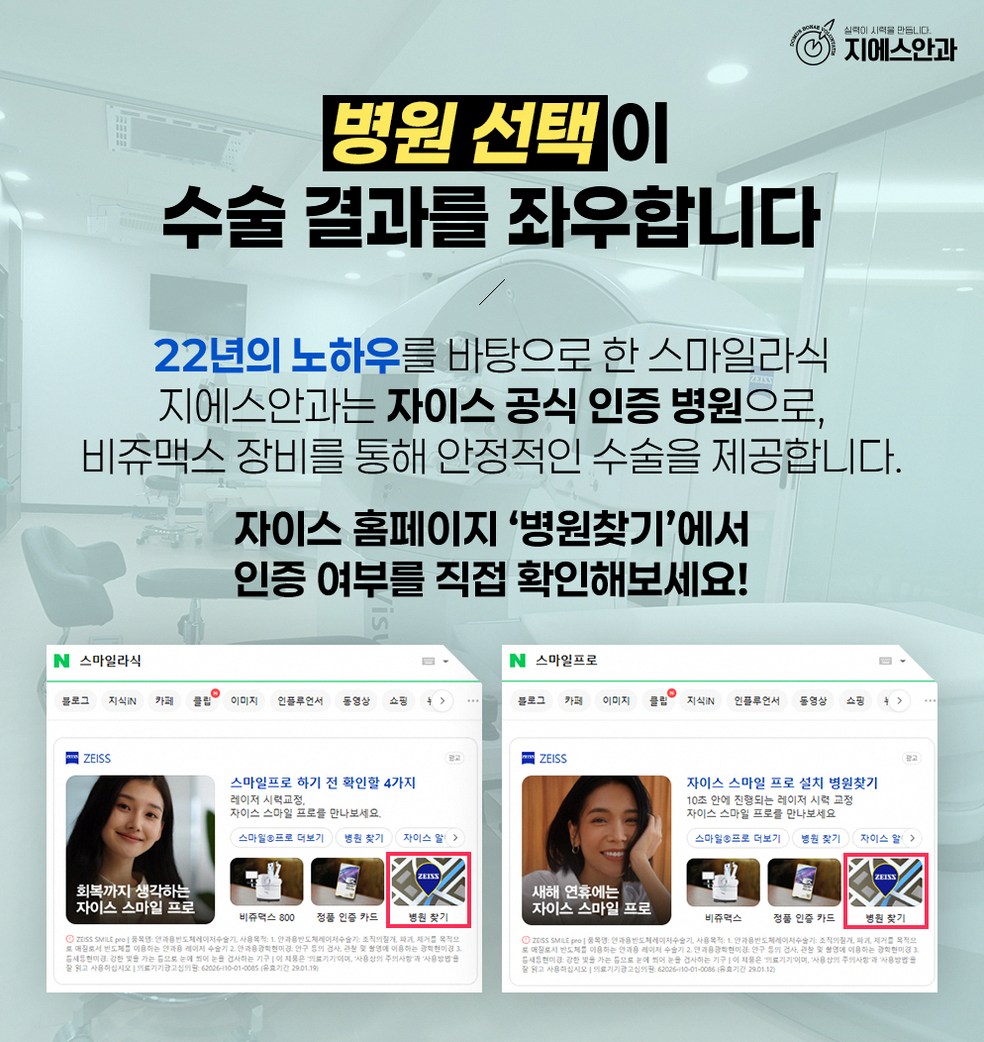
Day 3–4: Surgery day, if you are confirmed as a suitable candidate. Some clinics can combine the full exam and surgery within a shorter window, but this depends on your eye condition and the clinic’s policy.
Day 4–5: First post-operative check, usually the day after surgery.
Day 7–14: Additional follow-up visits, depending on your schedule and the surgeon’s recommendation.
After this, you can usually travel home, provided your early recovery is stable. You should then continue follow-up with an eye doctor in your own country and share your surgery records if possible.
Aftercare and long-term care
After SMILE LASIK, proper aftercare is crucial for a smooth recovery.
Use prescribed eye drops exactly as directed, including antibiotics, anti-inflammatory drops, and lubricating drops.
Avoid rubbing or pressing on your eyes, especially in the first weeks.
Wear protective shields at night if recommended, to avoid accidental rubbing while sleeping.
Limit heavy exercise, swimming, and sauna use for the period advised by your surgeon.
Use sunglasses outdoors to reduce light sensitivity and protect your eyes from dust and wind.
In the long term, schedule regular eye exams to monitor your vision, eye pressure, and retina. Even after successful SMILE LASIK, your eyes can change with age, and early detection of any new issues is important.
How to use reviews wisely when choosing a clinic near Gyodae Station
Online reviews are helpful, but they should be only one part of your decision. When reading “Gyodae Station Smart LASIK review” posts, pay attention to:
Whether the reviewer describes thorough examinations and clear explanations of risks and alternatives.
Whether the clinic seems to have a structured process for screening, surgery, and follow-up.
How the clinic handles patients who are not suitable for SMILE LASIK.
Before you decide, consider visiting at least one or two clinics for consultations. Prepare a checklist of questions, such as:
Which SMILE-based options do you offer, and why would you recommend one over another for my eyes?
What are the main risks in my specific case, considering my prescription and corneal thickness?
How many follow-up visits are recommended, and what happens if I have a problem after I return home?
This approach helps you move beyond star ratings and focus on the quality of medical decision-making and communication.
FAQ
Is Smart LASIK near Gyodae Station the same as SMILE LASIK?
In most cases, yes. Around Gyodae and Gangnam Stations, the term “Smart LASIK” in everyday language usually refers to SMILE-type procedures performed with the ZEISS VisuMax platform. Clinics may use different brand names, but medically these belong to the SMILE family of flapless, minimally invasive corneal laser surgeries.
How long do I need to stay in Korea for SMILE LASIK near Gyodae Station?
Many international patients plan to stay about one to two weeks. This allows time for a full preoperative exam, the procedure itself, and at least one or two early follow-up visits. The exact schedule depends on your eye condition and the clinic’s policy, so it is best to confirm during an online consultation.
Is SMILE LASIK painful?
During the procedure, numbing drops are used, so most patients feel pressure and see bright lights rather than sharp pain. After surgery, you may experience discomfort, tearing, and light sensitivity for several hours, which usually improves by the next day. Pain perception varies by individual, but many reviews describe the experience as uncomfortable rather than severely painful.
What if I am not a candidate for SMILE LASIK?
If your cornea is too thin, irregular, or your myopia is very high, the clinic may advise against SMILE LASIK. Alternatives such as LASEK or lens implantation can be considered, or you may be advised to delay surgery. A careful ophthalmology examination is essential to determine the safest option for your eyes.
Soft call to action for online consultation
If you are considering Smart or SMILE LASIK near Gyodae Station and want more than just brief online reviews, an online consultation with an ophthalmology clinic in the Gangnam area can be a practical next step. By sharing your prescription history and medical background in advance, you can receive personalized guidance on whether a visit to Seoul for SMILE LASIK is worthwhile for you.
Use reviews as a starting point, but base your final decision on a comprehensive eye examination, clear explanations from the surgeon, and your own comfort with the plan. For suitable candidates, SMILE LASIK near Gyodae Station can offer a convenient path toward life with less dependence on glasses or contact lenses, provided expectations are realistic and aftercare is taken seriously.
- 공유 링크 만들기
- X
- 이메일
- 기타 앱


댓글
댓글 쓰기