High astigmatism LASEK: 2DAY LASEK options in Gangnam, Seoul
- 공유 링크 만들기
- X
- 이메일
- 기타 앱


h astigmatism and thinner corneas, while focusing on pain control in the first 1–2 days and earlier functional vision. In Seoul’s Gangnam area, clinics such as GS Eye Center offer 2DAY LASEK as part of a full refractive surgery program, with detailed pre‑operative diagnostics and individualized planning for complex prescriptions.
This guide explains what high astigmatism is, how 2DAY LASEK works, who may consider it, how to prepare from overseas, what to expect during a visit to Korea, and how aftercare is usually managed.
Understanding high astigmatism and LASEK
High astigmatism in simple terms
Astigmatism means the front surface of the eye (the cornea) is not perfectly round. Instead of being shaped like a basketball, it is more like a rugby ball. Light entering the eye focuses at different points, which causes blurred or distorted vision.
When doctors say “high astigmatism,” they usually mean the cylinder value in your glasses or contact lens prescription is relatively large. Cylinder (often written as “CYL”) measures how strong the astigmatism is, and axis (a number from 0 to 180 degrees) describes the direction of this irregular curve. Higher cylinder values mean more distortion and more dependence on glasses or contact lenses.
What LASEK is
LASEK is a type of laser vision correction that reshapes the cornea without creating a deep flap. The very thin surface layer of the cornea (the epithelium) is gently loosened, the laser changes the corneal shape underneath, and then the surface is allowed to heal.
Because no flap is created, LASEK preserves more of the corneal structure than classic flap‑based LASIK. This can be helpful for people with thinner corneas, certain corneal shapes, or those who prefer a surface procedure for long‑term biomechanical safety.
What 2DAY LASEK means
2DAY LASEK is an advanced LASEK protocol that aims to reduce the most uncomfortable part of recovery and help patients return to daily life sooner. The main ideas are:
Pain and discomfort are typically managed in the first 24–48 hours with tailored medications and bandage lens care.
Some patients report faster recovery of functional vision compared with traditional LASEK, though individual experiences vary; discuss expected recovery with your surgeon.
For patients with high astigmatism, these upgrades can make a noticeable difference in how quickly they feel comfortable using their eyes for work, study, or travel after surgery.
Who may consider 2DAY LASEK for high astigmatism
Typical candidates
2DAY LASEK for high astigmatism may be considered if you:
Are an adult with a stable prescription for at least one to two years.
Have high astigmatism and possibly myopia (short‑sightedness) and want to reduce or remove dependence on glasses or contact lenses.
Have relatively thin corneas or corneal shapes where creating a flap (as in LASIK) is less suitable.
Prefer a surface procedure for corneal safety but wish to minimize downtime compared with classic LASEK.
Have an active lifestyle but can still protect your eyes from water, dust, and impact during early healing.
Conditions requiring caution or possible exclusion
Not everyone with high astigmatism is a good candidate. Careful screening is especially important because high astigmatism can be more challenging to correct. 2DAY LASEK may not be recommended, or may be delayed, if you have:
Suspicion of keratoconus or other corneal ectasia, where the cornea is weak and progressively bulges.
Very irregular corneal topography that suggests instability.
Severe dry eye that does not improve with treatment.
Uncontrolled systemic diseases such as poorly controlled diabetes or autoimmune conditions.
Pregnancy or breastfeeding, because hormones can affect vision stability and healing.
Unrealistic expectations, such as expecting perfect vision in all conditions or guaranteed freedom from glasses.

With high astigmatism, there is a higher risk of under‑ or over‑correction, or visual quality issues such as glare, halos, and night vision difficulty if the procedure is not carefully planned and executed. This is why detailed pre‑operative diagnostics and a conservative safety approach are important.
Pre‑operative examination and planning for high astigmatism
Why a detailed eye examination matters
Before deciding on 2DAY LASEK, a comprehensive eye examination is essential, particularly for high astigmatism. A typical assessment includes:
Detailed refraction, often including cycloplegic refraction (using drops to relax the focusing muscles) to confirm the true degree of astigmatism and check stability.
Corneal topography and tomography to map the shape and curvature of the cornea and to evaluate thickness distribution. This helps rule out early keratoconus or other structural problems.
Wavefront or higher‑order aberration analysis to measure more subtle optical imperfections that can affect contrast, night vision, and visual quality. This is especially important when correcting high astigmatism.
Pupil size measurement in different lighting conditions, as large pupils may be more prone to glare and halos if not considered in planning.
Tear film and dry eye evaluation, because a healthy surface helps both comfort and visual clarity.
Retinal and optic nerve examination to check for unrelated eye diseases that might limit your final vision.
Customized planning for high astigmatism
In high astigmatism, the laser ablation pattern must be carefully customized:
The magnitude (strength) of the cylinder and its axis must be accurately measured and confirmed.
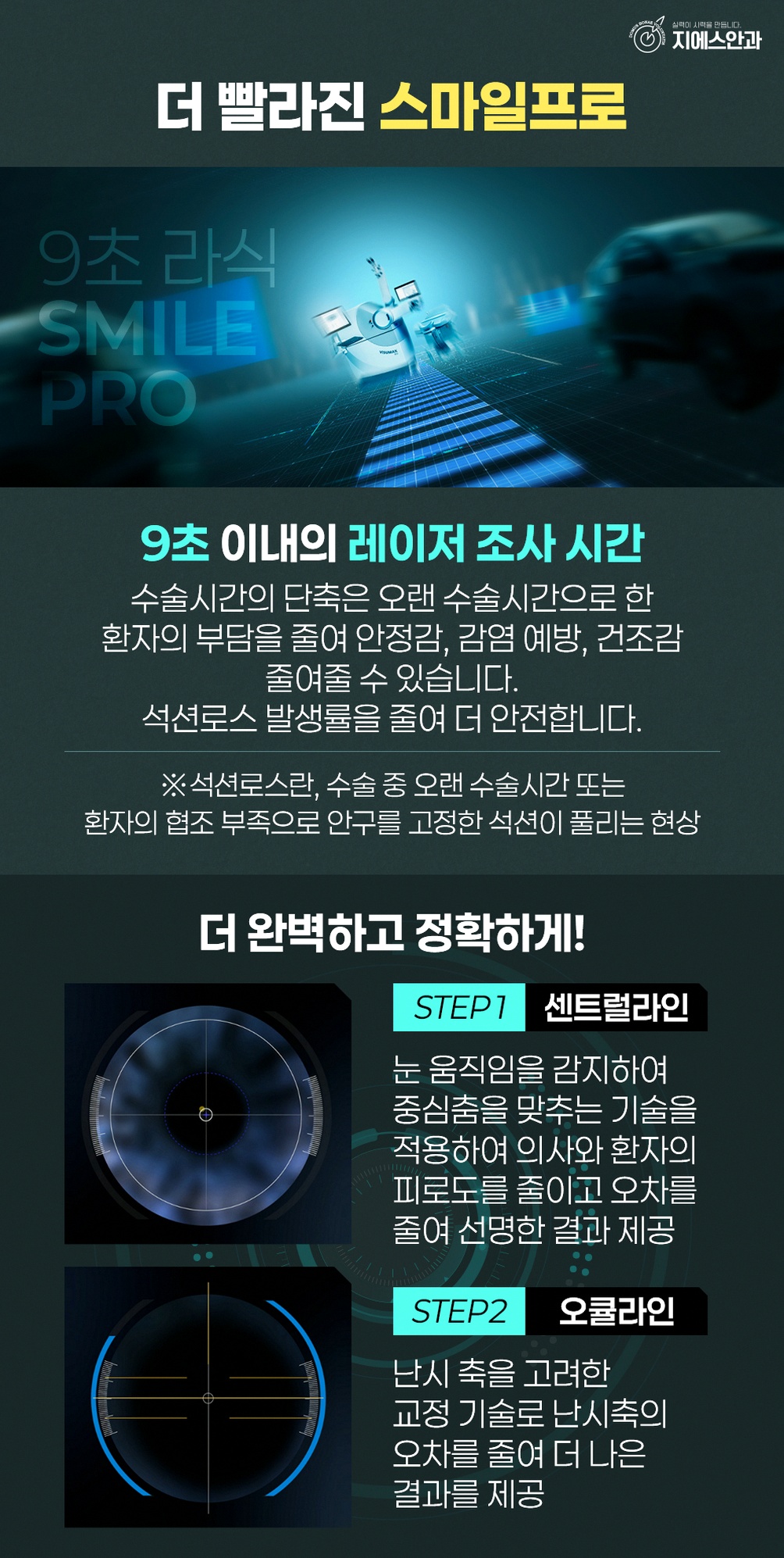
The laser system needs precise alignment and tracking to ensure the astigmatism correction is applied in the correct orientation, even if the eye rotates slightly when you lie down (cyclotorsion control).
The ablation profile can be customized to reduce irregular astigmatism and higher‑order aberrations, aiming for smoother optical quality.
Clinics experienced in complex refractive cases, such as GS Eye Center near Gangnam Station, typically use modern diagnostic equipment and decide on surgery indications conservatively. This includes respecting safety margins for residual corneal thickness, considering corneal biomechanics, and focusing on long‑term stability rather than pushing the limits of correction.
How 2DAY LASEK for high astigmatism is performed
Step‑by‑step overview
For international patients, it is helpful to know what happens on the day of surgery. While details can vary slightly by clinic, the general steps are:
- Preparation and anesthesia
- You arrive at the ophthalmology clinic, sign consent forms, and have final checks. Anesthetic eye drops are applied to numb the surface of your eyes. General anesthesia is not used; you remain awake but should not feel sharp pain.
- Epithelial loosening
- The surgeon gently loosens the very thin surface layer of the cornea (the epithelium) using a special solution or instrument. This layer is moved aside or prepared for removal, depending on the protocol. No corneal flap is created, which is a key difference from LASIK.
- Laser reshaping
- An excimer laser is then applied to the cornea. The laser reshapes the corneal surface to correct both myopia and high astigmatism according to the pre‑planned profile.
For high astigmatism, special attention is given to:
Accurate axis alignment is important so the cylinder correction matches the direction of your astigmatism.
Measures to address eye rotation (cyclotorsion) are often considered when planning correction for high astigmatism; confirm the exact capabilities and techniques used with your clinic.
Customized ablation profiles may be used to smooth irregularities and support visual quality; ask your surgeon whether these options are part of your planned treatment.
- Protection and bandage lens
- After the laser treatment, the epithelium is repositioned or allowed to regenerate, depending on the specific 2DAY LASEK protocol. A soft bandage contact lens is placed on the eye to protect the surface while it heals and to reduce discomfort.
What makes 2DAY LASEK different from classic LASEK
2DAY LASEK is not a completely different surgery, but an upgraded way of performing and managing LASEK with a focus on early recovery:
Protocols and medications are designed to reduce pain, tearing, and light sensitivity in the first 24–48 hours.
Bandage lens selection and eye drop schedules are optimized to support faster epithelial healing.
The aim is for earlier functional vision, so many patients can resume basic activities such as walking around, using a phone, or returning to light desk work sooner than with traditional LASEK, while still following medical advice.
Recovery timeline and what patients usually feel
First 1–3 days after 2DAY LASEK
The early period is when discomfort is most noticeable. You may experience:
Tearing and a watery eye.
Foreign‑body sensation, as if something is in the eye.
Light sensitivity, especially to bright indoor lights or sunlight.
Blurred or hazy vision.
With 2DAY LASEK, the goal is to shorten the peak discomfort period to around two days, but experiences differ between individuals. Pain control strategies and careful bandage lens management are important.
First week
During the first week:
The corneal epithelium continues to heal and smooth out.
The bandage contact lens is usually removed after several days, once the surface has sufficiently healed.
Vision improves, but can still be blurry or fluctuate, especially in high astigmatism cases where the cornea has undergone more complex reshaping.
You will typically use antibiotic and anti‑inflammatory eye drops, as well as lubricating drops, according to your doctor’s instructions.
1–3 months
Over the next one to three months:
Vision gradually stabilizes.
Fine details, contrast, and night vision usually improve over time.
For high astigmatism, it can take a bit longer to feel that vision is “crisp,” because the brain and eyes are adapting to a new way of focusing.
Follow‑up visits allow your surgeon to monitor healing, check for haze or regression, and adjust your drop schedule.
6–12 months
The final stabilization period is usually within six to twelve months:
Minor residual astigmatism or visual phenomena such as halos and glare may continue to improve.
Most patients reach their long‑term visual outcome during this time.
If a small amount of residual cylinder remains and is bothersome, options such as glasses with much lower power or, in selected cases, enhancement procedures may be discussed after the cornea is fully stable.
Expected results and limitations in high astigmatism
Realistic expectations
For many people with high astigmatism, 2DAY LASEK can:
Significantly reduce cylinder power.
Improve uncorrected vision to a level that allows daily activities without constant glasses or contact lenses.
However, extremely high astigmatism may have a higher chance of some residual cylinder. In these cases:
You might still need glasses for certain tasks, but with much lower power than before.
In selected situations, and if the cornea allows, an enhancement procedure may be considered after healing and stability are confirmed.
Visual quality considerations
When correcting high astigmatism, visual quality is as important as visual sharpness. Possible issues include:
Glare and halos around lights, especially at night or in the early postoperative period.
Night vision difficulties, such as increased sensitivity to headlights.
To minimize these, surgeons consider pupil size, use customized ablation profiles, and follow conservative planning. Even with careful planning, some visual phenomena can occur and usually improve over time.
Comparison with other options
2DAY LASEK is one of several options for high astigmatism:
LASIK may be suitable if corneal thickness and shape allow a safe flap, and if your lifestyle is compatible with flap‑based surgery.
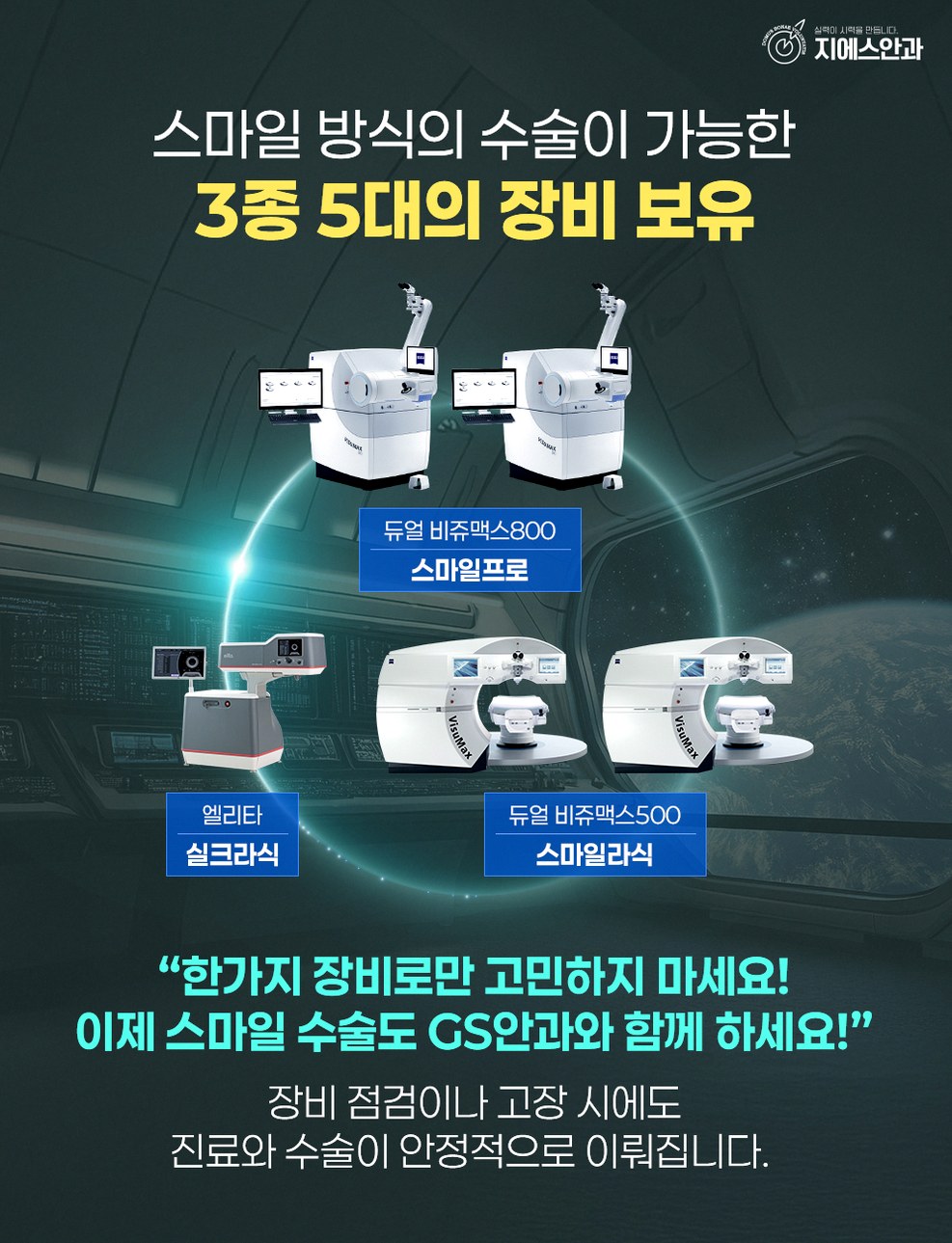
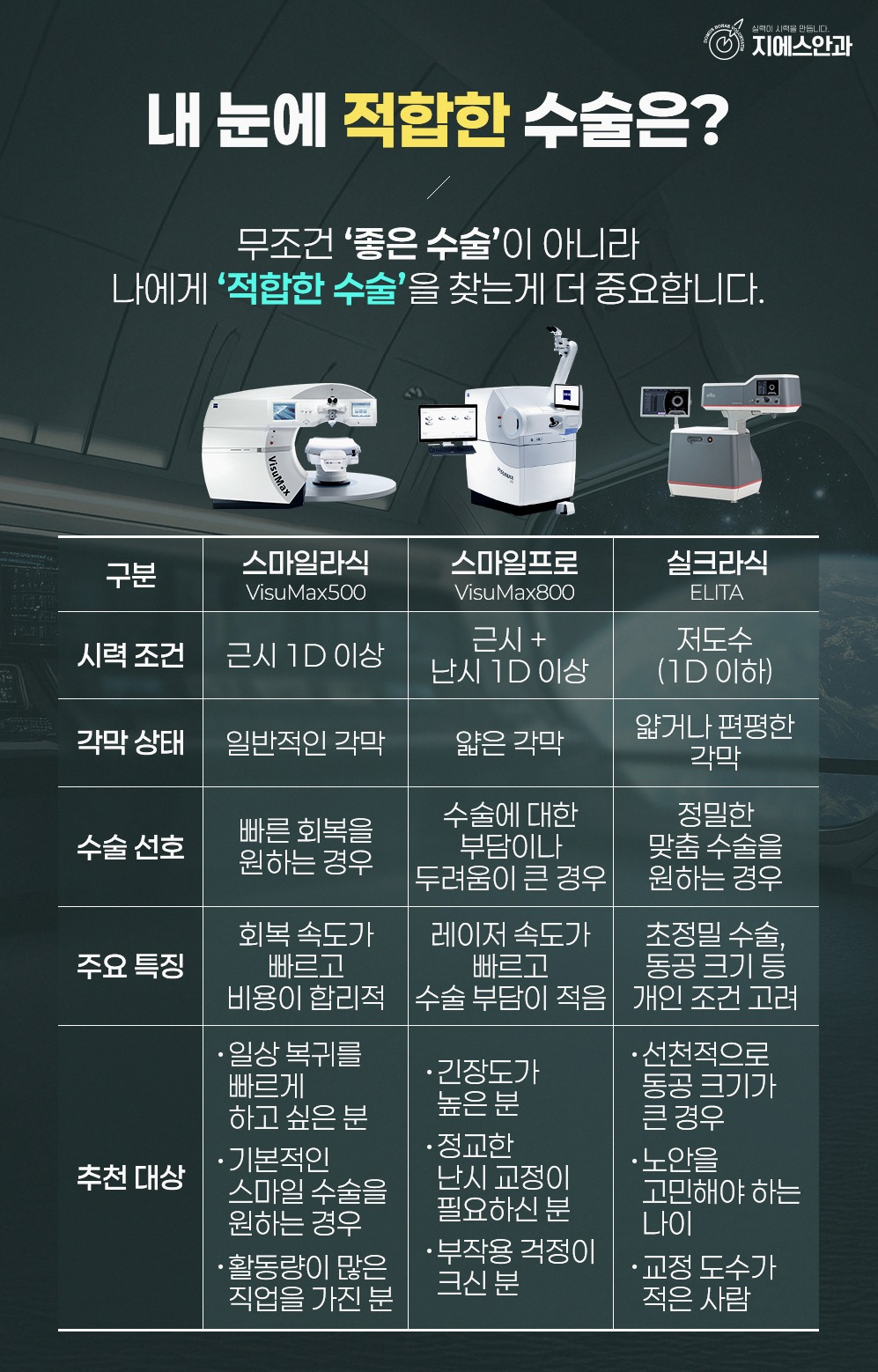
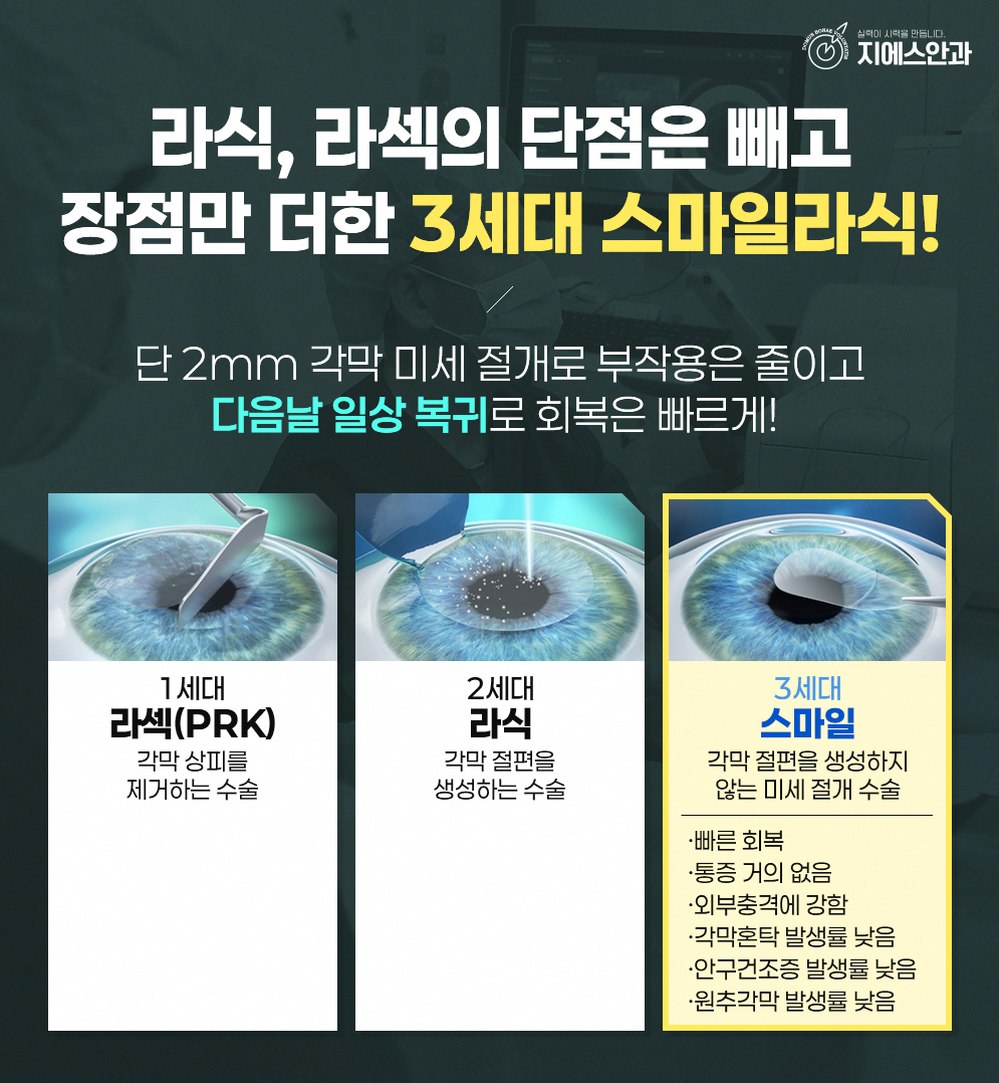
SMILE and newer variants like SILK or SMILE pro can be considered in some astigmatism patterns, but not all types and degrees of high astigmatism are ideal for these procedures.
Phakic lens implantation (such as ICL) may be an alternative for very high myopia or astigmatism, or when corneal laser is not advisable due to thin or irregular corneas.
The best choice is individualized after full examination and discussion of your goals, occupation, and lifestyle.
Safety, risks, and long‑term care
General risks of LASEK and surface ablation
All surgical procedures involve some risk. For LASEK, including 2DAY LASEK, potential risks include:
Infection or inflammation, which usually respond to prompt treatment.
Delayed epithelial healing, which may require longer use of bandage lenses and drops.
Corneal haze, especially in higher corrections, which is monitored and managed with medications and UV protection.
Regression, where some of the correction partially fades over time.
Dry eye symptoms, which are often temporary but may require ongoing lubrication.
High astigmatism‑specific concerns
In high astigmatism, additional concerns are:
Under‑correction or over‑correction of cylinder if measurements are not precise.
Axis misalignment if the laser is not correctly aligned with the astigmatism direction or if cyclotorsion is not properly controlled.
The need for long‑term monitoring of corneal stability, especially if the pre‑operative corneal shape was borderline.
Long‑term care tips
To support safe healing and long‑term results:
Use prescribed eye drops exactly as directed, without stopping early.
Wear UV‑blocking sunglasses outdoors to reduce the risk of corneal haze.
Avoid eye rubbing, especially in the first few months, to protect the healing surface.
Follow activity restrictions advised by your doctor, such as avoiding swimming pools, saunas, and contact sports for the recommended period.
Attend regular check‑ups, including at your local eye doctor after you return home, to monitor corneal clarity and refraction.
What differentiates this clinic for high astigmatism cases
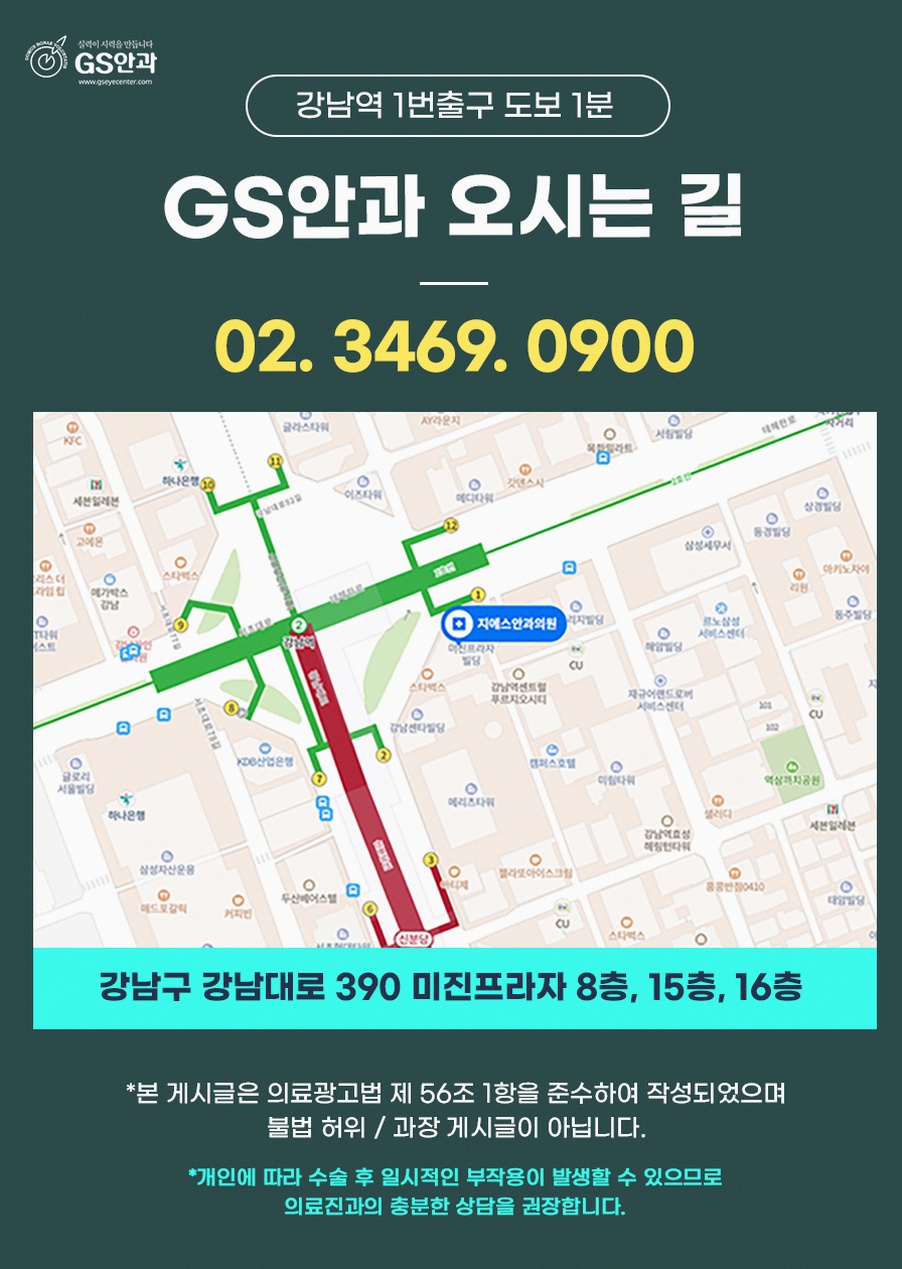
In the Gangnam‑daero, Gangnam‑gu, Seoul area near Gangnam Station, some ophthalmology clinics focus strongly on modern laser vision correction and lens implantation. GS Eye Center is an example of a clinic that has been operating in the same location since 2005, with an experienced team of ophthalmology specialists who have university hospital and teaching backgrounds.
Such clinics often:
Have large cumulative experience in refractive surgery and cataract surgery.
Use modern diagnostic and laser platforms, and may serve as clinical education centers for medical schools and industry partners.
Apply structured pre‑operative counseling and conservative indication criteria, prioritizing safety and long‑term stability, which is particularly important in high astigmatism.
For international patients, this combination of experience, technology, and systematic protocols can be reassuring when considering 2DAY LASEK.
Online consultation and pre‑visit preparation for overseas patients
How to start from abroad
If you are living outside Korea and considering 2DAY LASEK in Seoul, you can usually begin with an online or remote consultation. To make this efficient:
Prepare your recent glasses or contact lens prescription, including sphere, cylinder, and axis for each eye.
Collect any previous eye examination reports, especially corneal topography, pachymetry (corneal thickness), or retina checks if you have them.
Note any history of eye disease, eye injuries, or previous eye surgeries.
List systemic medical conditions and medications, including allergies.
Think about your goals: for example, whether you want to be free from glasses for daily life, or whether you are comfortable using light glasses for night driving if needed.
Questions you may want to ask during online consultation
Before you travel, it is helpful to clarify:
Whether your reported prescription and eye history sound suitable in principle for 2DAY LASEK, or whether other options might be more appropriate.
How many days you should plan to stay in Seoul for pre‑operative testing, surgery, and early follow‑up.
How the clinic coordinates care with your local eye doctor after you return home.
What to expect in terms of activity restrictions during your stay (for example, sightseeing, work, or sports).
Expected Korea visit timeline for 2DAY LASEK
A typical schedule for overseas patients may look like this, although it can be adjusted:
Day 1: Comprehensive examination
You visit the clinic for full diagnostics, which may take several hours. Tests usually include refraction, corneal topography and tomography, pachymetry, wavefront analysis, pupil measurement, tear film evaluation, and retinal examination. After the tests, you meet the doctor to discuss whether 2DAY LASEK is suitable and to review the plan.
Day 2: Surgery day
If you and the surgeon agree to proceed and your eyes are suitable, surgery may be scheduled for the next day (or sometimes the same day, depending on clinic policy and your travel schedule). The in‑room procedure time is typically brief, but total appointment time including preparation and post‑operative checks can take several hours; confirm exact timing with your clinic.
Day 3–4: Early follow‑up
You return for early follow‑up visits to check the healing surface, bandage lenses, and intraocular pressure, and to adjust medications if needed. This is also when the peak discomfort period is expected, so being close to the clinic is helpful.
Day 5–7: Bandage lens removal and final local check
The bandage contact lenses are usually removed within the first week, once the epithelium has healed sufficiently. The doctor will confirm your condition and give guidance for the next weeks and months. Many international patients can travel home after this visit, provided there are no complications and your doctor agrees.
After you return home, you should continue follow‑up with a local eye doctor according to the schedule recommended by your surgeon.

Aftercare and long‑term follow‑up
Early aftercare
After 2DAY LASEK, you will typically:
Use antibiotic drops for a limited period to prevent infection.
Use anti‑inflammatory drops to control inflammation and reduce the risk of haze.
Use lubricating drops frequently to keep the surface comfortable.
Avoid rubbing your eyes and avoid getting tap water or soap directly into your eyes.
Wear sunglasses outdoors and sometimes indoors if light sensitivity is strong.
Long‑term care
In the months after surgery:
Continue using lubricating drops if dryness persists.
Follow any tapering schedule for anti‑inflammatory drops exactly as prescribed.
Avoid UV‑intense environments without eye protection.
Maintain regular eye examinations, even if your vision feels good, to monitor corneal clarity and refraction.
Frequently asked questions about 2DAY LASEK for high astigmatism
Is 2DAY LASEK safe for very high astigmatism, and up to what cylinder can it correct
Safety depends on your corneal thickness, shape, overall eye health, and the exact degree and pattern of your astigmatism. There is no single universal limit that applies to everyone. In some patients, high cylinder values can be treated safely with 2DAY LASEK, while in others, the same numbers may be too aggressive for the cornea. A full examination is necessary to decide whether 2DAY LASEK, another laser procedure, or lens implantation is more appropriate in your case.
How is 2DAY LASEK different from regular LASEK in terms of pain and recovery
2DAY LASEK is designed to make the early recovery period shorter and more manageable. The surgical technique, bandage lens selection, and medication protocol focus on reducing pain, tearing, and light sensitivity during the first one to two days. Many patients can return to basic daily activities sooner than with classic LASEK, although individual experiences vary. Long‑term visual outcomes depend more on proper planning and execution than on the name of the protocol.
If I have thin corneas and high astigmatism, is 2DAY LASEK better than LASIK or SMILE
For thin corneas, surface procedures like LASEK are often preferred because they preserve more structural tissue than flap‑based LASIK. 2DAY LASEK keeps this advantage while aiming to improve comfort and speed of recovery. Whether it is better than SMILE or other options depends on your exact corneal thickness, shape, and astigmatism pattern. In some cases, SMILE or lens implantation may still be recommended; this decision should be made after detailed diagnostics and discussion with your surgeon.
How long does it take for vision to fully stabilize after 2DAY LASEK for high astigmatism
Functional vision often improves within the first one to two weeks, but for high astigmatism, it may take several months for vision to feel fully stable and crisp. Most patients notice ongoing refinement in clarity, contrast, and night vision over three to six months, with final stabilization usually within six to twelve months. During this time, regular follow‑up helps ensure that healing is on track.
What are the chances I will still need glasses after surgery
Many patients with high astigmatism can significantly reduce their dependence on glasses after 2DAY LASEK. However, the chance of needing some glasses correction, especially for night driving or very fine detail work, is higher in very high prescriptions. Your surgeon can give you a more personalized estimate based on your pre‑operative numbers and corneal measurements, but no procedure can guarantee complete freedom from glasses in all situations.
Can high astigmatism come back after 2DAY LASEK
Once the cornea has been reshaped and stabilized, the corrected astigmatism usually remains stable. However, some degree of regression can occur, particularly in higher corrections, meaning a small amount of cylinder may return. Age‑related changes in the eye or other eye conditions can also affect your prescription over time. Regular eye examinations are important to monitor these changes.
What should I avoid during recovery to protect my eyes
In the early weeks after 2DAY LASEK, you should avoid eye rubbing, swimming pools, hot tubs, and saunas, as well as dusty or smoky environments. Heavy exercise, contact sports, and activities with a risk of eye impact should be postponed according to your doctor’s advice. You should also avoid using eye makeup until your surgeon confirms it is safe, and protect your eyes from strong sunlight with UV‑blocking sunglasses.
Soft call to action for online consultation
If you are considering 2DAY LASEK for high astigmatism and are planning a visit to Seoul, an online consultation can help you understand whether you might be a suitable candidate and how to organize your trip. By sharing your prescription, eye history, and goals in advance, the medical team at GS Eye Center can outline possible options and a tentative schedule, so you can make informed decisions before you travel.
This article is for general information only and does not replace a personal consultation, examination, or diagnosis by a qualified ophthalmologist. Individual suitability and outcomes vary, and all decisions about surgery should be made after detailed discussion with your eye doctor.
- 공유 링크 만들기
- X
- 이메일
- 기타 앱


댓글
댓글 쓰기