Key questions for internationals about SMILE LASIK
- 공유 링크 만들기
- X
- 이메일
- 기타 앱

Direct answer summary
If you are considering vision correction near Sinsa Station, SMILE LASIK is a common option. Clinics along Gangnam-daero between Sinsa and Gangnam stations often specialize in SMILE procedures and treat both local and international patients. When comparing providers, ask which laser platform they use, how much experience the surgical team has with SMILE, and what preoperative screening they perform to confirm candidacy—factors that matter more than distance or price alone.
This guide explains what SMILE LASIK is, who may be suitable, what to expect when you visit Korea for treatment, and how a clinic such as GS Eye Center in Gangnam organizes its systems for safety and follow-up.
Overview of SMILE LASIK near Sinsa Station
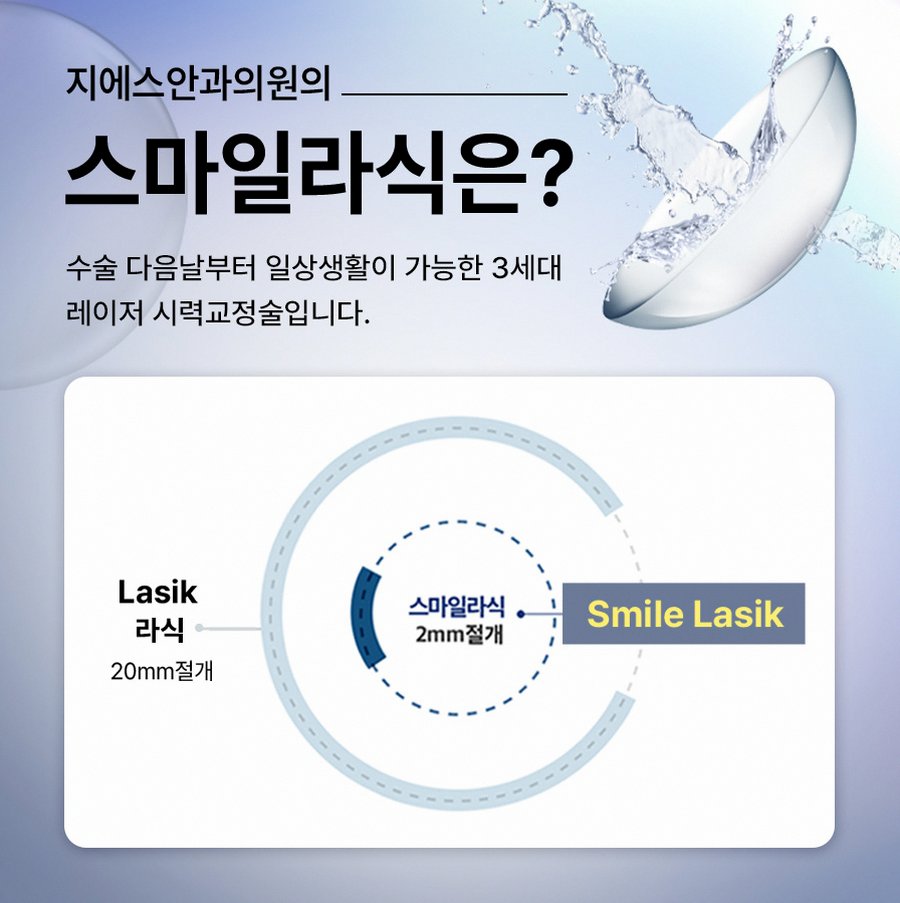
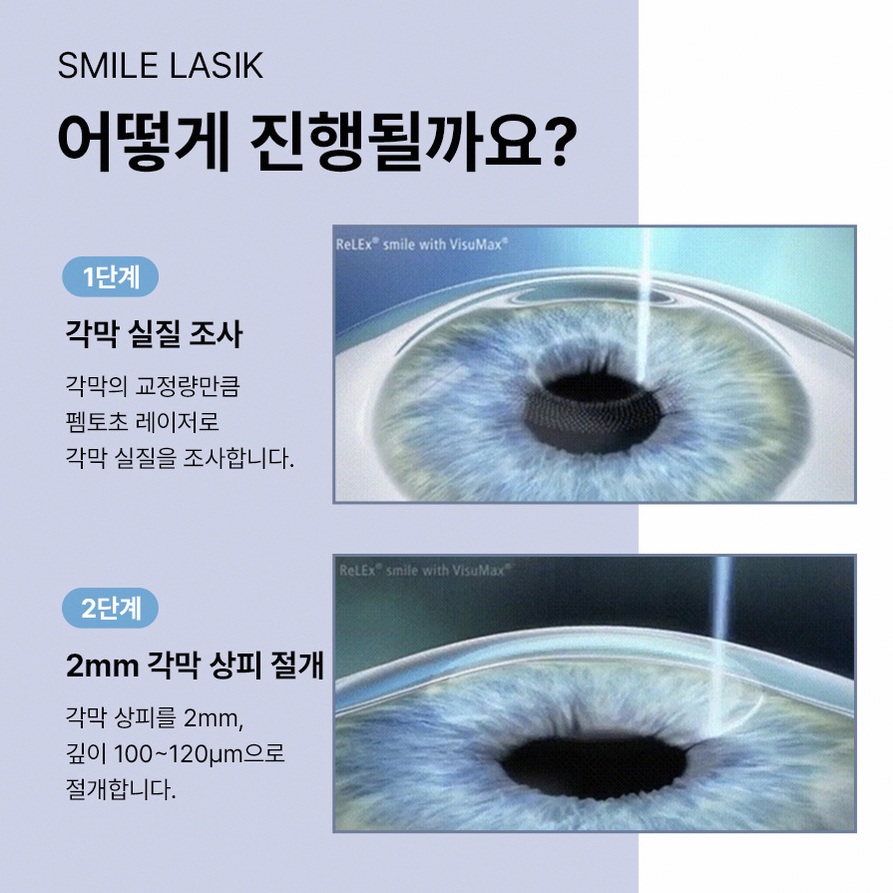
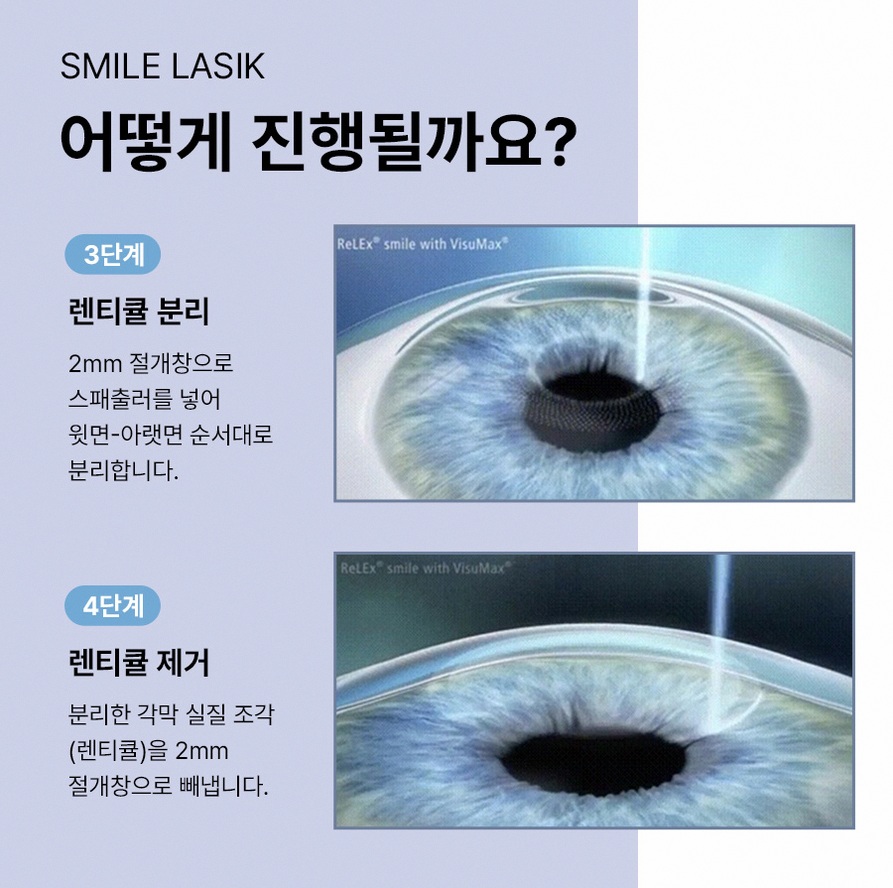
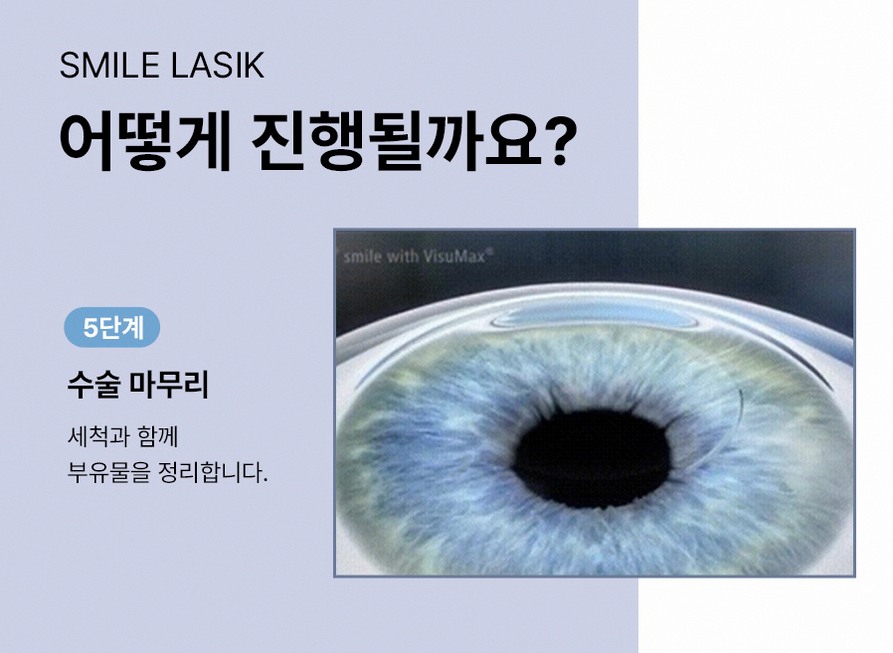
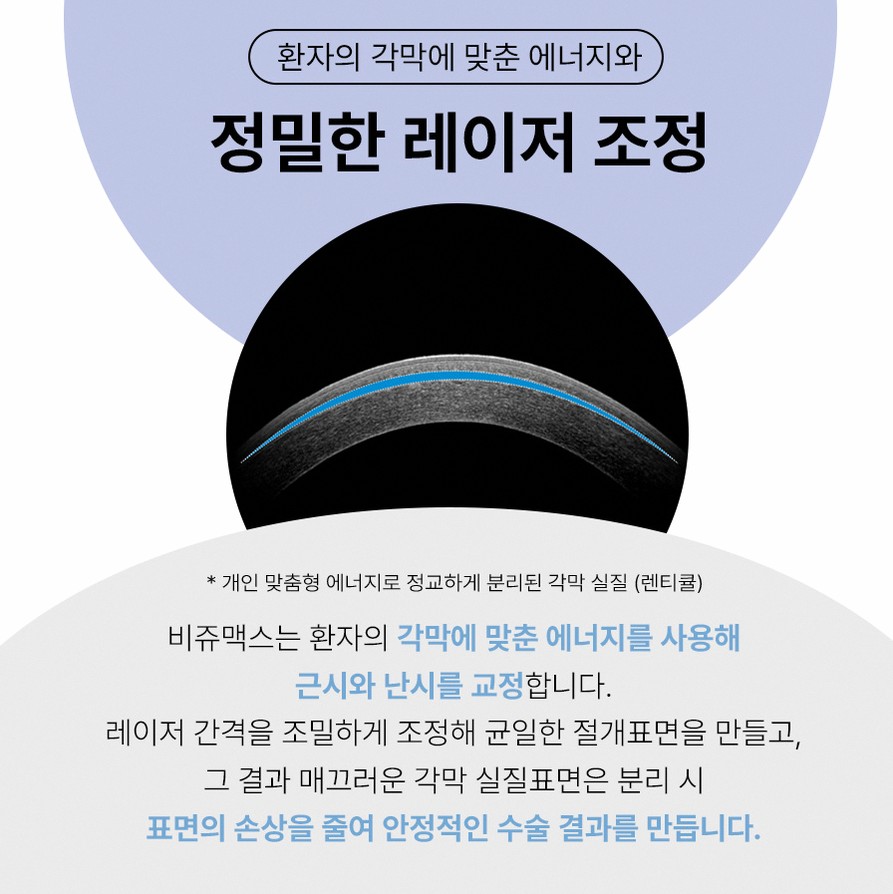
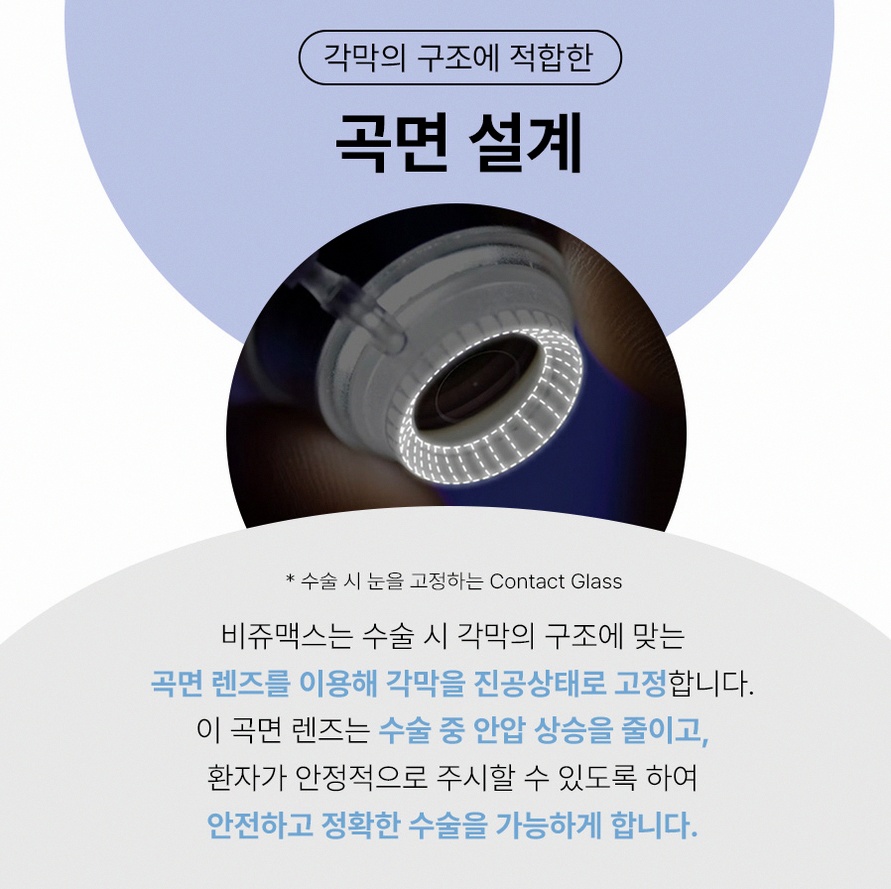
SMILE LASIK is a minimally invasive laser vision correction procedure that reshapes the clear front surface of the eye using a femtosecond laser. The laser creates a small, lens-shaped piece of tissue inside the cornea and removes it through a tiny incision. Because there is no large flap, the surface structure is kept more intact compared with conventional LASIK.
For people living, working, or staying near Sinsa Station and Gangnam Station, SMILE LASIK is often chosen because it may offer a balance of quick functional recovery and a relatively gentle approach to the eye surface. Clinics in this area commonly see office workers, students, and international visitors who want to reduce dependence on glasses or contact lenses while maintaining busy schedules.
How SMILE LASIK differs from LASIK and LASEK
In conventional LASIK, a flap is created on the cornea, lifted, and the underlying tissue is reshaped with an excimer laser. The flap is then repositioned. In LASEK, the surface layer is loosened, the tissue underneath is reshaped, and the surface layer is placed back; early recovery can be slower and discomfort may be more noticeable.
SMILE LASIK uses only a femtosecond laser. It creates a small internal lenticule and removes it through a very small opening, without creating a broad flap. This smaller incision may help preserve more of the corneal nerves, which can reduce the risk of dry eye symptoms for some people and may support faster stabilization of the corneal structure.
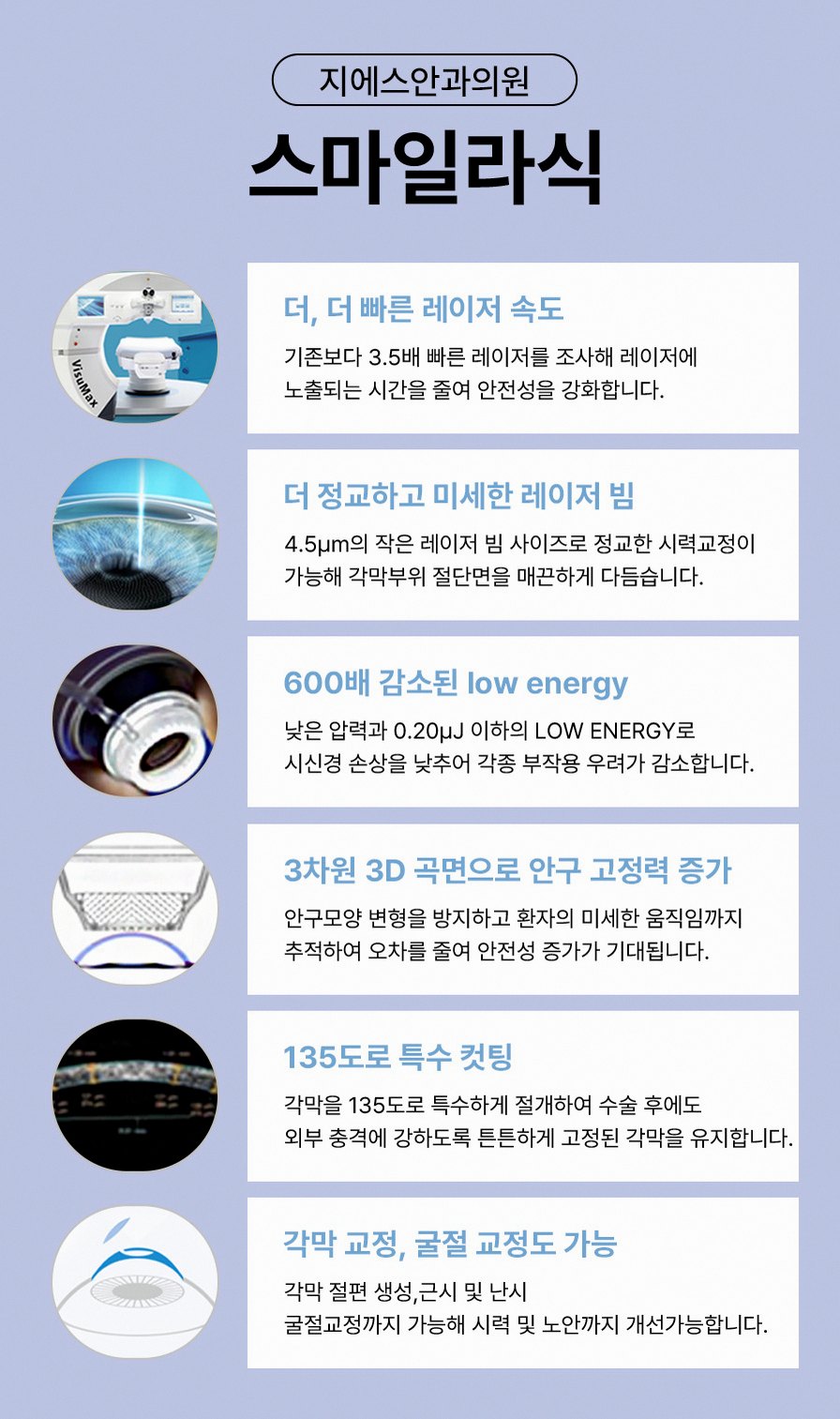
Newer versions such as SMILE pro and SILK use updated laser platforms and algorithms. They are designed to shorten laser time and refine the cutting pattern, which can make the procedure feel quicker and more comfortable for many patients.
Who may consider SMILE LASIK
SMILE LASIK is usually considered by adults who want to reduce or remove their dependence on glasses or contact lenses and who have a stable prescription. It is commonly chosen by people with myopia and astigmatism who prefer a minimally invasive procedure and who may have active lifestyles, such as regular sports or outdoor activities, where the absence of a large flap can be reassuring.
Typical general criteria include having a stable prescription over time, adequate corneal thickness, and a regular corneal shape. The eye surface should be reasonably healthy, and there should be no uncontrolled dry eye, keratoconus, or other structural problems. The retina and optic nerve should also be in a condition that allows safe vision correction.
However, these points are only general guidance. Actual suitability can only be confirmed after a detailed eye examination. Some people who expect to be good candidates for SMILE LASIK may turn out to be better suited for other procedures, such as LASEK or lens implantation, once all measurements are reviewed.
Why the preoperative examination matters most
For any vision correction surgery, the preoperative examination is the most important step. A thorough workup does more than just confirm your prescription. It is designed to detect risk factors that might make surgery unsafe or reduce the chance of a stable result.
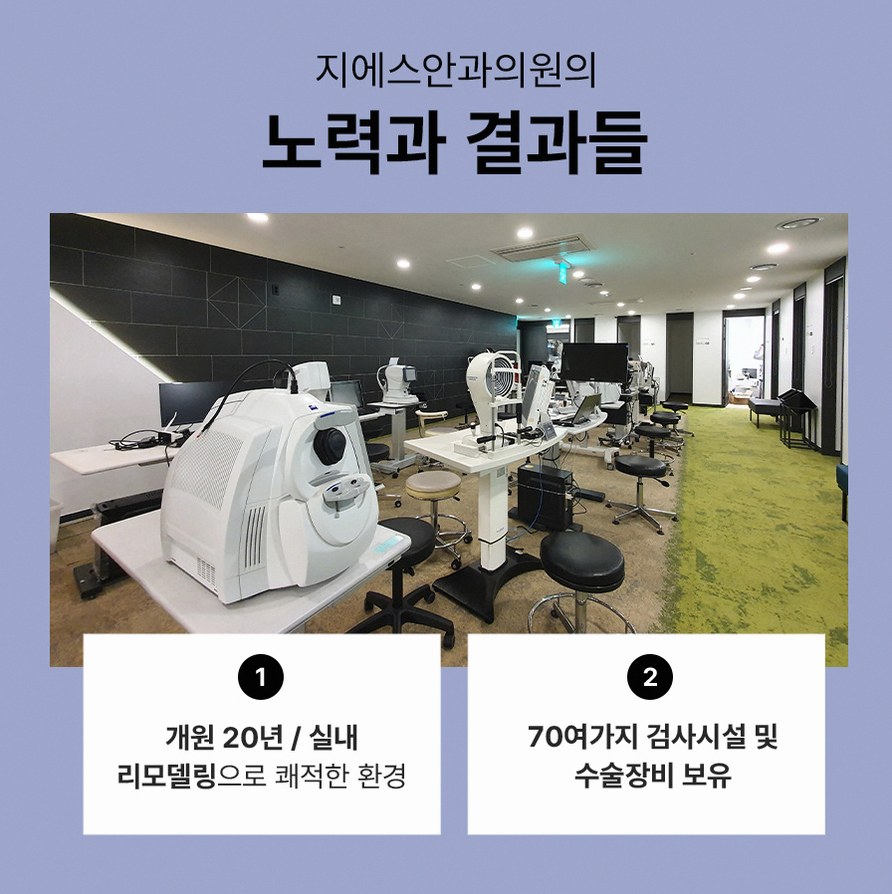
A typical preoperative assessment at a specialized ophthalmology clinic in Gangnam includes measurement of corneal thickness, curvature, and detailed shape mapping. This helps identify irregularities or early signs of conditions like keratoconus that may not be visible in a simple check.
The examination also evaluates pupil size, the quality and stability of the tear film, and the presence of dry eye. Since SMILE LASIK and other laser procedures can temporarily affect the eye surface, understanding the baseline tear condition is important for planning treatment and aftercare.
For people with higher degrees of myopia, careful examination of the retina and optic nerve is essential. This can detect thinning, weak spots, or small retinal tears that may need attention before or after surgery. Clinics that include retina subspecialists can provide a more detailed evaluation and management plan if any issues are found.
If the examination shows that surgery may be unsafe or that the long-term stability of the cornea could be at risk, a responsible clinic will clearly explain this and may recommend against surgery. In some cases, non-surgical options or alternative procedures may be suggested instead.
Equipment system around Sinsa and Gangnam
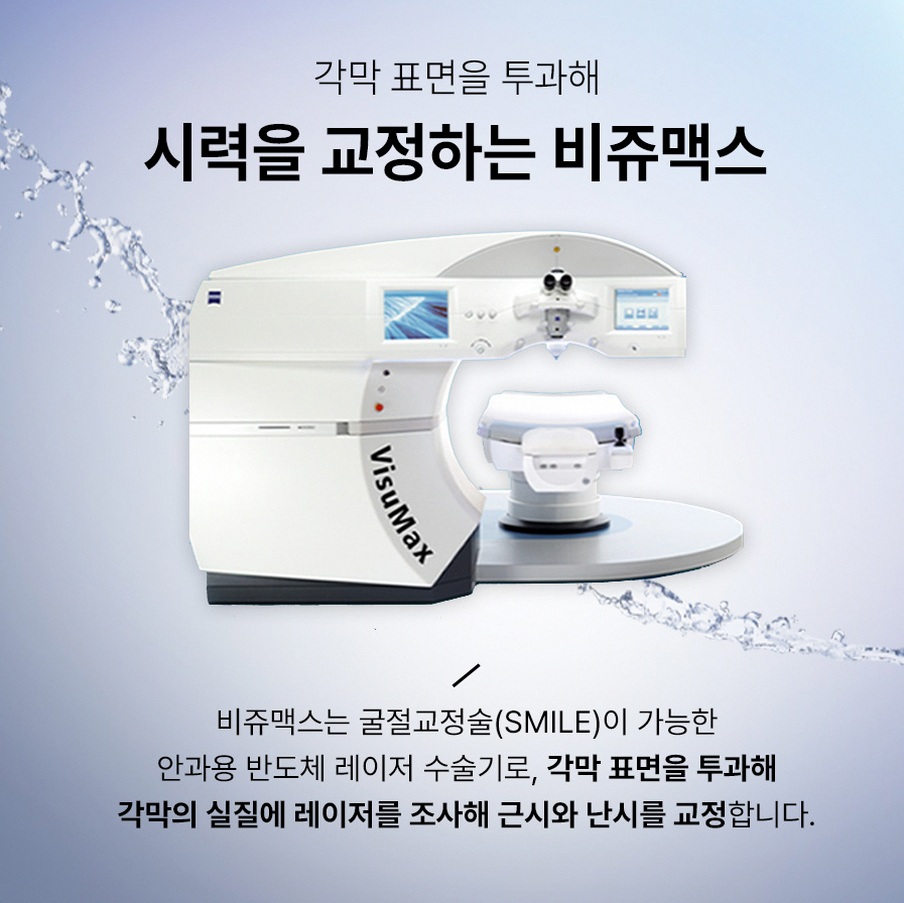
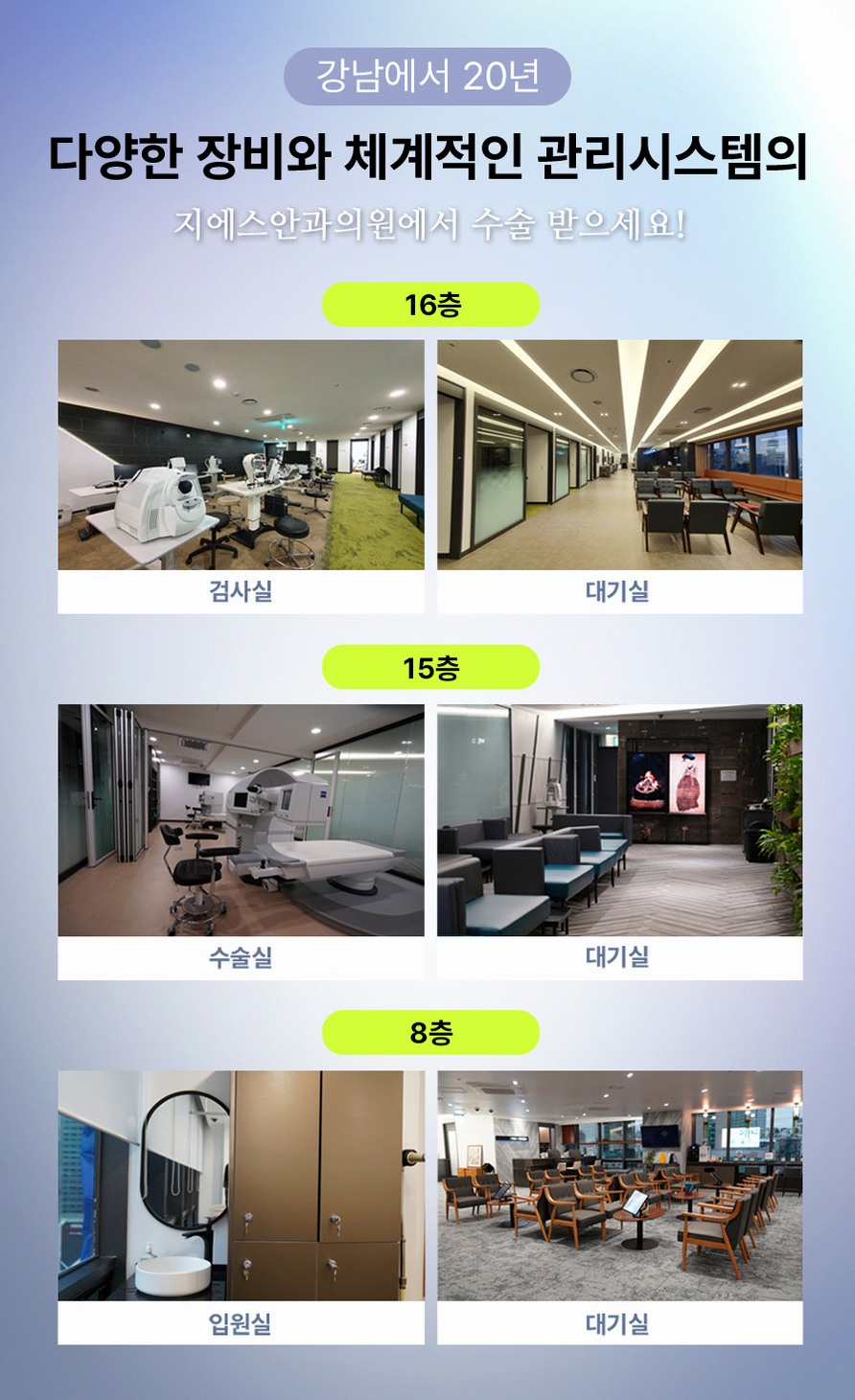
One of the key differences between clinics near Sinsa Station is the type and number of laser platforms they use. For SMILE-type procedures, ZEISS platforms are widely recognized, and some clinics invest in multiple devices to cover different needs.
An example is a clinic that owns all three major SMILE platforms from ZEISS. This kind of setup may include a VISUMAX 800 for SMILE pro and two VISUMAX 500 units for SMILE LASIK. The VISUMAX 800, introduced in 2023, is a latest-generation laser designed to perform the lenticule creation in under 9 seconds, which can make the procedure feel very quick. The VISUMAX 500, introduced earlier and often used in pairs since 2019, remains a widely used platform for standard SMILE LASIK.
Having multiple dedicated SMILE platforms can help in several ways. It allows the medical team to choose between SMILE pro, SMILE LASIK, or SILK based on your eye measurements rather than forcing one method for everyone. It also helps with scheduling, as parallel systems can reduce waiting time and make it easier to accommodate international patients who have limited days in Korea. In addition, having more than one platform provides redundancy, which can support consistency in outcomes and minimize disruptions if one device needs maintenance.
Clinical experience and systems at GS Eye Center
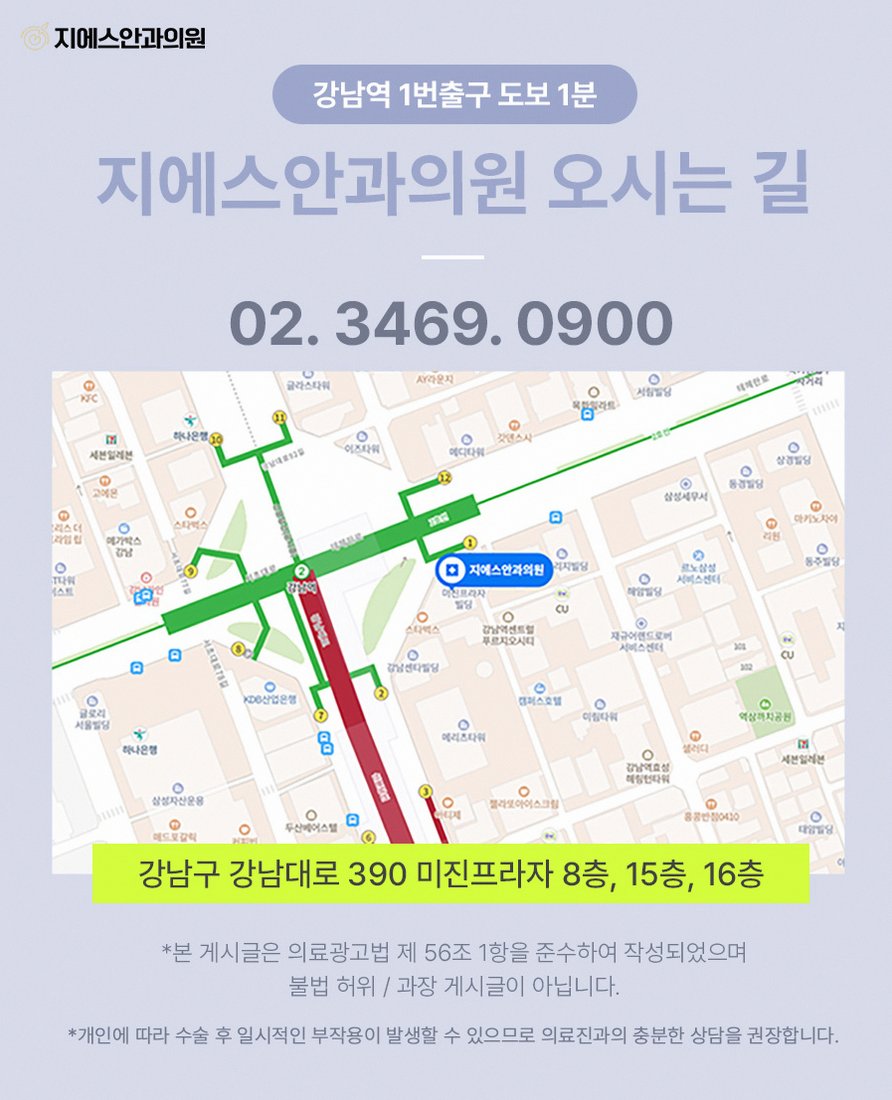
GS Eye Center is an ophthalmology clinic located on Gangnam-daero, within easy reach of both Sinsa Station and Gangnam Station. It has been operating in the same Gangnam area location since 2005, so it has a long-term track record with local and overseas patients.
As of 2023, the clinic reports a cumulative total of around 300,000 eyes treated with refractive and cataract surgeries. Within this, SMILE pro procedures reached 5,000 eyes by October 2024, 10,000 eyes by August 2025, and 15,000 eyes by April 2026. The clinic joined the ZEISS SMILE GOLD CLUB in 2021, was designated as a ZEISS SMILE pro Center in 2023, and became a SILK Training Center in 2026.
All seven doctors at this clinic are ophthalmology specialists with university hospital backgrounds. The representative director is a former ophthalmology professor at a major Catholic university medical center, holds a medical doctorate, and continues as an adjunct faculty member. Other doctors include former clinical instructors and assistant professors from large university hospitals and specialized retina centers. This background supports systematic diagnosis, individualized surgery planning, and structured management of possible complications.
The clinic is also designated as a clinical education institution for a medical school and as an Asia-Pacific clinical education center by an ophthalmic company. This means that doctors from other countries may visit to observe and learn SMILE-type procedures, which can be a sign that the clinic follows standardized protocols and is used to explaining techniques clearly.
Other options if you are not a SMILE LASIK candidate
Even in a SMILE-focused clinic, not everyone will be suitable for SMILE LASIK. If the cornea is too thin, the shape is irregular, or the prescription is outside the safe range, other options may be considered.
Some clinics near Sinsa Station offer lens implantation procedures such as ICL, GLAZE, and PhakiFlex KPL. One example is being the first in Korea to perform GLAZE lens implantation in 2019 and reaching 3,000 Optiflex GLAZE cases by 2025. These lens-based procedures may be considered for high myopia or for eyes where corneal laser is not recommended.
Other options can include LASEK (sometimes branded as 2DAY LASEK), additional corneal strengthening treatments, and dedicated dry eye management. These lens procedures carry specific risks and potential side effects, and the clinic will document and explain those risks—along with the expected benefits and available alternatives—during the informed consent process.
The important point is that the choice should follow the examination results, not the other way around. A clinic that offers a wide range of methods can guide you toward a solution that fits your eye condition, lifestyle, and age, rather than fitting every patient into a single procedure type.
Step-by-step process from first contact to recovery
For international patients planning SMILE LASIK near Sinsa Station, it helps to understand the typical journey from online inquiry to follow-up.
First contact and online consultation
Most overseas patients start with an online consultation form, email, or messaging app. At this stage, clinics usually ask for basic information such as age, current glasses or contact lens prescription if available, any known eye conditions, and general health issues.
You may be asked to send recent eye test results from your home country. While these cannot replace the full preoperative examination, they can help the medical team estimate whether SMILE LASIK is likely to be suitable and suggest a tentative treatment plan and visit schedule.
Pre-visit preparation
Before flying to Korea, it is useful to prepare a short list of questions, such as which SMILE platform might be used in your case, what alternative options exist if you are not a candidate, how many follow-up visits are required, and what to do if you experience problems after returning home.
If you wear soft contact lenses, you will usually need to stop wearing them several days before the detailed examination to allow your cornea to return to its natural shape. For rigid lenses, the break period is often longer. Ask the clinic for specific instructions and build this into your travel plan.
Expected Korea visit timeline
Many international patients plan a stay of about one to two weeks in Seoul for SMILE LASIK, depending on their schedule and the clinic’s recommendations.
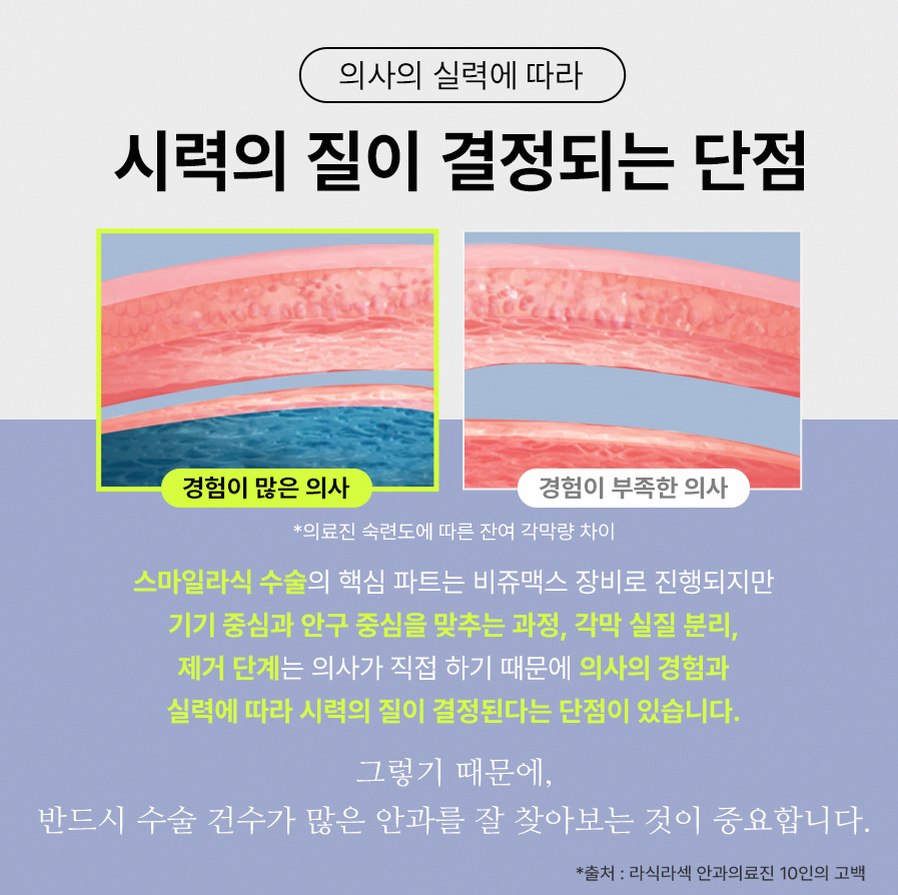
On day 1 or 2, you will typically undergo a full diagnostic workup, including corneal mapping, thickness measurement, tear film assessment, and retina and optic nerve evaluation. This can take several hours, as multiple machines and tests are involved. After the tests, you will meet the doctor to discuss whether SMILE LASIK is appropriate, which version (SMILE pro, SMILE LASIK, or SILK) is recommended, and what risks and benefits apply to you.
If you are a suitable candidate and decide to proceed, surgery may be scheduled within the next few days, sometimes even the next day, depending on the clinic’s timetable and your travel dates. On the day of surgery, you will usually arrive about an hour before the procedure for final checks and preparation. The actual laser time is very short, especially with platforms like VISUMAX 800, but you should plan to stay at the clinic for a few hours including pre- and post-procedure rest.
A first post-operative check is often done on the same day or the next day. Additional follow-ups may be scheduled several days later and, if possible, before you leave Korea. The clinic may also provide guidance for follow-up with an eye specialist in your home country.

What the surgery and recovery feel like
During SMILE LASIK, numbing drops are used, so most patients describe pressure and some discomfort rather than sharp pain. With newer platforms, the laser step is very quick. You may notice lights or shadows but should not see the details of what is happening.
Right after the procedure, vision is often hazy or foggy, and light sensitivity is common. Many patients can see functional improvements within a short time, but the clarity continues to improve over days to weeks. It is important to rest your eyes on the day of surgery and avoid rubbing them.
You will be given eye drops to prevent infection and reduce inflammation, usually for several weeks, and sometimes lubricating drops to ease dryness. For a period after surgery, you will be advised to avoid swimming pools, hot baths or saunas, heavy exercise, and eye makeup. The exact restrictions and duration vary by clinic and individual condition.
Long-term stabilization of vision can take several months. Regular follow-ups, whether in Korea or at home, help monitor healing and address any symptoms early.
How to choose a SMILE LASIK clinic near Sinsa Station
When comparing clinics around Sinsa Station and Gangnam for SMILE LASIK, consider the following practical points.
Check the laser platforms
Ask which SMILE platforms the clinic uses. A center that operates VISUMAX 800 for SMILE pro and multiple VISUMAX 500 units for SMILE LASIK, for example, can offer a broader range of options and more flexible scheduling. Confirm that the equipment is regularly maintained and that the clinic has experience with the specific platform recommended for you.
Review experience and track record
Look for information about how long the clinic has been operating in the same location and the cumulative number of refractive surgeries performed, with reference years. A clinic that has been in Gangnam since 2005 and reports around 300,000 eyes treated by 2023, including clear milestones for SMILE pro procedures, shows a long-term commitment to this field.
Confirm specialist training
Make sure that all doctors are ophthalmology specialists rather than general practitioners. Ask whether any of them have subspecialty training in areas such as retina or refractive surgery at major university hospitals. A team that includes former professors, clinical instructors, and retina subspecialists can provide more comprehensive screening and management.
Ask about examination criteria and safety policy
A reliable clinic should be willing to say no to surgery if your examination results show risk factors. During consultation, ask what criteria they use to decide whether SMILE LASIK is safe for you, and what percentage of patients they typically advise against surgery. The focus should be on long-term eye health rather than performing as many procedures as possible.
Evaluate follow-up and emergency response
For international patients, it is important to know how follow-up is organized after you return home. Ask whether the clinic provides written summaries for your local eye specialist, how you can contact them if you have concerns later, and what kind of emergency system they have for unexpected issues shortly after surgery.
Online consultation and questions to prepare
Before contacting a clinic near Sinsa Station, it is helpful to prepare a short checklist for your online consultation.
You may want to ask which SMILE methods they offer (SMILE LASIK, SMILE pro, SILK), which platform they would likely use in your situation, and what alternative procedures they recommend if you are not suitable for SMILE.
You can also ask how many SMILE-type procedures they perform per year, whether they are involved in clinical education or training programs, and how many follow-up visits they recommend for international patients. Clarify the minimum stay they advise in Korea and what to do if you experience symptoms after returning home.
Having these questions written down can make your first consultation more productive and help you compare clinics in a structured way.
Frequently asked questions about SMILE LASIK near Sinsa Station
Is SMILE LASIK painful?
Most patients feel pressure rather than sharp pain during SMILE LASIK because numbing drops are used. You may feel some discomfort, especially from the suction step, but it usually lasts only a short time. After surgery, your eyes can feel gritty or sensitive for a while, but this generally improves over the first few days with the help of prescribed drops.
How long do I need to stay in Seoul for SMILE LASIK?
The exact stay depends on your eye condition and the clinic’s protocol, but many international patients plan for about one to two weeks. This allows time for the full preoperative examination, the procedure itself, and several follow-up visits. Your clinic can suggest a more precise schedule after reviewing your initial information and preferred travel dates.
Will I still need glasses after SMILE LASIK?
Many people experience a significant reduction in dependence on glasses or contact lenses after SMILE LASIK, but the exact outcome varies by individual. Factors such as your original prescription, corneal characteristics, and healing response all play a role. Some patients may still need thin glasses for specific tasks, such as night driving or later in life for reading, especially as natural aging of the eye progresses.
What if I am not a candidate for SMILE LASIK?
If your examination shows that SMILE LASIK is not suitable, the clinic may discuss other options such as LASEK, lens implantation procedures like ICL or GLAZE, or combined approaches with corneal strengthening. In some cases, the safest recommendation is to avoid surgical vision correction altogether. A responsible clinic will explain the reasons clearly and help you consider both surgical and non-surgical choices.
Soft call to action
If you are planning a trip to Seoul and are considering SMILE LASIK near Sinsa Station or Gangnam Station, an online consultation with an experienced ophthalmology clinic can help you understand your options before you book flights. GS Eye Center offers SMILE-focused care with multiple ZEISS platforms and a specialist team, and can provide guidance on whether a visit to Gangnam for vision correction may be appropriate for you.
Before making any decision, remember that suitability and results vary by person. A full eye examination and direct discussion with a qualified ophthalmology specialist are essential to choose the safest and most appropriate method for your eyes.
- 공유 링크 만들기
- X
- 이메일
- 기타 앱


댓글
댓글 쓰기