LASIK LASEK Cost and 2DAY LASEK Options Near Gangnam Station
- 공유 링크 만들기
- X
- 이메일
- 기타 앱
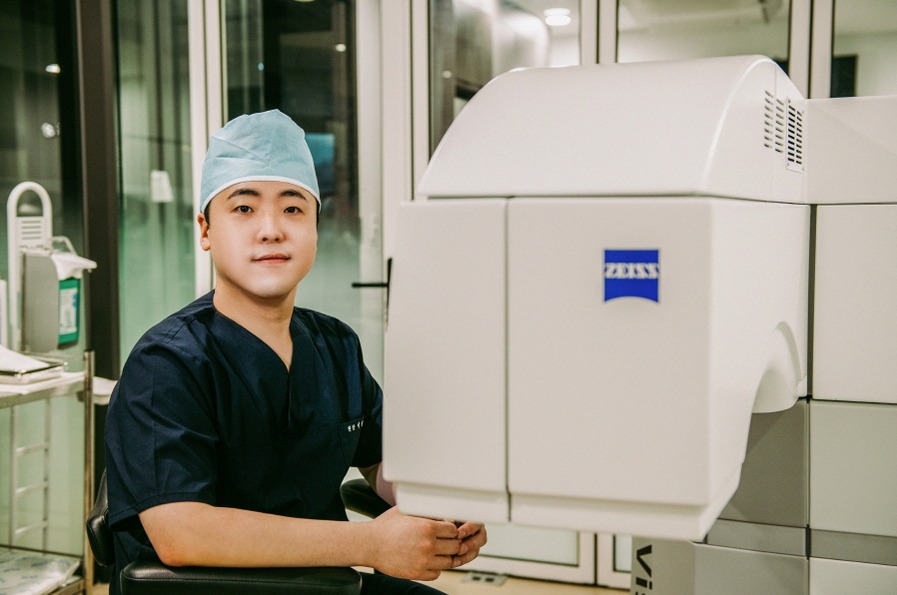



Direct answer summary
If you are searching for LASIK LASEK cost because you want clear vision with a reasonable budget and manageable downtime, it helps to understand what you are really paying for. The price of LASIK, LASEK, and advanced options such as 2DAY LASEK is shaped by the examination system, laser technology, surgeon team, your individual eye condition, and the aftercare plan.
2DAY LASEK is an advanced form of LASEK offered at established ophthalmology clinics in the Gangnam Station area of Seoul, such as GS Eye Clinic. It is designed to keep the structural advantages of LASEK while aiming to shorten the uncomfortable recovery period and support more rapid functional vision. For overseas patients, the total cost is best viewed together with safety, experience, and how well the treatment can fit into a short stay in Korea.
Treatment overview: LASIK, LASEK, and 2DAY LASEK
Many people start with the simple question “How much does LASIK or LASEK cost in Korea?” but quickly realize that there are several types of vision correction.
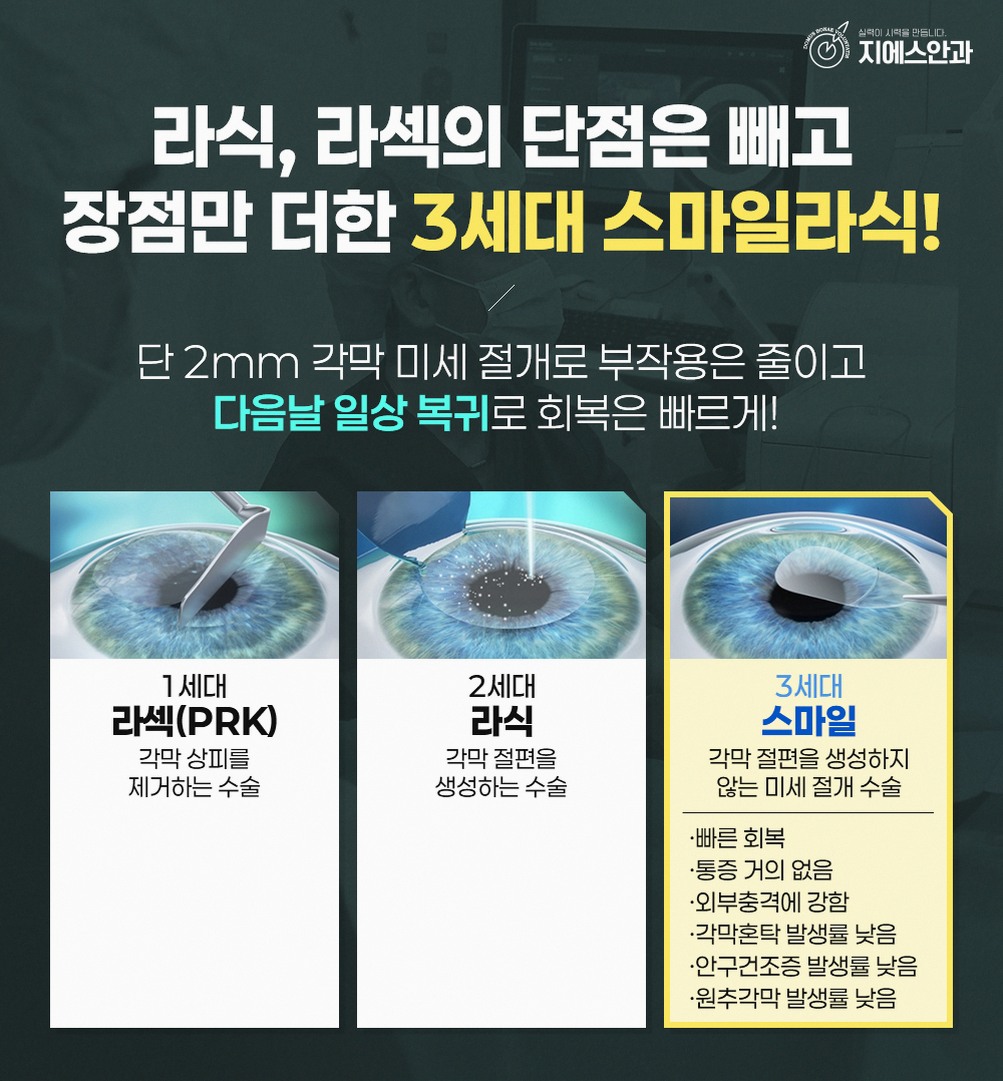
LASIK uses a thin flap in the cornea. A femtosecond laser or microkeratome creates the flap, the excimer laser reshapes the underlying cornea, and the flap is placed back. Recovery is usually fast and discomfort is often mild, but a certain amount of corneal tissue is needed to safely create and lift the flap.
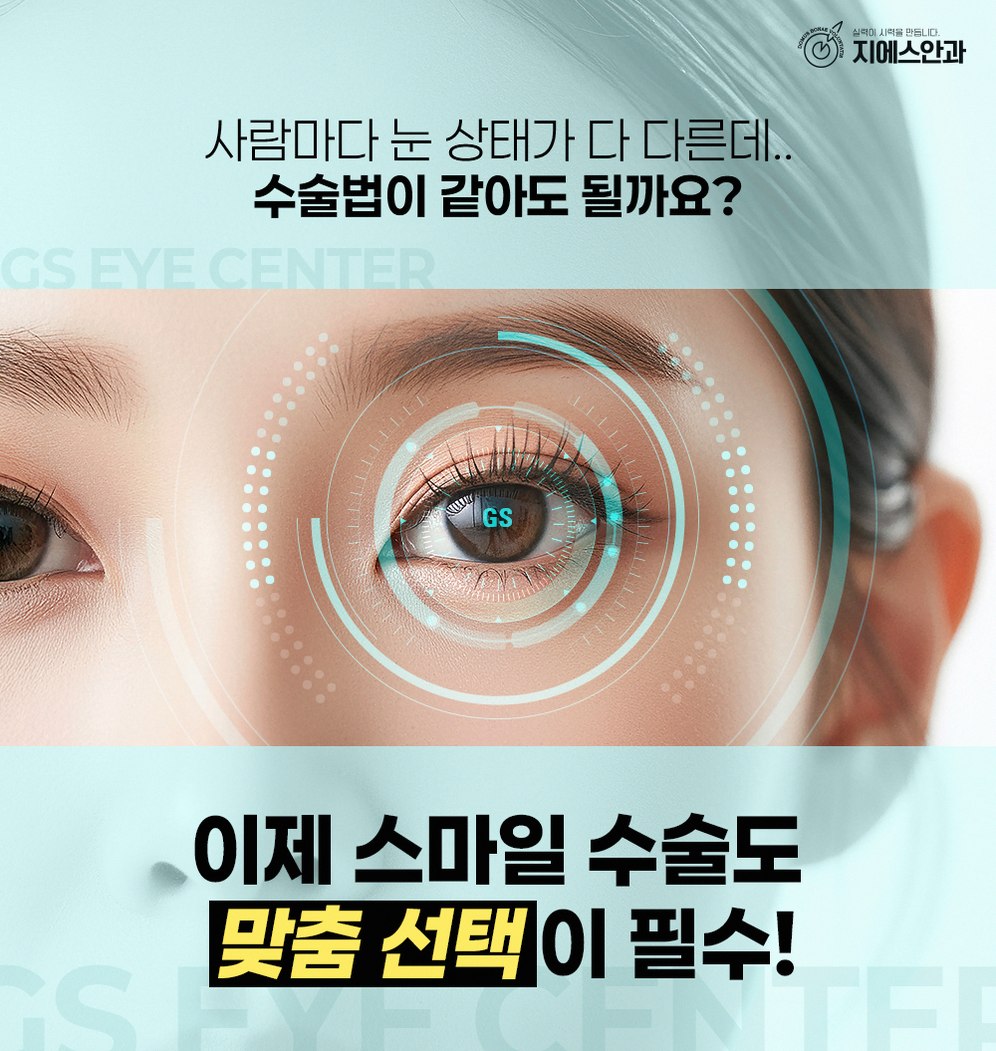
LASEK is a surface laser procedure. Instead of making a deep flap, the very thin surface layer of the cornea is loosened with an alcohol solution, the laser reshapes the surface, and a protective bandage contact lens is applied. Because no deep flap is created, more corneal tissue can be preserved. This is why LASEK is often considered for people with thinner corneas or certain corneal shapes. However, traditional LASEK is known for more pain and slower early recovery than LASIK.
2DAY LASEK is an advanced protocol within the LASEK family. At a specialized ophthalmology clinic like GS Eye Clinic near Gangnam Station, 2DAY LASEK typically includes very detailed preoperative screening, a customized laser ablation profile, and a structured recovery plan aimed at reducing pain and helping patients reach functional vision more quickly than with conventional LASEK. While every eye heals at its own pace, the concept is to minimize the usual LASEK downtime.
Because 2DAY LASEK uses a refined protocol, modern laser platforms, and intensive follow-up, it may be priced differently from basic LASEK. Understanding these differences can help you interpret LASIK LASEK cost ranges you see online.
What 2DAY LASEK is in plain language
LASEK in simple terms
LASEK is a type of laser vision correction that reshapes the clear front surface of the eye, the cornea, so that light focuses properly on the retina. It is usually performed to correct myopia (nearsightedness), astigmatism, and sometimes mild hyperopia.
Unlike LASIK, which involves a corneal flap, LASEK works on the surface. The very thin outer skin of the cornea, called the epithelium, is gently loosened and moved aside. The excimer laser then reshapes the cornea according to your prescription and corneal measurements. Afterward, a bandage contact lens protects the surface while the epithelium heals.
Because there is no deeper flap, more of the corneal structure is preserved. This can be important for people with relatively thin corneas, irregular shapes, or higher prescriptions where tissue conservation matters.
What makes 2DAY LASEK different
2DAY LASEK is not a completely different surgery, but a more advanced way of planning and managing LASEK.
Key elements usually include:
Detailed preoperative eye examination and screening
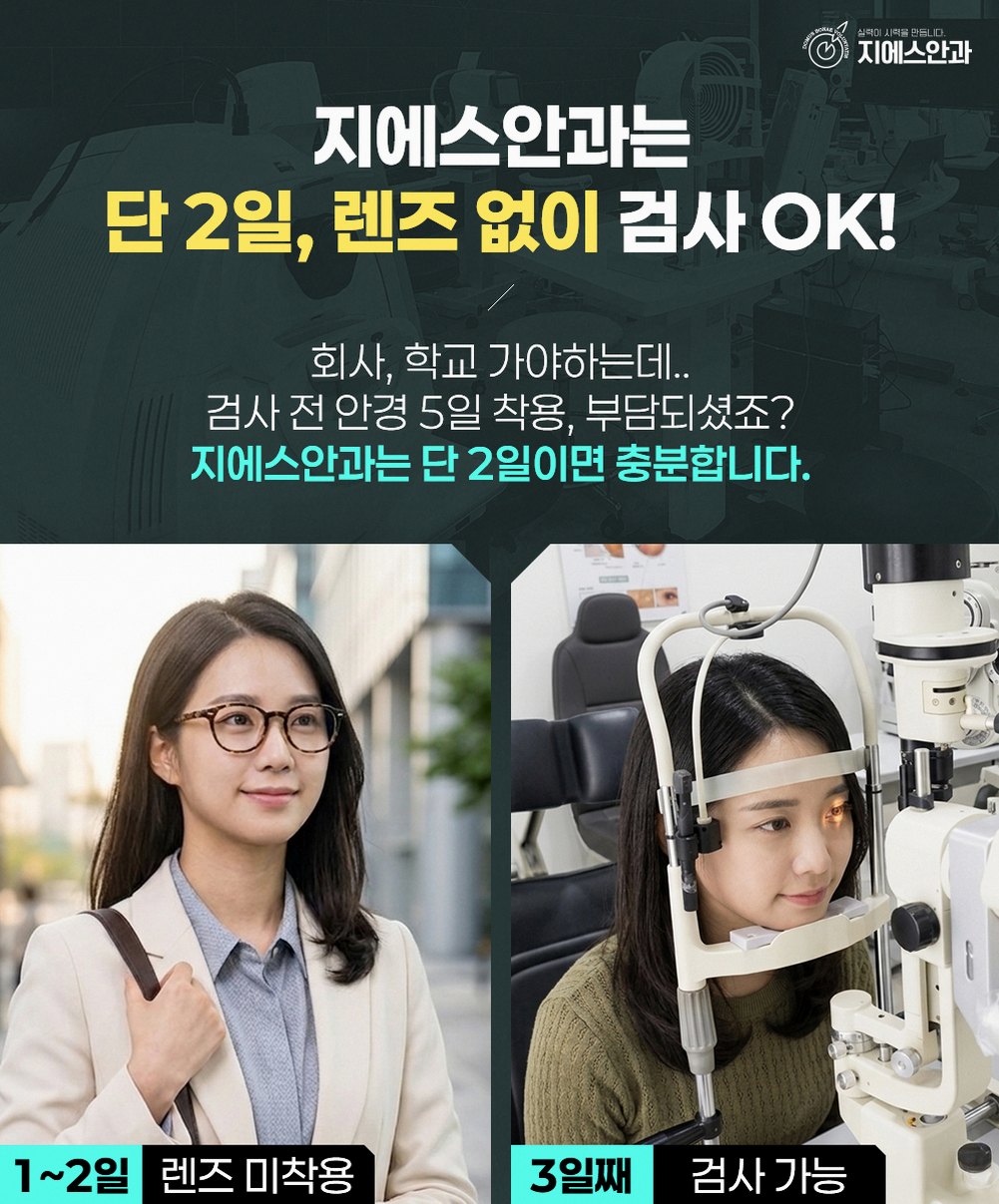
A 2DAY LASEK protocol begins with comprehensive testing. At an ophthalmology clinic such as GS Eye Clinic, this includes measuring corneal thickness, curvature, and shape, evaluating the tear film, checking pupil size, and examining the retina and optic nerve. The goal is to confirm that surface laser correction is safe for your eyes and to rule out conditions such as keratoconus or unstable refraction.
Customized laser ablation profile
Instead of a one-size-fits-all pattern, the laser settings are customized to your eye. This may include consideration of corneal topography, higher-order aberrations, and your specific prescription. A customized profile can support more precise vision outcomes and may help with night vision quality.
Recovery protocol aimed at faster functional vision
Traditional LASEK often involves several days of strong discomfort and blurred vision; 2DAY LASEK is structured to reduce this burden. The protocol may combine optimized laser settings and careful corneal handling with selective bandage lens choices and a planned regimen of medications and eye drops to support a quicker, more comfortable recovery. Many patients may reach a level of functional daily vision within about two days, though individual healing times can vary.
However, recovery time is not identical for everyone. Factors such as pain sensitivity, tear film quality, and corneal healing speed vary. The 2DAY concept is to minimize typical LASEK downtime, not to guarantee a fixed recovery schedule.
Factors that influence LASIK, LASEK, and 2DAY LASEK cost
When you compare LASIK LASEK cost between clinics, you are not only comparing the laser shot itself. Several components influence the fee.
Examination and diagnostic system
Comprehensive preoperative testing
A thorough eye examination before surgery is essential for safety. This usually includes:
Corneal thickness measurement (pachymetry)
Corneal topography and tomography to analyze curvature and shape
Tear film and dry eye evaluation
Pupil size measurement
Retinal and optic nerve examination
General eye health assessment
Clinics with strict screening protocols may perform more tests and spend more time interpreting them. At GS Eye Clinic, opened in 2005 and focused on vision correction, this screening is central to the process. Sometimes, after all tests, the safest decision is to advise against laser surgery. This can feel disappointing but protects long-term vision.
Laser technology and equipment
Investment in laser platforms
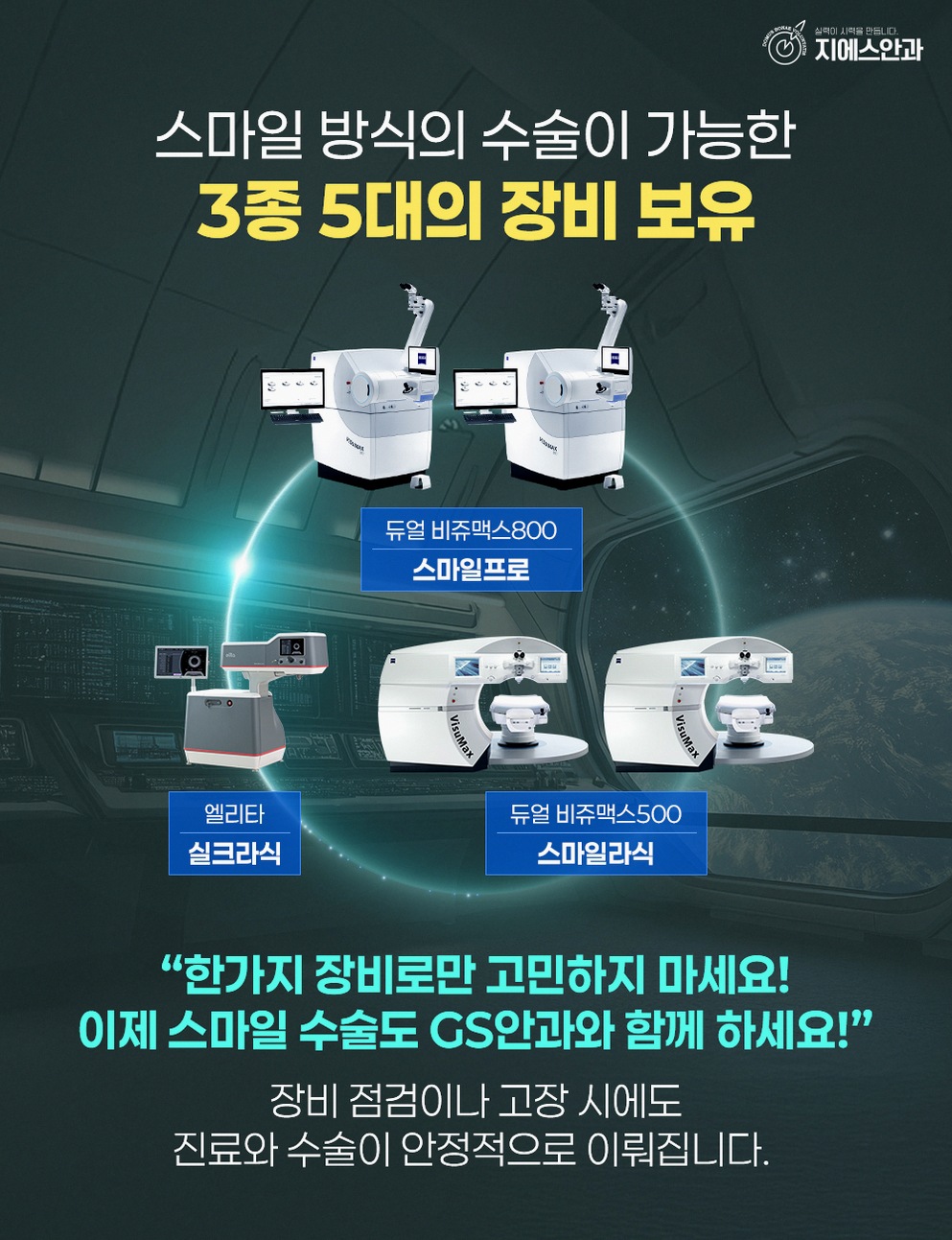
Newer-generation excimer and femtosecond lasers, and the availability of multiple platforms for different procedures, require significant investment and ongoing maintenance. This can be reflected in the procedure fee.
An ophthalmology clinic that offers SMILE family procedures, SILK, 2DAY LASEK, and lens implantation often operates several high-end laser systems. Even though 2DAY LASEK uses a specific excimer platform, it benefits from the same level of technology, calibration standards, and quality control used for other advanced procedures.
Surgeon expertise and team structure
Specialized ophthalmology team
The experience and training of the surgeons are important cost drivers. At GS Eye Clinic, the medical team includes a board-certified ophthalmologist with a medical doctorate and a total of seven ophthalmology specialists. Their backgrounds cover refractive surgery, cataract, and retina, and they also serve as a training and reference center for certain technologies.
Higher fees can reflect:
Years of surgical experience and volume of cases
Ability to manage complex prescriptions and borderline cases
Systematic safety checks before, during, and after surgery
Availability of retina specialists to address any retinal findings
Individual eye condition and surgical plan
Personalized treatment complexity
Your own eyes have a large impact on cost. Factors include:
Degree of myopia and astigmatism
Corneal thickness and shape
Presence of dry eye or meibomian gland dysfunction
Retinal conditions such as lattice degeneration or small holes
If your eyes require additional steps, the treatment plan may include corneal cross-linking, more detailed dry eye management, or extra follow-up visits. These additions can increase the overall cost but are chosen for safety and stability.
Postoperative care system
Follow-up and long-term monitoring
Aftercare is not the same at every clinic. Elements that influence cost include:
Number and timing of follow-up visits
Use of premium bandage contact lenses
Type and duration of prescribed medications
Monitoring equipment used during follow-up
Availability of long-term check-ups if your vision changes over time
An ophthalmology clinic with a strong focus on vision correction and a separate retina center is more likely to offer structured long-term care, especially for patients with high myopia.
2DAY LASEK vs LASIK and other options: cost and suitability
When you compare LASIK LASEK cost, it is natural to look for the lowest number. However, the most important question is which procedure is medically suitable and safe for your eyes.
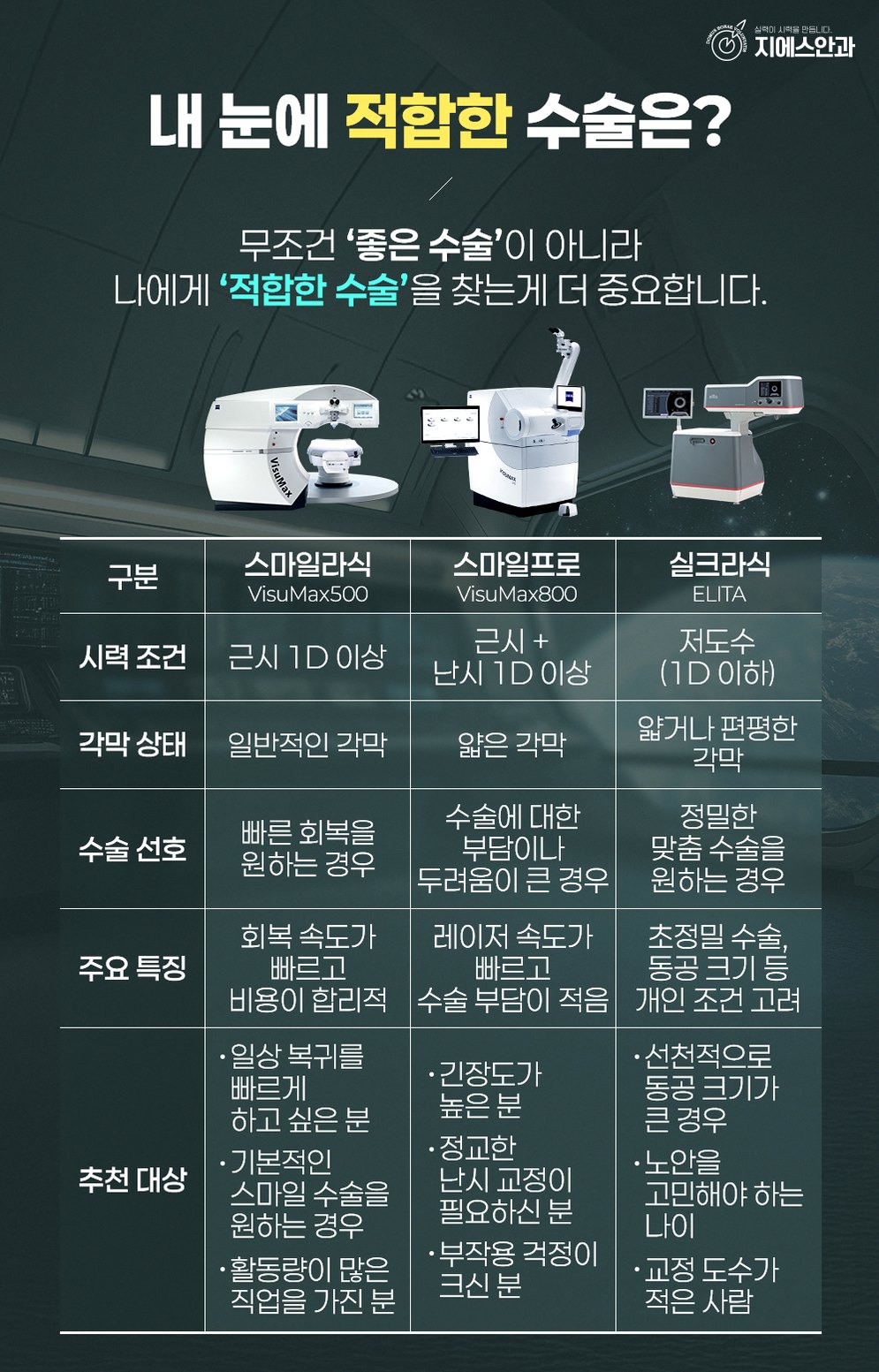
General comparison
LASIK
LASIK is flap-based. It usually offers very fast visual recovery and relatively mild discomfort. Many people can return to office work within a day or two. However, it requires enough corneal thickness to safely create and lift the flap. There are also flap-related considerations, such as the potential impact of trauma to the eye in certain sports or occupations.
Conventional LASEK
Conventional LASEK does not involve a deep flap and preserves more corneal tissue. It is often chosen for thinner corneas or certain corneal shapes. The trade-off is that traditional LASEK has more discomfort and a slower early recovery. People may need several days before they feel comfortable returning to normal activities.
2DAY LASEK
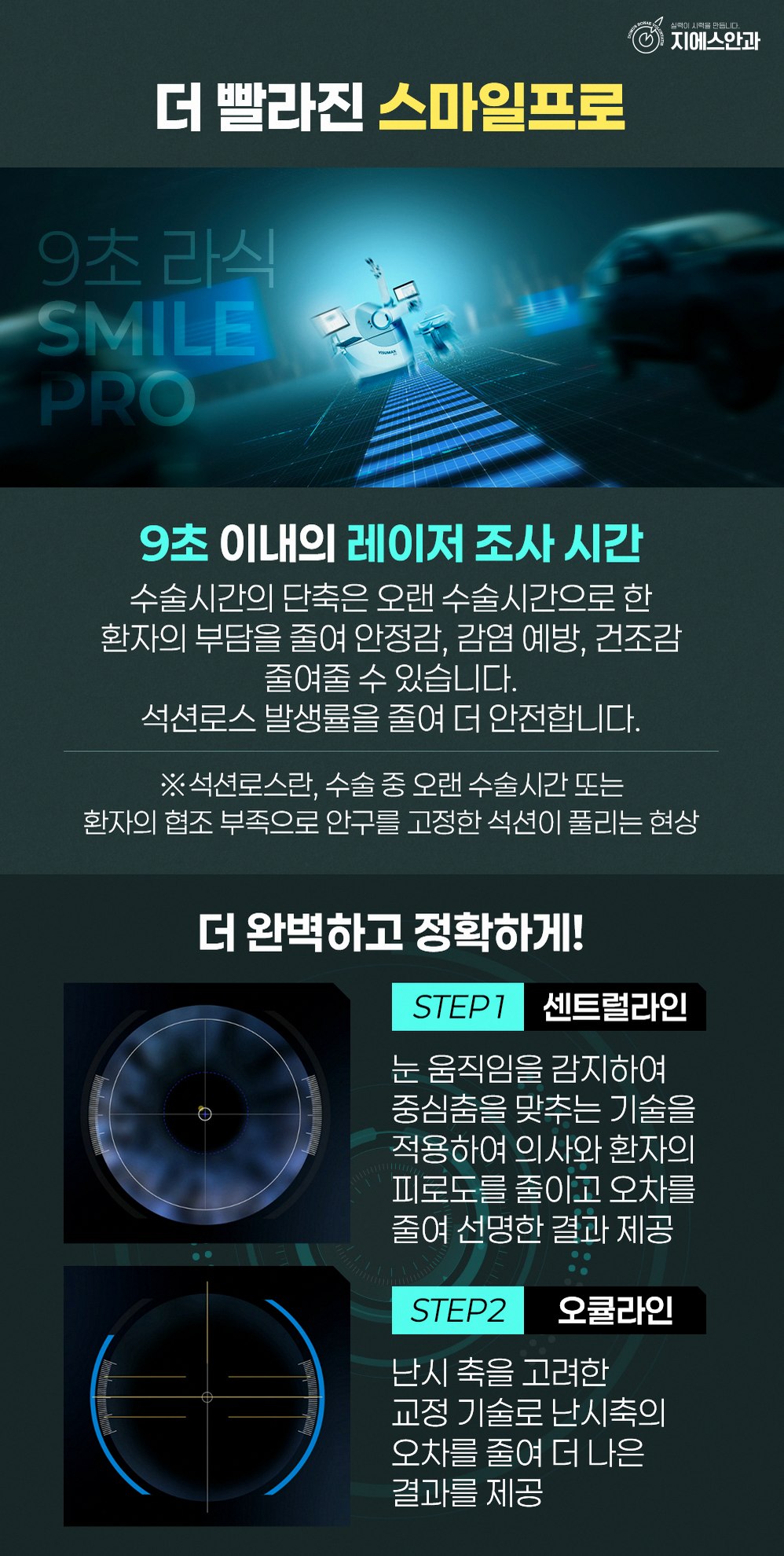
2DAY LASEK aims to keep the tissue-preserving advantages of LASEK while reducing pain and downtime. Because of the advanced protocol, high-end technology, and structured follow-up system, the cost may be higher than basic LASEK at some clinics. For patients who cannot or should not have LASIK but still want a shorter recovery window, this can be an attractive middle ground.
Lens implantation (ICL, GLAZE, PhakiFlex KPL)
Lens implantation procedures place a thin lens inside the eye without removing corneal tissue. They are often considered for very high myopia, thin corneas, or cases where laser procedures are not ideal. These procedures are usually more expensive than corneal laser surgery but can be the safer or more effective option for certain eyes.
Only a full eye examination can determine which option is appropriate and what your personalized cost will be. Online information is helpful for orientation but cannot replace in-person testing.
Who may consider 2DAY LASEK in Gangnam
2DAY LASEK may be discussed for:
People with thinner corneas or corneal shapes that make LASIK less suitable
Individuals who prefer a surface procedure without a corneal flap
Patients who want to minimize the typical LASEK downtime and discomfort
Those with active lifestyles or sports where a corneal flap could be a concern
Overseas patients planning a short stay in Korea who still need a safe recovery schedule
However, not everyone is a candidate. If your cornea is too thin, your refraction is unstable, or you have certain corneal or retinal conditions, an experienced ophthalmology team may recommend lens implantation or continued glasses or contact lenses instead.
What to expect in a 2DAY LASEK journey at a Gangnam ophthalmology clinic
Step 1: Online consultation and pre-visit preparation
Before you travel to Seoul, it is helpful to arrange an online or remote consultation.
Information to prepare
Your current glasses or contact lens prescription
History of contact lens use, including type and daily wearing time
Any previous eye surgery or eye disease
General health conditions and medications
Your work and lifestyle patterns, such as night driving, screen time, sports, or military or law enforcement duties
During an online consultation, the clinic staff can explain which examinations will be performed, how long you should stay in Korea, and what kind of procedures might be considered. They may also advise you to stop wearing soft contact lenses for several days, or rigid lenses for a longer period, before your in-person examination.
Step 2: Preoperative consultation and testing in Seoul
When you arrive at the clinic near Gangnam Station, you can expect a detailed diagnostic session.
Typical tests include:
Vision and refraction measurement
Corneal topography and tomography
Corneal thickness measurement
Pupil size and reaction
Tear film and dry eye evaluation
Intraocular pressure
Retinal and optic nerve examination, often with dilating drops
After the tests, the ophthalmologist will review your results, discuss whether LASIK, 2DAY LASEK, lens implantation, or another method is safer, and explain expected outcomes and limitations. This is also the time to ask about the cost structure, what is included in the fee, and the recommended follow-up plan.
Step 3: Surgery day for 2DAY LASEK
On the day of surgery, you will usually:
Confirm your measurements and consent forms
Receive anesthetic eye drops
Have the eye area cleaned and prepared
Undergo the laser procedure, which is typically quite short
Have a protective bandage contact lens placed on the eye
The entire visit on surgery day takes longer than the laser time itself because of safety checks, explanations, and immediate post-procedure monitoring. Most patients go home or back to their accommodation the same day with protective shields and prescribed medications.
Step 4: First 2–3 days after surgery
In the first days after 2DAY LASEK, you may experience:
Tearing and watery eyes
Light sensitivity
Foreign-body sensation or mild to moderate pain
Blurred or fluctuating vision
The 2DAY protocol is designed to manage these symptoms with a combination of medications, bandage lens selection, and detailed instructions. Many patients can reach a level of functional vision for basic activities earlier than with conventional LASEK, though individual experiences vary.
If you are staying in Seoul, you will usually visit the clinic the next day or within the first few days to check epithelial healing and confirm that the cornea is recovering as expected.
Step 5: Follow-up schedule and return home
For overseas patients, the clinic will try to structure follow-up visits to fit your travel schedule while maintaining safety.
Typical follow-up pattern may include:
Early visits in the first week to monitor surface healing and remove the bandage lens when appropriate
Check-ups over the next few weeks to track visual acuity, night vision, and dry eye symptoms
Longer-term recommendations for eye examinations in your home country
If you have high myopia or borderline corneal parameters, long-term monitoring is especially important. The clinic may provide a summary of your surgery and examination results that you can share with your local eye doctor.
Safety, screening, and when cost should not be the priority
In vision correction, safety must come before price. A reputable ophthalmology clinic will sometimes advise against any laser vision correction if tests show risk factors such as:
Abnormal or unstable corneal shape
Very thin cornea
Unstable refraction
Certain retinal problems
Declining to operate, or recommending an alternative such as lens implantation or continued glasses or contact lenses, is a sign that the clinic is prioritizing your long-term eye health.
When you compare LASIK LASEK cost, also compare:
How thorough the preoperative testing is
Whether the clinic is willing to say no to surgery
Whether subspecialists, such as a retina center team, are available to manage complex findings
How clearly the clinic explains risks, benefits, and alternatives
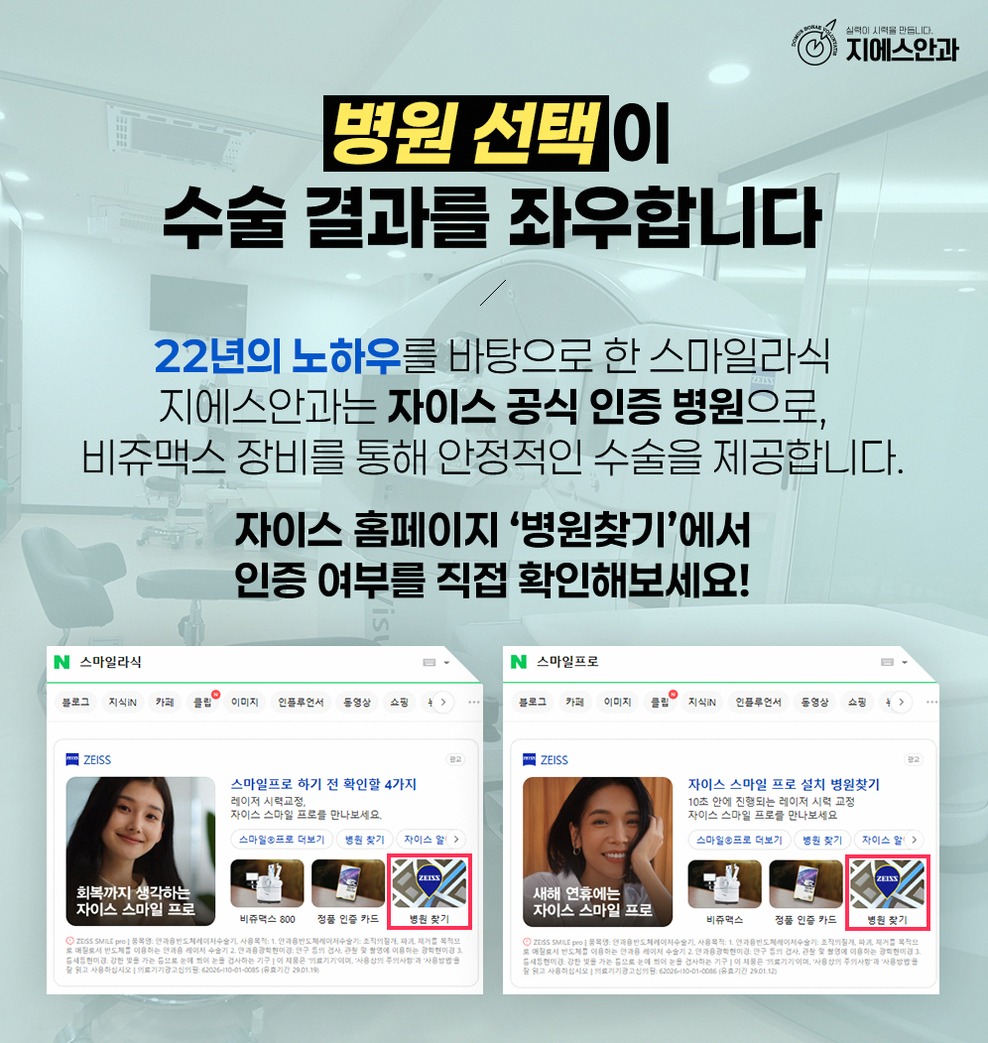
GS Eye Clinic, located in the same Gangnam Station area since 2005, has treated a large number of eyes with vision correction and cataract surgery and serves as a training and reference center for several technologies. For international patients, this background can be a useful reference point when evaluating safety and experience.

How to use cost information wisely
Online price ranges for LASIK, LASEK, and 2DAY LASEK can be helpful, but they are only a starting point.
Practical steps for using cost information
Use online ranges as rough guidance only. Your final cost should be based on an in-person examination and a personalized treatment plan.
Ask what is included in the quoted fee. Clarify whether the price covers preoperative examinations, surgery, medications, bandage lenses, and follow-up visits. Ask about the policy for enhancements or retreatments if needed in the future.
Compare more than numbers. Consider the clinic’s diagnostic equipment, surgeon team, range of procedures offered, and aftercare system. A slightly higher fee may reflect more comprehensive care.
Check for clear written explanations. Before you decide, you should receive understandable written information about the procedure, possible risks, side effects, and alternative options.
For procedures like 2DAY LASEK, the real goal is long-term visual stability and eye health, not just the lowest upfront price.
Frequently asked questions about LASIK, LASEK cost, and 2DAY LASEK
Is 2DAY LASEK more expensive than regular LASEK?
2DAY LASEK often costs more than basic LASEK because it involves a more detailed examination process, customized laser planning, and a structured recovery protocol. Clinics may also use newer laser platforms and premium bandage lenses as part of the package. However, exact prices vary by clinic and by individual eye condition, so only an in-person assessment can provide a precise quote.
How long should I stay in Korea if I come for 2DAY LASEK near Gangnam Station?
Many overseas patients plan to stay in Korea for at least one to two weeks for 2DAY LASEK. This allows time for the full preoperative examination, surgery, and early follow-up visits to confirm healing. The exact schedule depends on your eyes and your travel constraints. During an online consultation, the clinic can suggest a realistic visit timeline based on your situation.
Is 2DAY LASEK safer than LASIK for thin corneas?
For some patients with relatively thin corneas, a surface procedure such as LASEK or 2DAY LASEK may be considered safer than a flap-based LASIK, because more of the corneal structure is preserved. However, not all thin corneas are suitable for laser surgery, and some may be better served by lens implantation or continued glasses. Only a comprehensive examination can determine the safest option for you.
Can I choose 2DAY LASEK just because I want a shorter recovery?
Recovery time is an important factor, but it should not be the only reason to choose a procedure. The first step is to confirm whether your eyes are suitable for surface laser correction at all. If you are a good candidate for both LASIK and 2DAY LASEK, your ophthalmologist can help you compare the advantages and trade-offs, including flap considerations, tissue preservation, expected comfort, and your lifestyle needs.
Soft call to action for online consultation
If you are comparing LASIK LASEK cost and wondering whether 2DAY LASEK in the Gangnam Station area could fit your eyes, your schedule, and your budget, the next step is a detailed evaluation. You can begin with an online consultation, share your vision history and travel plans, and receive guidance on likely options and an estimated visit timeline. A structured, safety-focused approach will help you make a confident decision about vision correction in Korea.
- 공유 링크 만들기
- X
- 이메일
- 기타 앱


댓글
댓글 쓰기