Nonhyeon SMILE LASIK Vision Correction Review: From First Consultation To Clear Sight In Gangnam
- 공유 링크 만들기
- X
- 이메일
- 기타 앱
https://iwriting.co.kr/media/transformed/7c19bc16616e431fbe19b3bac43abf8d.jpg

Direct answer summary
If you live or work near Nonhyeon, Gangnam Station, or Yeoksam and are reading SMILE LASIK experience reports, while clarity and comfort continue to settle over the following weeks to months. Early postoperative symptoms such as dry eyes, halos, or night glare can occur but often improve over time. Individual results and recovery vary, so a thorough eye examination at a qualified ophthalmology clinic is essential before deciding.
This guide walks you through what an overseas patient can realistically expect when coming to a Gangnam ophthalmology clinic that focuses on SMILE-type procedures, from online consultation to surgery day, recovery, and follow-up.
What SMILE LASIK actually is
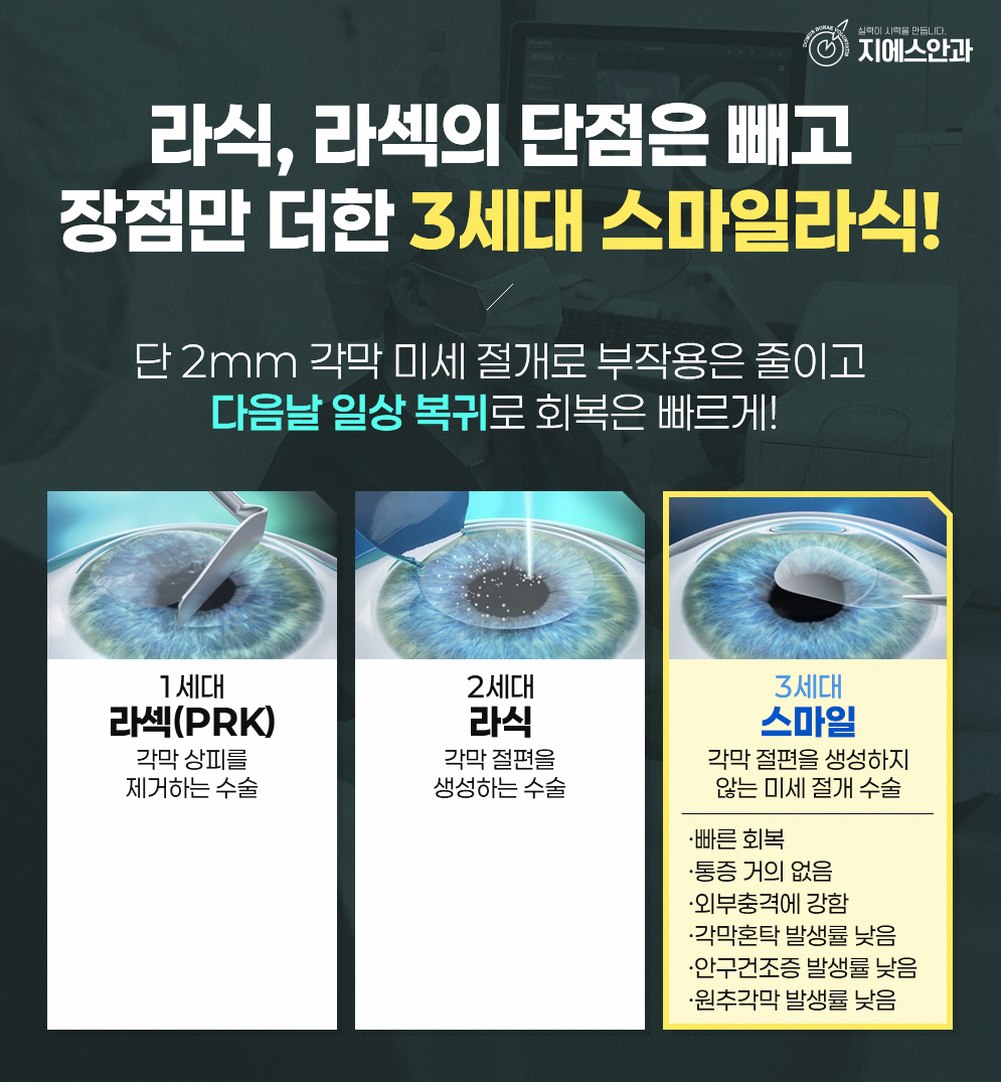
SMILE LASIK is a type of laser vision correction that reshapes the cornea to reduce myopia and astigmatism. Instead of creating a large flap on the surface of the cornea like classic LASIK, a femtosecond laser creates a small lens-shaped piece of tissue inside the cornea and removes it through a tiny incision.
How it differs from LASIK and LASEK
In classic LASIK, a flap is created on the cornea, lifted, and then an excimer laser reshapes the tissue underneath. In LASEK, the surface epithelium is loosened, the cornea is reshaped, and the surface layer regrows. SMILE LASIK is flapless. The laser works through a small opening, which many patients find reassuring.
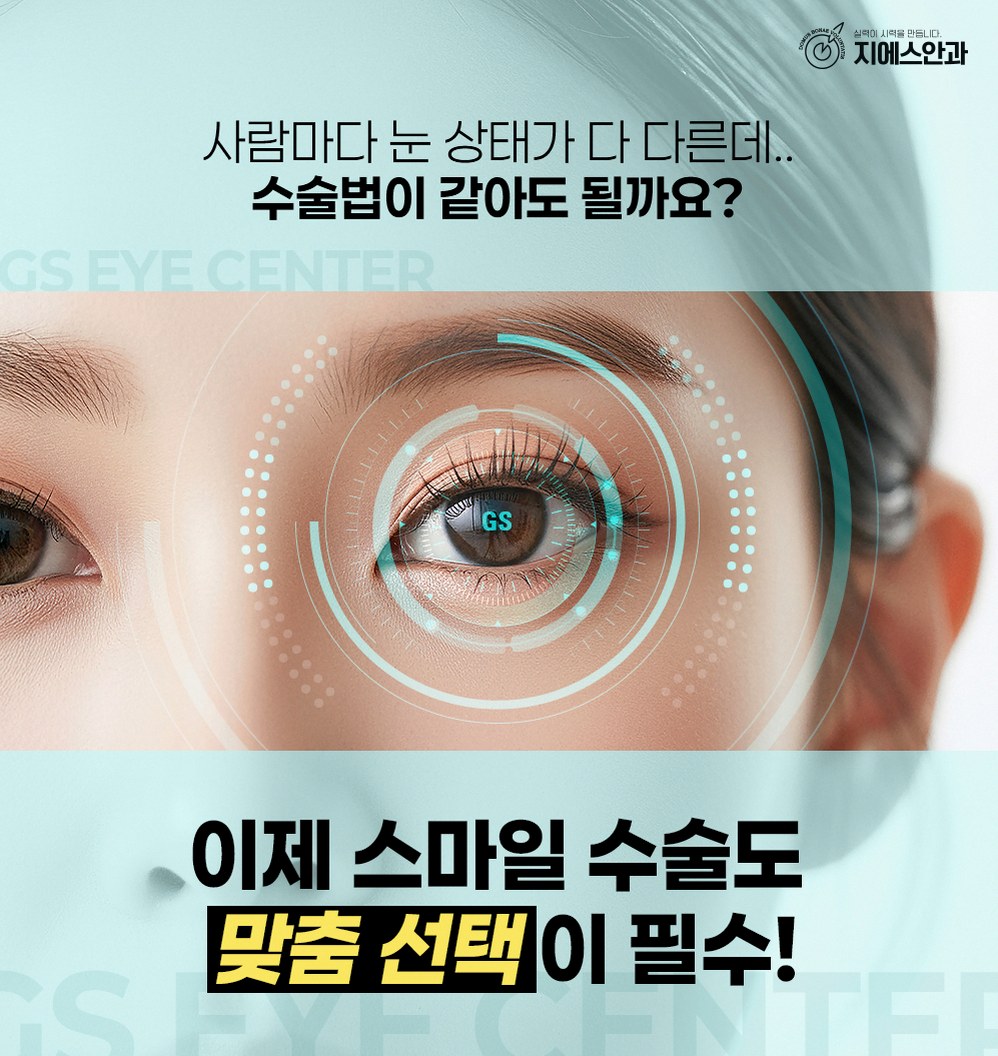
Because of this small-incision, flapless approach, many patients report:
Less foreign-body sensation on the surface of the eye in the early period
Potentially milder dry eye symptoms compared with flap-based procedures in many cases
A relatively quick return to daily activities, especially office work and commuting
However, SMILE LASIK is not automatically better for everyone. Some eyes are better suited to other SMILE-type procedures such as SMILE Pro or SILK, or to surface procedures like LASEK, or to lens implantation options such as ICL, GLAZE, or PhakiFlex KPL. A full diagnostic workup is needed to decide.
Why people around Nonhyeon and Gangnam consider SMILE LASIK
The Gangnam and Nonhyeon area has a dense concentration of office workers, students, and professionals who spend long hours on screens and move frequently between meetings, subways, and evening activities. Many do not want the hassle of glasses fogging up, slipping during workouts, or contact lenses drying out after a long day.
For these lifestyles, SMILE LASIK is attractive because it aims to offer stable vision with a relatively short downtime. Patients often ask very practical questions:
How many days off work do I need if my office is near Gangnam Station?
When can I safely commute by subway again without worrying about bumping my eyes?
Will I be able to see clearly enough for presentations, coding, or design work in the first week?
A Gangnam ophthalmology clinic that has focused on vision correction since 2005 and has performed a large number of procedures (over 300,000 eyes for vision correction and cataract surgery as of 2023) can share data-based expectations, but still cannot promise a specific outcome for any individual.
Overview of SMILE-focused ophthalmology clinics in Gangnam
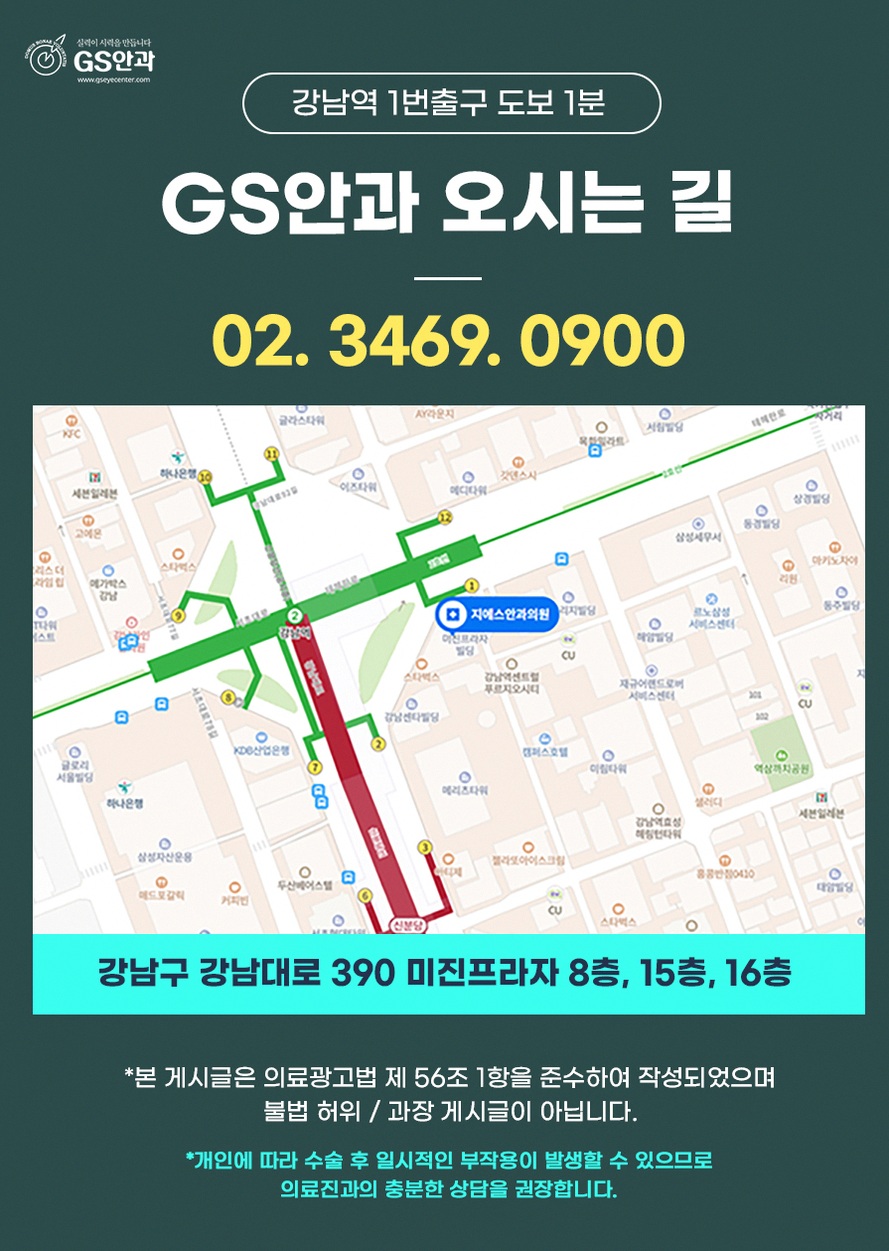
In the Gangnam Station and Nonhyeon area, there are ophthalmology clinics that specialize in SMILE-type procedures. One such clinic has been operating in the same location since 2005 and focuses on SMILE LASIK, SMILE Pro, SILK, and its own SMILE-based program. It also performs lens implantation (ICL, GLAZE, PhakiFlex KPL), LASEK, corneal cross-linking, presbyopia and cataract surgery, and has a separate retina center.
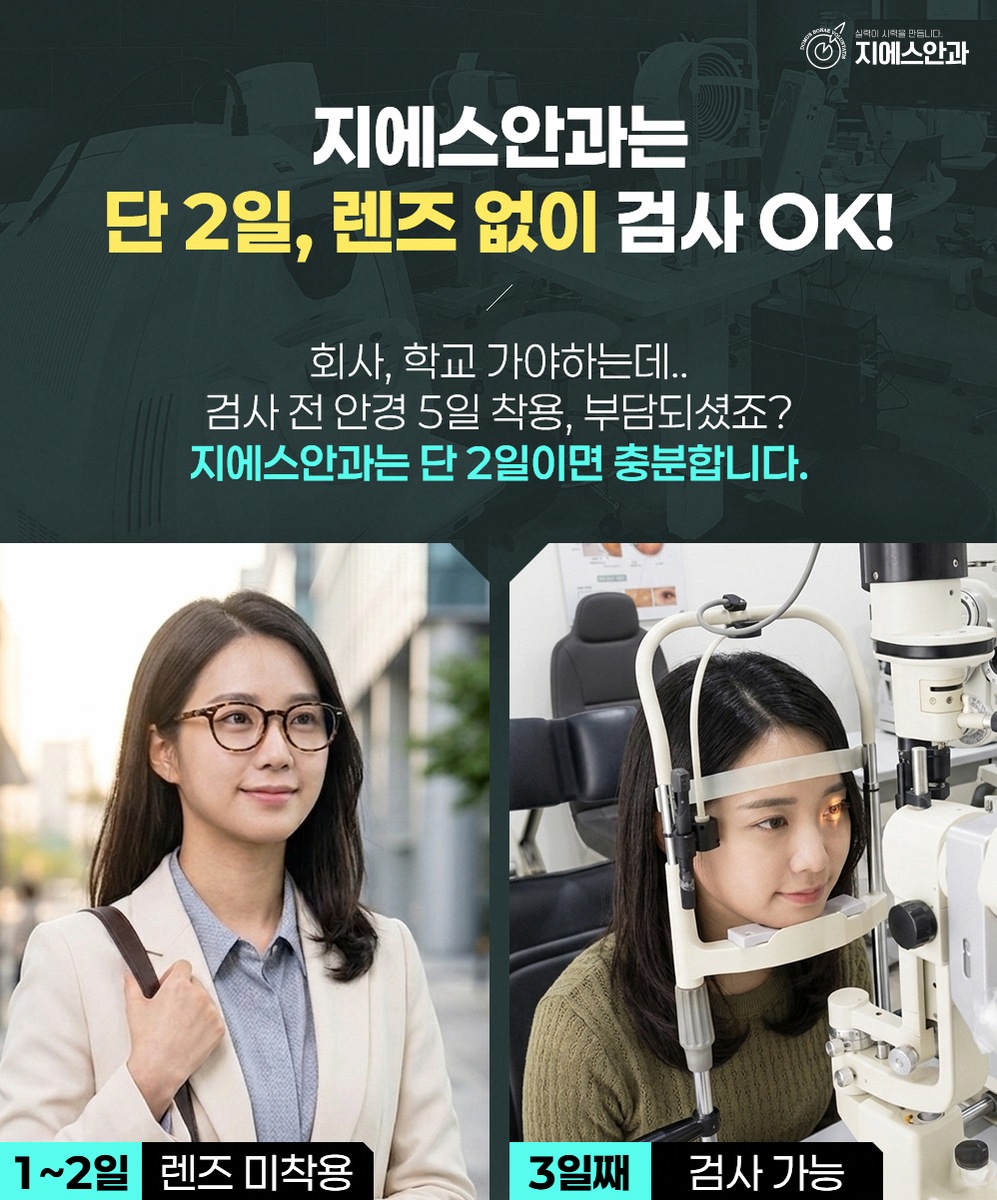
This clinic has seven ophthalmology specialists, including a medical director with university teaching experience and several doctors with backgrounds at major university hospitals and retina fellowships. As of 2023, it reports a cumulative 300,000 eyes for vision correction and cataract surgery. For SMILE Pro specifically, it has treated 15,000 eyes as of April 2026, with milestones at 5,000 eyes in October 2024 and 10,000 eyes in August 2025.
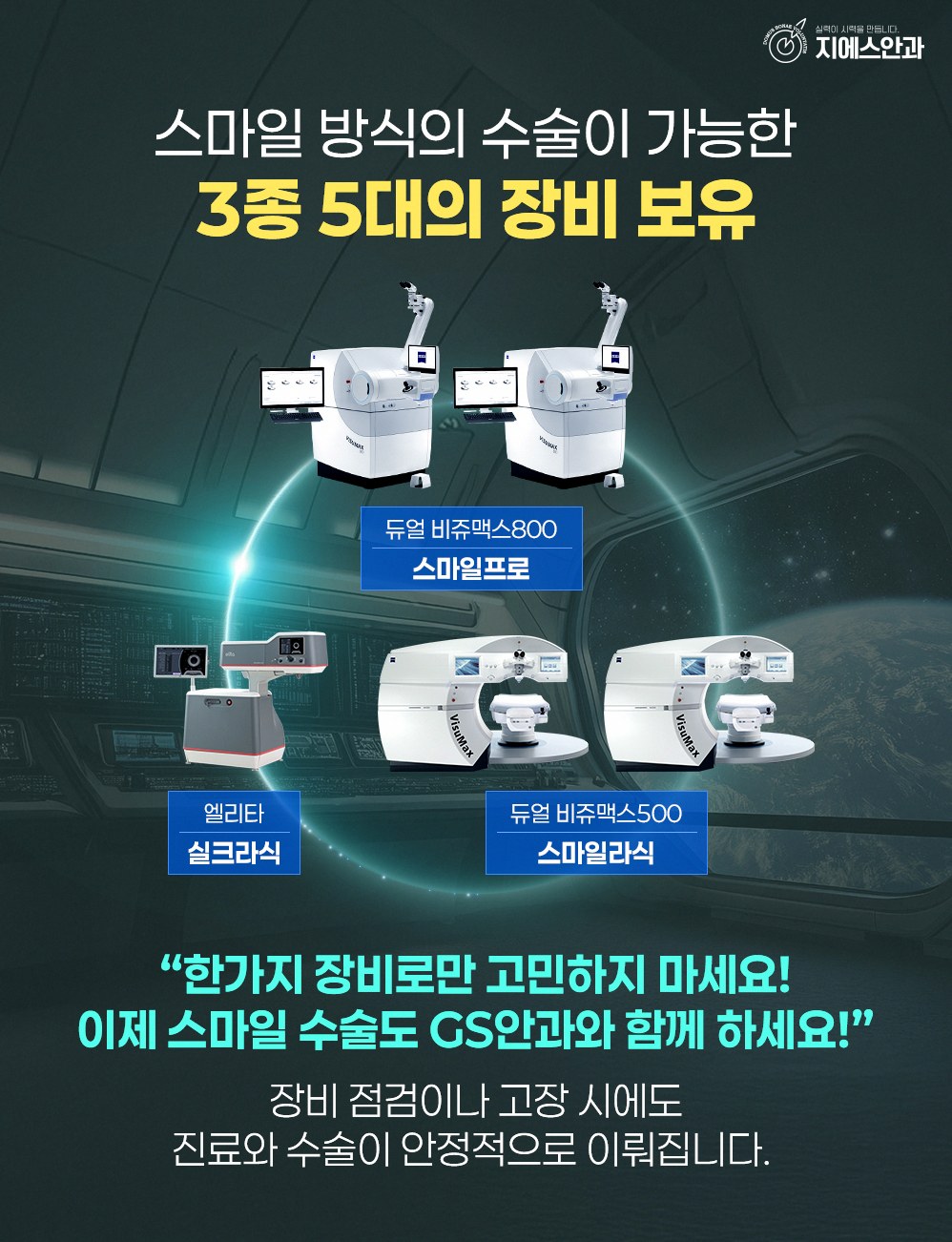
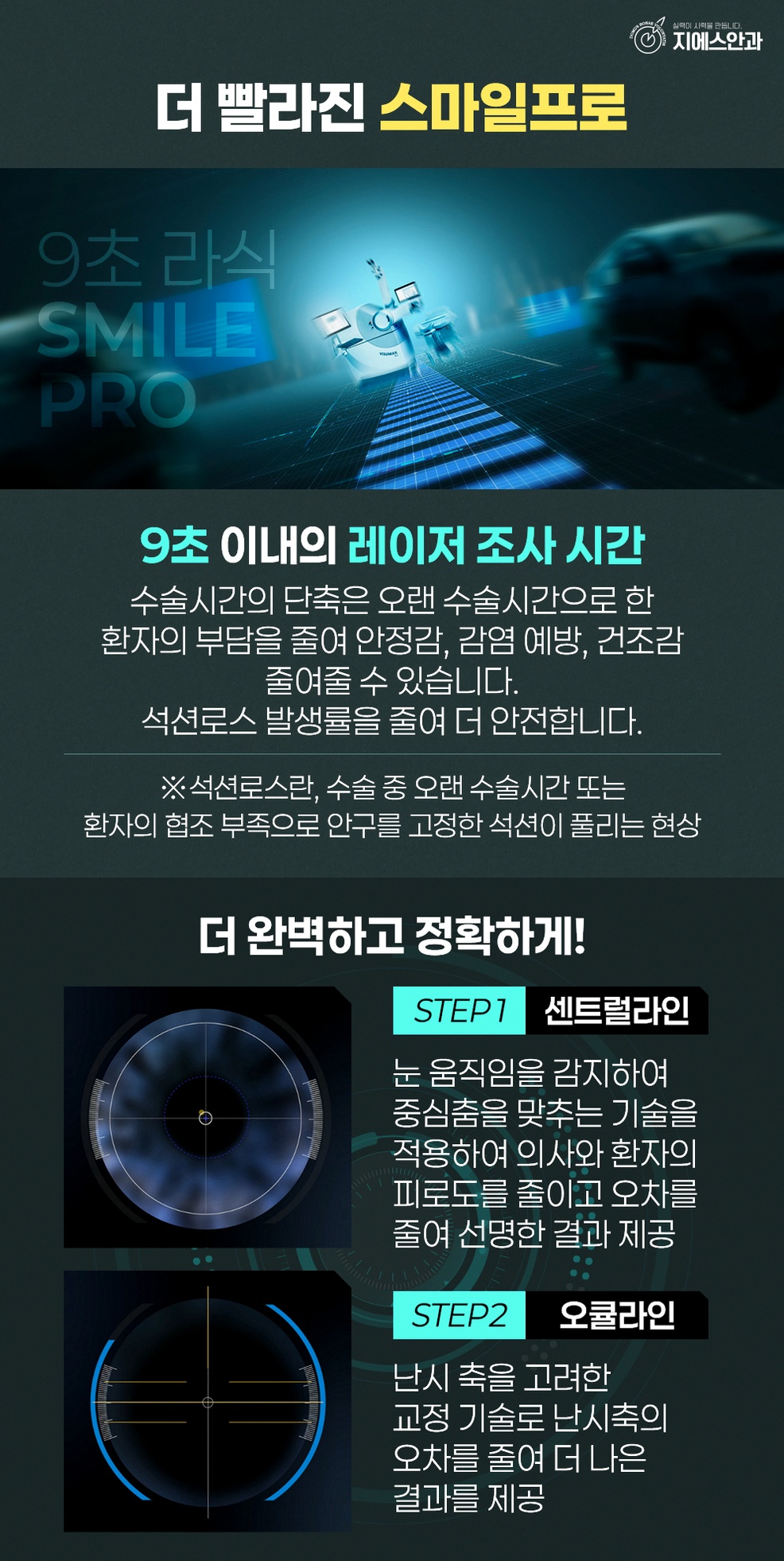
From a technology perspective, it holds all three major SMILE platforms, including the VISUMAX 800 for SMILE Pro (introduced in 2023, with laser time under 9 seconds) and two VISUMAX 500 units for SMILE LASIK (introduced in 2016, with dual operation from 2019). It has designations such as ZEISS SMILE GOLD CLUB membership (2021), ZEISS SMILE pro CENTER (2023), SILK TRAINING Center (2026), ISO 9001/14001 certification for SMILE LASIK (2020), and clinical education center status from a major medical school (2023) and from BIOTECH for the Asia-Pacific region (2024).
These details do not guarantee your personal result, but they do show that the clinic has a long-standing focus on SMILE-type vision correction and is involved in training and education.
Who may consider SMILE LASIK in Nonhyeon or Gangnam
You might consider SMILE LASIK or related procedures if you:
Are an adult with stable myopia and/or astigmatism for at least one to two years
Are tired of glasses or contact lenses interfering with work, sports, or travel
Have no major uncontrolled eye diseases such as active inflammation or advanced keratoconus
Are not pregnant or breastfeeding at the time of surgery
Are willing to follow post-operative instructions and attend follow-up visits
However, even if you meet these general points, you may not be a candidate for SMILE LASIK specifically. During the eye examination, the ophthalmologist will check corneal thickness, curvature, topography, tear film, pupil size, and retina health. Based on these, you may be guided toward SMILE LASIK, SMILE Pro, SILK, LASEK, or lens implantation such as ICL or GLAZE.
Pre-visit online consultation and preparation for overseas patients
If you are coming from abroad, your journey usually starts online.
Online inquiry
Most Gangnam ophthalmology clinics offer online forms, email, or messaging apps for first contact. For an efficient response, prepare:
Your age and current glasses or contact lens prescription (sphere, cylinder, axis if possible)
Whether your prescription has changed recently
Any history of eye surgery, trauma, or diseases
General health conditions such as diabetes, autoimmune disease, or medications
Your preferred travel dates and how many days you can stay in Korea
The clinic can then suggest whether your numbers sound roughly within the SMILE LASIK range and propose a tentative schedule. Final suitability can only be confirmed after in-person diagnostic testing.
Documents and practical preparation
Before flying to Seoul, it helps to:
Bring your latest glasses prescription and any previous eye examination reports
Arrange travel insurance that covers medical issues abroad
Plan accommodation near Gangnam Station, Nonhyeon, or Yeoksam for easy access
Avoid wearing soft contact lenses for at least several days before the full eye examination (longer for hard lenses), according to the clinic’s instructions
If you plan to have surgery during the same trip, inform the clinic so they can schedule your examination, consultation, surgery, and follow-ups within your stay.
Typical visit timeline for SMILE LASIK in Korea
For overseas patients, a common schedule around Nonhyeon or Gangnam might look like this, assuming you are a suitable candidate and there are no unexpected findings.
Day 1: Comprehensive eye examination and consultation
You visit the ophthalmology clinic near Gangnam Station. The diagnostic process is usually detailed and can take one to two hours or more, including rest time between tests.
Tests may include:
Measurement of your current prescription
Corneal thickness (pachymetry)
Corneal curvature and topography
Pupil size in different lighting conditions
Tear film and dry eye assessment
Intraocular pressure
Retina and optic nerve examination, sometimes with dilation
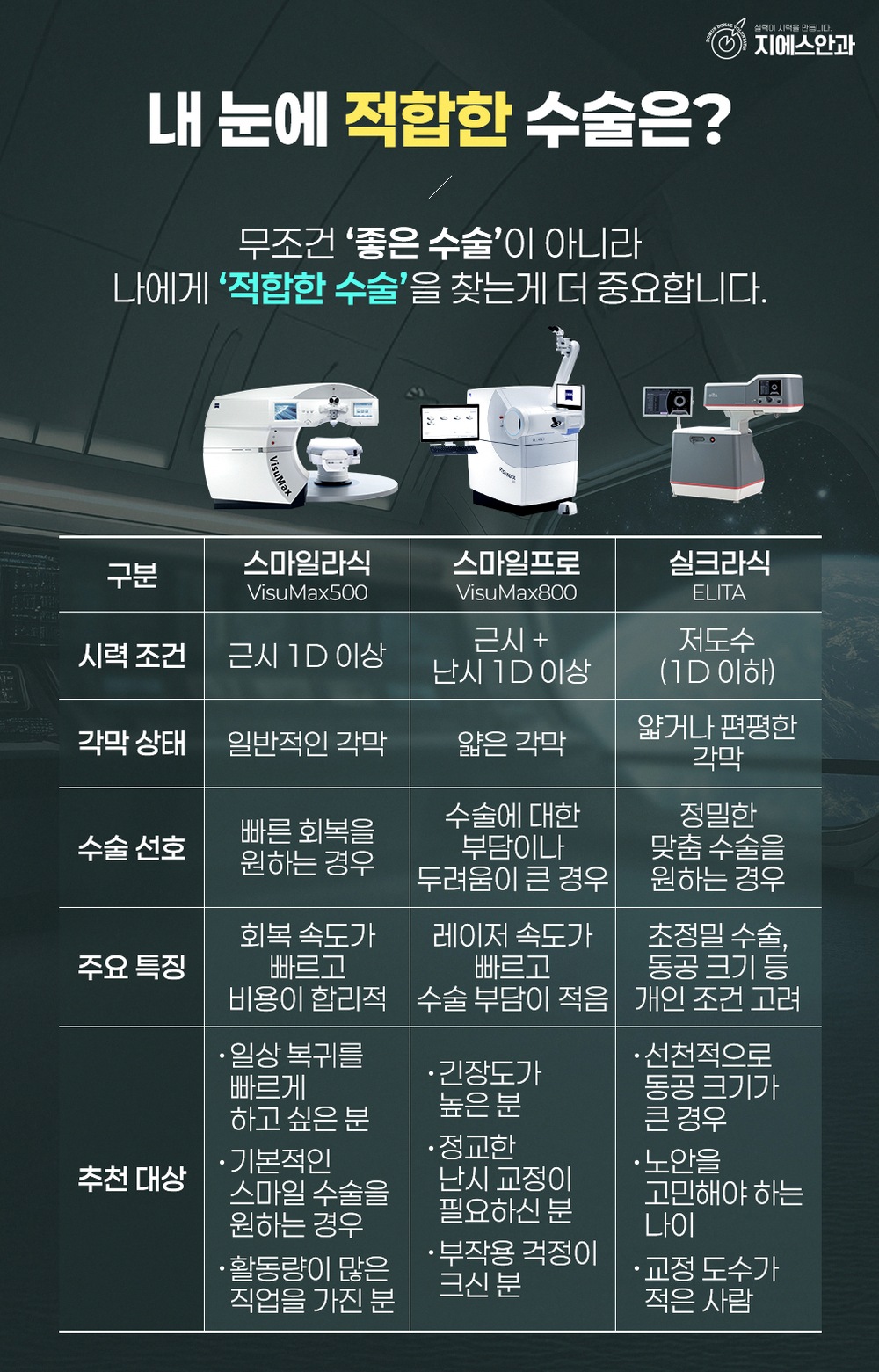
After testing, you meet an ophthalmologist who reviews your results, explains your corneal shape and thickness, and discusses whether SMILE LASIK, SMILE Pro, SILK, LASEK, or lens implantation is more appropriate.
At this stage, you should ask detailed questions about:
Expected range of vision after surgery in your case
Dry eye risk and how it will be managed
Night vision, glare, and halos risk
Long-term stability and what is known from current data
What happens if you are not fully satisfied with the result
If you and the ophthalmologist agree to proceed, surgery may be scheduled for the same day (later in the afternoon) or for the next day, depending on your eyes and the clinic’s policy.
Day 1 or 2: SMILE LASIK surgery day
On surgery day, arrive at the clinic without eye makeup, perfume, or heavy accessories. After signing consent forms and completing final checks, topical anesthetic eye drops are typically used before the procedure.
Step-by-step experience typically feels like this:
You lie down on the laser bed and focus on a light target. The eyelids are gently held open with a small device so blinking is minimized. The VISUMAX laser (500 or 800 model, depending on the procedure) creates the lenticule inside the cornea; you may feel mild pressure and see lights or shadows, but most patients report only minor discomfort. For SMILE Pro on the VISUMAX 800, the laser exposure itself can be under 9 seconds (VISUMAX 800, 2023). The surgeon then removes the lenticule through a small incision; you may sense movement or pressure but typically not sharp pain. The in-laser step is very brief; total appointment length and preparation time vary by clinic and individual case.
After surgery, your vision is often hazy or foggy, similar to looking through water. You may feel mild burning, tearing, or a foreign-body sensation for several hours. Many patients prefer to keep their eyes closed and rest.
Day 1 evening: Immediate post-op period
You usually have a short check-up right after surgery to confirm that the cornea looks stable. Then you go back to your accommodation with protective eye shields and prescribed eye drops (antibiotic, anti-inflammatory, and lubricating drops).
Most patients are advised to:
Avoid rubbing the eyes
Avoid heavy exercise, swimming, and dusty environments
Use eye drops exactly as instructed
Wear protective shields while sleeping for several nights
Day 2: First post-op check
The next day, you return to the clinic. Many patients notice that vision is already much clearer than right after surgery, though still slightly hazy or with halos.
The ophthalmologist checks your visual acuity, corneal surface, and healing. If everything is stable, you are usually allowed to:
Walk around Gangnam comfortably
Use digital devices for short periods, increasing gradually
Commute by taxi or public transport, with caution
Most clinics recommend avoiding driving until your vision is clear and stable and an ophthalmologist confirms it is safe.
First week: Functional vision for daily life
During the first week, many patients in office jobs around Nonhyeon or Gangnam Station report that they can return to work within two to three days, sometimes earlier. However, you may still notice:
Dry eye symptoms, such as burning, foreign-body sensation, or fluctuating vision
Halos or glare around lights at night, especially on busy Gangnam streets
Slight sensitivity to bright light
Frequent artificial tears, regular breaks from screens, and following the eye drop schedule help manage these symptoms. Most clinics schedule another follow-up within the first week.
First month: Stabilizing vision
Over the first month, vision usually becomes more stable. Many patients feel comfortable with most activities, including commuting, office work, and moderate exercise. Night vision issues often start to improve, though they may not disappear completely in every case.
If you are an overseas patient, your clinic may plan your final in-person visit for around one to two weeks after surgery, then coordinate with your local eye doctor for longer-term follow-up.
Longer term: What real reviews often mention
Long-term reviews from SMILE LASIK patients frequently mention:
Freedom from glasses and contact lenses for most daily activities
Occasional dryness, especially in air-conditioned offices or during long screen time
Improved comfort compared with contact lenses for people who previously had lens intolerance
Some patients may need enhancement procedures or still require thin glasses for specific tasks. This depends on initial prescription, corneal characteristics, and healing response. No clinic can guarantee a specific vision level for every patient.
Pain, discomfort, and realistic expectations
During surgery, most patients describe pressure and light sensitivity rather than sharp pain. After surgery, discomfort is usually strongest in the first few hours and often improves by the next day.
Dry eye and night vision symptoms are common topics in real reviews. Many patients report that:
Dryness is noticeable for several weeks to months and gradually improves with drops and time
Halos and glare around lights are more obvious in the early weeks, especially when driving or walking in bright city lights, and often decrease over time
However, some degree of dryness or night vision change can persist. This is why a careful pre-op discussion of your lifestyle (night driving, screen use, sports) is important.
How to read SMILE LASIK reviews wisely
When you search for Nonhyeon or Gangnam SMILE LASIK reviews, you will see many posts that look similar. To read them critically, focus on:
Detail of the eye examination description: Did the clinic check corneal thickness, topography, tear film, and retina thoroughly, or was it very brief?
Explanation of risks and alternatives: Did the reviewer mention that the ophthalmologist explained SMILE, LASEK, and lens implantation options, or was only one procedure pushed?
Surgery day description: Does the review describe realistic steps and sensations, or only emotional reactions?
Follow-up and aftercare: Did the clinic schedule multiple follow-up visits and respond to concerns, or was communication difficult after payment?
Handling of issues: If the reviewer had dryness, halos, or slower recovery, did the clinic monitor and manage it carefully?
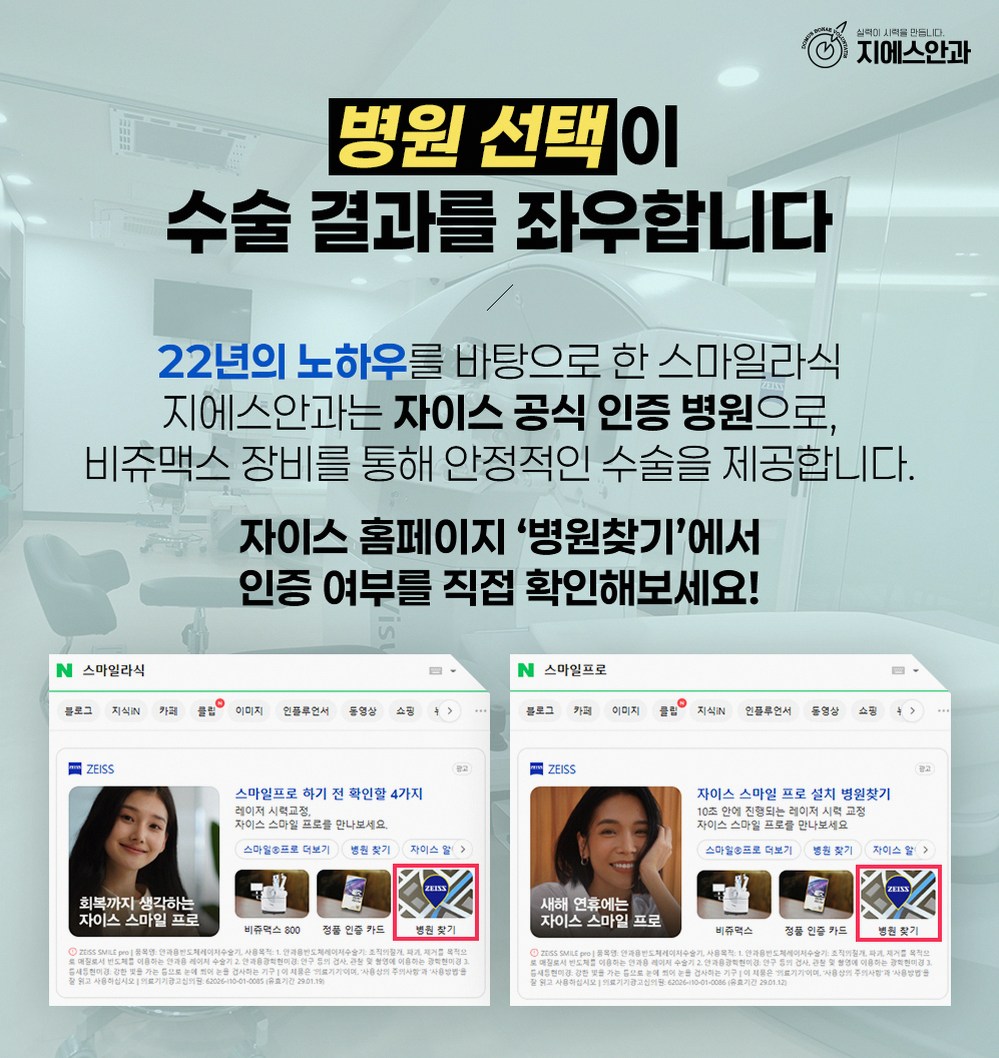
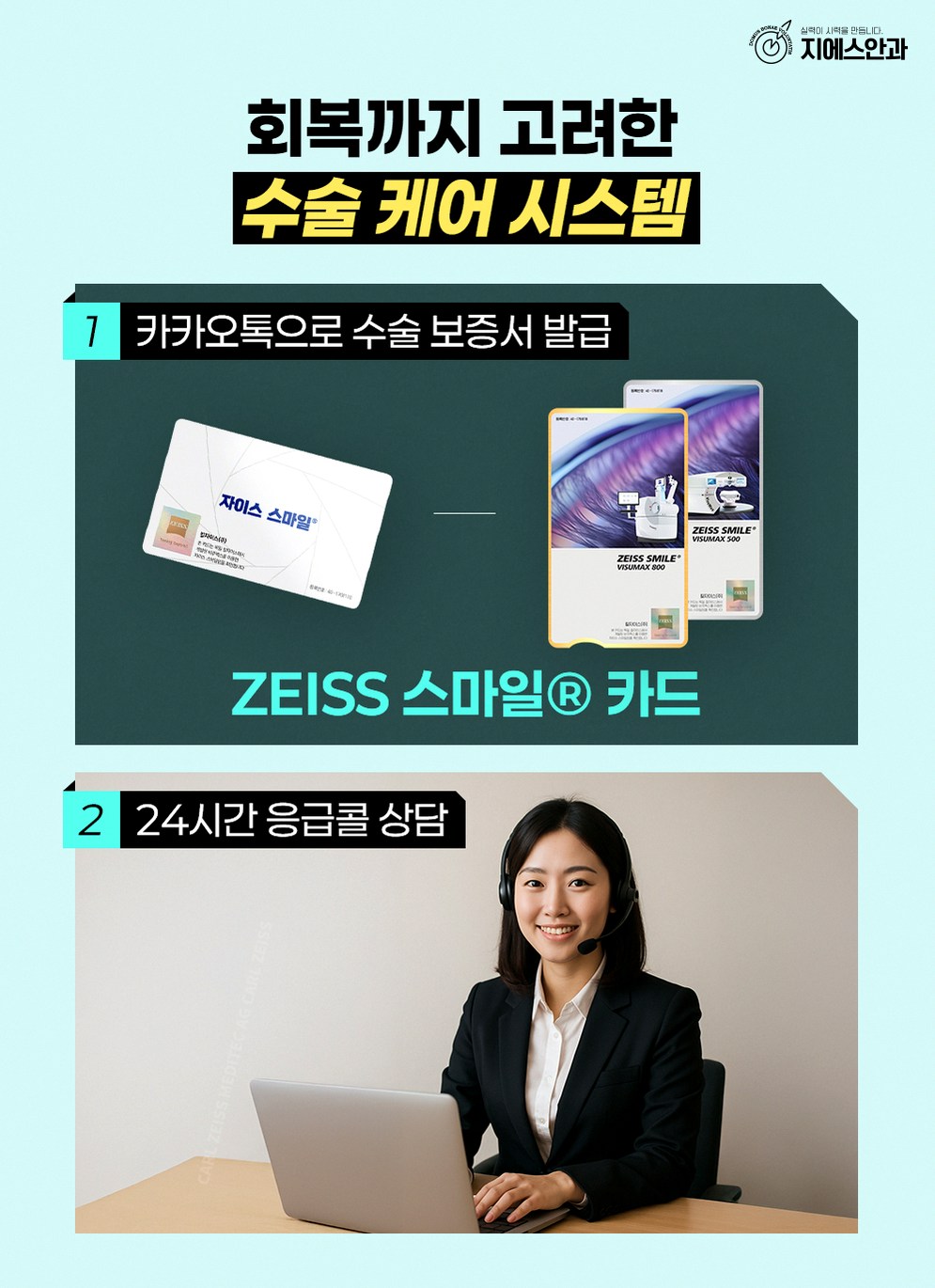
High surgical volume, multiple SMILE platforms, and training-center designations (such as ZEISS SMILE GOLD CLUB membership or SMILE pro CENTER status) can indicate experience and trust from equipment manufacturers and academic partners. Still, they do not guarantee perfect results for every individual.
Questions to ask your ophthalmologist before SMILE LASIK
Before you decide, it is helpful to prepare a checklist of questions, especially if you are flying to Korea for surgery. Examples include:
Am I a better candidate for SMILE LASIK, SMILE Pro, SILK, LASEK, or lens implantation, and why?
What vision range is realistic for my prescription and corneal thickness?
How high is my personal risk of dry eye, and what is the plan if it becomes bothersome?
What night vision changes should I expect in the first months?
If I am not satisfied with the result, what options (such as enhancement) might be considered, and when?
How many days should I stay in Korea for safe follow-up after surgery?
Who should I see in my home country for long-term follow-up, and what information will you provide them?

Bringing these questions written down to your consultation helps you stay calm and ensures you get clear answers.
Aftercare and life back home
Once you return home, ongoing care is important. Your Korean ophthalmology clinic can usually provide a summary letter for your local eye doctor, including your pre-op data, procedure type, and early post-op findings.
Typical aftercare recommendations include:
Regular use of artificial tears for several weeks or months
Avoiding eye rubbing and trauma
Wearing sunglasses outdoors to reduce light sensitivity
Scheduling periodic eye examinations to monitor stability
If you notice sudden pain, vision loss, or severe redness at any time, you should seek urgent care from an ophthalmologist, whether in Korea or your home country.
FAQ about SMILE LASIK near Nonhyeon and Gangnam
How many days in Korea do I need for SMILE LASIK?
For most overseas patients, a stay of about 5 to 7 days is often recommended. This allows time for a full eye examination, consultation, surgery, and at least one or two follow-up visits. If your eyes need extra monitoring or if you choose a different procedure such as lens implantation, your clinic may suggest a longer stay.
When can I go back to work after SMILE LASIK in Gangnam?
Many office workers around Nonhyeon and Gangnam Station return to desk jobs within 2 to 3 days, sometimes sooner. However, you may still have dryness and mild halos, so it is wise to plan a slightly lighter workload in the first week. For jobs that require very sharp vision or night driving, you may need more time before feeling fully comfortable.
Is SMILE LASIK painful?
Most patients report that the procedure is not painful because anesthetic eye drops are used. You may feel pressure and see bright lights during the laser step, and some discomfort or tearing for several hours afterward. Pain levels and sensitivity vary individually, but severe pain is not typical. If you feel strong pain, you should inform the medical staff immediately.
What if I am not a candidate for SMILE LASIK?
If your cornea is too thin, irregular, or if other factors make SMILE LASIK less suitable, the ophthalmologist may recommend alternatives. These can include SMILE Pro, SILK, LASEK, or lens implantation options such as ICL, GLAZE, or PhakiFlex KPL. In some cases, the safest recommendation is to continue with glasses or contact lenses. The key is that the clinic explains clearly why a certain option is or is not advised in your situation.
Soft call to action for online consultation
If you are considering SMILE LASIK near Nonhyeon or Gangnam and are planning a trip to Seoul, an online consultation with an ophthalmology clinic can help you understand whether you are a potential candidate and how to schedule your visit. Sharing your current prescription, medical history, and travel plans in advance allows the clinic to propose a realistic timeline for examination, surgery, and follow-up.
While reviews and guides like this can give you a general picture, only a personalized eye examination by an ophthalmologist can determine whether SMILE LASIK, another SMILE-type procedure, LASEK, or lens implantation is appropriate for you. Taking time to ask detailed questions and compare information will help you make a decision that fits your eyes, lifestyle, and travel plans.
- 공유 링크 만들기
- X
- 이메일
- 기타 앱


댓글
댓글 쓰기