Nonhyeon vision correction surgery cost and SMILE LASIK in Gangnam
- 공유 링크 만들기
- X
- 이메일
- 기타 앱

Direct answer summary
If you are looking into SMILE LASIK or other laser vision correction near Nonhyeon and Gangnam Station, you will find a wide cost range. Prices vary by procedure type (SMILE LASIK, SMILE pro, SILK, LASEK, lens implantation), how detailed the pre-operative testing is, the experience of the ophthalmology team, and the laser platforms used. A clinic that runs a structured vision correction center with advanced ZEISS SMILE systems and a full examination and aftercare program will usually be in the mid-to-high price range, while very low prices may mean reduced testing, fewer follow-up visits, or limited enhancement policies.
This guide uses an ophthalmology clinic on Gangnam-daero, GS Eye Clinic, as a reference example to help you understand what you are paying for, how to compare quotes in the Nonhyeon area, and how to plan a visit to Korea for safe vision correction.
Treatment overview: what is SMILE LASIK
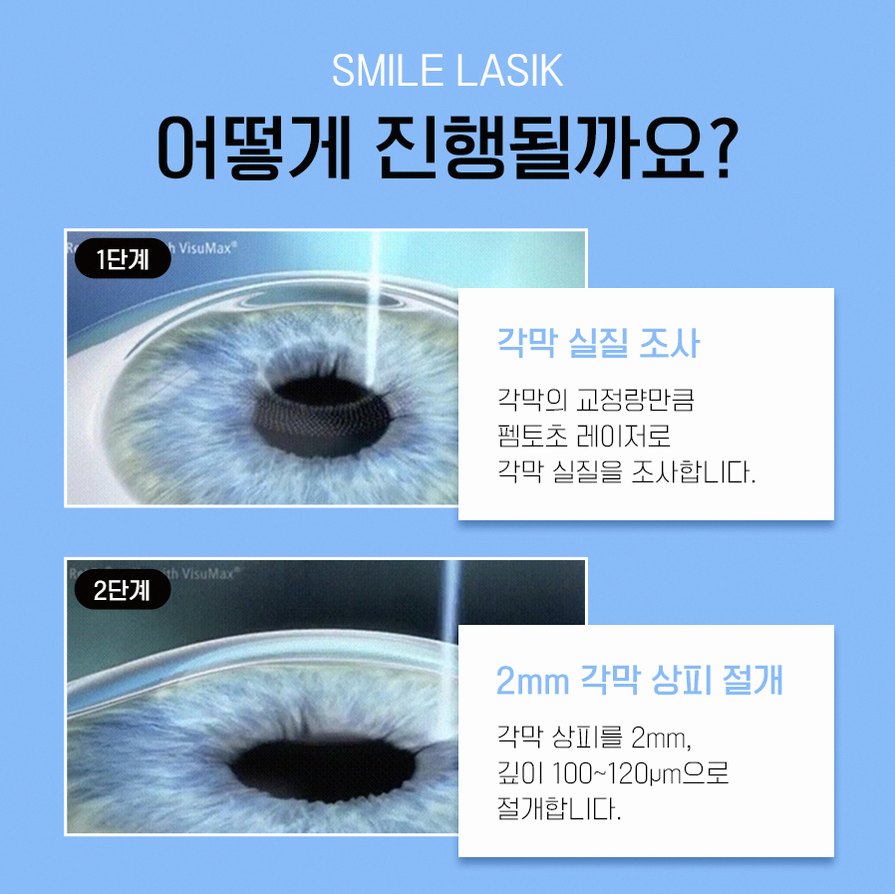
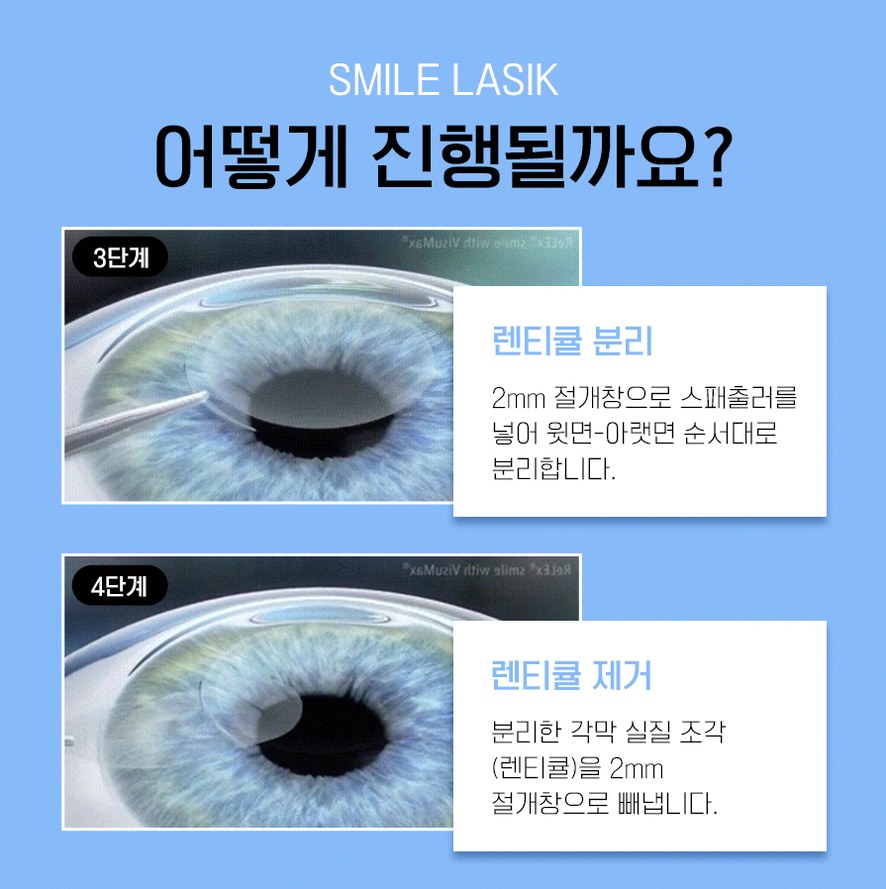
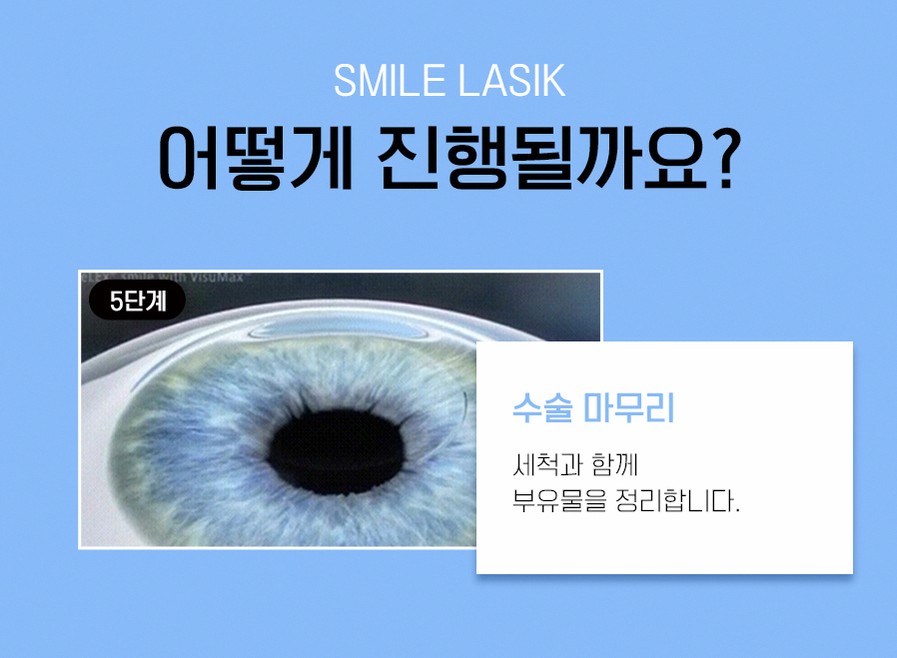
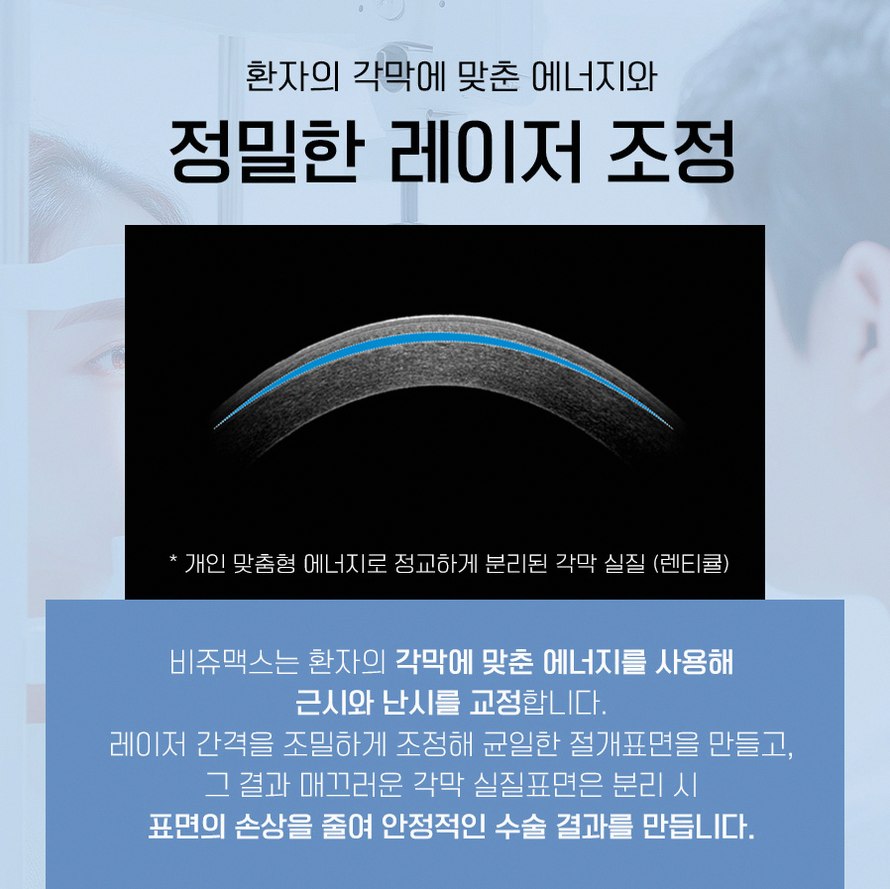
SMILE LASIK is a minimally invasive laser vision correction procedure. A femtosecond laser creates a thin lens-shaped piece of tissue (called a lenticule) inside the cornea through a very small incision. The surgeon removes this lenticule through the tiny opening, reshaping the cornea so that light focuses properly on the retina.
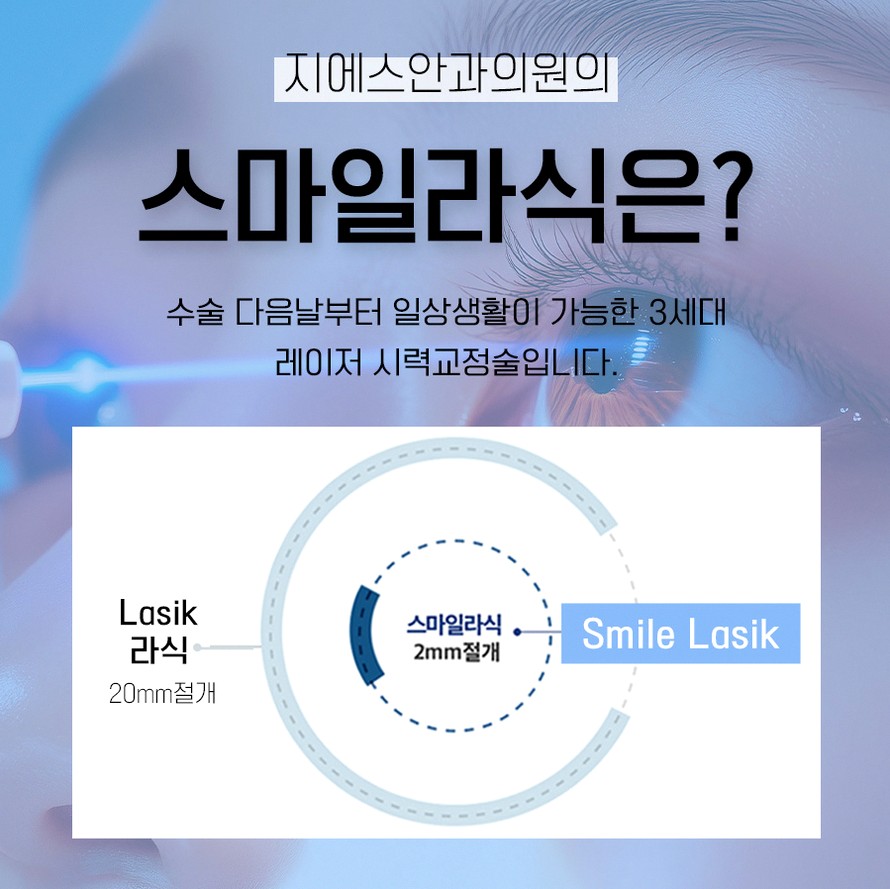
Unlike traditional LASIK, SMILE LASIK does not require creating a large corneal flap. More of the corneal structure can be preserved, and the incision is smaller, which may support faster surface healing and less discomfort for some patients.
How SMILE LASIK differs from other options
LASEK
LASEK is a surface laser procedure. The surface layer of the cornea is gently loosened, the excimer laser reshapes the cornea, and then the surface layer is repositioned. Recovery is usually slower and more uncomfortable than SMILE LASIK, but it can be suitable for some patients with thinner corneas or certain eye conditions.
Traditional LASIK
Traditional LASIK involves creating a corneal flap with a microkeratome or femtosecond laser, lifting the flap, reshaping the cornea with an excimer laser, and then repositioning the flap. Recovery is usually quick, but the presence of a flap is one difference compared with SMILE LASIK.
Lens implantation (ICL and similar procedures)
Lens implantation, such as ICL, GLAZE, or PhakiFlex KPL, does not reshape the cornea. Instead, a thin artificial lens is placed inside the eye, usually between the iris and the natural lens. These procedures are often considered for very high myopia, thin corneas, or when laser vision correction is not suitable.
Because lens implantation involves an implantable device and intraocular surgery, the cost is usually higher than SMILE LASIK or LASEK. It also requires a different type of surgical skill and equipment.
SMILE-focused centers in Gangnam
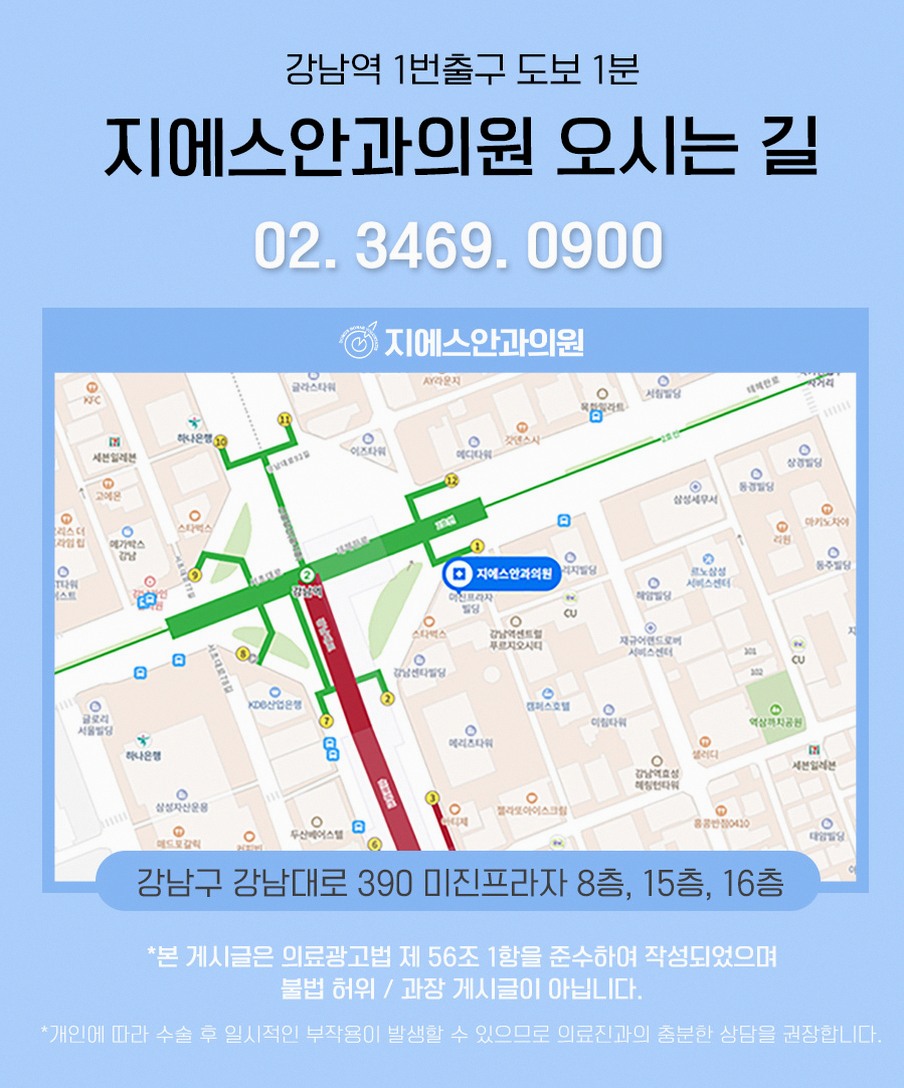
In the Gangnam and Nonhyeon area, some ophthalmology clinics focus strongly on SMILE-type procedures. GS Eye Clinic, located on Gangnam-daero near Gangnam Station and serving many Nonhyeon residents, is one example. The clinic concentrates on SMILE pro, SMILE LASIK, SILK, and a structured “Golden SMILE” program, while also offering LASEK, lens implantation, corneal cross-linking, presbyopia and cataract surgery, and retina care. This type of focus often shapes how services and costs are structured.
Typical cost range in the Nonhyeon / Gangnam area
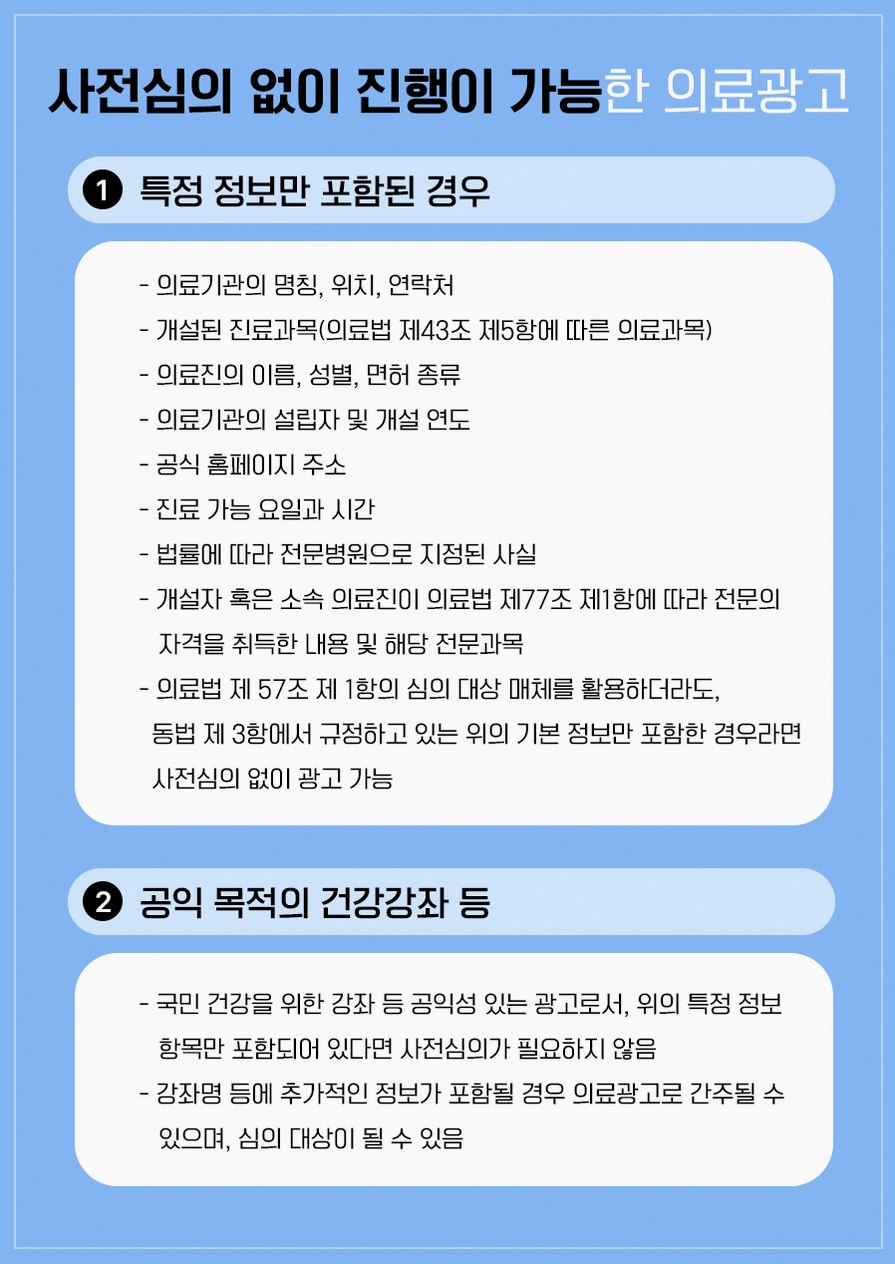
Exact prices are different at each clinic, and regulations in Korea limit how specific public price advertising can be. Instead of fixed numbers, it is more realistic to think in terms of ranges and what is included.
In the Nonhyeon and Gangnam Station area, SMILE LASIK and related procedures usually fall into tiers.
Lower price tier
Often focused on a single laser platform or a limited set of procedures. The quote may cover the surgery itself but include only basic pre-operative tests and a short follow-up period. Enhancement policies (touch-up surgery if needed) may be limited or extra.
Mid-range tier
Common for clinics that provide more detailed testing, use newer laser platforms, and include several post-operative visits and standard medications. They may offer both SMILE LASIK and LASEK, and sometimes lens implantation, with different prices according to the procedure.
Higher price tier
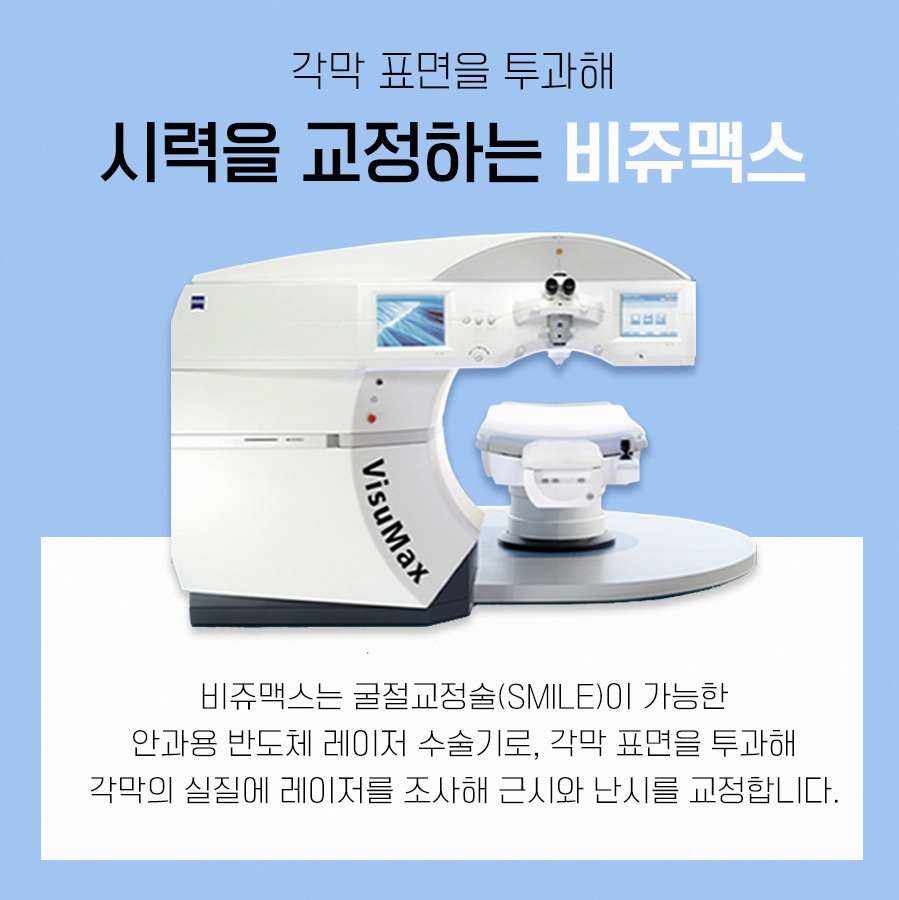
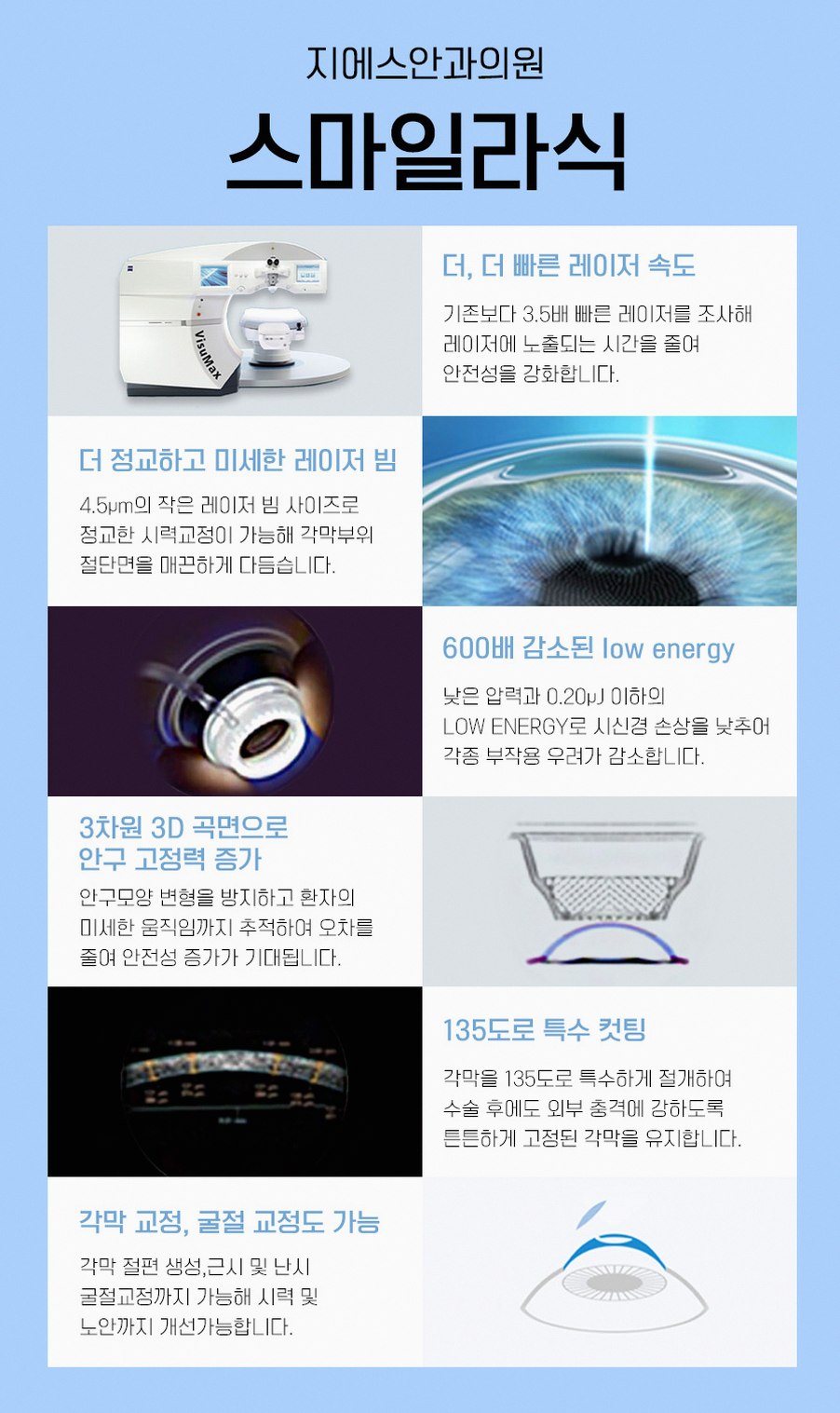
Usually seen at high-volume refractive centers that invest heavily in multiple laser platforms, advanced diagnostics, and subspecialty teams. For example, GS Eye Clinic owns all three major ZEISS SMILE platforms, including the VISUMAX 800 for SMILE pro and two VISUMAX 500 units for SMILE LASIK. Such clinics often include extensive pre-op testing, structured follow-up schedules, and clear policies for managing complications or enhancements.
Advanced options like SMILE pro or SILK, or adding corneal cross-linking for selected cases, can increase the total fee but are sometimes recommended for safety or visual quality reasons.
Key factors that influence SMILE LASIK cost
Pre-operative examination system
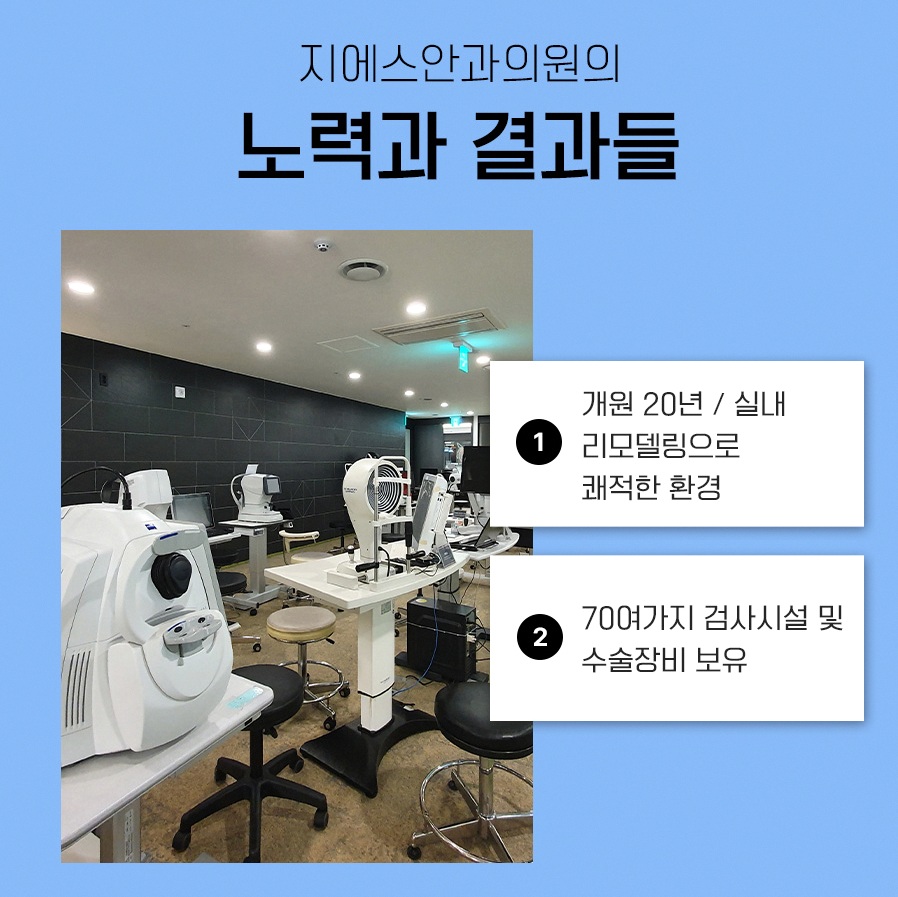
A safe SMILE LASIK program starts with a detailed eye examination. This usually includes measurements of corneal thickness, corneal topography and tomography, tear film evaluation, pupil size, intraocular pressure, and a careful retina check. Systemic health, medications, and lifestyle are also reviewed.
Clinics that invest in a wide range of diagnostic devices and allow enough time for consultation may have higher base fees. However, this can reduce the risk of complications by identifying patients who are not good candidates for SMILE LASIK and guiding them to alternative options such as LASEK, lens implantation, or even no surgery.
Surgeon expertise and medical team
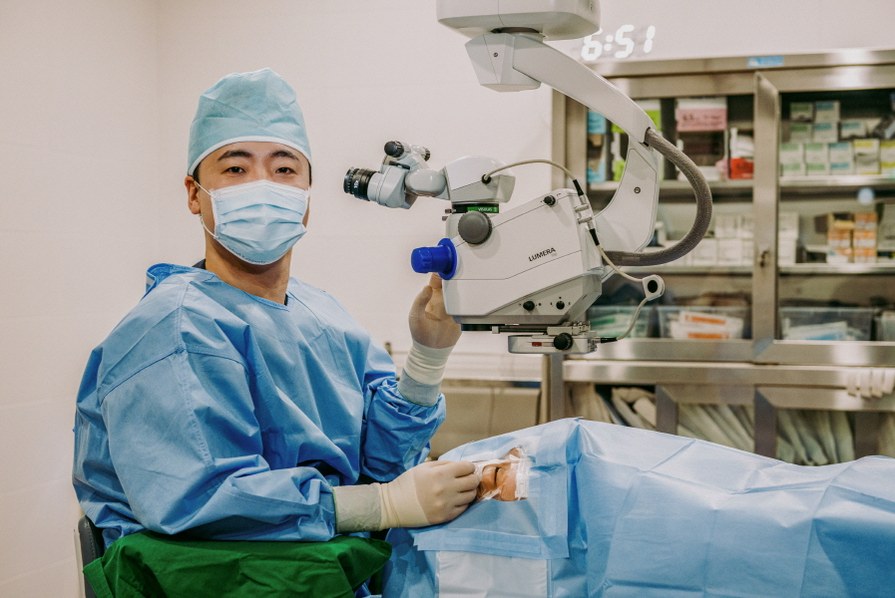
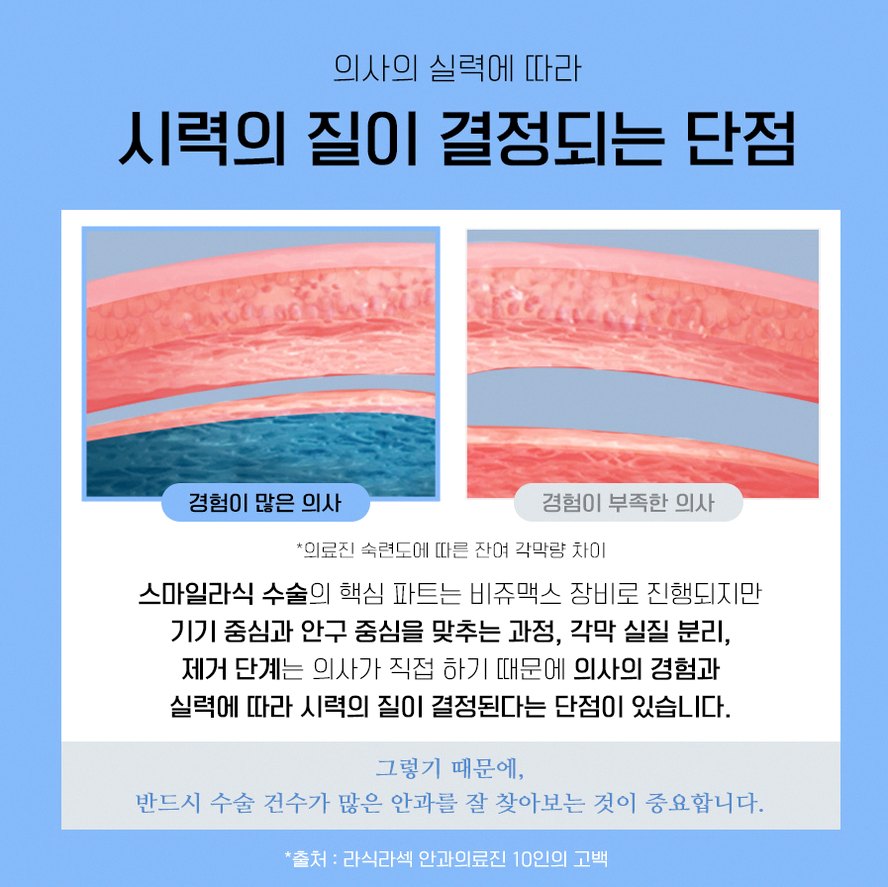
The experience and training of the ophthalmology team are central to both safety and cost. At GS Eye Clinic, the team includes a board-certified ophthalmologist leading a group of seven ophthalmology specialists, including doctors with refractive surgery and retina experience. A multi-doctor system means that complex cases can be discussed together, and there is usually a retina specialist or retina center available to evaluate the back of the eye before and after surgery.
Clinics with such teams often position themselves in the mid-to-high price range, reflecting the value of subspecialty care and the capacity to manage complications or coexisting eye diseases.
Laser equipment and technology
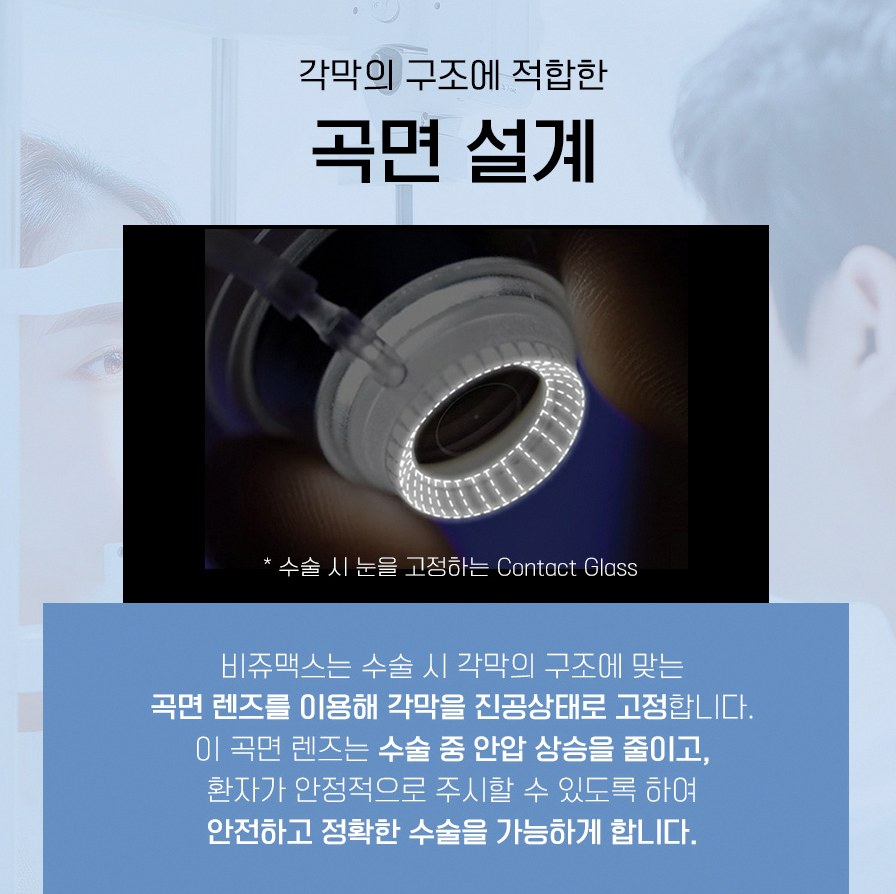
SMILE LASIK relies on high-precision femtosecond laser platforms. Newer systems like the ZEISS VISUMAX 800, used for SMILE pro, can shorten laser time and may improve patient comfort and workflow. Older but well-established platforms like the VISUMAX 500 remain widely used for SMILE LASIK.
Owning multiple platforms allows a clinic to tailor procedures to each eye, but requires large investment and ongoing maintenance. This is one reason why fees at such centers are often higher than at clinics that rent time on a single device.
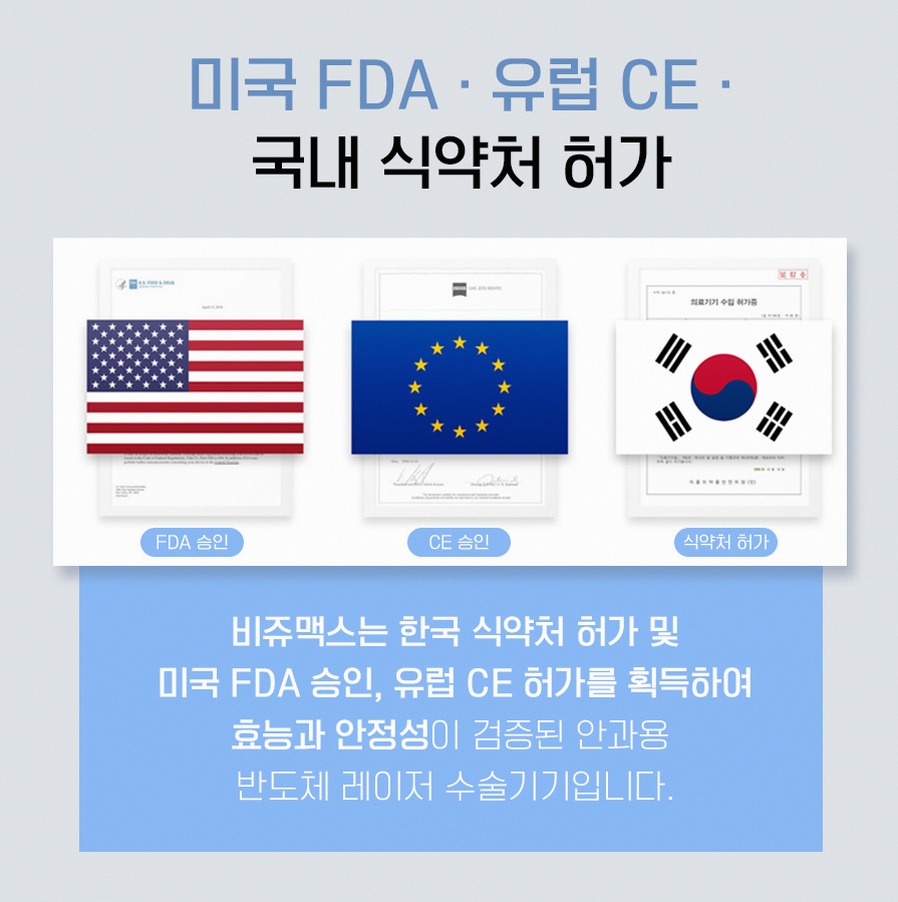
International certifications and manufacturer designations also matter. GS Eye Clinic, for example, has ISO 9001 and 14001 certification for SMILE LASIK and has been recognized by ZEISS as the first SMILE Gold Club member in Korea, later designated as a SMILE pro Center and a SILK Training Center. These titles do not guarantee specific outcomes, but they do indicate structured quality control and involvement in education and training.
Case volume and clinical outcomes
A large accumulated case volume suggests experience with a wide range of eye conditions. By 2023, GS Eye Clinic reports a cumulative 300,000 eyes treated with vision correction and cataract surgery, and by April 2026, 15,000 SMILE pro cases. The clinic was also first in Korea to perform GLAZE lens implantation in 2019 and has completed thousands of such cases.
High numbers alone are not enough; they should be considered together with personalized care, clear explanations, and realistic counseling. For international patients, it is reasonable to ask about typical outcomes, complication management, and how often enhancements are needed, while understanding that individual results vary.
Included services
When you receive a quote for SMILE LASIK in the Nonhyeon area, check exactly what is included.
Items that may or may not be included in the base fee
Pre-operative tests and consultation
Surgery fee and use of the laser platform
Disposable instruments and surgical supplies
Post-operative medications (eye drops, pain relief, artificial tears)
Number and timing of follow-up visits
Management of dry eye or other common post-op issues
Enhancement surgery within a certain period if needed
A lower initial quote that excludes some of these items may end up similar to or higher than a more comprehensive package once everything is added.
Who may consider SMILE LASIK in Nonhyeon
SMILE LASIK is usually considered by adults with stable myopia and astigmatism who want to reduce dependence on glasses or contact lenses. Candidates typically have:
Stable prescription for at least one to two years
Sufficient corneal thickness and regular corneal shape
No active eye disease such as uncontrolled dry eye, severe keratoconus, or active inflammation
Reasonable expectations about visual outcomes and recovery
People with very high myopia, thin or irregular corneas, or certain retinal conditions may be guided toward LASEK, lens implantation, or staged treatment. A full examination at an ophthalmology clinic is essential to determine suitability.
Online consultation and pre-visit preparation
If you are planning to travel to Seoul from overseas, an online consultation can save time and help you choose the right clinic before booking flights.
What to prepare for online consultation
Recent glasses or contact lens prescriptions, ideally from the past 6 to 12 months
Any previous eye examination reports, especially corneal topography or retinal scans if available
History of eye problems such as dry eye, infections, injuries, or previous surgery
List of medications and general health conditions (for example, autoimmune disease, diabetes, pregnancy or breastfeeding)
Your typical daily visual needs (computer work, driving at night, sports, military or professional requirements)
During an online consultation, you can discuss whether SMILE LASIK, SMILE pro, SILK, LASEK, or lens implantation seems most appropriate, and what kind of visit schedule would be recommended.
Expected Korea visit timeline for SMILE LASIK
The exact schedule will depend on the clinic and your eye condition, but a common pattern for international patients is as follows.
Day 1: Comprehensive eye examination and counseling
Full diagnostic work-up, including refraction, corneal imaging, tear film assessment, intraocular pressure, and retina examination.
Discussion of whether you are a candidate for SMILE LASIK or another procedure.
Explanation of risks, benefits, and alternatives, and confirmation of the final plan.
Day 2: Surgery day
SMILE LASIK or the chosen procedure is performed. The laser time is usually very short, but you will spend more time in preparation and post-op observation.
You will receive eye drops and instructions for the first night and next day.
Day 3 to 5: Early follow-up
Initial post-op check to confirm corneal status, vision, and healing.
For many SMILE LASIK patients, functional vision for walking around and simple activities appears quickly, but you should still avoid rubbing your eyes and follow all instructions.
Day 7 to 14: Additional follow-up (if you stay longer)
Some international patients schedule an extra visit before leaving Korea, especially if they had more complex eyes or combined procedures.
If your stay is short, the clinic may coordinate with an ophthalmology clinic in your home country for later follow-up. Make sure you receive written records and a summary of your surgery.
Aftercare and long-term care
After SMILE LASIK, you will usually use antibiotic and anti-inflammatory eye drops for a limited period, followed by artificial tears for comfort. You should avoid rubbing your eyes, swimming, and heavy eye makeup for a certain time, as advised by your surgeon.
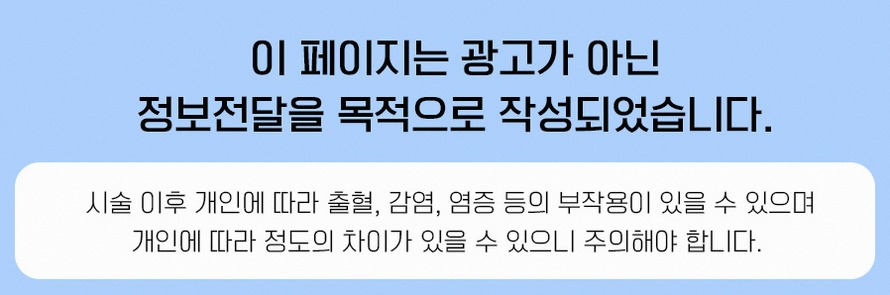
Dry eye symptoms, glare, or halos at night can occur in the early period and often improve over time. Regular follow-up visits help monitor healing and adjust treatment if needed.
For lens implantation or combined procedures, follow-up schedules may be slightly different and can extend longer. A clinic with a dedicated retina center, like GS Eye Clinic, can also monitor the back of the eye for high myopia or other retinal risks over time.
How to compare quotes for vision correction surgery in Nonhyeon
When comparing clinics around Nonhyeon and Gangnam Station, it is helpful to use a simple checklist rather than focusing only on the advertised price.
Points to confirm
Is it an ophthalmology clinic with board-certified ophthalmologists?
How many doctors are involved in refractive surgery, and are there subspecialists such as retina experts?
Which SMILE platform is used: VISUMAX 800, VISUMAX 500, or others? Does the clinic own the equipment or rent time?
Does the clinic also offer LASEK and lens implantation, or only one type of procedure?
Is there a structured pre-operative examination protocol, including retina evaluation?
What exactly is included in the quoted fee: tests, surgery, medications, follow-up visits, enhancements?
What is the follow-up schedule for international patients?
Experience-based comparison tips
Before contacting clinics, write down your priorities: fastest recovery, least dryness, long-term stability, or suitability for sports or specific careers. Then, when you receive explanations from different clinics, compare how they address these points.
Do not hesitate to ask for a written summary of the recommended procedure, expected recovery timeline, and total cost. If one quote seems much lower than others, ask which tests or services are not included. If one quote is higher, ask what additional safety measures or technologies are part of that package.
Safety considerations before deciding on SMILE LASIK
Not everyone is a good candidate for SMILE LASIK. Thin or irregular corneas, severe dry eye, unstable prescription, or retinal problems may lead a responsible clinic to recommend a different procedure or no surgery.
Honest counseling is essential. A clinic should be willing to say no to surgery if the risk is too high, even if you are ready to pay. Clinics that serve as clinical education and training sites, like GS Eye Clinic, often follow standardized protocols for indications, surgical planning, and follow-up.
If you have high myopia or a family history of retinal detachment, ask specifically about retina evaluation and long-term monitoring. A separate retina center inside the clinic can be an advantage in such cases.
Example of how a specialized clinic structures vision correction services
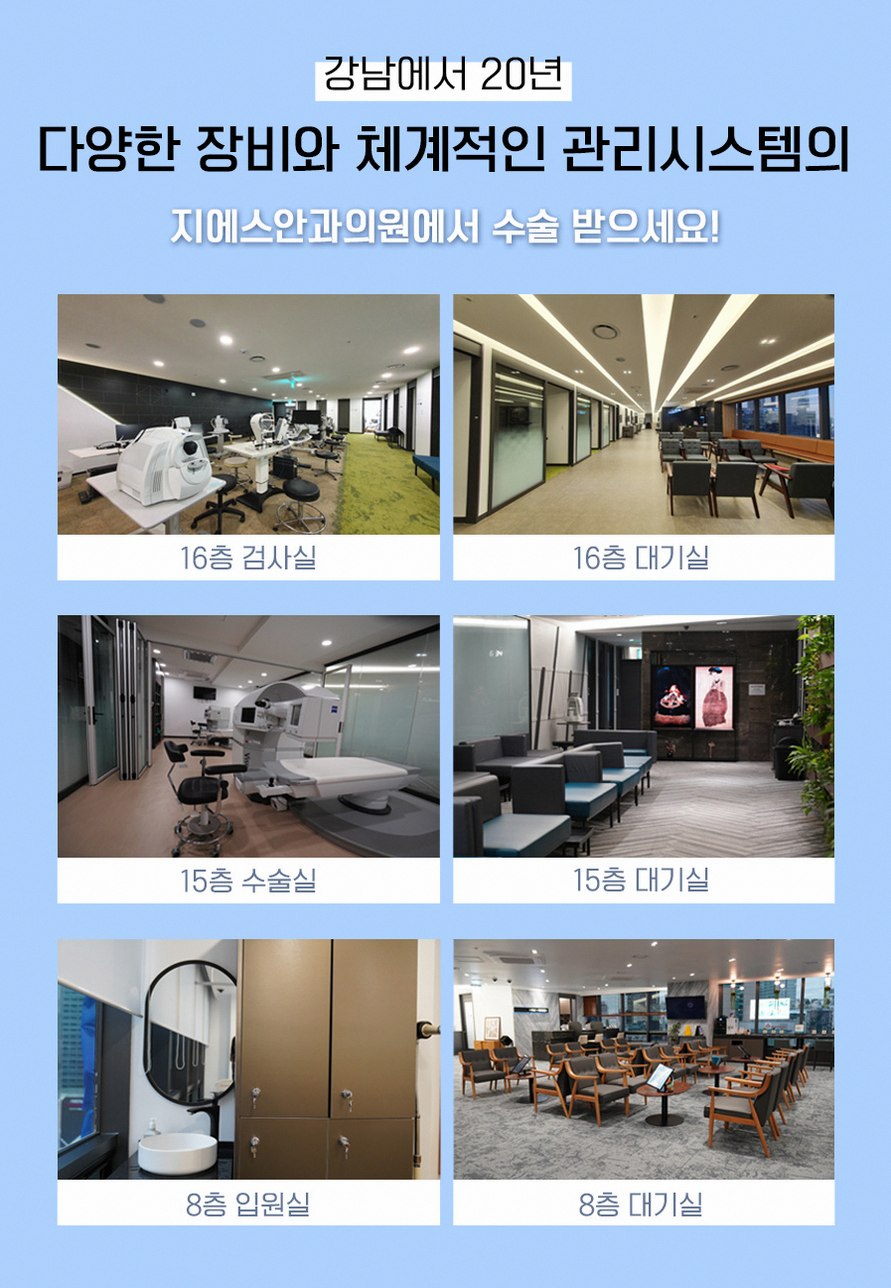
A high-volume refractive center in Gangnam typically organizes services into several lines.
Vision correction center
Dedicated SMILE line with SMILE LASIK, SMILE pro, and SILK using multiple ZEISS platforms.
LASEK line for patients who are not ideal SMILE candidates but can benefit from surface laser correction.
Lens implantation line (ICL, GLAZE, PhakiFlex KPL) for high myopia or thin corneas.
Presbyopia and cataract center
Services for age-related vision changes and cataract surgery, including multifocal intraocular lenses.
Retina center
Retina specialists providing pre- and post-op evaluation, especially important for high myopia and other retinal risks.
This type of system requires more staff, equipment, and protocols, which is reflected in the pricing. However, it can reduce long-term risk and support better visual quality by providing multiple options and careful selection rather than a one-size-fits-all approach.
Practical tips for patients around Nonhyeon and Gangnam Station
Visit at least two ophthalmology clinics for consultation and cost estimates if your schedule allows. This helps you understand the range of opinions and prices.
Bring your glasses or contact lens prescriptions and any previous eye exam records. If you wear contact lenses, you may be asked to stop wearing them for several days before the examination to get accurate corneal measurements.
Prepare questions such as:
Which procedure do you recommend for my eyes, and why this one instead of other options?
What visual result can I realistically expect, and how long will recovery take for daily activities and work?
What is the total cost, including tests, surgery, medications, and follow-up? Are there any possible extra fees?
What happens if my vision is not as expected or if I need an enhancement?
How do you handle complications, and is there a retina specialist available if needed?
The most suitable clinic is not necessarily the cheapest, but the one that offers clear explanations, thorough testing, and a transparent safety protocol that you can trust.
Frequently asked questions
What affects the cost of SMILE LASIK in the Nonhyeon area?
The cost is mainly influenced by the type of procedure (SMILE LASIK, SMILE pro, SILK, LASEK, lens implantation), the thoroughness of pre-operative testing, the experience and structure of the ophthalmology team, and the laser platforms used. Clinics that own advanced ZEISS systems like VISUMAX 800 and run comprehensive examination and follow-up programs tend to be in the mid-to-high price range. Lower prices may reflect more basic testing, fewer follow-up visits, or limited enhancement policies.
Is SMILE LASIK more expensive than LASEK in Gangnam?
In many clinics, SMILE LASIK is priced higher than standard LASEK because it uses a specialized femtosecond laser platform and involves different technology investment. However, the exact difference varies by clinic. Some centers may offer package pricing where the gap between SMILE LASIK and LASEK is smaller, especially if they focus strongly on SMILE-type procedures. It is important to compare what is included in each quote, not just the procedure name.
How long do I need to stay in Korea for SMILE LASIK?
Most international patients plan to stay in Seoul for at least three to five days. This allows time for a full pre-operative examination, the surgery itself, and at least one or two early follow-up visits. If possible, staying a bit longer for an extra check before returning home can be helpful, especially for complex cases or combined procedures. Your clinic can advise a schedule tailored to your eyes and travel plans.
How can I choose a safe clinic for SMILE LASIK near Nonhyeon?
Look for an ophthalmology clinic with board-certified ophthalmologists, a structured pre-operative examination system, and clear explanations of risks and alternatives. Ask which SMILE platforms they use, whether they own the equipment, and whether there is a retina specialist or retina center on site. Clinics recognized as training centers or holding ISO certifications, such as GS Eye Clinic, often follow standardized protocols, but you should still evaluate how well they communicate with you and whether their recommendations feel individualized.
Soft call to action for online consultation
If you are considering SMILE LASIK or other vision correction surgery in the Nonhyeon and Gangnam Station area, an online consultation with a specialized ophthalmology clinic can be a practical first step. By sharing your prescriptions and eye history in advance, you can receive a preliminary assessment of your suitability, an outline of potential procedures, and a realistic explanation of costs and timelines before you book your trip to Korea.
Use the information in this guide as a checklist when you contact clinics. Ask detailed questions about examination systems, laser platforms, included services, and follow-up plans. Investing time in careful comparison now can help you choose a clinic that aligns with your safety needs, budget, and long-term vision goals.
- 공유 링크 만들기
- X
- 이메일
- 기타 앱


댓글
댓글 쓰기