Presbyopia lens implantation in Seoul for near and distance vision
- 공유 링크 만들기
- X
- 이메일
- 기타 앱



Direct answer summary
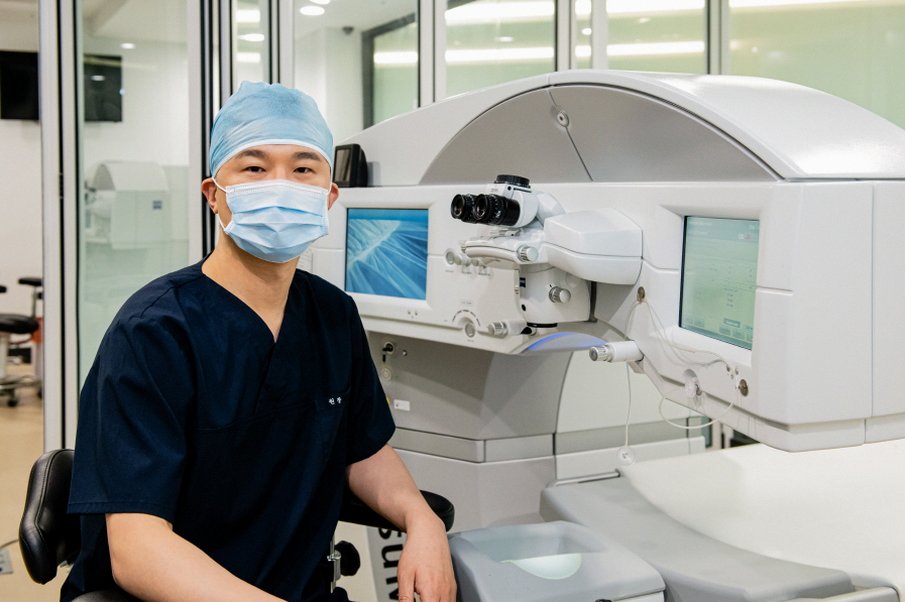
Presbyopia lens implantation is a surgical procedure that replaces your aging natural lens with a multifocal or similar intraocular lens to improve both near and distance vision. It is usually considered by people in their 40s to 60s who are tired of constantly using reading glasses or bifocals, and by patients who also have early or established cataract. In Seoul’s Gangnam area, GS Eye Center offers this type of surgery with a structured examination process, individualized lens selection, and a dedicated cataract and presbyopia service line for local and overseas patients.
This guide explains what presbyopia lens implantation is, who may be a candidate, how the procedure and recovery work, how it compares with other options, and what an international patient can expect when planning a trip to Korea.
What is presbyopia and why does it happen?
Presbyopia is the gradual loss of the eye’s ability to focus on near objects. It usually starts to become noticeable in the early to mid-40s. You may find yourself holding your phone farther away, needing brighter light to read, or relying on reading glasses for menus and documents.
This change happens because the natural lens inside the eye becomes stiffer and less flexible with age. The small muscles that used to change the lens shape for near focus can no longer do so effectively. This is a normal aging process and affects almost everyone, even people who have never worn glasses before.
What is presbyopia lens implantation?
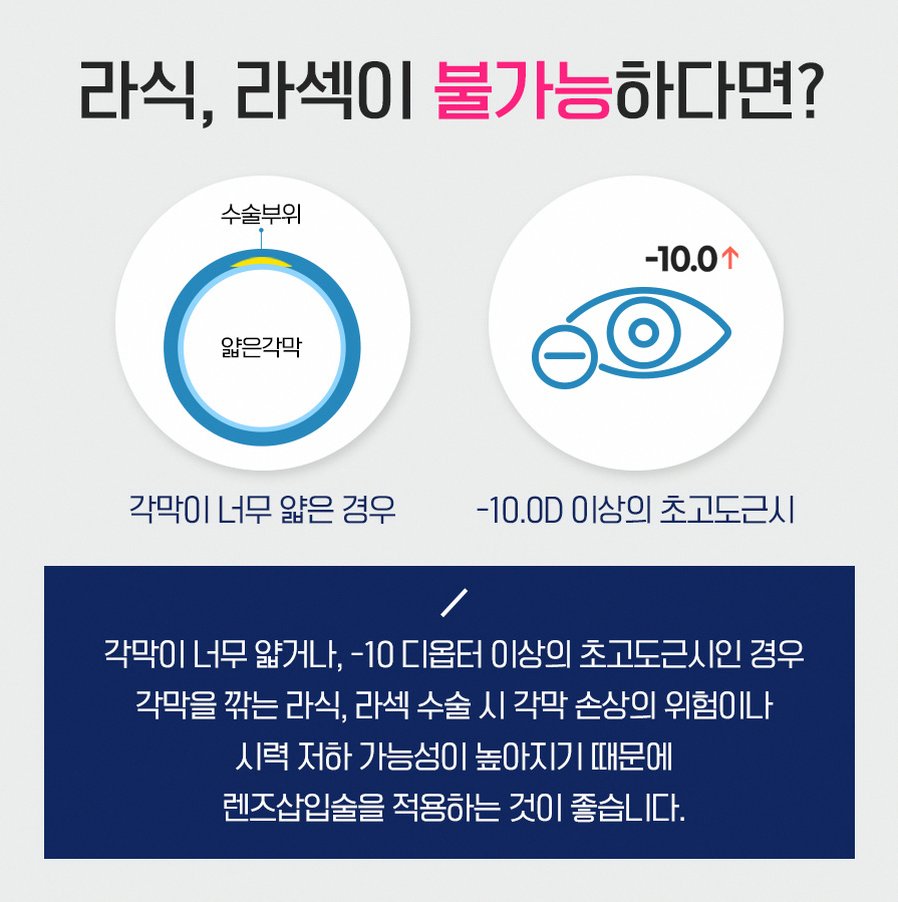
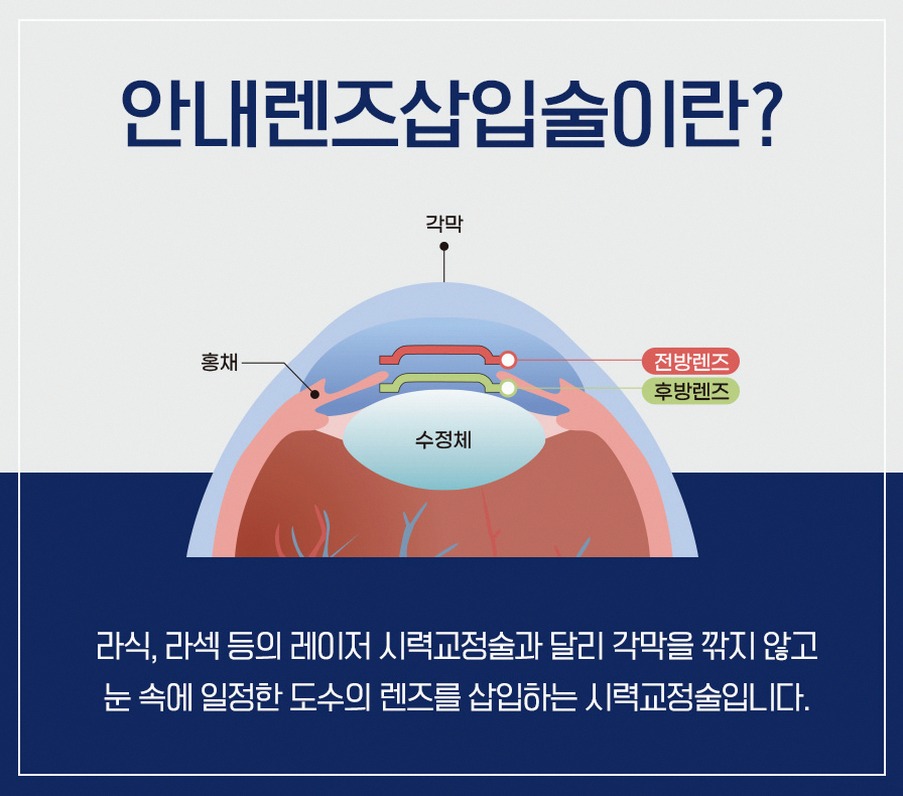
Presbyopia lens implantation is a type of intraocular lens surgery that aims to correct both near and distance vision by replacing the natural lens with a multifocal or extended depth-of-focus intraocular lens.
Key points about this procedure:
It is lens-based, not laser-based. The surgery works inside the eye on the lens, unlike LASIK, LASEK, or SMILE, which reshape the cornea.
It can be combined with cataract surgery. If you already have a cataract, the cloudy lens is removed and replaced with a presbyopia-correcting lens instead of a standard monofocal lens.
It can be done before a cataract is advanced. In some patients, it is performed as a refractive lens exchange to reduce dependence on glasses even when the cataract is still early.
The implanted lens is designed to provide multiple focal points or an extended range of focus, so you can see far, intermediate (such as computer distance), and near more comfortably.
Who may consider presbyopia lens implantation?
Typical candidates include:
Adults usually in their mid-40s or older whose near vision has declined and who are tired of reading glasses or multifocal glasses.
People who have both presbyopia and early or advanced cataract and want a wider range of vision after cataract surgery.
Patients who wish to reduce dependence on glasses for both near and distance vision and who understand the trade-offs of multifocal or premium lenses.
Basic candidacy considerations
Whether this surgery is suitable for you depends on several factors that your ophthalmology team will evaluate during a comprehensive examination.
General suitability points include:
Stable vision and realistic expectations. Your prescription should be relatively stable, and you should understand that no surgery can promise perfect vision in every situation.
Healthy cornea and tear film. Severe dry eye or corneal disease can affect vision quality and healing.
Healthy retina and optic nerve. Conditions such as advanced macular degeneration or severe diabetic retinopathy may limit the benefit of multifocal lenses.
Appropriate eye measurements. Pupil size, eye length, and corneal curvature must be suitable for the chosen lens type.
Lifestyle and sensitivity to visual phenomena. People who are extremely sensitive to halos or glare around lights, or who need very high-quality night vision for their job (for example, some professional drivers or pilots), may be better suited to other options.
For international patients, an online consultation with your reports from a local eye examination can help the clinic estimate whether you are likely to be a candidate before you travel.
How presbyopia lens implantation works
Preoperative examination and planning
Before surgery, a detailed preoperative work-up is essential. This usually includes:
Vision and refraction testing to measure your current glasses prescription and visual acuity at distance and near.
Intraocular pressure check to screen for glaucoma.
Slit-lamp examination to assess the cornea, lens (including cataract), and anterior segment.
Retinal evaluation, often with dilated pupils and imaging, to check for macular or peripheral retinal problems.
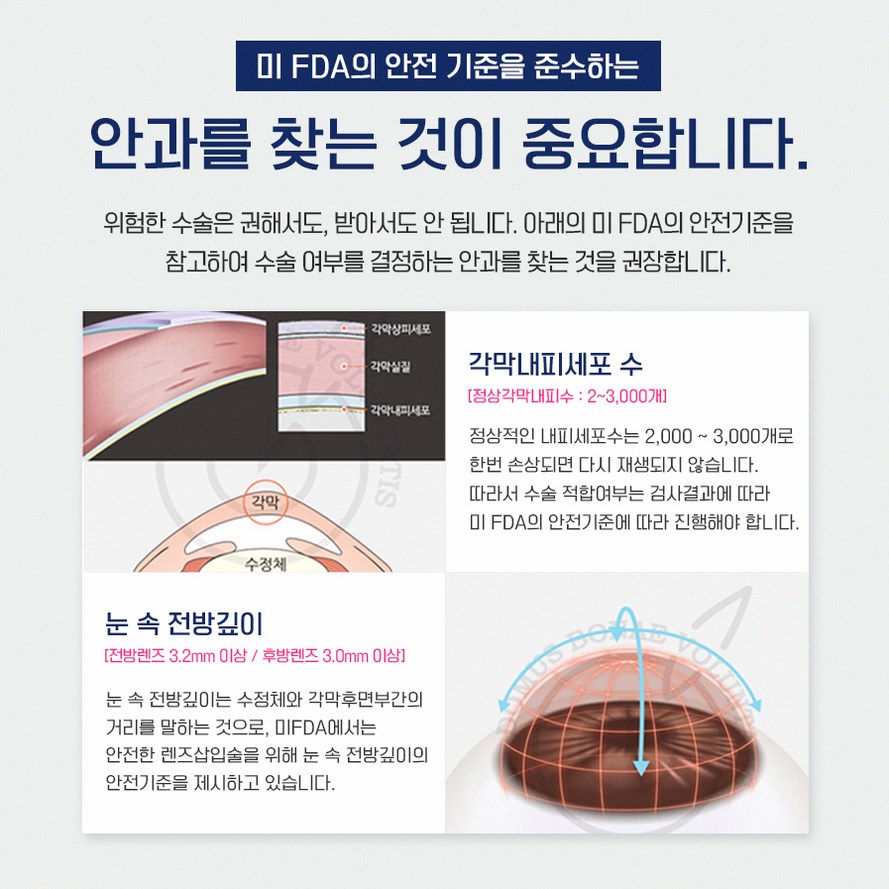
Biometric measurements, such as axial length, corneal curvature, and anterior chamber depth, to calculate the exact power and type of intraocular lens.
Tear film and corneal surface assessment to identify dry eye or surface disease that may need treatment before surgery.
Lifestyle discussion, including your work (for example, computer-based, driving, detailed close work), hobbies, night driving needs, and your priorities for distance versus near vision.
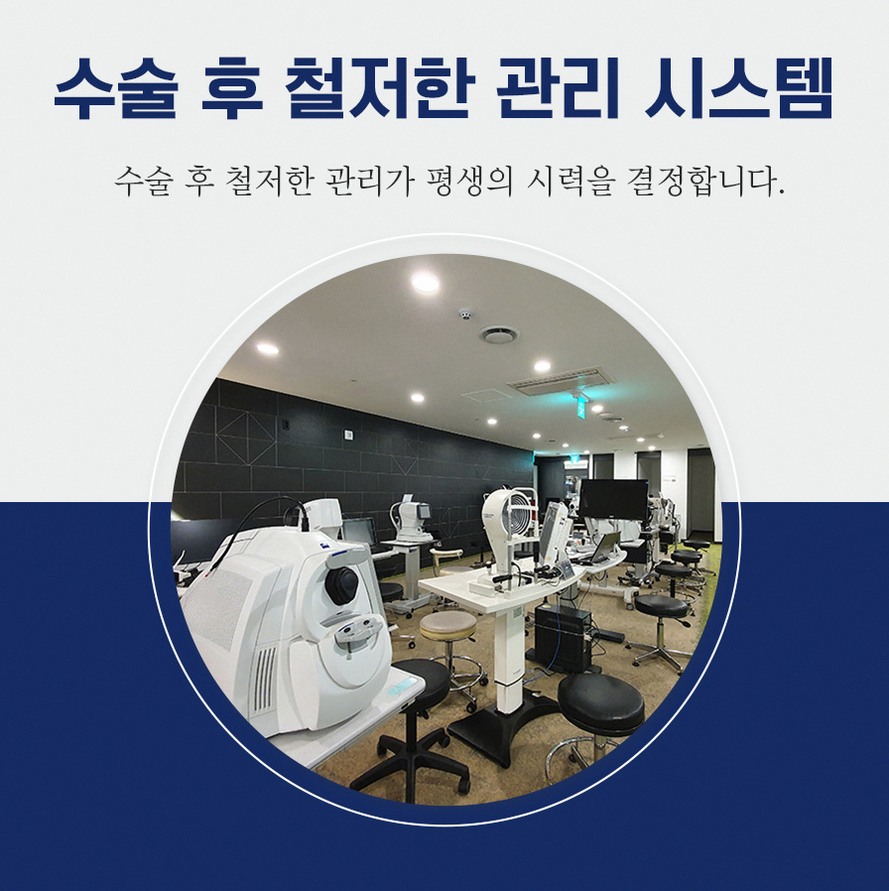
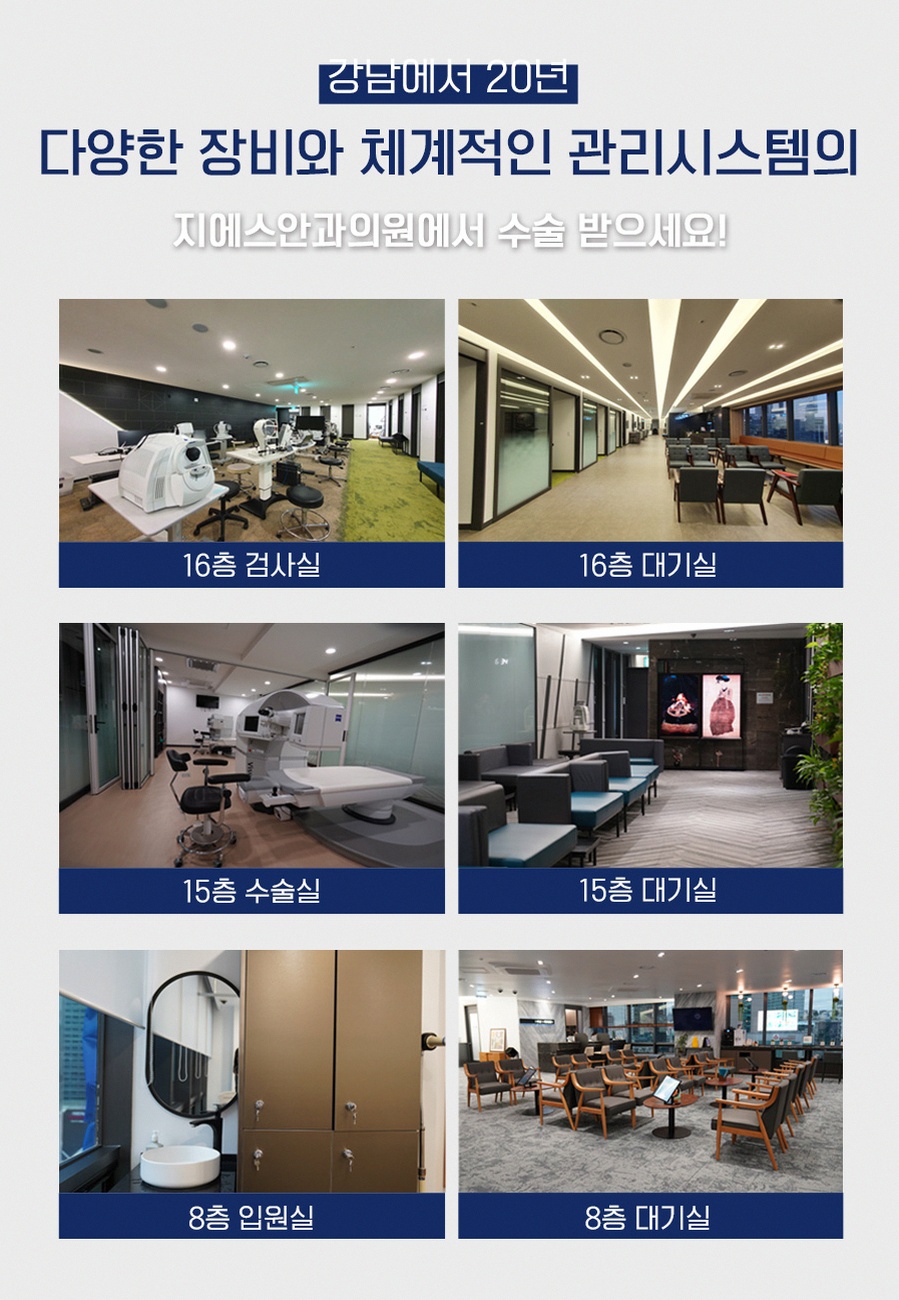
At GS Eye Center, this preoperative stage is structured and uses diagnostic equipment similar to that used in university hospitals and training centers. Because the clinic also serves as a clinical education center for medical students and for an Asia-Pacific ophthalmic device company, protocols for measurements and lens selection are standardized and refined.
The surgical procedure
Presbyopia lens implantation is usually performed as an outpatient procedure under topical anesthesia (numbing eye drops). In some cases, mild sedation may be offered to help you relax.
A small incision is made at the edge of the cornea.
The natural lens is gently broken up and removed, similar to modern cataract surgery.
A multifocal, extended depth-of-focus, or other premium intraocular lens is inserted into the same position where the natural lens used to be.
The incision is typically self-sealing and may not require stitches.
Usually, one eye is treated at a time, with a short interval between eyes. The exact timing can be planned to match your travel schedule and recovery.
Postoperative course and recovery
After surgery, you rest briefly at the clinic and then go back to your accommodation the same day.
You will use prescribed eye drops for several weeks to reduce inflammation and prevent infection.
Vision often improves within days, but it can continue to stabilize over several weeks.
With multifocal or extended depth-of-focus lenses, the brain needs time to adapt to the new way of focusing. This neuroadaptation process can take several weeks to a few months.
During this period, some patients notice halos or glare around lights, especially at night. These symptoms often become less noticeable as the brain adapts, but they may not disappear completely in every case.
Types of lenses and customization
There is no single lens type that is perfect for everyone. The choice of intraocular lens is customized based on your eyes and your daily life.
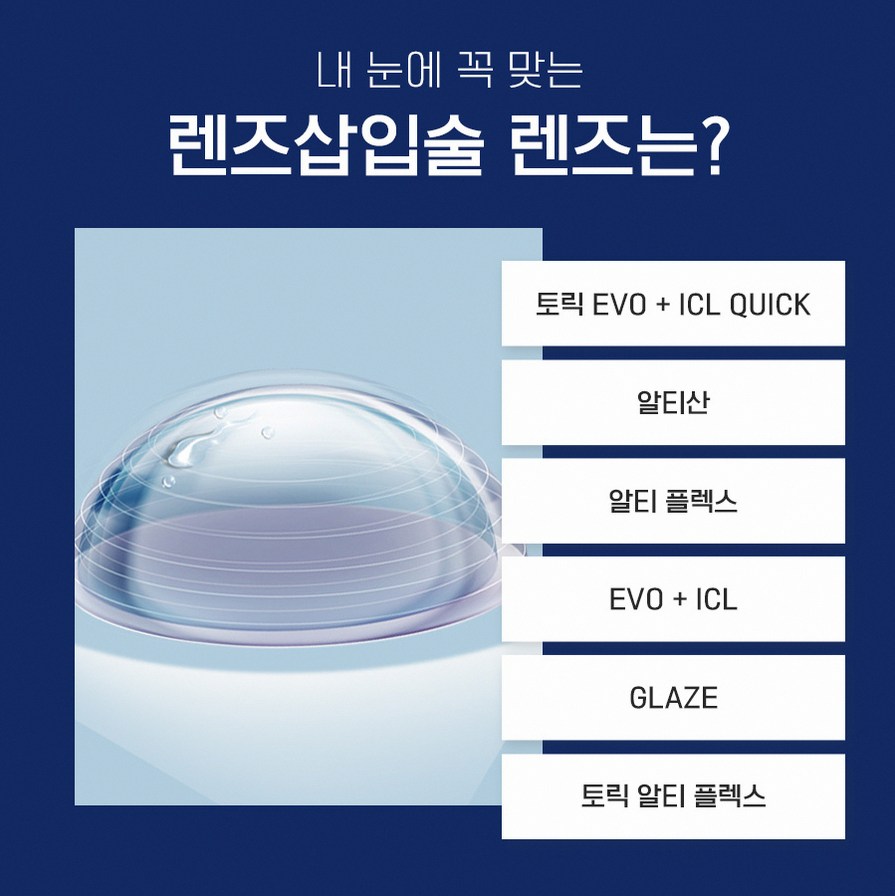
Multifocal intraocular lenses
These lenses have multiple focal points for distance, intermediate, and near vision. They are designed to reduce dependence on glasses across different distances.
Advantages: broader range of vision, especially for reading and computer work.
Considerations: possible halos, glare, or reduced contrast sensitivity compared with monofocal lenses, especially in low light.
Extended depth-of-focus lenses
These lenses provide an extended range of focus, usually with strong distance and intermediate vision and functional near vision.
Advantages: smoother transition between distances and, in some cases, fewer halos compared with some multifocal designs.

Considerations: you may still need glasses for very fine print or prolonged close work.
Toric lenses for astigmatism
For patients with significant astigmatism, toric versions of multifocal or extended depth-of-focus lenses can correct both astigmatism and presbyopia.
This can improve clarity and reduce the need for glasses compared with non-toric lenses in eyes with astigmatism.
Individualizing lens choice
Your surgeon will consider:
The degree of presbyopia and any cataract.
The amount and axis of astigmatism.
Your occupation and hobbies, such as frequent night driving, long hours at a computer, reading small print, or sports.
Your tolerance for potential halos or glare and your priorities for distance versus near vision.
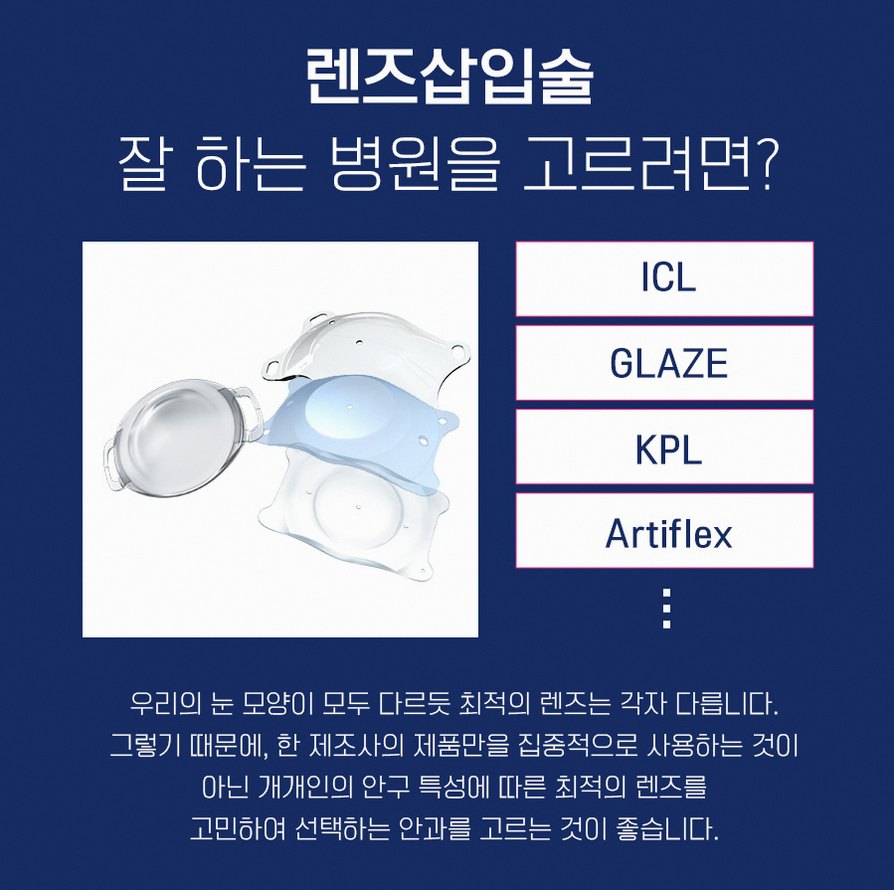
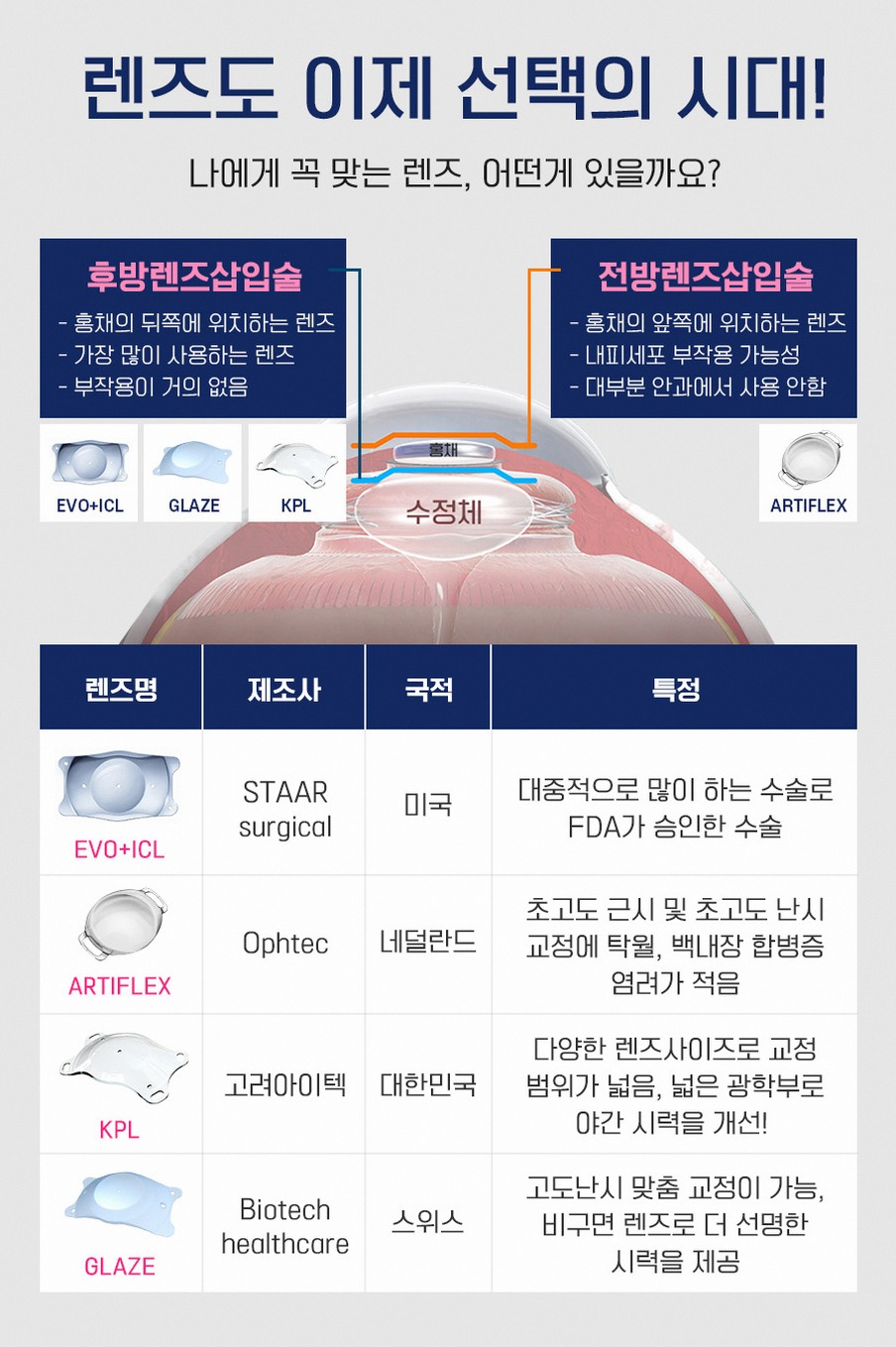
At GS Eye Center, the cataract and presbyopia service line has experience with a wide range of premium multifocal lenses, including large case numbers with well-known models. This allows the surgeons to match lens characteristics with your visual needs based on real-world outcomes.
Benefits of presbyopia lens implantation
Many patients choose presbyopia lens implantation for the following reasons:
Reduced dependence on glasses
For many daily activities such as reading a smartphone, checking a price tag, or working at a computer, patients often find they can function with little or no use of reading glasses. Some may still use glasses for very fine print or extended close work, but overall dependence is usually reduced.
Simultaneous treatment of cataract and presbyopia
If you already have a cataract, this surgery addresses both the cloudy lens and the loss of near focus at the same time. Instead of a standard monofocal lens that mainly corrects either distance or near, a presbyopia-correcting lens aims to give a wider range of clear vision.
Long-term stability
The implanted intraocular lens does not age or become stiff in the way the natural lens does. Once the lens is in place and the eye has healed, the correction is generally stable over the long term. Age-related changes can still occur in other parts of the eye, such as the retina or optic nerve, so regular eye examinations remain important.
Quality-of-life improvement
Being less dependent on reading glasses can make daily life more convenient. Many patients find it easier to read messages on their phone, work on a laptop, read documents, and manage daily tasks without constantly reaching for glasses.
Risks, side effects, and limitations
All eye surgery carries risks, and it is important to understand them before deciding.
Common temporary symptoms
Mild discomfort, foreign body sensation, or light sensitivity in the first days after surgery.
Fluctuating vision as the eye heals and the tear film stabilizes.
Visual phenomena
Halos, glare, or starbursts around lights, especially at night.
Reduced contrast sensitivity compared with monofocal lenses, which can make low-contrast scenes appear slightly less sharp.
These effects are often most noticeable in the early period and may improve with neuroadaptation, but some degree of visual phenomena can persist.
Medical risks
Infection inside the eye (endophthalmitis), which is rare but serious.
Inflammation or increased intraocular pressure.
Retinal complications such as retinal detachment or macular edema, which are uncommon but possible, especially in eyes with certain risk factors.
Posterior capsule opacification, a clouding behind the lens that can develop months or years later and is usually treatable with a simple laser procedure.
Limitations
Some patients may still need glasses for specific tasks, such as reading very fine print, detailed craft work, or prolonged close reading.
Not every eye is suitable for multifocal or premium lenses. In some cases, a monofocal lens or other strategy may be safer and provide more reliable quality of vision.
Outcomes depend on accurate measurements, surgical technique, and the underlying health of the eye, especially the retina and optic nerve.
Comparison with other options
Reading glasses or multifocal glasses
Glasses are non-surgical, safe, and easy to adjust over time. They are a good option for many people. However, some find them inconvenient, especially when constantly putting them on and taking them off, or when misplacing them.
Presbyopia lens implantation aims to reduce this dependence but involves surgery and its associated risks. The decision depends on your lifestyle, tolerance for glasses, and medical suitability.
Corneal laser vision correction (LASIK, LASEK, SMILE)
These procedures reshape the cornea to correct distance vision, mainly for myopia, hyperopia, and astigmatism. They do not stop presbyopia from developing as you age.
Some strategies such as monovision LASIK can help with near vision in one eye, but they may involve compromises in depth perception.
Presbyopia lens implantation directly addresses the aging lens and can be combined with cataract treatment, which laser procedures cannot do.

Standard cataract surgery with monofocal lens
Standard cataract surgery usually involves implanting a monofocal lens that is set for either distance or near. Most patients then use glasses for the other range.
Presbyopia lens implantation uses multifocal or extended depth-of-focus lenses to provide a wider range of vision, with the goal of reducing the need for glasses at both distance and near.
Why consider GS Eye Center in Gangnam, Seoul?
This ophthalmology clinic has been operating in the same location near Gangnam Station since 2005. All seven doctors are board-certified ophthalmologists, with subspecialists in retina and cataract or refractive surgery.
The medical director holds a medical doctorate, has experience as a university hospital ophthalmology professor, and continues to be involved in clinical education and public eye health content.
The clinic has a dedicated cataract and presbyopia service line, including multifocal intraocular lens implantation, and has performed a high cumulative volume of vision correction and cataract surgeries over many years. It is also designated as a clinical education center for medical school training and for an Asia-Pacific ophthalmic device company, which reflects its involvement in teaching and standardized protocols.
Online consultation and pre-visit preparation
If you are considering traveling to Seoul for presbyopia lens implantation, it is helpful to arrange an online consultation before booking your flights.
Before your online consultation, prepare:
A recent eye examination report from your local eye clinic, including your glasses prescription, visual acuity, and any notes on cataract or retinal findings.
Any imaging reports, such as optical coherence tomography of the macula, if available.
A list of your current medications and any systemic conditions such as diabetes, hypertension, or autoimmune disease.
A short description of your daily visual needs: office work, driving patterns, sports, hobbies, and how much you rely on reading glasses.
During the online consultation, you can discuss whether you are likely to be a candidate, what lens types may be suitable, and how long you may need to stay in Korea for surgery and follow-up.
Expected Korea visit timeline
The exact schedule will be tailored to your situation, but a typical plan for overseas patients might look like this:
Day 1 to 2: Comprehensive examination and planning. This includes detailed eye tests, imaging, biometric measurements, and consultation about lens options.
Day 3: Surgery on the first eye.
Day 4 to 5: Early postoperative checks for the first eye.
Day 5 to 7: Surgery on the second eye, depending on your healing and the surgeon’s recommendation.
Following week: Follow-up visits to monitor healing, intraocular pressure, and retinal status.
Many patients can safely travel home about 7 to 14 days after the second eye surgery, but this depends on your healing and any risk factors. Your doctor will advise you on the safest timing.
Aftercare and long-term follow-up
After you return home, you should continue regular eye examinations with your local ophthalmologist.
Key aftercare points include:
Use your prescribed eye drops exactly as directed and do not stop them early without medical advice.
Avoid rubbing your eyes and follow activity restrictions, such as avoiding swimming or heavy lifting, for the period recommended by your surgeon.
Report any sudden drop in vision, severe pain, flashes of light, or a curtain-like shadow in your vision immediately, as these can be signs of serious complications.
Your local eye doctor can monitor your intraocular pressure, retina, and overall eye health over time. If needed, your Korean surgeon can coordinate with your local doctor using your medical records.
FAQ
Who is a good candidate for presbyopia lens implantation?
You may be a good candidate if you are usually in your mid-40s or older, have difficulty with near vision due to presbyopia, and want to reduce your dependence on reading glasses. Your cornea, retina, and optic nerve should be reasonably healthy, and you should not have severe dry eye or advanced retinal disease. A comprehensive examination is necessary to confirm suitability and to discuss whether multifocal or other lens types are appropriate for your eyes.
At what age can I consider this surgery?
Most patients consider presbyopia lens implantation from their mid-40s onward, when near vision problems become more noticeable. Some people choose it later, when cataracts start to affect distance vision as well. There is no single ideal age; the decision depends on your visual needs, the presence of cataract, and the health of your eyes.
How is it different from standard cataract surgery?
Standard cataract surgery removes the cloudy lens and replaces it with a monofocal lens that usually corrects either distance or near vision, so glasses are still needed for the other range. Presbyopia lens implantation uses multifocal or extended depth-of-focus lenses designed to provide a broader range of vision, aiming to reduce the need for glasses at both distance and near. The surgical steps are similar, but the lens design and visual goals are different.
Will I be completely free from glasses?
Many patients reduce their dependence on glasses for daily tasks, but complete freedom from glasses in all situations cannot be guaranteed. You may still need glasses for very fine print, prolonged close work, or certain specific activities. Outcomes vary from person to person, and it is important to discuss realistic expectations with your surgeon.
How long does the surgery take, and is it painful?
The procedure for each eye usually takes less than 30 minutes, although you should expect to spend longer at the clinic for preparation and recovery. The eye is numbed with drops, so most patients feel pressure rather than pain. Mild discomfort or a foreign body sensation can occur after surgery but usually improves over the first few days.
How long is the recovery period, and when can I drive or work again?
Many patients notice functional vision within a few days, but vision can continue to refine over several weeks. Light office work may be possible after a few days, depending on your comfort and your doctor’s advice. Driving should only be resumed when your vision meets legal standards and you feel safe; this is usually discussed at your early follow-up visits.
Are halos and glare around lights permanent?
Halos and glare are relatively common in the early period after multifocal or extended depth-of-focus lens implantation, especially at night. In many patients, these symptoms become less noticeable over time as the brain adapts. However, some degree of halos or glare can persist in some people. Your surgeon will discuss this risk and help you decide whether the potential trade-off is acceptable for your lifestyle.
Is the implanted lens permanent, and can it be replaced if needed?
The intraocular lens is designed to remain in the eye permanently and does not wear out. In special situations, such as significant lens misalignment or unexpected visual problems, lens exchange may be considered, but this is a more complex procedure and is not routinely needed. Careful preoperative planning aims to minimize the chance of needing a lens exchange.
What examinations are necessary before deciding on surgery?
You will need a full eye examination including visual acuity, refraction, intraocular pressure measurement, slit-lamp examination, and dilated retinal evaluation. Biometric measurements for lens power calculation and assessments of corneal shape and tear film are also important. Additional imaging, such as macular scans, may be recommended depending on your age and medical history.
Can people with diabetes or retinal disease have this surgery?
Many people with well-controlled diabetes and healthy retinas can undergo presbyopia lens implantation, but careful evaluation is essential. If you have diabetic retinopathy, macular degeneration, or other retinal diseases, the potential benefits and risks must be weighed more cautiously. In some cases, a monofocal lens or different strategy may be safer. Coordination between your retinal specialist and cataract or refractive surgeon is often recommended.
Soft call to action
If you are in your 40s to 60s and feel limited by reading glasses or early cataract, presbyopia lens implantation in Seoul may be an option to consider. An online consultation with GS Eye Center can help you understand whether you are a suitable candidate, what type of lens might match your lifestyle, and how to plan your visit to Korea. You can prepare your previous eye examination results and questions in advance, then discuss them directly with the medical team to make an informed, comfortable decision about your vision care abroad.

- 공유 링크 만들기
- X
- 이메일
- 기타 앱


댓글
댓글 쓰기