Seolleung Station SMILE LASIK results and what to expect in Gangnam
- 공유 링크 만들기
- X
- 이메일
- 기타 앱
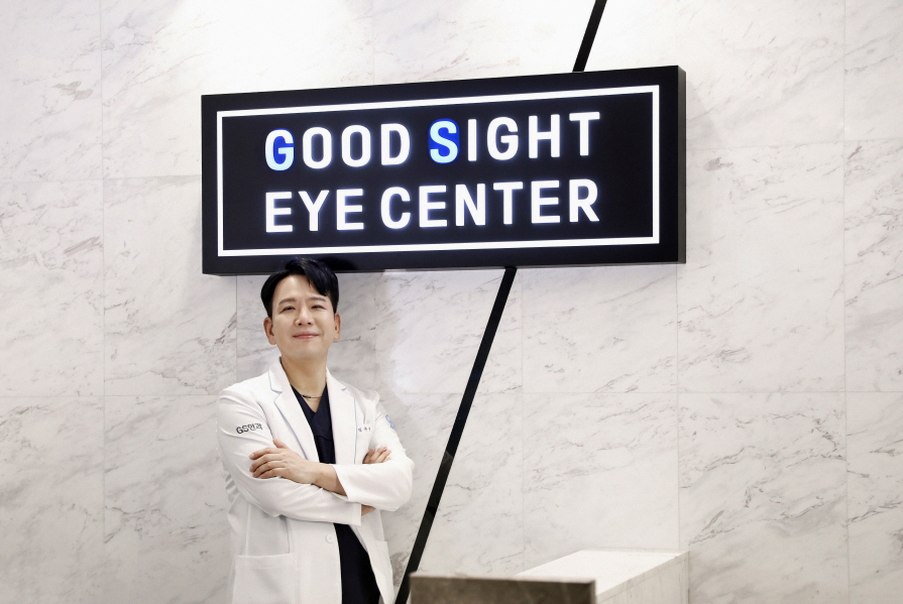
Direct answer: SMILE LASIK results near Seolleung Station
quickly if the eyes are healthy and the procedure is appropriate for your prescription. Long‑term results are generally stable, but they depend on careful preoperative examination, the laser platform used, and consistent aftercare.
This guide explains what SMILE LASIK is, how it feels in real life for commuters and office workers, how it compares with LASIK and LASEK, what kind of equipment is used at a high‑volume ophthalmology clinic in Gangnam, and how to plan a medical trip to Korea for this procedure.
What is SMILE LASIK and what results can you expect near Seolleung Station?
SMILE LASIK is a minimally invasive laser vision correction method. A femtosecond laser creates a very thin, lens‑shaped piece of tissue (called a lenticule) inside the cornea. The surgeon then removes this lenticule through a tiny incision only a few millimeters long. By removing this tissue, the shape of the cornea changes, which corrects myopia and astigmatism.
Because there is no large surface flap, the corneal surface is preserved more than with traditional LASIK. This design is one reason many people around Seolleung Station choose SMILE LASIK when they want to reduce dependence on glasses or contact lenses.
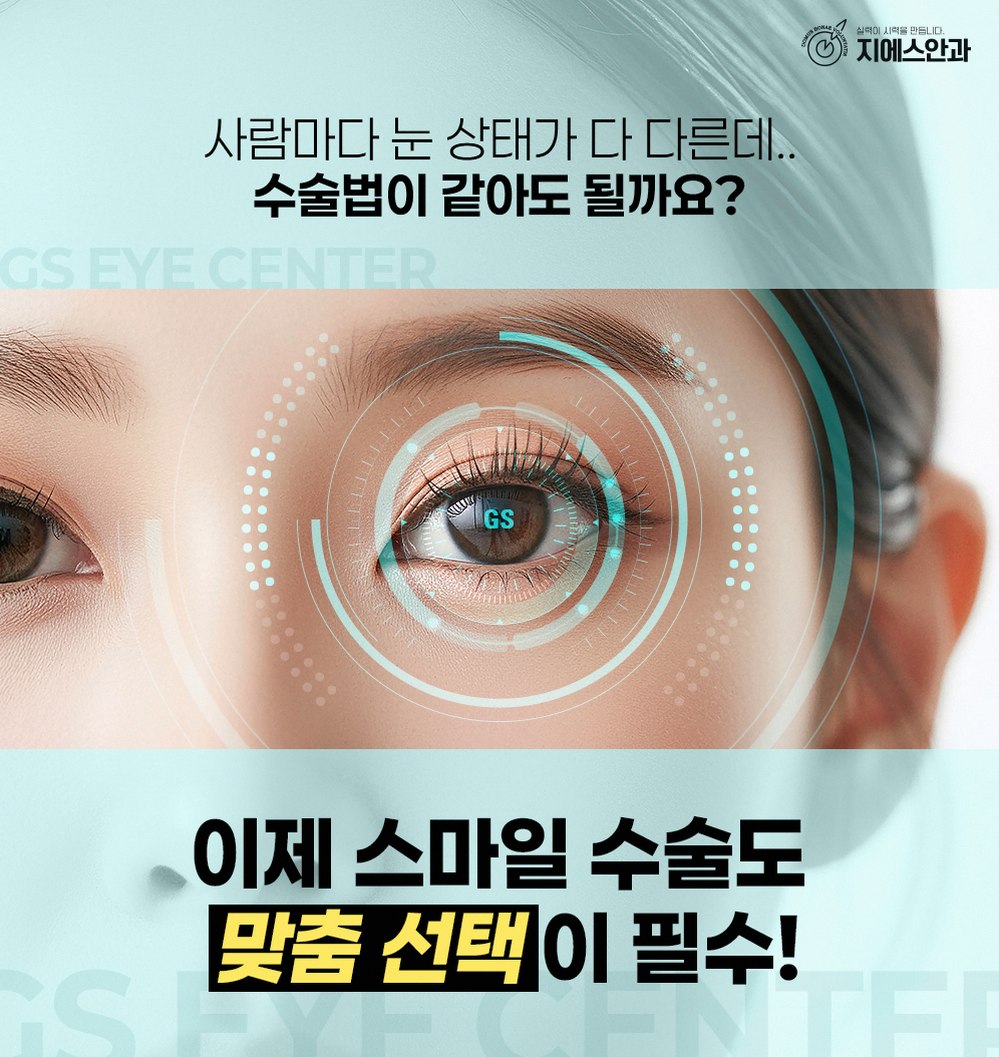
In terms of visual results, many patients notice a rapid improvement in vision within the first 24–48 hours. For a lot of office workers, vision is already good enough to move around the city, use a smartphone, and navigate the subway. Fine visual quality, such as night vision and contrast, usually continues to improve over several weeks as the cornea heals and the brain adapts.
People who commonly seek SMILE LASIK around Seolleung Station include office workers in finance, consulting, and IT, as well as students and researchers who spend long hours in front of screens. They often want clear vision for dual monitors, video meetings, and commuting between Gangnam and other business districts.
However, results are not identical for everyone. The final outcome depends on factors such as corneal thickness, the degree of myopia and astigmatism, the regularity of the corneal surface, tear film quality, and overall eye health. These are evaluated through a detailed preoperative examination before any decision is made.
Key benefits of SMILE LASIK for busy commuters and office workers
First, the small incision means less disruption of the corneal surface compared with traditional LASIK, which uses a larger flap. This can help preserve corneal biomechanics and may be one reason some patients feel their eyes are more comfortable during recovery.
Second, some patients report milder dry eye symptoms after SMILE compared with flap‑based procedures, but individual risk varies and should be assessed through preoperative testing and discussion with your surgeon. If you work long hours at screens, in air‑conditioned offices, or wear contact lenses extensively, discuss dry eye risk and management during evaluation.
Third, the procedure itself is quick, and many patients can return to light daily activities soon after surgery. For workers around Seolleung Station, this means it is often possible to schedule surgery on a Friday or during a short break, then return to office work after a brief recovery period, depending on your individual healing and your doctor’s advice.
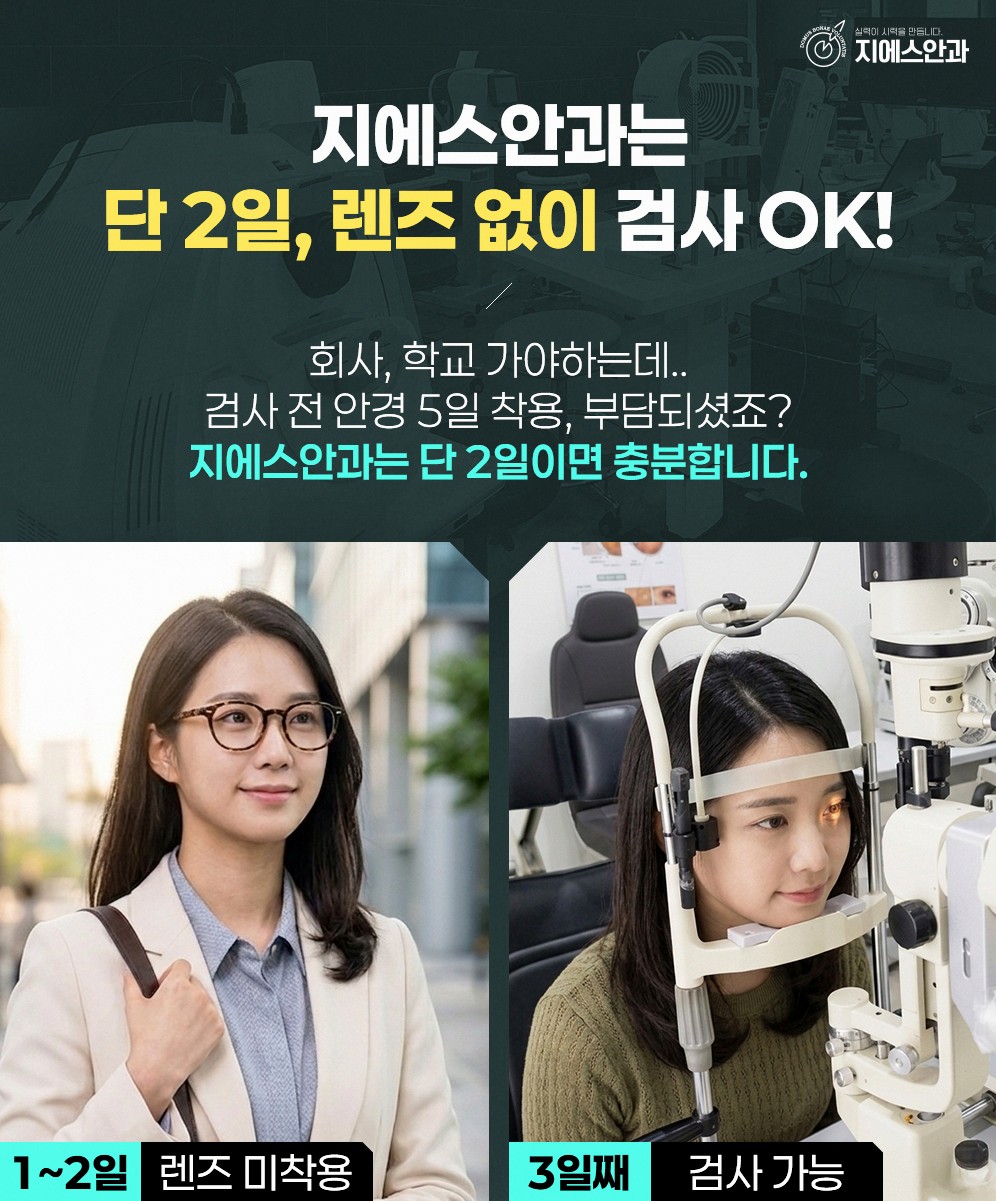
Finally, when properly indicated and performed, SMILE LASIK can provide stable visual quality suitable for frequent screen use, meetings, and night commuting. Patients often seek vision correction to reduce dependence on glasses or contact lenses, which can make commuting and daily activities more convenient.
It is important to remember that SMILE LASIK is just one of several vision correction options. The final choice should be based on objective examination data, not only on convenience or trends. In some cases, another method may be safer or more suitable.
How SMILE LASIK compares with other vision correction procedures
When you research vision correction in Gangnam, you will see terms such as LASIK, LASEK, SMILE LASIK, and lens implantation. Understanding the differences helps you ask better questions during consultation.
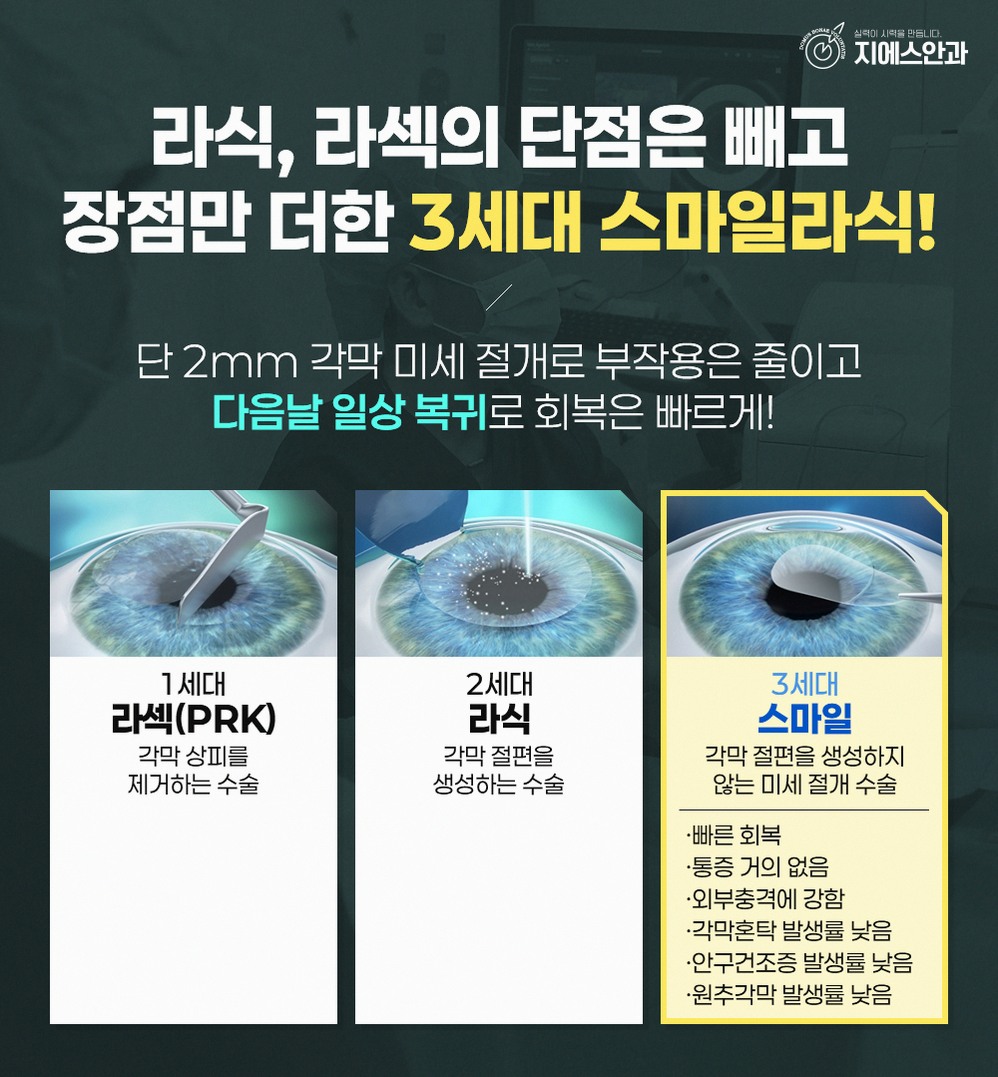
Traditional LASIK involves creating a thin flap on the corneal surface, lifting it, reshaping the underlying tissue with an excimer laser, and then placing the flap back. The incision is larger than in SMILE LASIK, and the flap remains as a long‑term structural change.
LASEK (or PRK‑type procedures) does not create a flap. Instead, the surface epithelium is removed, the excimer laser reshapes the cornea, and the surface cells regrow over time. This can be useful for patients with thinner corneas, but the early postoperative period usually involves more discomfort and a slower return to functional vision compared with LASIK or SMILE LASIK.
SMILE LASIK uses a femtosecond laser only. There is no large flap; instead, a small incision is used to remove the lenticule. Early recovery is usually faster and more comfortable than surface procedures like LASEK, and some patients prefer the small‑incision design.
Not everyone is best suited to SMILE LASIK. For example, patients with very thin corneas, irregular corneas, or certain patterns of astigmatism may be advised to consider LASEK or other options. People with very high myopia, early lens changes, or specific internal eye conditions may be better candidates for lens implantation procedures.
In some selected cases, additional treatments such as corneal cross‑linking may be considered to enhance corneal stability, based on medical judgment. The goal is not to push SMILE LASIK for everyone, but to select the safest and most effective method for each individual.
Clinic background and SMILE expertise in the Gangnam–Seolleung area
All seven doctors are board‑certified ophthalmologists, and the medical director holds a doctorate in medicine with prior university hospital teaching experience.
As of 2023, the clinic reports a cumulative total of about 300,000 eyes treated with vision correction and cataract surgery. This indicates a high‑volume surgical center where the team is familiar with a wide range of prescriptions and eye conditions.
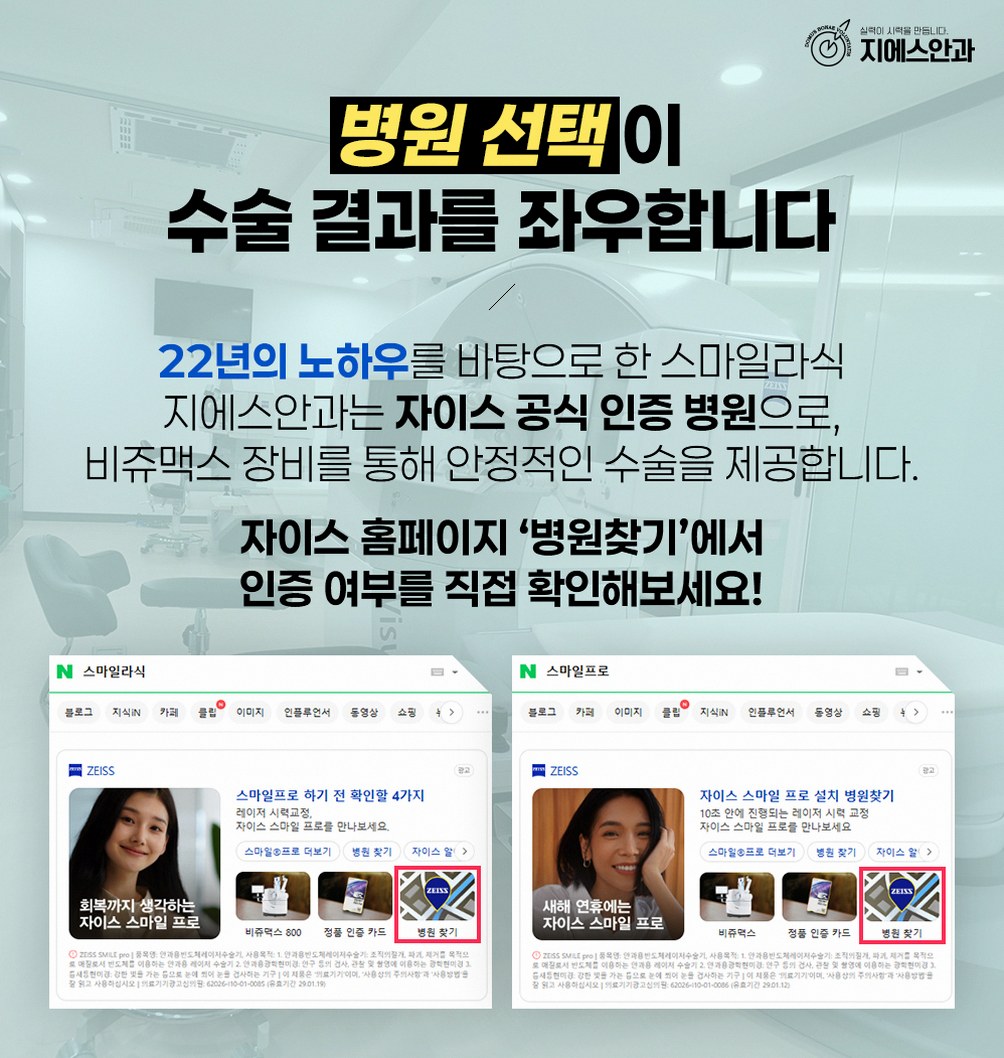
The clinic focuses strongly on SMILE‑type procedures, including SMILE LASIK, SMILE pro, and related techniques. It was designated as a ZEISS SMILE pro Center in 2023 and as a SILK Training Center in 2026, reflecting involvement in clinical education and training for these technologies.
In 2021, the clinic became the first in Korea to join the ZEISS SMILE GOLD CLUB, and it obtained ISO 9001 and ISO 14001 certification for SMILE LASIK in 2020. These certifications relate to quality and environmental management systems.
These facts do not guarantee individual outcomes, but they do suggest structured systems, accumulated experience, and a focus on SMILE procedures, which is relevant for patients traveling from overseas.
Equipment and why it matters for SMILE LASIK outcomes
SMILE LASIK relies on highly specialized femtosecond laser platforms. The precision, speed, and stability of these devices can influence patient comfort, procedure time, and consistency.
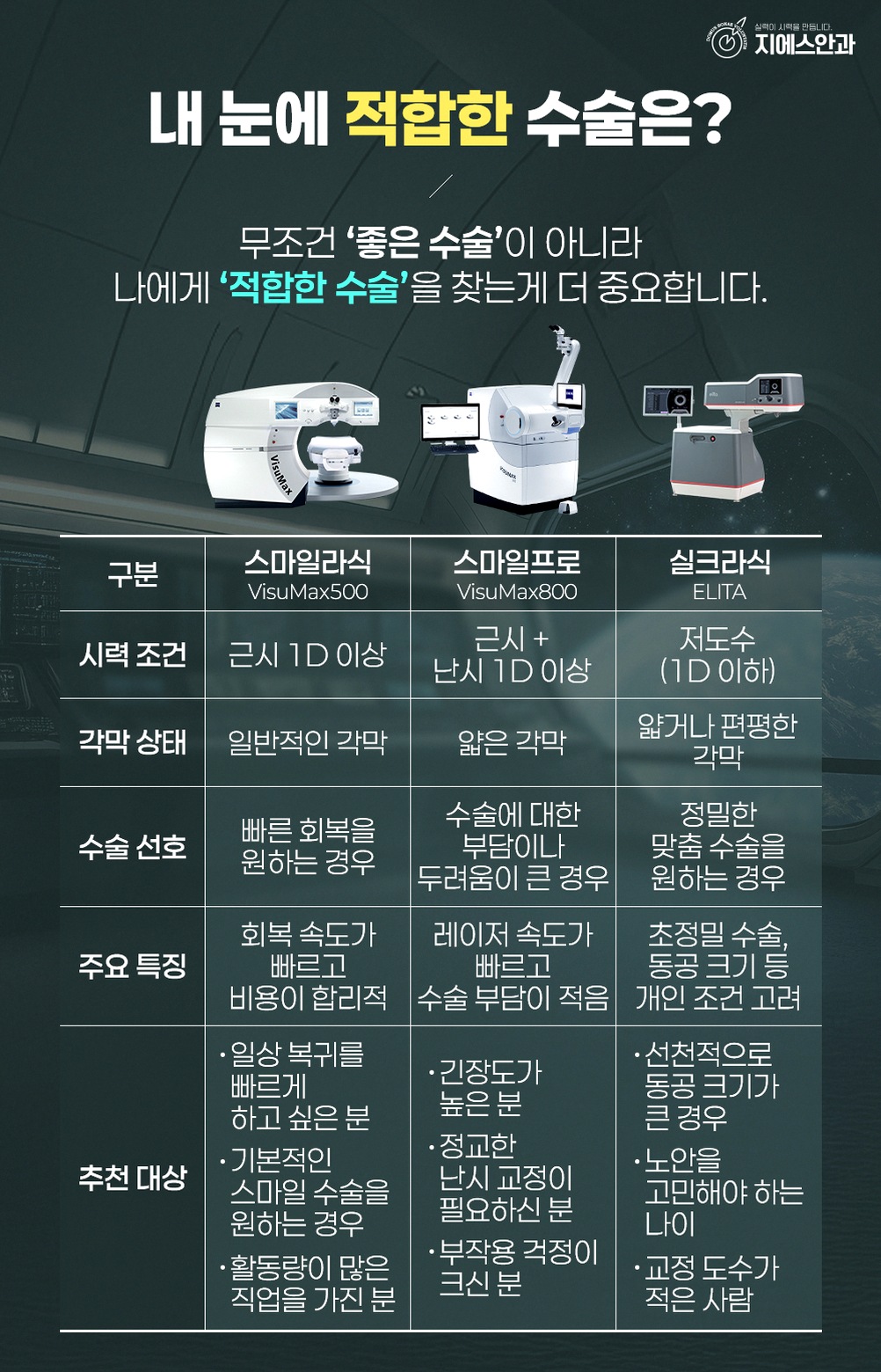
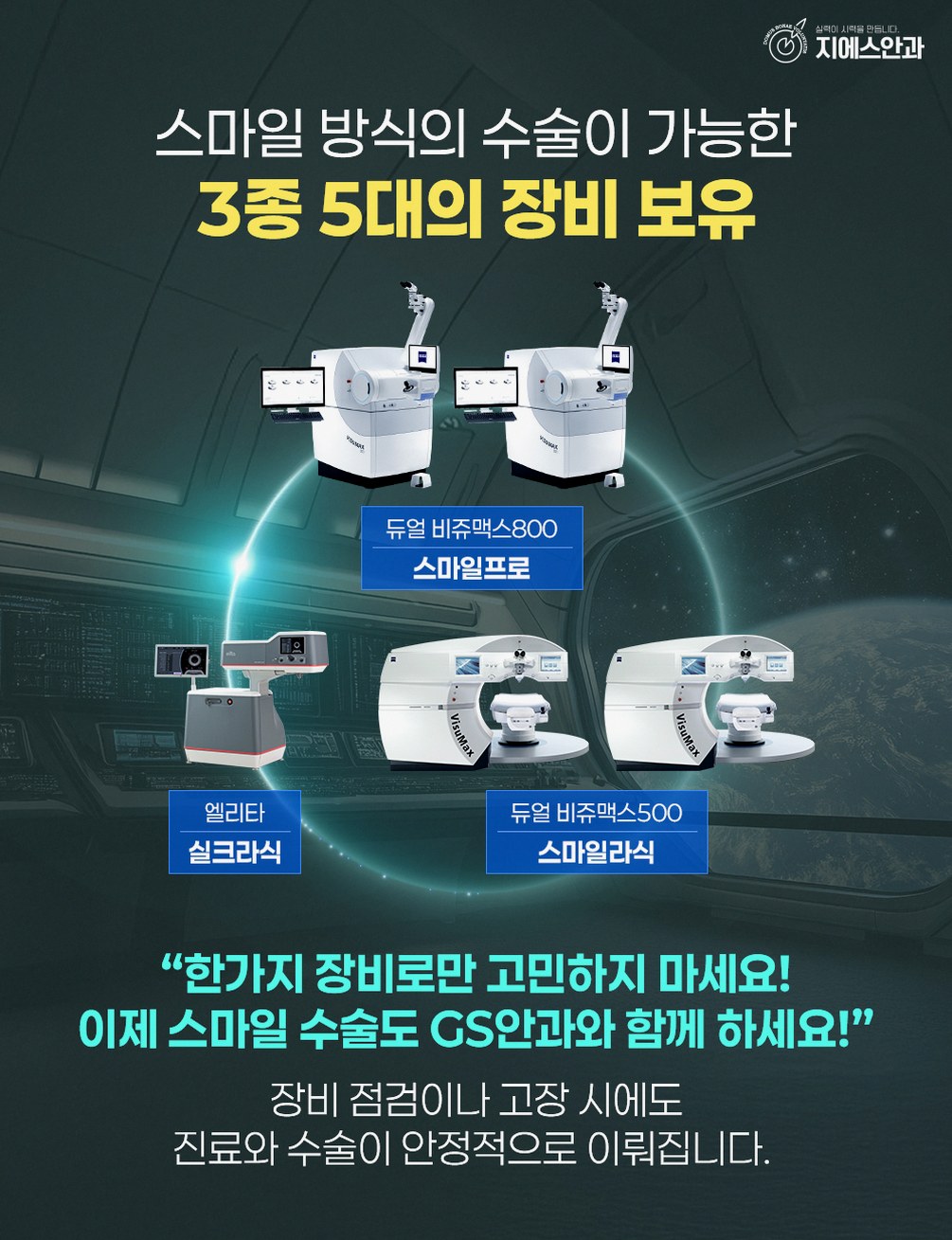
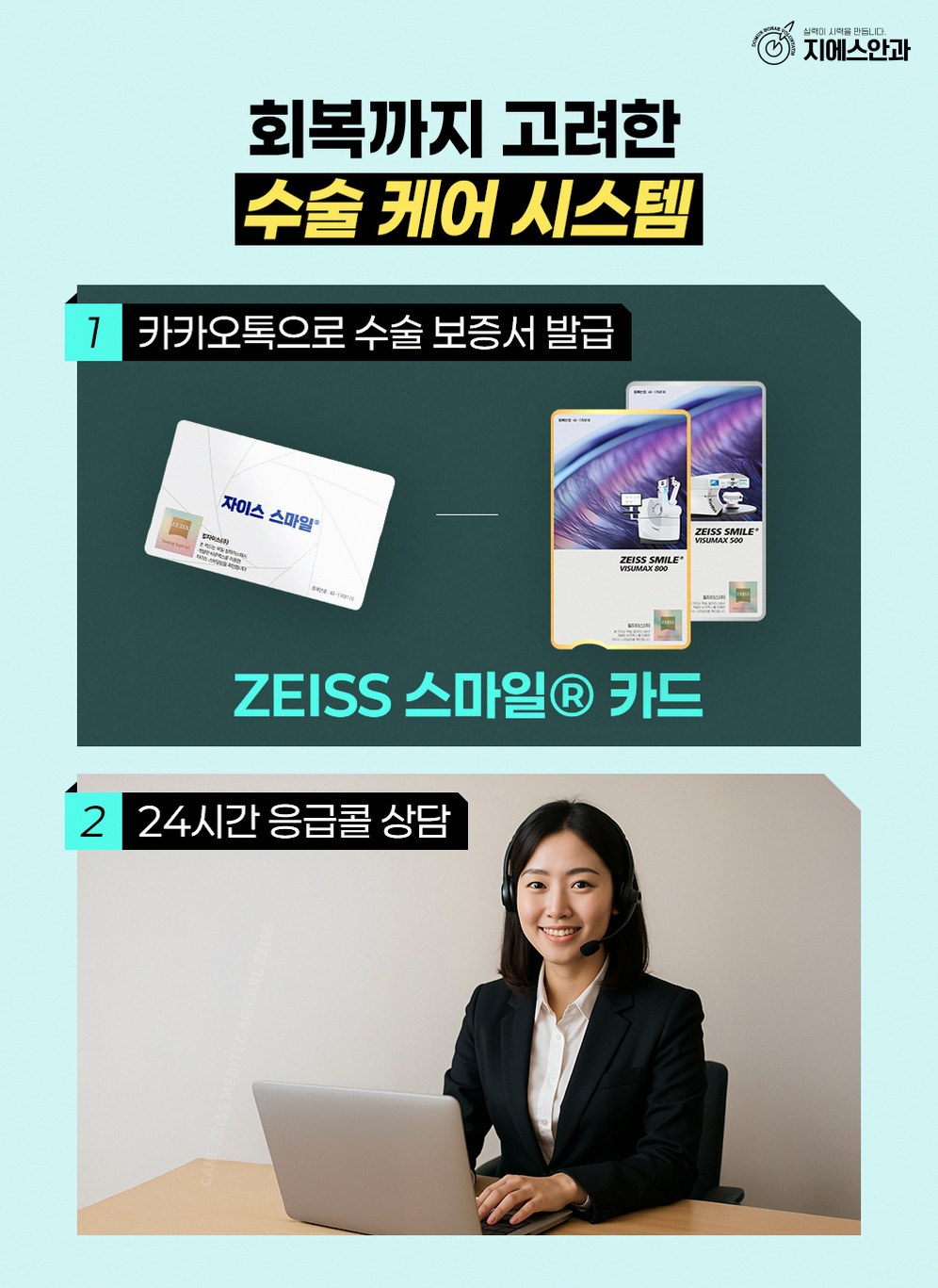
GS Eye Clinic currently operates three key ZEISS platforms: one VISUMAX 800 and two VISUMAX 500 units. The VISUMAX 500 has been in use at the clinic since 2016, with dual systems operating since 2019. These platforms are used for SMILE LASIK and have a long track record in clinical practice.
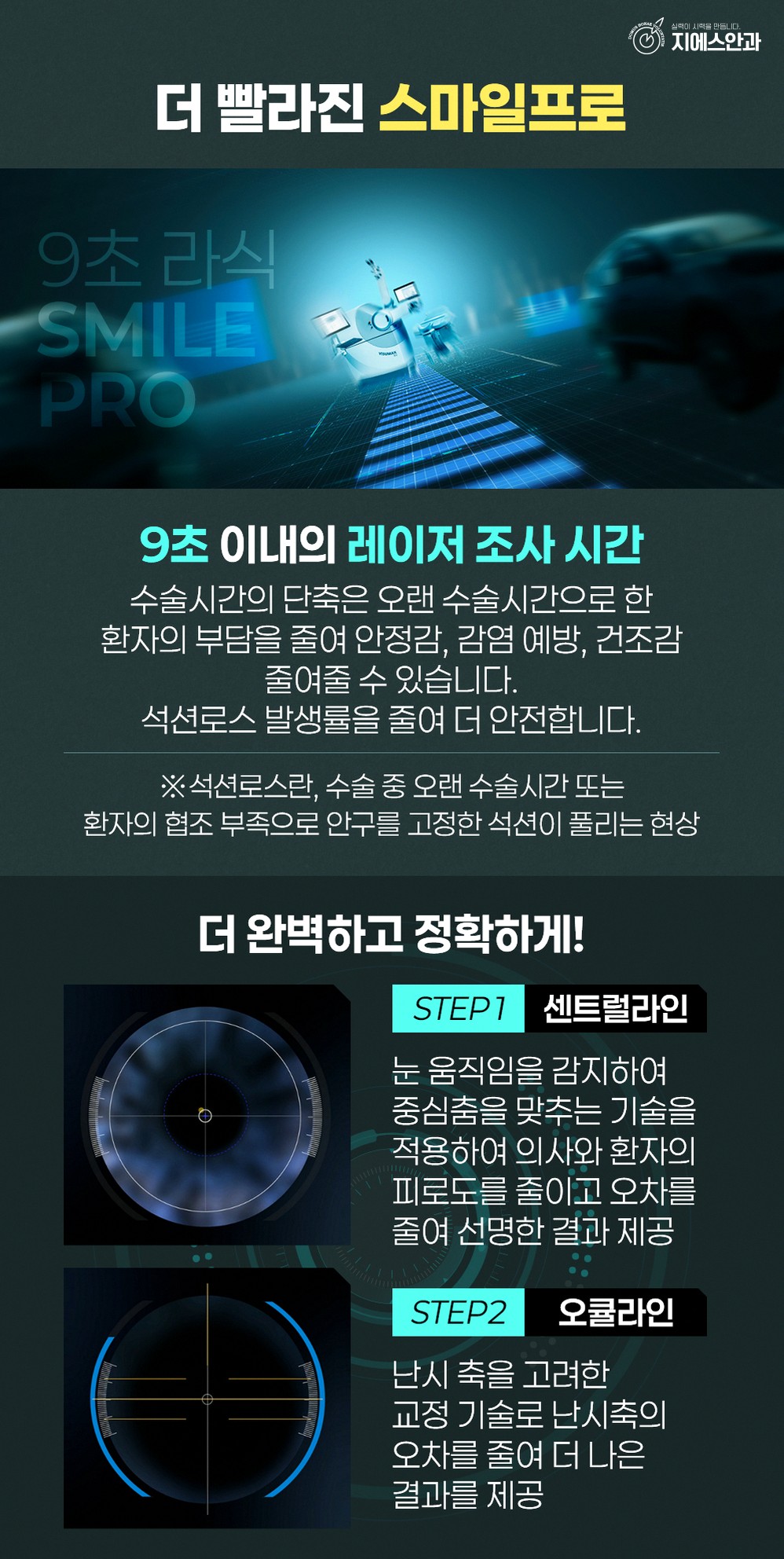
The VISUMAX 800, introduced in 2023, is designed for SMILE pro procedures. It can deliver the laser in under about 9 seconds in many cases, which reduces the time the patient needs to fixate and can improve comfort and reduce stress during surgery.
Having multiple platforms allows the team to tailor the procedure to each patient’s eye condition and supports stable operation even with high surgical volume. If one system is undergoing maintenance, another can be used, which helps maintain scheduling reliability for international patients.
At the same time, equipment is only one factor. Surgeon experience, detailed examination protocols, and structured postoperative care are equally important for good results.
Examination process before SMILE LASIK near Seolleung Station
Before SMILE LASIK, a thorough examination is essential. A typical preoperative workup includes visual acuity testing, refraction (to measure your exact prescription), and corneal topography and tomography to analyze the shape and structure of the cornea in detail.
Corneal thickness measurement is performed to ensure there is enough tissue for safe reshaping. Tear film and dry eye assessments help predict comfort after surgery and guide any pre‑treatment for dryness. A retinal evaluation is also important, especially for patients with high myopia.
This clinic operates a separate retina center staffed by retina fellowship‑trained ophthalmologists. This is relevant for screening conditions such as retinal tears, lattice degeneration, or macular disease before vision correction. If a retinal issue is detected, it can be addressed or monitored before proceeding with SMILE LASIK.
Not everyone is a candidate for SMILE LASIK. Contraindications can include very thin or irregular corneas, unstable refraction (for example, rapidly changing prescriptions), certain corneal diseases, advanced dry eye, or uncontrolled systemic diseases such as poorly controlled diabetes.
The final decision on whether SMILE LASIK is appropriate is made after reviewing all examination data and discussing your expectations, occupation, hobbies, and lifestyle. For international patients, this discussion can begin through online consultation and continue in person once you arrive in Korea.
Recovery, aftercare, and long‑term results
The early recovery course after SMILE LASIK is usually straightforward for many patients. Immediately after surgery, vision can be misty or hazy, and you may feel mild discomfort or a foreign‑body sensation. By the next day, many people can see well enough to move around the city, use a phone, and recognize faces comfortably.
Most office workers can return to computer work within a few days, depending on their job demands and their doctor’s advice. Fine visual quality, including night driving comfort and contrast sensitivity, often continues to improve over several weeks.
Standard postoperative care includes the use of prescribed eye drops to prevent infection and control inflammation, as well as lubricating drops for dryness. You will be advised not to rub your eyes, to avoid getting water directly into the eyes for a short period, and to delay swimming, saunas, and heavy exercise until your doctor confirms it is safe.
Common temporary symptoms include mild dryness, glare, or halos around lights at night. These usually improve over time, but they should be monitored during follow‑up visits. If symptoms are persistent or bothersome, your ophthalmologist can adjust treatment.
Long‑term stability of SMILE LASIK is generally good when patients are properly selected and follow instructions. However, natural age‑related changes still occur. Presbyopia (age‑related near‑vision difficulty) typically appears in the 40s or 50s, and cataracts may develop later in life. These changes are not caused by SMILE LASIK but may require separate treatment in the future.
For patients with high myopia or retinal risk factors, long‑term follow‑up is especially important. A dedicated retina clinic can monitor and manage any retinal issues that may appear years after vision correction.
Who might consider SMILE LASIK near Seolleung Station?
SMILE LASIK may be an option for adults who want to reduce dependence on glasses or contact lenses and who have a stable prescription and healthy eyes.
Office workers and students who commute through Seolleung or Gangnam often consider SMILE LASIK because it fits their schedule and lifestyle. They may be tired of fogging glasses, dry contact lenses, or the inconvenience of lenses during business trips and late‑night work.
People with active lifestyles, such as those who enjoy fitness, yoga, or outdoor sports, may also appreciate the small‑incision design and relatively quick functional recovery, provided their corneal and ocular parameters are suitable.
The key point is that you should first be told that you are a candidate for laser vision correction after a full ophthalmic examination. Understanding both the potential benefits and the limitations is essential. Online information can guide your expectations, but it cannot replace a professional diagnosis.
Online consultation and pre‑visit preparation for overseas patients
If you are planning to travel to Korea for SMILE LASIK, it is helpful to start with an online consultation. Many international patients share their glasses or contact lens prescription, previous eye examination reports, and a brief medical history in advance.
During online consultation, you can ask whether your prescription range is generally suitable for SMILE LASIK, what other procedures might be considered, and how many days you should plan to stay in Korea. You can also discuss any history of dry eye, allergies, or previous eye surgery.
Before your visit, prepare a list of questions, such as:
What kind of visual result is realistic for my prescription?
How many days of rest are recommended before flying home?
What are the main differences between SMILE LASIK, LASIK, and LASEK for my eyes?
How often will I need follow‑up visits during my stay in Korea?
Bringing your current glasses, contact lenses, and any previous eye test records can help the team understand your history more quickly once you arrive.
Expected Korea visit timeline for SMILE LASIK near Seolleung Station
For many overseas patients, a one‑week to ten‑day stay in Seoul is a practical plan, though the exact schedule should be confirmed with the clinic.
Day 1 usually involves a comprehensive eye examination and consultation. This can take several hours because multiple tests are performed and sometimes repeated for accuracy. After reviewing the results, the ophthalmologist explains whether SMILE LASIK is suitable, what kind of vision you can expect, and what alternatives exist.
If you are a suitable candidate and you decide to proceed, surgery is often scheduled for Day 2 or Day 3, depending on your schedule and the clinic’s availability. The procedure itself is usually short, and you rest at the clinic for a while afterward before returning to your accommodation.
A follow‑up visit is typically scheduled for the next day to check healing, measure vision, and confirm that the cornea looks stable. Additional follow‑ups may be scheduled a few days later and, if your stay allows, at one week.

Before you fly home, the clinic will usually provide a summary of your procedure, postoperative instructions, and recommended follow‑up intervals. You can share this information with your local ophthalmologist for ongoing care.
Aftercare and long‑distance follow‑up
After you return home, it is important to continue using any remaining prescribed drops as directed and to follow general eye care advice, such as avoiding eye rubbing and taking breaks during long screen sessions.
If you notice any sudden change in vision, pain, or persistent redness, you should seek prompt evaluation by a local ophthalmologist. GS Ophthalmology Clinic can provide procedure summaries and examination results for you to share with your local doctor if needed; please confirm preferred communication or coordination with the clinic during your consultation.
Long‑distance follow‑up can often be supported through email or messaging, especially for non‑urgent questions. However, this does not replace in‑person examinations, which are essential for detecting subtle changes.
Frequently asked questions about Seolleung Station SMILE LASIK results
How clear will my vision be after SMILE LASIK near Seolleung Station?
Most patients who are good candidates achieve vision that is comfortable for daily life, commuting, and office work. Many can see well enough to use a computer and move around the city within a few days. The exact level of clarity and how quickly it is reached depend on your original prescription, corneal condition, and healing response.
How long do SMILE LASIK results last?
For most suitable candidates, SMILE LASIK results are long‑lasting. The reshaping of the cornea is permanent, but your eyes and body continue to age. Over time, natural changes such as presbyopia and cataract can affect vision and may require separate treatment. Regular eye examinations help monitor these changes.
Is SMILE LASIK better than LASIK or LASEK for everyone?
No single procedure is best for everyone. SMILE LASIK has advantages such as a small incision and potentially milder dry eye symptoms for some patients, but LASIK or LASEK may be more appropriate in certain situations. The safest and most effective option is chosen after a detailed examination and discussion with your ophthalmologist.
How many days should I stay in Seoul for SMILE LASIK?
Many international patients plan to stay for about one week to ten days. This usually allows time for a full preoperative examination, surgery, and several follow‑up visits before returning home. The exact schedule should be personalized based on your travel plans, eye condition, and the clinic’s recommendations.
Soft call to action for online consultation
If you are considering SMILE LASIK near Seolleung Station and want to understand what kind of results are realistic for your eyes, an online consultation is a practical first step. You can share your current prescription, previous eye test results, and travel schedule, and receive guidance on candidacy, expected recovery, and planning your visit to Gangnam.
A structured examination, clear communication, and careful aftercare are the keys to safe and satisfying vision correction. Starting the conversation early will help you make an informed decision before you book your flight to Seoul.

- 공유 링크 만들기
- X
- 이메일
- 기타 앱


댓글
댓글 쓰기