Seolleung Station SMILE (small-incision lenticule extraction): vision correction results and what to expect
- 공유 링크 만들기
- X
- 이메일
- 기타 앱

Direct answer summary
If you are searching around Seolleung Station for vision correction surgery results, most people are asking one core question: “After SMILE LASIK, how well will I actually see in daily life, and how fast?” For suitable candidates, SMILE LASIK near Seolleung and Gangnam typically aims to give vision similar to what you had with your glasses or contact lenses, often usable from the next day, with fine-tuning over several weeks. Results depend on your prescription, corneal condition, dry eye status, age, and how carefully you follow aftercare. No eye clinic can guarantee a specific number on the eye chart, but a thorough examination and realistic expectations can help you understand your likely range of results.
This guide explains what SMILE LASIK is, what “results” usually look like, which factors influence outcomes, and how a visit to an ophthalmology clinic near Seolleung Station might be planned if you are coming from overseas.
What SMILE LASIK vision correction actually is
SMILE LASIK overview
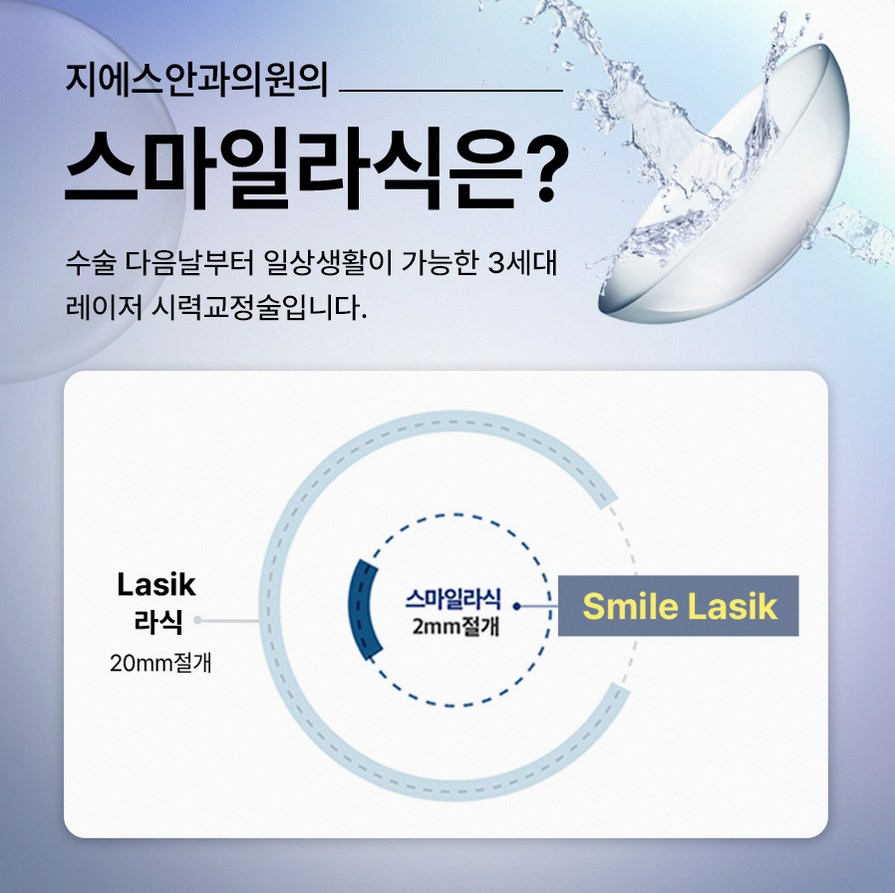
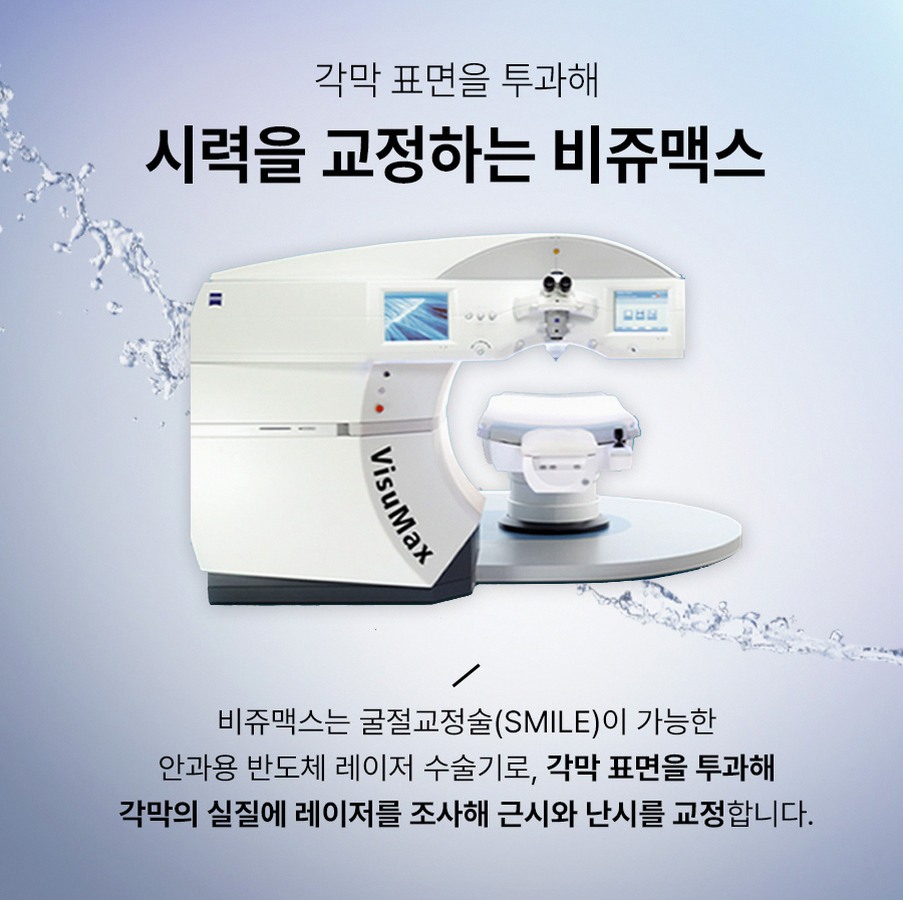
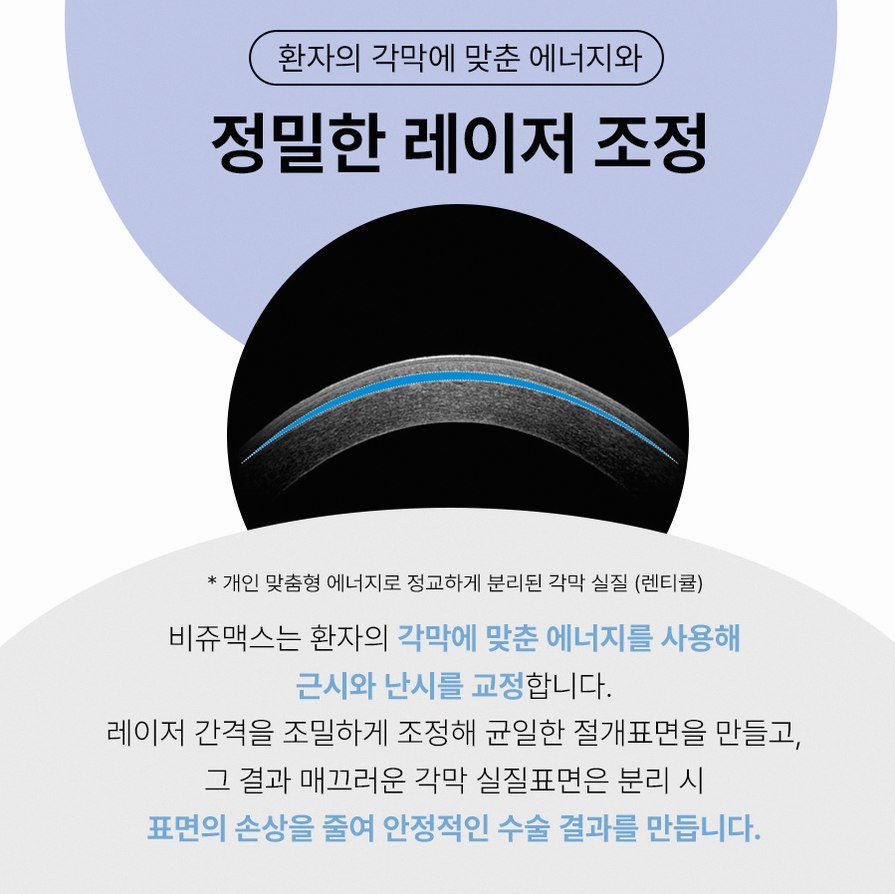
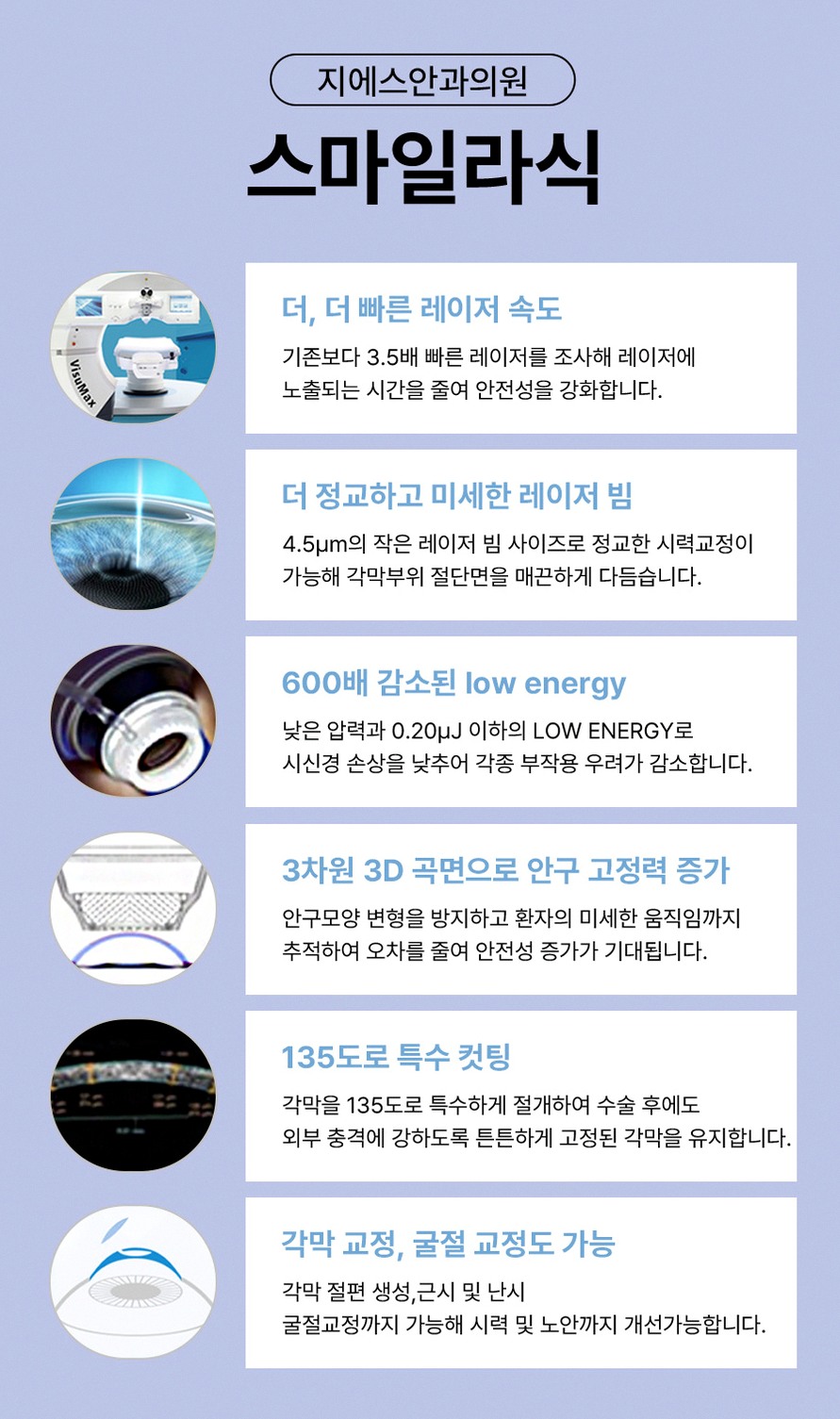
SMILE LASIK is a type of laser vision correction used mainly for myopia (short-sightedness) and astigmatism within a safe range. It uses a femtosecond laser to reshape the cornea through a very small opening.
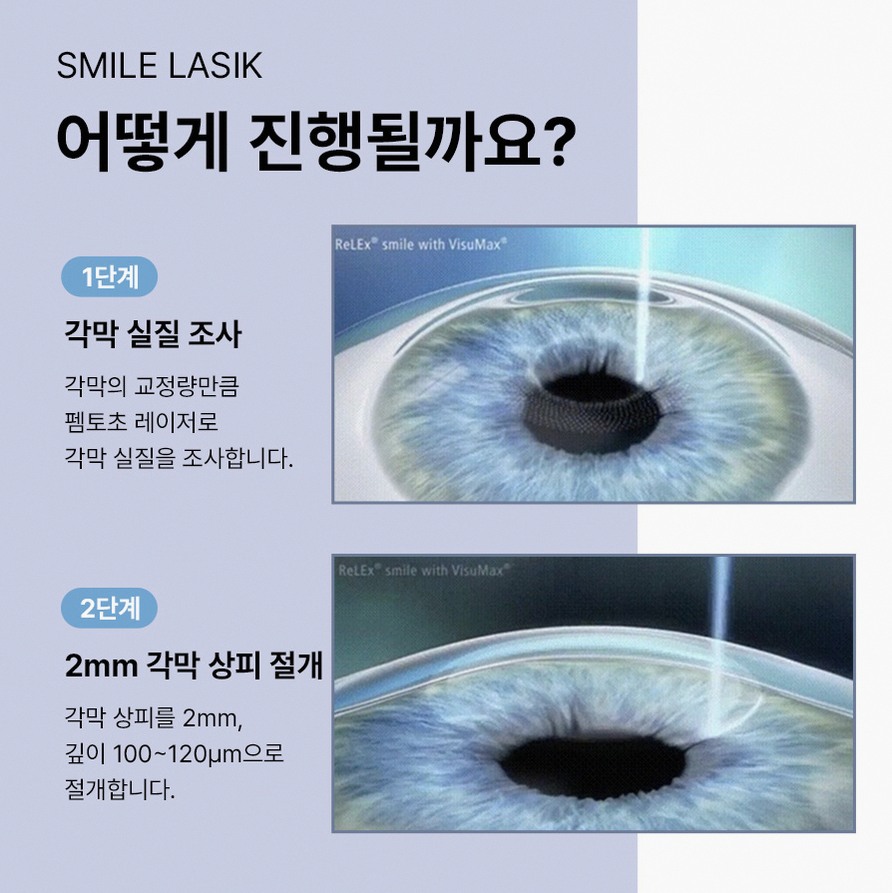
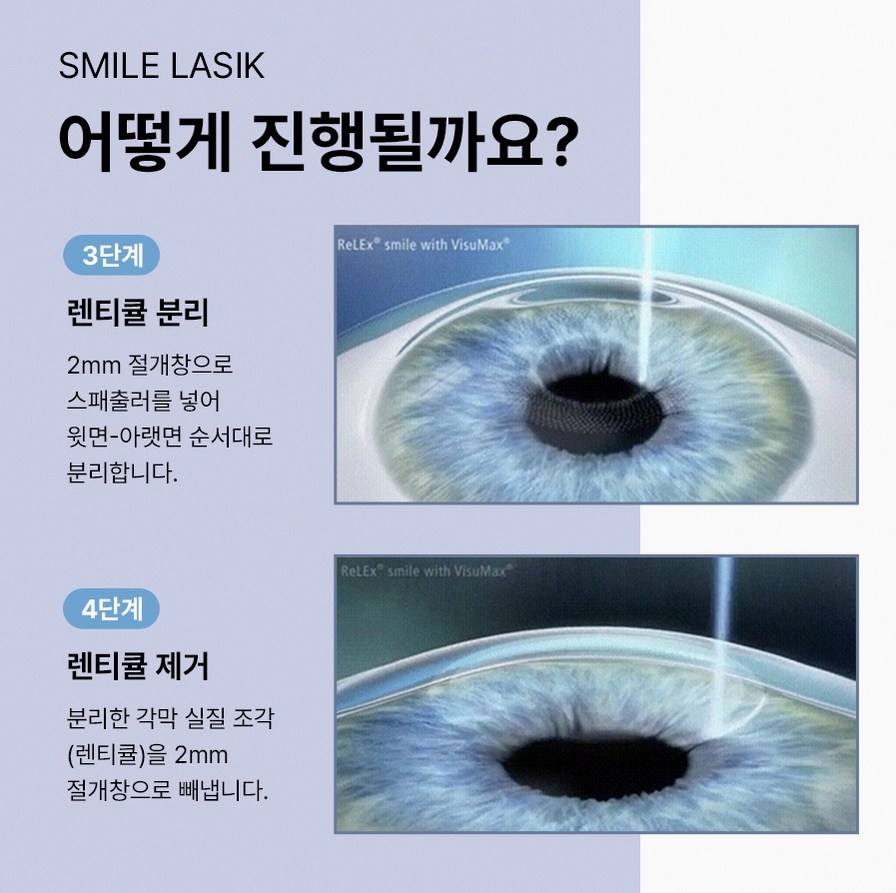
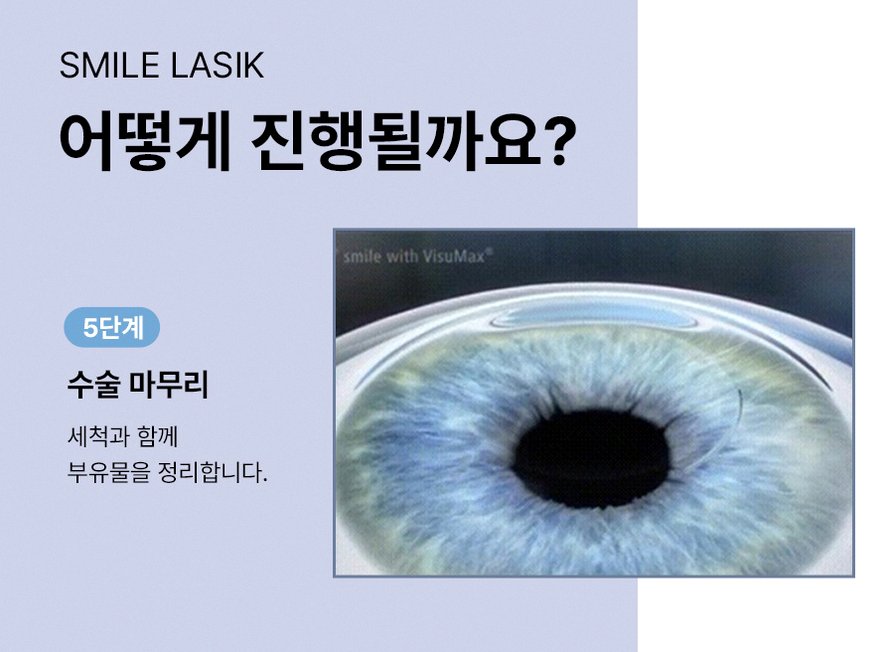
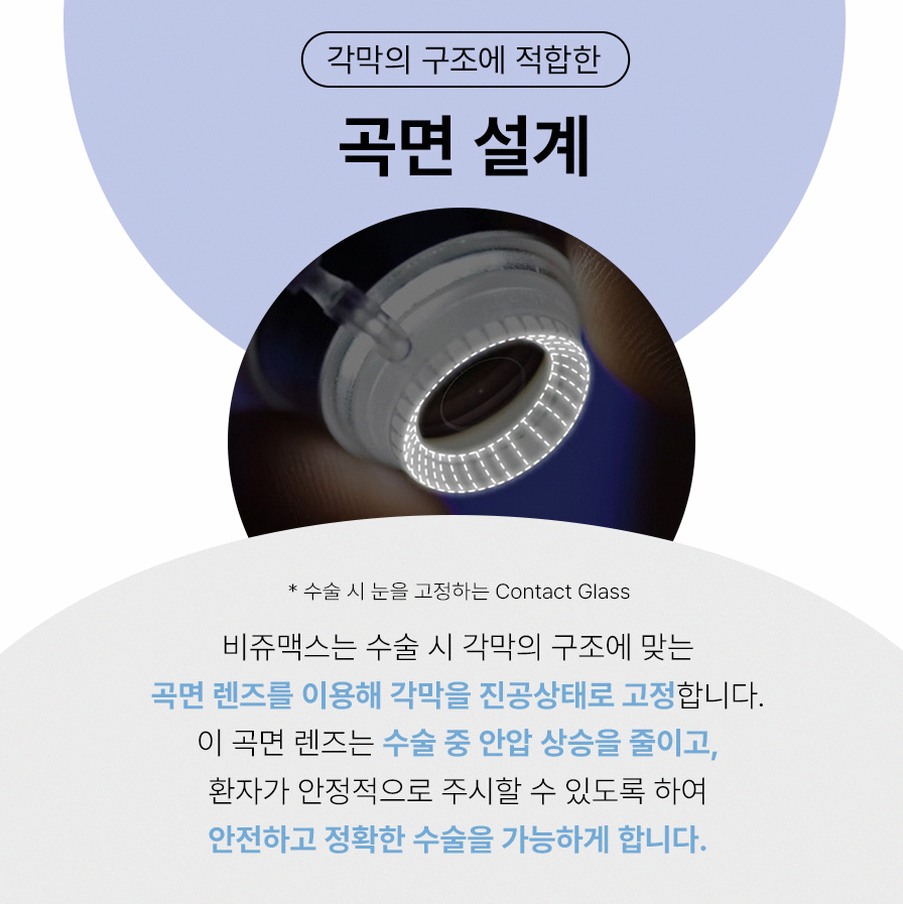
During SMILE LASIK, the laser creates a thin internal disc of tissue, called a lenticule, inside the cornea. This lenticule is then removed through a tiny incision, and the cornea changes shape so that light focuses more accurately on the retina. Because the incision is smaller than in traditional LASIK, more of the corneal surface structure is preserved.
The goal is not “superhuman” vision, but to reduce or remove your dependence on glasses and contact lenses for everyday activities such as working at a computer, commuting, and social life.
Related SMILE family procedures
In the Gangnam and Seolleung area, you may see terms like SMILE Pro, SILK, or clinic-specific names such as Golden SMILE. These are variations or newer generations within the same general family of small-incision laser vision correction.
The core concept is similar: a femtosecond laser reshapes the cornea through a small opening. Differences usually relate to the specific laser platform, speed, and software. For international patients, the most important point is to understand that all of these are planned based on detailed measurements of your eyes, and the choice among them should be made after an in-person assessment.
Why many Seolleung and Gangnam workers consider SMILE LASIK
The area around Seolleung Station and Gangnam Station is full of offices, IT companies, finance, and start-ups. Many people spend long hours on screens, attend frequent meetings, and commute by subway or car.
For this lifestyle, SMILE LASIK can offer:
Convenience in daily commuting, especially if you used to struggle with foggy glasses or dry contact lenses.
More comfort for long computer work once the eyes have healed and dryness is under control.
Freedom for after-work exercise, such as gyms, running, or indoor sports, without worrying about glasses slipping or contact lenses drying out.
Basic treatment journey
For most patients, the SMILE LASIK journey follows this order:
Preoperative examination and consultation.
Decision on the most suitable procedure (standard SMILE LASIK, SMILE Pro, SILK, or an alternative such as LASEK or lens implantation if needed).
Laser procedure itself, which is usually short.
Early recovery period with eye drops and activity restrictions.
Follow-up visits to monitor healing and visual stability.
What SMILE LASIK results usually look like
Visual clarity in daily life
When people ask about “results” near Seolleung Station, they rarely mean only the numbers on the eye chart. They want to know how their life will feel without glasses or contact lenses.
For suitable candidates, typical outcomes include:
Vision similar to or better than what you had with your usual glasses or contact lenses, for many daily tasks.
Comfortable vision for office work, reading, and using a smartphone after the initial healing period.
Improved convenience for sports, travel, and social activities.
However, results are not identical for everyone. Some people may notice minor residual blur or astigmatism, especially in low light, and some may still prefer light glasses for special tasks such as extended night driving.
Speed of recovery
One of the main reasons SMILE LASIK is popular among busy office workers is the relatively quick visual recovery.
Many patients can see reasonably well the next day for basic activities such as walking, commuting, and light tasks.
Vision often continues to sharpen over several days to weeks, with subtle improvements over a few months.
Temporary fluctuations are common, especially with dryness or after long screen sessions.
Compared with surface procedures like LASEK, SMILE LASIK generally offers less early discomfort and faster return to usable vision, though individual experiences vary.
Comfort and dryness
SMILE LASIK uses a smaller incision and preserves more of the corneal surface structure compared with traditional LASIK. For many patients, this can mean:
Less foreign body sensation after the early healing period.
Potentially milder dry eye symptoms, though dryness can still occur.
More stable tear film over time, especially if pre-existing dry eye is treated properly.
It is important to understand that heavy screen use, air conditioning, and contact lens history can all contribute to dryness. Even with SMILE LASIK, you may need artificial tears, warm compresses, or other dry eye care during and after recovery.
What affects your individual result
Several factors influence how well you see after SMILE LASIK:
Preoperative prescription
The degree of myopia and astigmatism plays a major role. Extremely high prescriptions may have a different range of expected results than moderate ones, and some very high prescriptions may be better suited to lens implantation instead of corneal laser.
Corneal thickness and shape
Safe SMILE LASIK requires enough corneal thickness and a stable, regular corneal shape. If the cornea is too thin or irregular, or shows signs of conditions such as keratoconus, an ophthalmology clinic may advise against SMILE LASIK and suggest alternatives.
Dry eye and ocular surface
Existing dry eye, meibomian gland problems, or allergies can affect both the comfort and clarity of your vision after surgery. Managing these issues before and after the procedure can support better results.
Age and overall eye health
Younger adults with stable prescriptions often have predictable outcomes. In people approaching their 40s and beyond, presbyopia (age-related near vision changes) may begin to appear, so near vision expectations must be discussed clearly.
No guaranteed numbers
Even with modern equipment and experienced surgeons, no ophthalmology clinic can guarantee a specific decimal visual acuity for every patient. Results are discussed as a probable range based on your measurements, not as a promise.
Factors that support good SMILE LASIK results
Thorough preoperative examination
A detailed eye examination is essential before any vision correction. This usually includes:
Corneal thickness and curvature measurements.
Corneal topography or tomography to detect irregularities.
Pupil size and tear film evaluation for dry eye.
Retinal examination to check the back of the eye.
These tests help identify who is a suitable candidate and who might be at risk of complications or unstable results.
Surgical planning and equipment
Modern femtosecond laser platforms, such as the ZEISS VISUMAX series, are designed to deliver precise and consistent laser pulses. Up-to-date equipment can:
Shorten laser time, which may improve comfort.
Allow smoother lenticule creation and removal.
Support more predictable corneal reshaping.
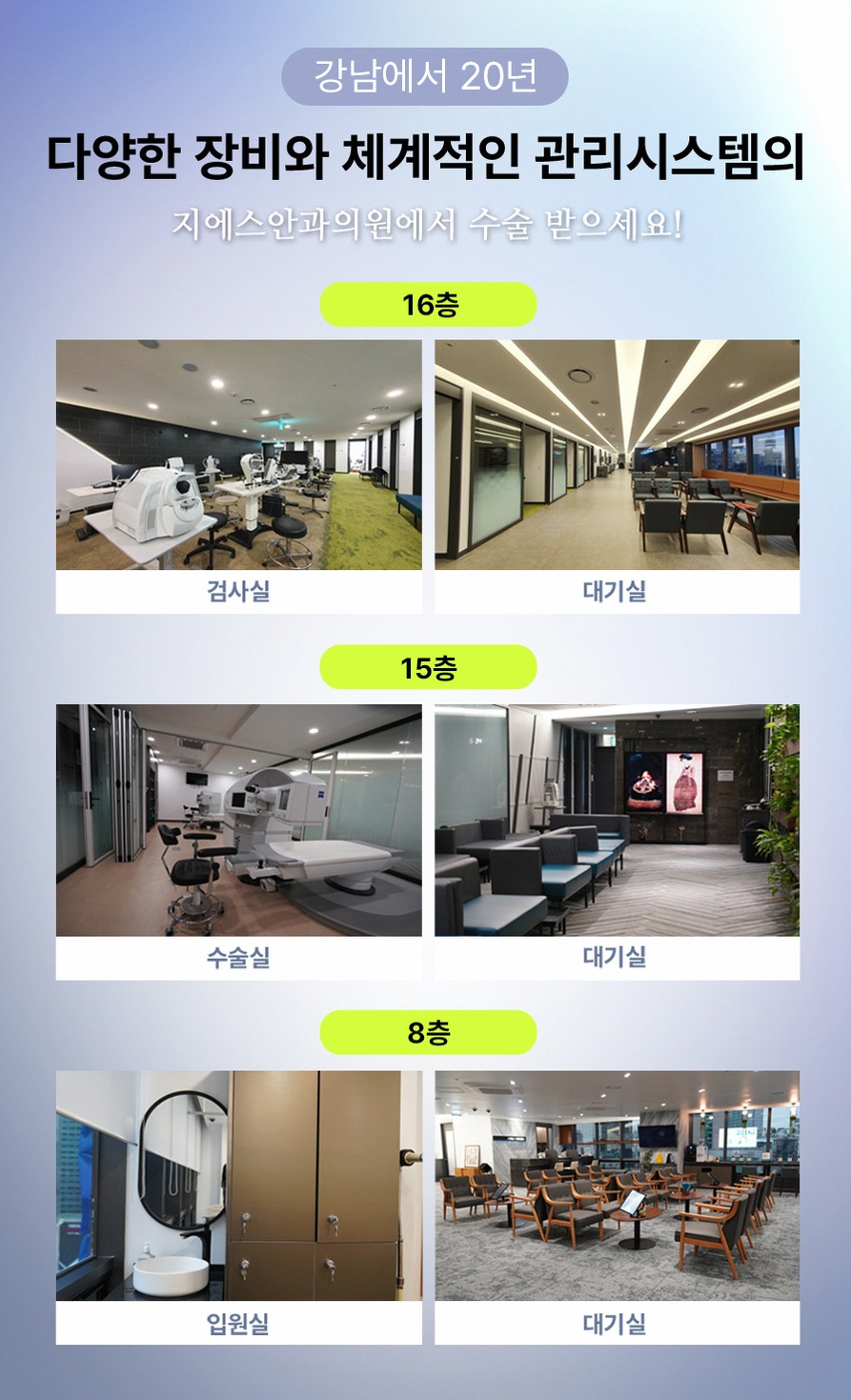
Some ophthalmology clinics in the Gangnam and Seolleung area use multiple platforms, including systems for SMILE LASIK, SMILE Pro, and SILK. The choice of platform is usually based on your eye measurements and the clinic’s protocols.
Surgeon experience and case volume
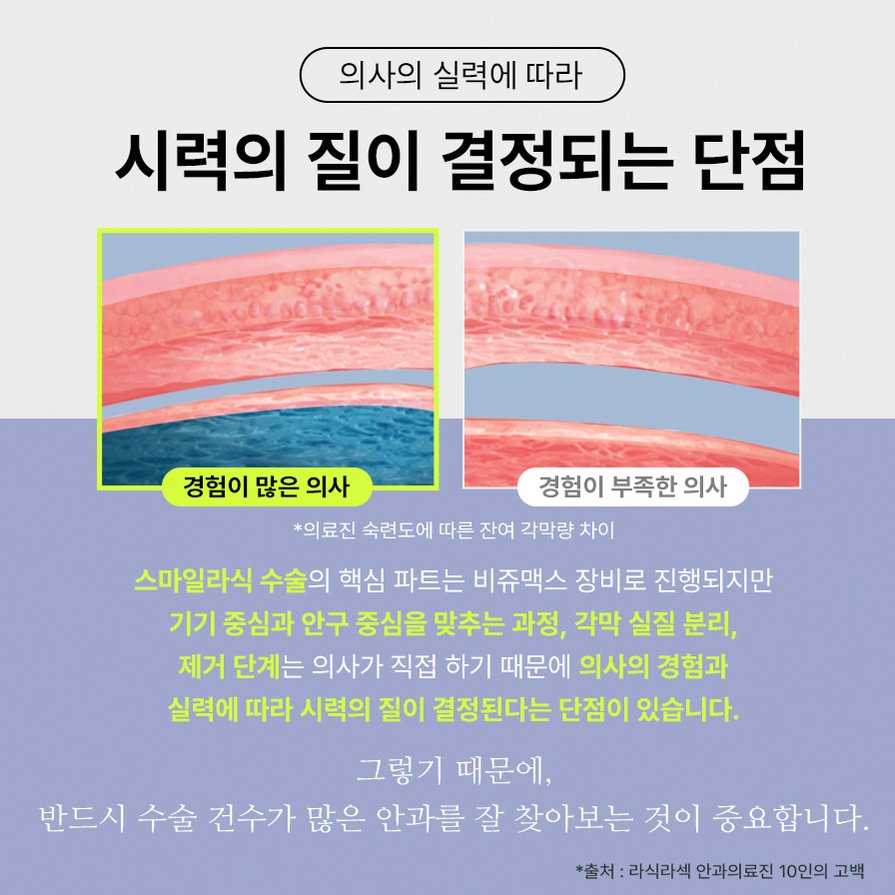
Experience with a large number of vision correction and cataract cases can help surgeons choose the right procedure for each eye, handle complex corneal shapes, and manage rare complications.
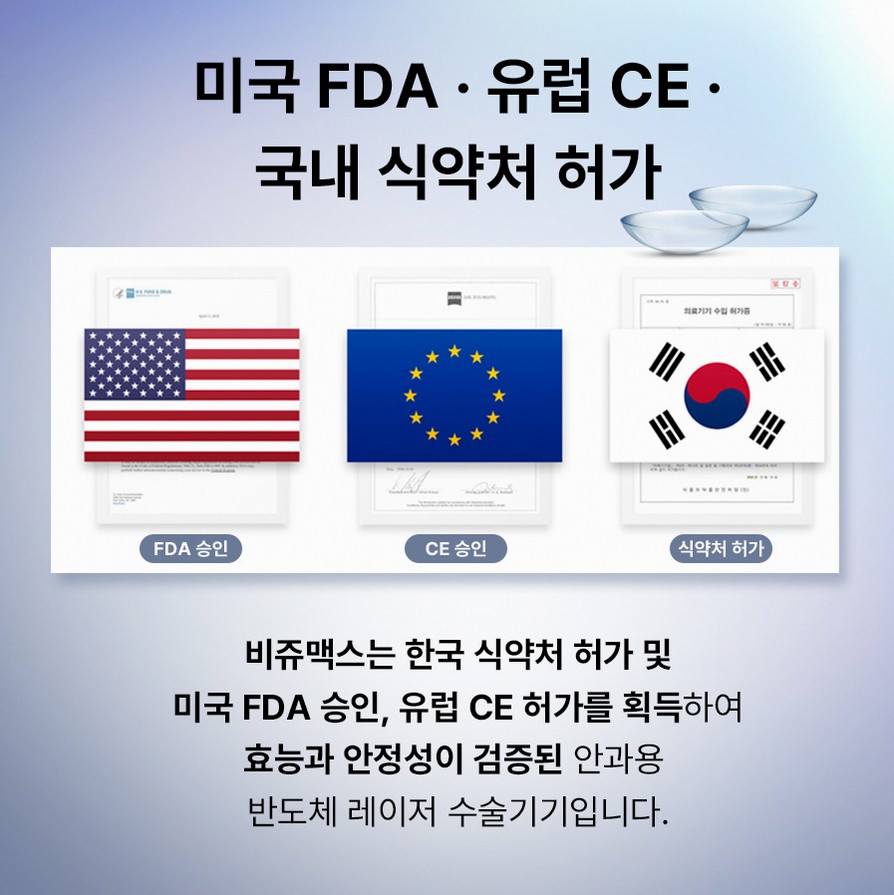
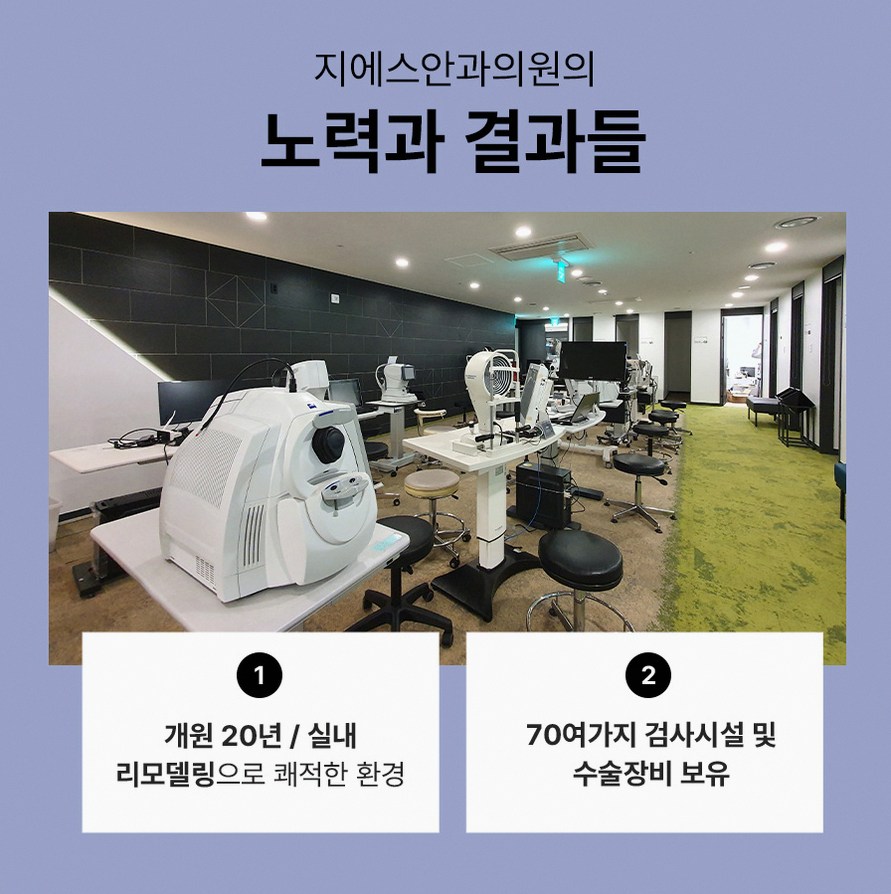
For example, GS Eye Center in the Gangnam area, accessible from Seolleung Station, reports a cumulative 300,000 eyes of vision correction and cataract surgery as of 2023, and high volumes of SMILE Pro cases. It also uses three major SMILE platforms, including ZEISS VISUMAX 800 for SMILE Pro and two VISUMAX 500 units for SMILE LASIK, and has ISO 9001/14001 certification for SMILE LASIK processes from 2020. These details illustrate how equipment, structured systems, and experience can contribute to consistent planning and follow-up, although they do not guarantee specific results for any individual.
Individual healing and compliance
Your own healing response and how you follow instructions are crucial. After SMILE LASIK, most clinics will advise you to:
Use prescribed eye drops as directed.
Avoid rubbing your eyes.
Keep water, sweat, and makeup away from the eyes for a certain period.
Limit intense exercise and heavy screen time in the very early days.
Attend scheduled follow-up visits.
Following these guidelines helps support stable vision and reduces the risk of complications.
Advantages for office workers near Seolleung Station
Daily work and commuting
For many international patients who plan to work in Korea or travel frequently to the Seolleung and Gangnam area, SMILE LASIK can make daily routines smoother.
During commuting, you do not need to worry about fogging glasses or dry contact lenses in air-conditioned trains.
In the office, you can look between screens, documents, and colleagues more freely.
For business trips or late meetings, you avoid the hassle of carrying lens solutions and spare lenses.
Night vision and glare
After any laser vision correction, some patients notice halos, glare, or starbursts around lights at night, especially in the first weeks to months. This can be more noticeable when driving or walking in areas with bright signs, such as Gangnam.
For many people, these symptoms gradually improve over time as the cornea heals and the brain adapts. However, a small number of patients may continue to notice some degree of night vision disturbance. Discuss your night driving needs and pupil size with your doctor during consultation.
Realistic expectations
SMILE LASIK can significantly improve quality of life and convenience, but it does not make vision perfect in every situation. You may still need:
Reading glasses later in life due to presbyopia.
Occasional glasses for special tasks such as long night drives or very fine work.
Ongoing dry eye care if you already have a tendency to dryness.
Safety, side effects, and limitations
Common temporary symptoms
In the early period after SMILE LASIK, it is normal to experience:
Mild discomfort or foreign body sensation.
Dryness and light sensitivity.
Fluctuating vision, especially with long screen use.
These symptoms are usually manageable with prescribed eye drops, artificial tears, and rest.
Possible side effects and risks
Like all medical procedures, SMILE LASIK carries risks, although serious complications are uncommon. Potential issues include:
Persistent dry eye symptoms in some patients.
Night glare, halos, or reduced contrast sensitivity.
Residual refractive error (under- or overcorrection) that may require enhancement or glasses.
Rare complications such as infection or inflammation.
Who may not be suitable
You may not be an ideal candidate for SMILE LASIK if you have:
Very thin or irregular corneas.
Unstable prescription that is still changing.
Certain systemic or eye diseases.
Unrealistic expectations or difficulty following postoperative care instructions.
A responsible ophthalmology clinic will sometimes recommend alternatives such as LASEK, lens implantation, or even no surgery if SMILE LASIK is not appropriate for your eyes.
Brief comparison with other vision correction options
LASEK and surface procedures
LASEK (and related surface ablation procedures) may be considered when corneal thickness is borderline for SMILE LASIK. These procedures reshape the surface of the cornea rather than working inside it.
Advantages can include preserving more structural tissue in some cases, but early recovery is usually slower and more uncomfortable than SMILE LASIK. Long-term visual results can still be good when carefully planned.
Lens implantation
Lens implantation, such as ICL and similar procedures, places a small lens inside the eye without removing the natural lens. This can be an option for very high myopia or thin corneas where corneal laser is not ideal.
Lens-based correction has a different risk profile because it is intraocular surgery, and it is often reversible. The choice between corneal laser and lens implantation should be made after a detailed examination and discussion of your priorities.
The best procedure is individual
There is no single method that is best for everyone. SMILE LASIK is a strong option for many people near Seolleung Station, but the final decision should be based on your corneal measurements, prescription, age, lifestyle, and expectations.
Preparing for SMILE LASIK as an overseas patient
Online consultation and pre-visit preparation
If you are living abroad and planning a trip to Seoul, you can usually start with an online consultation. Many ophthalmology clinics near Gangnam and Seolleung offer channels such as email, messaging apps, or website forms.
Before your online consultation, prepare:
Your current glasses prescription and how long it has been stable.
Any previous eye examination reports, if available.
Information about contact lens use (type, years of use, daily hours).
Your medical history, including medications and allergies.
Your work pattern (screen hours, night shifts) and hobbies (sports, driving).
You can also list specific questions, such as:
What range of vision can I realistically expect based on my prescription?
How many days should I stay in Korea for surgery and follow-up?
Which procedure (SMILE LASIK, SMILE Pro, SILK, LASEK, or lens implantation) might be considered for my case?
Typical Korea visit timeline
The schedule below is a common example used by international patients to plan travel and appointments. It is illustrative only — exact timing depends on pre-visit findings, required contact lens discontinuation, individual suitability, and the clinic’s protocols. Some patients may need additional days before or after surgery.
Example timeline:
- Day 0 (arrival / pre-op): Comprehensive eye exam, measurements, and consultation. If further testing is required, an additional appointment may be scheduled.
- Day 1–3 (procedure window): SMILE (small‑incision lenticule extraction) is often performed within a day or two after initial testing once eligibility is confirmed. The operation itself is brief, but your surgeon will decide the optimal timing.
- Day 1–4 (early post-op checks): The first postoperative check typically occurs the day after surgery, with another visit a few days later to monitor healing and comfort.
- ~1 week: Many patients have stable early recovery by about one week, but follow-up schedules vary.
Travel planning notes:
- Contact lens washout periods (soft or rigid lenses) can require days to weeks of prior abstinence; confirm this ahead of travel.
- Additional tests, medical clearances, or staged procedures will extend the schedule.
- Some international patients choose to stay in Seoul for about one week to complete early follow-up visits; others arrange local follow-up with their home provider in coordination with the clinic.
Always confirm a detailed itinerary with your chosen clinic during pre-visit communication.
While exact schedules vary by clinic and individual case, a common plan for overseas patients might look like this:
Day 1: Comprehensive eye examination and consultation. If you wear soft contact lenses, you may be asked to stop them several days before this visit. Rigid lenses usually require a longer break.
Day 2 or 3: SMILE LASIK procedure, if you are confirmed as a suitable candidate and you decide to proceed.
Day 3 or 4: First postoperative check, often the next day after surgery.
Following days: Additional check-ups as advised. Many international patients stay in Seoul for about one week after surgery to complete early follow-up visits.
Aftercare and long-term follow-up
Aftercare in Korea
Immediately after SMILE LASIK, you will receive eye drops and instructions. Most clinics advise:
Using antibiotic and anti-inflammatory drops for a limited period.
Using lubricating drops frequently.
Avoiding eye rubbing, heavy exercise, swimming, and saunas for a certain time.
Wearing protective shields at night if recommended.
You may feel more comfortable arranging your accommodation near Seolleung or Gangnam Station, where many ophthalmology clinics and transport options are concentrated.
Long-term care after you return home
Once you return to your home country, you should continue regular eye checks with a local eye doctor. It is helpful to bring your surgery summary and early postoperative records, so your local doctor understands what was done.
If you notice sudden changes in vision, pain, or redness, you should seek urgent care rather than waiting. Most issues are minor, but early evaluation is always safer.
What to check when choosing an eye clinic near Seolleung Station
When comparing ophthalmology clinics around Seolleung and Gangnam for SMILE LASIK, consider these points:
Whether they perform comprehensive preoperative testing, including corneal topography or tomography, tear film evaluation, and retinal examination.
Availability of multiple vision correction methods (SMILE LASIK, LASEK, lens implantation) so recommendations are not limited to a single technique.
Experience and qualifications of the ophthalmologists, such as board certification, academic background, and teaching roles.
Use of modern femtosecond laser platforms and clear explanation of why a particular system is recommended for you.
Transparent discussion of expected results, possible side effects, and alternative options.
A structured postoperative follow-up schedule and a way to contact the clinic in case of urgent concerns.
As an example, GS Eye Center is an ophthalmology clinic established in 2005 in Gangnam, near Gangnam Station and accessible from the Seolleung Station area. It is led by an ophthalmologist with a medical doctorate and a team of seven board-certified ophthalmologists, with a separate retina center and subspecialists with university hospital and teaching experience. It has been designated as a SMILE Gold Club in 2021, a SMILE Pro Center in 2023, and a SILK Training Center in 2026 by ZEISS. These designations and roles show how some clinics participate in training and use multiple platforms, which can support consistent processes, though they do not by themselves prove superiority over all other clinics.
Frequently asked questions about SMILE LASIK results near Seolleung Station
How soon after SMILE LASIK can I work at a computer if I have an office job near Seolleung Station?
Many patients can return to light computer work within a few days, sometimes even the next day, depending on comfort and dryness. However, long, intense screen sessions in the first week can worsen dryness and visual fluctuation. It is wise to plan a lighter workload for several days, take frequent breaks, and use artificial tears. Your doctor will give specific guidance based on your eyes and job demands.
Will my vision be 1.0 or better for sure after SMILE LASIK?
No ophthalmology clinic can guarantee a specific decimal visual acuity such as 1.0 for every patient. Most suitable candidates achieve vision in a range that is comparable to or better than their glasses or contact lenses, but individual outcomes vary. Factors like your original prescription, corneal condition, and healing response all play a role. During consultation, your doctor can explain the probable range for your case, not a fixed promise.
How long do the results of SMILE LASIK usually last?
For most people with stable prescriptions before surgery, the main correction from SMILE LASIK is long-lasting. However, natural changes in the eye can still occur over time, such as presbyopia in your 40s or later, or mild shifts in prescription. This means you may eventually need reading glasses or minor corrections, even if your initial SMILE LASIK result was excellent. Regular eye examinations remain important.
Is SMILE LASIK safer or better than traditional LASIK in terms of long-term results?
SMILE LASIK and traditional LASIK both have long track records when performed on suitable candidates by experienced surgeons. SMILE LASIK uses a smaller incision and preserves more corneal tissue, which may offer certain biomechanical and dry eye advantages for some patients. However, “better” depends on your individual eye shape, corneal thickness, and lifestyle. Your doctor will help you compare options based on your measurements.
What if I already have dry eye from heavy screen use?
Pre-existing dry eye is common among office workers around Seolleung and Gangnam. It does not automatically exclude SMILE LASIK, but it needs careful evaluation and management. Your clinic may recommend treating dry eye before surgery and using specific drops or therapies afterward. In some cases, if dryness is severe or uncontrolled, an alternative procedure or postponement of surgery may be safer.
Can I have SMILE LASIK if I work night shifts or drive a lot at night?
Many people who work night shifts or drive frequently do have SMILE LASIK, but night vision must be discussed in detail. Temporary halos and glare around lights are common after any laser vision correction, especially in the early period. Your doctor will consider your pupil size, prescription, and job requirements when advising you. In some cases, they may suggest a different procedure or adjusted expectations.
How do I know if I am a good candidate for SMILE LASIK at a clinic near Seolleung Station?
The only reliable way is a detailed in-person examination at an ophthalmology clinic. Online questionnaires can give a rough idea, but they cannot measure corneal thickness, shape, or tear film accurately. During your visit, the doctor will review your prescription history, perform imaging tests, and ask about your work and hobbies before recommending SMILE LASIK, another procedure, or no surgery.
What is the difference between SMILE Pro, SILK, and standard SMILE LASIK in terms of results?
All three belong to the small-incision laser vision correction family and share the same basic goal: reshaping the cornea with a femtosecond laser through a small opening. SMILE Pro and SILK are newer platforms or software generations that may offer faster laser times, different incision patterns, or workflow improvements. For most patients, the key question is not the brand name but how well the chosen system fits their eye measurements and how experienced the clinic is with that platform.
Soft call to action for international patients
If you are considering SMILE LASIK while staying or working near Seolleung Station or Gangnam Station, an online consultation is a good first step. You can share your prescription, lifestyle, and travel schedule, and ask about the likely range of results, required stay in Korea, and which procedure might suit you.
When you are ready, you may contact an ophthalmology clinic such as GS Eye Center or another reputable center in the area to discuss your options. Use the information in this guide to prepare questions about expected vision, recovery timeline, night driving, dry eye, and follow-up, so you can make a calm, well-informed decision that fits your eyes and your life.
- 공유 링크 만들기
- X
- 이메일
- 기타 앱


댓글
댓글 쓰기