Sinnonhyeon Eye Clinic Guide: Choosing SMILE LASIK in the Gangnam Area
- 공유 링크 만들기
- X
- 이메일
- 기타 앱

Direct answer for people searching “Sinnonhyeon eye clinic”
If you are looking for an eye clinic near Sinnonhyeon Station to get rid of glasses or contact lenses, SMILE LASIK is one of the main vision correction options available in the Gangnam area. It is a minimally invasive laser procedure that reshapes the cornea through a tiny incision, and it is widely used in high-volume ophthalmology centers around Gangnam, Sinnonhyeon, and Yeoksam.
This guide explains what SMILE LASIK is, how it differs from LASIK and LASEK, how to judge whether a Sinnonhyeon-area eye clinic is trustworthy, what a specialized center such as GS Eye Center focuses on, and what international patients can expect when planning a trip to Korea for this treatment.
What is SMILE LASIK and how is it different?
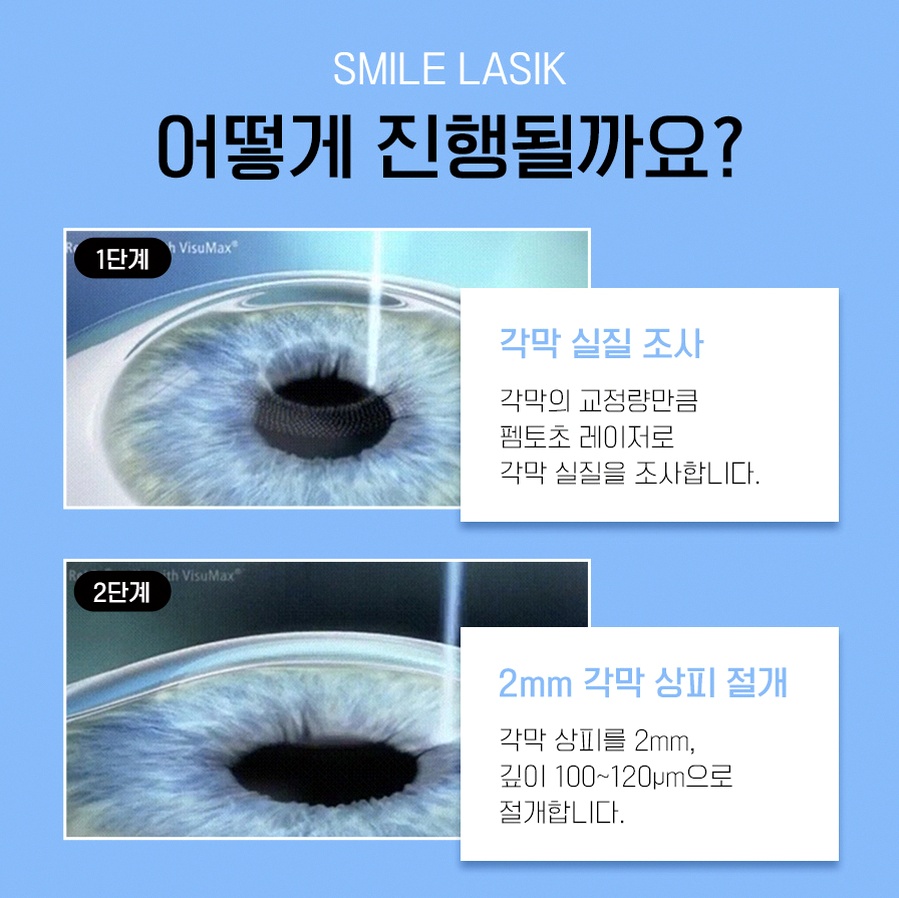
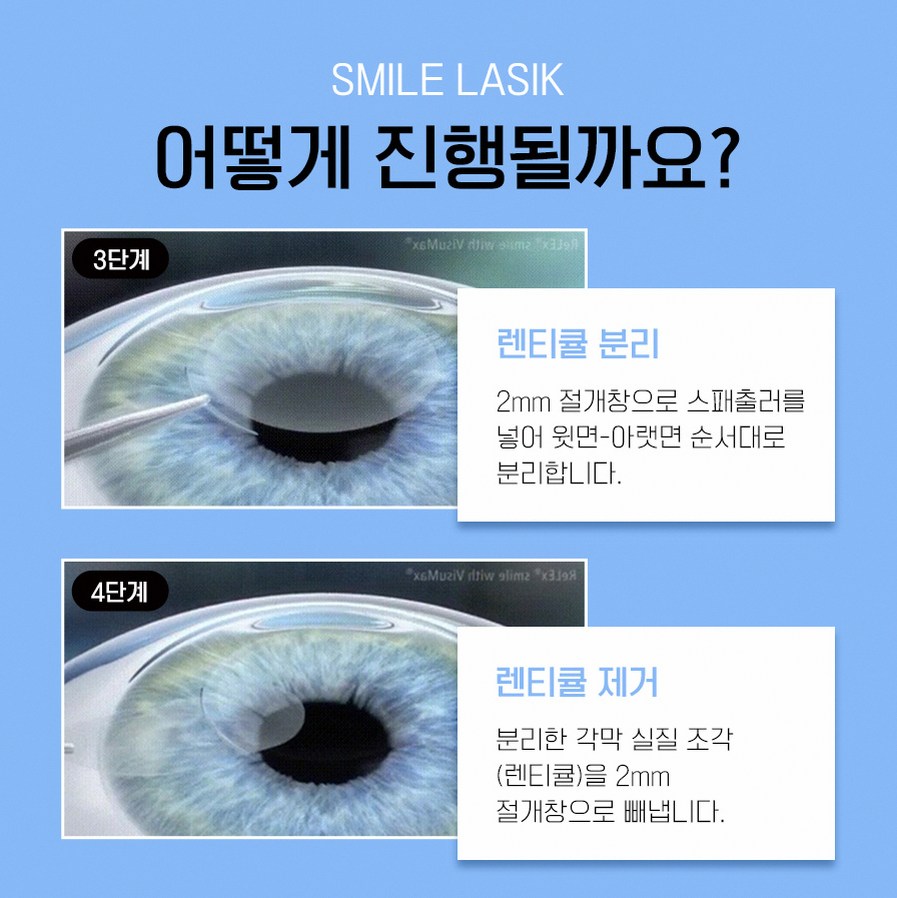
SMILE LASIK is a type of laser vision correction whose full name is small-incision lenticule extraction. A femtosecond laser is used to create a very thin, lens-shaped piece of tissue (called a lenticule) inside the cornea. The surgeon then removes this lenticule through a tiny incision, usually around 2 to 4 millimeters.
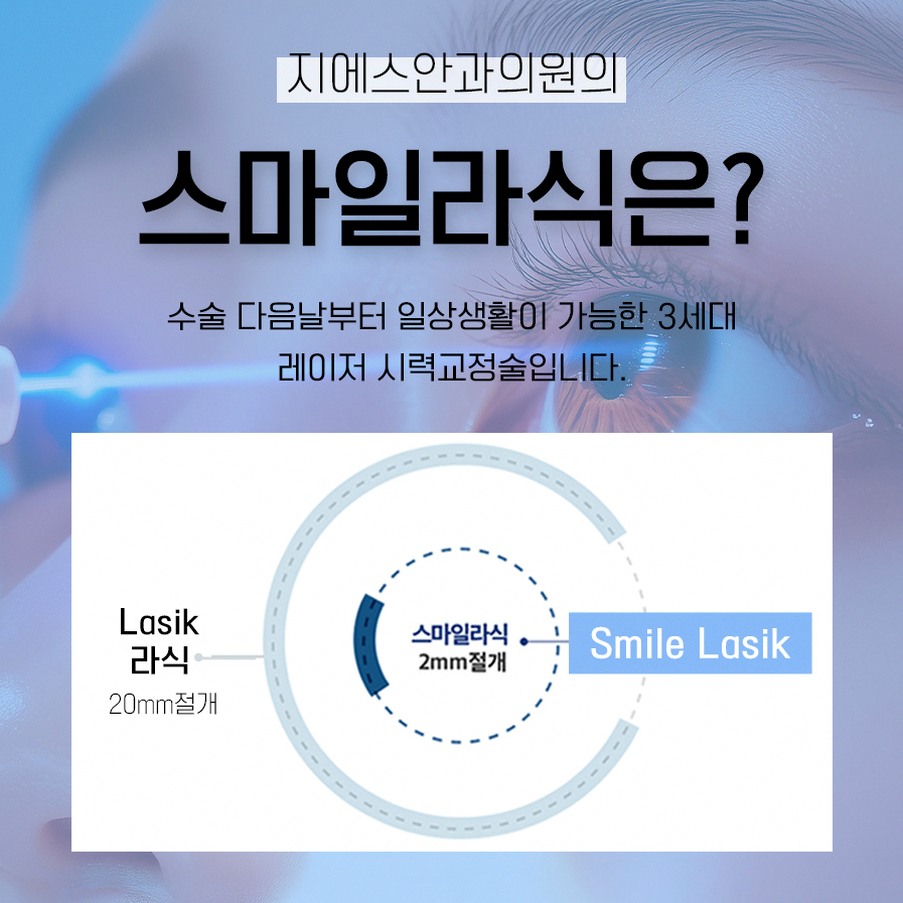
By removing this internal lenticule, the shape of the cornea changes so that light focuses more accurately on the retina. This can correct nearsightedness and astigmatism in suitable patients.
Compared with conventional LASIK, SMILE LASIK does not require a large corneal flap. In classic LASIK, the surgeon creates a circular flap on the surface of the cornea, lifts it, uses an excimer laser to reshape the tissue underneath, and then replaces the flap. This method offers fast visual recovery but introduces flap-related considerations such as displacement or trauma in rare cases.
Compared with LASEK, SMILE LASIK tends to be more comfortable in the early recovery period. LASEK is a surface ablation procedure where the surface layer of the cornea is moved aside or removed, the underlying tissue is reshaped with an excimer laser, and then the surface heals over time. There is no flap, but patients often experience more pain and slower visual recovery in the first days.
SMILE LASIK is flapless and uses a small incision. This approach tends to preserve more of the natural corneal structure and may reduce the risk of dry eye symptoms for some patients. However, it is still real surgery on your eyes. It is not automatically safer for everyone, and strict screening is essential to decide whether SMILE LASIK, another laser method, or lens implantation is more appropriate.
Key points when choosing a SMILE LASIK clinic near Sinnonhyeon
Many adults in their 20s to 40s who work or study around Gangnam, Sinnonhyeon, and Yeoksam look for an eye clinic they can visit before or after work. Easy access from Sinnonhyeon Station is convenient, but convenience should never be the only criterion when you are considering eye surgery.
When comparing clinics around Sinnonhyeon, it is useful to look at several medical and practical factors.
First, confirm that the surgeons are ophthalmology specialists with experience in refractive surgery. Subspecialty training in cornea or refractive surgery is a good sign that the doctor is familiar with complex cases, not only routine ones.
Second, ask about the clinic’s surgical volume and track record. A center that has performed a large number of vision correction and cataract procedures over many years usually has experience with a wide range of eye conditions and can recognize when SMILE LASIK is not the right choice.
Third, check the preoperative examination system. A trustworthy Sinnonhyeon-area eye clinic will not rush you directly to surgery. Instead, you should expect detailed tests such as corneal thickness measurement, corneal topography and tomography to assess shape and stability, pupil size evaluation, tear film and dry eye assessment, and a thorough retina and fundus examination, especially if you have high myopia.
Fourth, pay attention to how the clinic explains your options. The doctor should clearly tell you whether SMILE LASIK is suitable or whether LASEK, another type of surface laser, or lens implantation might be safer. If your cornea is too thin, irregular, or unstable, a responsible clinic will advise against SMILE LASIK.
Finally, be cautious of any clinic that pressures you to book surgery immediately or offers only one type of procedure for everyone. Transparent counseling, including the possibility that you may not be a good candidate for any laser surgery, is an important sign of a patient-centered approach.
Example of a specialized SMILE LASIK center in the Gangnam area
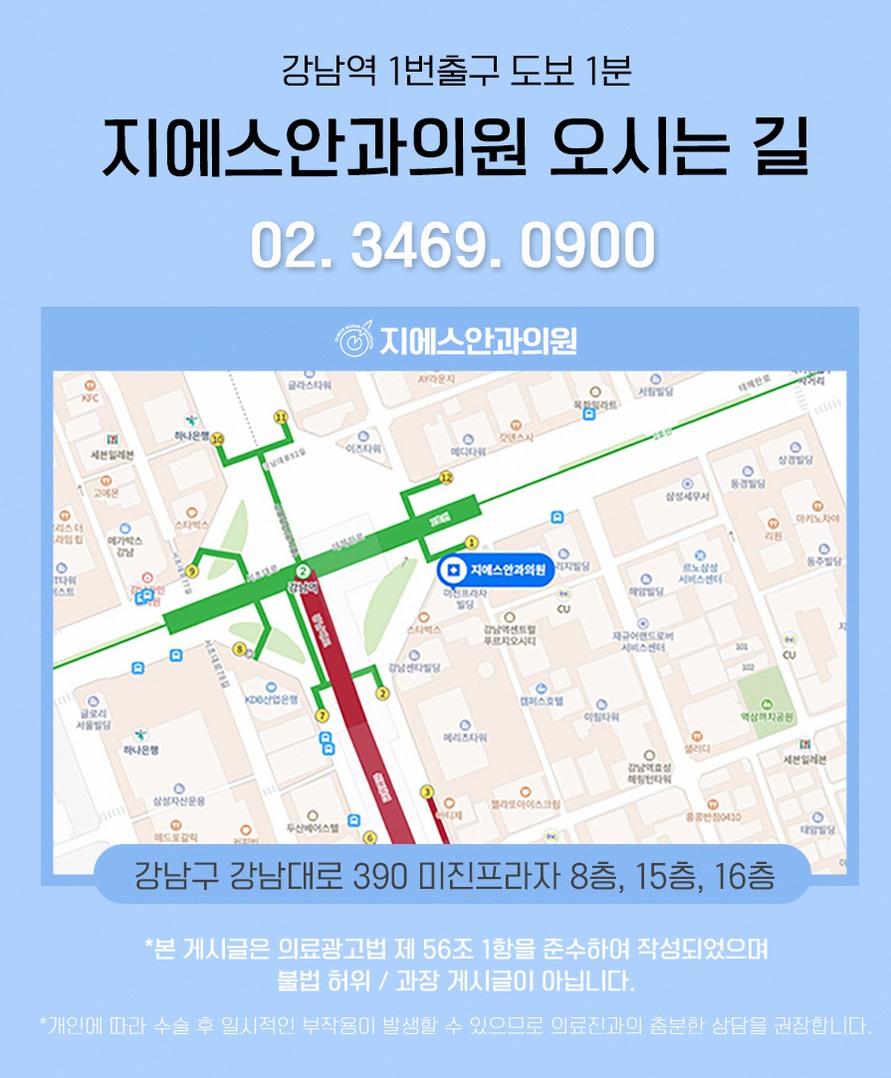
GS Eye Center is an ophthalmology clinic located on Gangnam-daero in the Gangnam District, operating near Gangnam Station, which is convenient for patients coming from Sinnonhyeon and Yeoksam. It opened in 2005 at the same location and has focused on vision correction and cataract surgery for many years.
The medical team consists of seven ophthalmology specialists, including surgeons with backgrounds as university hospital faculty members and retina fellows. This mix of refractive and retina experience is valuable because high myopia, which is common in SMILE LASIK candidates, can be associated with retinal issues that must be checked and sometimes treated before laser surgery.
As of 2023, the center reports a cumulative total of around 300,000 eyes operated on for vision correction and cataract surgery. When you see a figure like this, always note the reference year, because it shows that the data is tied to a specific point in time and not an open-ended claim.
The clinic emphasizes the idea that surgical skill and careful planning are central to visual outcomes. It also positions itself as a teaching and training site for other doctors, having been designated as a clinical education institution by a medical school and as an Asia-Pacific clinical education center by a device company in 2023–2024. For patients, this type of role can indicate that the clinic is familiar with up-to-date techniques and participates in sharing clinical experience.
SMILE LASIK equipment: why multiple platforms matter
SMILE LASIK depends heavily on the performance and reliability of the femtosecond laser platform. The precision of the laser, the speed of the treatment, and the stability of the system all influence the surgical experience and the workflow in the clinic.
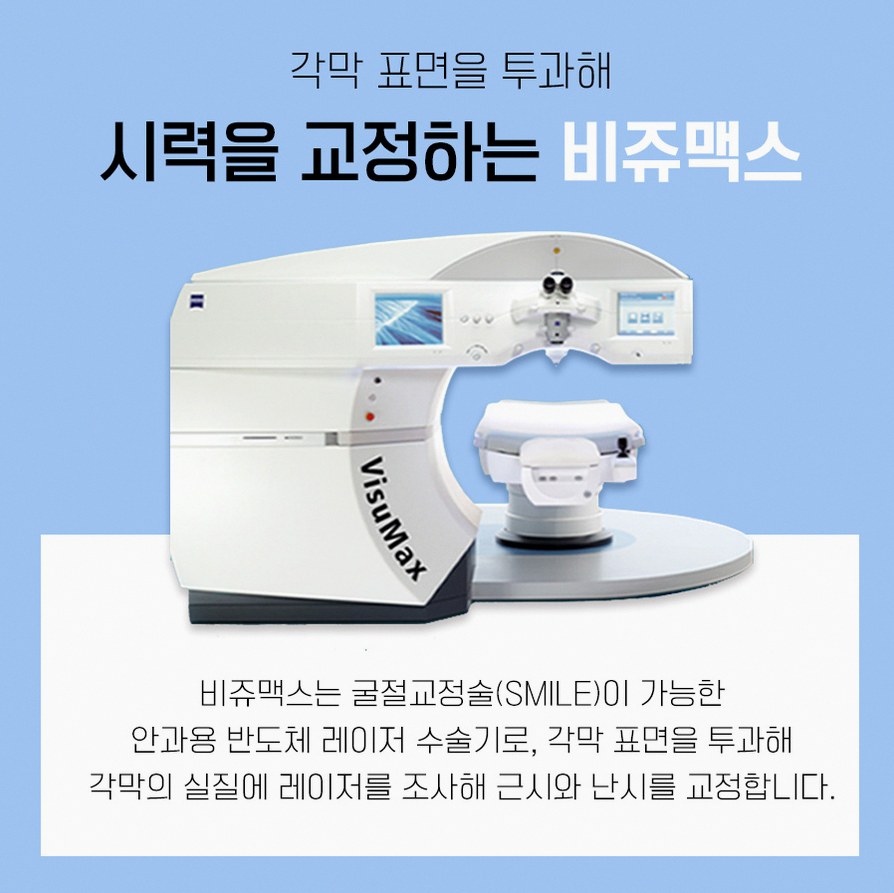
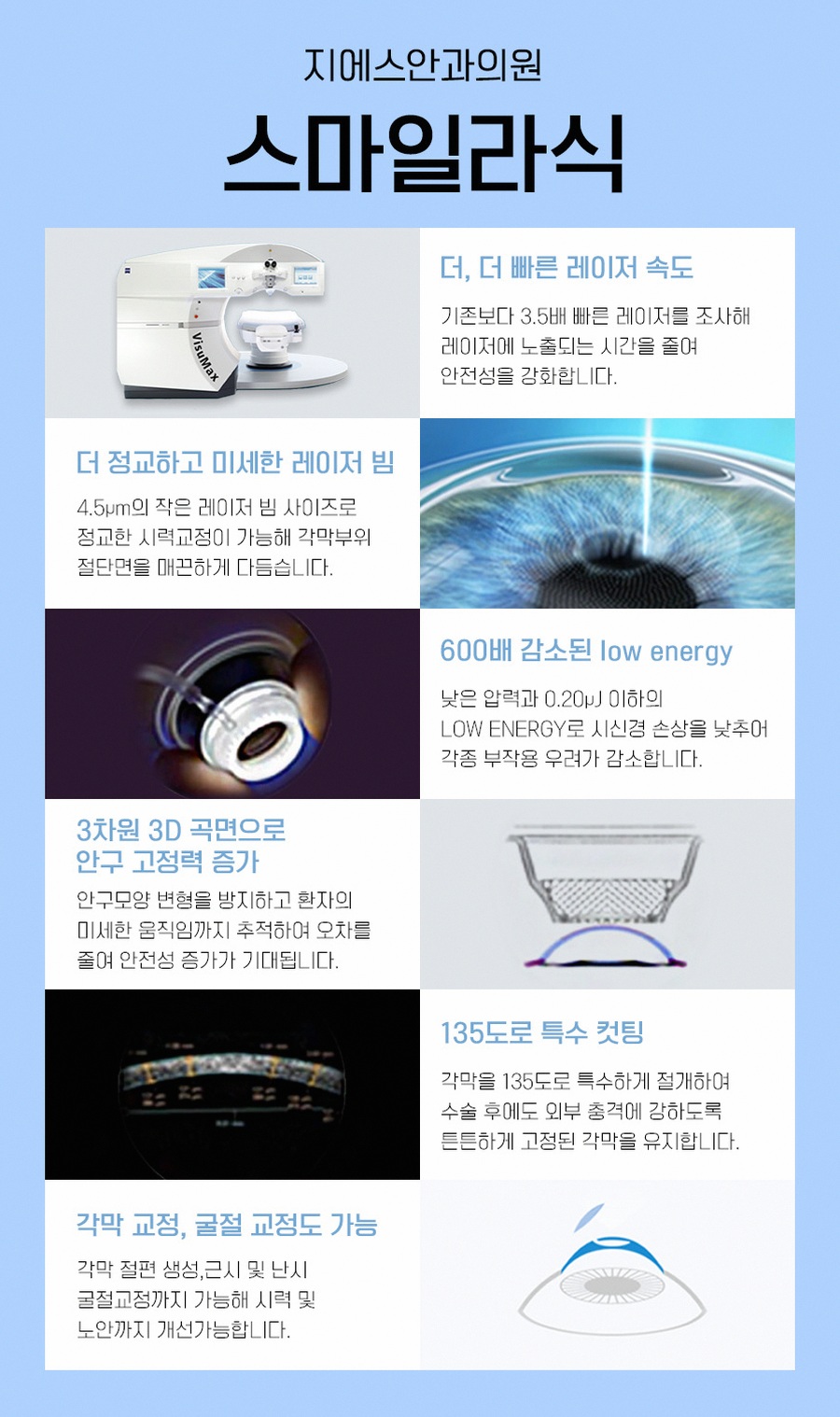
GS Eye Center uses three major SMILE-related laser systems: VISUMAX 800 and VISUMAX 500 (ZEISS) and the ELITA system (Johnson & Johnson). The VISUMAX 800, introduced in 2023, is used for SMILE pro. This platform offers a very short laser time, typically under about 9 seconds, which can make the procedure more comfortable for patients who are nervous about keeping their eyes still.
In addition, the clinic operates two VISUMAX 500 units, which are used for classic SMILE LASIK. These systems were introduced in 2016, and dual-room operation has been in place since 2019. Having two units allows the center to manage a higher number of cases while maintaining flexibility in scheduling.
Multiple platforms offer several advantages. First, they allow the medical team to tailor the choice of technique to the individual patient. Depending on corneal thickness, curvature, and lifestyle, the surgeon may recommend SMILE pro with VISUMAX 800, classic SMILE LASIK with VISUMAX 500, or another procedure such as SILK.
Second, they reduce waiting times and make it easier to schedule surgery dates that fit the patient’s travel plans, which is especially important for overseas visitors who have limited time in Korea.
Third, they provide redundancy in case one system needs maintenance. This helps avoid unexpected delays.
The clinic has been designated as a SMILE pro Center by ZEISS in 2023 and as a SILK Training Center in 2026, and it joined the SMILE Gold Club in 2021. These designations are linked to high case volume and experience with specific platforms and techniques.
Range of vision correction options around SMILE LASIK
Not every patient who visits a Sinnonhyeon eye clinic will be an ideal candidate for SMILE LASIK. Suitability depends on corneal thickness, the degree of myopia and astigmatism, corneal shape, and other eye conditions.
A comprehensive ophthalmology clinic in the Gangnam and Sinnonhyeon area will usually offer alternative procedures for patients who are not suitable for SMILE LASIK. These may include LASEK options such as so-called 2-day LASEK, which can be considered for patients with thinner corneas or specific occupational and lifestyle needs.
For very high myopia or significantly thin corneas, lens implantation procedures such as ICL or GLAZE, which involve placing a lens inside the eye without removing the natural lens, may be safer than corneal laser surgery. These lens-based methods require careful measurements and are often performed in centers that also have strong cataract surgery experience.
If there is concern about corneal stability, corneal cross-linking procedures, such as KXL or similar systems, may be considered to strengthen the corneal tissue. In some cases, cross-linking is combined with other treatments or used to manage conditions like early keratoconus.
When a clinic has a wide lineup of vision correction methods, it is easier for the surgeon to recommend against SMILE LASIK when necessary and redirect you to a safer option rather than trying to fit every patient into a single procedure.
Step-by-step: from first visit to SMILE LASIK surgery
1. Reservation and initial consultation
Most clinics accept reservations by phone and through online channels such as their website, blog, social media, or messaging apps. For overseas patients, online consultation in English before you travel can be very useful. You can send your glasses prescription, previous eye examination results if available, and basic medical history.
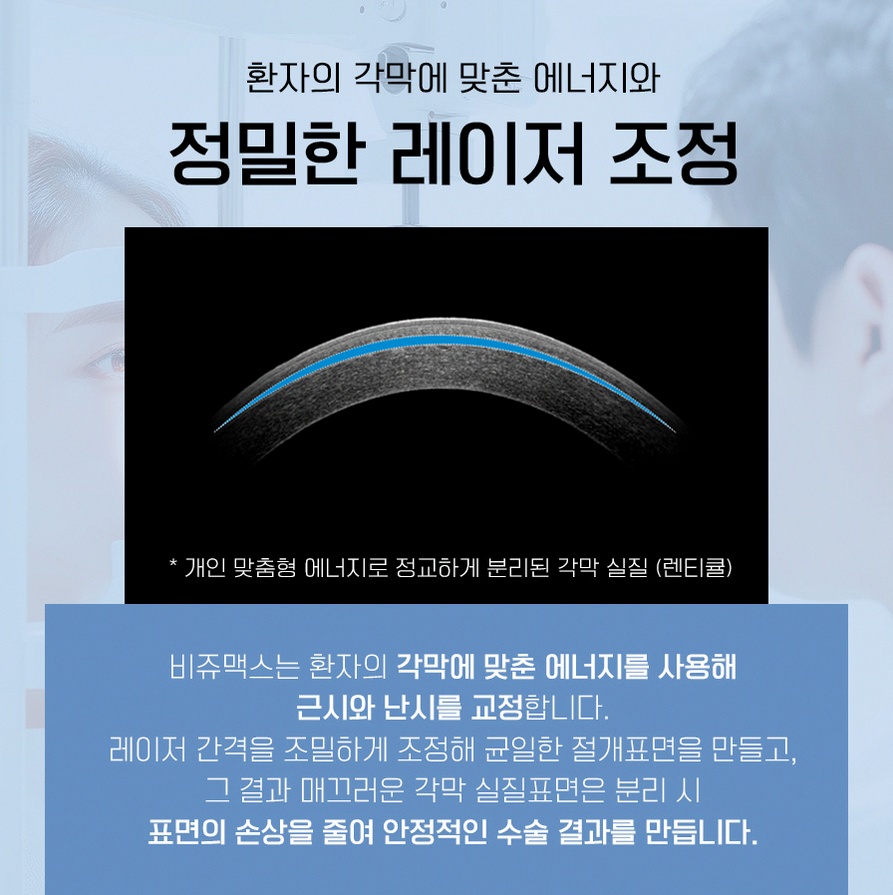
During the first in-person visit in Korea, you will usually have basic vision checks, including visual acuity, refraction (degree of myopia and astigmatism), and intraocular pressure. The doctor or counselor will ask about your lifestyle, such as night driving, sports, contact lens use, and daily screen time, because these factors influence which procedure may suit you best.
2. Detailed preoperative examination
If you appear to be a possible candidate, the clinic will schedule a detailed preoperative examination. This often takes one to two hours and includes corneal thickness measurement, corneal topography and tomography to evaluate the shape and stability of the cornea, pupil size measurements, and tear film tests to assess dry eye.
A fundus and retina check is particularly important for high myopia, because thinning or weak areas in the retina may require treatment before laser surgery. The clinic will also review your general health, medications, and any history of autoimmune disease or eye inflammation.
3. Surgical planning
Based on the examination results, the surgeon will decide whether SMILE LASIK, SMILE pro, another laser procedure, or lens implantation is safest.
This is a good moment to ask detailed questions. For example, you can ask how many SMILE LASIK cases the surgeon performs per year, what equipment will be used, how often follow-up visits are scheduled, and what to do if you experience unexpected symptoms after surgery.
4. Surgery day
On the day of surgery, you will usually arrive at the clinic without eye makeup and without wearing contact lenses for the period recommended by the clinic. Numbing eye drops are used, so there is no general anesthesia. Most patients feel only pressure or mild discomfort during the short laser phase.
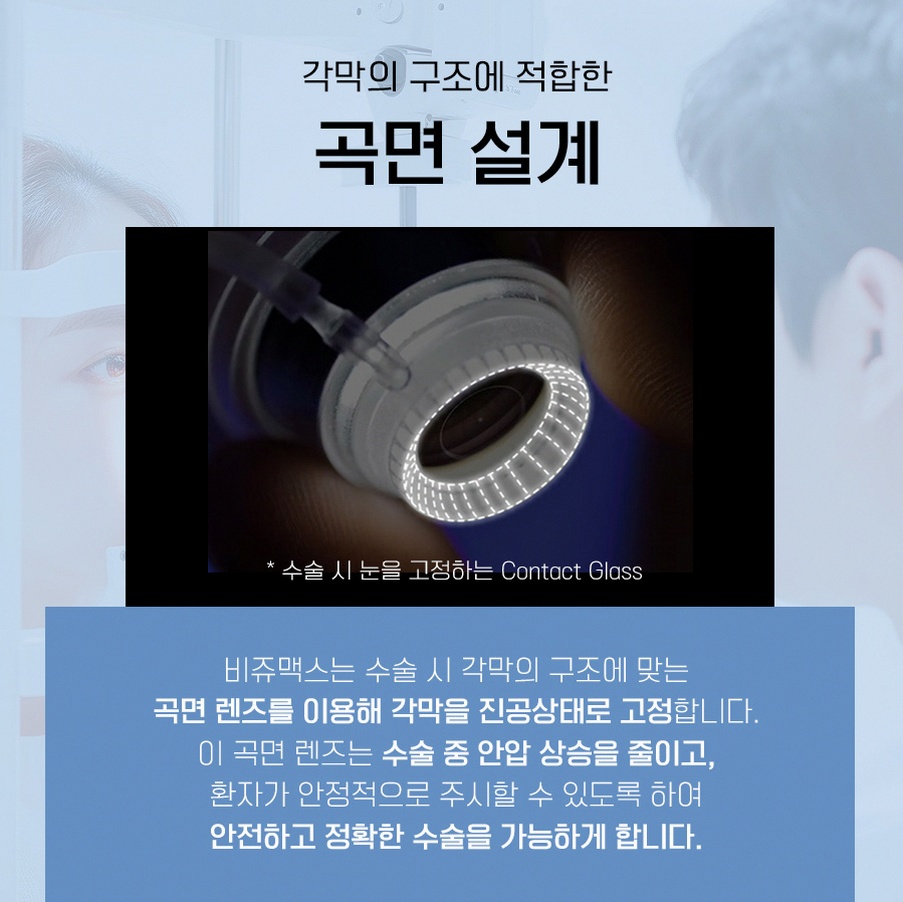
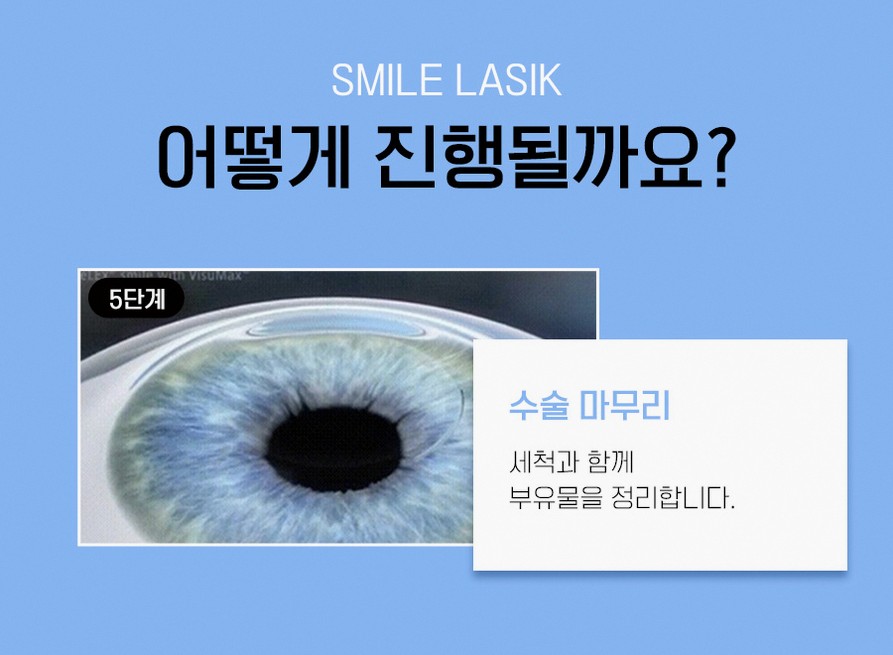
With modern platforms such as VISUMAX 800, the laser time is on the order of seconds. The surgeon uses the laser to create the lenticule and a small incision, then gently removes the lenticule through that incision. No large flap is created, and the surface of the cornea remains largely intact.
After the procedure, you will rest in the clinic for a short time while the staff checks your eyes and reviews postoperative instructions.
5. Postoperative care
On the day of surgery, you will be advised to rest, avoid rubbing your eyes, and keep water, dust, and sweat away from your eyes. Prescribed eye drops usually include an antibiotic, an anti-inflammatory, and lubricating drops. It is important to use them exactly as directed.
Follow-up visits are typically scheduled for the next day, within one week, and then at later intervals. For overseas patients, the clinic may adjust the schedule to fit your travel dates, but you should still allow enough time in Korea for at least the first key follow-up checks.
Exact protocols differ by clinic, but a structured process and clear written instructions in a language you understand are essential for safe recovery.
Safety, side effects, and who should be careful
Like all eye surgeries, SMILE LASIK has potential side effects and risks. Common temporary symptoms after the procedure include mild discomfort, light sensitivity, halos or glare at night, and transient dry eye. These usually improve over days to weeks, but some patients may notice night vision changes for longer.
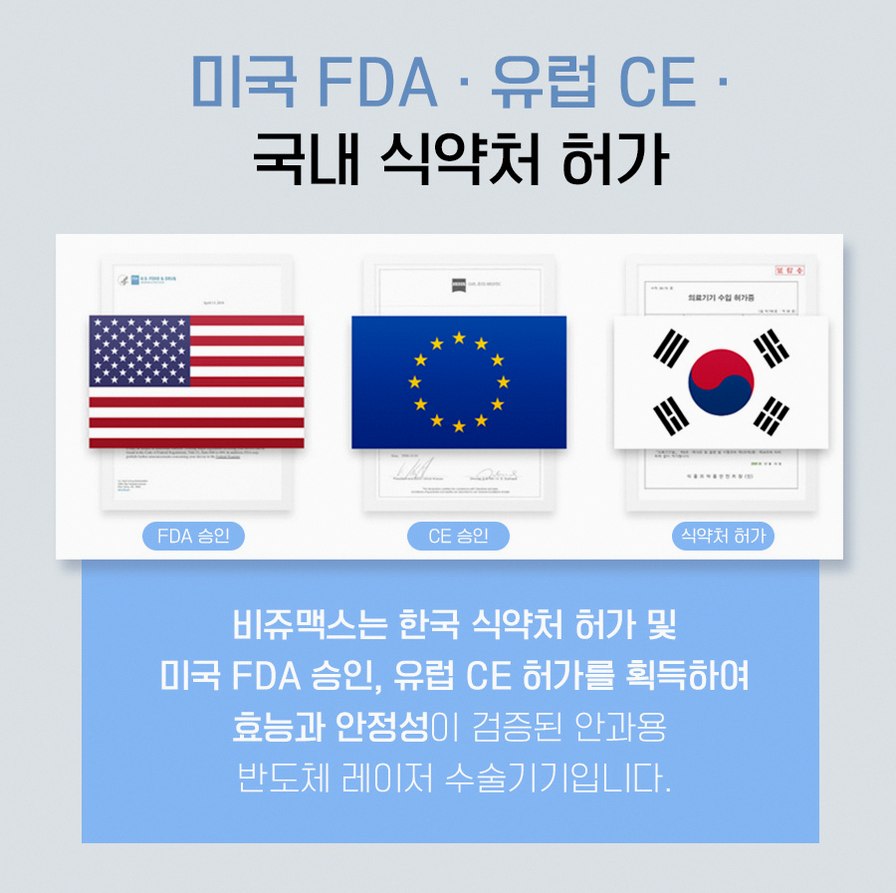
Serious complications are rare but can occur. These include infection, undercorrection or overcorrection of the refractive error, and issues related to corneal biomechanics such as ectasia in susceptible eyes. This is why thorough screening and conservative decision-making are so important.
Certain groups require special caution or may be excluded from SMILE LASIK. These include people with very thin or irregular corneas, suspected keratoconus, uncontrolled dry eye, or autoimmune diseases that affect healing. Young patients with unstable refraction and those with certain retinal conditions may need to postpone or avoid laser surgery until their situation is better controlled.
A responsible Sinnonhyeon eye clinic will sometimes advise against surgery or recommend alternative treatments rather than proceeding at any cost.
Why some patients choose a high-volume center near Sinnonhyeon
Patients living or working around Sinnonhyeon and Gangnam often compare several clinics before deciding where to have SMILE LASIK. Some choose a specialized center such as GS Eye Center for reasons related to experience, equipment, and range of services.
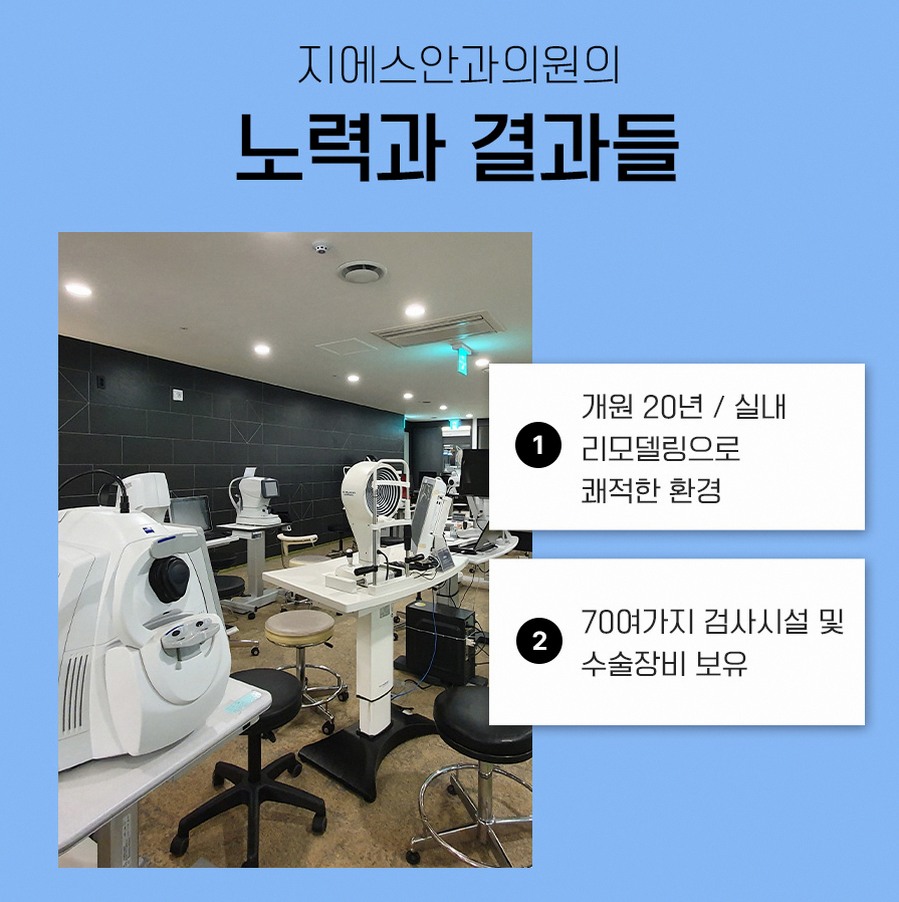
Long-standing presence in the same location since 2005 can give patients a sense of continuity and accumulated clinical experience. Having a team of ophthalmology specialists, including doctors with university hospital faculty backgrounds and retina subspecialty training, means that complex cases and combined conditions can be managed within one center.
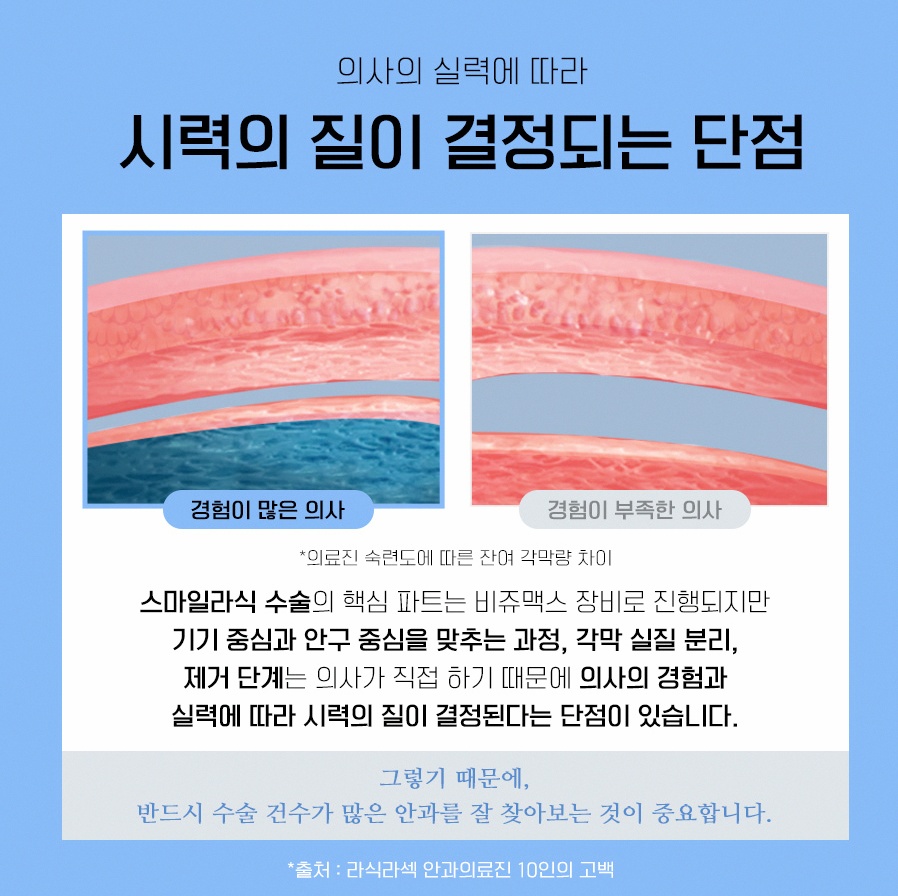
A large cumulative experience in vision correction and cataract surgery, clearly stated with reference years, suggests that the clinic has encountered many different eye conditions over time. Multiple SMILE-related laser platforms and designation as a training center by device manufacturers indicate that the clinic is involved in advanced techniques and in educating other doctors.
Experience with advanced lens implantation and multifocal intraocular lenses for presbyopia and cataract is also relevant. If SMILE LASIK is not suitable for you now or if you later develop cataracts, it is helpful to be in a system where both corneal and lens-based solutions are familiar.
When making your decision, it is wise to compare not only price and distance from Sinnonhyeon Station, but also surgeon experience, examination protocols, equipment, and the clarity of explanations you receive.
Online consultation and pre-visit preparation for overseas patients
If you live outside Korea and are planning to come to the Gangnam or Sinnonhyeon area for SMILE LASIK, starting with an online consultation can save time and help you decide whether the trip is worthwhile.
Before contacting the clinic, prepare basic information such as your age, current glasses or contact lens prescription, any previous eye surgery or trauma, and general medical history. If you have recent eye examination results from your home country, you can scan or photograph them and send them in advance.
During online consultation, ask practical questions: how many days you should stay in Korea, how many follow-up visits are recommended, what languages the staff can communicate in, and what to do if you have concerns after returning home. You may also ask about typical recovery timelines for activities like flying, returning to office work, or light exercise.
Expected Korea visit timeline for SMILE LASIK
For many international patients, a stay of about one week to ten days in Seoul is often recommended for SMILE LASIK, though exact plans vary by clinic and individual case.
A common pattern is as follows. On day one, you arrive and rest. On day two or three, you have your full examination and consultation. If you are a suitable candidate and decide to proceed, surgery may be scheduled within the next one or two days.
The first postoperative check is usually the day after surgery. Additional checks may be scheduled a few days later and at one week. If your stay is short, the clinic may combine some visits, but it is important not to leave Korea immediately after surgery.
Before you book flights, confirm the recommended schedule with the clinic and make sure you understand any restrictions on flying, heavy lifting, swimming, or sauna use during the early recovery period.
Aftercare once you return home
After you return to your home country, you should continue using any remaining prescribed drops as directed and protect your eyes from trauma and infection. It is helpful to schedule a follow-up visit with a local ophthalmology clinic to check your healing, especially if you notice persistent discomfort, vision changes, or new floaters.
Keep copies of your preoperative data, surgical details, and early postoperative records. These will be useful for any doctor who examines your eyes in the future, including when you are older and may need cataract surgery.
If you have questions after returning home, contact the clinic where you had surgery. Many centers in the Gangnam and Sinnonhyeon area are used to communicating with overseas patients by email or messaging apps.
FAQ: SMILE LASIK at a Sinnonhyeon eye clinic
Is SMILE LASIK painless?
Numbing eye drops are used during SMILE LASIK, so most patients feel only pressure or mild discomfort during the short laser phase. You may notice a feeling of something in the eye, tearing, or light sensitivity for several hours afterward. Mild dryness or foreign-body sensation can continue for a few days, but strong pain is not typical and should be reported to the clinic.
How long does it take to recover after SMILE LASIK?
Many patients can see relatively well within one or two days after SMILE LASIK, enough for light daily activities. However, vision may fluctuate for several weeks, especially in low light. Full stabilization can take a few months, and night vision symptoms such as halos or glare often improve gradually over that time.
Can I get SMILE LASIK if I have high myopia?
It depends on your corneal thickness, shape, and overall eye health. For moderate to high myopia with sufficient corneal tissue, SMILE LASIK may be an option. For very high myopia or significantly thin corneas, lens implantation procedures such as ICL or GLAZE may be safer. A detailed examination at an ophthalmology clinic is essential before making this decision.
How do I choose between SMILE LASIK and LASEK near Sinnonhyeon?
The choice between SMILE LASIK and LASEK should be based on your corneal condition, occupation, and lifestyle. SMILE LASIK offers a small incision and quick recovery for many patients, while LASEK may be preferred for certain corneal profiles or for people whose activities put them at higher risk of eye trauma. The final decision should be made together with a refractive surgeon after full testing.
Is it safe to have SMILE LASIK and then cataract surgery later in life?
Most people who undergo SMILE LASIK will eventually develop age-related cataracts, and cataract surgery can still be performed. However, preoperative measurements and lens power calculations become more complex after any corneal refractive surgery. It is important to keep records of your original vision correction data and share them with the surgeon who performs your future cataract surgery.
Soft call to action for online consultation
If you are considering SMILE LASIK and are searching for a Sinnonhyeon eye clinic, focus first on surgeon expertise, thorough examinations, and appropriate equipment rather than only on price or distance. A specialized ophthalmology center in the Gangnam area, such as GS Eye Center, can offer detailed preoperative testing, multiple vision correction options, and structured follow-up care.
Before you decide, consider arranging an online consultation to discuss your situation, review your current prescription, and understand the recommended timeline for a visit to Korea. Taking time to ask questions and compare clinics will help you choose the safest and most suitable path for your eyes.
- 공유 링크 만들기
- X
- 이메일
- 기타 앱


댓글
댓글 쓰기