Sinsa Smart LASIK and SMILE Vision Correction Guide for International Patients
- 공유 링크 만들기
- X
- 이메일
- 기타 앱
Direct answer summary
When people in Seoul talk about “Sinsa Smart LASIK,” they are usually referring to SMILE-type laser vision correction performed at ophthalmology clinics in the Sinsa and Gangnam area. SMILE (small-incision lenticule extraction) and newer versions such as SMILE Pro use a femtosecond laser to correct myopia and astigmatism through a very small incision, without creating a large corneal flap like classic LASIK.
For international patients, Sinsa–Gangnam is a popular district because many ophthalmology clinics there offer SMILE LASIK with modern equipment and English-friendly services. If your corneas are suitable and your prescription is stable, this can be a practical option to reduce dependence on glasses or contact lenses during a short visit to Korea.
What is SMILE LASIK or “Smart LASIK” in Sinsa
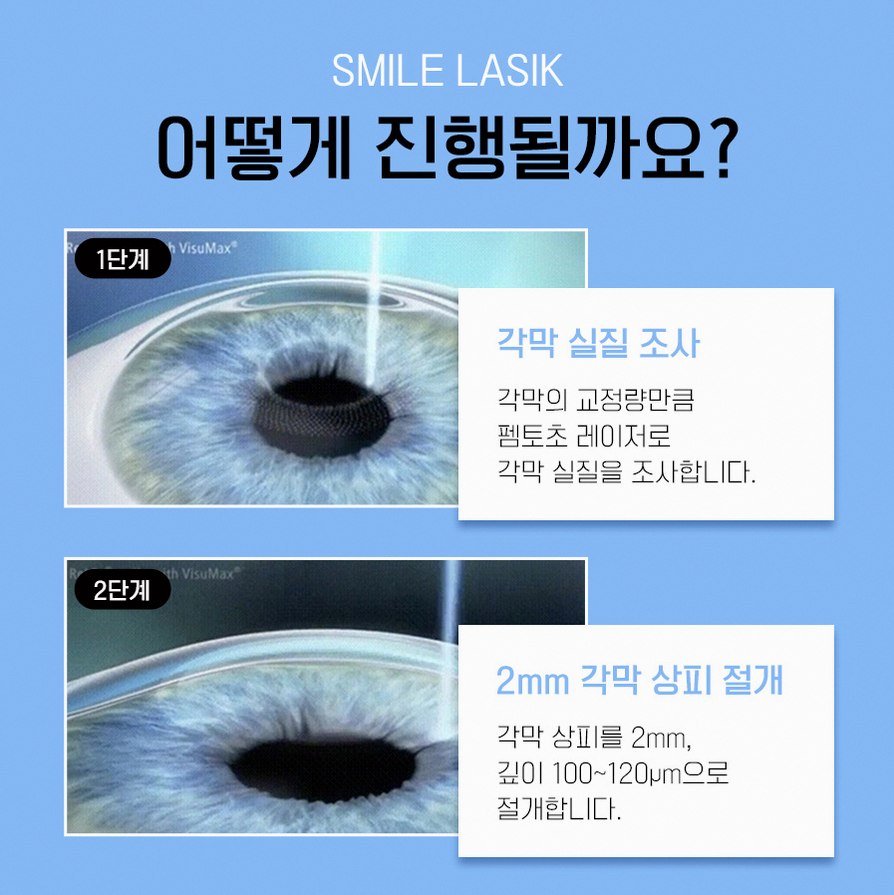
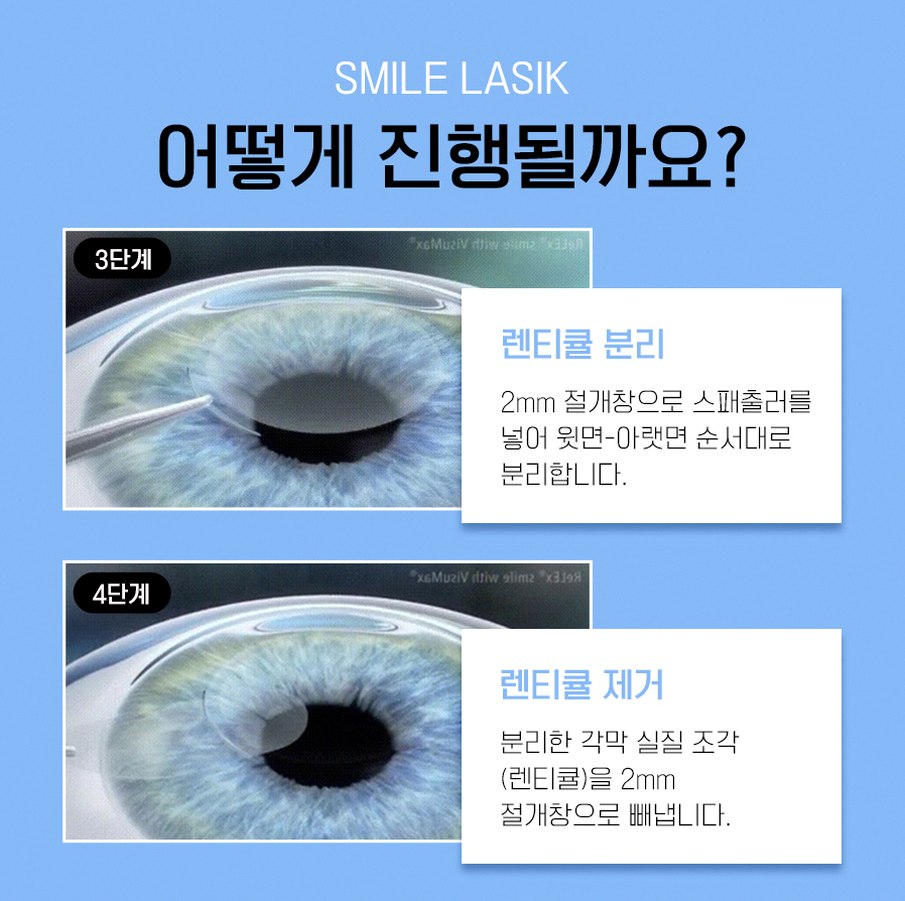
SMILE LASIK is a form of laser vision correction that reshapes the cornea from the inside. A femtosecond laser creates a thin, lens-shaped piece of tissue called a lenticule within the cornea. Through a tiny incision, usually about 2–4 mm, the surgeon removes this lenticule. Once it is removed, the cornea changes shape and light focuses more accurately on the retina.
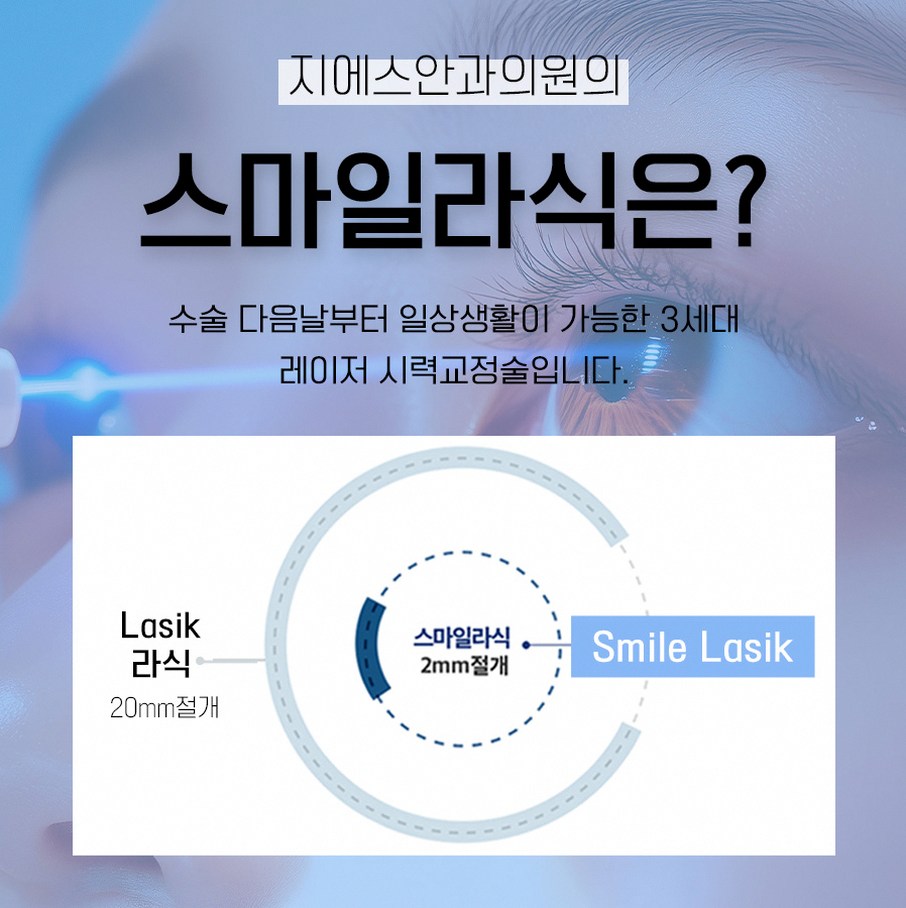
Unlike traditional LASIK, SMILE does not require a large corneal flap. This is why many clinics market it as a “smart” or next-generation LASIK option. In the Sinsa and Gangnam area, you will see terms like Smart LASIK, SMILE, or SMILE Pro used in advertisements to describe this family of small-incision procedures.
Why it is considered a next-generation option
SMILE-type procedures are often described as a modern evolution of LASIK because they combine a much smaller corneal incision with preservation of more corneal tissue and nerves, which can help maintain corneal strength and reduce postoperative dry-eye symptoms. Compared with surface procedures such as LASEK or PRK, SMILE generally delivers faster functional vision recovery for many patients. Individual outcomes still depend on corneal shape, the degree of correction, and the chosen laser platform and technique.
First, the incision is much smaller. Instead of a circular flap of around 20 mm, SMILE uses a micro-incision of only a few millimeters. This preserves more of the corneal structure and may help maintain biomechanical stability.
Second, SMILE tends to disturb fewer corneal nerves than flap-based LASIK. Because corneal nerves are important for tear production and eye surface health, this may reduce the likelihood or intensity of dry eye symptoms after surgery in some patients.
Third, compared with surface procedures such as LASEK or PRK, SMILE usually offers faster functional vision and less post-operative discomfort. Many patients can return to daily activities within a few days, although vision can still fluctuate during the healing period.
How SMILE differs from LASIK and LASEK
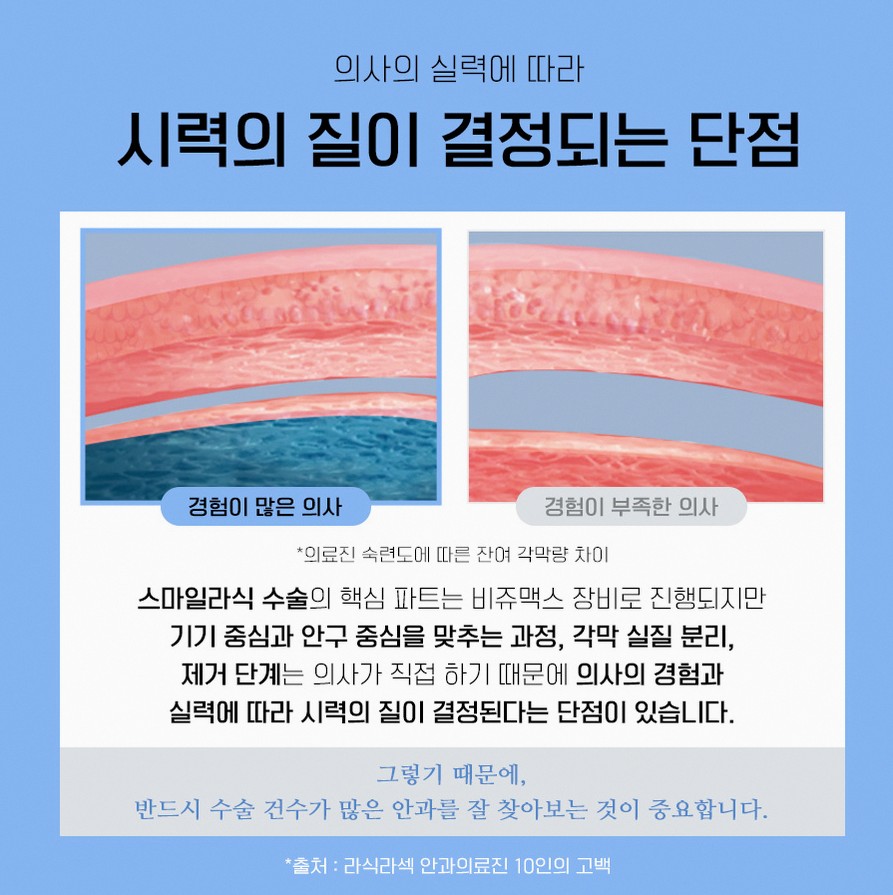
Compared with conventional LASIK, the main difference is the presence or absence of a flap. In LASIK, the surgeon creates a hinged flap on the cornea, lifts it, and then uses an excimer laser to reshape the exposed surface. Afterward, the flap is repositioned.
In SMILE, there is no large flap. The femtosecond laser works entirely within the cornea to create the lenticule and the small access incision. The reshaping happens by removing the internal lenticule through this micro-incision.
This approach may lower the risk of flap-related issues such as flap displacement or wrinkles. It also means there is no flap edge to protect in the long term. However, SMILE is not automatically better for every eye. The ideal method depends on your prescription, corneal thickness, corneal shape, and lifestyle.
Compared with LASEK or PRK, SMILE does not involve removing the surface epithelium of the cornea. LASEK and PRK reshape the surface after loosening or removing this outer layer, which then needs time to regrow. As a result, surface procedures often involve more discomfort in the first days and slower visual recovery, but they can be useful in certain situations such as very thin corneas where flap-based or SMILE procedures are not appropriate.
Who may consider Sinsa Smart LASIK
Typical candidates for SMILE LASIK are adults with stable myopia and astigmatism. Stability usually means your glasses or contact lens prescription has not changed significantly for at least one to two years. You should have adequate corneal thickness and a healthy, regular corneal shape.
Candidates should not have uncontrolled systemic diseases that affect healing, such as poorly controlled diabetes or autoimmune conditions. Your eyes should be free from active inflammation, infection, or severe dry eye. A careful examination is needed to rule out conditions like keratoconus or other forms of corneal ectasia, which are not suitable for this type of surgery.
Who may not be suitable
Some people are not good candidates for SMILE LASIK, even if they are very interested in the procedure. Very thin or irregular corneas, signs of keratoconus, or suspicious topography patterns can make laser vision correction unsafe. In these cases, an ophthalmologist may recommend alternative options or advise against surgery.
Severe dry eye that does not respond to treatment can also be a reason to avoid corneal laser procedures. Pregnancy and breastfeeding are usually considered temporary reasons to postpone elective eye surgery, because hormones can affect vision stability and healing. Each case should be discussed individually with an ophthalmologist.
Other vision correction options for context
If your prescription is very high or your corneas are thinner than average, your ophthalmologist may suggest alternatives. One common option is an implantable collamer lens, often called ICL, which places a thin lens inside the eye without removing corneal tissue. For older patients with cataracts or significant presbyopia, lens-based surgery may be more appropriate than corneal laser procedures.
These options are usually discussed when SMILE or LASIK is not ideal. A thorough eye examination in a Sinsa–Gangnam ophthalmology clinic will help determine which method matches your eyes and your visual goals.
Examination and decision process at a Sinsa–Gangnam clinic
A modern ophthalmology clinic in the Sinsa and Gangnam area will begin with a detailed preoperative examination and an evidence-based discussion tailored to your eyes. In that consultation you should expect the clinic to: show and explain your corneal topography/tomography and other test results, review why a particular method (for example, Sinsa Smart LASIK or SMILE Pro) is recommended or not recommended for your eyes, and outline alternative options. Ask specific questions such as “Can you show me my corneal imaging?”; “What is your enhancement policy and how are enhancements handled?”; and “How many SMILE/SMILE Pro procedures has the operating surgeon performed, and what is the date of that case count?” You should also receive written informed consent, written postoperative care instructions, and a clear follow‑up schedule before any surgery is scheduled. Surgery should not be booked until screening confirms the procedure is appropriate for your eyes.
Typical tests include visual acuity and refraction to measure your exact prescription. Corneal topography and tomography are used to map the front and back surfaces of your cornea and detect any irregularities. Pachymetry measures corneal thickness at many points.
Tear film and dry eye assessments help evaluate the health of your eye surface. The clinic will also examine your retina and optic nerve, often with dilated eye drops, to rule out other eye diseases. All of this information is combined to decide whether SMILE, LASIK, LASEK, lens implantation, or no surgery is the safest option.
At this stage, a responsible clinic will explain the benefits, limitations, and risks of each method. You should have time to ask questions before deciding. Surgery should not be scheduled unless the screening confirms that the procedure is appropriate for your eyes.
Technology and equipment in Sinsa Smart LASIK
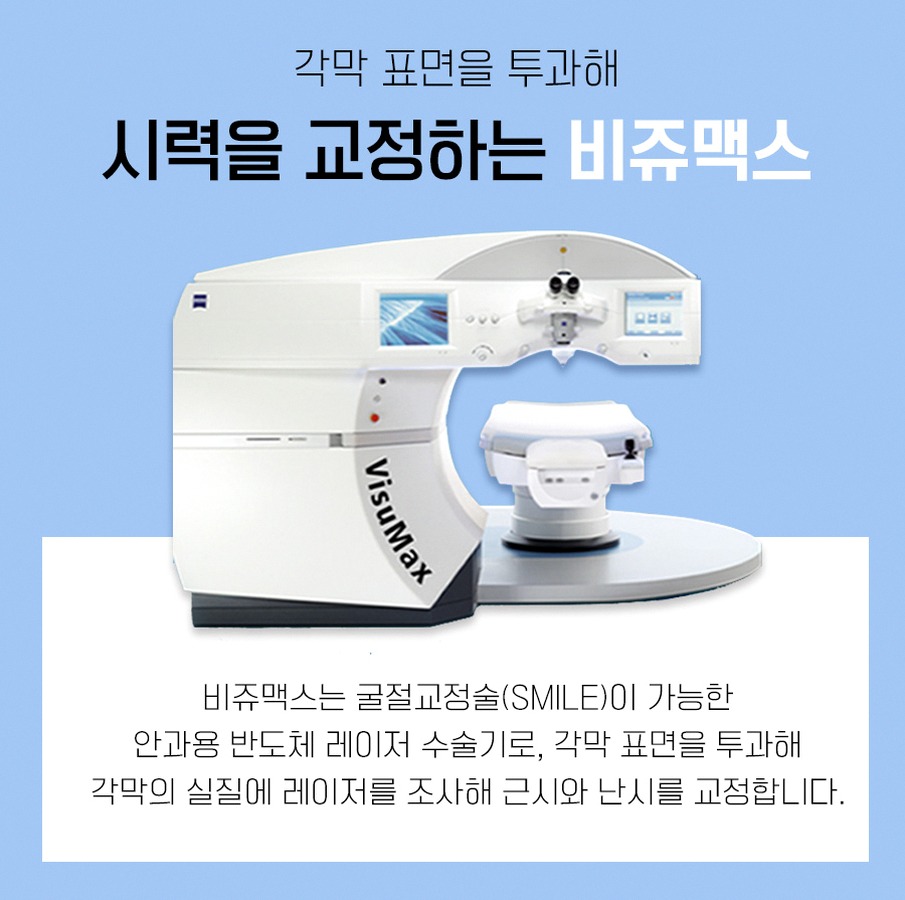
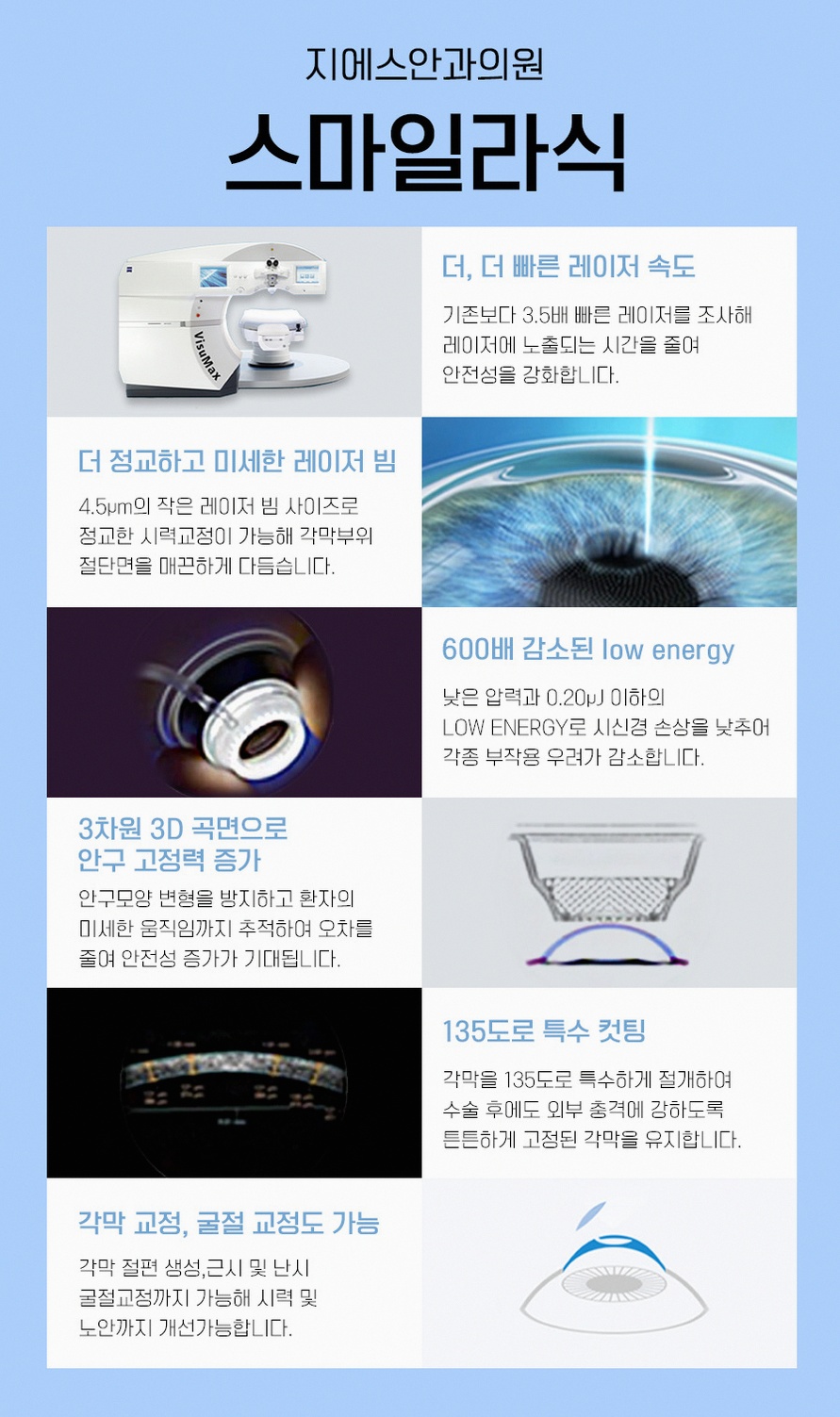
In the Sinsa–Gangnam corridor, some ophthalmology clinics distinguish themselves by investing in multiple femtosecond laser platforms dedicated to SMILE-type procedures. Newer-generation systems can complete the laser step in under 10 seconds per eye, which may improve comfort and reduce the stress of fixation during the procedure.
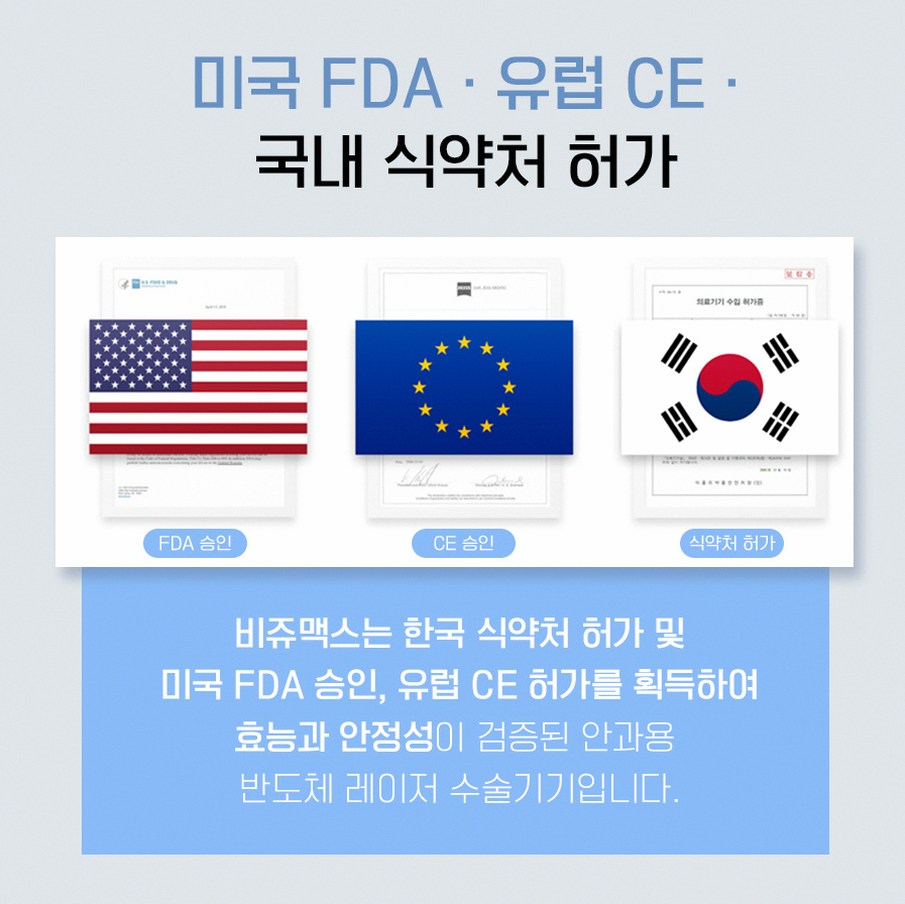
Certain clinics are designated as training or reference centers by laser manufacturers. This usually reflects experience with a large number of cases and involvement in teaching other surgeons. While this is not a guarantee of outcome, it can be one factor to consider when comparing clinics.
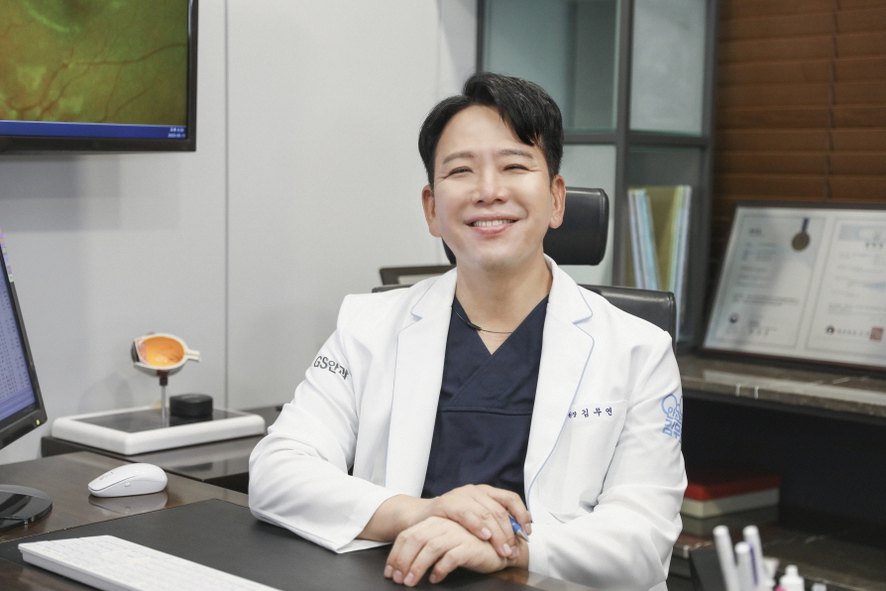
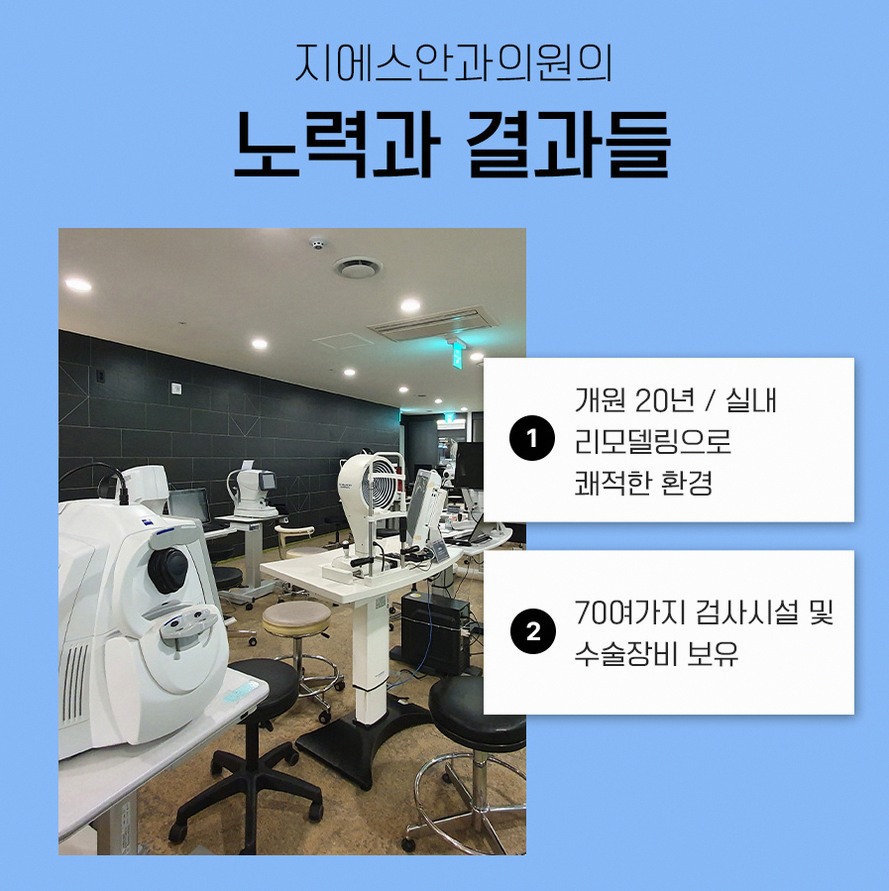
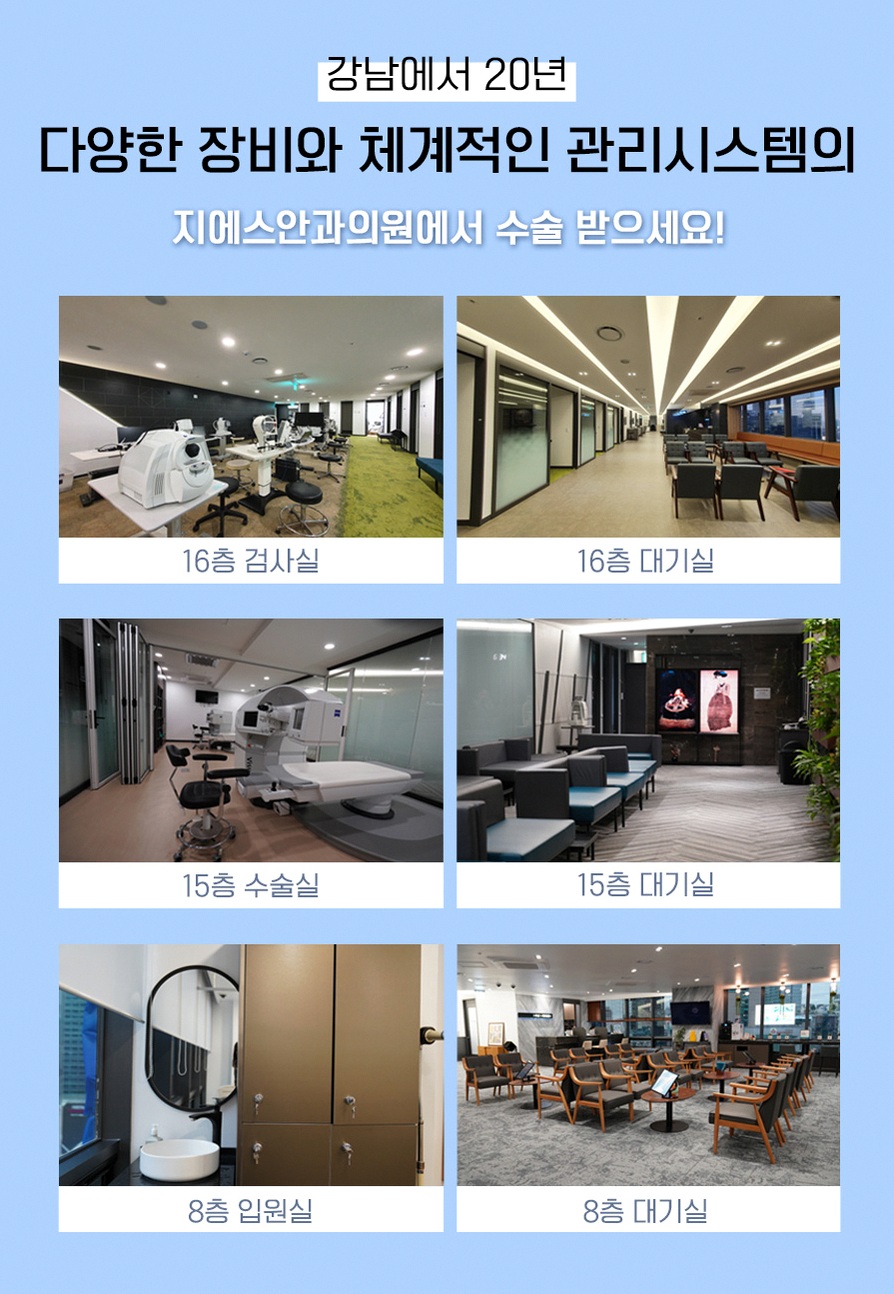
GS Eye Clinic is one example of an ophthalmology clinic near Gangnam Station that has been in the same area since 2005 under different names. It has a team of ophthalmology specialists and experience with SMILE Pro and related platforms, as well as lens implantation and cataract surgery. Past case numbers and training roles can provide some reassurance about experience, but they do not replace the need for an individual consultation and realistic expectations.
Step-by-step SMILE LASIK process
For international patients, understanding the process can make the decision less stressful. The journey can be divided into pre-operative preparation, surgery day, and early recovery.
Before your trip, you can usually arrange an online consultation. You may be asked to send your latest glasses or contact lens prescription, previous eye examination reports, and information about any eye diseases or surgeries. This helps the clinic estimate whether you are likely to be a candidate, although final approval always depends on in-person testing.
Pre-operative preparation
If you wear soft contact lenses, most clinics will ask you to stop wearing them several days before your detailed measurements, often three to seven days. For rigid or hard lenses, the break period may be longer, sometimes two weeks or more, because these lenses can temporarily change the shape of your cornea.
You will receive instructions about medications. For most patients, no general anesthesia or fasting is required, but some clinics prefer you to avoid heavy meals or caffeine right before surgery. If you take regular medications for chronic conditions, inform the clinic in advance so they can advise you properly.
On the day of your detailed examination, expect to spend a few hours at the clinic. Multiple machines will be used to collect data, and you may have your pupils dilated. After the examination, the ophthalmologist will review the findings with you, explain whether SMILE LASIK is suitable, and discuss alternatives if needed.
Day of SMILE LASIK
On surgery day, you will arrive at the clinic, sign consent forms, and review instructions again. Anesthetic eye drops are applied to numb the surface of your eyes. General anesthesia is not used; you remain awake but should not feel sharp pain.
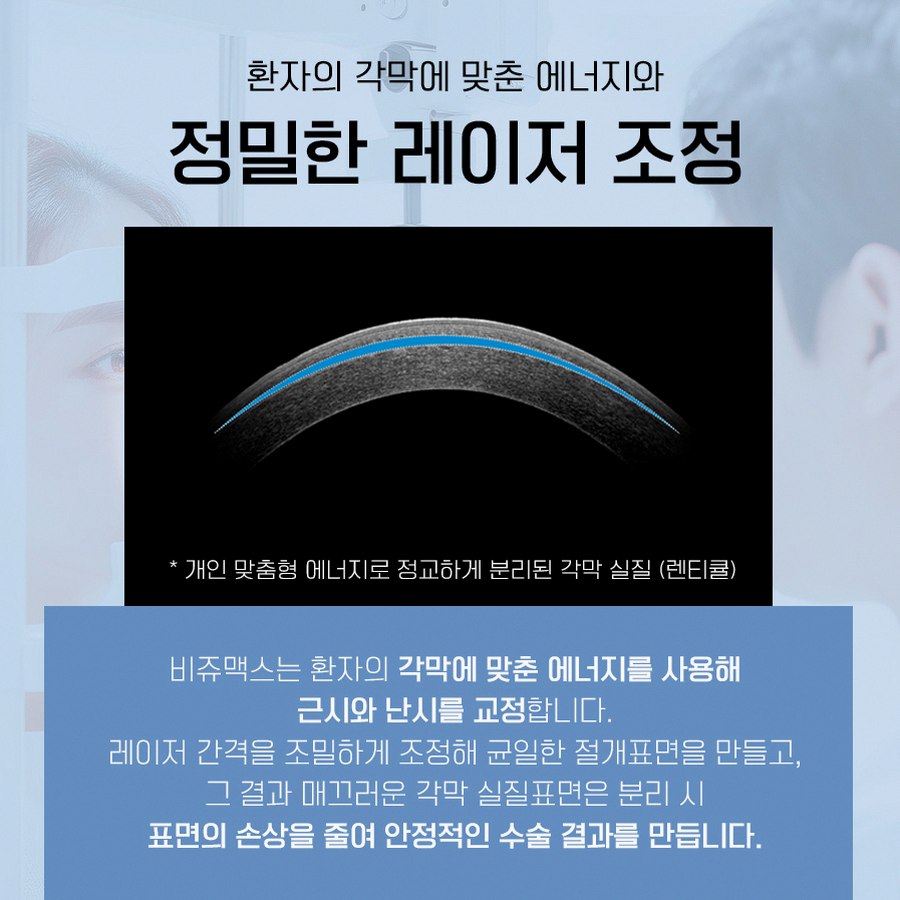
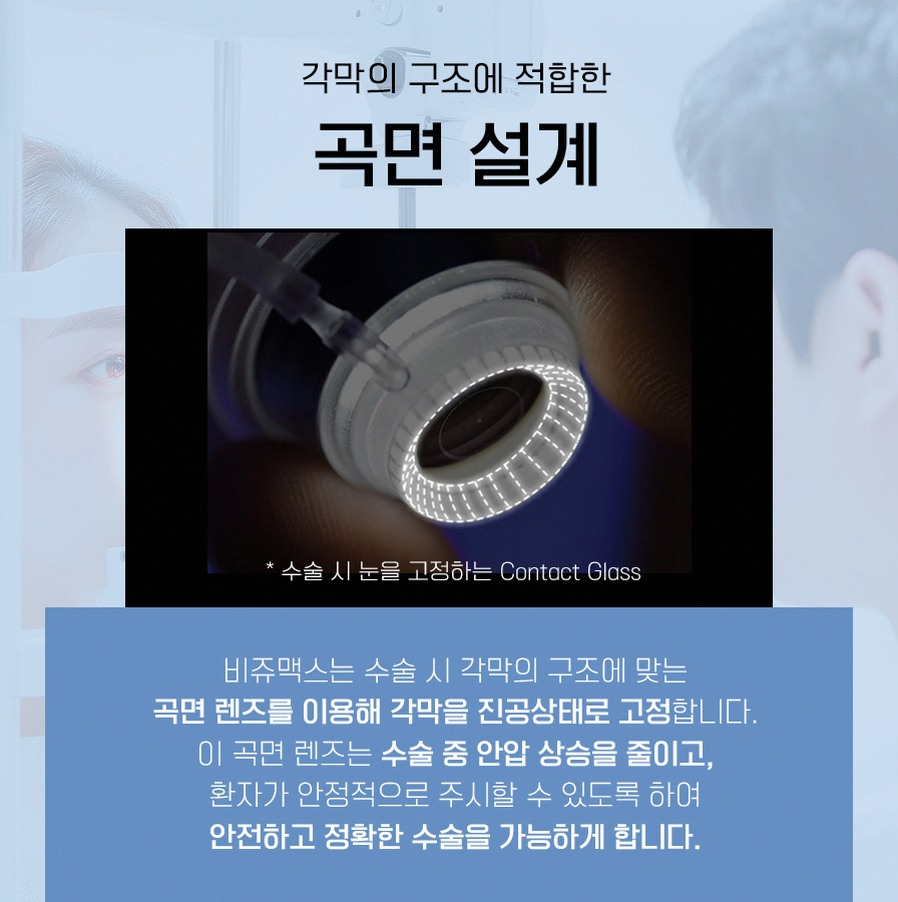
During the laser step, you lie under the femtosecond laser. The device gently contacts the eye to keep it steady. The laser creates the lenticule and the small incision in a short time, often under 10 seconds with newer systems. You may see lights or feel light pressure, but it should not be painful.
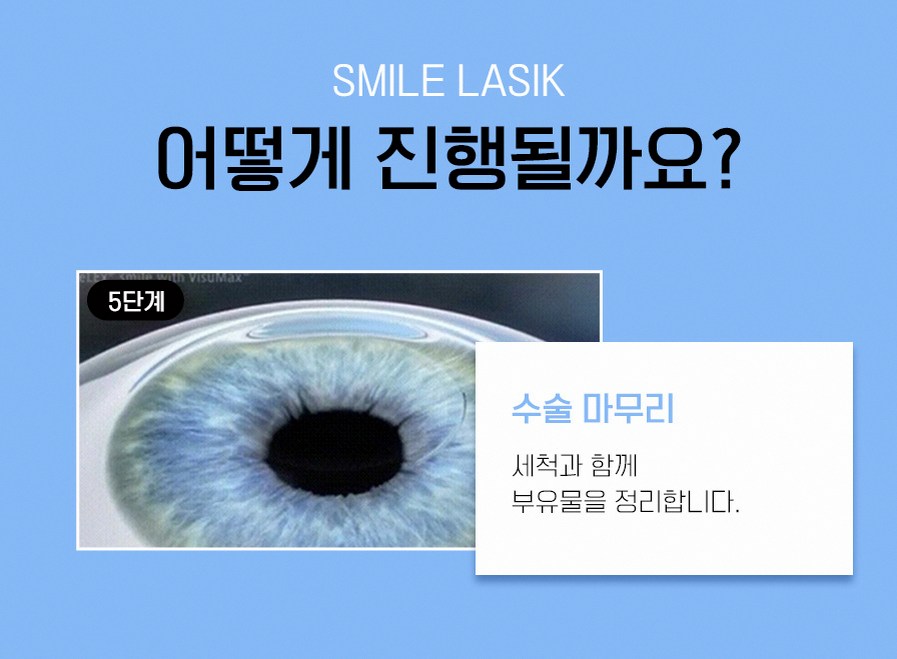
After the laser step, the surgeon uses fine instruments to remove the lenticule through the micro-incision. This part is manual but usually quick. The total time in the procedure room is often only several minutes per eye.
Post-operative recovery and early aftercare
After surgery, you rest in the clinic for a short observation period. Your vision may be hazy or foggy at first, and you may feel a foreign body sensation, tearing, or mild burning. These symptoms usually improve over the first day.
You will receive eye drops, typically including antibiotics and anti-inflammatory drops, and sometimes artificial tears. It is important to follow the schedule exactly as instructed. Some clinics provide protective shields or glasses to wear while sleeping or going outside, especially during the first week.
Many patients can see relatively well within one to two days and can walk around or use a phone. However, vision can fluctuate for several weeks, and night vision may show halos or glare. You should avoid rubbing your eyes, swimming pools, hot tubs, and dusty environments for a period recommended by your surgeon. Heavy makeup around the eyes is usually restricted for at least one to two weeks.
Common temporary symptoms and possible risks
After Sinsa Smart LASIK, it is normal to experience mild discomfort, light sensitivity, and fluctuating vision. Some people notice halos or glare around lights at night, especially in the early weeks. These effects often improve with time as the cornea heals and the brain adapts.
Potential complications exist, even when surgery is performed carefully. These can include under-correction or over-correction, leaving some residual myopia or astigmatism. In some cases, an enhancement procedure may be discussed later if it is safe.
Dry eye symptoms can occur, although SMILE may affect corneal nerves less than flap-based LASIK. Infection or inflammation inside the cornea is rare but serious and requires prompt treatment. Corneal ectasia, a progressive thinning and bulging of the cornea, is an uncommon but important risk, especially if preoperative screening is inadequate or if the cornea is inherently weak.
Because of these possibilities, it is essential to choose a clinic that performs thorough screening, explains risks clearly, and has a system for managing complications if they arise.
Follow-up schedule and long-distance patients
Follow-up visits are critical. A typical schedule includes a check-up the next day, then visits at around one week and one month, with additional appointments as advised. For international patients, clinics often adapt the schedule to your travel dates.
If you plan a short stay in Korea, discuss this in advance. Many overseas patients stay about one to two weeks to complete the main follow-ups. After returning home, you can continue routine eye checks with a local ophthalmologist and keep in touch with the Sinsa–Gangnam clinic through online channels if questions arise.
Why many people search for Sinsa Smart LASIK
The Sinsa–Gangnam corridor is one of Seoul’s busiest medical areas, with multiple ophthalmology clinics offering SMILE LASIK and other vision correction procedures. The area is easy to access via major subway lines and buses, and it is close to shopping, hotels, and restaurants, which is convenient for international visitors.
Because of this concentration of services, people often search for terms like “Sinsa Smart LASIK” when they want a modern, small-incision laser procedure in this district. The variety of clinics gives you options, but it also means you need clear criteria to compare them.
How to choose a clinic in the Sinsa–Gangnam area
When comparing clinics, look beyond price or marketing phrases. Check that the clinic is led by board-certified ophthalmologists, ideally with subspecialty training in refractive surgery or cornea. Many clinics publish their doctors’ education and professional backgrounds on their websites.
Ask whether the clinic performs comprehensive preoperative screening, including corneal topography, tomography, and tear film assessment. A clinic that sometimes advises against surgery when safety criteria are not met is usually taking a cautious approach.
You can also ask about the types of laser platforms they use, whether they have experience with SMILE Pro or similar systems, and how they handle complications or enhancement procedures if needed. Transparent communication about case numbers, typical outcomes, and follow-up systems is a positive sign.
GS Eye Clinic as one example in Gangnam
GS Eye Clinic is one example of an ophthalmology clinic near Gangnam Station that has provided vision correction and cataract services for many years. It has multiple ophthalmology specialists, including surgeons with academic and teaching experience, and has reported large cumulative case numbers in SMILE-type procedures and lens surgeries in past years.
The clinic has also been involved as a clinical education site for medical and industry partners, which indicates participation in training other doctors. For international patients, this kind of background can be reassuring, but it is still important to have a personal consultation, review your own test results, and discuss whether SMILE LASIK is truly suitable for your eyes.
Online consultation and pre-visit preparation for overseas patients
If you live outside Korea, starting with an online consultation is practical. Many Sinsa–Gangnam clinics provide email, messaging apps, or online forms where you can send your basic information.
Before contacting the clinic, it is helpful to prepare a recent glasses or contact lens prescription, a summary of your eye history, and information about any systemic diseases or medications. If you have had previous eye examinations, you can ask your local clinic for copies of your reports to share.
During the online consultation, you can ask about likely candidacy, recommended length of stay in Korea, and an estimated schedule of examinations and surgery. While no clinic can confirm final eligibility without in-person testing, this early communication helps you plan flights, accommodation, and time off from work or study.
Expected Korea visit timeline for SMILE LASIK
A common timeline for overseas patients is around 7 to 14 days in Seoul. On day one or two, you complete the full preoperative examination. If everything is suitable and you decide to proceed, surgery can often be scheduled within a day or two.
The first follow-up is usually the next day, with additional visits over the following week. If you stay longer, you may also attend a one- or two-week visit before returning home. Always confirm the exact plan with your chosen clinic, as schedules can vary.
After you return to your country, you should continue regular eye checks. Inform your local ophthalmologist about the type of surgery you had and share any reports provided by the Sinsa–Gangnam clinic.
Frequently asked questions
What exactly is Sinsa Smart LASIK?
Sinsa Smart LASIK is a marketing term commonly used in the Sinsa and Gangnam area to describe SMILE-type laser vision correction. These procedures use a femtosecond laser to create and remove a small lenticule of corneal tissue through a micro-incision, without making a large flap as in traditional LASIK. The term highlights the minimally invasive, next-generation nature of the procedure, but the actual medical name is SMILE or a related platform such as SMILE Pro.
How is SMILE LASIK different from LASIK and LASEK in pain and recovery?
SMILE LASIK uses a small incision and reshapes the cornea from the inside, which usually results in mild discomfort and relatively quick visual recovery. Many patients can return to light activities within a few days. Traditional LASIK also offers fast recovery but involves a larger flap, which requires protection. LASEK and PRK remove the surface epithelium, leading to more discomfort and slower visual recovery in the first days, although they can be suitable in specific situations. Individual experiences vary, and your ophthalmologist can explain what to expect in your case.
Who is a good candidate for Sinsa Smart LASIK, and who should avoid it?
Good candidates are adults with stable myopia and astigmatism, adequate corneal thickness, and healthy, regular corneas. They should not have active eye disease or uncontrolled systemic conditions that affect healing. People with very thin or irregular corneas, signs of keratoconus, severe dry eye, or certain systemic diseases may be advised to avoid SMILE LASIK. Pregnancy and breastfeeding are usually reasons to postpone elective laser surgery. A full examination at an ophthalmology clinic is the only way to know for sure.
How long does the procedure take, and when can I return to work or study?
The laser delivery itself is very fast: newer-generation femtosecond platforms such as the VISUMAX 800 perform the laser step in under 10 seconds per eye (approximately 9 seconds on that device). However, total time in the procedure room includes patient preparation, positioning, suction application and release, and brief manual steps, so the visit is typically several minutes per eye rather than just the laser time. Device and workflow times vary by platform and clinic. Recovery speed also varies by individual, but many patients can resume routine, non‑strenuous work or study within 24–48 hours; your surgeon will give personalized advice about timing, restrictions, and scheduled follow‑ups.
The laser portion of SMILE LASIK typically takes less than 30 seconds per eye, and the total time in the procedure room is only several minutes per eye. Including preparation and rest, you may spend a couple of hours at the clinic on surgery day. Many patients feel comfortable returning to office work or study within a few days, although this depends on your healing, your job demands, and your doctor’s advice. If your work involves heavy physical activity or dusty environments, you may need a longer break.
What are the main risks, and how can careful screening reduce them?
Main risks include under- or over-correction, residual astigmatism, dry eye symptoms, night vision disturbances, infection, inflammation, and in rare cases corneal ectasia. Careful preoperative screening with corneal topography, tomography, thickness mapping, and dry eye assessment helps identify eyes that are not suitable for SMILE LASIK. By excluding high-risk cases and choosing an alternative method when necessary, an ophthalmology clinic can reduce the likelihood of serious complications.
Why might an ophthalmologist recommend LASEK or lens implantation instead of SMILE LASIK?
If your corneas are thin, irregular, or show signs of early ectasia, an ophthalmologist may feel that removing more corneal tissue is not safe and instead suggest surface procedures like LASEK or non-corneal options such as implantable collamer lenses. For older patients with cataracts or significant presbyopia, lens-based surgery can address both clarity and focusing power. The goal is not to fit every patient into SMILE LASIK, but to match the method to the individual eye.
Soft call to action
If you are considering Sinsa Smart LASIK during a visit to Seoul, starting with an online consultation is a simple way to explore your options. By sharing your prescription and eye history in advance, you can receive preliminary guidance on likely candidacy, possible schedules, and what to prepare before you travel. When you are ready, an in-person examination at an ophthalmology clinic in the Sinsa–Gangnam area will help you make an informed, safe decision about whether SMILE LASIK is right for you.
This article is for general information only and does not replace a personal consultation, examination, or diagnosis by a qualified ophthalmologist. Individual suitability, risks, and outcomes vary, and all decisions about surgery should be made in direct discussion with your medical team.

- 공유 링크 만들기
- X
- 이메일
- 기타 앱


댓글
댓글 쓰기