Sinsa Station Smart LASIK Cost Guide for International Patients
- 공유 링크 만들기
- X
- 이메일
- 기타 앱
If you are comparing Smart LASIK (SMILE-type laser vision correction) prices around Sinsa Station and Gangnam in Seoul, you can expect costs to sit in the mid-to-high range among laser vision correction options. Smart LASIK is usually more expensive than standard LASIK or LASEK because it uses a femtosecond laser and advanced platforms such as the ZEISS VISUMAX series. Prices vary depending on your eye condition, the generation of laser equipment, how detailed the examination package is, and the surgeon’s experience. When choosing an eye clinic near Sinsa or Gangnam Station, it is important to look at safety standards, diagnostic depth, and aftercare, not only the number on the quote.
This guide explains what Smart LASIK is, what affects the cost near Sinsa Station, how to compare clinics, and how an overseas patient can plan a visit to Seoul for this procedure.
What is Smart LASIK / SMILE-type LASIK near Sinsa Station?
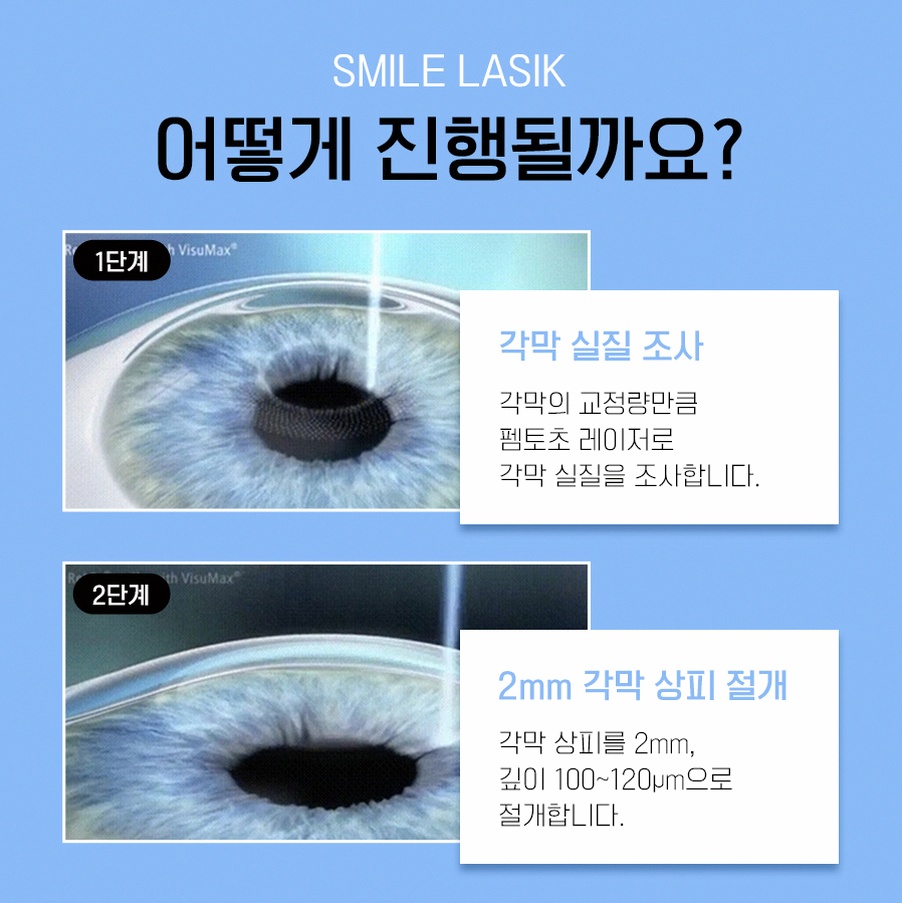
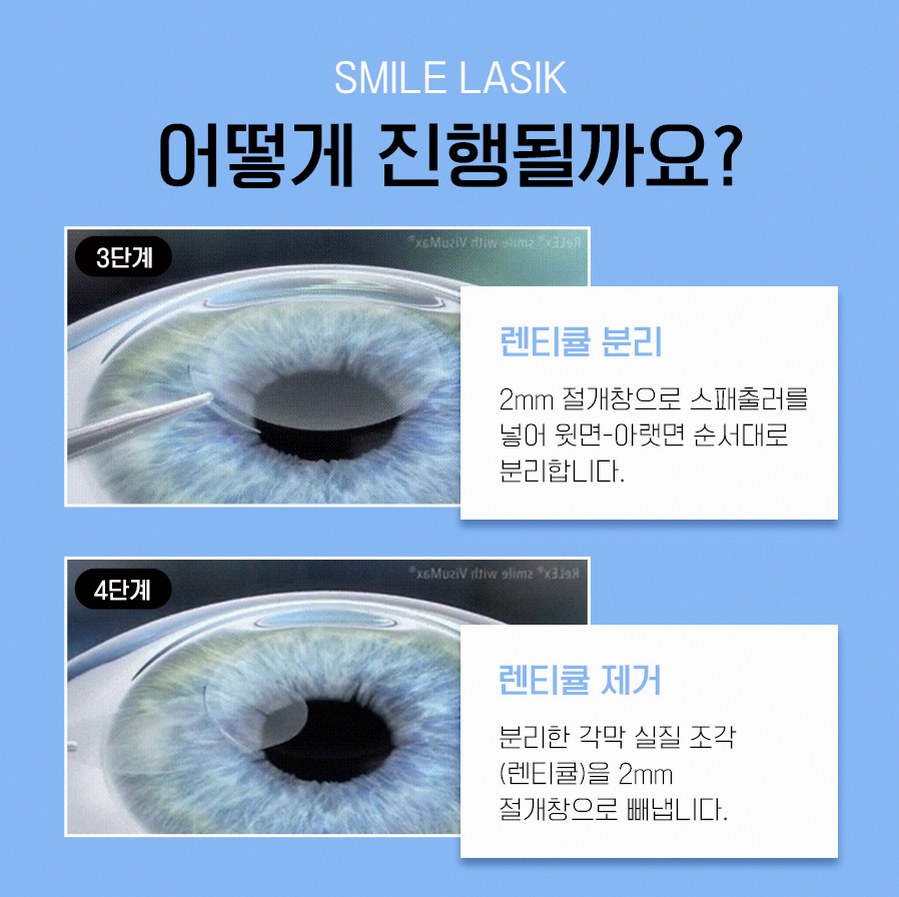
Smart LASIK is a small-incision laser vision correction method that belongs to the SMILE family of procedures. Instead of creating a large flap on the surface of the cornea as in conventional LASIK, a femtosecond laser creates a tiny lens-shaped piece of tissue (called a lenticule) inside the cornea. The surgeon then removes this lenticule through a very small incision.
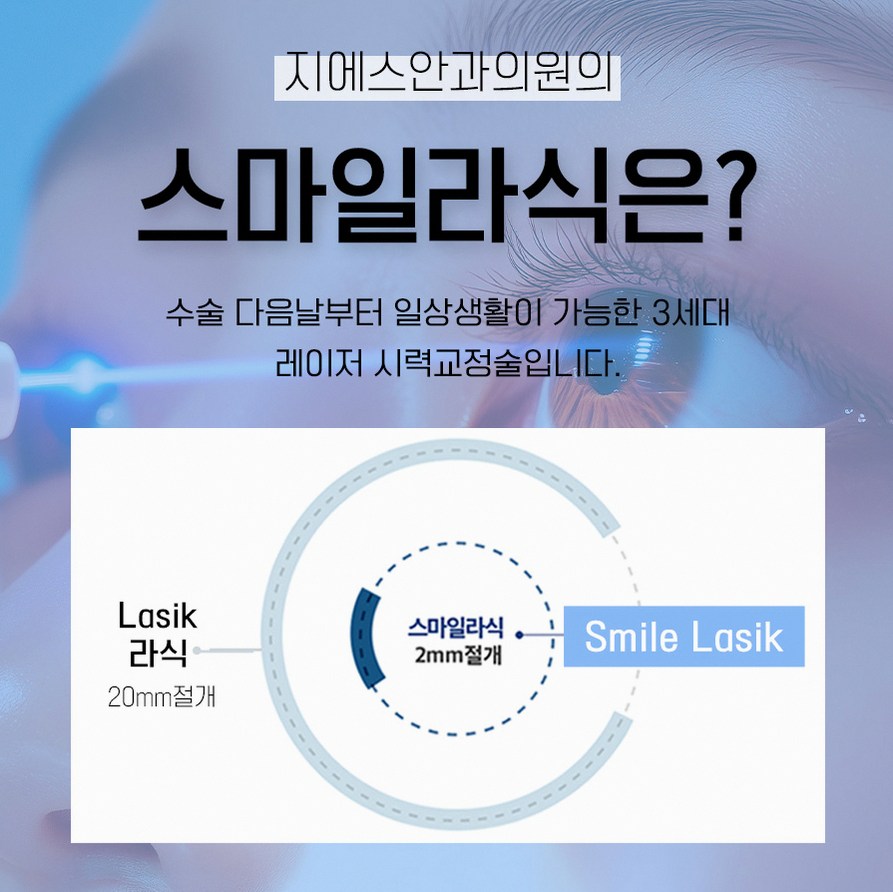
Because the incision is small and there is no large flap, more of the corneal structure is preserved. This can mean less disruption of corneal nerves, which may reduce the risk or severity of dry eye compared with traditional flap-based LASIK. Recovery is usually faster and more comfortable than surface procedures like LASEK, where the surface layer of the cornea needs to regrow.
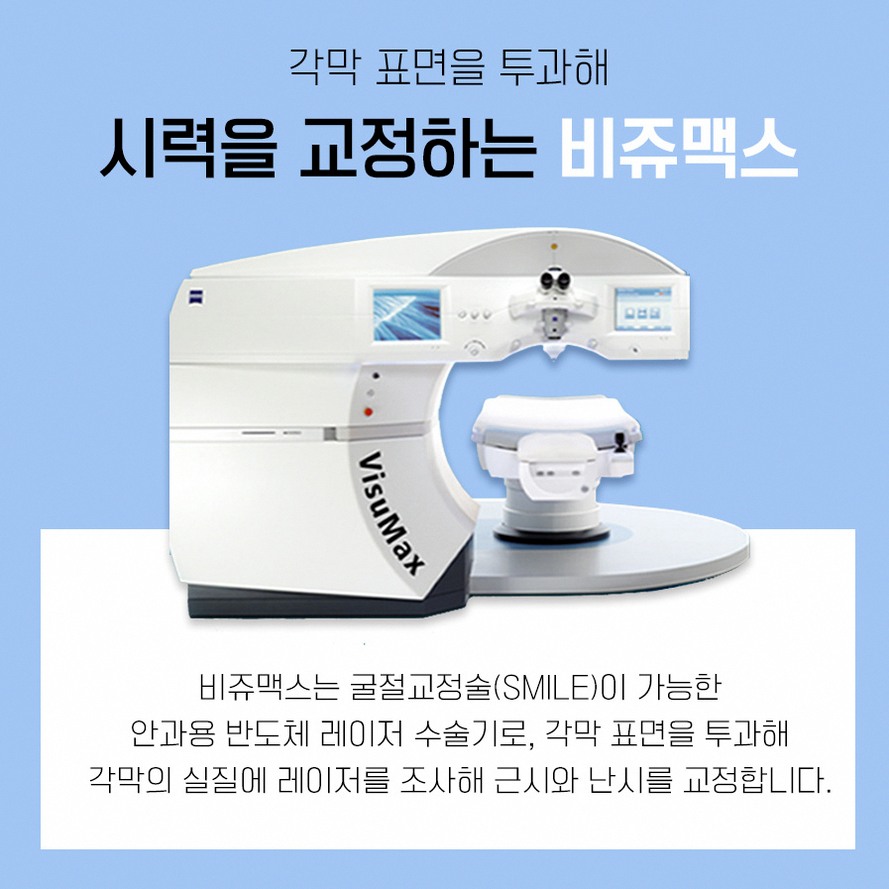
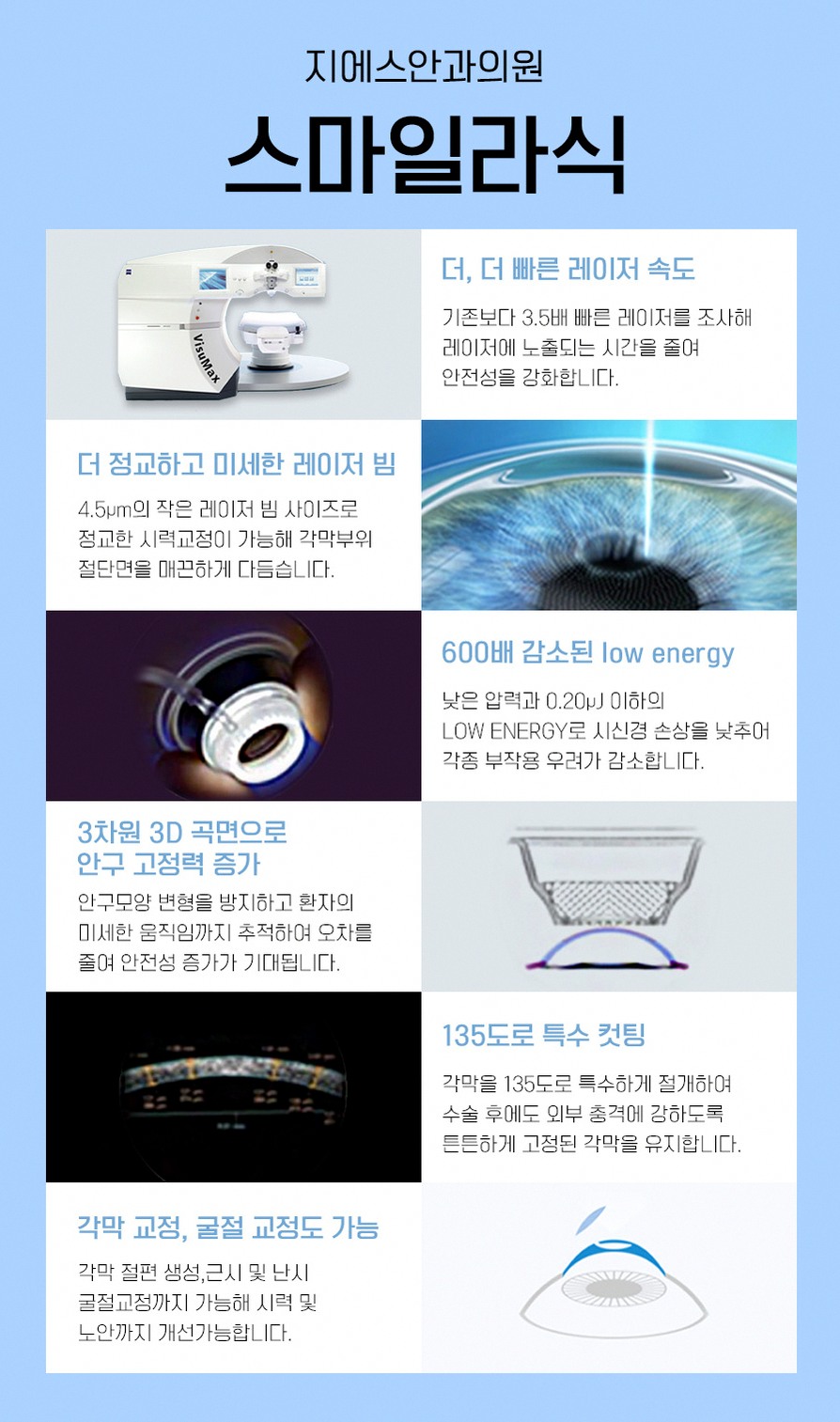
You may see different names such as SMILE, SMILE Pro, Smart LASIK, or clinic-branded names. In practice, these all refer to variations of small-incision lenticule extraction performed on specific laser platforms. Around Sinsa and Gangnam, some clinics use ZEISS VISUMAX systems for this type of surgery; GS Eye Clinic is one example that operates VISUMAX equipment.
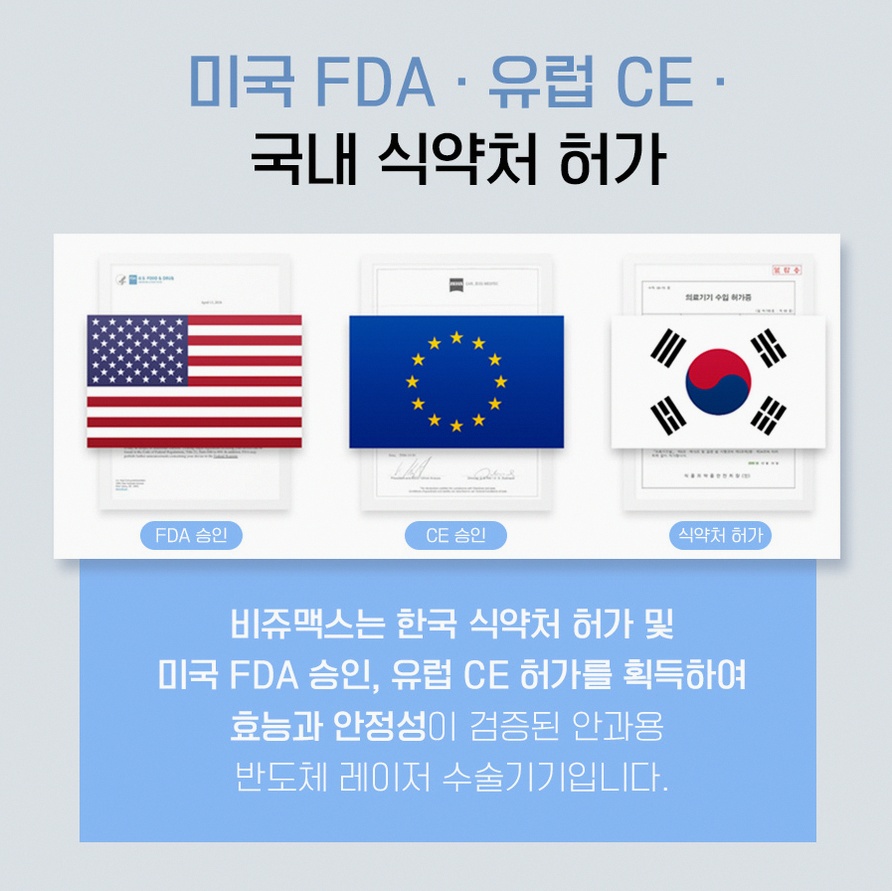
Few clinics in the area have all three major ZEISS SMILE platforms. One example is GS Eye Clinic, which operates VISUMAX 500, VISUMAX 800, and ELITA. The VISUMAX 800 is designed for SMILE Pro and advanced Smart LASIK-type procedures, with very fast laser time for lenticule creation—often around 9 seconds. Older VISUMAX 500 units remain in use and have a long clinical track record. Maintaining multiple platforms allows flexible scheduling and more tailored treatment choices.
Smart LASIK cost around Sinsa Station: what affects the price?
Exact Smart LASIK prices differ from clinic to clinic and from patient to patient. Around Sinsa and Gangnam, Smart LASIK is typically priced in the mid-to-high range compared with other laser options. It is usually more than basic LASIK or LASEK, and in a similar range or slightly below some premium lens implantation procedures.
Several main factors influence the cost you are quoted.
Preoperative diagnostic package
A key part of the cost is the quality and depth of the preoperative examination. A thorough Smart LASIK work-up usually includes:
Wide-field corneal topography and tomography to map the shape and thickness of your cornea in detail.
Wavefront analysis to understand higher-order aberrations that can affect night vision and contrast.
Pupil size measurement under different lighting conditions.
Tear film and dry eye evaluation to estimate your risk of postoperative dryness.
Retina and optic nerve check, sometimes with wide-field imaging or OCT, to look for retinal tears, thinning, or other eye diseases.
Clinics that include this full diagnostic package may charge more than those offering only basic tests, but the extra information can improve safety and help select the most suitable procedure.
Laser platform generation
The type and generation of the laser platform are major cost drivers.
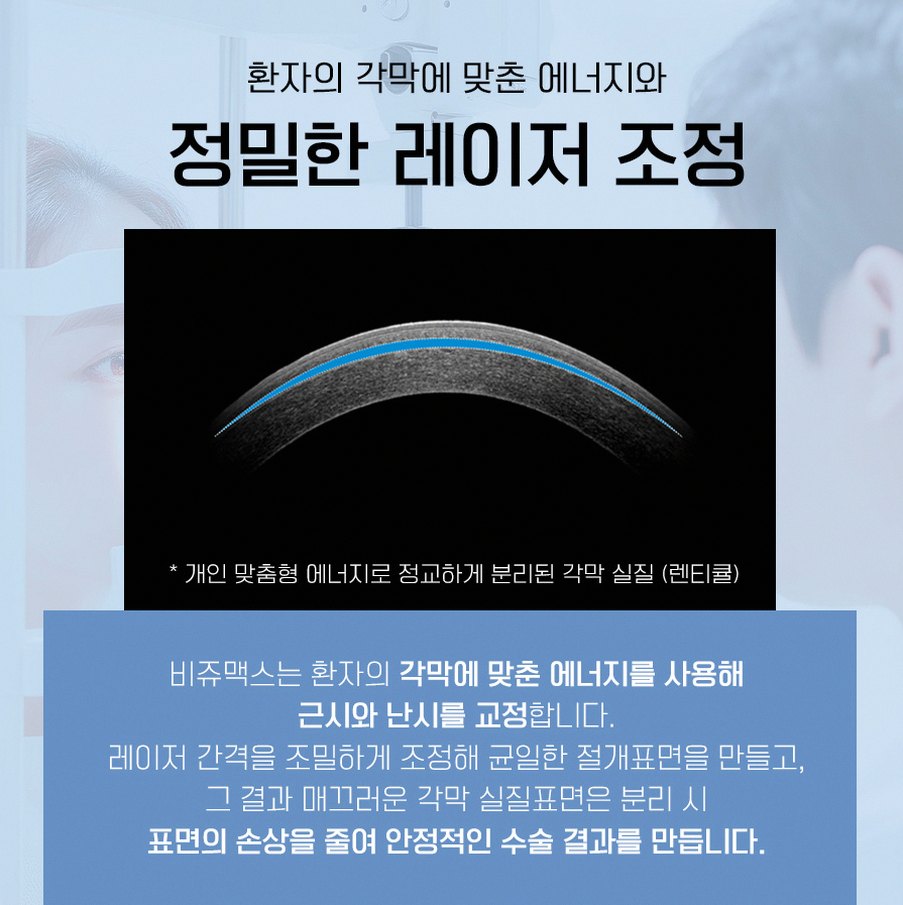
VISUMAX 800 and SMILE Pro or advanced Smart LASIK protocols usually sit at the premium end of the price range. The technology is newer, faster, and often more comfortable.
VISUMAX 500-based SMILE or Smart LASIK typically falls in the mid-range. It is an established platform with many years of data.
Standard LASIK or LASEK using excimer and microkeratome or surface techniques often costs less than either of the above.
Licensing, maintenance, and the investment required for high-end platforms are reflected in the fee you pay.
Surgeon experience and case volume
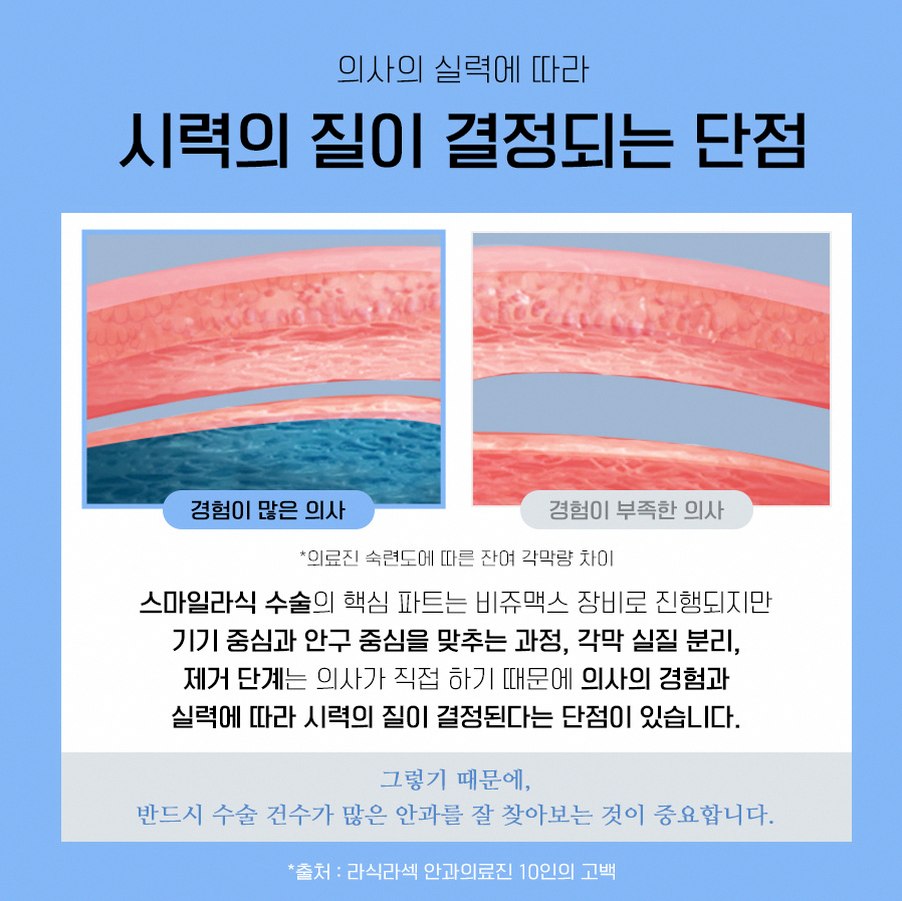
In the Sinsa–Gangnam area, many ophthalmology clinics are led by surgeons with university hospital and teaching backgrounds. Some have performed very high volumes of refractive surgery and cataract surgery, including large numbers of SMILE Pro and lens implantation cases.
Surgeons with extensive experience in SMILE or Smart LASIK, active involvement in clinical education, or participation in international training programs may be priced higher than those in smaller or newer clinics. This is not a guarantee of a particular result, but experience can be an important factor when you choose where to have surgery.
Safety margin and customization
Another factor in cost is how conservatively and individually your treatment is planned.
Clinics that carefully analyze corneal biomechanics, keep a generous safety margin of remaining corneal thickness, and use customized nomograms for each patient may charge more than clinics using a simpler, one-size-fits-all approach.
This kind of customization can reduce the risk of complications such as corneal ectasia (progressive thinning and bulging), regression of effect, or night-vision problems.
Postoperative care and follow-up
Smart LASIK cost also depends on what is included after surgery.
Number and timing of follow-up visits, for example same-day or next-day check, plus visits at around 1 week, 1 month, and 3–6 months.
Dry eye management, including artificial tears, prescription eye drops, or access to a dedicated dry eye protocol if needed.
Enhancement policy, meaning how the clinic handles undercorrection or regression, and whether a touch-up procedure is included or discounted.
Long-term monitoring, especially if you have higher myopia, borderline corneal thickness, or early presbyopia.
Clinics that include structured follow-up and comprehensive aftercare in the package may appear more expensive at first, but can be more cost-effective over time.
Additional procedures
Some patients need extra steps that can add to the total cost:
Corneal cross-linking for borderline corneas or to reduce the risk of ectasia in selected cases.
Treatment for significant dry eye before or after surgery.
Additional planning or treatment for high astigmatism or higher-order aberrations.
When comparing quotes, ask whether these possibilities are included, optional, or charged separately.
Why Smart LASIK quotes differ so much near Sinsa and Gangnam
Sinsa–Gangnam is a very busy area with many eye clinics. It is normal to see a wide range of advertised prices for Smart LASIK or SMILE-type procedures.
Entry-level pricing
At the lower end, you may find entry-level pricing that uses older-generation lasers, a more limited diagnostic set, and a basic follow-up schedule. These offers can look attractive if you focus only on the number, but it is important to check what is actually included.
Mid-range pricing
In the mid-range, clinics often use modern SMILE platforms such as VISUMAX 500, provide a full preoperative testing package, and schedule structured follow-up visits. For many patients, this level balances cost and quality.
Premium pricing
Premium Smart LASIK or SMILE Pro packages usually involve the latest-generation VISUMAX 800 platform, extensive diagnostics, a senior surgeon, and long-term follow-up. Some clinics in Gangnam-gu that have been operating since the mid-2000s and serve as clinical education centers for medical schools or international ophthalmic companies fall into this category.
Interpreting event prices and discounts
In Seoul you will often see marketing terms such as event price or discount. Before deciding based on these offers, confirm:
Whether a full retina examination is included.
How corneal thickness is measured and whether multiple devices are used.
If there is a dedicated dry eye clinic or protocol.
How many follow-up visits are included in the quoted cost.
Which exact laser platform will be used for your eyes.
A very low price can sometimes mean compromises in diagnostic depth, equipment generation, or aftercare. It does not automatically mean poor quality, but it is a signal to ask more questions.
Safety and examination standards to look for
When you are an overseas patient, you may not be familiar with local clinics around Sinsa Station. Instead of focusing on the clinic name, look at the standards they follow.
Surgeon qualifications
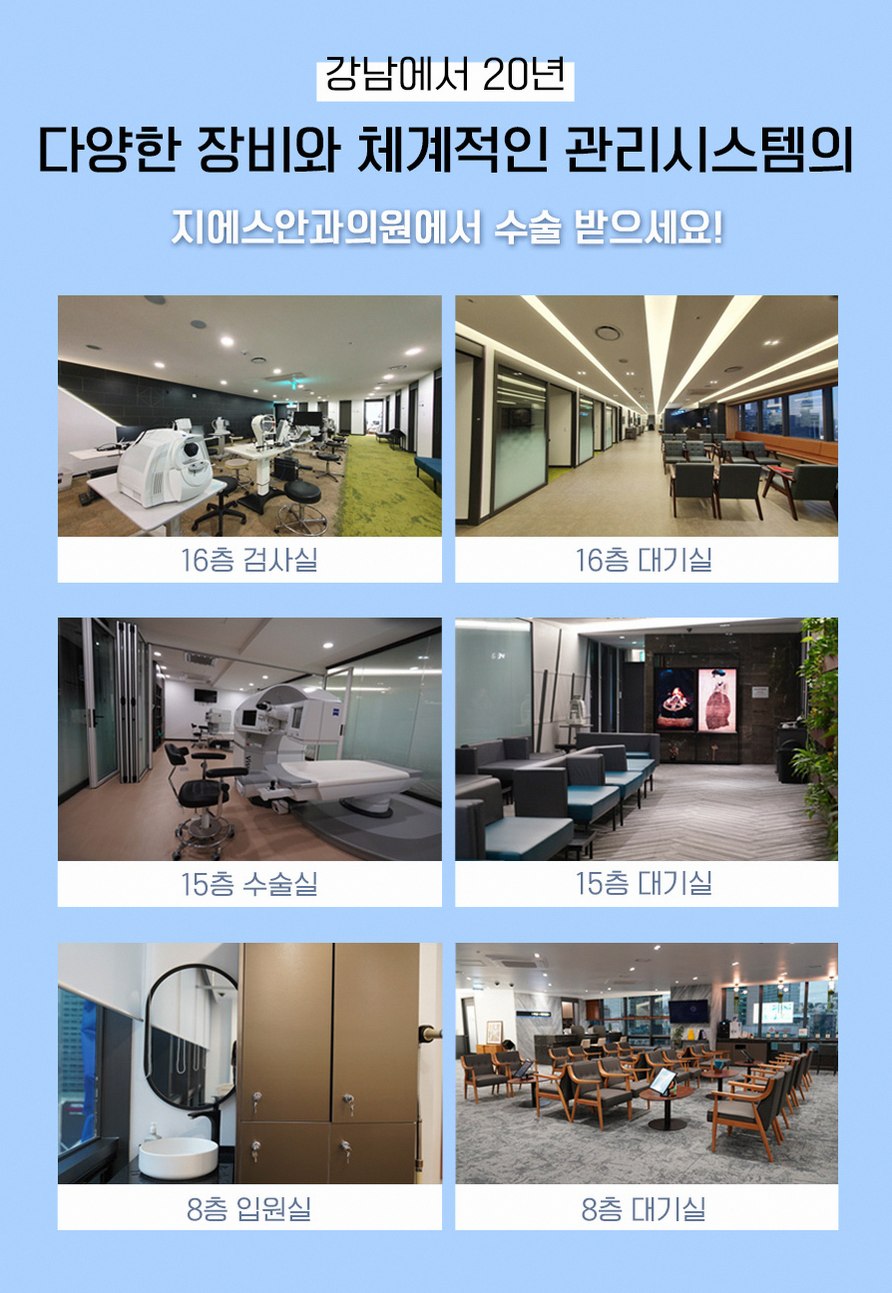
Ideally, all surgeons should be ophthalmology specialists, not general doctors. In some Gangnam clinics, the team includes seven or more ophthalmology specialists with subspecialty training in areas such as refractive surgery, cataract, and retina.
Retina expertise
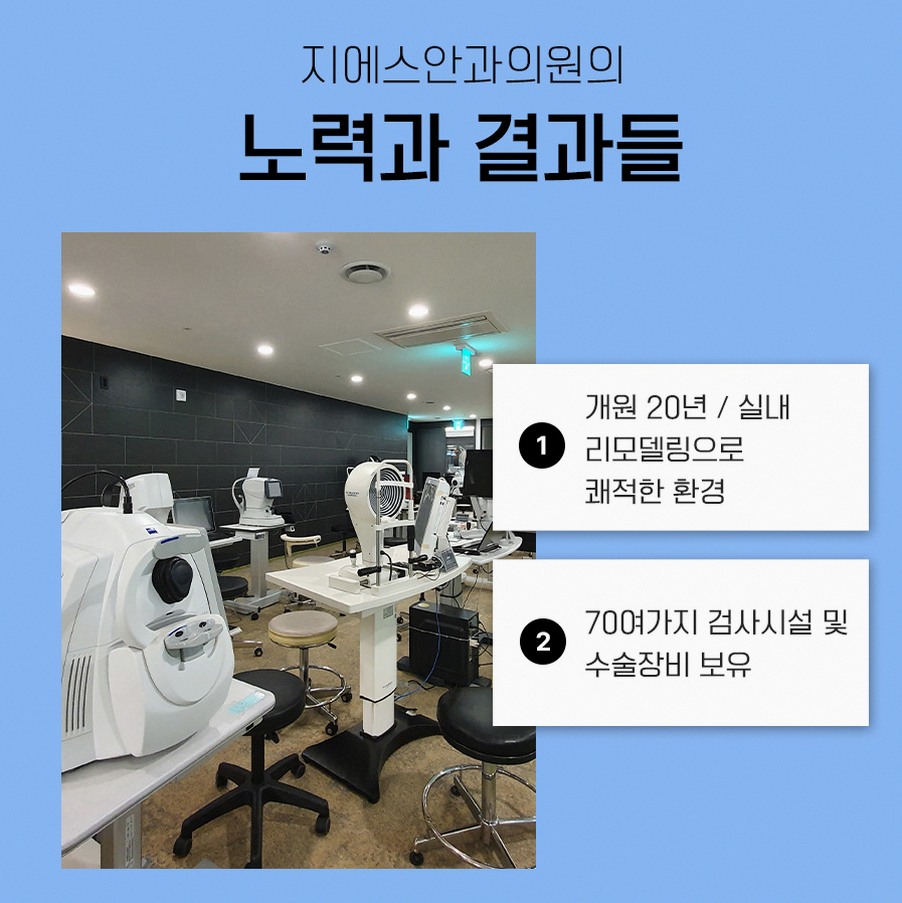
A separate retina center or dedicated retina specialists on staff is a positive sign. Detailed fundus evaluation before surgery can detect conditions such as lattice degeneration, small retinal tears, or diabetic changes that may need treatment or closer monitoring.
Diagnostic technology
Look for multiple high-end diagnostic devices that can:
Screen for keratoconus or other irregular corneal shapes.
Measure corneal thickness across the entire cornea, not just the center.
Analyze irregular astigmatism and higher-order aberrations.
Evaluate the retina and optic nerve with imaging.
Clear exclusion criteria
A safe clinic will not accept every patient for Smart LASIK. Instead, they will have clear criteria and will recommend alternatives when needed. For example:
Unstable refraction over the last 1–2 years.
Suspicious corneal shape or thin cornea.
Significant retinal risk factors.
Very high myopia where lens implantation may be safer.
Some clinics also maintain ISO-certified quality management systems for SMILE or Smart LASIK processes. These steps may increase the overall cost but can reduce the risk of complications.
Typical Smart LASIK process at a Sinsa or Gangnam eye clinic
For international patients, it helps to understand the usual sequence of steps.
Step 1: Initial consultation and basic screening
Your first contact may be an online consultation, followed by an in-person visit in Seoul. At the clinic, basic screening often includes:
Vision check and refraction to measure your prescription.
Intraocular pressure measurement.
Initial corneal thickness screening.
Slit-lamp examination of the front of the eye.
Discussion of your expectations, lifestyle (night driving, sports, digital work), and medical history.
Step 2: Full preoperative examination
On the same day or a separate day, a full preoperative exam is done if you appear to be a potential candidate.
Detailed corneal topography and tomography to assess shape and thickness.
Pupil size measurement under different lighting.
Tear film and dry eye evaluation.
Retina and optic nerve examination, sometimes with wide-field imaging or OCT.
Final candidacy decision for SMILE / Smart LASIK versus other options such as LASEK or lens implantation.
Step 3: Surgery day
On surgery day, you typically spend a few hours at the clinic, but the actual laser time is very short.
Numbing eye drops are applied.
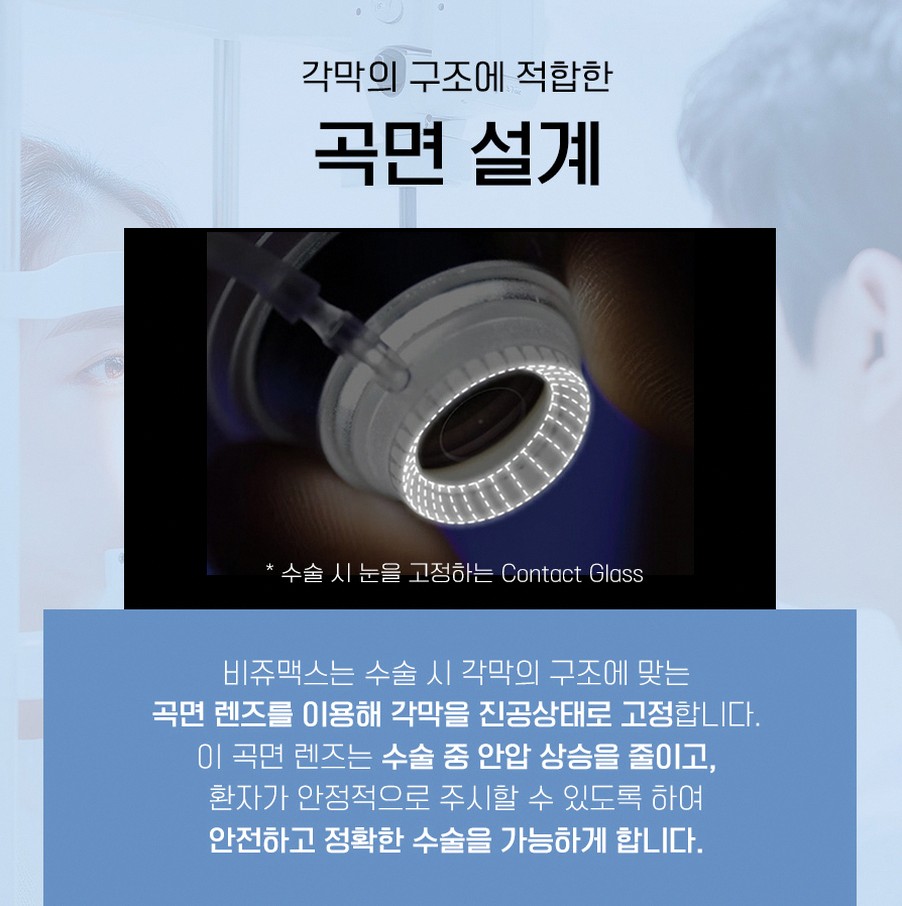
The VISUMAX 800 or VISUMAX 500 platform is used, depending on the chosen protocol.
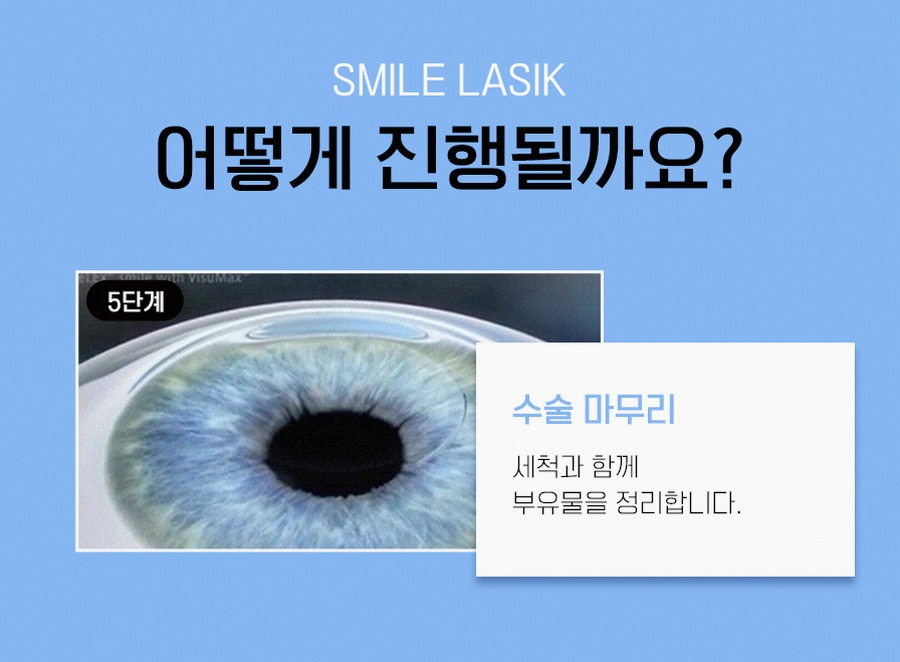
The femtosecond laser creates the lenticule inside the cornea in seconds.
The surgeon removes the lenticule through a small incision. No large flap is created.
Both eyes are usually treated in the same session.
Step 4: Postoperative care
After surgery, you rest briefly at the clinic. Many patients notice improved vision on the same day or the next day, although clarity continues to refine over time.
You return for a same-day or next-day check to confirm corneal status and early healing.
Scheduled follow-ups are usually arranged at around 1 week, 1 month, and 3–6 months.
You receive guidance on eye drops, screen use, exercise, and UV protection.
If dry eye symptoms appear, the clinic may adjust your drops or recommend additional treatments.
Who may consider Smart LASIK near Sinsa Station?
Smart LASIK is not suitable for everyone, but many nearsighted patients with or without astigmatism can be candidates.
Typical candidacy points include:
Stable prescription for at least 1–2 years.
Adequate corneal thickness and regular corneal shape.
No active eye disease such as severe dry eye, keratoconus, uncontrolled glaucoma, or significant retinal pathology.
Realistic expectations about night vision, possible halos or glare, and the chance of needing mild correction later in life.
People with very high myopia, thin corneas, or early presbyopia may be better suited to lens implantation or other customized solutions. A detailed examination at an ophthalmology clinic in Gangnam-gu can help determine the safest option.
Online consultation and pre-visit preparation for overseas patients
Before you travel to Korea, it is wise to use online consultation services offered by many Sinsa–Gangnam eye clinics.
During online consultation, you can usually share:
Your age and current glasses or contact lens prescription.
Any previous eye surgery or trauma.
History of eye diseases such as keratoconus, glaucoma, or retinal detachment.
Systemic conditions like diabetes or autoimmune disease.
Your travel schedule and how many days you can stay in Seoul.
Questions to ask before you book
To compare Smart LASIK cost and quality, prepare a short checklist:
Which SMILE or Smart LASIK platform will be used for my eyes? Is VISUMAX 800 available, or VISUMAX 500, or both?
What is included in the quoted price: full preoperative exam, retina imaging, dry eye evaluation, all follow-ups, and enhancement policy?
How many Smart LASIK or SMILE cases has the surgeon performed? Are they involved in teaching or clinical education?
Is there a separate retina center or retina specialist for preoperative checks?
What is the typical recovery timeline for overseas patients, and when is it safe to fly home?
Having these answers in advance helps you plan both your budget and your travel schedule.
Expected Korea visit timeline for Smart LASIK
Many international patients try to combine Smart LASIK with a short stay in Seoul. A common pattern is:
Day 1: Arrival and rest, or initial consultation and full examination if your flight schedule allows.
Day 2: Surgery day, usually in the morning or early afternoon.
Day 3: First postoperative check (same-day or next-day depending on clinic policy). Many patients are already comfortable walking around the city with protective sunglasses.
Day 4–5: Additional check if needed, then return flight. Some clinics recommend staying at least 3–4 days after surgery.
If you can stay longer, follow-up at 1 week in Korea is ideal. If not, you should arrange follow-up with an eye doctor in your home country and share your surgical report.
Aftercare and long-term considerations
After Smart LASIK, you will use antibiotic and anti-inflammatory eye drops for a short period, followed by lubricating drops as needed. You should avoid rubbing your eyes and follow the clinic’s advice on showering, swimming, makeup, and exercise.
Most patients can return to light computer work within a few days, but heavy screen use may cause temporary dryness and fatigue. Night driving can feel different at first, with possible halos or glare that usually improve over time.
Long-term, your cornea remains structurally altered, so regular eye examinations are recommended. If you develop presbyopia (age-related near vision changes) later in life, you may still need reading glasses or other solutions.
How to compare Smart LASIK cost quotes near Sinsa Station
When you receive multiple quotes, try to compare them on equal terms.
Check whether the clinic is an ophthalmology clinic with ophthalmology specialists only.
Confirm which SMILE or Smart LASIK platform will be used and whether VISUMAX 800 is available.
Review the preoperative examination list: does it include detailed corneal imaging, retina evaluation, and dry eye assessment?
Ask about a dedicated dry eye clinic or protocol for managing postoperative dryness.
Clarify the surgeon’s experience and cumulative case volume in SMILE or Smart LASIK.
Understand the follow-up schedule and whether enhancement, if needed, is included or discounted.
Balancing cost with safety, technology, and long-term visual quality is more important than choosing the lowest price.
Local convenience for Sinsa Station users
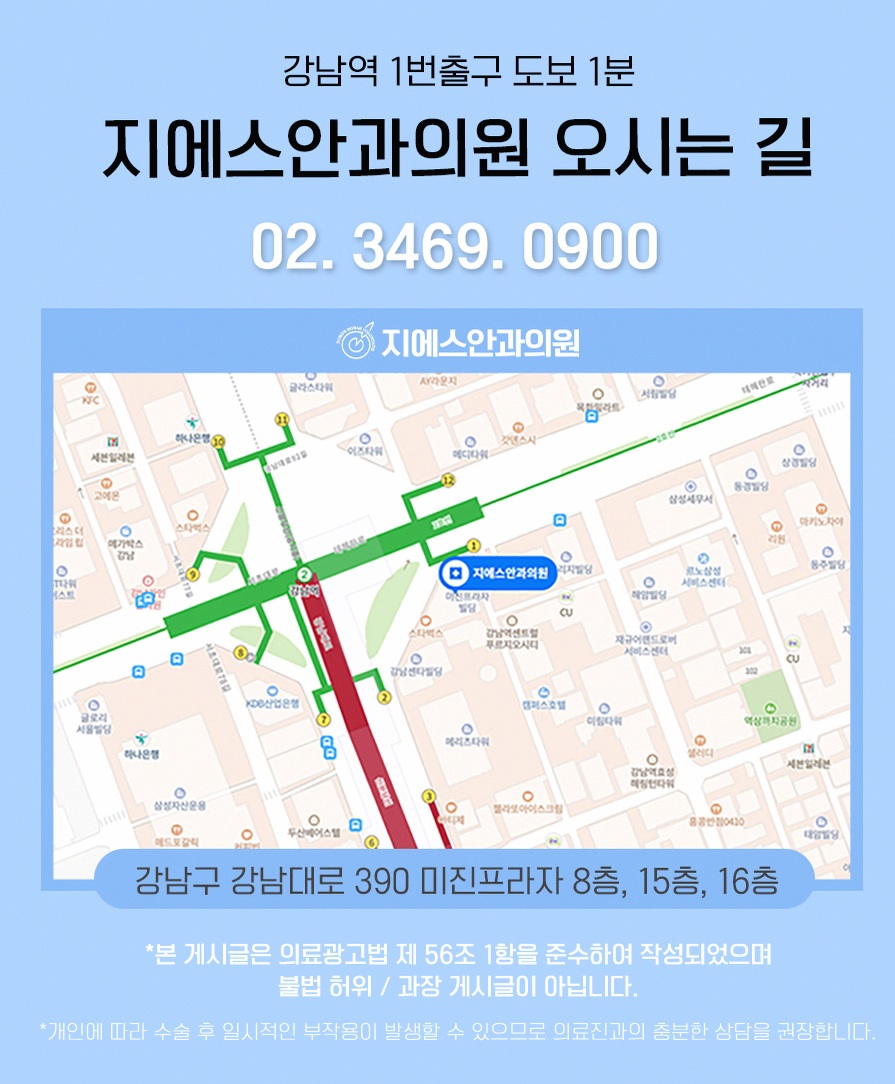
Many ophthalmology clinics offering Smart LASIK are located along Gangnam-daero, within easy reach of Gangnam Station and a short distance from Sinsa Station by subway or bus. This location is convenient for office workers and students in the Sinsa–Gangnam area.
Weekday and Saturday hours are common, and some clinics can combine consultation and detailed testing in a single visit, depending on your schedule and eye condition. For overseas patients, this can reduce the number of days needed in Seoul.
FAQ
What is the typical price range for Smart LASIK near Sinsa Station?
Smart LASIK around Sinsa and Gangnam usually falls in the mid-to-high range among laser vision correction options. It is generally more expensive than basic LASIK or LASEK because of the femtosecond laser technology and advanced platforms like VISUMAX 800 or 500. Exact figures depend on your prescription, corneal condition, the diagnostic package, and the clinic’s equipment and aftercare policy. It is best to use the quoted price as a starting point and then check what is included.
Is Smart LASIK more expensive than standard LASIK, and is it worth the difference?
Smart LASIK is often more expensive than standard flap-based LASIK. The higher cost reflects the use of a small incision technique and specialized femtosecond platforms designed for SMILE-type procedures. Many patients choose Smart LASIK because it avoids a large flap, may cause less dry eye, and offers quick recovery, but whether it is worth the extra cost depends on your priorities, corneal anatomy, and lifestyle. A detailed consultation with an ophthalmology specialist can help you weigh the benefits and alternatives.
How many days should an overseas patient stay in Seoul for Smart LASIK?
A stay of at least 3–4 days after surgery is commonly recommended. A typical schedule is examination and surgery within the first 1–2 days, followed by a next-day or same-day check and one more visit if needed before you fly home. If you can stay longer, a 1-week follow-up in Korea is helpful. If not, you should arrange follow-up with an eye doctor in your home country and share your records.
What should I check before choosing a Smart LASIK clinic near Sinsa Station?
Before choosing a clinic, confirm that all surgeons are ophthalmology specialists and ask about their experience with SMILE or Smart LASIK. Check which laser platform will be used, especially whether VISUMAX 800 or 500 is available. Review the scope of the preoperative examination, including retina and dry eye evaluation, and ask about follow-up visits and enhancement policy. Finally, compare not only the price but also the safety standards, diagnostic technology, and aftercare included in the package.
Soft call to action
If you are considering Smart LASIK near Sinsa Station and would like to combine treatment with a visit to Seoul, an online consultation is a practical first step. By sharing your current prescription, medical history, and travel plans, you can receive a personalized overview of your options, likely costs, and recommended schedule. This preparation helps you make an informed decision and plan a safe, efficient trip for your vision correction.

- 공유 링크 만들기
- X
- 이메일
- 기타 앱


댓글
댓글 쓰기