Sinsa Vision Correction Surgery and SMILE LASIK in Gangnam, Seoul
- 공유 링크 만들기
- X
- 이메일
- 기타 앱


Direct answer summary
For people searching from the Sinsa and Gangnam areas, “Sinsa vision correction surgery” usually refers to modern laser vision correction such as SMILE LASIK performed at an ophthalmology clinic in this part of Seoul. SMILE LASIK is a minimally invasive laser procedure that reshapes the cornea through a tiny incision to correct myopia and astigmatism. In Gangnam, near Gangnam Station, GS Eye Center offers SMILE-type procedures using multiple ZEISS femtosecond laser platforms, along with a structured examination system and experienced ophthalmology specialists.
This guide explains what SMILE LASIK is, who may consider it, how it compares with other options, and what an overseas patient can expect before, during, and after a visit to Seoul.
What “Sinsa vision correction surgery” means
When people search for “Sinsa vision correction surgery,” they are usually looking for advanced laser vision correction in the Sinsa and Gangnam area of Seoul. In recent years, SMILE LASIK has become one of the main procedures associated with this term.
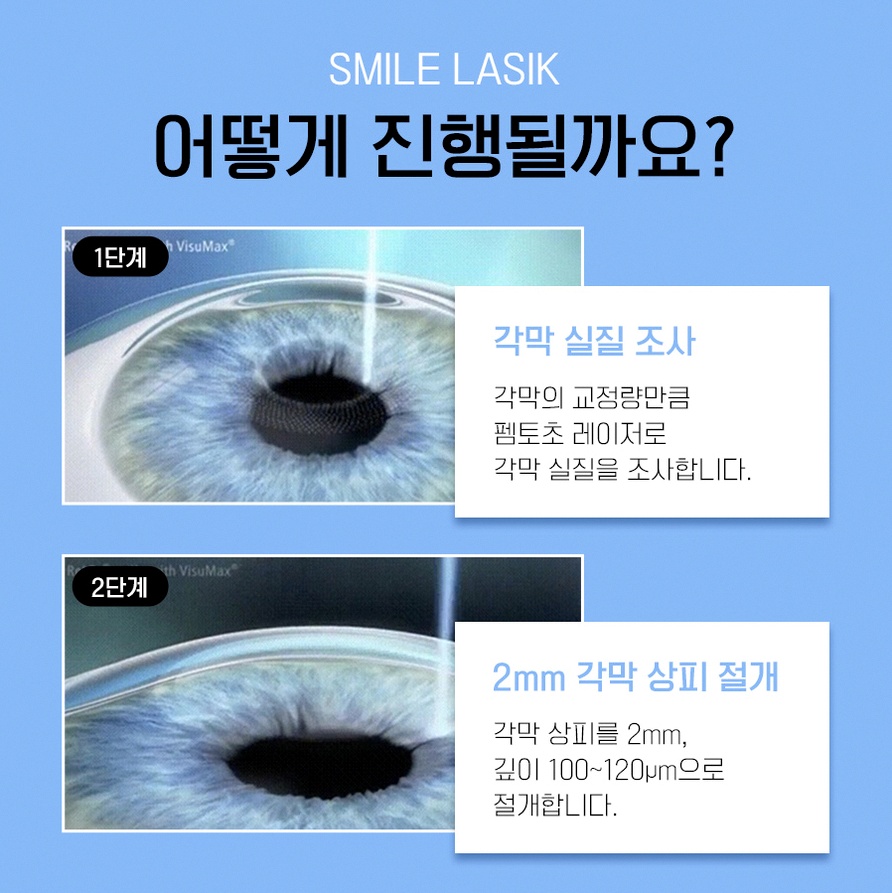
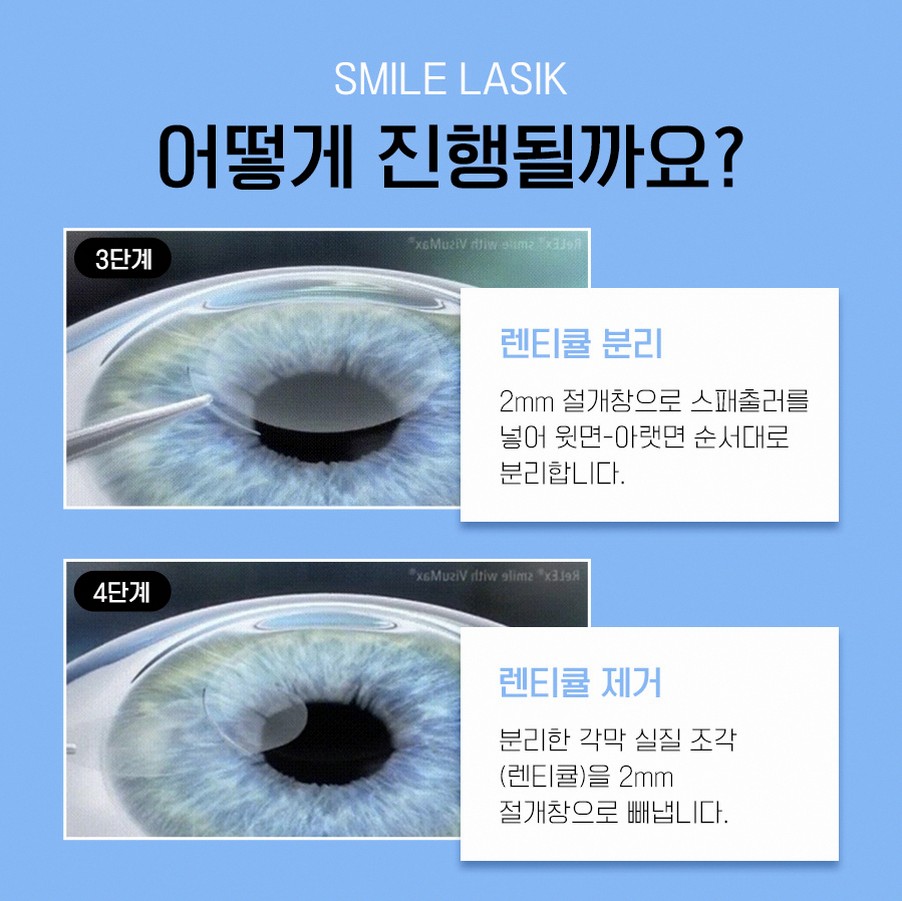
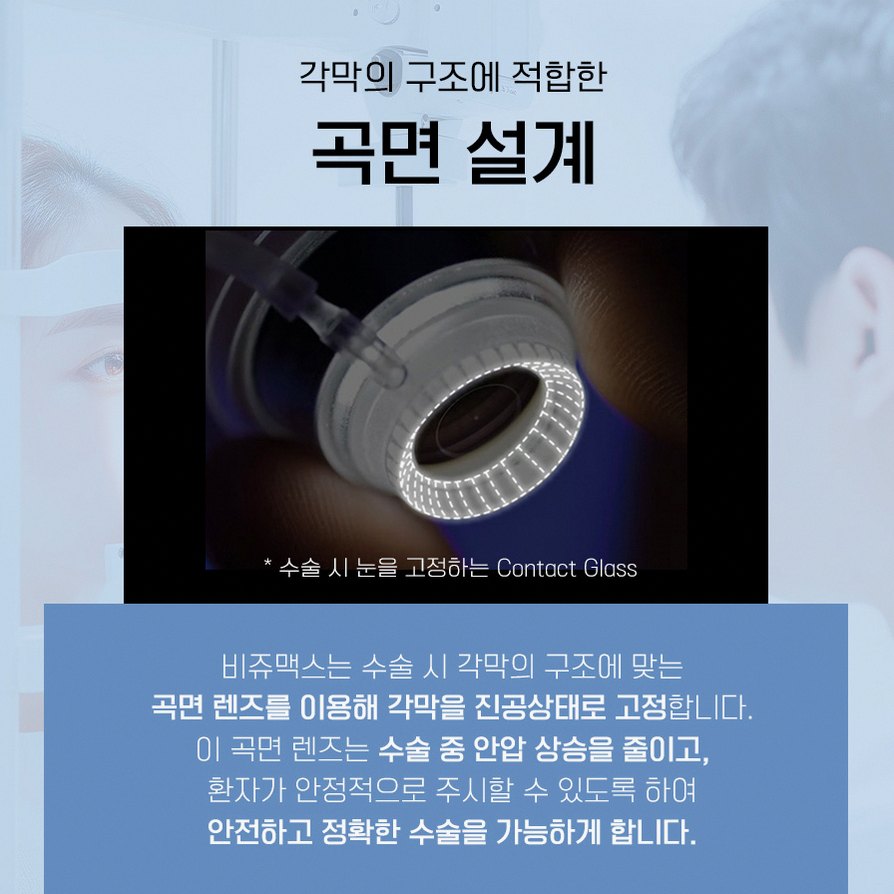
SMILE LASIK is a minimally invasive form of laser vision correction. A femtosecond laser creates a very thin, lens-shaped piece of tissue (called a lenticule) inside the cornea. The surgeon then removes this lenticule through a tiny incision just a few millimeters long. By removing this tissue, the cornea is reshaped so that light focuses more accurately on the retina, improving vision.
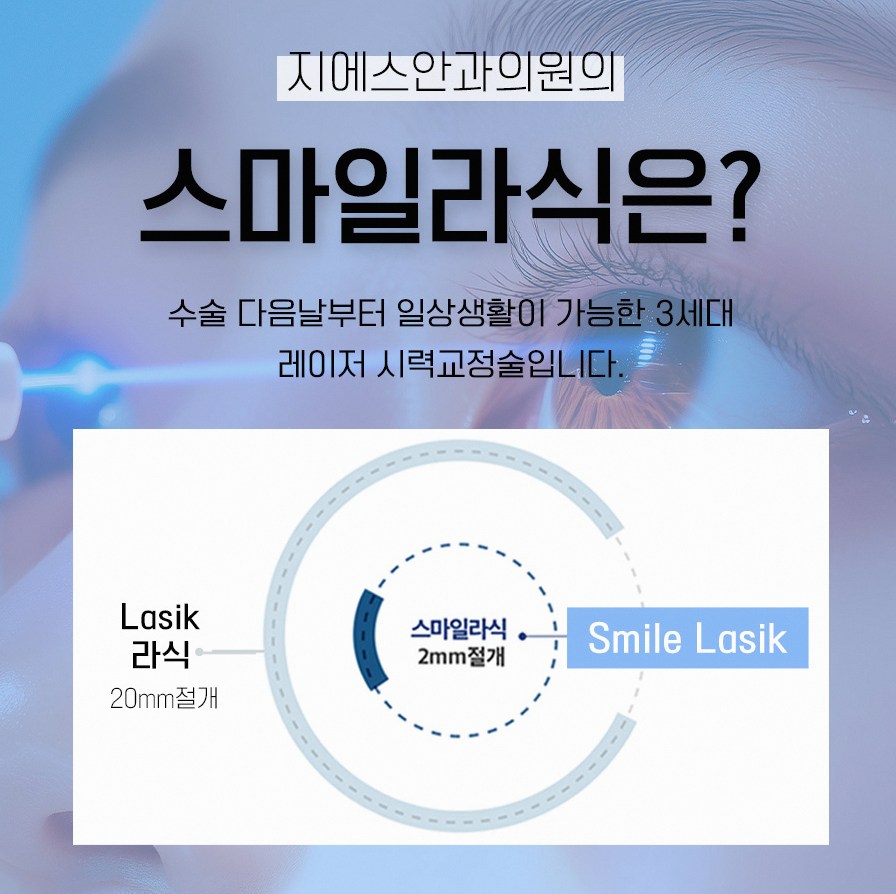
Because there is no large flap as in conventional LASIK, more of the corneal surface and nerves can be preserved. For suitable patients, this approach may offer faster comfort recovery and a lower tendency toward dry eye compared with some older techniques, although individual experiences vary.
SMILE LASIK is generally used to correct myopia (short-sightedness) and astigmatism in adults who meet safety criteria after a detailed eye examination.
Overview of SMILE LASIK
SMILE LASIK belongs to the family of corneal laser vision correction procedures. All of these techniques aim to change the curvature of the cornea so that images come into focus without the need for glasses or contact lenses.
In SMILE LASIK, a femtosecond laser performs two main steps inside the cornea: it sculpts the lenticule and creates a small side incision. The surgeon then gently separates and removes the lenticule through that incision. The outer surface of the cornea remains largely intact, which helps maintain corneal biomechanics.
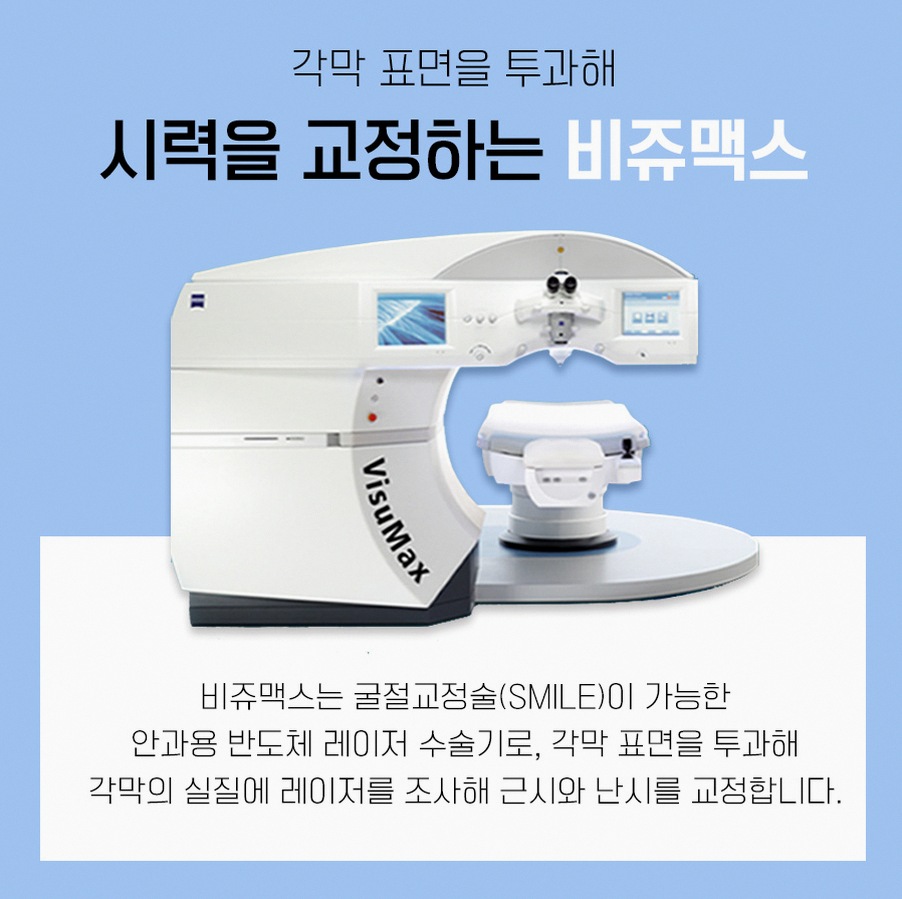
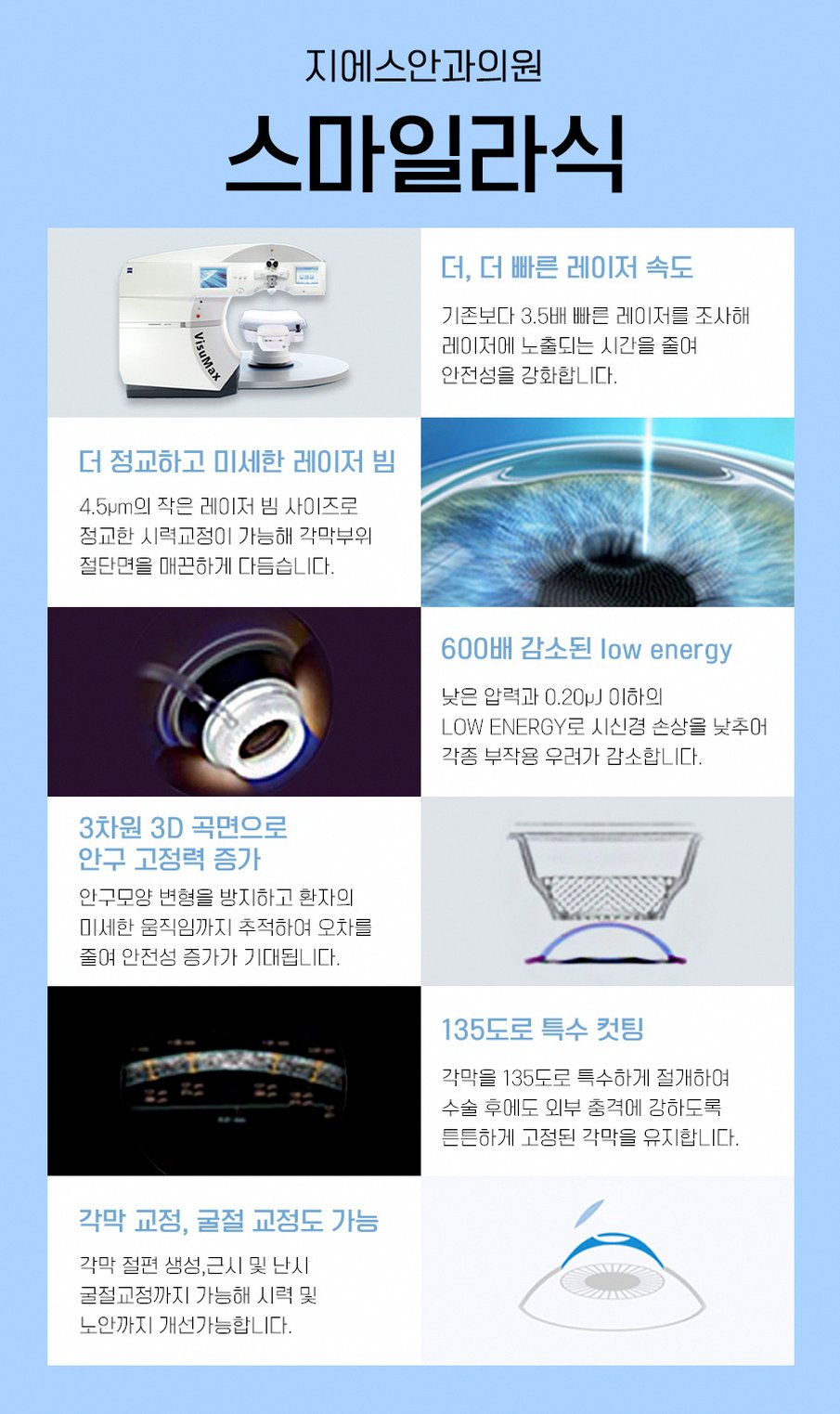
The actual laser time is short, especially with newer platforms such as the ZEISS VISUMAX 800 used for SMILE pro. Many patients find that the procedure itself feels quick, with pressure or mild discomfort rather than pain. However, the decision to undergo SMILE LASIK should always be based on medical evaluation rather than convenience alone.
Who may consider SMILE LASIK in Sinsa and Gangnam
Typical candidates
Adults with stable vision for at least one to two years are the main candidates for SMILE LASIK. It is usually considered for people with:
Myopia (short-sightedness)
Astigmatism
A desire to reduce or possibly eliminate dependence on glasses or contact lenses
Most clinics set a minimum age of around the early twenties, when the prescription has usually stabilized, and there is no strict upper age limit as long as the eyes are healthy and there is no other condition that makes laser surgery unsuitable.
Importance of a full eye examination
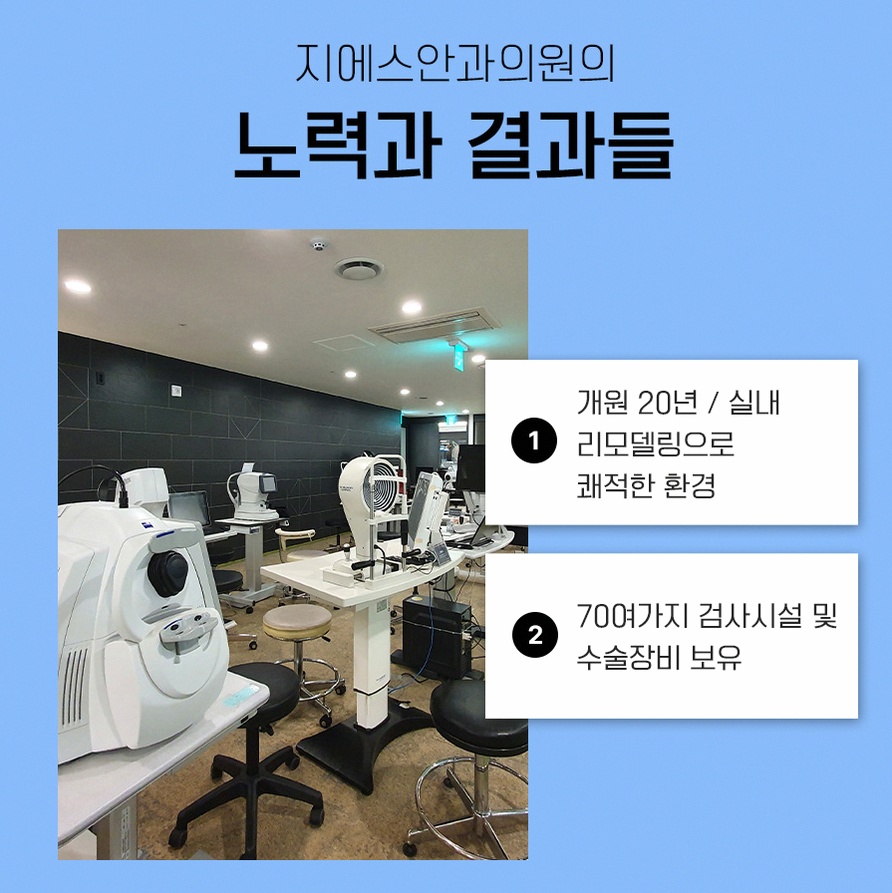
Before any decision, a comprehensive preoperative eye examination is essential. At an ophthalmology clinic in Gangnam such as GS Eye Center, this typically includes:
Measurement of refractive error (your glasses or contact lens prescription)
Corneal thickness and shape, including detailed corneal topography and tomography
Assessment of tear film quality and dry eye status
Measurement of pupil size under different lighting conditions
Examination of the lens inside the eye
Detailed retina and macula check, often including wide-field imaging and optical coherence tomography
Measurement of intraocular pressure and evaluation of the optic nerve
These tests are not only to confirm that SMILE LASIK can be performed, but also to ensure that it can be done with an appropriate safety margin.
When another procedure may be better
Some people who search for Sinsa vision correction surgery discover that SMILE LASIK is not the best option for their eyes. For example:
If the cornea is too thin or has an irregular shape, surface procedures such as LASEK or additional corneal strengthening procedures may be considered.
If there is early cataract or age-related lens changes, lens-based surgery such as cataract surgery with a suitable intraocular lens may be more appropriate.
If there is high myopia with particular retinal risks, the clinic may recommend careful retina treatment or monitoring before any vision correction.
An experienced ophthalmology team will explain these findings and suggest alternatives when needed.
SMILE LASIK compared with other vision correction options
Conventional LASIK
Conventional LASIK involves creating a thin flap on the surface of the cornea with a microkeratome or femtosecond laser, lifting the flap, reshaping the underlying tissue with an excimer laser, and then repositioning the flap.
Advantages include rapid visual recovery and long clinical experience worldwide. However, because a flap is created, there is a larger incision area and more disturbance of the corneal nerves compared with SMILE LASIK.
LASEK and other surface procedures
LASEK and similar surface ablation techniques reshape the very front surface of the cornea after temporarily removing the thin epithelial layer. The epithelium then grows back over several days.
These procedures can be suitable for people with thinner corneas or certain corneal shapes. However, initial recovery is usually slower, and there can be more discomfort in the first days after surgery.
SMILE LASIK
SMILE LASIK uses a small incision and does not require a flap. For many patients, this can mean:
A smaller wound area
Potentially faster comfort recovery
Possibly less dry eye tendency for some patients, because more corneal nerves are preserved
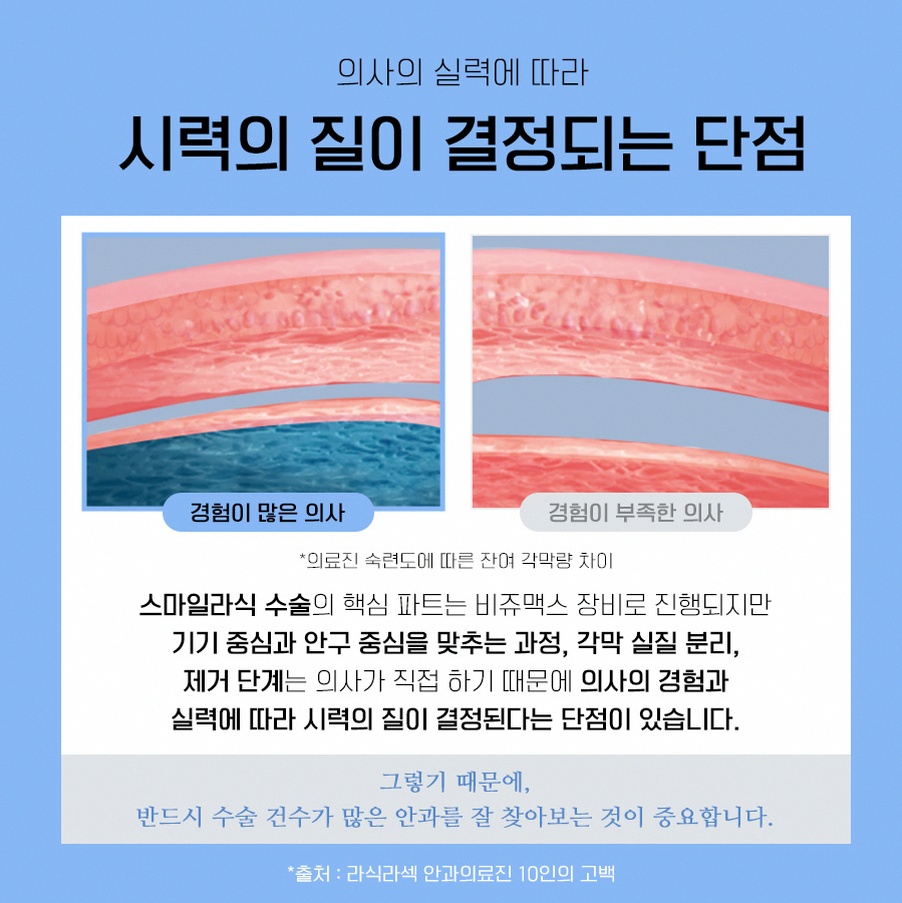
However, the choice between SMILE LASIK, LASIK, LASEK, or lens-based surgery should not be based only on preference. It should be guided by the corneal condition, lifestyle, occupation, and overall safety margins. For example, people involved in contact sports or certain physical activities may prefer a flap-free procedure, but only if their corneal structure is suitable.
Clinic background and strengths in Gangnam
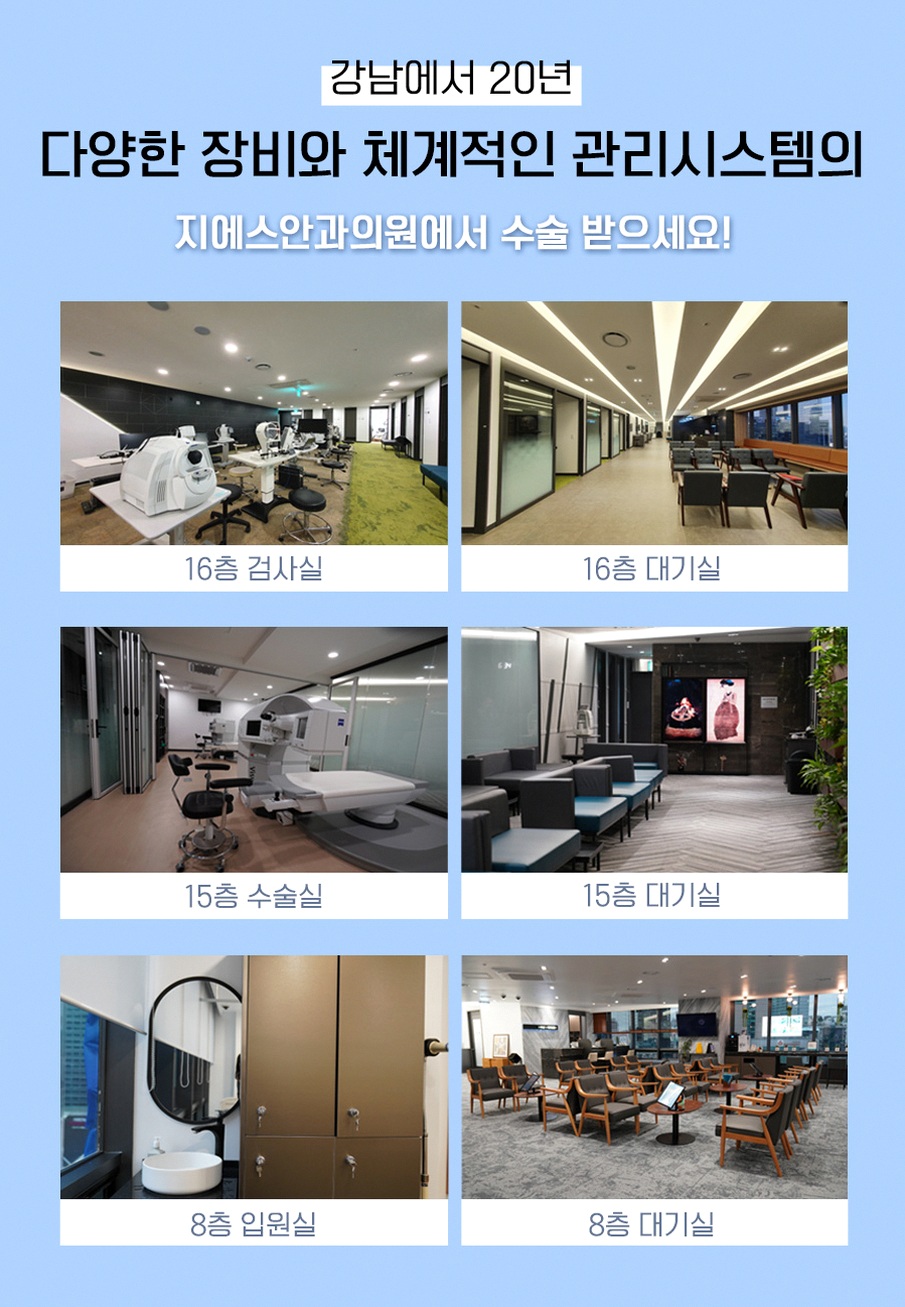
GS Eye Center is an ophthalmology clinic in Gangnam that opened in 2005 and has remained in the same location near Gangnam Station on Gangnam-daero. Over the years it has focused on vision correction and cataract surgery, including SMILE-type procedures.
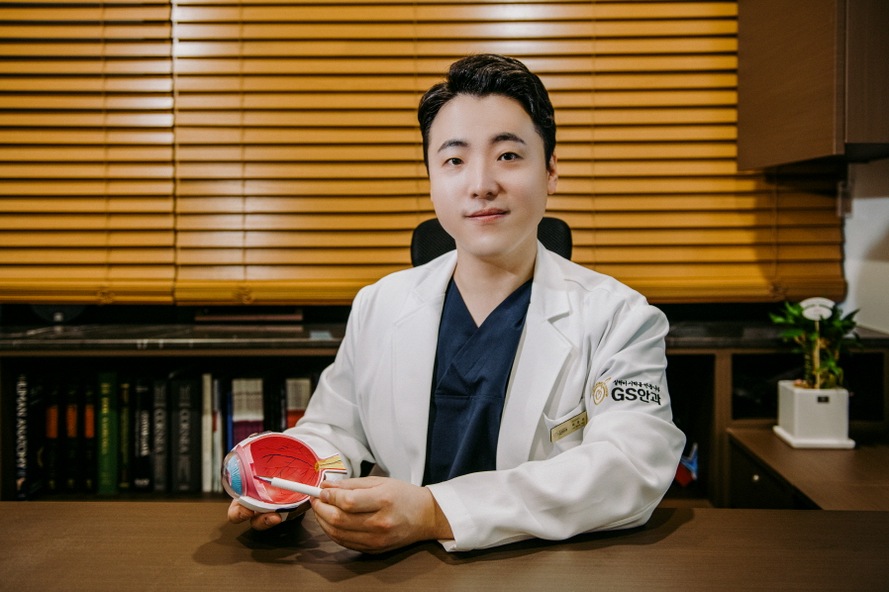
All seven doctors at the clinic are board-certified ophthalmologists. The medical director holds a doctorate in medicine and has previous experience as a university hospital professor. This background supports a structured approach to diagnosis, surgery, and follow-up.
The clinic also operates a dedicated retina center staffed by retina fellowship–trained specialists. For vision correction candidates, this is important because high myopia and other conditions can be associated with retinal thinning, tears, or degeneration. Detecting and managing these issues before or after laser surgery contributes to safer long-term outcomes.
By 2023, the clinic reports having treated a cumulative total of around 300,000 eyes with vision correction and cataract surgery. This number is provided as a reference point for experience and does not predict or guarantee individual results.
Technology and ZEISS platforms for SMILE-type procedures
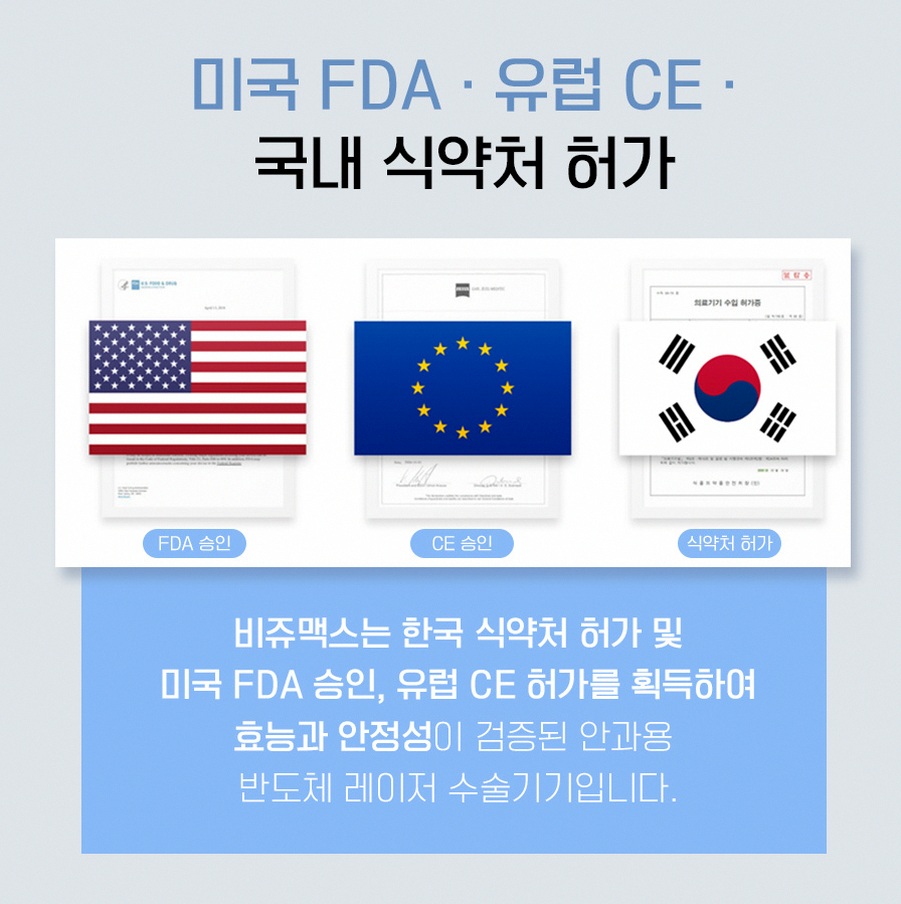
One of the distinguishing points of this clinic is its use of multiple ZEISS femtosecond laser platforms for SMILE-type procedures.
VISUMAX 800 for SMILE pro
The VISUMAX 800, introduced at the clinic in 2023, is used for SMILE pro. It offers very fast laser time, often around 9 seconds or less per eye. Shorter laser time can contribute to patient comfort and procedure efficiency, especially for those who may feel anxious about lying under the laser.
VISUMAX 500 units for SMILE LASIK
The clinic also operates two VISUMAX 500 units, which have been used for SMILE LASIK since 2016. Having multiple platforms allows flexibility in scheduling and can help maintain consistent performance over a large number of cases.
How advanced femtosecond lasers help
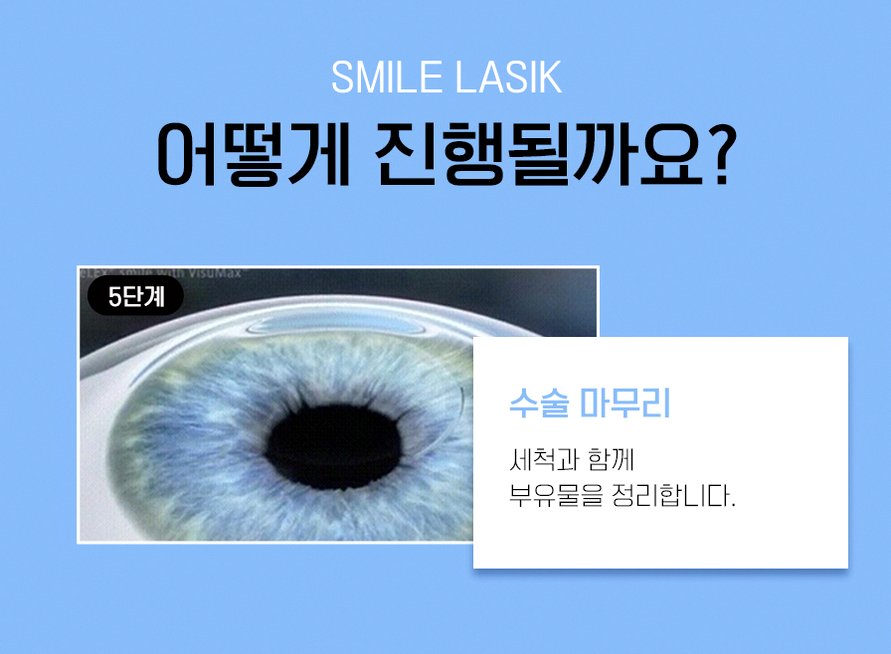
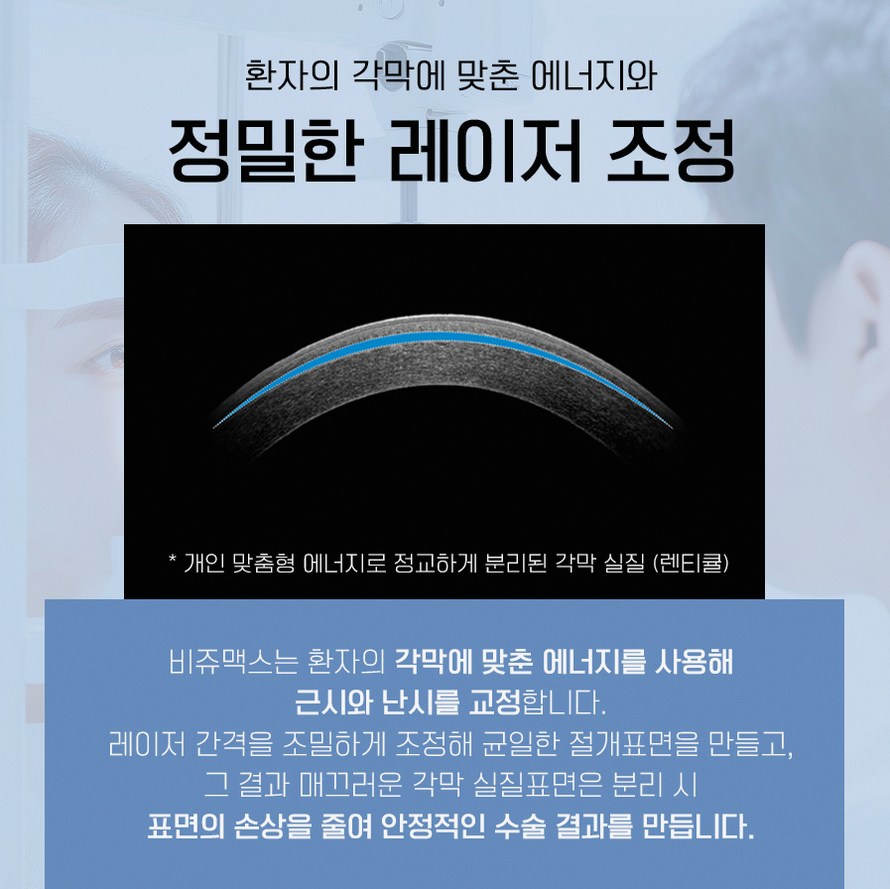
Advanced femtosecond laser platforms are designed to deliver highly precise and reproducible cuts in the cornea. In SMILE LASIK, this precision is important for:
Creating a smooth lenticule with accurate thickness
Ensuring the small incision is correctly positioned
Supporting predictable corneal reshaping
While technology alone does not guarantee a specific outcome, it is one part of a system that also includes careful planning, experienced surgeons, and thorough follow-up.
Recognition and training roles
The clinic has received several recognitions from ZEISS related to SMILE-type procedures, including:
SMILE Gold Club membership in 2021, reflecting case volume and experience
SMILE pro Center designation in 2023
SILK Training Center designation in 2026, indicating a role in training other professionals in related techniques
These designations highlight the clinic’s involvement in high-volume SMILE practice and education. They are not a guarantee of individual results but may reassure patients that the clinic is familiar with the technology and its practical use.
Clinical achievements and lens-based options
Beyond SMILE LASIK, the clinic offers a range of refractive and cataract procedures. This broader experience can be helpful when SMILE is not the best match for a particular eye.
As of April 2026, the clinic reports having performed over 15,000 SMILE pro cases, with earlier milestones reached in 2024 and 2025. These figures illustrate sustained experience with the latest generation of SMILE technology.
The clinic also pioneered the use of GLAZE lens implantation in Korea in 2019, reaching 1,000 eyes by 2022 and 3,000 eyes with Optiflex GLAZE by 2025. Lens implantation is often considered for patients with very high myopia, thin corneas, or age-related lens changes where corneal laser surgery may not be ideal.
In addition, the clinic has performed around 3,000 cases using a well-known multifocal intraocular lens brand by 2024. Multifocal and other premium intraocular lenses are mainly used in cataract and presbyopia-correcting surgery.
These numbers are shared to show the breadth of refractive and cataract services. They should not be interpreted as a promise of specific outcomes for any individual.
Examination and decision-making process for overseas patients
For an overseas patient searching for Sinsa vision correction surgery, the typical pathway at an ophthalmology clinic like GS Eye Center includes several steps.
Initial consultation and detailed eye examination
Your visit usually starts with a consultation and comprehensive eye tests. For international patients, some of this planning can begin through online consultation before you travel.
In the clinic, the team will measure your prescription, corneal thickness and shape, tear film, intraocular pressure, and check the lens and retina in detail. These tests may take a few hours, including time for pupil dilation.
Safety evaluation
After the tests, the ophthalmologists evaluate safety factors, including:
Signs of keratoconus or other corneal weakness
Corneal thickness and biomechanical stability
Severity of dry eye or ocular surface disease
Retinal tears, holes, or degeneration
Systemic conditions such as autoimmune disease or uncontrolled diabetes that may affect healing
If any risk factors are found, the team will discuss them with you and may recommend additional monitoring or alternative treatments.
Personalized procedure selection
If your eyes are suitable for SMILE LASIK, this will often be the primary recommendation. If not, other options may be considered, such as:
LASEK or other surface ablation procedures
Corneal strengthening procedures for specific corneal conditions
Lens implantation (such as phakic intraocular lenses) for high myopia or thin corneas
Cataract or presbyopia-correcting surgery if lens changes are already present
The goal is to match the procedure to your eye structure, age, visual needs, and long-term safety, rather than fitting every patient into a single technique.
Preoperative counseling
Before scheduling surgery, the clinic will explain:
Expected visual recovery timeline
Possibility of temporary dry eye, glare, or halos at night
The small chance of undercorrection or overcorrection and the potential need for enhancement
Activity restrictions after surgery, such as avoiding eye rubbing, swimming, or heavy exercise for a certain period
You will also have the opportunity to ask questions about anesthesia (usually numbing eye drops), what you will feel during the procedure, and how follow-up visits are arranged for overseas patients.
How SMILE LASIK is performed
Step-by-step overview
On the day of SMILE LASIK, you usually arrive at the clinic, complete final checks, and receive numbing eye drops.
The main steps are:
You lie on the laser bed and look toward a target light.
The femtosecond laser creates a lenticule inside the cornea and a small side incision. With platforms like VISUMAX 800, this laser step is very quick.
The surgeon gently separates and removes the lenticule through the tiny incision.
By removing this tissue, the cornea changes shape, which corrects your refractive error.
The procedure is usually done on both eyes in the same session. Most patients feel pressure and a sense of something touching the eye rather than pain. The entire visit on surgery day, including preparation and rest time afterward, typically takes a few hours.
Recovery and aftercare
Visual recovery
Many people notice clearer vision within the first few days after SMILE LASIK, with further stabilization over several weeks to months. Some may experience fluctuations, especially in the early period.
Temporary side effects
Common temporary symptoms include:
Dry eye sensation or foreign body feeling
Mild light sensitivity
Glare or halos around lights at night
These usually improve over time, especially with proper use of lubricating eye drops and following medical advice. In some cases, dry eye symptoms can last longer and may require ongoing management.
Postoperative care
After surgery, you will receive:
Prescription eye drops to prevent infection and control inflammation
Lubricating drops to support the tear film
Instructions on how to protect your eyes, including avoiding rubbing, keeping water out of the eyes for a period, and using protective shields or glasses as advised
Follow-up visits are important to monitor healing and confirm that the cornea remains stable. For overseas patients, the clinic may arrange a schedule that covers the critical early period before you return home, and may provide reports you can share with your local eye doctor.
Safety, risks, and realistic expectations
All surgical and laser procedures carry risks. With SMILE LASIK and other forms of laser vision correction, potential risks and side effects include:
Undercorrection or overcorrection, possibly requiring enhancement or continued use of glasses for some activities
Dry eye symptoms, which may be temporary or, in some cases, longer lasting
Night vision disturbances such as glare, halos, or starbursts
Inflammation or infection, which are uncommon but require prompt treatment
Rare structural issues with the cornea, such as ectasia, especially in eyes with pre-existing weakness
Modern diagnostic tools, careful screening, and advanced laser platforms help reduce these risks, but they cannot eliminate them entirely. It is important to discuss your personal risk profile with the ophthalmologist and to balance your desire for freedom from glasses with a realistic understanding of possible outcomes.
When choosing a clinic, especially from overseas, consider not only the price but also:
The thoroughness of the examination
The experience and qualifications of the medical team
Availability of retina specialists for high myopia cases
The range of technologies and procedures offered
The clarity of explanations about risks, alternatives, and follow-up care
Practical information for international patients
Location and access
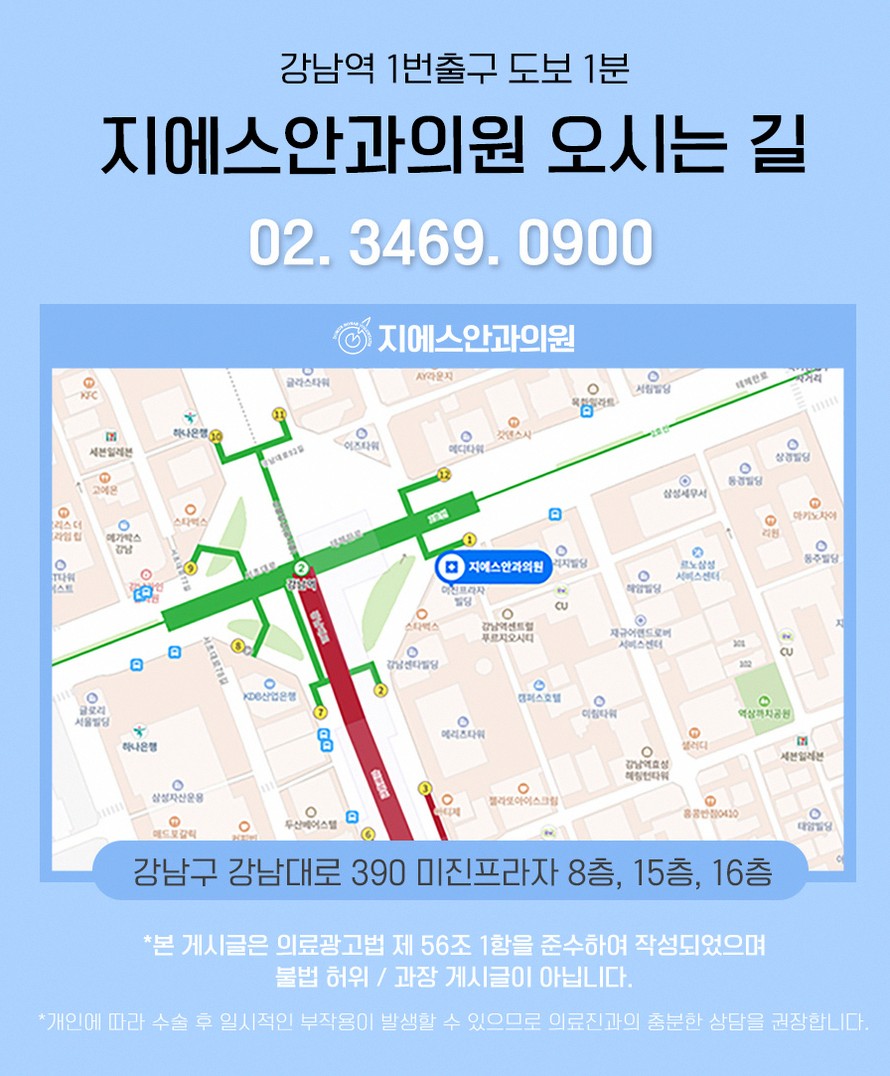
GS Eye Center is located on multiple floors of a building on Gangnam-daero in Gangnam District, Seoul, near Gangnam Station. This makes it convenient for people staying in central Seoul and for those searching from the Sinsa and Gangnam neighborhoods.
Operating hours
The clinic generally operates on weekdays and Saturdays and is closed on Sundays and public holidays. Exact hours can vary, so it is best to confirm current times and book an appointment in advance, especially if you are planning a short stay in Korea.
Online information and education
The medical director and team provide information through online channels such as a blog, social media, and a video channel. These resources can help you understand SMILE LASIK, lens implantation, and cataract procedures before you visit. They may also include explanations of ZEISS laser platforms, sample examination flows, and common questions from patients.
Online consultation and pre-visit preparation
For overseas patients, an online consultation is often the first step. You can usually share:
Your age and general health
Your current glasses or contact lens prescription, if available
Any previous eye surgery or eye disease
Specific concerns, such as dry eye, night driving, or work-related visual demands
Before you travel, consider preparing these questions:
Am I likely to be a candidate for SMILE LASIK based on my prescription range?
How many days should I stay in Seoul for examination, surgery, and follow-up?
What are the main differences between SMILE LASIK, LASEK, and lens implantation in my case?
How will follow-up be handled once I return to my home country?
Expected Korea visit timeline
Although individual plans vary, a typical schedule for SMILE LASIK might look like this:
Day 1: Full examination and consultation. If your eyes are suitable and you agree, surgery may be scheduled for the next day or later in the week.
Day 2: SMILE LASIK procedure, followed by a short rest at the clinic and then at your accommodation.
Day 3–4: Early postoperative check-ups to confirm healing and vision progress.
Day 5–7: Additional follow-up if needed, then preparation to return home.
Some patients prefer a longer stay to include more follow-up visits, especially if they have higher prescriptions or more complex eye conditions.
After you return home, it is advisable to see a local eye doctor for periodic checks, particularly in the first year.
Frequently asked questions
Is SMILE LASIK suitable for everyone searching for Sinsa vision correction surgery?
No. SMILE LASIK is suitable only for adults whose eyes meet specific safety criteria, including adequate corneal thickness, regular corneal shape, and healthy retina and macula. People with certain corneal diseases, very thin corneas, unstable prescriptions, or significant lens or retinal problems may be advised to consider other treatments. A full examination at an ophthalmology clinic is essential before deciding.
How long will I need to stay in Seoul for SMILE LASIK at a Gangnam clinic?
Many international patients plan to stay about one week in Seoul for SMILE LASIK. This usually allows time for a complete preoperative examination, the procedure itself, and at least one or two early postoperative check-ups. Depending on your eye condition and travel flexibility, your doctor may recommend a slightly longer or shorter stay. It is best to confirm your personal schedule during online consultation.
What are the main advantages of SMILE LASIK compared with conventional LASIK or LASEK?
SMILE LASIK uses a small incision and does not require a corneal flap, which can help preserve more corneal tissue and nerves. For some patients, this may translate into faster comfort recovery and a lower tendency toward dry eye compared with flap-based LASIK or surface procedures like LASEK. However, all procedures have their own profiles of benefits and limitations, and the best choice depends on your corneal structure, lifestyle, and safety considerations.
Are the results of SMILE LASIK permanent, and will I ever need glasses again?
The corneal reshaping effect of SMILE LASIK is intended to be long lasting. However, the eye can still change over time due to natural aging, such as the development of presbyopia (difficulty focusing at near) or cataract. This means that even after successful SMILE LASIK, you may need glasses for reading or other tasks later in life. Some patients may also require enhancement procedures if there is undercorrection or regression. Your doctor will explain these possibilities during counseling.
Soft call to action
If you are considering Sinsa vision correction surgery and want to know whether SMILE LASIK in Gangnam is right for your eyes, an online consultation with GS Eye Center can be a practical first step. By sharing your basic eye information and expectations in advance, you can receive guidance on candidacy, possible treatment options, and a realistic travel plan before you book your trip to Seoul.
Medical information notice
The information in this article is provided for general educational purposes and does not replace a personal consultation, examination, or diagnosis by a qualified ophthalmologist. Individual suitability for SMILE LASIK or any other vision correction procedure can only be determined after a full eye examination and discussion of your medical history. Always follow the advice of your own eye doctor and seek prompt care if you experience any sudden changes in vision or eye discomfort.
- 공유 링크 만들기
- X
- 이메일
- 기타 앱


댓글
댓글 쓰기