SMILE LASIK Costs Near Seolleung Station
- 공유 링크 만들기
- X
- 이메일
- 기타 앱
Direct answer: SMILE LASIK and vision correction surgery costs near Seolleung Station
Many clinics bundle pre-op exams, the surgery, and a follow-up period, but inclusions vary—confirm what is covered.
This guide explains what SMILE LASIK is, which factors influence the cost near Seolleung Station, how to compare clinics safely, and what an international patient can expect when planning a short visit to Korea for vision correction.
What is SMILE LASIK and how is it different?
SMILE LASIK overview
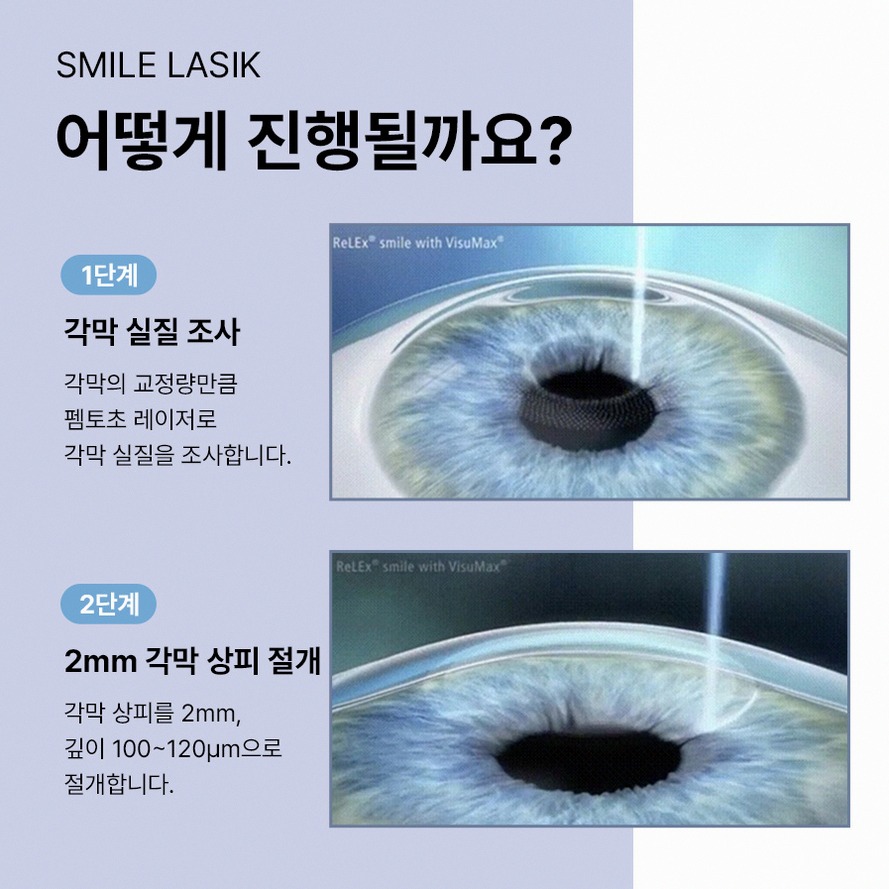
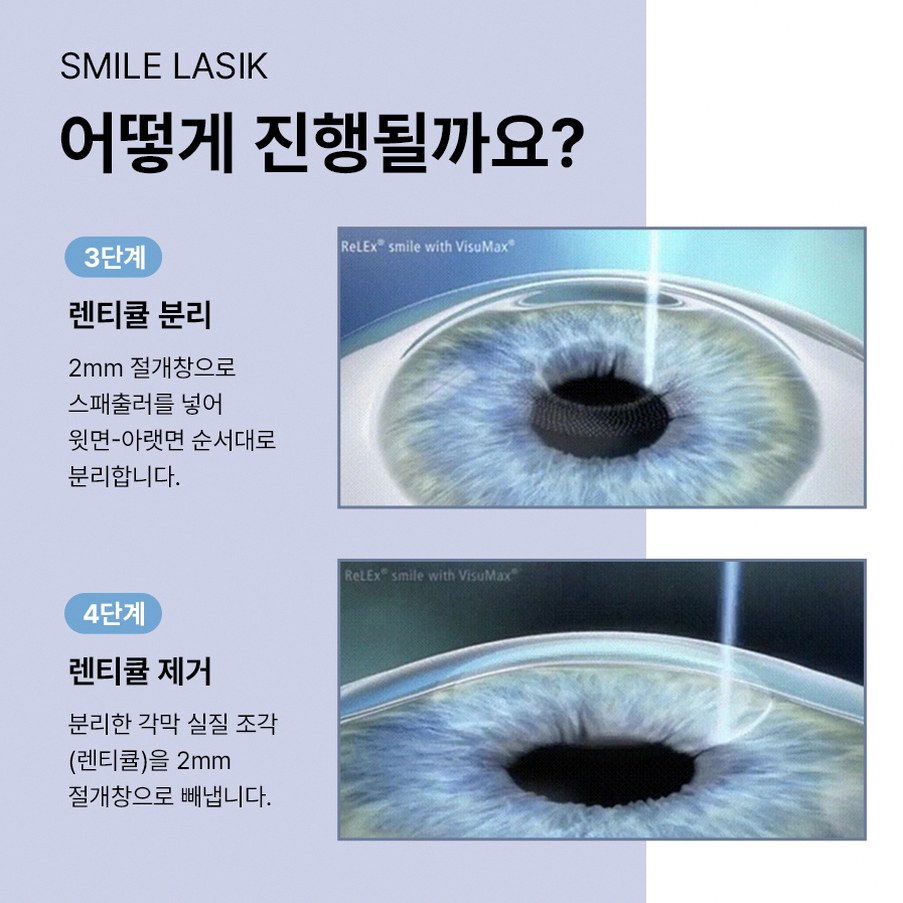
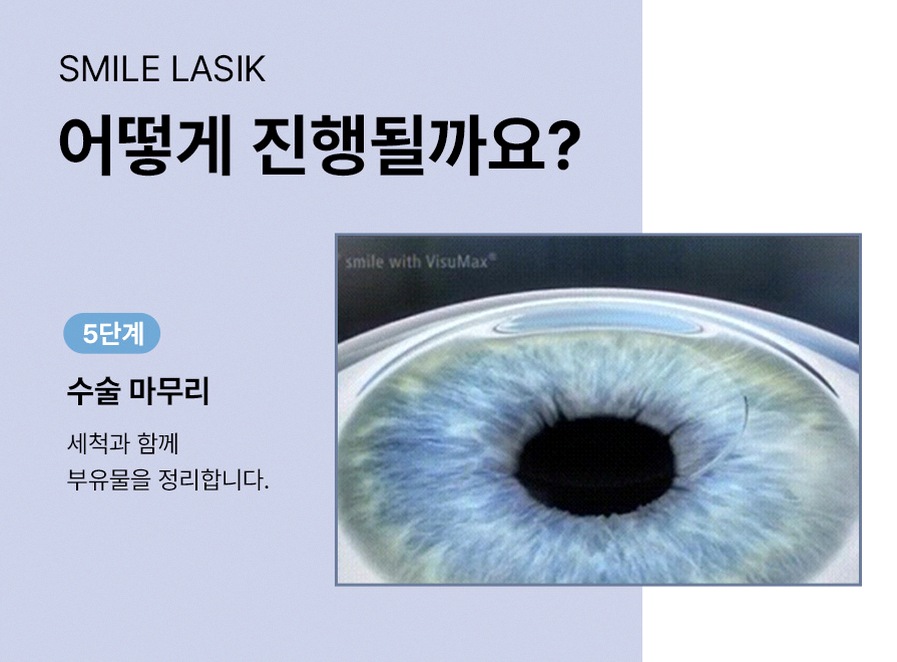
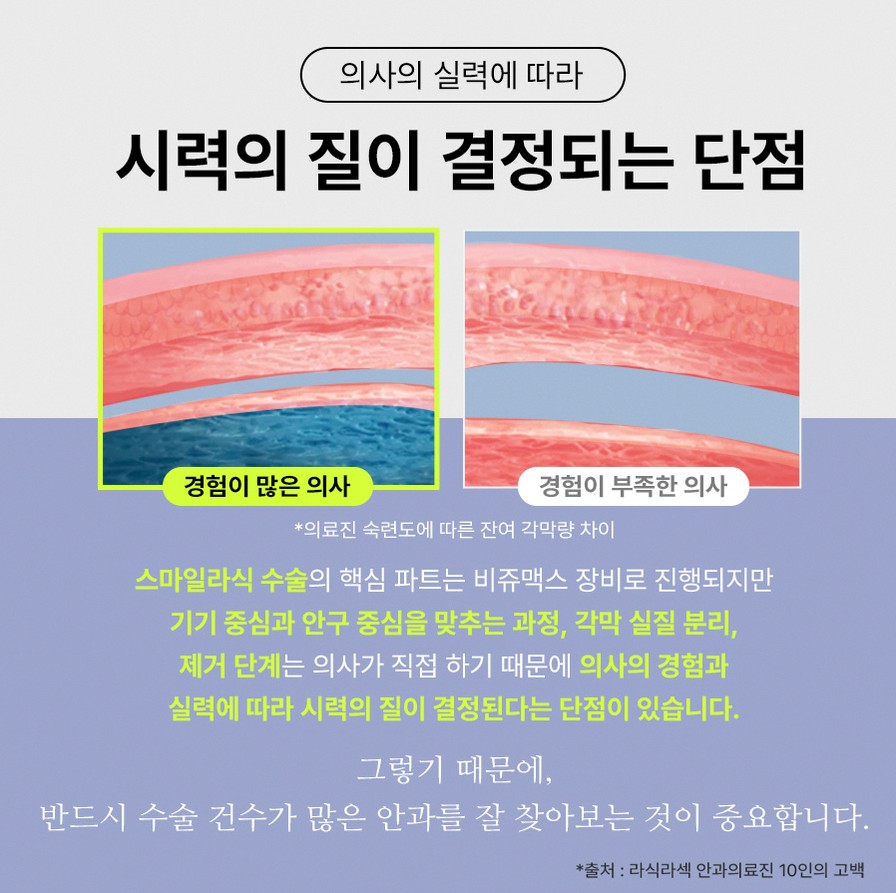
SMILE LASIK is a type of laser vision correction that uses a femtosecond laser to create a small lens-shaped piece of tissue (called a lenticule) inside the cornea. The surgeon removes this lenticule through a very small incision, changing the shape of the cornea so that light focuses correctly on the retina.
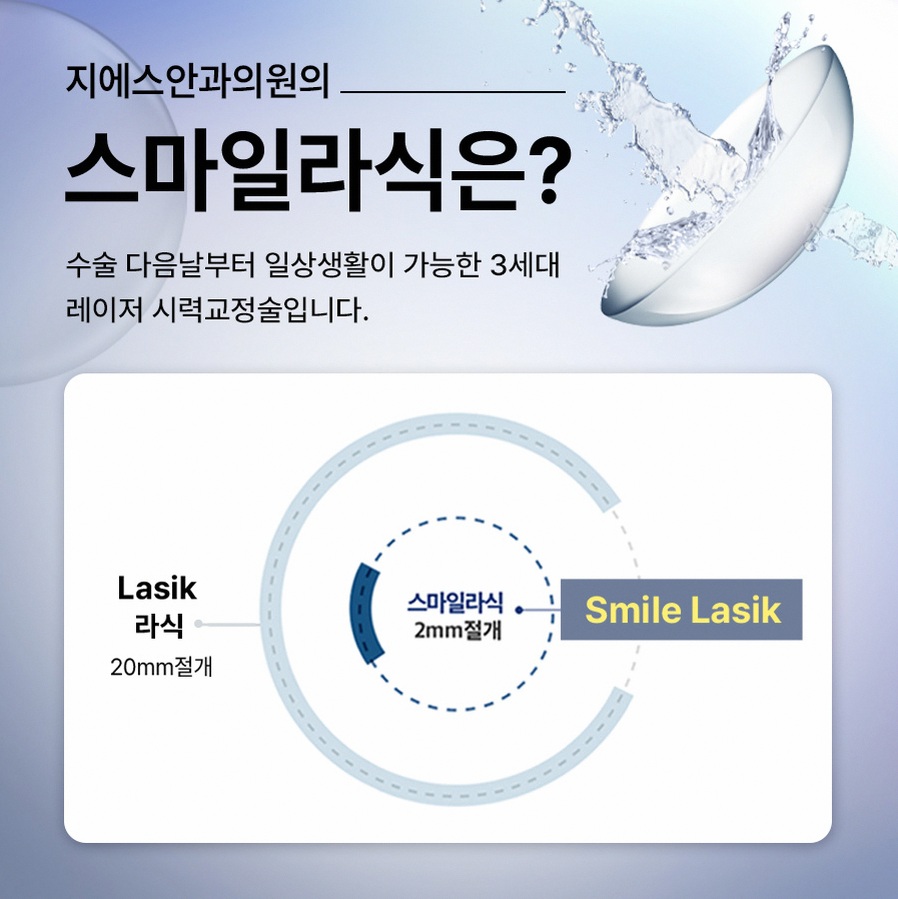
Unlike conventional LASIK, SMILE LASIK does not require creating a large corneal flap. Compared with LASEK, it usually involves less surface damage and can offer a more comfortable early recovery for many patients.
Key features and advantages
Because SMILE LASIK uses a small incision, it tends to preserve more of the natural strength and biomechanics of the cornea. This can be meaningful for people with active lifestyles or those concerned about long-term corneal stability.
The smaller incision also means that fewer corneal nerves are cut compared with traditional flap-based LASIK. For many patients, this is associated with a lower risk of severe dry eye symptoms after surgery, though mild dryness is still common in the early healing period.
Another benefit is relatively quick visual recovery. Many people notice improved vision within the first day or two, with further stabilization over several weeks.
Who may consider SMILE LASIK
SMILE LASIK is generally considered for adults with stable myopia and myopic astigmatism within a certain range. It is not suitable for every prescription or every cornea. Suitability depends on factors such as:
Your exact glasses or contact lens prescription
Corneal thickness and curvature
Corneal topography and any signs of weakness or irregularity
Tear film quality and dry eye status
Retinal health and any pre-existing eye disease
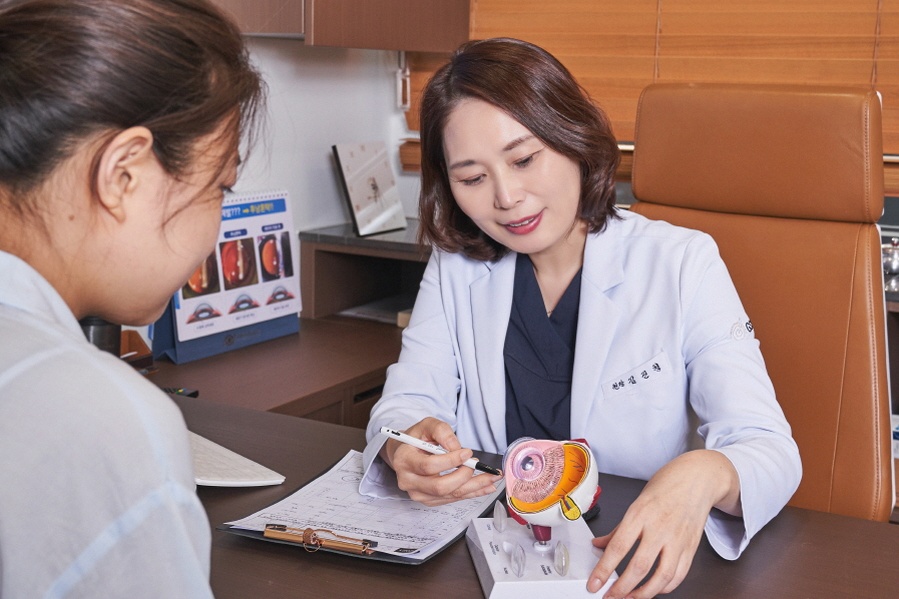
A detailed eye examination is essential before deciding whether SMILE LASIK is appropriate. Some people who come in expecting SMILE LASIK are eventually recommended LASIK, LASEK, lens implantation, or even no surgery at all, depending on these findings.
Cost structure near Seolleung Station and Gangnam
Why you will see a range, not a single price
Around Seolleung Station and Gangnam Station, many ophthalmology clinics advertise vision correction surgery, including SMILE LASIK. Because each patient’s eyes are different and each clinic’s system is different, it is more realistic to think in terms of a price range rather than a single standard fee.
International patients should expect that the final quote will only be given after a full examination and consultation. This is not a marketing tactic but a safety requirement: the safest and most suitable method must be chosen first, and only then can the clinic explain the exact cost.
What is usually included in the price
Most reputable clinics in the Gangnam and Seolleung area structure SMILE LASIK and other laser vision correction fees to include several components:
Comprehensive pre-operative eye examination
This typically covers measurements of your glasses prescription, corneal thickness, corneal topography, pupil size, tear film, intraocular pressure, and a detailed retina check. These tests require specialized equipment and trained staff and can take one to two hours.
Surgery fee
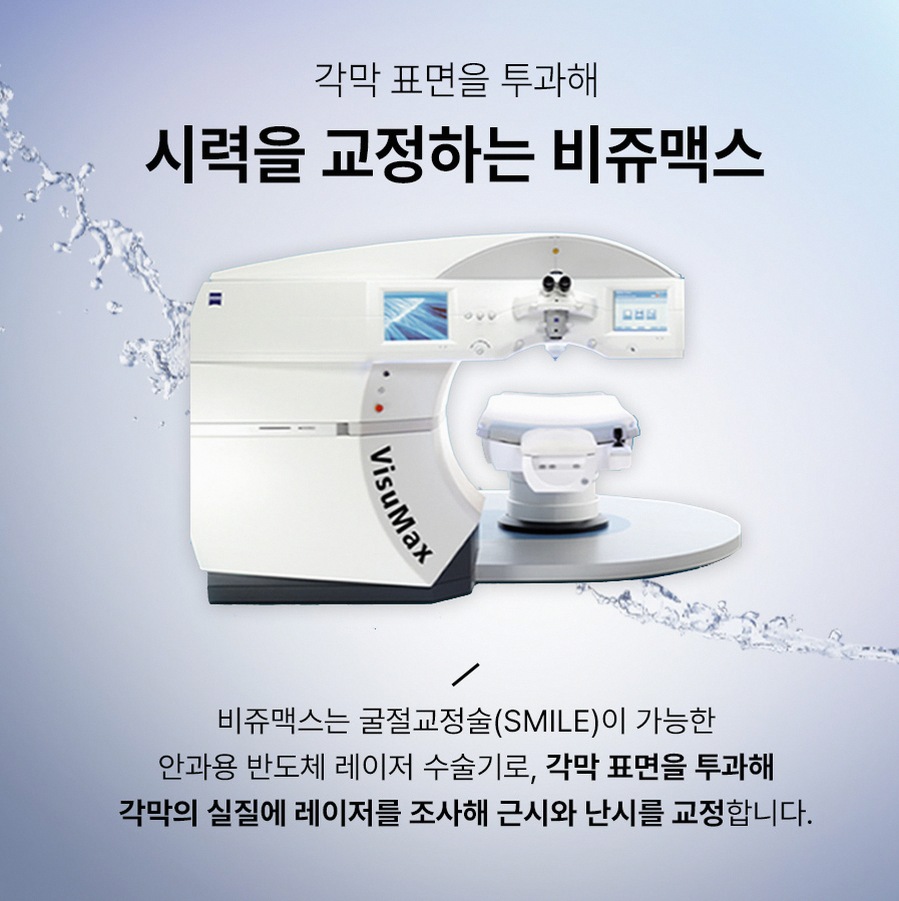
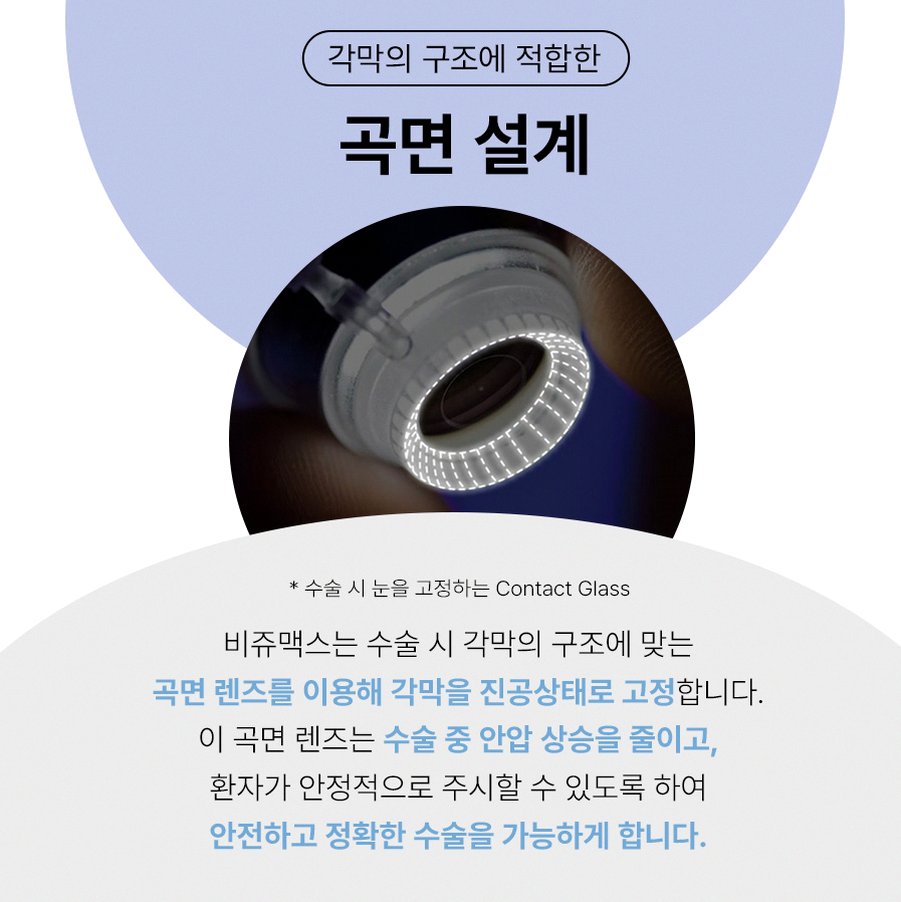
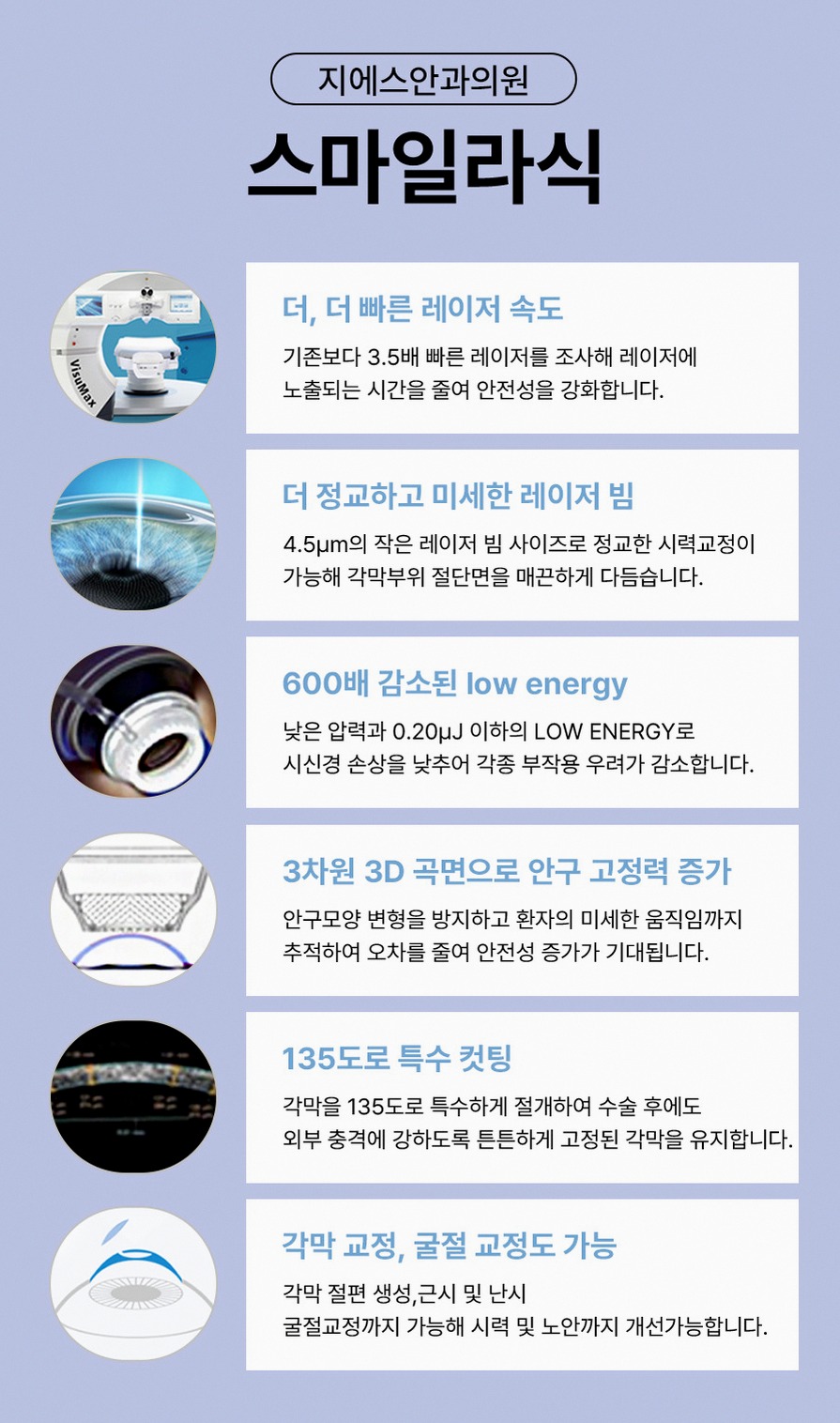
For SMILE LASIK, this involves a femtosecond laser system such as the ZEISS VISUMAX series.
Medications and immediate aftercare
Most clinics include eye drops for infection prevention, inflammation control, and lubrication, as well as protective shields and basic post-operative supplies.
Follow-up visits
There is usually a schedule of follow-up visits for a certain period after surgery. This often includes the next day, then several visits over the first few months. Some clinics include longer-term follow-up in the initial package, while others may charge separately beyond a certain time frame.
Additional or optional procedures
In some cases, extra procedures may be recommended, such as corneal strengthening treatments similar to cross-linking, or additional imaging and tests. These may increase the total cost but are sometimes important for safety and long-term stability.
Main factors that influence price
Type of procedure
SMILE LASIK often costs more than older-generation LASIK or LASEK because it uses advanced femtosecond laser technology and specific consumables. Lens implantation procedures, such as ICL or other phakic lenses, may be priced differently again, often higher than laser procedures, because of the cost of the implant itself.
Technology and laser platform
Clinics that invest in the latest-generation laser platforms, such as ZEISS VISUMAX 800 for SMILE pro, may have higher fees than clinics using older systems. Newer platforms can offer faster laser times, refined safety features, and improved patient comfort, which can be valuable for many patients.
Experience and subspecialty of the medical team
An ophthalmology clinic with a team of experienced eye surgeons, including those with retina fellowship training and university teaching backgrounds, may structure its fees to reflect the expertise and support system available. This can be especially important if you have high myopia, thin corneas, or retinal concerns.
Retina management and complex case support
If a clinic has an internal system for detailed retina evaluation and management of complex or high-risk cases, this can influence both the safety profile and the overall cost structure. For patients with high myopia or pre-existing retinal conditions, this is an important point to confirm.
Post-operative follow-up and emergency response
Some clinics include extended follow-up, on-call support for urgent symptoms, and detailed monitoring of dry eye or night vision symptoms. A more comprehensive follow-up system may increase the overall package price but can provide additional reassurance, especially for patients traveling from overseas.
How a specialized ophthalmology clinic near Gangnam and Seolleung works
Location and background
It is within a short subway or bus ride from Seolleung Station, making it convenient for commuters and international visitors staying in the Gangnam business district.
The clinic is led by a representative ophthalmologist who is a medical doctor with experience as a university hospital professor and who actively shares educational content through blogs, social media, and video channels. The medical team consists of seven ophthalmologists, including retina fellowship–trained specialists and former professors from major university hospitals.
Surgical volume and experience
As of 2023, the clinic has performed a cumulative total of around 300,000 eyes for vision correction and cataract surgery. SMILE pro procedures alone reached about 15,000 eyes as of April 2026, with documented growth in case numbers over the years.
The clinic also has early adoption experience with specific lens implantation techniques and premium intraocular lenses, which is relevant for patients who are not suitable for corneal laser procedures.
Official designations and certifications
This ophthalmology clinic has several official designations related to SMILE LASIK and quality management:
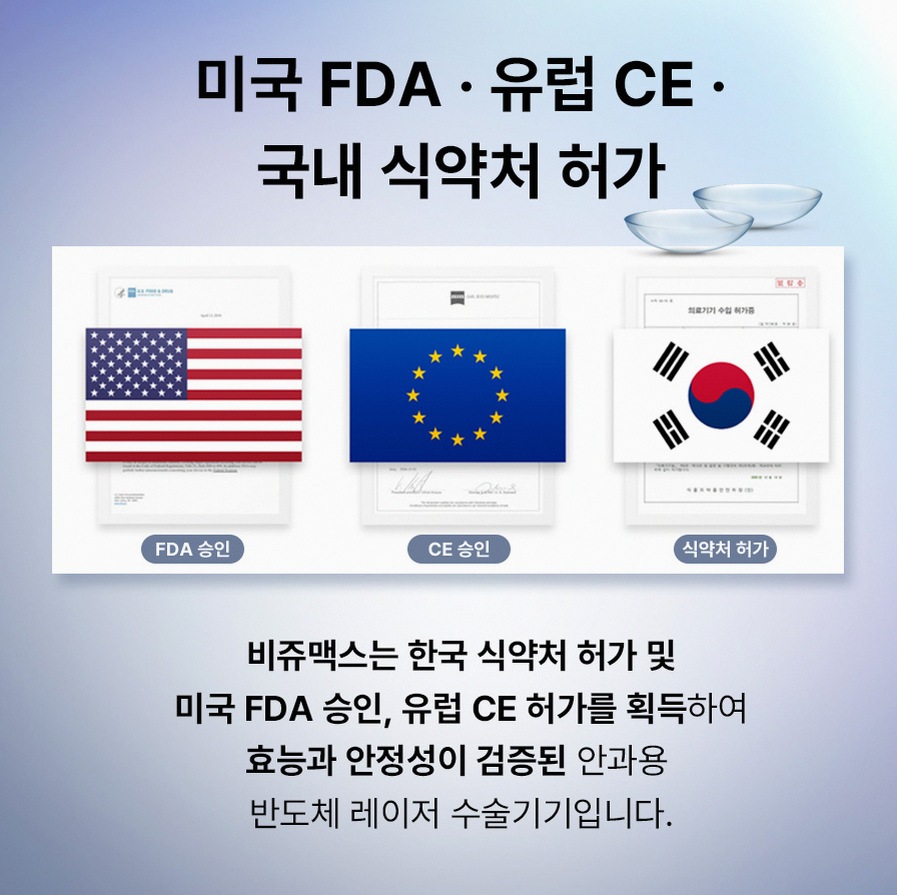
First in Korea to join the ZEISS SMILE GOLD CLUB in 2021
Designated as a ZEISS SMILE pro CENTER in 2023
Designated as a SILK TRAINING Center in 2026
International ISO9001 and ISO14001 certification for SMILE LASIK in 2020
Designated as a clinical education institution by a major medical school in 2023
Designated as a clinical education center by an ophthalmic device company in the Asia-Pacific region in 2024
For international patients, these designations can serve as objective indicators that the clinic is involved in education and training, not only in routine clinical care.
Equipment and why it matters for both price and outcomes
SMILE-related laser platforms
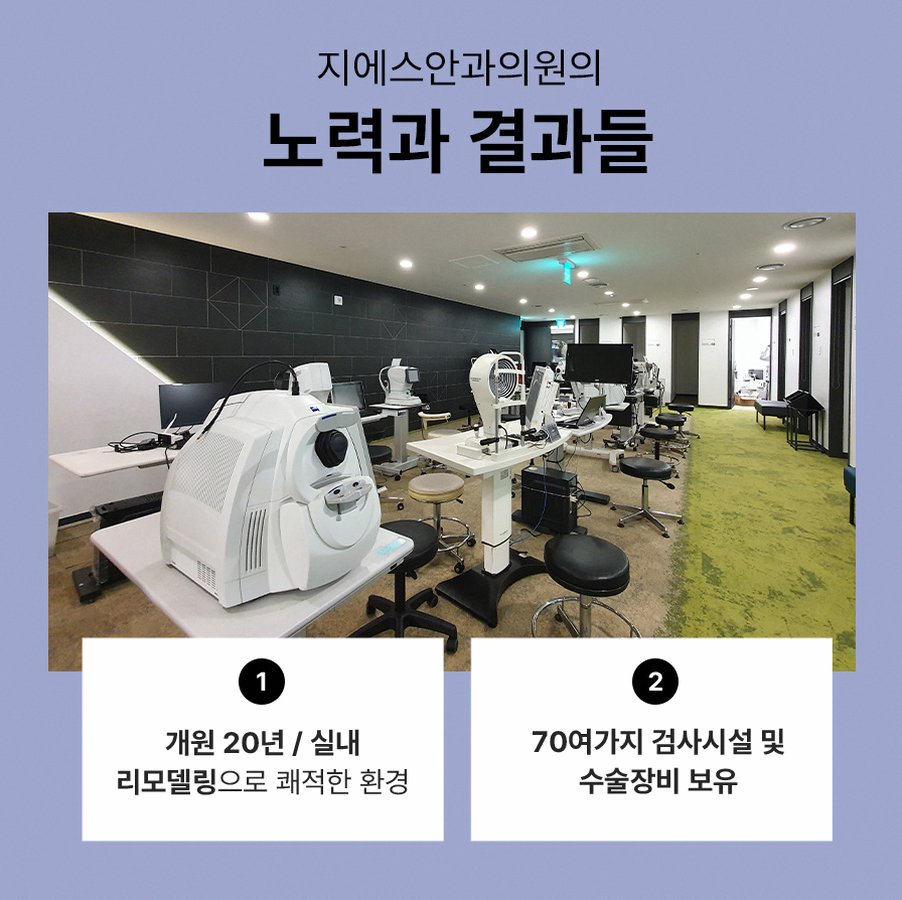
This Gangnam-based clinic houses the three SMILE-class laser platforms it promotes: ZEISS VISUMAX 800 (SMILEpro); two ZEISS VISUMAX 500 units (SMILE LASIK); and ELITA — Johnson & Johnson (used for SILK).
VISUMAX 800
The latest-generation femtosecond laser used for SMILE pro procedures. Introduced in 2023, it offers very fast laser times, often under about 9 seconds per eye. Faster laser times can improve comfort and reduce the time you need to focus on a fixation target during surgery.
VISUMAX 500 (two units)
These are earlier-generation but still widely used femtosecond lasers for SMILE LASIK. The clinic has used VISUMAX 500 since 2016 and has operated a dual-room setup since 2019, which allows efficient scheduling and flexibility.
How newer equipment can affect your experience
Precision and stability
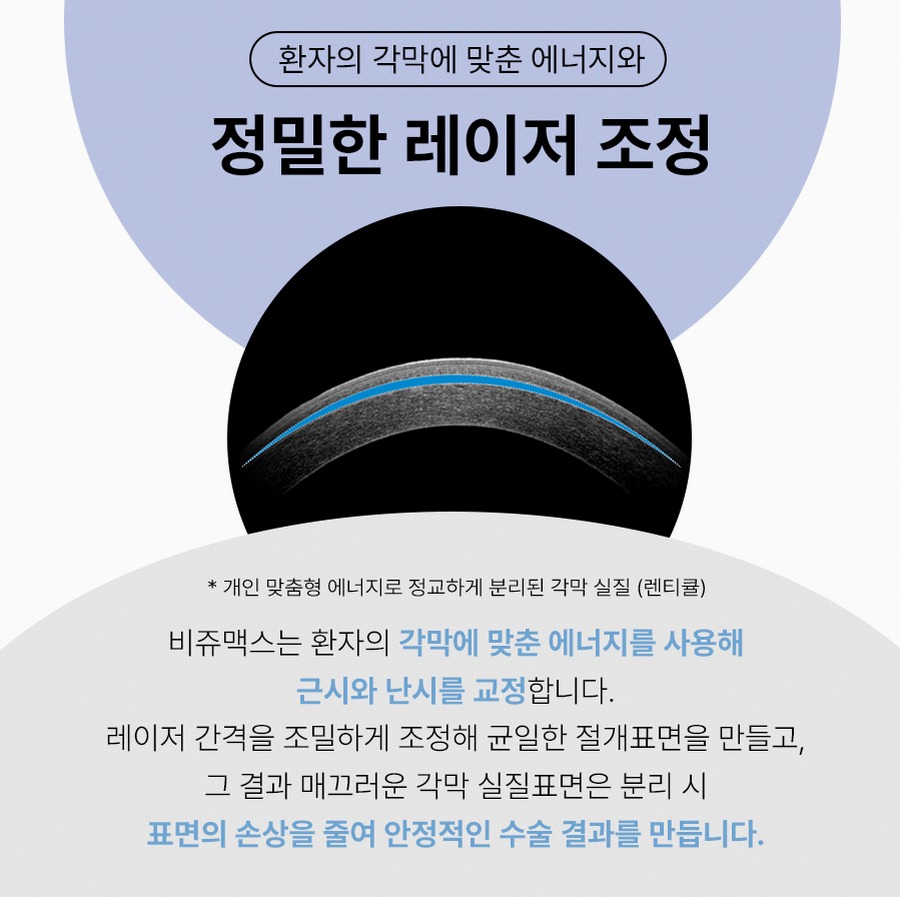
Modern femtosecond lasers are designed for high precision in creating the lenticule and incision. This precision supports consistent outcomes when combined with careful examination and planning.
Speed and comfort
Shorter laser times can make the procedure more comfortable, especially for anxious patients. Faster treatment can also reduce the chance of small eye movements affecting the laser application.
Risk profile and safety features
Newer platforms often incorporate updated safety checks, tracking systems, and refined energy settings. While no surgery is risk-free, these features can help reduce the risk of certain complications when used by experienced surgeons.
Impact on cost
Advanced laser platforms require substantial investment and maintenance. As a result, clinics using the latest technology may have higher procedure fees than those using older devices. When comparing prices around Seolleung Station and Gangnam, it is important to ask exactly which laser model will be used for your SMILE LASIK.
Other vision correction options for comparison
Lens implantation
For patients with very high myopia, thin corneas, or certain corneal irregularities, lens implantation may be safer than corneal laser surgery. Options can include ICL, GLAZE, or PhakiFlex KPL lenses. These procedures involve placing a customized lens inside the eye, usually behind the iris and in front of the natural lens.
LASEK and other surface procedures
Some patients may be better suited to surface procedures such as LASEK, including faster-recovery variations like 2DAY LASEK. These do not involve a corneal flap and instead reshape the surface after removing the epithelium. Recovery can be more uncomfortable in the first few days, but they can be appropriate for certain corneas.
Corneal strengthening procedures
For selected patients, additional corneal strengthening treatments similar to cross-linking may be recommended to support long-term corneal stability. These can be combined with laser vision correction in specific situations.
Presbyopia and cataract-related options
For older patients, presbyopia lens implantation or laser cataract surgery with multifocal intraocular lenses may be considered instead of or in addition to corneal laser procedures. These options are priced differently and require a separate, detailed discussion.
The key point is that real-world pricing is individualized. The safest and most suitable method must be selected first; then the clinic can provide a tailored cost estimate.
Patient journey for international visitors near Seolleung Station
Access and clinic hours
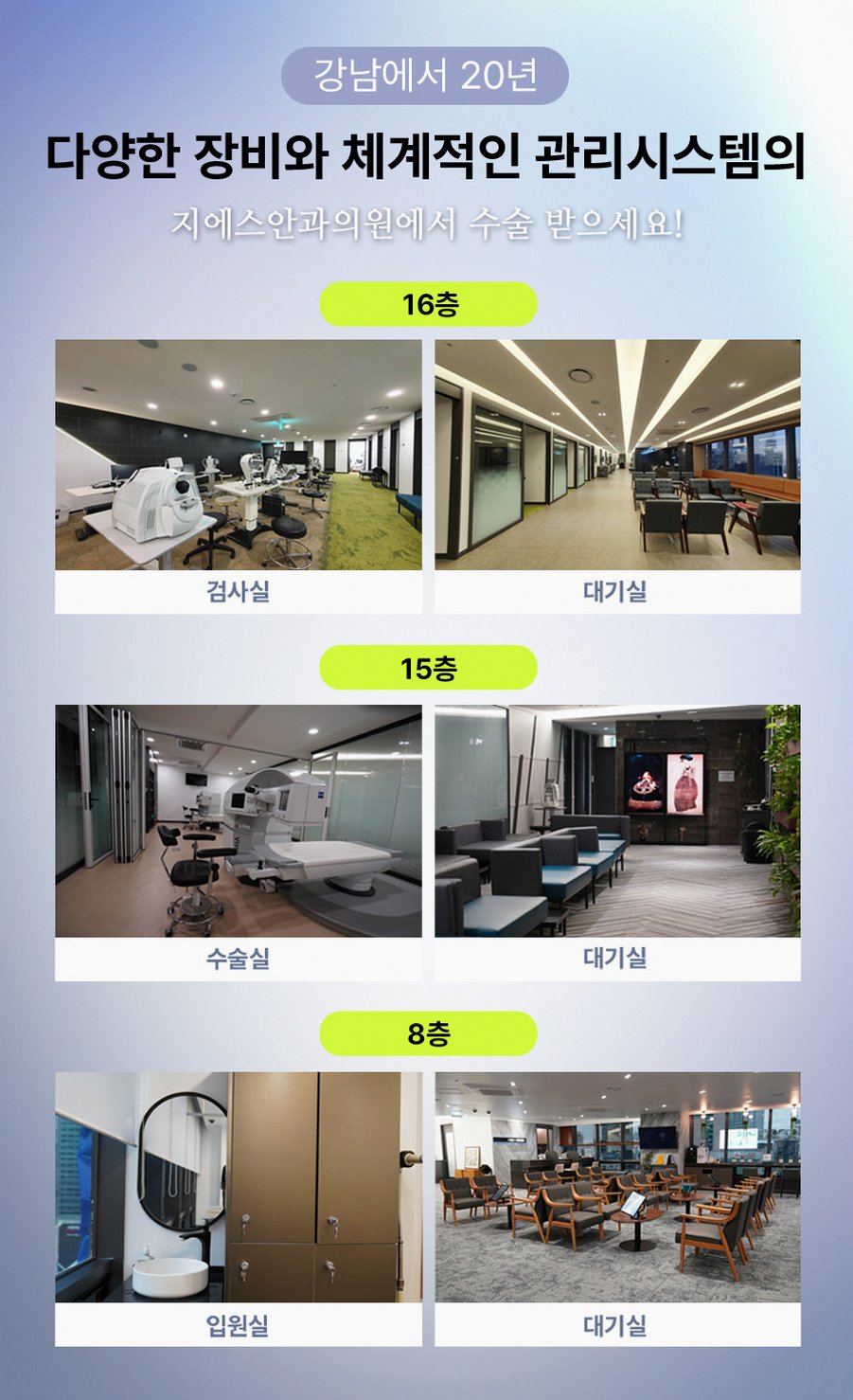
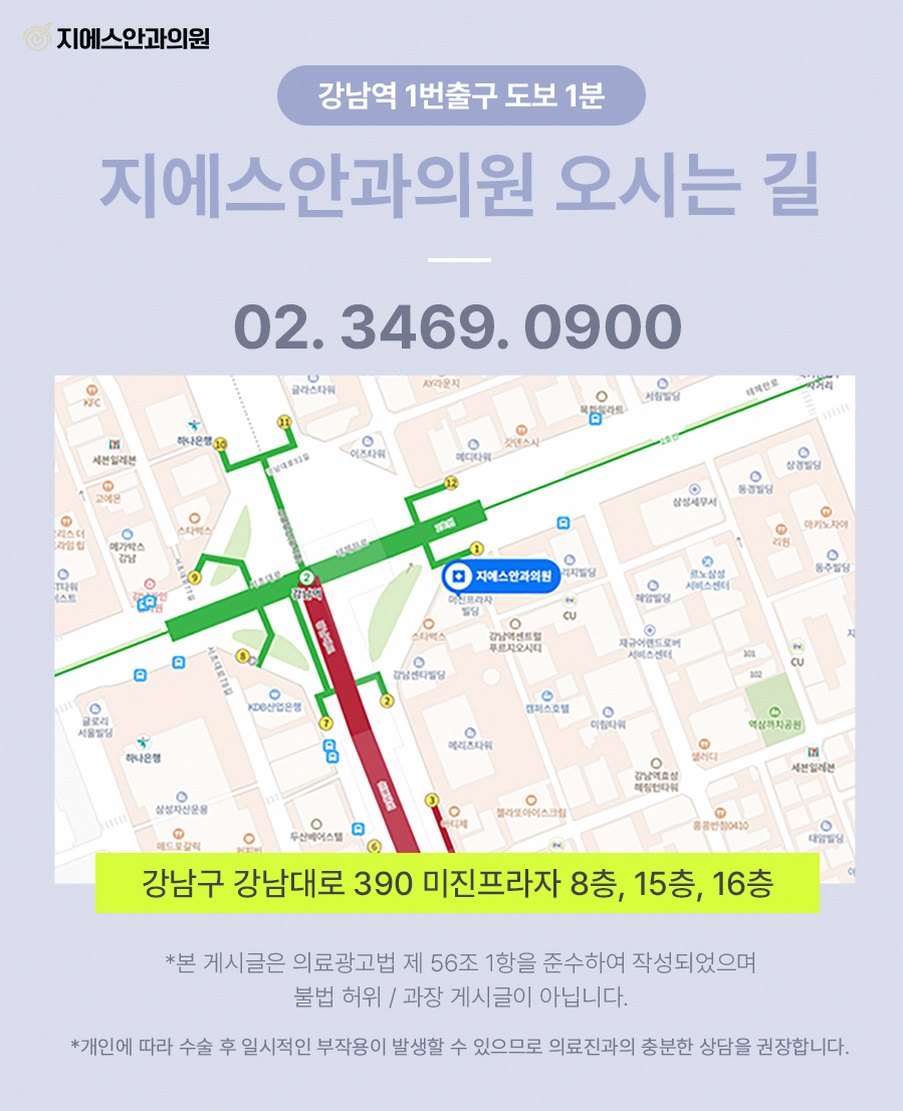
The ophthalmology clinic described above is located on multiple floors of a building on Gangnam-daero in Gangnam-gu. It is within walking distance from Gangnam Station and only a short subway or bus ride from Seolleung Station, making it convenient for office workers, students, and visitors staying in central Seoul.
Typical office hours in this area include weekdays and Saturdays, with closure on Sundays and public holidays. There is usually a set lunch break when examinations and consultations pause. When you book, confirm the exact hours for your preferred date so you can coordinate flights, hotel check-in, and transportation.
Online consultation and pre-visit preparation
Before you travel, it is helpful to arrange an online consultation or at least an online inquiry.
To prepare for an online consultation, you can:
Share your age, current glasses or contact lens prescription if known, and any eye history
Mention whether you have dry eye symptoms, night glare, or a history of eye disease
Explain your travel schedule and how many days you can stay in Korea
Ask whether you should stop contact lens wear before the examination and for how long
Request an approximate cost range for SMILE LASIK and for alternative procedures that might apply to your situation
Bringing previous eye examination reports, if available, can also help the clinic understand your case before you arrive.
Expected visit timeline for SMILE LASIK in Korea
A typical schedule for an overseas patient might look like this:
Day 1: Arrival and rest
Arrive in Seoul, check in to your accommodation near Gangnam or Seolleung, and rest from your flight.
Day 2: Comprehensive eye examination and consultation
Attend the clinic for a full eye examination. This usually takes one to two hours. After the tests, you meet an ophthalmologist to review the results, compare SMILE LASIK with other options, and receive a personalized recommendation and cost estimate.
If your eyes are suitable and you agree with the plan, surgery may be scheduled for the same day or within the next few days, depending on your contact lens history, eye condition, and the clinic’s schedule.
Day 2 or 3: Surgery day
On the day of SMILE LASIK, you will spend more time in the clinic than the actual laser time. Preparation includes final checks, consent forms, and anesthetic eye drops. The laser itself usually takes only several seconds per eye, but you should plan for one to two hours at the clinic including pre- and post-operative steps.
Most patients go back to their hotel the same day. You will receive medications and instructions on how to use them.
Day 3 or 4: Early follow-up
An early follow-up visit, often the next day, is important to check the cornea, confirm that the lenticule removal site is clear, and review your initial vision. The doctor will also remind you about activity restrictions and eye drop schedules.
Following days: Additional follow-ups
If your schedule allows, staying in Seoul for at least several more days gives time for another follow-up within the first week. Some patients plan a one- to two-week stay to complete early checks before flying home. If you must leave earlier, discuss this in advance so the clinic can coordinate follow-up with your local eye doctor.
Aftercare and long-term considerations
Aftercare instructions
After SMILE LASIK, you will usually be asked to:
Use prescribed antibiotic and anti-inflammatory eye drops for a set period
Use lubricating drops frequently to reduce dryness and discomfort
Avoid rubbing your eyes
Avoid swimming pools, hot tubs, and heavy exercise for a certain time
Wear protective shields or glasses while sleeping in the first days, if advised
You may experience mild discomfort, tearing, or light sensitivity on the first day. Vision often improves quickly but can fluctuate for several weeks.
Return to work near Seolleung Station
Many office workers can return to desk-based work within a few days after SMILE LASIK, depending on individual healing and job demands. However, long hours at a computer can worsen dry eye symptoms in the early period, so regular breaks and lubricating drops are important.
If your work involves outdoor activity, dusty environments, or heavy physical labor, you may need a longer rest period. Discuss your job details with the ophthalmologist so you can plan realistically.
Long-term follow-up
Even after you return to your home country, periodic eye examinations are recommended to monitor your vision, eye pressure, and retina. The clinic can usually provide a summary of your surgery and early post-operative findings to share with your local eye doctor.
How to judge cost offers around Seolleung and Gangnam
Why the cheapest price is not always the best value
When you compare SMILE LASIK prices near Seolleung Station, you will see a wide range of advertised fees. Very low prices may not include:
Comprehensive pre-operative examinations
Additional procedures such as corneal strengthening when indicated
Long-term follow-up visits and emergency support
Lower prices can also be associated with older equipment or less extensive experience. This does not automatically mean poor quality, but it does mean you need to ask more questions.
Checklist for comparing clinics
When you contact clinics in the Seolleung and Gangnam area, consider asking:
Are all surgeons ophthalmologists with specialist training in eye surgery?
Is there a dedicated retina specialist or retina center to manage high myopia or retinal issues?
Which exact laser models are used for SMILE LASIK or SMILE pro? For example, VISUMAX 800 or VISUMAX 500.
How many SMILE LASIK or SMILE pro procedures has the clinic performed, and over what time period?
Is the clinic involved in clinical education, training, or official designations related to SMILE LASIK?
What is included in the quoted price: full examinations, surgery, medications, follow-up visits, and any additional procedures if needed?
Writing these questions down before your online consultation can help you compare clinics more clearly and avoid confusion later.
Frequently asked questions
Is SMILE LASIK more expensive than regular LASIK near Seolleung Station?
In many Gangnam and Seolleung clinics, SMILE LASIK is priced higher than older-generation LASIK. This is mainly because SMILE LASIK uses advanced femtosecond laser technology and specific consumables, and often involves investment in platforms like VISUMAX 800 or VISUMAX 500. However, the exact difference varies by clinic. When you inquire, ask for a comparison of SMILE LASIK and LASIK fees, and also what is included in each package.
How much variation in cost should I expect between clinics in the Gangnam and Seolleung area?
You can expect a noticeable range in prices for SMILE LASIK and other vision correction surgeries in this district. Factors such as the clinic’s technology, surgical volume, follow-up system, and involvement in education or research all influence pricing. Instead of focusing only on the lowest number, compare what is included, which laser platform will be used, and the experience of the team.
Can I choose SMILE LASIK based only on price, without a full examination?
No. A full pre-operative eye examination is essential before deciding on SMILE LASIK or any other vision correction procedure. Without checking corneal thickness, topography, tear film, and retina, it is impossible to know whether SMILE LASIK is safe or appropriate for you. Reputable clinics will not confirm SMILE LASIK as your procedure or guarantee a specific price until they have completed these tests.
How long does SMILE LASIK take, and how soon can I return to work near Seolleung Station?
The actual laser time for SMILE LASIK is very short, often under 10 seconds per eye with the latest VISUMAX 800 platform, though total time in the operating room is longer due to preparation. Most patients spend one to two hours in the clinic on surgery day. Many office workers can return to desk-based work within a few days, but this depends on individual healing and how visually demanding the job is. Your doctor will give you personalized guidance based on your examination and early recovery.
What if my examination shows I am not suitable for SMILE LASIK? How does that change the cost?
If the examination reveals that SMILE LASIK is not suitable, the ophthalmologist may recommend alternatives such as LASIK, LASEK, 2DAY LASEK, or lens implantation like ICL or other phakic lenses. Each procedure has its own cost structure, often influenced by implant costs or additional steps. In some cases, the safest option may be to avoid surgery altogether. The clinic should explain the reasons clearly and provide separate cost estimates for any recommended alternatives.
Soft call to action
If you are planning a trip to Seoul and considering SMILE LASIK or other vision correction surgery near Seolleung Station, it is wise to start with an online consultation. Contact GS Eye Center or another experienced ophthalmology clinic in the Gangnam area with your basic eye information and travel dates. By clarifying your suitability, expected procedure options, and cost range in advance, you can make better use of your time in Korea and focus on both safety and long-term visual comfort.
- 공유 링크 만들기
- X
- 이메일
- 기타 앱


댓글
댓글 쓰기