SMILE LASIK Eye Clinic in Yeoksam Near Gangnam Station: How to Choose
- 공유 링크 만들기
- X
- 이메일
- 기타 앱
Direct answer summary
If you are searching for the best eye clinic in Yeoksam for SMILE LASIK, focus less on advertising phrases and more on three concrete points: who will operate on your eyes, what SMILE laser platforms the clinic actually owns, and how carefully it examines and follows you before and after surgery. Around Yeoksam-dong and Gangnam Station, GS Eye Clinic is one example of a high-volume SMILE LASIK center with multiple ophthalmology specialists, three ZEISS SMILE platforms, and a structured examination and follow-up system. This article explains what SMILE LASIK is, why many people in Gangnam choose it, how to evaluate clinics in Yeoksam, and what an international patient can expect when traveling to Seoul for treatment.
What is SMILE LASIK and why people in Yeoksam choose it
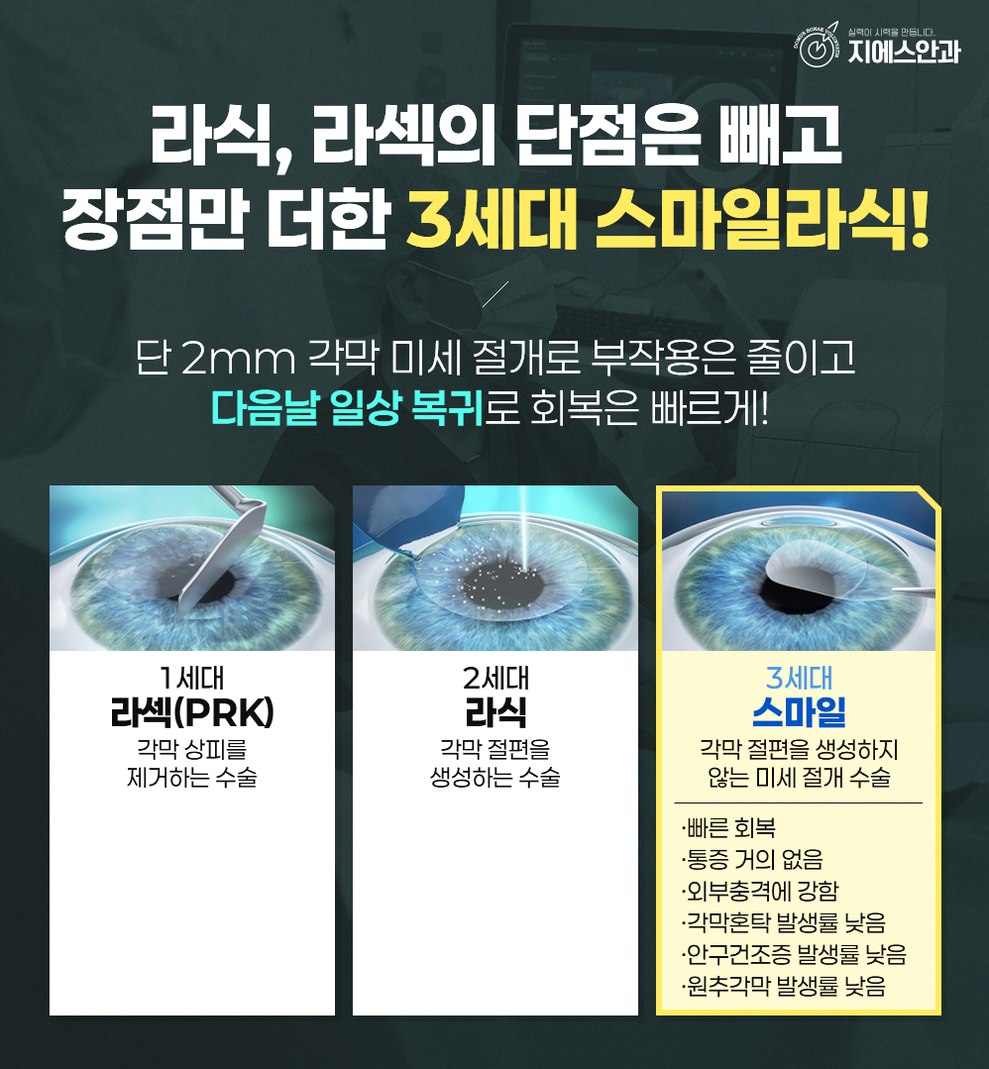
SMILE LASIK is a type of laser vision correction that uses a femtosecond laser to create a thin disc of tissue, called a lenticule, inside the cornea. The surgeon removes this lenticule through a very small incision, usually only a few millimeters. By removing this tissue, the cornea changes shape and can focus light correctly, reducing myopia and astigmatism.
Unlike traditional LASIK, SMILE does not require a large corneal flap. The small incision means that more of the corneal structure is left untouched. This is one reason SMILE is often described as minimally invasive. Many patients report less discomfort after surgery and a faster return to normal daily activities compared with surface procedures like LASEK.
In busy business districts such as Yeoksam and Gangnam, many office workers, IT professionals, and students choose SMILE because it usually offers a quick comfort recovery. People who spend long hours at the computer often worry about dry eye after laser vision correction. SMILE tends to affect fewer corneal nerves than flap-based procedures, which may help reduce the risk or intensity of dry eye symptoms for some patients. However, dry eye can still occur, and careful preoperative assessment is important.
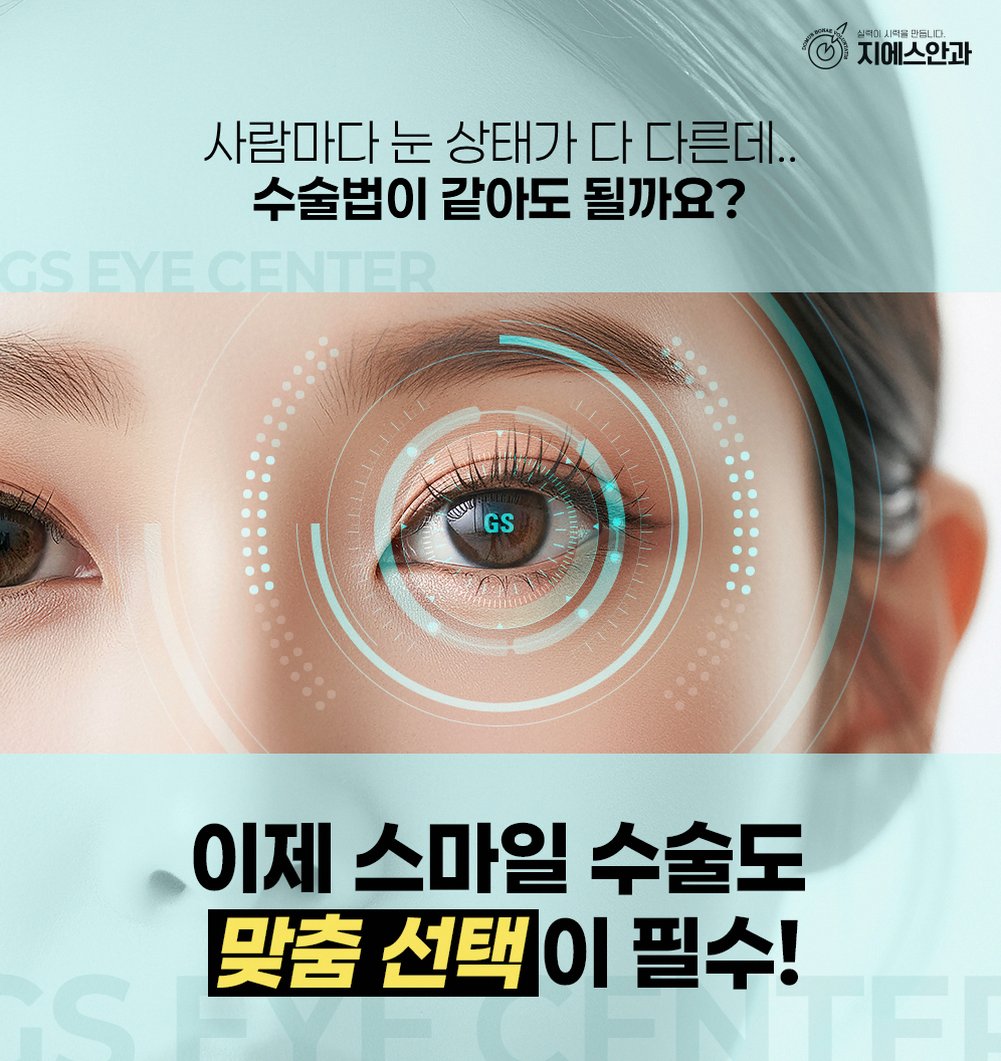
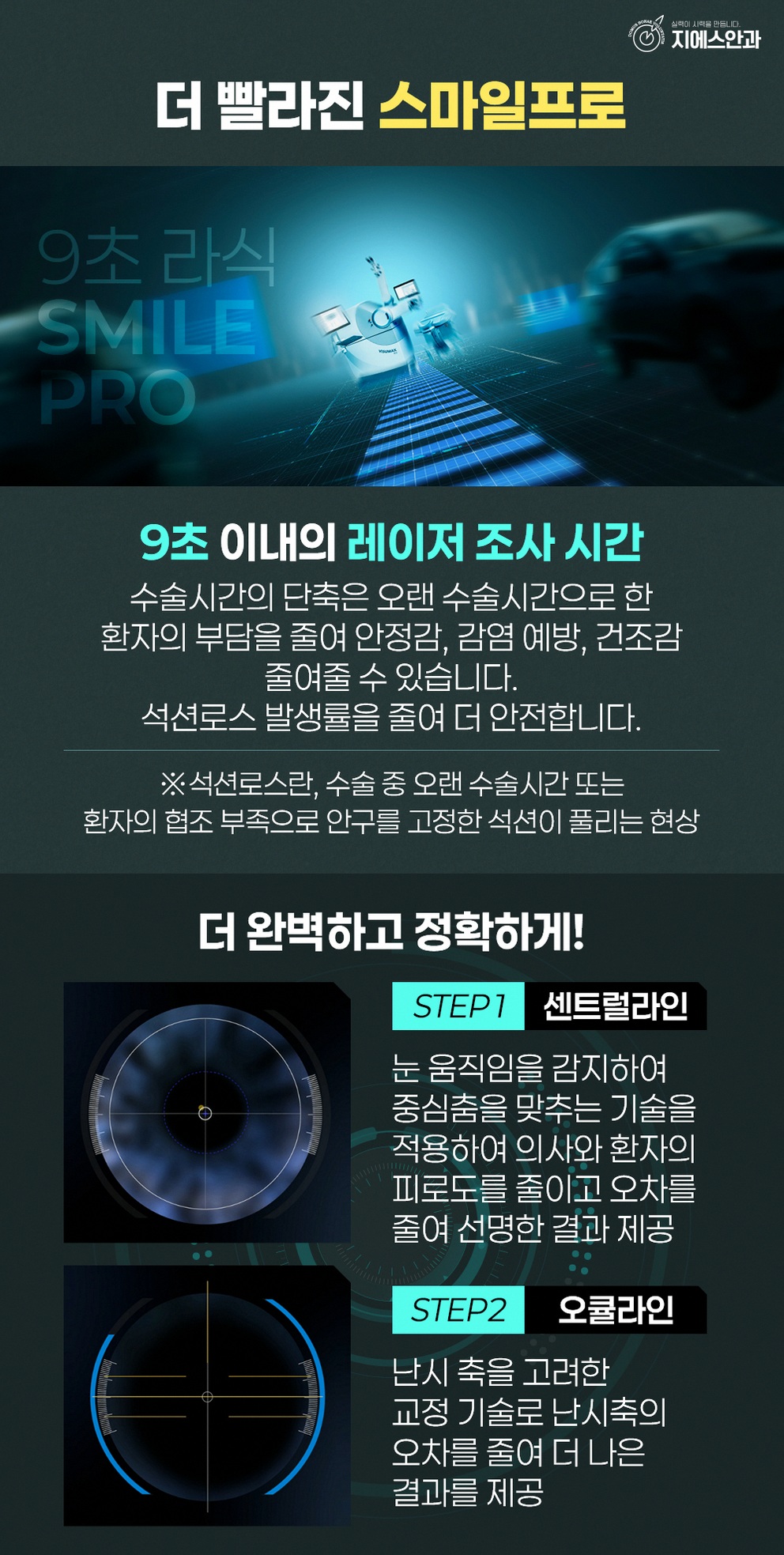
Newer SMILE Pro platforms, such as those using the ZEISS VISUMAX 800, further shorten laser time to under about 9 seconds. For patients with busy schedules, this can make the procedure more comfortable and efficient.
Who may consider SMILE LASIK
SMILE LASIK is generally considered for adults with stable myopia and astigmatism who want to reduce or stop using glasses or contact lenses. Typical candidates are in their 20s to 40s, with stable prescriptions for at least one to two years.
You may consider SMILE if you:
Have moderate to high myopia and some degree of astigmatism
Want a minimally invasive laser procedure with a small incision
Prefer a relatively quick comfort recovery and early return to work
Are active in sports or fitness and want to avoid a large corneal flap
However, not everyone is suitable. Very thin corneas, irregular corneal shape, signs of keratoconus, unstable refraction, certain autoimmune conditions, pregnancy, and severe dry eye can all be reasons to avoid SMILE or to choose another method such as LASEK or lens implantation. This is why a detailed examination at an ophthalmology clinic in Yeoksam is essential before making any decision.
How to judge a good SMILE LASIK eye clinic in Yeoksam
When you search for a good SMILE LASIK clinic around Yeoksam-dong and Gangnam Station, it helps to have a clear checklist. Instead of focusing only on price or online reviews, look at the medical team, experience, equipment, and safety systems.
Ophthalmology specialists and subspecialty coverage
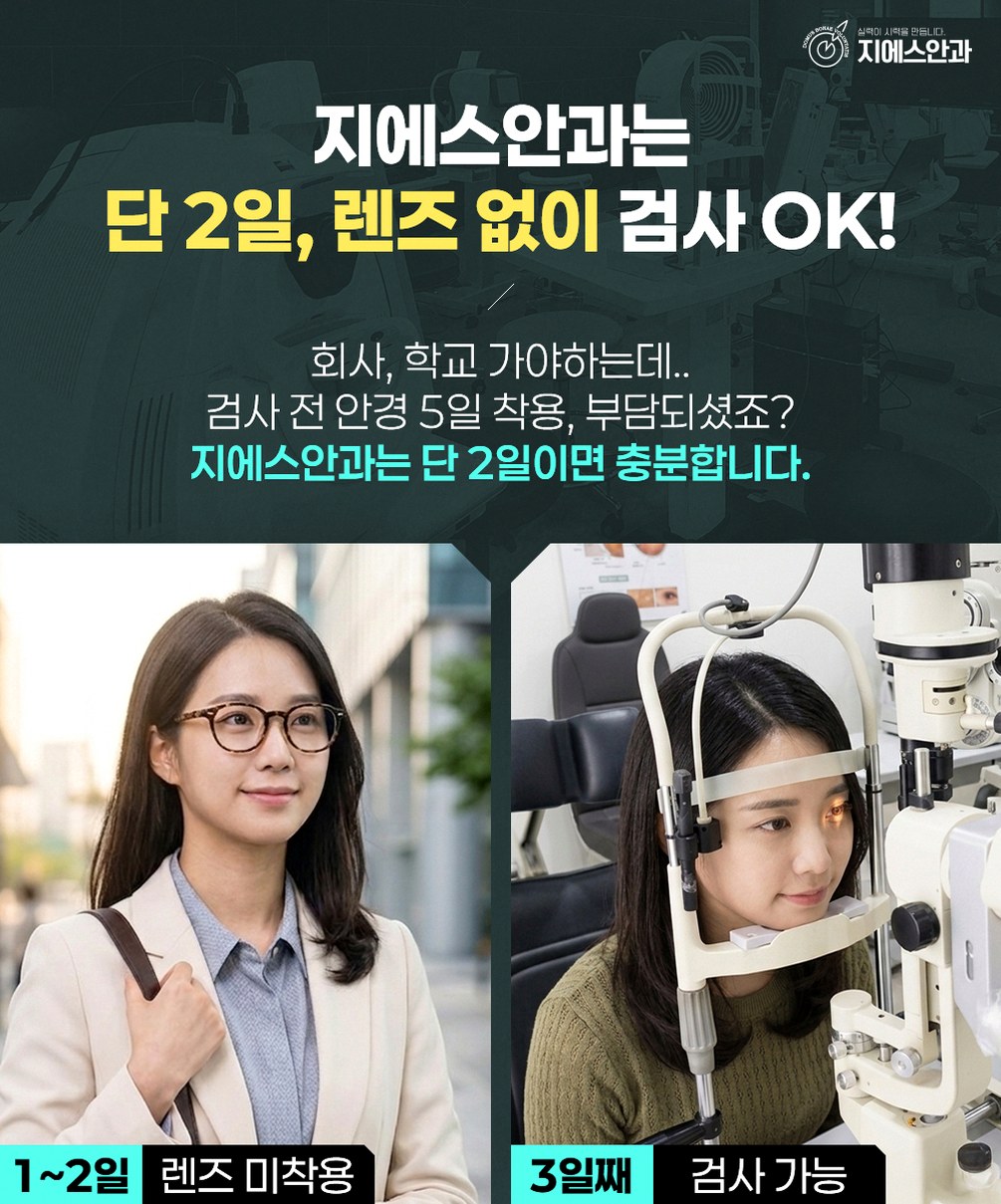
For SMILE LASIK, you should be operated on by an ophthalmology specialist, not a general doctor. In Yeoksam, some clinics, including GS Eye Clinic, have several ophthalmology specialists with different subspecialty backgrounds, such as cornea and retina.
Having multiple surgeons can be helpful for several reasons. It allows internal case discussions, second opinions, and more flexible scheduling. Subspecialists in the retina field are especially important for high myopia patients, because they can check for peripheral retinal degeneration, lattice changes, or small holes that may need treatment before laser vision correction.
Case volume and outcome data
A good SMILE center is usually open about its experience. For example, GS Eye Clinic reports a cumulative total of around 300,000 eyes treated with vision correction and cataract surgery as of 2023. For SMILE Pro specifically, it reports 5,000 eyes by October 2024, 10,000 by August 2025, and 15,000 by April 2026.
When you compare Yeoksam clinics, ask for numbers with dates. How many SMILE or SMILE Pro procedures have they performed? Over what period? Do they also have experience with lens implantation and multifocal intraocular lenses? Large case numbers do not guarantee a specific result for you, but they do show that the clinic has managed many different eye conditions and scenarios.
Official designations and training roles
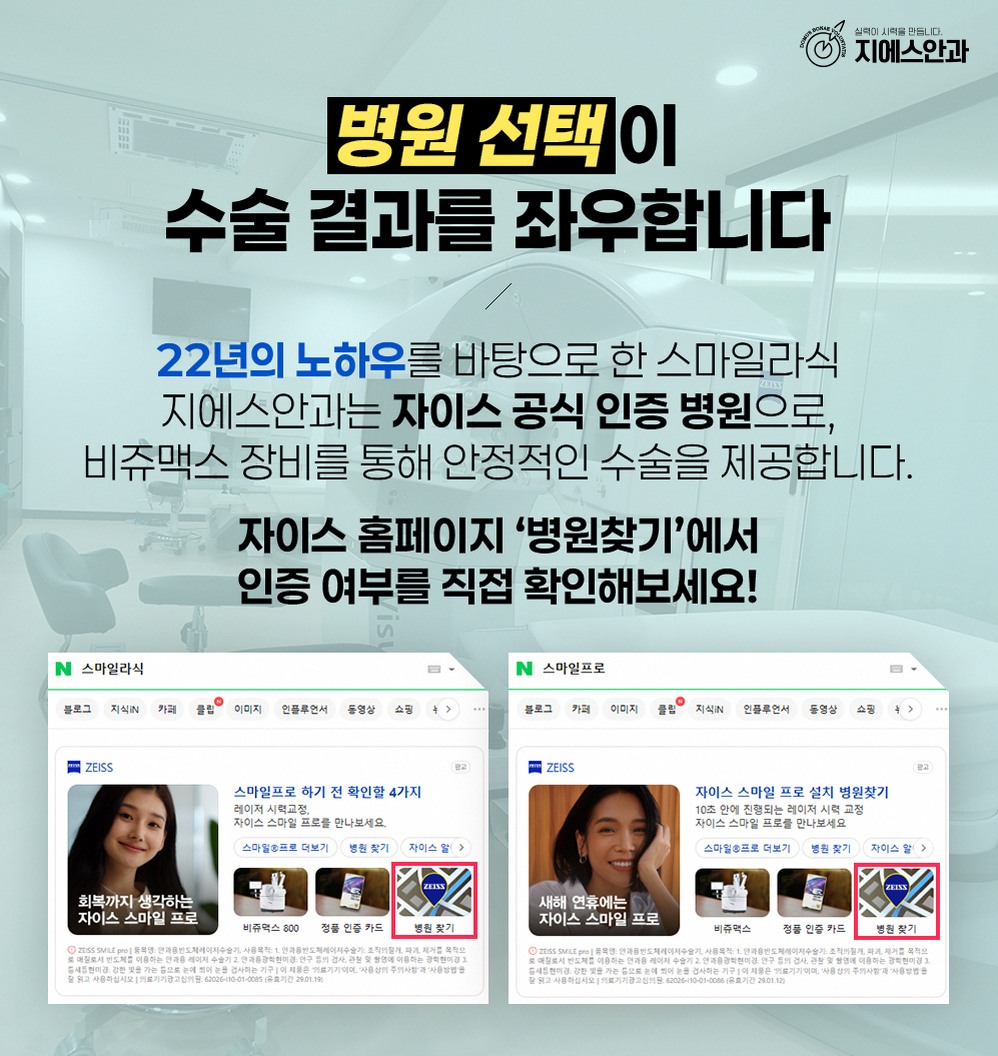
Some clinics are recognized by equipment manufacturers or academic institutions. GS Eye Clinic, for instance, was the first in Korea to join the ZEISS SMILE GOLD CLUB in 2021, later designated as a ZEISS SMILE pro CENTER in 2023 and a SILK TRAINING Center in 2026. It has also been recognized as a clinical education institution by a major medical school in 2023 and by BIOTECH Asia-Pacific in 2024.
For a patient, these titles mean that the clinic is trusted to train other doctors and to use new technology under the supervision of manufacturers and academic bodies. When you evaluate a Yeoksam clinic, check whether it has any similar designations or training roles.
Quality management and ISO certification
SMILE LASIK involves precise steps and strict hygiene. Some centers obtain ISO certifications to show that their processes meet international standards. GS Eye Clinic, for example, achieved ISO 9001 and 14001 standards for SMILE LASIK in 2020. This indicates that it has structured systems for quality control and environmental management.
When you contact a clinic, you can ask whether they have any quality certifications and how they manage safety protocols, equipment maintenance, and infection control.
Comprehensive diagnostics
A good SMILE LASIK evaluation is never a quick, simple eye test. It should include:
Detailed refraction to measure your exact prescription
Corneal topography and tomography to check shape and detect early keratoconus
Corneal thickness measurement and residual thickness planning
Pupil size evaluation, especially for night vision
Tear film and dry eye assessment
Intraocular pressure measurement
Retinal examination, especially for high myopia
Clinics with a separate retina center, like GS Eye Clinic, can examine and treat retinal issues before SMILE. This is particularly important for overseas patients who may not have easy access to follow-up care in their home country.
Example: how a Yeoksam SMILE LASIK center near Gangnam Station operates
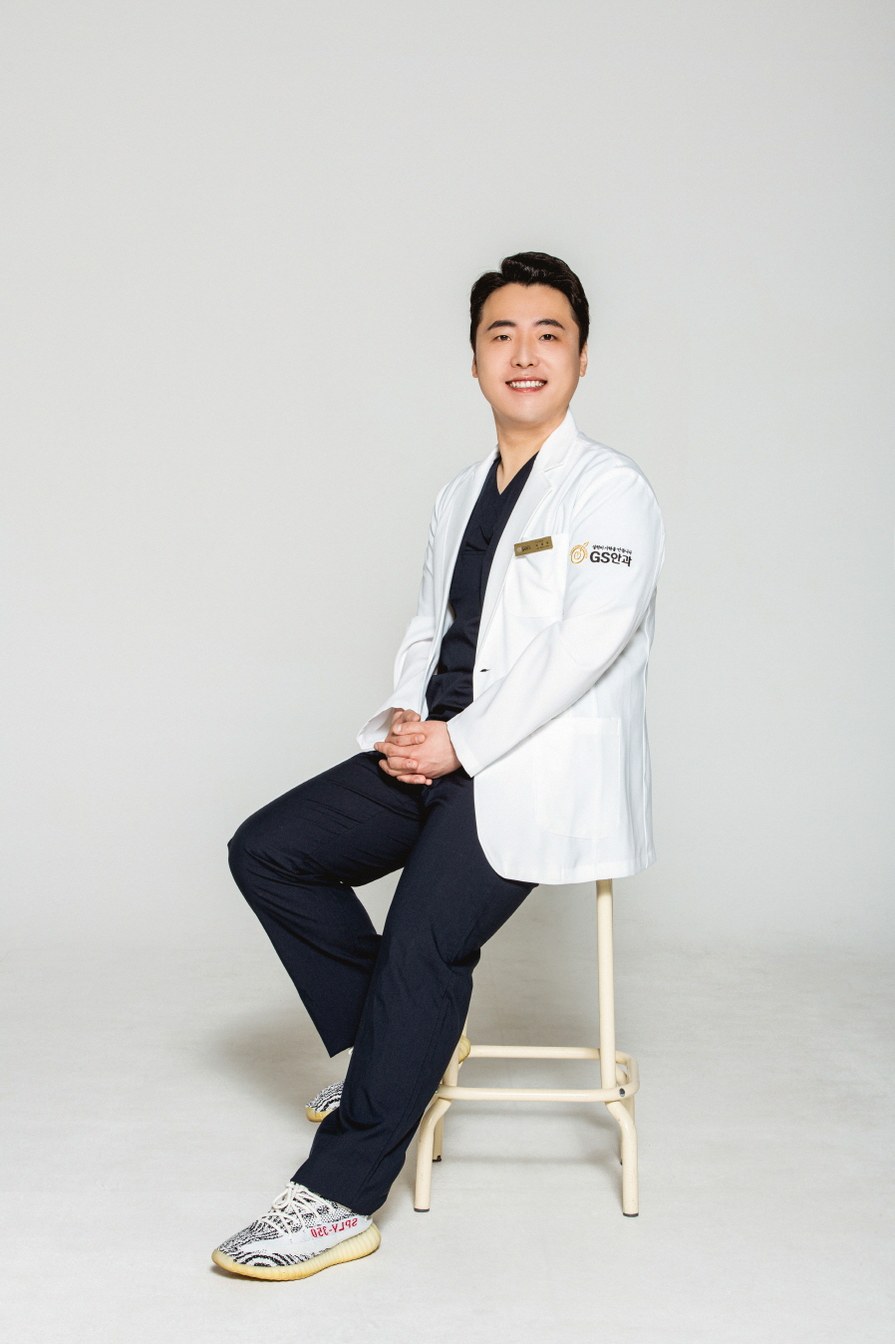
GS Eye Clinic is located on Gangnam-daero near Gangnam Station, within easy walking distance from exits used by commuters in Yeoksam-dong. It has been operating at the same address since 2005 and later changed its name to GS Eye Clinic. The medical director, Dr. Kim Mu-yeon, is an ophthalmology specialist and medical doctor with a background as faculty at a major Catholic university medical center and continues as an adjunct faculty member in ophthalmology.
The clinic has seven ophthalmology specialists, many of whom have experience as clinical instructors, assistant professors, or retina fellows at large hospitals. All surgeons are board-certified ophthalmologists. The team runs educational channels, including a blog, Instagram, YouTube channel under the ophthalmologist’s name, and a Kakao channel, where they explain eye health and surgery in detail.
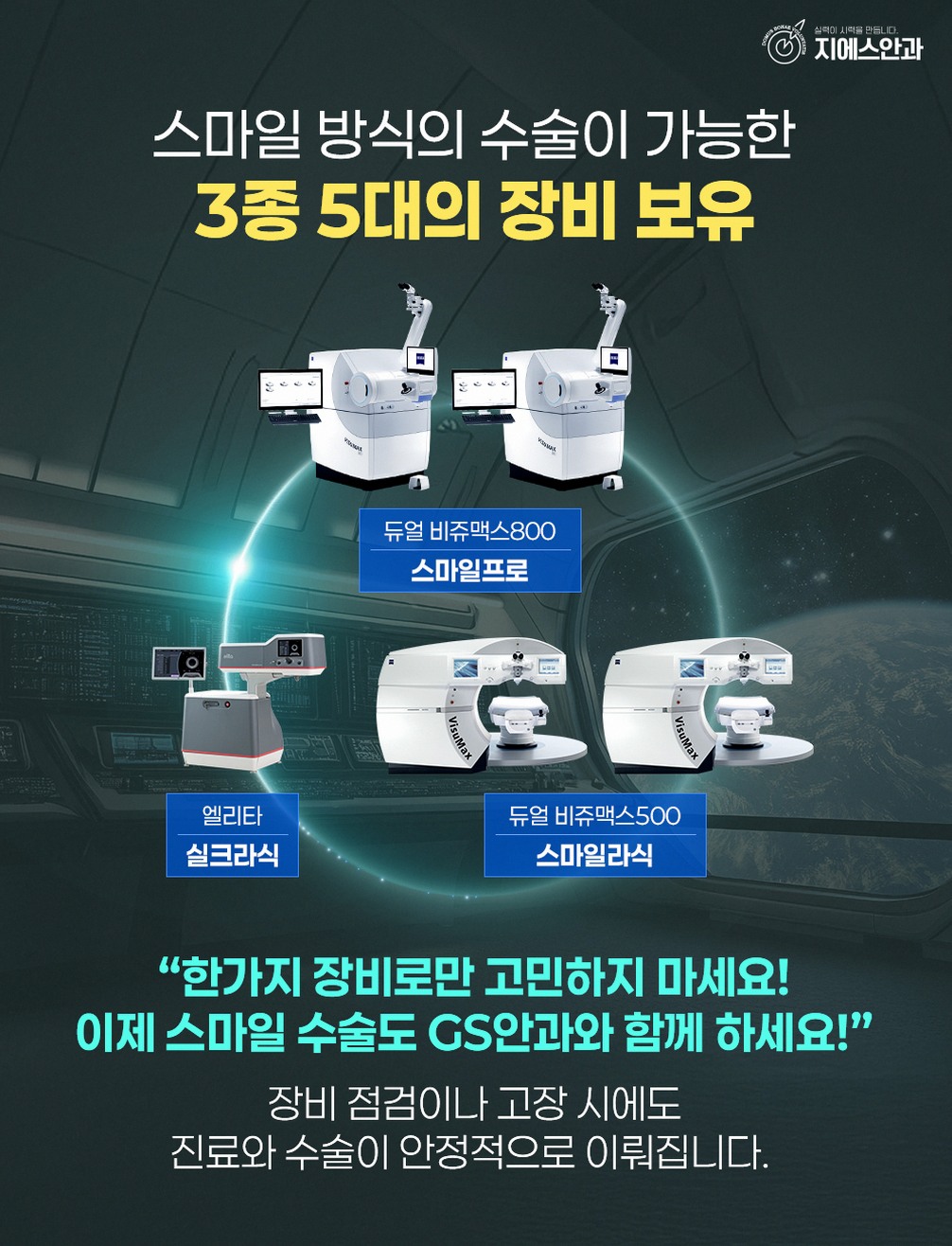
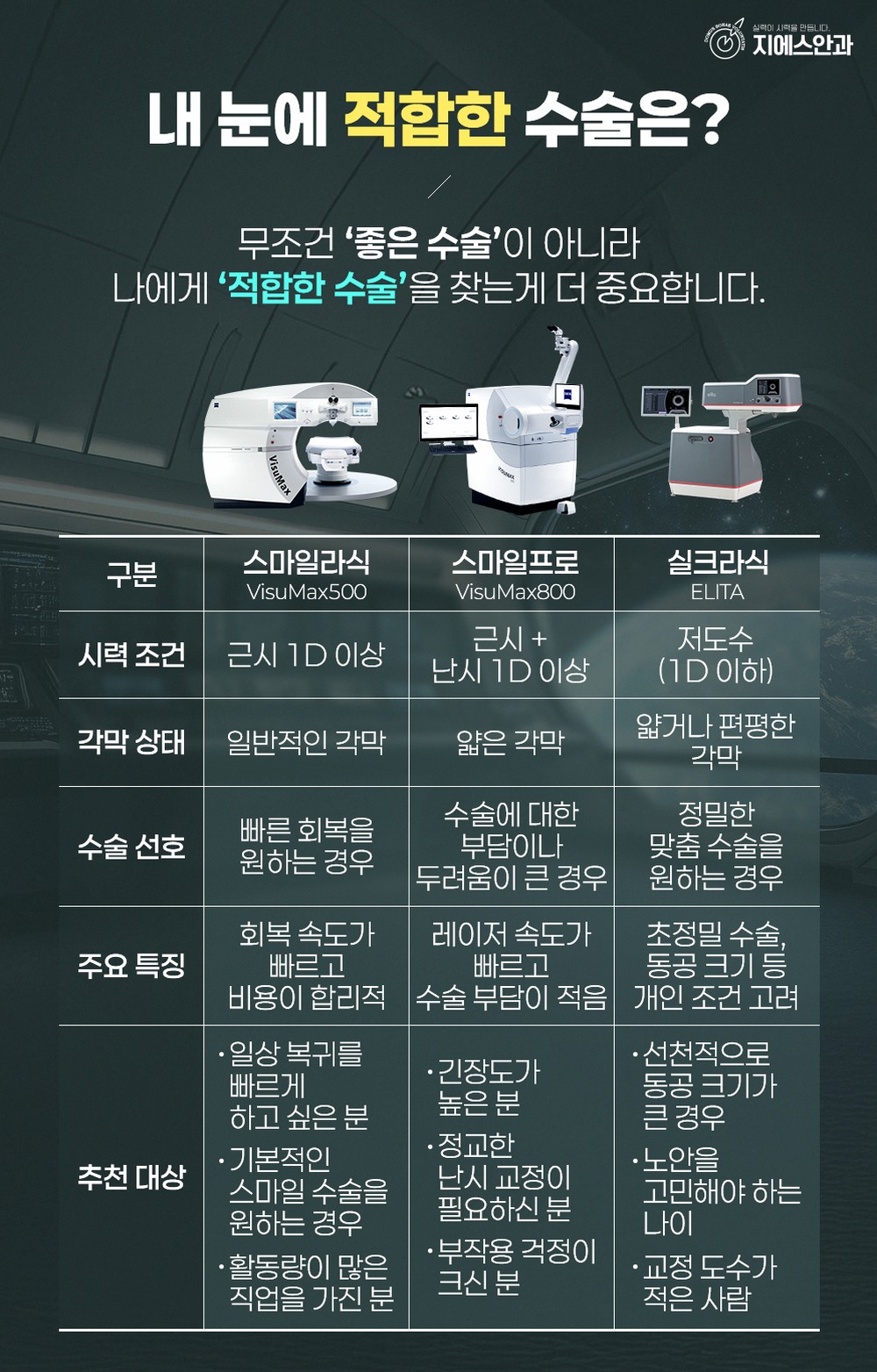
A key feature of this Yeoksam clinic is its equipment. It owns three major SMILE-related femtosecond laser platforms from ZEISS: one VISUMAX 800 used for SMILE Pro, introduced in 2023, and two VISUMAX 500 units used for SMILE LASIK, first introduced in 2016 and expanded to dual systems in 2019. Having multiple platforms allows the clinic to:
Choose between SMILE Pro and standard SMILE based on your eye condition and lifestyle
Provide backup options if one machine is under maintenance
Schedule surgeries more efficiently, reducing waiting time
The clinic also operates a separate retina center staffed by retina fellowship-trained ophthalmologists. For high myopia patients, this means that any peripheral retinal degeneration, holes, or tears can be identified and treated before SMILE LASIK, adding an extra layer of safety.
Step-by-step SMILE LASIK process at a Yeoksam ophthalmology clinic
For international patients coming to Yeoksam or Gangnam for SMILE LASIK, it helps to understand the typical process from first contact to follow-up.
Initial online consultation and pre-visit preparation
Before you travel, most clinics, including GS Eye Clinic, can offer online or messaging-based consultations. You can send your age, current glasses or contact lens prescription, any previous eye surgery history, and medical conditions. This is not a final decision, but it helps the clinic estimate whether you are a possible candidate and how many days you should plan to stay in Seoul.
Before your visit, you may be asked to:
Stop wearing soft contact lenses for several days, and rigid lenses for longer, to allow your cornea to return to its natural shape
Prepare a list of medications and supplements you are taking
Check your travel schedule so that you have enough time for exams, surgery, and follow-up
Comprehensive eye examination in Yeoksam
On your first in-clinic visit, you will undergo a detailed eye examination. At a center like GS Eye Clinic, this usually includes multiple imaging devices for the cornea, tear film evaluation, and retinal imaging. The process can take a few hours, especially if your pupils are dilated for a retina check.
During this visit, the ophthalmology specialist will explain whether SMILE LASIK, SMILE Pro, LASEK, or lens implantation is safer for your eyes. If your cornea is thin or your myopia is very high, the doctor may recommend alternatives such as implantable collamer lenses (ICL) instead of SMILE.
Surgical planning and informed consent
If you are a suitable candidate, the clinic will plan your surgery. This includes selecting the laser platform (VISUMAX 800 for SMILE Pro or VISUMAX 500 for standard SMILE), setting the target refraction, and deciding on any additional procedures such as corneal strengthening if needed.
You will receive information about:
Expected recovery timeline
Possible side effects such as temporary halos, glare, or dry eye
Activity restrictions after surgery
Follow-up schedule, especially important for overseas patients
You should have time to ask questions and to think before signing consent forms. A good Yeoksam clinic will not rush you into surgery on the same day without proper explanation.
Surgery day near Gangnam Station
On the day of SMILE LASIK, you will typically spend one to two hours at the clinic, although the actual laser time is very short. With newer platforms like VISUMAX 800 used for SMILE Pro, the laser time can be under about 9 seconds per eye.
The steps usually include:
Final checks of your eyes
Application of anesthetic eye drops
Positioning under the femtosecond laser
Creation and removal of the corneal lenticule through a small incision
Brief rest in a recovery area
Most patients can walk out of the operating room on their own. You may feel mild discomfort, tearing, or light sensitivity for several hours. Many people in Yeoksam return to office work within a few days, but this depends on individual healing and job type.
Postoperative care and follow-up
After SMILE LASIK, you will use antibiotic and anti-inflammatory eye drops for a period recommended by your surgeon. Artificial tears may be prescribed to help with dryness.
A typical follow-up schedule for international patients might include:
Day 1 check: to confirm that the cornea is clear and healing is on track
One-week check: to monitor vision, dry eye, and night vision symptoms
One-month check: if your stay in Korea is long enough
If you must return home quickly, discuss this in advance so the clinic can adjust the schedule and provide written instructions for your local eye doctor.
Safety considerations and who may not be a candidate
Safety is more important than choosing any specific procedure. You may not be a good candidate for SMILE LASIK if you have:
Very thin corneas or insufficient residual corneal thickness
Keratoconus or suspicious corneal tomography
Unstable prescription or rapidly changing myopia
Severe dry eye that does not respond to treatment
Autoimmune diseases affecting healing
Pregnancy or breastfeeding, depending on your doctor’s advice
Some Yeoksam clinics, including GS Eye Clinic, also offer corneal strengthening procedures and dry eye treatment. In selected cases, corneal strengthening can be combined with or performed before laser vision correction to support long-term corneal stability. Dry eye management before and after surgery can make your recovery more comfortable.
For high myopia patients, a retina specialist should examine the peripheral retina for lattice degeneration, small holes, or weak areas. If needed, these can be treated before SMILE LASIK to reduce the risk of later retinal complications.
Other vision correction options in Gangnam-area eye clinics
While this article focuses on SMILE LASIK, a comprehensive ophthalmology clinic in Yeoksam should be able to explain and offer other options when SMILE is not ideal.
These may include:
LASEK or other surface laser procedures for certain corneal shapes
Implantable collamer lens (ICL) and other phakic lenses for very high myopia or thin corneas
Lens-based procedures for presbyopia and cataract, such as multifocal intraocular lenses, for older patients
A clinic with large experience in lens implantation and multifocal intraocular lenses, like GS Eye Clinic, can handle a wide range of refractive needs. For younger adults, this broader experience can still be beneficial, because the medical team is used to planning long-term vision strategies.
Expected Korea visit timeline for overseas SMILE LASIK patients
If you are flying to Seoul for SMILE LASIK, a typical schedule might look like this:
Day 1: Arrival in Seoul, rest, and adjustment to time zone
Day 2: Full eye examination at a Yeoksam clinic near Gangnam Station
Day 3: Additional tests if needed, discussion of options, and surgery in the afternoon
Day 4: First postoperative check, rest, light sightseeing nearby if your doctor agrees
Day 5–7: Additional follow-up visit, then departure
Some patients choose to stay longer for more follow-up visits. When planning your trip, consider travel insurance, accommodation near Gangnam Station, and easy access to the clinic by subway or taxi.
Practical tips for choosing a SMILE LASIK clinic in Yeoksam
Before you book, it can be helpful to prepare a short checklist and questions to ask each clinic.
Key points to confirm include:
Are all surgeons ophthalmology specialists, and do they have subspecialties such as cornea and retina?
Which SMILE laser platforms are available? For example, do they use VISUMAX 800 for SMILE Pro, VISUMAX 500, or both?
How many SMILE and SMILE Pro cases have they performed, and up to what date?
Do they have a retina center or retina fellowship-trained doctors to examine high myopia patients?
What is their typical follow-up schedule for international patients?
You can also review the clinic’s educational content. GS Eye Clinic, for example, runs a YouTube channel and blog under the ophthalmologist’s name, where they explain eye conditions, surgery steps, and safety considerations. Clear, honest explanations in these channels can help you judge how the clinic communicates and how it handles patient questions.
Aftercare and long-term considerations
After you return home, you should continue regular eye checks with a local ophthalmology clinic. Even if your vision is clear, monitoring for dry eye, night vision changes, and retinal health is important, especially in high myopia.
Ask your Yeoksam clinic to provide a summary of your surgery, including preoperative measurements, laser settings, and postoperative findings. This information can help your local doctor understand your situation if you need care later.
Soft call to action for online consultation
If you are considering SMILE LASIK in Yeoksam or near Gangnam Station and want to understand whether you are a suitable candidate, an online consultation is a practical first step. Clinics such as GS Eye Clinic can review your basic information, explain possible options like SMILE, SMILE Pro, or lens implantation, and suggest how many days you should plan for your stay in Seoul.
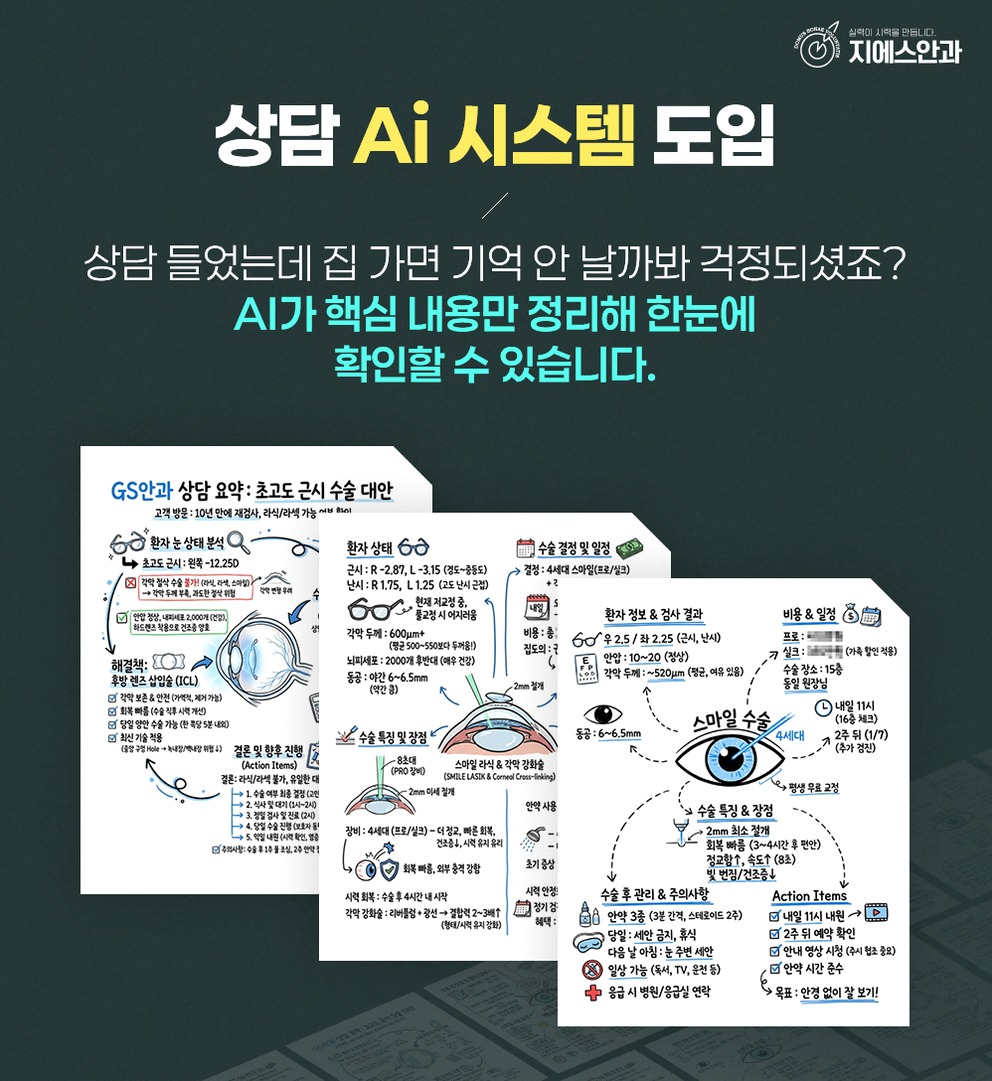
Before contacting a clinic, prepare your current prescription, any previous eye exam reports, and your travel plans. With this information, the medical team can give you more precise guidance and help you design a safe and efficient treatment schedule in Korea.
FAQ
Is SMILE LASIK safer than LASIK for office workers in Yeoksam who use computers all day?
SMILE LASIK uses a small incision and does not require a large corneal flap, which may help preserve more corneal nerves and reduce the risk of dry eye in some patients. For office workers who spend long hours at a computer, this can be an advantage compared with traditional LASIK. However, safety depends on your individual eye condition, including corneal thickness, shape, and tear film. A full examination at an ophthalmology clinic in Yeoksam is necessary to decide which procedure is safer for you.
How long does it take to recover after SMILE LASIK at a clinic near Gangnam Station?
Many patients notice improved vision within one or two days after SMILE LASIK, and some return to office work within a few days. Comfort usually improves quickly, especially with newer platforms like SMILE Pro using the VISUMAX 800. However, vision can fluctuate for several weeks, and mild dry eye or night halos may appear temporarily. Your surgeon will advise you on when you can resume activities such as sports, swimming, or heavy exercise.
What kind of eye examinations should I expect before SMILE LASIK?
Before SMILE LASIK, you should expect a detailed set of tests, not just a simple glasses prescription check. These include refraction, corneal topography and tomography, corneal thickness measurement, pupil size evaluation, tear film and dry eye tests, intraocular pressure measurement, and a retinal examination. At a clinic with a retina center in Yeoksam, such as GS Eye Clinic, high myopia patients may also receive peripheral retina imaging to check for weak areas that need treatment before laser surgery.
Can I get SMILE LASIK if I have very high myopia or thin corneas?
Very high myopia or thin corneas can make SMILE LASIK less suitable or unsafe, because enough corneal tissue must remain after the procedure to maintain long-term stability. In these cases, a Yeoksam clinic may recommend alternatives such as implantable collamer lenses (ICL) or other lens implantation procedures. Only a full examination can determine the safest option for you, and in some situations, the best decision is to avoid surgical vision correction.
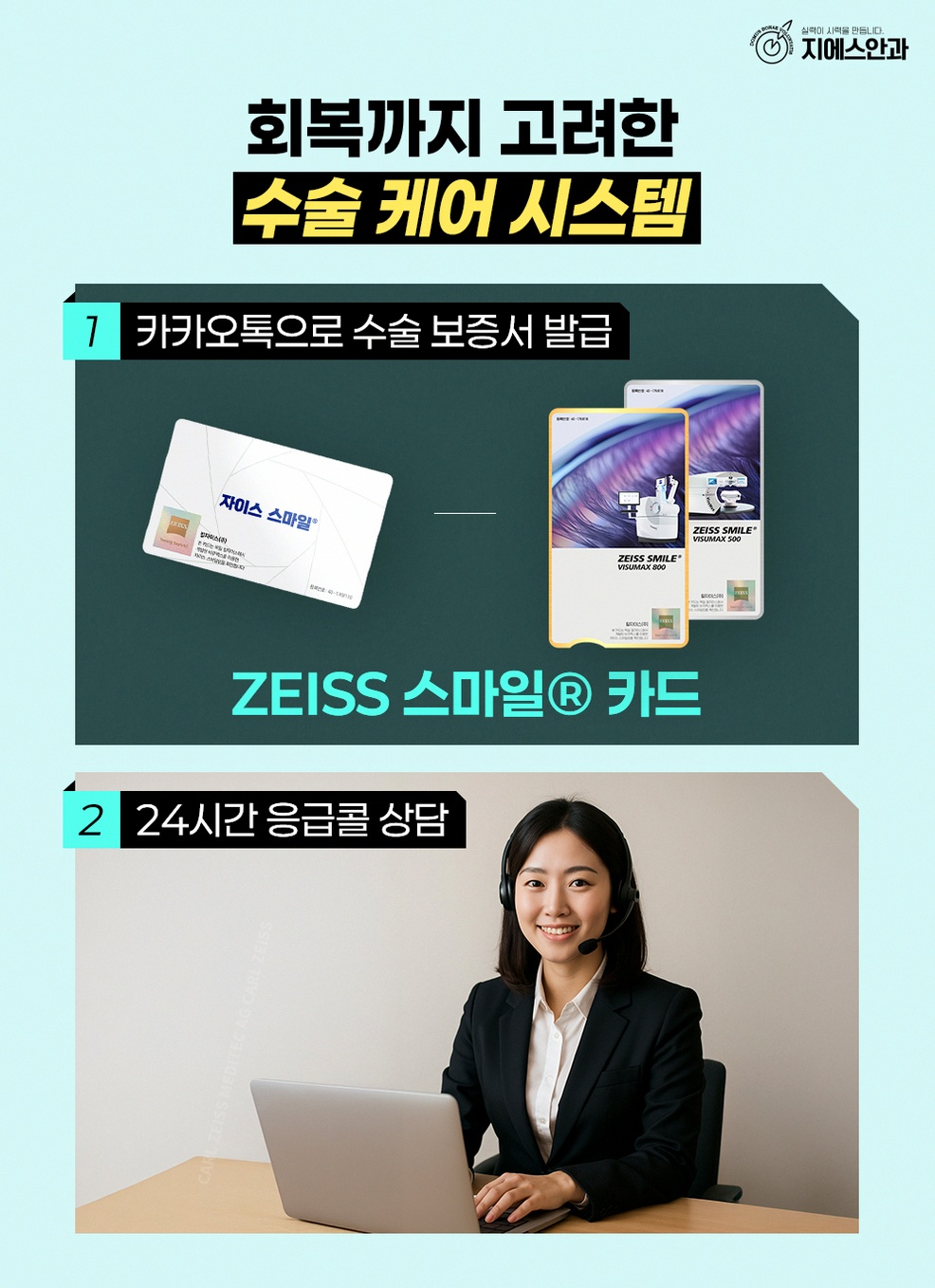
Why does it matter which SMILE laser platform the clinic uses?
Different SMILE platforms, such as the ZEISS VISUMAX 800 and VISUMAX 500, have different laser speeds, software features, and workflow. Newer platforms like VISUMAX 800 used for SMILE Pro can shorten laser time to under about 9 seconds, which may improve comfort and efficiency. Clinics that own multiple platforms, like GS Eye Clinic, can choose the most appropriate system for each patient and have backup options if one unit is unavailable.
How do I know if a Yeoksam eye clinic has enough experience with SMILE LASIK?
Ask the clinic to share their cumulative number of SMILE and SMILE Pro cases, along with the dates up to which these numbers apply. Check whether they have official recognitions such as ZEISS SMILE pro CENTER designation, SMILE GOLD CLUB membership, or roles as a training center. You can also review their educational content and ask how they handle complex cases or complications. Transparent answers and clear data are better indicators of experience than general marketing phrases.
Medical information notice
This article is for general information only and is not a substitute for a personal consultation, diagnosis, or treatment by an ophthalmology specialist. Individual conditions and results can vary. Always discuss your specific situation, risks, and options with a qualified eye doctor before deciding on SMILE LASIK or any other vision correction procedure.

- 공유 링크 만들기
- X
- 이메일
- 기타 앱


댓글
댓글 쓰기