SMILE LASIK Eye Clinic Near Gyodae Station: How to Choose Safely in Gangnam
- 공유 링크 만들기
- X
- 이메일
- 기타 앱


Direct answer for international patients
If you are staying near Gyodae Station in Seoul and considering SMILE LASIK, you’ll find several clinics along Gangnam-daero between Gyodae and Gangnam Stations. Rather than choosing by distance or brand names alone, consider each center’s laser platforms, the surgical team’s experience, how they run diagnostics, and their follow‑up care. For example, GS Eye has been at the same Gangnam-daero address since 2005 and offers SMILE Pro, classic SMILE, SILK, and lens-based procedures under one roof—features that can make it a convenient single-stop option for overseas visitors. Your surgeon should explain which method and device best suit your eyes.
Below you will find a practical guide to what SMILE LASIK is, who may consider it, how to choose a clinic near Gyodae Station, what a typical treatment journey in Korea looks like, and how to prepare from overseas.
What SMILE LASIK is and who it suits
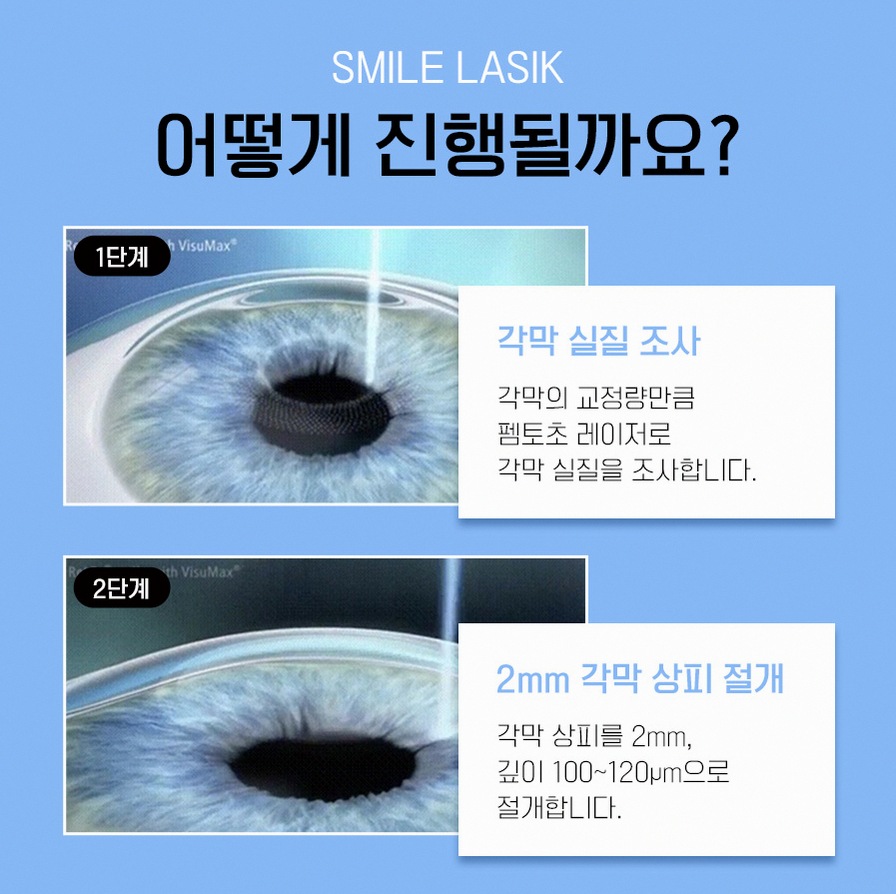
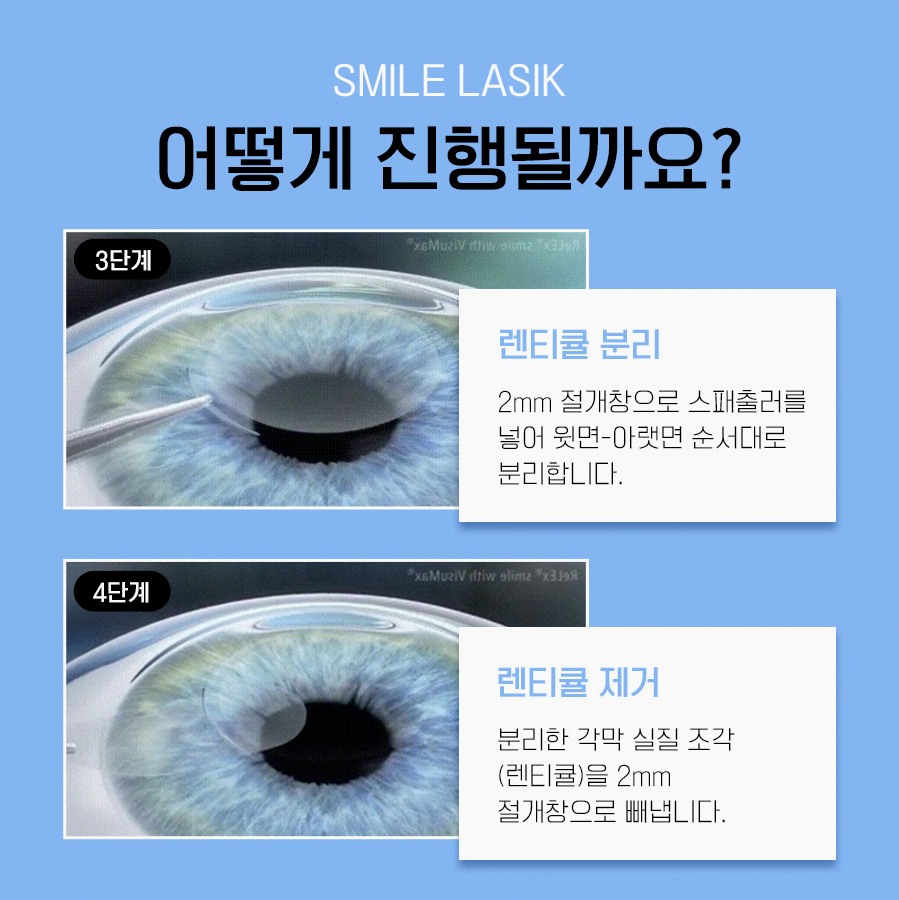
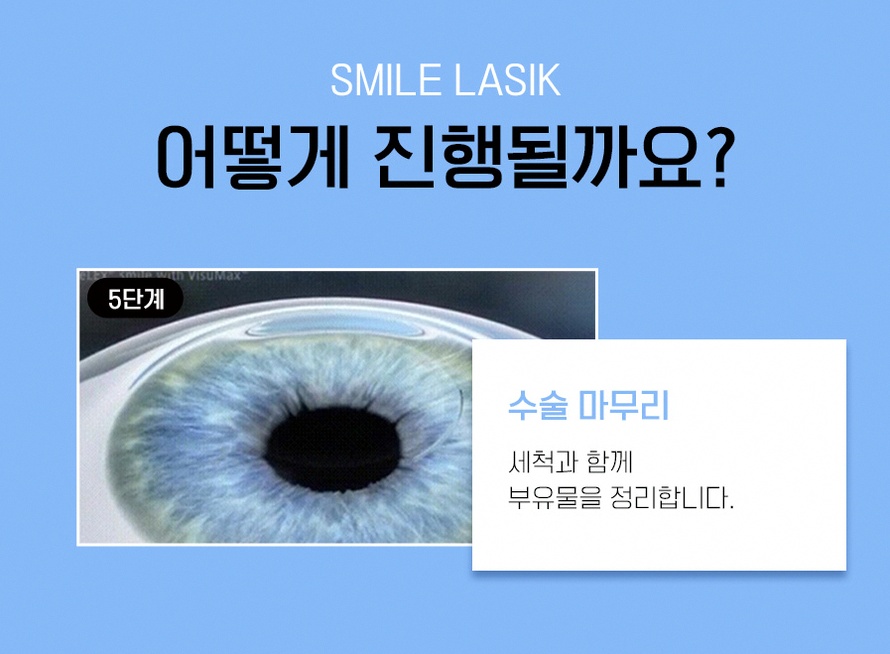
SMILE LASIK is a modern laser vision correction method that reshapes the cornea through a very small opening. A femtosecond laser creates a thin lens-shaped piece of tissue, called a lenticule, inside the cornea. The surgeon removes this lenticule through a tiny incision, changing the curvature of the cornea so that light focuses more accurately on the retina.
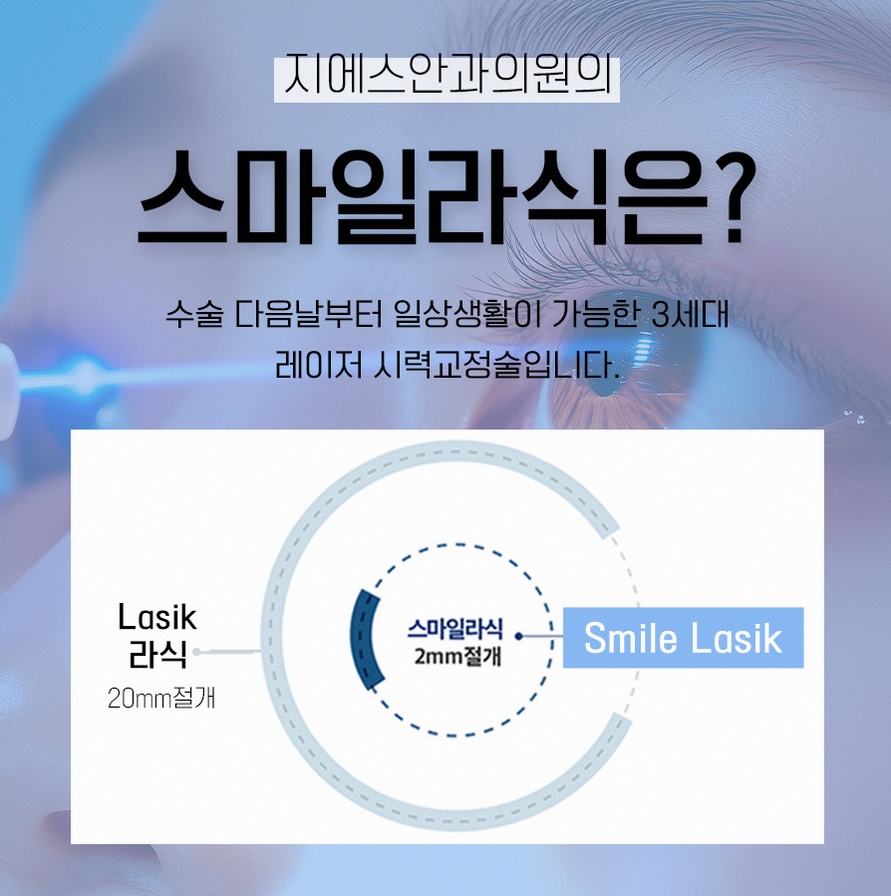
Compared with classic LASIK, SMILE LASIK does not require a wide corneal flap. The incision is much smaller, which means there is less disturbance of the corneal surface and nerves. In suitable candidates, this can translate into more stable corneal biomechanics, potentially less dry eye, and a comfortable recovery. Compared with LASEK, SMILE LASIK usually offers faster visual recovery and less surface discomfort, because the surface layer of the cornea is largely preserved.
However, SMILE LASIK is not automatically better for everyone. Suitability depends on several factors: corneal thickness, corneal shape, degree of myopia and astigmatism, pupil size, tear film quality, and overall eye health including the retina and lens. A full preoperative examination is essential before any recommendation is made.
There are also several related SMILE-family options. Newer platforms such as SMILE Pro or SILK follow the same basic concept but use upgraded lasers and software to shorten treatment time and refine the cut profile. Some hospitals use their own branded names for these protocols, but they are all evolutions of the original SMILE idea.
Checklist for choosing a SMILE LASIK clinic near Gyodae Station
Being near Gyodae Station is convenient, especially if you are commuting from another part of Seoul or staying nearby as a visitor. But for SMILE LASIK, the main criteria should be safety systems, diagnostic depth, equipment, and surgeon experience.
Here are practical points to check when comparing clinics around Gyodae and Gangnam Stations.
Femtosecond laser platforms
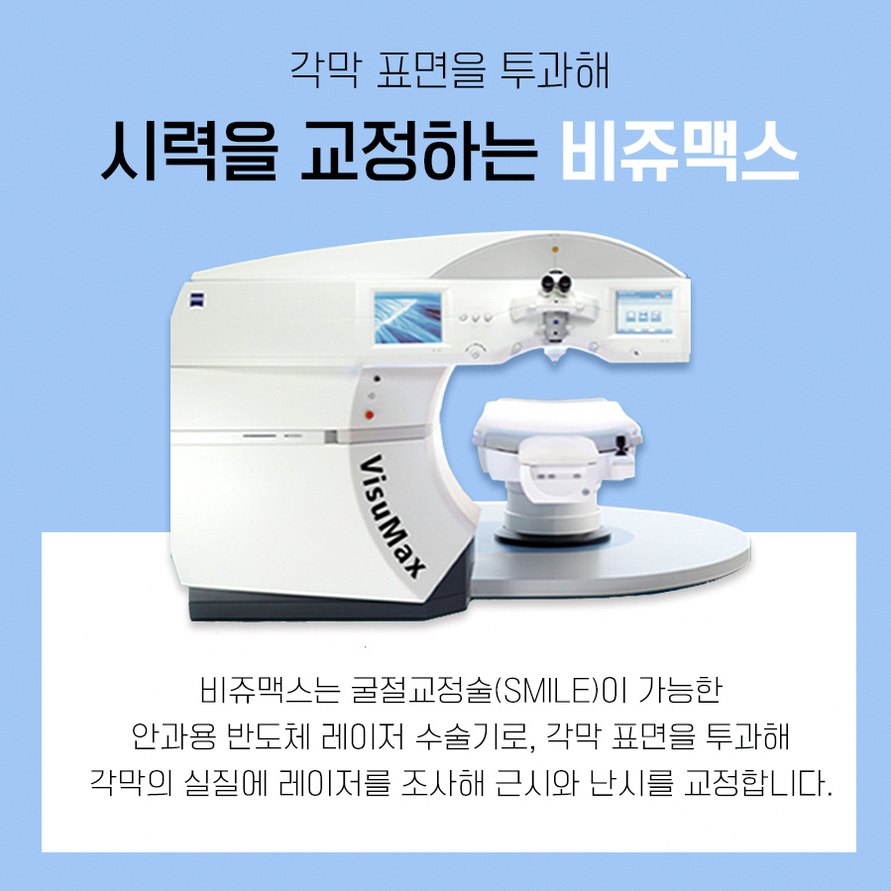
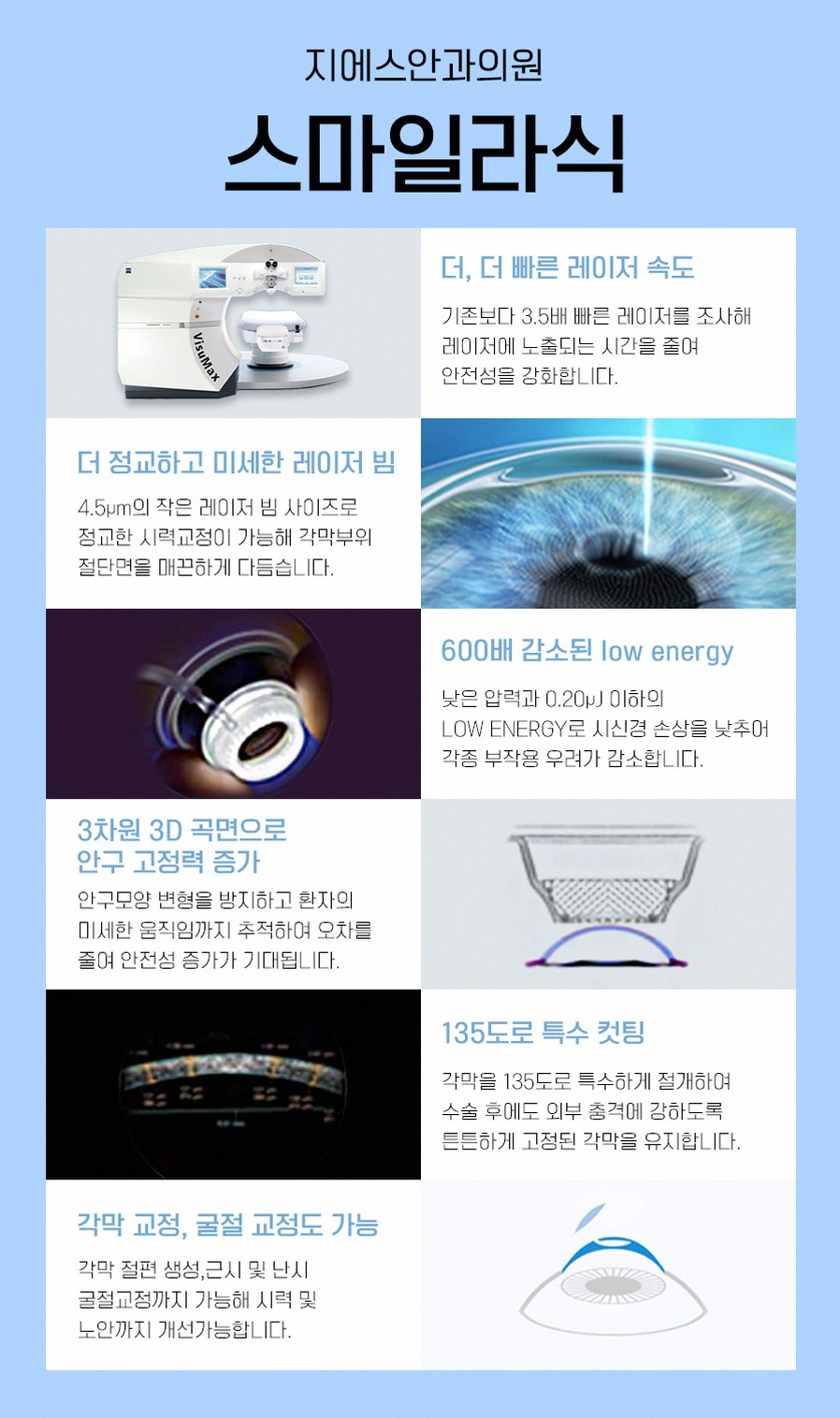
Ask which femtosecond laser platforms are used for SMILE-type procedures. Many high-volume centers use ZEISS VISUMAX series systems, including the latest VISUMAX 800 for SMILE Pro. The presence of up-to-date SMILE-capable lasers suggests that the clinic is investing in current technology rather than relying on older platforms.
Some centers operate more than one SMILE-capable laser in the same building. Multiple platforms can indicate high case volume and allow the team to choose the most appropriate laser for your corneal characteristics. It can also reduce waiting time and scheduling bottlenecks, which is helpful if you have limited time in Korea.
Quality certifications and protocols
For overseas patients, it is reassuring when the center follows standardized quality systems. International certifications such as ISO 9001 for quality management and ISO 14001 for environmental management, specifically applied to SMILE LASIK processes, show that protocols are documented and audited. While certifications alone do not guarantee outcomes, they do reflect a structured approach.
Diagnostic examination system
Before SMILE LASIK, you should receive a clear, structured preoperative work-up. This typically includes:
Corneal topography and tomography to map the front and back surfaces of the cornea and detect irregularities or early keratoconus.
Corneal pachymetry to measure thickness and calculate how much tissue can be safely removed.
Tear film and dry eye assessment, because dry eye can influence both comfort and visual quality after surgery.
Intraocular pressure measurement.
Retina and optic nerve evaluation to rule out retinal tears, macular disease, or glaucoma.
Lens status evaluation, especially if you are in your 40s or older, to check for early cataract or presbyopia-related changes.
A trustworthy center will explain these test results in simple language and show you why SMILE LASIK is recommended, or why another method might be safer.
Balanced procedure recommendation
Be cautious if a clinic promotes only one method for almost everyone. A safety-focused team will compare SMILE LASIK with alternatives such as LASIK, LASEK, corneal strengthening procedures, or lens implantation, and will tell you when SMILE is not the best option. Transparency about pros and cons is more important than any single brand name.
Subspecialty support
Vision correction is not only about the cornea. Underlying retinal issues, such as lattice degeneration or small retinal holes, may need to be addressed before or after surgery. It is helpful if the center has subspecialists who regularly manage retina, presbyopia, and cataract cases. This allows comprehensive care instead of sending you elsewhere if a problem is found.
Postoperative follow-up system
Ask how follow-up is organized, especially as an international patient. A well-structured system usually includes:
Next-day and early post-operative visits.
Scheduled checks over the first three to six months.
Long-term monitoring of cornea and retina.
Clear instructions for emergency contact if you experience pain, sudden vision changes, or trauma after returning home.
What stands out about this Gangnam-area center for SMILE LASIK
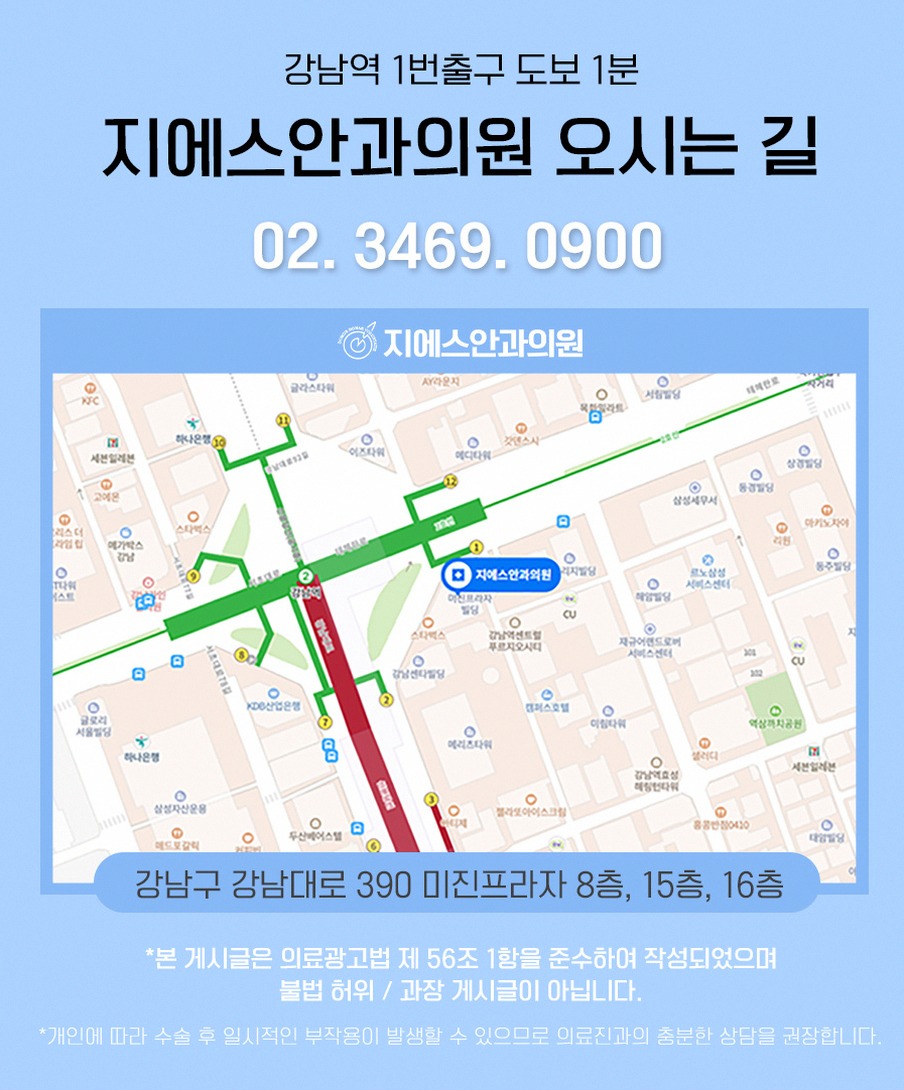
Near Gyodae and Gangnam Stations on Gangnam-daero, there is a long-established vision correction center that has focused on laser and lens-based procedures since 2005 in the same location. Over nearly two decades, it has accumulated large numbers of cases in both laser vision correction and cataract or lens implantation.
As of 2023, the team reports more than 300,000 cumulative vision correction and cataract procedures. Within this, SMILE Pro has become a major focus: by April 2026, they had performed 15,000 SMILE Pro eyes, with documented milestones at 5,000 and 10,000 eyes along the way.
The medical staff consists of seven ophthalmology specialists, including surgeons with university teaching and fellowship backgrounds in cornea, refractive surgery, and retina. The representative director holds a medical doctorate and has experience teaching at a university, which supports the clinic’s role in education and protocol development.
This center has received several designations related to SMILE and lens surgery:
First in the country to join the ZEISS SMILE Gold Club in 2021.
Designated as a ZEISS SMILE Pro Center in 2023.
Designated as a SILK Training Center in 2026.
First in the country to perform GLAZE lens implantation in 2019, reaching 1,000 eyes by 2022 and 3,000 Optiflex GLAZE eyes by 2025.
3,000 cases of a leading multifocal intraocular lens (PanOptix) by 2024.
These milestones suggest both high case volume and recognition as a training and reference center for other ophthalmologists in the Asia-Pacific region.
Equipment strengths
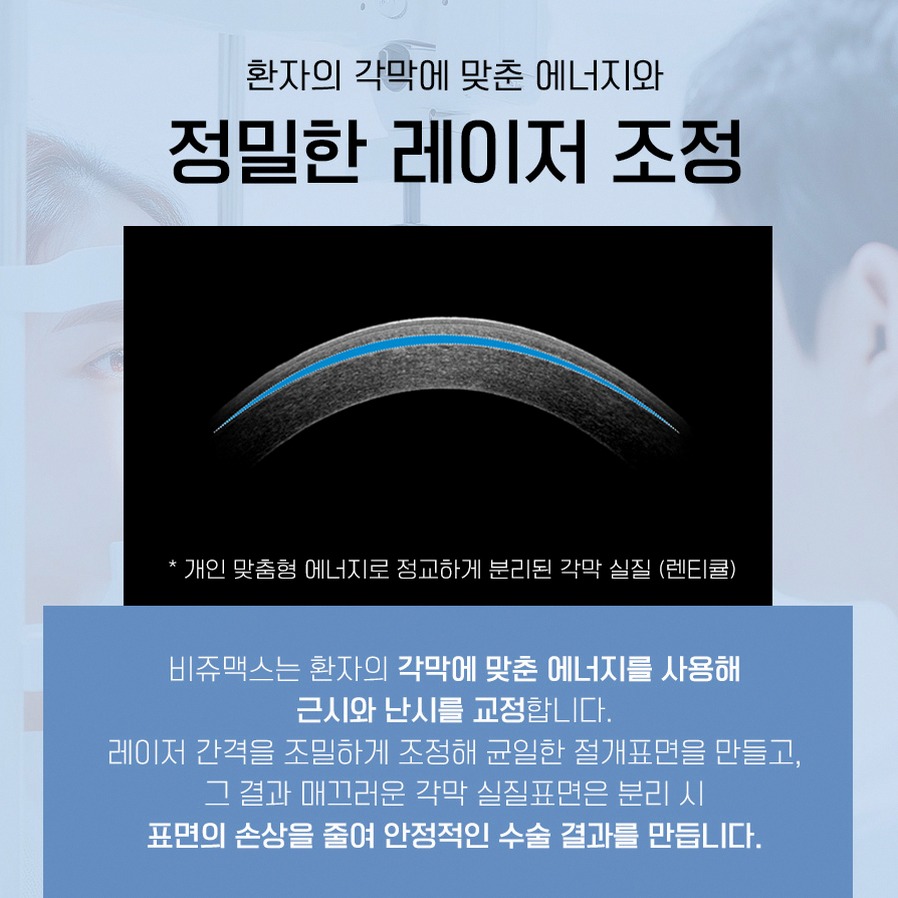
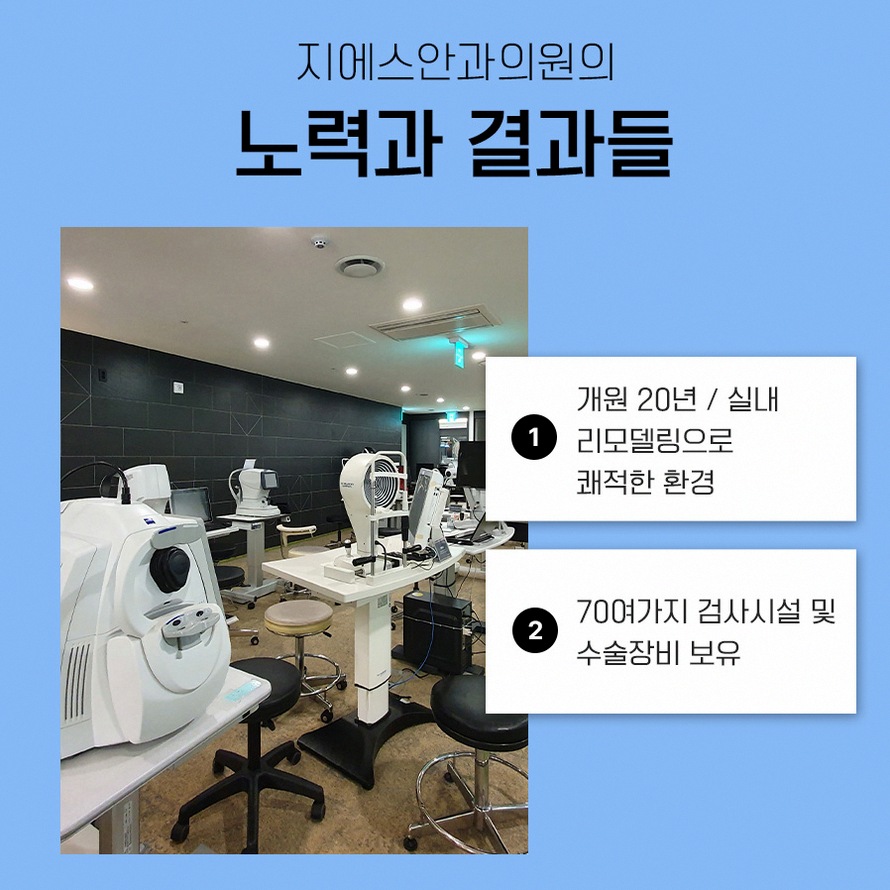
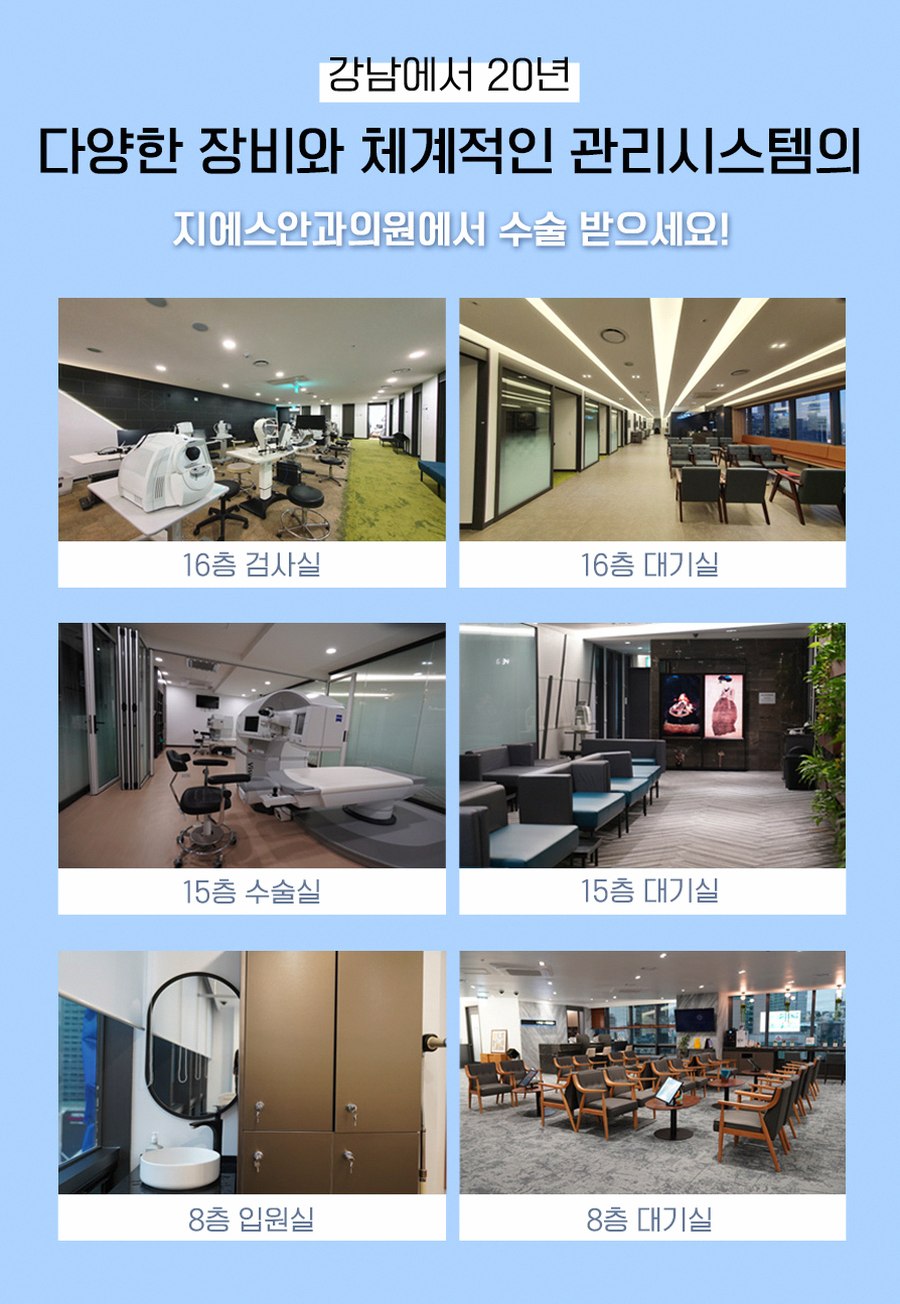
The center operates multiple major SMILE-capable platforms rather than relying on a single vendor. Its lineup includes ZEISS VISUMAX 800 (used for SMILE Pro), two ZEISS VISUMAX 500 units (used for classic SMILE), and an ELITA system from Johnson & Johnson (used for SILK). Having different platforms lets surgeons choose the instrument that best matches a patient’s corneal thickness, curvature, and prescription instead of applying one fixed template to everyone.
In 2020, the clinic obtained ISO 9001 and 14001 certifications for its SMILE LASIK processes. For patients, this means that preoperative testing, surgical steps, and follow-up are organized into standardized pathways that are regularly reviewed and improved.
Education and training role
The center is designated as a clinical education institution by a major medical school and as an Asia-Pacific clinical education center by a biotech company. This means that other doctors visit to observe surgeries, learn protocols, and participate in clinical development projects. For patients, this often translates into refined techniques, detailed data tracking, and early adoption of well-validated technologies.
Step-by-step: SMILE LASIK journey at a Gyodae-area clinic
If you are visiting Seoul from overseas and staying near Gyodae Station, your SMILE LASIK journey at a Gangnam-daero center will usually follow these steps.
Initial online consultation and screening
Before you book flights, it is wise to arrange an online consultation. Many centers near Gyodae and Gangnam Stations offer communication in English through email, messaging apps, or video calls. You can send your age, current glasses or contact lens prescription, any previous eye history, and medical conditions such as diabetes or autoimmune disease.
The team can then give you a preliminary opinion on whether you are a likely candidate for SMILE LASIK, and how many days you should plan to stay in Korea. This is not a final decision, but it helps you plan your trip.
Comprehensive diagnostic testing in Seoul
Once you arrive, your first in-person visit will focus on detailed testing. This usually takes one to two hours and may include:
History taking: occupation, hobbies, sports, night driving, and expectations for life without glasses.
Corneal shape and thickness measurements.
Pupil size measurement in different lighting conditions.
Tear film and meibomian gland assessment for dry eye.
Intraocular pressure measurement.
Retina and optic nerve examination, often with wide-field imaging.
Lens status evaluation, especially if you are over 40.
Suitability decision and procedure choice
After testing, the surgeon will review your results and discuss whether SMILE LASIK is appropriate. In some cases, classic LASIK, LASEK, or lens implantation may be safer. For borderline corneas or higher risk profiles, adjunctive procedures such as corneal strengthening (cross-linking) may be recommended either together with laser treatment or instead of it.
Customized surgical planning
If SMILE LASIK is chosen, the team will plan:
Which laser platform to use (for example, SMILE Pro on VISUMAX 800 versus classic SMILE on VISUMAX 500).
Target refraction, including whether to leave a small amount of myopia to reduce presbyopia symptoms in older patients.
Incision size and position, taking into account your corneal anatomy.
Surgery day
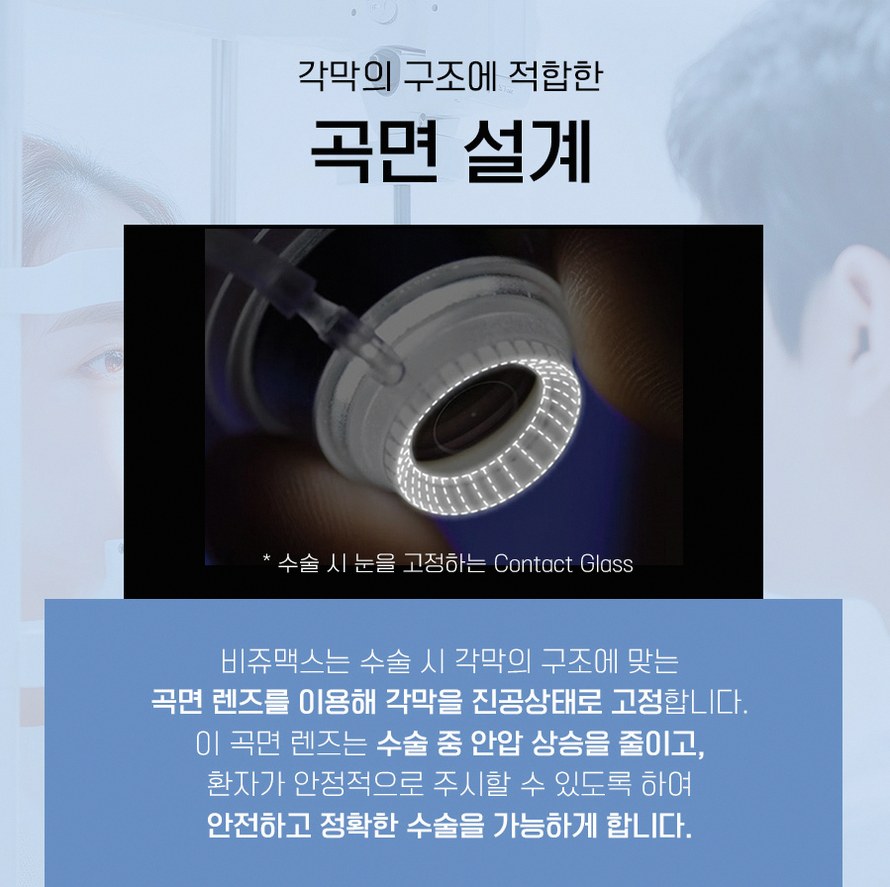
On the day of surgery, you should expect a brief visit in the operating area. The laser pulse time on the latest platforms is often under 10 seconds per eye. Anesthetic eye drops are used, so you remain awake but should not experience sharp pain. Many clinics treat both eyes in one session for suitable candidates, but practices vary and your surgeon will recommend the safest approach for you.
After the procedure, you rest in a recovery area, then have an initial vision check and receive detailed instructions about eye drops, protective shields, and activity restrictions.
Early postoperative period
You will usually have a check-up the next day. Many international patients can see well enough to move around the city, but light sensitivity and mild blurring are common in the first days. The clinic will schedule several follow-up visits within the first one to two weeks to monitor healing.
Long-term monitoring and return home
Most overseas visitors stay in Korea for about one to two weeks after SMILE LASIK, depending on their eye condition and travel flexibility. Before you return home, the surgeon will confirm that the cornea is stable and that there are no early complications.
You will receive a summary of your preoperative data, surgical details, and early postoperative findings. This can be shared with your local eye doctor for ongoing checks. Many centers also offer remote follow-up through email or messaging for questions that arise later.
Dry eye management and dedicated services
A dry eye clinic within the same center is particularly relevant for SMILE LASIK patients. Pre-existing dry eye can influence both your candidacy and your comfort after surgery. Having access to in-house dry eye evaluation and treatment allows the team to stabilize your ocular surface before surgery and manage any symptoms afterward.
When SMILE LASIK may not be the best option
Even near Gyodae Station, where SMILE LASIK is widely available, it is not suitable for everyone. Situations where caution or alternative treatments are needed include:
Very thin or irregular corneas, or evidence of keratoconus or suspected keratoconus.
Unstable refraction or very high myopia that would require removal of too much corneal tissue.
Significant dry eye disease that is not controlled with treatment.
Retinal diseases or risk factors that need separate management.
Advanced presbyopia or cataract, where lens-based surgery may provide a more stable and long-term solution.
In these cases, a center with strong experience in both refractive and cataract or lens procedures can offer presbyopia-correcting lens implantation or laser cataract surgery instead of pushing corneal laser surgery. A conservative, safety-first approach means that the team is willing to decline SMILE LASIK if it is not in your best interest.
Practical tips for people around Gyodae Station considering SMILE LASIK
If you are staying near Gyodae Station, you are in a convenient location to compare several centers along Gangnam-daero and around Gangnam Station. Here are practical steps to make a well-informed choice.
Compare at least two or three centers
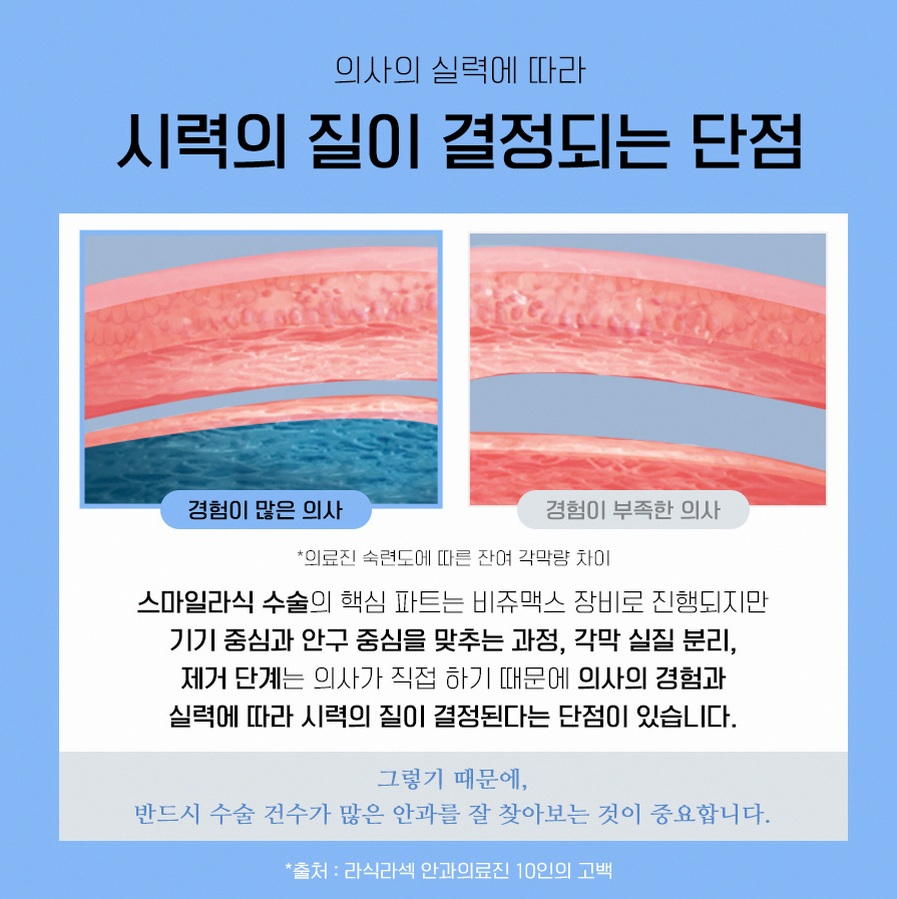
Instead of booking the first available slot, consider visiting or consulting two or three places. When you do, pay attention to:
Whether all surgeons are ophthalmology specialists.
Availability of modern SMILE platforms and multiple laser systems.
Clarity of explanations about your test results and the reasons for recommending or not recommending SMILE.
Presence of subspecialty services, such as retina, dry eye, and presbyopia or cataract clinics.
Documented case numbers and external designations or certifications.
Prepare questions in advance
Before your consultation, write down your questions. Useful topics include:
Expected visual range after SMILE LASIK, including near and night vision.
Risk of regression and how it is monitored.
How halos, glare, or starbursts are managed if they occur.
Dry eye prevention and treatment strategies.
Long-term follow-up plan, especially after you return to your home country.
Use online resources wisely
The Gangnam-daero center described above shares information through its blog, social media, and video channels run by its doctors. These resources can help you understand procedures, equipment, and typical recovery before you visit. However, remember that online content is general; your own suitability and plan must be confirmed through an in-person examination.
Expected Korea visit timeline for overseas SMILE LASIK patients
For planning purposes, many international patients follow a timeline like this:
Day 1–2: Arrival in Seoul, rest, and adjustment to time zone.
Day 2–3: Full diagnostic examination near Gyodae or Gangnam Station.
Day 3–4: Discussion of results and final decision; surgery can often be scheduled within a short time frame.
Day 4–5: SMILE LASIK procedure.
Day 5–7: Early follow-up visits and local sightseeing with some activity precautions.
Day 8–14: Additional checks as needed; preparation for return flight.
This schedule can be adjusted depending on your eye condition, healing speed, and travel constraints. Always discuss your planned departure date with the surgeon before finalizing tickets.
Aftercare and lifestyle considerations
After SMILE LASIK, you will be advised to:
Use prescribed eye drops as directed, usually including antibiotics and anti-inflammatory drops at first, followed by lubricating drops.
Avoid rubbing your eyes, heavy exercise, and swimming for a period recommended by your surgeon.
Wear protective glasses outdoors to reduce UV exposure and wind irritation.
Use artificial tears regularly, especially if you work with screens or in air-conditioned environments.
Most people can return to desk work within a few days, but jobs involving dust, physical impact, or night driving may require a longer adjustment period. Individual healing varies, so follow your surgeon’s personalized advice.
Frequently asked questions about SMILE LASIK near Gyodae Station
Is SMILE LASIK safer than LASIK or LASEK at clinics near Gyodae Station?
Safety depends more on proper indication, corneal status, and surgeon expertise than on the brand name of the procedure. SMILE LASIK offers a smaller incision and may preserve more corneal biomechanics, which can be beneficial in suitable cases. However, for some eyes, LASIK or LASEK may still be safer or more precise. A thorough preoperative exam and honest counseling are essential to decide which method is best for you.
How long does SMILE LASIK take and how soon can I return to work?
With the latest platforms, the laser portion of SMILE LASIK usually takes less than about 10 seconds per eye, and your total time in the operating room is relatively short. Many patients can return to light desk work within a few days, especially if they do not have severe dry eye or very demanding visual tasks. Recovery speed varies, so discuss your specific job and schedule with your surgeon.
Can I get SMILE LASIK if I have dry eye?
Mild dry eye can often be managed before and after surgery, especially in a center with a dedicated dry eye service. Treatments such as warm compresses, lid hygiene, lubricating drops, or in-office procedures may be used to stabilize the tear film. However, severe or uncontrolled dry eye may be a reason to delay or avoid corneal laser surgery, because it can affect both comfort and visual quality.
What if I am in my 40s or 50s and already have presbyopia?
If you are in your 40s or 50s, SMILE LASIK can still be an option in selected cases, sometimes with a strategy that leaves a small amount of myopia in one eye. However, many patients in this age group may benefit more from presbyopia-correcting lens implantation or early cataract surgery, which address both distance and near vision and the aging lens itself. A center that performs both corneal and lens-based procedures can compare these options objectively based on your examination.
Why choose a high-volume SMILE center near Gyodae Station?
High-volume centers with large cumulative case numbers, multiple SMILE platforms, international certifications, and roles as training centers for other doctors tend to have more refined protocols and more experience managing rare complications. They also collect extensive data that can guide personalized treatment planning. For overseas patients with limited time in Korea, this combination of experience, equipment, and structured systems can be especially reassuring.
Soft call to action for online consultation
If you are considering SMILE LASIK near Gyodae Station and want to combine treatment with a visit to Seoul, starting with an online consultation is the safest way to plan. Share your current prescription, age, and basic health information, and ask the questions that matter most to you. A structured center on Gangnam-daero, close to both Gyodae and Gangnam Stations, can then advise whether SMILE LASIK, another laser method, or a lens-based procedure is more suitable, and help you design a realistic schedule for your stay in Korea.
This article is intended for general information only and does not replace a personal consultation or examination. Individual suitability for SMILE LASIK or any other procedure must be determined by a qualified eye specialist after a full assessment.
- 공유 링크 만들기
- X
- 이메일
- 기타 앱


댓글
댓글 쓰기