SMILE LASIK for Astigmatism: Can It Help You in Gangnam, Seoul?
- 공유 링크 만들기
- X
- 이메일
- 기타 앱



Direct answer summary
le for every patient: very high or irregular astigmatism, thin or weak corneas, and rapidly changing prescriptions may preclude the procedure. Careful preoperative measurements, precise alignment during surgery, and an experienced surgical team are therefore essential to achieve safe, predictable results.
This guide explains how SMILE LASIK works for astigmatism, who may consider it, what to expect when traveling to Seoul for treatment, and what to check when choosing an eye clinic near Gangnam Station.
Treatment overview: SMILE LASIK for astigmatism
Astigmatism in simple terms
Astigmatism is a focusing problem caused by an irregular curvature of the cornea or lens. Instead of being evenly curved like a smooth dome, the eye’s surface is slightly steeper in one direction and flatter in another, like a rugby ball rather than a perfect football.
Because of this uneven shape, light does not focus on a single sharp point on the retina. This can lead to blurred or distorted vision at all distances.
Common symptoms of astigmatism include:
Ghosting or double contours around letters and lights
Blurred vision both far and near
Difficulty seeing clearly at night, especially with streetlights or headlights
Eye strain, headaches, or fatigue after reading or screen work
Many people have astigmatism together with myopia (nearsightedness), which is exactly the group often considering SMILE LASIK.
What is SMILE LASIK?
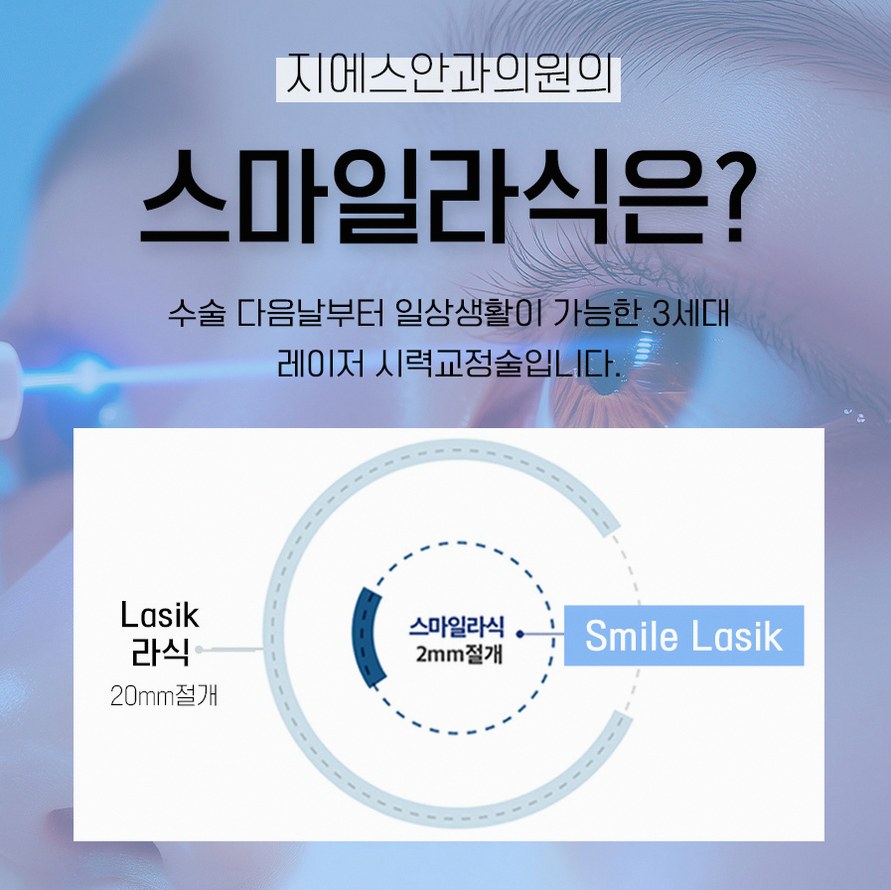
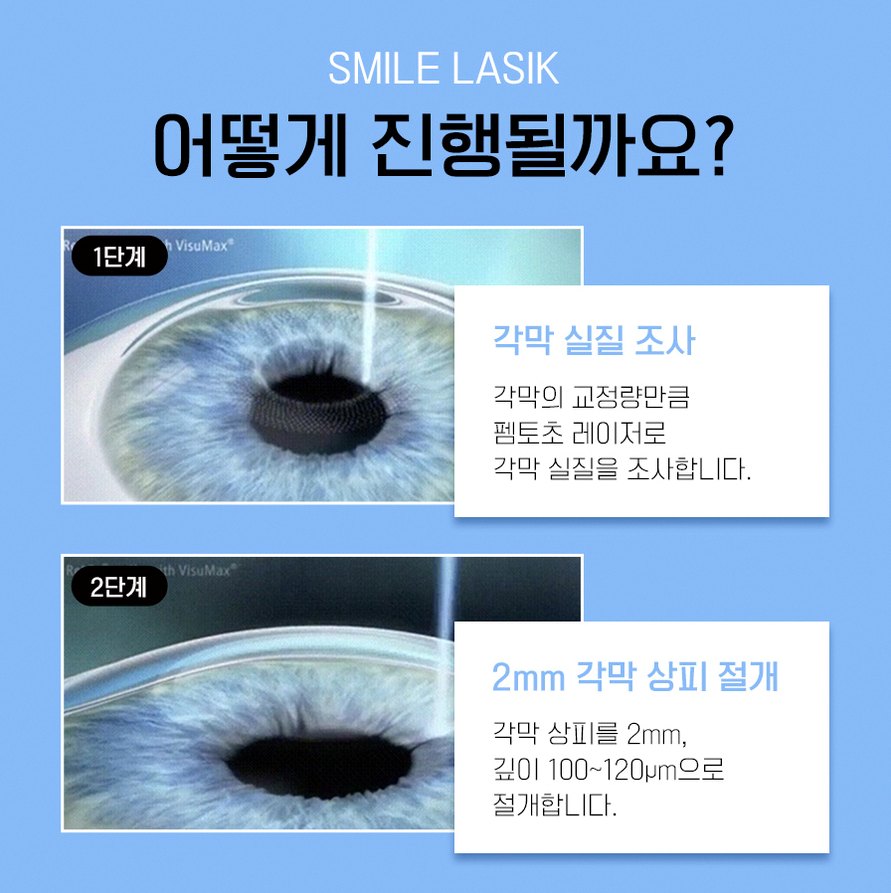
SMILE LASIK is a flapless laser vision correction technique that uses a femtosecond laser. Instead of creating a corneal flap like traditional LASIK, the laser creates a very thin, lens-shaped piece of tissue inside the cornea, called a lenticule. This lenticule is then removed through a tiny side incision only a few millimeters long.
By removing this precisely shaped lenticule, the cornea is reshaped so that light focuses more accurately on the retina. SMILE LASIK belongs to the broader SMILE family, which also includes newer versions such as SMILE pro, and is distinct from LASIK and LASEK/PRK surface procedures.
How SMILE LASIK corrects astigmatism
For myopia, the laser creates a lenticule that is thicker in the center and thinner at the edges, flattening the cornea.
For myopia with astigmatism, the shape of the lenticule is more complex. It is designed to correct both:
Spherical error (how nearsighted you are)
Cylindrical error (how strong your astigmatism is and at which axis)
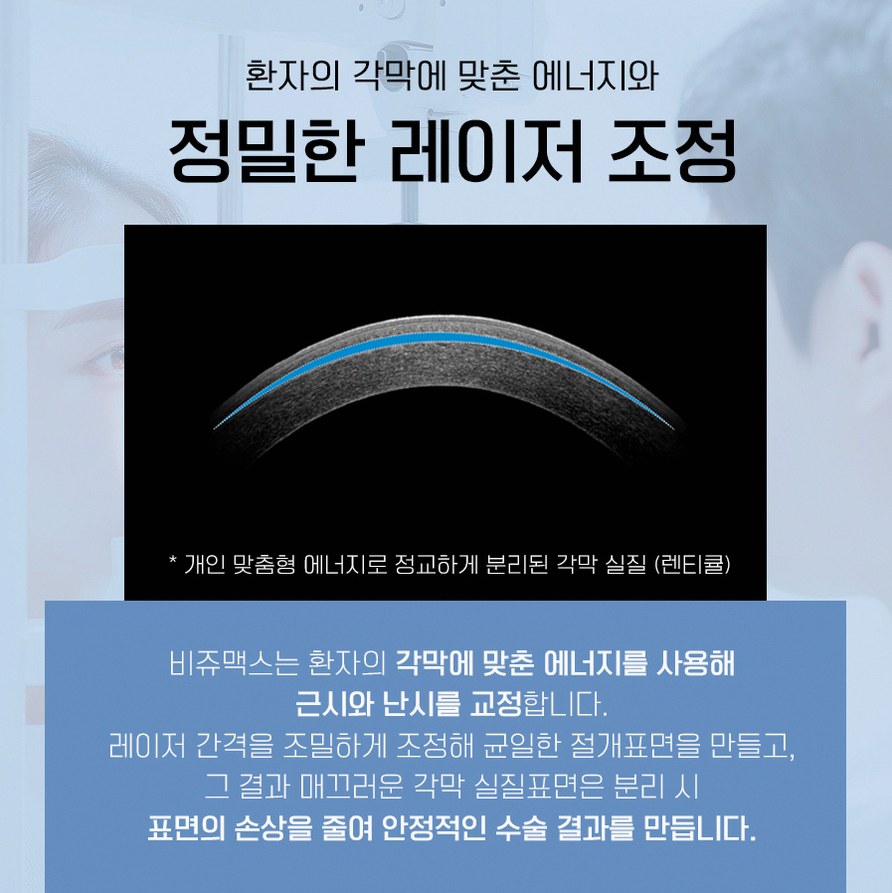
The laser pattern is calculated from detailed measurements of your prescription, including cylinder power and axis. During surgery, the eye must be aligned correctly so that the laser pattern matches the exact axis of your astigmatism. This is why preoperative measurements, corneal mapping, and intraoperative alignment are so important.
Typical correction range
Each clinic follows its own screening criteria, but in general:
Mild to moderate myopia with mild to moderate regular astigmatism is commonly treated with SMILE LASIK.
Very high astigmatism may be outside the recommended range for SMILE LASIK, depending on corneal thickness and shape.
If the cornea is very thin, irregular, or shows signs of weakness (such as keratoconus or suspicious topography), SMILE LASIK may not be advised.
In such cases, alternative options like other laser procedures or phakic lens implantation (for example, ICL) may be discussed.
Who may consider SMILE LASIK for astigmatism
General candidacy criteria
Typical points that ophthalmology clinics consider include:
Age over 18, with a stable prescription for at least about one year
No major change in glasses or contact lens power recently
Sufficient corneal thickness to allow safe reshaping
Healthy corneal shape on topography and tomography, with no signs of keratoconus or other ectatic diseases
No active eye disease such as uncontrolled dry eye, severe allergic eye disease, or significant retinal problems affecting vision
Overall good systemic health, with certain conditions (for example, uncontrolled autoimmune disease) requiring extra caution
Astigmatism-specific considerations
For astigmatism, accuracy matters even more:
Precise measurement of cylinder power and axis is essential. Small errors here can lead to residual blur or distortion.
Clinics use corneal topography and tomography to distinguish regular astigmatism (smooth, symmetric pattern) from irregular astigmatism (asymmetric, distorted pattern).
Regular astigmatism is typically more suitable for SMILE LASIK.
Irregular astigmatism may indicate underlying corneal problems or previous surgery and may not be appropriate for SMILE LASIK.
Who may not be suitable
You may be advised against SMILE LASIK if you have:
Very thin corneas that cannot safely be reshaped
Abnormal or suspicious corneal maps suggesting keratoconus or other weakening disorders
Progressive keratoconus or a family history of severe corneal disease
Unstable refraction (rapidly changing prescription)
Pregnancy or breastfeeding at the time of evaluation, as hormones can affect vision stability
Certain systemic diseases or medications that interfere with wound healing
Because every eye is unique, final candidacy can only be confirmed after a full examination.
Step-by-step: SMILE LASIK for astigmatism
Preoperative examinations
Before scheduling SMILE LASIK, a comprehensive eye examination is performed. For international patients, this is usually planned on the first or second day after arrival in Korea.
Typical tests include:
Visual acuity and refraction, including detailed measurement of sphere, cylinder, and axis
Corneal thickness (pachymetry)
Corneal topography and tomography to assess shape and regularity
Pupil size and reaction
Tear film evaluation to check for dry eye
Intraocular pressure measurement
Retinal examination, often with dilating drops, to rule out retinal holes, tears, or other issues
During consultation, the doctor discusses:
Whether SMILE LASIK is appropriate for your degree and type of astigmatism
Alternative procedures such as LASIK, LASEK/PRK, or lens implantation if needed
Possible side effects like glare, halos, and dry eye
Realistic expectations, especially if your astigmatism is higher or if you are older and may need reading glasses in the future
Surgery day
On the day of surgery:
You arrive with clean eyelids and no eye makeup or perfume, as advised by the clinic.
Anesthetic eye drops are applied. General anesthesia is not used; you are awake but should not feel pain.
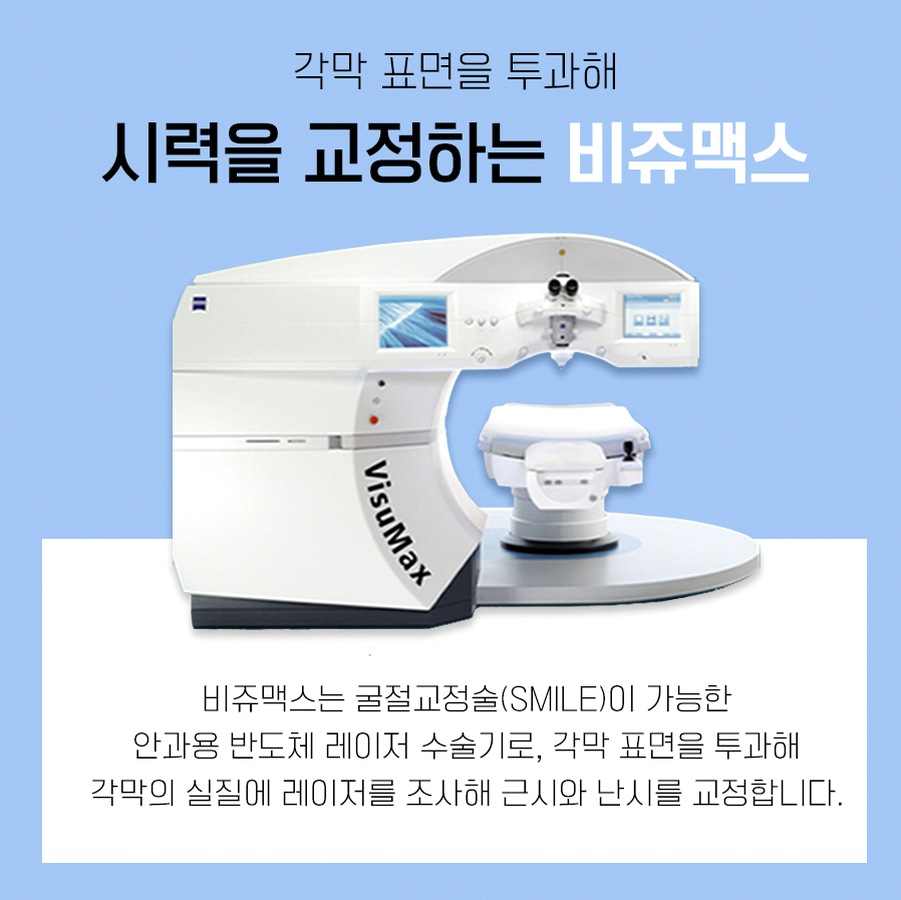
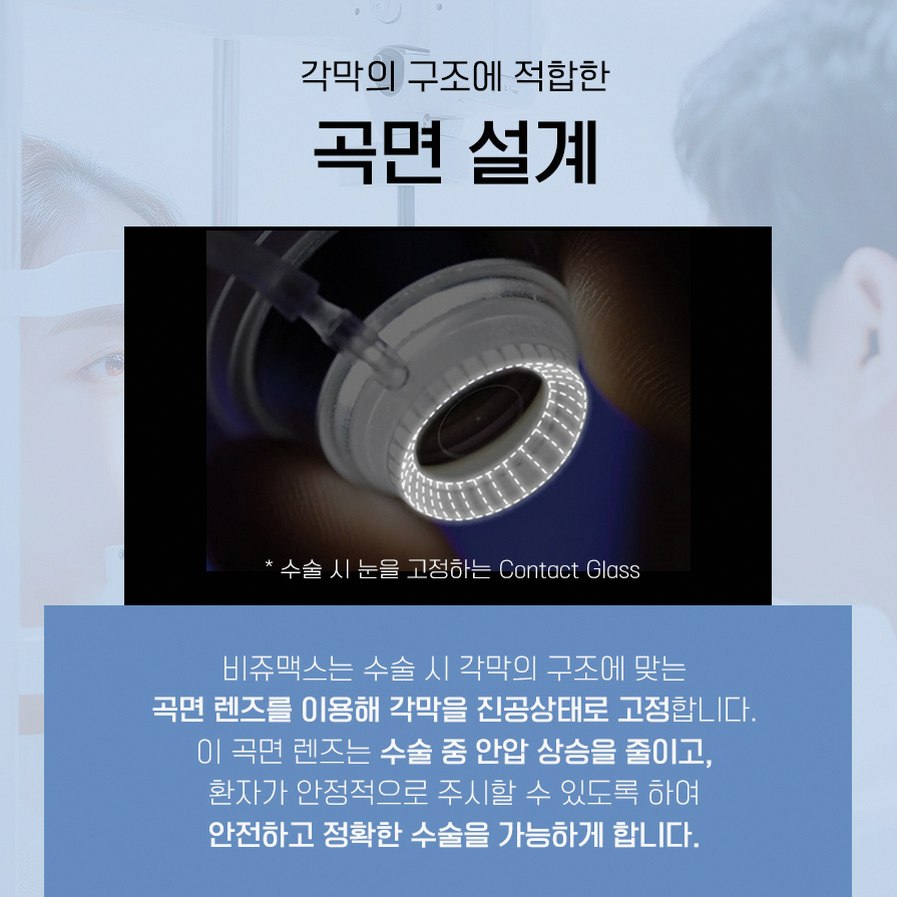
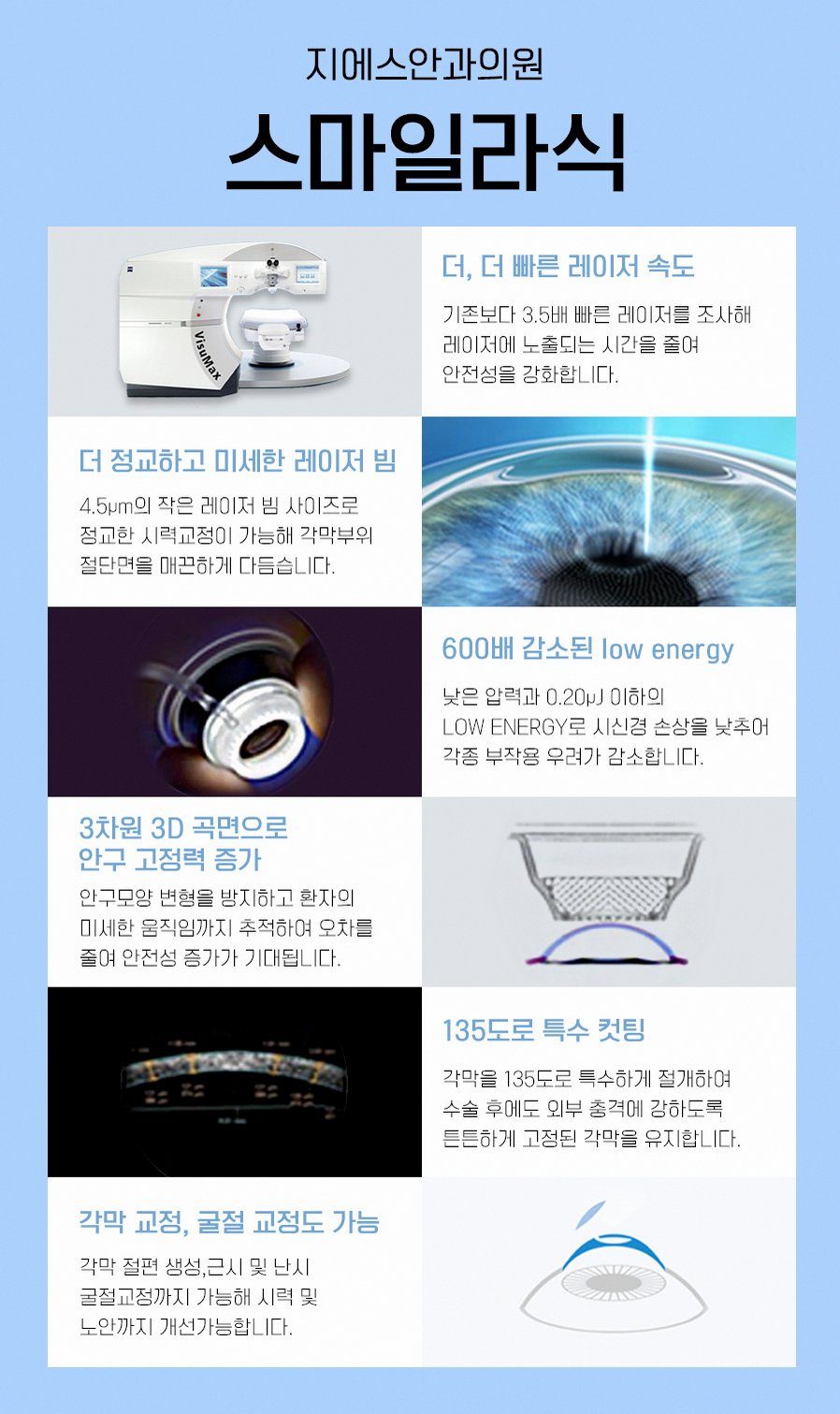
You lie under the femtosecond laser system. For SMILE LASIK, platforms such as VISUMAX 500 are commonly used.
The laser creates the lenticule and a small side incision in the cornea. Laser time is very short, usually just a few seconds.
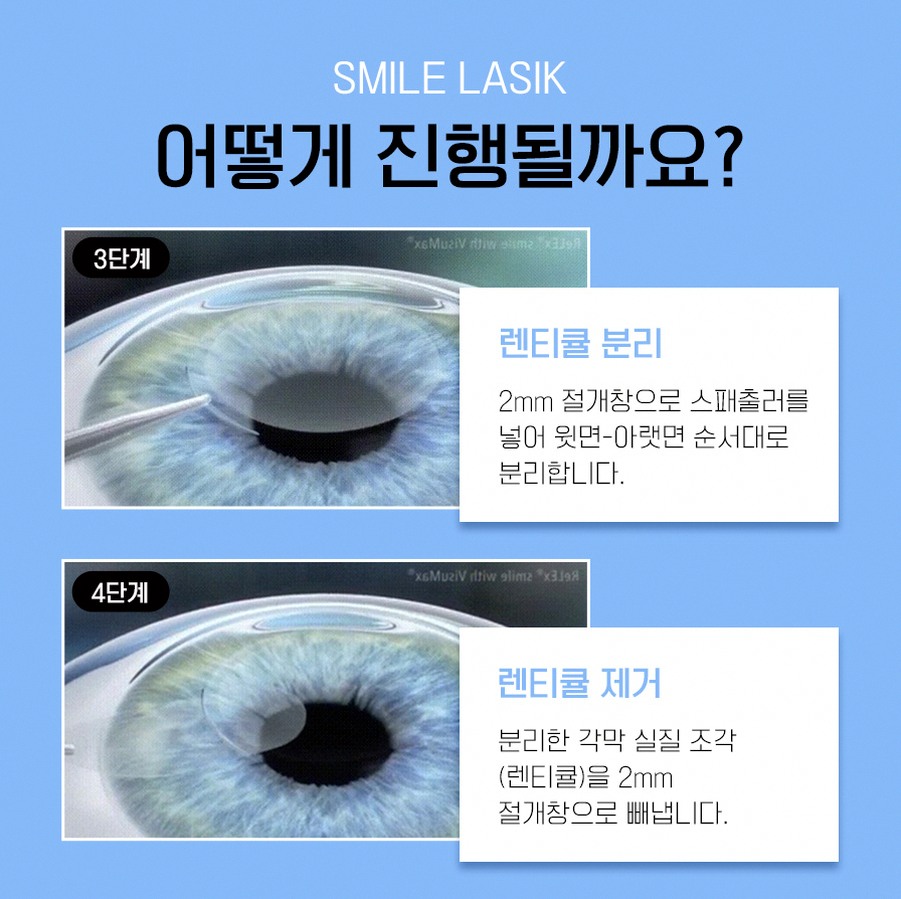
The surgeon gently separates and removes the lenticule through the micro-incision. This reshapes the cornea to correct both myopia and astigmatism.
The same steps are repeated for the other eye.
The total time in the procedure room per eye is usually only a few minutes, though you should plan to be at the clinic for longer due to preparation and post-op checks.
Early recovery and follow-up
Immediately after surgery, your vision is often hazy or foggy, and you may feel mild discomfort, tearing, or a foreign-body sensation.
Typical follow-up schedule includes:
Short check right after surgery
Next-day examination
Further visits at around 1 week and 1 month, and then as advised
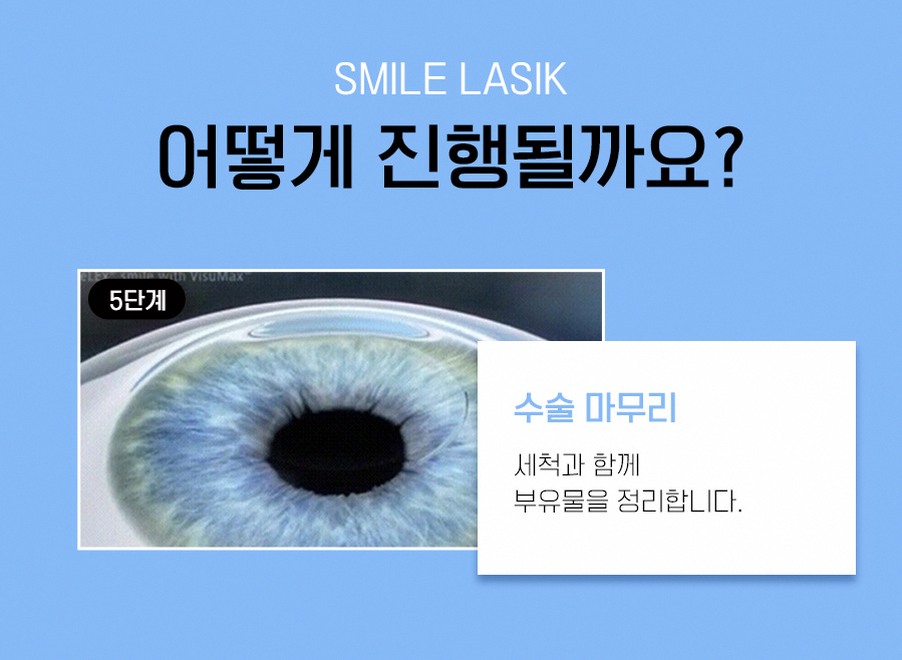
Many patients notice a rapid improvement in vision within the first few days, but fine clarity, especially related to astigmatism, can continue to refine over several days to weeks.
You are usually prescribed:
Antibiotic eye drops for a short period
Anti-inflammatory drops for a few weeks
Artificial tears to relieve dryness
You are advised to avoid rubbing your eyes, swimming pools, and heavy exercise for a limited time. Screen time and reading can be resumed gradually as comfort allows.
Advantages and disadvantages for astigmatism patients
Potential advantages of SMILE LASIK
For patients with myopia and regular astigmatism, SMILE LASIK offers several potential benefits:
Flapless technique: Because there is no large corneal flap, only a small incision, more of the corneal structure may be preserved compared with flap-based LASIK.
Reduced flap-related risks: There is no risk of flap displacement or certain flap complications.
Potentially less dry eye in some patients, because fewer corneal nerves are cut compared with a large flap, although dry eye can still occur.
Stable correction in many cases of regular astigmatism when preoperative planning and alignment are accurate.
Limitations and points to be cautious about
SMILE LASIK is not ideal for every type of astigmatism:
Very high astigmatism may not be fully correctable within safe limits.
Irregular astigmatism, or astigmatism associated with corneal disease, may not be suitable.
Under-correction, over-correction, or residual astigmatism can occur. In some cases, an enhancement procedure (often with a different laser technique) may be considered later.
Night vision symptoms such as glare, halos, or starbursts can appear, especially in the early phase.
Dry eye symptoms can develop or worsen temporarily.
All refractive surgeries carry a small risk of infection, inflammation, or more serious complications. These are rare but must be discussed honestly before surgery.
Comparison with LASIK, LASEK/PRK, and lens implantation
SMILE LASIK
Small incision, no flap
Often chosen for myopia with regular astigmatism within a certain range
Potentially better biomechanical preservation of the cornea in some cases
Conventional LASIK
Creates a corneal flap and reshapes the underlying tissue with an excimer laser
Widely used and suitable for a broad range of prescriptions
May be preferred in some high astigmatism cases or for certain enhancements
LASEK/PRK-type procedures
Surface ablation without a flap
May be considered when corneal thickness is borderline for LASIK or SMILE LASIK
Recovery can be slower and more uncomfortable in the first days
Lens implantation (ICL and similar)
A thin lens is placed inside the eye without removing the natural lens
Considered when laser procedures are not appropriate due to high prescription or thin corneas
Requires separate evaluation and has its own risk profile
Choosing an eye clinic in Gangnam for SMILE LASIK
Why technology and experience matter
For astigmatism correction, the details of planning and execution are critical. Factors to consider when comparing clinics include:
Availability of modern femtosecond laser platforms specifically designed for SMILE-type procedures
Use of multiple SMILE platforms, which can allow more tailored settings for different corneal conditions and degrees of astigmatism, and provide redundancy for busy centers
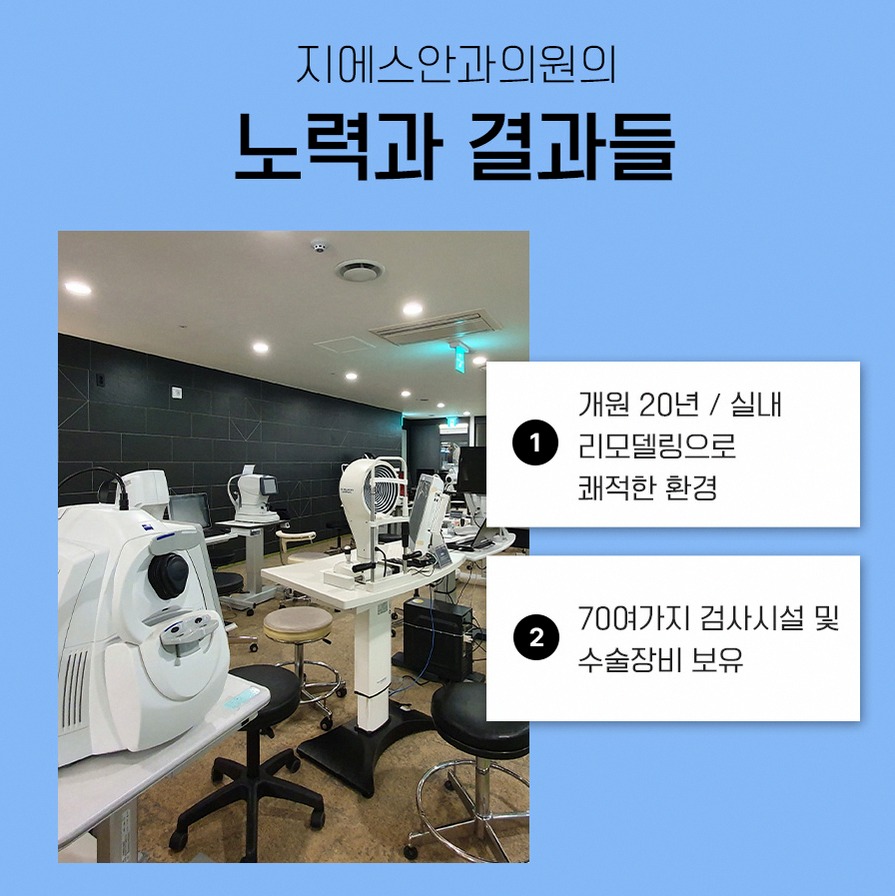
Comprehensive diagnostic equipment, including corneal topography and tomography, wavefront analysis, and dry eye assessment tools
Experience of the surgical team with SMILE LASIK and other refractive techniques, including their approach to conservative screening and handling complex prescriptions
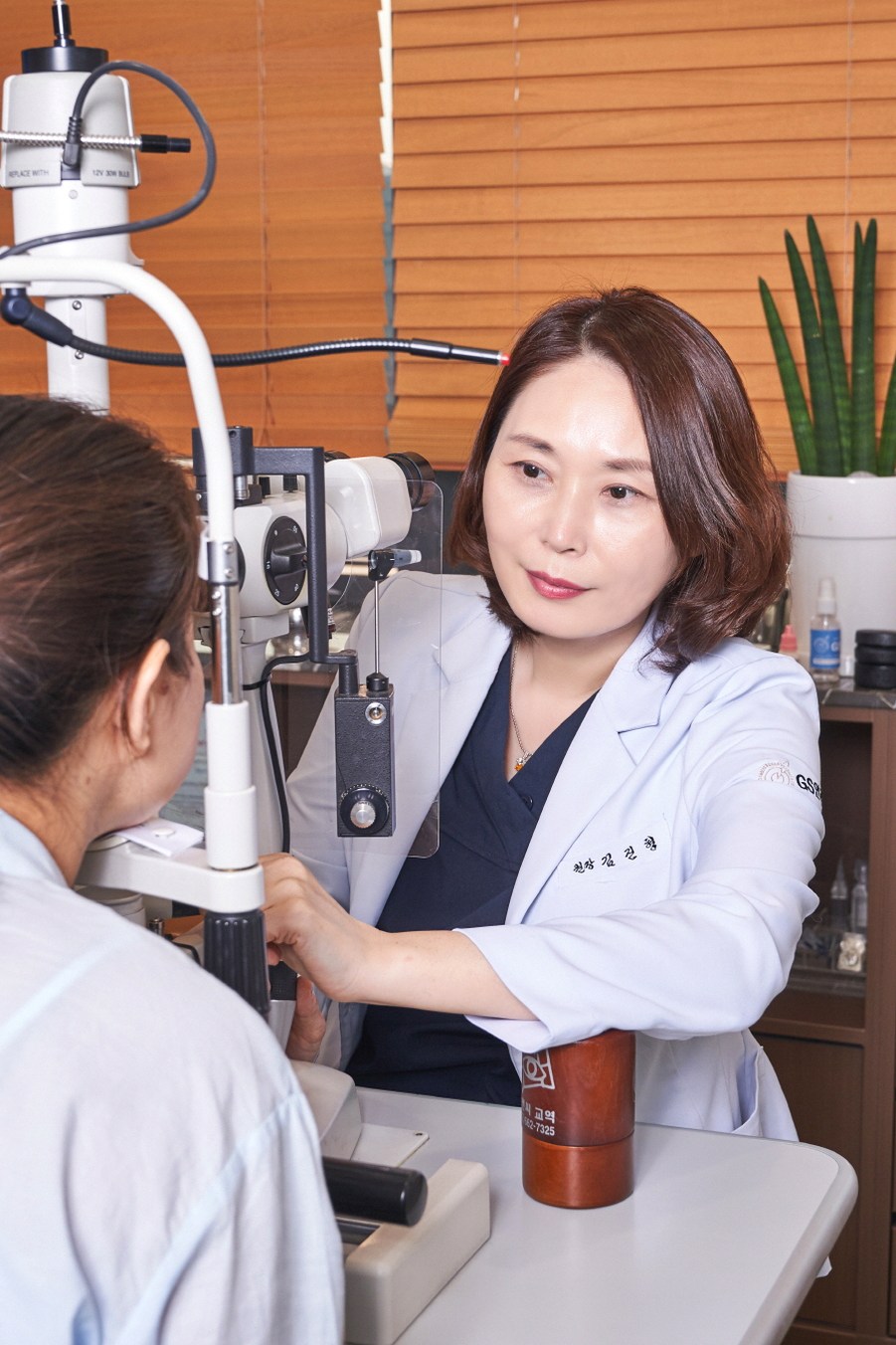
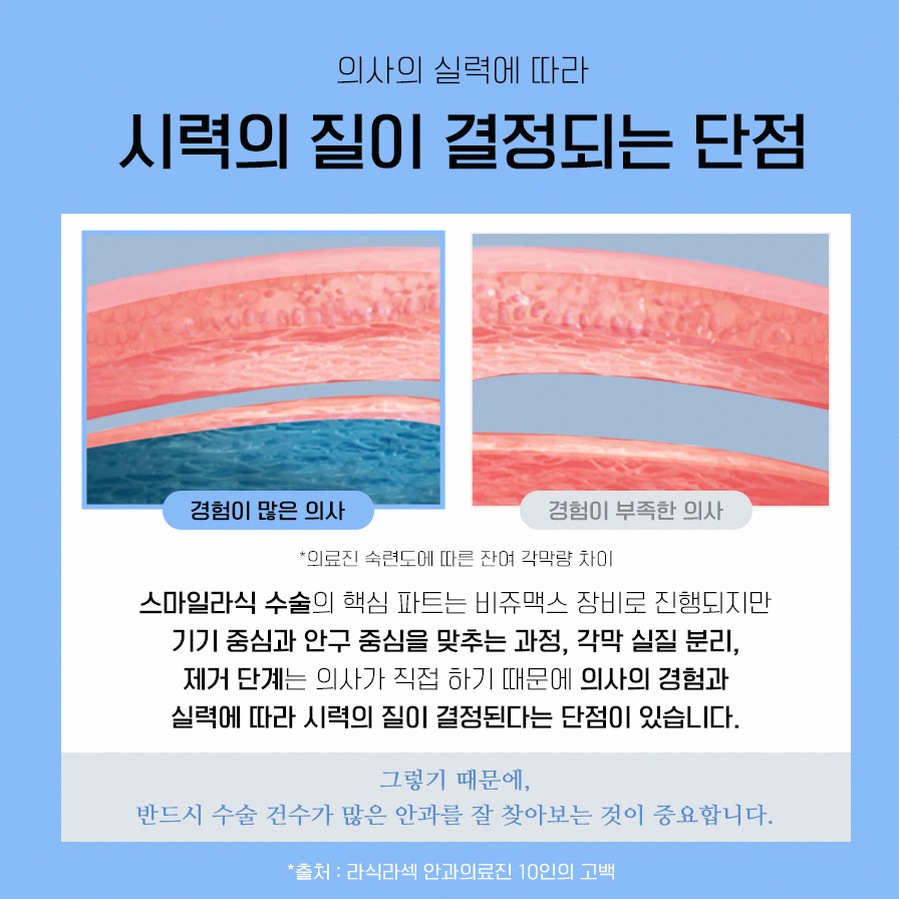
GS Eye Center is an example of an ophthalmology clinic near Gangnam Station that focuses on SMILE-type procedures such as SMILE pro, SMILE LASIK, SILK, and a proprietary protocol called Golden SMILE. The clinic reports long-term experience in vision correction and cataract surgery, and states that it was designated as a ZEISS SMILE pro CENTER in 2023, a SILK TRAINING Center in 2026, and an Asia-Pacific clinical education center for a biotech company in 2024 (per clinic materials). These designations reflect involvement in training and standardized protocols rather than guarantees of outcome.
Pre-visit comparison checklist for overseas patients
Before you choose a clinic and book flights, it can help to prepare a short checklist and questions to ask during online consultation:
Ask for a preliminary opinion based on your most recent glasses or contact lens prescription, including sphere, cylinder, and axis.
Confirm whether SMILE LASIK is likely to be an option for your level of astigmatism, and what alternative procedures might be considered if not.
Check which SMILE platforms are available (for example, VISUMAX 800 for SMILE pro or VISUMAX 500 for SMILE LASIK) and how the clinic decides which to use.
Ask about the full preoperative examination: which tests are included, how long it takes, and whether it is done on a separate day from surgery.
Clarify the recommended stay in Korea, including minimum days before and after surgery.
Discuss typical recovery timelines for international patients, including when flying home is usually allowed and what follow-up can be done locally.
Ask about written instructions in English and availability of interpreters.

Writing these questions down before contacting the clinic can make your consultation more efficient and help you compare different centers fairly, beyond just cost.
Practical information for a Korea visit
Location and environment
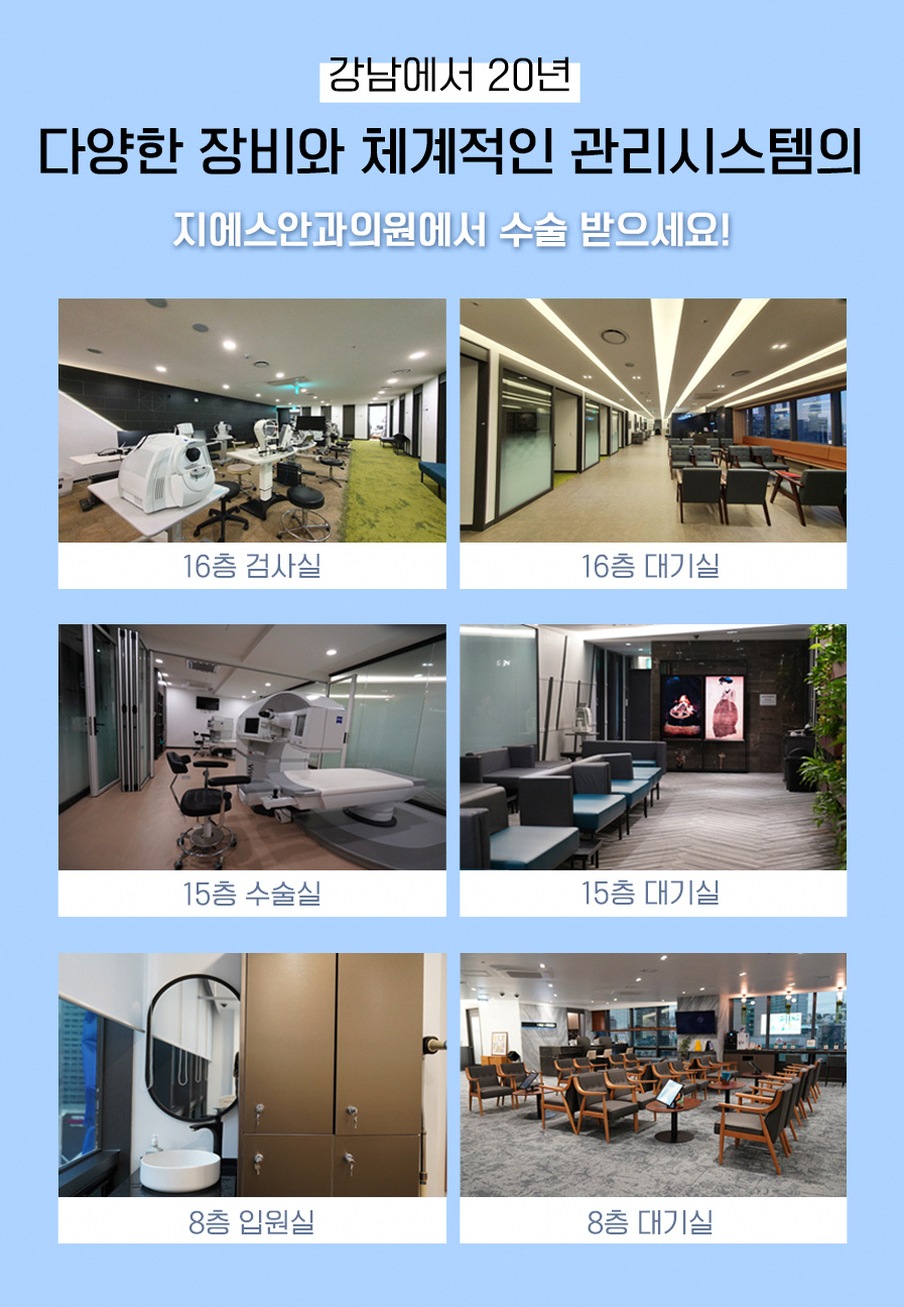
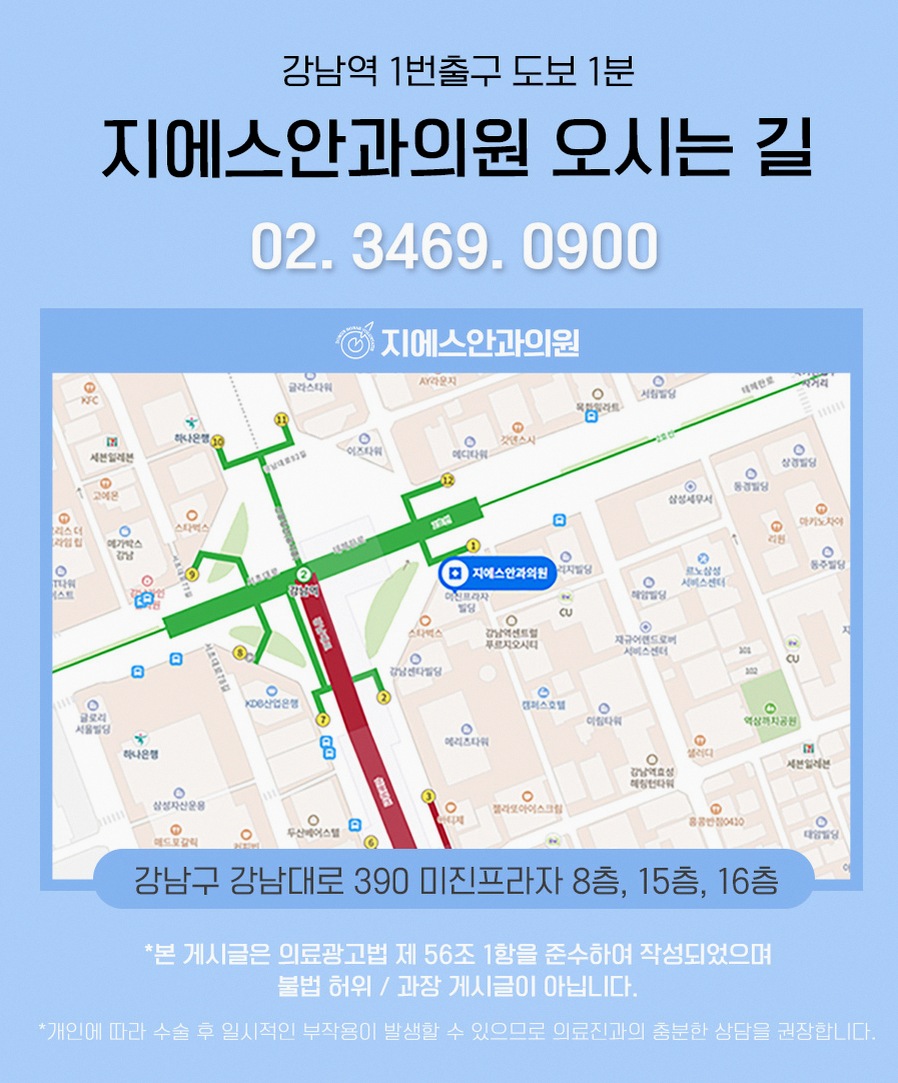
Many ophthalmology clinics offering SMILE LASIK are located around Gangnam Station in Gangnam-gu, Seoul, often on multiple floors of buildings along Gangnam-daero. This area is convenient for public transport, with easy access from the airport via subway or airport bus, and a wide range of hotels, guesthouses, restaurants, and shopping options.
GS Eye Center, for example, operates on several floors of a building near Gangnam Station, making it accessible for both local and international patients.
Typical visit timeline for international patients
The exact schedule depends on your case and the clinic’s policy, but a common structure is:
Day 1: Arrival in Seoul, rest, or initial consultation and basic tests if timing allows
Day 2: Full preoperative examination and final decision about surgery
Day 3: SMILE LASIK procedure and immediate post-op check
Day 4: Next-day follow-up examination
Day 5–7: Additional follow-up visit if needed, then return flight if the doctor confirms it is safe
Some patients stay longer for more follow-up, while others may return home earlier if their eyes are healing smoothly and their local eye doctor can continue monitoring.
Operating hours and breaks
Clinics in the Gangnam area typically operate on weekdays and Saturdays, with Sundays and public holidays off. There is usually a lunch break in the middle of the day when consultations and procedures pause. When planning your trip, confirm:
Exact opening hours
Which days are available for full examinations and surgery
Whether foreign-patient slots are limited to certain days or times
Online consultation and preparation before travel
Before booking flights, it is wise to arrange an online consultation or at least an email review of your case. To make this efficient, prepare:
Your most recent glasses or contact lens prescription, including sphere, cylinder, and axis for each eye
Information about any previous eye surgeries or injuries
History of eye diseases such as severe dry eye, keratoconus, or retinal problems
Any systemic diseases and medications you are taking
Many clinics, including high-volume SMILE centers like GS Eye Center, provide information through websites, blogs, and social media, and some have a YouTube channel run by the lead ophthalmologist to explain procedures and safety considerations.
Safety, risks, and aftercare
Understanding the risks
All refractive surgeries, including SMILE LASIK, carry risks. While serious complications are rare, it is important to be aware of possible issues such as:
Infection or inflammation
Dry eye symptoms
Night vision disturbances (glare, halos, starbursts)
Residual or induced astigmatism
Regression of effect over time in some cases
Fluctuating vision during the healing period
Your surgeon should explain these risks in detail, including how they are monitored and managed, and what signs should prompt urgent review.
Aftercare and long-term follow-up
Good aftercare is essential for safe healing:
Use all prescribed eye drops exactly as instructed.
Avoid rubbing your eyes, especially in the early weeks.
Protect your eyes from dust, sweat, and accidental bumps.
Wear sunglasses outdoors to reduce glare and UV exposure.
Follow the clinic’s instructions about exercise, swimming, makeup, and sauna use.
For international patients, ask for a written summary of your surgery details and postoperative recommendations to share with your local eye doctor. Regular eye examinations in your home country are still important to monitor long-term eye health.
FAQ on SMILE LASIK for astigmatism
Is my astigmatism too high for SMILE LASIK?
Whether your astigmatism is within the safe range for SMILE LASIK depends on both the amount of cylinder and your corneal thickness and shape. Mild to moderate regular astigmatism is commonly treated, but very high astigmatism may fall outside recommended limits. Only a full examination with corneal topography and pachymetry can confirm this. If SMILE LASIK is not suitable, your doctor may discuss LASIK, LASEK/PRK, or lens implantation as alternatives.
Can SMILE LASIK correct astigmatism as well as nearsightedness?
SMILE LASIK is designed to correct both myopia and regular astigmatism by removing a lenticule that compensates for both spherical and cylindrical errors. For many patients with regular astigmatism within the indicated range, outcomes can be comparable to other modern laser procedures. However, precision in measuring the axis and power of astigmatism, and accurate alignment during surgery, are crucial. Results can vary between individuals, and some residual astigmatism is possible.
Will I still need glasses after SMILE LASIK for astigmatism?
Many patients significantly reduce their dependence on glasses or contact lenses after SMILE LASIK, but this is not guaranteed. Small residual refractive errors, including mild astigmatism, can remain. As you age, you may also need reading glasses due to presbyopia, which is unrelated to the success of the astigmatism correction. Your surgeon can give you a personalized explanation of likely outcomes based on your current prescription and eye condition.
How long do SMILE LASIK results usually last?
In general, the corneal reshaping effect of SMILE LASIK is considered long term, and many patients enjoy stable vision for years. However, natural changes in the eye over time, such as lens changes with age or progression of myopia in younger patients, can influence vision. This is why a stable prescription before surgery and regular follow-up after surgery are important. If mild regression or residual error occurs, an enhancement procedure may be discussed in selected cases.
How soon can I fly home after SMILE LASIK?
Many international patients are able to fly home within several days after SMILE LASIK, often after at least one or two postoperative checks. The exact timing depends on your healing, your doctor’s assessment, and your flight duration. Long flights can dry the eyes, so you will usually be advised to use artificial tears frequently and avoid sleeping with contact between your eyes and surfaces such as airplane pillows. Always confirm your travel plan with your surgeon before booking tickets.
How do I start an online consultation with a clinic in Gangnam?
Most clinics in the Gangnam area provide online contact forms, messaging apps, or email addresses for overseas patients. To begin, prepare your prescription, brief medical history, and preferred travel dates, then send them with your questions about SMILE LASIK for astigmatism. You can ask specifically whether your degree of astigmatism seems suitable, what examinations are needed, and how many days of stay are recommended. If you are interested in GS Eye Center, you can contact the clinic directly through its official channels and request information in English.
Soft call to action
If you are considering SMILE LASIK for myopia with astigmatism and are planning a trip to Seoul, an online consultation is a practical first step. Share your current prescription and medical history, ask about candidacy, and compare how different clinics explain their examination process, technology, and follow-up care. This preparation will help you decide whether SMILE LASIK in the Gangnam Station area is a suitable and convenient option for your eyes and your travel schedule.
- 공유 링크 만들기
- X
- 이메일
- 기타 앱


댓글
댓글 쓰기