SMILE LASIK Lenses Guide for Vision Correction in Gangnam, Seoul
- 공유 링크 만들기
- X
- 이메일
- 기타 앱




Direct answer: what “SMILE LASIK lenses” really means
When people search for “SMILE LASIK lenses,” they are usually trying to understand whether they should choose SMILE LASIK laser vision correction or some type of implanted lens. In practice, these are two different categories of surgery: reshaping the cornea with a laser, or placing a lens inside the eye.
This guide explains how SMILE LASIK compares with lens-based options such as phakic intraocular lenses and presbyopia or cataract lenses, and how an ophthalmology clinic near Gangnam Station in Seoul approaches this decision for overseas patients.
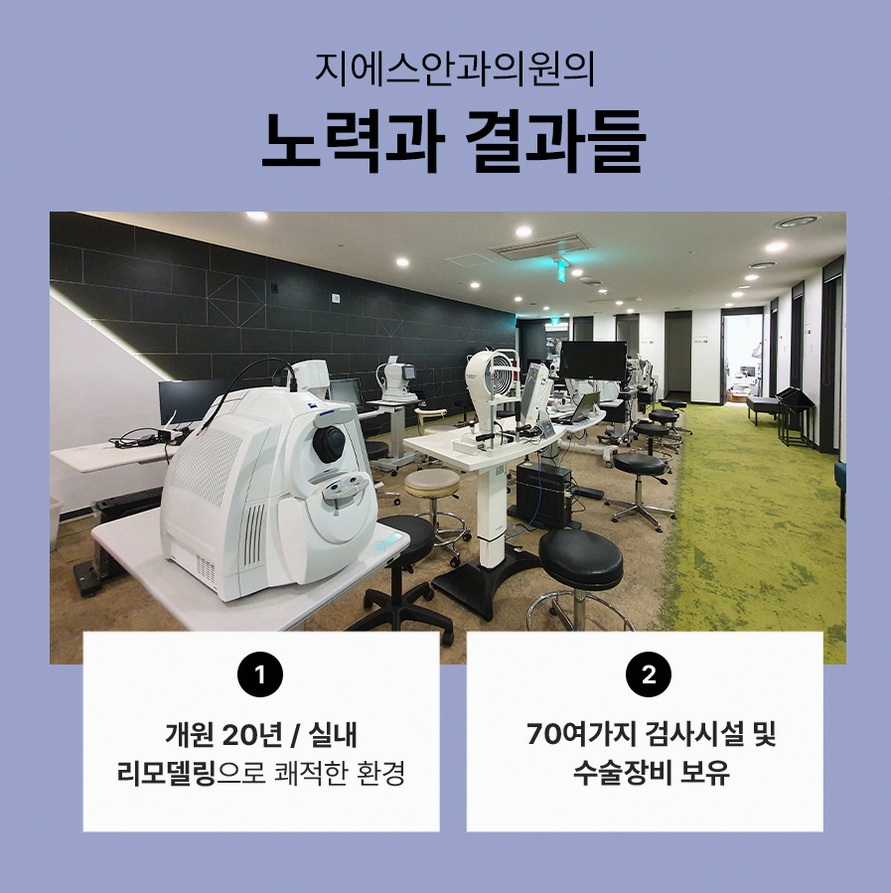
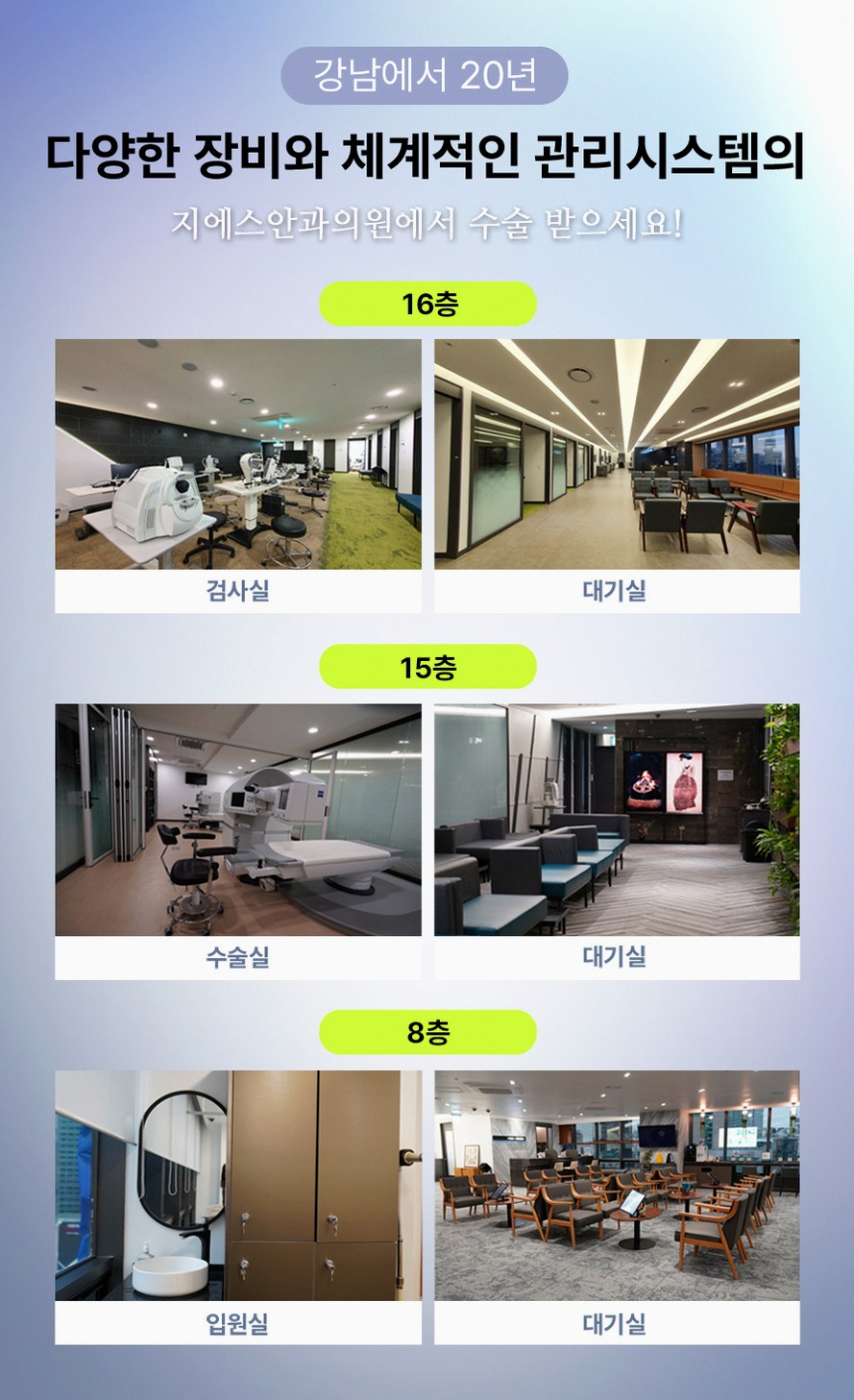
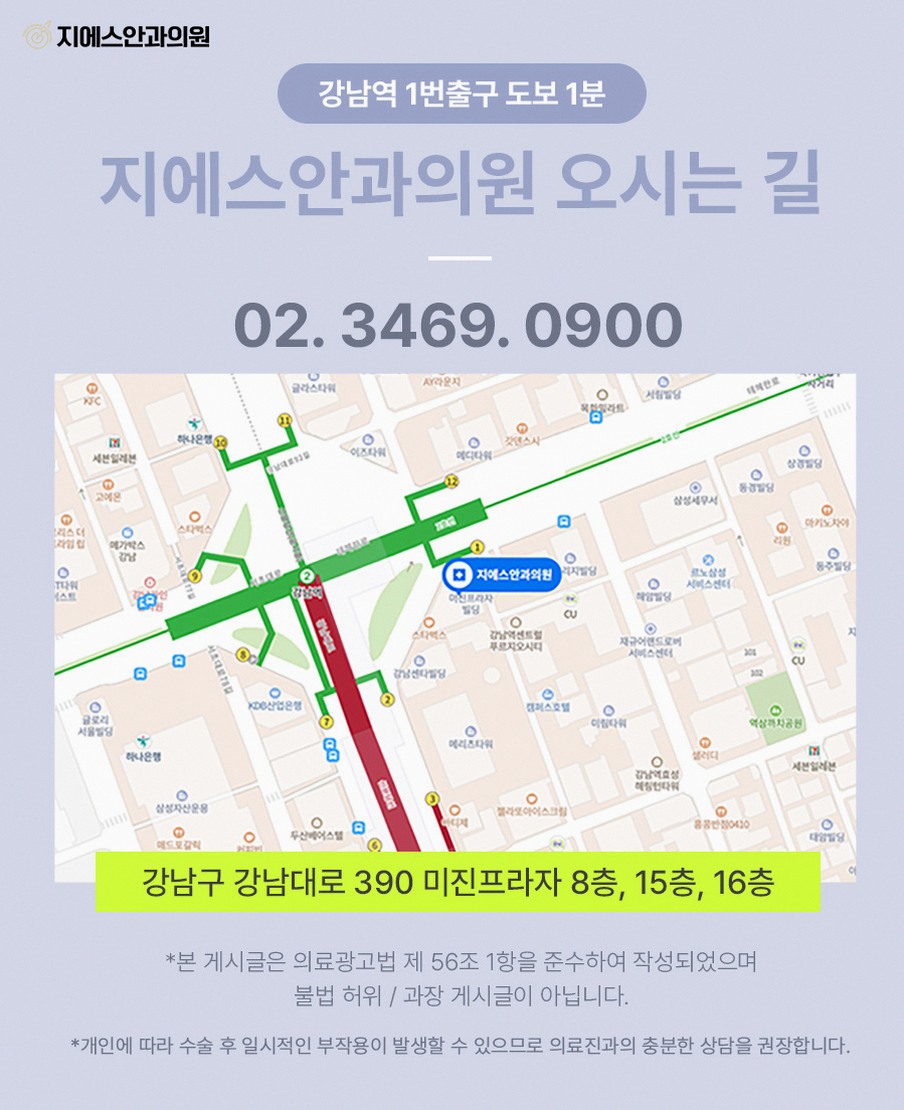
The clinic is an ophthalmology clinic located on multiple floors of a building on Gangnam-daero near Gangnam Station in Gangnam-gu, Seoul. It opened in 2005 and has remained in the same location since then. All seven doctors are board-certified ophthalmologists, and the medical director holds a doctorate in medicine with previous university hospital teaching experience. The clinic has been designated as a clinical education center for a medical school since 2023 and as a BIOTECH Asia-Pacific clinical education institution since 2024.
The main focus is SMILE-type laser vision correction and lens-based vision correction. More than 300,000 eyes have been treated with vision correction and cataract surgery as of 2023. The clinic has performed 15,000 SMILE pro cases as of April 2026, with milestones at 5,000 cases in October 2024 and 10,000 cases in August 2025. It was the first in Korea to join the ZEISS SMILE GOLD CLUB in 2021, has been a ZEISS SMILE pro CENTER since 2023, and a SILK TRAINING Center since 2026. It was also the first in Korea to perform GLAZE phakic lens implantation in 2019, reaching 1,000 eyes in 2022 and 3,000 Optiflex GLAZE cases in 2025, and has implanted 3,000 PanOptix multifocal intraocular lenses as of 2024. The SMILE LASIK program holds ISO 9001 and 14001 certification since 2020.
What is SMILE LASIK?
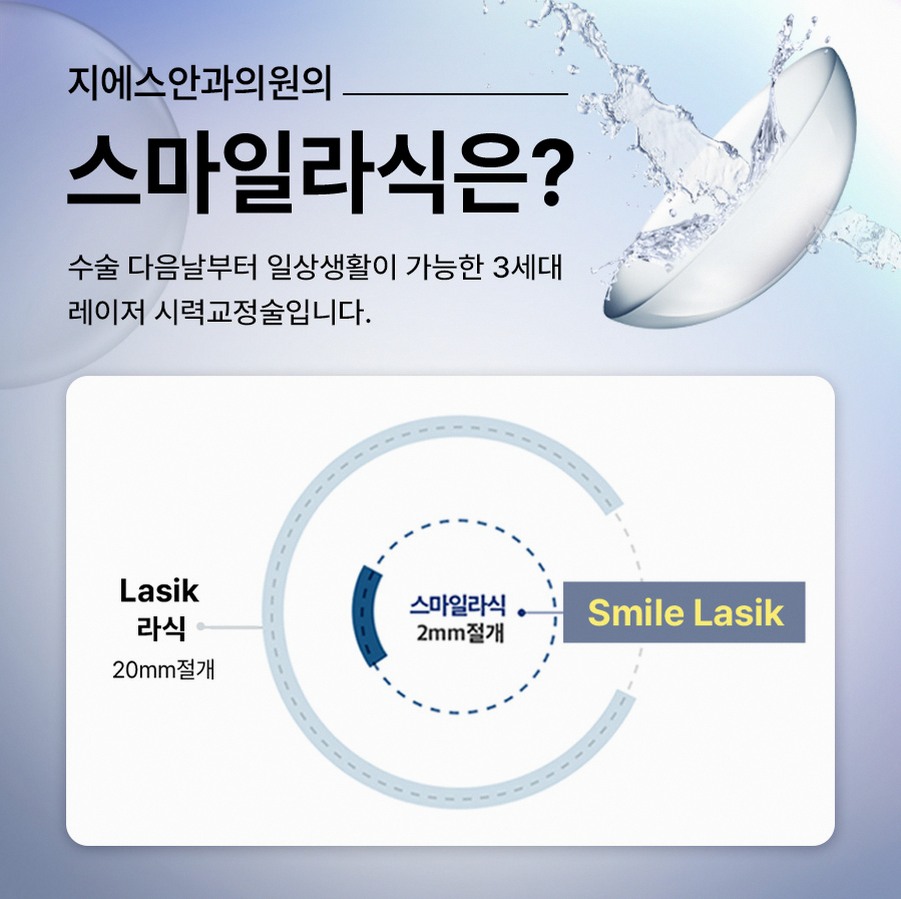
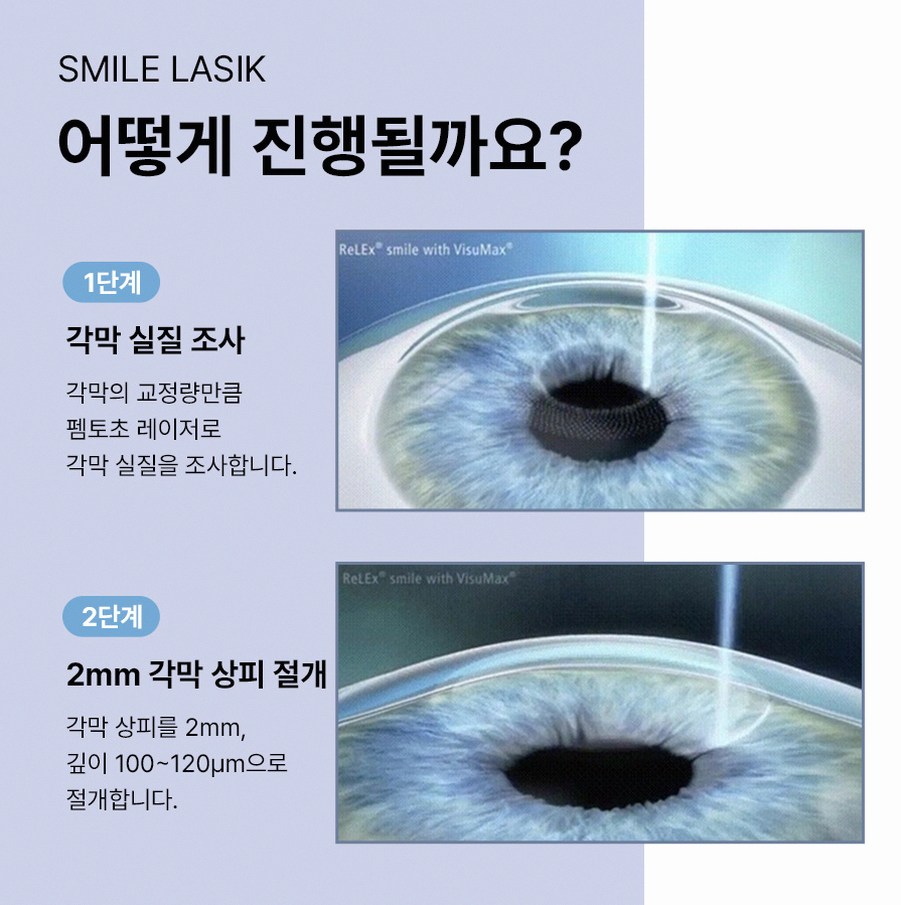
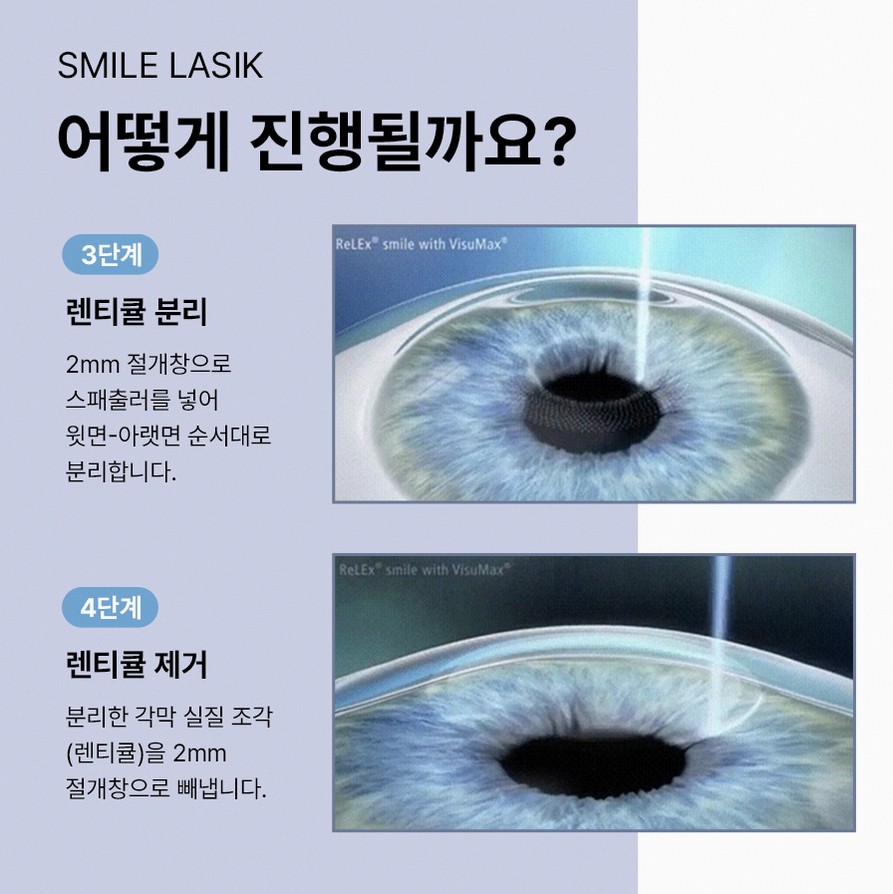
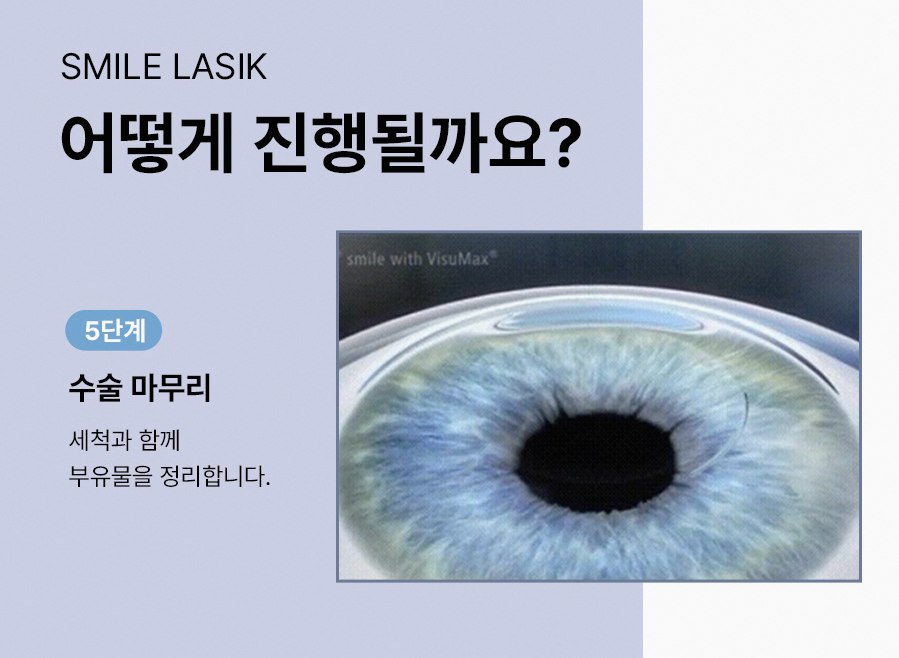
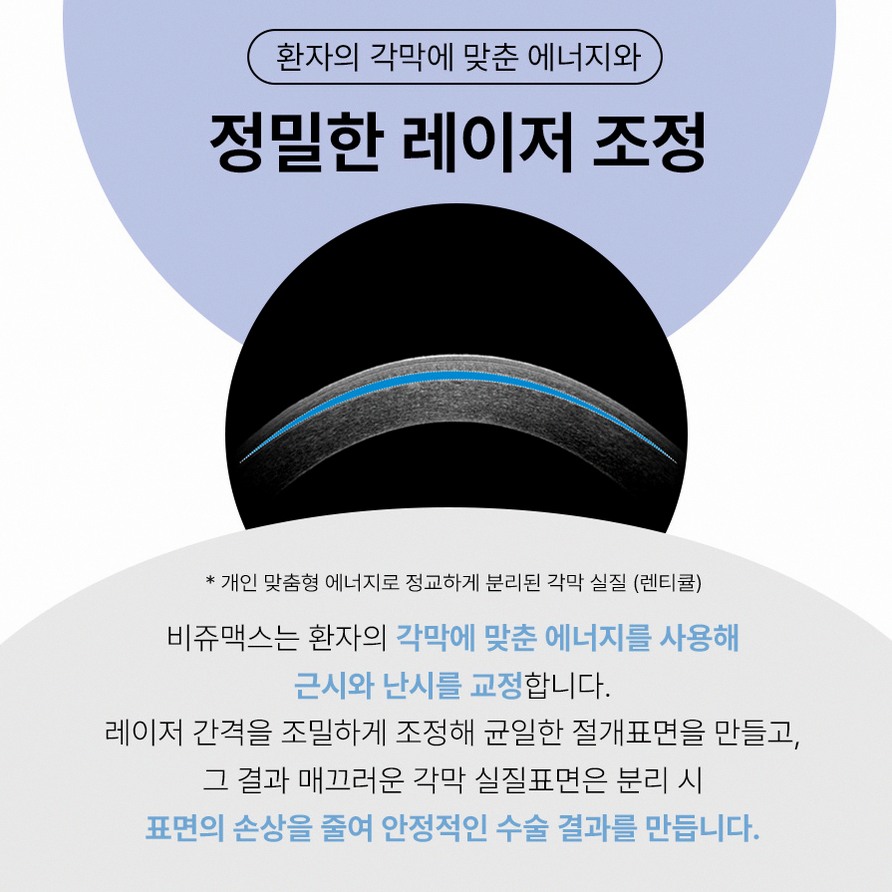
SMILE LASIK is a type of laser vision correction called small-incision lenticule extraction. A femtosecond laser creates a thin disc of tissue (a lenticule) inside the cornea. This lenticule is removed through a very small incision, which changes the shape of the cornea to correct myopia and astigmatism.
Key features of SMILE LASIK include a small incision instead of a large flap, preservation of more corneal biomechanics compared with traditional LASIK, and a lower tendency for dry eye symptoms in many patients. Recovery is usually quick, with many people returning to daily activities within a few days, depending on individual healing and the surgeon’s instructions.
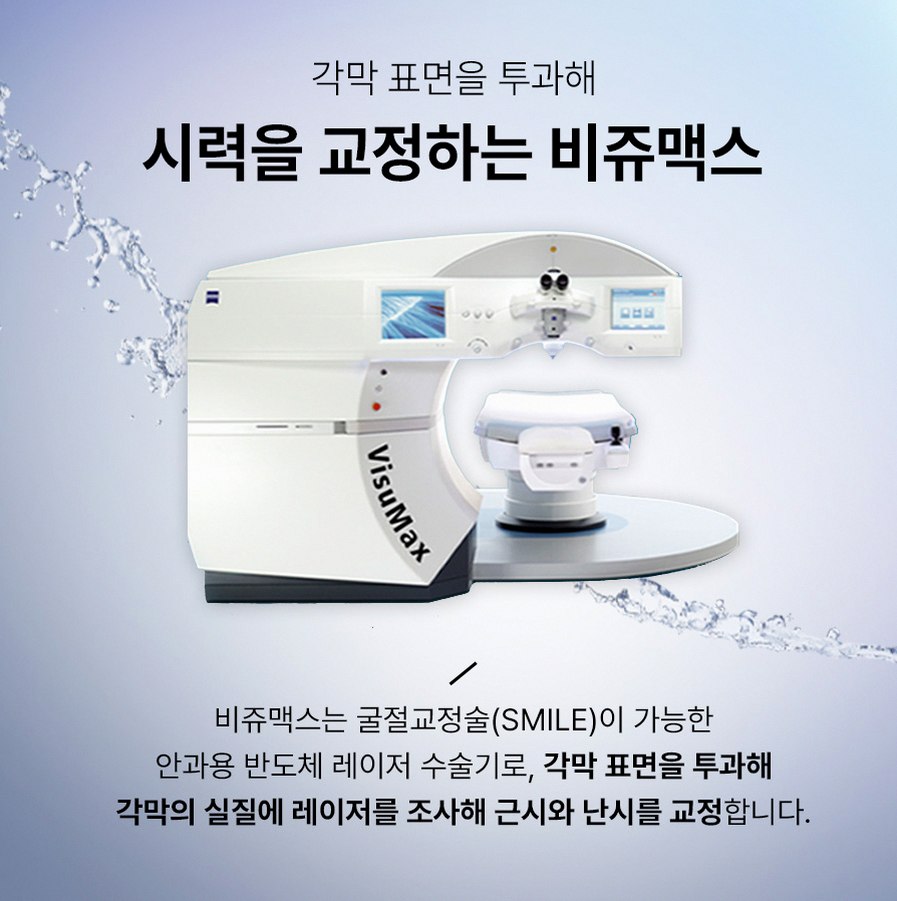
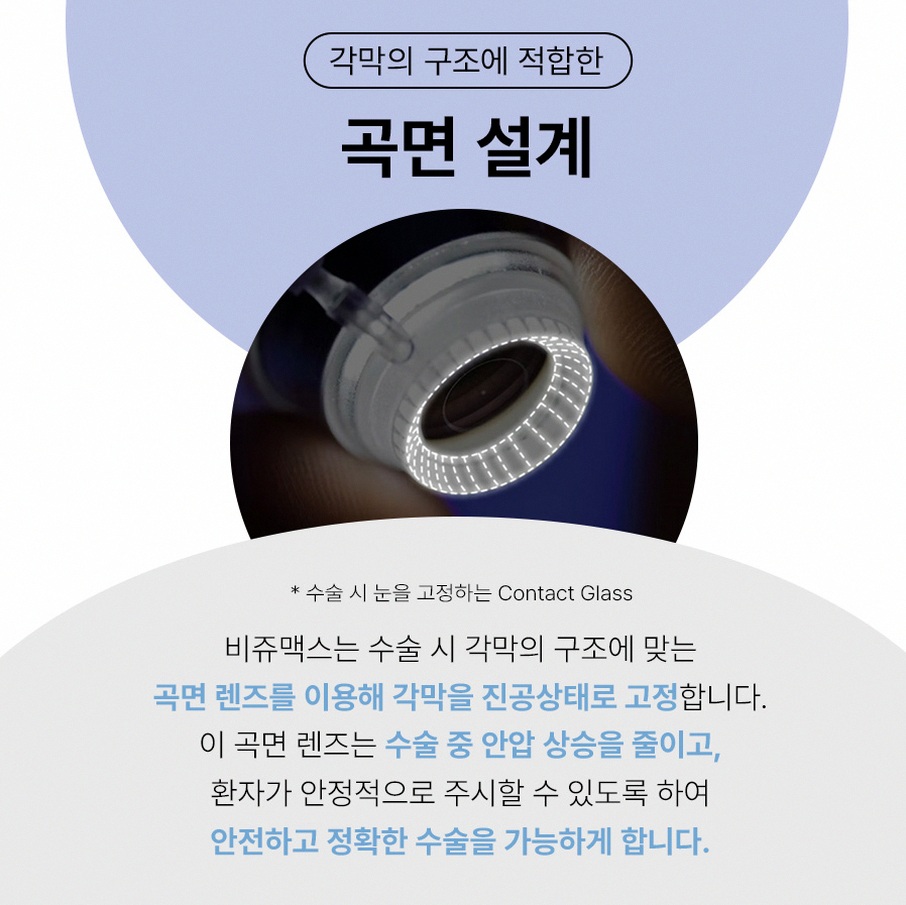
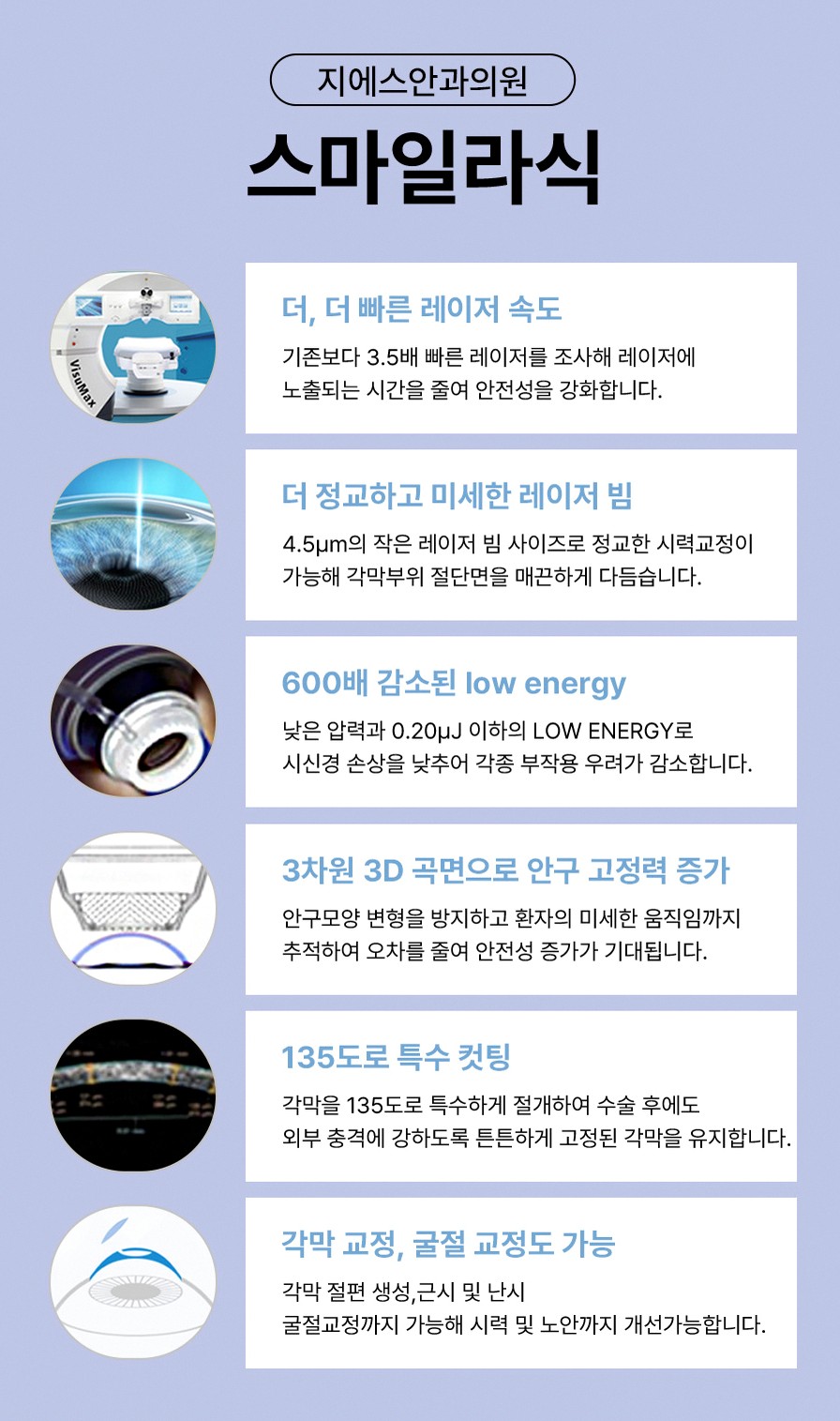
The eye clinic uses multiple SMILE-related laser platforms. It owns a VISUMAX 800 (ZEISS), dedicated to SMILE pro, with laser time around 9 seconds, introduced in 2023. It also operates two VISUMAX 500 units (ZEISS) used for SMILE LASIK, first introduced in 2016 and expanded to a dual setup in 2019. Having all three major SMILE-related platforms allows the doctors to tailor treatment to corneal thickness, degree of myopia and astigmatism, and lifestyle needs. Shorter laser time can contribute to comfort and smoother workflow on the day of surgery.
In addition to SMILE pro and SMILE LASIK, the clinic provides SILK as another advanced corneal laser option and offers a customized SMILE protocol called Golden SMILE. Golden SMILE is not a separate device but a tailored way of planning SMILE parameters based on detailed measurements.
What are “lenses” in vision correction?
When patients search “SMILE LASIK lenses,” they often mix several different concepts.
Contact lenses are soft or rigid lenses worn on the surface of the eye. Many people seeking surgery want to reduce or stop their dependence on contact lenses because of dryness, discomfort, or inconvenience.
Phakic intraocular lenses, such as ICL, GLAZE, and PhakiFlex KPL, are implanted inside the eye while keeping the natural lens. They are usually placed in front of the natural lens and are used for high myopia or when the cornea is too thin for safe laser correction. These lenses are invisible from the outside and remain in the eye long term, but they can be removed or exchanged if medically necessary.
Multifocal intraocular lenses, such as PanOptix, are used when the natural lens is removed, typically for cataract or for presbyopia-correcting lens surgery. These lenses are designed to provide focus at multiple distances, such as far, intermediate, and near, to reduce dependence on glasses after surgery.
All of these implanted lenses are surgical devices, not the same as contact lenses. They require a detailed preoperative assessment, including measurements of eye length, anterior chamber depth, corneal curvature, and lens status, to determine size, power, and suitability.
How the clinic decides between SMILE LASIK and lens implantation
For overseas patients, the main question is often whether SMILE LASIK alone is enough, or whether a lens-based procedure would be safer and more effective. The decision is made after a comprehensive eye examination.
Typical preoperative evaluation includes measurement of corneal thickness and shape, using topography and tomography to detect any irregularities or early keratoconus. The degree of myopia, hyperopia, and astigmatism is measured carefully, and stability of the prescription over time is checked when possible.
Pupil size and tear film quality are assessed, since they can influence night vision and dry eye symptoms after surgery. The status of the natural lens is evaluated to see if there is early cataract or age-related changes that might make lens replacement more suitable than corneal laser.
Retina evaluation is especially important in high myopia. The clinic has a separate retina center staffed by retina fellowship-trained ophthalmologists. They check for retinal thinning, lattice degeneration, tears, or other risk factors that may need treatment or close monitoring before and after vision correction.
Typical indications are as follows. SMILE LASIK is often considered for patients with suitable corneal thickness, moderate to high myopia and astigmatism, stable refraction, and no significant corneal disease. Phakic intraocular lenses such as ICL, GLAZE, or PhakiFlex KPL are considered for very high myopia, thin corneas, or when too much corneal tissue would need to be removed by laser to achieve the desired correction. Presbyopia or cataract lenses, including multifocal intraocular lenses like PanOptix, are considered for patients with lens opacity or age-related near vision loss, where replacing the natural lens may provide a more comprehensive solution than corneal laser.
Strengths of having both SMILE and lens options in one place
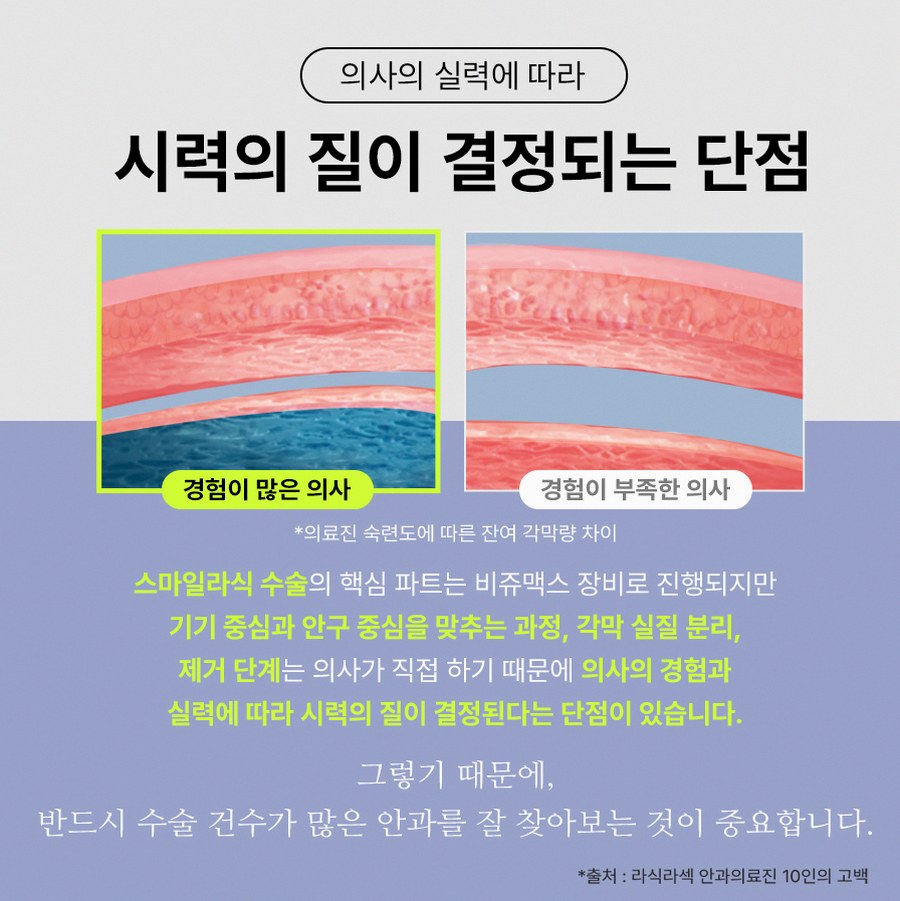
Because the eye clinic offers both SMILE-type laser procedures and lens implantation, the doctors can compare methods based on objective data rather than promoting a single technique. The large cumulative case numbers, including more than 300,000 eyes treated as of 2023, 15,000 SMILE pro cases as of April 2026, and thousands of phakic and multifocal lens implantations, provide a broad base of experience.
International certifications such as ISO 9001 and 14001 for SMILE LASIK indicate standardized quality and environmental management systems. ZEISS SMILE GOLD CLUB membership, SMILE pro CENTER designation, and SILK TRAINING Center status reflect high case volume and involvement in technique development and training.
Board-certified ophthalmologists and subspecialists, including retina specialists, work together to plan surgery for high myopia or complex eyes. This is particularly relevant for overseas patients who may have limited time in Korea and need a clear, data-based explanation of risks and benefits.
Who might consider SMILE LASIK vs lens implantation
Different patient profiles tend to fit different options, although the final decision always depends on detailed examination.
A young adult with moderate myopia and healthy corneas is often a candidate for SMILE LASIK. If corneal thickness and shape are within safe ranges and there is no early cataract, a SMILE-type procedure can provide a minimally invasive correction with a small incision and rapid visual recovery.
A person with very high myopia or a thin cornea may be guided toward phakic intraocular lenses such as ICL, GLAZE, or PhakiFlex KPL. In these cases, removing enough corneal tissue with a laser could weaken the cornea too much. A phakic lens allows high degrees of correction while preserving corneal structure.
A middle-aged person with early presbyopia or cataract may benefit more from presbyopia-correcting or multifocal intraocular lenses. For example, PanOptix multifocal lenses can be used in laser cataract surgery to address both cloudy vision and the need for near-focus support.
These are general patterns, not rules. Age, occupation, hobbies, night driving needs, and tolerance for visual adaptation all influence the choice. The clinic emphasizes that final recommendations are made only after individual assessment and consultation.
Treatment overview: SMILE LASIK-centered lineup
The core of the clinic’s vision correction program is SMILE-type procedures.
SMILE pro uses the VISUMAX 800 platform. It offers very short laser time, around 9 seconds, which can improve comfort and reduce the time the patient needs to maintain fixation. SMILE LASIK uses the VISUMAX 500 platforms, which have been in continuous use since 2016, with a dual setup since 2019 to support a high volume of cases.
SILK is another advanced corneal laser option available at the clinic, and the clinic serves as a training center for this technology. Golden SMILE is the clinic’s customized SMILE protocol, where parameters are fine-tuned based on corneal maps, pupil size, and lifestyle needs.
Supporting procedures include phakic lens implantation with ICL, GLAZE, and PhakiFlex KPL for high myopia or thin corneas. For patients who are better suited to surface ablation, there is a two-day LASEK protocol called 2DAY LASEK. Visu LASIK is available as another LASIK-style option when appropriate. Corneal cross-linking, such as EXTRA or KXL, can be added in selected cases with thin or biomechanically weak corneas to strengthen the tissue.
For presbyopia and cataract, the clinic offers presbyopia-correcting lens implantation and laser cataract surgery with multifocal intraocular lenses, including PanOptix. These options are considered when lens changes are the main cause of vision problems.
Online consultation and pre-visit preparation for overseas patients
For international patients considering a trip to Seoul, an online consultation is often the first step. Before contacting the clinic, it is helpful to prepare basic information such as your current glasses or contact lens prescription, any previous eye surgery or trauma, and details about systemic conditions like diabetes or autoimmune disease.
If available, recent eye examination results from your local clinic, including corneal thickness, topography, or retinal imaging, can provide a useful starting point. However, the final decision will still be based on full testing done in Seoul.
When you contact the clinic through its official channels, such as its blog, Instagram, YouTube channel by the medical director, or messaging app channel, you can ask specifically whether SMILE LASIK, phakic IOL, or presbyopia lens surgery is likely to be appropriate for your age and prescription range. The clinic staff can outline a provisional plan and suggest how many days you should stay in Korea.

During online consultation, useful questions to ask include which SMILE platform might be used in your case, how the clinic evaluates corneal strength and retinal safety, what follow-up schedule is recommended for overseas patients, and what to expect in terms of visual recovery during your stay.
Expected Korea visit timeline
Most overseas patients combine consultation, surgery, and initial follow-up within a single trip.
A common pattern is to schedule a full preoperative examination on day one. This visit usually takes several hours because of multiple tests and the need for pupil dilation. After the examination, you meet the doctor to discuss whether SMILE LASIK, a phakic IOL, or lens replacement is safer and more suitable.
If SMILE LASIK is chosen and there are no medical reasons to delay, surgery can often be scheduled for the next day or within a few days. The SMILE procedure itself is usually brief, with laser time of around 9 seconds for SMILE pro on VISUMAX 800, and total time in the procedure room typically under 30 minutes.
A first check is usually done on the same day or the next day after surgery. Many patients can return to light daily activities within a few days, but this depends on individual healing and the doctor’s advice. For lens implantation, the schedule is similar, though some patients may need a slightly longer observation period for intraocular pressure and lens position.
In general, overseas patients are advised to stay in Seoul for at least several days after surgery to attend early follow-up visits. The exact recommended stay length will be discussed during online consultation, based on your procedure type and eye condition.
Aftercare and long-term follow-up
After SMILE LASIK, you will typically use prescribed eye drops for several weeks, including antibiotics and anti-inflammatory drops, and sometimes lubricating drops for dryness. You will be advised to avoid eye rubbing, swimming, and heavy exercise for a certain period.
For lens implantation, postoperative care includes similar eye drops, plus monitoring of intraocular pressure and the position of the lens. Night vision, glare, and halos may take time to stabilize, especially with multifocal intraocular lenses.
The clinic provides scheduled follow-up visits in the early period after surgery. For overseas patients, the team can coordinate with your local eye doctor for long-term monitoring. If you have high myopia or retinal risk factors, the retina center can provide a baseline assessment and recommendations for future checks in your home country.
Safety, quality control, and education roles
The SMILE LASIK program at the clinic has ISO 9001 and 14001 certification since 2020, which means that quality and environmental management follow international standards. ZEISS SMILE GOLD CLUB membership, SMILE pro CENTER designation, and SILK TRAINING Center status indicate that the clinic performs a high number of cases and participates in technique development and training for other doctors.
Being a clinical education center for a medical school since 2023 and a BIOTECH Asia-Pacific clinical education institution since 2024 means that the clinic is involved in teaching and uses academic-level protocols for examinations and surgery. For patients, this translates into structured workflows, standardized checklists, and continuous review of outcomes.
Frequently asked questions about SMILE LASIK and lenses
Is SMILE LASIK enough, or do I need lens implantation for high myopia?
For many people with moderate to high myopia and adequate corneal thickness, SMILE LASIK can be sufficient. However, when myopia is very high or the cornea is thin, removing enough tissue with a laser may not be safe. In those cases, the doctors may recommend a phakic intraocular lens such as ICL, GLAZE, or PhakiFlex KPL. The decision is based on detailed measurements of corneal thickness, corneal shape, anterior chamber depth, and overall eye length.
Are SMILE LASIK and phakic IOLs both permanent solutions?
Both SMILE LASIK and phakic IOLs are designed as long-term corrections. SMILE reshapes the cornea permanently, while a phakic IOL remains in the eye and can be removed or exchanged if medically necessary. However, neither procedure stops the natural aging of the eye. Presbyopia and cataract changes can still occur later in life, which may require additional treatment such as lens replacement.
Can I have SMILE LASIK if I already have early presbyopia?
Some patients in their 40s or older with early presbyopia can still have SMILE LASIK, especially if their corneas are healthy and there is no significant lens opacity. In these cases, the goal is usually to improve distance vision, with the understanding that reading glasses may still be needed for near tasks. For others, especially if early cataract is present, presbyopia-correcting lens implantation may be a more comprehensive long-term solution. The clinic evaluates lens status, age, and lifestyle to advise which approach is more suitable.
What are the main differences in recovery between SMILE LASIK and lens implantation?
SMILE LASIK usually has a very quick surface recovery, with many patients returning to everyday activities within a few days, though vision can continue to refine over weeks. Discomfort is often mild and short-lived. Lens implantation involves surgery inside the eye, so there may be more sensitivity to light and temporary visual fluctuations, especially with multifocal lenses. Follow-up focuses on monitoring intraocular pressure, lens position, and adaptation to the new optics. Both methods require adherence to eye drop schedules and avoidance of eye rubbing and heavy physical strain in the early period.
How does the clinic check if my retina is safe before SMILE LASIK or lens surgery?
Before recommending SMILE LASIK or any lens-based procedure, the clinic performs a detailed retinal examination, especially for patients with high myopia. Retina fellowship-trained ophthalmologists in the retina center use imaging and dilated fundus examination to look for thinning, lattice degeneration, tears, or other issues. If any risk factors are found, they may recommend preventive treatment or closer monitoring before proceeding with vision correction.
Soft call to action
If you are comparing SMILE LASIK and “lenses” for vision correction and are considering a trip to Seoul, an online consultation with the clinic near Gangnam Station can help clarify your options. By sharing your prescription and medical history in advance, you can receive a preliminary assessment of whether SMILE LASIK, a phakic intraocular lens, or presbyopia or cataract lens surgery may be more suitable, and how long you should plan to stay in Korea for safe surgery and follow-up.
This article is for general information only and does not replace a personal consultation and examination with a qualified ophthalmologist. Individual suitability for any procedure can only be determined after a full eye examination and medical assessment.

This article was prepared with information provided by GS Eye Center.
- 공유 링크 만들기
- X
- 이메일
- 기타 앱


댓글
댓글 쓰기