SMILE LASIK near Gangnam — checklist for international patients
- 공유 링크 만들기
- X
- 이메일
- 기타 앱

Direct answer summary
If you are looking for a Seolleung Station eye clinic for SMILE LASIK, you will usually be choosing among ophthalmology clinics along the Gangnam business corridor between Seolleung Station and Gangnam Station. For overseas patients, the most practical option is often a high-volume ophthalmology clinic on Gangnam-daero that is easy to reach by subway or bus and has dedicated SMILE platforms, experienced surgeons, and structured pre- and post-operative care. GS Eye Center, located on Gangnam-daero near Gangnam Station and accessible from Seolleung Station, is one example of this type of facility.
This guide explains what SMILE LASIK is, who may consider it, how to prepare before you come to Korea, what a typical visit schedule looks like, and what to check when comparing clinics around Seolleung Station and Gangnam Station.
What is SMILE LASIK
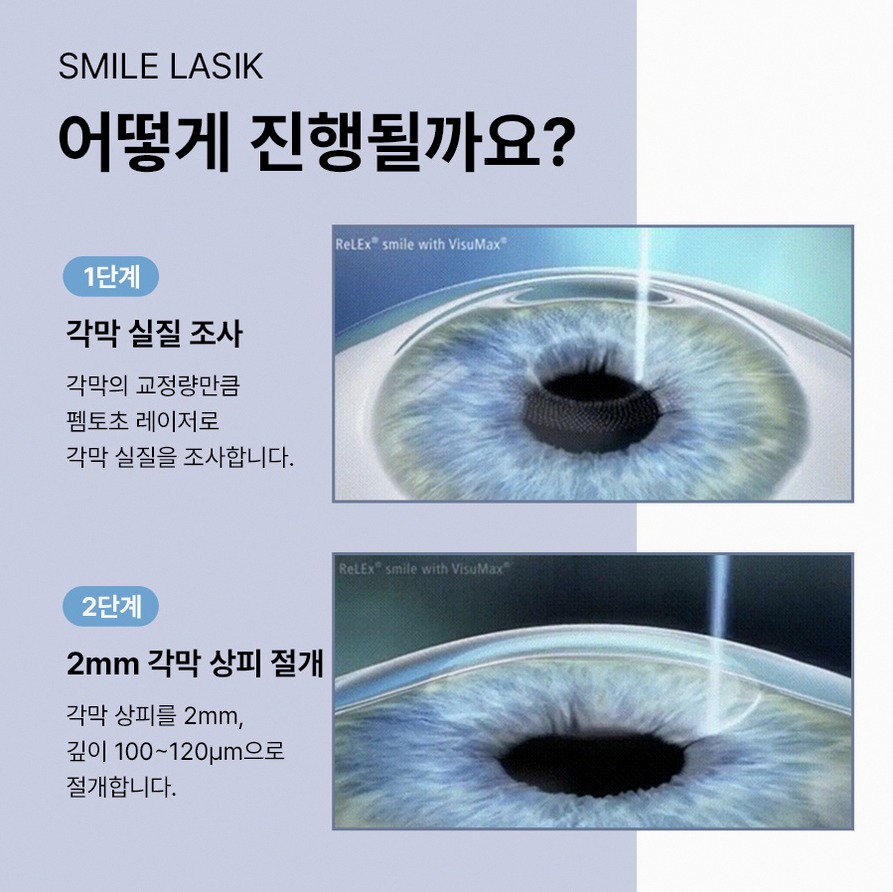
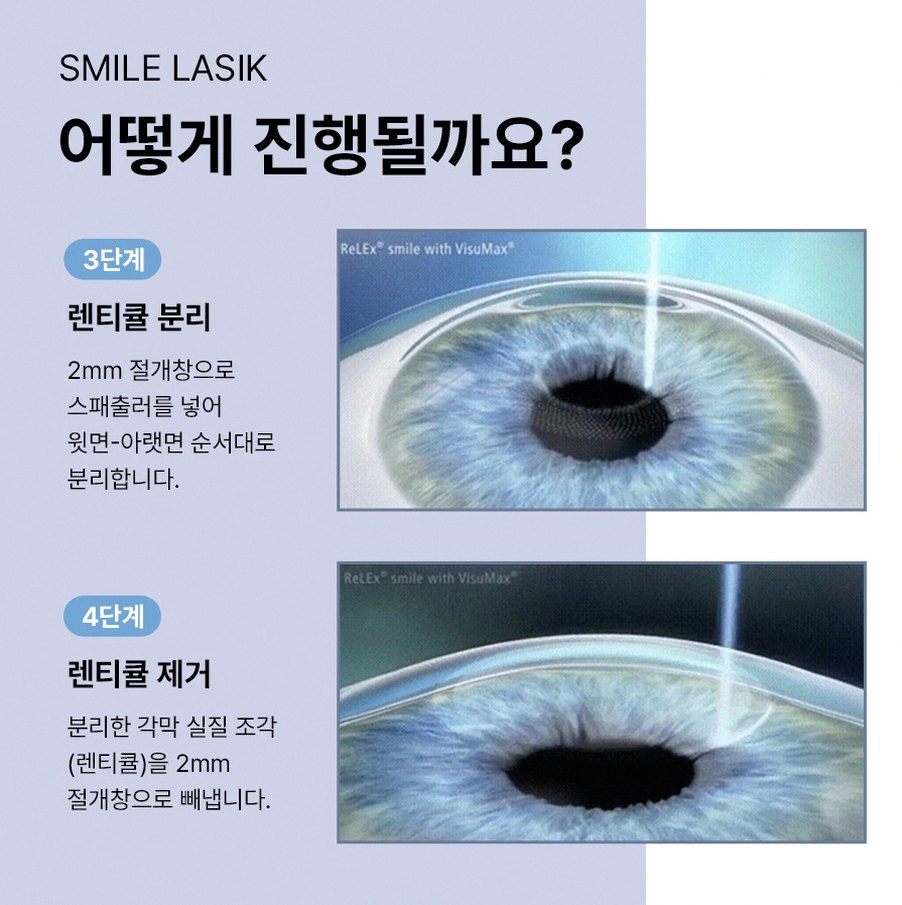
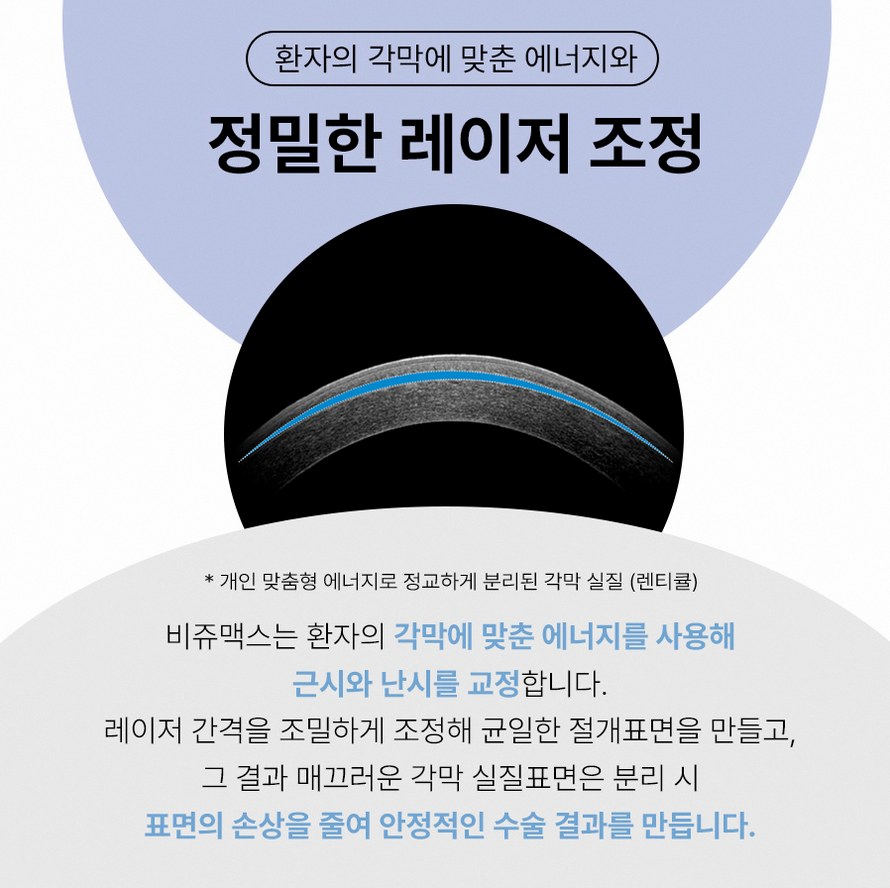
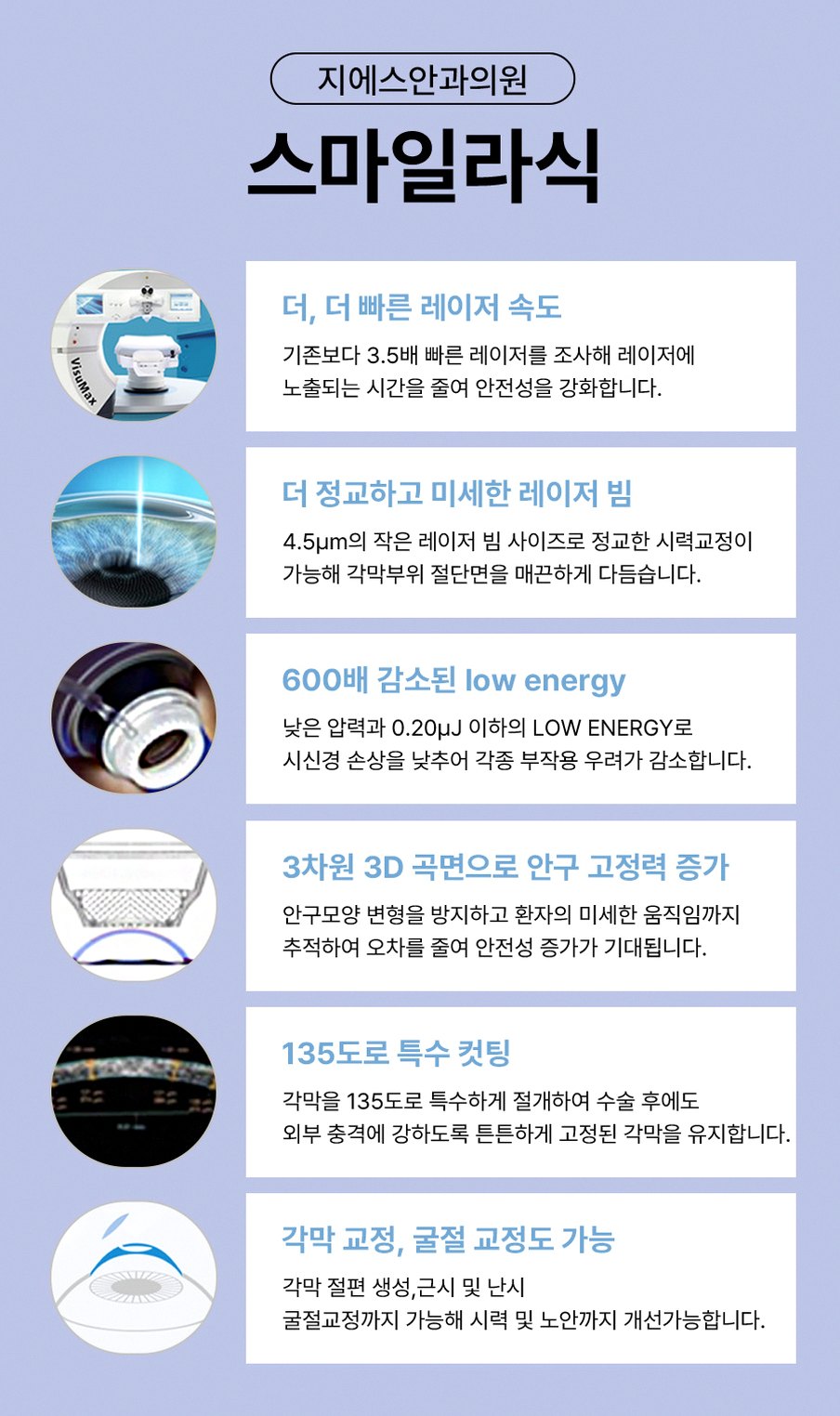
SMILE LASIK is a type of laser vision correction that reshapes the cornea using a femtosecond laser. Instead of creating a large flap on the surface of the cornea, the laser creates a small, lens-shaped piece of tissue called a lenticule inside the cornea. This lenticule is then removed through a tiny incision only a few millimeters long.
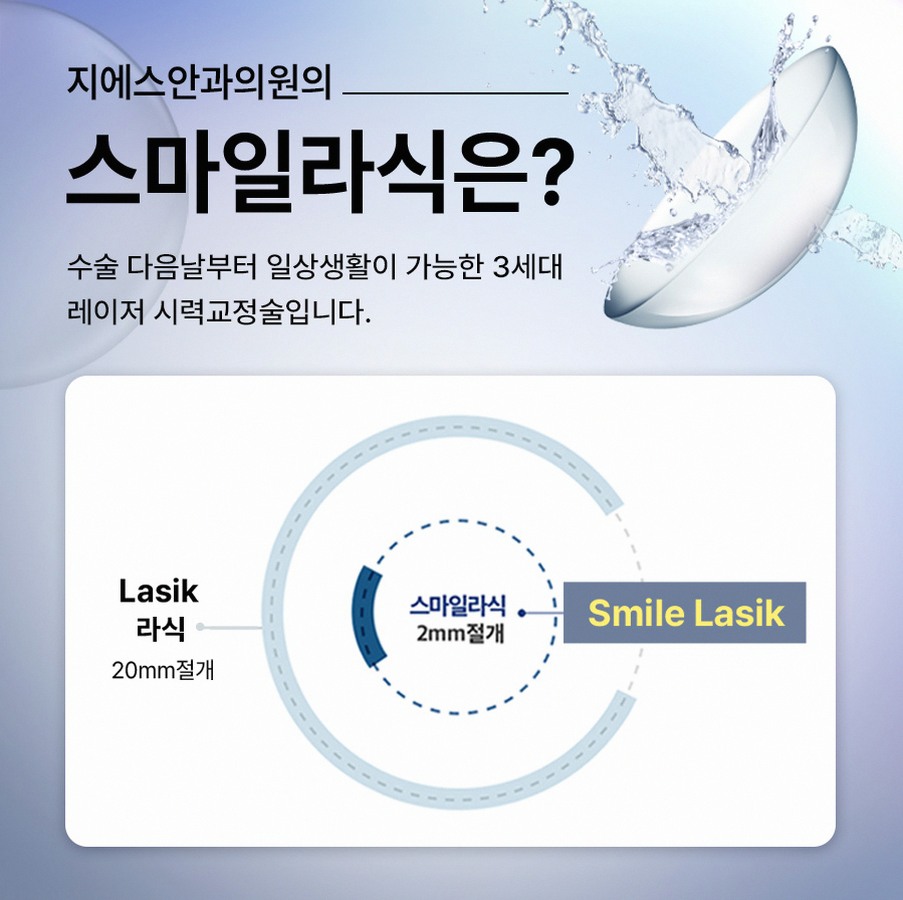
By removing this lenticule, the curvature of the cornea changes, which helps focus light more accurately on the retina. SMILE LASIK is mainly used to correct myopia and astigmatism in adults whose prescriptions have been stable for some time.
How SMILE works through a small incision
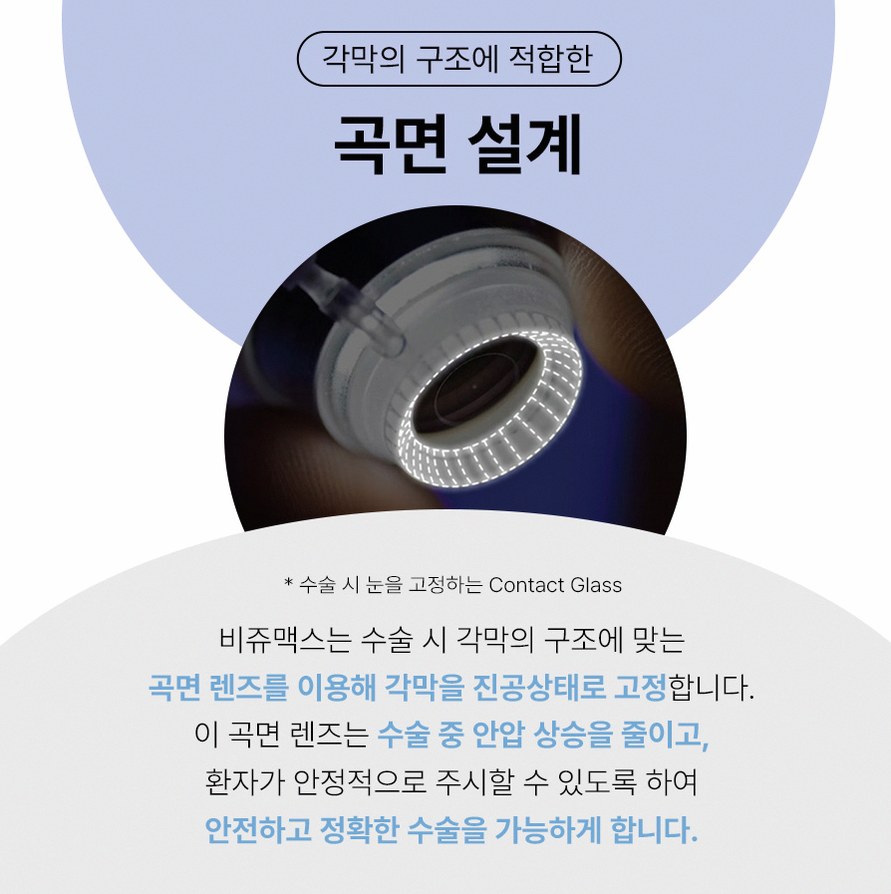
During SMILE LASIK, a femtosecond laser is used to perform all of the key steps. The laser creates the upper and lower surfaces of the lenticule inside the corneal tissue, and then creates a small side incision. Through this small opening, the surgeon gently separates and removes the lenticule.
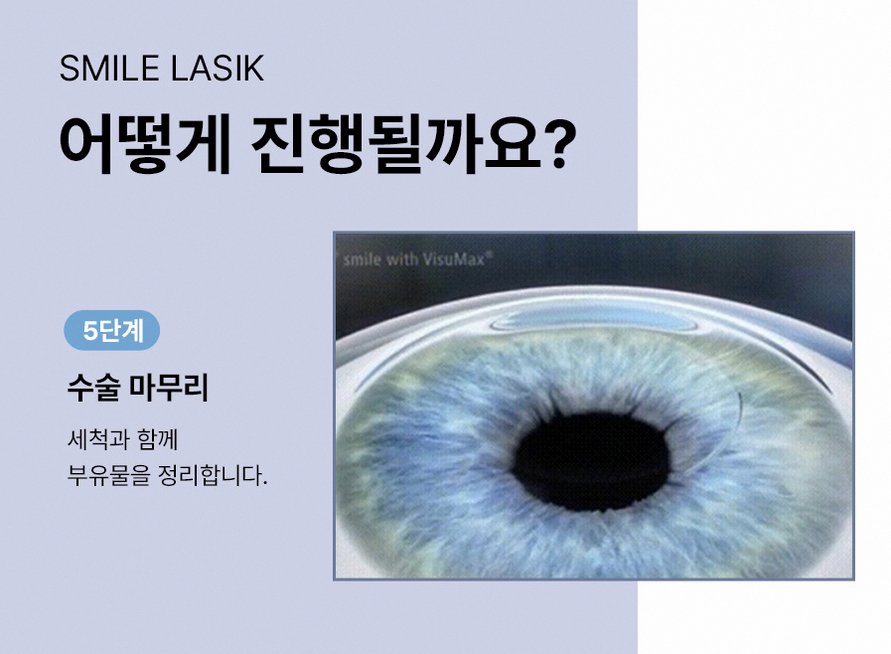
Because there is no large flap, the surface of the cornea remains more intact. The incision is much smaller than in traditional LASIK, and there are no stitches. The cornea then heals naturally over time.
SMILE vs traditional LASIK and LASEK
Traditional LASIK involves creating a larger corneal flap, lifting it, reshaping the exposed corneal tissue with an excimer laser, and then repositioning the flap. LASEK, by contrast, treats the surface layer of the cornea without a flap, which can involve more surface discomfort and a slower early recovery.
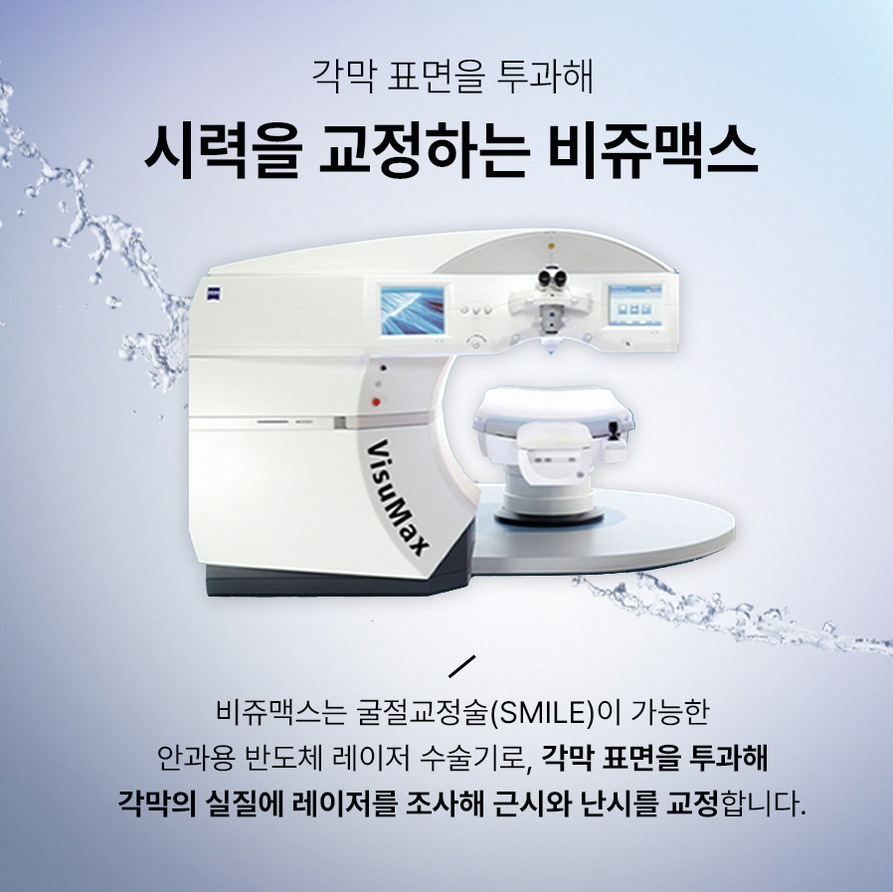
SMILE LASIK typically uses a smaller incision than LASIK and does not require a large flap. This may help preserve more corneal nerves, which can be relevant for dry eye symptoms, and may help maintain more of the cornea’s biomechanical strength within safe limits. Many patients experience relatively quick visual recovery, although individual healing varies.
Types of SMILE-related procedures
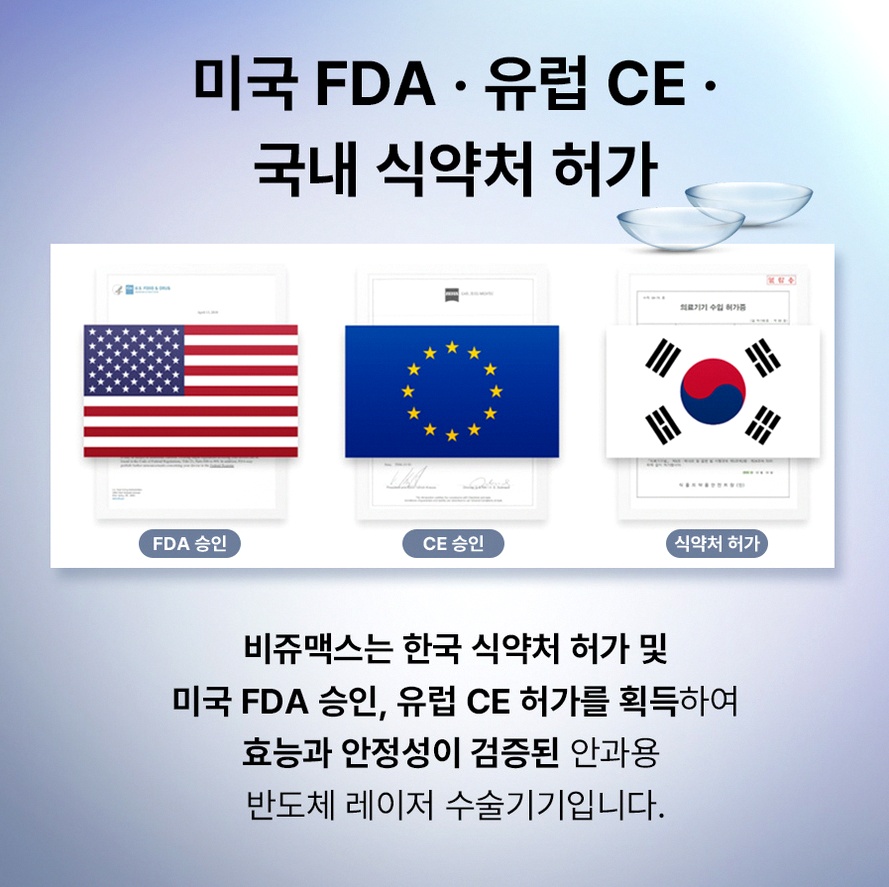
In the Gangnam and Seolleung Station area, some ophthalmology clinics offer a family of lenticule-based procedures rather than just one type. These can include SMILE pro using the latest ZEISS VISUMAX 800 platform, classic SMILE LASIK using VISUMAX 500, and SILK, a lenticule-based procedure typically performed using the ELITA system (Johnson & Johnson). Some centers also develop their own protocols, such as a customized approach sometimes referred to as Golden SMILE.
Having several related options allows the medical team to choose a procedure that matches your corneal thickness, prescription, occupation, and lifestyle, rather than forcing every patient into a single solution.
Who may consider SMILE LASIK
Typical candidates for SMILE LASIK are adults with nearsightedness and astigmatism whose glasses or contact lens prescription has been stable for at least one to two years. The cornea should be thick enough and have a healthy shape with no signs of keratoconus or other structural problems.
You should not have uncontrolled systemic diseases or active eye conditions such as severe untreated dry eye, active inflammation, or retinal problems that would limit vision. Even if you feel healthy, only a full examination can confirm whether SMILE LASIK is appropriate and safe for you.
Because every eye is different, the final decision about candidacy is made after a detailed pre-operative assessment that includes measurements of corneal thickness, shape, tear film quality, and the retina.
Seolleung Station and Gangnam area location advantages
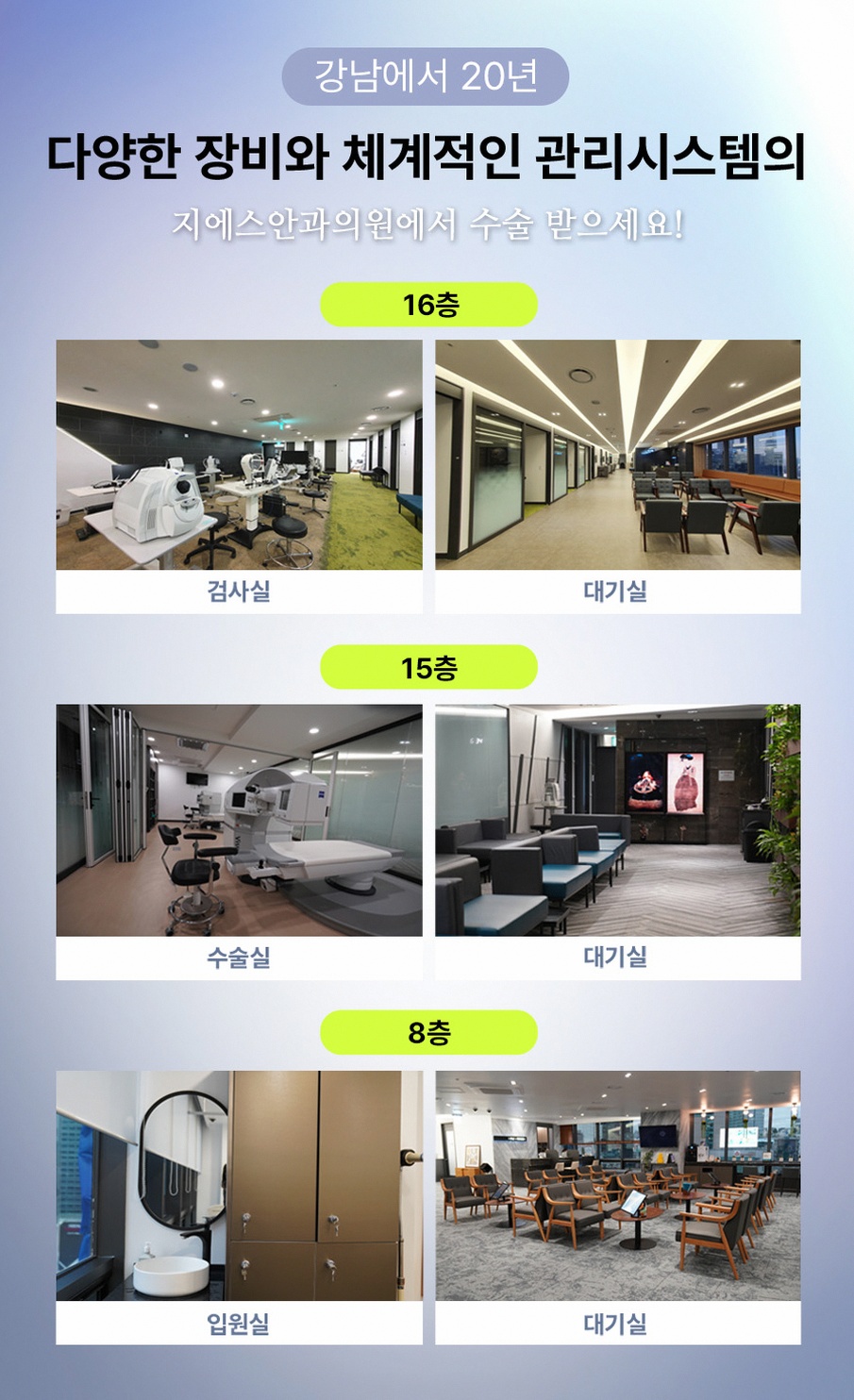
For international patients, staying near Gangnam Station, Seolleung Station, or Yeoksam-dong is convenient because many ophthalmology clinics offering SMILE LASIK are located along Gangnam-daero. This main road is a central business corridor with easy access by subway and bus, which is helpful because you will need multiple visits for testing, surgery, and follow-up.
GS Eye Center is an example of an ophthalmology clinic located on Gangnam-daero in Gangnam-gu, Seoul, occupying several floors in a building near Gangnam Station. It has been in the same location since 2005, originally under a different name and later renamed.
Key things to check when choosing a Seolleung Station eye clinic
When you search for a Seolleung Station eye clinic for SMILE LASIK, you will see many options in the Gangnam area. Instead of focusing only on distance or price, consider the following objective points.
Equipment for SMILE LASIK
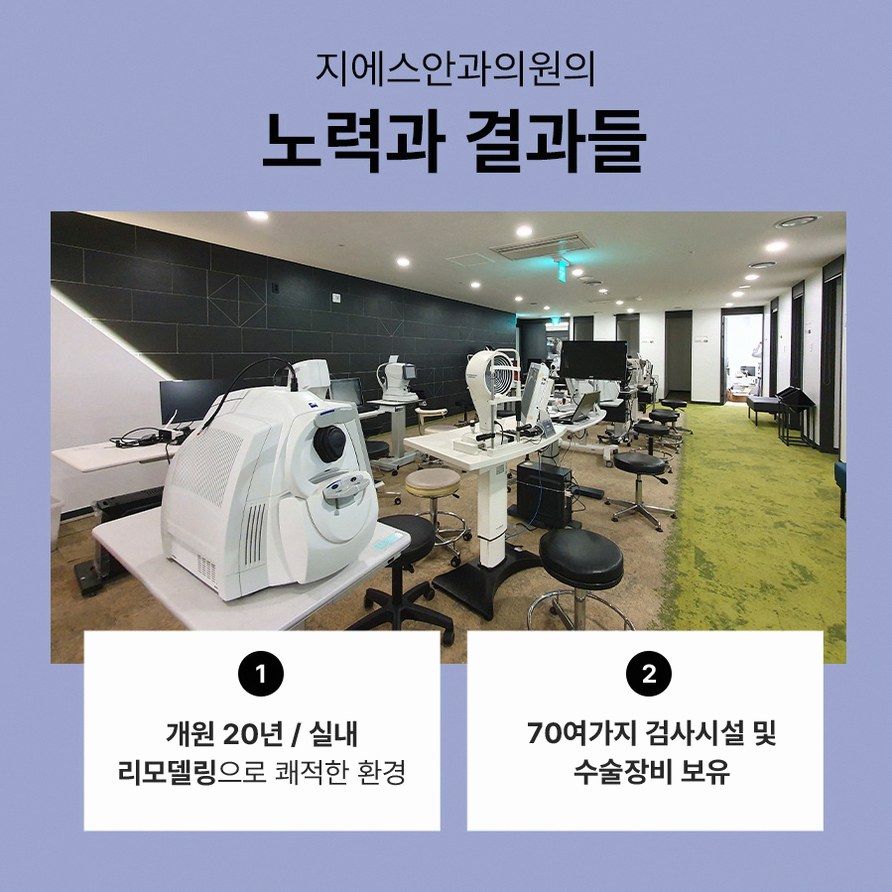
Check whether the ophthalmology clinic has dedicated ZEISS platforms for SMILE-type procedures. Some centers have the VISUMAX 800, which is designed for SMILE pro and can complete the laser step in under about nine seconds. Others use VISUMAX 500 for classic SMILE LASIK, and some have dual-room setups with two VISUMAX 500 units to support higher surgical volume and flexible scheduling.
If SILK is offered, confirm that the clinic has a system approved for that procedure. Having multiple lenticule-based platforms in one place allows the team to tailor the procedure to your corneal data and lifestyle, and also provides backup options if one machine is undergoing maintenance.
Medical team and subspecialties
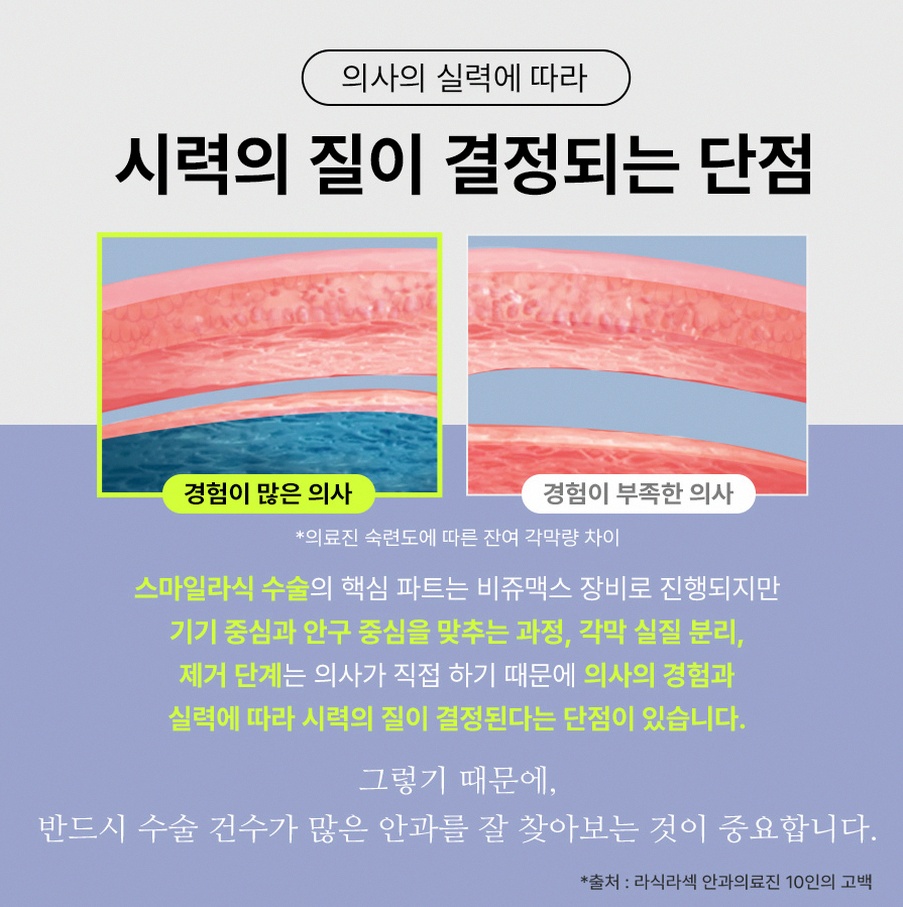
Look at how many ophthalmology specialists work at the clinic and what their backgrounds are. A multi-doctor team with subspecialties in retina, cataract, and refractive surgery can be an advantage for safety and continuity of care.
At some Gangnam-area centers, the representative director may hold a medical doctorate, have experience as faculty at a major university medical center, and continue to serve as adjunct faculty while running educational activities such as a YouTube channel on eye health. Other doctors may have trained or worked at large university hospitals, including Seoul National University Hospital, Catholic University hospitals, and Inje University hospitals.
Retina fellowship-trained specialists are particularly relevant because they can carefully examine the retina before surgery, treat peripheral retinal lesions if needed, and manage any retinal issues that might arise later.
Surgical volume and designations
When comparing clinics, look for transparent information on cumulative surgical volume with clear time references. For example, one Gangnam center reports a total of 300,000 eyes operated for vision correction and cataract surgery as of 2023.
For SMILE pro specifically, milestones such as 5,000 eyes by October 2024, 10,000 by August 2025, and 15,000 by April 2026 show that the procedure is performed regularly. Designations like ZEISS SMILE GOLD CLUB membership (first joined in 2021), ZEISS SMILE pro CENTER status (from 2023), and SILK TRAINING Center status (from 2026) indicate that the clinic is involved in training and collaboration, although they do not guarantee individual results.
Additional performance markers can include being first in Korea to perform certain phakic lens implantations such as GLAZE in 2019, reaching 1,000 eyes by 2022 and 3,000 Optiflex GLAZE cases by 2025, or achieving 3,000 PanOptix multifocal lens implantations by 2024. These numbers suggest experience with a wide range of vision correction options.
Quality systems and education roles
ISO 9001 and 14001 certification for SMILE LASIK, obtained in 2020 by some centers, suggests that standardized processes and environmental management systems are in place. Again, this is not a guarantee of outcome, but it is a sign that protocols and quality management are taken seriously.
Being designated as a clinical education institution for a major Catholic university medical school (from 2023) and as an Asia-Pacific clinical education center for BIOTECH (from 2024) indicates that the clinic participates in training future specialists and sharing clinical experience.
Structured pre-operative examination
A well-equipped Seolleung or Gangnam area ophthalmology clinic will usually offer a comprehensive pre-operative assessment before confirming SMILE LASIK. This often includes visual acuity testing, refraction, intraocular pressure measurement, corneal topography and tomography, corneal thickness mapping, tear film evaluation, pupil size measurement, and a detailed retinal examination.
Ask whether the clinic is prepared to advise against surgery if your eyes are not suitable. A responsible team will sometimes recommend alternatives such as phakic lens implantation (ICL, GLAZE, PhakiFlex KPL), surface procedures like 2DAY LASEK, or even no surgery at all if that is safer.
What to expect from the treatment process in Korea
For overseas patients, it helps to understand the usual sequence from online contact to returning home. The exact schedule can be adjusted depending on your travel dates and eye condition.
Online consultation and pre-visit preparation
Before booking flights, arrange an online consultation with your chosen clinic. Many Gangnam clinics, including GS Eye Center, communicate through channels such as Naver blog, Instagram, KakaoTalk, and YouTube. For international patients, email or messaging apps are usually used.
Prepare the following information in advance:
Your current glasses or contact lens prescription, including cylinder and axis for astigmatism if available.
Any previous eye surgeries or injuries.
History of eye diseases such as keratoconus, glaucoma, or retinal problems.
Systemic conditions such as diabetes, autoimmune disease, or use of medications like isotretinoin.
If you wear soft contact lenses, you will usually be asked to stop them at least several days before the detailed examination. For rigid or hard lenses, the rest period can be longer. Ask the clinic for their specific recommendations so you can plan your schedule.
Typical visit timeline for SMILE LASIK
A common plan for international patients staying near Seolleung Station or Gangnam Station might look like this:
Day 1: Comprehensive examination and consultation. This visit can take two to three hours because of the many tests involved. After the examination, the doctor will explain whether you are a candidate for SMILE LASIK, SMILE pro, SILK, LASEK, phakic IOL, or another option. You can discuss your work, hobbies, and expectations to choose the most suitable procedure.
Day 2 or 3: Surgery day. Some patients have surgery the next day after the exam, while others prefer a short break. You usually go home or back to your accommodation shortly after a short rest.
Day 3 or 4: Early post-operative check. A same-day or next-day check is standard to confirm that the cornea is healing as expected and that there are no early complications.
Following week: Additional follow-up. Many clinics schedule a one-week visit to monitor healing, adjust eye drops if needed, and answer questions.
If you are staying in Korea longer, further checks at one month and three to six months can be arranged. If you must return home sooner, the clinic can coordinate with you so that later follow-ups are done by a local eye care provider.
Aftercare and recovery
You may feel mild discomfort, tearing, or light sensitivity for the first day or two.
Most patients can see reasonably well within a day or so, but vision may continue to fluctuate for several weeks as the cornea stabilizes. You will be advised to avoid rubbing your eyes, swimming pools, hot tubs, and heavy exercise for a certain period. Screen time may need to be limited in the first days to reduce dryness and fatigue.
If you have a history of dry eye, ask about additional treatments such as tear film evaluation, in-clinic dry eye therapies, or special lubricants. Some Gangnam centers also run a dedicated dry eye clinic, which can be helpful before and after SMILE LASIK.
Role of retina specialists and additional services
A key safety point is the condition of your retina. High myopia is often associated with peripheral retinal thinning or small holes. At clinics with retina fellowship-trained specialists and a dedicated retina center, these areas can be examined carefully before surgery. If necessary, preventive treatments can be performed to reduce the risk of later problems.
In addition to SMILE LASIK, many Gangnam clinics offer phakic lens implantation (ICL, GLAZE, PhakiFlex KPL) for patients with very high myopia or thin corneas, presbyopia lens implantation, laser cataract surgery, multifocal intraocular lenses such as PanOptix, and corneal cross-linking. Having these options in one place allows the team to recommend the most appropriate solution rather than fitting everyone into a single procedure.
Clinic hours and practical details
Typical operating hours for a Gangnam ophthalmology clinic like GS Eye Center are:
Weekdays: 10:00 to 18:30
Saturday: 09:30 to 17:00
Closed on Sundays and public holidays
Lunch break: 13:00 to 14:00
These hours are convenient for office workers around Seolleung Station and Gangnam Station who may visit during lunch or after work. For international patients, it is still important to book appointments in advance, especially for the comprehensive exam and surgery day.
Many clinics share information and educational content through a Naver blog, Instagram, a YouTube channel run by the representative ophthalmologist, a KakaoTalk channel, and in-house video channels. Their stated philosophy may be summarized in phrases such as Skill creates vision and a Latin motto describing a house of people with good will, emphasizing a balance of technical expertise and ethical care.
Frequently asked questions
Is SMILE LASIK suitable for everyone with myopia
No. Even if you have myopia and astigmatism, SMILE LASIK is not automatically suitable. Your corneal thickness, corneal shape, tear film, pupil size, and retina all need to be evaluated. Some people are better candidates for classic SMILE, SILK, LASEK, or phakic lens implantation, while others may be advised not to have surgery at all. Only a full examination at an ophthalmology clinic can determine this.
How long should I stay in Korea for SMILE LASIK near Seolleung Station
A stay of about one week is often recommended. This allows time for the initial examination, surgery, and at least one or two follow-up visits. Some patients stay longer for additional checks at one or two weeks. If your schedule is tight, discuss this in advance during online consultation so the clinic can help you plan the minimum safe stay and coordinate follow-up care in your home country.
What should I compare when choosing a Seolleung Station eye clinic for SMILE LASIK
Focus on objective factors. Check the availability of dedicated SMILE platforms such as VISUMAX 800 and VISUMAX 500, the number and training background of ophthalmology specialists, the presence of retina subspecialists, and clearly stated surgical volumes with time frames. Ask about the full pre-operative test list, the willingness to say no if your eyes are not suitable, and the structure of post-operative follow-up and emergency contact options.
Can I combine SMILE LASIK with sightseeing in Seoul
Many international patients do some sightseeing before or after surgery, but it is important to prioritize eye safety. Before surgery and in the first few days after, you should avoid overly dusty or smoky environments and follow your doctor’s instructions on activity levels. Plan more intensive sightseeing for after the early recovery period, and avoid rubbing your eyes or exposing them to dirty water in spas or pools.
Soft call to action
If you are considering SMILE LASIK and want an ophthalmology clinic that is easy to reach from Seolleung Station and Gangnam Station, it is worth arranging an online consultation before you book flights. You can share your prescription, medical history, and travel dates so the team can suggest whether SMILE pro, classic SMILE, SILK, or another option might be appropriate and outline a realistic visit schedule.
GS Eye Center, located on Gangnam-daero near Gangnam Station and accessible from Seolleung Station, offers online channels where you can ask questions in advance. Reaching out early will help you compare clinics objectively and plan a safe, efficient treatment trip to Seoul.
- 공유 링크 만들기
- X
- 이메일
- 기타 앱


댓글
댓글 쓰기