SMILE LASIK Near Sinsa Station: What To Check And How GS Eye Clinic Compares
- 공유 링크 만들기
- X
- 이메일
- 기타 앱
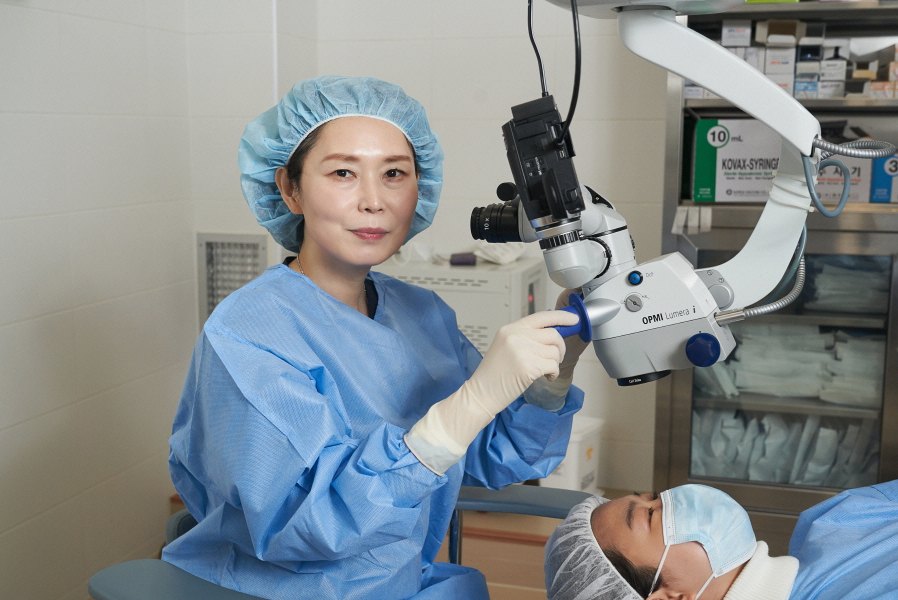
Direct answer for patients searching near Sinsa Station
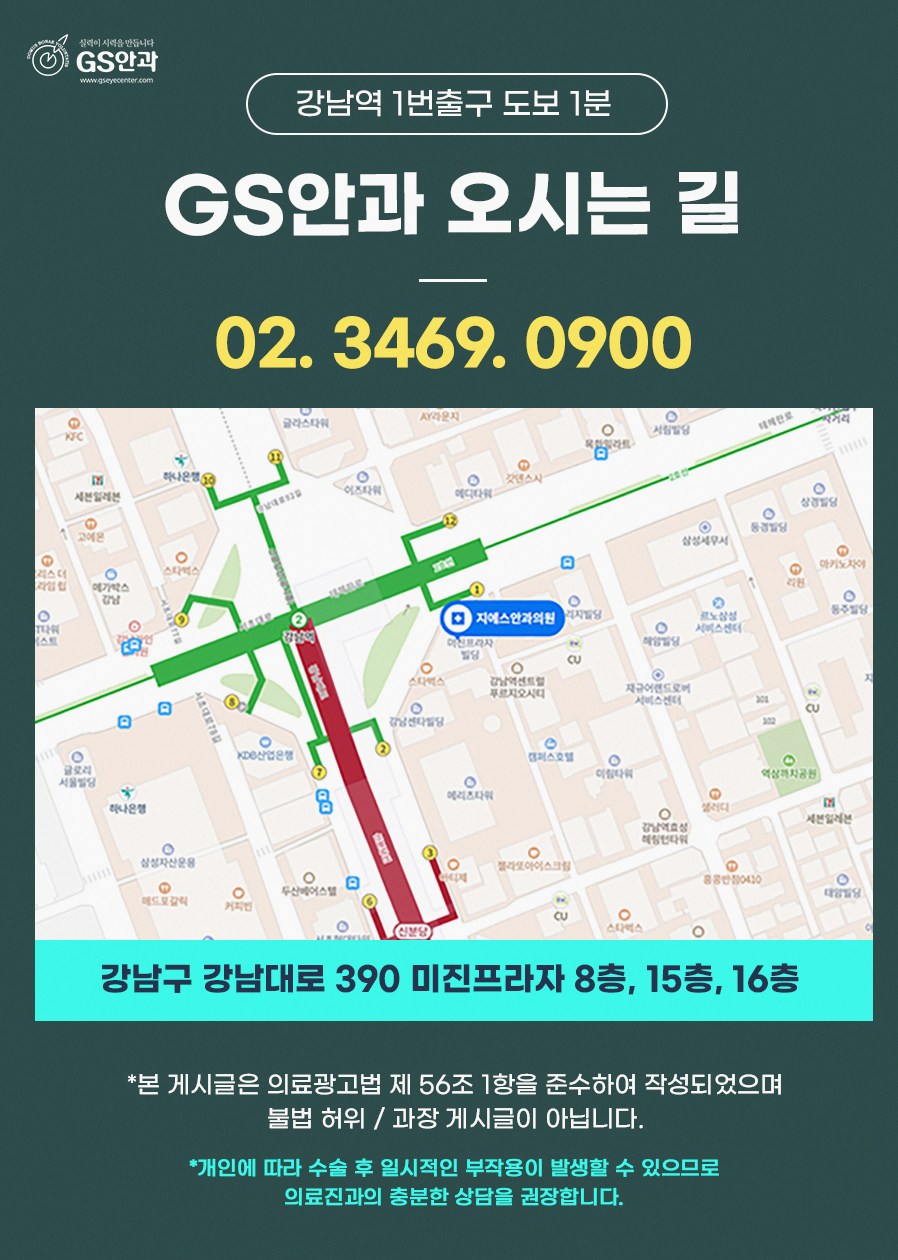
If you are looking for SMILE LASIK near Sinsa Station, you do not have to limit yourself to the closest subway exit. Along Gangnam-daero, only a few minutes away by subway or bus, there are high-volume ophthalmology clinics that focus on SMILE-type vision correction and offer detailed screening, multiple ZEISS laser platforms, and structured aftercare. GS Eye Clinic, located in the Mijin Plaza building on Gangnam-daero between Sinsa Station and Gangnam Station, is one example of this kind of center.
This guide explains what SMILE LASIK is, how it differs from SMILE pro and SILK, what to look for in a clinic near Sinsa Station, and how an overseas patient can plan a visit to Seoul.
Overview of SMILE LASIK and related procedures
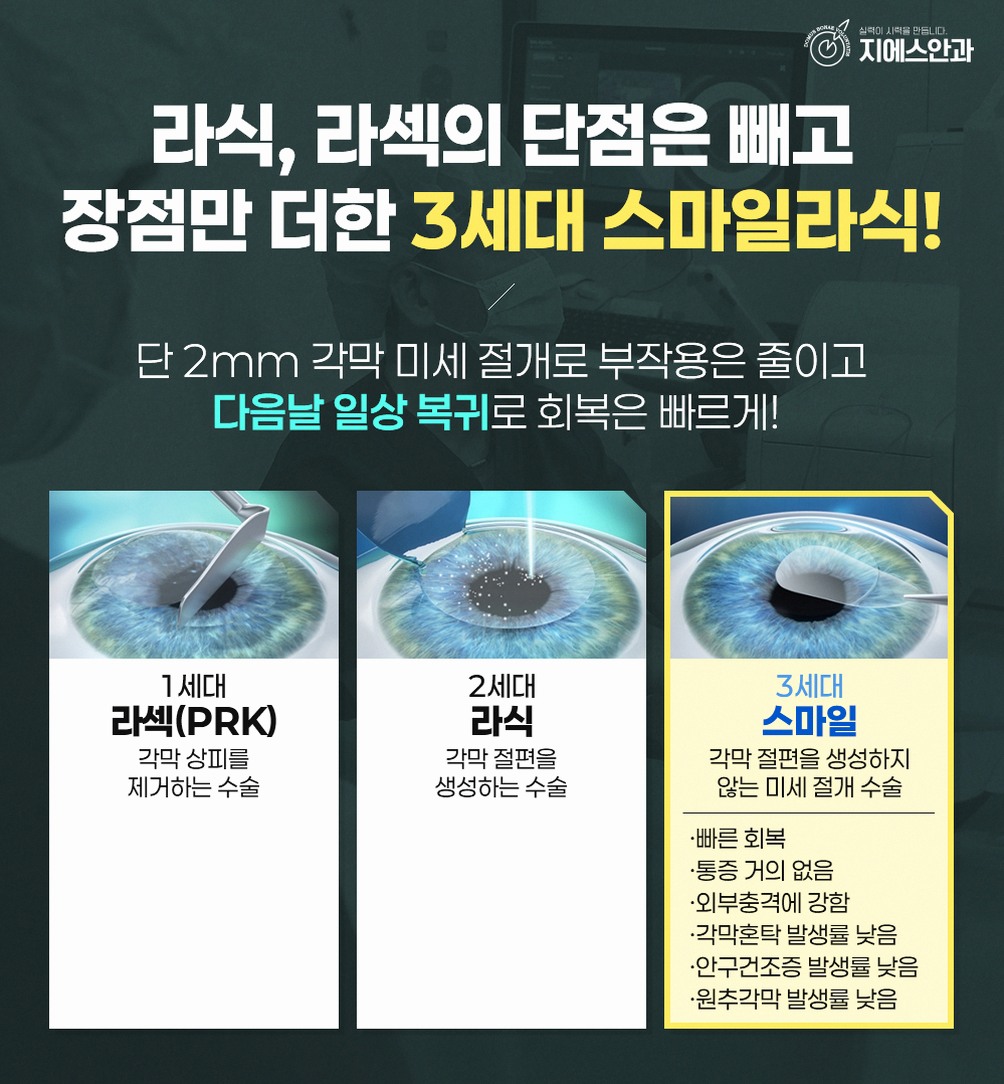
SMILE LASIK is a minimally invasive laser vision correction method that uses a femtosecond laser to create a thin lens-shaped piece of tissue (lenticule) inside the cornea. The surgeon removes this lenticule through a small incision, reshaping the cornea to correct myopia and astigmatism.
Unlike classic LASIK, SMILE LASIK does not require a large corneal flap. The incision is smaller, which may help preserve more corneal nerves and tissue. Many patients report relatively quick visual recovery and less discomfort compared with surface procedures like LASEK, although individual experiences vary.
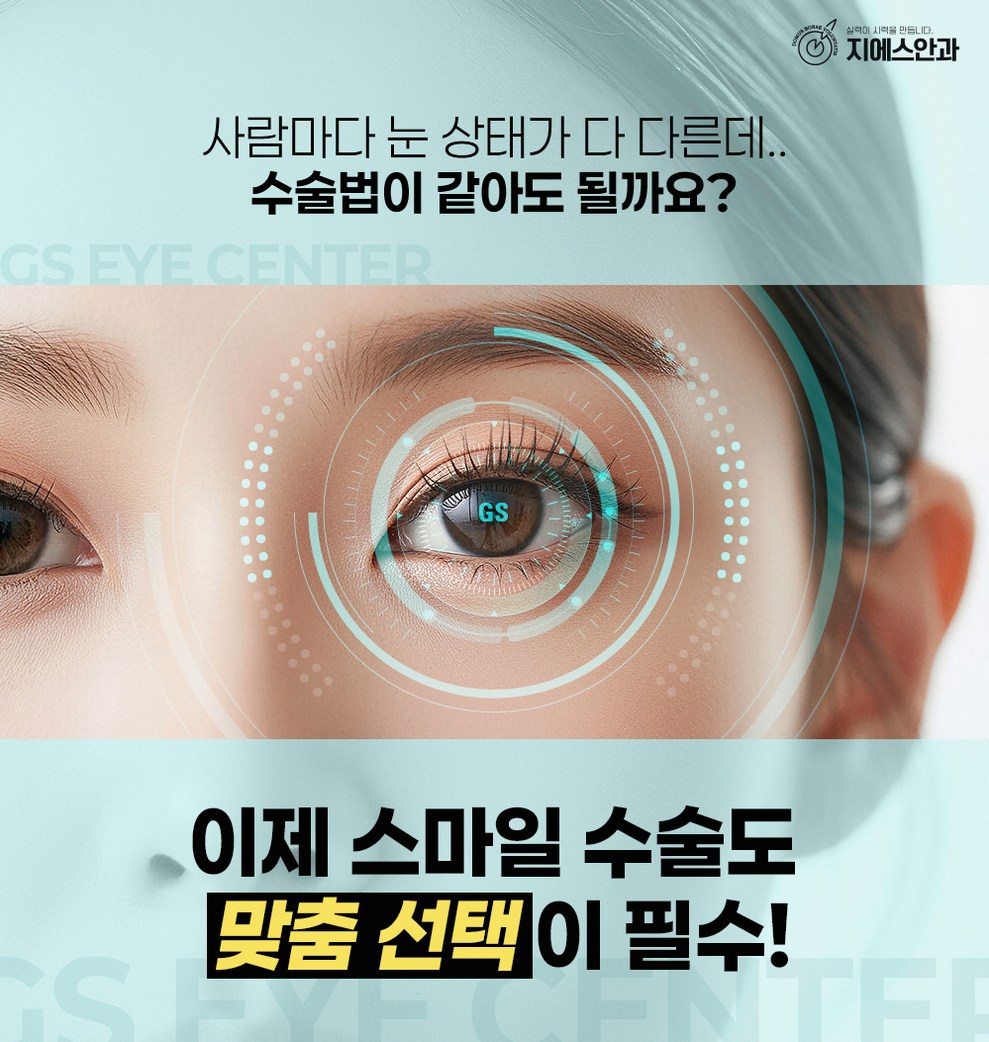
In Gangnam, including the Sinsa Station area, you will also see terms such as SMILE pro, SILK, and Golden SMILE. These are all lenticule-based procedures, but they use different platforms and protocols.
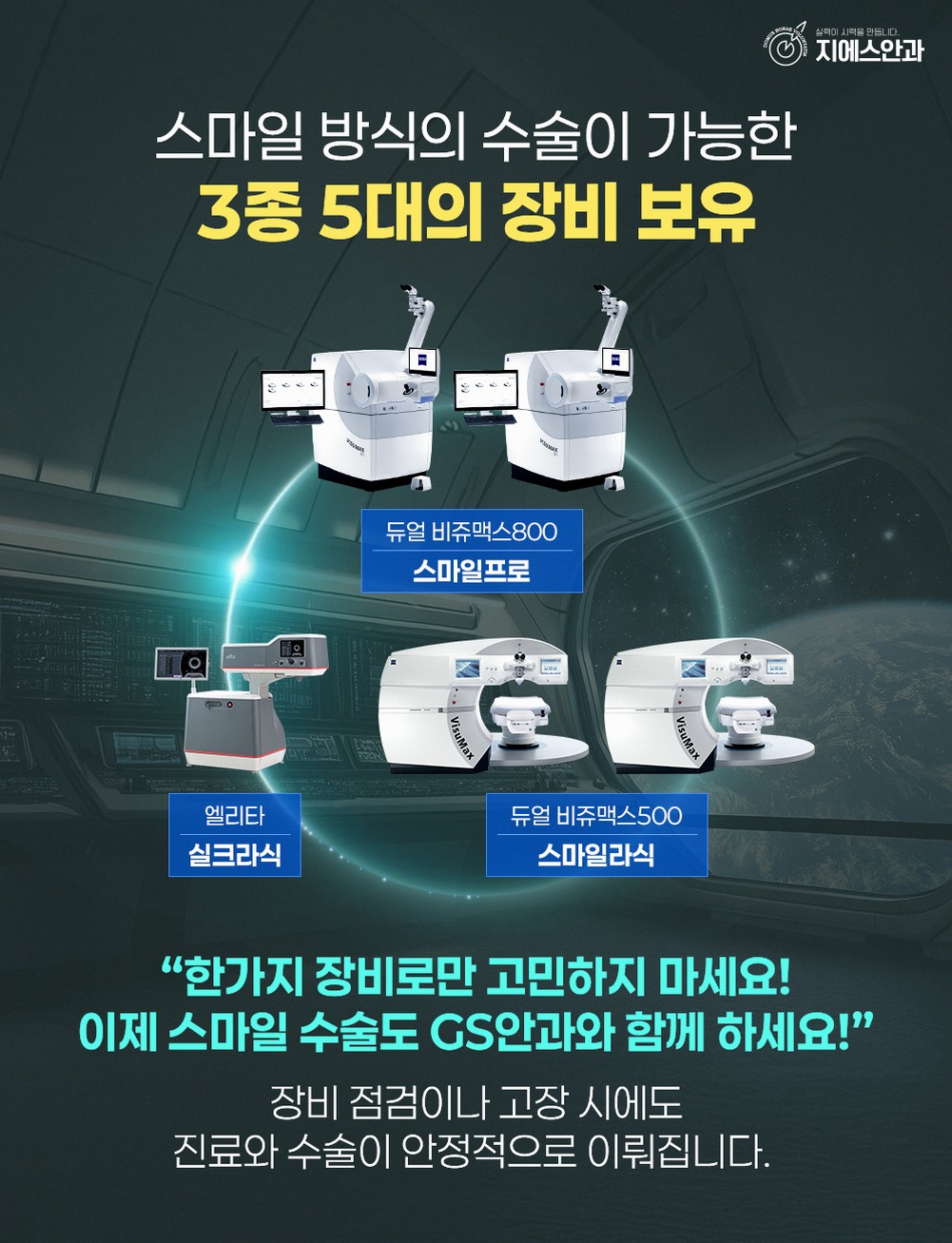
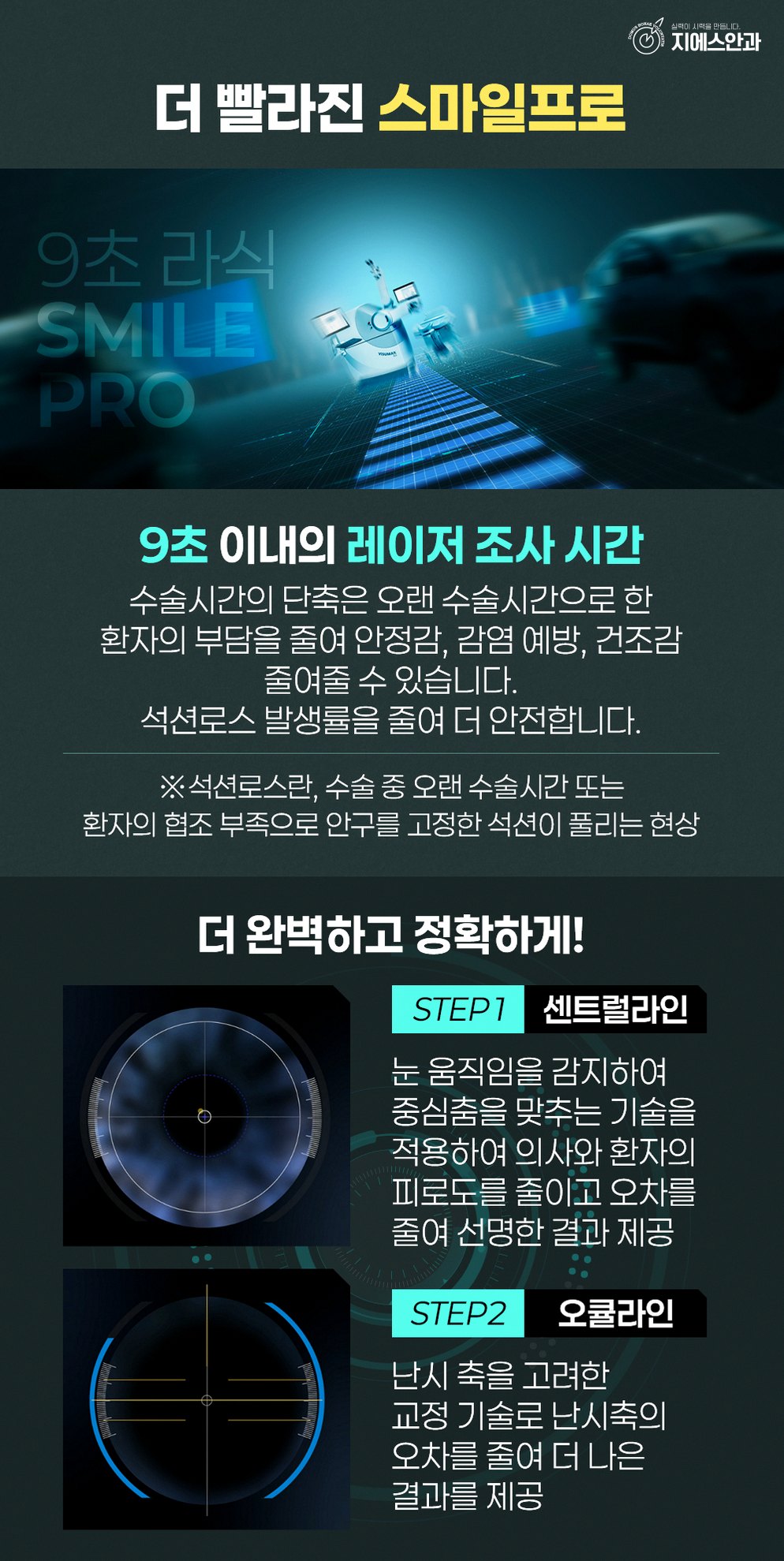
SMILE pro uses the ZEISS VISUMAX 800 platform. It is a newer generation system with very fast laser time, often around 9 seconds, and shorter suction time. This can improve comfort for some patients and help the surgeon work more efficiently.
SILK is another advanced lenticule-based vision correction method. Some centers, including GS Eye Clinic, are designated training centers for SILK, which means they participate in clinical education for other doctors.
Golden SMILE is the name of a premium SMILE protocol used at GS Eye Clinic. It combines the clinic’s experience, screening system, and laser platforms into a structured treatment pathway.
Who may consider SMILE LASIK near Sinsa Station
Patients who might consider SMILE LASIK include adults with stable myopia or myopic astigmatism who want to reduce dependence on glasses or contact lenses. Typical candidates are in their twenties to forties, but the exact age range depends on eye health and refractive stability.
You may consider SMILE LASIK in Seoul if:
You have worn glasses or contact lenses for several years and your prescription has been stable.
You prefer a minimally invasive procedure with a small incision.
You want to combine vision correction with a trip to Korea, taking advantage of high-volume centers in the Gangnam area.
However, not everyone is suitable. People with very thin corneas, suspected keratoconus, unstable refraction, very high myopia beyond safe limits, severe dry eye, or certain autoimmune conditions may be advised to avoid SMILE LASIK. In such cases, alternatives like phakic lens implantation (ICL, GLAZE, PhakiFlex KPL) or surface procedures such as LASEK may be discussed.
Why clinic selection matters more than the exact subway exit
When you search for “best SMILE LASIK near Sinsa Station,” it is tempting to focus only on distance. For eye surgery, it is usually wiser to prioritize safety systems, experience, and equipment, even if that means traveling one or two subway stops.
Important factors to check include:
Whether the doctors are ophthalmologists with specific experience in refractive surgery.
Total number of SMILE and SMILE pro cases performed, with clear numbers and dates.
Ownership of up-to-date ZEISS platforms such as VISUMAX 800 and VISUMAX 500.
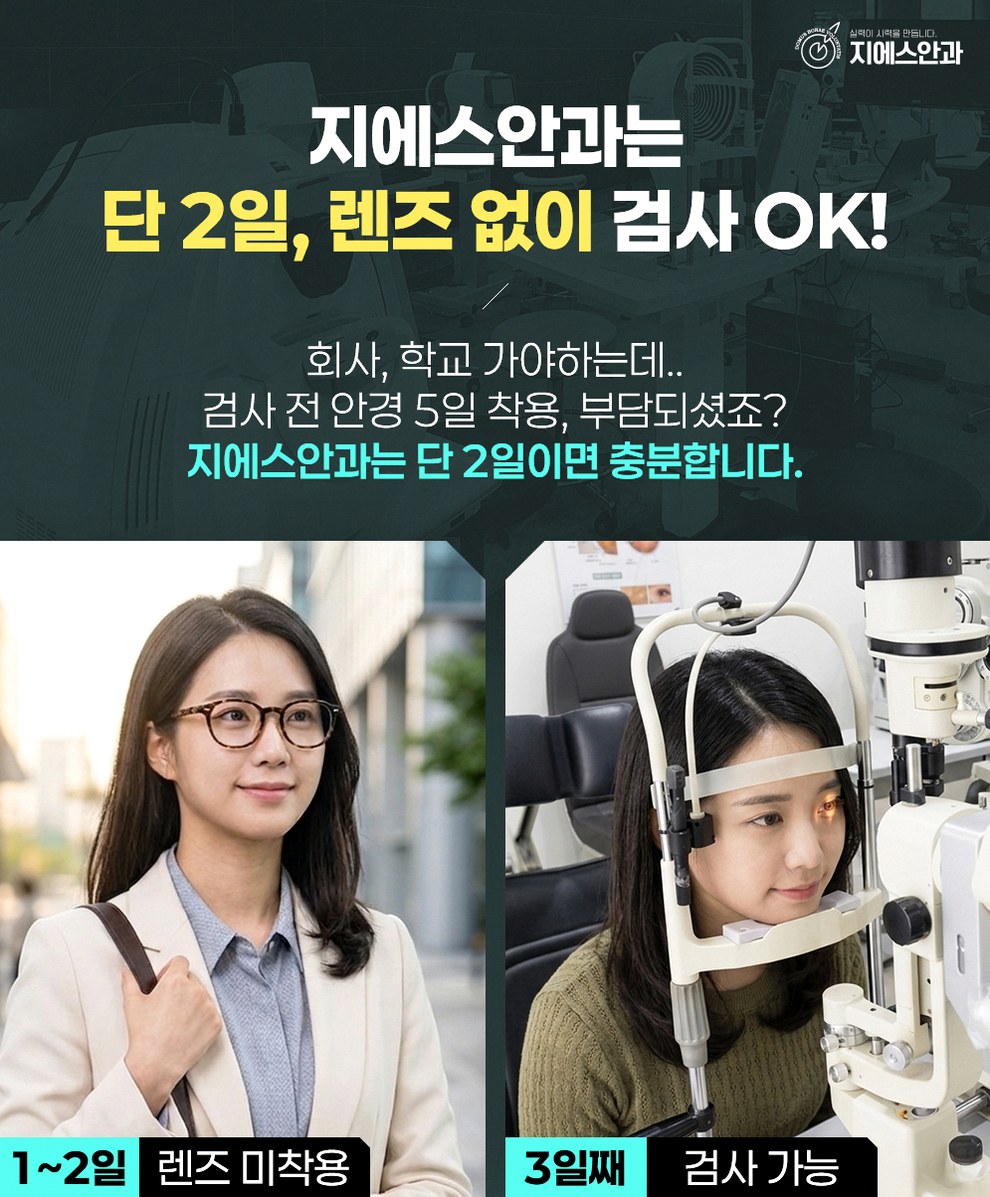
Availability of thorough pre-operative testing, including corneal thickness, topography, wavefront analysis, pupil size, tear film, and retina evaluation.
Participation in official training or education programs and ISO-certified quality systems.
GS Eye Clinic is an example of a center that emphasizes these points. It opened in 2005 at the same Gangnam-daero location (originally as Gangnam Saebit Eye Clinic) and later adopted the name GS Eye Clinic. The clinic occupies floors 8, 15, and 16 of the Mijin Plaza building near Gangnam Station, easily reachable by subway or bus from Sinsa Station along the same boulevard.
The clinic focuses on laser vision correction and cataract surgery. It reports more than 300,000 eyes treated with vision correction and cataract surgery as of 2023, including a large SMILE pro volume: 5,000 eyes by October 2024, 10,000 by August 2025, and 15,000 by April 2026.
Understanding SMILE LASIK, SMILE pro, and SILK
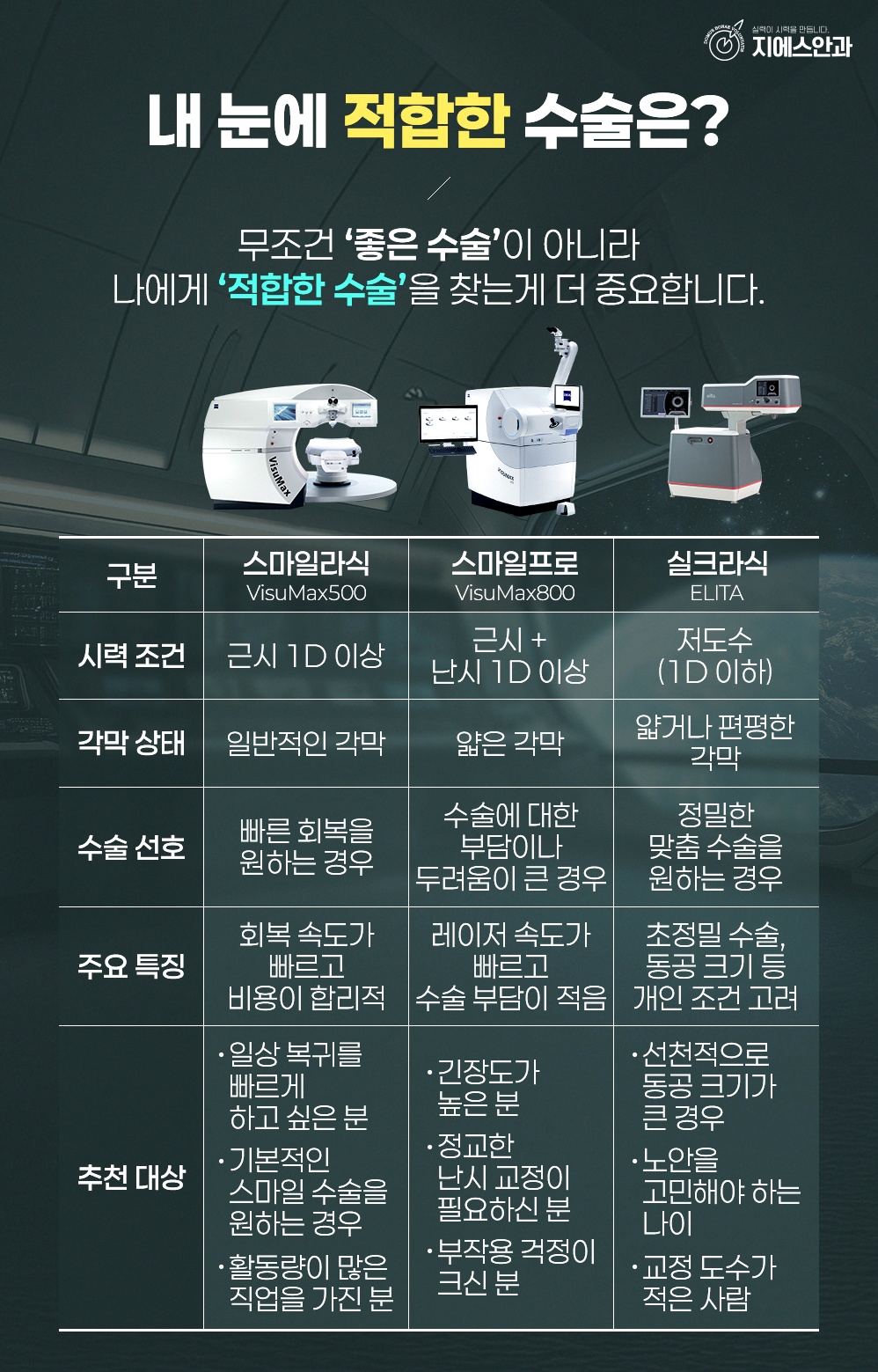
All three procedures are lenticule-based corneal surgeries, but they differ in laser platform and technical details.
SMILE LASIK
Uses the ZEISS VISUMAX 500 femtosecond laser.
Has been widely used worldwide for many years.
Involves creating and removing a lenticule through a small incision.
At GS Eye Clinic, there are two VISUMAX 500 units, first introduced in 2016 and 2019, which helps reduce waiting time and provides flexibility in scheduling.
SMILE pro
Uses the newer ZEISS VISUMAX 800 platform.
Offers faster laser time, often around 9 seconds, and shorter suction time.
Designed for precision and comfort, which may be helpful for anxious patients or those sensitive to pressure.
GS Eye Clinic is designated as a ZEISS SMILE pro CENTER, reflecting its active use of this platform.
SILK
Another advanced lenticule-based vision correction method.
GS Eye Clinic is a designated SILK TRAINING Center, meaning it participates in clinical education for this technology.
Provides an additional option when tailoring treatment to corneal thickness, curvature, and lifestyle.
In practice, the choice between SMILE LASIK, SMILE pro, SILK, or other methods such as LASEK or phakic lens implantation depends on many factors: corneal thickness and shape, degree of myopia and astigmatism, pupil size, dry eye status, age, occupation, and personal preferences.
Why high-volume SMILE centers can be safer for complex cases
For straightforward prescriptions with healthy eyes, many clinics may offer acceptable results. For borderline or complex cases, experience and systems become more important.
High-volume SMILE centers often have:
Extensive experience with thin corneas, high myopia, and irregular astigmatism.
Protocols for adding corneal cross-linking (EXTRA or KXL) when indicated, to support corneal stability.
In-house retina specialists to screen for retinal tears, lattice degeneration, or macular problems before surgery.
GS Eye Clinic has seven ophthalmologists, all board-certified, including subspecialists in refractive surgery, cataract, and retina. The medical director is an MD, PhD, with previous professorship at a major Catholic university medical center and ongoing educational activity, including a YouTube channel. Other doctors include former clinical instructors and assistant professors from large university hospitals.
The clinic maintains a separate retina center with fellowship-trained retina specialists. This is important because high myopia is associated with a higher risk of retinal issues. Having retina specialists in-house allows careful pre-operative screening and joint decision-making for borderline cases.
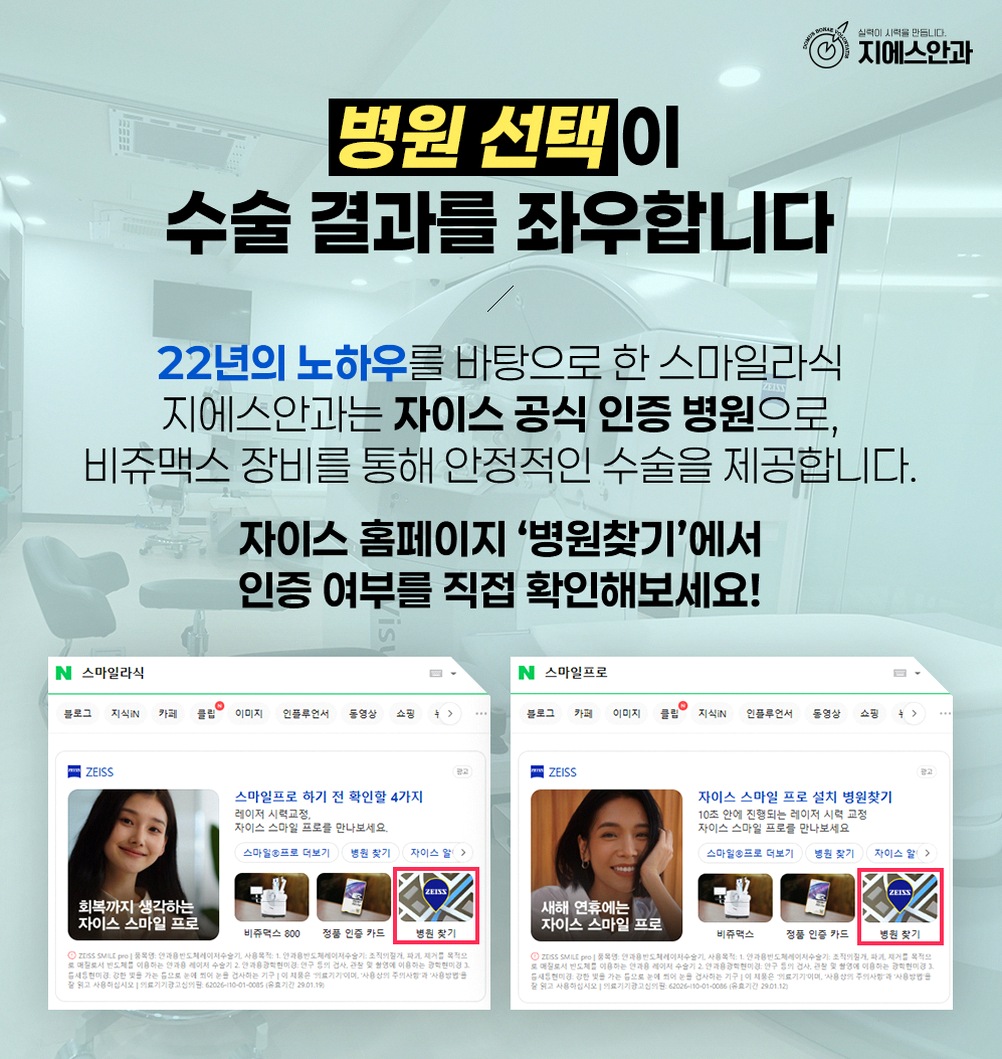
The clinic also holds several recognitions, such as being the first in Korea to join the ZEISS SMILE GOLD CLUB in 2021, designation as a ZEISS SMILE pro CENTER in 2023, and SILK TRAINING Center in 2026. It has ISO 9001 and 14001 certification for SMILE LASIK quality and environmental management since 2020 and serves as a clinical education site for a medical school and as an Asia-Pacific clinical education center for BIOTECH.
Step-by-step SMILE LASIK journey for overseas patients
If you are visiting Seoul from overseas and staying near Sinsa Station or Gangnam Station, your SMILE LASIK journey at a Gangnam-daero clinic such as GS Eye Clinic will usually follow several stages.
1. Online consultation and pre-visit preparation
Before you book flights, it is wise to request an online consultation. Many clinics in this area, including GS Eye Clinic, respond through email, KakaoTalk, or other messaging channels.
You can prepare by sending:
Your age and general health conditions.
Your current glasses or contact lens prescription (a recent optometry report helps).
Any previous eye surgery or trauma history.
Information about dry eye symptoms, night driving difficulties, or other visual complaints.
Your approximate travel dates and length of stay in Korea.
Ask specific questions such as:
Is SMILE LASIK likely to be suitable for my prescription, or should I also consider LASEK or phakic lens implantation?
How many days should I plan to stay in Seoul for surgery and follow-up?
What follow-up schedule do you recommend after I return to my home country?
2. First visit in Seoul: full eye examination
When you arrive, your first in-person visit will focus on detailed testing. At a center like GS Eye Clinic, this typically includes:
Measurement of your current refraction.
Corneal thickness (pachymetry).
Corneal topography and tomography to check shape and rule out keratoconus.
Wavefront analysis to understand higher-order aberrations.
Pupil size measurement, including in low light.
Tear film and dry eye evaluation.
Retinal examination, often including wide-field imaging and macular checks, especially for high myopia.
Based on these results, the ophthalmologist will explain whether SMILE LASIK, SMILE pro, SILK, or another method is recommended, and why. If your cornea is too thin or irregular, or if there are retinal issues, the doctor may advise against corneal laser surgery and suggest alternatives.
3. Treatment selection and planning
If you are a candidate, the doctor will discuss the pros and cons of each option:
SMILE LASIK or SMILE pro for many myopic and astigmatic patients.
SILK as another lenticule-based option.
2DAY LASEK for patients better suited to surface procedures.
Phakic lens implantation (ICL, GLAZE, PhakiFlex KPL) for very high myopia or thin corneas.
In some cases, corneal cross-linking may be recommended together with laser vision correction to support corneal stability. The plan will also include anesthesia type (usually eye drops), expected surgery duration, and post-operative medication.
4. Surgery day
On the day of surgery, you will usually:
Check in and review consent forms.
Have final measurements or verification tests.
Receive anesthetic eye drops.
The actual laser time with VISUMAX 800 for SMILE pro is very short, often around 9 seconds per eye. The total time in the operating room is longer due to preparation and verification, but many patients are surprised by how quickly the laser part is completed. With VISUMAX 500 for SMILE LASIK, the laser time is slightly longer but still brief.
You may feel some pressure but usually not pain. After the lenticule is created and removed through the small incision, the surgeon will check the cornea and apply medication. You will rest in a recovery area before going back to your accommodation.
5. Early post-operative period in Seoul
Most patients have a follow-up visit the next day to check vision, corneal condition, and intraocular pressure. Additional visits may be scheduled within the first week.
During this period, you will:
Use prescribed eye drops for infection prevention and inflammation control.
Use lubricating drops for dry eye symptoms.
Avoid eye rubbing, swimming pools, and dusty environments.
Follow guidance on showering and makeup.
Many patients can walk around Gangnam or Sinsa the next day, but it is better to avoid tight sightseeing schedules immediately after surgery. Plan some quiet time in your hotel or guesthouse.
6. Returning home and long-term care
Before you leave Korea, your doctor will usually confirm your vision and corneal status and provide instructions for follow-up in your home country. This may include:
A recommended schedule of eye examinations.
Information to share with your local ophthalmologist.
Guidance on managing dry eye and night vision adaptation.
If your clinic has online channels such as email, KakaoTalk, or social media, you can often send questions or reports after you return home.
Who may not be a good candidate for SMILE LASIK
Even near Sinsa Station, where many people search for SMILE LASIK, a responsible clinic will not recommend the procedure to everyone.
You may not be a good candidate if:
Your cornea is very thin or shows signs of keratoconus or other ectatic disease.
Your refraction is still changing, for example in younger patients or those with unstable myopia.
Your myopia or astigmatism is beyond the safe range for corneal laser surgery.
You have severe dry eye that is not controlled, or systemic autoimmune disease that affects healing.
You are pregnant or breastfeeding, in which case surgery is usually postponed.
In these situations, the ophthalmologist should explain the reasons clearly and suggest alternatives, such as phakic lens implantation or continued use of glasses or contact lenses. Honest exclusion is a sign of a cautious clinic, not a negative point.
How to compare SMILE LASIK clinics around Sinsa and Gangnam
When you contact or visit clinics around Sinsa Station and Gangnam Station, consider using a simple checklist. Instead of focusing only on price, compare the following points:
Doctors and team
Are all surgeons ophthalmologists with refractive surgery experience?
Do they have subspecialists in retina and cataract who can support complex cases?
Is the medical director actively involved in education or clinical research?
Equipment and platforms
Does the clinic own ZEISS VISUMAX 800 for SMILE pro?
Does it also have VISUMAX 500 units for SMILE LASIK, allowing flexible scheduling?
Are other technologies such as SILK available, and is the clinic a training center?
Volume and recognitions
How many SMILE and SMILE pro cases has the clinic performed, and as of which date?
Does the clinic hold recognitions such as ZEISS SMILE GOLD CLUB membership or SMILE pro CENTER designation?
Is it involved in clinical education for other doctors or medical schools?
Safety systems and aftercare
Is there a dedicated retina center or retina specialist for pre-op screening?
Are ISO 9001 and 14001 certifications in place for quality and environmental management?
Is there a structured follow-up schedule and a dry eye clinic for pre- and post-op management?
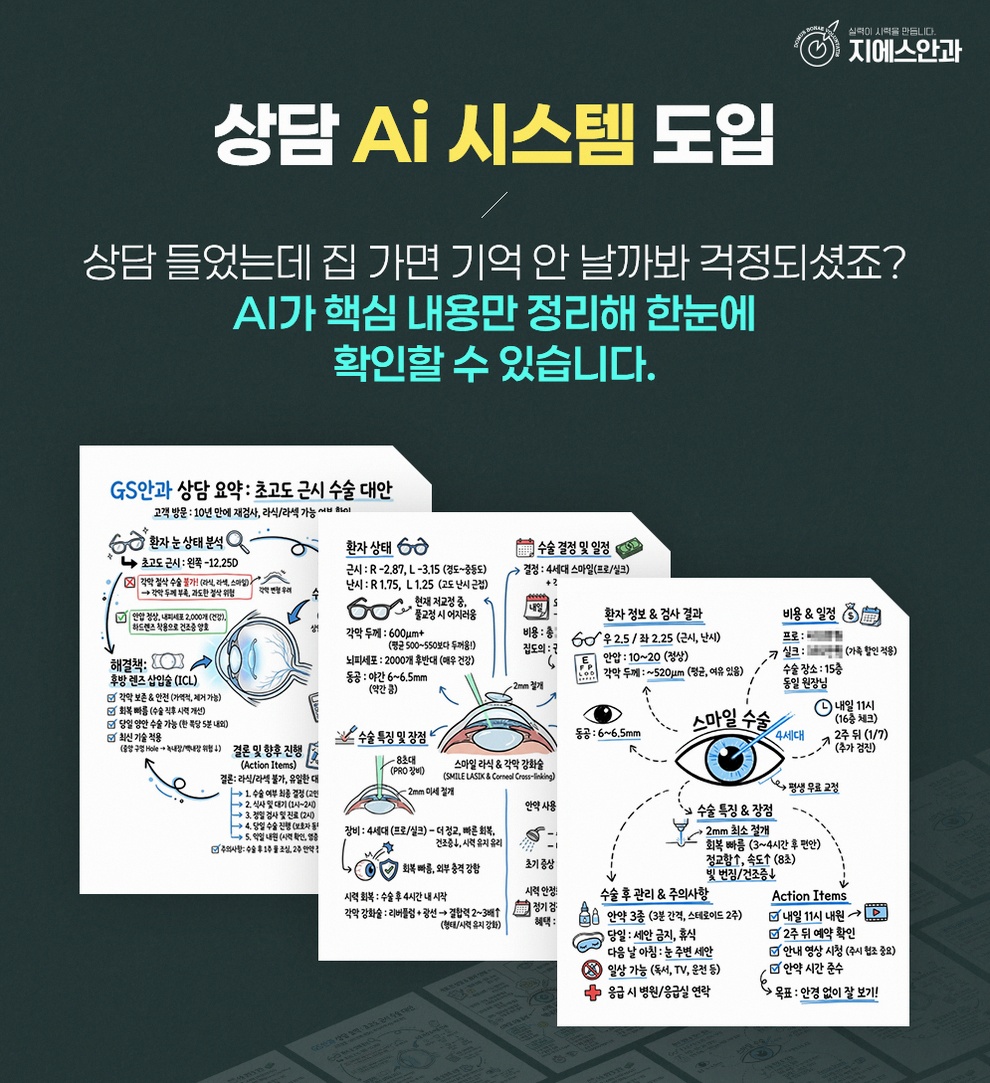
GS Eye Clinic is one example of a clinic that can answer positively to many of these questions. However, you should always confirm details directly with the clinic at the time of your consultation, as technology and staff can change over time.
Frequently asked questions about SMILE LASIK near Sinsa Station
Is SMILE LASIK suitable for everyone who wears glasses?
No. SMILE LASIK is suitable only for patients who meet specific criteria. Your cornea must be thick and regular enough, your prescription should be within a safe range, and your refraction should be stable. A full examination including corneal topography, thickness measurement, and retinal check is necessary. Some patients are better served by LASEK or phakic lens implantation, and a careful clinic will explain this clearly.
How is SMILE pro different from conventional SMILE LASIK?
SMILE pro uses the newer ZEISS VISUMAX 800 platform, which offers faster laser time and shorter suction. This can make the procedure more comfortable and efficient, especially for anxious patients. Conventional SMILE LASIK uses VISUMAX 500, a well-established platform with a long track record. Both methods require experienced surgeons and thorough screening; the choice depends on your eye condition and the clinic’s recommendation.
How long does it take to recover after SMILE LASIK?
Many patients notice improved vision within the first day or two after SMILE LASIK, and can return to light work within several days. However, vision can fluctuate for weeks, and night vision may take longer to stabilize. Dry eye symptoms are common in the early period and usually improve with time and lubricating drops. Your doctor will set a follow-up schedule to monitor healing and address any concerns.
What pre-op tests should I expect at a SMILE LASIK clinic near Sinsa Station?
You should expect a comprehensive set of tests: refraction, corneal thickness, corneal topography and tomography, wavefront analysis, pupil size measurement, tear film evaluation, and a detailed retinal exam. Each test plays a role in confirming that your cornea is strong and regular enough, your prescription is within safe limits, and your retina is healthy. These tests help reduce the risk of complications and guide the choice between SMILE, LASEK, or lens implantation.
Is it better to choose a high-volume SMILE center even if it is one or two subway stops away?
For many patients, yes. A high-volume center with multiple ZEISS platforms, experienced ophthalmologists, and a retina team can offer more options and more structured safety systems. Traveling from Sinsa Station to a clinic on Gangnam-daero such as GS Eye Clinic usually takes only a few minutes, but may give you access to a broader range of technologies and expertise. Balancing convenience with medical quality is important when you are planning eye surgery.
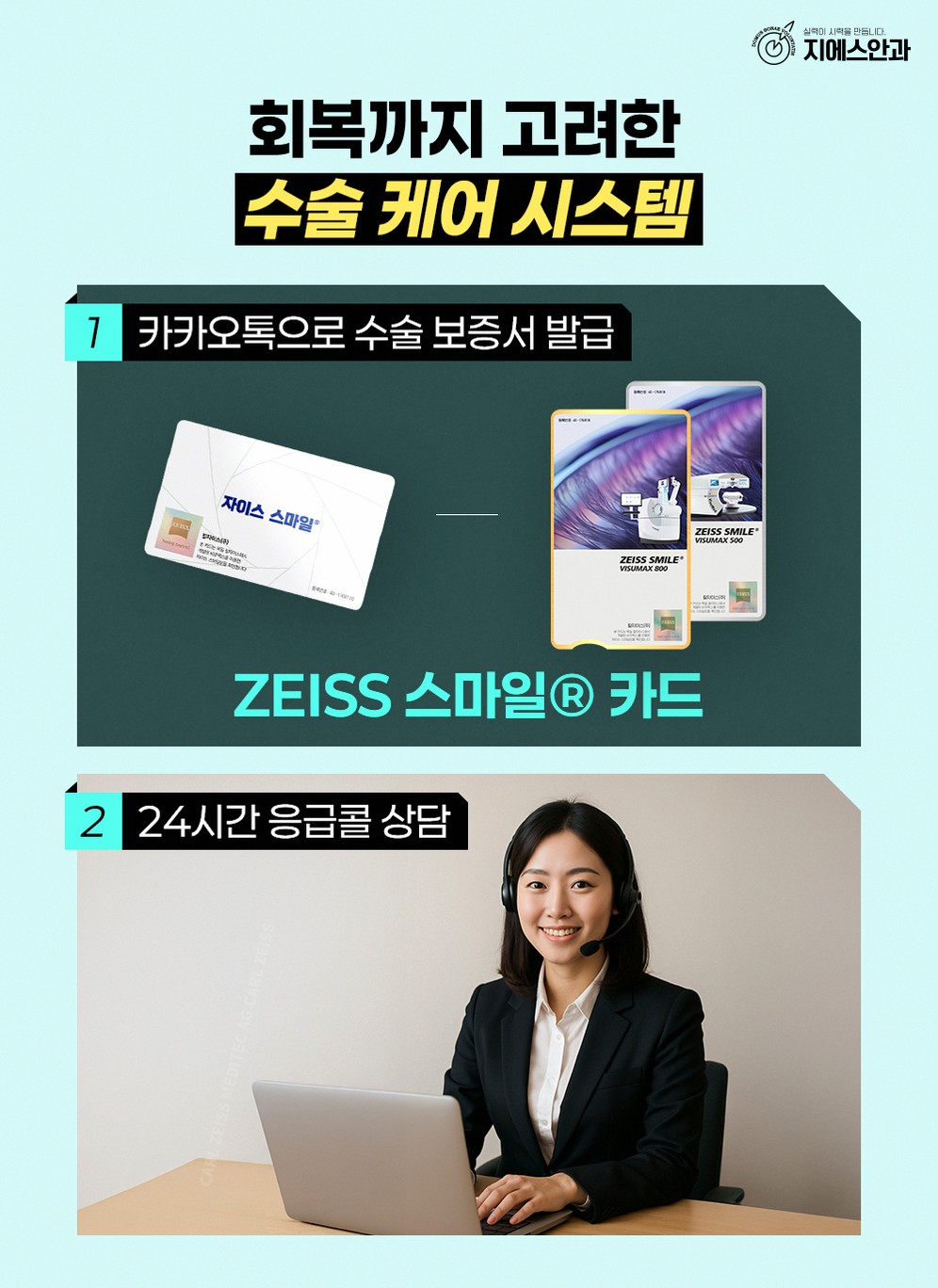
Soft call to action for overseas patients
If you are considering SMILE LASIK during a trip to Seoul and plan to stay near Sinsa Station or Gangnam Station, it can be helpful to start with an online consultation. Share your prescription, age, and travel schedule, and ask directly about your suitability for SMILE, SMILE pro, SILK, or alternative procedures.
A clinic like GS Eye Clinic, located on Gangnam-daero between Sinsa and Gangnam, can review your information, suggest a tentative plan, and outline how many days you should stay in Korea. This preparation allows you to combine safe vision correction with a comfortable visit, rather than rushing decisions after arrival.
Medical information notice
The information in this article is for general educational purposes only and does not replace a personal consultation with a qualified ophthalmologist. Suitability for SMILE LASIK or any other eye procedure depends on individual examination results. Always discuss your specific situation, risks, benefits, and alternatives with your doctor before making a decision.

- 공유 링크 만들기
- X
- 이메일
- 기타 앱


댓글
댓글 쓰기