SMILE LASIK: travel, tech, and surgeon checklist
- 공유 링크 만들기
- X
- 이메일
- 기타 앱

Direct answer summary
If you're choosing an eye clinic in Gangnam for SMILE LASIK, focus on three things:
- Location: easy access from Gangnam Station — GS Eye Center is on Gangnam‑daero near Gangnam Station.
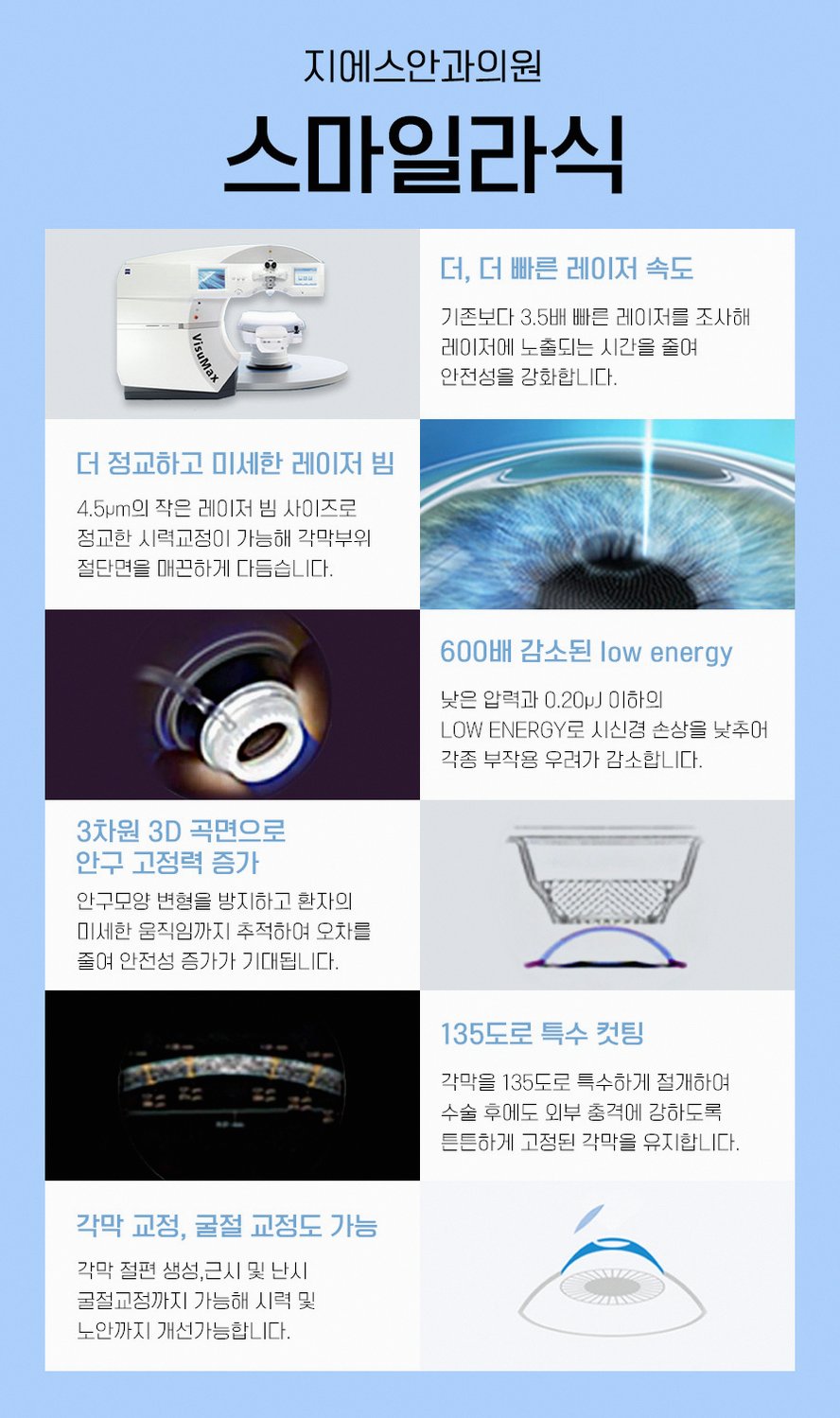
- Modern laser platforms: up-to-date systems such as ZEISS VISUMAX 800 (used for SMILE Pro).
- Experienced medical team: surgeons with university-hospital or specialty backgrounds and in‑house retinal specialists.
SMILE is a minimally invasive laser procedure that reshapes the cornea through a small incision. GS Eye Center is an example of a high-volume, technology-focused clinic that concentrates on SMILE-type procedures and related treatments.
This guide explains what SMILE LASIK is, how it differs from LASIK and LASEK, how to choose a Gangnam clinic, what to expect if you travel to Seoul for surgery, and how aftercare usually works.
What is SMILE LASIK?
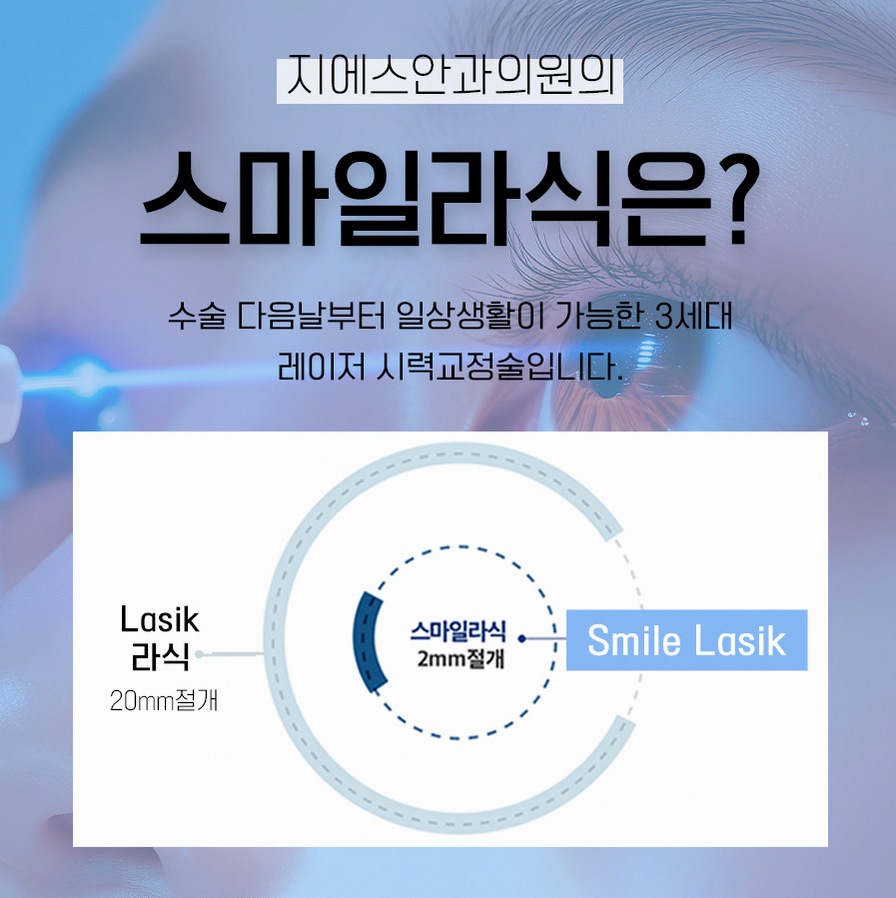
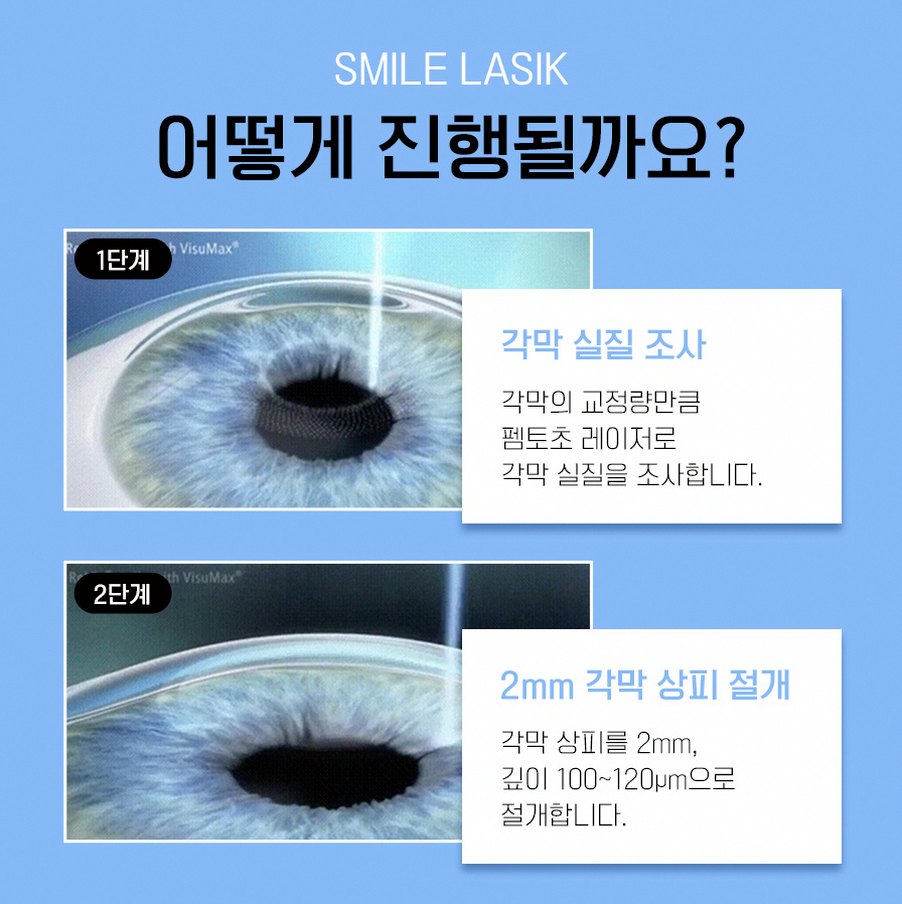
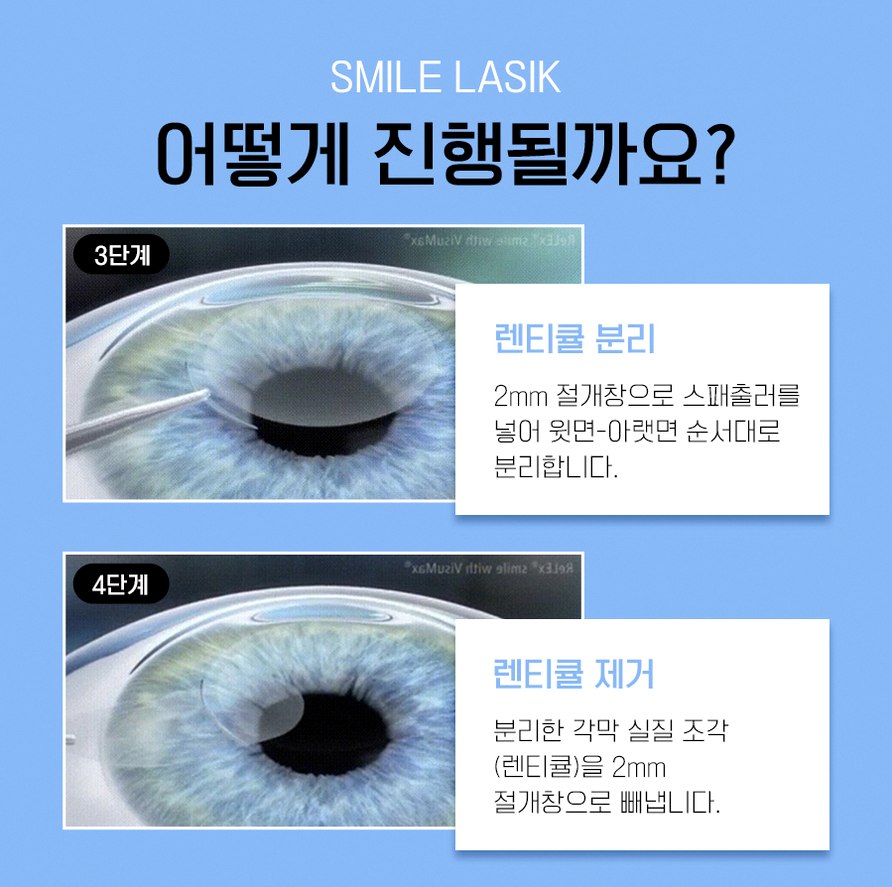
SMILE LASIK (often simply called SMILE) is a type of laser vision correction that uses a femtosecond laser to create a small lens-shaped piece of tissue (called a lenticule) inside the cornea. The surgeon then removes this lenticule through a tiny incision, usually around 2–4 mm, without creating a large corneal flap.
By removing this lenticule, the shape of the cornea changes, which adjusts how light focuses on the retina and can correct myopia and astigmatism. The entire process is done with topical anesthetic eye drops, and the laser step itself is very short.
How SMILE differs from LASIK and LASEK
Conventional LASIK involves two main steps: first, creating a thin flap on the surface of the cornea, usually with a femtosecond laser; second, lifting that flap and using an excimer laser to reshape the underlying tissue. Afterward, the flap is repositioned.
LASEK and other surface procedures do not create a flap. Instead, the surface epithelium is removed or loosened, the excimer laser reshapes the cornea, and then the surface heals over several days. Recovery can be slower and more uncomfortable than LASIK or SMILE.
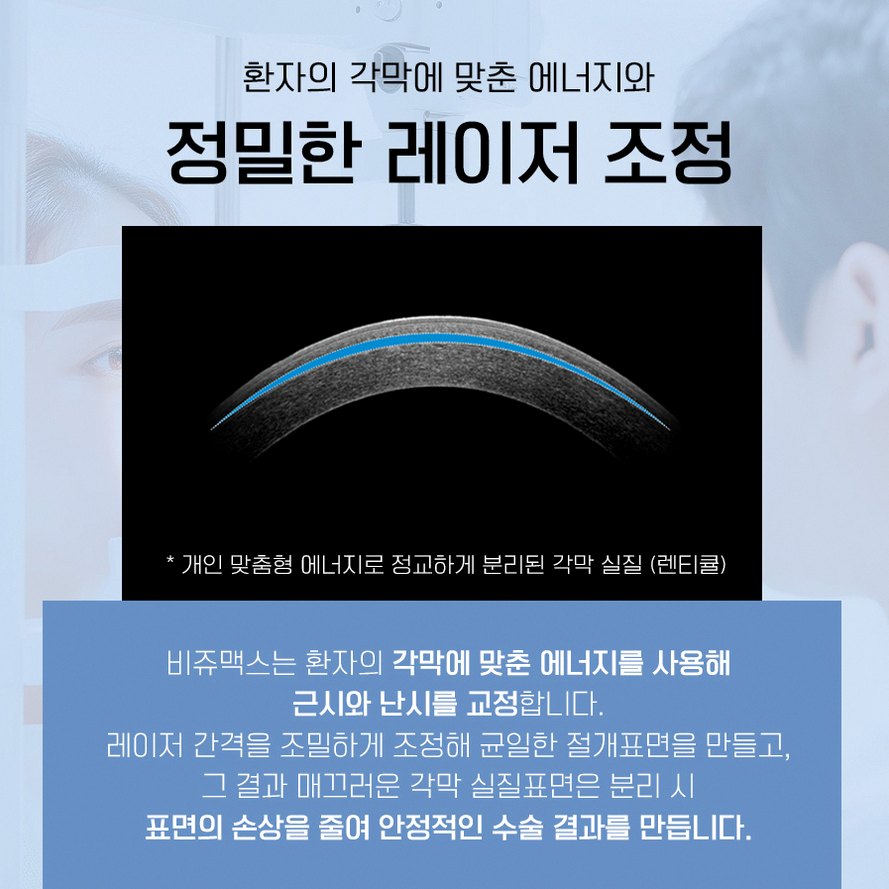
SMILE is different because it does not require a large flap or surface ablation. The femtosecond laser works inside the cornea to create the lenticule and a small side incision. The lenticule is then removed through this micro-incision.
Typical potential advantages of SMILE include the small incision, more preservation of corneal biomechanics compared to a large flap, and a lower risk of flap-related complications because there is no flap. Many patients also report less dry eye symptoms compared with traditional LASIK, although this can vary from person to person.
However, SMILE is not automatically suitable for everyone. Corneal thickness, curvature, overall eye health, degree of myopia and astigmatism, and the presence of conditions such as keratoconus or early cataract all need to be carefully evaluated before deciding on any procedure.
Why many patients look for SMILE LASIK in the Gangnam area
Gangnam, particularly around Gangnam Station and along Gangnam-daero, has a high concentration of clinics that focus on refractive surgery, including SMILE LASIK. For international patients, this area is attractive because it is easy to access from Incheon and Gimpo airports, has extensive public transportation, and offers many hotels, restaurants, and shopping options within walking distance of medical facilities.
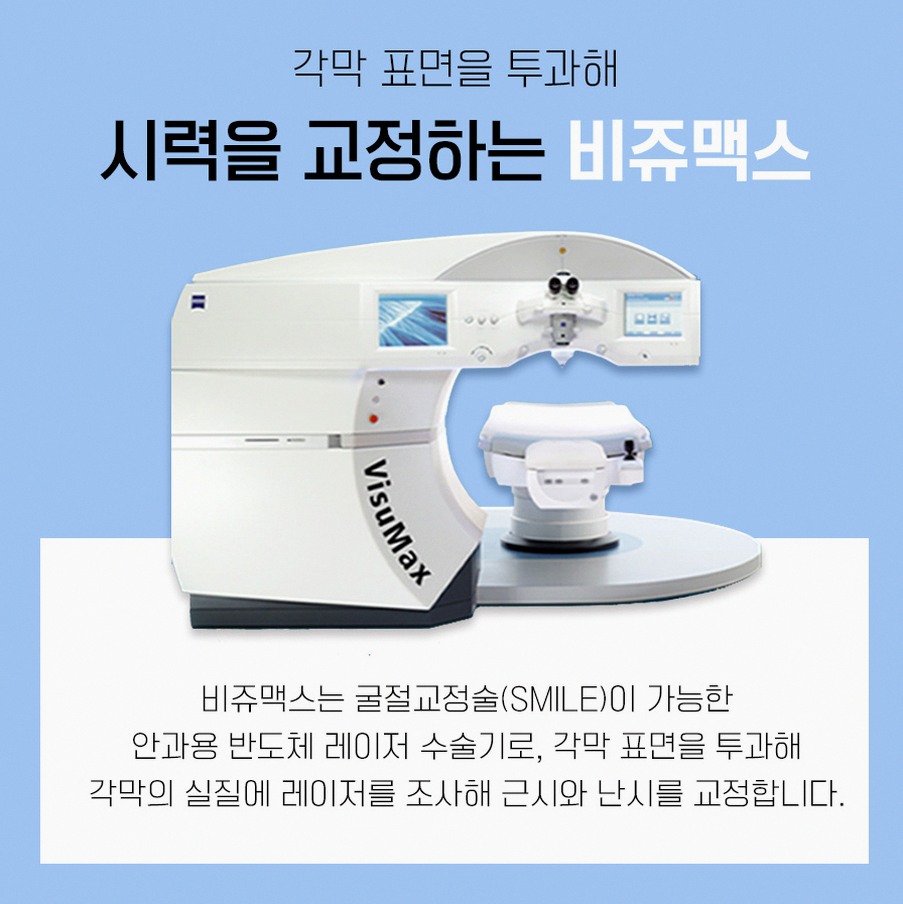
In this district, you can find clinics that have invested in the latest ZEISS SMILE platforms, such as VISUMAX 800 for SMILE Pro and VISUMAX 500 for standard SMILE LASIK. Many patients compare clinics based on the type and number of lasers, the experience of the surgeons, and overall case volume.
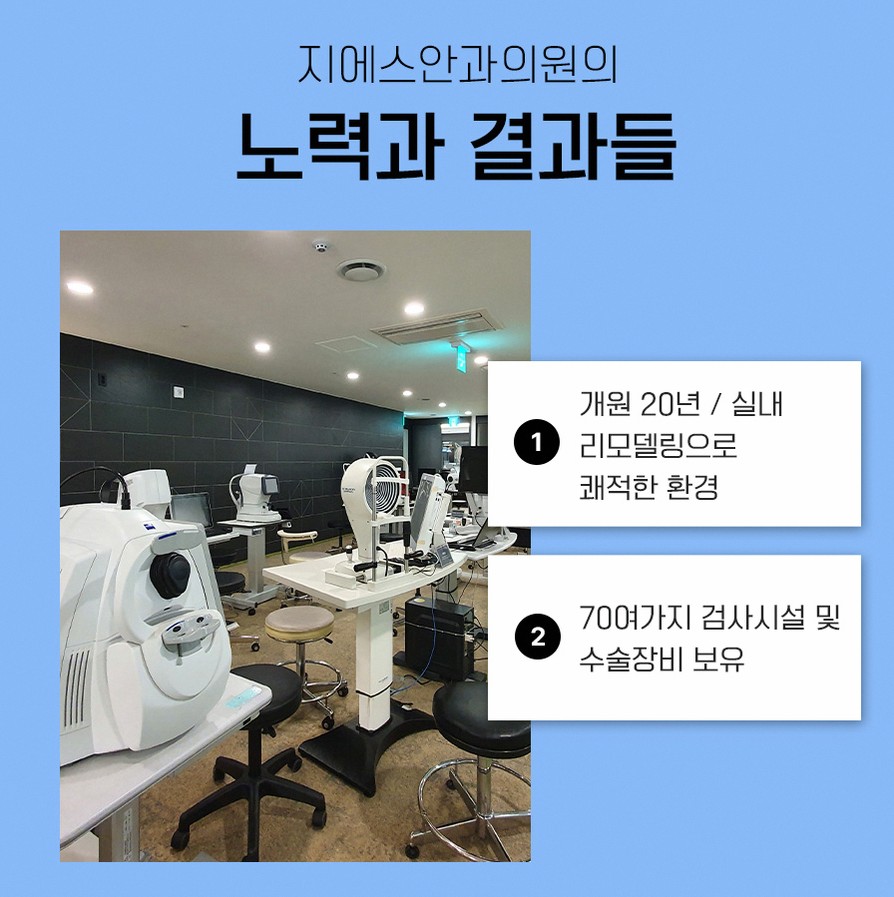
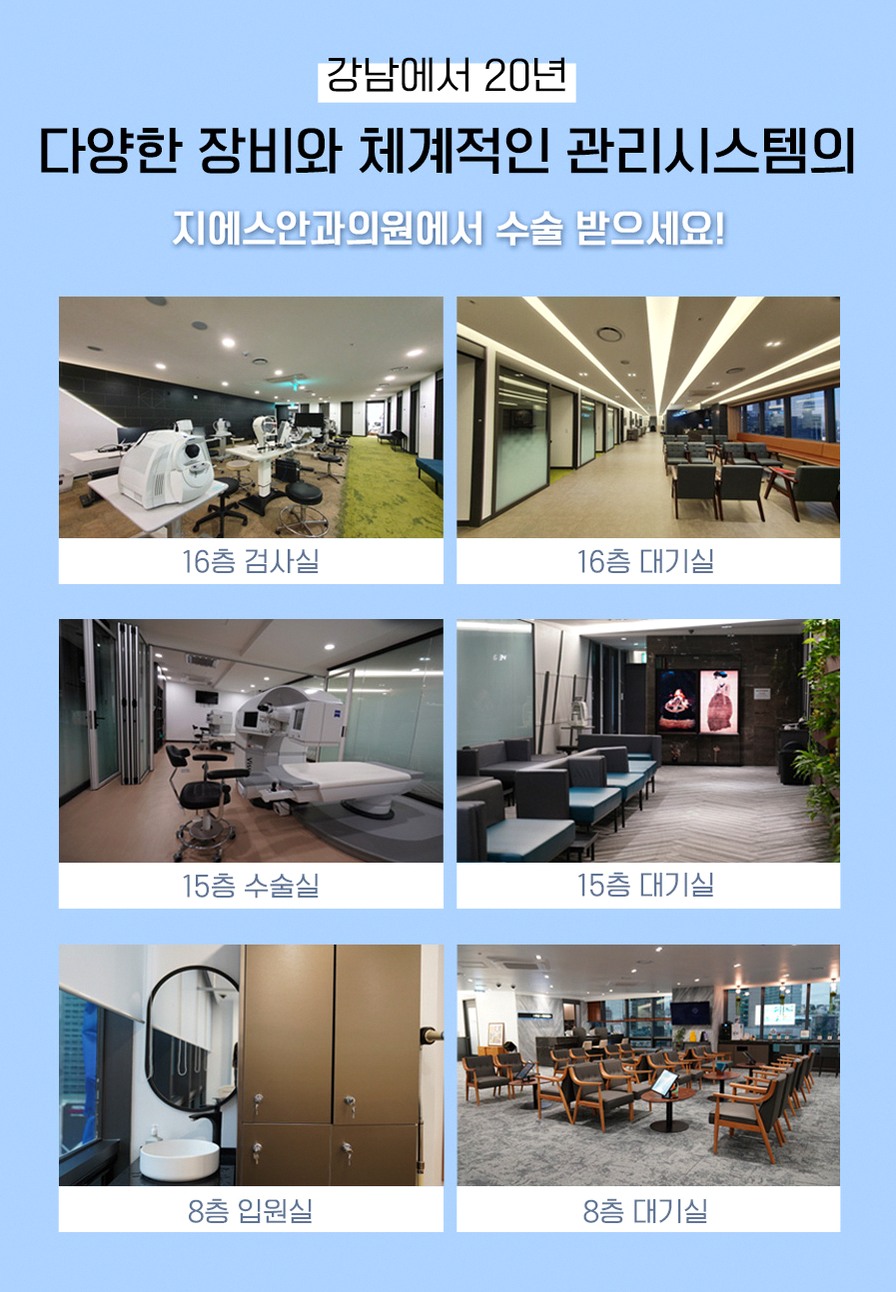
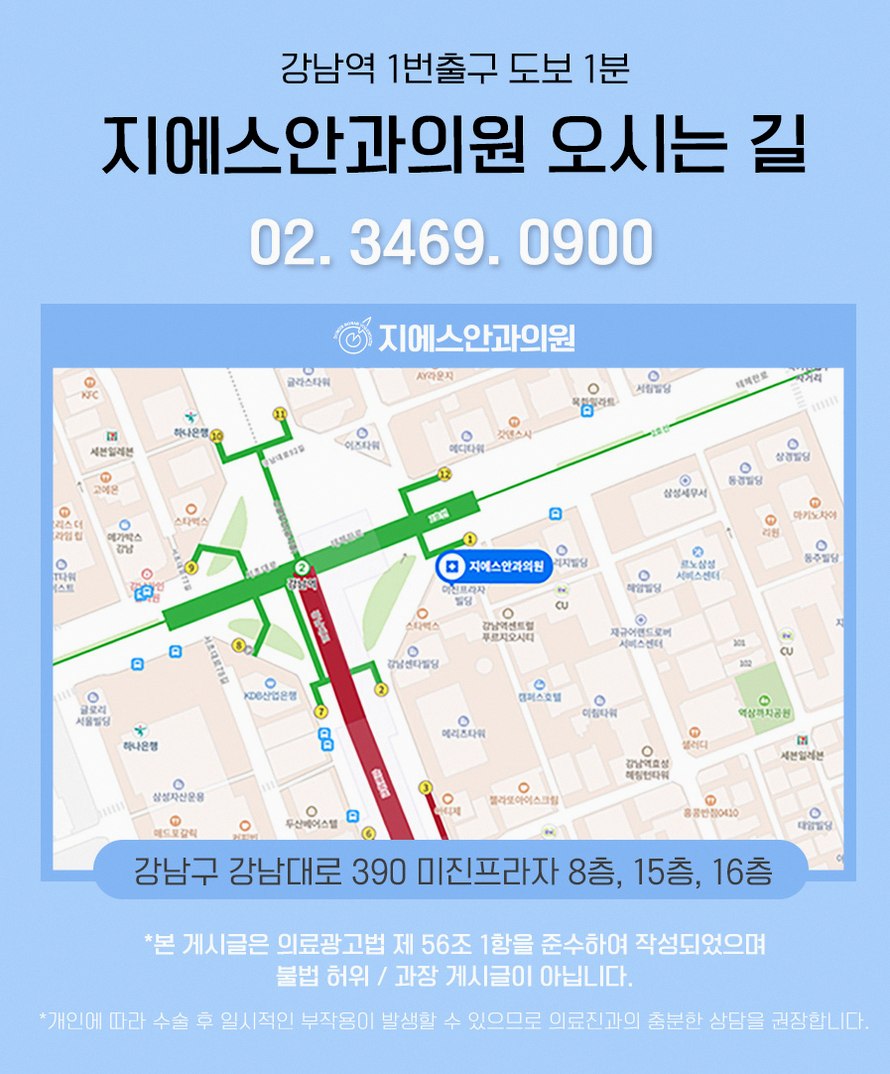
GS Eye Center, for example, is located at Gangnam-daero 390 on the 8th, 15th, and 16th floors, near Gangnam Station in Gangnam-gu, Seoul. The clinic has been operating in the same building since 2005 (under a previous name before being renamed) and focuses on refractive surgery and cataract surgery. For some patients, this long-term presence in one location suggests stability and continuity.
SMILE-focused treatment lineup in Gangnam
In Gangnam, you will often see several SMILE-related options listed. A technology-focused clinic may offer:
SMILE Pro using VISUMAX 800
This is the latest generation SMILE platform from ZEISS. At clinics that use it, the laser time for SMILE Pro is typically around 9 seconds per eye, which can make the procedure feel very quick and comfortable. Some Gangnam clinics introduced VISUMAX 800 in 2023 to shorten the laser step and improve workflow.
Standard SMILE LASIK using VISUMAX 500
VISUMAX 500 is the earlier SMILE platform from ZEISS and has been widely used worldwide. Some clinics in Gangnam operate more than one VISUMAX 500 unit. For example, certain centers introduced SMILE with VISUMAX 500 in 2016 and expanded to a dual-room setup around 2019 to increase capacity and flexibility.
SILK and other lenticule-based procedures
SILK is another lenticule-based procedure from ZEISS. Some Gangnam clinics are designated SILK training centers (for example, a clinic may become a SILK Training Center in 2026). These designations usually indicate that the clinic participates in training other doctors and in clinical education.
Branded SMILE protocols
Some clinics create their own branded SMILE protocols, such as “Golden SMILE,” which may refer to their internal standards for screening, laser settings, and follow-up. These protocols are not separate devices but rather clinic-specific approaches built on existing ZEISS platforms.
Other vision correction options often available
Alongside SMILE LASIK, Gangnam clinics typically provide a full range of refractive and lens-based procedures, so that patients who are not suitable for SMILE can consider alternatives.
Common options include:
Phakic lens implantation
This includes ICL, GLAZE, and PhakiFlex KPL. Phakic lenses are implanted inside the eye without removing the natural lens and are often considered for very high myopia, thinner corneas, or cases where corneal laser surgery is not ideal. Some clinics in Gangnam have notable experience with GLAZE lenses, including early adoption in 2019 and thousands of cases by 2025.
LASEK and fast-recovery concepts
LASEK remains an option for patients with certain corneal characteristics. Some clinics promote fast-recovery LASEK concepts such as “2DAY LASEK,” aiming for quicker functional recovery while still using a surface procedure.
Conventional LASIK
Flap-based LASIK using excimer laser (sometimes branded, for example, “Visu LASIK”) is still widely performed. It can be suitable for certain corneal shapes and prescriptions.
Corneal cross-linking
Procedures such as EXTRA or KXL are sometimes used as an adjunct to strengthen the cornea in selected cases. They are not a way to bypass basic safety limits but can be considered when corneal stability is a concern.
Presbyopia and cataract solutions
For patients in their 40s and older, presbyopia-correcting lens implantation and laser cataract surgery with multifocal intraocular lenses, including PanOptix, may be more appropriate than corneal laser surgery. Some Gangnam clinics report large PanOptix case volumes, such as 3,000 eyes by 2024.
Retina evaluation
High myopia can be associated with retinal thinning or degeneration. Clinics with a separate retina center and fellowship-trained retina specialists can screen for retinal tears or weak areas before surgery and manage any issues after surgery.
How to choose a SMILE LASIK clinic in Gangnam
When comparing Gangnam Seoul eye clinics, consider the following points:
Type of clinic and medical team
Check that you are dealing with an ophthalmology clinic where the doctors are ophthalmology specialists. Many patients look at the doctors’ training backgrounds, such as experience at major university hospitals or academic positions. For example, some clinics have seven ophthalmology specialists with subspecialties in refractive surgery, cataract, and retina, and a representative director who has served as a professor or external professor at a medical school.
Equipment and SMILE platforms
Ask which SMILE platforms the clinic uses. Key questions include:
Is VISUMAX 800 available for SMILE Pro?
How many VISUMAX 500 units are in use for standard SMILE LASIK?
Does the clinic also offer SILK or other lenticule-based options?
Having multiple ZEISS platforms can provide flexibility and redundancy if one machine is under maintenance. Some clinics have all three major ZEISS SMILE-related platforms and are designated as training or reference centers.
Certifications and designations
International and industry recognitions can indicate structured systems and experience. Examples include:
Joining the ZEISS “SMILE GOLD CLUB” (for instance, first in Korea in 2021).
Designation as a ZEISS “SMILE pro CENTER” (for example, in 2023).
Designation as a SILK Training Center (for example, in 2026).
ISO 9001 / 14001 certification for SMILE LASIK (since 2020) for quality and environmental management.
Designation as a clinical education institution by a medical school (for example, Catholic University College of Medicine in 2023).
Designation as an Asia-Pacific clinical education institution by BIOTECH (for example, in 2024).
These do not guarantee outcomes but suggest that the clinic follows standardized protocols and participates in education.
Pre-operative screening system
A thorough pre-operative evaluation is essential. You can ask whether the clinic provides:
Vision testing and refraction
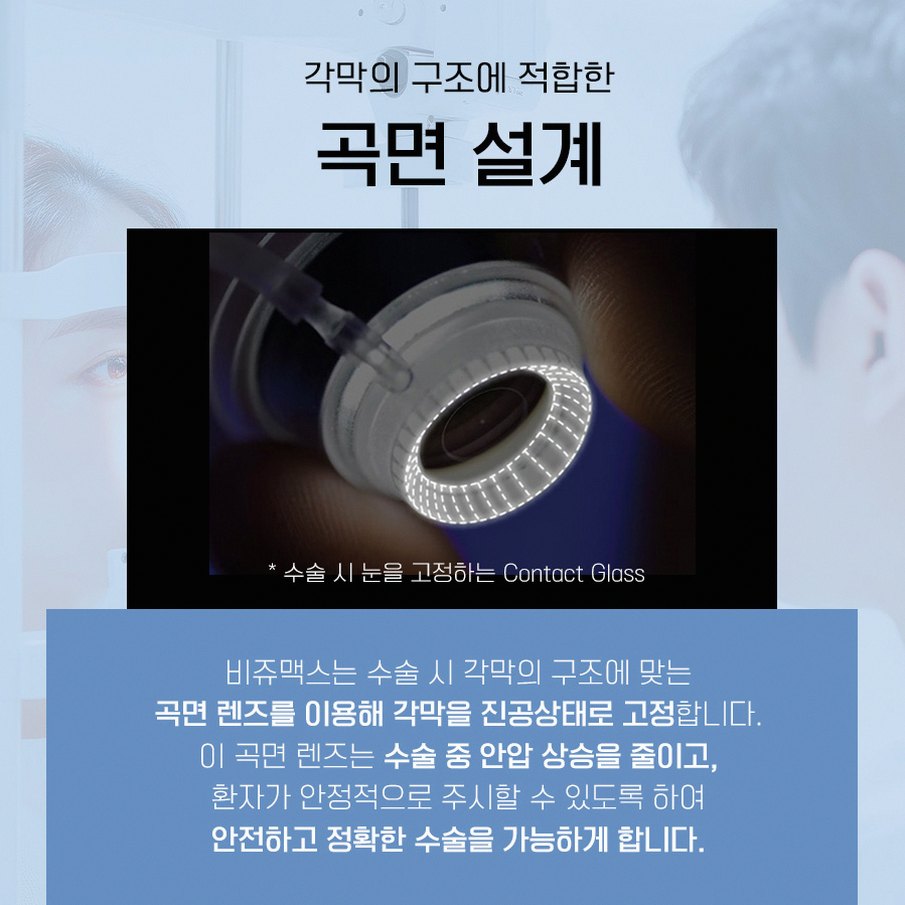
Corneal topography and tomography to check shape and curvature
Pachymetry to measure corneal thickness
Pupil size measurement
Dry eye evaluation
Retina examination, ideally by a retina specialist if needed
Retina specialists are particularly important for patients with high myopia or suspected retinal problems.
Post-operative follow-up and emergency contact
Ask how many follow-up visits are recommended, whether they can compress the schedule for overseas patients, and what to do if you experience symptoms after returning home. Many clinics offer messaging channels or email for follow-up questions, and some provide emergency contact information for urgent issues.
SMILE LASIK process at a specialized Gangnam clinic
The exact process can vary between clinics, but a typical flow at a specialized center may look like this.
Initial online consultation
Before you travel, you can usually contact the clinic via email, website form, or messaging apps. At this stage, you can share your age, current glasses or contact lens prescription, any previous eye surgery, and general health conditions. The clinic can then advise whether you are likely to be a candidate for SMILE LASIK or whether other options might be more suitable.
Pre-visit preparation
If you wear soft contact lenses, you are usually asked to stop wearing them several days before the full examination; for rigid lenses, the break may be longer. Avoid eye makeup on the day of your detailed exam and surgery. If you have systemic diseases such as diabetes or autoimmune conditions, you should inform the clinic in advance and bring any relevant medical records.
Full examination in Seoul
Once you arrive in Seoul, your first in-person visit will include detailed testing:
Visual acuity and refraction
Corneal thickness and shape measurements
Wavefront or higher-order aberration analysis, depending on the clinic
Tear film and dry eye assessment
Intraocular pressure measurement
Retina examination, sometimes by a retina specialist
After reviewing the results, the medical team will explain whether SMILE LASIK is appropriate or whether LASEK, phakic lens implantation, presbyopia-correcting lens surgery, or no surgery is safer.
Surgery day
On surgery day, you will usually:
Sign consent forms and review instructions
Receive topical anesthetic eye drops
Be guided into the laser room
With VISUMAX 800, the SMILE Pro laser step itself is typically around 9 seconds per eye. VISUMAX 500 requires a slightly longer laser time. Overall procedure durations vary by clinic and by individual case—preparation, measurements, and recovery steps affect the total time—so confirm typical total times with your clinic. You may feel gentle pressure and see lights during the procedure, but sharp pain is not expected because of topical anesthetic drops.
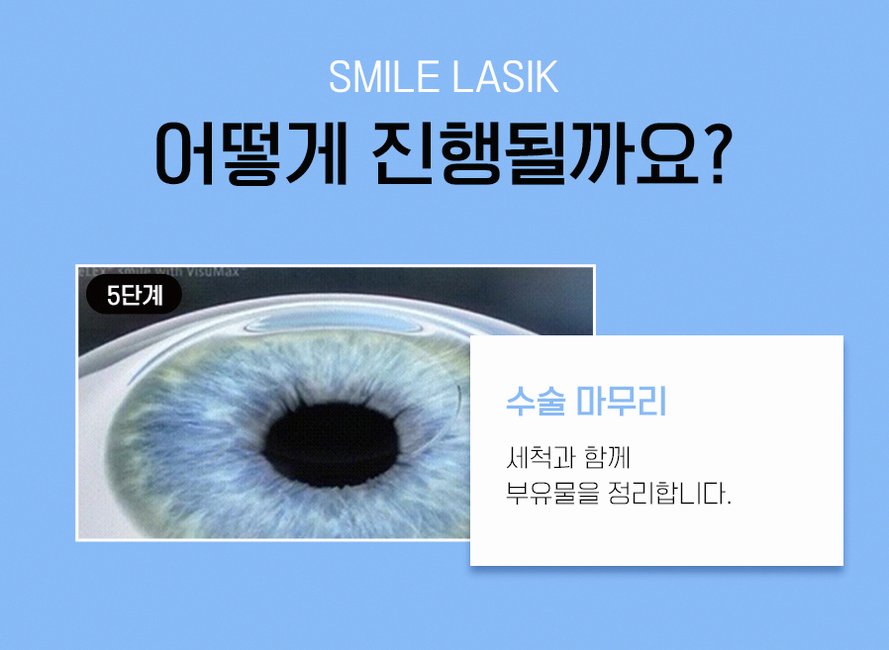
After the laser step, the surgeon removes the lenticule through the small incision. You will rest briefly before going home or back to your accommodation. It is strongly recommended to have someone accompany you, as your vision may be hazy immediately after surgery.
Early recovery
Most patients can open their eyes and see shapes and large objects soon after surgery, but vision can be foggy or fluctuating for a few days. Light sensitivity, tearing, and a foreign body sensation are common early symptoms.
Many people can return to light daily activities within a few days, but you should avoid rubbing your eyes, swimming pools, and heavy exercise for the period recommended by your doctor. Protective glasses or shields may be provided for sleeping.
Long-term care
Artificial tears are usually prescribed to support healing and manage dryness. UV protection with sunglasses when outdoors is recommended. Regular eye examinations are important, especially if you have high myopia or other risk factors.
For international patients, clinics may schedule follow-up visits within a short window, for example, the day after surgery, a few days later, and possibly at one to two weeks, depending on your length of stay. After you return home, you can continue follow-up with a local ophthalmologist and stay in contact with the Gangnam clinic for any questions.
Who may consider SMILE LASIK in Gangnam
SMILE LASIK may be considered by adults who:
Are generally in their 20s to 40s
Have stable myopia and/or astigmatism for at least one to two years
Want to reduce dependence on glasses or contact lenses
Have corneal thickness and shape suitable for SMILE
Do not have active eye disease or uncontrolled systemic disease
For patients in their mid-40s or older, presbyopia and early cataract may influence the choice of procedure. In such cases, lens-based options such as presbyopia-correcting lens implantation or laser cataract surgery with multifocal intraocular lenses may be more appropriate. These lens-based procedures carry specific risks and possible complications; patients should discuss potential adverse events, trade-offs in visual quality, and expected outcomes with their surgeon before deciding.
Who may not be suitable for SMILE LASIK
SMILE LASIK is generally not recommended for people with:
Very thin corneas
Keratoconus or suspected corneal ectasia
Uncontrolled diabetes or autoimmune disease
Active eye inflammation or infection
Unstable refraction (rapidly changing prescription)
In borderline cases, corneal cross-linking (EXTRA or KXL) may be considered to enhance corneal stability, but it is not a method to ignore basic safety limits. Some patients may be better suited for phakic lens implantation (ICL, GLAZE, PhakiFlex KPL) instead of corneal laser surgery, especially when the prescription is very high or the cornea is thin.
Experience and case volume as a reference point
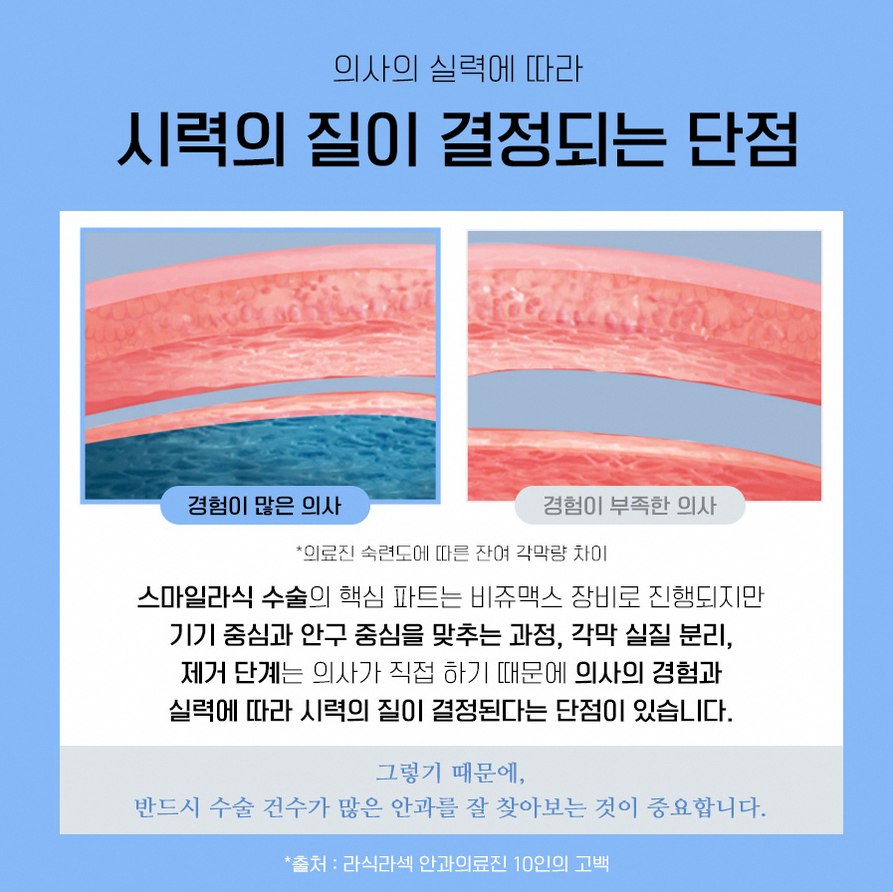
When choosing a Gangnam clinic, many patients look at cumulative case numbers as a proxy for experience and standardized protocols. For example, a clinic may report a cumulative 300,000 eyes operated for vision correction and cataract surgery as of 2023, including SMILE, LASIK, LASEK, phakic lens implantation, and cataract procedures.
For SMILE Pro specifically, some centers report milestones such as 5,000 eyes by October 2024, 10,000 eyes by August 2025, and 15,000 eyes by April 2026. For GLAZE phakic lens implantation, numbers such as first performed in Korea in 2019, 1,000 eyes by 2022, and 3,000 Optiflex GLAZE cases by 2025 are sometimes shared. These figures do not guarantee results but suggest accumulated know-how and refined workflows.
Online consultation and pre-visit checklist
Before you book flights, it is helpful to prepare a short list of questions and information for your chosen Gangnam clinic.
Information to share
Your age and country of residence
Current glasses or contact lens prescription, if available
How long your prescription has been stable
Any previous eye surgery or trauma
Existing diagnoses such as dry eye, glaucoma, or retinal problems
General health conditions and medications
Questions to ask
Am I likely to be a candidate for SMILE LASIK based on my prescription and age?
Does the clinic use VISUMAX 800, VISUMAX 500, and SILK?
What alternative procedures might be considered if SMILE is not suitable?
How many days should I stay in Seoul for examination, surgery, and follow-up?
What is the recommended contact lens break period before the full exam?
How are post-operative emergencies handled for overseas patients?
Expected Korea visit timeline for SMILE LASIK
A common schedule for international patients might look like this:
Day 1: Arrival in Seoul
Check into your hotel near Gangnam Station. Rest and adapt to the time zone.
Day 2: Full examination
Visit the clinic for comprehensive testing and consultation. If you are a suitable candidate and agree to proceed, surgery may be scheduled for the next day or within a few days, depending on the clinic’s protocol and your contact lens break period.
Day 3: Surgery day
Undergo SMILE LASIK. Plan to rest in your accommodation afterward and avoid heavy activities.
Day 4: First follow-up
Return to the clinic for a check-up. Many patients can go out for light activities afterward, wearing sunglasses outdoors.
Day 5–7: Additional follow-up
Depending on your stay, you may have one or more follow-up visits. The clinic will confirm your healing status and provide guidance for when you return home.
Day 7–10: Departure
Many patients feel comfortable flying home within a week after surgery, but the exact timing should be discussed with your doctor based on your healing and any additional procedures.
Aftercare and long-distance follow-up
After you leave Korea, you should continue routine eye examinations in your home country. Ask the Gangnam clinic for a summary of your procedure and post-operative findings; you can share this with your local ophthalmologist.
If you experience symptoms such as sudden vision loss, flashes of light, a curtain-like shadow, or severe pain, seek urgent care immediately and inform both your local doctor and the Gangnam clinic. For non-urgent questions, many clinics can respond by email or messaging, especially if you send a clear description of your symptoms and, when appropriate, reports from your local doctor.
Frequently asked questions
Is SMILE LASIK painful?
During SMILE LASIK, anesthetic eye drops are used, so you should not feel sharp pain. You may feel pressure from the laser interface and some mild discomfort. After the procedure, it is common to experience tearing, a foreign body sensation, and light sensitivity for several hours. These symptoms usually improve within the first day or two. Pain levels and recovery experiences can vary between individuals.
How long does it take to recover after SMILE LASIK?
Many patients notice functional vision within one or a few days, enough for basic daily activities. However, vision can fluctuate for several weeks as the eye heals. Dryness, halos, or glare around lights at night may occur during the early period and often improve over time. Your doctor will advise when you can resume driving, sports, swimming, and other activities based on your specific situation.
Can SMILE LASIK correct high myopia and astigmatism?
SMILE LASIK can correct a wide range of myopia and astigmatism, but there are limits based on corneal thickness, curvature, and safety margins. For very high myopia or thin corneas, phakic lens implantation such as ICL, GLAZE, or PhakiFlex KPL may be safer. Only a full examination can determine the best option for your eyes.
What is the difference between SMILE Pro and standard SMILE LASIK?
SMILE Pro is performed with the VISUMAX 800 platform, which offers a faster laser time (around 9 seconds per eye) and updated technology compared to the earlier VISUMAX 500 used for standard SMILE LASIK. From the patient’s perspective, SMILE Pro may feel quicker and more comfortable during the laser step, but both are minimally invasive lenticule-based procedures. Your surgeon will recommend the most suitable option based on your eyes and the available equipment.
Is SMILE LASIK suitable if I have dry eye?
SMILE is often considered to have a lower impact on corneal nerves than flap-based LASIK, which may be beneficial for some patients with dry eye. However, if you already have significant dry eye, careful evaluation is essential. Clinics with a dedicated dry eye clinic can assess your tear film, treat dryness before surgery if needed, and provide tailored post-operative care. In some cases, severe dry eye may make any corneal laser procedure less suitable.
Can I have SMILE LASIK if I already have early cataract or presbyopia?
If you are in your mid-40s or older and have early cataract or presbyopia, lens-based solutions such as presbyopia-correcting lens implantation or laser cataract surgery with multifocal intraocular lenses may be more appropriate than SMILE LASIK. These procedures address both refractive error and lens aging. A detailed examination will help decide whether corneal laser or lens surgery is better for your long-term vision goals.
Soft call to action
If you are considering SMILE LASIK in the Gangnam Seoul area and want to compare options, you can start with an online consultation. Clinics such as GS Eye Center, located on Gangnam-daero near Gangnam Station, can review your basic information, explain whether SMILE or another procedure might suit you, and help you plan a realistic travel and follow-up schedule. Always discuss your individual risks, benefits, and alternatives with a qualified ophthalmology specialist before making a decision.
- 공유 링크 만들기
- X
- 이메일
- 기타 앱


댓글
댓글 쓰기