SMILE Pro pricing in Gangnam, Seoul — how fees are structured and what they include
- 공유 링크 만들기
- X
- 이메일
- 기타 앱


Direct answer: SMILE Pro cost in Gangnam, Seoul
Search results show a wide range of SMILE Pro prices in Korea. Because SMILE Pro is performed with the ZEISS VisuMax 800 and typically involves newer equipment, more comprehensive preoperative testing, and more structured perioperative care, it is often priced higher than classic SMILE or standard LASIK/LASEK; surgeon experience, clinic packages, and follow‑up policies further influence the final fee.
Instead of focusing only on the lowest number, it is safer to compare what is actually included in the fee: full pre‑operative testing, the laser platform used, the surgeon’s experience, and the follow‑up system. In Gangnam, many clinics are close to each other near Gangnam Station, so you can easily compare these factors during a short stay in Seoul.
This guide explains how SMILE Pro pricing is usually structured in Korea, why there are differences between clinics, what to ask before you book, and how one ophthalmology clinic near Gangnam Station organizes its SMILE Pro program as an example.
What SMILE Pro is and why it usually costs more
SMILE Pro is the latest generation of SMILE laser vision correction performed with the ZEISS VisuMax 800 platform. It is an evolution of classic SMILE, which is performed on the older VisuMax 500.
In SMILE‑type procedures, a small lenticule of tissue is created inside the cornea with a femtosecond laser and removed through a tiny incision. This reshapes the cornea to correct myopia and astigmatism. SMILE Pro keeps this basic concept but updates the technology.
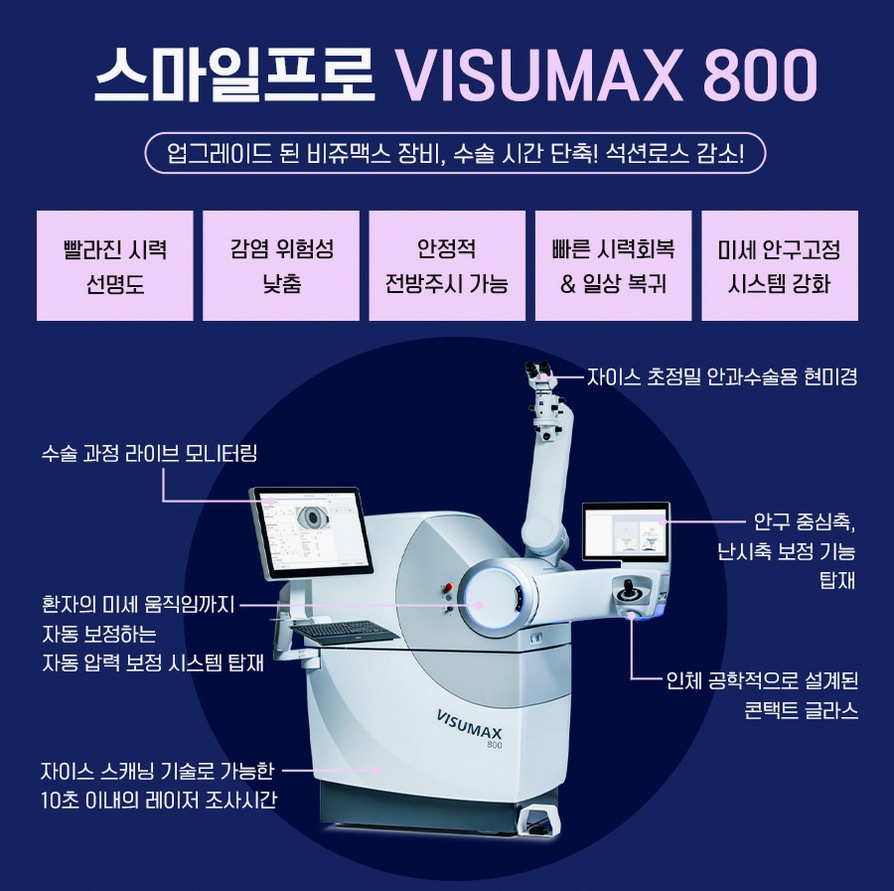
Compared with classic SMILE and with LASIK or LASEK, SMILE Pro typically offers:
Faster laser time
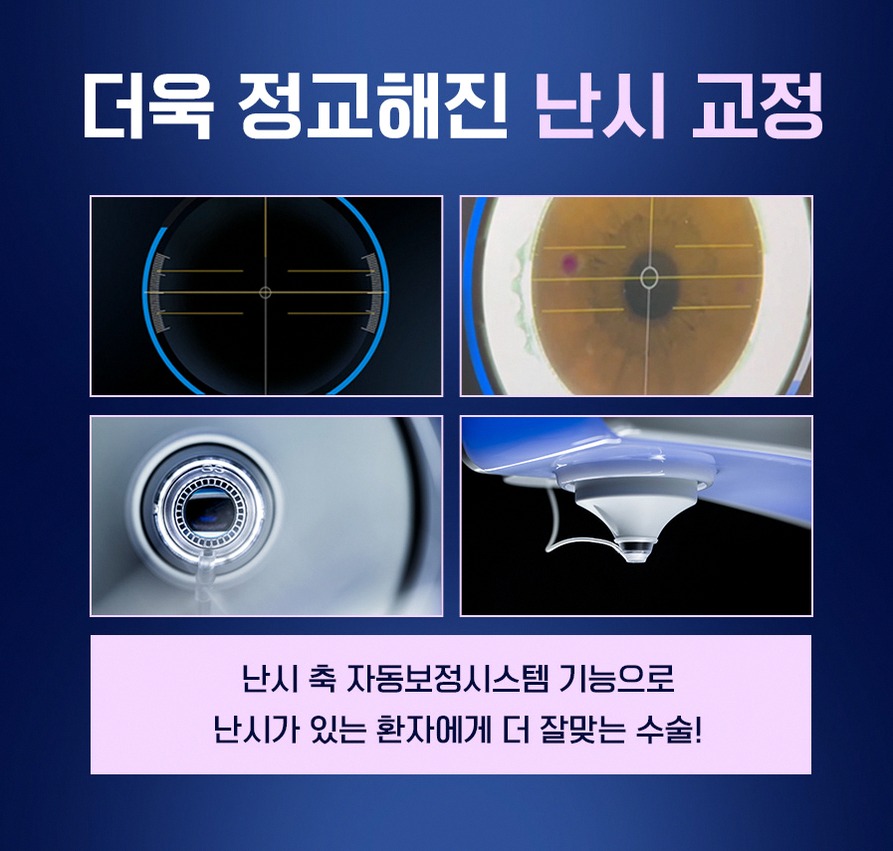
The VisuMax 800 is designed to complete the laser step in around 9 seconds or less. A shorter laser time can make the procedure more comfortable for patients and may reduce stress on the cornea.
Smaller incision and tissue preservation
SMILE‑type procedures already use a small incision compared with LASIK. SMILE Pro is designed to further refine this, helping to preserve more corneal tissue and maintain corneal biomechanics compared with flap‑based procedures.
Comfort and visual recovery
Because of the small incision and fast laser time, many patients find SMILE‑type procedures comfortable. SMILE Pro aims to support smoother early visual recovery compared with older methods, although individual results always vary.
Why the price is higher
SMILE Pro usually costs more than classic SMILE or standard LASIK/LASEK because:
It uses a newer, high‑end laser platform (VisuMax 800) with higher acquisition and maintenance costs.
Clinics that offer SMILE Pro often invest in more detailed diagnostic equipment and protocols.
Surgeons who focus on SMILE‑type procedures may structure pricing to reflect their experience and the resources dedicated to this technique.
In practice, SMILE Pro cost is shaped by four main elements: the generation of equipment, the surgeon’s expertise, the depth of examinations, and the quality of aftercare.
What SMILE Pro cost usually includes in Korea
When you see a SMILE Pro quote in Korea, it can be either a basic surgery fee or a full package price. Understanding the components will help you compare offers fairly.
Pre‑operative examinations
A safe SMILE Pro program starts with a comprehensive eye examination. A typical pre‑op package may include:
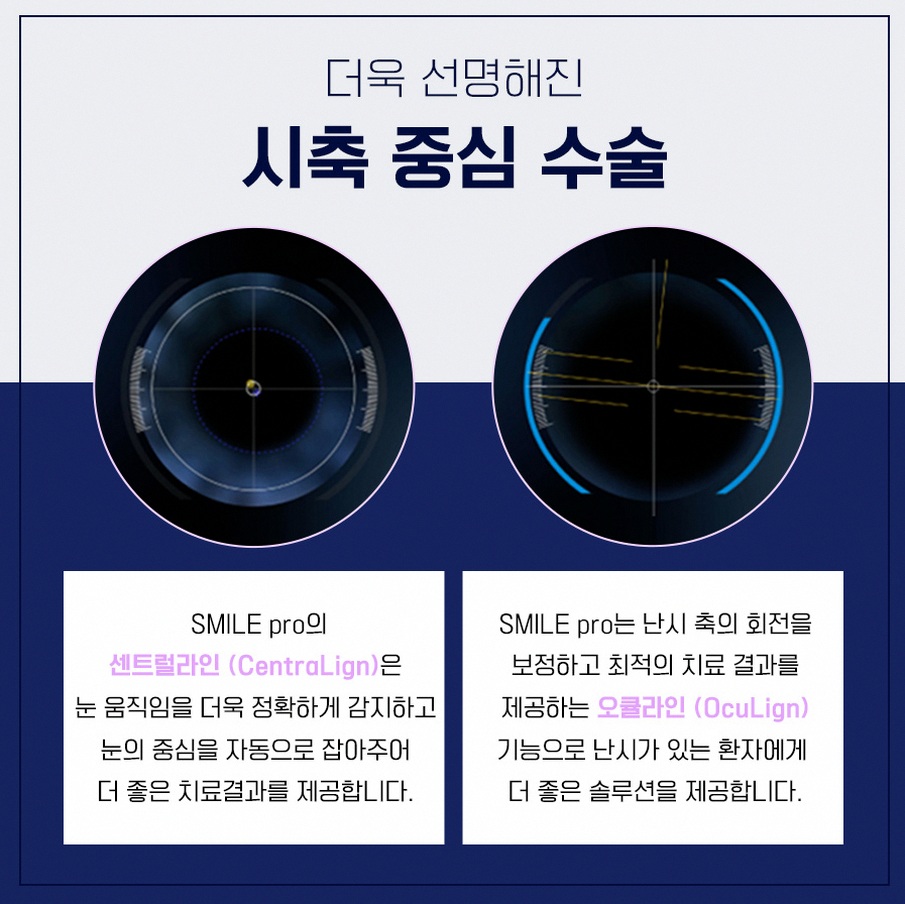
Full vision and refraction testing
Corneal topography and tomography to check shape and curvature
Corneal thickness measurement
Evaluation for keratoconus or irregular astigmatism
Dry eye assessment (tear film, meibomian glands when needed)
Pupil size measurement
Intraocular pressure
Retinal examination, sometimes with wide‑field imaging or OCT if indicated
Some clinics include all these tests in the quoted SMILE Pro price. Others advertise a low surgery fee but charge separately for advanced diagnostics. When you compare prices, always ask whether the full diagnostic package is included.
The surgery itself
The surgery fee covers:
Use of the ZEISS VisuMax 800 laser for SMILE Pro
Operating room and equipment use
Disposable materials and laser usage fees
Anesthesia eye drops and intraoperative medications
Because the VisuMax 800 is a newer platform, clinics that use it may set a higher fee than those that only use the VisuMax 500 or older LASIK/LASEK systems.
Surgeon factor
The surgeon’s background is an important part of what you pay for, even if it is not itemized on the bill. Factors that can influence pricing include:
Board‑certified ophthalmologists rather than general physicians
Subspecialty training, for example in cornea or refractive surgery
Experience at major university hospitals
High accumulated case volume in SMILE and SMILE Pro procedures
Clinics with surgeons who have academic careers, research activity, or teaching roles may charge more than centers that focus mainly on volume and low prices.
Post‑operative care
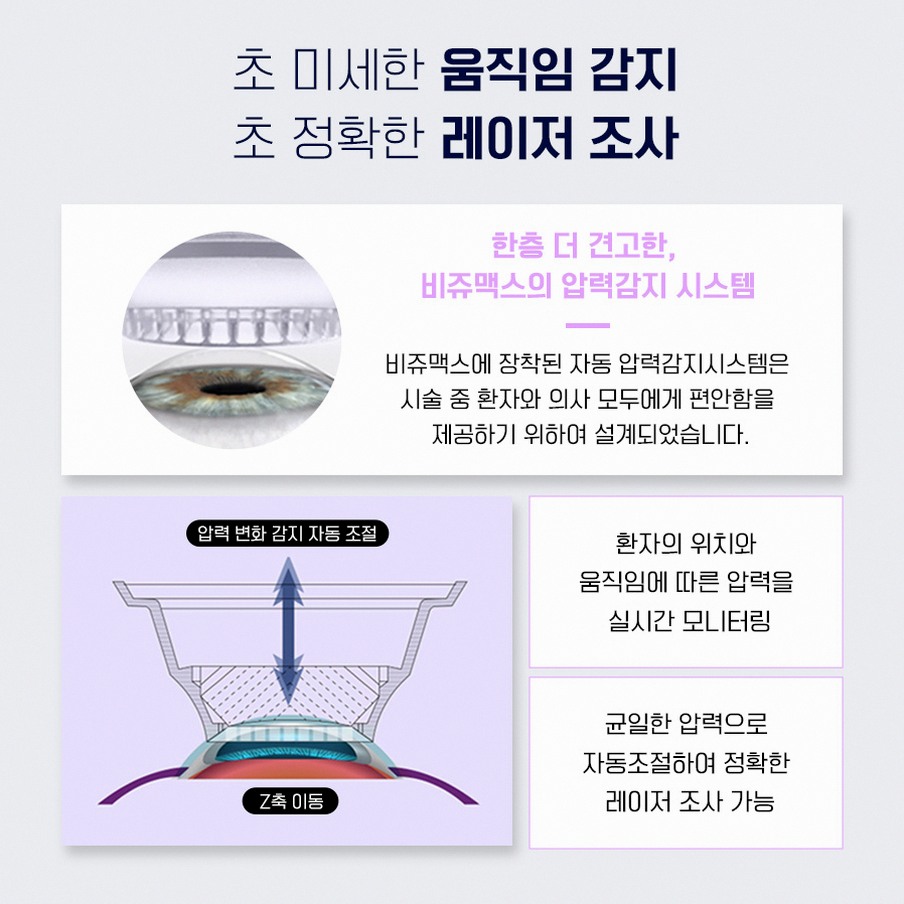
Aftercare is often where the biggest differences in value appear. A SMILE Pro package may include:
Scheduled follow‑up visits (for example, next day, 1 week, 1 month, 3 months, and beyond)
Post‑operative medications such as antibiotic and steroid eye drops, lubricating drops, and protective shields
Access to urgent care if you have sudden symptoms
An enhancement policy if additional correction is medically indicated later
Some clinics offer only a few follow‑up visits in the base price and charge extra for long‑term care. Others include extended follow‑up and enhancement discounts within a certain time frame.
Key questions to ask about what is included
When you receive a SMILE Pro quote, it is helpful to ask:
Is the full pre‑operative diagnostic package included, or is there a separate fee for advanced tests?
How many follow‑up visits are included, and over what time period?
Are medications after surgery included in the price?
If I need an enhancement within a certain period, is it discounted or included?
Are there separate fees for dry eye treatment or corneal strengthening procedures if they are recommended?
How one Gangnam ophthalmology clinic structures SMILE Pro
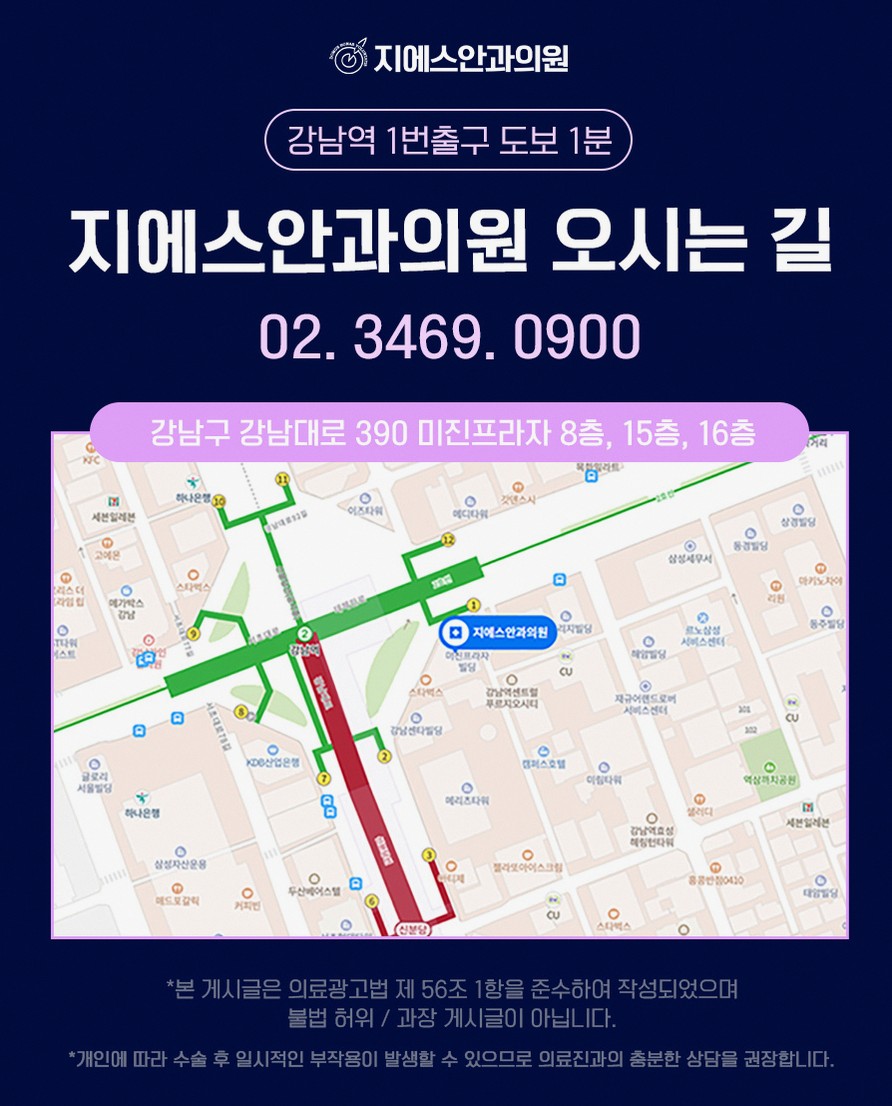
In Gangnam, Seoul, there is an ophthalmology clinic near Gangnam Station that can serve as a practical example of how SMILE Pro services are organized.
Clinic background
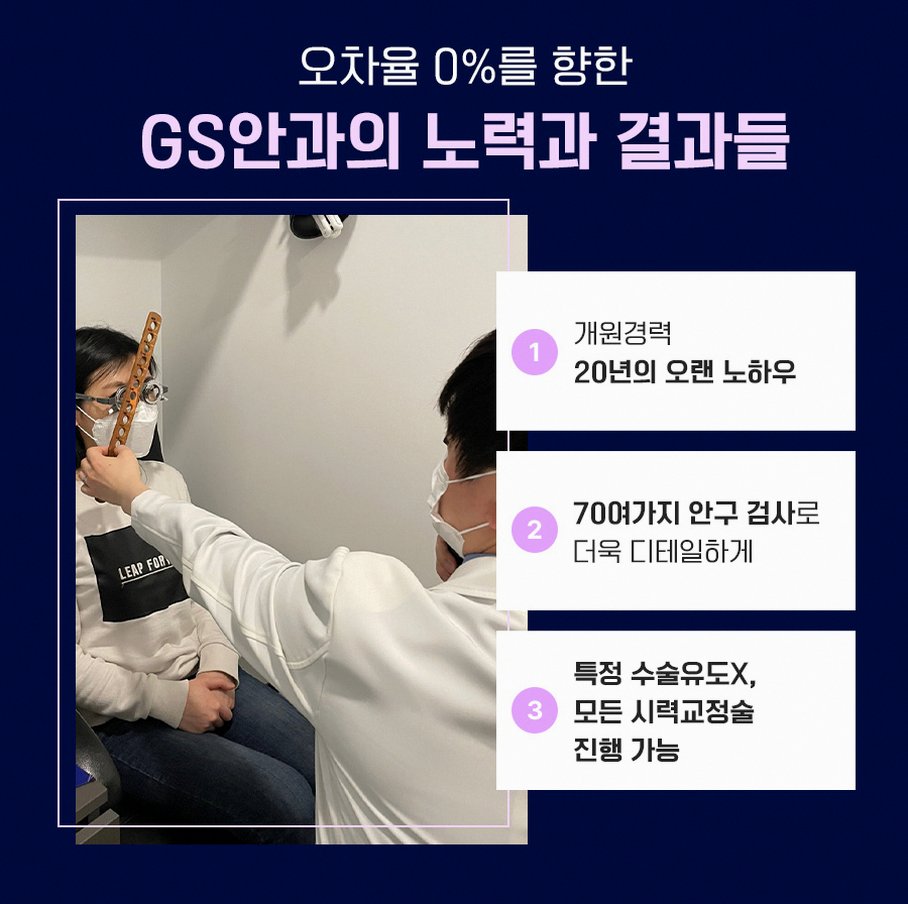
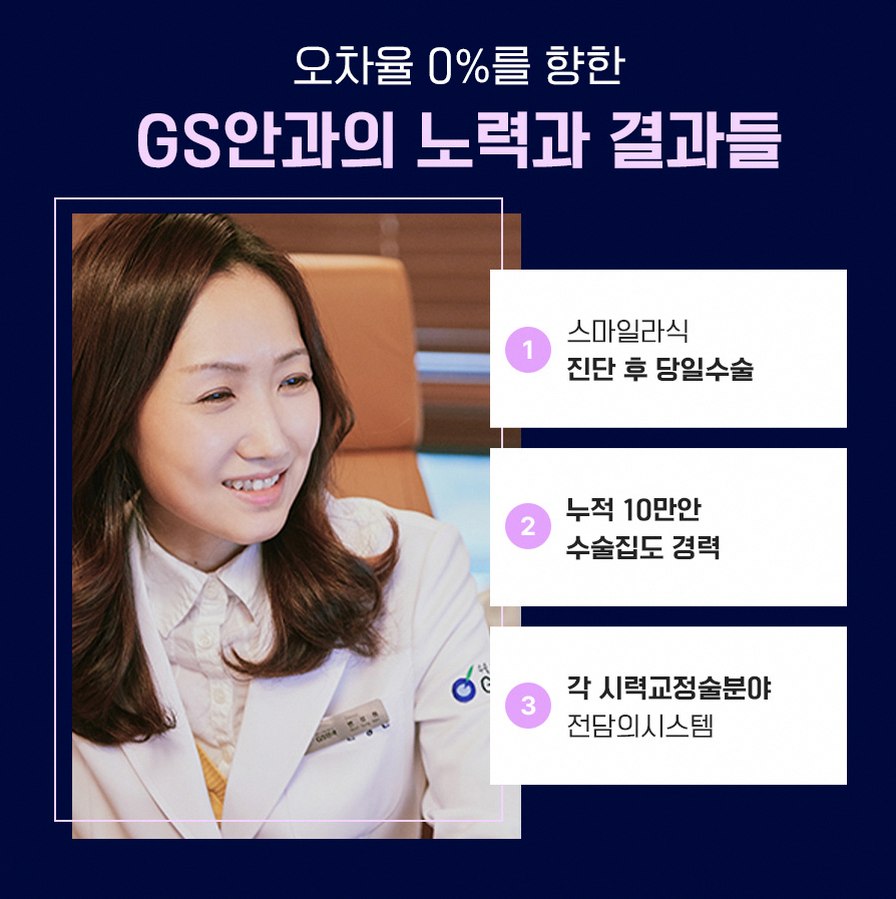
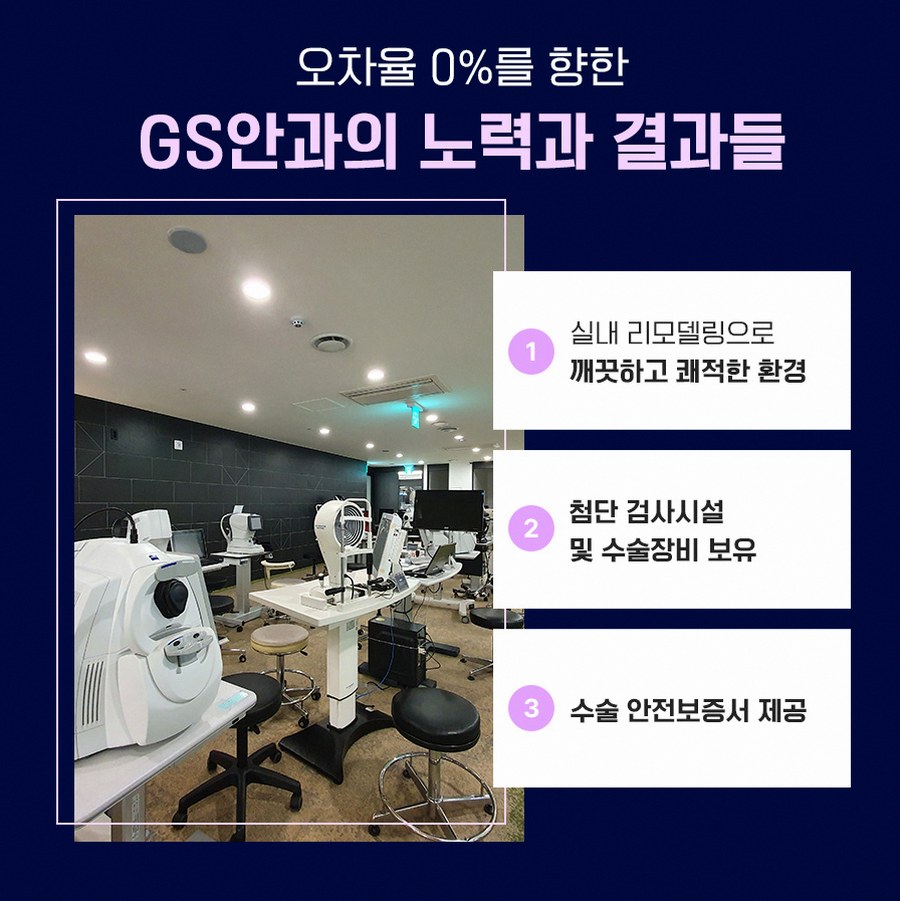
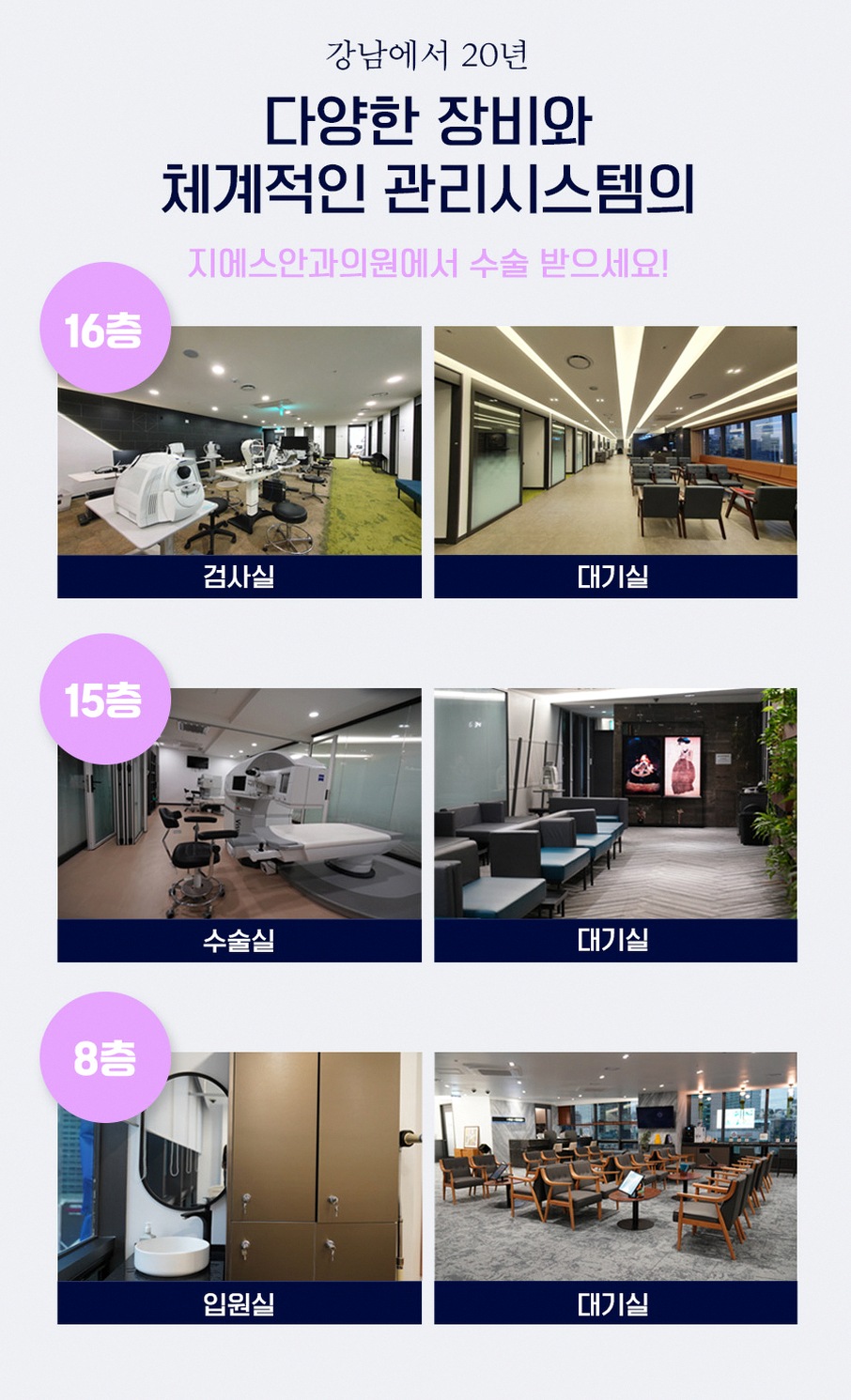
This clinic opened in 2005 and has been operating in the same location near Gangnam Station since then. It is led by a board‑certified ophthalmologist with a medical doctorate who has held faculty positions at university hospitals and runs an ophthalmology YouTube channel. In total, seven board‑certified ophthalmologists practice at the clinic, including retina subspecialists and surgeons with experience at major university hospitals.
Focus on SMILE‑type procedures
The clinic focuses strongly on refractive surgery, including:
SMILE Pro
Classic SMILE (often called SMILE LASIK)
SILK
A proprietary program referred to as Golden SMILE
Equipment
For SMILE‑type procedures, the clinic holds all three major ZEISS SMILE platforms:
One VisuMax 800 for SMILE Pro
Two VisuMax 500 units for SMILE LASIK
The VisuMax 800 was introduced in 2023 and is designed for faster laser time (around 9 seconds or less). Maintaining both the latest and previous generation platforms allows the clinic to match the technique to each patient’s eye condition and budget.

Clinical volume and designations
As of 2023, the clinic reports a cumulative total of 300,000 eyes treated for vision correction and cataract surgery. Specifically for SMILE Pro, it has recorded:
5,000 SMILE Pro eyes by October 2024
10,000 SMILE Pro eyes by August 2025
15,000 SMILE Pro eyes by April 2026
The clinic was the first in Korea to join the ZEISS SMILE Gold Club in 2021. It was designated as a ZEISS SMILE pro CENTER in 2023 and later as a SILK training center in 2026.
These designations and case volumes suggest a strong focus on refractive surgery and ongoing collaboration with industry and educational partners. This type of profile often means that pricing reflects investment in new equipment, training, and standardized protocols rather than competing only on the lowest possible fee.
What drives SMILE Pro price differences between clinics
If you are comparing SMILE Pro cost across several clinics in Gangnam or elsewhere in Korea, consider these main factors.
Laser platform
SMILE Pro with VisuMax 800 versus classic SMILE with VisuMax 500
Clinics that invest in the newest VisuMax 800 platform have higher equipment and maintenance costs. This is usually reflected in the SMILE Pro fee. Some clinics may only offer classic SMILE on the VisuMax 500 at a lower price, so always confirm which laser model will be used.
Surgeon experience and case volume
Board‑certified ophthalmologists with high SMILE and SMILE Pro volumes and academic backgrounds may structure their fees differently from low‑volume centers. A quote may be higher, but you are paying for accumulated experience, established protocols, and a team that regularly manages a wide range of cases.
Examination depth
Some clinics limit pre‑operative testing to basic refraction and simple corneal maps. Others include:
Corneal biomechanics assessment
Detailed retina imaging
Comprehensive dry eye work‑up
More detailed diagnostics increase safety and help select the most suitable procedure, but they also add to the overall cost.
Safety add‑ons
Depending on your eye condition, additional procedures may be recommended, such as:
Corneal strengthening treatments
Targeted dry eye management before and after surgery
Extra retina checks or prophylactic laser treatment for weak retinal areas
These steps are not necessary for everyone, but when indicated they can improve safety and long‑term stability. Some clinics include them in premium packages; others charge separately.
Aftercare system
Differences in aftercare can significantly change the value of a SMILE Pro package:
Length and frequency of follow‑up visits
Availability of emergency or same‑day appointments
Whether the clinic has an in‑house retina center to manage rare complications
A clinic with an internal retina center and dedicated dry eye clinic may charge more but can also provide more comprehensive management if issues arise.
Teaching and training role
Clinics that serve as clinical education centers for medical schools or industry partners often emphasize protocol‑based, standardized care. They may host visiting doctors, participate in training programs, and adopt new technologies earlier. This educational role can be reflected in their pricing, as they invest in both equipment and continuous education.
How to judge if a SMILE Pro quote is reasonable
When you receive a SMILE Pro quote from a clinic in Gangnam or elsewhere, use the following checklist to evaluate it.
Check the surgeon
Confirm that the surgeon is a board‑certified ophthalmologist.
Ask about their training background, including any university hospital experience or subspecialty in cornea or refractive surgery.
Ask how many SMILE and SMILE Pro cases they have personally performed and since when.
Confirm the laser model
Make sure the clinic clearly states that they use the ZEISS VisuMax 800 for SMILE Pro.
Ask when the VisuMax 800 was introduced at the clinic.
If the price seems very low for SMILE Pro, confirm that the procedure is not actually classic SMILE on the VisuMax 500.
Evaluate retina and safety systems
Ask whether the clinic has a dedicated retina specialist or retina center.
Confirm that a retinal evaluation is part of the pre‑operative examination.
Ask how they handle rare complications involving the retina.
Understand the full package
Request a written breakdown of what is included in the price:
Pre‑operative tests and any separate diagnostic fees
Surgery fee and laser platform used
Post‑operative medications
Number and timing of follow‑up visits
Enhancement policy and any related fees
Be cautious with extremely low prices
Very low SMILE Pro quotes may indicate:
Shortened examination protocols
Limited follow‑up visits
Use of older equipment or different procedures than advertised
Less experienced surgeons
Vision correction is a long‑term investment. Small price differences should not outweigh safety, technology, and the clinic’s ability to care for you if anything unexpected occurs.
Other related services you may hear about
During your consultation, the clinic may discuss other options besides SMILE Pro. These are not the main focus of this article, but they can be relevant depending on your age, prescription, corneal thickness, and retinal status.
Other vision correction procedures
SMILE LASIK (classic SMILE on VisuMax 500)
SILK
Lens implantation procedures such as ICL, GLAZE, and PhakiFlex KPL
LASEK variants
Supportive treatments
Corneal strengthening procedures
Dry eye clinic services
Age‑related procedures
Presbyopia and cataract surgery
Laser cataract surgery
Multifocal intraocular lenses such as PanOptix
The final choice between SMILE Pro and these alternatives should be based on a detailed examination and medical advice, not only on price.
Preparing for SMILE Pro in Korea as an overseas patient
If you are visiting Korea specifically for SMILE Pro, planning ahead will help you use your time efficiently.
Online consultation and pre‑visit preparation
Send your basic information in advance: age, glasses or contact lens prescription, any previous eye surgery, and systemic health conditions.
If you have recent eye examination results or prescriptions, share them, but expect the clinic to repeat key tests in Korea.
Ask directly whether you are a potential candidate for SMILE Pro based on your information, and whether other procedures might be considered.
Clarify the expected total cost range and what is included in the package for overseas patients.
Ask how many days you should stay in Seoul after surgery for follow‑up.
Expected visit timeline in Korea
Day 1: Comprehensive examination and consultation
You will undergo a full eye examination, including corneal maps, thickness measurement, dry eye assessment, and retina check. After reviewing the results, the ophthalmologist will explain whether SMILE Pro is suitable for you or if another option is safer.
Day 2 or 3: SMILE Pro surgery
If you are a candidate and decide to proceed, surgery is usually scheduled within a day or two, depending on the clinic’s schedule and your travel plans. The procedure itself is short, and you can usually leave the clinic the same day.
First week: Early follow‑up
Most clinics will want to see you the next day to check healing and vision. Another visit within the first week is common. During this time, you will be using prescribed eye drops and avoiding eye rubbing, swimming, and heavy exercise.
Following weeks: Ongoing follow‑up
If you stay in Korea longer, the clinic may schedule additional visits at 1–2 weeks and 1 month. If you must return home sooner, ask for a written summary of your surgery and recommendations to share with your local eye doctor.
Aftercare and long‑term considerations
After SMILE Pro, you can usually return to light daily activities quickly, but full stabilization of vision can take weeks to months.
Typical aftercare includes:
Using antibiotic and anti‑inflammatory eye drops as prescribed
Frequent use of lubricating drops, especially if you have dry eye symptoms
Avoiding eye rubbing and dusty environments
Pausing contact sports and swimming for a period recommended by your surgeon
If you have a history of dry eye, the clinic may recommend additional treatments before or after surgery. If your cornea is borderline thin or has specific risk factors, corneal strengthening procedures may be discussed.
For overseas patients, it is important to:
Keep digital copies of your examination results and surgery report
Arrange follow‑up with a local ophthalmologist at home
Stay in contact with the Korean clinic by email or messaging for any questions
Practical checklist before you book SMILE Pro in Gangnam
When you contact clinics near Gangnam Station or elsewhere in Seoul, use this checklist to compare them:
Confirm they offer SMILE Pro specifically with the ZEISS VisuMax 800.
Check that surgeons are board‑certified ophthalmologists and review their training backgrounds.
Ask how many SMILE Pro cases the clinic has performed and since when.
Ask whether they have a retina center or retina specialist on staff.
Request details of the pre‑operative examination package.
Clarify the total cost and exactly what is included for overseas patients.
Ask about the recommended length of stay in Korea and the follow‑up schedule.
Compare at least two clinics, focusing on safety, communication, and transparency rather than only the lowest quote.
Frequently asked questions about SMILE Pro cost
Is SMILE Pro much more expensive than LASIK or LASEK in Korea?
SMILE Pro is usually priced higher than standard LASIK or LASEK because it uses the newer VisuMax 800 platform and often comes with more detailed diagnostics and structured aftercare. However, the difference is not only about the laser. When you compare quotes, look at what is included in the package, the surgeon’s experience, and the follow‑up system. In many cases, the additional cost reflects investment in technology and safety rather than just a brand name.
Why do SMILE Pro prices vary so much between Gangnam clinics?
Price differences come from several sources: the laser platform used, the depth of pre‑operative examinations, the surgeon’s background and case volume, and how extensive the aftercare program is. Some clinics advertise a low base fee but charge extra for advanced tests, medications, or enhancements. Others present a higher but more comprehensive package price. Location within Gangnam and the clinic’s role as a training or reference center can also influence pricing.
What should I check in a SMILE Pro quote as an overseas patient?
Ask for a clear written explanation of what the fee includes: all pre‑operative tests, surgery with the VisuMax 800, medications, number of follow‑up visits, and enhancement policy. Confirm the surgeon’s qualifications and SMILE Pro experience, and ask how many days you should stay in Korea after surgery. It is also wise to ask whether the clinic has a retina specialist and how they handle urgent issues for international patients.
Is it safe to choose the cheapest SMILE Pro option I can find online?
Cost is important, but the cheapest option is not always the safest. Very low prices may mean shorter examinations, limited follow‑up, older equipment, or less experienced surgeons. For a long‑term procedure like SMILE Pro, it is usually better to choose a clinic that is transparent about technology, protocols, and aftercare, even if the initial fee is slightly higher. Consider SMILE Pro as an investment in your vision rather than a product to buy at the lowest price.
How can I start an online consultation about SMILE Pro in Gangnam?
Most ophthalmology clinics near Gangnam Station offer online or email consultations for overseas patients. You can start by sending your age, current prescription, any known eye conditions, and your planned travel dates. Ask whether you are likely to be a candidate for SMILE Pro, what the approximate total cost range would be, and how long you should stay in Seoul. A clear, responsive answer to these questions is often a good sign of how the clinic communicates and supports international patients.
Soft call to action
If you are considering SMILE Pro in Gangnam, use the information in this guide to prepare your questions and expectations. Reach out to one or two ophthalmology clinics that clearly state they use the ZEISS VisuMax 800, share their surgeons’ backgrounds, and provide transparent details about examinations and follow‑up.
With careful comparison and a structured online consultation, you can choose a SMILE Pro program in Seoul that fits your eyes, your schedule, and your budget while prioritizing long‑term safety and visual quality.

- 공유 링크 만들기
- X
- 이메일
- 기타 앱


댓글
댓글 쓰기