SMILE results and recovery time for visitors
- 공유 링크 만들기
- X
- 이메일
- 기타 앱
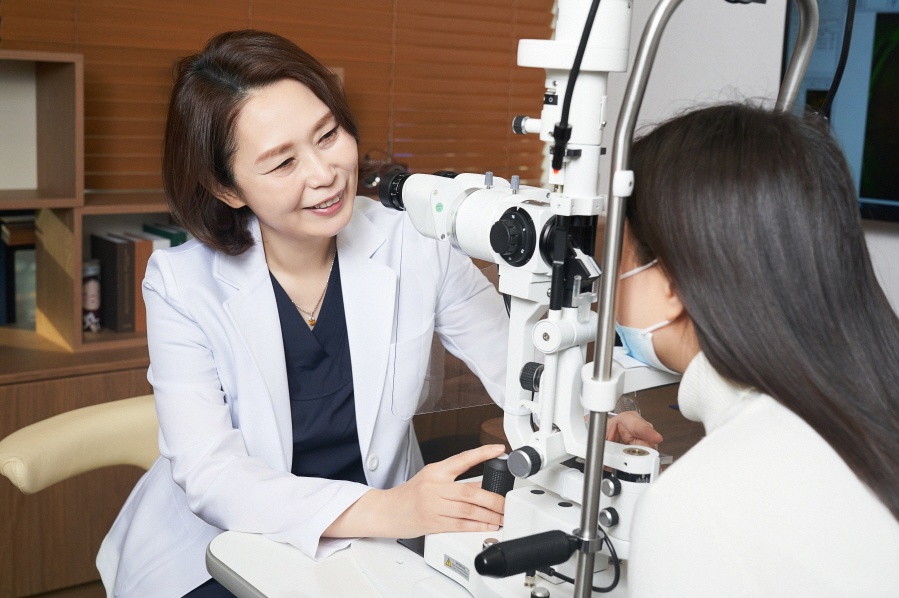

Cheongdam Smart LASIK results at a glance
In the Cheongdam and Gangnam area of Seoul, “Smart LASIK” most often refers to modern SMILE LASIK or similar small‑incision laser vision correction using advanced femtosecond laser platforms.
For suitable candidates, some patients achieve vision comparable to or better than what they had with glasses or contact lenses; outcomes vary depending on the starting prescription and individual factors. Some patients experience functional vision within a day, with gradual improvement over several weeks. Because the procedure uses a small incision and no flap, patients commonly describe the recovery as relatively comfortable compared with older surface procedures.
This guide explains what “Smart LASIK” means in this context, what kind of results you can realistically expect, how the process works at an ophthalmology clinic in Gangnam, and how to prepare if you are visiting Korea from overseas.
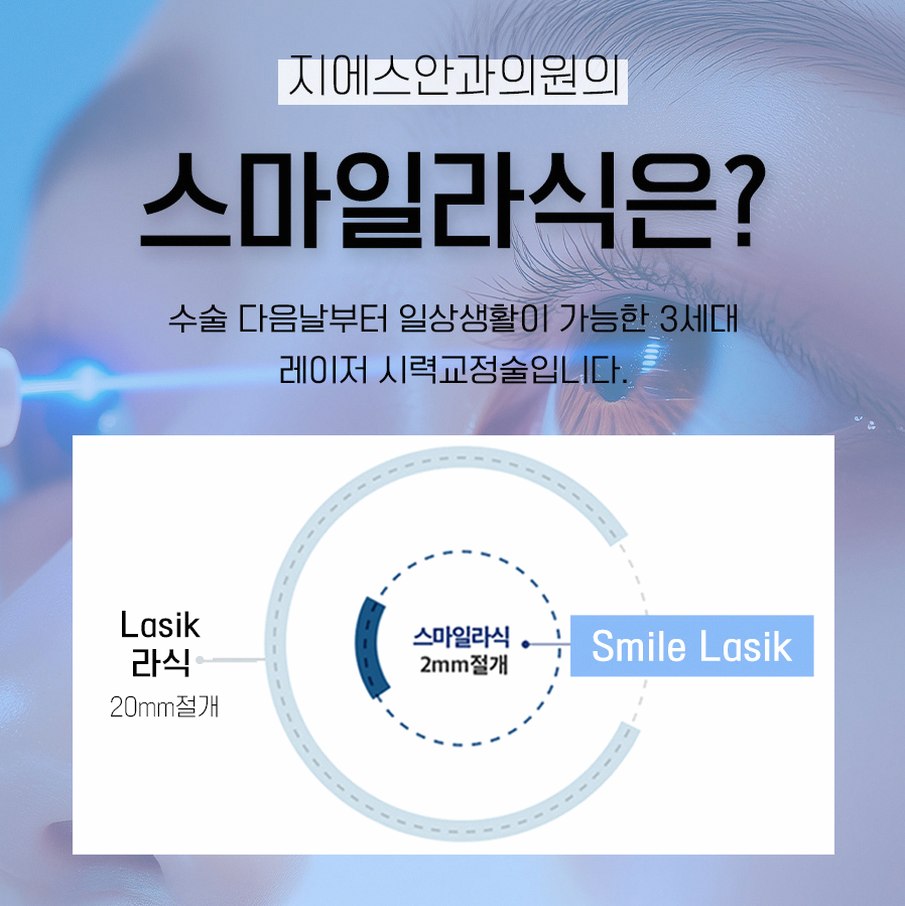
What Smart LASIK and SMILE LASIK mean in Cheongdam
In the Cheongdam and Gangnam market, the term “Smart LASIK” is mainly a marketing label for upgraded small‑incision laser procedures, especially SMILE LASIK and newer variations such as SMILE pro or SILK. The common feature is the use of a femtosecond laser to correct myopia and astigmatism through a tiny opening in the cornea.
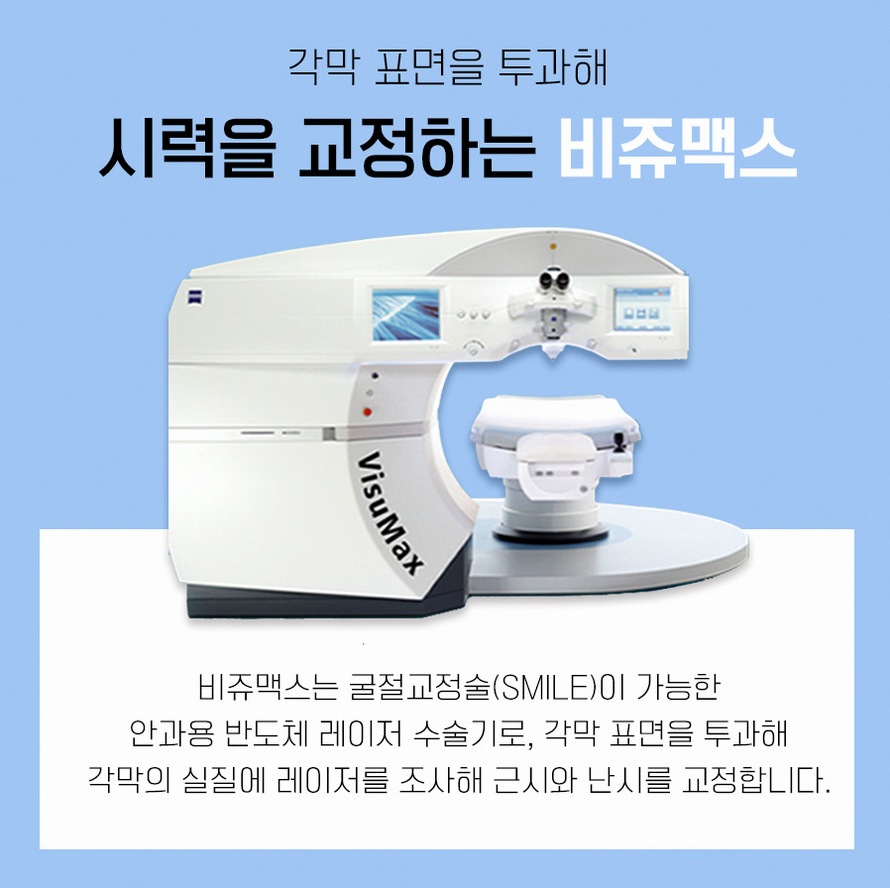
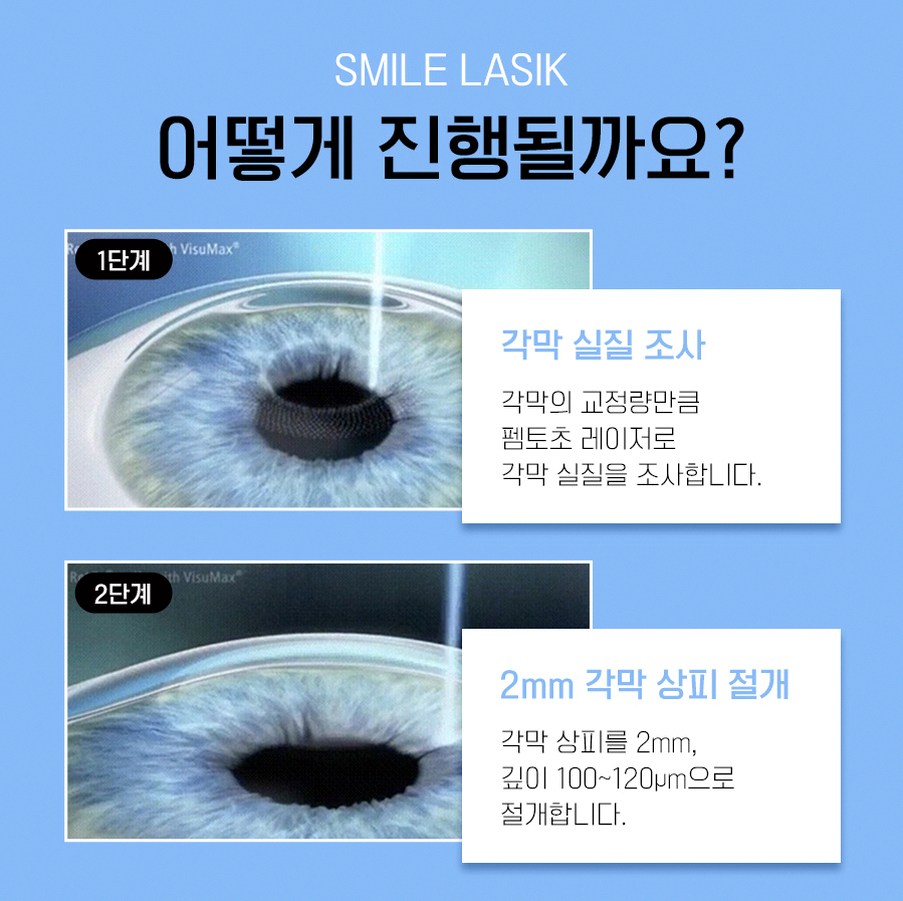
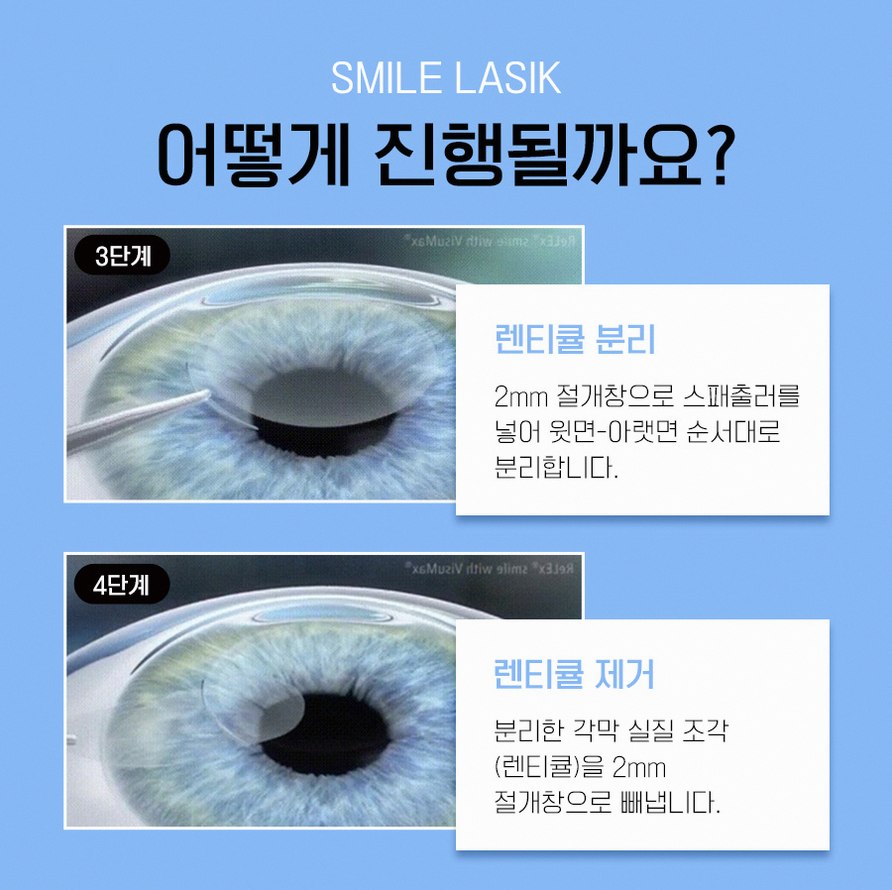
SMILE LASIK is a flapless laser vision correction technique. Instead of creating a corneal flap like traditional LASIK, the laser creates a thin, lens‑shaped piece of tissue inside the cornea, called a lenticule. This lenticule is removed through a micro‑incision only a few millimeters wide. Removing this tissue reshapes the cornea so that light focuses correctly on the retina, reducing or eliminating the need for glasses or contact lenses.
Compared with older methods like conventional LASIK or LASEK, SMILE LASIK aims to preserve more of the corneal structure and more of the corneal nerves. This is why it is often associated with potentially less dry eye and more stable biomechanics of the cornea. It has become a mainstream choice for young adults and working professionals who want to be less dependent on glasses or contact lenses.
Key results patients usually care about
When people search for Cheongdam Smart LASIK results, they are usually interested in several specific outcomes.
First is visual acuity. For many suitable candidates, the goal is to reach vision comparable to or better than their best corrected vision with glasses or contact lenses. For a large proportion of patients, this means around 20/20 distance vision. The exact outcome depends on factors such as the degree of myopia or astigmatism, corneal shape, and any pre‑existing eye conditions.
Second is speed of recovery. With SMILE LASIK, many patients notice usable vision the next day. Vision can be slightly hazy or fluctuating at first, but most people can perform office work and light daily tasks within a short time. The finer details of vision, including night vision and contrast, usually continue to improve over several weeks to a few months.
Third is comfort. Because there is no large flap and only a small incision, many patients report less pain or foreign‑body sensation than with surface procedures like LASEK. There can still be mild discomfort, tearing, or light sensitivity for a short period after surgery, but this is often manageable with the prescribed eye drops.
Fourth is impact on daily life. After SMILE LASIK, most people can return to desk work and gentle daily activities within a few days, sometimes sooner depending on the clinic’s advice and the individual’s healing. However, there are temporary restrictions. Patients are usually advised not to rub their eyes, avoid eye makeup for a period, and stay away from swimming pools, saunas, and intense exercise until the ophthalmologist confirms that healing is stable.
Fifth is long‑term stability. In patients whose prescriptions were stable before surgery and whose corneas are suitable, SMILE LASIK results are generally stable over the long term. Mild regression can occur, especially in very high myopia, so realistic expectations are important. Regular follow‑up eye examinations help monitor for any changes.
Advantages often highlighted in Cheongdam and Gangnam
Clinics in the Cheongdam and Gangnam area often emphasize several advantages when they promote Smart LASIK or SMILE LASIK.
One key point is the small incision and absence of a corneal flap. Because the laser uses a micro‑incision, there is no large flap that could potentially shift or be affected by trauma later. This can be reassuring for people who are active, play sports, or are concerned about eye injuries.
Another commonly mentioned advantage is the potential for less dry eye. Since fewer corneal nerves are cut compared with traditional LASIK, some patients experience milder and shorter‑lasting dry eye symptoms. However, dry eye can still occur, especially in people who already have dry eye or spend long hours on digital devices, so pre‑operative evaluation of the tear film is important.
The cosmetic and lifestyle appeal is also significant. In areas like Cheongdam and Gangnam, many office workers, students, and young professionals choose SMILE LASIK because they want a quick recovery, minimal visible signs of surgery, and the convenience of living without glasses or contact lenses in a busy urban lifestyle.
Finally, the small‑incision approach is often promoted as suitable for people with active lifestyles. While no procedure can eliminate all risk, the absence of a flap may be an advantage for those who exercise regularly or are concerned about potential trauma to the eye.
What actually determines the quality of the results
Behind the marketing terms, the real quality of Smart LASIK or SMILE LASIK results depends on several medical and practical factors.
The first is a detailed pre‑operative examination. A thorough assessment is essential to predict outcomes and ensure safety. This typically includes measurement of your prescription, corneal topography and tomography to study the shape and structure of the cornea, pachymetry to measure corneal thickness, evaluation of the tear film and dry eye status, pupil size, intraocular pressure, and a careful retinal examination. For high myopia, retinal evaluation is especially important to check for weak areas, tears, or other conditions that may need treatment or monitoring.
The second factor is correct indication and exclusion. Not everyone is a suitable candidate for SMILE LASIK. People with very thin or irregular corneas, unstable myopia, severe dry eye, keratoconus, or certain retinal diseases may be advised to consider alternative options. In some cases, lens implantation procedures may be safer than corneal laser surgery. A responsible ophthalmology clinic will explain these options clearly.
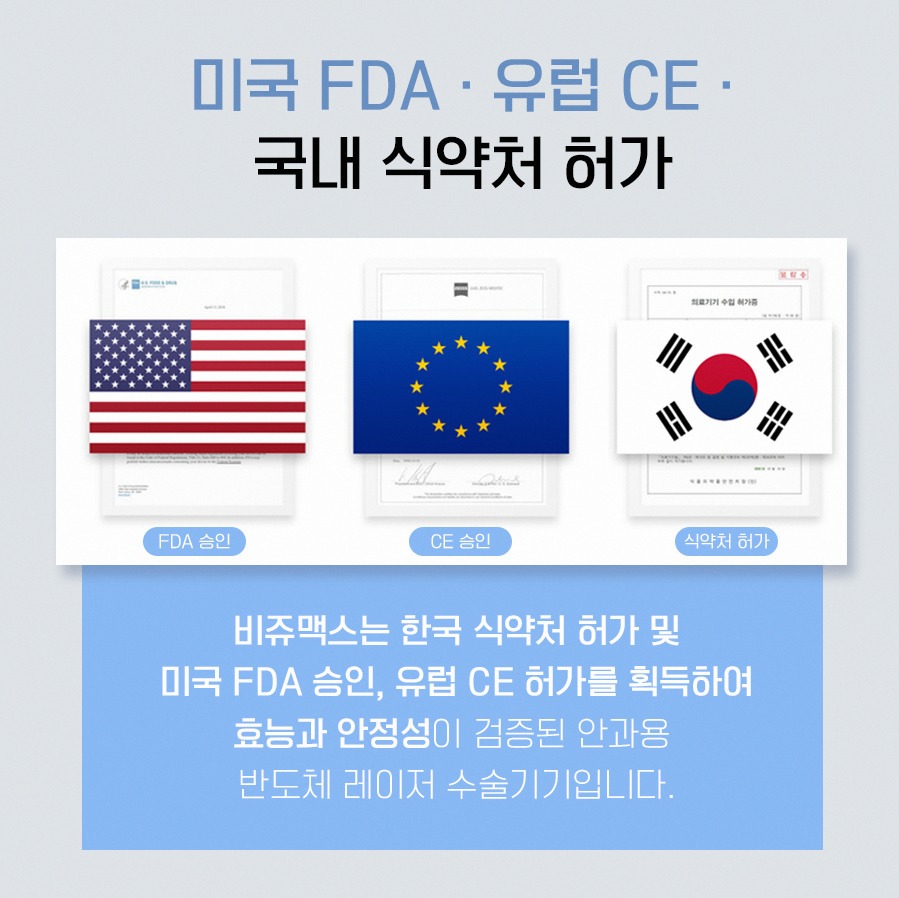
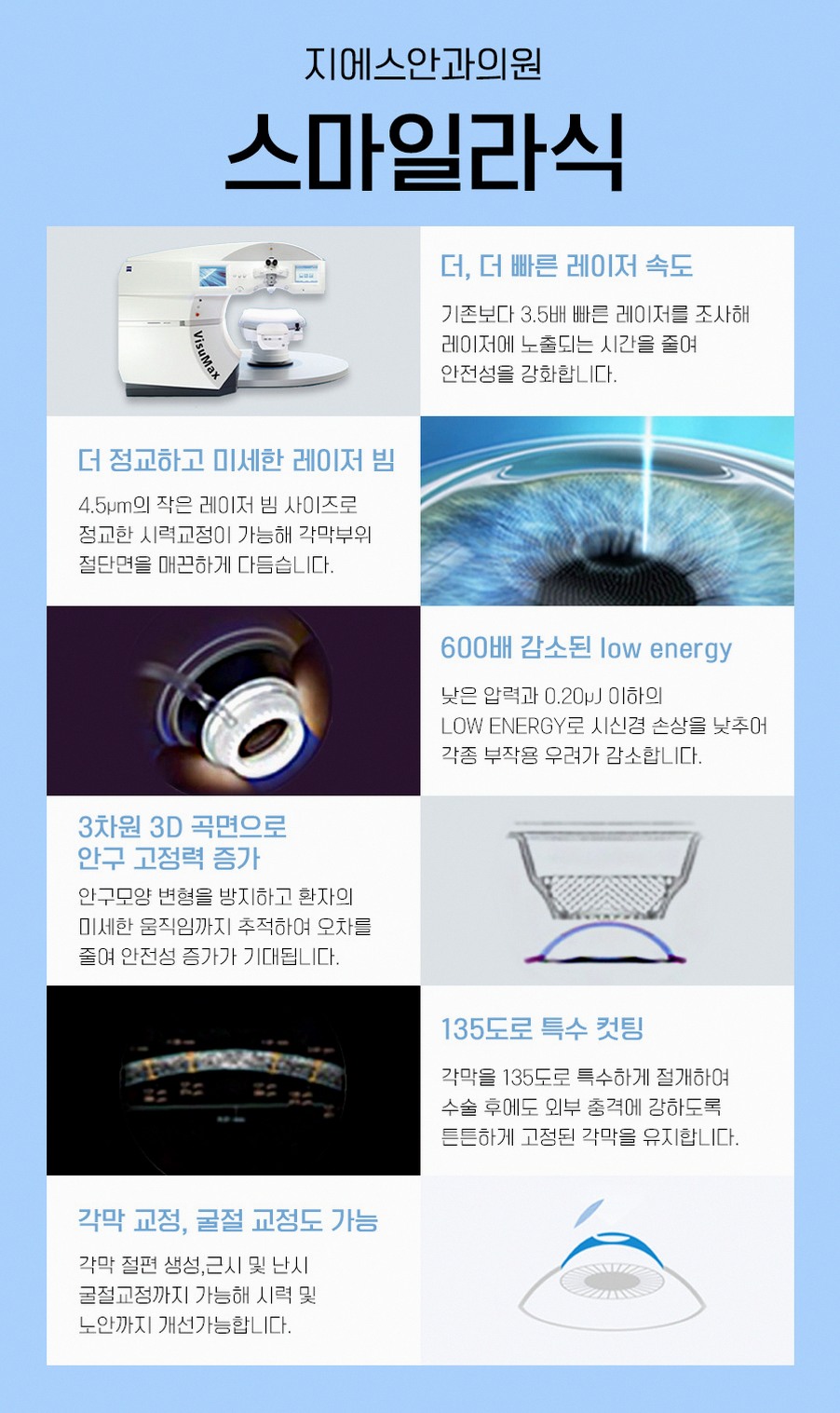
The third factor is the laser platform and technology. Modern femtosecond laser systems, such as the ZEISS VISUMAX series, are designed to deliver precise cuts with short laser times. Newer platforms like VISUMAX 800 allow very fast lenticule creation, which can improve comfort and reduce the time the patient needs to fixate. Having access to multiple platforms allows the clinic to choose the system that best matches the patient’s eye characteristics.
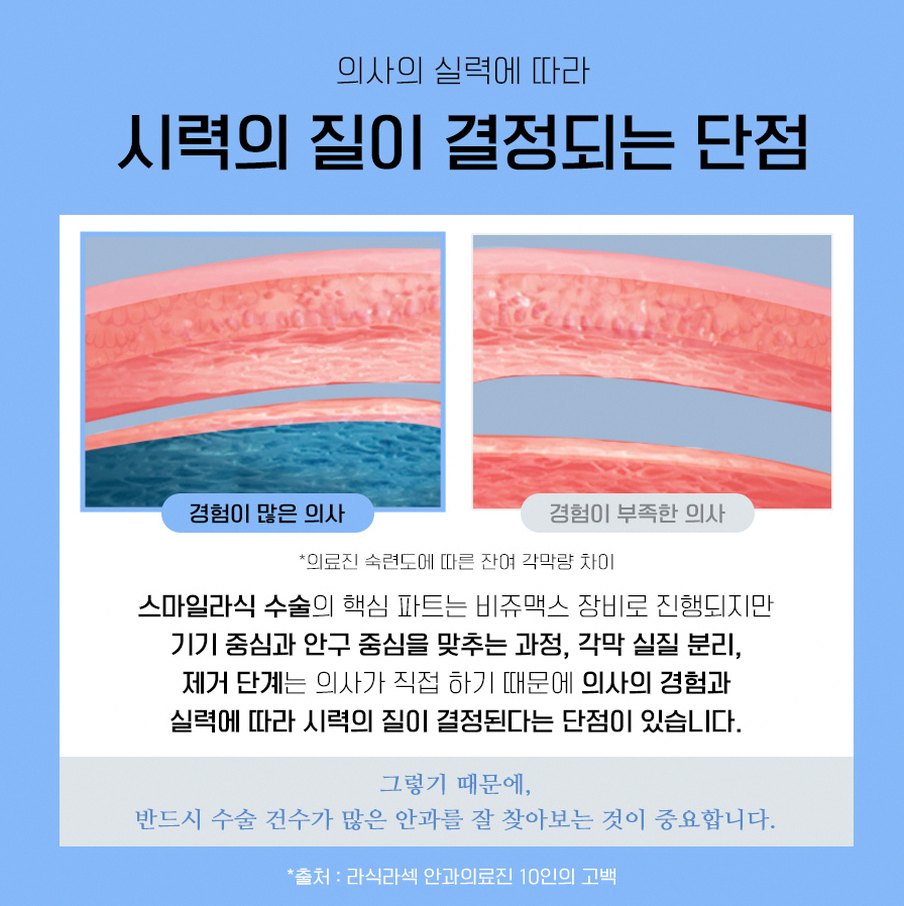
The fourth factor is surgeon experience. Outcomes are closely related to the ophthalmologist’s experience with SMILE LASIK, their ability to interpret the pre‑operative data, and their judgment in recommending the right procedure for each eye. Experience also matters in managing challenging cases, such as high myopia or irregular astigmatism.
The fifth factor is post‑operative care and patient compliance. Proper use of antibiotic and anti‑inflammatory eye drops, regular use of lubricating drops, attending scheduled follow‑up visits, and following activity restrictions all influence healing and final vision. Even with advanced technology, skipping follow‑ups or ignoring instructions can negatively affect results.
How an advanced ophthalmology clinic in Gangnam approaches SMILE LASIK
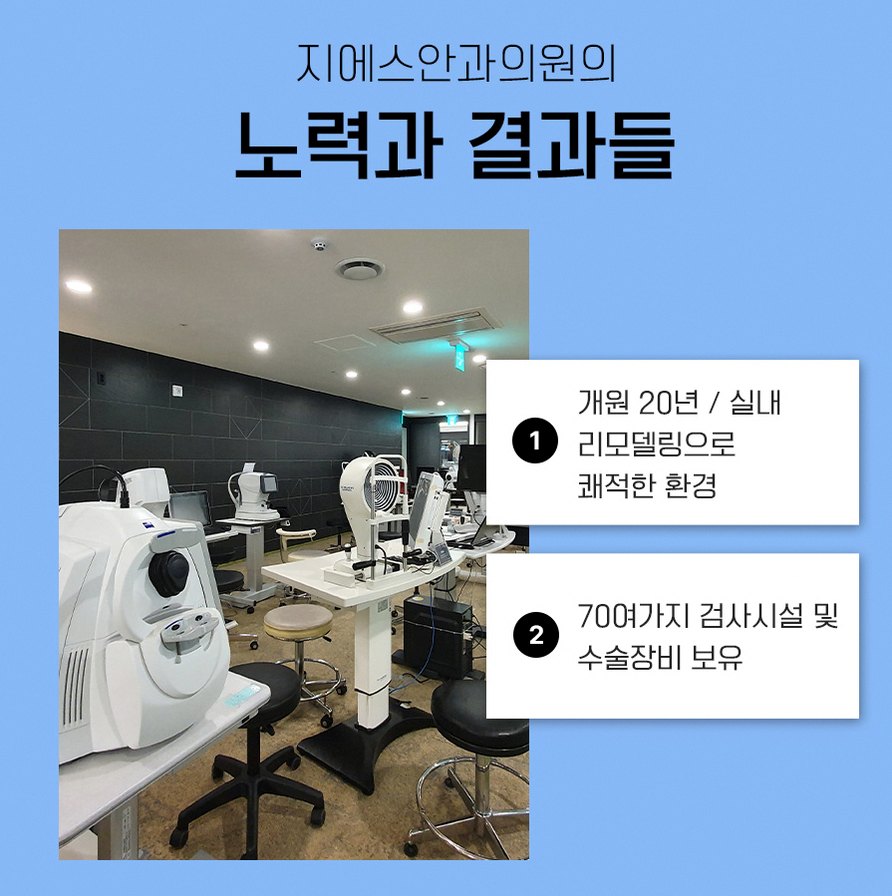
In the Gangnam area, some ophthalmology clinics focus heavily on SMILE‑type procedures and related technologies. GS Eye Center provides SMILE pro, SMILE LASIK, SILK, and its own protocols such as Golden SMILE, and operates VISUMAX 800 and VISUMAX 500 (both ZEISS) as well as ELITA (Johnson & Johnson) for SILK.
This range of equipment allows the team to tailor the procedure to each patient’s corneal thickness, curvature, and prescription, and to maintain standardized protocols even with a high number of cases.
These designations indicate involvement in clinical education and early adoption of new technology.
All seven doctors at the clinic are ophthalmologists with board certification, with backgrounds in major university hospitals and subspecialties such as retina. This is particularly relevant for high‑myopia patients, who may have a higher risk of retinal issues and benefit from integrated retina evaluation and follow‑up. Rather than relying only on branding, the clinic emphasizes structured pre‑operative testing, standardized surgical protocols, and dedicated services for dry eye and retina care to support safer SMILE LASIK outcomes.
Step‑by‑step process for a Cheongdam SMILE LASIK patient
If you are considering traveling to Seoul for Smart LASIK or SMILE LASIK, it helps to understand the typical process from first contact to follow‑up.
The journey usually starts with an initial consultation, which can often be done online. You share your visual needs, such as whether you work long hours on computers, drive at night, or play certain sports. You also provide medical history, including any eye diseases, medications, allergies, or previous eye surgeries. This step helps the clinic judge whether it makes sense for you to visit for a full evaluation.
Next is the comprehensive eye examination, which is performed once you arrive in Korea. This visit is more detailed than a standard glasses prescription check. It usually includes refraction to measure your exact prescription, corneal topography and tomography to map the shape and thickness of the cornea, pachymetry, tear film and dry eye evaluation, pupil size measurement, intraocular pressure, and a retinal examination, sometimes including wide‑field imaging.
After the tests, the ophthalmologist explains your suitability. Based on your corneal safety margins, degree of myopia and astigmatism, age, and lifestyle, the doctor will recommend SMILE LASIK, another laser procedure, lens implantation, or sometimes no surgery. For example, in early presbyopia, a slight under‑correction may be suggested in one eye to support near vision.
Once the procedure is chosen, the team performs customized surgical planning. This includes selecting the laser platform, setting the treatment parameters, and discussing any adjunctive procedures that might be indicated, such as corneal strengthening techniques for borderline cases. You will also receive pre‑operative instructions, such as stopping contact lenses for a certain period before surgery.
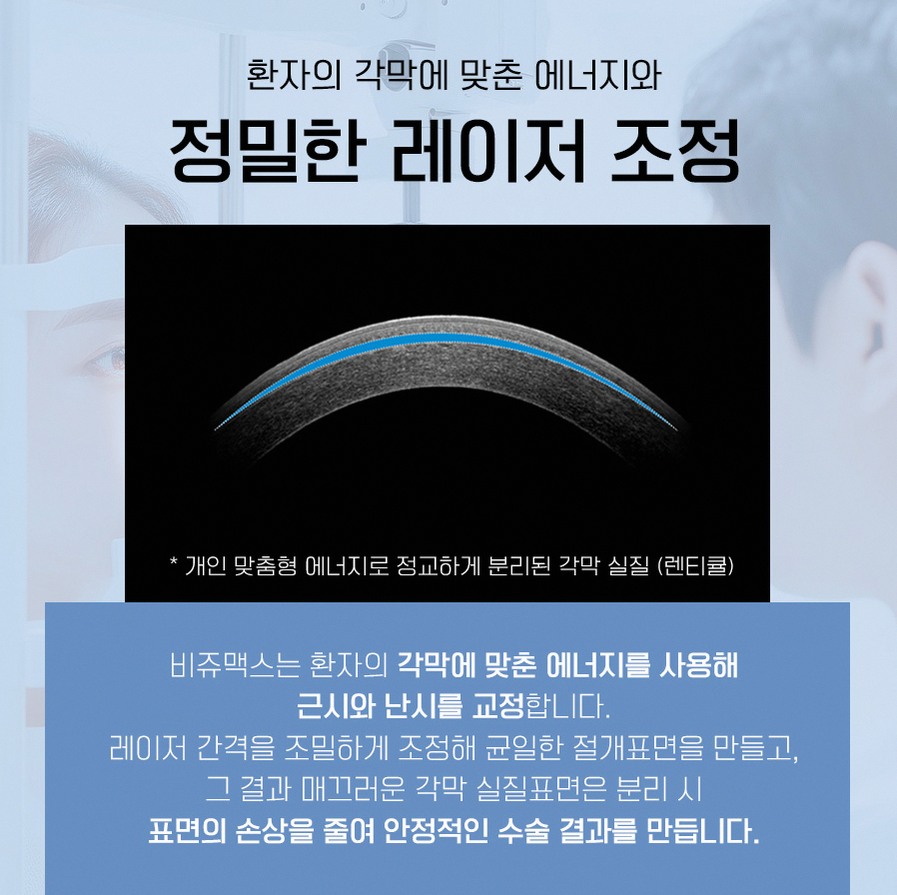
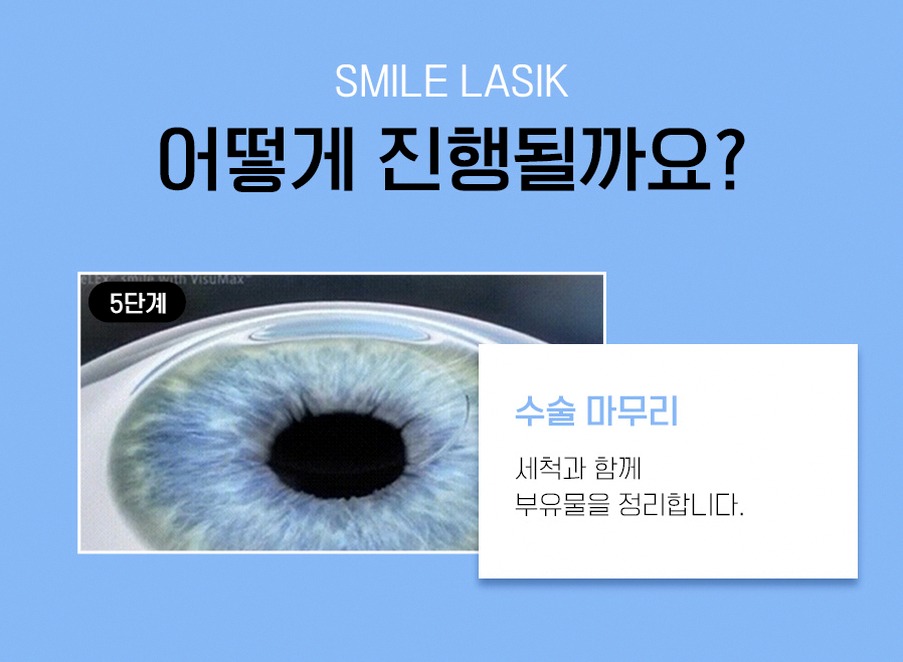
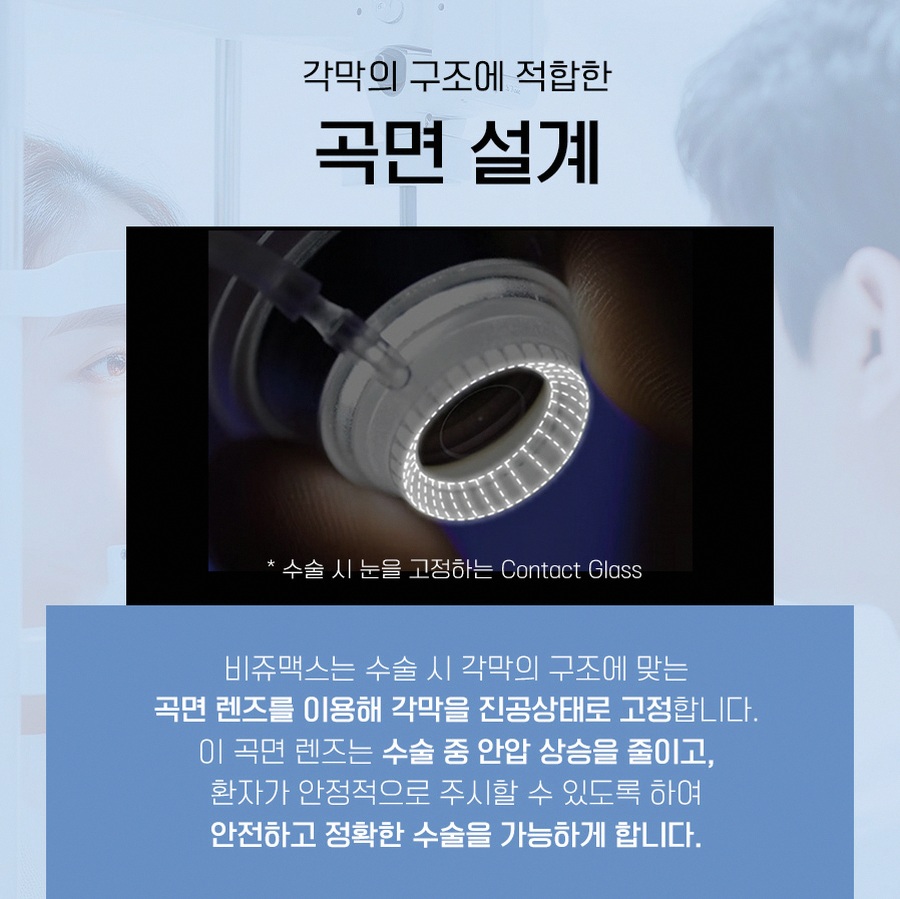
On surgery day, SMILE LASIK is typically done under topical anesthetic eye drops. You lie on the laser bed, look at a fixation light, and the femtosecond laser creates the lenticule inside the cornea. On the latest platforms, this cutting phase often takes under 10 seconds per eye. The surgeon then removes the lenticule through the micro‑incision. The procedure for both eyes usually takes only a short time. After a brief rest, you can go back to your accommodation with an escort.
Early recovery usually involves blurred but functional vision on the day of surgery, with rapid improvement over the first few days. You will use prescribed antibiotic and anti‑inflammatory drops for a limited period, along with lubricating drops for comfort. Many patients can walk around and manage basic tasks the next day, but you should avoid rubbing your eyes and follow the clinic’s instructions carefully.
The follow‑up schedule typically includes an early check within the first one to three days, then further visits over several weeks. At these visits, the ophthalmologist checks your visual acuity, corneal healing, dry eye status, and visual quality, including night vision and any halos or glare. For international patients, clinics often try to concentrate the essential follow‑ups into the time you are in Korea and may coordinate with your local eye doctor for longer‑term checks.
Who may consider Cheongdam Smart LASIK or SMILE LASIK
Smart LASIK or SMILE LASIK in Cheongdam and Gangnam is generally aimed at adults who want to reduce their dependence on glasses or contact lenses. Typical candidates are people in their 20s to 40s with stable myopia and astigmatism, adequate corneal thickness, and no major eye diseases.
You may consider SMILE LASIK if your glasses or contact lenses interfere with work, sports, or daily life, or if you are sensitive to contact lenses. It can be particularly attractive if you value a quick return to office work and minimal visible signs of surgery.
However, some people are not ideal candidates. Those with very high myopia, thin or irregular corneas, significant dry eye, keratoconus, or certain retinal conditions may be advised to consider alternatives such as lens implantation. Younger patients with rapidly changing prescriptions are usually advised to wait until their vision stabilizes. A careful pre‑operative examination is the only reliable way to know which category you fall into.
Online consultation and pre‑visit preparation for overseas patients
If you are planning a medical trip to Seoul, an online consultation is an efficient first step. Many ophthalmology clinics in Gangnam offer communication by email, messaging apps, or video call.
Before contacting the clinic, it is helpful to prepare recent information from your local eye examination, such as your glasses prescription, any notes about dry eye or retinal findings, and a list of medications you take. If you have had previous laser vision correction or other eye surgery, gather any old records you may have.
During the online consultation, you can ask about your approximate eligibility, the likely procedure type, and a rough visit schedule. At this stage, the clinic cannot promise final suitability or exact results, because that depends on in‑person testing, but they can advise whether it is reasonable for you to travel.
When planning your trip, consider how many days you can stay in Korea. Many international patients schedule around one to two weeks in Seoul to allow for pre‑operative testing, surgery, and early follow‑up visits. Share your travel dates with the clinic so they can propose a timeline that fits within your stay.
Expected Korea visit timeline for SMILE LASIK
A typical visit timeline for an overseas SMILE LASIK patient in Cheongdam or Gangnam might look like this, though details vary by individual and clinic.
On day one or two, you have your comprehensive eye examination and consultation. If your eyes are suitable and you decide to proceed, surgery may be scheduled within the next few days, depending on your contact lens history and the clinic’s schedule.
On surgery day, you spend a few hours at the clinic for preparation, the procedure itself, and a short rest afterward. You then return to your accommodation with protective eye shields or glasses as instructed.
The next day, you usually have your first post‑operative check to confirm that the cornea is healing well and that there are no early complications. Many patients feel comfortable enough for light sightseeing or gentle activities, but you should avoid dusty environments and heavy exercise.
Over the next several days, you may have one or more additional follow‑up visits. The clinic will monitor your vision, dry eye status, and any symptoms such as glare or halos. Before you leave Korea, the ophthalmologist will usually provide a summary of your surgery, post‑operative findings, and recommendations for follow‑up care in your home country.
Aftercare and long‑term expectations
After SMILE LASIK, consistent aftercare supports good long‑term results. In the first weeks, you will use antibiotic drops for a short period and anti‑inflammatory drops as prescribed, along with lubricating drops as needed. You should avoid rubbing your eyes, avoid swimming pools and hot tubs for a time, and protect your eyes from dust and strong wind.
Dry eye symptoms such as burning, foreign‑body sensation, or fluctuating vision can occur temporarily, especially in the first months. Regular use of artificial tears and following any additional dry eye treatment recommended by the clinic can help. Most patients notice gradual improvement over time.
Night vision symptoms such as halos around lights or glare while driving at night may appear in the early period after surgery. These often improve as the cornea heals and the brain adapts, but the speed and degree of improvement vary between individuals. If symptoms are troublesome, share them with your ophthalmologist during follow‑up visits.
Long term, many patients enjoy stable distance vision without glasses for years. However, natural aging of the eye continues. Presbyopia, the age‑related difficulty with near focus, typically appears in the 40s or 50s, even after successful SMILE LASIK. This is not a complication of the surgery but a normal change in the lens inside the eye. At that stage, reading glasses or additional procedures may be discussed.
How to evaluate Cheongdam SMILE LASIK offers
When comparing Smart LASIK or SMILE LASIK offers in Cheongdam and Gangnam, try not to focus only on price or attractive marketing phrases. Instead, consider a few practical criteria.
Check whether the clinic performs full corneal and retinal diagnostics before recommending surgery. This should include corneal topography or tomography, thickness measurements, and a careful retinal exam, especially if you have high myopia.
Ask whether the clinic has multiple modern laser platforms and whether they can explain why a specific system is recommended for your eyes. The ability to choose between different femtosecond lasers can be useful for tailoring treatment.
Review information about the ophthalmologists, including their training, subspecialty interests, and experience with SMILE LASIK. High case numbers alone are not everything, but they can indicate familiarity with a wide range of situations.
Confirm that the clinic offers structured follow‑up and access to subspecialty care such as a dedicated retina service if needed. For international patients, it is also important to ask how they coordinate care with doctors in your home country after you return.
Before your consultation, it can help to write down questions such as what vision you can realistically expect based on your current prescription, how many days you should plan to stay in Korea, what side effects are most common in patients like you, and what alternative options are available if SMILE LASIK is not recommended.
Frequently asked questions about Cheongdam Smart LASIK results
How are Cheongdam Smart LASIK and SMILE LASIK different from regular LASIK
In Cheongdam and Gangnam, Smart LASIK usually refers to SMILE LASIK or similar small‑incision procedures using modern femtosecond lasers. The main difference from regular LASIK is that SMILE LASIK does not create a large corneal flap. Instead, it uses a tiny incision to remove a lenticule from inside the cornea. This approach aims to preserve more corneal structure and may reduce the risk of some flap‑related issues. However, both SMILE LASIK and regular LASIK can provide good vision when properly selected and performed.
How long does it take to see clearly after SMILE LASIK
Most patients notice usable vision within a day after SMILE LASIK, and many can return to light office work within a few days, depending on the ophthalmologist’s advice. Vision often continues to sharpen over several weeks as the cornea heals and the visual system adapts. Some people experience temporary fluctuations, especially in low light, during the early recovery period.
Is SMILE LASIK safer for dry eye than other laser procedures
SMILE LASIK tends to cut fewer corneal nerves than traditional LASIK because it uses a small incision and no large flap. For this reason, some studies and clinical experience suggest that dry eye symptoms may be milder or shorter‑lasting in many patients. However, dry eye can still occur, especially in people who already have dry eye or who work long hours on digital screens. A careful pre‑operative dry eye evaluation and appropriate treatment plan are important regardless of the procedure type.
Can high myopia patients in their 20s or 30s get SMILE LASIK, or is lens implantation better
Many patients with moderate to high myopia in their 20s or 30s can be candidates for SMILE LASIK if their corneas are thick and regular enough and their prescriptions are stable. For very high myopia or thin corneas, lens implantation procedures may be safer because they do not remove as much corneal tissue. The decision depends on detailed measurements of your eyes and a discussion with an ophthalmologist who can compare the long‑term safety and visual quality of each option for your specific case.
How long do the results of SMILE LASIK usually last
In suitable candidates with stable prescriptions before surgery, SMILE LASIK results are generally long‑lasting. The cornea reshaping is permanent, but the eye can still change over time due to natural aging or progression of myopia in some individuals. Mild regression is more likely in very high myopia. Regular eye examinations after surgery help monitor for any changes and allow early management if needed.
What pre‑operative tests should I expect at an ophthalmology clinic in Gangnam before SMILE LASIK
Before SMILE LASIK, you should expect a comprehensive set of tests, not just a simple glasses prescription check. These usually include refraction, corneal topography and tomography, corneal thickness measurement, tear film and dry eye evaluation, pupil size, intraocular pressure, and a detailed retinal examination. These tests help the ophthalmologist judge whether SMILE LASIK is safe for you and what kind of results you can realistically expect.
What makes a clinic’s SMILE LASIK outcomes more reliable, equipment or surgeon
Both equipment and surgeon are important. Modern femtosecond laser platforms can improve precision, shorten laser time, and enhance patient comfort. However, technology alone is not enough. The ophthalmologist’s experience, judgment in selecting suitable candidates, and skill in performing the procedure and managing aftercare are crucial. Clinics that combine advanced equipment with structured pre‑operative evaluation, standardized protocols, and careful follow‑up tend to provide more consistent outcomes.
Soft call to action for online consultation
If you are considering Smart LASIK or SMILE LASIK in the Cheongdam and Gangnam area and would like to understand your personal chances of good results, an online consultation can be a practical first step. By sharing your current prescription, eye history, and travel plans, you can receive guidance on whether a visit to Seoul for evaluation and possible surgery is appropriate.
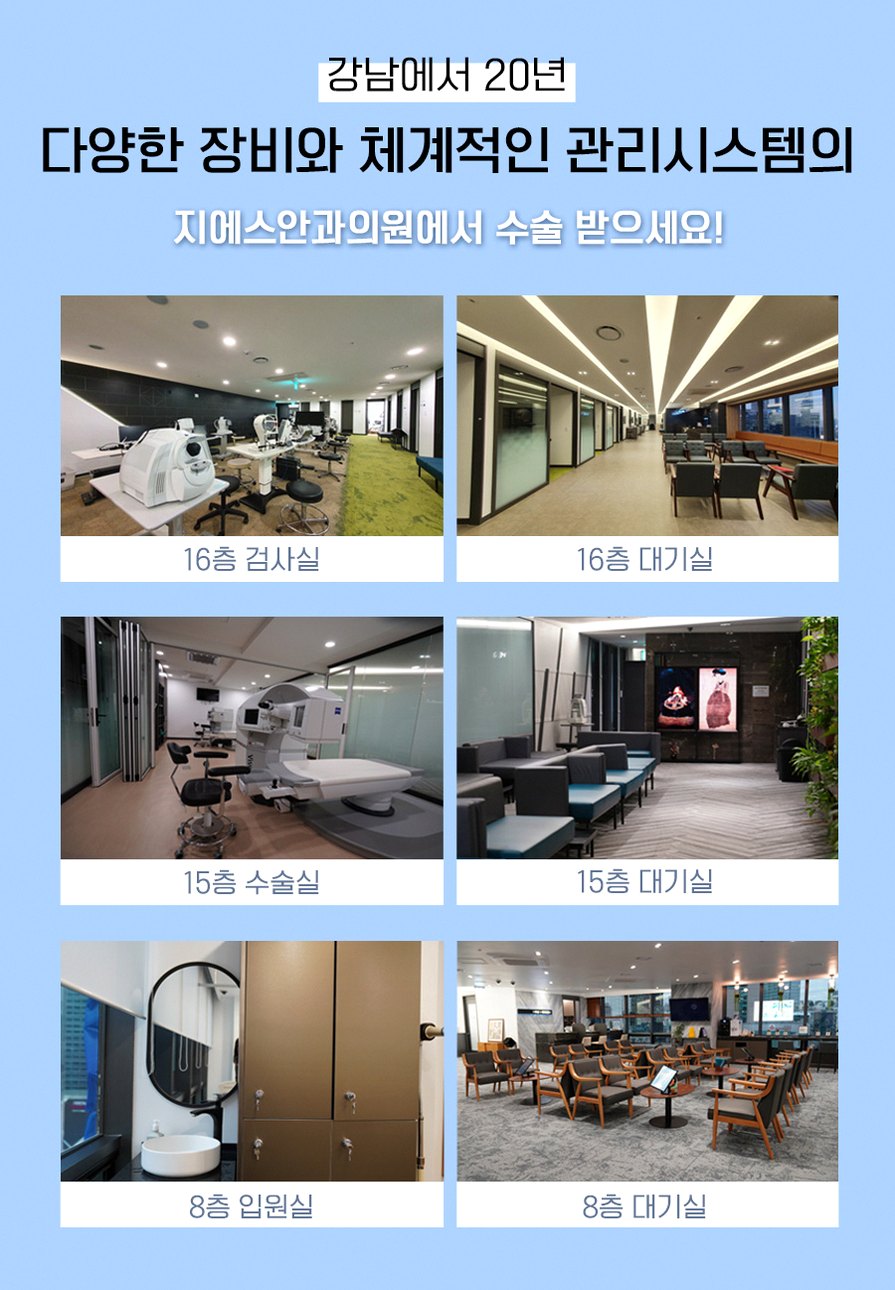
GS Eye Center offers SMILE‑type procedures with multiple ZEISS laser platforms and structured testing and follow‑up systems. If you are planning a medical trip to Korea, you can contact the clinic in advance to discuss your situation, plan your schedule, and prepare the questions that matter most to you.
This article is for general information only and does not replace a personal consultation or examination by a qualified ophthalmologist. Individual suitability, risks, and expected results must always be discussed directly with your eye doctor.
- 공유 링크 만들기
- X
- 이메일
- 기타 앱


댓글
댓글 쓰기