Vision correction surgery with SMILE LASIK in Gangnam, Seoul
- 공유 링크 만들기
- X
- 이메일
- 기타 앱
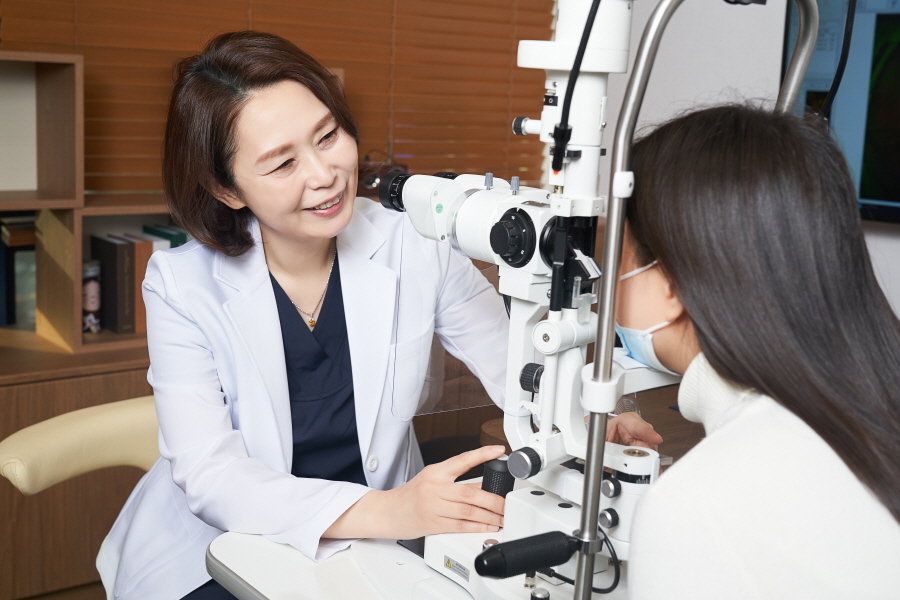
Direct answer summary
Vision correction surgery is a group of procedures that reduce dependence on glasses or contact lenses by reshaping the eye’s focusing system. Among these, SMILE LASIK (small-incision lenticule extraction) is a modern laser technique that uses a tiny incision and a femtosecond laser to correct myopia and astigmatism. In the Gangnam area of Seoul, near Gangnam Station, some ophthalmology centers focus strongly on SMILE-based vision correction surgery, combining high case volumes, multiple ZEISS SMILE laser platforms, and structured quality systems.
This guide explains SMILE LASIK as a form of vision correction surgery, using GS Eye Clinic on Gangnam-daero as a real-world example of an ophthalmology center that has performed large numbers of SMILE and other refractive procedures for international and local patients.
What is SMILE LASIK within vision correction surgery
Vision correction surgery aims to adjust how light focuses on the retina so that distant or near objects become clear without glasses. SMILE LASIK belongs to the corneal laser group of procedures, alongside traditional LASIK and LASEK, but it uses a different approach.
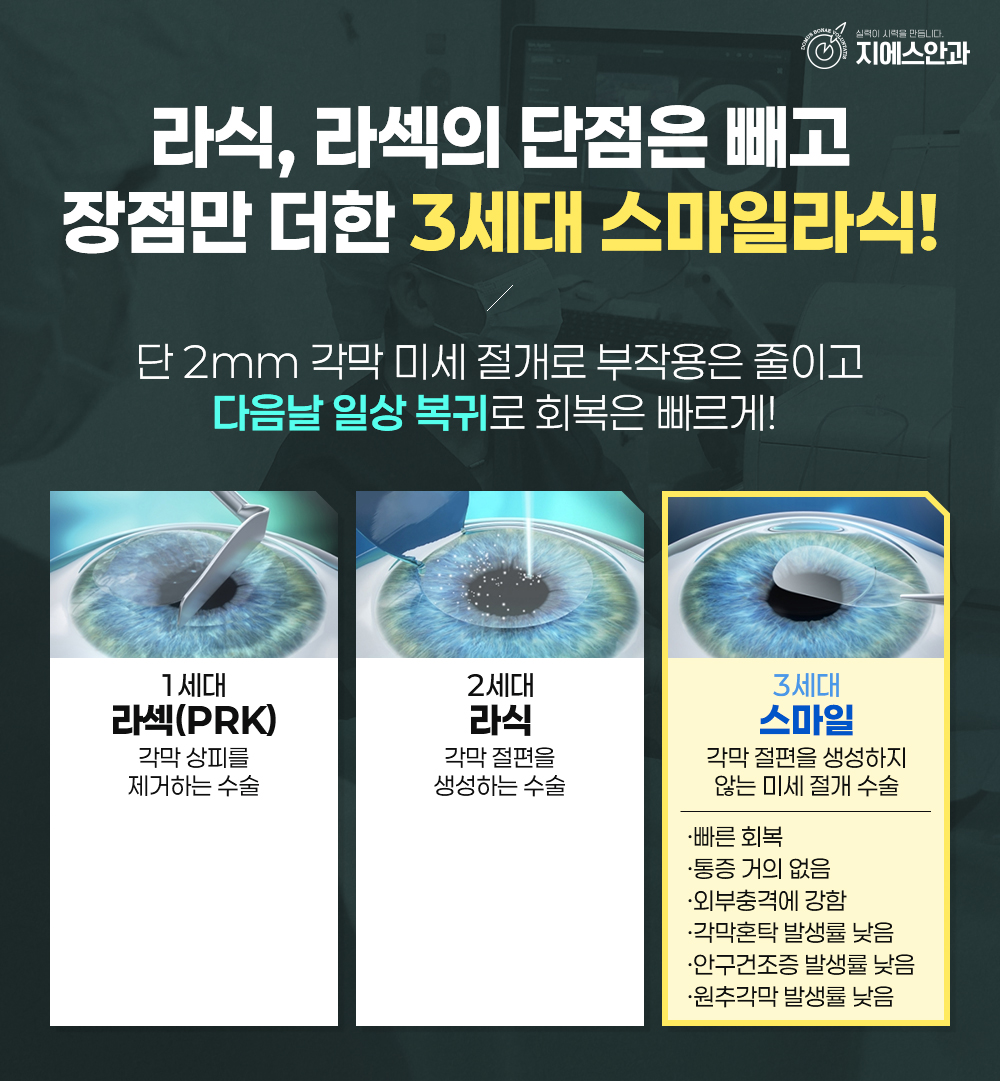
SMILE stands for small-incision lenticule extraction. During SMILE LASIK, a femtosecond laser creates a very thin, lens-shaped piece of tissue (called a lenticule) inside the cornea and a tiny side incision. The surgeon then removes this lenticule through the small opening. By removing this tissue, the shape of the cornea changes, correcting the refractive error.
Unlike conventional LASIK, SMILE LASIK does not require creation of a large corneal flap. Compared with LASEK, it does not involve removing the corneal surface epithelium over a wide area. Because the incision is small, SMILE LASIK is often described as minimally invasive within the spectrum of laser vision correction surgery.
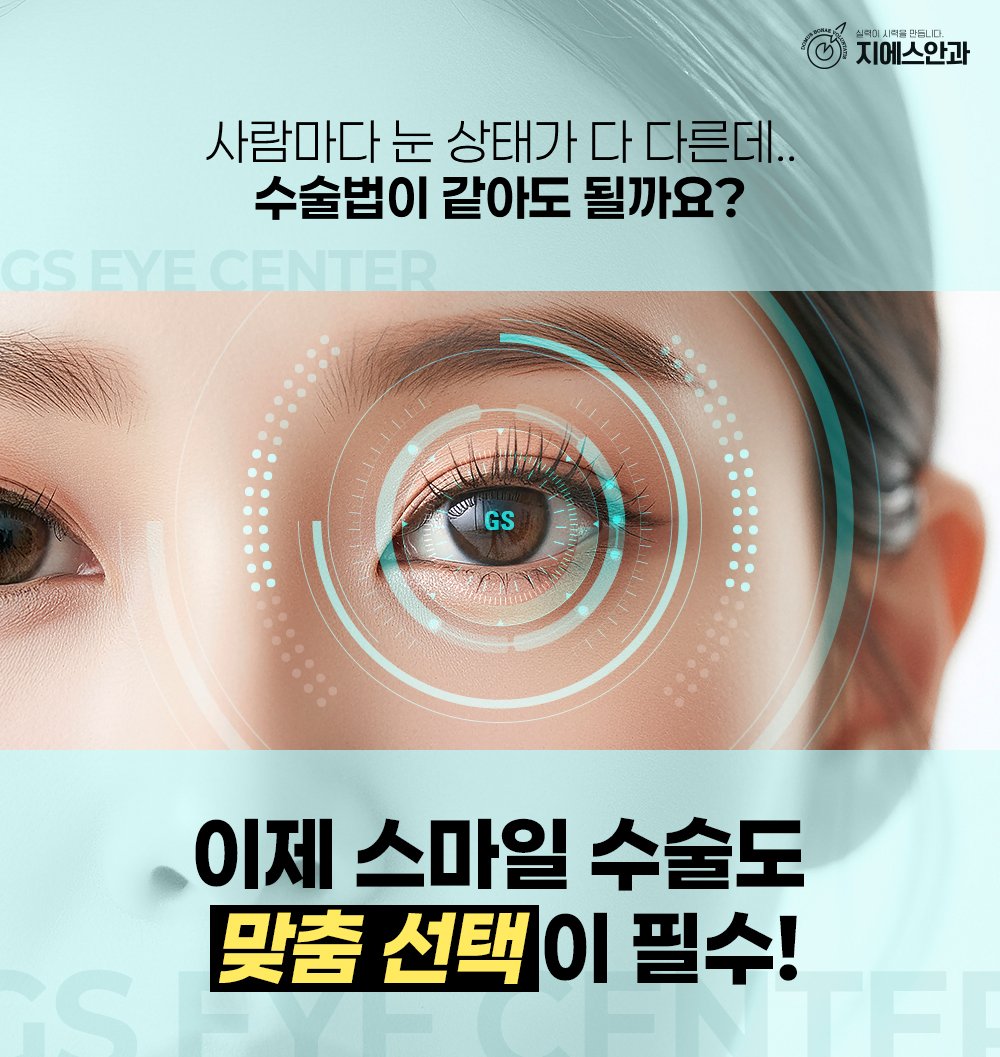
Potential advantages compared with flap-based or surface procedures include preservation of more corneal biomechanics, less disruption of corneal nerves, and the possibility of fewer dry eye symptoms for some patients. However, individual results vary, and a thorough examination is needed to see which method is most appropriate.
Typical indications for SMILE LASIK include myopia and myopic astigmatism within certain ranges, a stable glasses or contact lens prescription for at least one to two years, and a healthy cornea. Hyperopia is generally not treated with SMILE at this time.
GS Eye Clinic in Gangnam has focused on SMILE-based vision correction surgery for many years. The center opened in 2005 at its current Gangnam-daero location near Gangnam Station and has continuously operated there as an ophthalmology clinic, later changing its name but maintaining the same focus on refractive and cataract surgery.
Who may consider SMILE LASIK
Adults with stable refraction are typical candidates for SMILE LASIK. Many centers recommend that the prescription be stable for at least one to two years, with no large changes in glasses power. Patients are usually over 18, and some surgeons prefer mid-20s or older, depending on eye development and lifestyle.
Adequate corneal thickness and a regular corneal shape are essential. SMILE LASIK removes tissue from the cornea, so there must be enough thickness to maintain structural safety. People with very thin corneas or signs of corneal weakness may be advised to consider other options or to avoid corneal laser surgery.
Other basic requirements include no active eye disease such as significant keratoconus, uncontrolled dry eye, or active infection. Patients should not be pregnant or breastfeeding at the time of surgery, and systemic conditions that affect healing should be discussed in detail with the surgeon.
Realistic expectations are also important. SMILE LASIK aims to reduce dependence on glasses or contact lenses, but it does not promise perfect vision in every situation. Night driving, very fine print, or age-related near vision changes may still require some optical aid.
In some cases, another form of vision correction surgery may be more suitable. For example, LASEK may be considered when the cornea is thinner, and lens implantation procedures may be suggested for very high myopia or when corneal laser is not recommended. Older patients with early cataract or presbyopia may be better served by lens-based surgery rather than SMILE LASIK.
Preoperative examination and planning
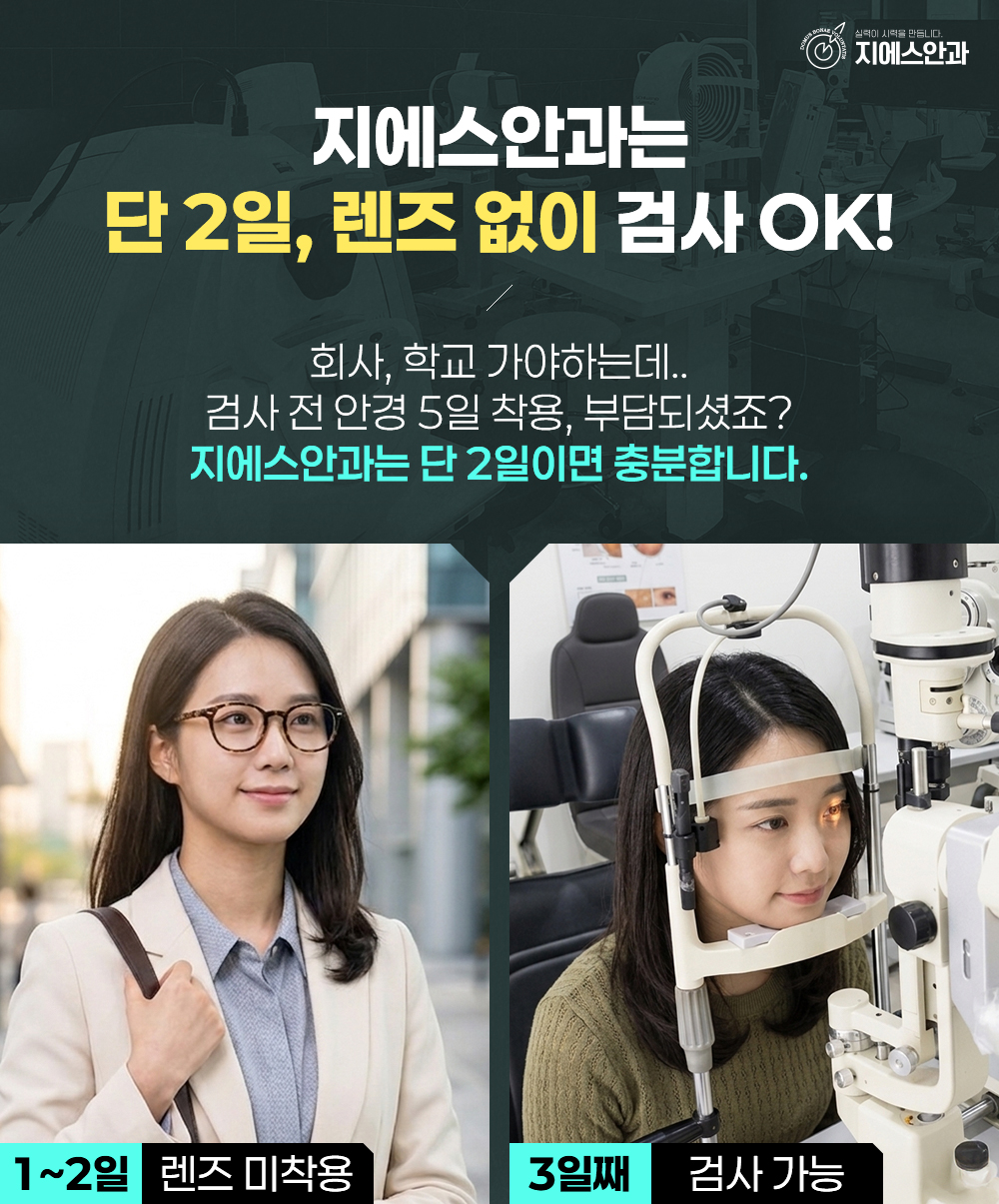
A detailed preoperative examination is the most important step before any vision correction surgery. At a specialized ophthalmology center, this evaluation usually includes several stages.
First, comprehensive vision and refraction testing are performed. This includes automated measurements, subjective refraction with lenses, and checks for differences between day and night pupil size. The goal is to understand the exact level of myopia, astigmatism, and any irregularities.
Second, corneal imaging and thickness measurements are taken. Devices such as corneal topographers and tomographers map the surface and internal structure of the cornea. These images help detect conditions such as keratoconus or irregular astigmatism, which may increase the risk of complications after corneal laser surgery.
Third, the tear film and ocular surface are evaluated. Dry eye is common, especially in contact lens wearers and people who use digital devices for long hours. Identifying and treating dry eye before SMILE LASIK can improve comfort and reduce postoperative symptoms.
Fourth, a retina examination is carried out, particularly in patients with high myopia. The retina may be more fragile in highly myopic eyes, and issues such as lattice degeneration, small retinal holes, or early detachments need to be identified and managed. Centers with a dedicated retina service and subspecialists can provide a more detailed evaluation and, when needed, preemptive retinal treatment before vision correction surgery.
GS Eye Clinic operates a separate retina center staffed by ophthalmologists with subspecialty training in retina and experience as clinical instructors or professors at major university hospitals. This structure allows combined planning for corneal and retinal safety in one place.
After these tests, the surgeon reviews the data, discusses the findings with the patient, and decides whether SMILE LASIK is suitable. If not, alternatives such as LASEK, lens implantation, or observation may be recommended. The decision is based not only on the numbers but also on lifestyle, occupation, sports, and long-term visual needs.
How SMILE LASIK is performed
On the day of SMILE LASIK, patients usually arrive having already stopped contact lenses for a period recommended by the surgeon. Soft lenses are often stopped for about a week, and rigid lenses for longer, to allow the cornea to return to its natural shape.
Before the procedure, anesthetic eye drops are applied. General anesthesia is not used; patients remain awake but should feel only pressure or mild discomfort, not sharp pain. The eye area is cleaned, and a small device keeps the eyelids open.
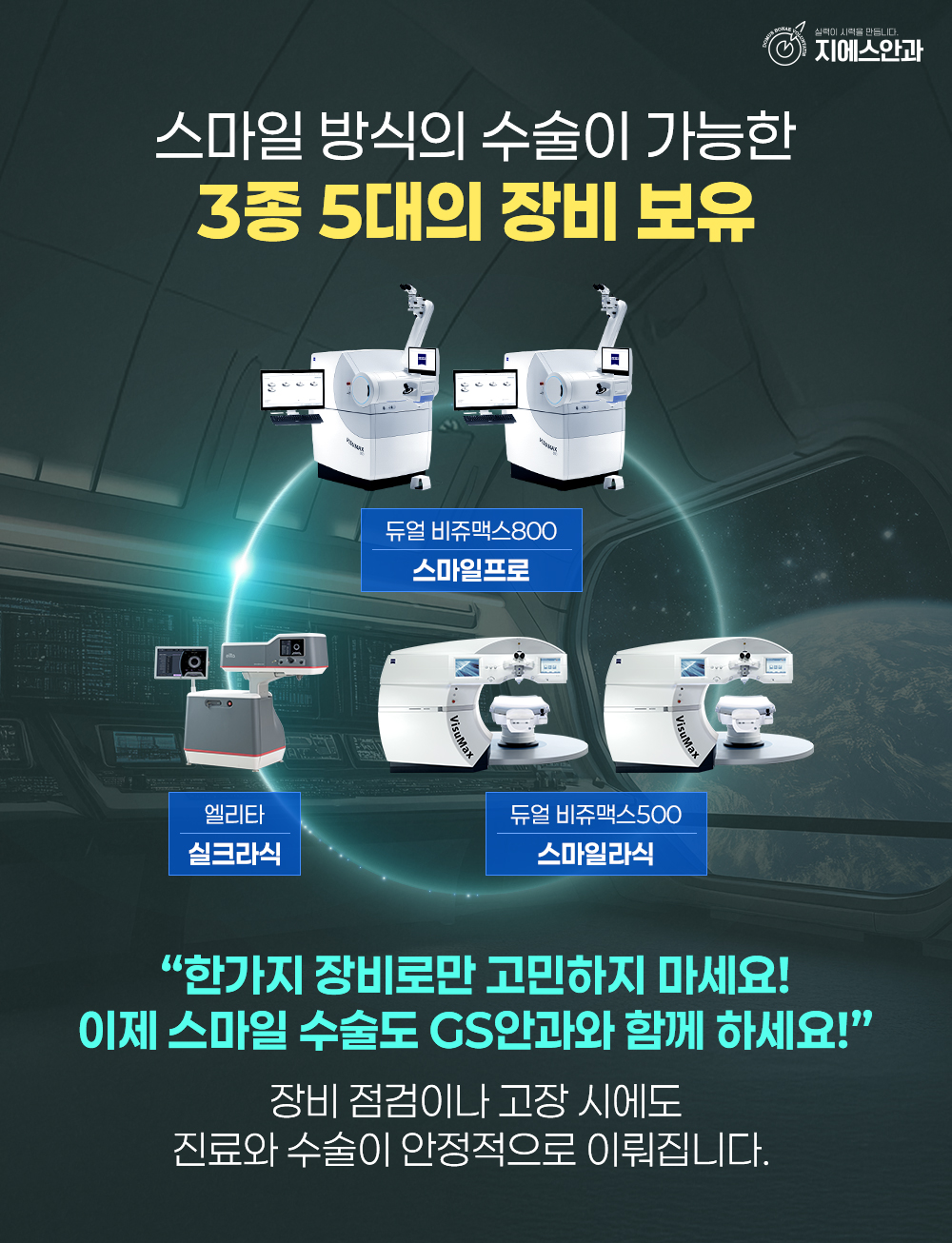
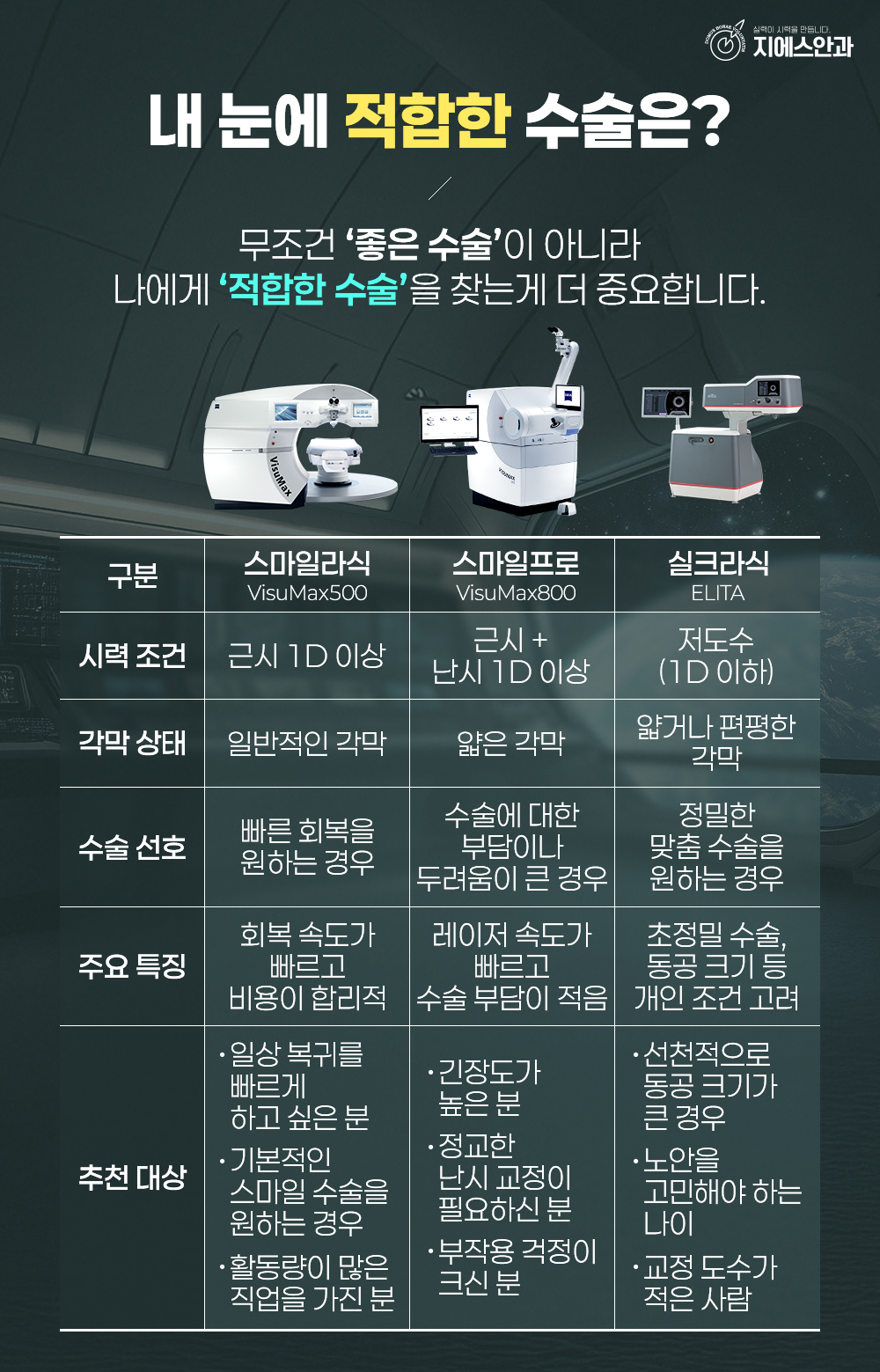
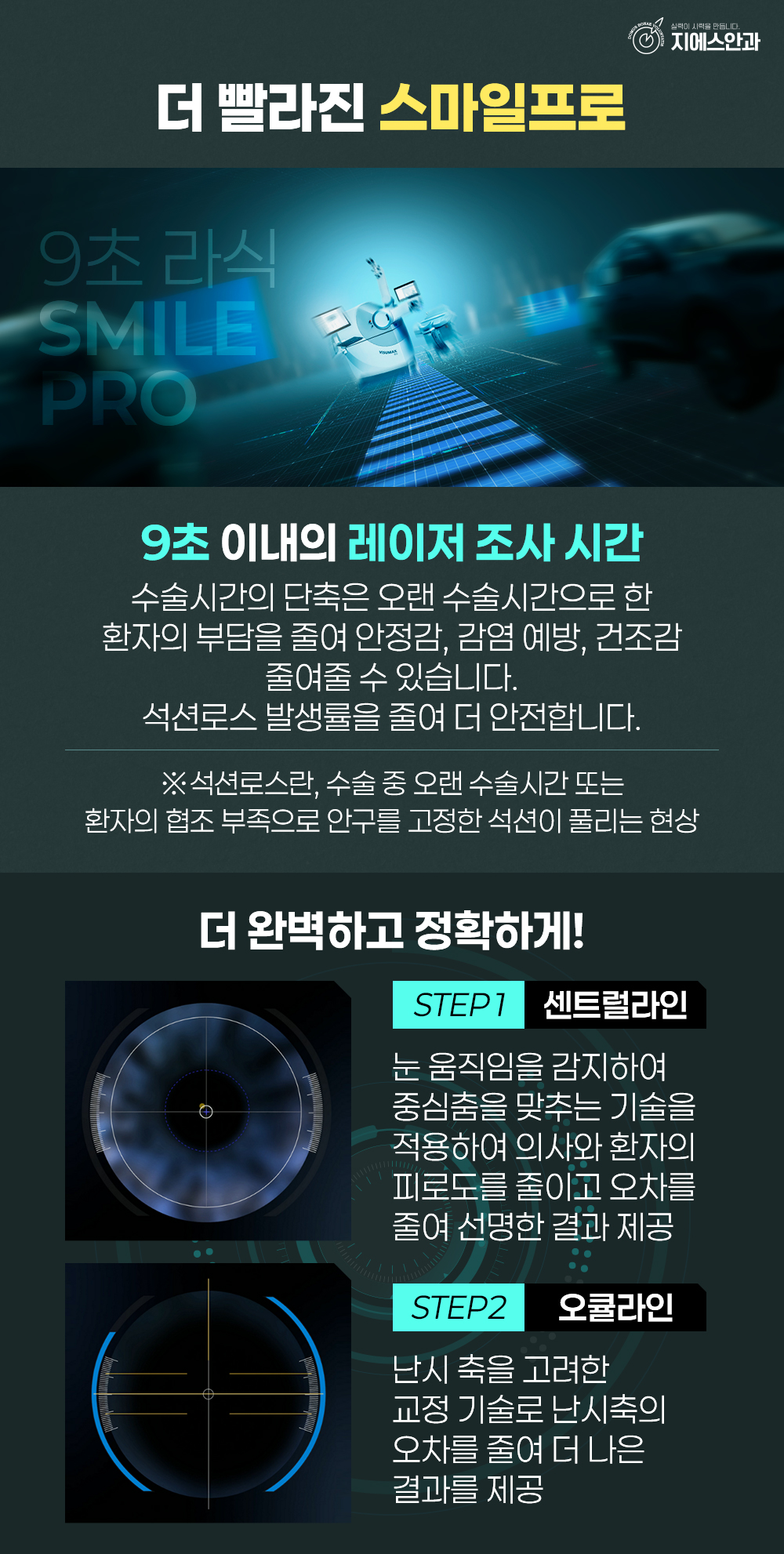
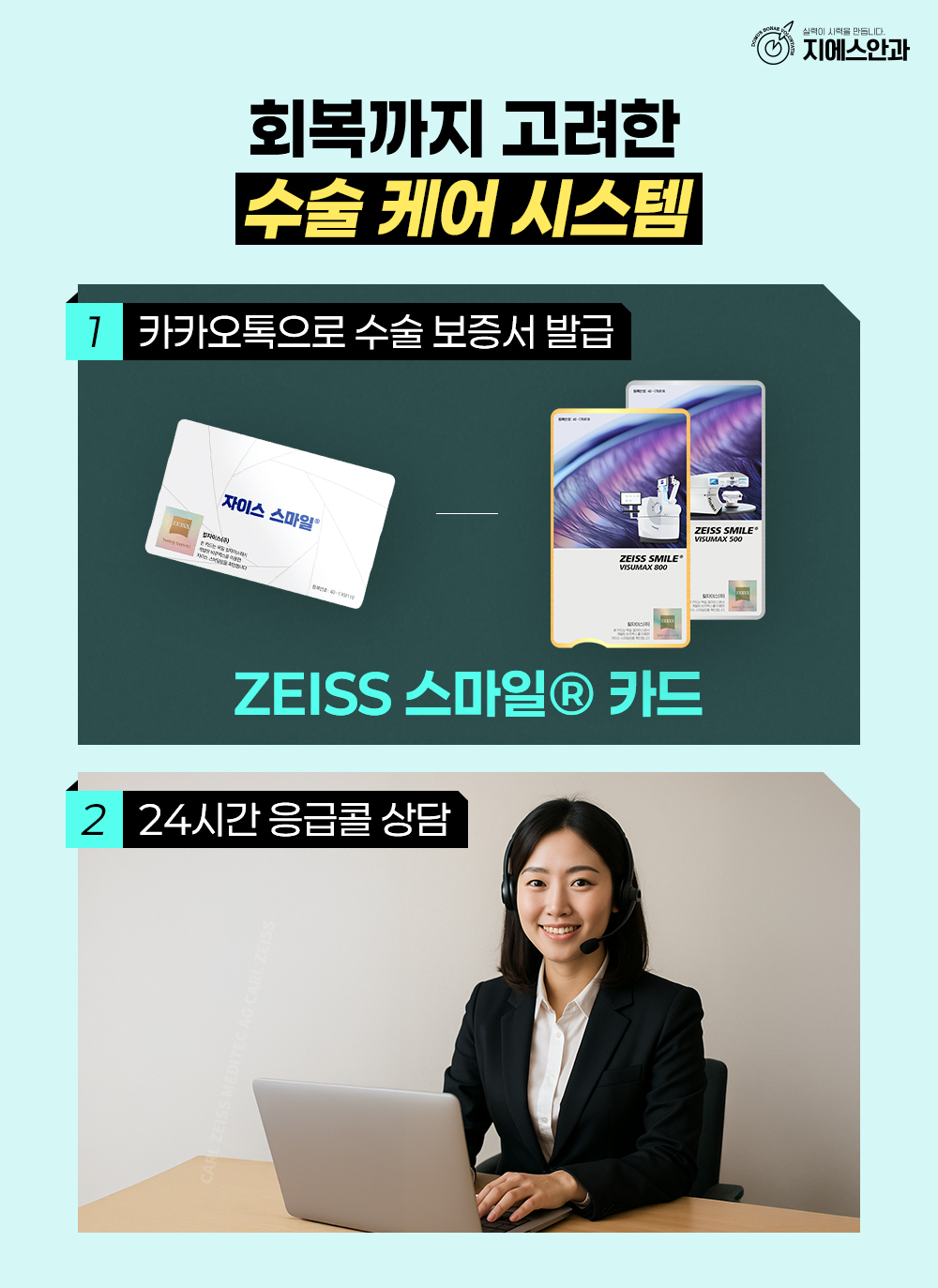
Using a femtosecond laser, the surgeon programs the desired correction into the SMILE platform. In centers such as GS Eye Clinic, there are dedicated ZEISS systems for this purpose. The VISUMAX 800 platform, introduced there in 2023, is used for SMILE Pro and can complete the laser portion in under about 9 seconds per eye. Two VISUMAX 500 units, in use since 2016 with a dual setup since 2019, are used for SMILE LASIK.
During the laser step, a thin lenticule is created inside the cornea along with a small side incision. Patients may notice lights and slight pressure, but the laser time is very short. After the laser finishes, the surgeon gently separates and removes the lenticule through the tiny incision. This reshapes the cornea to correct the refractive error.
Having multiple SMILE-dedicated platforms allows the center to tailor the approach to each eye, manage high patient volumes efficiently, and maintain redundancy in case one system is undergoing maintenance. It also supports training roles, as visiting doctors can observe different generations of SMILE technology.
The entire SMILE LASIK procedure for both eyes typically takes less than 30 minutes in the procedure room, with only a few minutes of actual laser time. Patients rest briefly afterward and then go home the same day with protective eye shields and instructions.
Recovery, results, and aftercare
Many patients notice clearer vision within hours to a day after SMILE LASIK, although the sharpness can fluctuate during the first days. Functional vision for daily activities often returns quickly, but full stabilization may take several weeks.
Postoperative care usually includes antibiotic and anti-inflammatory eye drops for a period determined by the surgeon, along with lubricating drops to ease dryness. Patients are advised not to rub their eyes and to avoid water directly entering the eyes during showers for a few days.
Activities such as swimming, sauna, and heavy exercise are normally restricted for a short period to reduce the risk of infection or trauma. Light work or study can often be resumed within a few days, depending on individual comfort and the nature of the job.
Temporary symptoms after SMILE LASIK can include dryness, a foreign body sensation, glare, halos around lights at night, or slight fluctuations in clarity. These usually improve gradually as the cornea and tear film stabilize, but the timeline can vary from person to person.
Follow-up visits are essential. Typical schedules include checks on the first day after surgery, then at around one week, one month, and several months, although exact timing may differ by center. For overseas patients, the schedule is often adjusted to match their travel plans, with key early follow-ups performed in Seoul and later checks coordinated with doctors in their home country.
Safety, risks, and how experienced centers manage them
Like all medical procedures, SMILE LASIK involves potential risks and side effects. These may include under-correction or over-correction of the refractive error, regression over time, dry eye symptoms, night-vision disturbances such as glare or halos, and rare complications such as infection, inflammation, or corneal issues.
Thorough preoperative screening helps reduce these risks by identifying patients who are not good candidates for corneal laser surgery. For example, signs of keratoconus or suspicious corneal maps may lead the surgeon to recommend alternative options.
Experienced surgeons and high-volume centers tend to have more familiarity with various eye conditions and intraoperative variations. GS Eye Clinic reports a cumulative total of approximately 300,000 eyes treated with vision correction and cataract surgery as of 2023, and about 15,000 eyes treated with SMILE Pro by April 2026. These numbers indicate extensive exposure to different refractive profiles and anatomical situations.
The clinic also obtained ISO 9001 and 14001 international standards certification for its SMILE LASIK processes in 2020. These certifications relate to quality and environmental management systems, supporting structured protocols and continuous improvement rather than guaranteeing specific clinical outcomes.
The medical team consists of seven board-certified ophthalmologists, several with subspecialty backgrounds in retina and experience as clinical instructors or professors at major university hospitals. The lead ophthalmologist holds a medical doctorate, has worked as a university hospital professor, and runs an educational YouTube channel about eye health. This academic and educational involvement supports a culture of evidence-based practice and ongoing training.
Recognition and training center roles
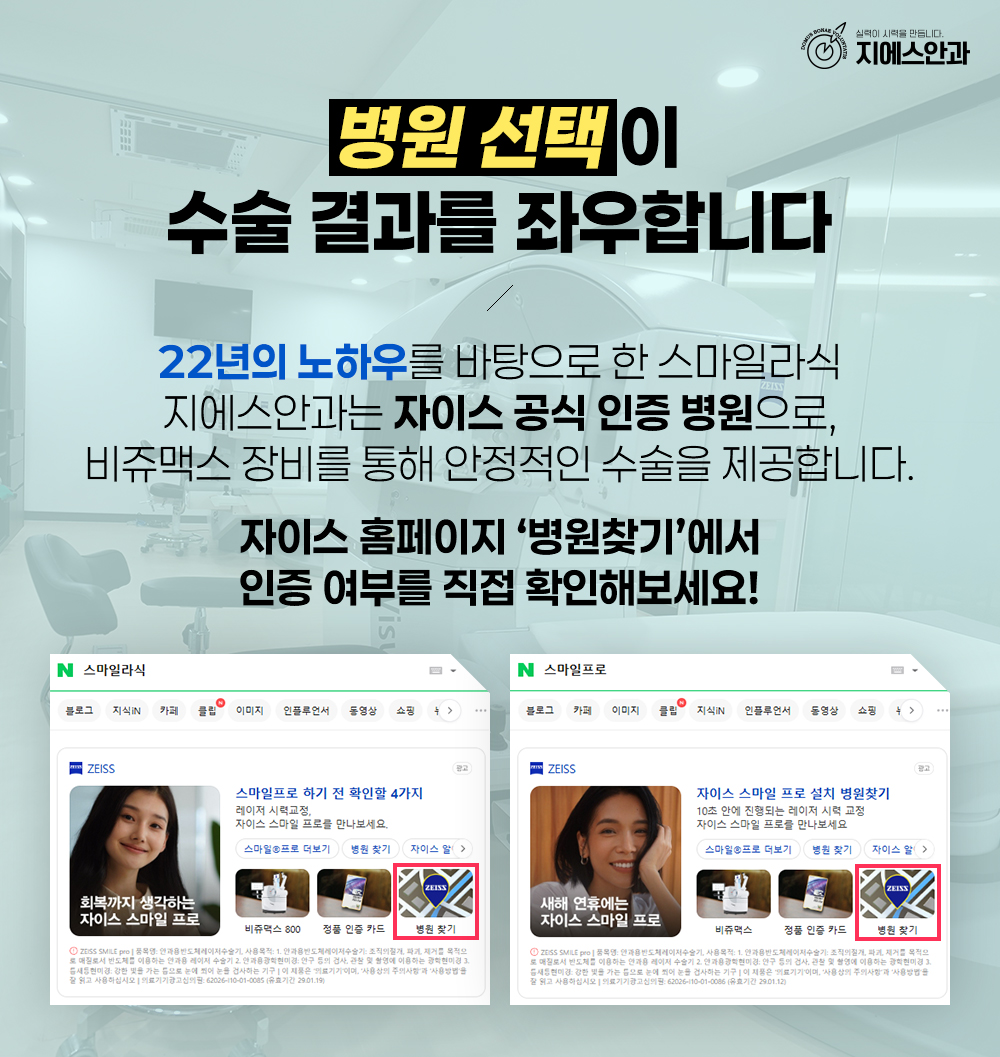
Beyond daily patient care, some Gangnam centers participate in training and reference activities for vision correction surgery. GS Eye Clinic was the first in Korea to join the ZEISS SMILE GOLD CLUB in 2021 and was designated as a ZEISS SMILE pro CENTER in 2023. In 2026, it became a SILK training center, reflecting broader expertise in the SMILE-family of procedures.
The clinic was also designated as a clinical education institution for a major medical school in 2023 and as an Asia-Pacific clinical education center for BIOTECH in 2024. These roles involve hosting visiting doctors, sharing surgical techniques, and contributing to regional education in refractive and cataract surgery.
For patients, these designations do not guarantee a specific result, but they signal that the center is involved in teaching and in the early adoption of certain technologies. This often correlates with the availability of multiple advanced platforms and structured protocols.
Philosophy and decision-making
The clinic’s slogan, which can be summarized as skill creates vision, and its Latin motto meaning a house of people with good will, reflect a philosophy of careful, ethics-focused decision-making rather than aggressive marketing. In practice, this means that not every patient who inquires about SMILE LASIK will be recommended for surgery.
During consultation, doctors typically explain all suitable options, including non-surgical ones such as continued use of glasses or contact lenses. For some patients, especially those with borderline corneal parameters or complex retinal findings, the safest choice may be to postpone or avoid vision correction surgery.
Why some patients choose SMILE LASIK in Gangnam
The Gangnam area of Seoul has become a hub for ophthalmology and vision correction surgery. Patients who travel there for SMILE LASIK often cite several reasons: concentration of experienced surgeons, access to multiple SMILE-capable laser platforms, and availability of subspecialty services such as retina and cataract surgery in the same building.
Some centers serve as training and reference sites for SMILE and related technologies, hosting education for ophthalmologists from Korea and abroad. This environment supports continuous refinement of techniques and early access to new devices.
When comparing options, patients may want to look for the following features.
They can check whether the doctors are board-certified ophthalmologists and whether the center has a track record in SMILE LASIK and other forms of vision correction surgery. Documented case volumes, participation in clinical education, and involvement in recognized training programs can be helpful indicators of experience.
They can also ask whether the center has more than one SMILE-capable laser platform. Multiple platforms, such as VISUMAX 800 and VISUMAX 500, allow tailored planning, efficiency for high volumes, and backup capacity.
Finally, patients should evaluate how clearly the medical team explains the pros and cons of SMILE LASIK, LASIK, LASEK, lens implantation, and non-surgical options. Transparent communication and realistic counseling are as important as technology.
Comparison with other vision correction options
SMILE LASIK is one of several approaches to vision correction surgery.
Traditional LASIK involves creating a thin flap on the corneal surface with a femtosecond laser or microkeratome. The flap is lifted, an excimer laser reshapes the underlying cornea, and the flap is repositioned. Recovery is usually quick, but the presence of a flap may have implications for corneal biomechanics and trauma risk.
LASEK and other surface procedures remove or loosen the surface epithelium and then reshape the cornea with an excimer laser. These techniques avoid a deep flap and can be suitable for certain corneal shapes or thicknesses, but recovery may be slower and discomfort greater in the early days.
Lens implantation procedures, such as implantable collamer lenses, place a small lens inside the eye without removing corneal tissue. These are often considered for very high myopia or when the cornea is too thin or irregular for laser surgery. However, they involve intraocular surgery and have their own set of risks and follow-up requirements.
For older patients with significant presbyopia or early cataract, lens-based surgery that replaces the natural lens may be more appropriate than corneal laser. GS Eye Clinic also performs presbyopia and cataract surgery and has been an early adopter of certain lens implantation techniques such as GLAZE, but these are secondary to its main focus on SMILE-based procedures in this article.
The best choice among these options depends on age, prescription strength, corneal status, retinal condition, and lifestyle. A detailed examination and consultation with an ophthalmologist are essential before deciding.
Online consultation and pre-visit preparation for overseas patients
For international patients considering SMILE LASIK in Gangnam, an online consultation is often the first step. Many centers, including GS Eye Clinic, offer remote pre-assessment through email or online forms.
Before contacting the clinic, it is helpful to prepare recent glasses or contact lens prescriptions, any previous eye examination reports, and information about eye history such as infections, injuries, or surgeries. If available, corneal topography or tomography reports from a local ophthalmologist can provide additional data.
During online consultation, patients can describe their visual goals, daily activities, and any symptoms such as dryness, night glare, or floaters. The medical team can then give a preliminary opinion on whether SMILE LASIK might be suitable and outline a tentative visit schedule. Final decisions are always made after in-person examination in Seoul.
When planning the trip, patients should consider how many days they can stay in Korea, whether they will travel alone or with a companion, and how soon they need to return to work or study. Sharing these details with the clinic allows staff to propose a realistic timeline.
Expected Korea visit timeline for SMILE LASIK
A typical visit schedule for overseas SMILE LASIK patients in Gangnam may look like this, although individual plans vary.
Day 1: Comprehensive preoperative examination, including refraction, corneal imaging, tear film assessment, and retina evaluation. The surgeon reviews the results, discusses options, and confirms whether SMILE LASIK is recommended. If the patient and doctor agree, surgery may be scheduled for the next day or later in the week.
Day 2: SMILE LASIK procedure. The surgery itself usually takes less than 30 minutes in the procedure room. After a short rest, the patient returns to their accommodation with protective eye shields and postoperative instructions.
Day 3: First postoperative check. The doctor evaluates visual acuity, corneal condition, and early healing. Many patients are able to walk around the city and engage in light activities, following the clinic’s guidance.
Days 4 to 7: Additional follow-up visits as needed. Some patients may have another check at one week before returning home. The exact number of visits depends on the individual case and the length of stay.
After returning home: Further follow-up can be arranged with a local ophthalmologist. The Gangnam center can share key data and recommendations if the patient consents, supporting continuity of care.
Aftercare and long-term considerations
Long-term aftercare after SMILE LASIK includes regular eye examinations, even if vision seems stable. These visits help monitor for changes in refraction, dry eye, or retinal issues, especially in people with high myopia.

Patients should continue to protect their eyes from trauma and ultraviolet exposure, using sunglasses outdoors and eye protection during risky sports or work. They should also maintain good general health, as systemic conditions such as diabetes can affect eye health over time.
As patients age, presbyopia and cataract may still develop, regardless of previous SMILE LASIK. Future lens-based surgery is usually possible, but the surgeon will need to know the details of the previous corneal procedure for accurate planning.
Frequently asked questions
Is SMILE LASIK painful
During SMILE LASIK, anesthetic eye drops are used so that most patients feel only pressure or mild discomfort, not sharp pain. The laser step is very quick, and any sensation usually lasts only seconds. After surgery, the eyes may feel dry, gritty, or slightly sore for a short time, which is typically managed with lubricating drops and the prescribed medications.
How long does the SMILE LASIK procedure take
The entire visit to the procedure room usually takes less than 30 minutes for both eyes. The actual laser time is much shorter; with newer platforms such as VISUMAX 800 used for SMILE Pro at GS Eye Clinic, the laser portion can be under about 9 seconds per eye. Most of the time is spent on preparation, positioning, and careful checks before and after the laser step.
How soon can I return to work or study after SMILE LASIK
Many patients can resume light desk work or study within a few days after SMILE LASIK, depending on comfort and the nature of their tasks. Those who work in very dry environments, dusty conditions, or jobs with a risk of eye injury may need a longer break or additional eye protection. Your surgeon will give specific advice based on your healing and occupation.
Can SMILE LASIK correct high myopia and astigmatism
SMILE LASIK can treat a wide range of myopia and myopic astigmatism, but each center has its own safety limits based on corneal thickness, shape, and overall eye health. Very high myopia or thin corneas may not be suitable for SMILE LASIK, and alternative options such as lens implantation might be discussed. A detailed examination is necessary to determine whether your prescription falls within the recommended range.
What if my cornea is too thin for SMILE LASIK
If your cornea is too thin or shows signs of weakness, your surgeon may advise against SMILE LASIK and other corneal laser procedures. In such cases, options may include surface procedures like LASEK under strict criteria, lens implantation, or continued use of glasses or contact lenses. The priority is to protect long-term corneal health rather than to fit every patient into a single procedure.
How long do the results of SMILE LASIK last
The corneal shape change created by SMILE LASIK is intended to be long-lasting. However, the eye can still change over time due to natural aging, progression of myopia in some individuals, or other factors. Some patients may experience mild regression and need a small prescription again in the future. Regular eye examinations help detect such changes early.
Is it safe to have SMILE LASIK if I have dry eye or retinal problems
Mild dry eye is common and can often be managed before and after SMILE LASIK, but significant or uncontrolled dry eye may increase discomfort and affect visual quality. Retinal problems such as lattice degeneration or small holes may require treatment or close monitoring before considering vision correction surgery. Centers with a dedicated retina service, like GS Eye Clinic, can coordinate care between corneal and retinal specialists to decide whether SMILE LASIK is appropriate.
Soft call to action for online consultation
If you are considering SMILE LASIK as your vision correction surgery in Seoul, an online consultation can help you understand whether you might be a suitable candidate before you travel. By sharing your prescription, eye history, and travel plans, you can receive a personalized outline of possible options, a suggested visit schedule, and answers to your initial questions.
GS Eye Clinic in the Gangnam area, near Gangnam Station, offers SMILE LASIK and SMILE Pro using multiple ZEISS platforms, along with comprehensive retina and cataract services. Its team of board-certified ophthalmologists follows the philosophy that skill creates vision and emphasizes careful, ethical decision-making. You can contact the clinic in advance to discuss your situation and plan a visit that fits your schedule.
This article is intended for general information for international patients and does not replace a face-to-face consultation or individualized medical advice. Always discuss your specific condition and treatment options with a qualified ophthalmologist before making any decision about vision correction surgery.




- 공유 링크 만들기
- X
- 이메일
- 기타 앱


댓글
댓글 쓰기