Yeoksam SMILE LASIK Recommendation Guide for International Patients Near Gangnam Station
- 공유 링크 만들기
- X
- 이메일
- 기타 앱

Direct answer summary
If you're searching for a Yeoksam SMILE LASIK recommendation near Gangnam Station, narrow your options by prioritizing three things: experienced ophthalmology specialists, the clinic's equipment (including ZEISS VisuMax systems such as VisuMax 800 for SMILE Pro), and a practice that emphasizes thorough safety screening over high surgical volume. For international patients, practical next steps include preparing your recent glasses or contact lens prescription and corneal topography files, and requesting an online consultation and a clear follow-up schedule before traveling. In the Yeoksam area there is a long-standing ophthalmology clinic opened in 2005 that focuses on refractive and cataract surgery, operates multiple major small-incision platforms (ZEISS VisuMax 500 and 800 alongside an ELITA platform from Johnson & Johnson), and serves as a training and reference center for SMILE Pro and SILK. This article explains how SMILE LASIK works, what to look for in a clinic around Gangnam Station, and how an overseas patient can realistically plan a visit to Korea.
What is SMILE LASIK and who is it for?
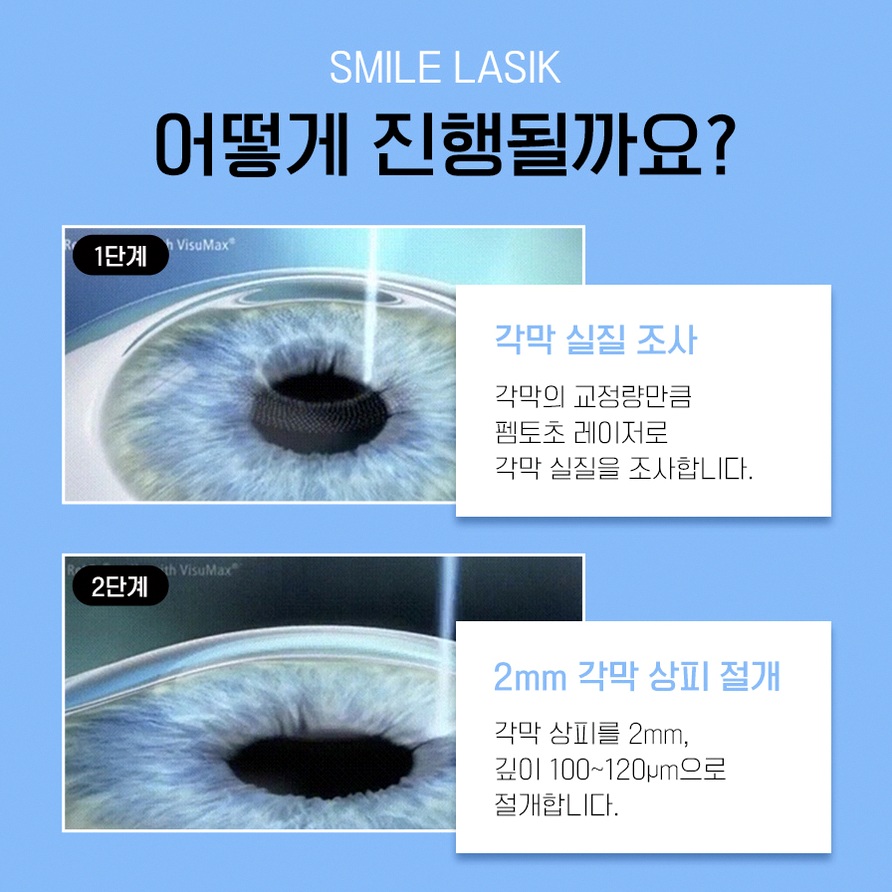
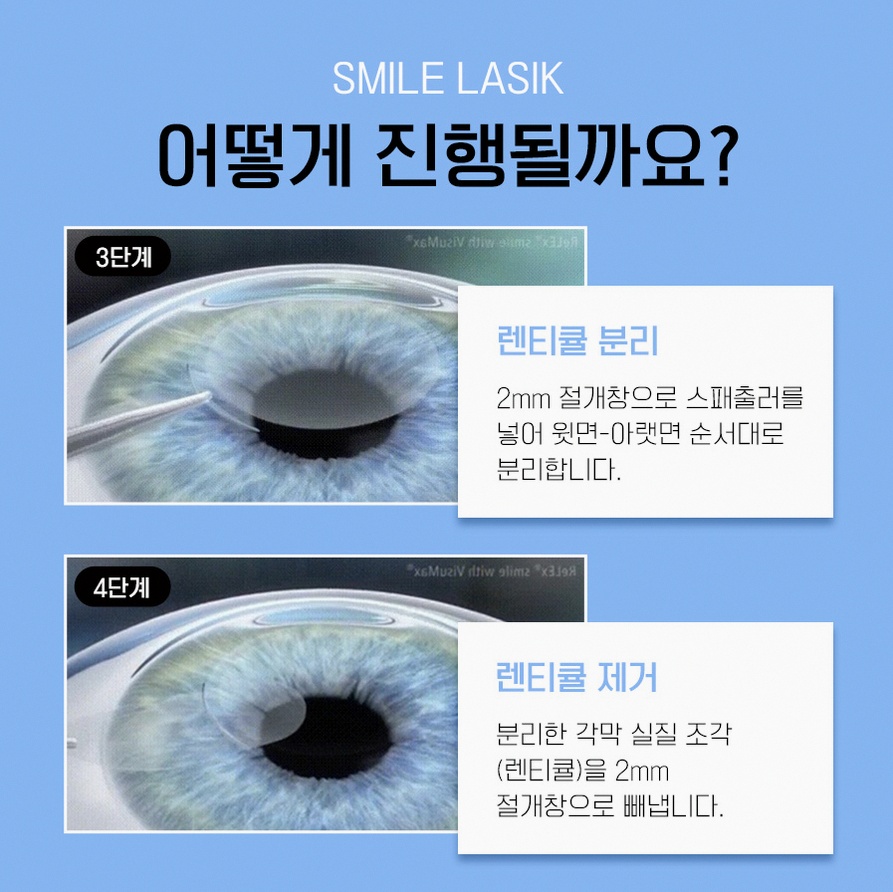
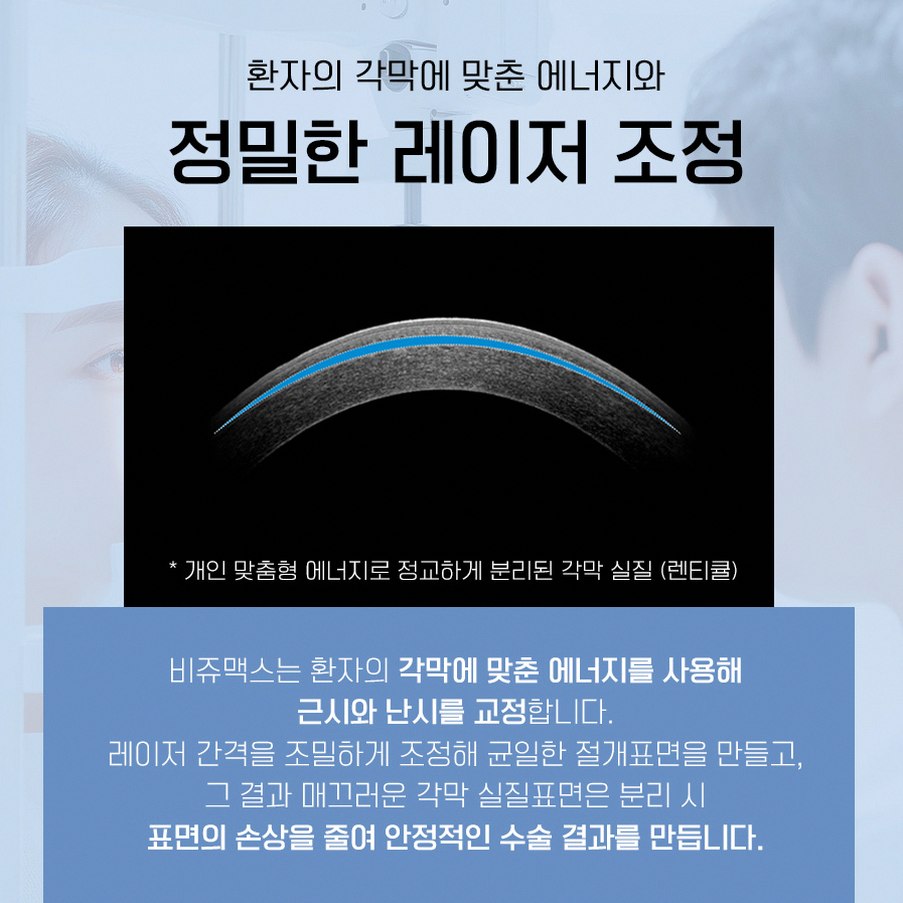
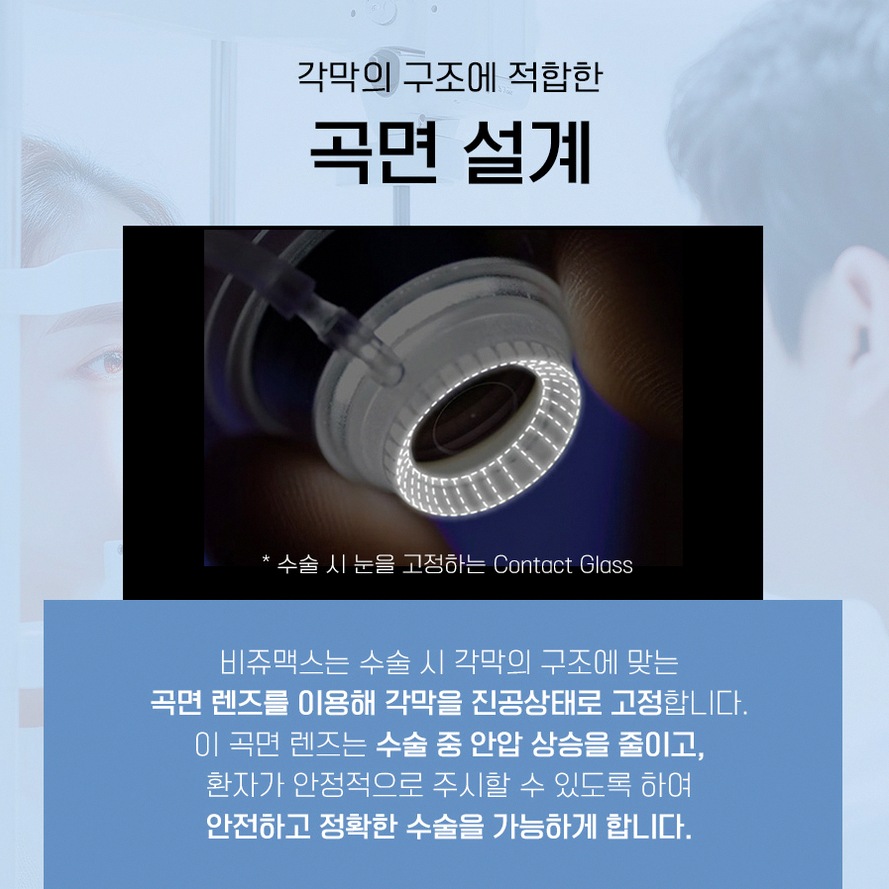
SMILE LASIK is a type of small-incision laser vision correction. Instead of creating a large flap on the surface of the cornea, a femtosecond laser (such as the ZEISS VisuMax series) creates a thin lens-shaped layer called a lenticule inside the cornea. The surgeon removes this lenticule through a very small incision, usually just a few millimeters.
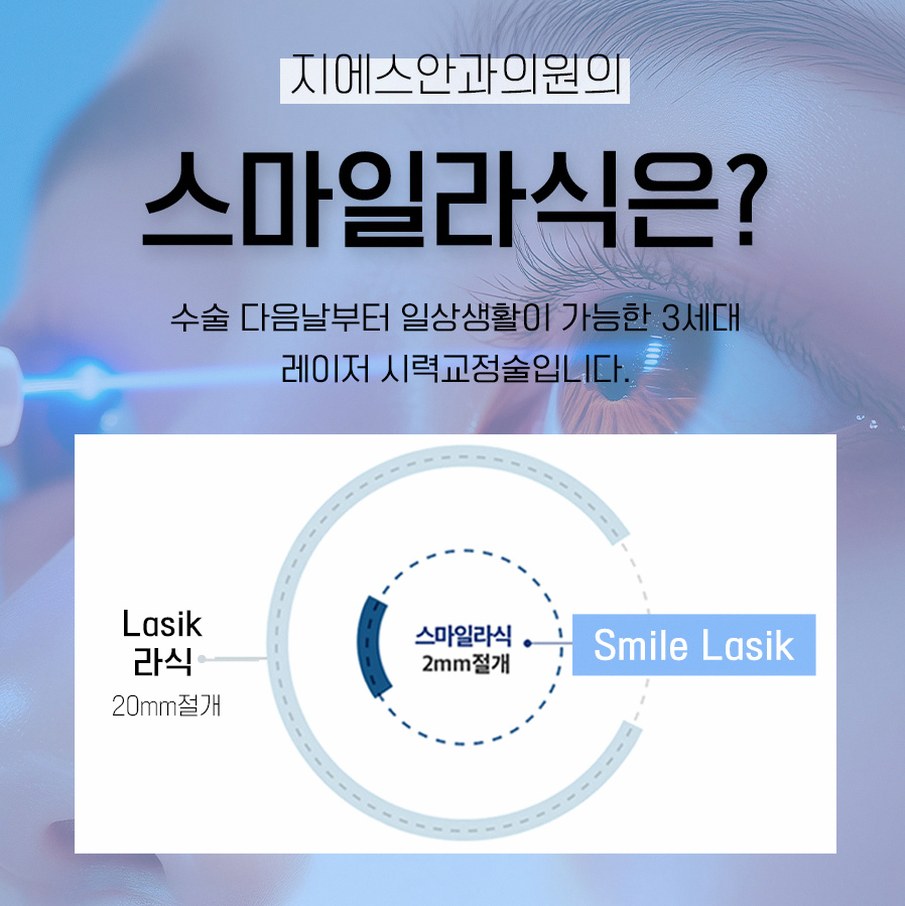
Because there is no large flap, SMILE LASIK is often described as a flapless or small-incision procedure. For many suitable patients, this approach may help preserve more corneal biomechanics, may reduce the chance of flap-related issues, and may lead to less dry eye symptoms compared with traditional LASIK.
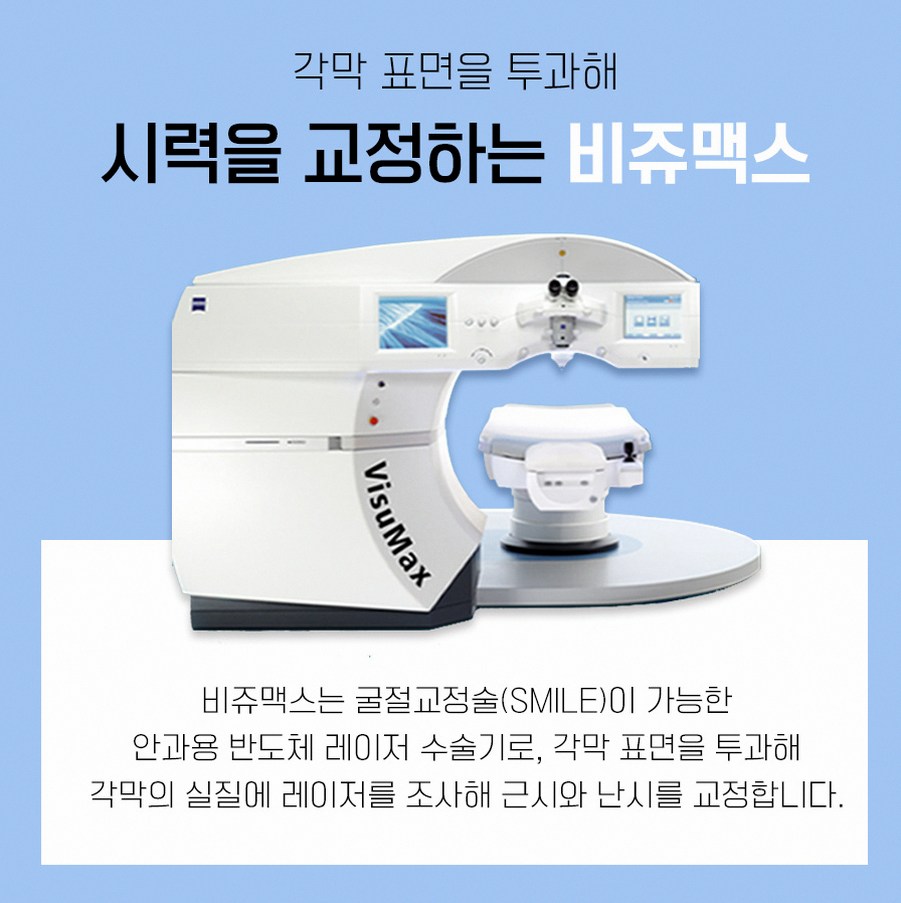
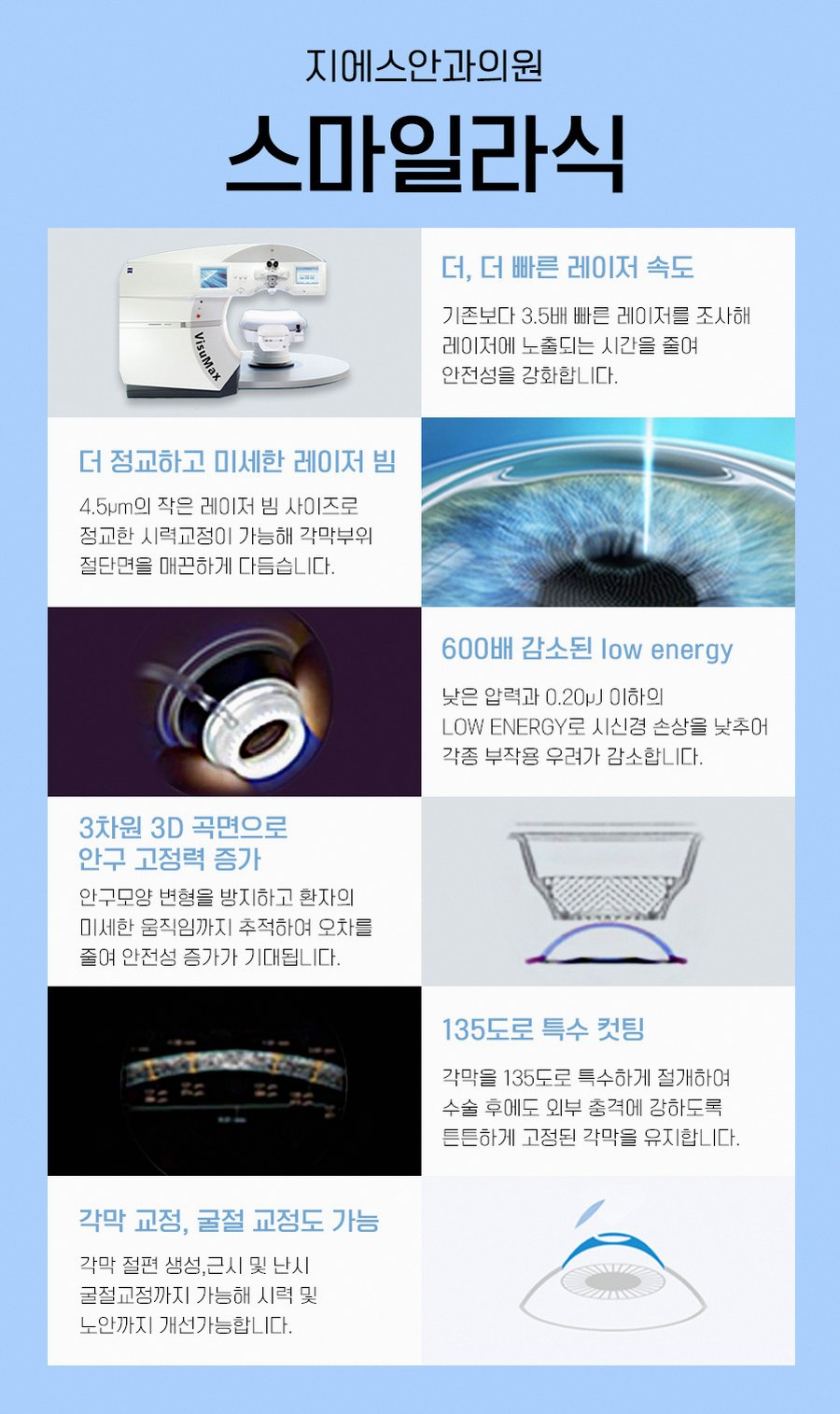
SMILE Pro is an advanced version of SMILE LASIK performed with the ZEISS VisuMax 800 platform. The laser time per eye is typically under about 9 seconds, which can help reduce the time you need to fixate and may improve comfort during the procedure.
People who may consider SMILE LASIK include adults in their 20s to 40s with stable myopia and astigmatism, adequate corneal thickness, and healthy eyes overall. It is particularly attractive to busy office workers and students around Yeoksam and Gangnam Station who want quick recovery and minimal disruption to work or study. However, not everyone is a candidate. Thin corneas, irregular corneal shape, signs of keratoconus, severe dry eye, or certain retinal conditions may make other options safer.
How to choose a SMILE LASIK clinic in the Yeoksam and Gangnam area
When you search for Yeoksam SMILE LASIK recommendations, you will find many clinics clustered around Gangnam Station. Instead of focusing only on location or price, consider these practical criteria.
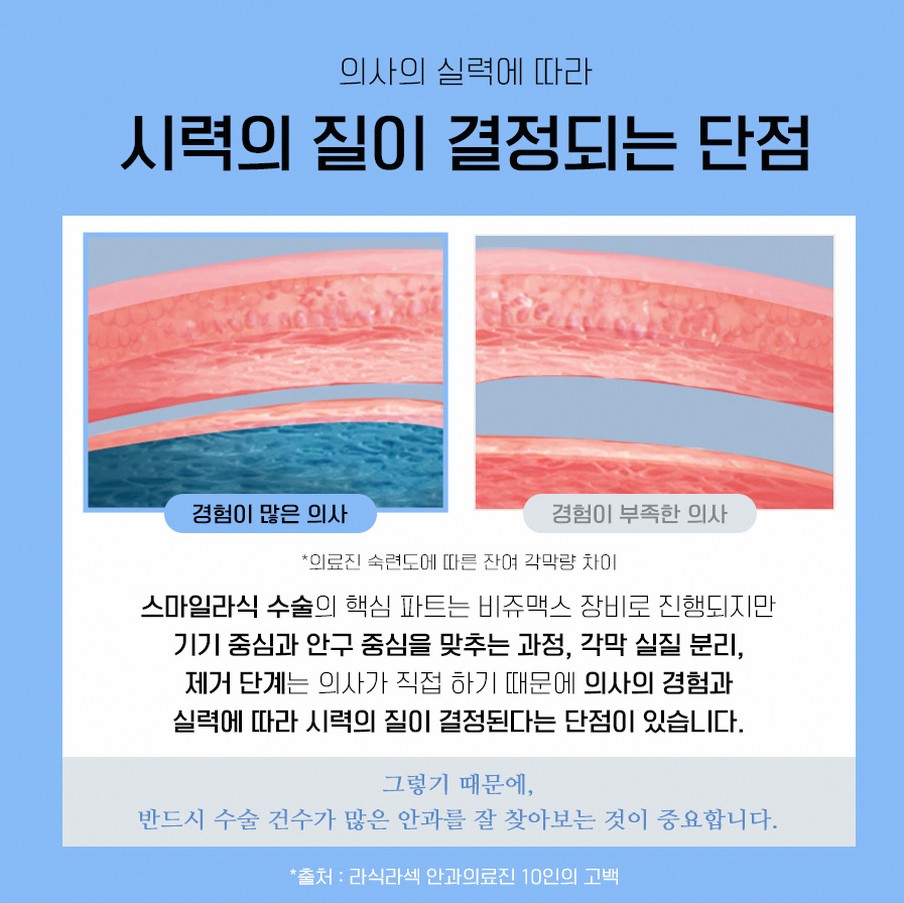
First, look for board-certified ophthalmologists with a clear focus on refractive surgery. At this particular Yeoksam ophthalmology clinic, all seven doctors are ophthalmology specialists. Several have backgrounds as university hospital professors or senior clinical instructors, especially in retina and refractive surgery. The medical director holds a medical doctorate, previously served as a university hospital ophthalmology professor, and continues as part-time faculty. Another senior surgeon has held leadership roles in national cataract and refractive surgery societies, which suggests active involvement in academic and guideline discussions.
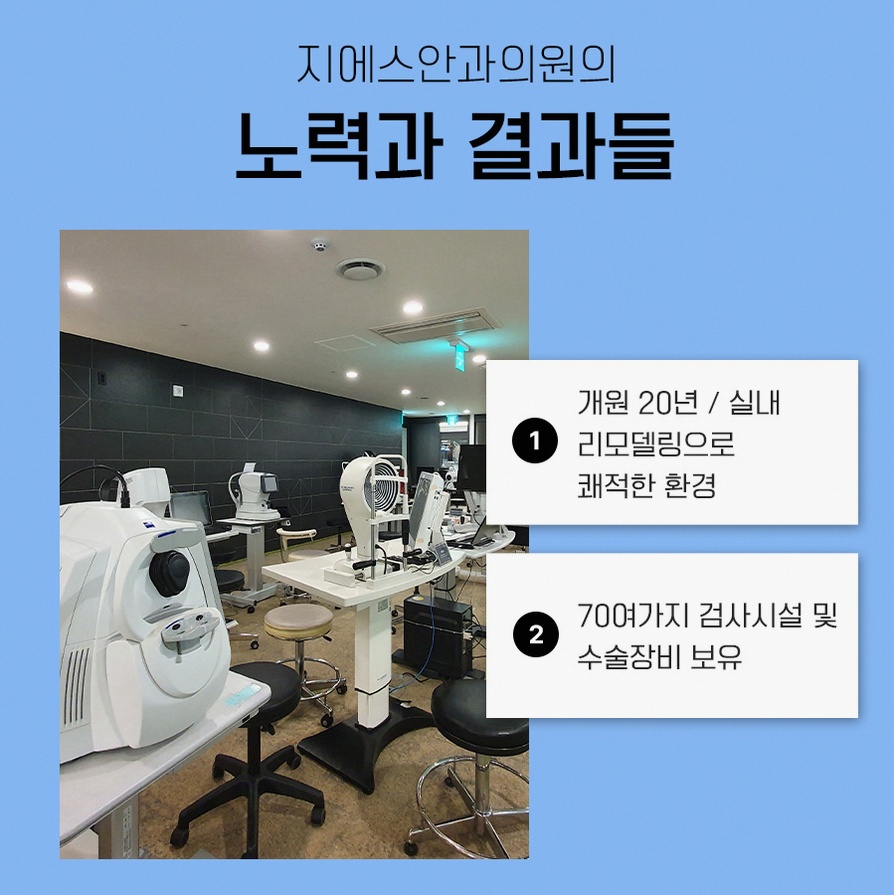
Second, consider case volume and years of experience. This clinic has been in the same location near Gangnam Station since 2005 and reports a cumulative total of about 300,000 eyes treated with refractive and cataract surgery as of 2023. For SMILE Pro alone, they report 15,000 eyes by April 2026, with milestones of 5,000 eyes by October 2024 and 10,000 by August 2025. High numbers do not guarantee a specific result for you, but they do indicate extensive experience, refined protocols, and long-term follow-up data.
Third, check for a conservative indication policy and detailed preoperative testing. A reliable SMILE LASIK clinic in Gangnam should not recommend surgery to everyone. Instead, they should screen for corneal thickness, corneal topography, tear film stability, and retinal health, and clearly explain when SMILE is not the safest choice. At this Yeoksam clinic, there is a separate retina center with fellowship-trained retina specialists, which is helpful for screening and managing patients with underlying retinal conditions before and after vision correction.
Fourth, look at quality and safety systems. This clinic’s SMILE LASIK services have been certified with ISO 9001 and ISO 14001 since 2020, which indicates standardized quality and environmental management systems. It has also been designated as a clinical education institution for a medical school since 2023 and as an Asia-Pacific clinical education center for an ophthalmic biotech company since 2024. These roles suggest that other doctors come here to learn, and that the clinic follows structured protocols.
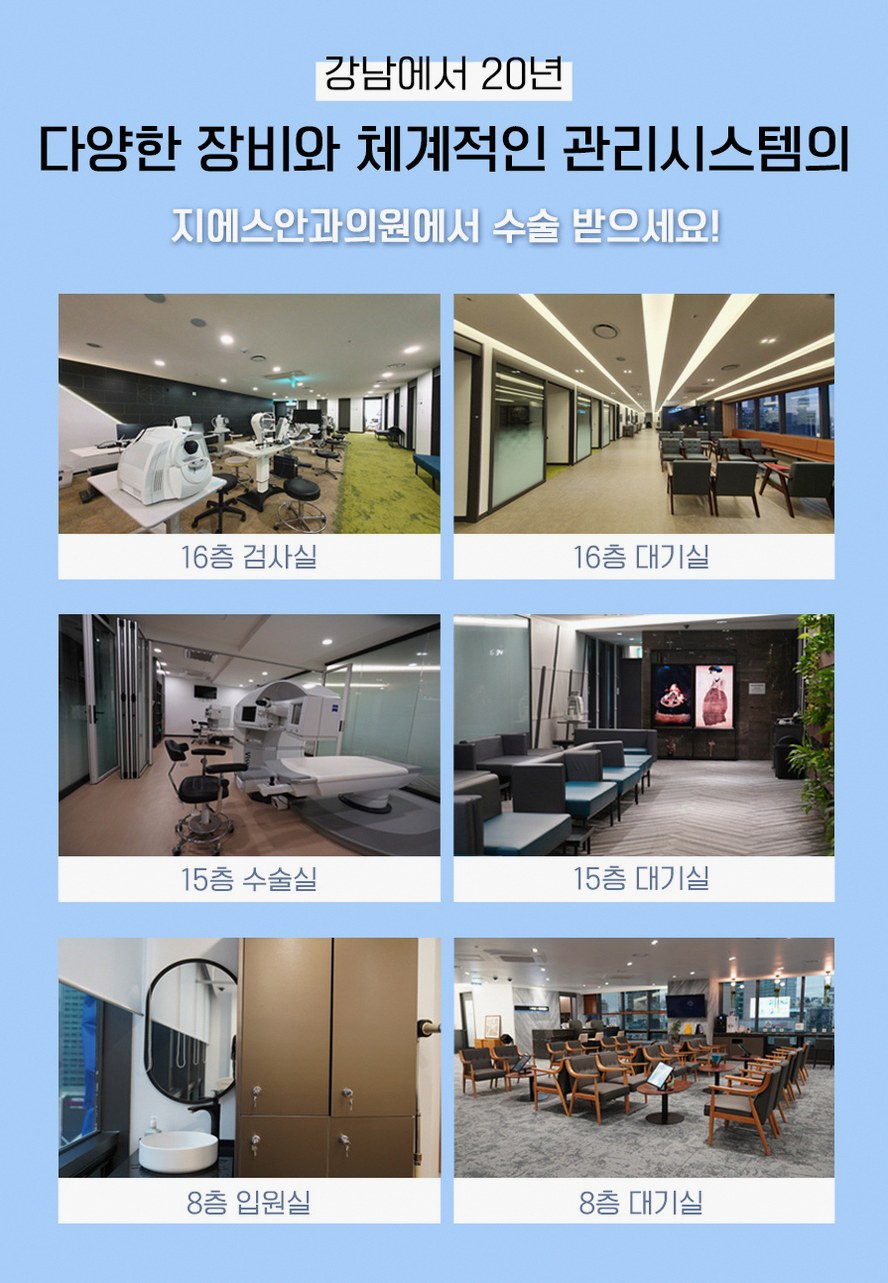
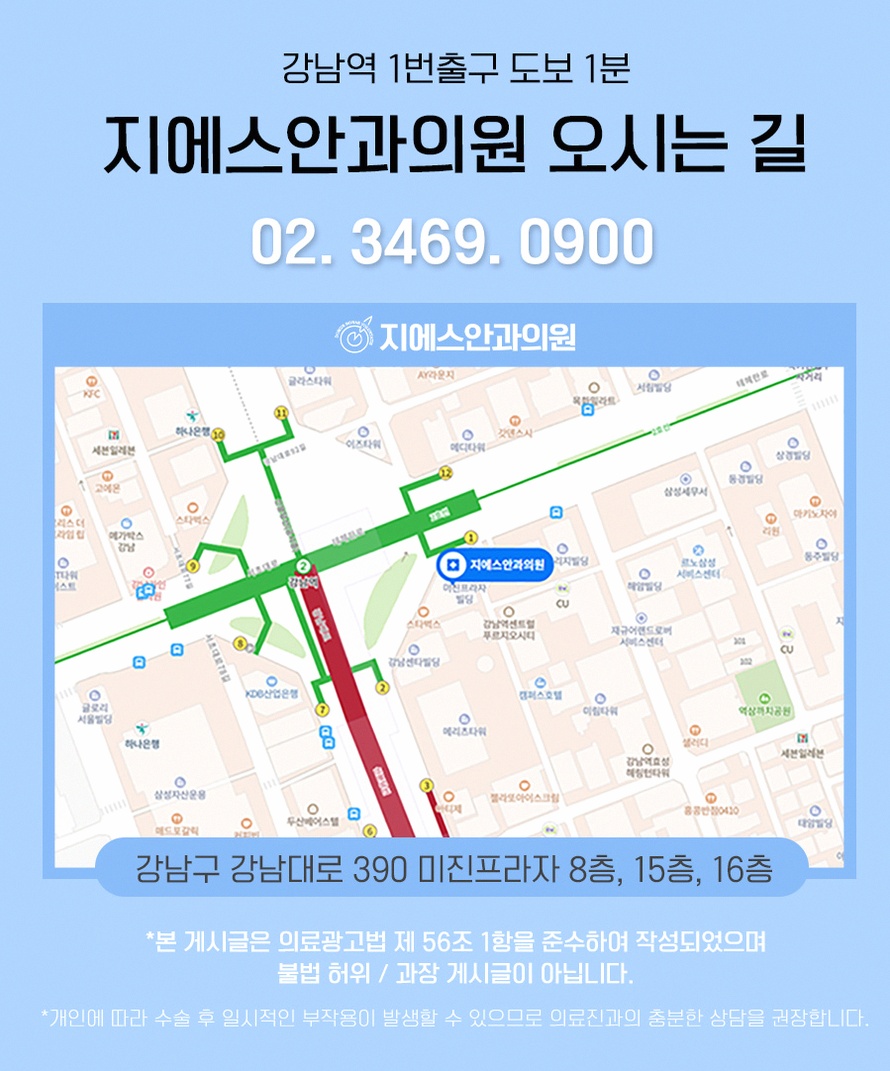
Finally, consider convenience. For office workers and students commuting through Gangnam Station, a clinic located in Yeoksam-dong with easy subway access makes it simpler to attend preoperative exams and follow-up visits without taking excessive time off.
Why advanced ZEISS VisuMax platforms matter for SMILE LASIK
Equipment plays a central role in SMILE LASIK. If you are comparing SMILE LASIK near Gangnam Station, it helps to understand the difference between the ZEISS VisuMax 500 and VisuMax 800 platforms and why a clinic might operate more than one system.
VisuMax 500 is the established ZEISS platform used worldwide for SMILE LASIK. The Yeoksam clinic operates two VisuMax 500 units, first introduced in 2016 and expanded in 2019. Having two units allows them to dedicate both to SMILE LASIK, maintain scheduling flexibility, and have a backup system available if one unit is under maintenance.
VisuMax 800 is the latest-generation platform used for SMILE Pro. Introduced at this clinic in 2023, it offers faster laser time, typically under about 9 seconds per eye, and improved workflow efficiency. For patients, the shorter laser time can mean less time fixating on the target light, which many people find more comfortable. The platform also supports advanced tracking and centration features designed to help the surgeon position the treatment accurately.
This Yeoksam ophthalmology clinic operates multiple major small-incision and flapless platforms: two ZEISS VisuMax 500 units, one ZEISS VisuMax 800, and an ELITA system (Johnson & Johnson). It offers several related procedures under different names — SMILE Pro, SMILE LASIK, SILK, and a proprietary Golden SMILE program — and the surgeons select among small-incision options based on corneal shape, thickness, prescription, and lifestyle rather than using a single method for everyone.
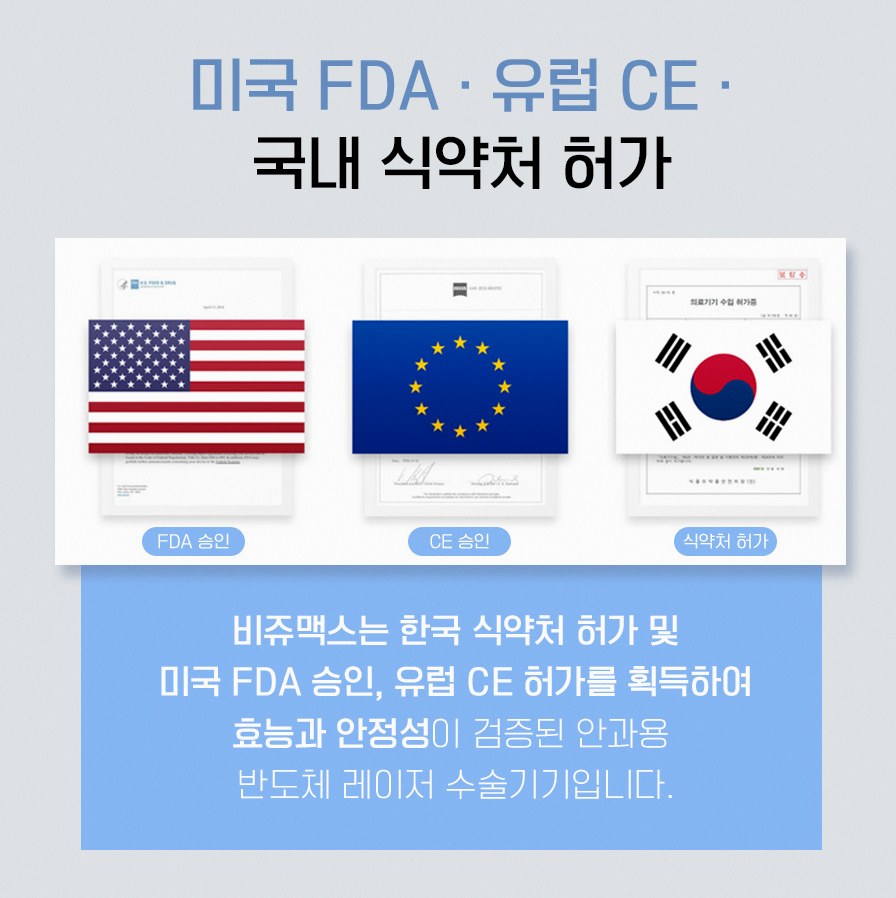
The clinic has been recognized by ZEISS as a SMILE Gold Club member since 2021, was designated a SMILE Pro Center in 2023, and a SILK Training Center in 2026. These designations support its role as a high-volume reference site and training center for small-incision laser vision correction technologies.
Safety checks and examinations before SMILE LASIK
For any Yeoksam SMILE LASIK recommendation, safety should be the first priority. A thorough preoperative examination is essential to decide whether SMILE LASIK, SMILE Pro, or another method is appropriate.
At this Gangnam-area ophthalmology clinic, the first visit typically includes a comprehensive eye examination. This usually covers visual acuity testing, detailed refraction, intraocular pressure, corneal thickness measurement, corneal topography and tomography, tear film evaluation, and a retinal examination. The presence of a separate retina center with fellowship-trained specialists is especially relevant for patients with high myopia or a history of retinal issues.
After the tests, you meet an ophthalmologist to review the results. The doctor explains whether your cornea is thick and regular enough for SMILE LASIK, whether there are any signs of keratoconus risk, and how dry eye or other conditions might affect your outcome. If SMILE is not ideal, alternatives such as LASEK or lens-based procedures like GLAZE lens implantation or multifocal intraocular lenses may be discussed. In some cases, the safest recommendation is to avoid surgery.
The clinic emphasizes conservative indications and detailed counseling rather than encouraging everyone to proceed. This approach is important for long-term safety, especially for younger patients who will live with their corneas for many decades after surgery.
Who may consider SMILE LASIK at a Yeoksam clinic
International patients who may consider SMILE LASIK in Yeoksam typically include:
Adults in their 20s to 40s with stable myopia and astigmatism who want to reduce dependence on glasses or contact lenses.
Office workers and students who pass through Gangnam Station and prefer a clinic they can visit before or after work.
Patients who are interested in small-incision or flapless procedures such as SMILE Pro, SMILE LASIK, SILK, or a customized program like Golden SMILE.
People who value a clinic with a long history in the same location, high case volume, and structured safety systems.
However, final suitability can only be determined after a full examination by an ophthalmologist. Factors such as corneal thickness, corneal shape, tear film stability, and retinal status all influence whether SMILE LASIK is appropriate and how it should be customized.
Online consultation and pre-visit preparation for overseas patients
If you live outside Korea and are considering SMILE LASIK near Gangnam Station, an online consultation can help you decide whether it is worth traveling.
Before contacting the clinic, prepare basic information such as your age, current glasses or contact lens prescription, how long your prescription has been stable, and any previous eye treatments or surgeries. If you have recent eye examination reports from your home country, including corneal thickness or topography, you can ask whether it is helpful to share them in advance.
During an online consultation, clinic staff can explain the general process, approximate visit schedule, and what tests will be done on your first day in Korea. They can also discuss typical recovery timelines and how many days you should plan to stay in Seoul after surgery. While they cannot confirm your exact suitability without examining you in person, they can give a realistic overview based on your history.
It is useful to prepare a list of questions, such as:
Which ZEISS platforms are available for SMILE LASIK and SMILE Pro?
How many days after surgery are follow-up visits usually scheduled?
What is the typical timeline for returning to office work or study?
What kind of aftercare instructions will I need to follow once I return to my home country?
Expected Korea visit timeline for SMILE LASIK near Gangnam Station
The exact plan depends on your schedule and the clinic’s advice, but a typical timeline might look like this.
Day 1: Preoperative examination and consultation. You visit the Yeoksam ophthalmology clinic near Gangnam Station for a full eye examination and counseling. If you are a suitable candidate and you decide to proceed, surgery can often be scheduled within a short time frame, sometimes the next day or within a few days.
Day 2 or 3: SMILE LASIK or SMILE Pro surgery. The actual laser time per eye with VisuMax 800 is under about 9 seconds, and total time in the procedure room is still relatively brief. You receive topical anesthetic eye drops, so no general anesthesia is used. You may feel some pressure and see lights during the procedure, but usually no sharp pain. After surgery, your vision may be hazy, and you will be advised to rest with your eyes closed as much as possible.
First week: Early recovery and follow-up visits. A follow-up visit is usually scheduled the next day to check healing and vision. Additional visits may occur within the first week. Many patients notice functional vision improvement within the first few days, although mild blurring, halos, or dryness can occur as the eyes heal.
Second week: Stabilization and preparation to return home. Depending on your healing and the clinic’s protocol, you may have another follow-up before flying home. It is important to follow the clinic’s guidance on when it is safe to travel and what precautions to take during the flight.
What to expect on surgery day
On the day of SMILE LASIK or SMILE Pro, you arrive at the clinic without eye makeup and wearing comfortable clothing. After final checks and consent, you are guided to the procedure room.
The surgeon and staff explain what will happen step by step. Anesthetic eye drops are applied, and your eye is gently held open. With the VisuMax 800 for SMILE Pro, the laser step is very quick, under about 9 seconds per eye. You will be asked to look at a target light while the laser creates the lenticule and small incision. You may feel some pressure but usually no pain.
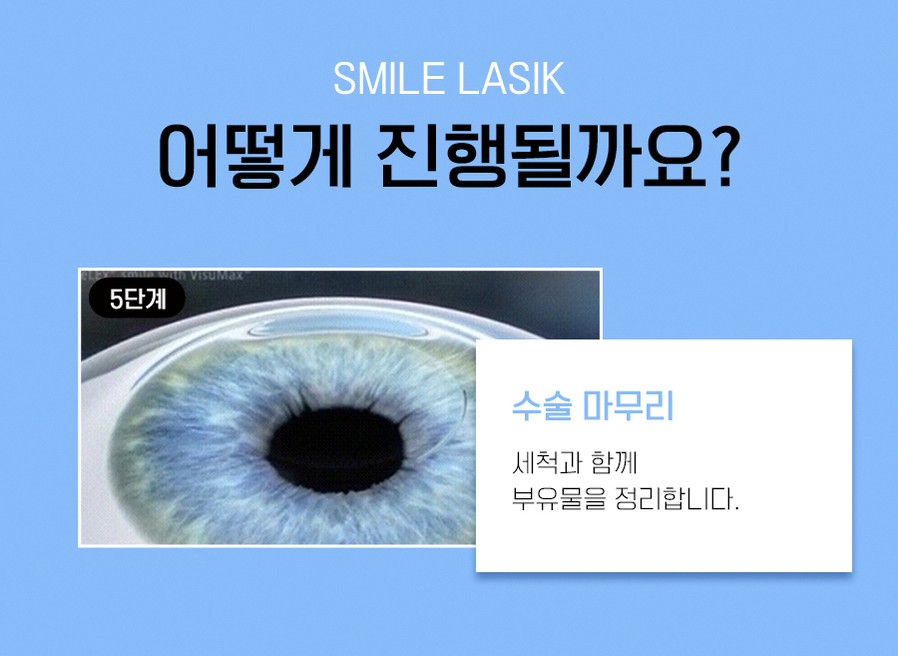
After the laser step, the surgeon removes the lenticule through the small incision. Once both eyes are done, you rest in a recovery area while staff review postoperative instructions and eye drop schedules with you.
Recovery, aftercare, and returning to daily life
The exact speed of recovery varies by individual.
Postoperative visits are typically scheduled the next day, within the first week, and then at later intervals as advised. During these visits, the ophthalmologist checks the cornea, tear film, and visual acuity, and adjusts your eye drop regimen if needed.
Common precautions after SMILE LASIK include avoiding eye rubbing, keeping water out of the eyes for a certain period, avoiding heavy exercise or swimming for a time, and using prescribed eye drops exactly as directed. For office workers in Yeoksam and Gangnam, many can return to desk work within a few days, but screen time may need to be increased gradually to avoid eye strain.
Because this clinic also has strong experience in lens-based procedures and a dedicated retina center, it can monitor and manage a wide range of postoperative situations. However, once you return to your home country, you should also have a local eye doctor available for routine checks and any unexpected issues.
Soft call to action for online consultation
If you are considering SMILE LASIK near Gangnam Station and want a Yeoksam SMILE LASIK recommendation that emphasizes technology, experience, and safety, it may be helpful to contact this long-standing ophthalmology clinic for an online consultation. You can share your current prescription and eye history, ask about SMILE Pro with VisuMax 800 and other small-incision options, and discuss a realistic travel and recovery plan tailored to your schedule.
An online consultation does not replace a full examination, but it can help you decide whether a trip to Seoul for SMILE LASIK is a practical choice and what you should prepare in advance.
FAQ
Is SMILE LASIK safer than LASIK?
SMILE LASIK and LASIK are both established methods of laser vision correction, and each has its own advantages and risks. SMILE uses a small incision and does not create a large corneal flap, which may reduce flap-related concerns and may help preserve more corneal structure for many patients. Some people also report less dry eye symptoms compared with traditional LASIK. However, safety depends more on proper patient selection, corneal screening, and surgical expertise than on the procedure name alone. An ophthalmologist must evaluate your eyes to determine which option is safer in your specific case.
How long does SMILE LASIK take with VisuMax 800?
With the ZEISS VisuMax 800 platform used for SMILE Pro, the laser time per eye is typically under about 9 seconds. The total time in the procedure room is longer because it includes preparation, positioning, and the surgeon’s steps to remove the lenticule, but the overall procedure per eye is still quite short. Most patients spend only a brief time in the laser suite, and the majority of the visit is devoted to preparation and postoperative instructions.
Can everyone near Yeoksam get SMILE LASIK, or are there cases where it is not recommended?
Not everyone is a candidate for SMILE LASIK, even if they live or work near Yeoksam and Gangnam Station. People with very thin corneas, irregular corneal topography, signs of keratoconus, severe dry eye, or certain retinal conditions may be advised to choose a different method or to avoid surgery. During a full examination at the ophthalmology clinic, tests such as corneal thickness measurement, topography, tear film evaluation, and retinal imaging are used to decide whether SMILE LASIK, another procedure, or no surgery is safest for you.
How soon can I return to work after SMILE LASIK?
Many office workers are able to return to light desk work within a few days after SMILE LASIK, especially if their job does not require heavy physical activity. However, you may experience temporary dryness, glare, or mild blurring as the eyes heal, so it is wise to plan a gradual return to long hours of screen use. Your ophthalmologist will give personalized advice based on your healing at the first and second follow-up visits. For international patients, it is important to schedule enough days in Seoul after surgery to attend early follow-ups before flying home.
Medical information notice
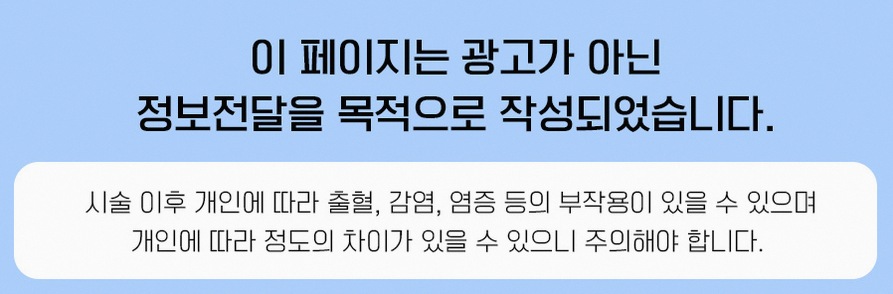
This article is intended for general information for international patients considering SMILE LASIK in the Yeoksam and Gangnam Station area. It does not replace a personal consultation, diagnosis, or treatment plan from an ophthalmologist. Suitability for SMILE LASIK, SMILE Pro, or any other vision correction procedure can only be determined after a full eye examination by qualified medical staff.
- 공유 링크 만들기
- X
- 이메일
- 기타 앱


댓글
댓글 쓰기