2DAY LASEK in Seoul — 2-day recovery vs LASIK at GS Eye
- 공유 링크 만들기
- X
- 이메일
- 기타 앱
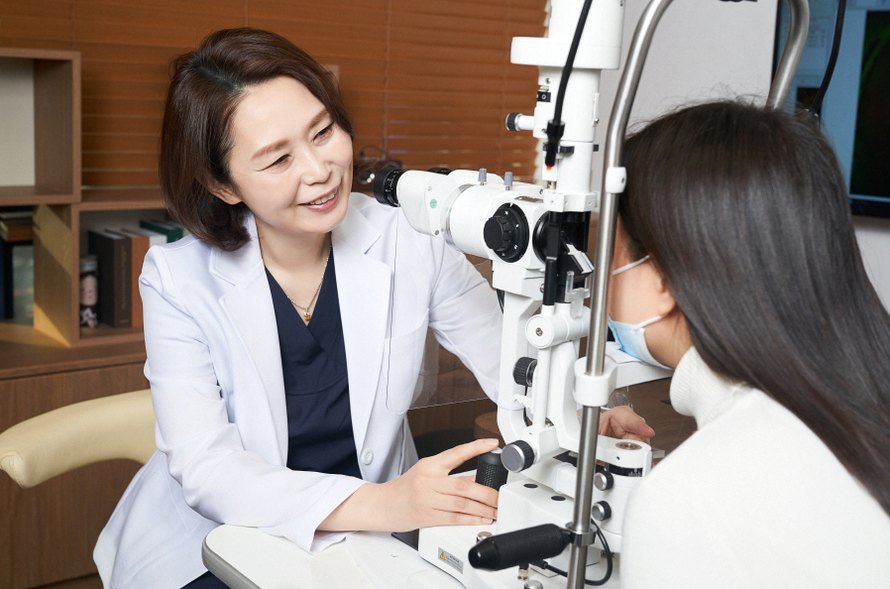



Direct answer summary
If you are searching for LASEK LASIK and wondering how to balance safety, pain, and recovery time, 2DAY LASEK is a modern surface vision correction option you may want to know about. It belongs to the LASEK family (flapless surface surgery) and uses an optimized protocol and aftercare plan aimed at reducing early postoperative discomfort for some patients, while still avoiding a corneal flap as in LASIK.
This guide explains what 2DAY LASEK is, how it compares with LASIK and SMILE, who may consider it, what to expect when coming to Seoul, and how to prepare for an online consultation with an ophthalmology clinic such as GS Eye Center near Gangnam Station.
Treatment overview: what is 2DAY LASEK?
2DAY LASEK is a type of surface ablation vision correction in the LASEK category. In surface procedures, the surgeon works on the outer layer of the cornea without creating a flap.
During 2DAY LASEK, the thin surface skin of the eye (corneal epithelium) is gently loosened and removed. An excimer laser then reshapes the cornea to correct myopia, astigmatism, or a combination of both. At the end, a special bandage contact lens is placed on the eye to protect the surface while the epithelium grows back.
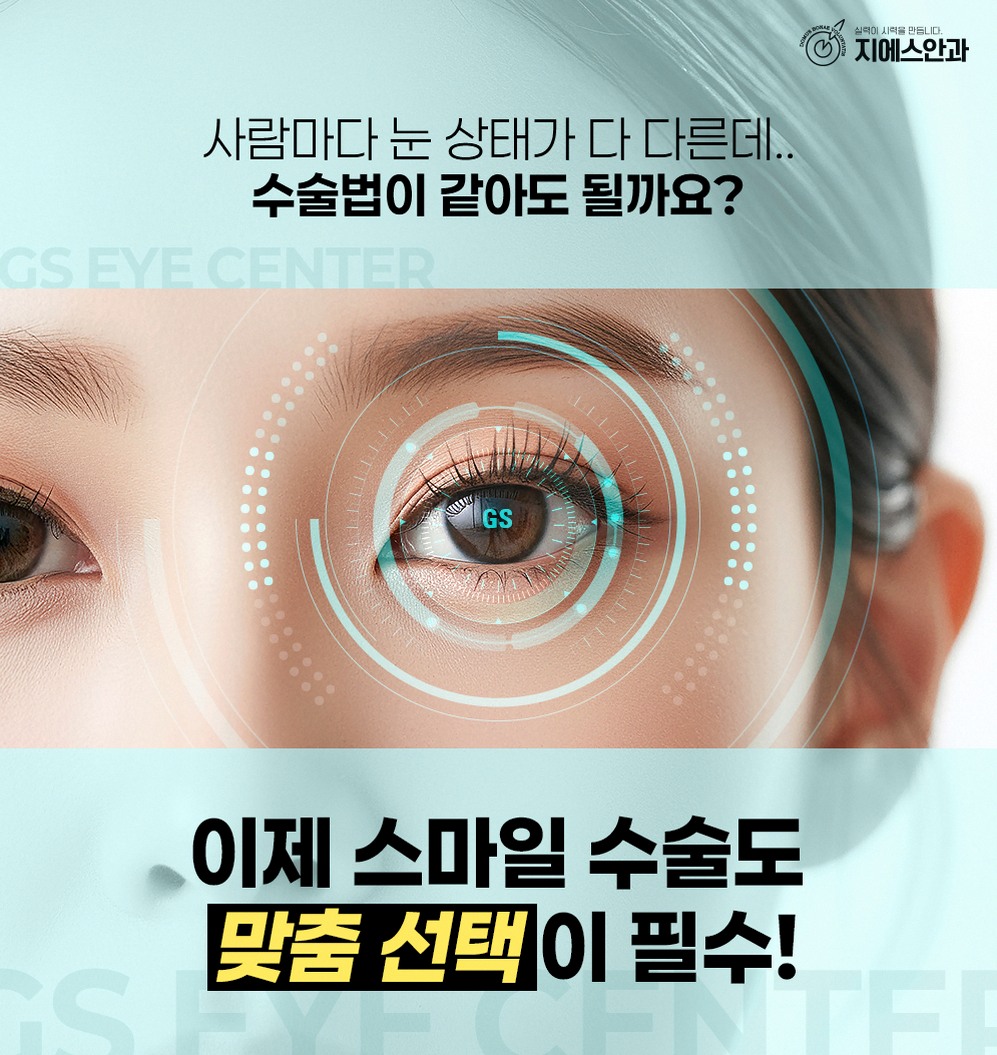
What makes 2DAY LASEK different from conventional LASEK is not a separate laser brand, but the overall treatment concept. It combines:
• An optimized surgical protocol
• Carefully planned medications for pain and inflammation
• A specific bandage lens strategy and follow-up schedule
The aim is to reduce pain intensity and speed up epithelial healing so that many patients can return to basic daily activities in about 2 days. Visual quality continues to improve over the following weeks and months.
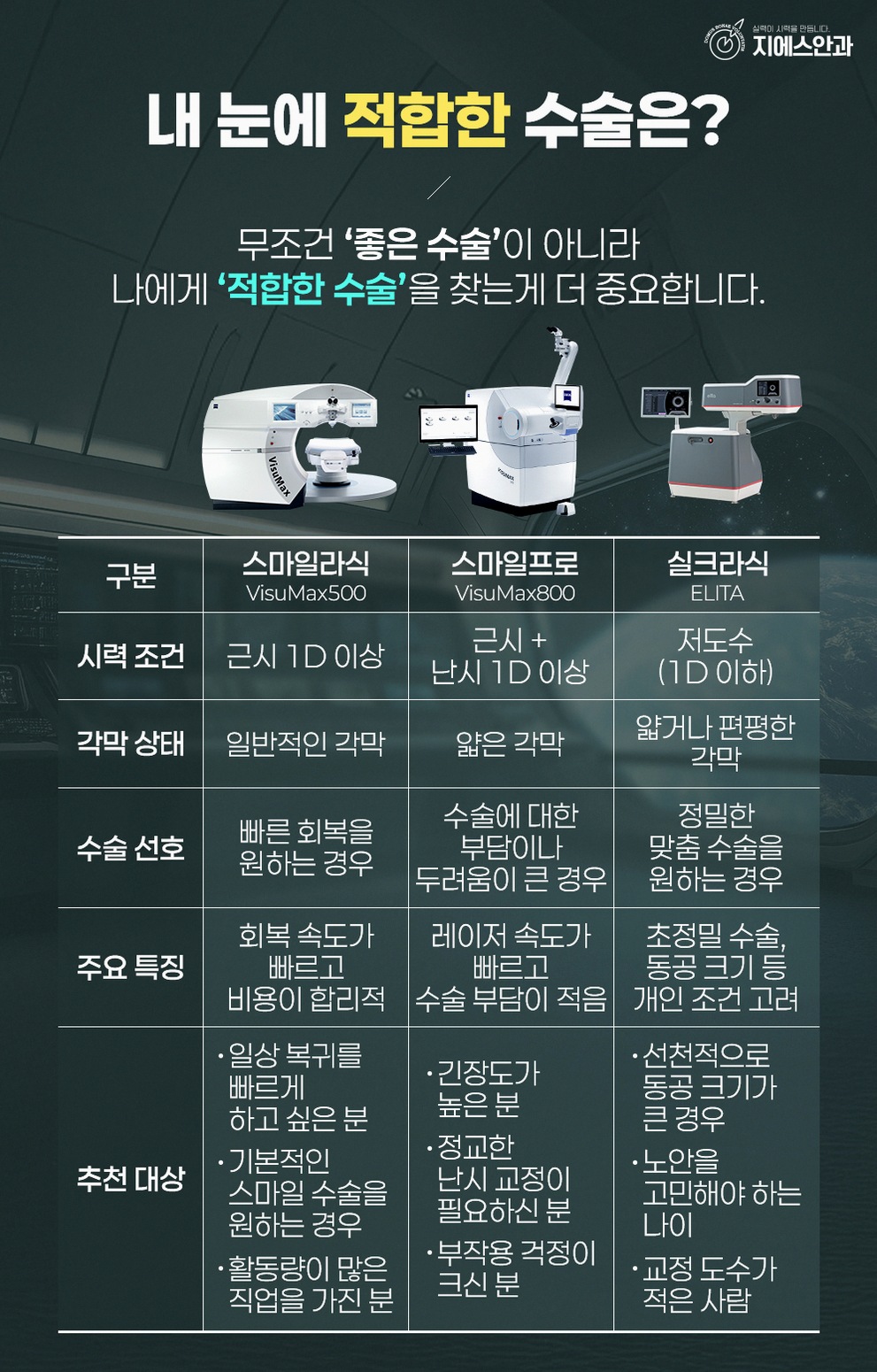
2DAY LASEK vs LASEK, LASIK, and SMILE
When you search for LASEK LASIK, you are usually trying to compare safety and recovery. The main procedures offered in modern ophthalmology clinics are LASIK, surface LASEK/PRK types, 2DAY LASEK, and SMILE / SMILE pro / SILK.
Here is a simple comparison in words.
LASIK
LASIK involves creating a thin corneal flap with a femtosecond laser or microkeratome. The flap is lifted, the excimer laser reshapes the underlying cornea, and then the flap is placed back.
Typical features:
• Very fast visual recovery for many patients
• Usually less pain in the first days
• Involves cutting deeper corneal tissue to make the flap
Conventional LASEK
Conventional LASEK is a flapless surface procedure. The epithelium is loosened and removed, the excimer laser reshapes the surface, and a bandage lens is applied.
Typical features:
• No corneal flap, so more corneal tissue can be preserved
• Often chosen for thinner corneas or certain occupations
• Usually more pain and discomfort in the first few days
• Functional recovery can take several days to a week or longer
2DAY LASEK
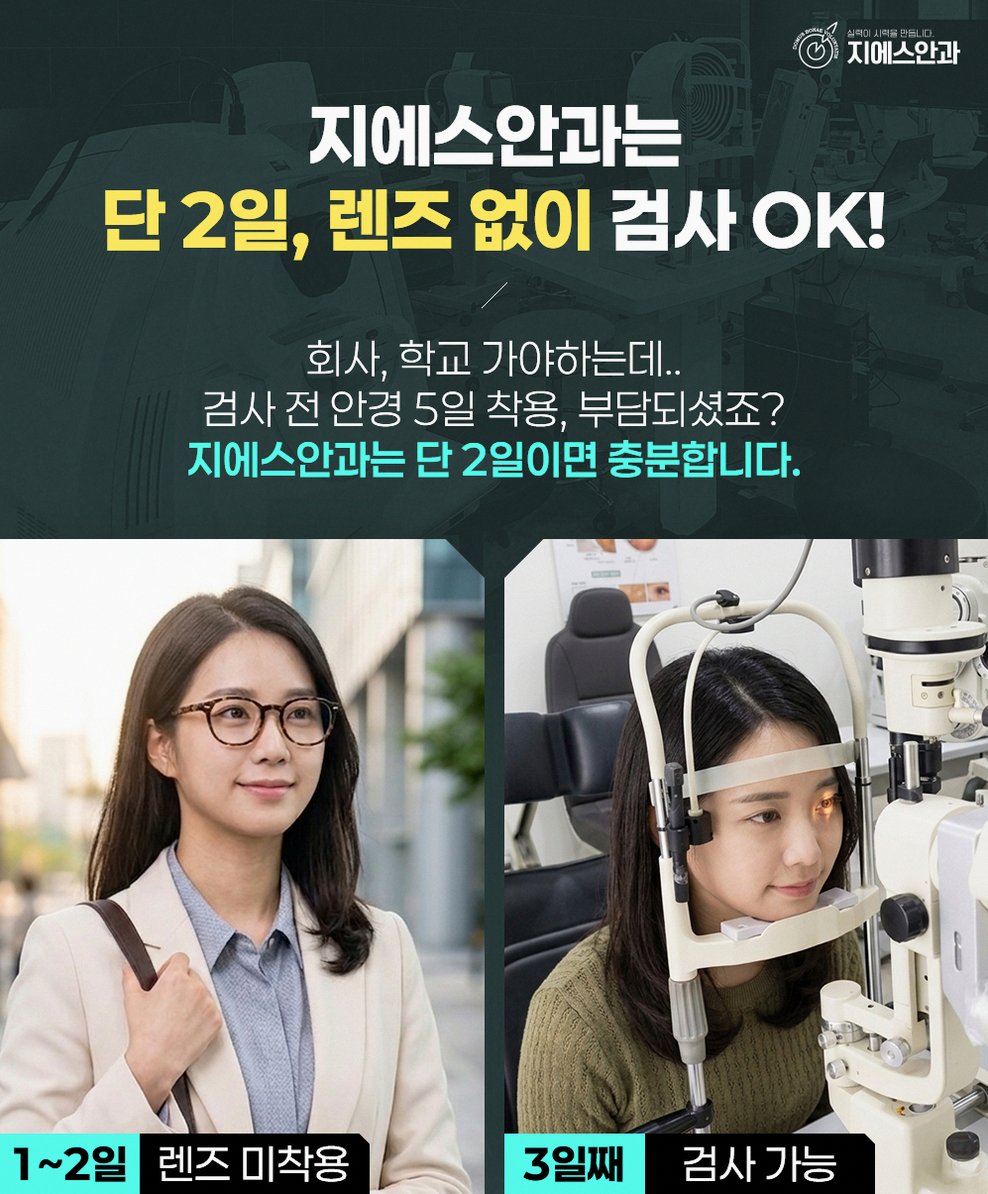
2DAY LASEK is in the same flapless surface category as conventional LASEK.
Typical features:
• No flap, surface ablation only
• Uses a protocol designed to shorten the most uncomfortable period to about 1–2 days for many patients
• Aims to reduce pain compared with classic LASEK, while accepting that some discomfort is still expected
• Visual recovery is still more gradual than typical LASIK, but more convenient for people worried about long downtime
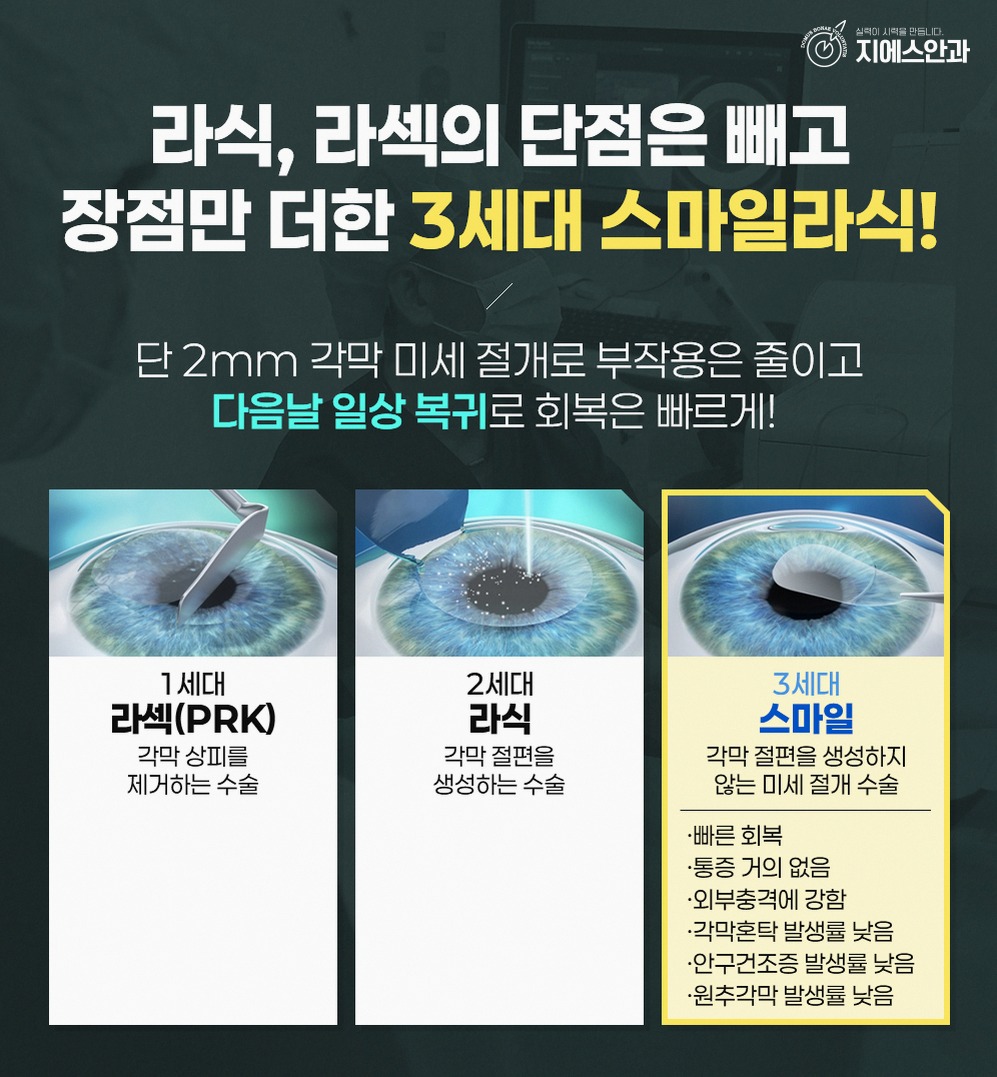
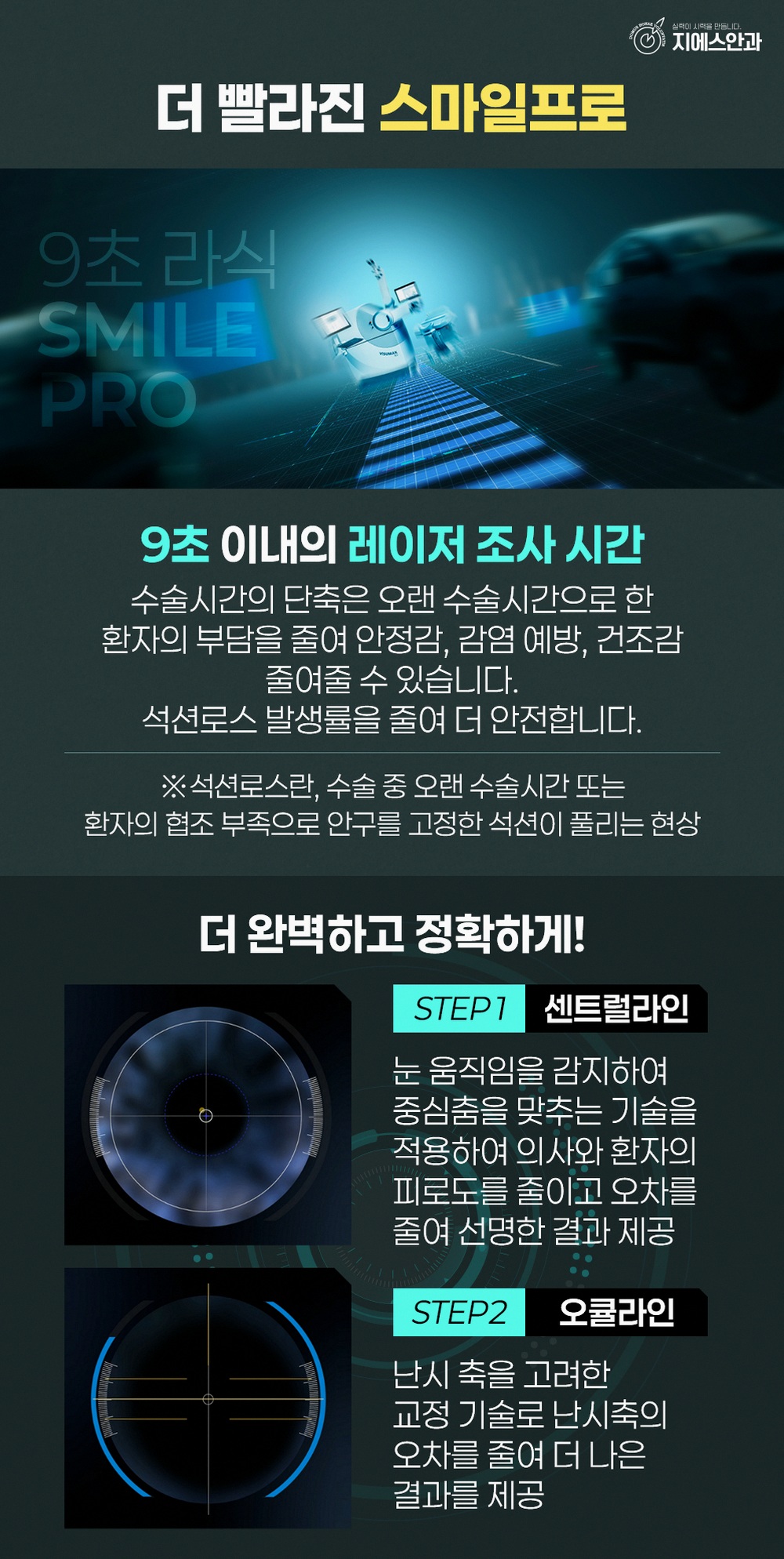
SMILE / SMILE pro / SILK
SMILE-type procedures use a femtosecond laser to create a small lens-shaped piece of tissue (lenticule) inside the cornea, which is removed through a tiny incision.
Typical features:
• Flapless, with a small incision
• Fast recovery and usually mild discomfort
• Not suitable for every corneal shape or prescription
Many patients choose 2DAY LASEK because they want flapless safety similar to LASEK or SMILE, but are concerned about the longer pain and downtime of traditional LASEK.
Who may consider 2DAY LASEK?
2DAY LASEK is not for everyone, but there are some typical profiles where it is often discussed as an option.
Possible candidates include:
• People with relatively thin corneas or corneal features where creating a LASIK flap is less desirable
• Those with active lifestyles, contact sports, or jobs where a corneal flap could be at risk of trauma
• Patients with dry eye tendencies who may benefit from a surface procedure rather than deeper corneal cutting
• People who want vision correction but are afraid of the longer pain period usually associated with standard LASEK
However, suitability can never be decided from online information alone. A full preoperative eye examination is essential. This usually includes:
• Corneal thickness measurement
• Corneal topography and tomography to study shape and rule out keratoconus
• Tear film evaluation for dry eye
• Pupil size measurement
• Detailed retinal and optic nerve check
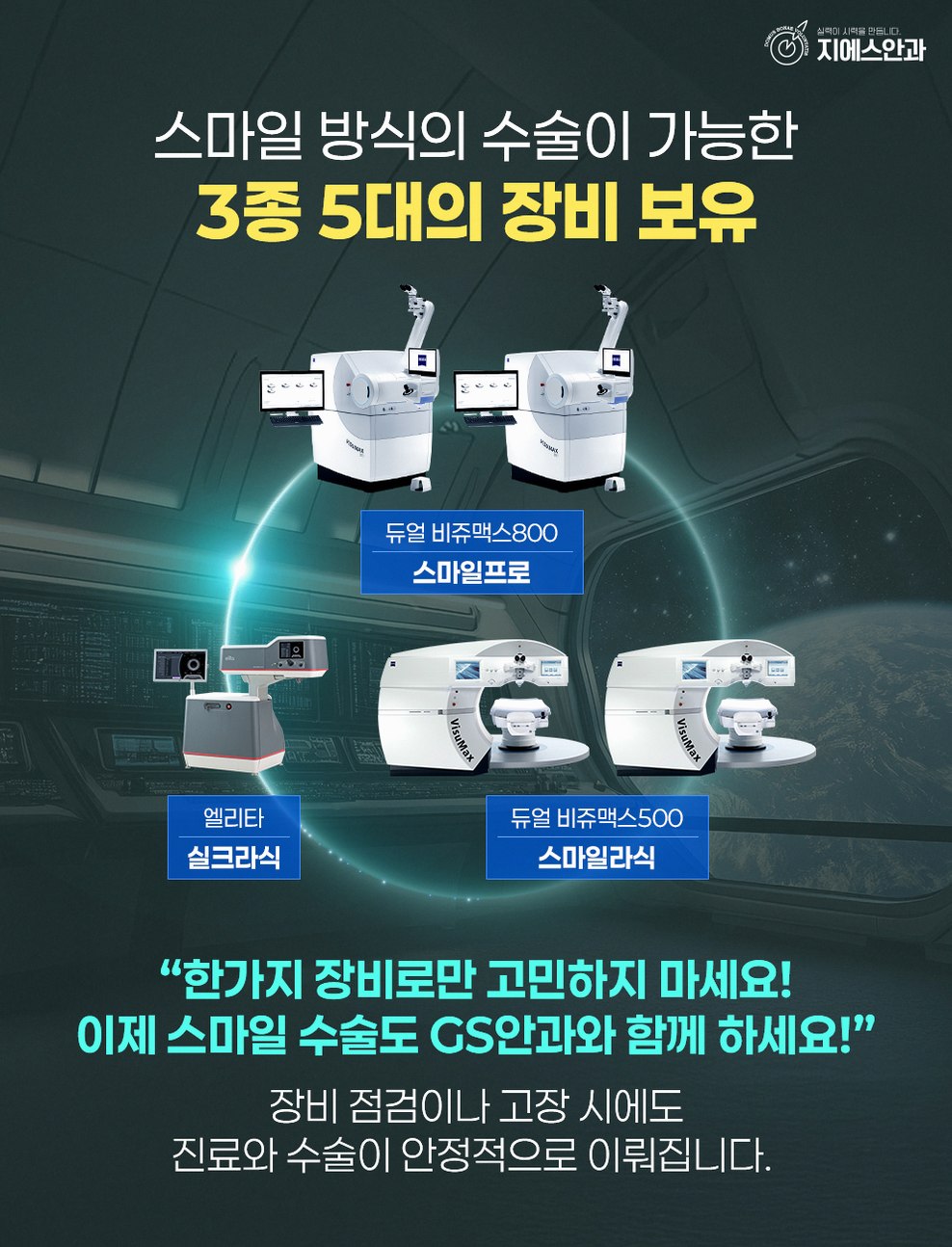
Only after these tests can the ophthalmologist advise whether 2DAY LASEK, LASIK, SMILE, lens implantation, or no surgery is the safest choice.
Preoperative examination at an ophthalmology clinic
At a specialized ophthalmology clinic, the preoperative workup for 2DAY LASEK is detailed and structured. For overseas patients, most of these tests are done in one visit before any decision is made.
Typical components include:
Detailed refraction and visual acuity
Your exact prescription is measured with and without eye drops. Visual acuity is checked at distance and sometimes near. This helps confirm that your refraction is stable and suitable for laser correction.
Corneal topography and tomography
Advanced scanners map the front and back surfaces of the cornea and measure thickness across the entire cornea. These tests are essential to rule out keratoconus or suspicious patterns that could increase the risk of postoperative ectasia.
Pupil size, intraocular pressure, and tear film
Pupil size is measured in different lighting conditions because large pupils can influence night vision symptoms such as halos and glare. Intraocular pressure is checked to screen for glaucoma risk. Tear film tests assess dry eye status, which is important for both safety and comfort.
Retinal and optic nerve examination
The retina and optic nerve are examined, often with dilating drops and imaging. This can detect hidden problems such as retinal tears, lattice degeneration, or early macular disease. Some clinics, including GS Eye Center, operate a separate retina center, which allows careful screening and management of retinal issues before surface laser surgery.
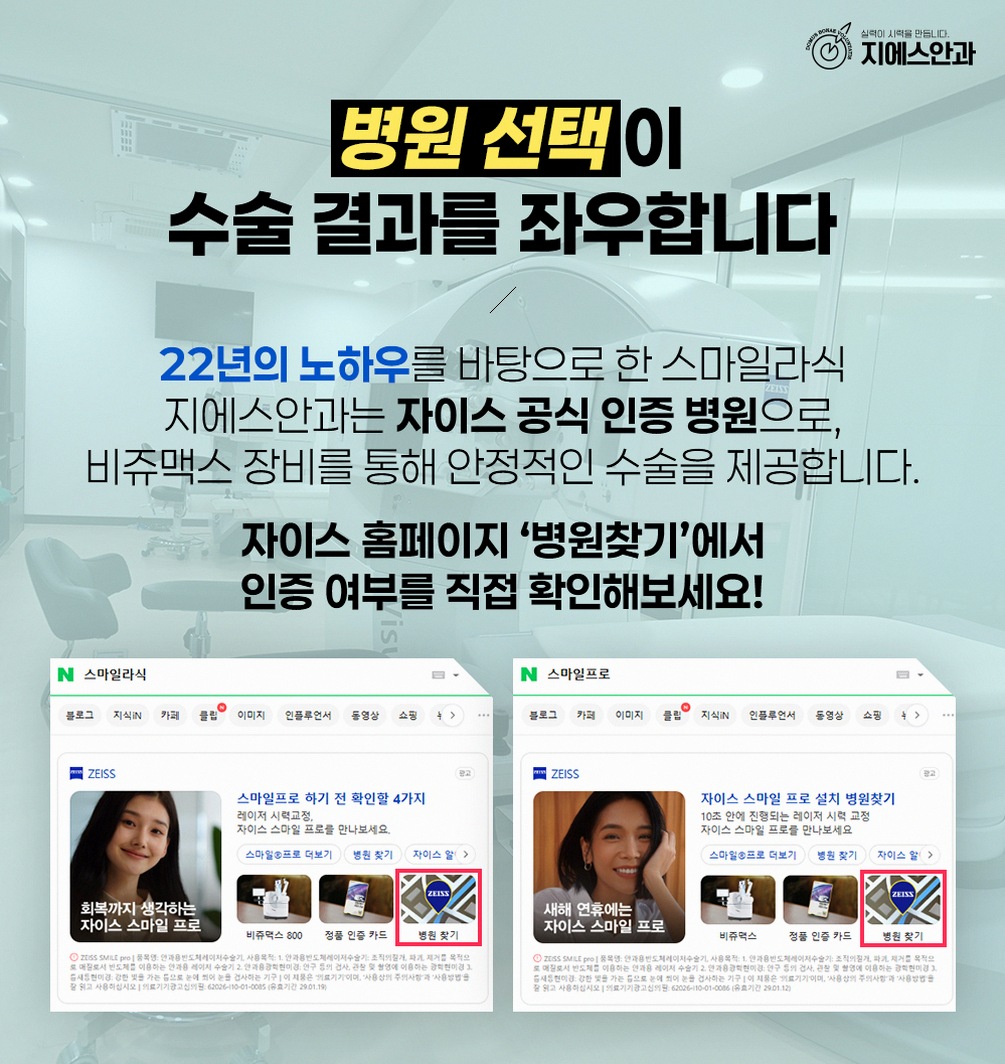
In addition, GS Eye Center functions as an ophthalmology clinic with seven board-certified ophthalmologists, including surgeons with university hospital teaching backgrounds and subspecialty training in retina and refractive surgery. As of 2023, the clinic reports a cumulative total of about 300,000 eyes treated with vision correction and cataract surgery, and holds designations such as SMILE pro Center and SILK Training Center. This ecosystem supports protocol-based decision-making rather than focusing on a single technique.
2DAY LASEK procedure step by step
For many international patients, understanding each step of the procedure helps reduce anxiety.
Step 1: Preparation and anesthesia
On the day of surgery, your eyes are checked again and measurements are confirmed. Anesthetic eye drops are applied to numb the surface. You lie under the laser system, and a small device keeps your eyelids gently open.
Step 2: Removing the epithelium
The thin surface layer of the cornea (epithelium) is gently loosened and removed. This exposes the underlying tissue where the laser will work.
Step 3: Laser reshaping
The excimer laser reshapes the cornea according to your personalized treatment plan. The laser exposure itself is brief and is adjusted to your prescription.
Step 4: Bandage contact lens
A special bandage contact lens is placed on the cornea. This lens protects the surface, reduces friction from blinking, and supports epithelial healing.
Step 5: Medications and immediate aftercare
You receive prescribed eye drops, such as antibiotics and anti-inflammatory drops, and pain control medications. The key difference with 2DAY LASEK is the structured postoperative management protocol designed to reduce pain and encourage faster epithelial recovery.
Most patients go home the same day with protective sunglasses and written instructions. You should arrange for someone to accompany you or use safe transportation, as you should not drive immediately after surgery.
Recovery timeline after 2DAY LASEK
Recovery after 2DAY LASEK is still a process, but it is designed to be more convenient than traditional LASEK for many people.
Day 0–1
In the first 24 hours, you can expect blurred vision, foreign body sensation, tearing, and light sensitivity. Pain levels vary by person, but this is usually the most uncomfortable period. Resting with eyes closed, using prescribed pain control, and staying in a dim environment are helpful.
Around Day 2
For many patients, pain and tearing decrease significantly by around the second day. Basic daily activities such as using a smartphone or computer for short periods may become possible. However, you should still avoid long screen time, driving, and any activity that strains the eyes.
First week
Vision gradually becomes clearer. The bandage contact lens is removed once the ophthalmologist confirms that the epithelium has healed; this may take several days to a week. Some dryness, light sensitivity, and mild fluctuations in clarity are common.
1–3 months
Fine visual quality, contrast sensitivity, and night vision continue to improve over 1–3 months. During this period, regular follow-up visits and consistent use of prescribed drops are important.
Even with a “2-day” concept, individual recovery varies. Your surgeon will give specific advice about when it is safe to drive, return to work, exercise, or increase screen time.
Benefits and limitations of 2DAY LASEK
Every procedure has trade-offs. Understanding them helps you make a realistic decision.
Potential benefits
• Flapless procedure: Because no corneal flap is created, more corneal biomechanical strength is preserved compared with LASIK.
• Shortened painful period: The protocol is designed to reduce the intensity and duration of the most painful phase of traditional LASEK.
• Suitability for certain corneas: It may be better suited for relatively thin corneas or specific occupational needs where flap safety is a concern.
• No flap-related complications: There is no risk of flap displacement or flap interface issues because no flap exists.
Limitations
• More discomfort than LASIK or SMILE: Even with pain control, early discomfort is typically greater than with LASIK or SMILE.
• Slower visual recovery: Vision usually stabilizes more slowly than with LASIK or SMILE, although many people can function earlier than with classic LASEK.
• Not for everyone: Certain prescriptions, corneal shapes, or eye conditions may be better treated with SMILE, LASIK, or lens implantation.
Safety and risk management
Safety in 2DAY LASEK depends heavily on proper screening and careful follow-up.
Preoperative safety checks
• Excluding keratoconus or suspicious corneas through detailed topography and tomography
• Screening for severe dry eye, autoimmune diseases, pregnancy, or unstable refraction that could affect healing
• Checking the retina for weak areas, tears, or other issues that might need treatment before laser surgery
In selected higher-risk corneas, some clinics may combine surface laser correction with corneal strengthening procedures such as corneal cross-linking (sometimes called extra or KXL) when clinically indicated. The goal is to reduce the risk of postoperative ectasia, a progressive thinning and bulging of the cornea.
Typical risks
As with any laser eye surgery, possible risks include:
• Temporary dry eye symptoms
• Glare and halos at night, especially in the early months
• Under-correction or over-correction, sometimes requiring enhancement
• Regression of effect over time in some cases
• Infection or inflammation
• Corneal haze or scarring
• Very rare but serious complications that can affect vision
Following the prescribed schedule of eye drops and attending all follow-up visits are among the most important ways to minimize these risks.
Planning your Korea visit: timeline for overseas patients
If you are traveling to Seoul for 2DAY LASEK, it helps to plan your stay around the examination and recovery schedule.
Typical visit structure could look like this:
Day 1: Comprehensive examination
You visit the ophthalmology clinic for a full preoperative workup. This can take several hours because of multiple tests and possible dilating drops. In many cases, you receive a preliminary recommendation the same day. Some patients choose to schedule surgery for the next day; others prefer a short waiting period.
Day 2: Surgery day
If you and the surgeon decide to proceed, surgery is usually done on both eyes on the same day. You rest at your accommodation afterwards and use your prescribed medications.
Day 3–4: Early follow-up
You return to the clinic for early postoperative checks. The doctor confirms that the epithelium is healing as expected and adjusts medications if needed. Many patients feel much more comfortable by this stage, though vision may still be somewhat blurred.
First week: Bandage lens removal
Within the first week, you have another visit for bandage contact lens removal once the surface is healed. If you are an overseas patient, it is often recommended to stay in Korea at least until this visit is completed.
- month and beyond
- If you return to your home country, you should arrange follow-up with a local ophthalmologist at around 1 month and again at 3–6 months. Ask the clinic about written summaries or language support for international patients so you have clear records and recommended follow-up instructions.
Online consultation and pre-visit preparation
Before booking flights, many international patients start with an online consultation.
Information that is helpful to prepare includes:
• Your age and country of residence
• Your current glasses or contact lens prescription (a recent copy from your optician if available)
• Whether your prescription has changed in the last 1–2 years
• Any known eye diseases or previous eye surgeries
• General health conditions and medications
• Symptoms such as dry eye, night glare, or floaters
You can also prepare a list of questions, for example:
• Am I likely to be a candidate for 2DAY LASEK, or should I also consider SMILE or LASIK?
• How many days should I stay in Seoul for safe follow-up after surgery?
• What are the realistic expectations for my level of vision at Day 2, Day 7, and 1 month?
• How will my dry eye or other existing conditions be managed before and after surgery?
Sending this information in advance allows the clinic team to give more tailored guidance and to plan your in-person examination efficiently.
Aftercare and lifestyle tips
Aftercare is a crucial part of achieving a stable, comfortable result.
Medication use
Use all prescribed antibiotic and anti-inflammatory eye drops exactly as directed. Do not stop or change them without medical advice. Lubricating drops are often recommended for weeks to months to support comfort and visual quality.
Activity restrictions
Avoid eye rubbing, swimming pools, hot tubs, and saunas until your doctor confirms it is safe. Heavy exercise, contact sports, and activities with risk of eye trauma should be postponed according to your surgeon’s instructions.
Light and UV protection
Wear sunglasses outdoors, especially in bright sunlight, to reduce discomfort and protect the healing cornea from ultraviolet light. This can also help reduce the risk of haze formation.

Follow-up schedule
Follow the recommended follow-up schedule, such as the next day, within the first week, and at 1 month and 3–6 months. If you return to another country, share your surgery details with your local ophthalmologist for ongoing care.
Some clinics, including GS Eye Center, also run a dry eye clinic and a retina center. This can be important if you have pre-existing dry eye or retinal issues discovered before or after 2DAY LASEK.
Suggested FAQ for your decision-making
Below are example questions you may want to ask during consultation or research.
What is the difference between 2DAY LASEK and normal LASEK?
2DAY LASEK uses the same basic surface laser technique as normal LASEK but applies a refined protocol for epithelial management, medications, and bandage lens use. The goal is to shorten the most painful period and allow earlier return to daily activities, while maintaining the flapless advantages of LASEK.
How does 2DAY LASEK compare with LASIK and SMILE in terms of pain and recovery?
In general, early pain is usually lowest with LASIK and SMILE, higher with conventional LASEK, and intermediate with 2DAY LASEK. Visual recovery is typically fastest with LASIK and SMILE, while 2DAY LASEK offers a compromise between flapless safety and a shorter uncomfortable period than classic LASEK. Individual experiences vary.
Can I go back to work or school 2 days after 2DAY LASEK?
Some patients are able to do light tasks and short periods of screen work around Day 2, but this is not guaranteed. The decision to return to work or school depends on your healing, your job type, and your doctor’s advice. It is safer to plan a few extra days of flexibility in your schedule.
Is 2DAY LASEK safe for people with thin corneas?
For some people with relatively thin corneas, a flapless surface procedure like 2DAY LASEK may be considered safer than LASIK. However, thin corneas also require very careful screening for conditions such as keratoconus. Only a full examination can determine whether 2DAY LASEK, another method, or no laser surgery is appropriate.
How long do the results of 2DAY LASEK last?
When performed on suitable eyes with stable prescriptions, the effect of 2DAY LASEK is generally long-lasting. However, natural changes such as aging of the lens (presbyopia and cataract) can affect vision later in life. Some people may experience mild regression and consider enhancement, depending on corneal thickness and safety.
What examinations are necessary before deciding between 2DAY LASEK, SMILE, or lens implantation?
You will need detailed refraction, corneal topography and tomography, corneal thickness measurement, pupil size assessment, tear film tests, intraocular pressure, and a retinal and optic nerve check. These results guide the choice between surface laser (2DAY LASEK), SMILE, LASIK, or lens-based options.
Are there age limits or prescription limits for 2DAY LASEK?
Most clinics prefer patients to be adults with stable prescriptions for at least 1–2 years. There are practical limits for very high myopia or astigmatism, depending on corneal thickness and safety margins. Your surgeon will explain whether your prescription is within a safe range for surface laser.
What should I do if I experience severe pain or vision changes after surgery?
If you have sudden severe pain, rapidly worsening vision, increasing redness, or discharge, you should contact the clinic immediately or visit an emergency eye service. Early evaluation is important to rule out infection, inflammation, or other complications.
Soft call to action
If you are comparing LASEK LASIK options and want to understand whether 2DAY LASEK in Seoul fits your eyes, an online consultation with an ophthalmology clinic such as GS Eye Center can be a practical first step. By sharing your prescription, eye history, and travel plans in advance, you can receive more personalized guidance and plan a safe, efficient visit for your vision correction.
- 공유 링크 만들기
- X
- 이메일
- 기타 앱


댓글
댓글 쓰기