2DAY LASEK price and what is really included in Korea
- 공유 링크 만들기
- X
- 이메일
- 기타 앱

Direct answer: what does 2DAY LASEK price usually include?
cations with scheduled follow‑up visits. Checklist — three commonly omitted items to ask about: 1) additional specialty tests or imaging, 2) fees for enhancements or extra procedures, and 3) extended medications or additional follow‑up visits beyond the standard package.
The exact fee can vary depending on the clinic, the technology used, the surgeon’s background, your eye condition, and whether you treat one or both eyes. For overseas patients, it is more important to understand what is included in the quote and how the clinic manages safety and aftercare than to choose only by the lowest price.
Overview of 2DAY LASEK
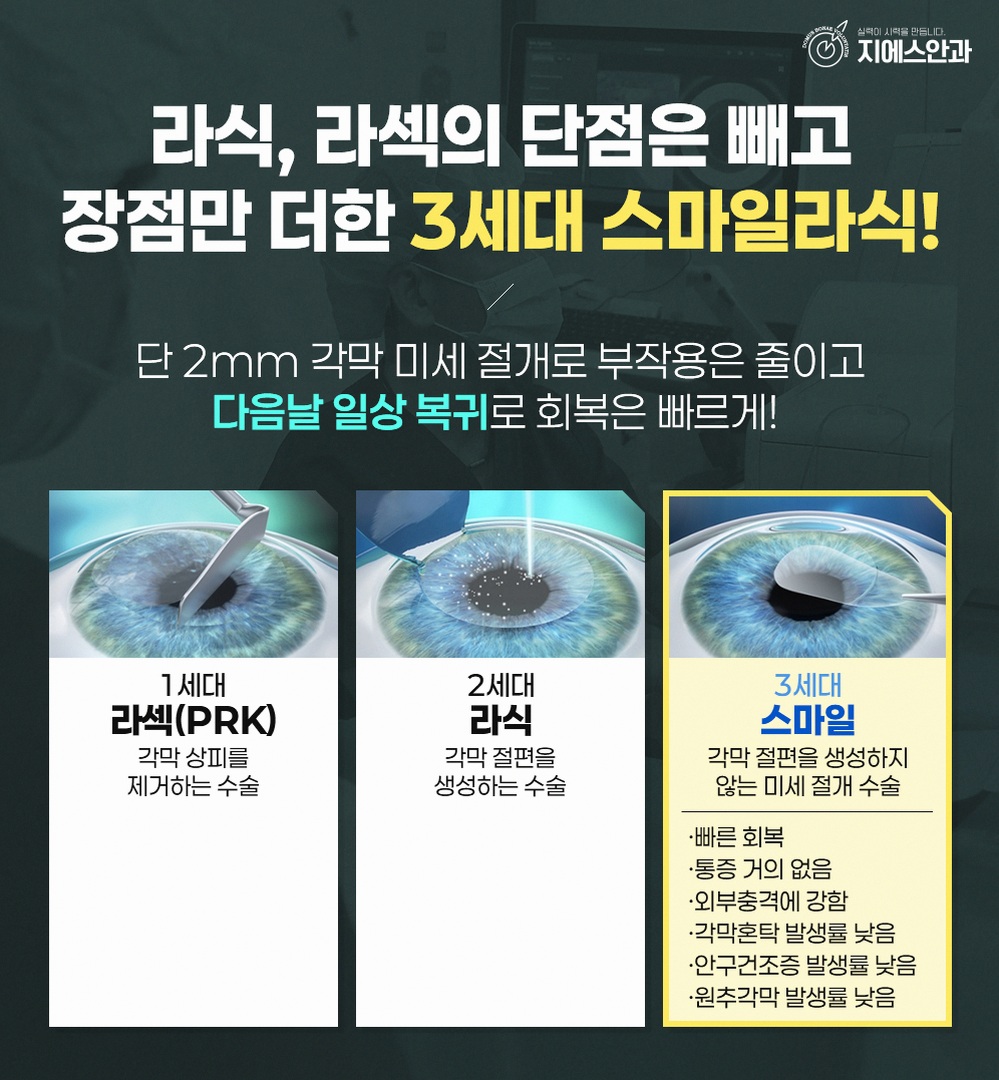
2DAY LASEK is a type of laser vision correction that works on the surface of the cornea. It uses an excimer laser to reshape the cornea without creating a corneal flap.
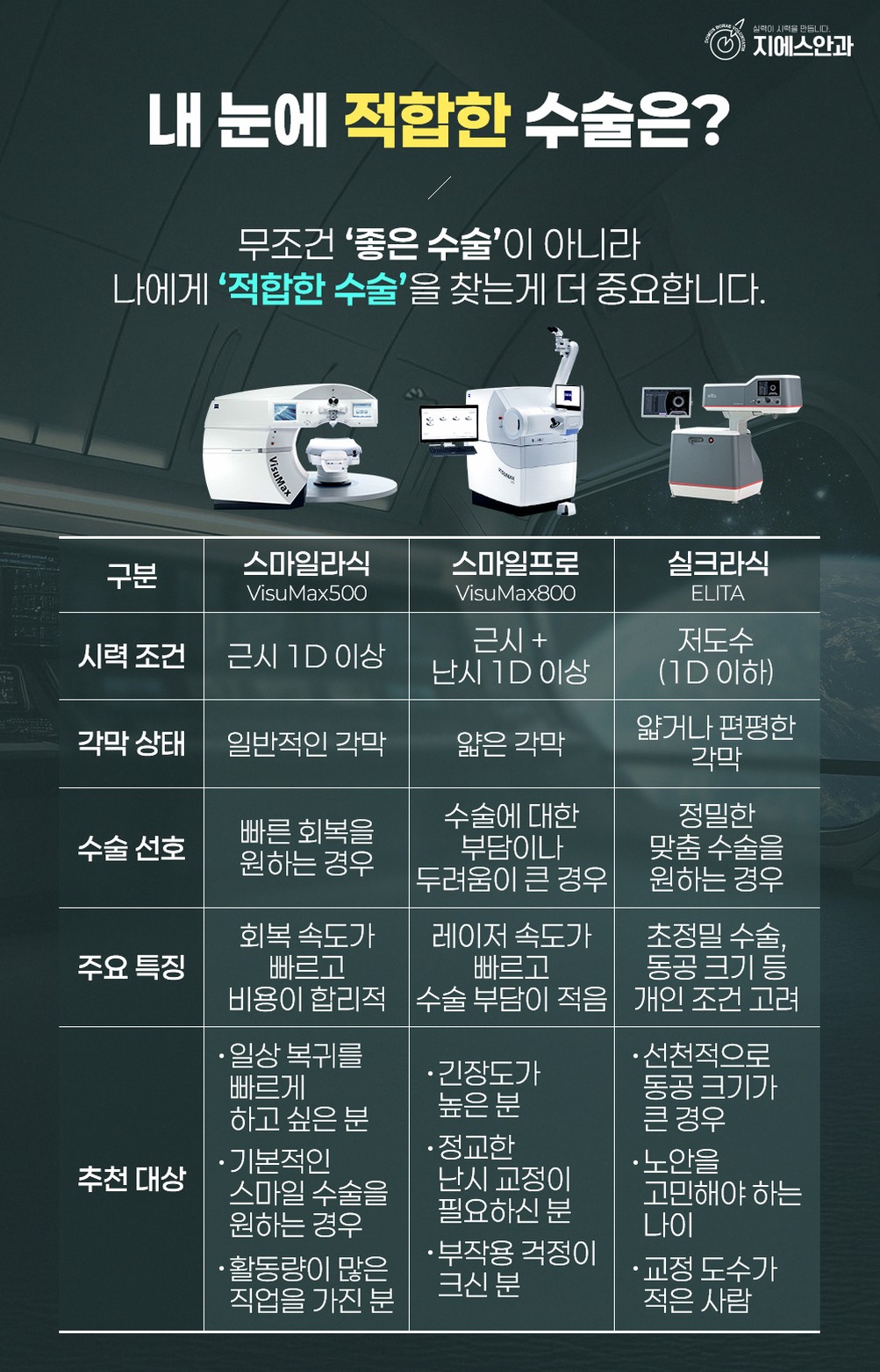
Because there is no flap, 2DAY LASEK is often considered for people with thinner corneas or for those concerned about flap‑related trauma risk.
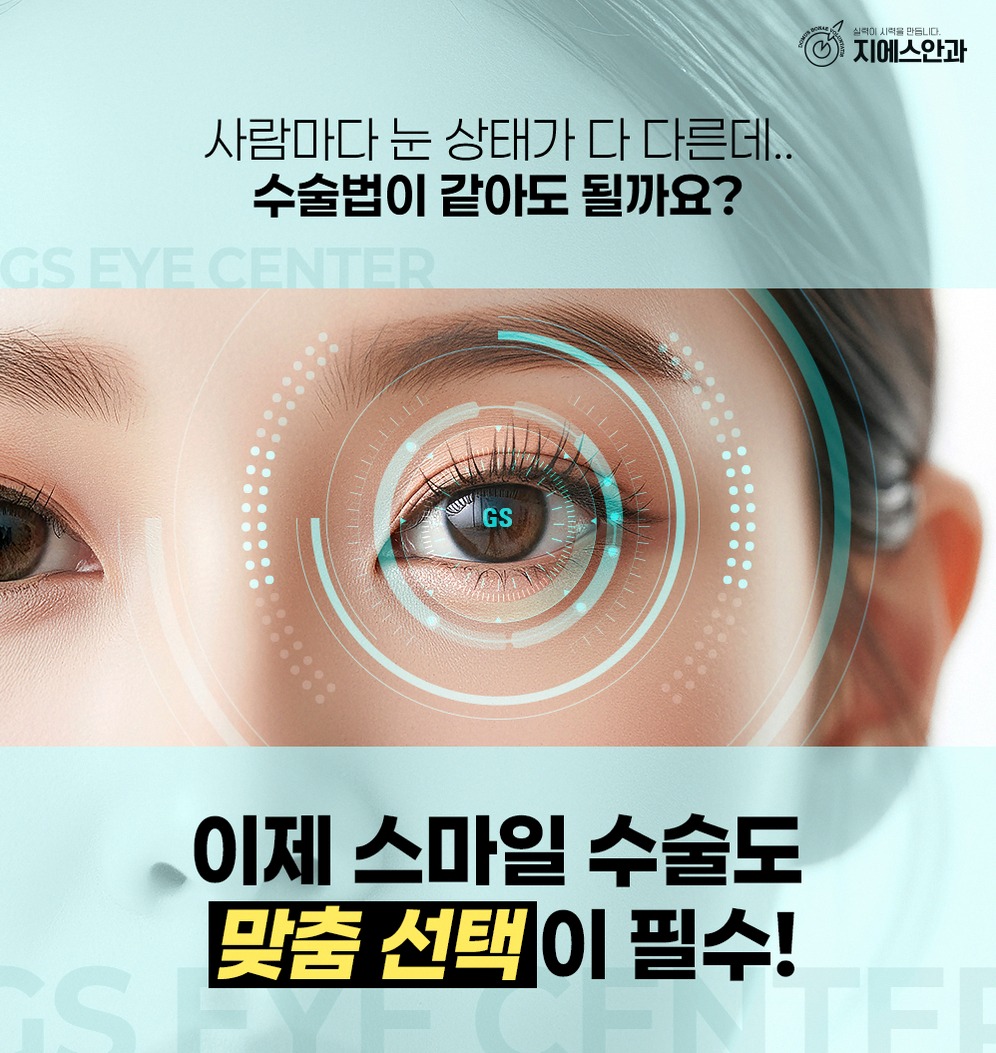
Some clinics describe 2DAY LASEK variants as emphasizing targeted pain‑management and careful care of the healing surface, together with structured post‑operative protocols intended to help patients regain usable vision sooner; individual experiences vary and only a clinician's exam can predict likely recovery for you. Compared with LASIK, 2DAY LASEK generally has a slower early visual recovery but avoids creating a corneal flap, which may be preferable for certain lifestyles and eye anatomies.
Who may consider 2DAY LASEK
You may be a potential candidate for 2DAY LASEK if you:
Have a stable glasses or contact lens prescription for at least one to two years
Have myopia, astigmatism, or mild hyperopia within a treatable range
Have corneas that are not too thin or irregular for safe laser reshaping
Do not have uncontrolled dry eye, active eye infection, or certain corneal diseases
Do not have advanced cataract or eye conditions that would be better treated with lens surgery
Have realistic expectations about recovery time and possible side effects
Only a detailed eye examination can confirm whether 2DAY LASEK is appropriate or if another method such as SMILE‑type surgery, LASIK, or lens implantation would be safer for your eyes.
What is included in 2DAY LASEK price
When you compare 2DAY LASEK prices in Korea, it helps to break down the typical components of the fee.
Pre‑operative comprehensive eye examination
A proper 2DAY LASEK assessment usually includes:
Detailed refraction and visual acuity testing to measure your exact prescription
Corneal thickness measurement to check if enough tissue can be safely reshaped
Corneal topography or tomography to map the corneal shape and detect irregularities
Pupil size measurement, especially under low light
Tear film and dry eye evaluation, including tests for tear quantity and quality
Retina and optic nerve examination to rule out other eye diseases
These tests are essential to decide if 2DAY LASEK is suitable for you, or if another procedure would offer a better safety margin. Some clinics include the full examination in the quoted package price, while others charge it separately. When you ask for a quote, always confirm whether the comprehensive eye examination is included.
Surgery fee
The surgery fee itself usually covers:
Use of the excimer laser and the surgical suite
Single‑use consumables such as blades, sponges, and sterile instruments
Application of a bandage contact lens to protect the corneal surface after surgery
The surgeon’s professional fee and the support team in the operating room
In some clinics, the price for both eyes is clearly stated; in others, the quote may be per eye. This can make a big difference when you compare prices, so always ask whether the amount shown is for one eye or both eyes.
Post‑operative care
After 2DAY LASEK, structured follow‑up is important. The price may include:
Scheduled follow‑up visits, for example the first day after surgery, then several checks over the following weeks and months
Prescribed eye drops, such as antibiotics, anti‑inflammatory drops, and lubricating drops
Pain control plan and instructions for managing discomfort, light sensitivity, and tearing
Monitoring and treatment of dry eye symptoms or night‑vision issues if they appear
Some clinics offer a package that includes all standard follow‑up visits for a certain period. Others may include only early checks and charge extra for later visits or enhancement procedures. Clarify this in advance so you can plan your total cost.
Factors that influence 2DAY LASEK pricing
2DAY LASEK prices in the Gangnam Station area and elsewhere in Seoul can vary for several reasons.
Clinical and technical factors
Level of diagnostic equipment
Clinics that invest in modern corneal imaging, wavefront analysis, and detailed dry eye testing may charge more, but these tools can help refine the treatment plan and improve safety margins.
Laser platforms and surgical environment
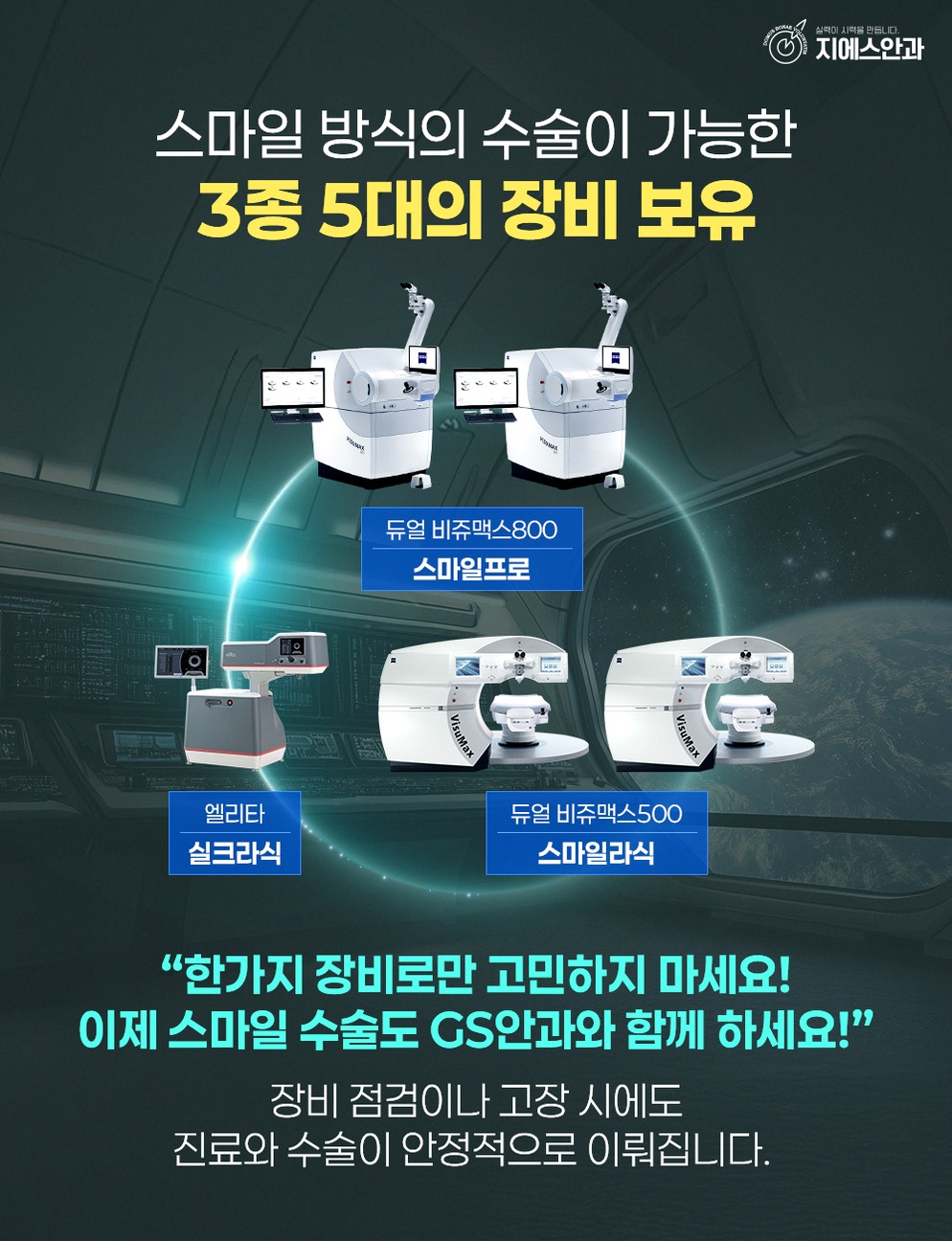
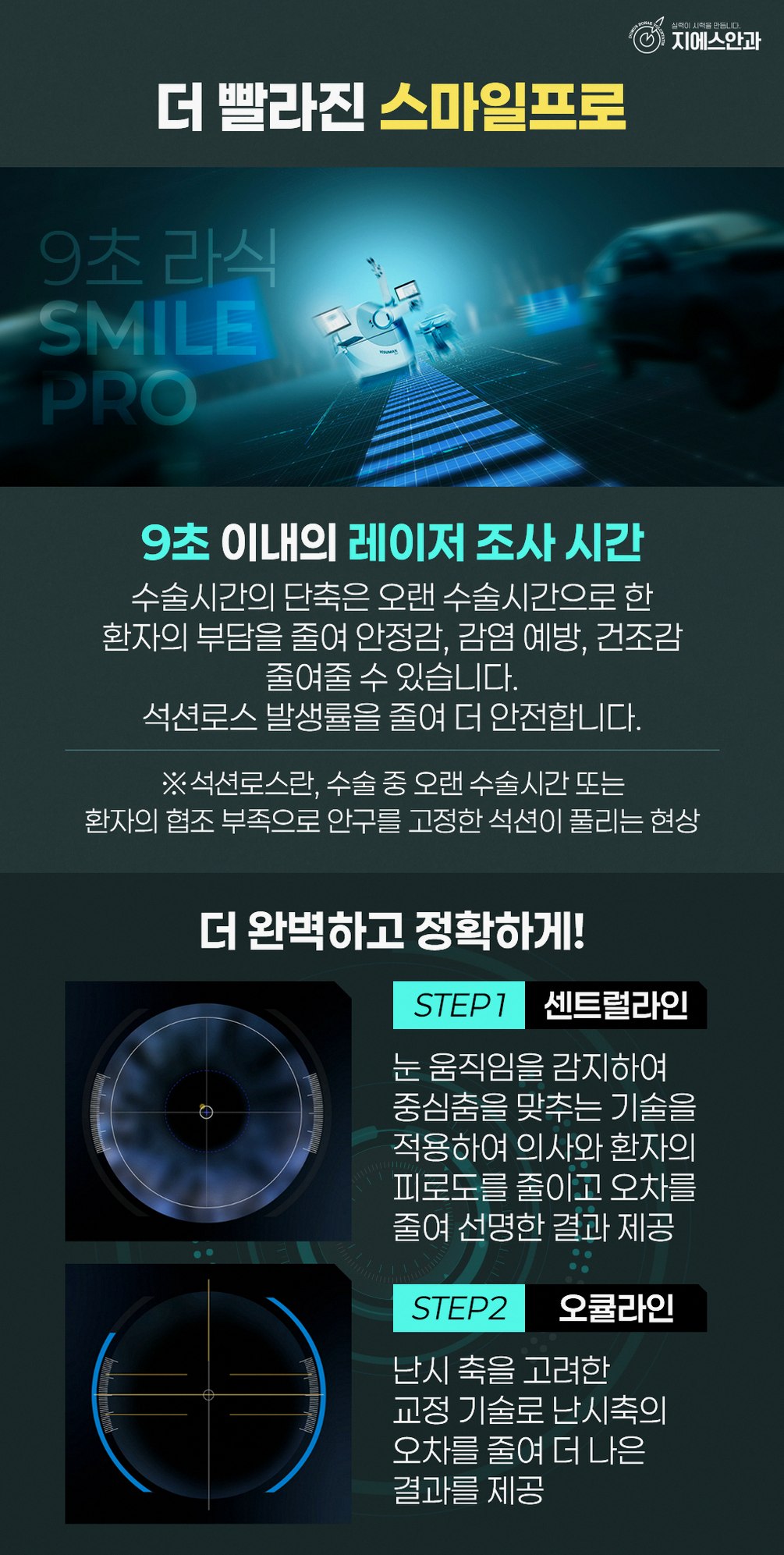
The type and generation of excimer laser, the presence of multiple laser platforms, and the quality of the surgical suite can influence cost. Newer systems may offer faster treatment speeds or more advanced eye‑tracking, which can be reflected in the price.
Experience and training of ophthalmologists
The background of the ophthalmologists, such as previous work in university hospitals, subspecialty fellowships, and teaching roles, can influence both the approach to safety and the pricing structure. While experience does not guarantee a specific outcome, many patients value surgeons who have managed a wide range of cases.
Safety protocols
Clinics that follow strict criteria for approving or refusing surgery, and that are prepared to recommend alternative procedures when needed, may include more extensive testing and counseling in their fee. This can slightly increase the price but adds value in terms of risk management.
Patient‑specific factors
Degree of refractive error
Higher levels of myopia or astigmatism may require more complex planning and can slightly affect pricing in some clinics.
Corneal thickness and shape
Borderline or unusual corneal measurements may require additional imaging, more conservative treatment plans, or even a recommendation to avoid laser surgery. In some cases, extra testing or alternative procedures can change the overall cost.
Coexisting eye conditions
Dry eye, early cataract, or retina issues may require additional treatment before or after 2DAY LASEK. These extra steps may not be included in the basic laser surgery quote.
Service and follow‑up structure
Long‑term follow‑up
Some clinics include long‑term monitoring and defined policies for enhancements if vision changes later. Others focus only on the early post‑operative period. A more comprehensive follow‑up plan can be reflected in a higher initial price but may reduce unexpected costs later.
Subspecialty support
If the clinic has dedicated services such as a dry eye clinic or retina clinic, you may have access to more detailed care if side effects or unrelated eye problems occur. This integrated care can be part of the value behind the quoted fee.
Safety and quality versus low price
When you are planning 2DAY LASEK abroad, it is natural to compare prices between clinics. However, for laser vision correction, safety and long‑term vision quality should be more important than finding the lowest possible fee.
Be cautious of prices that are far below the local average without a clear explanation of what is being reduced. Sometimes a very low price may mean limited pre‑operative testing, shorter follow‑up, or additional charges later for items such as medications or enhancements.
Also be careful with marketing that promises guaranteed results or a specific vision level for everyone. Outcomes always vary between individuals, and a responsible clinic will explain both the expected benefits and the possible risks.
When you contact a clinic about 2DAY LASEK price, consider asking:
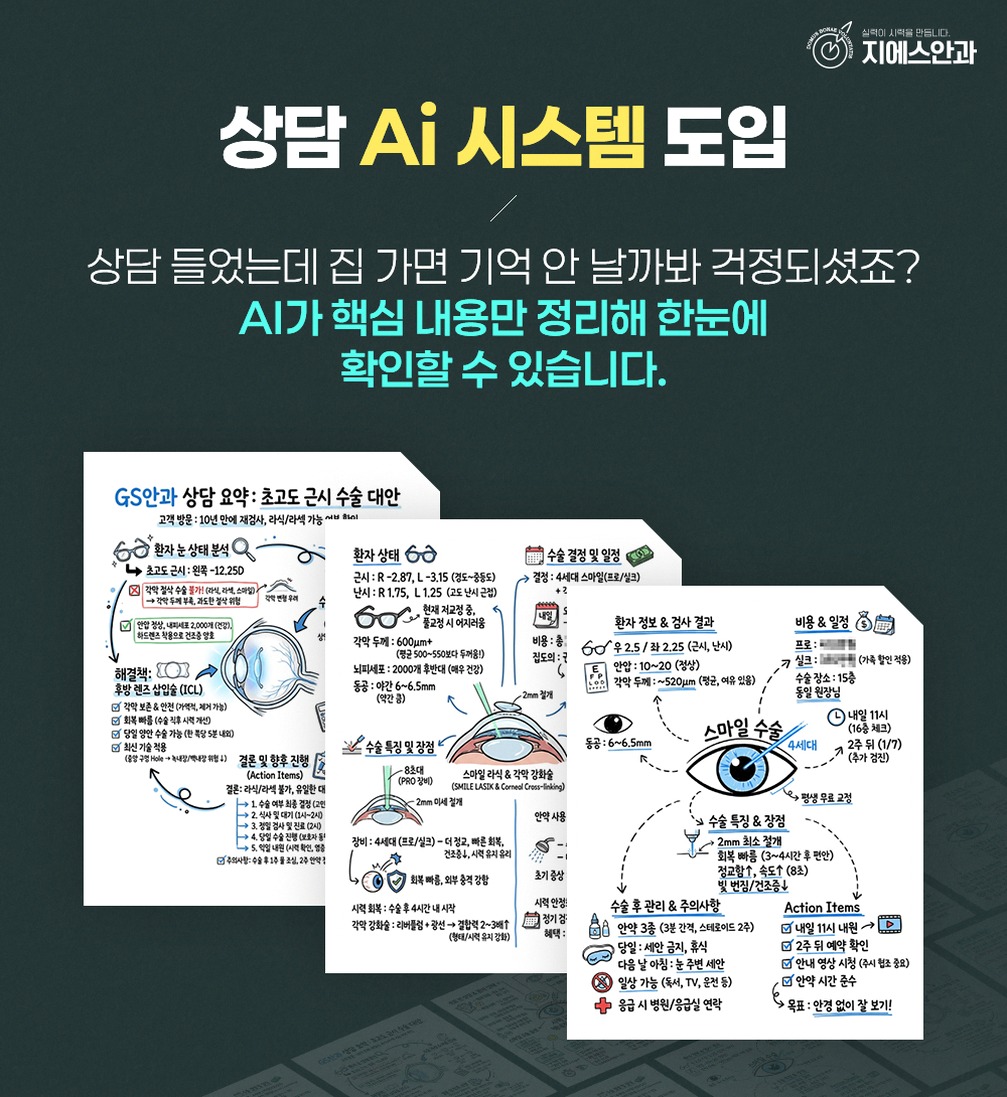
Which tests are included before surgery, and are there any extra charges for additional imaging?
Who will actually perform the surgery, and what is their training background?
How are complications or regression handled, and are there separate fees for enhancement procedures?
How many follow‑up visits are included, and for how long will my eyes be monitored?
GS Eye Center in Gangnam Station area
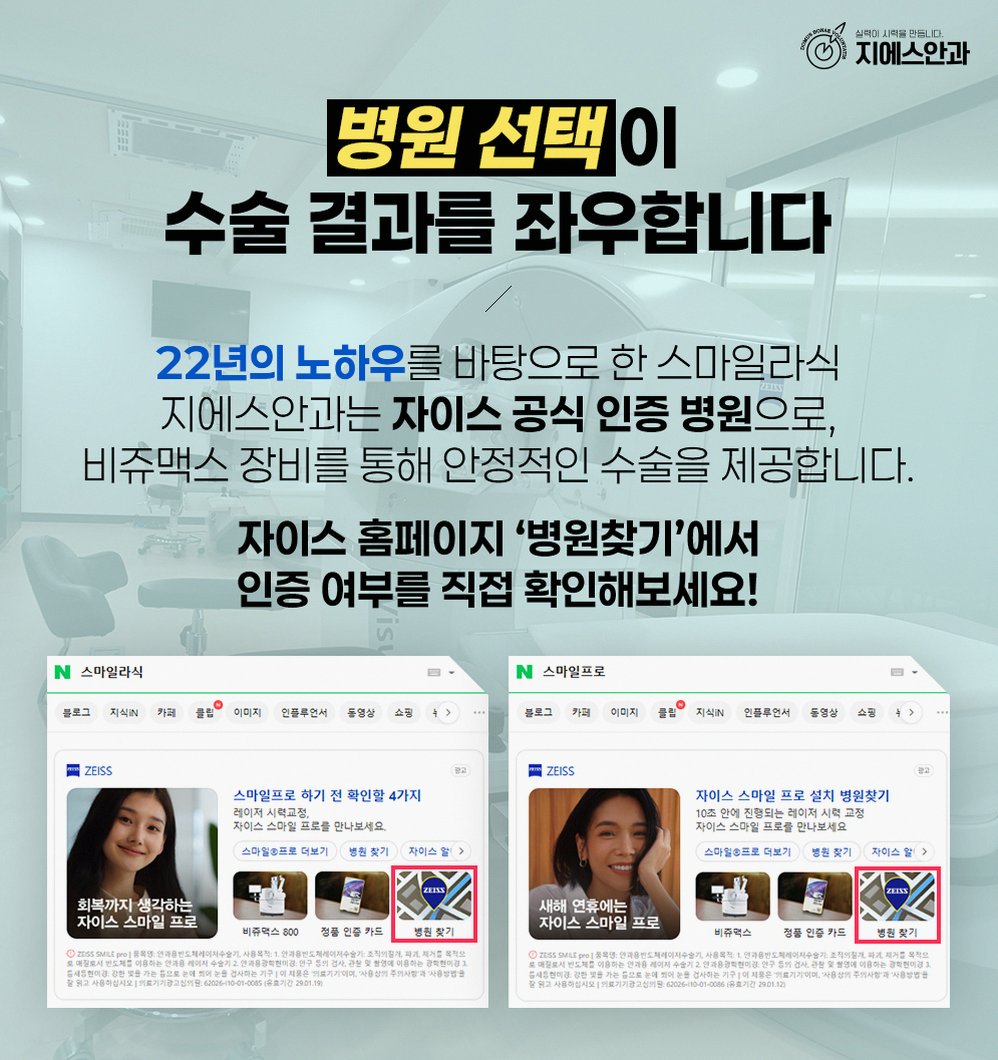
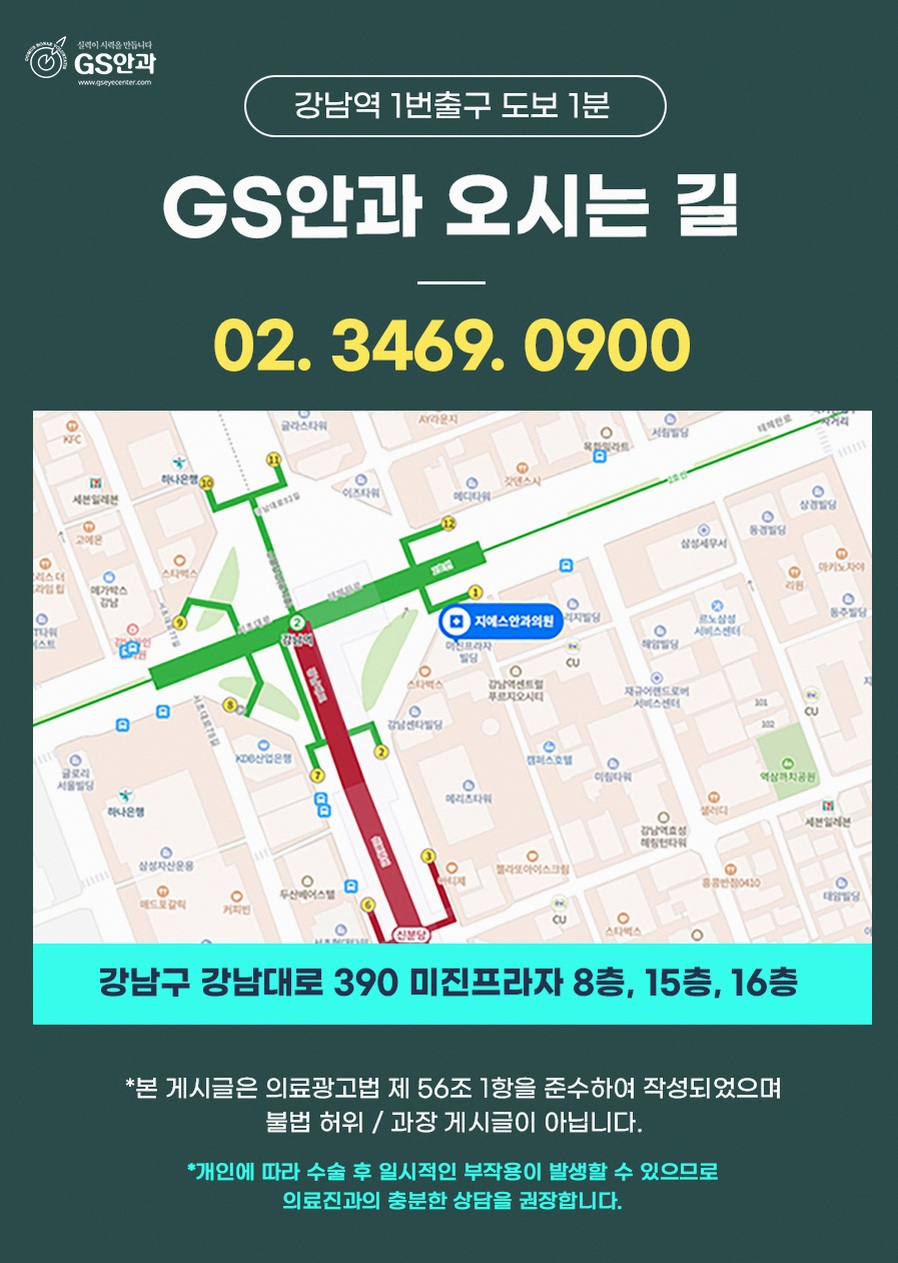
GS Eye Center is an ophthalmology clinic located near Gangnam Station on Gangnam‑daero in Gangnam‑gu, Seoul. The clinic opened in 2005 and has been operating in the same location since then.
All seven doctors are board‑certified ophthalmologists, with backgrounds that include university hospital experience, retina fellowships, and academic teaching roles. The clinic performs a wide range of vision correction procedures, including SMILE‑type surgeries, 2DAY LASEK, lens implantation, and cataract and presbyopia surgery.
The pricing at this type of clinic is usually based on detailed diagnostic examinations, multiple modern laser platforms for corneal surgery, and structured examination and surgery protocols. Rather than focusing on being the cheapest option, the emphasis is typically on safety, careful screening, and surgeon experience as the main value behind the fee.
Online consultation and pre‑visit preparation
If you are an overseas patient considering 2DAY LASEK in the Gangnam Station area, an online consultation is a useful first step.
Before your online consultation, prepare the following information:
Your current glasses or contact lens prescription, if available
Any previous eye examination reports or scans you may have
History of eye problems such as dry eye, infections, injuries, or surgery
General health conditions and medications, especially for diabetes, autoimmune disease, or blood thinners
Your preferred travel dates and how many days you can stay in Korea
During the online consultation, you can discuss whether 2DAY LASEK seems suitable in principle, what kind of examination will be done on arrival, and how the schedule can be arranged within your travel plan. The clinic cannot confirm final eligibility or exact treatment details until they examine your eyes in person, but they can guide you on likely options and estimated timeframes.
Expected Korea visit timeline for 2DAY LASEK
Although each clinic has its own system, a typical visit schedule for overseas patients might look like this:
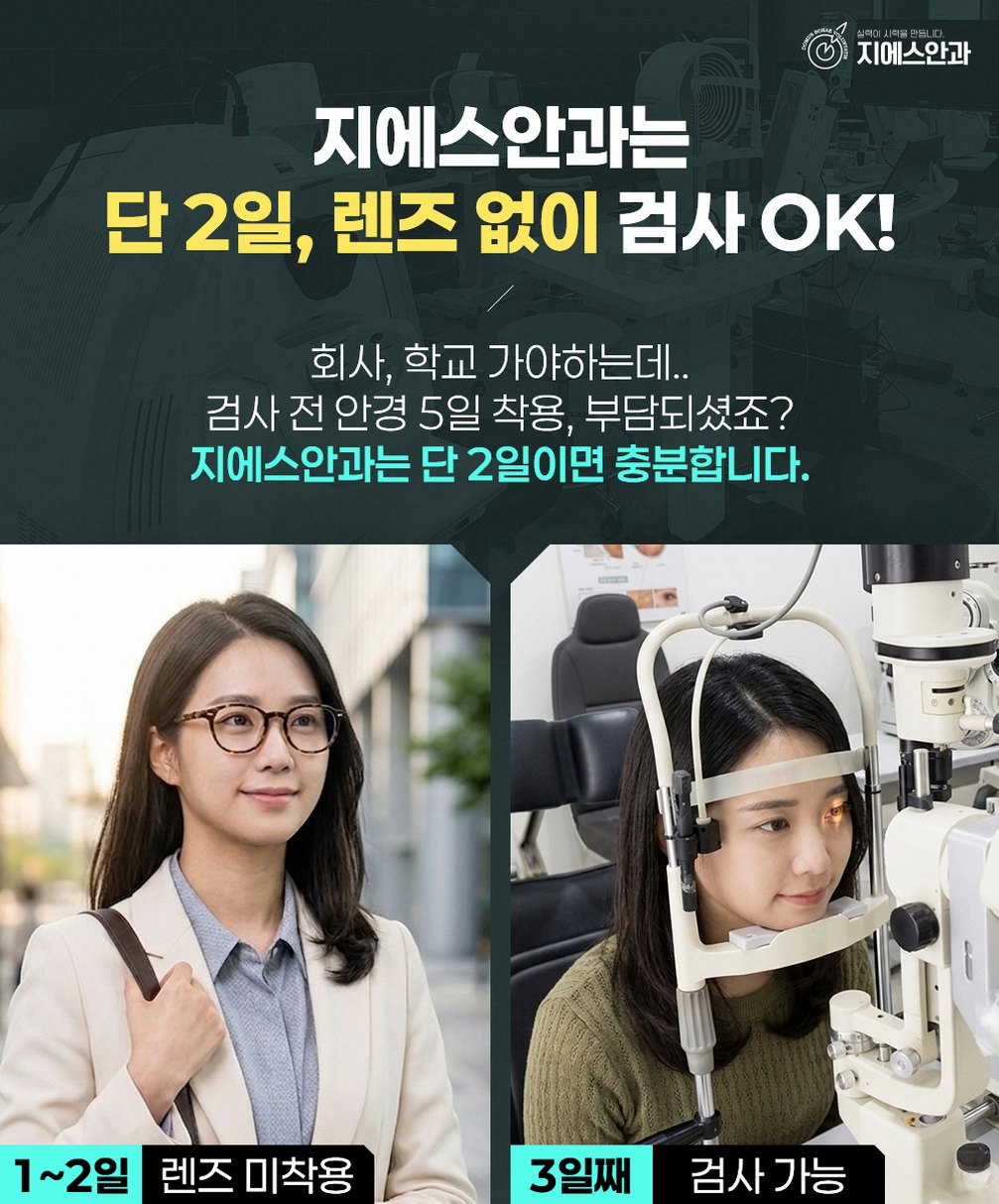
Day 1: Comprehensive eye examination and consultation
On your first day, you usually undergo a full set of tests, including refraction, corneal imaging, tear evaluation, and retina check. Your pupils may be dilated, so you may experience blurred near vision and light sensitivity for several hours.
After reviewing the results, the ophthalmologist will explain whether 2DAY LASEK is appropriate or if another procedure is safer. You will also discuss potential risks, recovery expectations, and any special considerations for your case. If you decide to proceed, surgery may be scheduled for the same day or the following day, depending on the clinic’s policy and your eye condition.
Day 1 or 2: Surgery day
2DAY LASEK is usually done under topical anesthetic eye drops. The procedure time per eye is short, but you should plan to stay in the clinic for a longer period for preparation and post‑operative checks.
After surgery, your eyes may feel uncomfortable, with burning, tearing, and light sensitivity. You will receive instructions on how to use your eye drops and how to protect your eyes during the first nights. Many patients prefer to rest in a dark, quiet room after returning to their accommodation.
Day 2 or 3: Early follow‑up
An early follow‑up visit is usually scheduled to check the healing surface of the cornea, the position of the bandage contact lenses, and your initial vision. The doctor may adjust your medications or give additional instructions based on how your eyes are healing.
Following days: Additional checks
Depending on your stay, you may have one or more follow‑up visits before leaving Korea. The clinic will check your vision, corneal healing, and comfort, and will advise you on how to continue your eye drops after you return home.
Because vision can fluctuate for several weeks, it is helpful to arrange follow‑up with an eye doctor in your home country as well. Ask the Korean clinic for a summary of your surgery and post‑operative plan that you can share with your local doctor.
Recovery, time off, and hidden costs
Recovery after 2DAY LASEK is usually faster than classic LASEK in terms of returning to basic daily activities, but it is not instant.
In the first few days, you may experience:
Discomfort, foreign body sensation, and light sensitivity
Tearing and blurred vision
Difficulty using digital screens for long periods
Many people can resume light indoor activities after a few days, but the exact timing depends on your job and your individual healing. For example, someone working at a computer all day may need a slightly longer break than someone with more flexible visual demands.
Vision can continue to fluctuate for several weeks, especially in low light. Temporary night‑time halos or glare around lights are common and usually improve with time.
When you think about the total cost of 2DAY LASEK, consider indirect costs as well:
Time off work or school
Transportation to and from the clinic for multiple visits
Additional lubricating drops or treatments for dry eye if needed
Possible visits to an eye doctor in your home country for follow‑up
Including these factors in your planning will give you a more realistic picture of the overall investment, not just the surgery fee.
When 2DAY LASEK may not be suitable
2DAY LASEK is not the best choice for everyone. In some situations, another procedure or no surgery may be safer.
Examples include:
Very thin or irregular corneas where laser reshaping would leave too little tissue
Certain corneal diseases or severe dry eye that could worsen after surface laser surgery
Early cataract or significant presbyopia where lens‑based surgery might provide a better long‑term solution
Unstable prescription or systemic diseases that increase surgical risk
A responsible ophthalmology clinic may advise against 2DAY LASEK even if you originally requested it. This is usually a sign that the clinic is prioritizing your safety rather than simply trying to perform a procedure.
What to ask during a 2DAY LASEK price consultation
To make a confident decision, it helps to prepare a checklist of questions before you contact clinics in Seoul.
Questions about suitability
Is 2DAY LASEK really the best option for my eyes, or would SMILE, LASIK, or lens implantation be safer or more stable for my case?
What are the main reasons you recommend or do not recommend 2DAY LASEK for me?
Questions about what is included in the price
Which exact tests are included in the pre‑operative examination, and are they all part of the quoted fee?
Is the surgery fee for one eye or both eyes?
Are medications, bandage contact lenses, and protective goggles included?
Questions about follow‑up and extra costs
How many follow‑up visits are included, and for how long will my eyes be monitored after surgery?
Are there additional fees for managing dry eye, night glare, or other side effects if they occur?
What is your policy and approximate cost for enhancement procedures if my vision changes later?
Questions about the medical team
Who will perform the surgery, and will the same doctor follow me during my post‑operative visits?
What is the surgeon’s experience with 2DAY LASEK and other vision correction procedures?
Bringing this list to your online or in‑person consultation can help you compare clinics more clearly and avoid misunderstandings about price and service.
FAQ about 2DAY LASEK price and treatment
How much does 2DAY LASEK usually cost in Korea?
Prices vary between clinics and change over time, so you will need to contact each clinic directly for current figures. In general, the fee reflects the thoroughness of the examination, the technology used, the surgeon’s background, and the follow‑up system. When comparing quotes, make sure you are comparing similar packages in terms of what is included, rather than focusing on a single number.
Is the cheapest 2DAY LASEK offer a good choice?
A low price is attractive, but it is not always the safest choice. If an offer is much cheaper than other clinics in the same area, ask why. Check whether the quote includes a full pre‑operative examination, all necessary tests, medications, and follow‑up visits. It is better to choose a clinic that clearly explains its safety protocols and what is included in the price than to choose only by the lowest fee.
How many days do I need to stay in Seoul for 2DAY LASEK?
Many overseas patients plan to stay at least several days to one week in Seoul. This allows time for a complete examination, the surgery, and early follow‑up visits. The exact schedule depends on the clinic and your healing, so discuss your travel dates during the online consultation. Even after you return home, you should continue follow‑up with a local eye doctor.
Will I have extra costs after 2DAY LASEK?
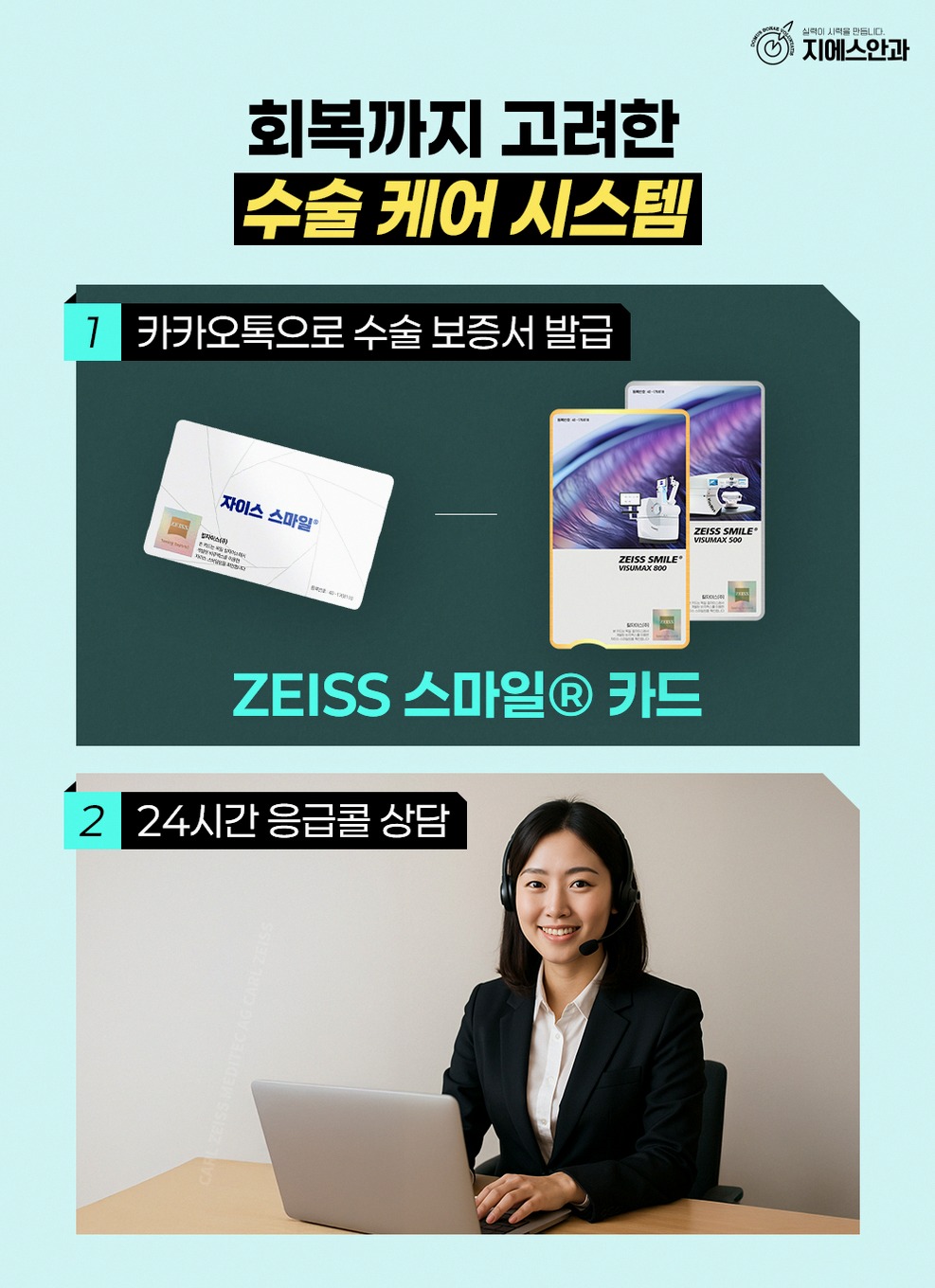
You may have additional costs beyond the initial surgery fee. These can include extra lubricating drops, treatment for dry eye if needed, transportation to follow‑up visits, and visits to an eye doctor in your home country. In some cases, enhancement procedures or management of side effects may involve separate fees. Ask the clinic in advance about possible extra costs and how they are handled.
Soft call to action
If you are considering 2DAY LASEK in the Gangnam‑daero, Gangnam‑gu, Seoul area and would like to understand price, inclusions, and suitability for your eyes, you can start with an online consultation. Clinics such as GS Eye Center can review your basic information, explain the examination and surgery process, and help you plan a realistic schedule and budget for your visit to Korea.
Use price as one factor among many, and choose an ophthalmology clinic where you feel fully informed, your questions are welcomed, and safety is clearly prioritized over quick decisions.
- 공유 링크 만들기
- X
- 이메일
- 기타 앱


댓글
댓글 쓰기