Choosing SMILE/SMILE Pro clinic near Gangnam Station
- 공유 링크 만들기
- X
- 이메일
- 기타 앱

Direct answer for Gangnam-gu SMILE LASIK seekers
n system, safety standards, and follow-up care. This guide explains what SMILE LASIK and SMILE Pro are, who may be suitable, how an overseas patient can plan a visit to Korea, and how to use a clinic such as GS Eye Center as a case example when comparing options.
What is SMILE LASIK and SMILE Pro
SMILE LASIK overview
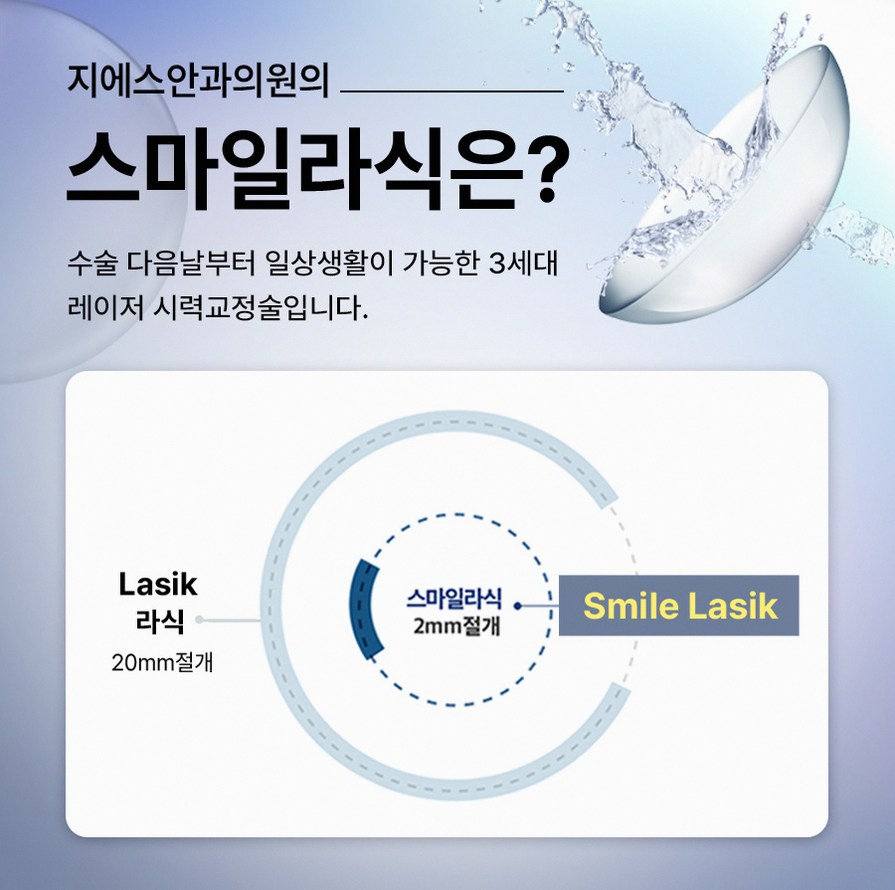
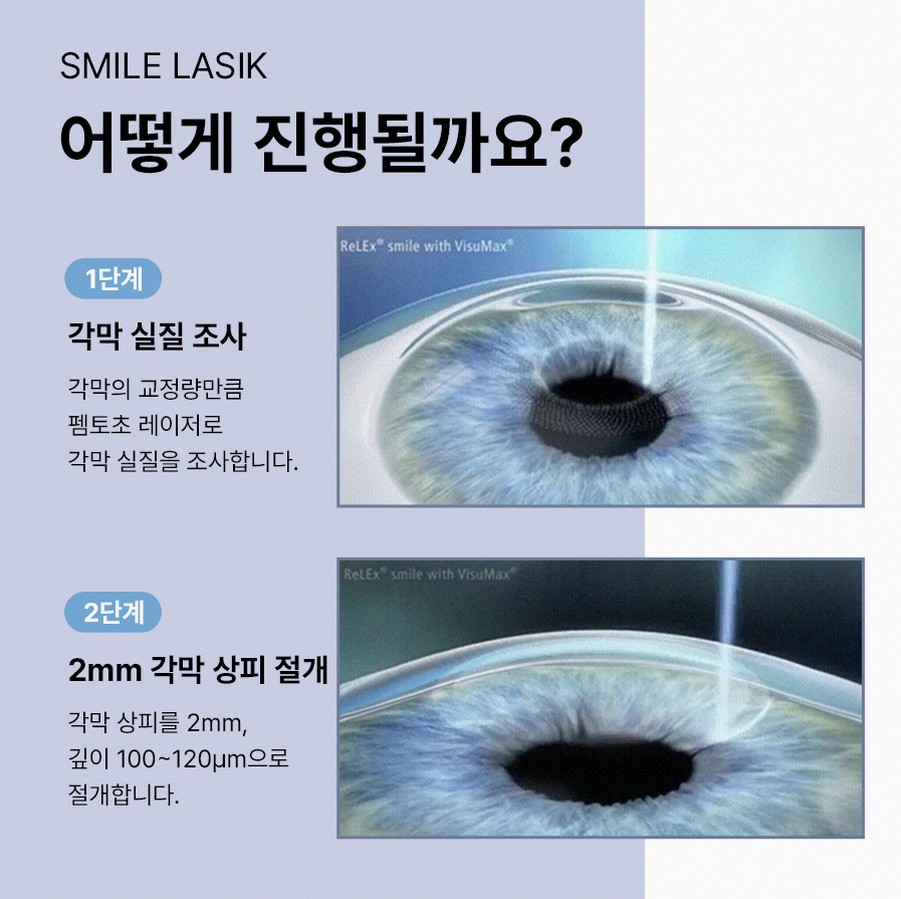
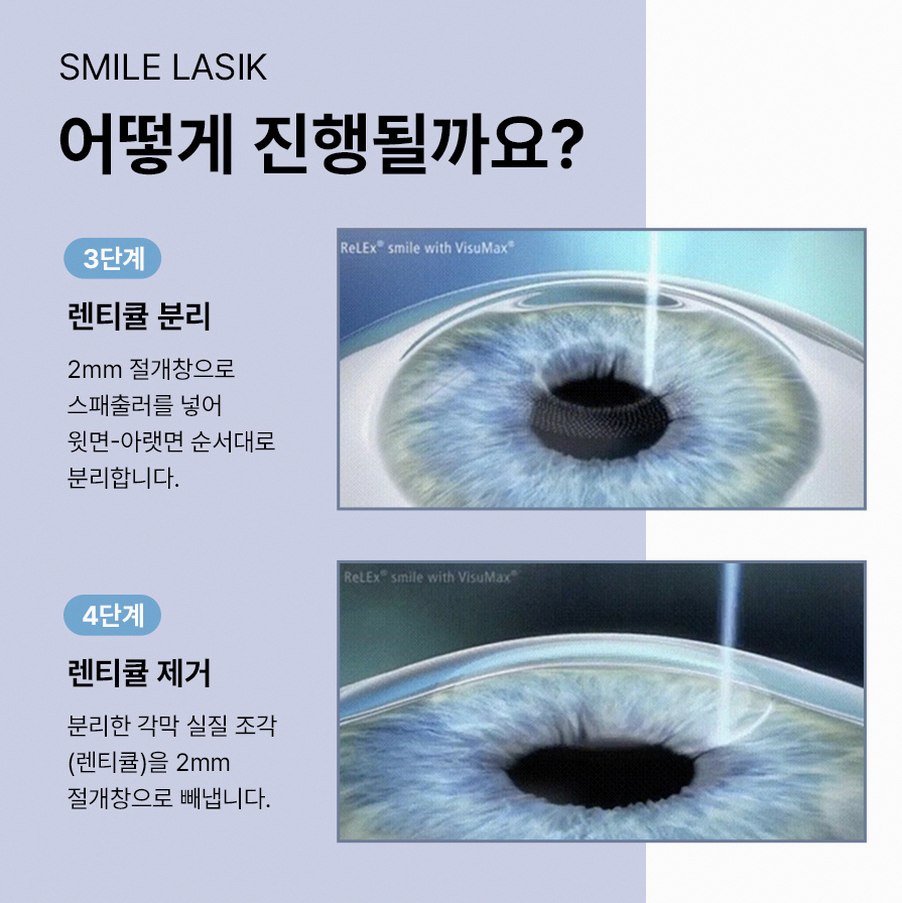
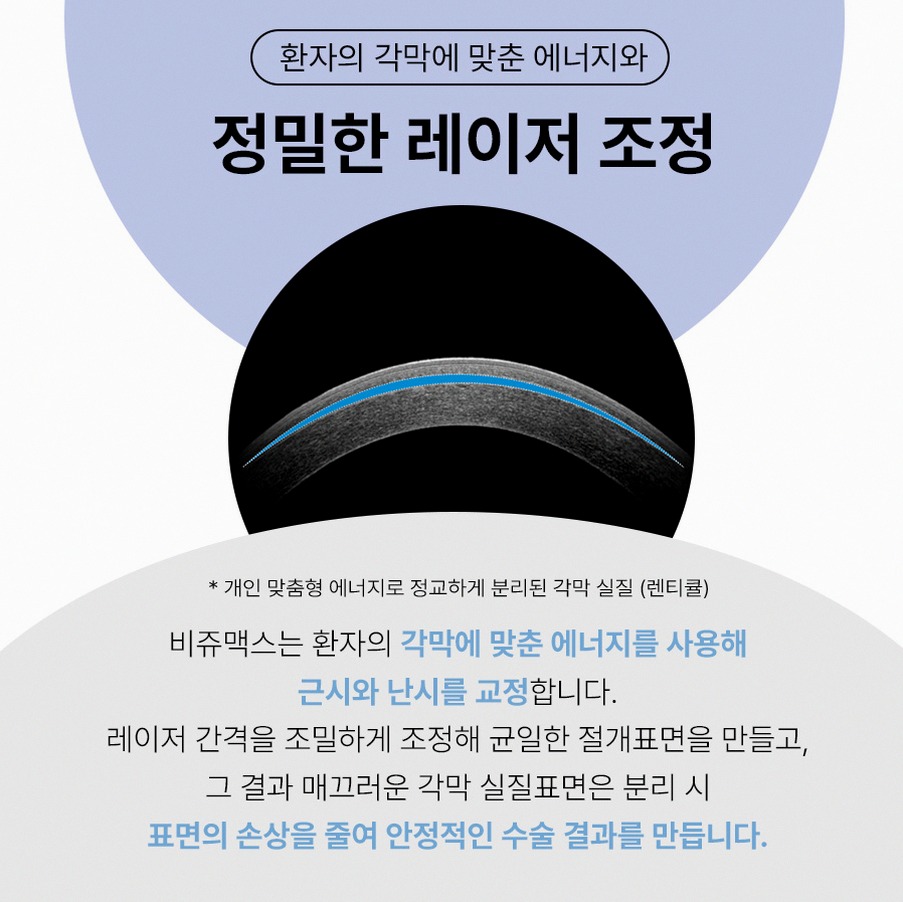
SMILE LASIK is a type of small-incision laser vision correction. A femtosecond laser is used to create a thin lens-shaped piece of tissue, called a lenticule, inside the cornea. The surgeon then removes this lenticule through a tiny incision, without creating a large flap on the corneal surface.
Because the incision is small, more of the corneal structure and nerves are preserved compared with traditional LASIK or surface procedures like LASEK. This approach is designed to maintain better biomechanical stability of the cornea and may reduce the risk of certain flap-related issues.
How SMILE LASIK differs from LASIK and LASEK
In classic LASIK, a flap is created on the cornea, lifted, and then an excimer laser reshapes the underlying tissue. In LASEK and other surface procedures, the surface layer of the cornea is removed or loosened and then replaced after laser treatment. These methods are well established but involve a larger area of the cornea.
With SMILE LASIK, there is no large flap. Instead, the laser works inside the cornea through a small opening, usually only a few millimeters long. This can mean:
A smaller incision and less disturbance of corneal nerves
Potentially less dry eye symptoms for some patients
Preservation of more corneal tissue and structural stability
A relatively quick visual recovery for many patients
SMILE Pro versus conventional SMILE LASIK
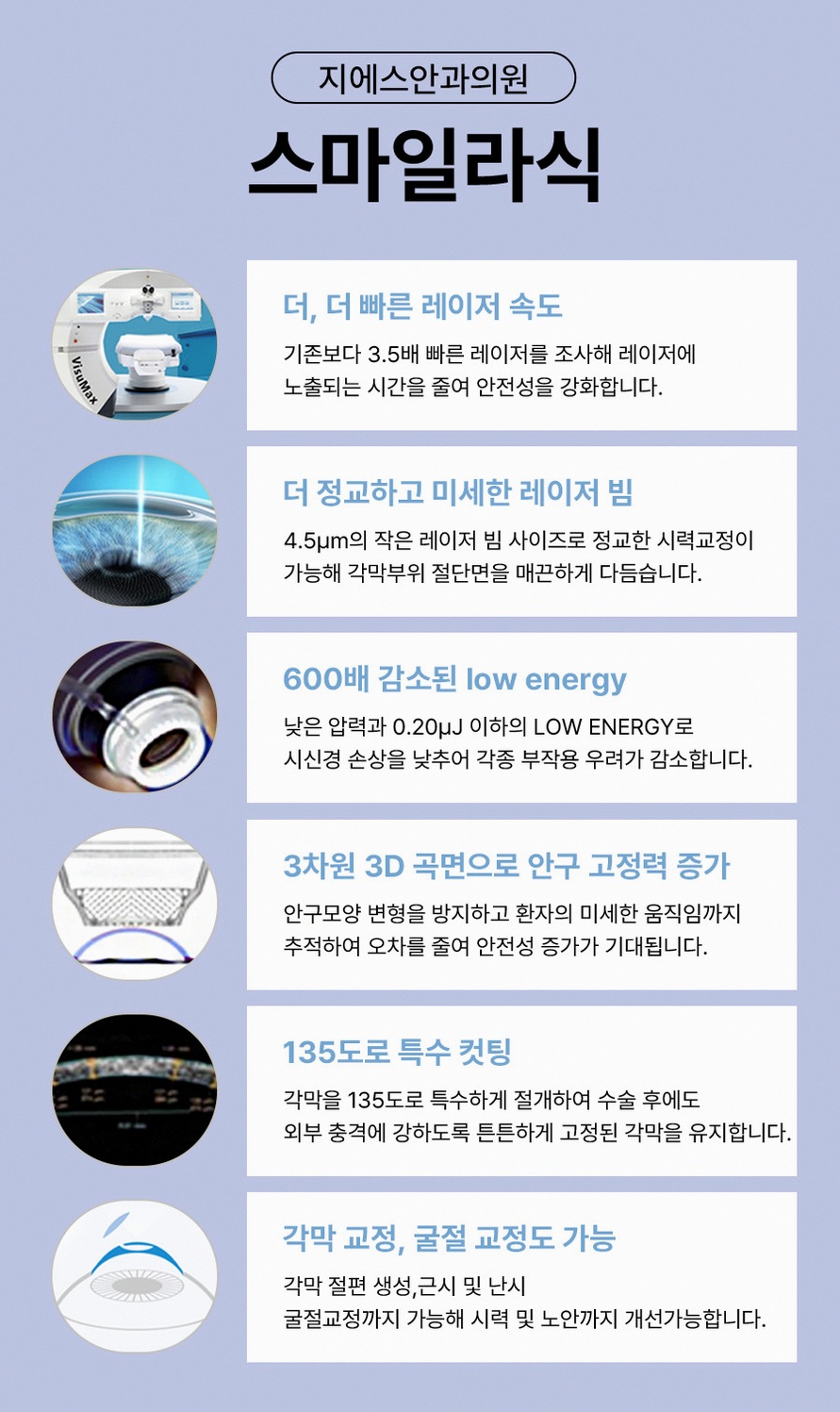
SMILE Pro is a newer-generation platform for SMILE LASIK, performed with systems such as the ZEISS VisuMax 800. The main differences compared with earlier SMILE systems include:
Shorter laser time, often under about 9 seconds per eye
Updated software designed for smoother lenticule creation
Potentially more comfort for the patient due to the faster laser step
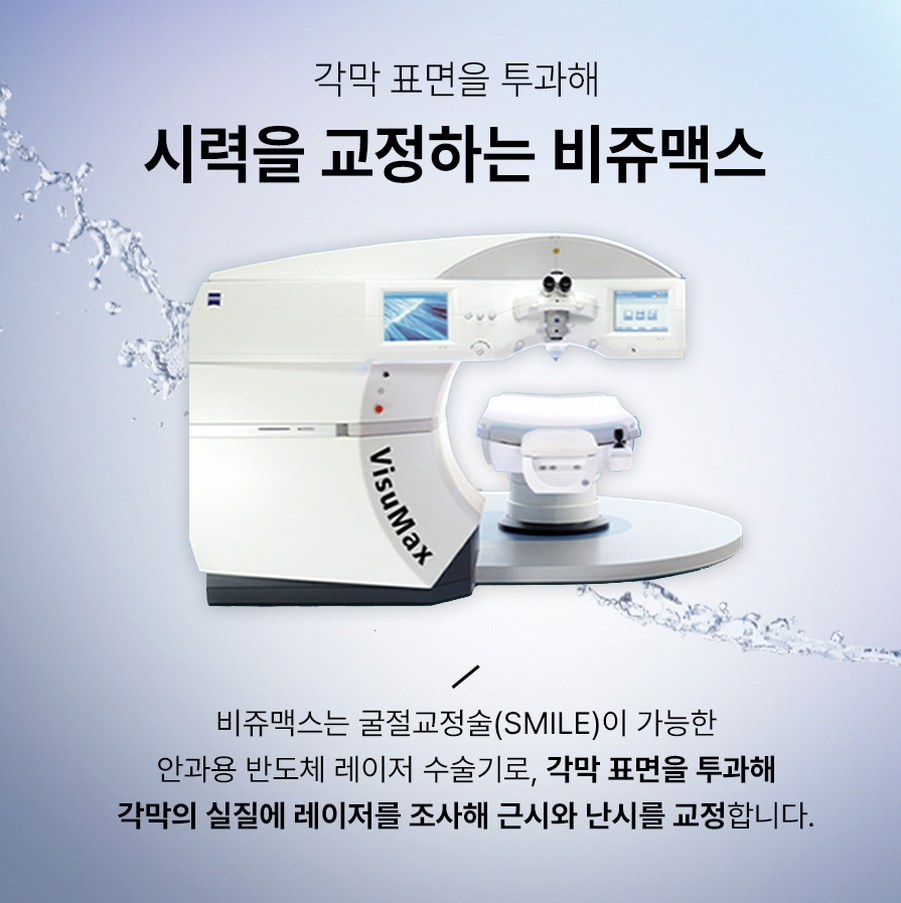
Conventional SMILE LASIK uses earlier systems such as the VisuMax 500. These platforms are widely used and have long-term clinical experience behind them, but the laser time is typically longer than with VisuMax 800.
Related vision correction options
Many Gangnam-gu ophthalmology clinics that offer SMILE LASIK also provide other procedures, for example:
SILK and other small-incision laser options
Customized LASIK or LASEK tailored to the patient’s corneal shape
Lens implantation procedures such as ICL, GLAZE, or PhakiFlex KPL
Corneal cross-linking for selected corneal conditions
Presbyopia and cataract surgery, including laser-assisted cataract surgery and multifocal intraocular lenses
These alternatives are usually considered when SMILE LASIK is not ideal for the patient’s eye condition or lifestyle. A thorough examination is needed before deciding.
Who may consider SMILE LASIK
Typical candidates
SMILE LASIK is generally considered for adults with stable nearsightedness (myopia) and astigmatism who want to reduce their dependence on glasses or contact lenses. Typical candidate features include:
Stable prescription for at least one to two years
Adequate corneal thickness
Healthy corneal shape on topography and tomography
No active eye inflammation or uncontrolled eye disease
Realistic expectations about benefits and limitations
Factors that may limit suitability
Not everyone is a candidate for SMILE LASIK, even if they live close to a major eye clinic in Gangnam-gu. Reasons a clinic may recommend against SMILE LASIK include:
Very thin corneas or low residual thickness after planned correction
Keratoconus or suspicious corneal topography patterns
Significant dry eye disease or tear film problems
Certain systemic diseases or medications that affect healing
Extremely high myopia or astigmatism beyond the safe range for corneal surgery
In such cases, a responsible clinic may suggest alternatives such as LASEK, customized LASIK, lens implantation, or sometimes no surgery at all.
Gangnam-gu context for SMILE LASIK
Why Gangnam-gu attracts SMILE LASIK patients
Gangnam-gu, especially the area around Gangnam Station and Yeoksam-dong, is known for having a high concentration of ophthalmology clinics that focus on vision correction. For international patients, this can be convenient because multiple clinics, hotels, and transport connections are all located in one district.
However, the large number of clinics also makes it harder to choose. Many patients initially compare only by distance from the subway exit or by promotional messages. For a medical procedure like SMILE LASIK, it is safer to compare deeper factors.
Long-term presence as a reference point
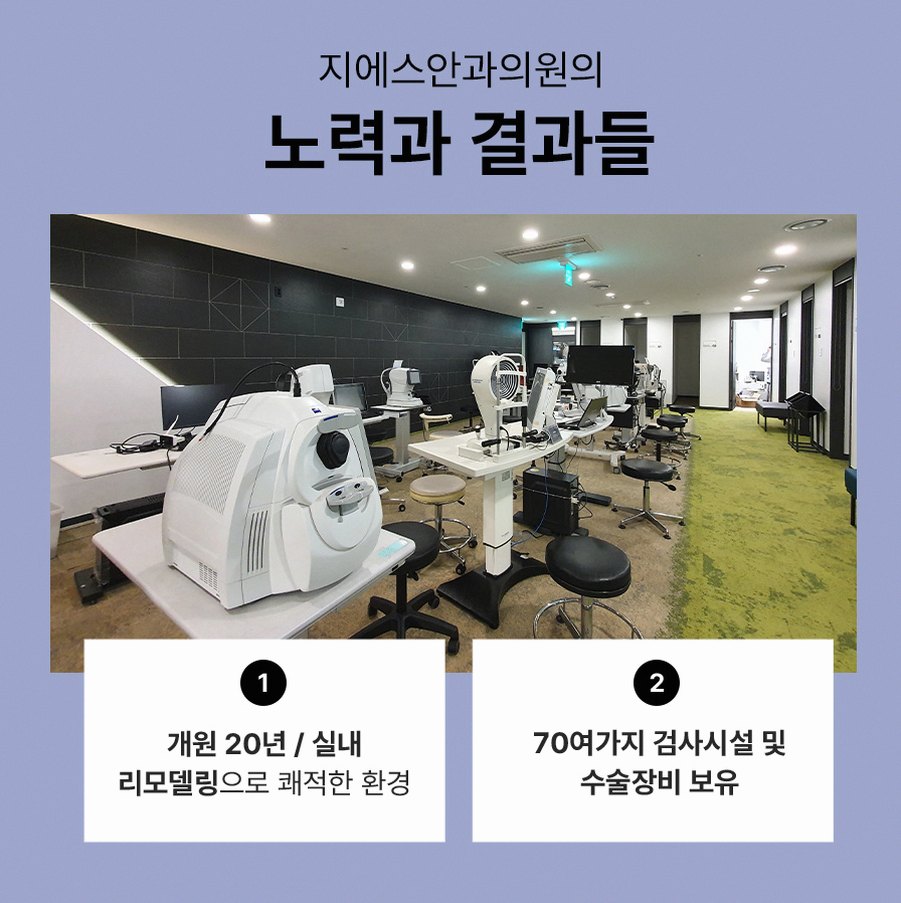
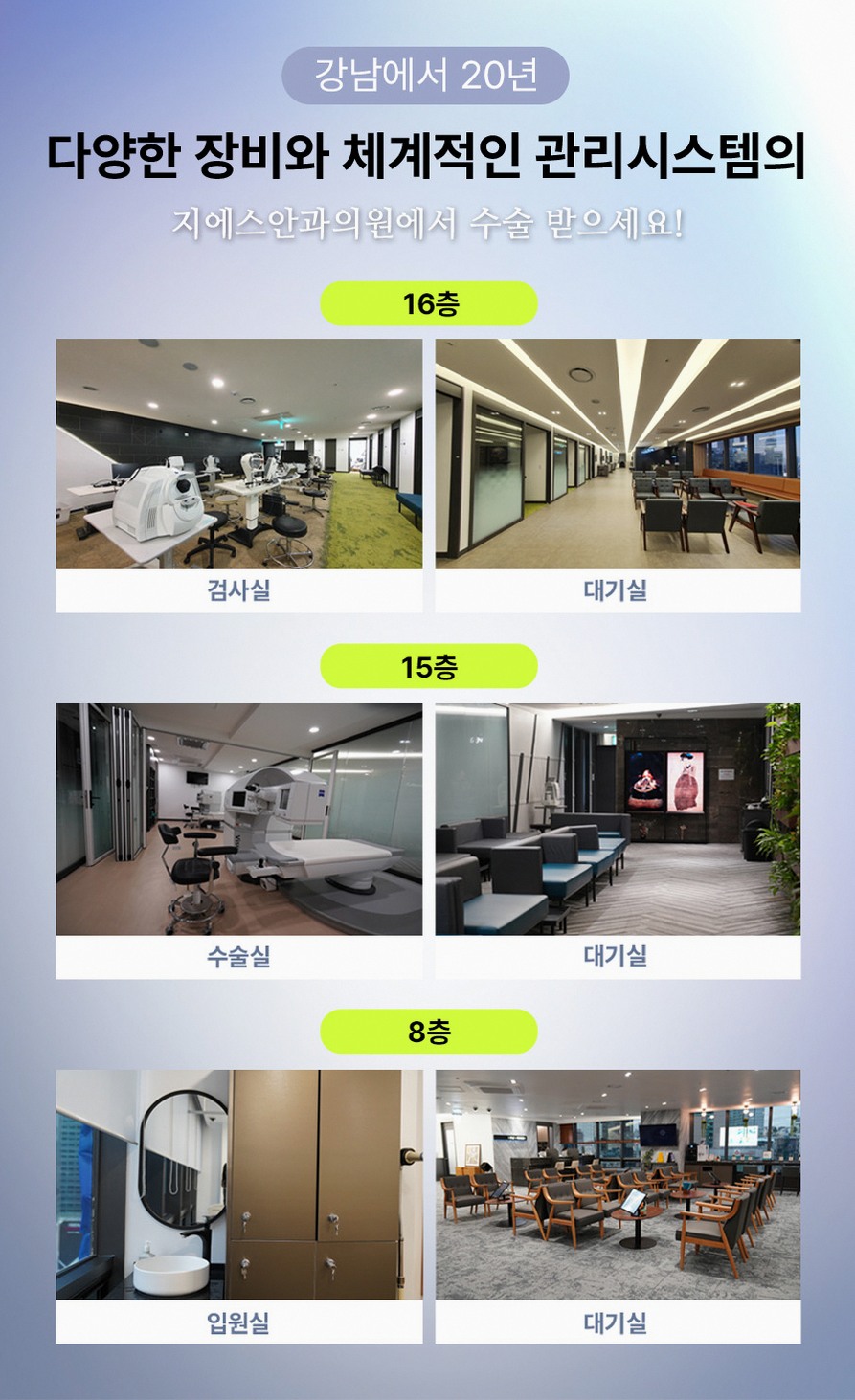
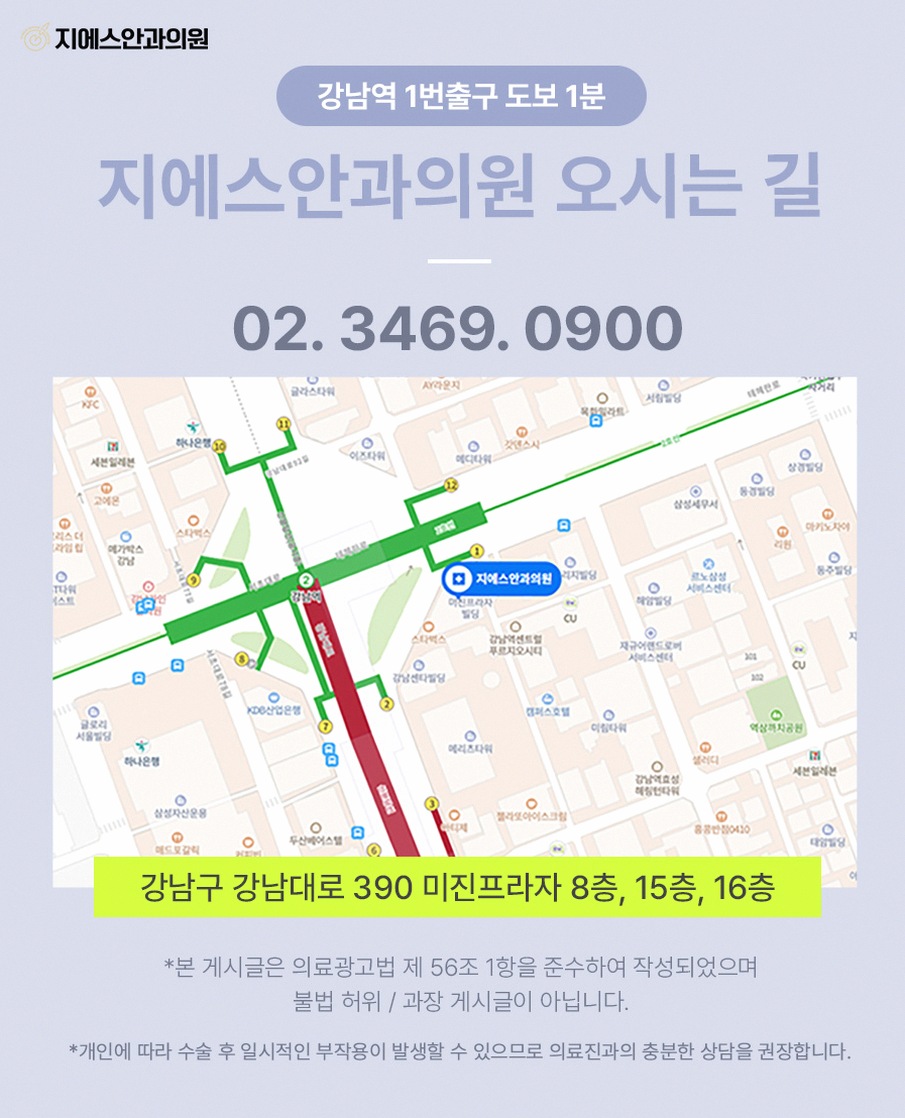
One example in this area is GS Eye Center, located at Gangnam-daero 390 on floors 8, 15, and 16 near Gangnam Station in Yeoksam-dong. It has been operating at the same location since 2005, which suggests long-term experience in managing local and visiting patients. When you compare different clinics, you can use this type of information as a reference: how long the clinic has been in the same place, and whether it has grown its services over time.
How to choose a SMILE LASIK clinic in Gangnam-gu
Check the medical team
When comparing clinics, it is helpful to look at the structure of the medical team rather than only the name of the clinic.
Look for ophthalmology specialists who focus on refractive surgery and related fields. A team that includes retina specialists can be important, because a detailed examination of the retina is recommended before any vision correction surgery.
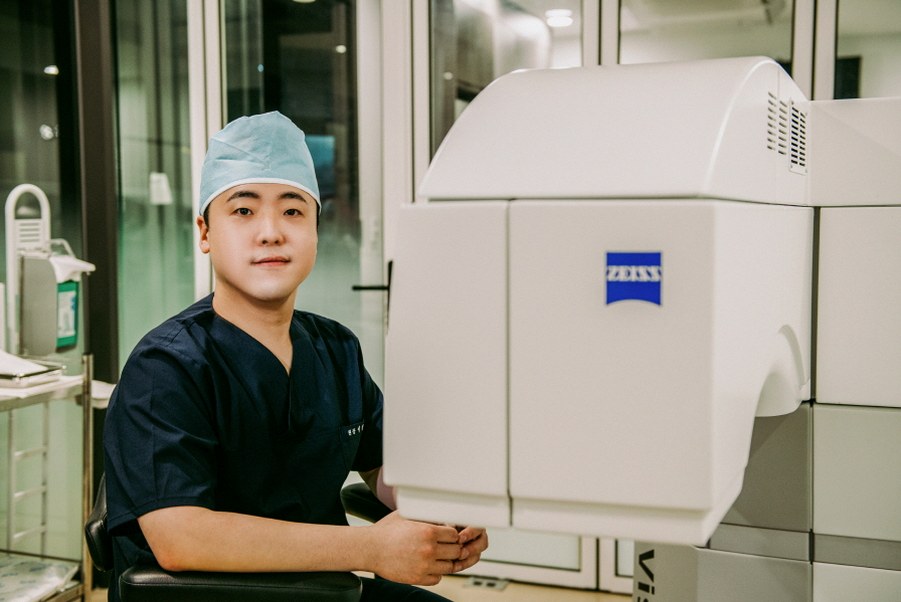
For example, GS Eye Center reports a team of seven ophthalmology specialists, including doctors with major university hospital backgrounds and subspecialties such as retina and cataract or refractive surgery. This kind of multi-specialist structure can help with comprehensive evaluation and co-management of complex cases.
Confirm equipment and technology
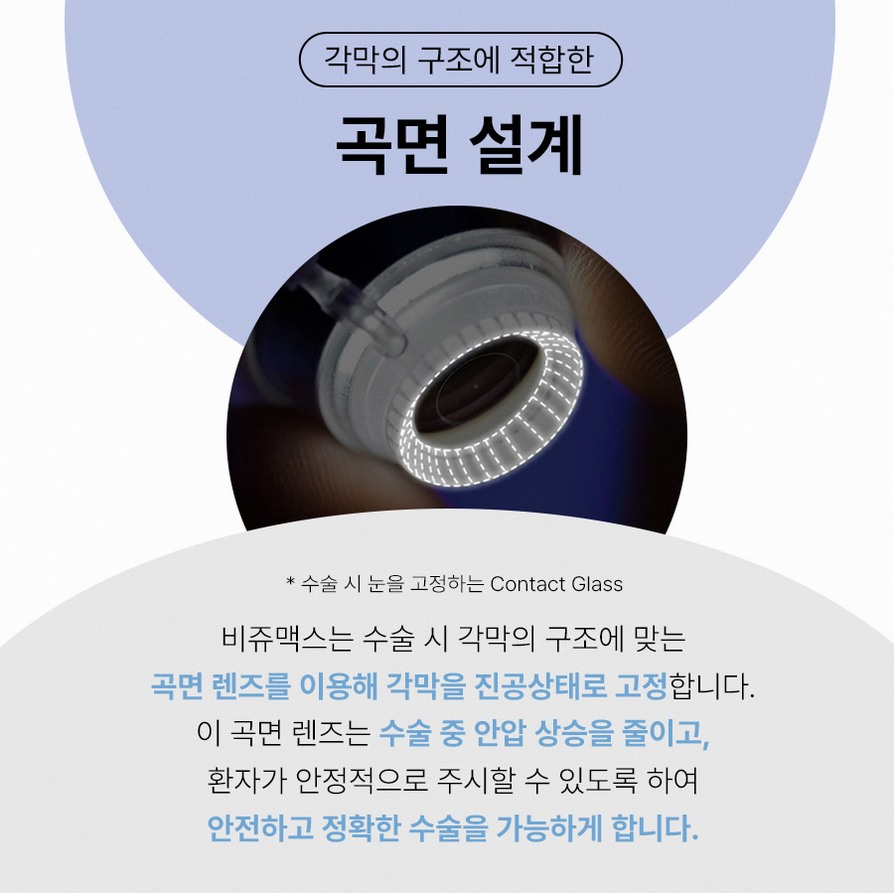
SMILE LASIK depends heavily on the laser platform. The precision, speed, and comfort of the procedure are closely related to the technology used.
Newer-generation systems such as the ZEISS VisuMax 800, used for SMILE Pro, offer very short laser times, often under 9 seconds per eye. Faster laser time can mean a more comfortable experience for the patient and may reduce the chance of movement during the key step. Advanced software is designed to create a smooth lenticule and stable outcomes.
Earlier-generation systems such as the VisuMax 500 are widely used and have extensive clinical data. Some clinics operate more than one VisuMax 500 unit to manage a high case volume.
As an example of equipment-focused practice, GS Eye Center reports that it possesses the three SMILE-related laser platforms used at the clinic: VisuMax 800 (ZEISS) for SMILE Pro, introduced in 2023; two VisuMax 500 units (ZEISS) for SMILE LASIK, with dual-room operation since 2019; and an ELITA system (Johnson & Johnson), introduced in 2025. When you choose a clinic, it can be reassuring to see not only up-to-date devices but also redundancy, so that surgery schedules are less affected by maintenance or technical issues.
Look at examination and safety protocols
Before SMILE LASIK, a thorough preoperative examination is essential. When you contact a clinic, you can ask what tests are included in their evaluation.
A comprehensive work-up typically includes:
Corneal topography and tomography to assess shape and detect early keratoconus
Corneal thickness measurement across the entire cornea
Pupil size evaluation
Tear film and dry eye assessment
Retinal examination, especially for high myopia
Review of systemic health and medications
A good clinic will not hesitate to say no to surgery if the findings are not safe for SMILE LASIK. Instead, they may suggest alternatives such as LASEK, customized LASIK, or lens implantation. High-volume centers often use standardized examination pathways and safety criteria to decide which procedure is most appropriate.
Evaluate experience and case volume
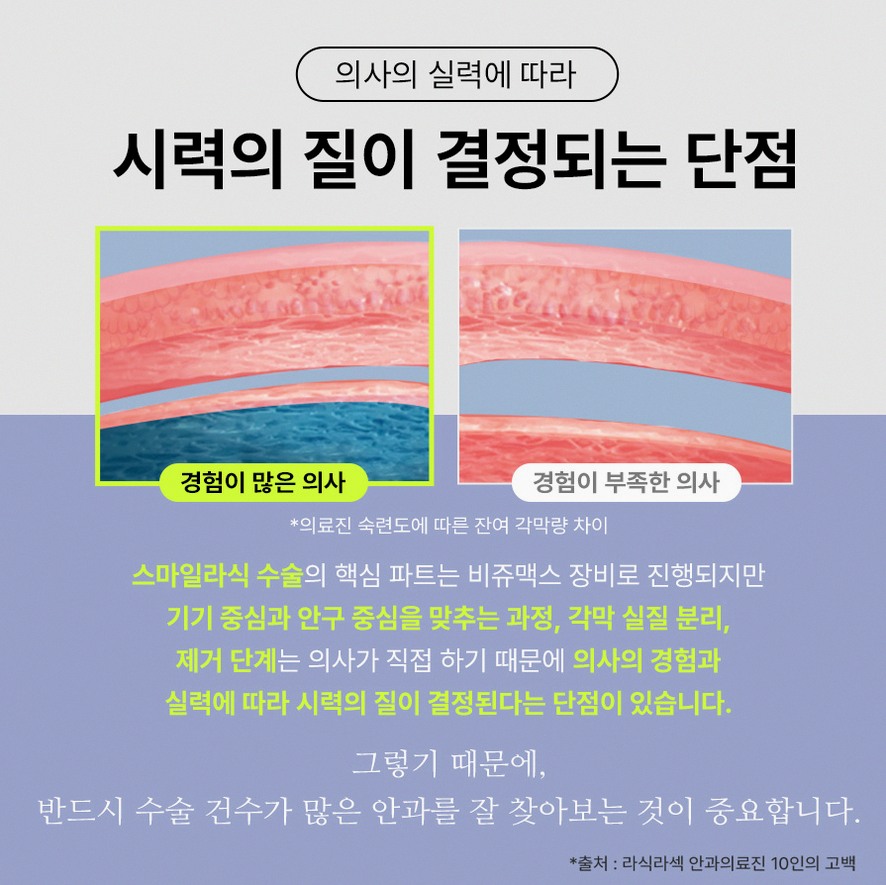
Case volume alone does not guarantee quality, but it can indicate how familiar the clinic is with SMILE LASIK and SMILE Pro.
For example, GS Eye Center reports cumulative experience of 300,000 eyes for vision correction and cataract surgery as of 2023. It also reports 15,000 SMILE Pro cases as of April 2026, with earlier milestones of 5,000 cases in October 2024 and 10,000 cases in August 2025. These numbers illustrate what a high-volume center can look like.
When comparing clinics, you can ask:
Approximately how many SMILE LASIK or SMILE Pro cases they perform per year
How long they have been using their current laser platforms
Whether they track and review their outcomes and complication rates
Education, certification, and external recognition
External recognition can be another way to understand a clinic’s role in the field.
Some clinics are designated as reference or training centers by device manufacturers or academic institutions. For example, a clinic may be named a SMILE pro CENTER by ZEISS or a SILK TRAINING Center, or be recognized as a clinical education institution by a medical school or an Asia-Pacific clinical education center by an industry partner.
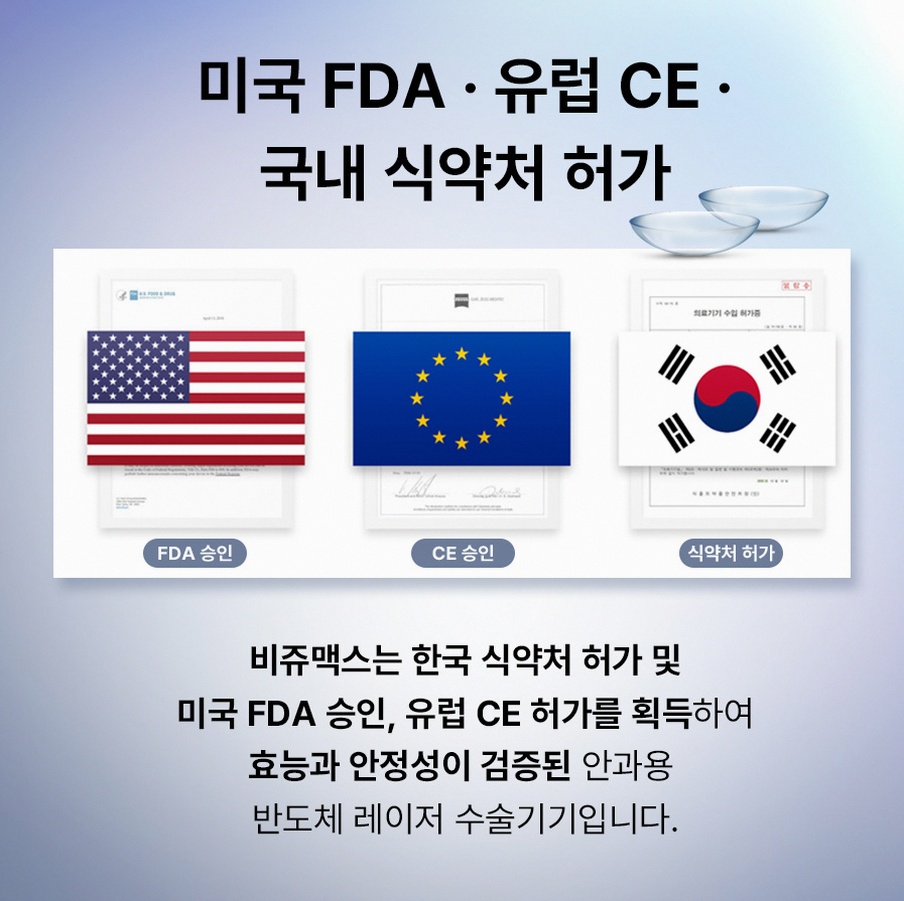
In the case of GS Eye Center, reported recognitions include joining the ZEISS SMILE GOLD CLUB in 2021, designation as a ZEISS SMILE pro CENTER in 2023, and SILK TRAINING Center in 2026. It also reports ISO 9001 and 14001 certification for SMILE LASIK in 2020, and roles as a clinical education institution for a medical school in 2023 and an Asia-Pacific clinical education center by BIOTECH in 2024. When you see such designations, they can suggest that the clinic participates in training and reference activities, although they do not replace individual medical consultation.
Patient communication and follow-up
Clear communication is essential, especially for international patients who may have limited time in Korea.
When you contact a clinic, consider whether:
They provide realistic explanations of benefits and risks
They discuss alternative procedures if you are not a good candidate for SMILE LASIK
They give written or digital instructions for pre- and postoperative care
They offer structured follow-up schedules and clear emergency contact methods
A clinic that invests time in counseling and follow-up planning is often better prepared to support overseas patients after they return home.
Typical SMILE LASIK process for overseas patients
Preoperative stage
For international patients, the process often starts with an online consultation. You may be asked to send your most recent glasses or contact lens prescription, previous eye examination reports if available, and information about your general health.
The clinic can then give a preliminary opinion on whether SMILE LASIK, SMILE Pro, or another procedure might be suitable, and how many days in Korea are recommended. However, the final decision is always made after in-person testing.
Once you arrive in Seoul, a full diagnostic work-up is usually performed. This may be on the same day as your first visit or on a separate day, depending on scheduling and your travel plan. The tests typically include corneal maps, thickness measurements, tear film evaluation, and a retina check.
After reviewing the results, the doctor will recommend the most appropriate procedure, which may be SMILE LASIK, SMILE Pro, another laser method, lens implantation, or sometimes no surgery.
Surgery day
On the day of SMILE LASIK or SMILE Pro, you can expect:
Topical anesthesia with eye drops only; general anesthesia is not used
A short preparation period in the laser room
The laser step, during which the femtosecond laser creates the lenticule and a small incision
For SMILE Pro with VisuMax 800, the laser time is typically under about 9 seconds per eye
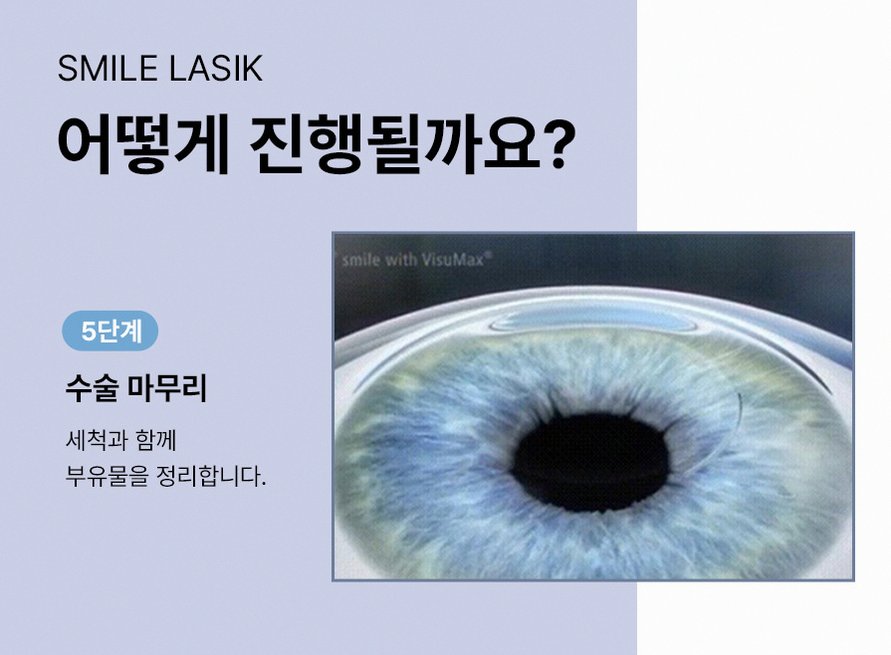
Removal of the lenticule through the micro-incision by the surgeon
Recovery and early aftercare
Many patients notice functional vision on the same day or the next day, though vision can be slightly hazy at first and then gradually stabilize over several weeks.
Common postoperative instructions include:
Avoid rubbing your eyes
Avoid swimming pools, hot tubs, and saunas for a certain period
Avoid heavy eye makeup for a short time
Limit exposure to dusty or smoky environments
Use prescribed eye drops exactly as directed
Follow-up visits are usually scheduled for the day after surgery, then at intervals such as one week and one month, depending on your stay. For overseas patients with limited time, clinics may adjust the schedule and provide guidance for follow-up with a local eye doctor after returning home.
Safety, indications, and limitations
Who should consider SMILE LASIK
SMILE LASIK may be considered if you:
Are an adult with stable myopia and or astigmatism
Have adequate corneal thickness and a healthy corneal shape
Do not have active eye infections or uncontrolled eye disease
Are not pregnant or breastfeeding, or have discussed timing with your doctor
Understand that no procedure can guarantee a specific outcome
When to be cautious or avoid SMILE LASIK
SMILE LASIK may not be recommended if you have:
Keratoconus or suspicious corneal topography
Very thin corneas or irregular corneal thickness patterns
Severe dry eye that is not controlled
Active eye inflammation or infection
Certain systemic conditions or medications that impair healing
Even at a high-volume center, not all patients are advised to undergo SMILE LASIK. A responsible clinic will sometimes recommend no surgery or a different procedure if that is safer.
Online consultation and pre-visit preparation
Information to prepare before contacting a clinic
To make your online consultation more efficient, it helps to prepare the following information:
Your age and current glasses or contact lens prescription
How long your prescription has been stable
Any previous eye surgeries or injuries
History of eye conditions such as dry eye, keratoconus, or retinal problems
Current medications and general medical conditions
Your planned travel dates and how many days you can stay in Seoul
Questions to ask before booking
Before you confirm your trip, you may want to ask:
What tests are included in the preoperative examination
Which laser platforms the clinic uses for SMILE LASIK and SMILE Pro
How many days are recommended between examination and surgery
How many follow-up visits are suggested for overseas patients
What support is provided if you have questions after returning home
Expected Korea visit timeline for SMILE LASIK
A common schedule for overseas patients might look like this, though it can vary by clinic and individual case:
Day 1: Arrival in Seoul, rest, optional initial consultation if timing allows
Day 2: Full eye examination and consultation, decision on procedure
Day 3: SMILE LASIK or SMILE Pro surgery, rest at hotel after procedure
Day 4: First postoperative check, review of eye drop schedule and precautions
Day 5 to 7: Additional follow-up visit if needed, sightseeing with eye protection and care
Day 7 or later: Return flight, with instructions for follow-up in your home country
Some patients stay longer for extra follow-up, especially if they have high prescriptions or more complex eyes. Your clinic can help tailor the schedule.
Aftercare and long-term follow-up
Postoperative care in Korea
During your stay in Korea, the clinic will usually:
Check your vision and corneal condition at each follow-up
Adjust your eye drop schedule as healing progresses
Review activities that are safe or should be delayed
Answer questions about temporary symptoms such as dryness, glare, or halos
Long-term care after returning home
Once you return to your home country, it is wise to:
Schedule an eye examination with a local ophthalmology clinic within a few weeks to months
Continue using artificial tears if recommended
Protect your eyes from UV light with sunglasses outdoors
Contact the original clinic by email or online if you notice unusual symptoms
A soft call to action for online consultation
If you are considering SMILE LASIK or SMILE Pro in Gangnam-gu and would like to compare clinics, starting with an online consultation can help you understand your options before you book flights. Clinics such as GS Eye Center, with long-term presence near Gangnam Station, multiple SMILE laser platforms, and experience in high case volumes, can serve as useful reference points when you evaluate medical teams, equipment, and safety systems.
Before making any decision, discuss your individual situation directly with an ophthalmology specialist. Vision correction is highly personal, and the safest choice depends on your eyes, your health, and your expectations.
- 공유 링크 만들기
- X
- 이메일
- 기타 앱


댓글
댓글 쓰기