Gangnam 2DAY LASEK — Overseas Patient Timeline
- 공유 링크 만들기
- X
- 이메일
- 기타 앱


Direct answer summary
If you are comparing LASIK and LASEK surgery and want a faster recovery option, 2DAY LASEK is a type of LASEK designed to help patients return to daily activities sooner while still keeping the surface‑based advantages of LASEK. It is usually chosen by people who are worried about corneal flaps, have thinner corneas, or prefer a more conservative approach than LASIK, but do not want a long downtime.
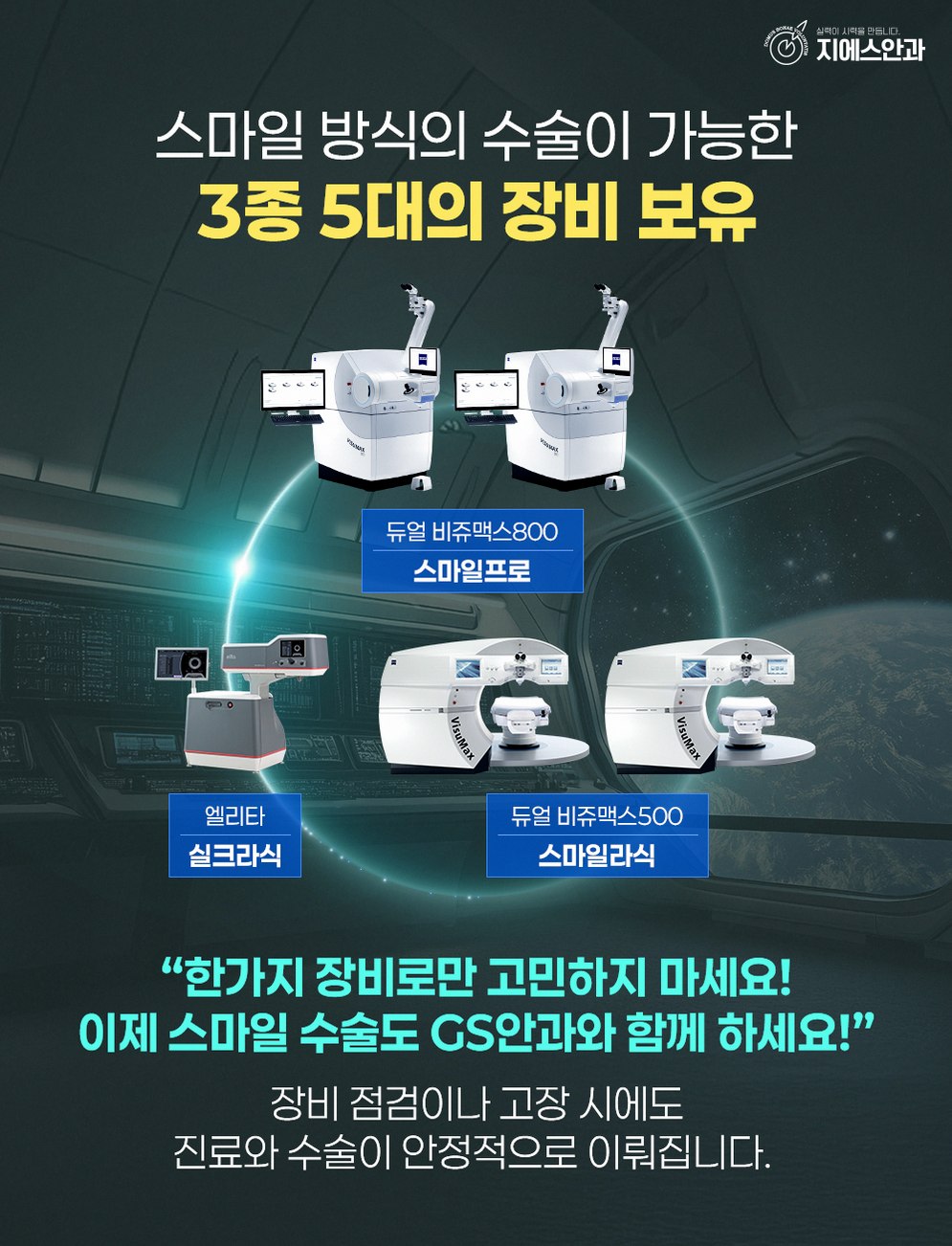
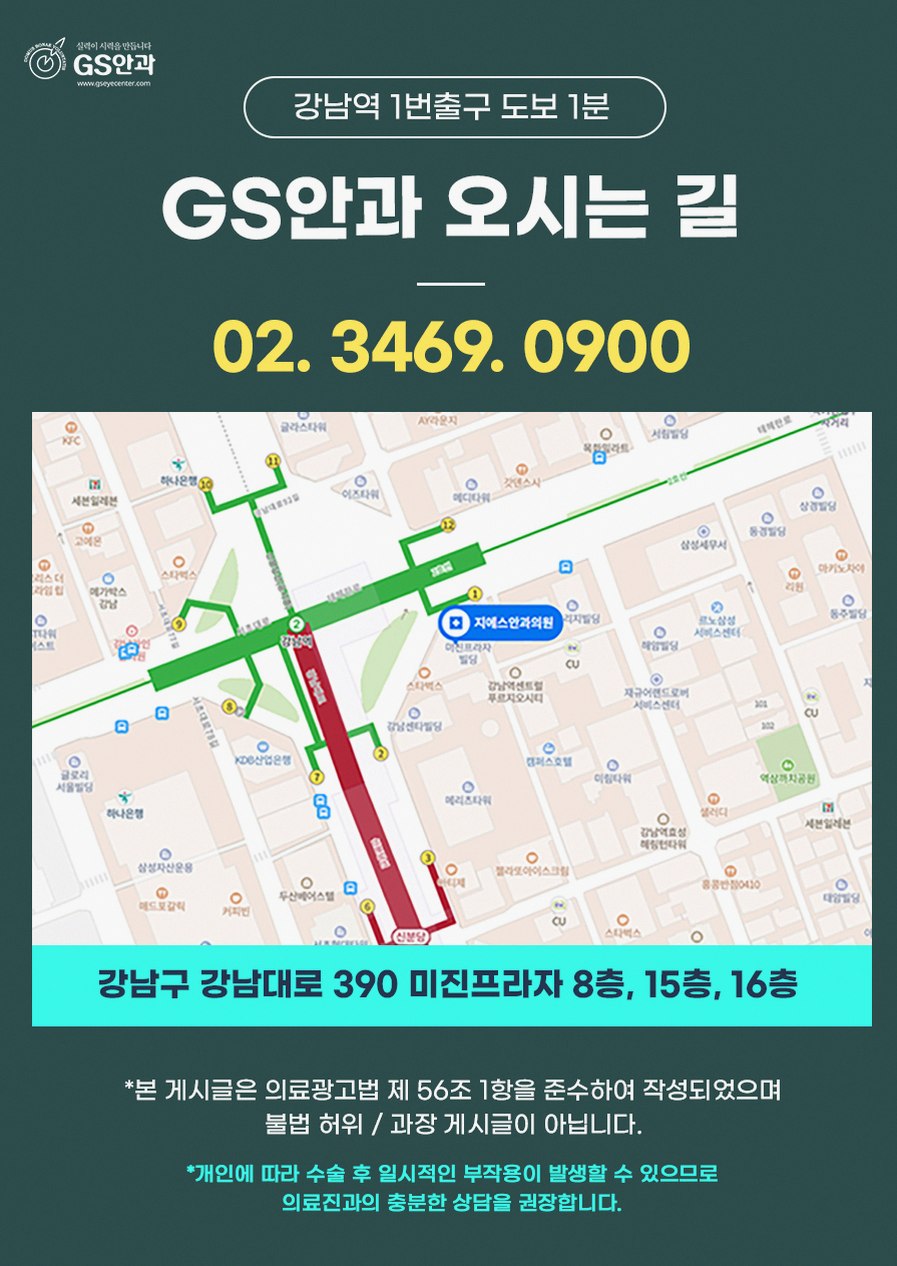
This guide explains how 2DAY LASEK fits within the broader LASIK/LASEK category, how it typically differs from conventional LASEK, who may consider it, and what an overseas patient can expect before, during, and after surgery in Seoul. GS Eye Center, located near Gangnam Station, is an example of an ophthalmology clinic that offers this type of vision correction.
Overview of LASIK, LASEK, and 2DAY LASEK
LASIK and LASEK in simple terms
Both LASIK and LASEK aim to reduce dependence on glasses or contact lenses by reshaping the cornea with an excimer laser so that light focuses properly on the retina.
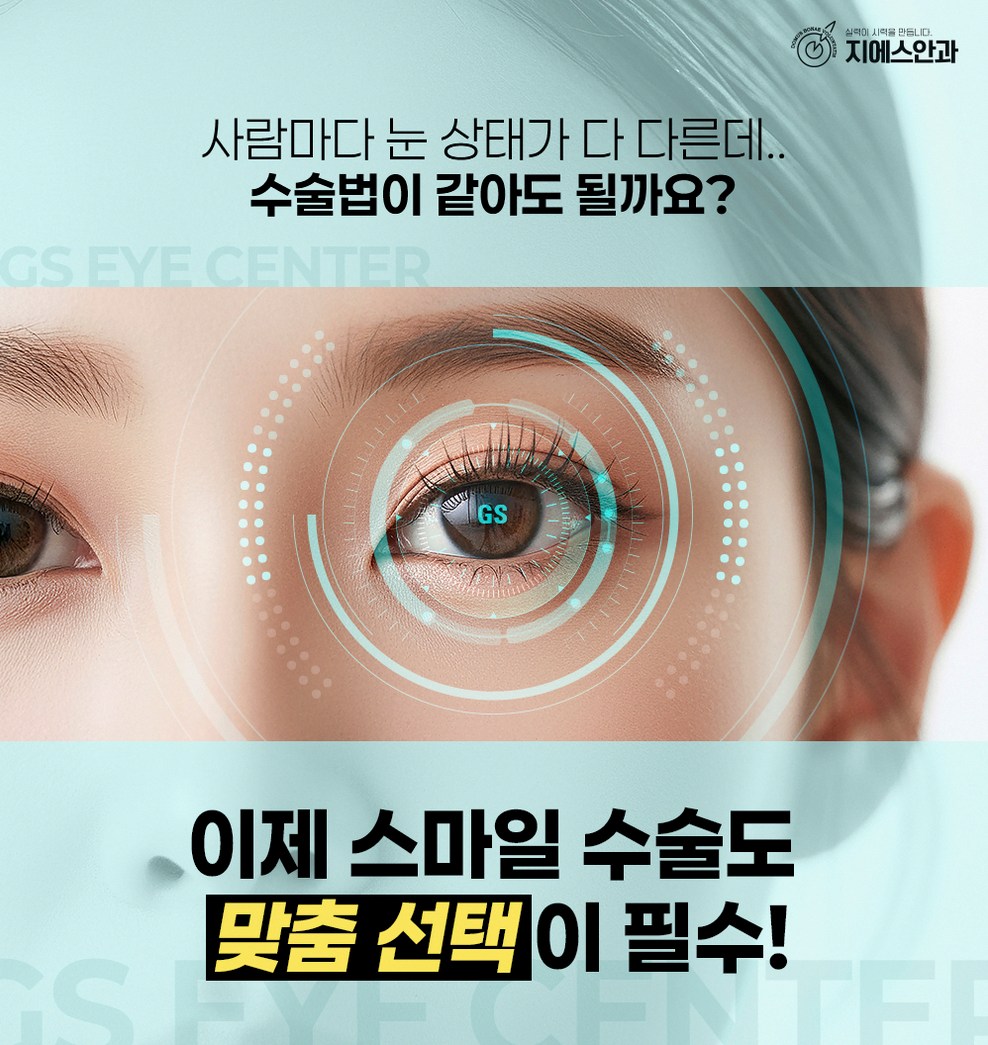
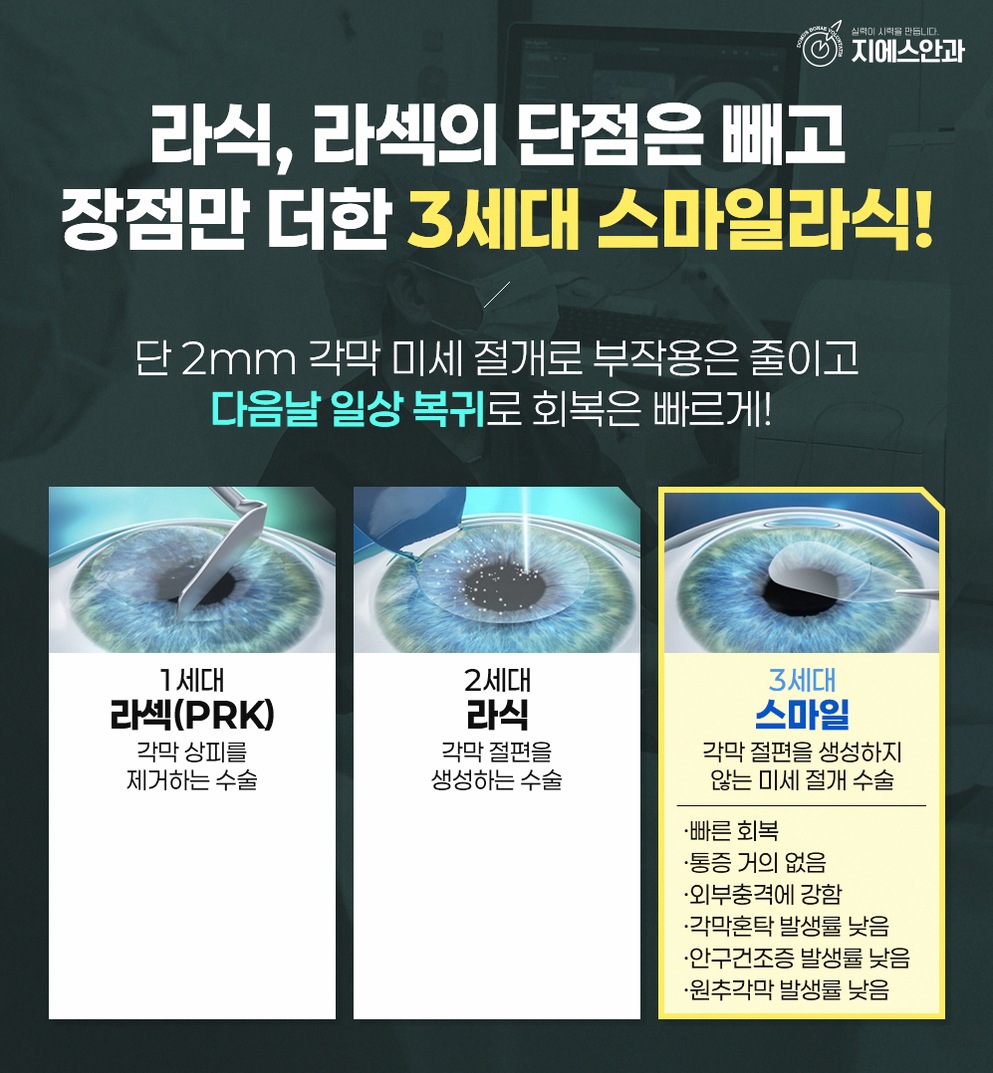
In LASIK, a thin flap is created in the cornea, the underlying tissue is reshaped with a laser, and the flap is placed back. Visual recovery is usually quick, but there is a permanent flap, which some patients wish to avoid.
In LASEK, the very thin surface layer of the cornea (epithelium) is loosened, the laser reshapes the surface, and then the epithelium is either repositioned or allowed to regrow under a protective contact lens. There is no deep flap, which can be reassuring for people with thinner corneas or those who play contact sports, but traditional LASEK can involve more discomfort and a longer functional recovery.
What is 2DAY LASEK
2DAY LASEK is a type of LASEK that focuses on structured pain control and faster functional recovery in the early days after surgery. While the basic medical principle is still surface ablation with an excimer laser, 2DAY LASEK typically combines several elements:
• Customized laser settings based on detailed corneal measurements.
• A planned regimen of eye drops and oral medication to reduce pain and inflammation.
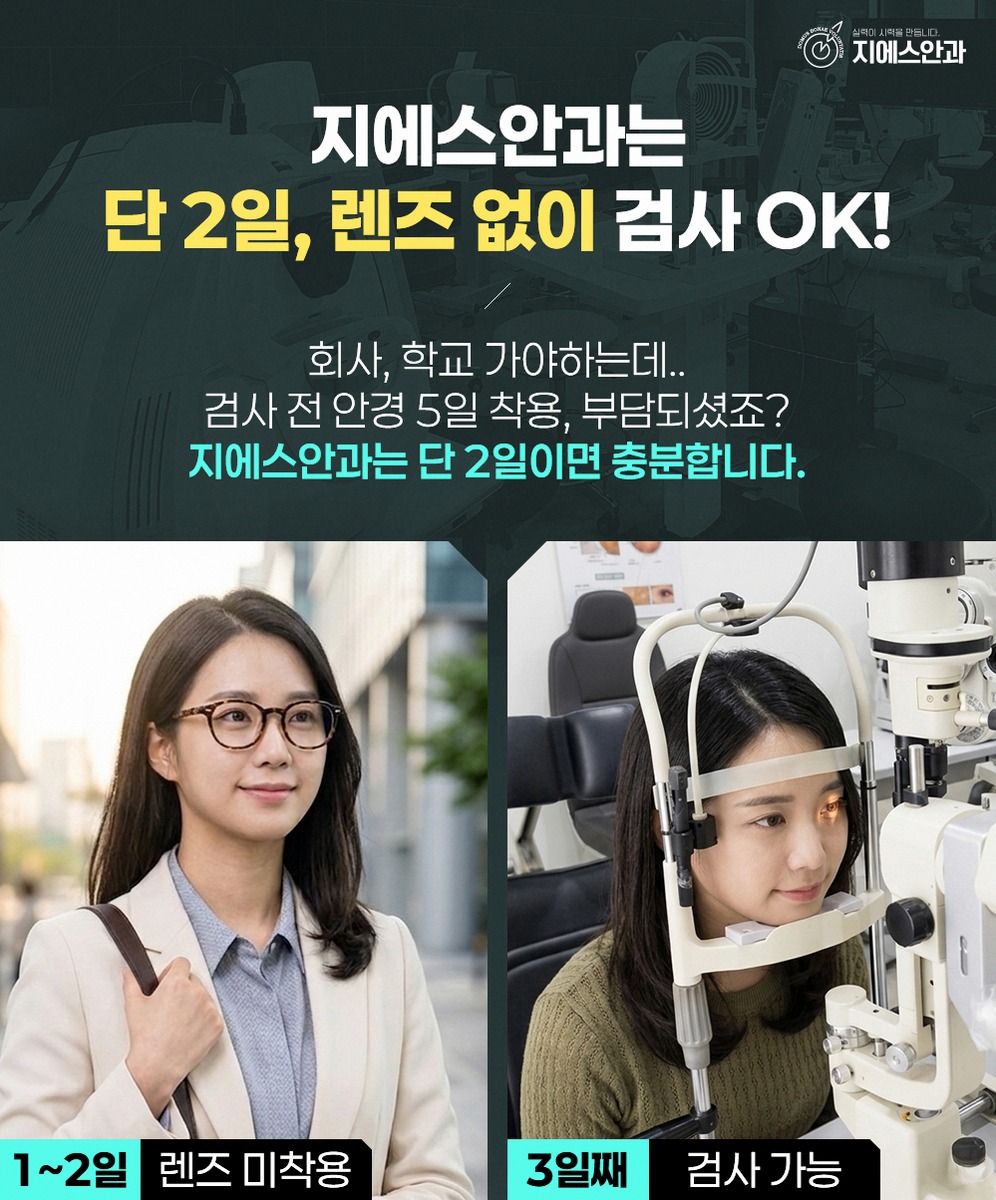
• Use of a special bandage contact lens and scheduled removal, often around day two, depending on the clinic’s protocol and the patient’s healing.
• A follow‑up schedule designed to help patients resume everyday activities as soon as it is safe to do so.
These steps may allow some patients to return to light work, screen use, and daily tasks sooner than with conventional LASEK while still avoiding a corneal flap; however, recovery timelines vary by individual and by clinic protocol, so confirm expected milestones with your surgeon during your pre‑operative consultation.
How 2DAY LASEK differs from conventional LASEK and LASIK
Compared with conventional LASEK, 2DAY LASEK is generally structured around early functional recovery. The laser reshaping itself may be similar, but the peri‑operative care, type of bandage lens, and pain‑control strategy are more optimized for comfort and quicker return to routine activities.
Compared with LASIK, 2DAY LASEK does not involve a corneal flap, which can be an advantage for patients with relatively thin corneas, irregular corneal shapes, or lifestyles that involve risk of eye trauma. However, even with 2DAY LASEK, the first few days can still involve discomfort, dry eye symptoms, and blurry vision, and high‑precision tasks may need to be postponed.
No method is perfect for everyone. A careful pre‑operative eye examination and consultation are essential to decide whether LASIK, conventional LASEK, 2DAY LASEK, or another method is most appropriate for your eyes and your lifestyle.
Who may consider 2DAY LASEK
General candidacy for LASIK/LASEK
You may be considered for LASIK or LASEK type surgery if:
• You are an adult with stable vision (no large prescription changes in the last 1–2 years).
• Your corneas are healthy and thick enough for safe laser reshaping.
• You do not have active eye disease such as uncontrolled dry eye, corneal disease, or advanced glaucoma.
• You are not pregnant or breastfeeding at the time of surgery (due to hormonal changes affecting vision and healing).
• You understand that no surgery can guarantee perfect vision or permanent results.
Specific reasons to consider 2DAY LASEK
2DAY LASEK may be discussed as an option if one or more of the following applies to you:
• You prefer to avoid a corneal flap, for example because of thin corneas or worry about flap‑related complications.
• You are active in sports or work in environments where eye trauma is more likely, and a flap‑free procedure is appealing.
• You are interested in LASEK but are concerned about the longer downtime and pain often associated with traditional methods.
• You can stay in Korea long enough for the early follow‑up visits and are willing to follow a structured aftercare plan.
Who may not be suitable
2DAY LASEK, like other vision correction surgeries, may not be suitable if you have:
• Very thin or irregular corneas where even surface ablation is not recommended.
• Severe dry eye that does not respond well to treatment.
• Uncontrolled systemic diseases that impair healing, such as poorly controlled diabetes or autoimmune conditions.
• Unrealistic expectations about results, for example expecting guaranteed perfect vision without any chance of needing glasses for certain tasks.
A detailed evaluation at an ophthalmology clinic is necessary to determine suitability. Overseas patients should plan enough time in Seoul for comprehensive testing before making any final decision.
Preparing for an online consultation
Before you travel, it is wise to start with an online consultation. This helps you understand whether you are a potential candidate and how long you should plan to stay in Korea.
Information to prepare
To make your online consultation more productive, prepare the following:
• Your latest glasses or contact lens prescription, including sphere, cylinder, and axis.
• Any previous eye exam reports, including corneal topography or thickness measurements if you have them.
• A list of eye symptoms such as dryness, night glare, or eye strain.
• Your general medical history, including medications and allergies.
• Your preferred travel dates and how many days you can stay in Seoul.
Questions to ask the clinic
During the online consultation, consider asking:
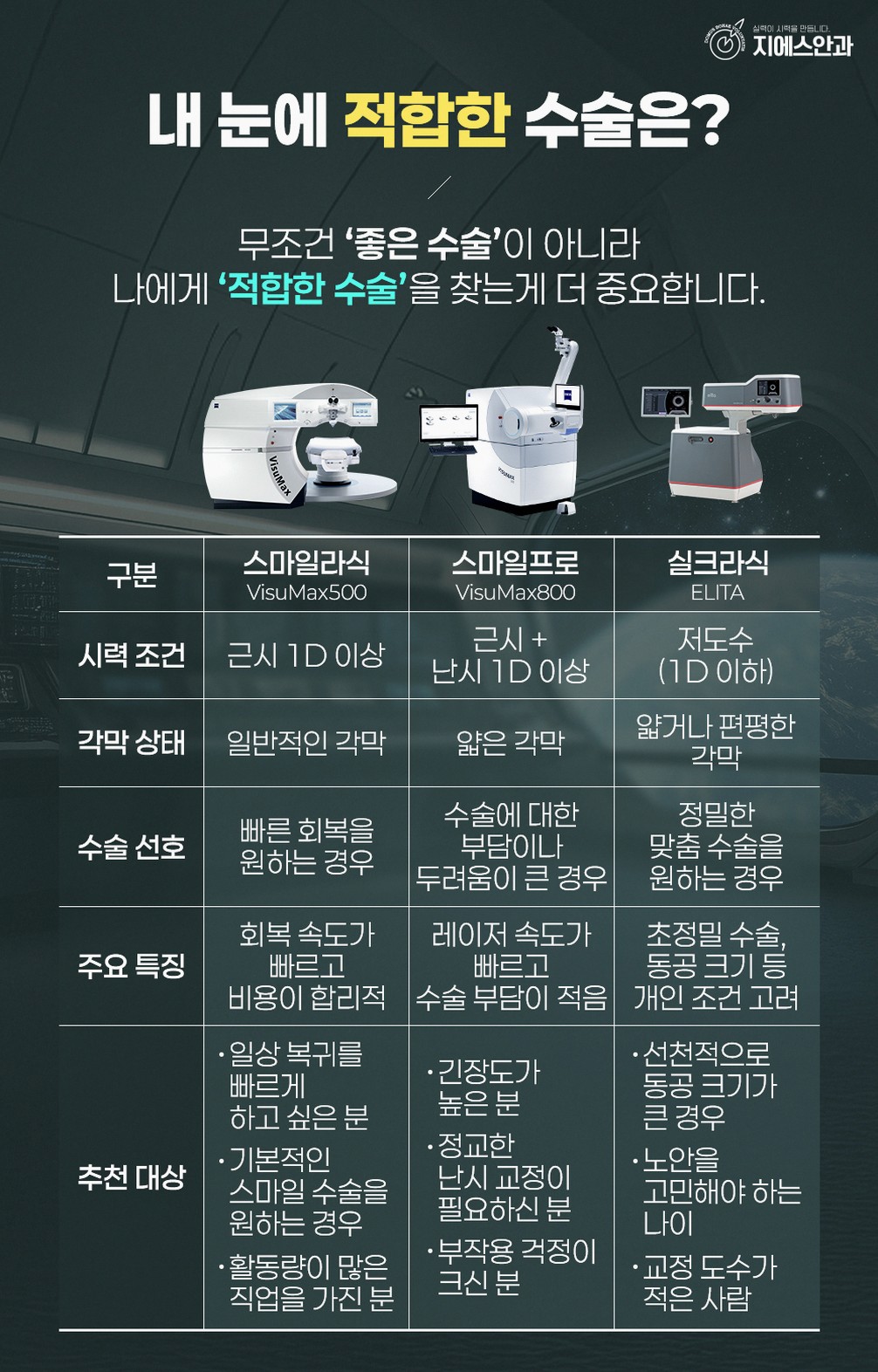
• Based on my basic information, am I more likely to be a candidate for LASIK, conventional LASEK, or 2DAY LASEK?
• How many days in Korea do you usually recommend for 2DAY LASEK patients from overseas?
• What is your typical follow‑up schedule after surgery?
• What kind of pain or discomfort should I realistically expect in the first week?
• What activities should I avoid and for how long (flying, swimming, gym, eye makeup, contact lenses, etc.)?
These questions help you compare different clinics not only by cost, but also by their examination process, technology, aftercare, and communication style.
Example visit timeline in Seoul for 2DAY LASEK
Every clinic has its own schedule, but the following is a common structure that many overseas patients follow when they come for 2DAY LASEK in the Gangnam area.
Day 1: Comprehensive eye examination and consultation
• Arrival at the clinic near Gangnam Station.
• Detailed eye tests: vision check, corneal thickness, corneal shape (topography), tear film evaluation, pupil size, and retinal examination.
• Discussion of whether LASIK, conventional LASEK, 2DAY LASEK, or another option is recommended.
• Explanation of expected results, risks, and limitations.
• If you decide to proceed, surgery may be scheduled for the next day or later in the same week, depending on the clinic’s policy and your eye condition.
Day 2: 2DAY LASEK surgery
• Pre‑operative checks and final confirmation of your treatment plan.
• Numbing eye drops are applied; some clinics may also provide mild oral medication to help you relax.
• The surgeon gently prepares the corneal surface, applies the excimer laser according to your customized plan, and places a bandage contact lens.
• You rest in the clinic for a short period after surgery and then return to your accommodation with protective sunglasses and detailed instructions.
First 2–3 days after surgery
• Expect light sensitivity, tearing, and a foreign‑body sensation.
• Vision is usually blurry but should gradually improve.
• Pain control and eye drops are used according to the clinic’s protocol.
• A follow‑up visit is usually scheduled within 1–2 days to check healing and, in many 2DAY LASEK protocols, to adjust or remove the bandage contact lens when appropriate.
First week
• Vision often improves enough for light indoor activities and screen use, but may still fluctuate.
• You should avoid rubbing your eyes, heavy exercise, swimming, saunas, and dusty environments.
• Another follow‑up visit is typically scheduled to confirm that the corneal surface is healing well.
Staying in Korea and planning your return flight
Many overseas patients stay in Seoul for about 7–10 days around 2DAY LASEK, though the exact duration depends on your eyes and the clinic’s recommendations. Flying is usually allowed after the early healing phase, but your doctor will consider your individual situation.
When planning your return, allow some flexibility in case your surgeon advises an extra day or two of observation. It is also helpful to schedule a follow‑up with an eye doctor in your home country a few weeks after you return.
What to expect after 2DAY LASEK
Visual recovery
2DAY LASEK is designed for faster functional recovery compared with conventional LASEK, but healing still occurs in stages:
• First few days: Blurry vision, light sensitivity, and discomfort are common.
• First 1–2 weeks: Vision usually becomes clearer for daily tasks, though fine details and night vision may fluctuate.
• First 1–3 months: Vision continues to stabilize. Some patients notice gradual improvement in clarity and reduction of halos or glare.
Individual recovery varies. Some people reach stable vision sooner, while others take longer. Regular follow‑up and adherence to eye drop schedules are important.
Pain and discomfort
With 2DAY LASEK, clinics typically use a combination of numbing drops, oral medication, cooling, and a protective contact lens to manage pain. Many patients report that discomfort is most noticeable in the first 2–3 days, then gradually improves.
You should still be prepared for:
• A gritty or burning sensation.
• Tearing and light sensitivity.
• Occasional sharp pains as the surface heals.
If pain becomes severe or suddenly worsens, you should contact the clinic immediately.
Dry eye and night vision
Temporary dry eye symptoms are common after any laser vision correction. You may notice:
• Dryness, especially in air‑conditioned or heated rooms.
• Fluctuating vision during the day.
• Halos or glare around lights at night.
These symptoms usually improve over weeks to months, but some people need longer‑term use of lubricating drops. Your doctor may also recommend specific treatments if dry eye is significant.
Activity restrictions
After 2DAY LASEK, typical precautions include:
• Avoid rubbing your eyes for several weeks.
• Avoid swimming pools, hot tubs, and saunas for at least a few weeks, or as advised.
• Avoid eye makeup in the early healing period.
• Use UV‑blocking sunglasses outdoors to protect your eyes from bright sunlight.
• Follow guidance about driving; do not drive until your doctor confirms your vision is safe and legal for driving in your destination country.
Comparing clinics in Gangnam for 2DAY LASEK
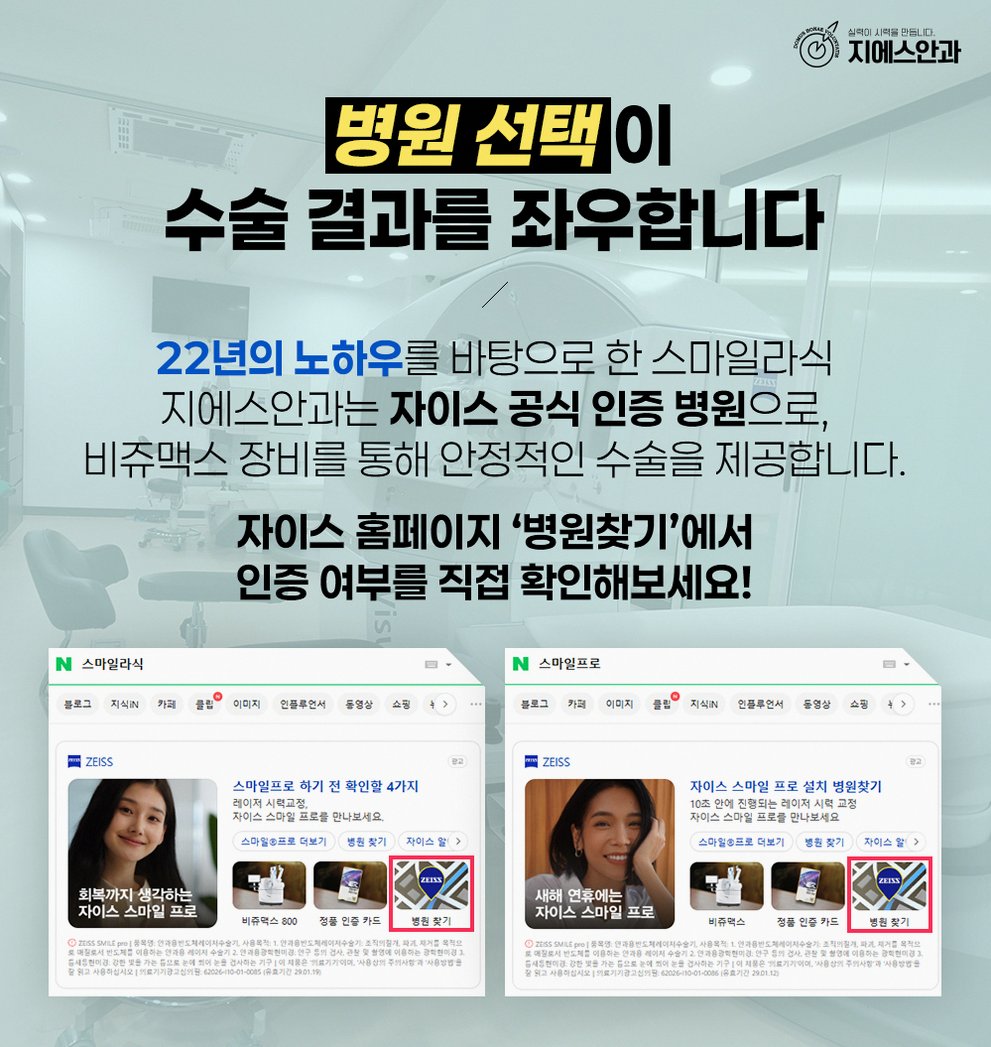
The Gangnam area of Seoul has many ophthalmology clinics offering LASIK and LASEK options, including 2DAY LASEK. When comparing clinics, consider more than just price.
Factors to review
• Examination process: How detailed is the pre‑operative testing? Do they check corneal thickness, topography, and tear film thoroughly?
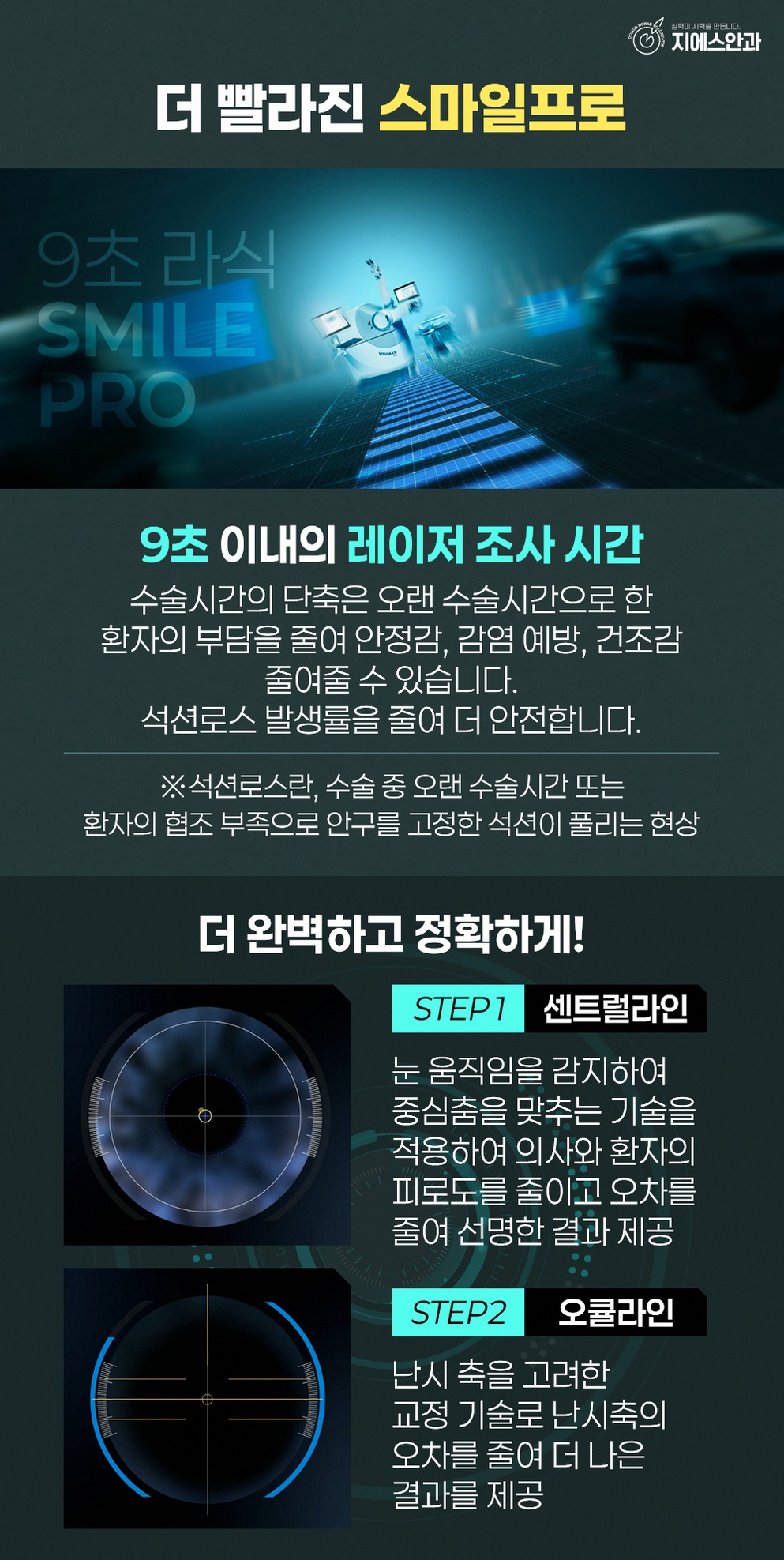
• Technology: What type of excimer laser and diagnostic equipment do they use? Is the technology appropriate for your prescription and corneal condition?
• Experience with overseas patients: Do they have English‑speaking staff or coordinators who can explain instructions clearly?
• Aftercare system: How many follow‑up visits are included? Is there a clear plan for communication after you return home?
• Transparency about risks and limitations: Do they explain both benefits and possible side effects without minimizing them?
Questions to note down before contacting a clinic
Before you send an inquiry, it helps to write down:
• Your current prescription and any previous eye surgery.
• Your ideal travel dates and length of stay.
• Whether you need a medical certificate for your employer or for insurance.
• Whether you have any specific concerns, such as night driving, sports, or long hours at a computer.
Bringing this information to your first online consultation makes it easier for the clinic to give you realistic guidance about 2DAY LASEK.
Aftercare and long‑term follow‑up
Early aftercare in Seoul
Right after surgery, you will receive:
• A schedule for antibiotic and anti‑inflammatory eye drops.
• Lubricating drops to reduce dryness and discomfort.
• Instructions on how to protect your eyes while sleeping and going outside.
• Follow‑up appointments to monitor healing and remove or adjust the bandage contact lens.
It is important to follow these instructions closely, even if you feel your eyes are already improving.
Follow‑up in your home country
Once you return home, plan to see a local eye doctor at intervals recommended by your surgeon, for example at 1–3 months and again at 6–12 months. Your Korean clinic may be able to provide a summary of your surgery and early post‑operative findings to share with your local doctor.

If you experience sudden vision changes, pain, redness, or any symptoms that concern you, seek prompt evaluation rather than waiting for a scheduled check‑up.
Frequently asked questions
What is the main difference between LASIK, LASEK, and 2DAY LASEK?
LASIK creates a corneal flap and reshapes the tissue underneath, which usually allows very quick visual recovery but leaves a permanent flap. LASEK reshapes the surface of the cornea without a deep flap, which can be preferable for thinner corneas but often involves more discomfort and slower recovery. 2DAY LASEK is a type of LASEK that focuses on structured pain management and early functional recovery, aiming to shorten the downtime associated with traditional LASEK while keeping the flap‑free approach.
How long should I stay in Seoul if I come for 2DAY LASEK?
Many overseas patients plan to stay about 7–10 days, including pre‑operative testing, surgery, and early follow‑up visits. However, the exact duration depends on your eye condition, how you heal, and the clinic’s preferred schedule. During your online consultation, ask the clinic to recommend a minimum and ideal length of stay based on your situation and travel flexibility.
Is 2DAY LASEK painful?
Some discomfort is expected because the surface of the eye needs time to heal. With 2DAY LASEK, clinics typically use numbing drops, oral medication, cooling, and a protective contact lens to reduce pain, especially in the first 2–3 days. Many patients describe the sensation as burning, tearing, and light sensitivity rather than constant severe pain, but perception varies. If pain becomes intense or suddenly worse, you should contact the clinic promptly.
When can I return to work and use digital screens after 2DAY LASEK?
Light screen use is often possible within a few days, especially with 2DAY LASEK protocols aimed at early functional recovery, but your eyes may tire easily and vision may fluctuate. Many office workers plan at least several days off and then resume work with frequent breaks, artificial tears, and reduced screen brightness. Jobs that require very sharp vision or exposure to dust, wind, or physical impact may need a longer break. Your surgeon will give more specific advice based on your occupation.
Is 2DAY LASEK safe for everyone who wants to avoid a corneal flap?
No single procedure is safe or suitable for everyone. 2DAY LASEK may be a good option for some people who prefer a flap‑free technique or have thinner corneas, but it still requires careful screening. Factors such as corneal thickness, shape, tear film quality, general health, and prescription strength all matter. A comprehensive eye examination and consultation with an ophthalmologist are essential before deciding on any vision correction surgery.
Soft call to action
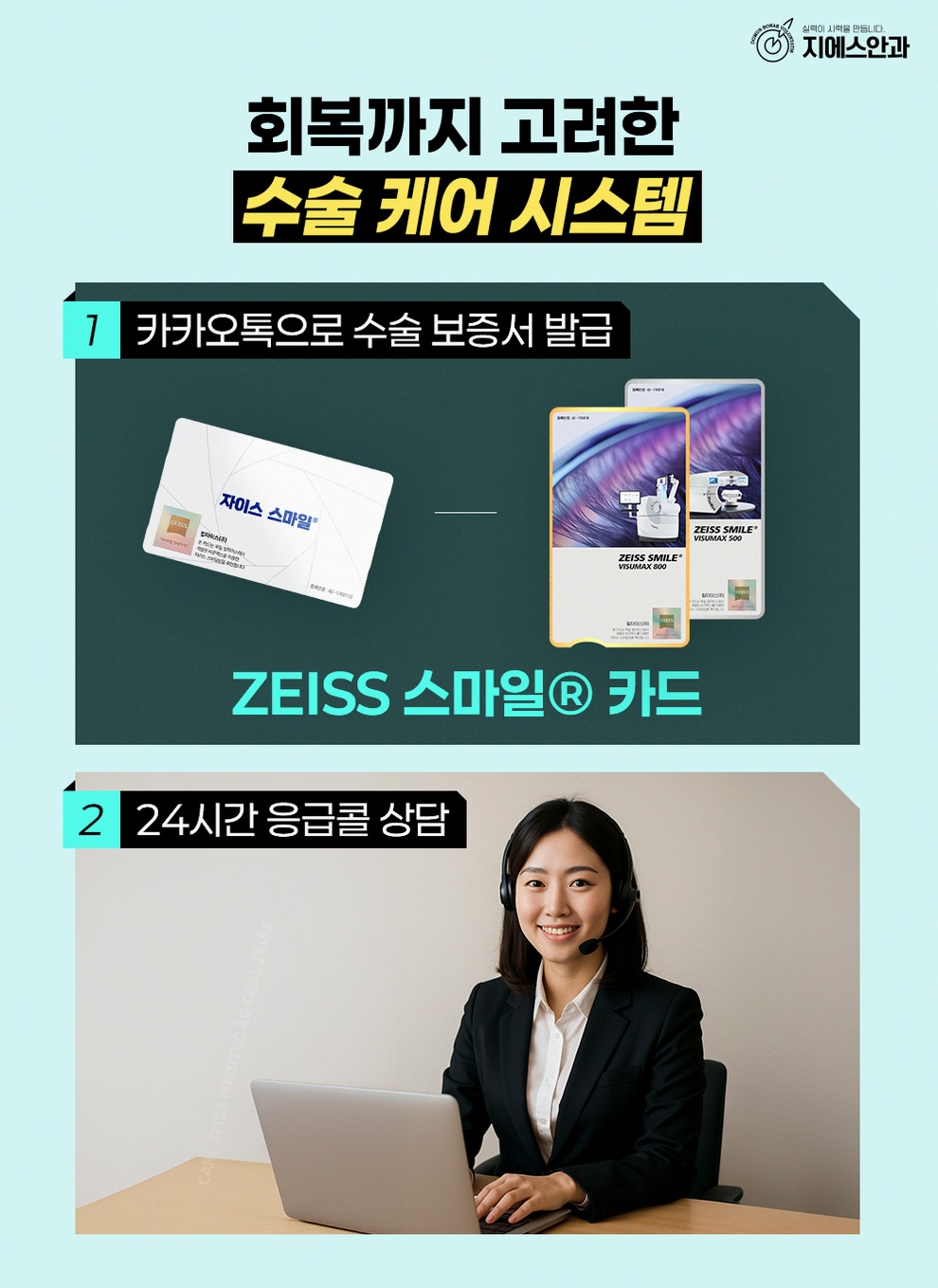
If you are considering LASIK or LASEK and are interested in a flap‑free option with a focus on faster functional recovery, you can explore 2DAY LASEK with an ophthalmology clinic in the Gangnam area. Contact GS Eye Center, located near Gangnam Station in Seoul, to ask about online consultation availability and whether 2DAY LASEK may be appropriate given your eye history and travel plans.
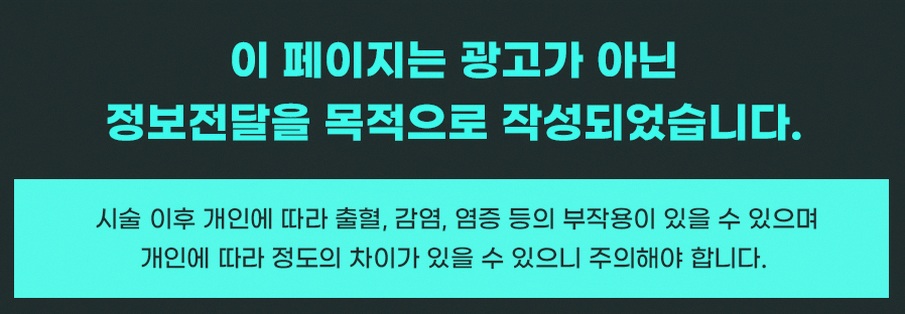
This article is for general information only and does not replace a personal consultation, examination, or diagnosis by a qualified eye doctor. Always discuss your individual situation, risks, and expectations with a medical professional before deciding on any vision correction surgery.
- 공유 링크 만들기
- X
- 이메일
- 기타 앱


댓글
댓글 쓰기